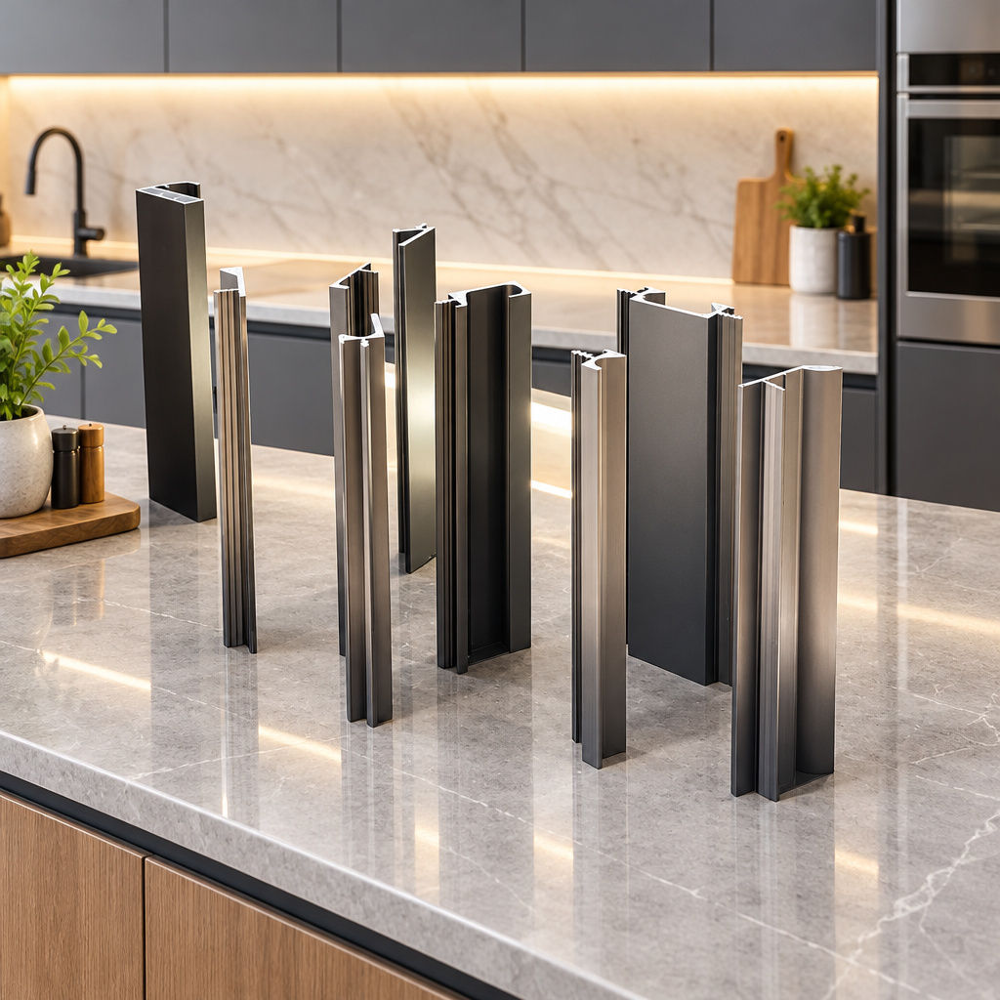
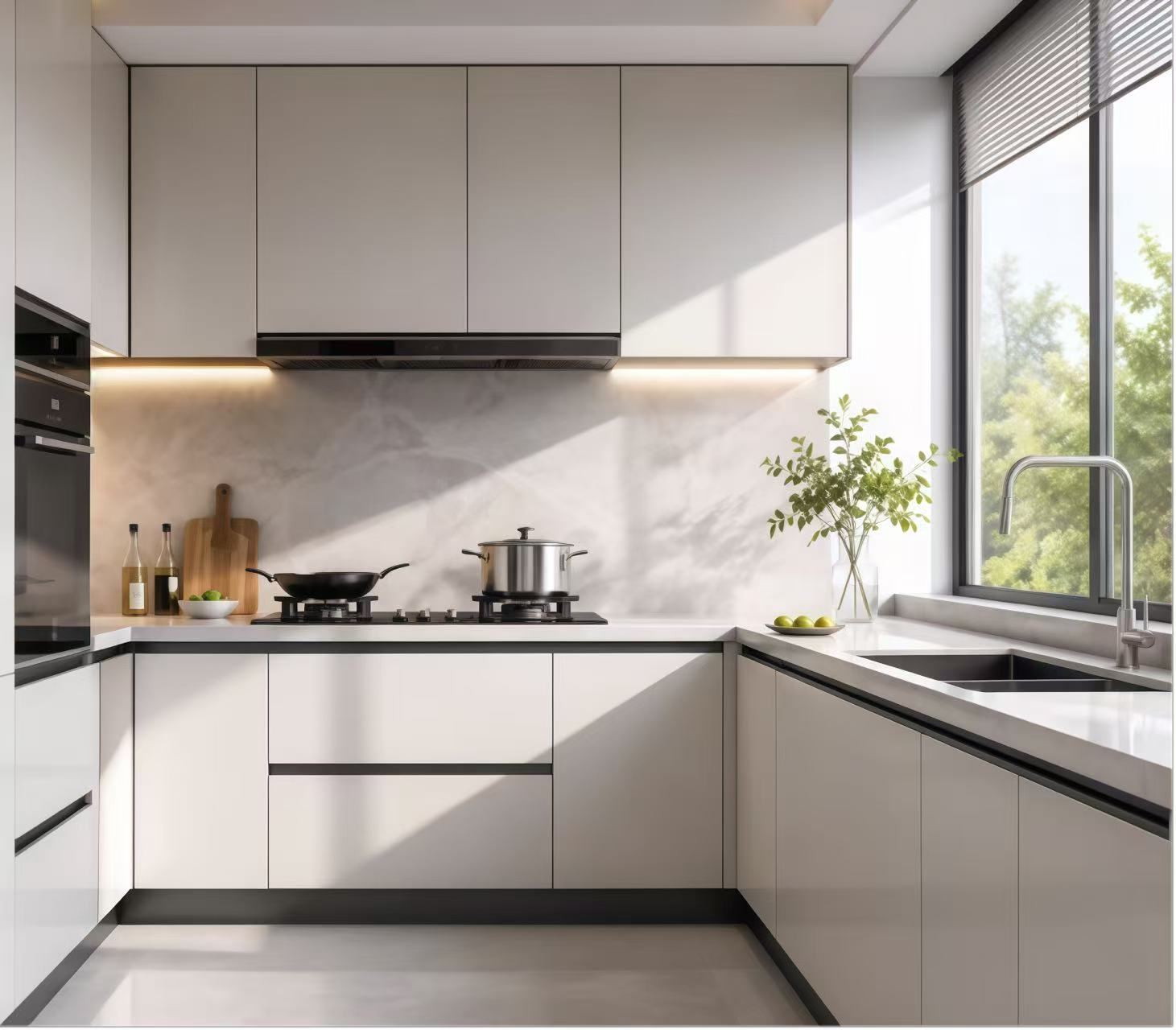
Kitchens are hard on cabinet edges. Steam from boiling pots, acidic splashes and cooking grease reach door and drawer joints every day. That is why many designers and furniture makers now specify aluminium profiles for kitchen cabinets in place of vulnerable board edges and bulky external hardware. Whether the job is a handleless kitchen cabinet extrusion channel or a glass-door frame, extruded aluminium offers a rigid, moisture-resistant edge. This guide covers alloys, cross-sections, finishes and the steps for specifying them.
Most people judge a kitchen by how it looks in a dry showroom. A working kitchen behaves differently. It cycles between heat, steam, grease and cleaning chemicals many times a week. Before choosing hardware or framing, it helps to understand why wood-based panels tend to fail first around sinks, dishwashers and cooktops.
When a dishwasher door opens after a cycle, warm steam often rises against the underside of the countertop and the nearby door edges. Medium-density fibreboard and particleboard behave like dry sponges once their surface seal is breached. Heat can weaken the adhesive under a PVC or ABS edge band, and moisture then creeps into the board core. Over time the edges swell, and doors begin to rub against each other.
Cooking fumes add a second problem. They leave a thin film of oils on cabinet surfaces, and greasy fingers press that film into every seam along the top edge of a door. Harsh degreasers used for regular cleaning can wear down organic coatings. The exposed substrate then absorbs water and oil, which shows up as dark stains and lifting corners.
Replacing exposed board edges with extruded metal removes the most vulnerable point. Aluminium does not absorb water, and it naturally forms a protective oxide layer. The product data for these profiles states that they resist rust, kitchen humidity and water exposure. In practice, that means the profile itself stays dimensionally steady next to a sink or range hood, where a board edge would slowly swell.
Grease cleanability depends on the applied finish and the care instructions. A properly specified surface treatment makes cooking oil and sauces easier to wipe away, though exposed board edges or unsealed joints may still need separate attention. The profile shields the panel edge it covers from spills running down the front of the countertop.
Metal profiles also serve a role in cabinet geometry. Aluminium profiles for kitchen cabinets are used in both base and wall units, helping doors and drawer fronts stay aligned over time. Their lightweight strength and dimensional stability, as noted in the product specifications, help maintain factory tolerances and even door reveals over years of use in high-traffic areas.
Choosing the right extrusion starts with how a hand meets a cabinet door. Protruding knobs and bar pulls catch on clothing and interrupt clean sightlines in small rooms. For that reason, kitchen cabinet profiles are usually grouped by how they mount to the cabinet box or the door panel.
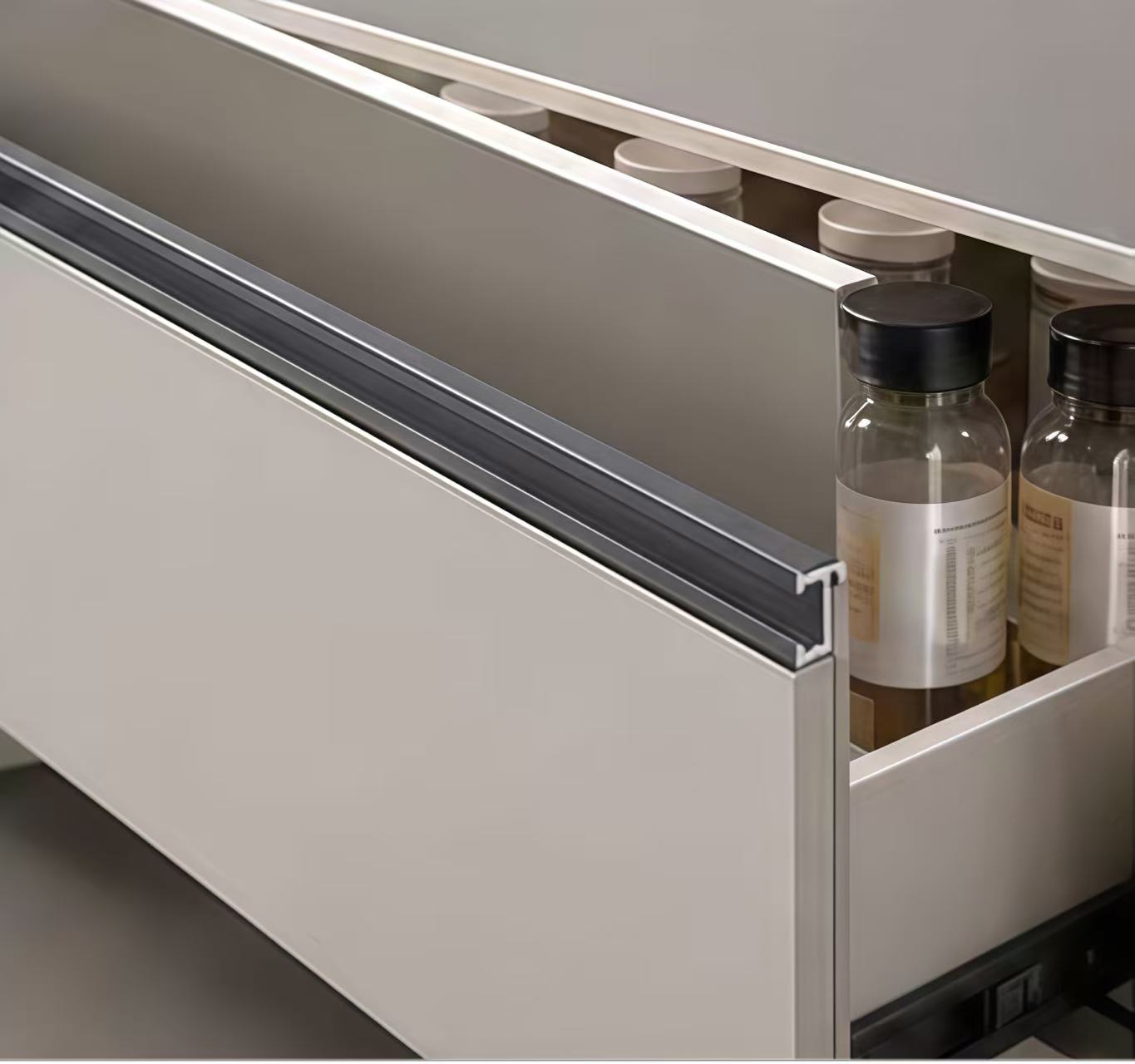
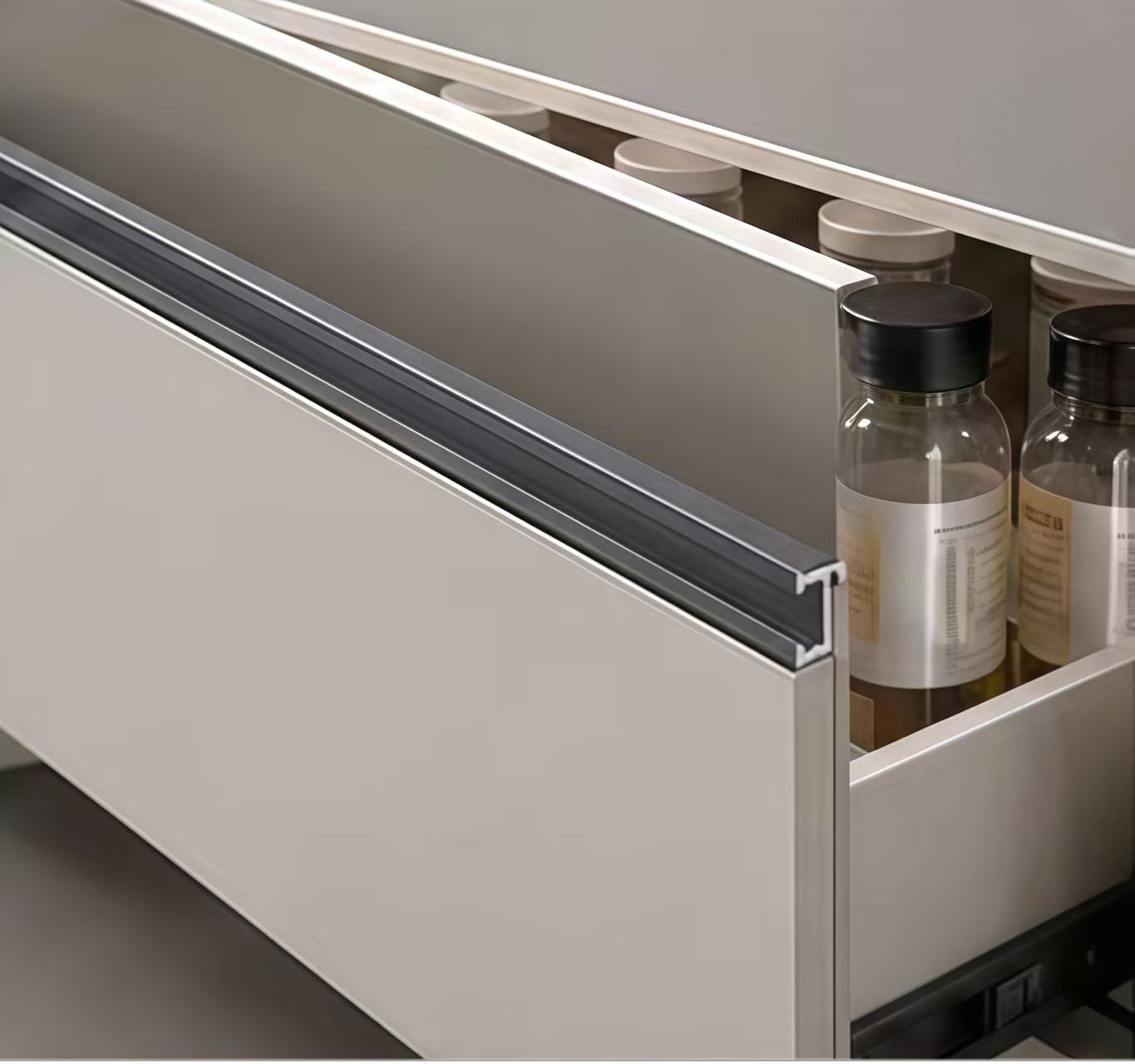
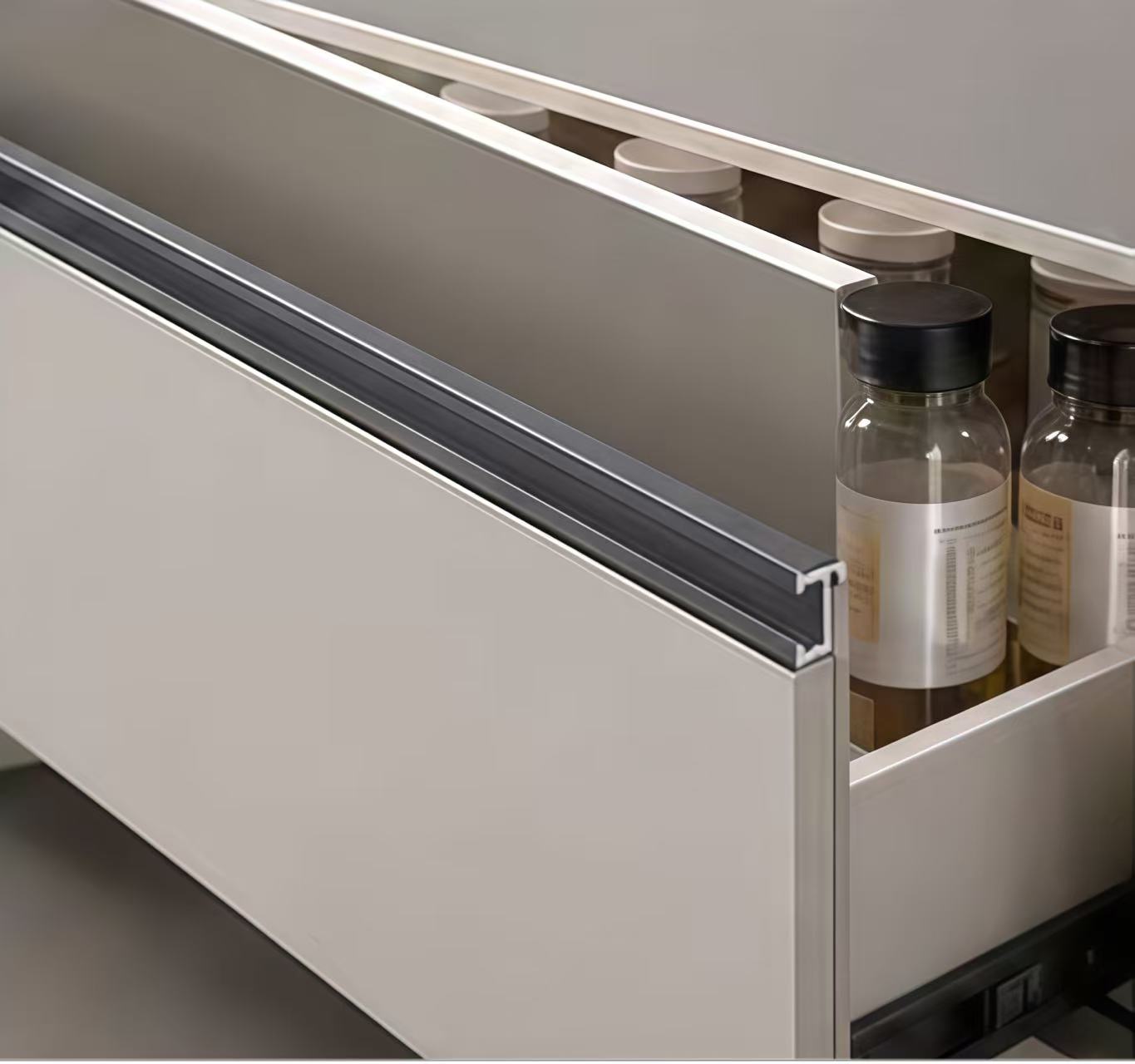
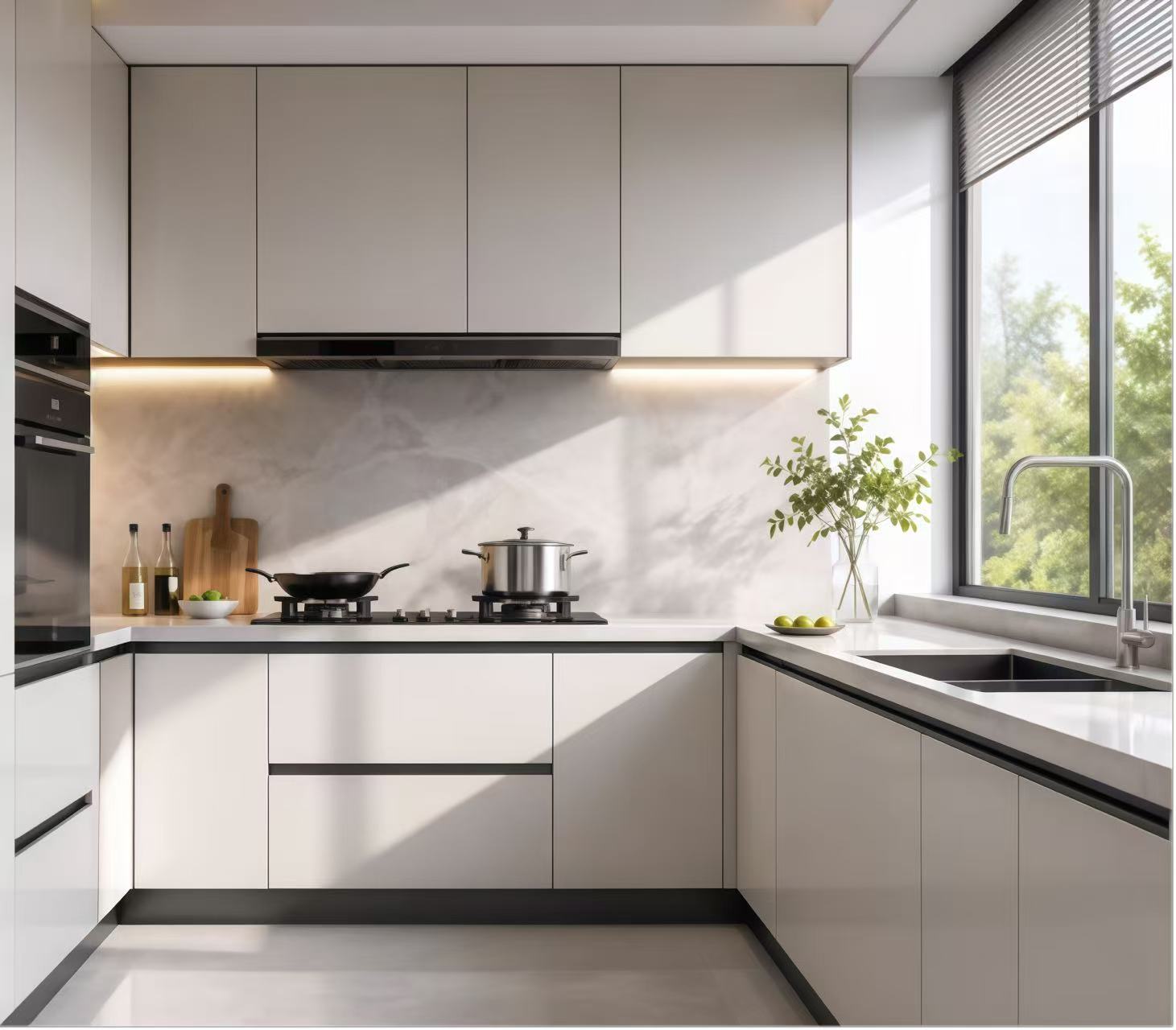
True handleless kitchens often rely on a recessed aluminium Gola profile mounted into the cabinet carcass rather than onto the door. Because the channel sits behind the plane of the door front, it forms a continuous shadow gap. Fingers curl into that gap to open the door or drawer, so the door slab stays free of screws, routing and glue.
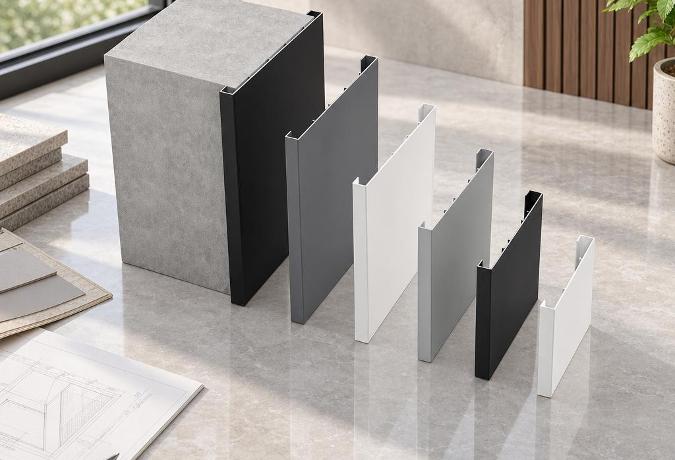
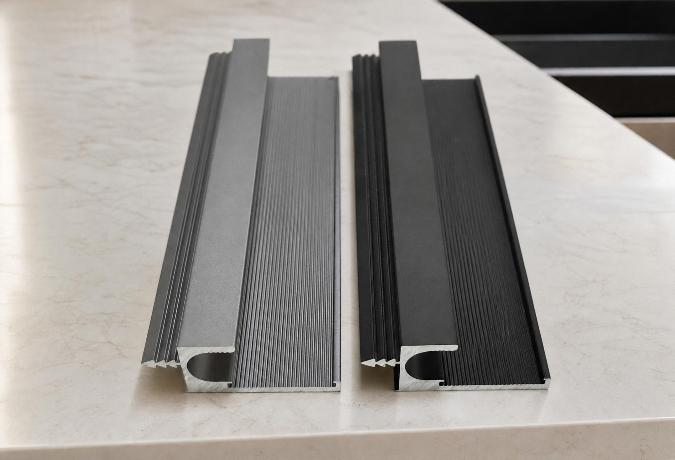
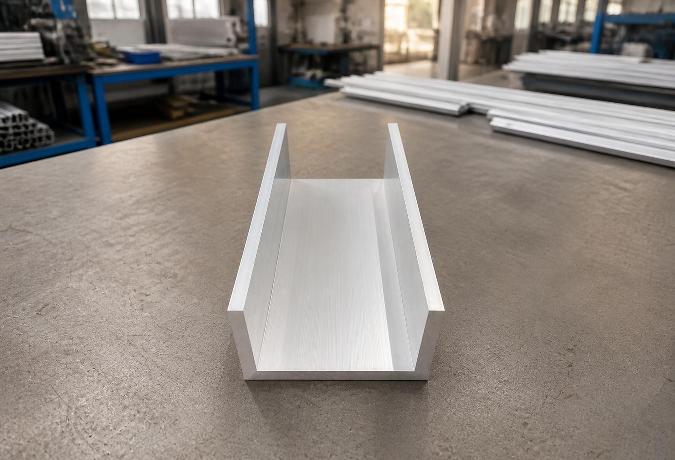
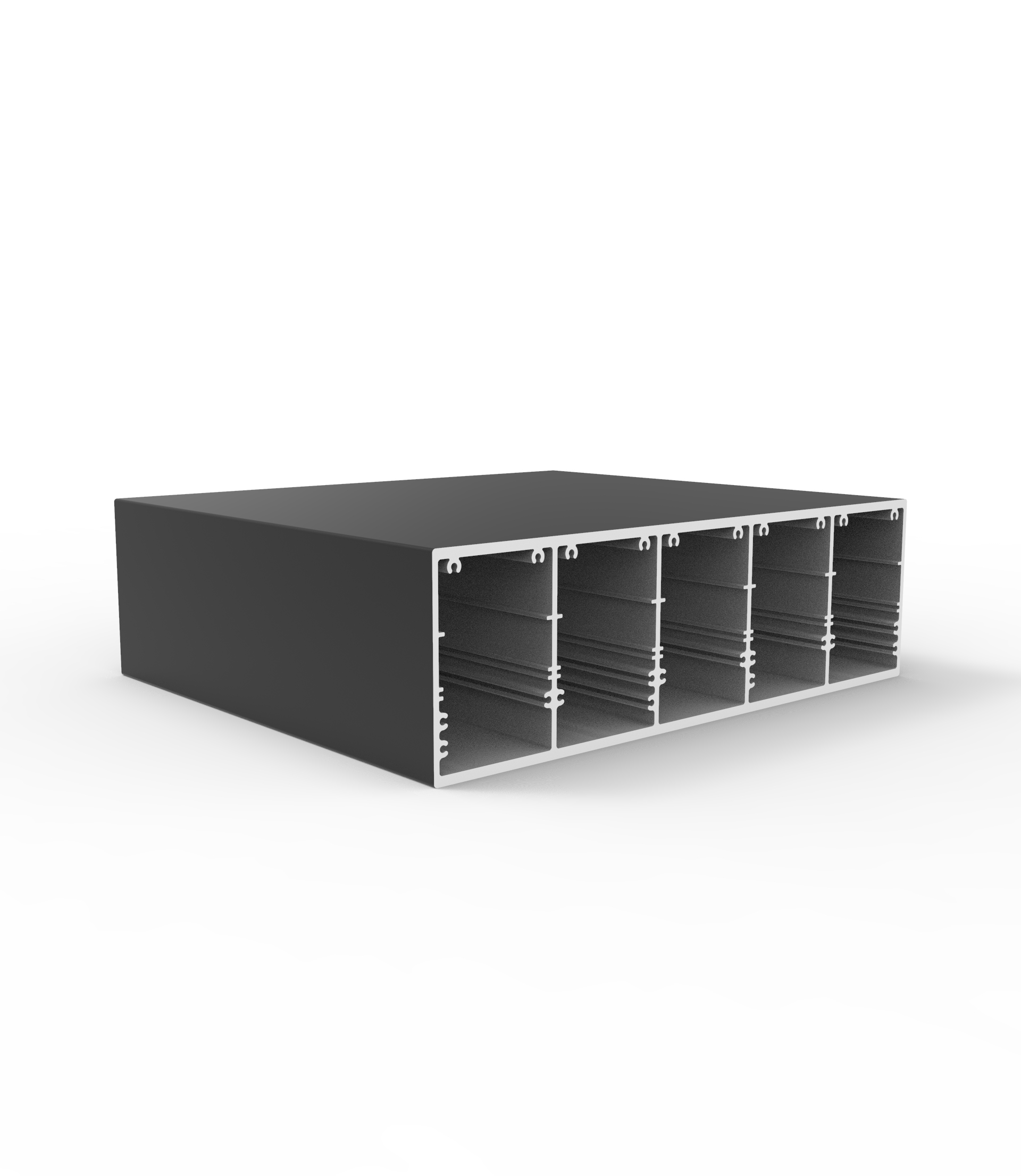
Horizontal Gola extrusions come in two common cross-sections. An L-shaped or J-pull channel typically sits along the top of a base cabinet, just under the countertop, and serves the top drawer. A C-shaped channel is usually fitted between the upper and lower drawer boxes. Its double recess lets users pull the upper drawer from its bottom edge or the lower drawer from its top edge.
Tall pantry units and integrated appliances call for a vertical counterpart. Vertical channels run between adjacent tall carcasses and give a continuous grip line down the height of heavy doors. Combined with horizontal rails across an island, they draw clean shadow lines through the whole room, creating a unified minimalist appearance that reduces visual clutter in open-plan spaces.
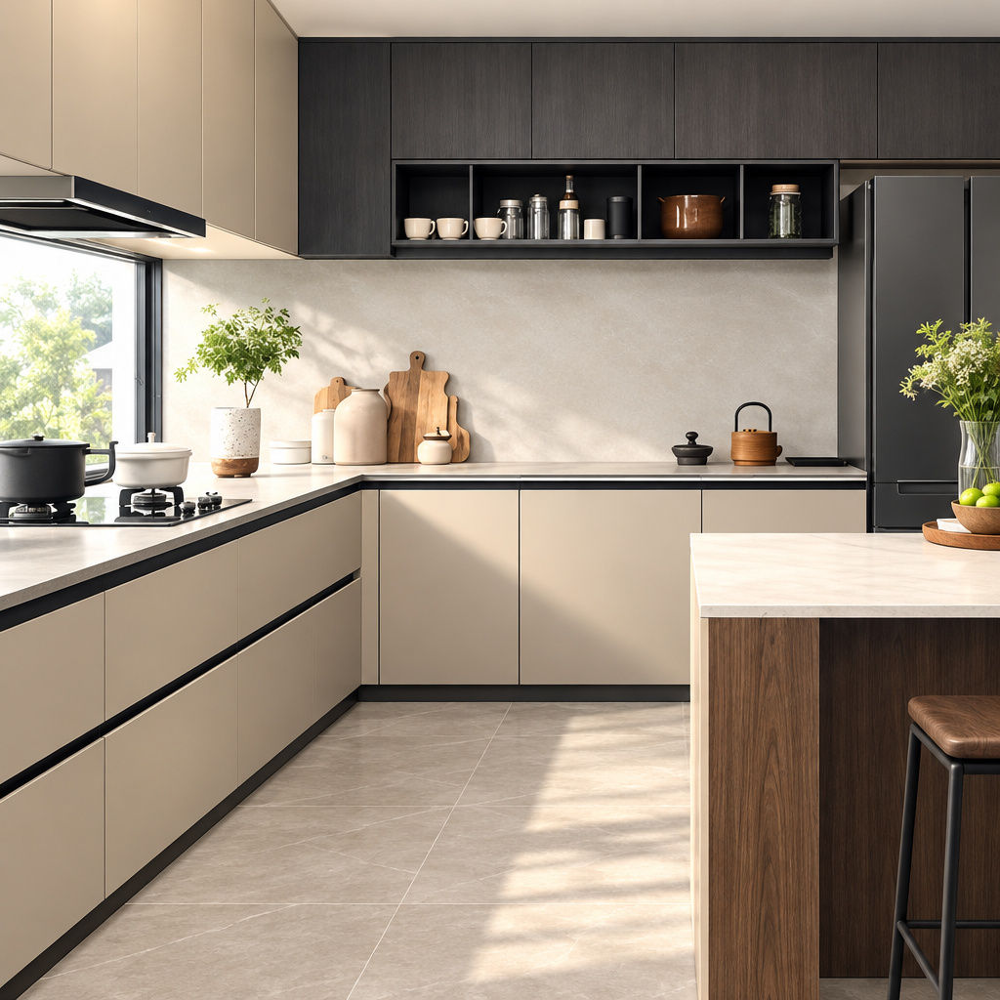
Not every layout allows notches to be cut into the cabinet side walls. When renovating existing cabinetry, or when maximising internal drawer height, cabinet makers often choose door-mounted edge-pull profiles. Instead of attaching to the cabinet box, these slim extrusions cap the top edge of the door or drawer front.
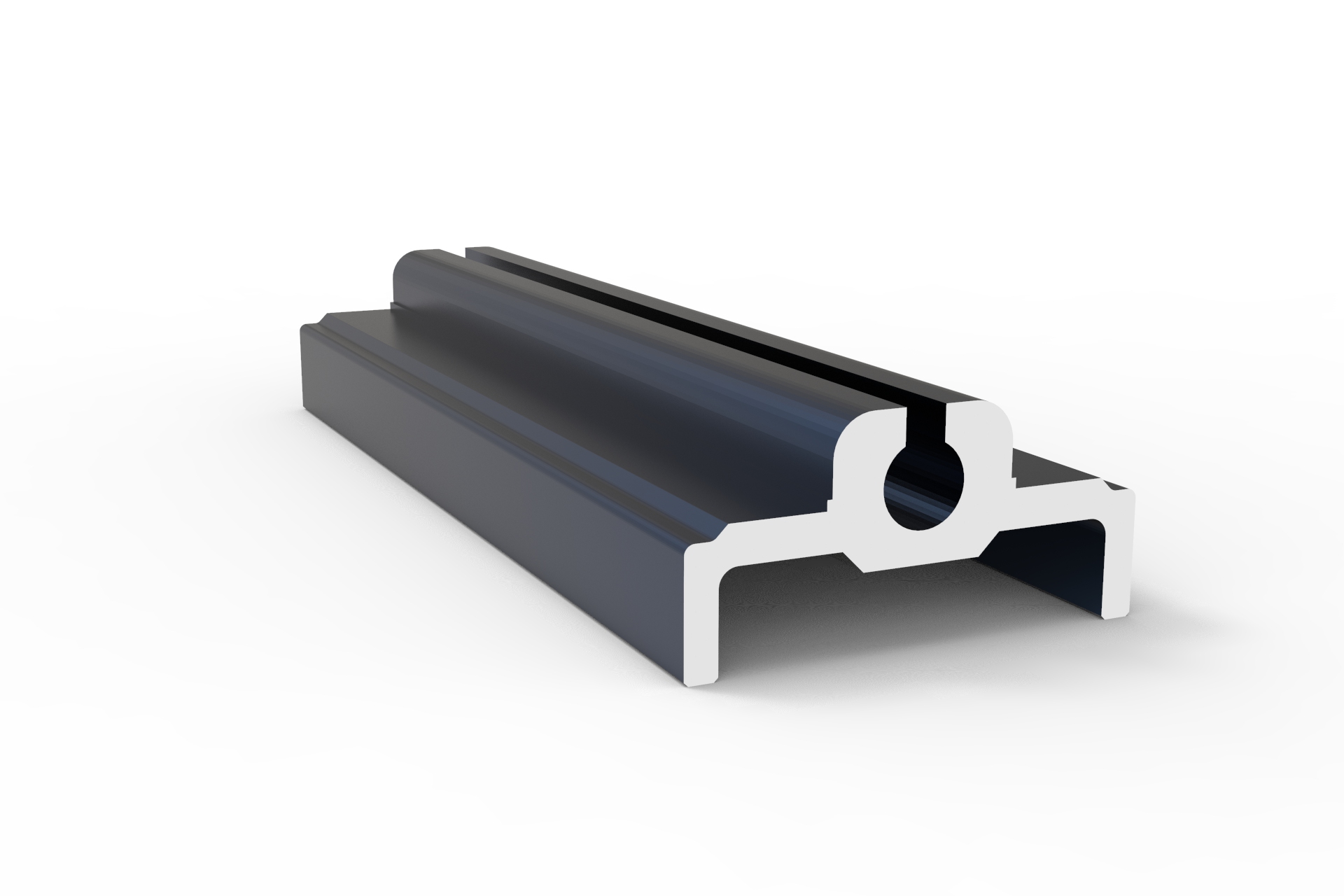
The connection between an edge-pull profile and a wooden panel usually relies on one of two geometries. The first is a barbed mounting spline, sometimes called a Christmas-tree tang. It presses into a slot cut along the panel edge, and the angled ribs grip the core material so the profile resists the pulling force each time a drawer is opened.
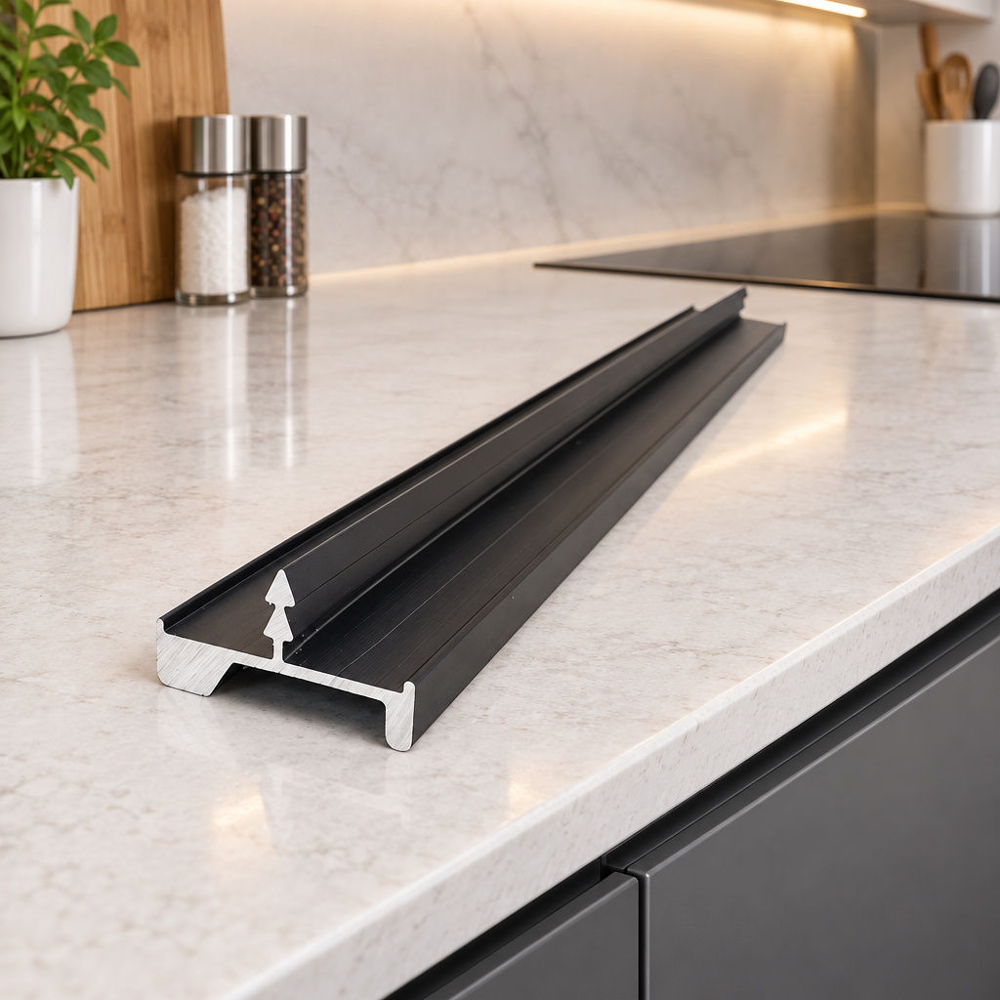
The second type uses a rear lip or U-shaped flange that wraps over the top face and back edge of the panel. Installers typically secure it with adhesive and concealed fixings, following the system maker’s guidance. Both styles protect the vulnerable top edge from spills running down the front of the countertop, and both give the hand a subtle lip to grip.
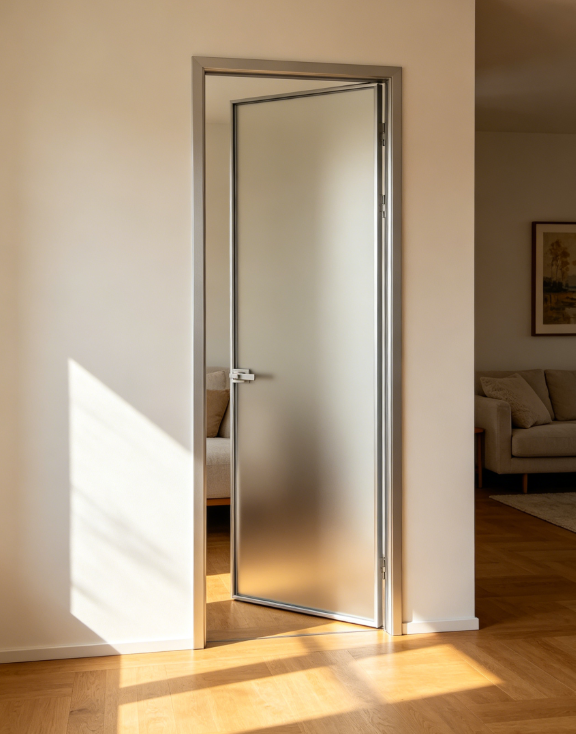
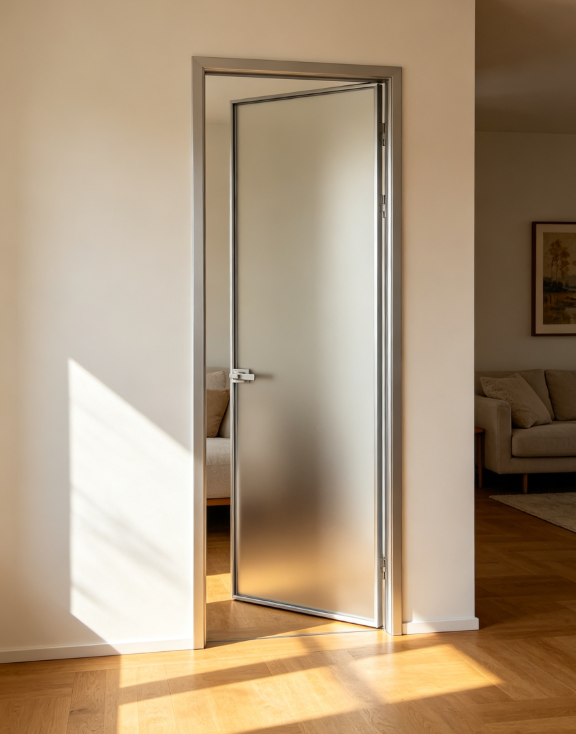
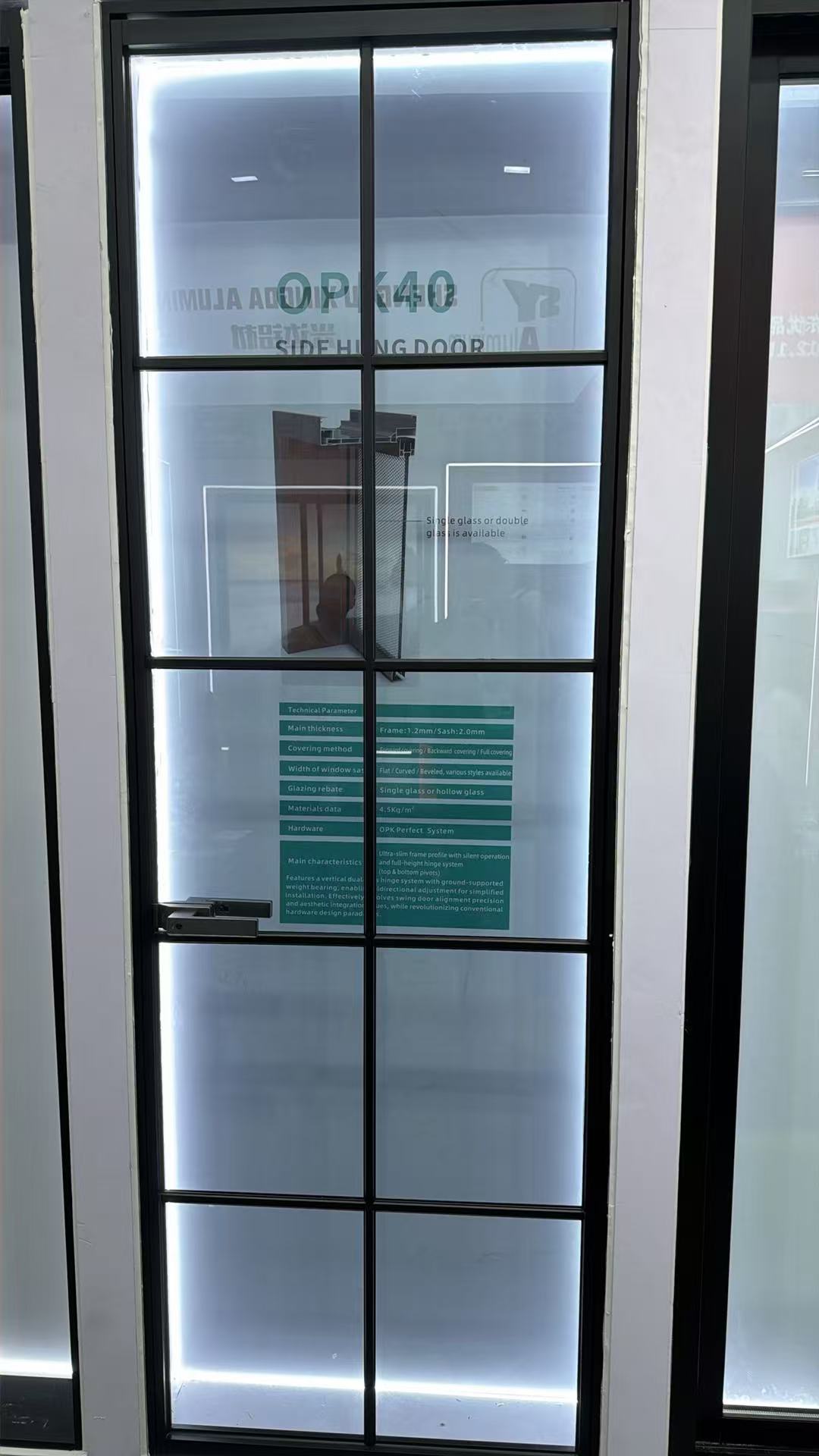
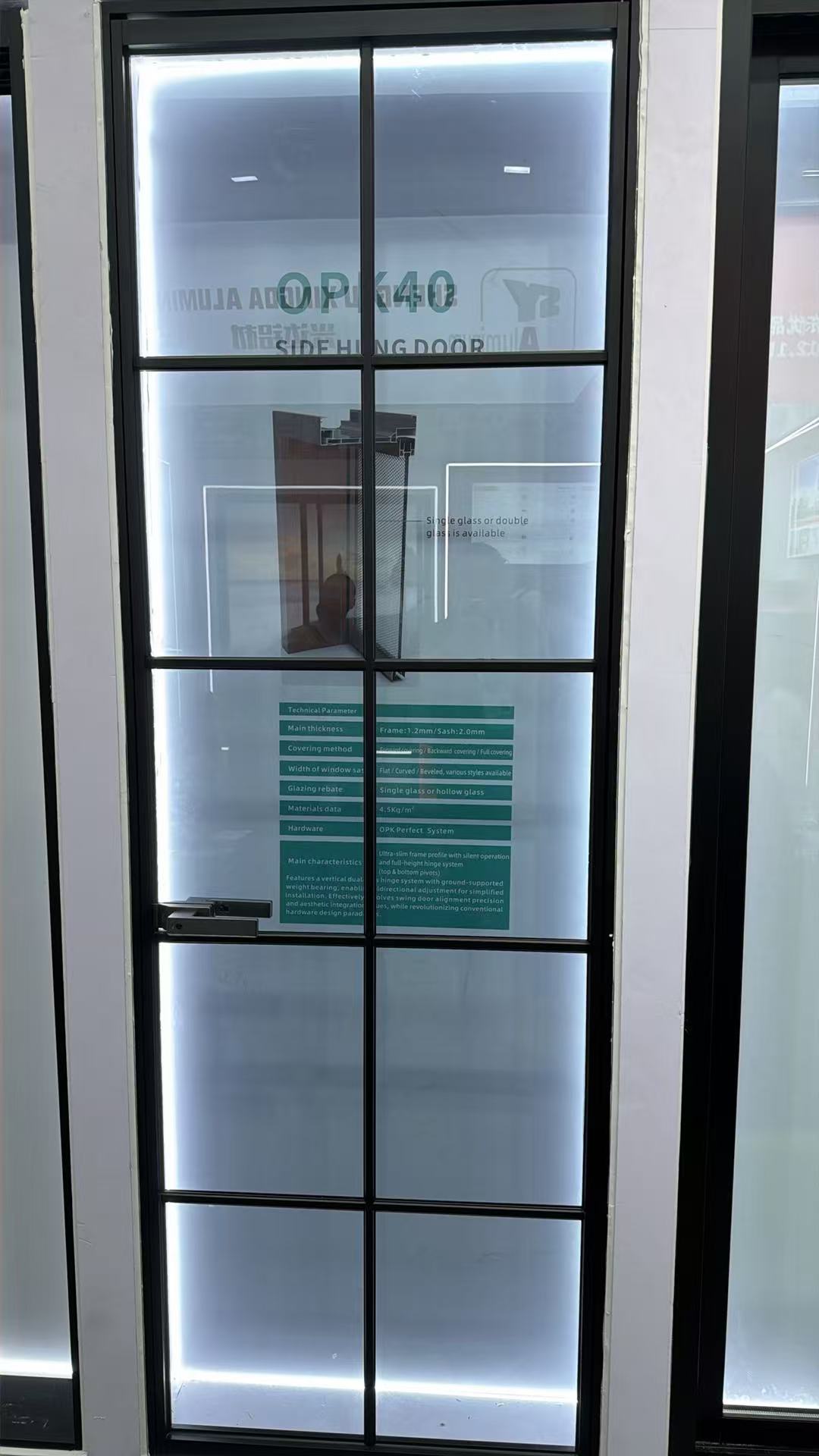
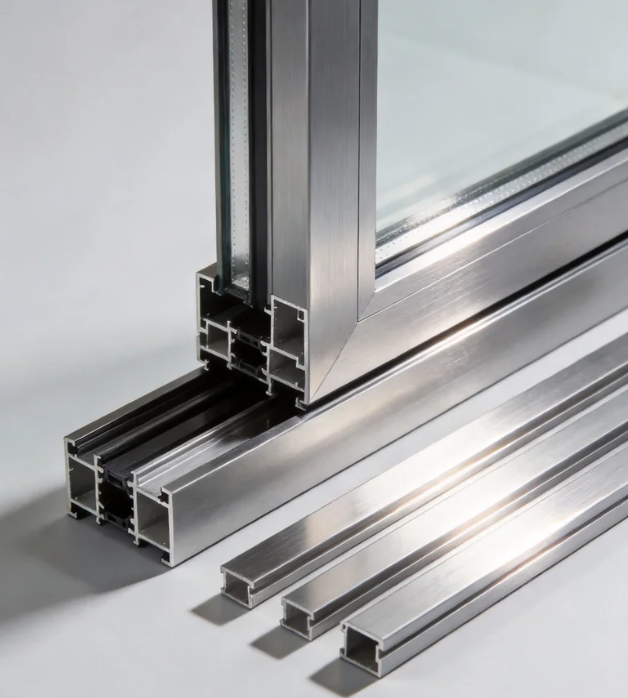
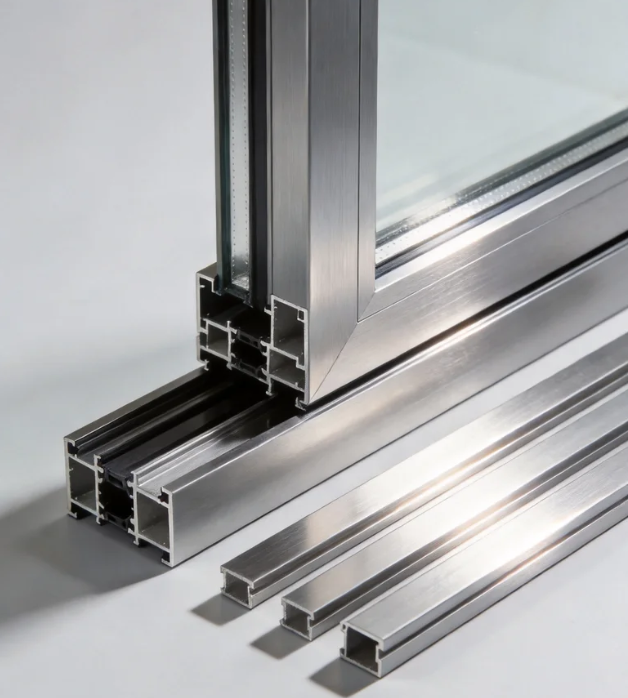
Upper wall cabinets and display units often need more visual lightness than solid doors can give. Aluminium frames for glass doors keep the border narrow while holding the glass panel securely. Profile designs differ between suppliers, so the glass thickness, hinge type and fixing method should be confirmed against the profile drawing before ordering.
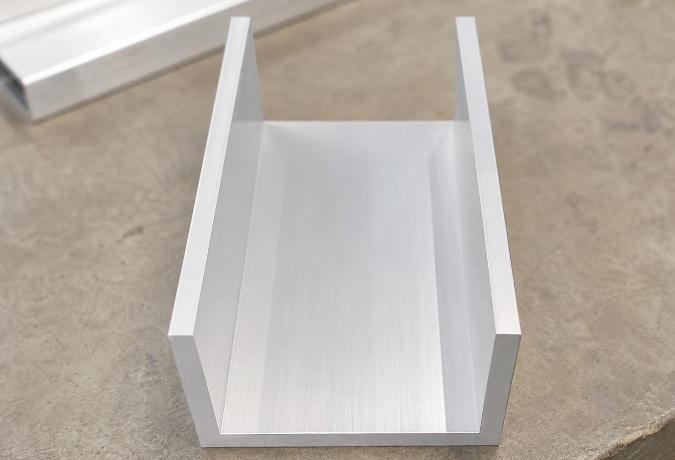
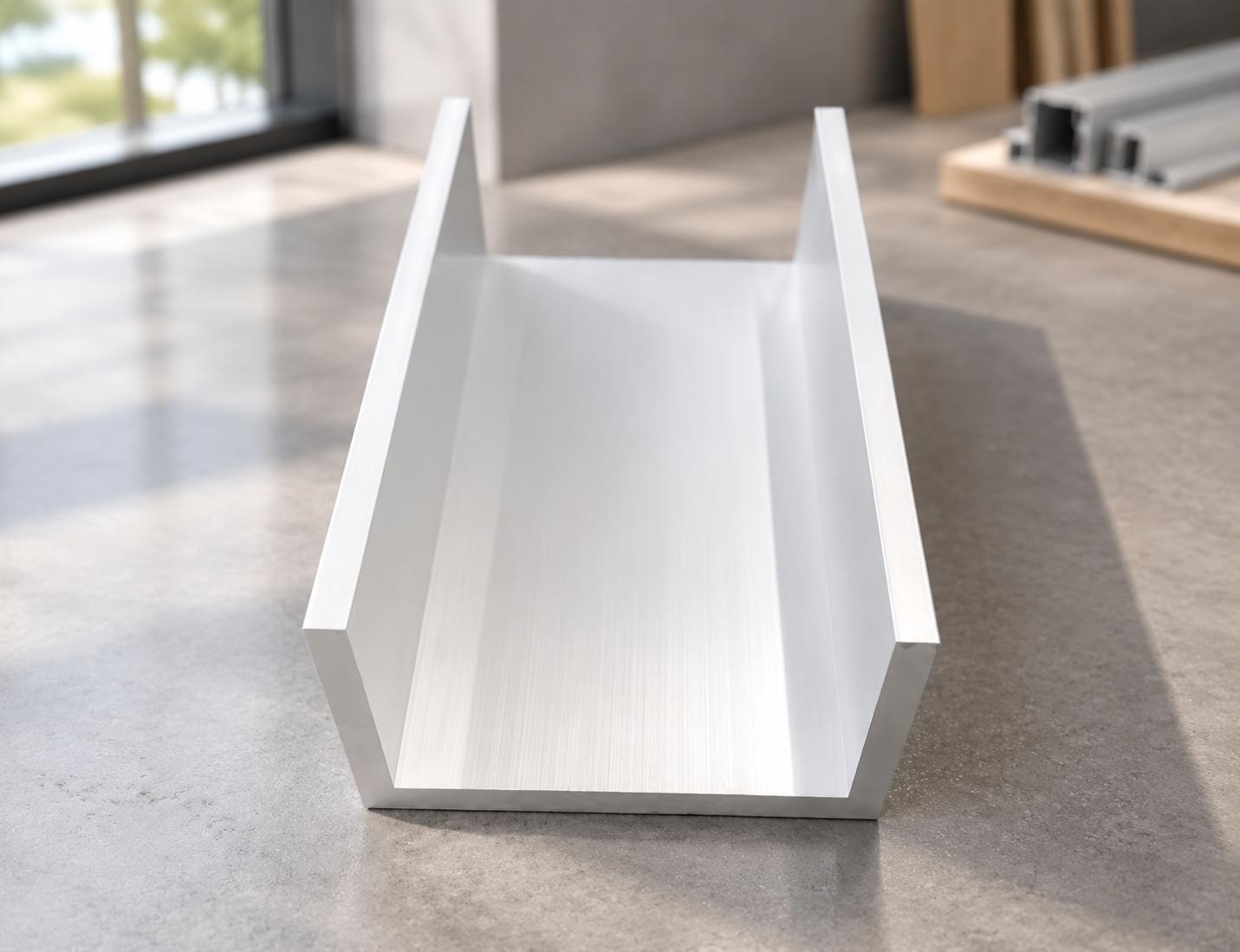
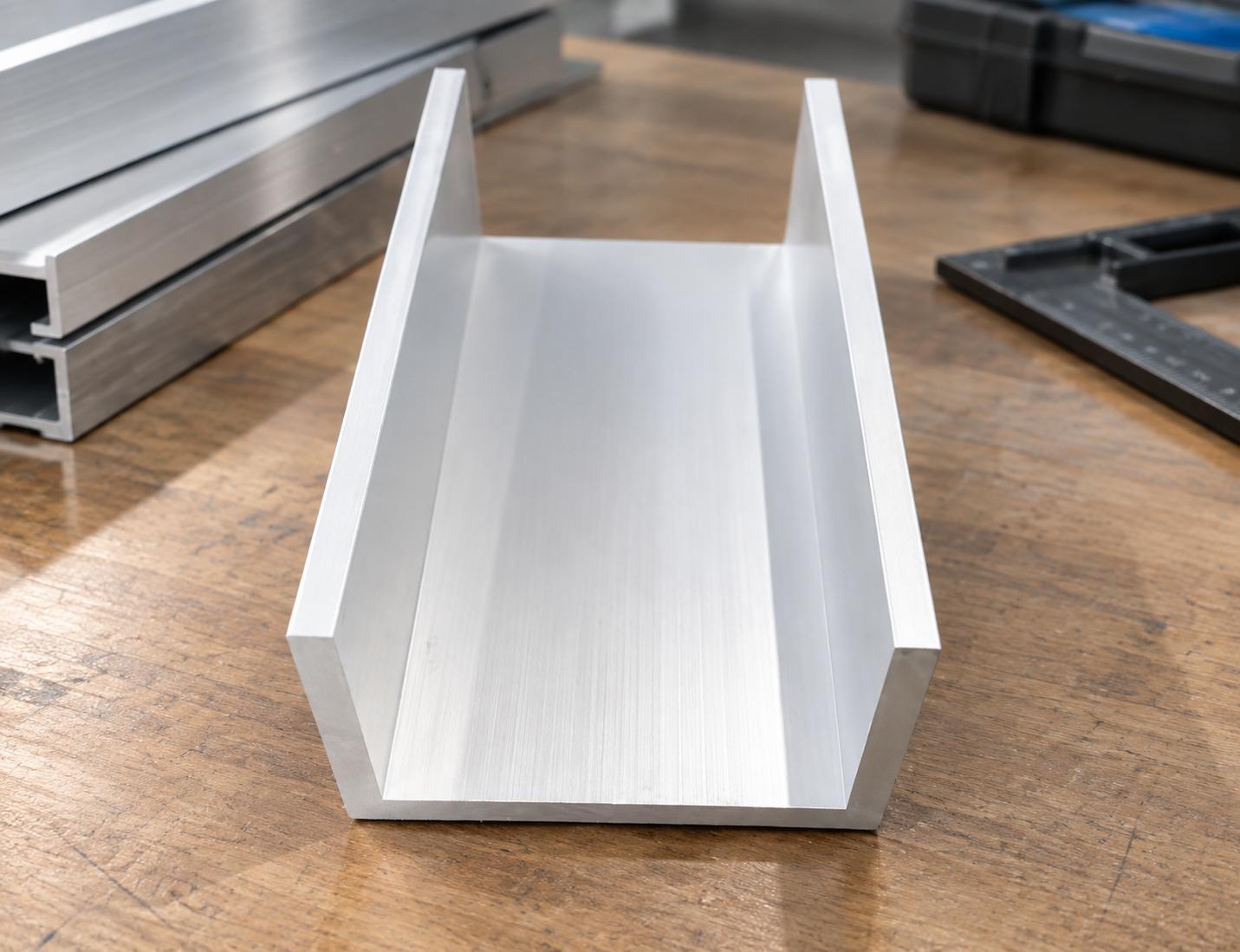
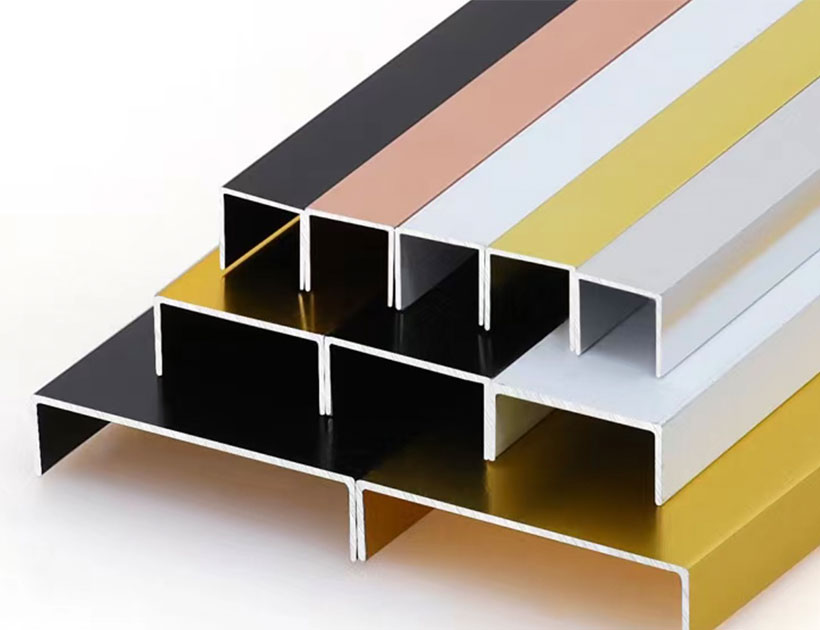
Simple U-channel edge trims do a different job. They cap exposed panel perimeters and open shelf edges, protecting raw board from humidity and accidental impacts. Fitted around sink cutouts or dishwasher alcoves, a metal channel helps shield raw board edges from condensation and from knocks by heavy pots.
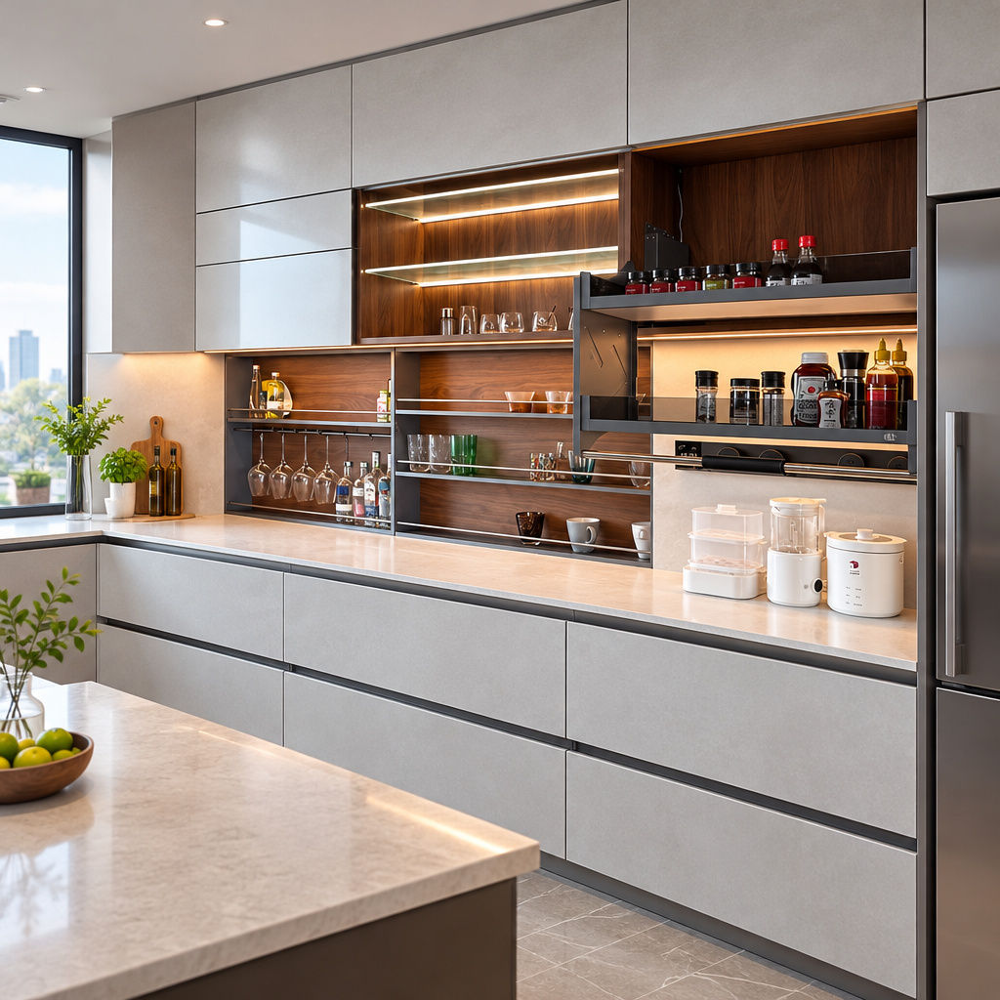
Two silver aluminium bars on a sample table can look identical. The difference often appears after finishing, when one bar takes a bright, even surface and the other looks slightly dull. For aluminium profiles for kitchen cabinets, production commonly centres on two aluminium-magnesium-silicon alloys: 6063-T5 and 6463-T5. Both alloys belong to the 6000 series family and share a similar base chemistry.
Alloy 6063-T5 is widely used for architectural extrusions, which makes it a natural fit for cabinet framing, internal mounting rails and powder-coated handle profiles. The T5 temper means the section is cooled from an elevated-temperature shaping process and then artificially aged. That heat treatment gives a useful balance of strength and workability.
This alloy flows well through hollow extrusion dies, so designers can include internal ribs, LED tracks or concealed bracket slots in a single section. When the finish is a matte anodise, a brushed texture or an opaque powder coat, 6063-T5 usually meets the stiffness a cabinet needs at a sensible material cost.
The two alloys share a similar base chemistry, and the real difference lies in impurity control. Published composition limits for 6063 allow iron up to 0.35%, while 6463 limits iron to 0.15%. Exact values should always be confirmed against the supplier’s mill certificate for the batch being ordered.
Why does this matter? Iron-bearing particles in the metal can affect how a surface reflects light after bright finishing. Finish is one selection factor: 6463 is often chosen for bright decorative finishes, while the required mechanical properties should be confirmed for the specific alloy, temper and profile. For that reason, 6463-T5 is often specified for decorative handles and trims in bright silver, champagne gold or similar metallic tones.
| Comparison Point | 6063-T5 | 6463-T5 |
|---|---|---|
| Alloy family | 6000 series (Al-Mg-Si) | 6000 series (Al-Mg-Si) |
| Published maximum iron content | 0.35% | 0.15% |
| Extrusion of hollow or complex shapes | Well suited | Suited to visible trims and pulls |
| Typical use in cabinets | Carcass rails, hidden brackets, matte Gola channels | Bright decorative handles, visible trims, glass-frame accents |
| Finishes commonly paired | Matte anodising, brushing, powder coating, wood grain | Bright anodising, electrophoresis |
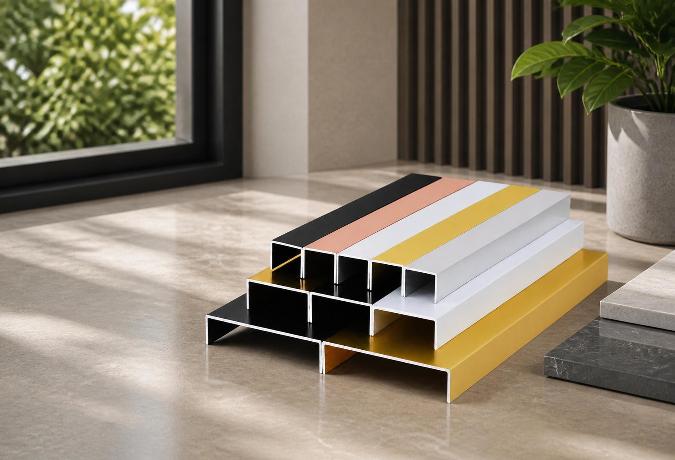
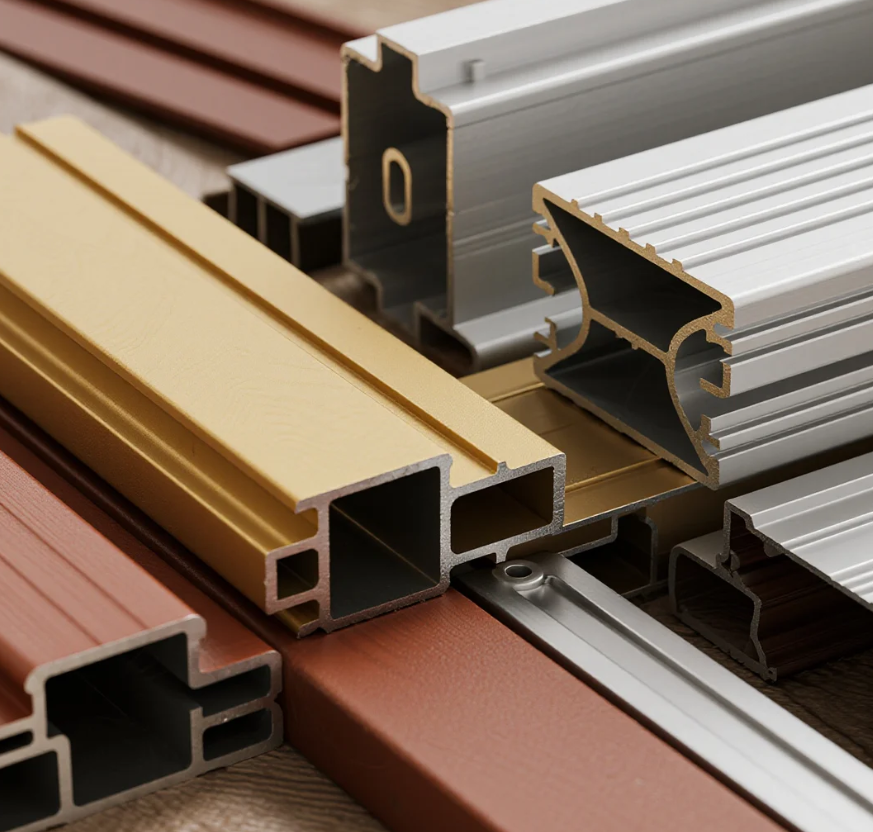
Raw aluminium can mark when touched by damp hands or splashed with vinegar or lemon juice. A suitable finish turns a bare extrusion into a surface that is easier to clean and better suited to a kitchen. The supplied product data lists five options for these profiles: mill finish, anodised, electrophoresis, powder coated and wood grain. Each treatment serves a different combination of aesthetic and functional needs, so the choice depends on where the profile will be used and how it will be cleaned.
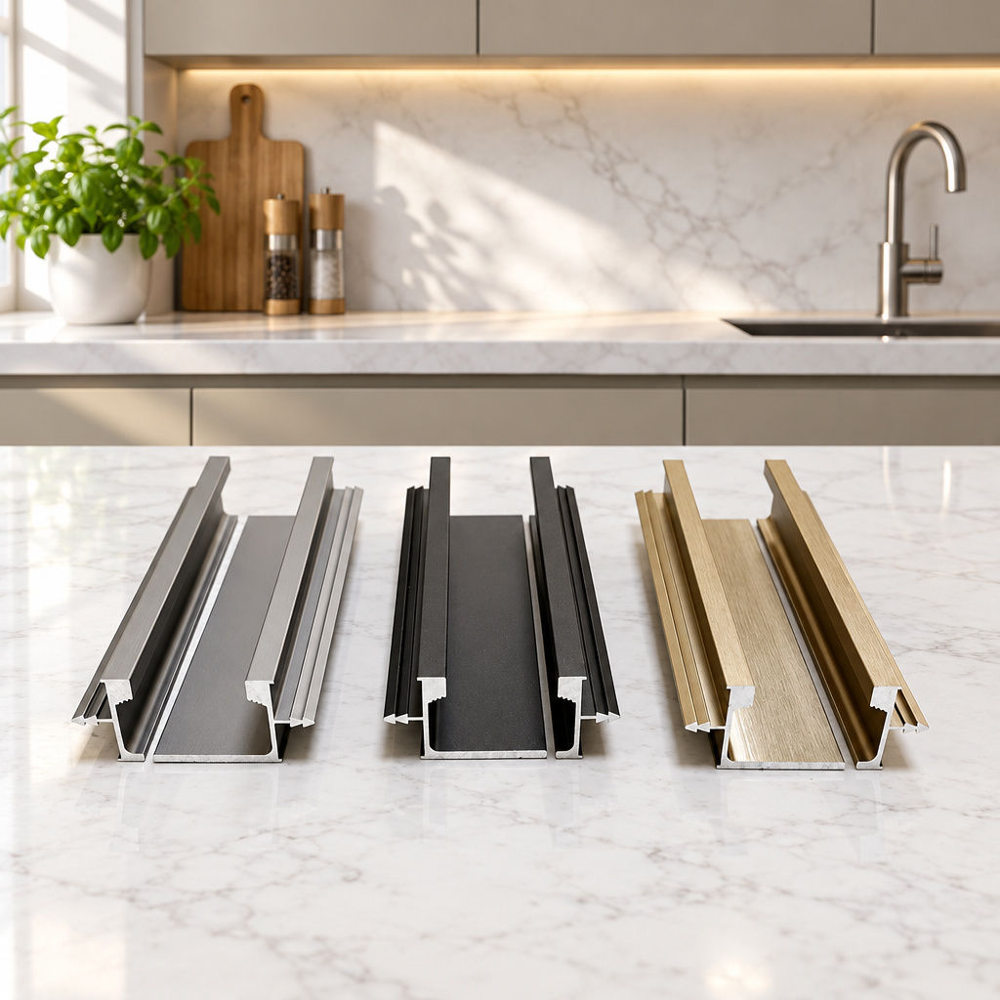
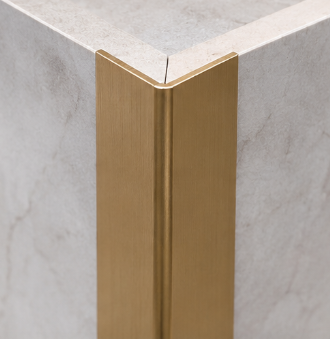
When a designer wants metal to look like metal, anodising with an electrophoretic topcoat is a common route. Unlike thick paint, anodising keeps the fine linear texture left by mechanical brushing. Light plays across those fine lines beneath the translucent oxide layer, which gives brushed champagne, titanium grey and bronze tones their depth.
An electrophoretic coating adds a resin layer over the anodised surface. Different coating systems deliver different levels of chemical resistance and surface sealing, so confirm the performance characteristics with the supplier before specifying. Even with a protective topcoat, any sealed finish should be cleaned with mild products, and the supplier’s care advice should be followed.
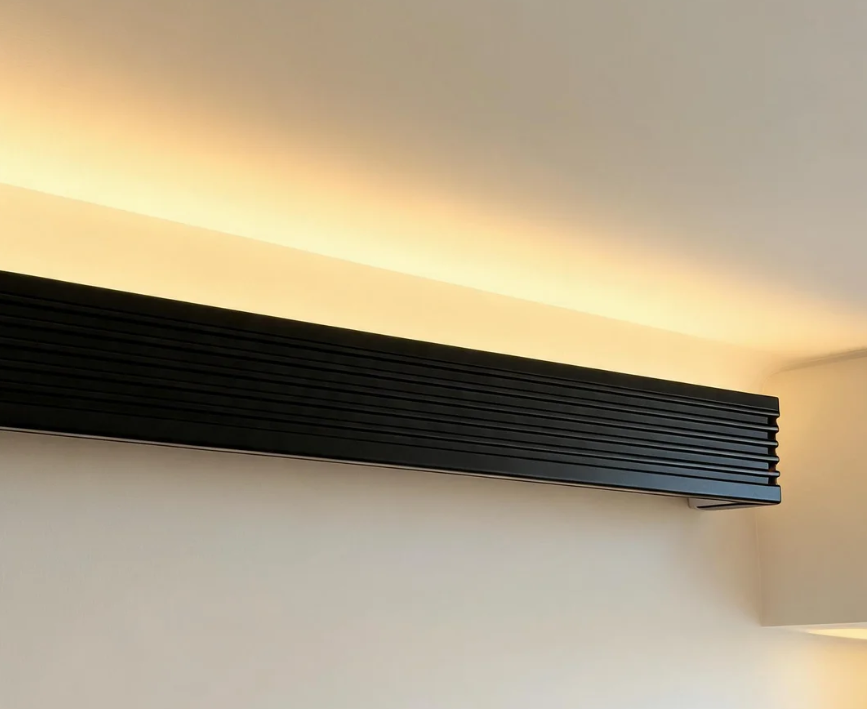
Minimalist kitchens often want hardware to vanish into the cabinet face. Powder coating helps by matching the colour and gloss of lacquered doors, letting the profile fade into the background rather than stand out as a separate element. A fine-texture matte black Gola rail absorbs overhead light instead of reflecting glare, which deepens the shadow line under a stone countertop.
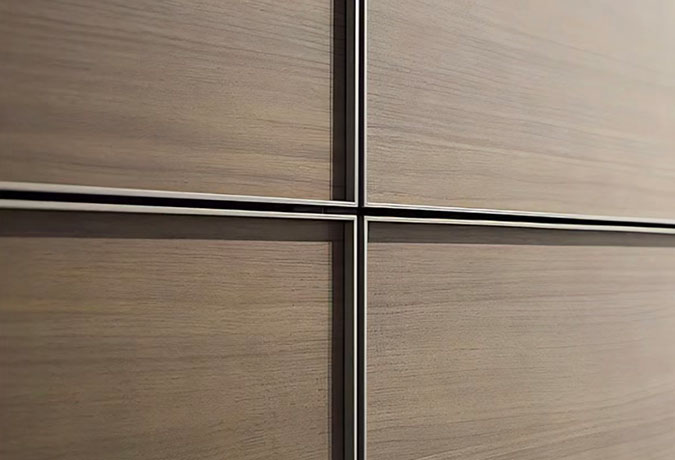
For Scandinavian or Japandi schemes, a cold metal line can clash with natural timber. A wood grain profile resolves that tension by wrapping an aluminium J-pull or C-channel in a timber pattern. The result keeps visual continuity with wooden doors, even close to the sink where a real wooden finger pull would be at risk.
Specifying aluminium profiles for kitchen cabinets takes coordination between the designer, the CNC shop that cuts the carcasses and the extrusion supplier. A single millimetre of error in board thickness or notch depth can stall an installation crew on site. A short, ordered checklist prevents most of these problems.
A handleless cabinet only works if an adult hand can open a loaded drawer without strain. When integrating recessed Gola channels, the CNC programmer must cut precise notches into the front edge of the carcass sides. Notch width and height depend on the profile system, so the supplier’s section drawing should drive the programming rather than a rule of thumb.
The door must also overlap the profile enough to hide the mounting flange while leaving a usable finger gap. Countertop overhang deserves attention too. If the worktop projects too far past the cabinet box, it can block access to the top channel, so the overhang and any spacer rail should be settled before fabrication begins.
Standard catalogue sections cover most modular layouts, but residential developments and commercial furniture lines often need tailored cross-sections. The supplied product data states that length, width, thickness, colour and surface treatment can all be customised, and that cutting, punching, drilling and bending are supported. Those secondary operations can save labour on the assembly floor.
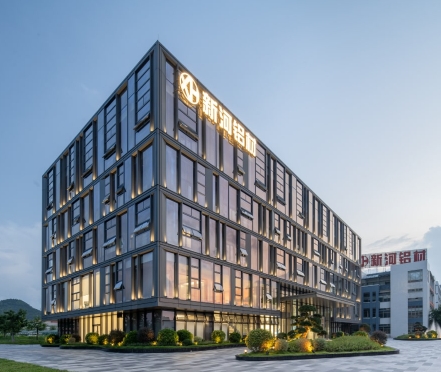
Xinhe Aluminium was established in 1998 and supplies customers in more than 50 countries, with over 5,000 profile products and an annual production capacity of 200,000 tons. For us, supporting cabinet makers means offering these profiles in 6063-T5 and 6463-T5. The listed terms are a minimum order of 100 to 500 kg per section and a delivery time of 10 to 20 days. The same range extends to bathroom vanities, commercial pantry shelving and other moisture-prone storage.
Retrofitting depends on the mounting method. Some recessed Gola systems require notches cut into the cabinet side walls so the rail can sit flush. Cutting after the countertop is fixed risks damaging the boxes. Other systems use concealed brackets or surface mounting that leave the carcass intact. For renovations, edge-mounted finger pulls or top-mounted J-profiles are usually easier because they attach to new door or drawer tops without altering the existing cabinet boxes. Check the specific system’s installation guide before assessing a retrofit.
There is no single answer, because wall thickness depends on the span, the load and the profile shape. Light edge trims supported by a wooden door need less metal than a long Gola rail spanning a wide bay or a glass-door frame. Ask the supplier for the section drawing, and test a sample under realistic load before committing to a production run.
Use a rigid mitre saw fitted with a blade made for non-ferrous metal, and clamp the profile firmly so it cannot vibrate. Remove burrs after cutting. At island corners and run ends, internal corner connectors and end caps hide hairline seams and protect fingers from sharp edges. Test the cut and joint on an offcut before cutting the full order.
Results depend on the finish and how it is cared for. Quality powder-coated or anodised surfaces are designed for everyday handling, yet no coating survives abrasive pads, steel wool or concentrated bleach. Wipe profiles with warm water, a mild pH-neutral soap and a soft cloth. If a project is especially demanding, ask the supplier for finish specifications and a sample to test.
Cabinetry often fails from the edges inward, starting where steam, cooking oils and repeated hand contact break down glues and wood fibres. Well-specified aluminium profiles for kitchen cabinets address that weak point while opening the door to the clean, uncluttered lines of handleless design. Pair a 6063-T5 or 6463-T5 alloy with an anodised, electrophoretic or powder-coated finish, and a handleless kitchen cabinet extrusion or aluminium cabinet frame can stay straight, clean and mechanically sound through daily use.
What is the usual MOQ when ordering custom size sliding windows?
What is the typical lead time for shipping floding door orders?
Aluminium Railing Profiles: An Engineering Guide to Alloys, Structural Loads, and Custom Extrusions
LED Aluminium Profile Guide: Thermal Engineering, Extrusion Alloys, and Architectural Integration
Which Awing window specifications matter most for heavy rain protection?
What sustainable Architecture profile options can reduce embodied carbon?

Aluminium Extrusion for Electric Vehicles: Engineering Lighter, Safer NEV Architectures
Aluminium Door Profiles: An Engineering and Sourcing Guide for Modern Architectural Framing
What evidence is needed to claim Awing window seal failure under warranty?
How do I confirm Awing window drawings before production begins?
Can a Shutter prototype confirm both light control and ventilation performance?

Aluminium Extrusion Profiles for Solar Panels: Engineering and Sourcing Guide
The Definitive Guide to Aluminium Extrusion Profiles: Engineering Principles, Modular Systems, and P
Could smart Casement windows become a practical alternative to standard models?
Is it practical to develop a private-label Sliding window for my brand?
What spare parts should I stock for Floding door after-sales support?
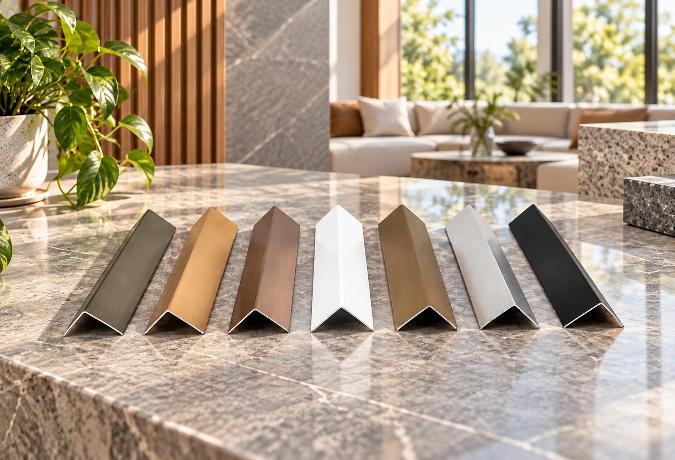
Architectural and Industrial Aluminium Angle Profile Guide: Structural Sizing, Alloy Selection, and
How can I prevent my Casement window color formula from being reused?
What coating compliance evidence should I request for Decorative profile?
What information helps a factory understand my Sliding door customization needs?
Are new Shutter materials improving durability while reducing total project cost?
What extra charges should I ask about when buying Casement doors?
What files do I need to provide for a custom Decorative profile?
Should I hold the final Shutter payment until an independent inspection passes?
Are Decorative profile tooling fees normally refundable after reaching volume targets?
What defective-rate threshold should trigger compensation for Casement windows?
How can I tell whether an Architecture profile seller owns a real factory?
Can Shutter slat shapes be customized without creating long tooling delays?
Can a remote audit reliably confirm Sliding window quality controls?
How do I confirm an Architecture profile meets the required wall loads?
Can missing Casement window test reports delay customs clearance or installation?
How should I send CAD details for a custom Casement door design?
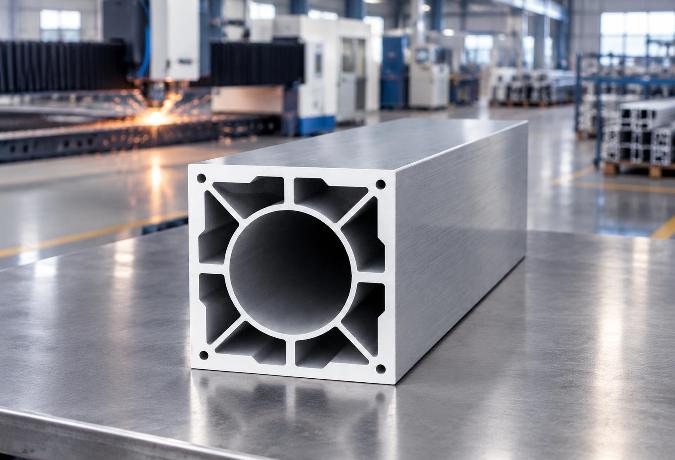
Choosing Industrial Aluminium Profiles for Laser Cutting Machines: A Technical Guide
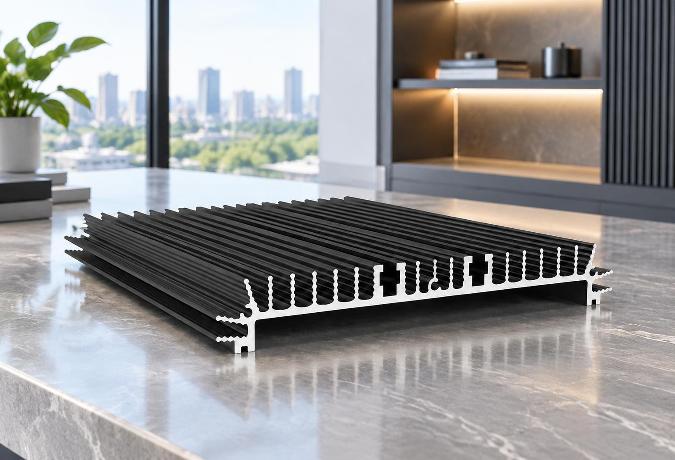
How LED Aluminium Profile Heatsinks Manage Thermal Challenges in High-Performance Lighting
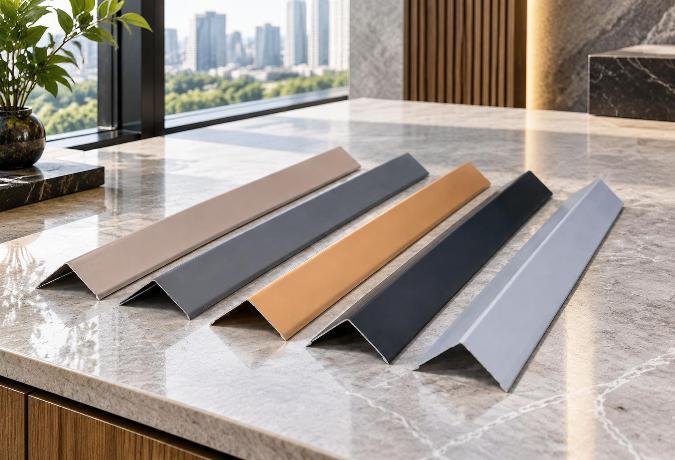
Architectural Aluminium Profiles: Choosing the Right Angle Design for Framing and Trim
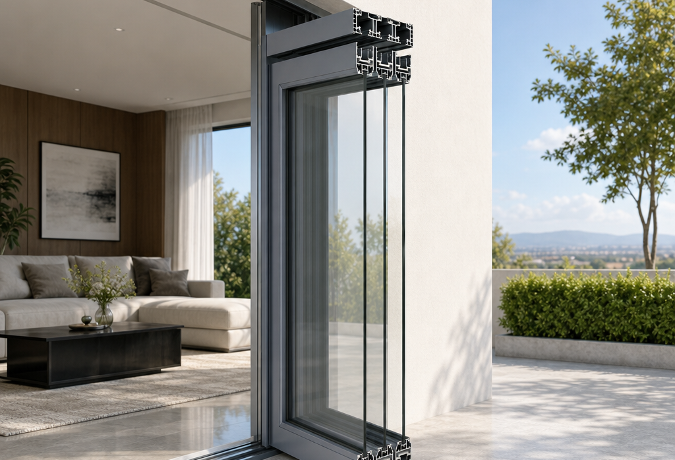
Choosing the Right Aluminium Door Profiles for Narrow-Frame Sliding Systems
Aluminium Window Profiles: Engineering Durable Facades for Modern Buildings
Aluminium Wardrobe Profiles: A Practical Guide to Frames, Tracks, and Finishes
Choosing the Right Aluminium Linear Rail Profile for Motion Systems
Anodized Aluminium Profiles: Material Selection and Practical Applications in Modern Design
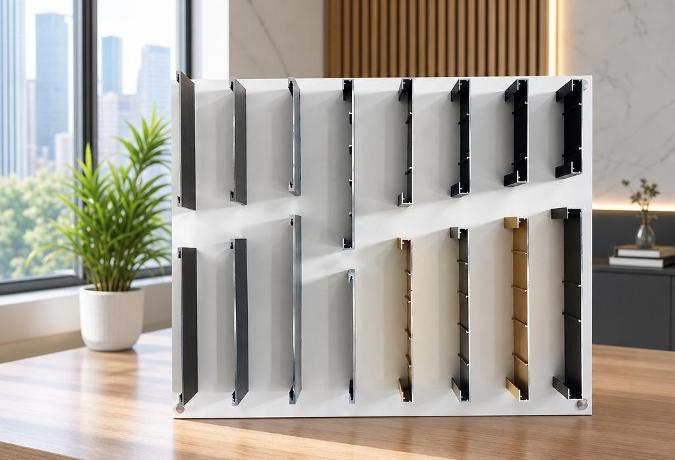
Aluminium Decorative Profiles: Design, Installation, and Interior Applications
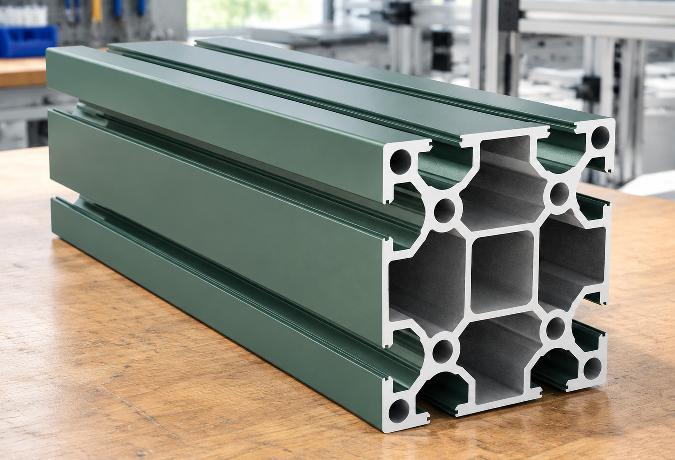
Aluminium Profiles for Automation: A Practical Guide to Modular Frame Design
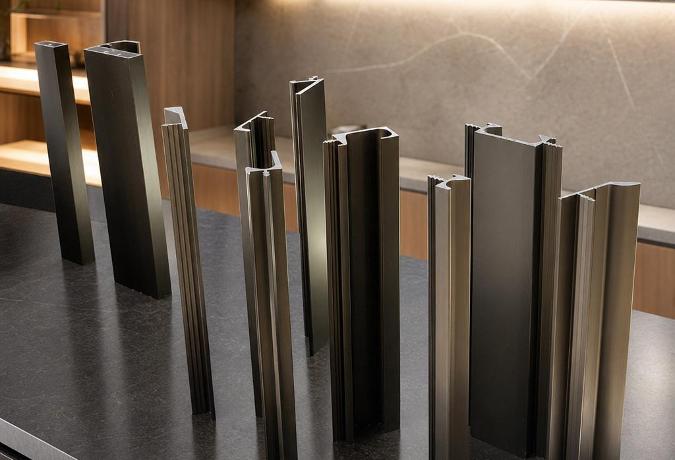
Aluminium Extrusion for Furniture: Structural Logic Behind Lightweight Precision
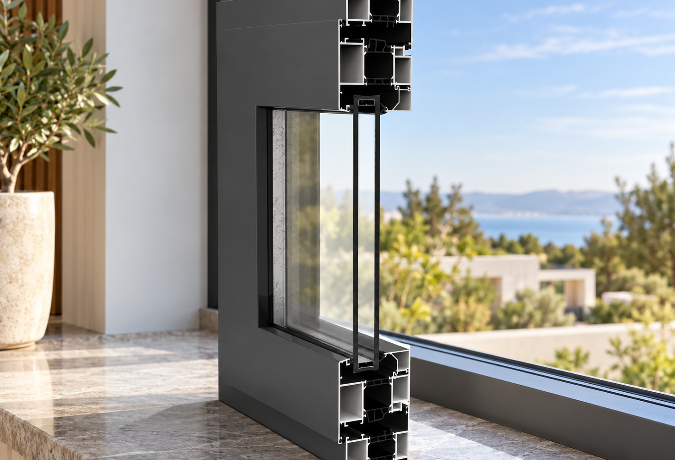
Aluminium Thermal Break Profiles: Design Principles and Practical Applications
How do suppliers normally handle Sliding door installation problems overseas?
Choosing the Right Aluminium Balustrade Profiles for Your Project
Aluminium Louver Profiles: Light Control and Ventilation in Modern Architecture
Aluminium Curtain Wall Profiles: Structural Design and Performance in Modern Architecture
Aluminium Trim Profiles: Bridging Aesthetics and Performance in Modern Interior Design
How do I verify Casement window production capacity before signing a contract?
Powder Coated Aluminium Profiles: Durability and Design in Modern Applications
How Aluminium Heatsink Profiles Keep Electronics From Cooking Themselves
How do FOB and CIF change my risks when importing Sliding doors?
What support should I receive if Architecture profile dimensions are wrong?
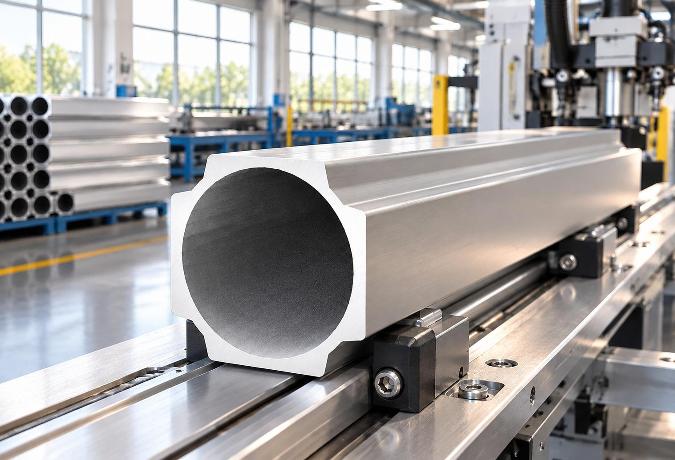
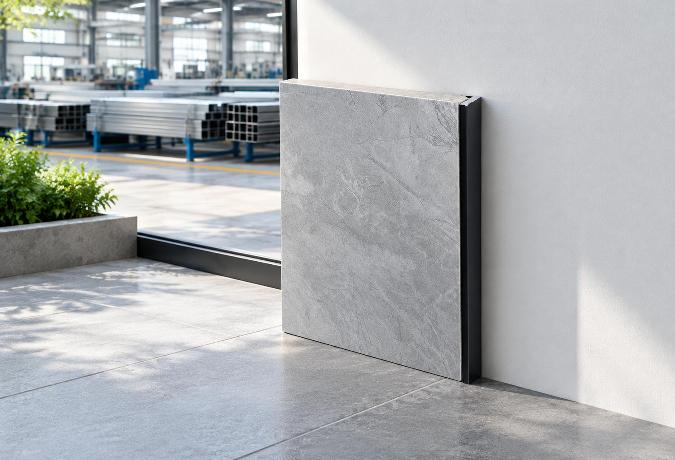
Inside an Aluminium Profile Factory: How Angle Profiles Are Made and Chosen
What is a realistic MOQ for a first Sliding window trial order?
Which factory records should I review before buying Industrial profile?
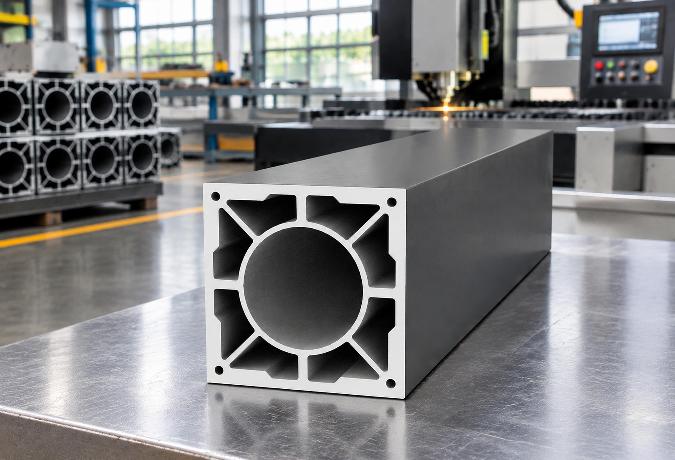
Aluminium Extrusion for Machinery: Choosing the Right Profile for Industrial Equipment
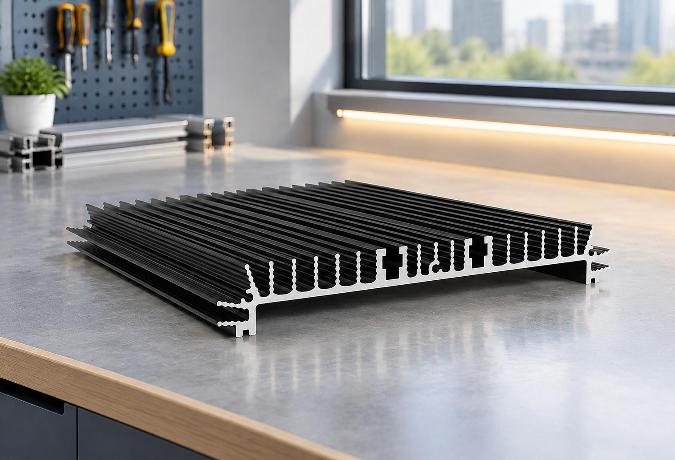
Aluminium Extrusion for LED Lighting: Choosing the Right Heatsink Profile
Can a Floding door supplier protect my private design from competitors?
Which Industrial profile tolerances affect assembly accuracy and finished quality?
Can trade credit insurance cover my Architecture profile purchase risk?
Custom Aluminium Extrusion Profiles: Engineering Precision into Industrial Motion Systems
T-Slot Aluminium Extrusion: Structural Framework Design Without Welding
Which recycled-content records are credible for Sliding window procurement?
Aluminium Sliding Door Profiles: A Practical Guide to Frame Design and Performance
How Aluminium Extrusion Manufacturers in China Support Linear Motion Systems
What contract clauses protect my money if Casement door quality is unacceptable?
How do I confirm Sliding door testing equipment is calibrated and current?
Should I visit an Architecture profile plant before placing a large order?
Which compliance tests should a Floding door pass before international shipment?
How do I compare Decorative profile color samples under different lighting?
What payment and price terms make sense for a small Casement window order?
What lead time should I allow for a seasonal Floding door order?
How can I compare Floding door alternatives when supply costs suddenly rise?
Which new Sliding door technologies can lower maintenance costs over time?
How are recycled materials changing the future cost of Floding doors?
How long should a custom Casement door sample normally take to prepare?
What gap between a Sliding window sample and bulk order is acceptable?
Which Decorative profile finishes are becoming more sustainable and cost-effective?
What logistics fees should be listed separately in a Sliding window quote?
How might volatile aluminum prices affect future Sliding window sourcing?
Which audit questions reveal labor risks at a Casement door factory?
Can Decorative profile suppliers provide fast remote guidance for finish defects?
What should a Shutter sample include so I can assess production quality?
Do Sliding door materials need traceability records for customs clearance?
What environmental declarations are useful when importing Architecture profile?
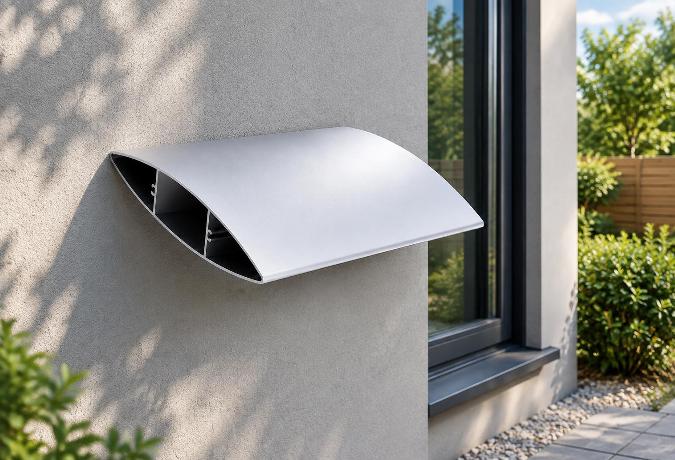
Why Blade Geometry Determines Whether Aluminium Louvers Actually Work
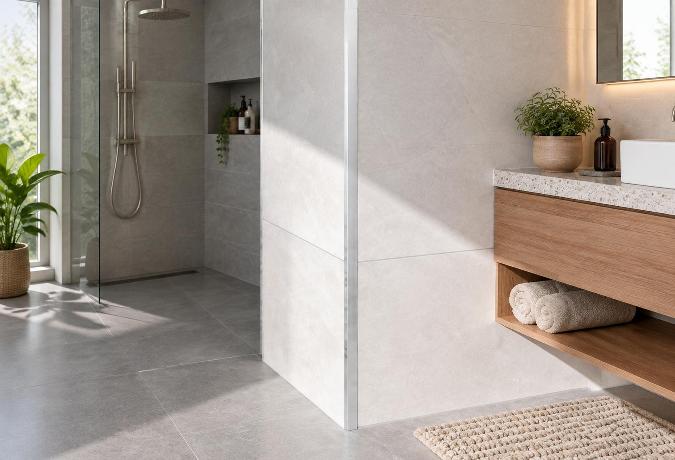
Engineering an Aluminium Angle Profile: Structural Mechanics and Application Realities
What usually drives Architecture profile costs more, alloy or surface treatment?
Why the One-Piece Molding on Aluminium Trim Profiles Matters More Than the Finish
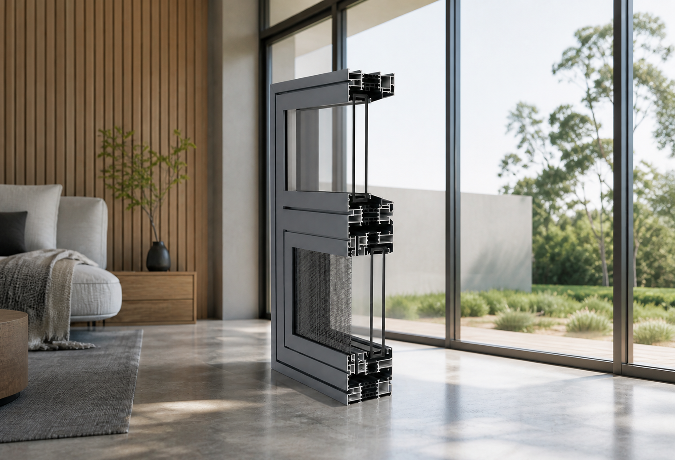
Why the Thermal Break Cavity Matters More Than Frame Thickness in Aluminium Framed Windows and Doors
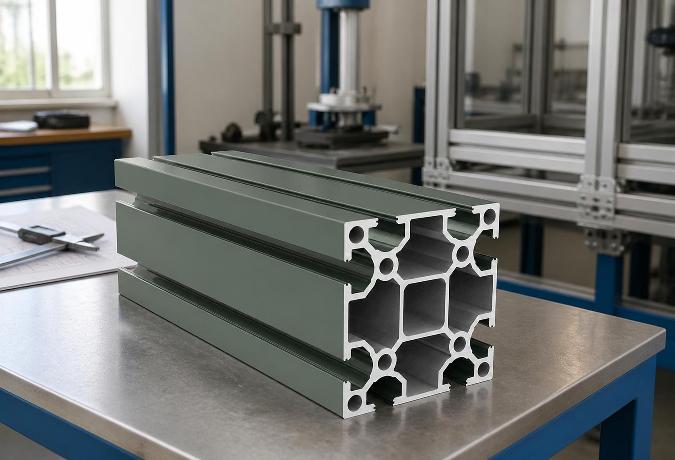
The T-Slot Groove Geometry That Makes Aluminium Framing Weld-Free
Why the One-Piece Molding on Aluminium Trim Profiles Matters More Than the Finish
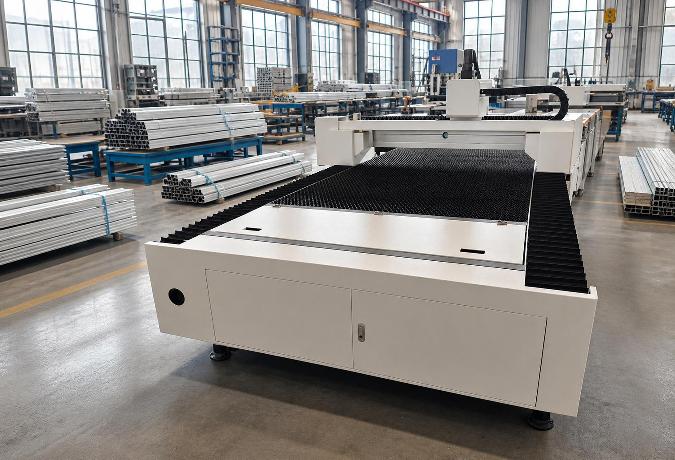
Structural Dynamics of Industrial Aluminium Profiles in Laser Cutting Gantries
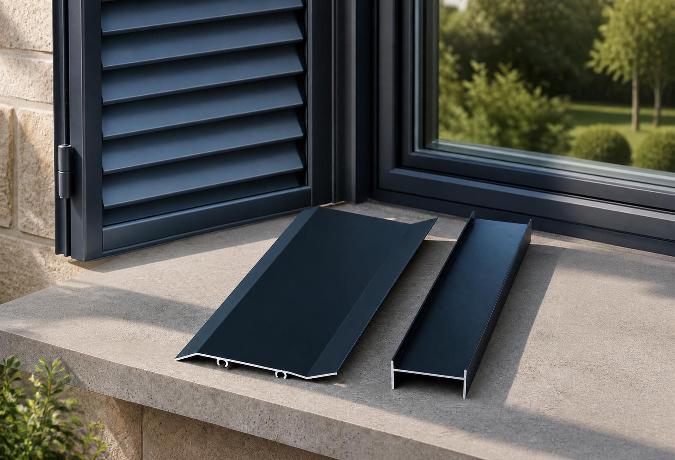
The Engineering Mechanics Behind High-Performance Aluminium Shutters
What factory documents should I request for a Floding door supplier review?
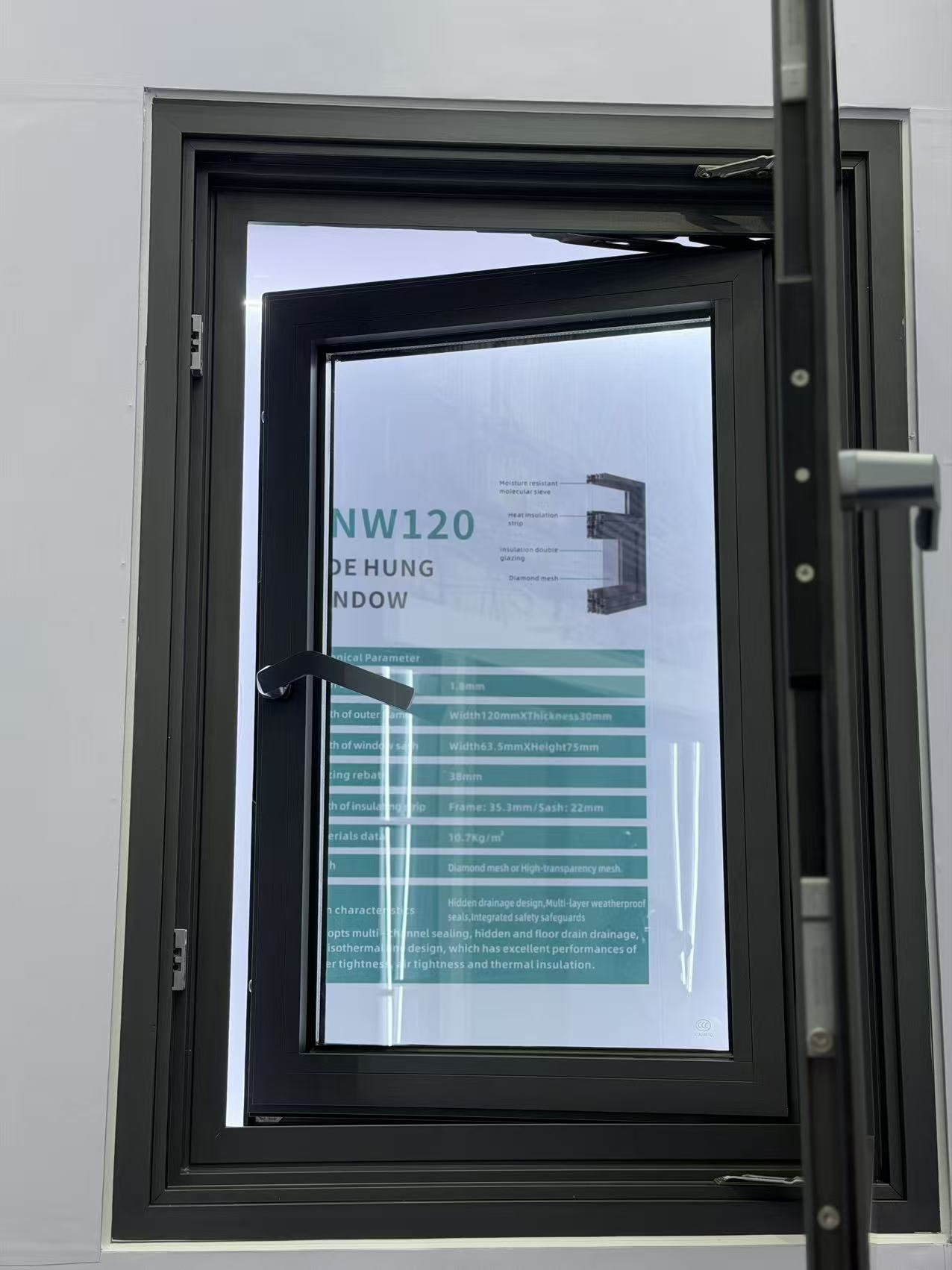
Which delivery term gives me better control over Decorative profile freight costs?
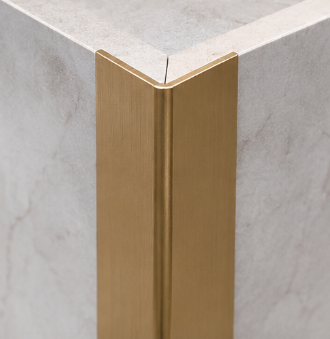
What low-carbon Awing window materials are gaining wider market acceptance?
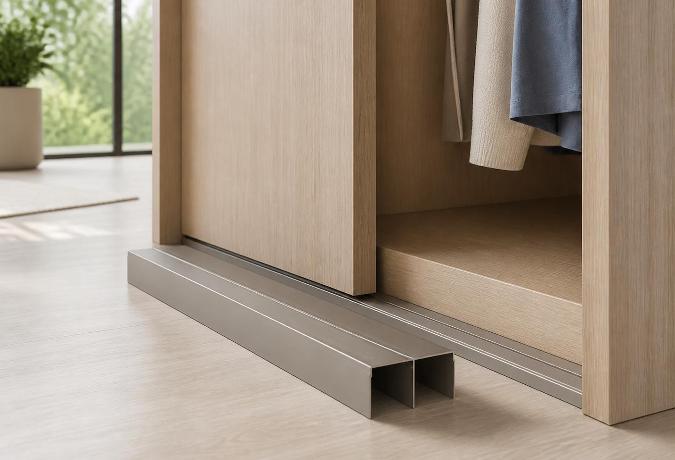
Why Sliding Door Track Geometry Determines Wardrobe Longevity
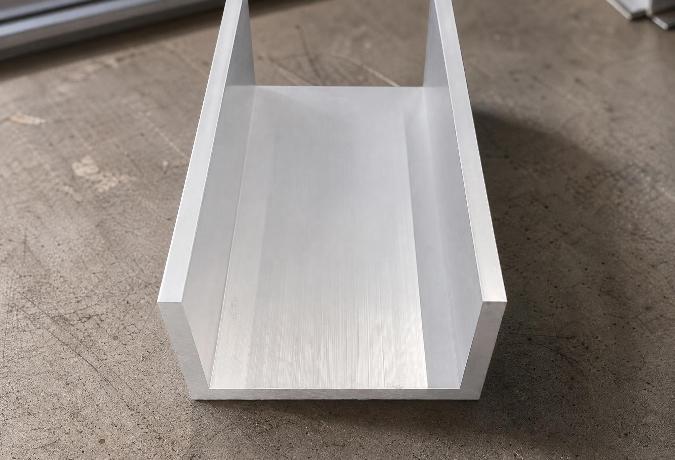
Engineering Mechanics and Surface Dynamics of Aluminium Channel Profiles
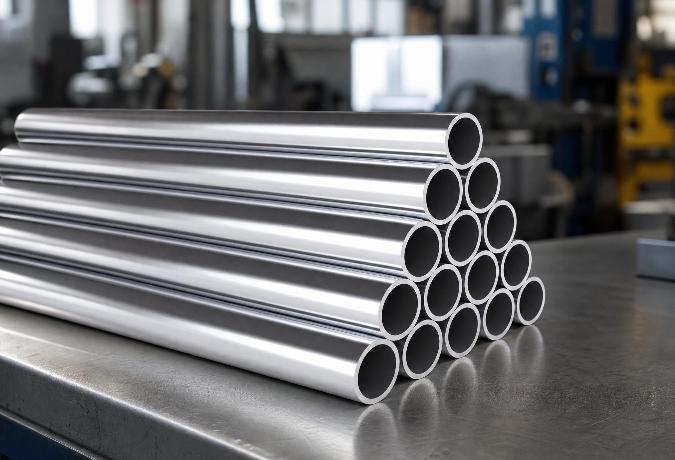
Understanding Aluminium Round Tube Specifications for Structural Engineering
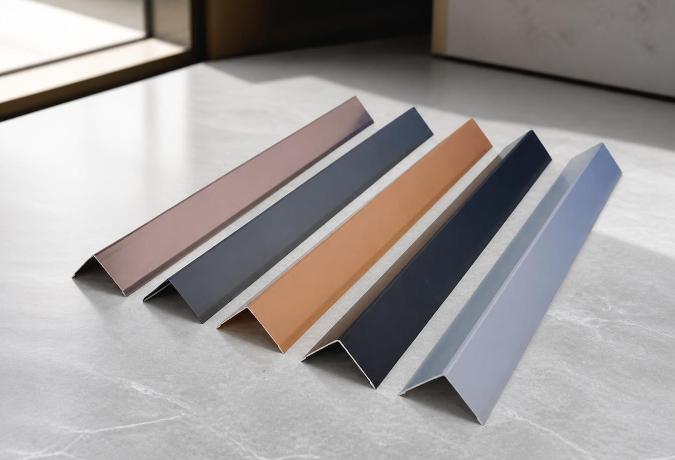
Why the 90-Degree Angle in Standard Aluminium Profiles Determines Structural Reliability
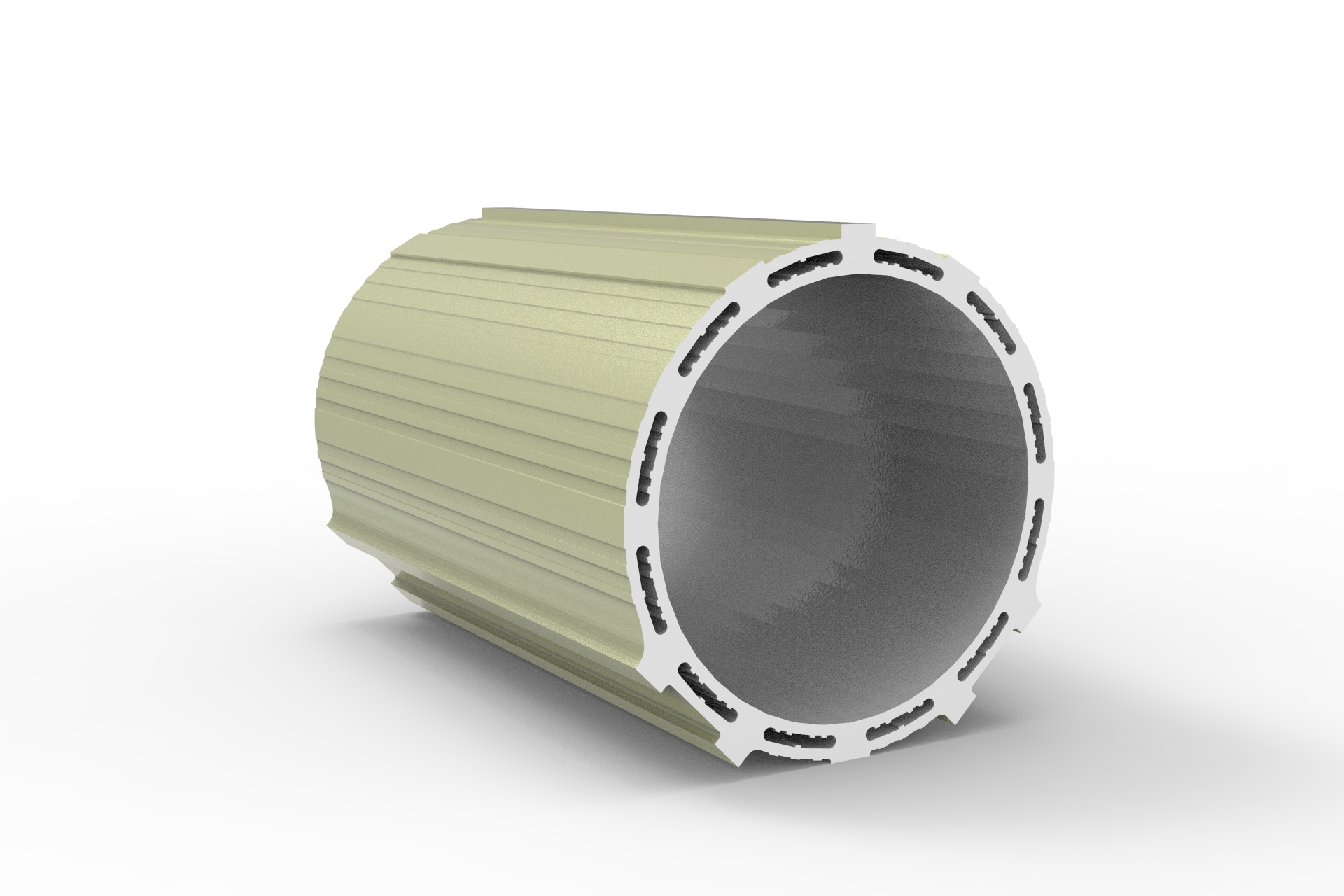
How can I ensure a Floding door sample matches the planned mass production?
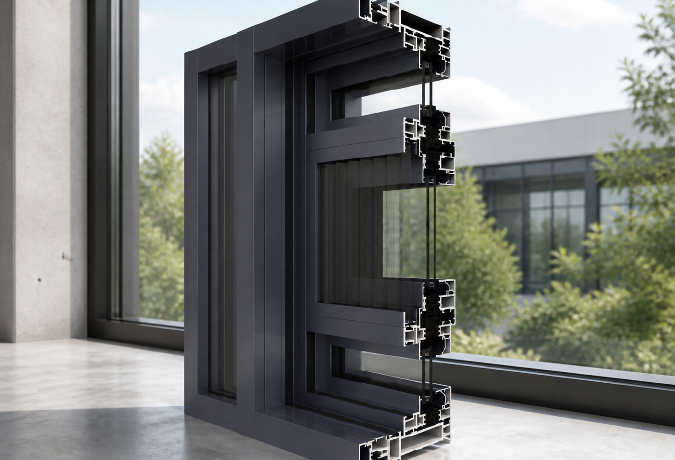
Why Mullion Thickness Determines How Much Glass an Aluminium Curtain Wall Can Actually Hold
Engineering Dimensional Stability in Aluminium Extrusions for Channel Profiles
Engineering the Structural Framework: The Mechanics of Aluminium Profiles for Kitchen Cabinets
Choosing an Aluminium Profile Supplier: What Actually Separates the Reliable Ones from the Rest
Can Awing window orders ship in batches to avoid project delays?
What response time should I expect for Awing window warranty claims?
Navigating the Supply Chain: Evaluating an Aluminium Profile Manufacturer for B2B Procurement
Engineering Structural Integrity Through Precision L-Shaped Aluminium Profiles
Thermal Dynamics in High-Power Electronics: Engineering Aluminium Heatsink Profiles
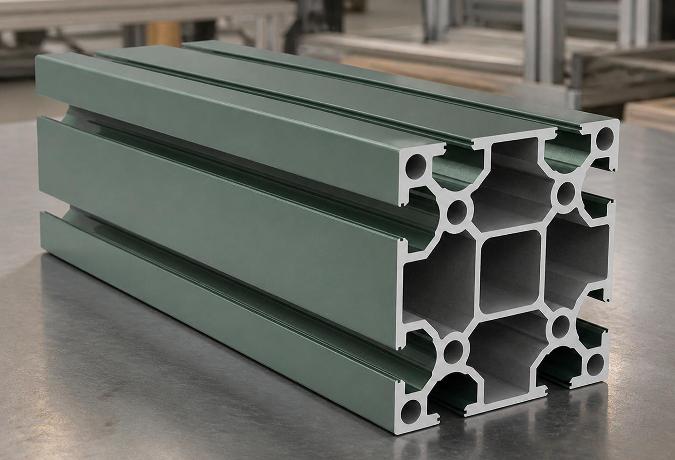
Why the T-Slot Design Determines the Real Strength of Structural Aluminium Extrusions
How long should replacement Sliding window parts remain available after purchase?
Should I expect volume discounts when reordering the same Sliding window model?
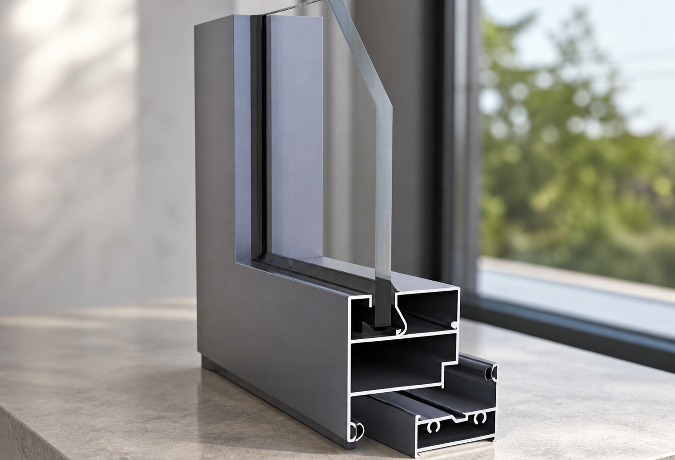
The Multi-Strip Sealing Structure Inside Aluminium Windows and Doors

Engineering Lightweight Rail Structures Through Extruded Aluminium Profiles
Why the Frame Width on an Aluminium Sliding Door Determines Your Room’s Light
The Engineering Behind Decorative Aluminium Profiles: Alloys, Surface Treatments, and Edge Protectio
What alternative materials could make Casement doors more resilient and recyclable?
How can I compare Awing window quotes without missing hidden packing costs?
Decoding Structural Tolerances in Aluminium Extrusion Profiles for Channel Applications
Engineering an Aluminium Square Tube for Modern Structural Integrity
Engineering Tolerances and Alloy Mechanics in Extruded Aluminium Construction Profiles
The Engineering Mechanics Behind Aluminium Angle Profiles in Modern Construction
Can an Industrial profile be modified for my assembly without weakening it?
What warning signs suggest a Sliding door seller may disappear after payment?
What energy-efficient alternatives to Casement doors are worth comparing now?
Can a Casement window handle temperature changes without seal failure?
Who pays for unloading and destination handling under Casement door CIF terms?
Custom Aluminium Extrusion Profiles: The Engineering Mechanics of T-Slot Frameworks
Material Transitions and Geometric Stability in Decorative Aluminium Profiles
Can I negotiate a lower Sliding door MOQ for a showroom launch?
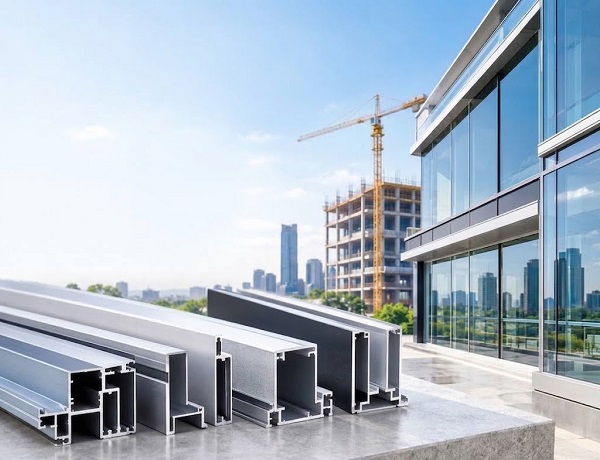
Key Advantages of Using Structural Aluminium Extrusion Profiles in Construction
What evidence shows an Awing window factory manages coating waste properly?
How can I protect my deposit when ordering custom Decorative profile?
How do I spot unusually low Industrial profile prices before committing funds?
How can I check that a Shutter supplier is not using unapproved subcontractors?
What contract terms protect my Casement door drawings and branding?
How can I compare Casement door insulation ratings before placing an order?
Sourcing Industrial Aluminium Profiles: What to Look For in a Supplier
How do I keep ownership of a custom Architecture profile extrusion die?
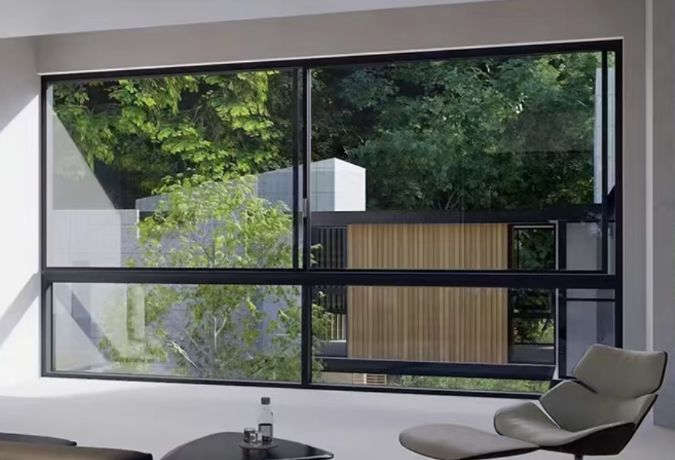
The Energy Efficiency Benefits of an Aluminium Frame Sliding Glass Window
How do I check Industrial profile alloy grades against the shipping documents?
What Casement window warranty period is reasonable for an overseas buyer?
How are defective Sliding window units usually replaced internationally?
How can I reduce breakage risks when shipping Casement windows overseas?
The Structural Mechanics Behind Decorative Aluminium Profiles
How Do Engineers Select Industrial Aluminium Profiles for High-Load Frameworks?
What payment structure reduces my risk on a first Industrial profile order?
Should I approve a Casement window sample before checking its hardware strength?
Structural Mechanics of Channel Extrusions in Architectural Aluminium Profiles
Engineering Mechanics of Aluminium Extrusion Profiles in Channel Systems
What functional tests should I perform on a Sliding door prototype?
What payment terms are fair when Decorative profile colors remain unconfirmed?
Is a letter of credit practical for a large Casement window shipment?
How should Industrial profile bundles be packed to prevent transit damage?
Which safety documents should I request for Awing window imports?
What shipping delays commonly affect Architecture profile orders during peak season?
How to Specify Extruded Aluminium Profiles: Costs, Alloys, and Tolerances
Is a Floding door suitable for a wide opening exposed to strong winds?
Structural Integrity in Modular Design: Engineering T-Slot Aluminium Extrusion Profiles
Resolving Corner Stress: The Engineering Mechanics Behind Aluminium Profiles in Architectural Framin
How do Floding door prices change with glass, hardware, and finish choices?
How can I prove Shutter defects remotely without returning every unit?
How can I shorten Awing window sampling without losing critical tests?
Does ordering mixed Shutter sizes usually change the unit price or MOQ?
How should Industrial profile warranty responsibility be shared after assembly?
How should I plan Shutter inventory when ocean freight schedules change?
How do escrow arrangements reduce risk for a new Floding door supplier?
What frame materials make a Sliding window last in harsh coastal weather?
How can I verify that a Shutter certificate matches the actual product?
Can automated Shutters replace manual systems without raising lifecycle costs?
How do I choose the right Casement window size for a windy building?
What should an ethical audit cover at a Decorative profile factory?
How should I document Industrial profile defects before disputing the final payment?
Are lightweight Industrial profile alloys reliable enough for demanding machinery?
Are thermal-break casement windows becoming a better long-term choice than standard frames?
What is a realistic MOQ for custom sliding windows without pushing up unit cost?
What casement window specs should I compare for windy and rainy project sites?
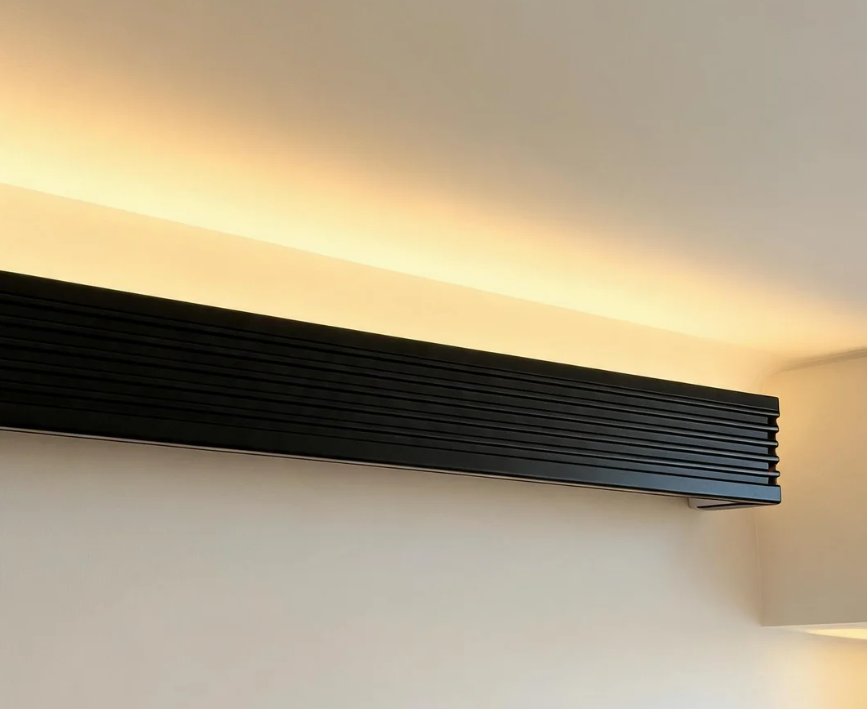
Are there better material options for sliding windows if aluminum prices rise?
How do I ensure aluminum casement windows can handle extreme coastal winds?
What is the typical minimum order quantity for commercial sliding windows?
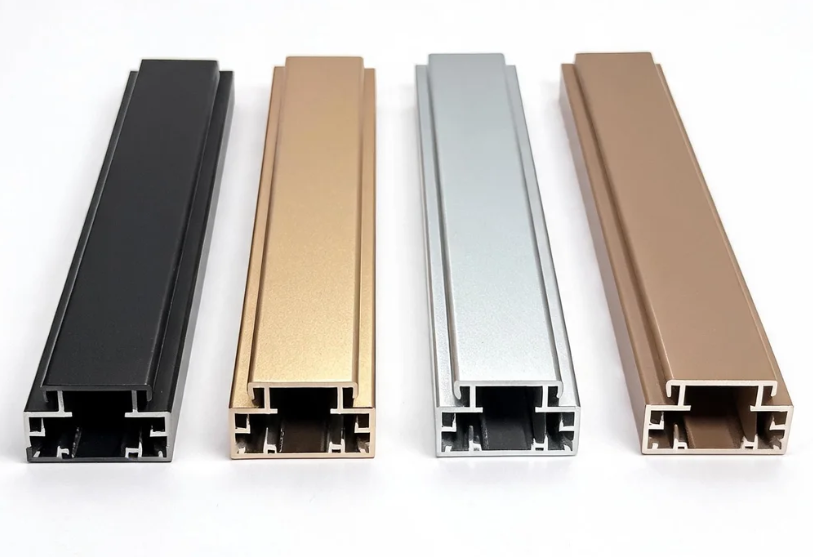
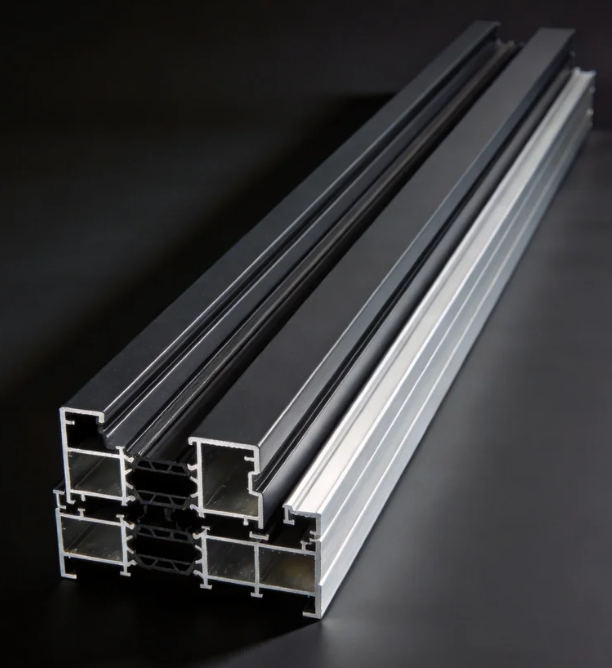
Are there energy-saving alternatives to sliding windows that reduce material and maintenance costs?
Are energy-efficient Awing windows a practical alternative for reducing long-term building costs?
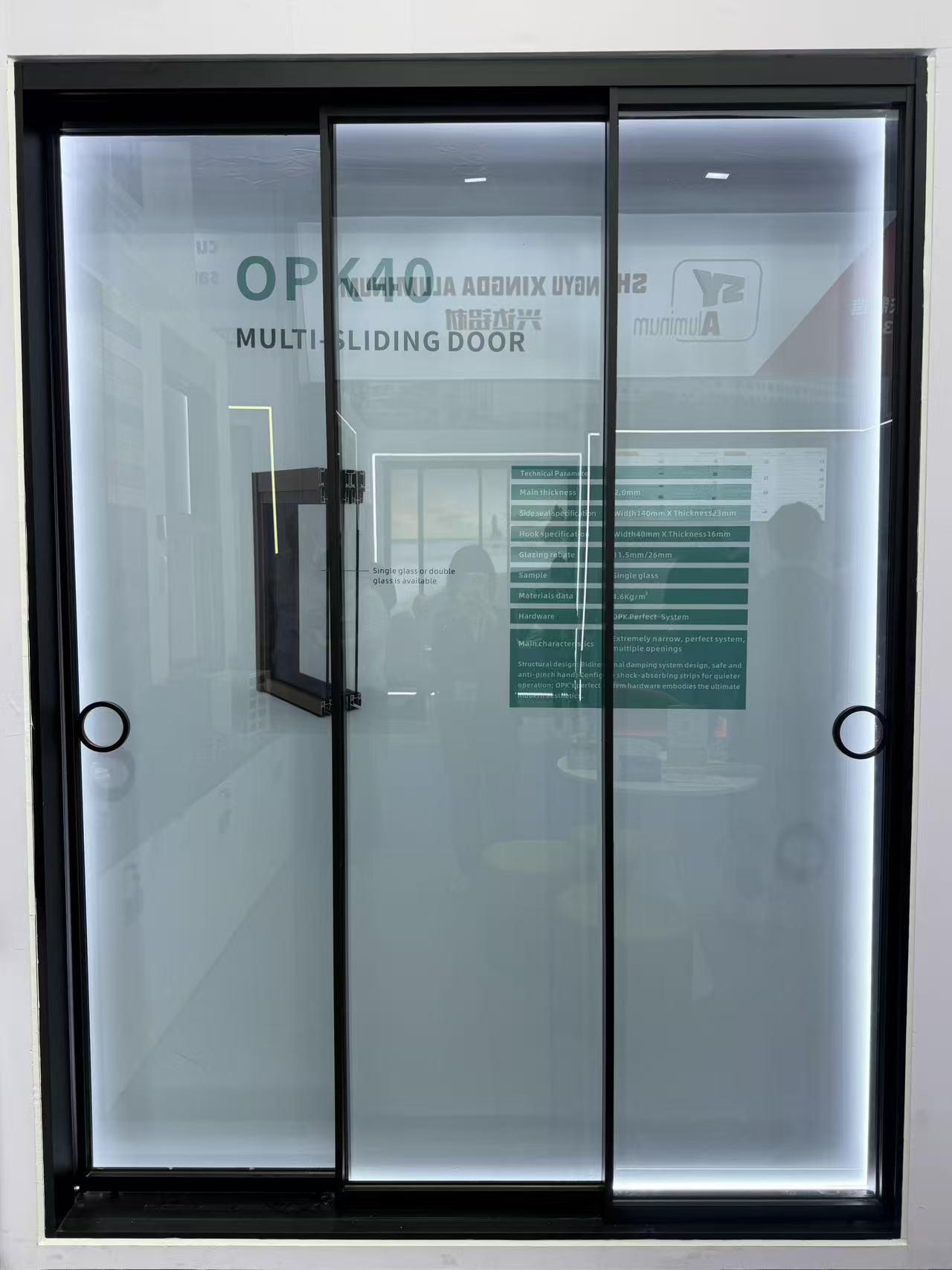
What alternatives to traditional sliding doors can lower costs without sacrificing durability?
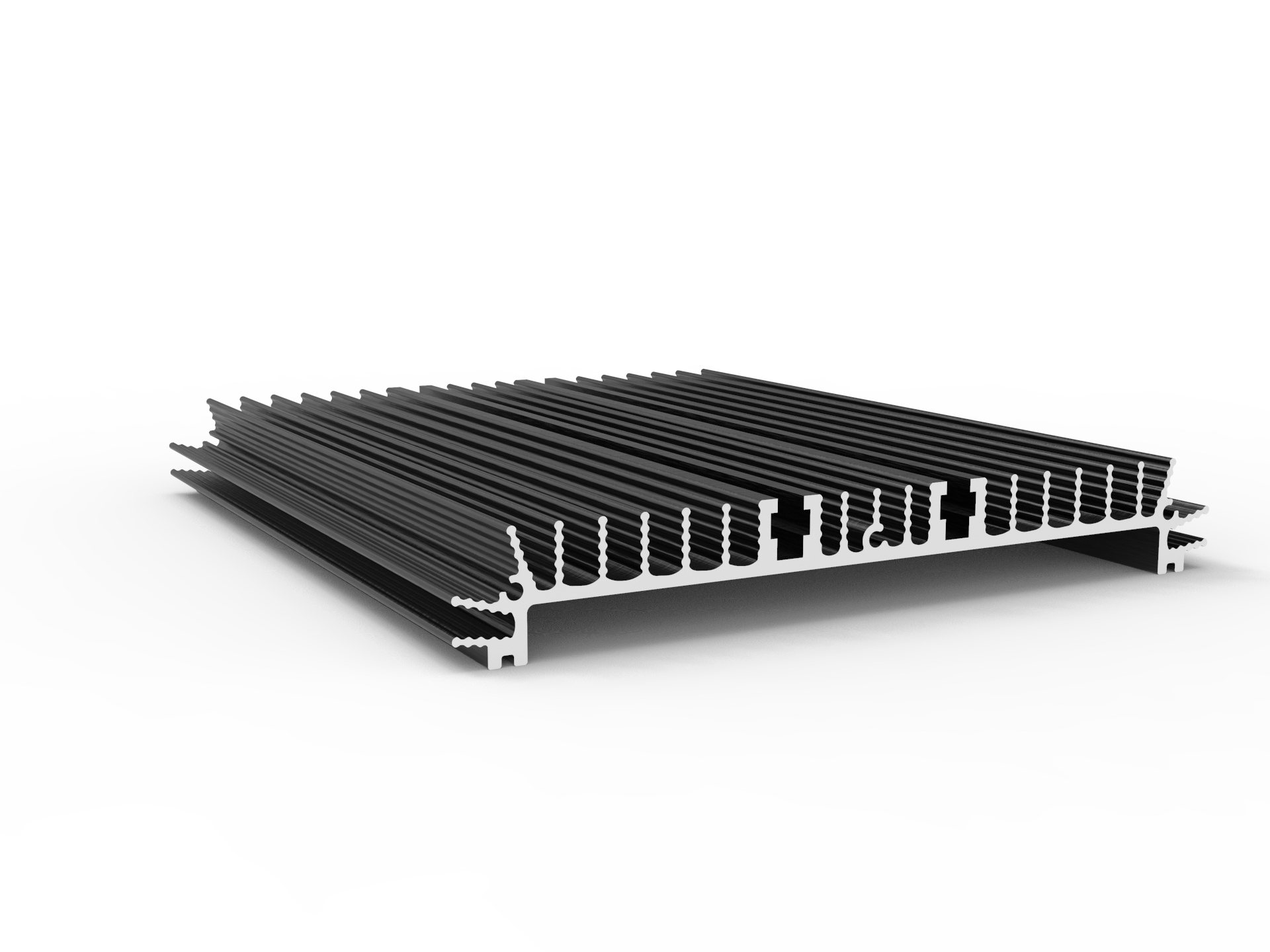
What alternatives to industrial profiles can reduce material costs without hurting strength?
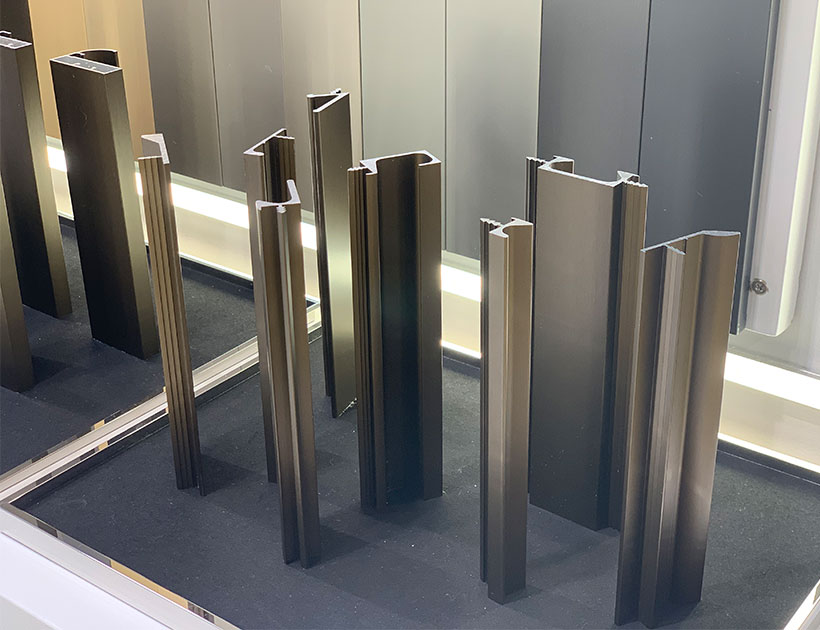
Extruded Aluminium Profiles: Flexible Manufacturing for Diverse Customer Needs
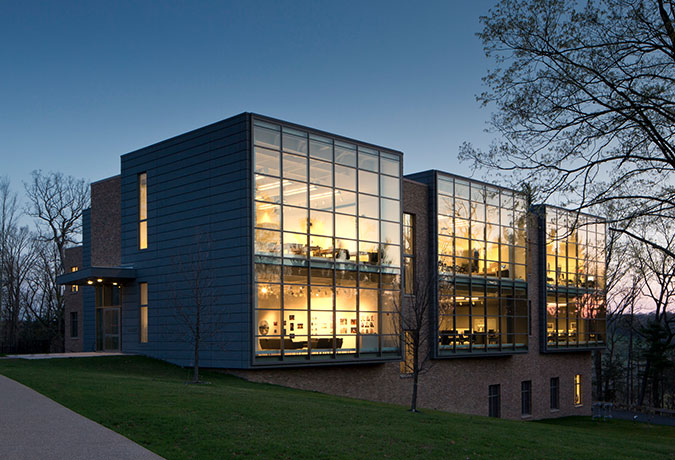
Why Aluminium Curtain Walls Are Popular in Modern Architecture
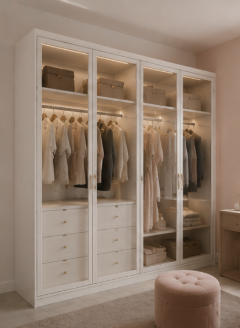
How do I choose a decorative profile that stays stable in humid or harsh environments?
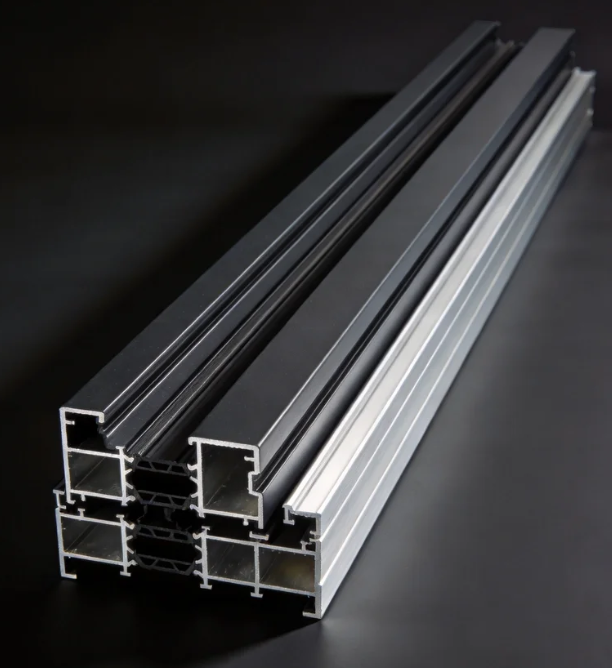
How do I choose an architecture profile that stays stable in harsh outdoor conditions?
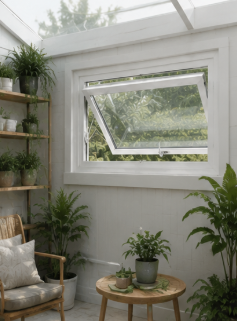
How can I compare Awing window specs to avoid poor performance in harsh weather?
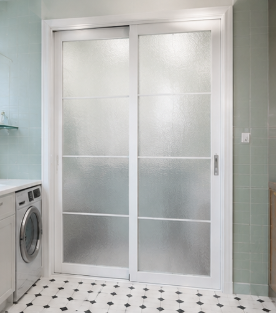
How can I compare Sliding door sizes and hardware ratings for harsh commercial environments?
How do I choose the right shutter specifications for harsh climates without overpaying?
What eco-friendly alternatives to folding doors can cut costs without hurting durability?
How do I choose the right shutter specifications for harsh weather without overpaying?
What eco-friendly casement door materials can lower costs without hurting durability?
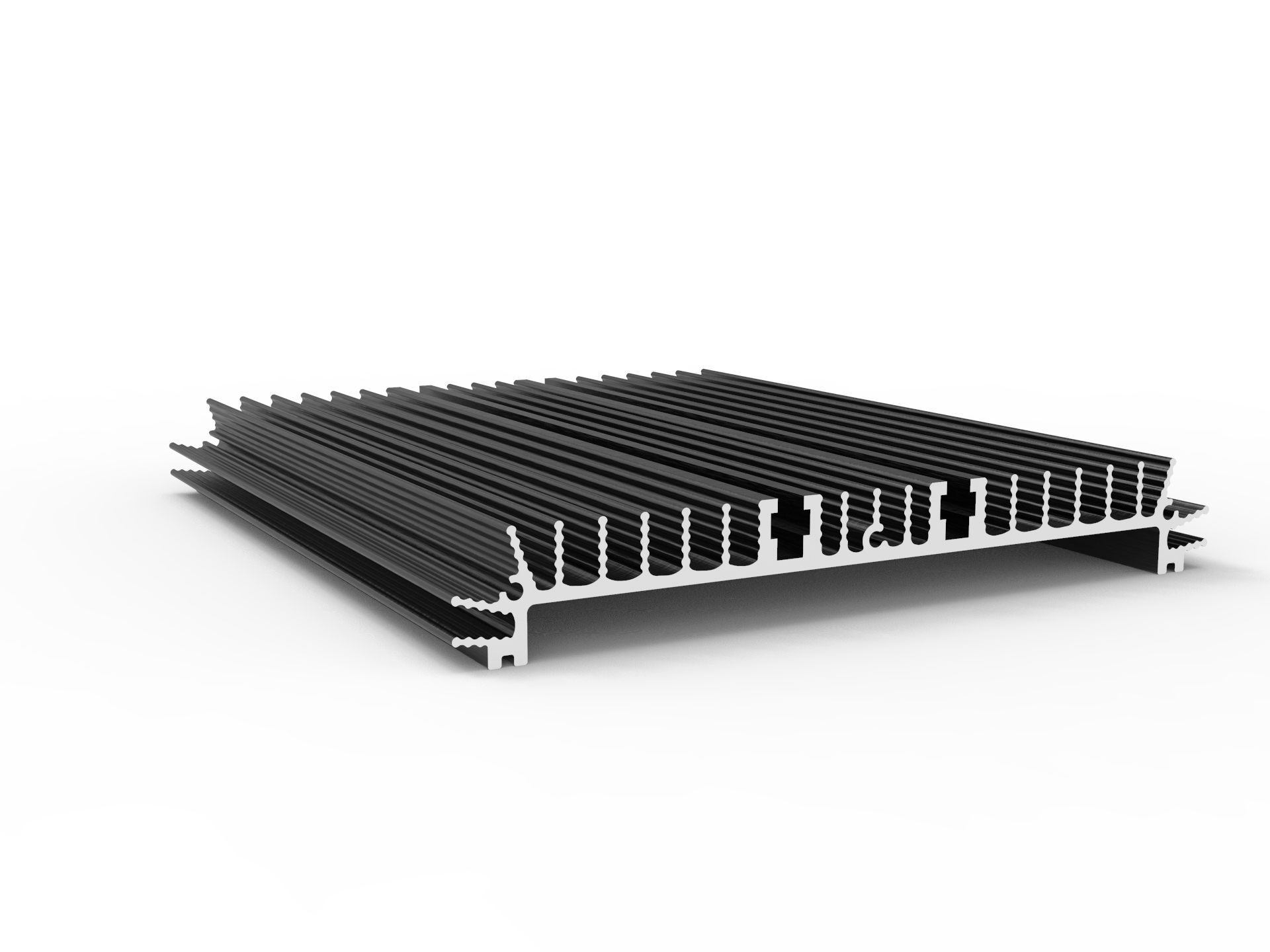
What newer materials can replace industrial profiles without raising costs or supply risks?
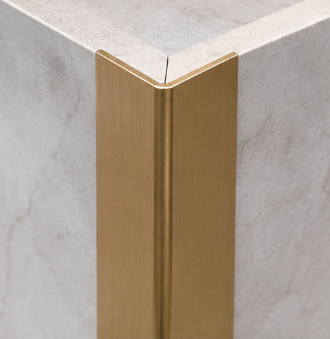
How do I choose a decorative profile that stays stable in humid, high-traffic spaces?
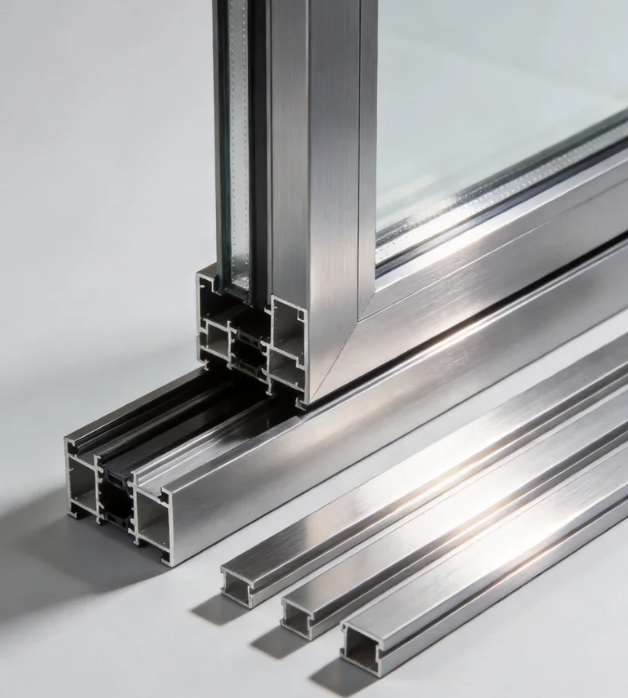
What sustainable material alternatives can replace aluminum architecture profiles?
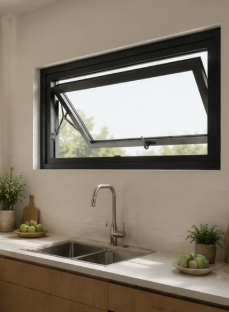
What should I check in Awing window specs to ensure reliable performance in harsh weather?
How can I compare Sliding door sizes and thermal ratings for harsh climates before buying?
What newer materials can replace aluminum in awning windows without raising our costs?
How do I choose the right Sliding door specs for smooth operation in harsh environments?
How do I choose a folding door that stays stable in harsh weather and heavy daily use?
How can I choose the right shutter specifications for harsh weather and long-term use?
How do I compare casement door U-values, hardware, and weather sealing before buying?
How do I choose the right industrial profile size for strength and load needs?
How do I choose the right shutter specifications for harsh weather and long-term commercial use?
How do I choose the right Casement door size and hardware for harsh weather?
What greener alternatives to decorative profile can cut costs without hurting durability?
What lower-cost, eco-friendly materials can replace decorative profiles?
What lower-carbon alternatives to aluminum architecture profiles are practical for our project?
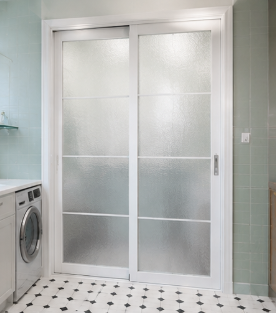
How can I compare sliding door systems for insulation, security, and long-term use?
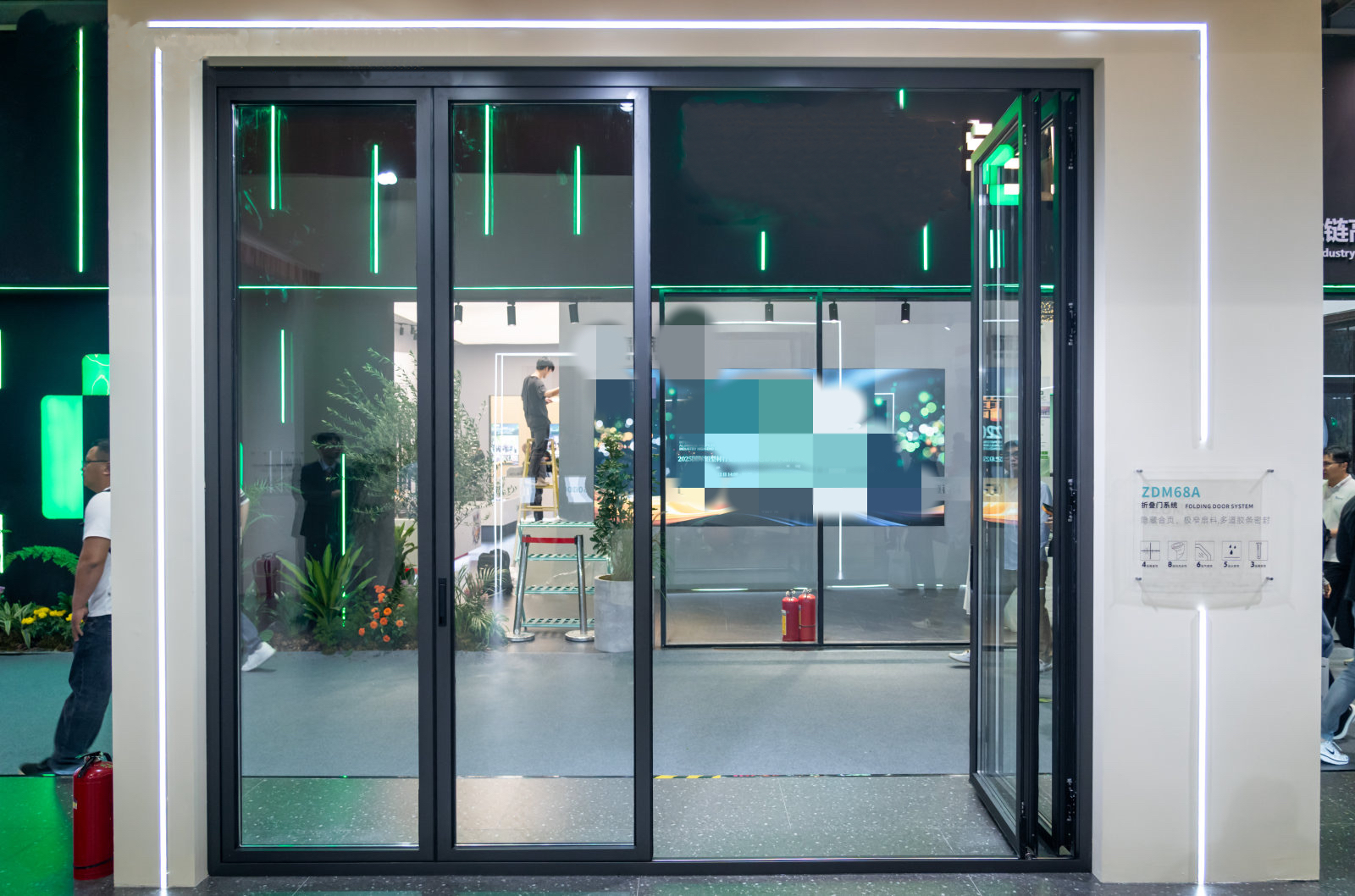
What is the standard production lead time for bulk orders of folding doors?
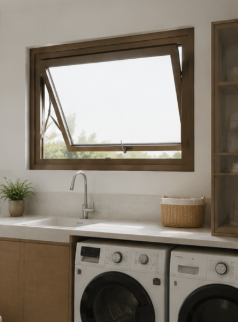
How do I choose the right Awing window size and glass specification for harsh weather?
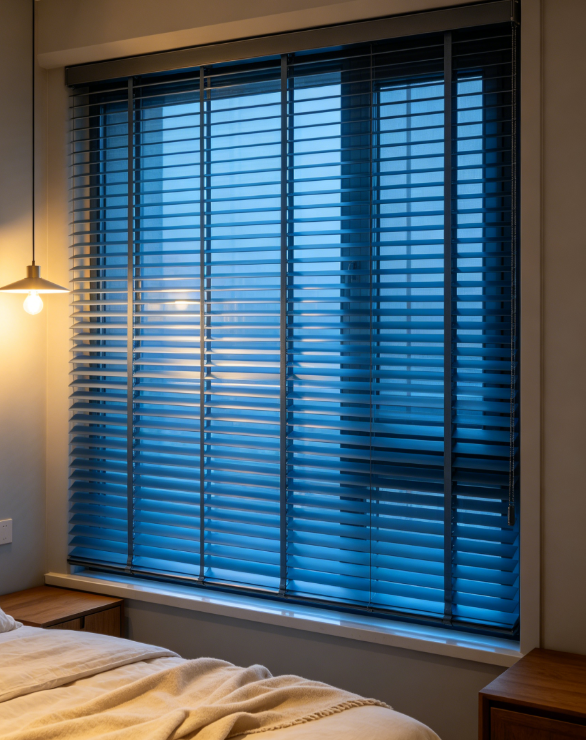
How can I test shutter samples so the final bulk order matches their quality and finish?
Can suppliers make custom double glass casement doors from my CAD drawings?
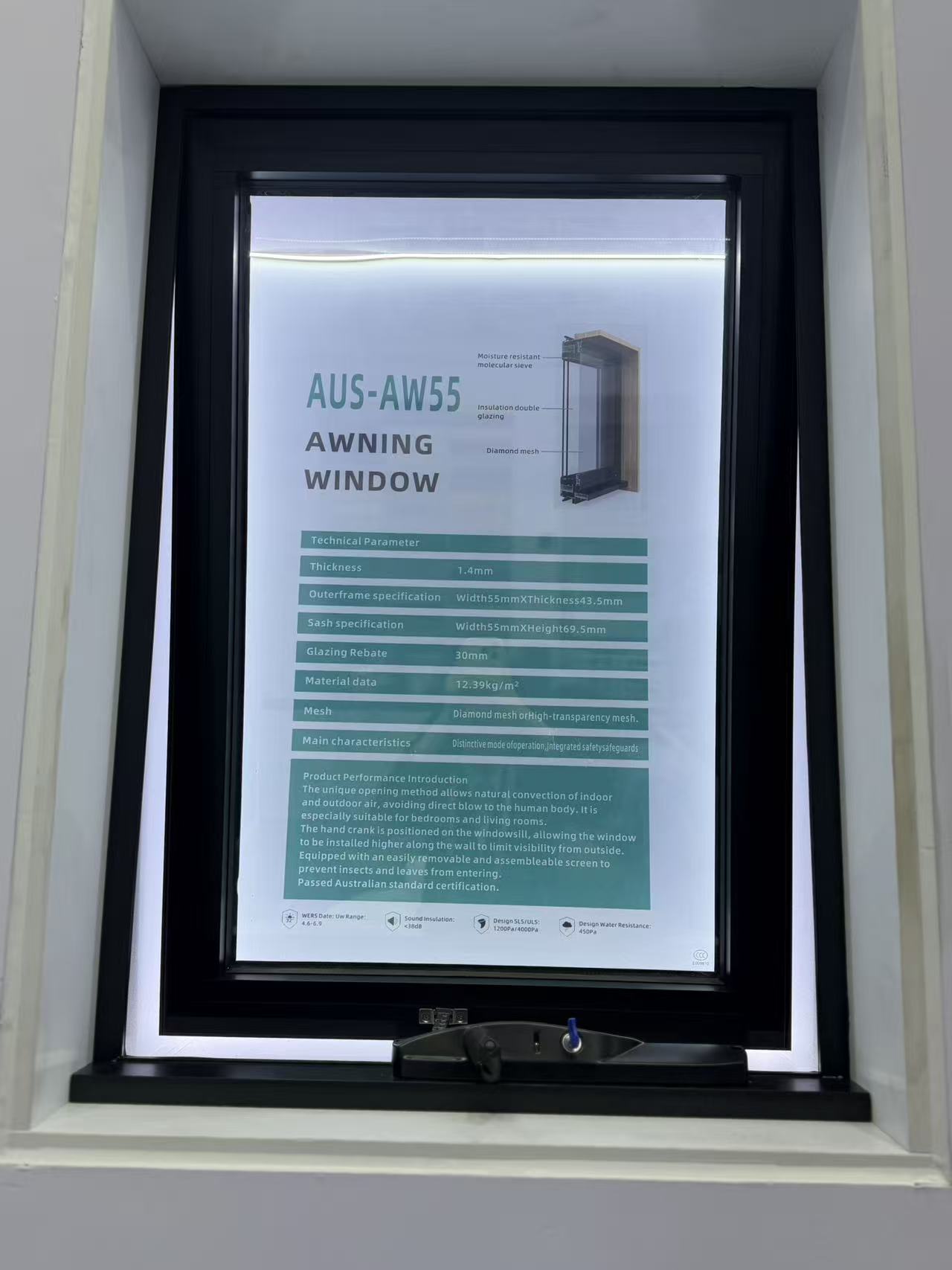
What safety certifications should I request when importing awning windows?
How long does it usually take a factory to make custom shutter samples?
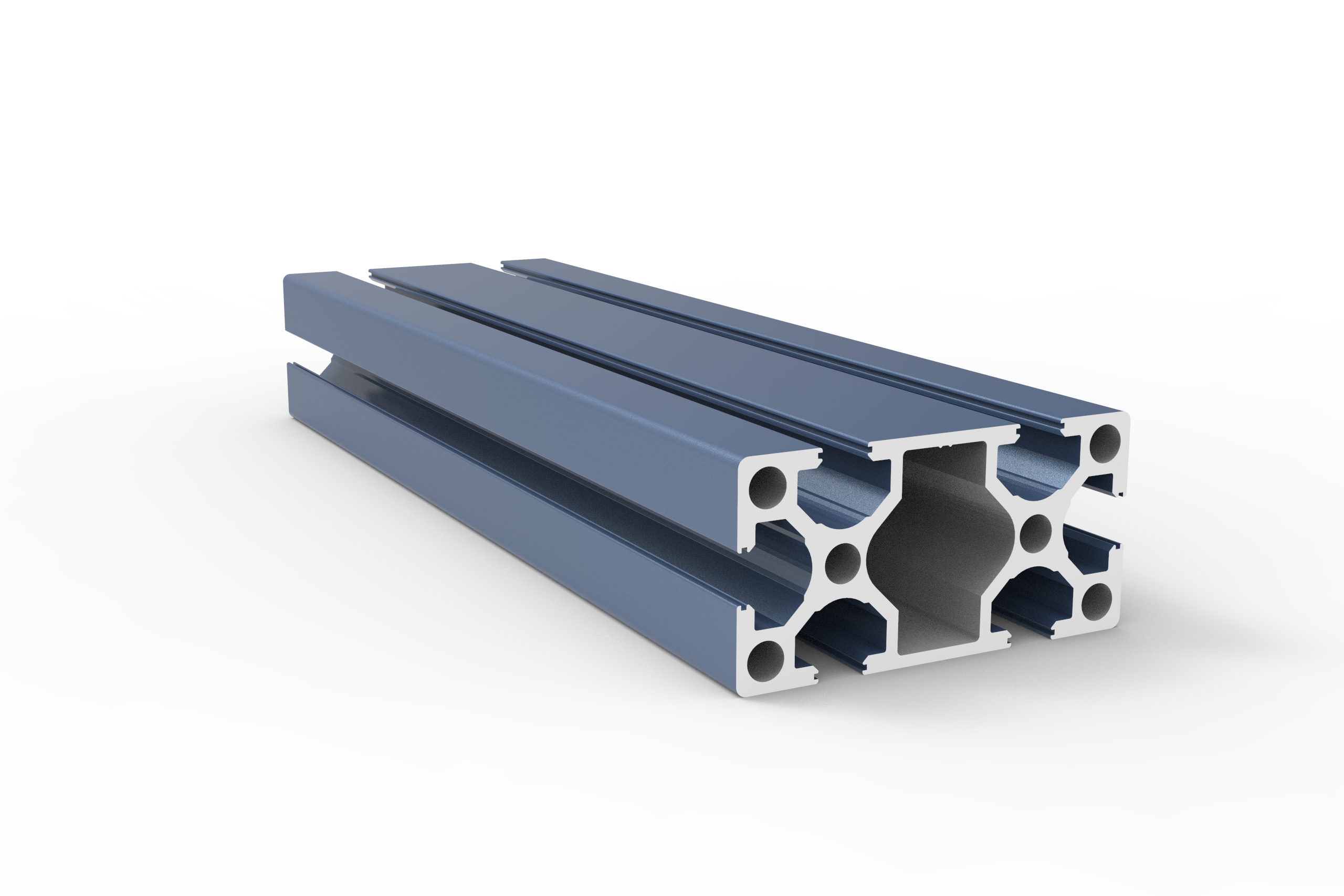
What T-slot industrial profile size is best for a heavy duty machine frame?
How do I choose the right stainless steel decorative profile for high humidity areas?
How do I choose the right aluminum architecture profile for coastal buildings?
How do I choose the right stainless steel decorative profile for high humidity areas?
What wind load specs should I check for aluminum casement windows in coastal high-rises?
How do I know which aluminum industrial profile alloy is best for heavy machinery frames?
How do I choose the right alloy grade for aluminum architecture profiles?
How do I select the right heavy-duty hardware for exterior commercial floding doors?
How do I select the right glass thickness for bulk awing window orders?
What frame thickness is recommended for commercial aluminum casement doors?
What frame thickness is best for high-rise commercial sliding windows?
How to choose weather resistant aluminum floding door specs for commercial use?
How do I choose the best water tightness rating for commercial awing windows?
How do I choose the right frame material for commercial casement doors?
How do I choose the right wind load rating for sliding windows in coastal areas?
What is the best material for outdoor decorative profiles to prevent rust and fading?
How do I choose the right track thickness for high-traffic commercial sliding doors?
How do I choose between PVC and basswood shutters for high-humidity areas?
How do I choose between double and triple glazing for casement windows in cold climates?
How do I choose the right industrial profile thickness for heavy-duty cnc machine frames?
How do I choose the right alloy for outdoor architecture profiles to prevent corrosion?
Can you design a slim frame profile for modern minimalist look?
How do I choose the right wind-resistant floding door for a coastal commercial building?
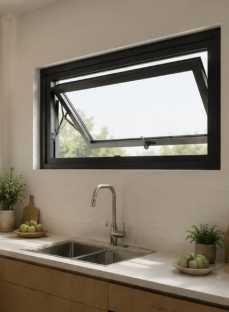
What key specs ensure a casement window can withstand heavy rain and high winds?
How do I choose the right aluminum alloy grade for heavy-duty industrial profiles?
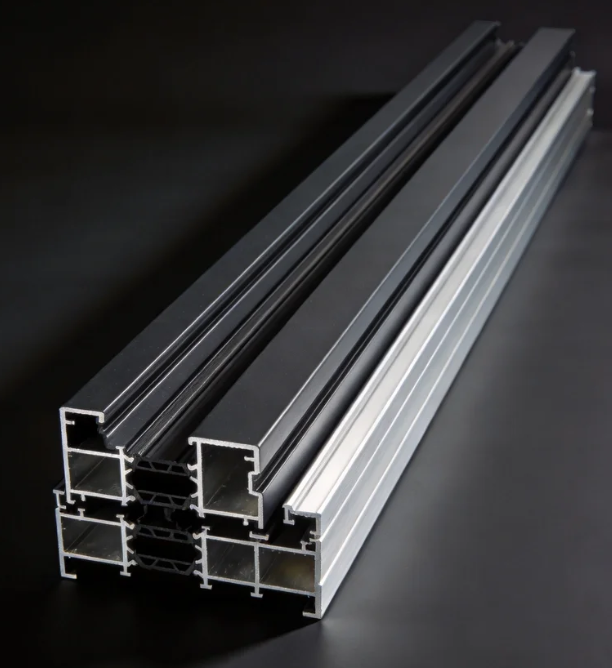
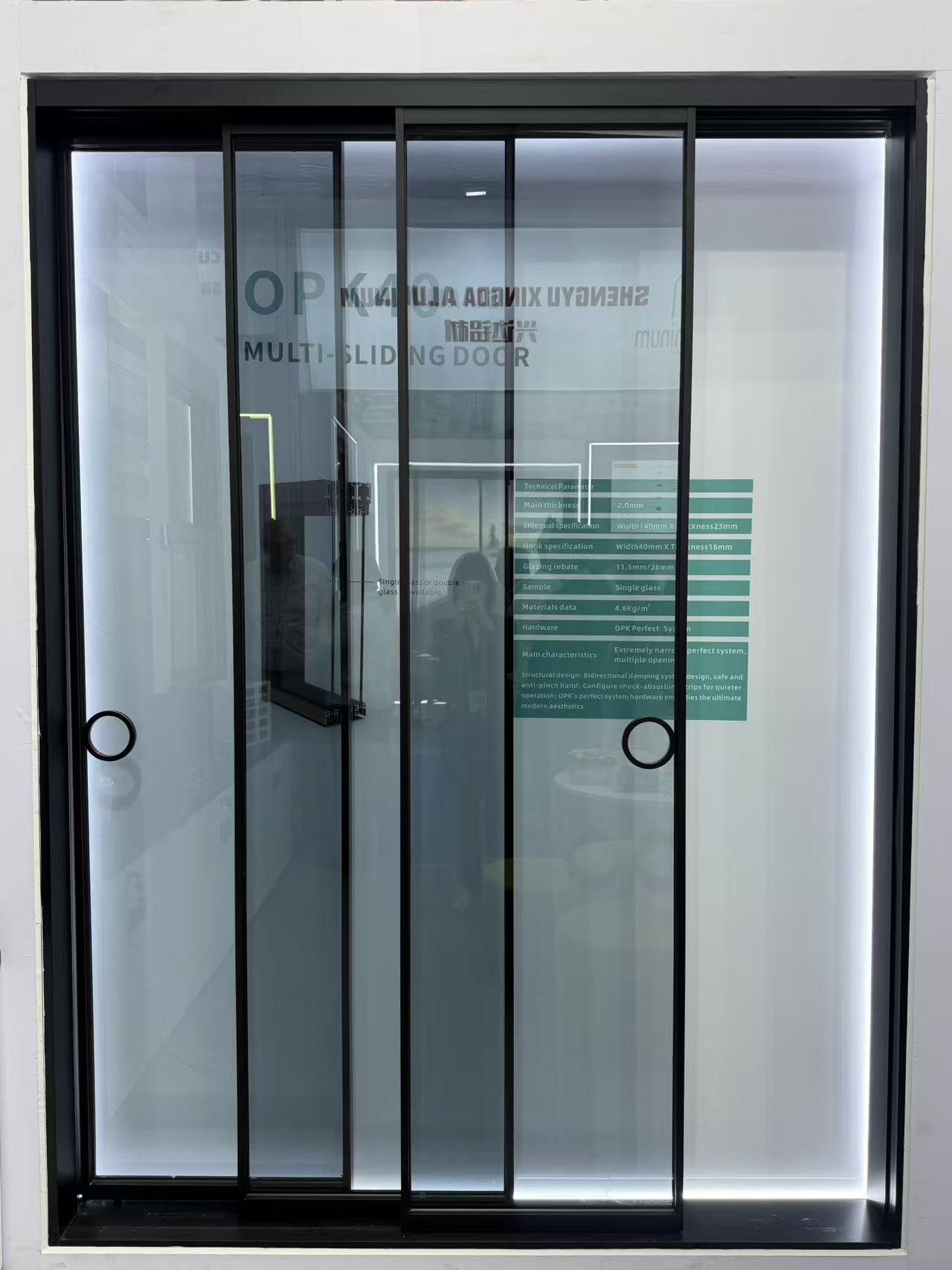
Which alloy grade of architecture profile is best for coastal areas to resist rust?
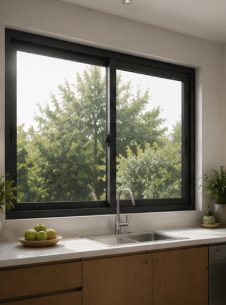
How do you pack windows to prevent glass breakage in transit?
Are slim-frame thermal break systems replacing traditional ones?
Does the price include the matching frame and installation kit?
How do you protect our proprietary design drawings from leaks?
How do I choose the right decorative profile for high-traffic hotel lobbies?
Is your factory the actual manufacturer or a trading partner?
Is it possible to 3D print a prototype before cutting steel?
Do you outsource any part of the painting process to others?
How do you handle replacement parts for damaged track rollers?
Do you accept escrow payments through third-party platforms?
Do you have ISO 9001 certification for your production line?
Are there extra fees if we pay via bank telegraphic transfer?
What is the price difference between powder coat and anodized?
What is the warranty period for the lock and hinge hardware?
What is your policy for dimensional deviations in the batch?
What happens if the shipment is delayed due to factory error?
Do you offer online technical support if color fading occurs?
Is it possible to engrave our brand logo on the tension screw?
Do you offer credit terms for long-term purchasing partners?
Can you palletize the shipments for easy forklift unloading?
What are the latest eco-friendly finish trends for decorative profiles in modern interior design?
What are the tooling cost and design limitations for customizing heavy-duty industrial profiles?
Has your architecture profile manufacturing facility passed ISO 9001 certification?
Can we use Alibaba Trade Assurance for our initial sliding door order to mitigate risk?
Do you provide free corner samples of the casement window frame for color verification?
Is it possible to custom-match a specific RAL color for a decorative profile order?
Can I request a 3D-printed sample before ordering a custom industrial profile mold?
Can you extrude an architecture profile based on our proprietary CAD drawings?
What thermal performance certifications does a sliding door need for the UK market?
How are heavy floding door panels crated to ensure safe unloading at the job site?
Can we arrange our own freight forwarder to pick up the casement door shipment FOB?
What is the estimated ocean freight transit time for a shutter shipment from China to Europe?
How can we source replacement seals for your awing window models in the future?
How are sliding windows typically packaged to prevent glass breakage during ocean transit?
What is the average lead time for a 40ft container of standard aluminum casement windows?
Are there any extra tooling fees if my decorative profile order doesn’t meet the MOQ?
Can I get 3D printed prototypes of custom architecture profiles before committing to mold tooling?
How is smart glass technology being integrated into modern residential sliding door units?
What options do you have for customizing the threshold height of an aluminum floding door?
What thermal break technology should I look for in a heavy-duty aluminum casement door?
What quality control processes do you perform on shutter hardware before final assembly?
Do you offer DDP shipping terms for awing window orders delivered to our warehouse?
Is it possible to order a fully functional sliding window sample for mock-up testing?
Do you provide replacement hardware if the casement window hinges fail within 5 years?
How do you handle claims for decorative profile items damaged during transit?
What is the standard MOQ for custom-extruded aluminum industrial profile orders?
How does the order volume affect the per-ton price of custom architecture profile designs?
What is the warranty period for the rollers and tracks on your heavy-duty sliding doors?
How can we secure our deposit when purchasing high-value custom floding doors from a new supplier?
Can your factory match custom anodized colors for decorative profiles based on physical samples?
Is there a lighter alternative to aluminum industrial profile structures for robotics?
What payment security measures do you have for custom architecture profile tooling fees?
Can I order a sliding door with custom grid patterns between the glass panes?
How do you protect buyers against financial loss if the floding door shipment is delayed?
Are slim-frame aluminum casement door designs becoming more popular in modern offices?
What is your policy for replacing shutter components that arrive with color mismatch?
What kind of remote technical support do you offer for sliding window installation?
What is the maximum safe size for a top-hung awing window in commercial projects?
What environmental management standards does your decorative profile plant follow?
What is the standard lead time for producing a 40ft container of casement window orders?
What is the warranty period for the anodized finish on your industrial profile?
What are the latest eco-friendly trends in architecture profile manufacturing?
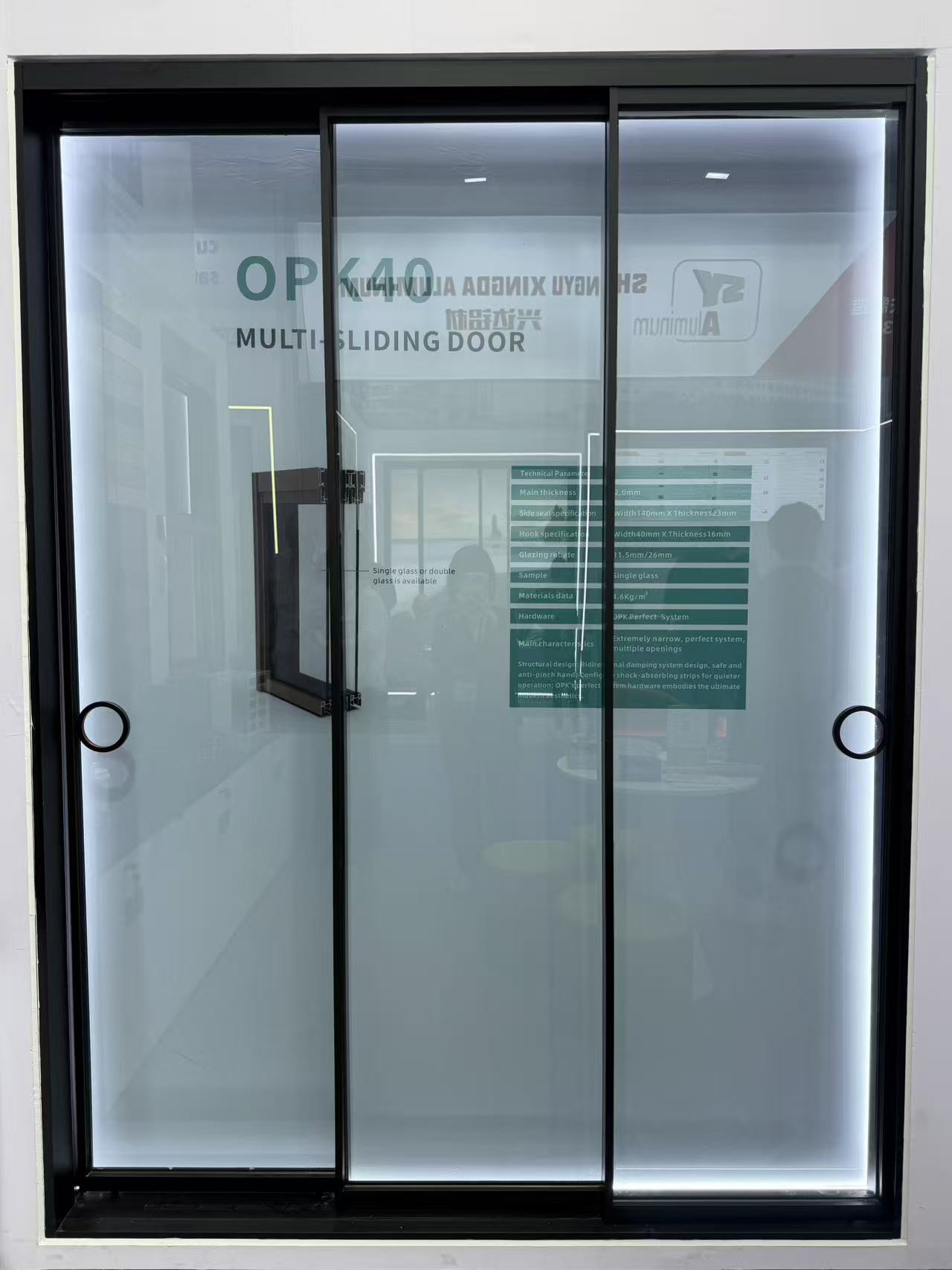
What is the average wholesale price per square meter for double-glazed sliding door systems?
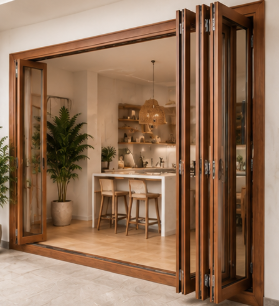
How do I calculate the structural load requirement for a 5-panel exterior floding door?
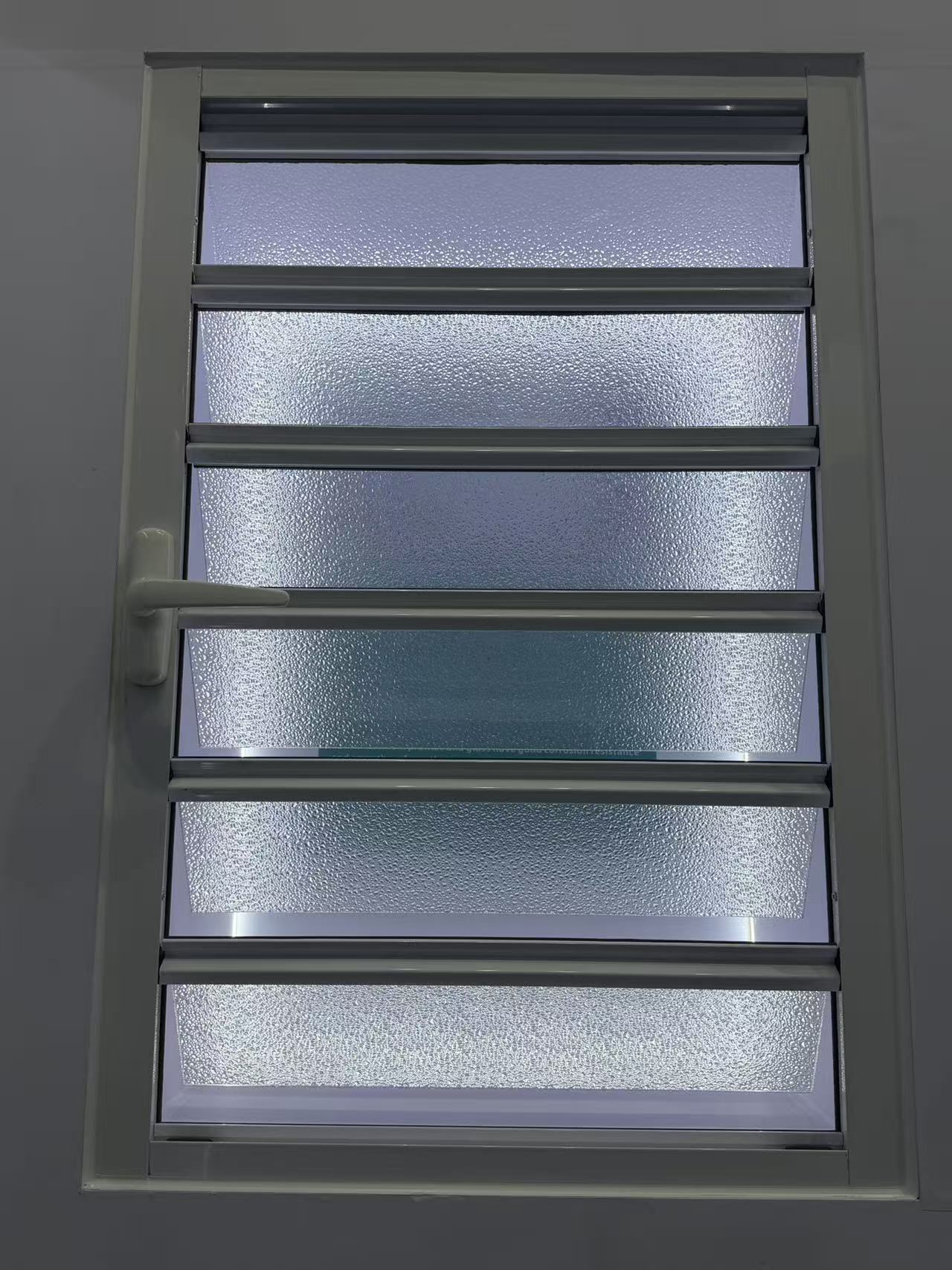
Do your exterior shutter systems comply with Florida building codes for hurricane protection?
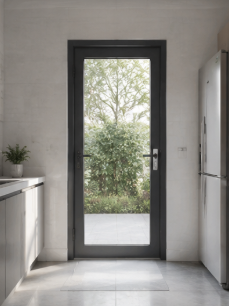
Do you offer Letter of Credit (L/C) payment options for casement door bulk orders?
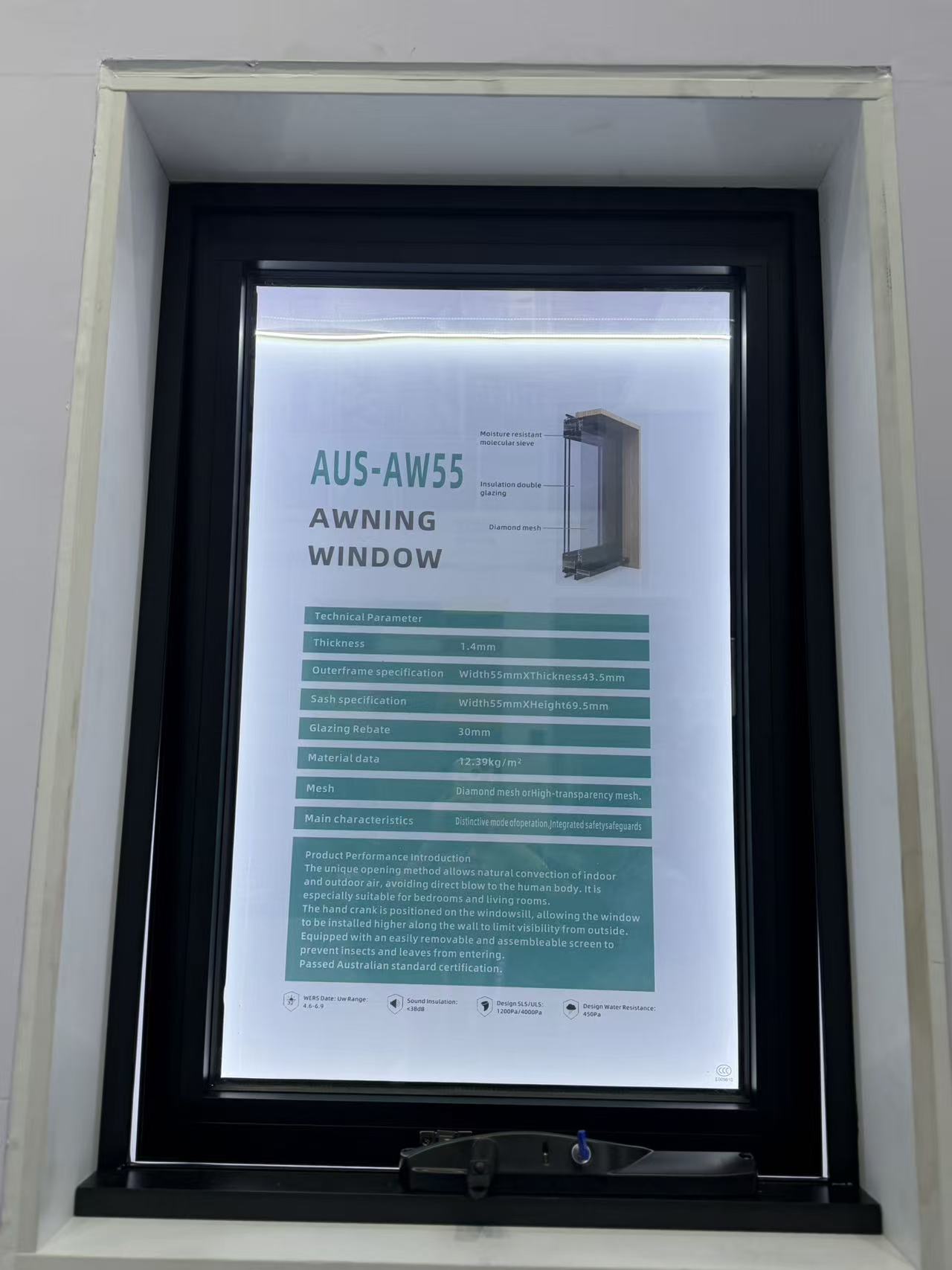
Which water tightness certifications are required for importing an awing window to Europe?
Do you allow virtual factory tours to inspect the sliding window assembly line?
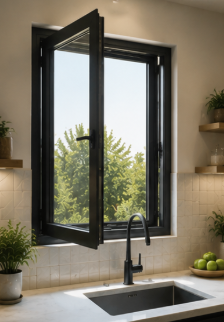
What is the typical MOQ for ordering standard-sized aluminum casement window units?
How long does it take to receive a physical sample of a gold-anodized decorative profile?
How do I choose the right alloy grade for architecture profiles in high-rise coastal buildings?
How do I choose the right track and roller specs for heavy-duty commercial sliding doors?
The core advantages of using aluminium profiles for the canopy
International demand: Dual drive by new energy and infrastructure

The advantages of using aluminium profiles to manufacture robot arms
The advantages of using aluminum profiles for door and window frames
The impact of the conflict between the United States and Iran on the price of aluminum
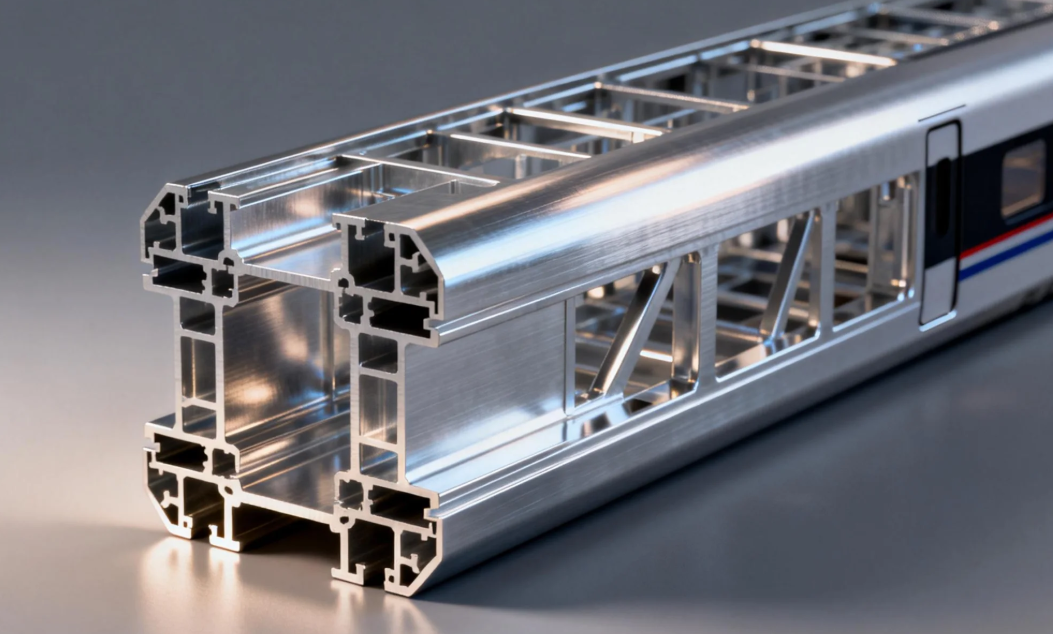
The advantages of using aluminium alloy for the main structure of high-speed train carriages

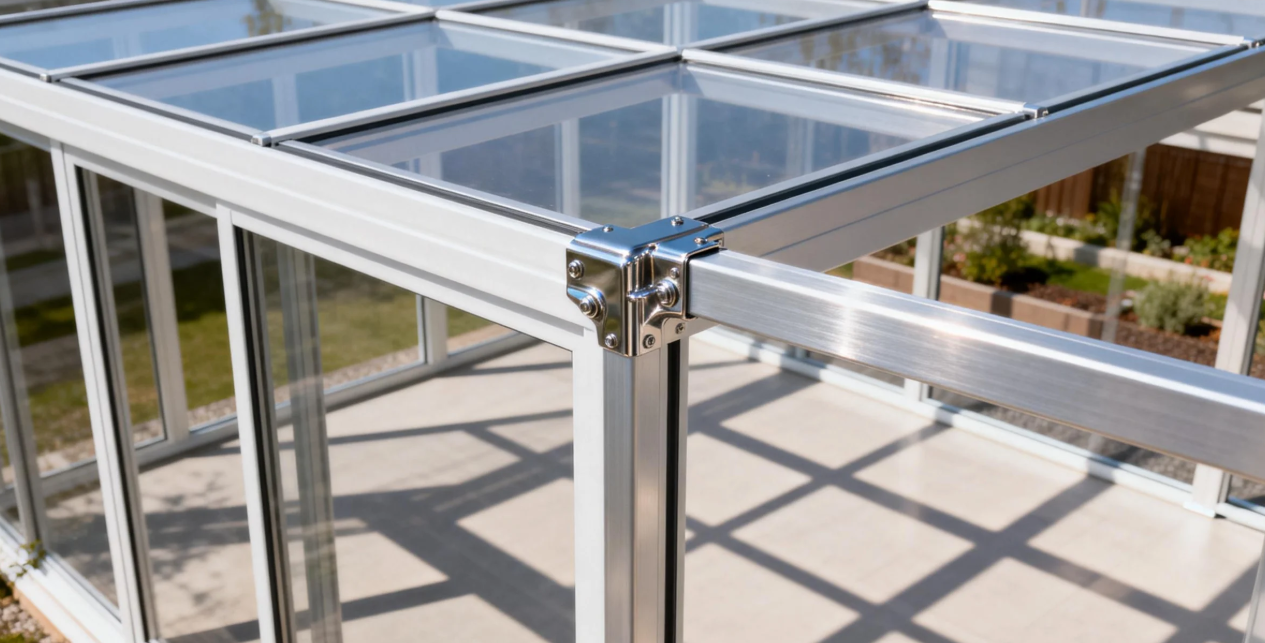
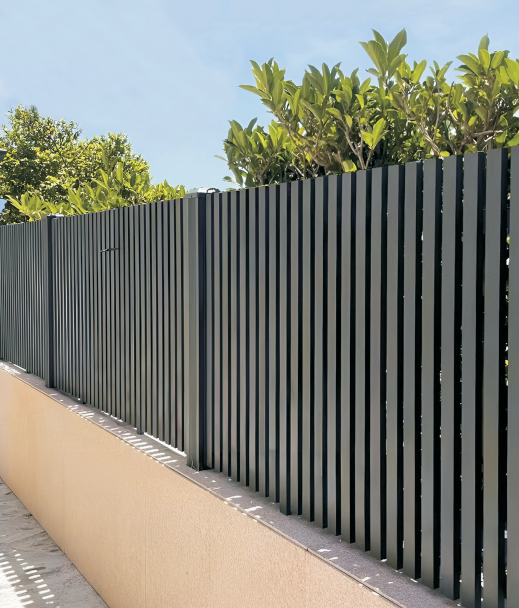





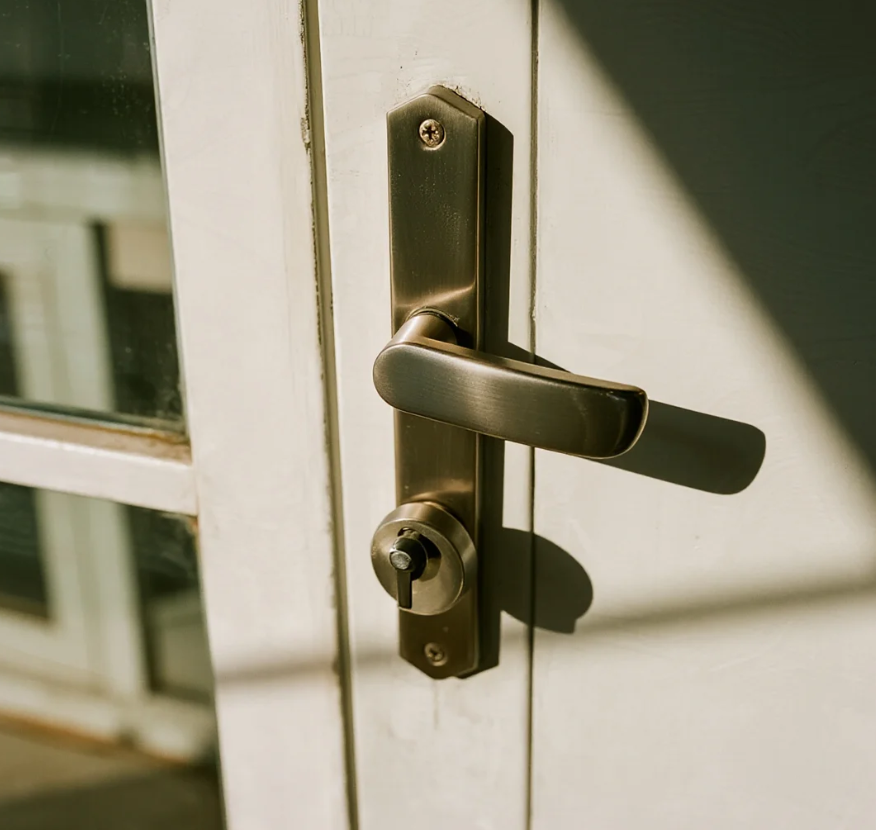
Methods for distinguishing Indoor and Outdoor Aluminium Doors

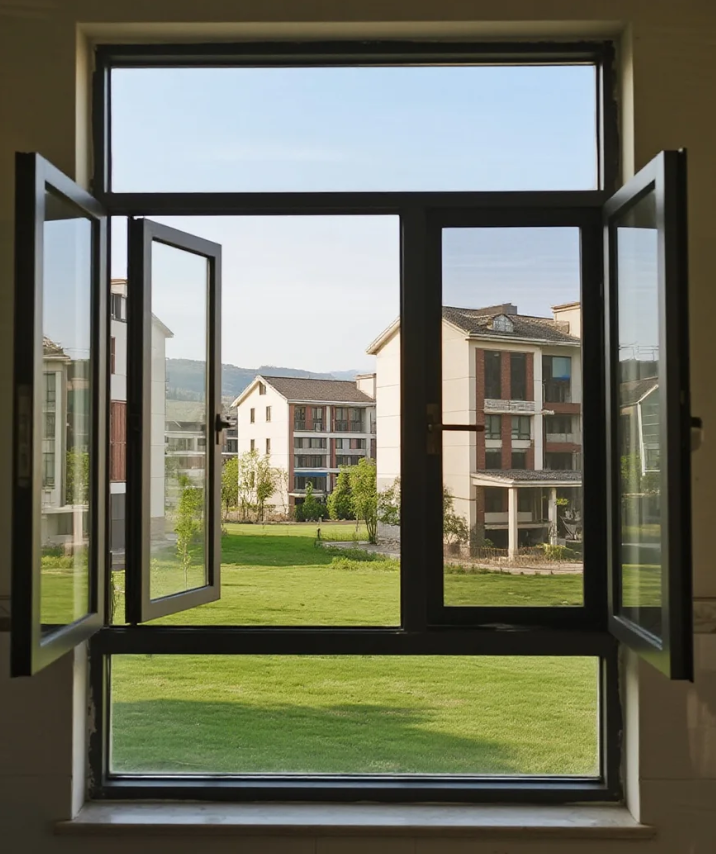
Maintenance methods and tips for aluminium doors and windows
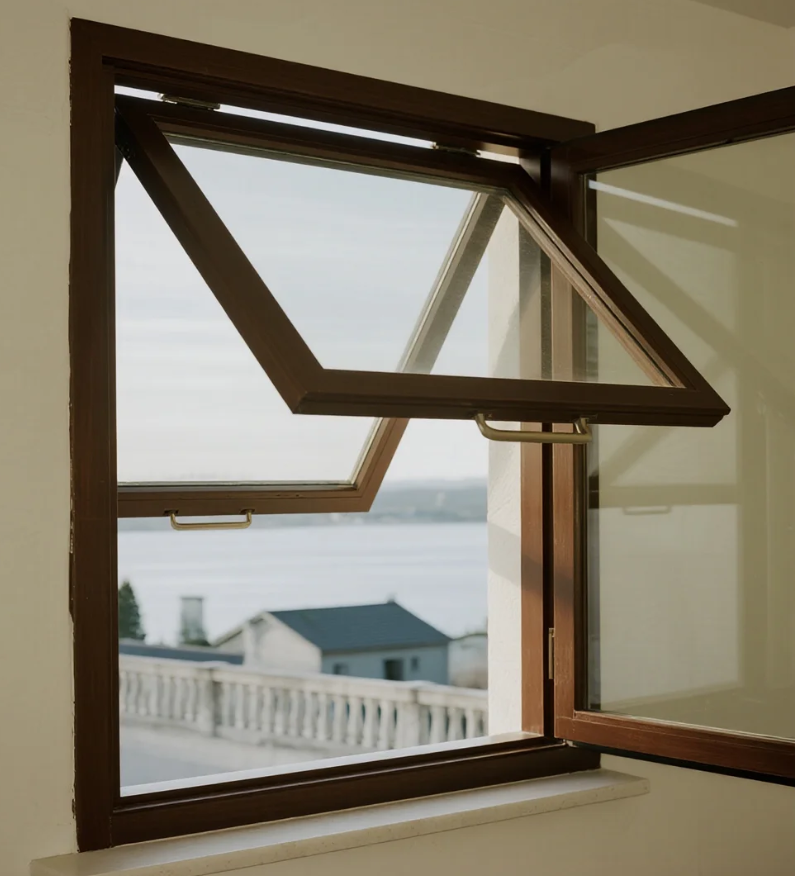
Characteristic of outward-opening and hung aluminium windows


Xinhe Aluminium Research: 7.14-7.18 Analysis of Aluminium Prices

Seven Benefits Of Using Aluminium Profiles In Curtain Wall Systems
The Application of Aluminium Profiles in New Energy Vehicles

The Composition and Application of Series 6 Aluminium Alloys
Top 5 Benefits of Using LED Aluminium Profiles in Modern Lighting
A Complete Guide to Aluminium Frame Profiles for Modern Structures
Exploring the Strength and Versatility of Aluminium Extrusion Profiles
How to Choose the Right Aluminium Profile Supplier for Your Project


COMPANY