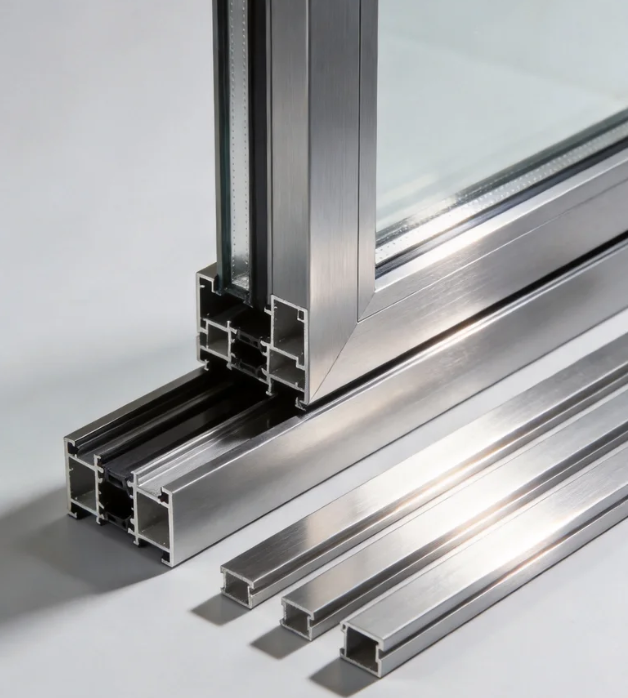
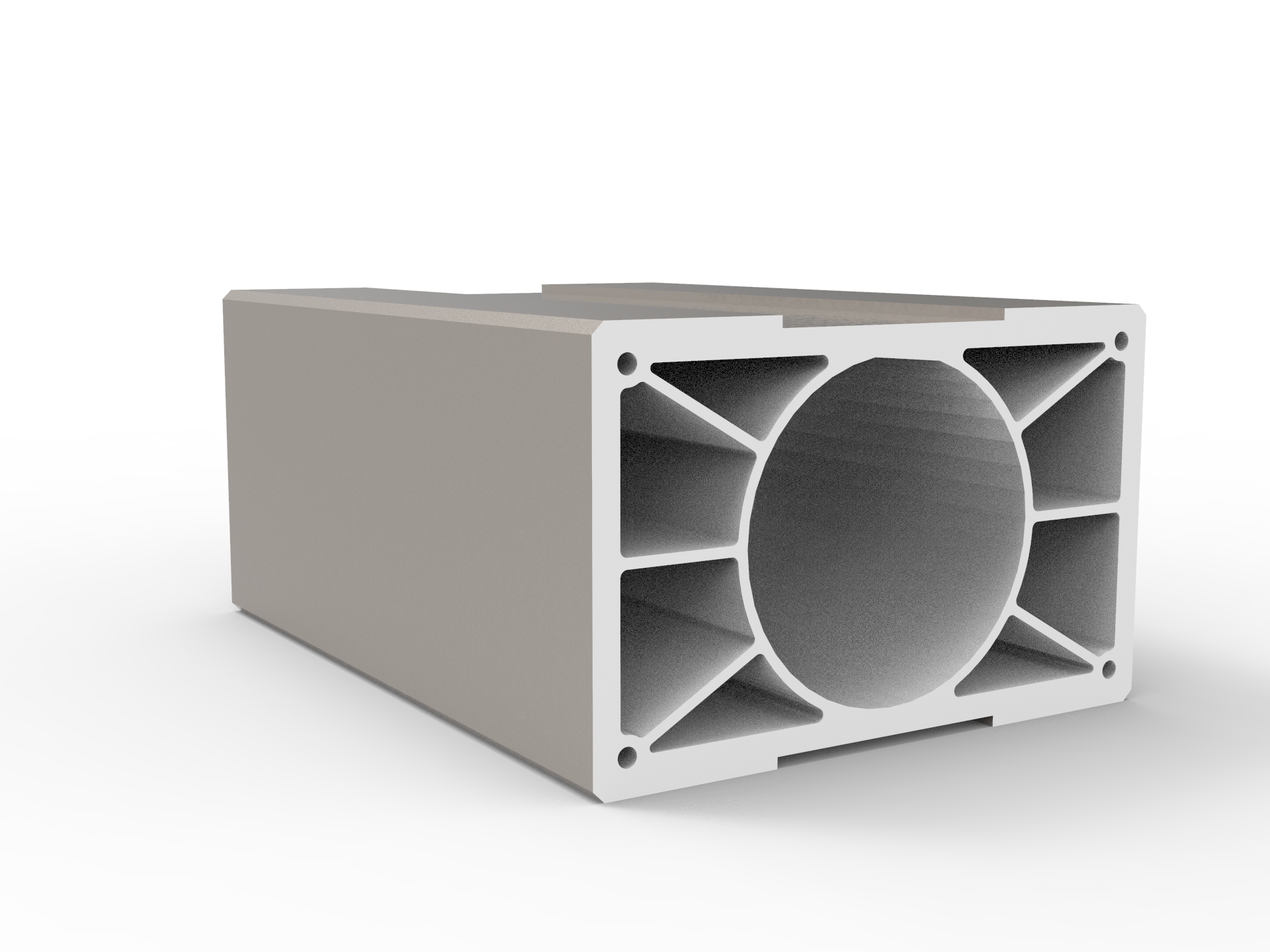
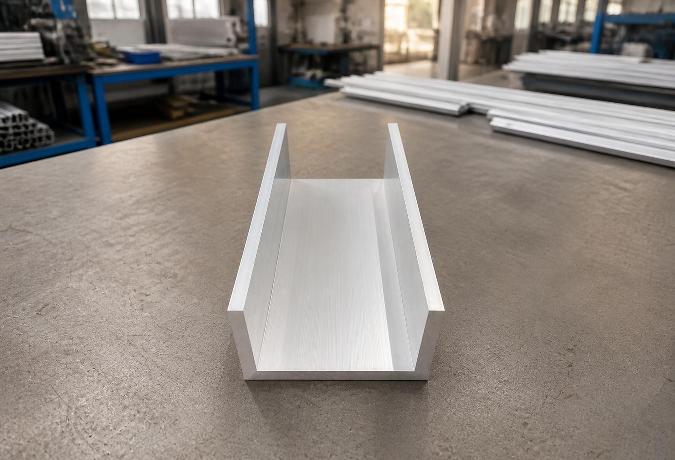
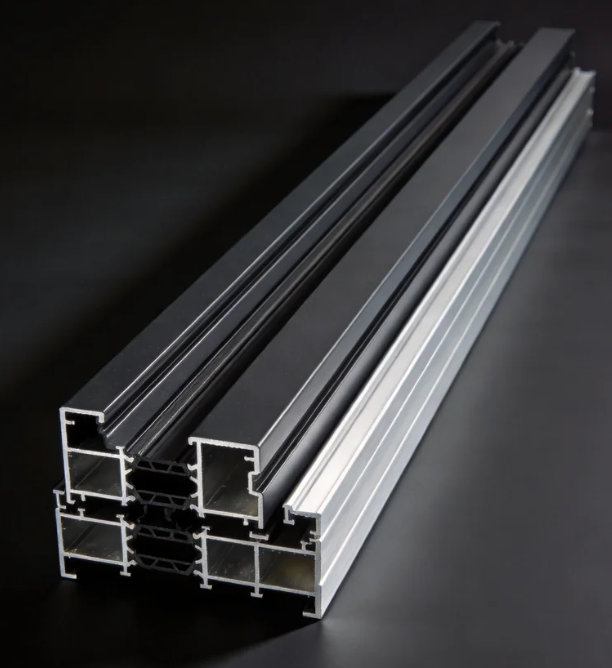
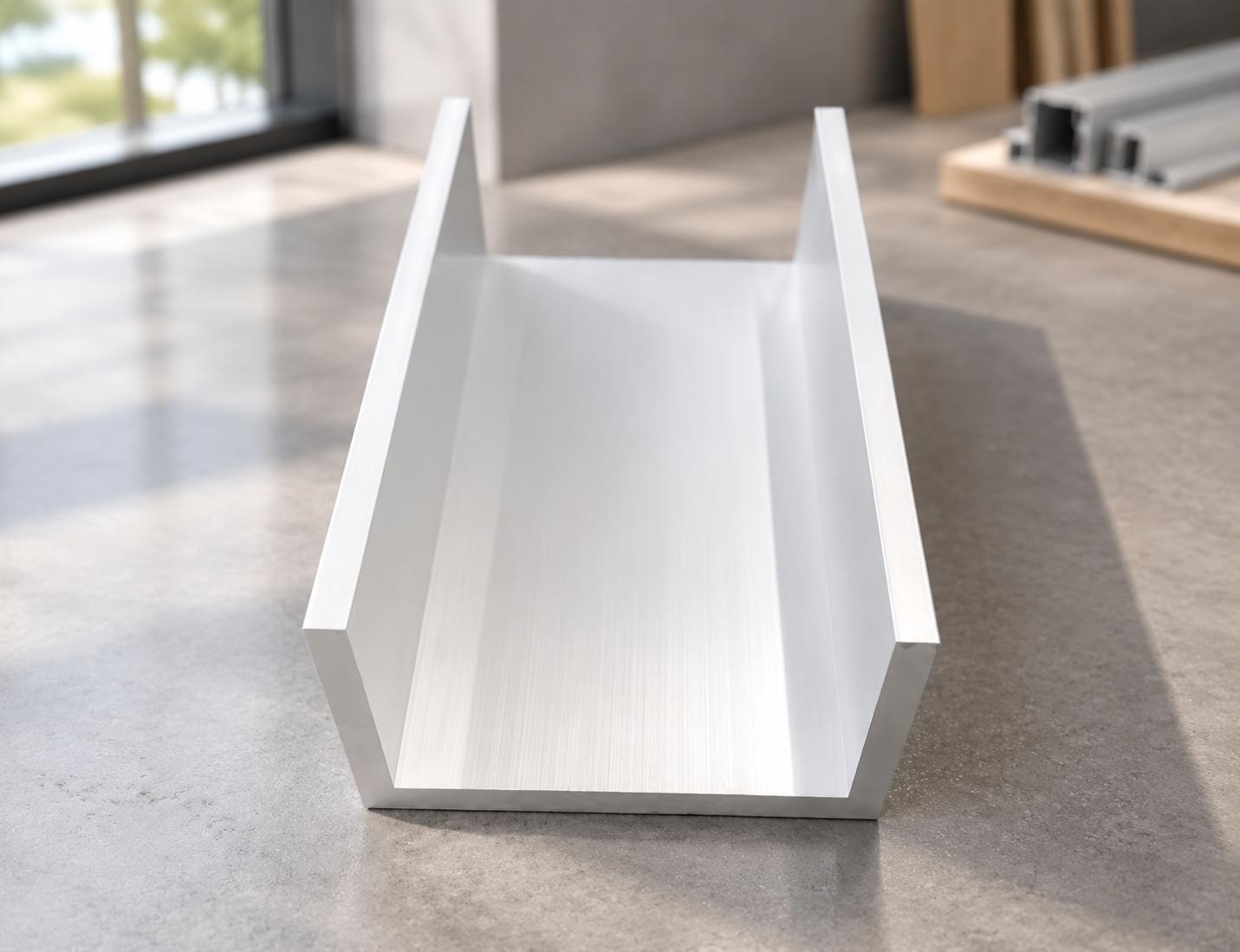
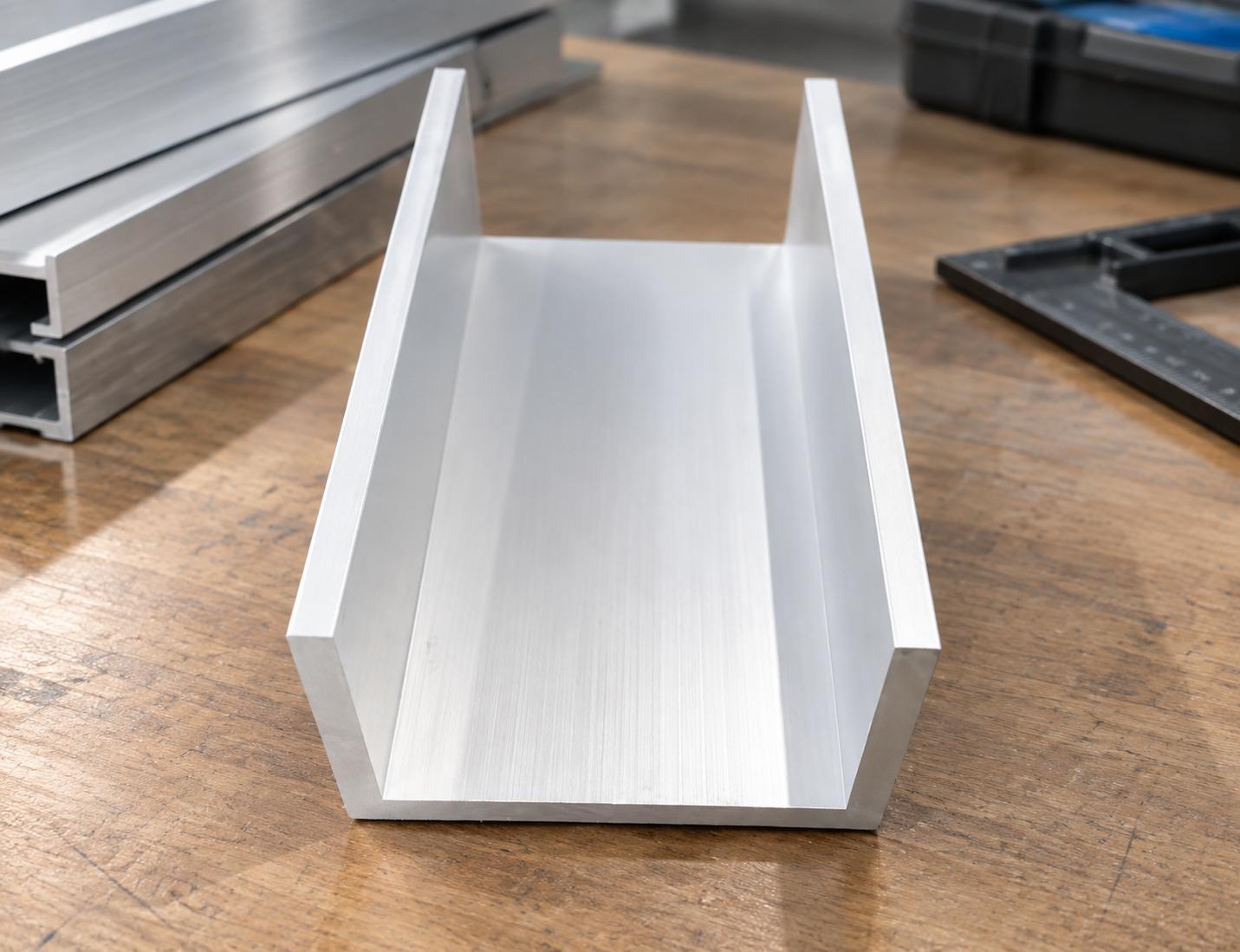
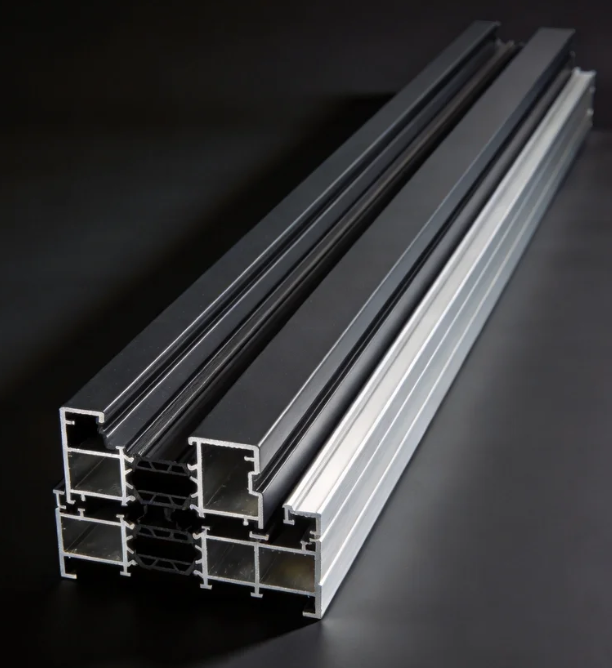
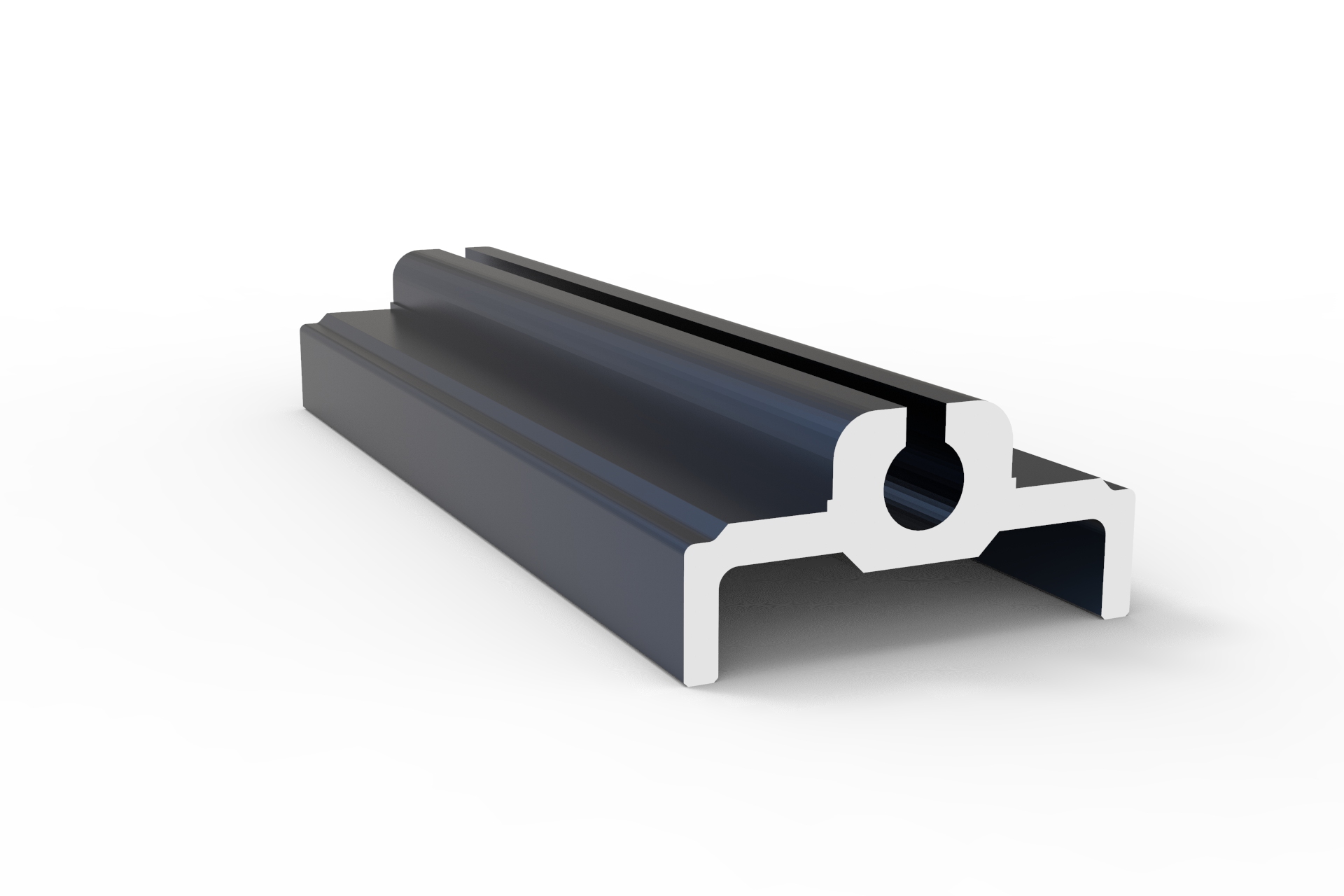
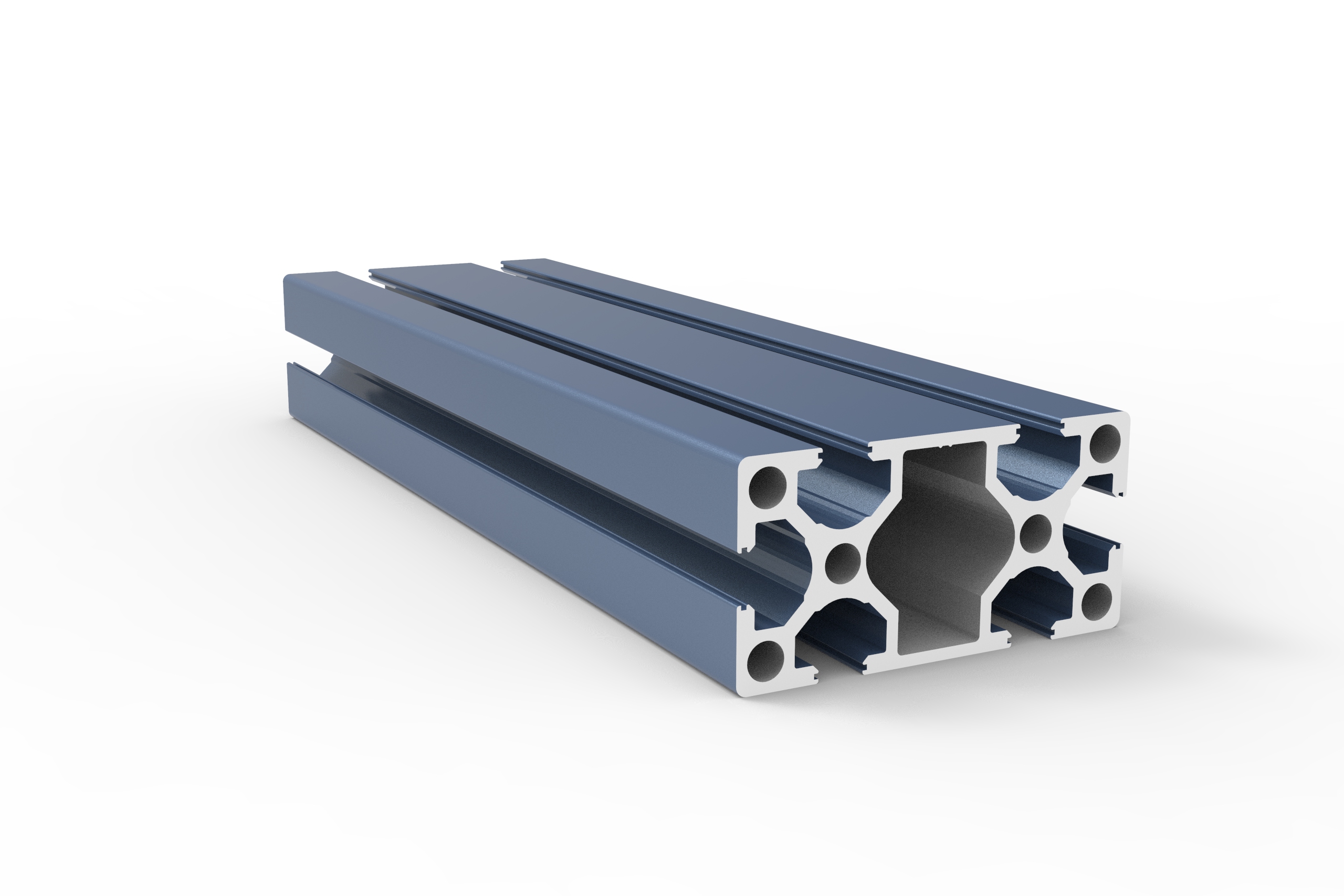
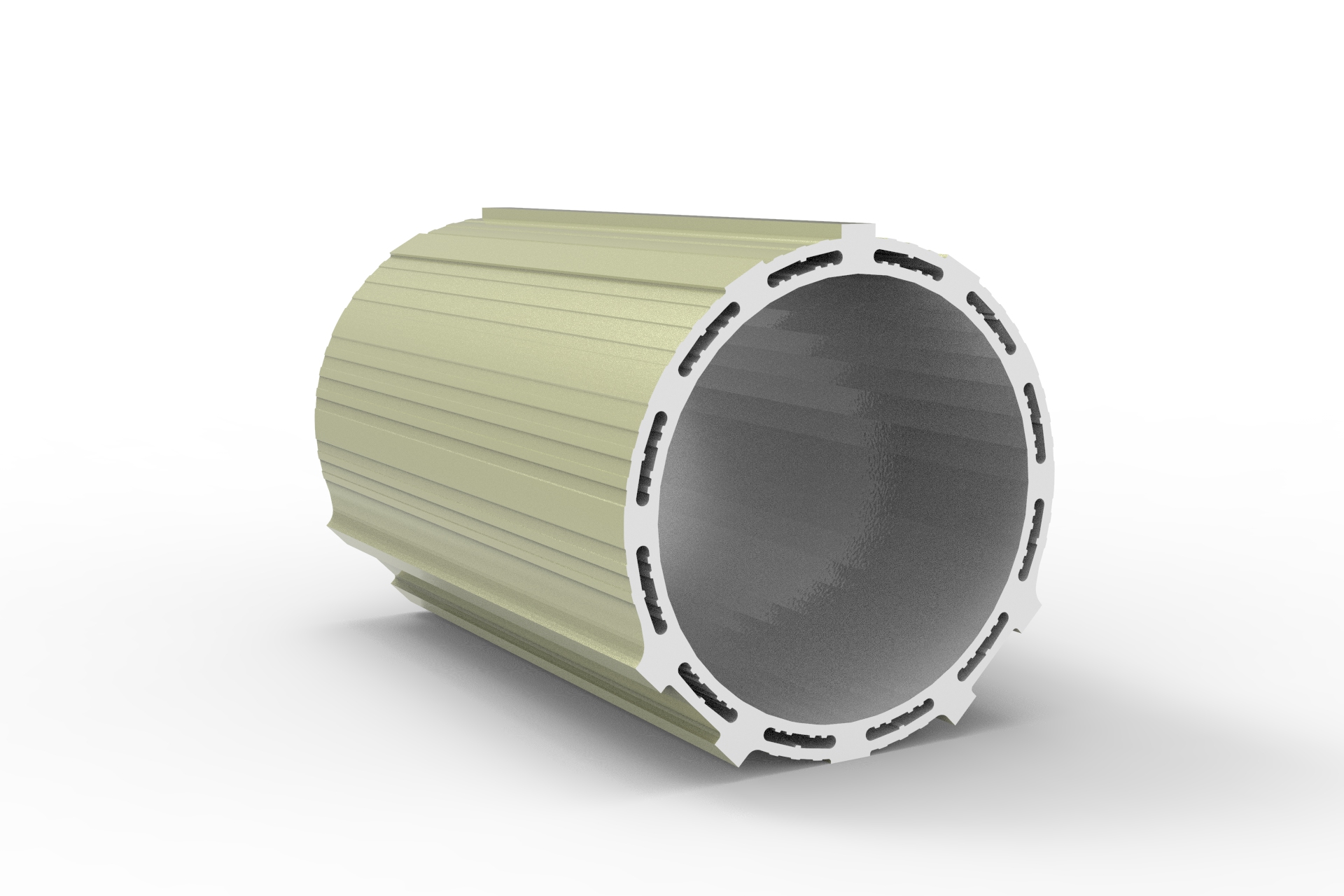
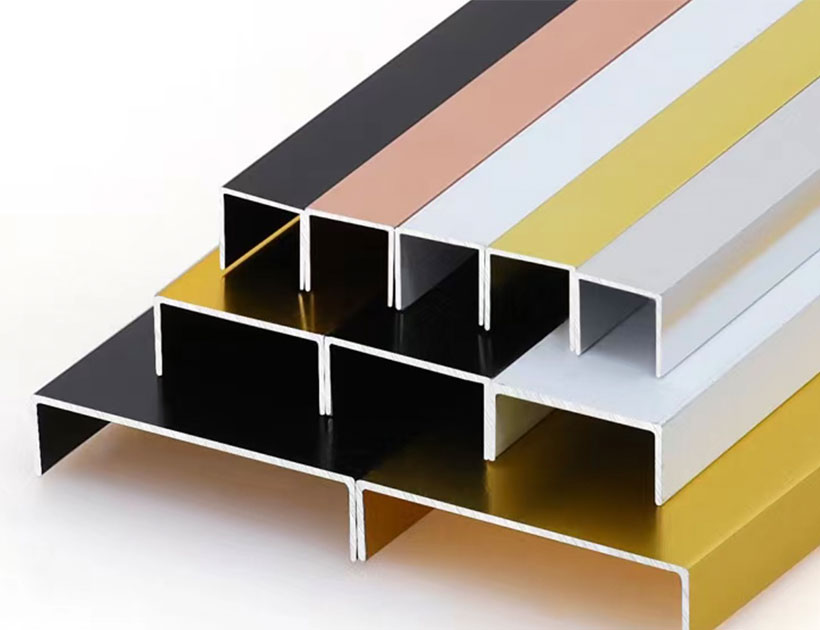
The fundamental challenge in architectural framing and industrial design often comes down to managing the conflict between weight and structural rigidity. Engineers rely heavily on precision-crafted aluminium extrusions to resolve this tension across a variety of load-bearing and decorative applications. Channel profiles, specifically those formed in U or C configurations, represent a highly efficient geometric solution for spanning distances without adding unnecessary mass.
When evaluating a structural component, the cross-sectional geometry dictates how forces are distributed along the axis. Solid metal bars might offer high sheer strength, but they introduce a severe weight penalty that complicates transportation and installation. By utilizing a hollow or open-channel extrusion design, the material is placed precisely where it is needed to resist bending moments.
This targeted material distribution prevents structural deflection under load while keeping the overall assembly lightweight. Understanding the mechanics behind these profiles requires a close examination of the specific alloys used, the physical constraints of the extrusion process, and the surface treatments that protect the raw material from environmental degradation.
Standard steel framing has long been the default choice for heavy construction. However, steel carries a significant mass burden and requires complex rust-mitigation strategies. Aluminium provides a distinct physical advantage by offering an outstanding strength-to-weight ratio.
The density of aluminium is roughly one-third that of steel. This dramatic reduction in mass changes the fundamental math for architectural engineers. Lighter frameworks mean less dead load on a building’s primary foundation, allowing for more ambitious suspended structures.
For interior trim, cabinetry, and louvered ceiling systems, sheer structural strength is less critical than dimensional stability over long spans. Channel profiles maintain their straightness without sagging under their own weight. This stiffness is a direct result of the alloy composition and the thermal treatments applied immediately after the extrusion process.
The performance of any metal profile begins at the metallurgical level. For architectural and commercial channel profiles, manufacturers typically rely on the 6000-series alloys, primarily 6063 and 6463. These are magnesium and silicon-based alloys, formulated specifically for complex shapes.
Alloy 6063 is widely recognized for its excellent extrudability, allowing it to be pushed through intricate dies to form sharp corners and thin walls. It provides high tensile strength alongside effortless workability, making it ideal for sections that require post-extrusion machining or cutting.
Alloy 6463 shares similar mechanical properties but is formulated with tighter controls on iron impurities. This slight chemical adjustment makes it particularly suited for chemical brightening and high-end anodizing. When a project demands a highly reflective or flawless decorative finish, 6463 is often the preferred choice.
The suffixes T5 and T6 indicate the temper, or the thermal history of the metal. A T5 temper means the aluminium extrusions were cooled rapidly from an elevated temperature shaping process, followed by artificial aging in a specialized oven. This process locks the crystalline structure of the metal, significantly increasing its yield strength.
A T6 temper undergoes a more rigorous solution heat treatment followed by artificial aging. This results in maximum hardness and strength, though it slightly reduces the metal’s ductility. The choice between T5 and T6 depends on whether the profile needs to endure heavy structural loads or if it requires slight bending during final installation.
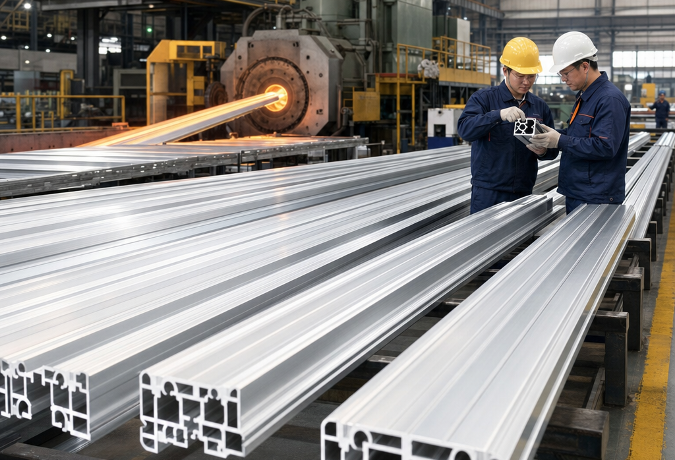
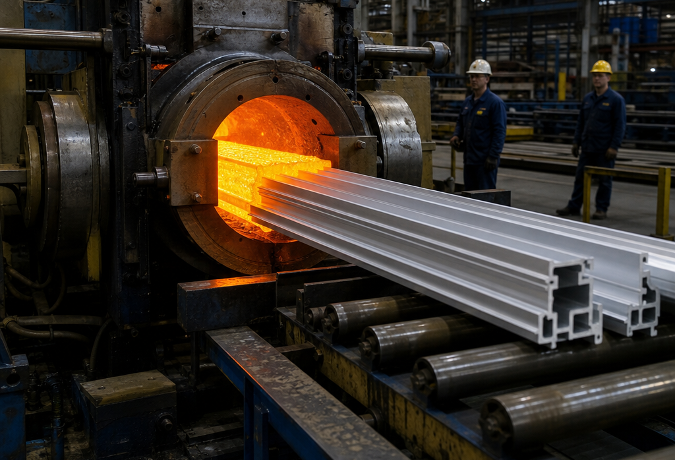
The manufacturing of channel profiles relies on immense hydraulic pressure forcing heated, plasticized aluminium through a customized steel die. This process must be carefully monitored to maintain consistent wall thicknesses and parallel flanges. Any variance in temperature or pressure can cause the profile to warp as it exits the press.
Friction between the aluminium and the die surface affects the flow rate of the metal. In a U-channel design, the base of the profile often flows at a different speed than the vertical legs. Skilled die designers must calculate these flow differentials, making minute adjustments to the bearing lengths inside the die to ensure the metal emerges at a uniform velocity.

Achieving a true 90-degree internal angle is a specific engineering challenge. The metal naturally wants to round off inner corners as it cools and shrinks. Precision-machined extruded aluminium sections require specialized die corrections to counteract this shrinkage, resulting in the clean, flat inner bases necessary for flush installations.
Once the profile exits the die, it is gripped by a specialized machine and stretched slightly. This stretching process, typically pulling the metal beyond its elastic limit by a margin of one to two percent, removes any residual bowing. It ensures the final product is perfectly straight and relieves internal stresses that could cause warping during later machining phases.
Raw aluminium inherently resists catastrophic rusting by forming a microscopic, natural oxide barrier the moment it is exposed to oxygen. However, for commercial applications, this natural layer is insufficiently durable. It is prone to uneven discoloration and can be scratched easily in high-traffic environments.
To guarantee long-term resilience against humidity, wear, and oxidation, the profiles undergo extensive surface treatments. Anodizing is an electrochemical process that forces a much thicker, controlled oxide layer to grow directly out of the base metal. Unlike paint, an anodized finish cannot peel or flake because it is entirely integrated into the aluminium substrate.

During anodizing, the metal is submerged in an acid electrolyte bath while a direct electrical current is passed through it. This creates a highly porous surface. These microscopic pores can then be filled with organic or inorganic dyes, producing deep, metallic colors that are highly resistant to ultraviolet fading.
Powder coating offers an alternative for projects requiring solid, non-metallic colors. Dry plastic powder is electrostatically charged and sprayed onto the grounded aluminium profile. The pieces are then baked, causing the powder to melt and flow into a tough, continuous shell.
Electrophoresis provides a middle ground, using electrical currents to deposit a clear acrylic resin over an anodized base. This creates an exceptionally smooth surface with enhanced chemical resistance. Wood grain and fluorocarbon finishes further expand the aesthetic possibilities, allowing the profiles to complement diverse architectural design blueprints seamlessly.
One of the most critical, yet frequently overlooked, functions of an aluminium channel is thermal management. High-output LED lighting strips generate significant heat at the diode junction. If this thermal energy is not removed quickly, the LEDs will suffer from color shift, decreased luminous efficacy, and premature failure.
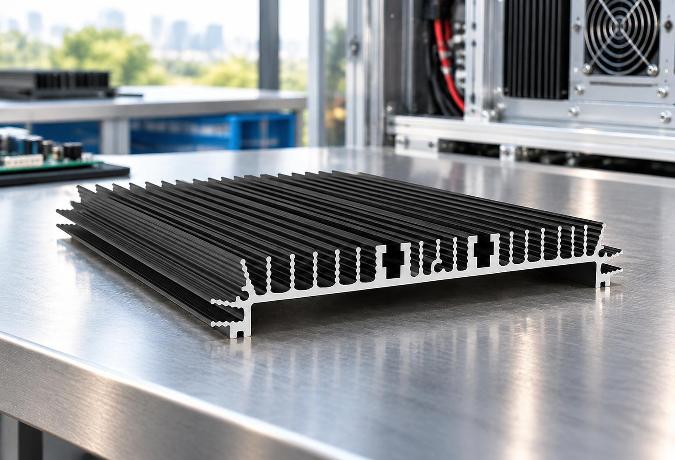
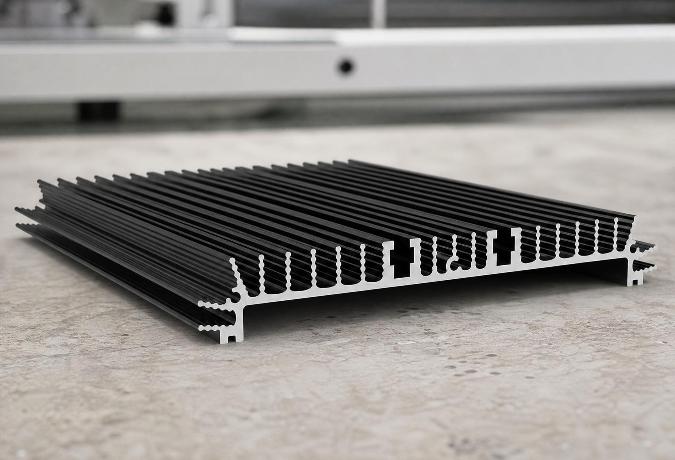
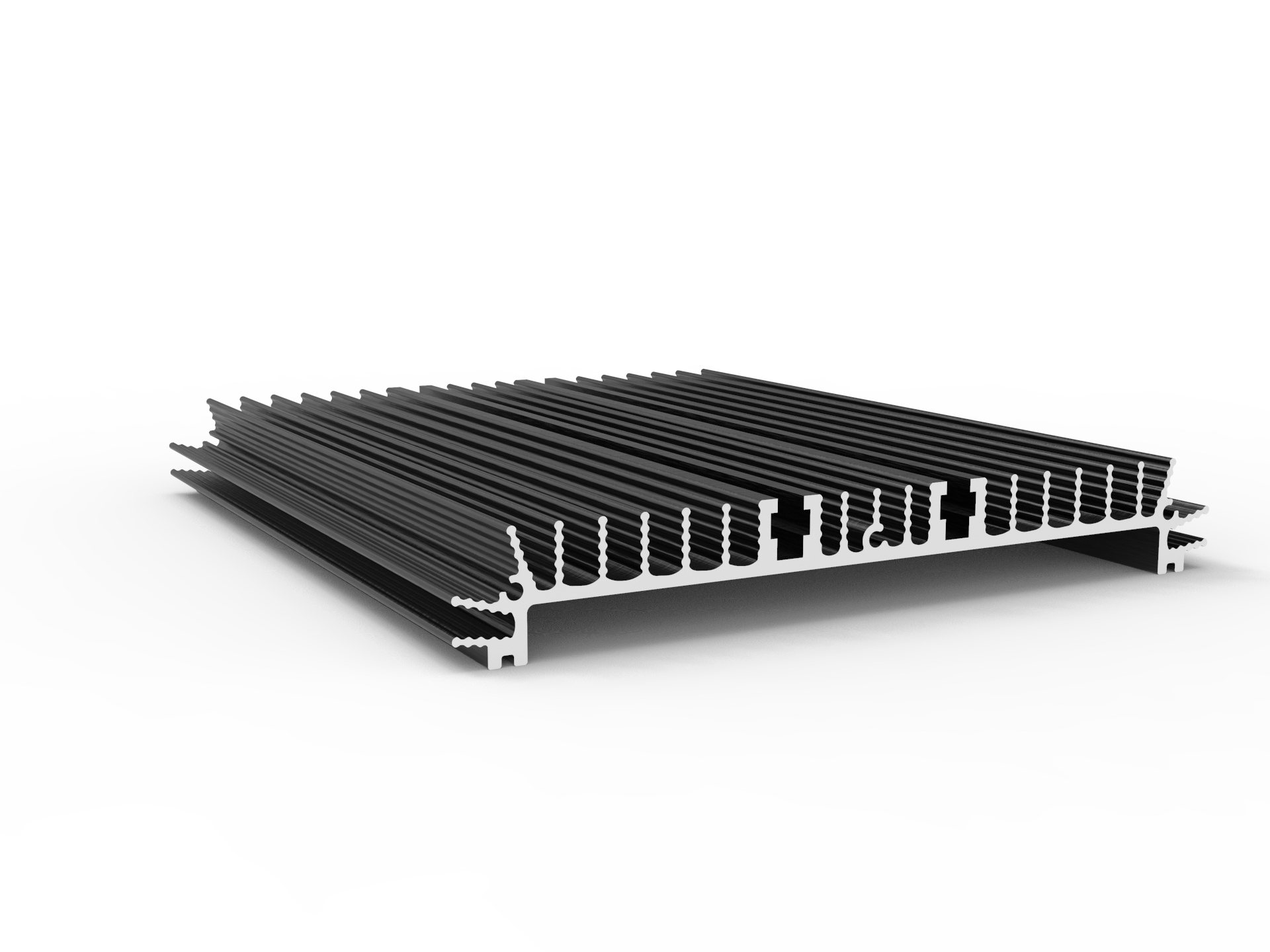
Aluminium possesses excellent thermal conductivity, making it an ideal heat sink. When an LED strip is mounted flat against the inner base of a U-channel profile, the metal acts as a thermal bridge. It rapidly pulls heat away from the sensitive electronic components and spreads it across the entire surface area of the extrusion.
The vertical flanges of the channel further increase the exposed surface area, maximizing convective heat transfer to the surrounding air. To optimize this cooling effect, the wall thickness of the channel must be carefully calculated. A wall that is too thin will create a thermal bottleneck, while a wall that is too thick adds unnecessary weight and material cost.
Engineers must also consider the interface between the LED strip and the metal. The clean, flat inner surface achieved through precision extrusion ensures maximum physical contact. This eliminates microscopic air gaps that act as thermal insulators, guaranteeing efficient heat dissipation throughout the lifetime of the lighting fixture.
Beyond structural framing and thermal management, channel profiles serve as vital transition elements in interior architecture. The modern aesthetic demands clean sightlines, shadow gaps, and flush alignments between disparate materials.
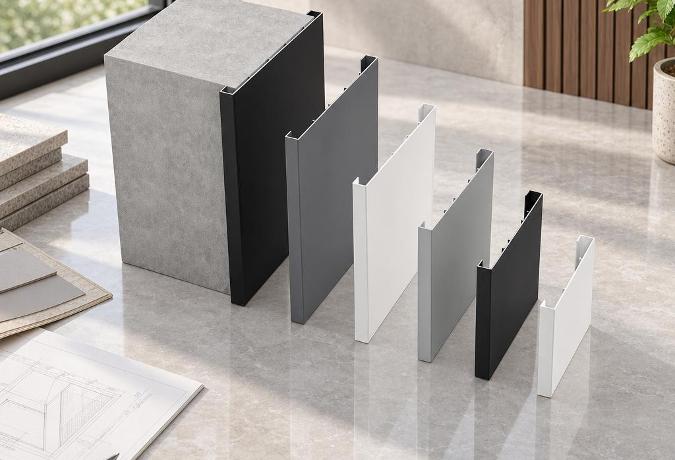
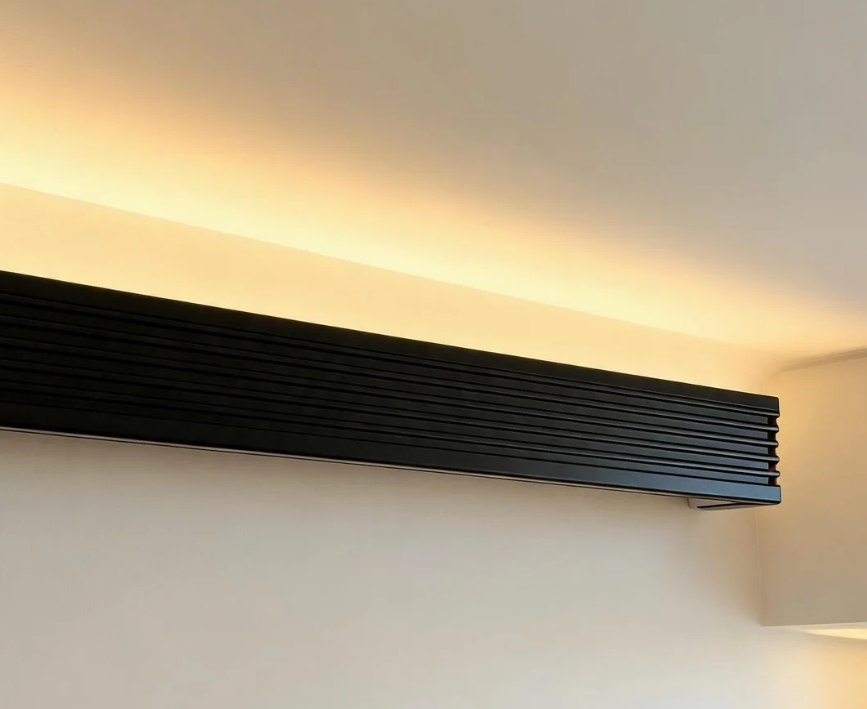
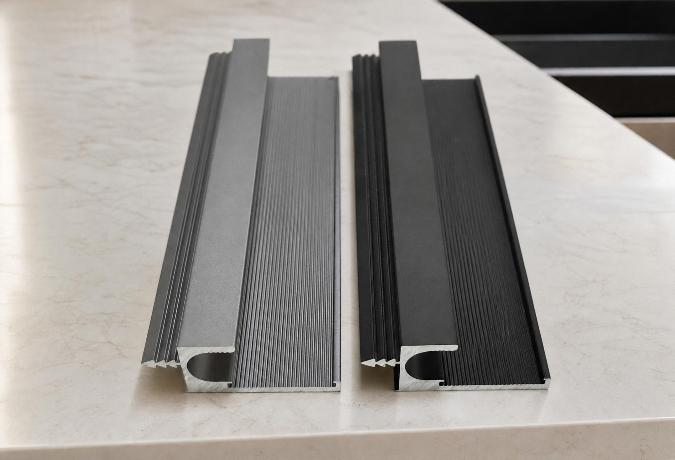
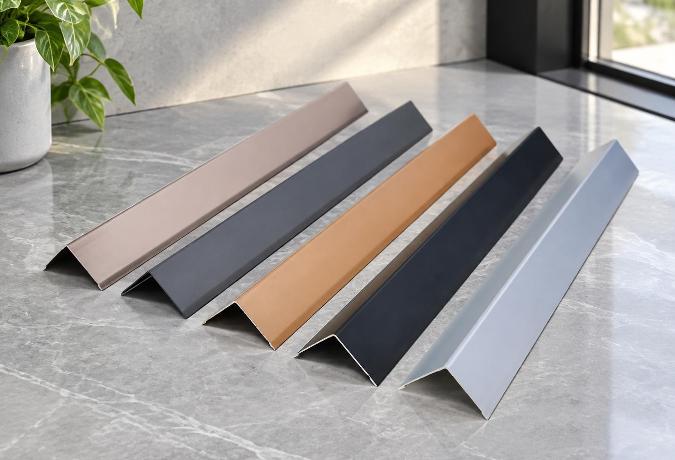
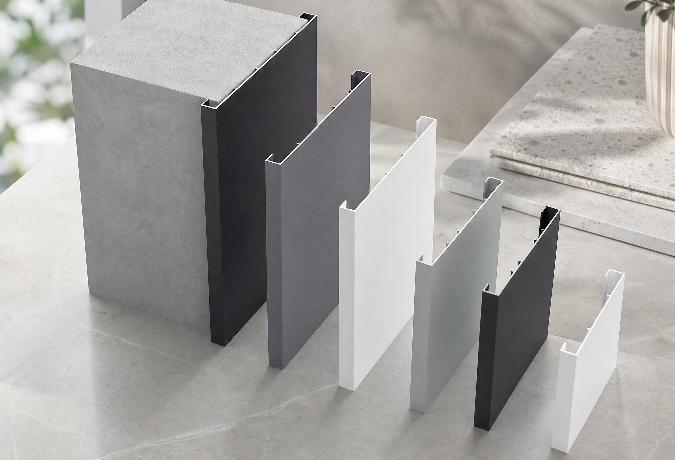
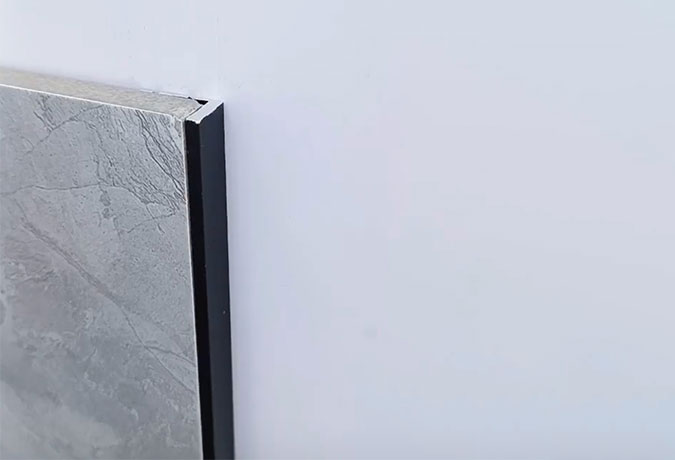
When applied as interior wall baseboards or perimeter skirtings, these profiles protect the fragile bottom edge of drywall while creating a recessed visual shadow. The dimensional stability of the extruded metal ensures a perfectly straight line along the floor, a feat that is nearly impossible to achieve with traditional wood millwork, which tends to warp or swell with humidity changes.

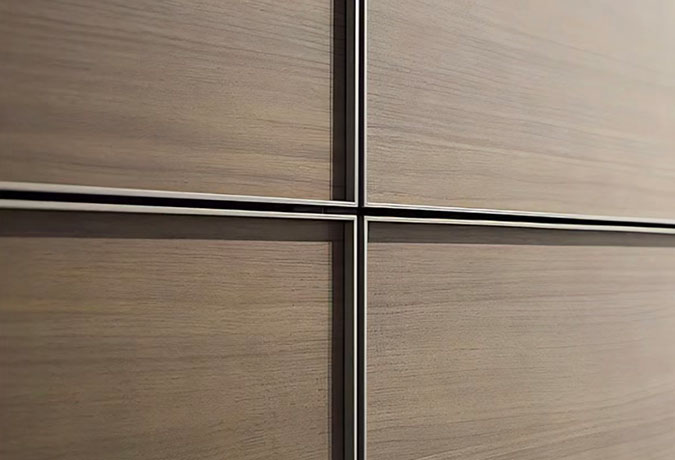
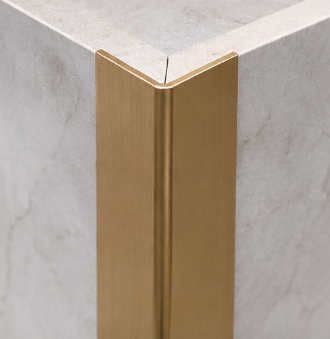
In flooring and wall panel applications, U-channels act as precise inlay trims. They are embedded seamlessly between wood veneer boards or polished marble tiles. The tight, flush fitting of the extrusion serves a dual purpose: it accommodates slight thermal expansion of the surrounding materials and provides a sleek, modern visual break.
Overhead installations present a different set of engineering challenges. Slatted ceiling screens and pergola louvers rely on the high strength-to-weight ratio of the metal. Heavy components overhead require massive anchors and robust structural crossbeams.

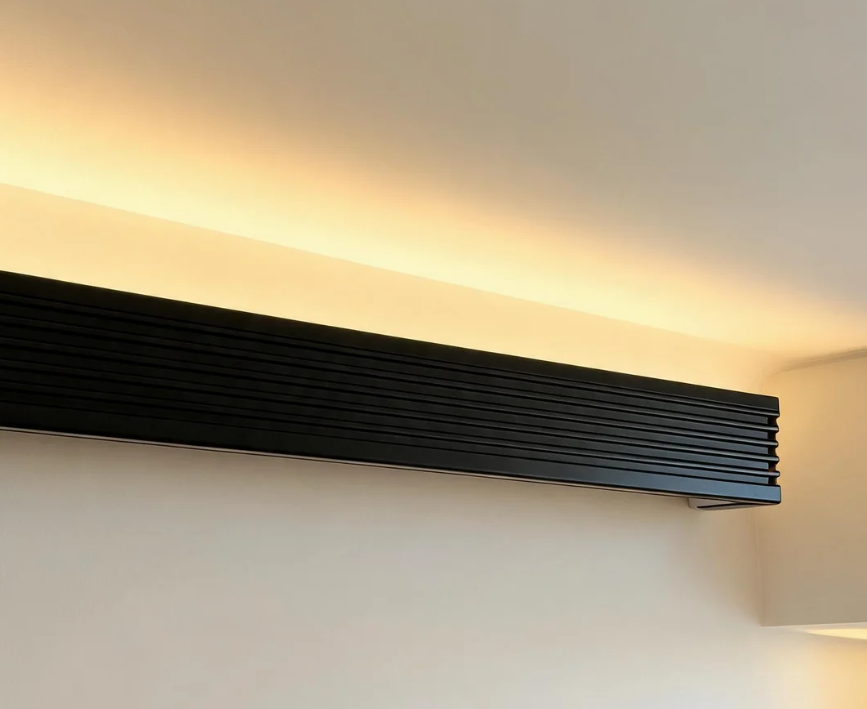
By utilizing hollow aluminium channel systems, architects can create expansive open ceiling grids without overloading the primary roof structure. These frameworks are often mounted across crossbeams and can seamlessly integrate pre-wired lighting connections. The hollow interior of the channels provides a secure, hidden pathway for electrical conduits, maintaining the clean visual geometry of the space.
To understand the versatility of these profiles, it is helpful to categorize their primary uses in modern construction and design:
Selecting the correct profile requires analyzing the exact specifications related to the project at hand. The following table outlines standard production parameters and material capabilities for commercial channel profiles.
| Specification Parameter | Technical Details |
|---|---|
| Material Alloy | 6063-T5/T6, 6463-T5 |
| Standard Delivery Time | 10 to 20 days |
| Minimum Order Quantity | 100 to 500 kilograms per section |
| Surface Treatments | Mill finish, anodized, electrophoresis |
| Applied Coatings | Powder coated, wood grain, fluorocarbon |
| Customization Options | Length, width, thickness, and slot positions |
These parameters establish a baseline for engineering procurement. The exact dimensions, wall thickness, and precise slot configurations are fully configurable based on specific structural blueprints. Sustainable building practices also benefit from these specifications, as the alloys used are entirely recyclable without losing their inherent physical properties.
Achieving consistent quality across thousands of meters of metal requires specialized industrial infrastructure. For us, precision begins with tight control over the raw aluminium billets and extends through the entire manufacturing lifecycle. Integrating research and development with direct manufacturing allows for the rapid prototyping of custom profiles tailored to niche architectural problems.
Handling projects of varying scales demands substantial operational capacity. With an annual production output reaching 200,000 tons, the ability to serve demanding construction timelines remains robust. Operating with over 25 years of specialized industry experience since 1998, we have established distribution channels reaching customers in more than 50 countries and regions.
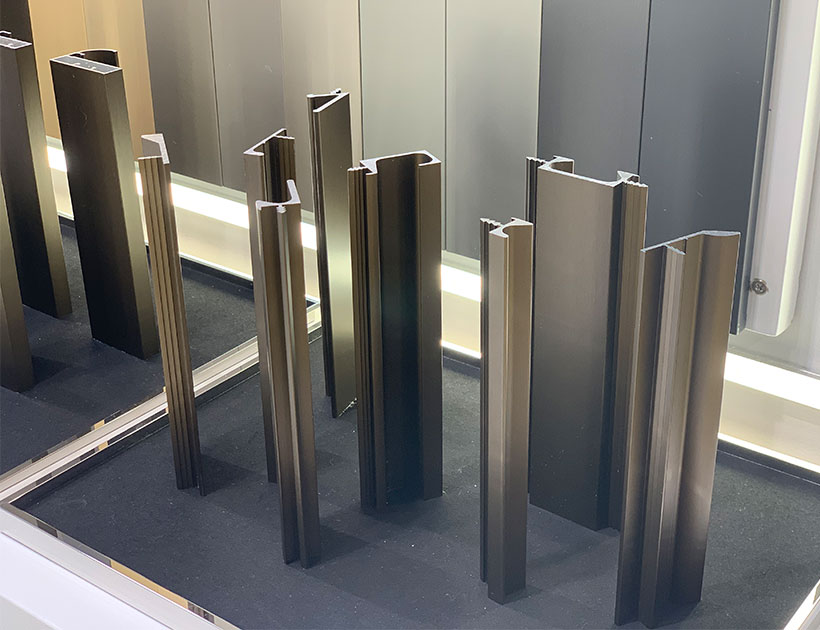
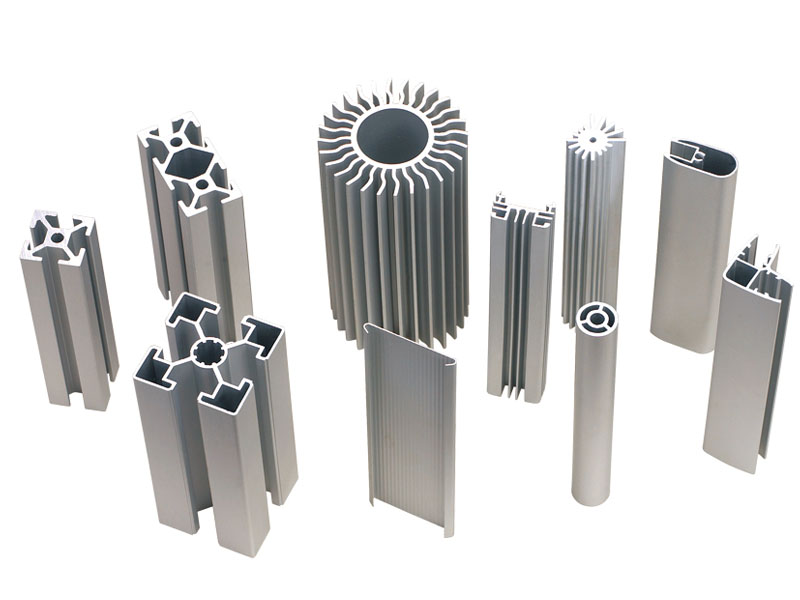
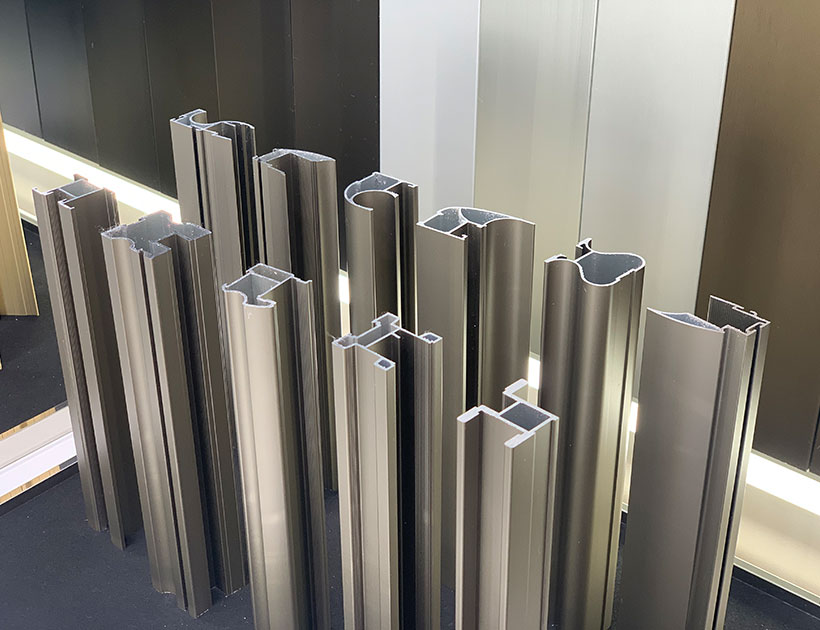
This scale provides access to a library of more than 5,000 distinct profile configurations. It covers construction, decorative, industrial, and standard frameworks, serving industries from advanced electronics to heavy machinery. A vast inventory of existing extrusion dies reduces initial tooling costs for engineers and accelerates the deployment of standard architectural solutions.
When engineers and designers specify materials, several technical misconceptions frequently arise regarding the physical behavior of these metals. Addressing these directly helps clarify the practical limits of the material.
Do thicker walls always guarantee better structural support in a channel profile?
No, sheer thickness does not automatically equate to superior structural performance. The resistance to bending is determined by the moment of inertia, which is heavily influenced by the cross-sectional geometry. Distributing the mass further away from the neutral axis of the profile often yields a stiffer component than simply thickening a poorly designed, compact shape.
Can standard T5 tempered profiles be cold-bent or rolled after purchasing?
Attempting to cold-bend a T5 tempered profile involves significant risk of cracking. The T5 artificial aging process hardens the metal matrix specifically to resist deformation. While extremely slight curves might be achieved with specialized roll-bending equipment, projects requiring tight radii or severe forming should ideally utilize a more ductile temper, such as T4, before being artificially aged to full strength post-bending.
Will an anodized finish perfectly match across different batches of material?
Anodizing is a highly sensitive electrochemical process dependent on temperature, time, and chemical concentration. While industrial controls keep variations extremely tight, microscopic differences in the base metal alloy or minor fluctuations in the chemical bath can cause very slight shade variations. For massive architectural facades, it is always recommended to process all adjacent panels in the exact same anodizing run.
The ultimate test of any architectural material is its behavior over decades of continuous use. Metals subjected to fluctuating temperatures, dynamic loads, and environmental corrosives eventually exhibit signs of material fatigue. The engineering logic behind utilizing specific 6000-series alloys is to delay this fatigue limit well beyond the expected lifespan of the surrounding building components.
Properly specified channel profiles do not suffer from the brittle degradation common in certain plastics, nor do they face the inevitable oxidation breakdown that plagues standard steel. The combination of structural geometry and advanced surface chemistry ensures that the metal remains passive and dimensionally stable.
When design teams evaluate load paths, thermal bridges, and aesthetic transitions, they require materials that behave predictably under stress. By manipulating the physical properties through advanced engineering, aluminium extrusions continue to provide the reliable, lightweight frameworks necessary for solving complex spatial and structural dilemmas in modern architecture.
Choosing Industrial Aluminium Profiles for Laser Cutting Machines: A Technical Guide
How LED Aluminium Profile Heatsinks Manage Thermal Challenges in High-Performance Lighting
Architectural Aluminium Profiles: Choosing the Right Angle Design for Framing and Trim
Choosing the Right Aluminium Balustrade Profiles for Your Project
Choosing the Right Aluminium Door Profiles for Narrow-Frame Sliding Systems
Aluminium Window Profiles: Engineering Durable Facades for Modern Buildings
Aluminium Thermal Break Profiles: Design Principles and Practical Applications
Aluminium Extrusion for Furniture: Structural Logic Behind Lightweight Precision
Aluminium Wardrobe Profiles: A Practical Guide to Frames, Tracks, and Finishes
Choosing the Right Aluminium Linear Rail Profile for Motion Systems
Anodized Aluminium Profiles: Material Selection and Practical Applications in Modern Design
Anodized Aluminium Profiles: Material Selection and Practical Applications in Modern Design
Aluminium Decorative Profiles: Design, Installation, and Interior Applications
Aluminium Profiles for Automation: A Practical Guide to Modular Frame Design
Aluminium Extrusion for Furniture: Structural Logic Behind Lightweight Precision
Aluminium Thermal Break Profiles: Design Principles and Practical Applications
How do suppliers normally handle Sliding door installation problems overseas?
Choosing the Right Aluminium Balustrade Profiles for Your Project
Aluminium Louver Profiles: Light Control and Ventilation in Modern Architecture
Aluminium Curtain Wall Profiles: Structural Design and Performance in Modern Architecture
Aluminium Trim Profiles: Bridging Aesthetics and Performance in Modern Interior Design
How do I verify Casement window production capacity before signing a contract?
Powder Coated Aluminium Profiles: Durability and Design in Modern Applications
How Aluminium Heatsink Profiles Keep Electronics From Cooking Themselves
How do FOB and CIF change my risks when importing Sliding doors?
What support should I receive if Architecture profile dimensions are wrong?
Aluminium Profile Alloys 6063 T5 T6: Properties, Heat Treatment Differences, and Application Selecti
Inside an Aluminium Profile Factory: How Angle Profiles Are Made and Chosen
What is a realistic MOQ for a first Sliding window trial order?
Which factory records should I review before buying Industrial profile?
Aluminium Extrusion for Machinery: Choosing the Right Profile for Industrial Equipment
Aluminium Extrusion for LED Lighting: Choosing the Right Heatsink Profile
Can a Floding door supplier protect my private design from competitors?
Which Industrial profile tolerances affect assembly accuracy and finished quality?
Can trade credit insurance cover my Architecture profile purchase risk?
Custom Aluminium Extrusion Profiles: Engineering Precision into Industrial Motion Systems
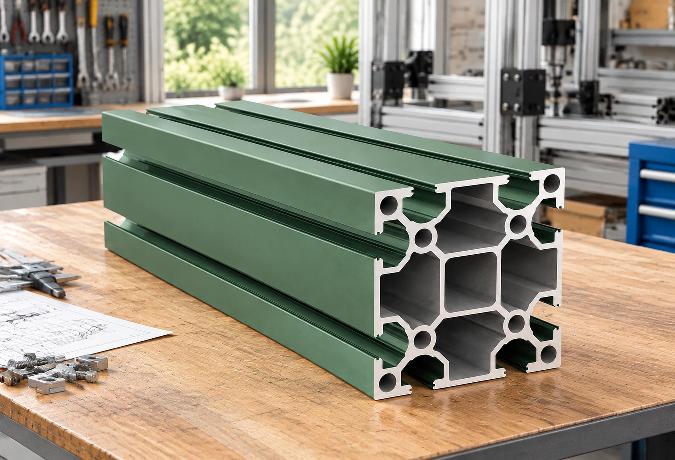
T-Slot Aluminium Extrusion: Structural Framework Design Without Welding
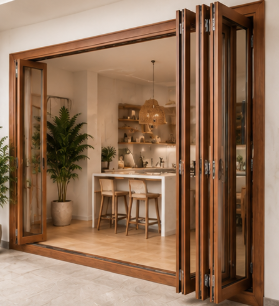
Which recycled-content records are credible for Sliding window procurement?
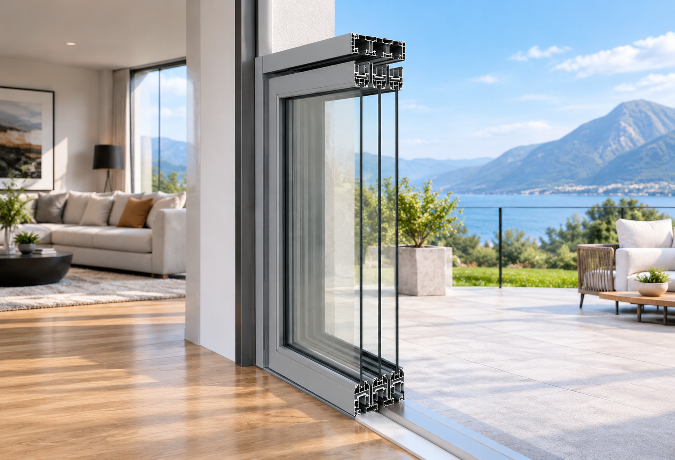
Aluminium Sliding Door Profiles: A Practical Guide to Frame Design and Performance
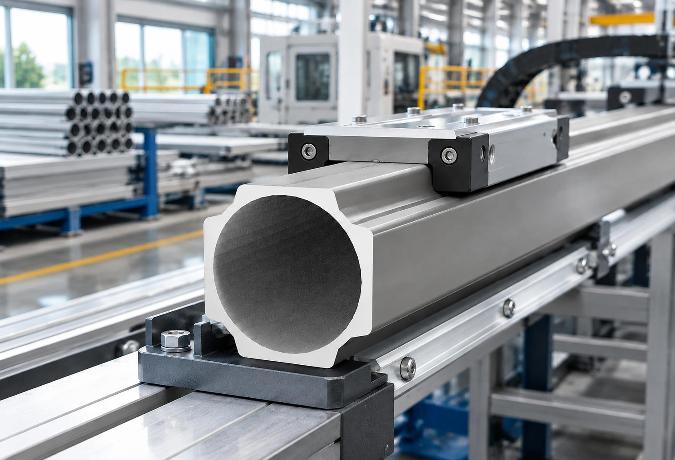
How Aluminium Extrusion Manufacturers in China Support Linear Motion Systems
What contract clauses protect my money if Casement door quality is unacceptable?
How do I confirm Sliding door testing equipment is calibrated and current?
Should I visit an Architecture profile plant before placing a large order?
Which compliance tests should a Floding door pass before international shipment?
How do I compare Decorative profile color samples under different lighting?
What payment and price terms make sense for a small Casement window order?
What lead time should I allow for a seasonal Floding door order?
How can I compare Floding door alternatives when supply costs suddenly rise?
Which new Sliding door technologies can lower maintenance costs over time?
How are recycled materials changing the future cost of Floding doors?
How long should a custom Casement door sample normally take to prepare?
What gap between a Sliding window sample and bulk order is acceptable?
Which Decorative profile finishes are becoming more sustainable and cost-effective?
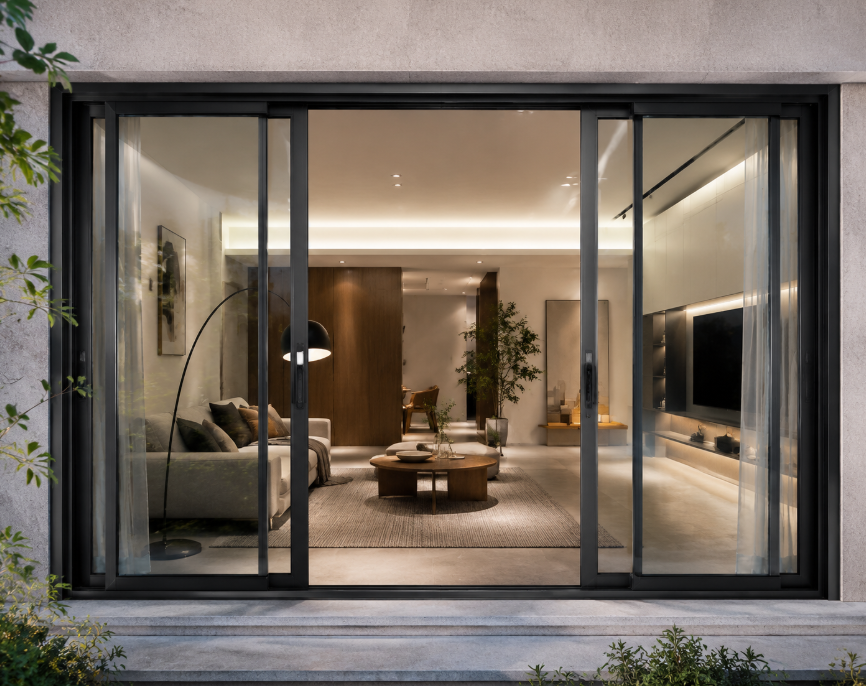
What logistics fees should be listed separately in a Sliding window quote?
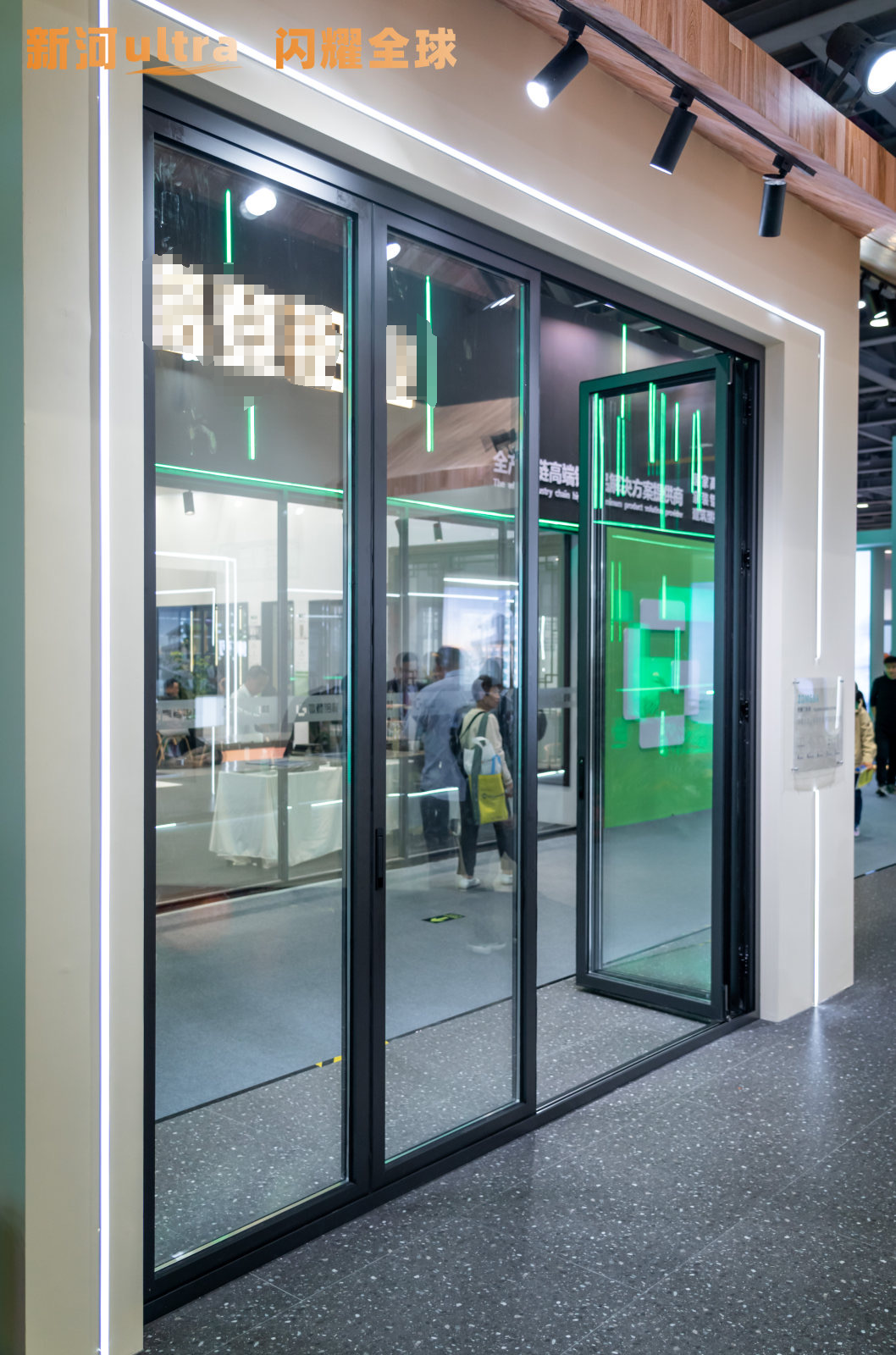
How might volatile aluminum prices affect future Sliding window sourcing?
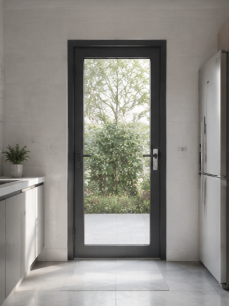
Which audit questions reveal labor risks at a Casement door factory?
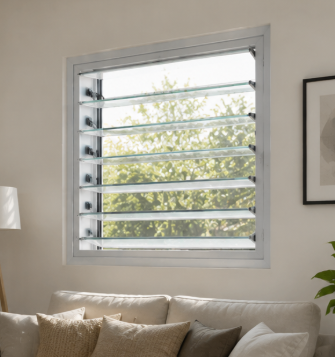
Can Decorative profile suppliers provide fast remote guidance for finish defects?
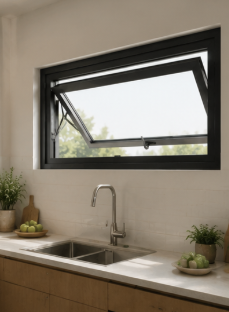
What should a Shutter sample include so I can assess production quality?
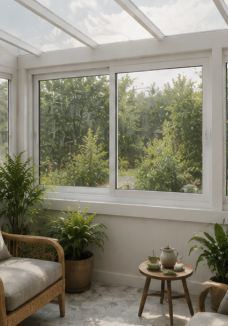
Do Sliding door materials need traceability records for customs clearance?
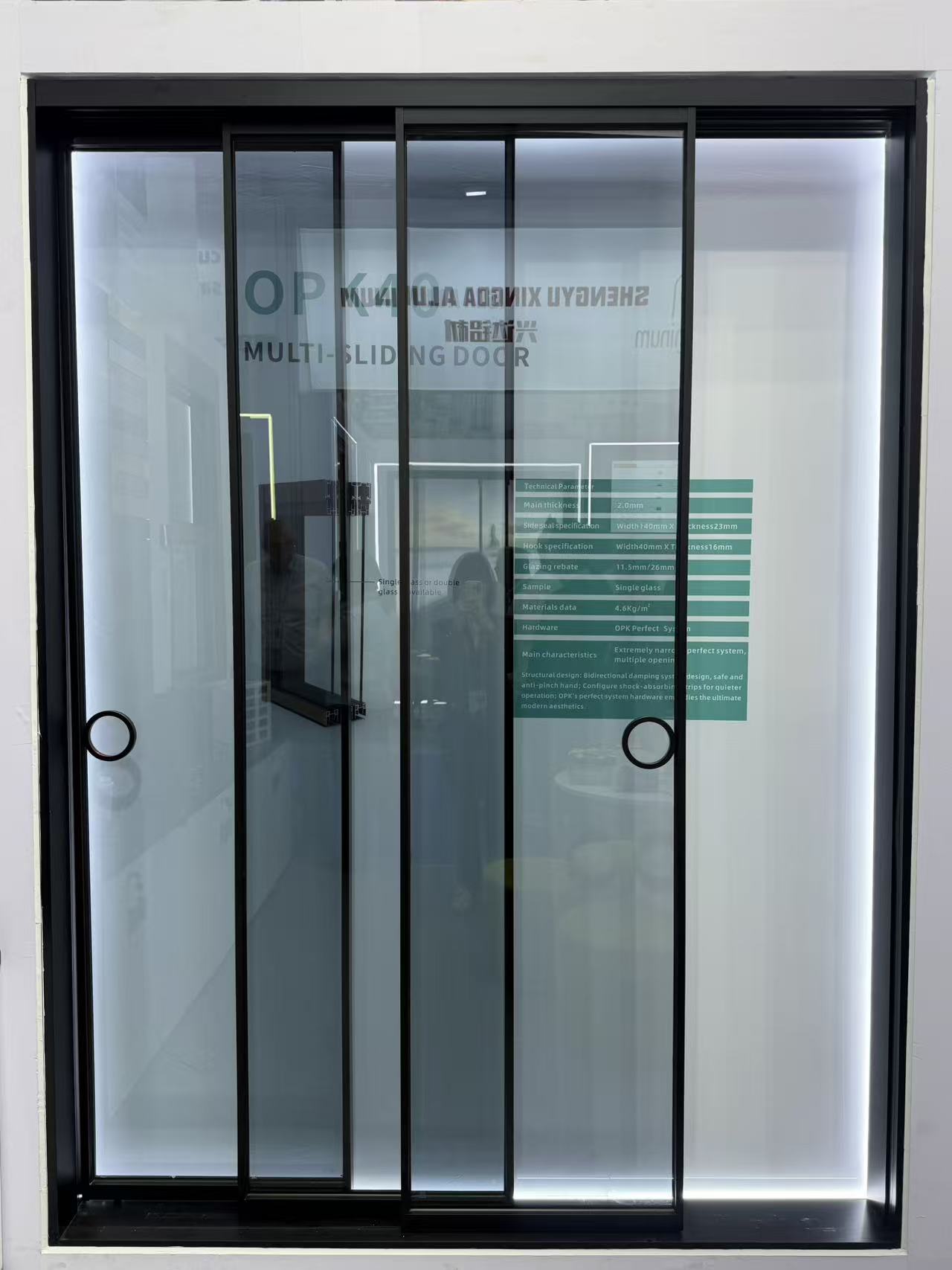
What environmental declarations are useful when importing Architecture profile?
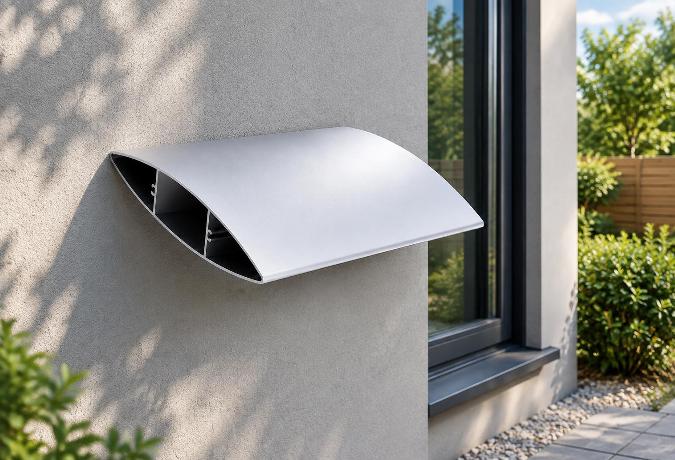
Why Blade Geometry Determines Whether Aluminium Louvers Actually Work
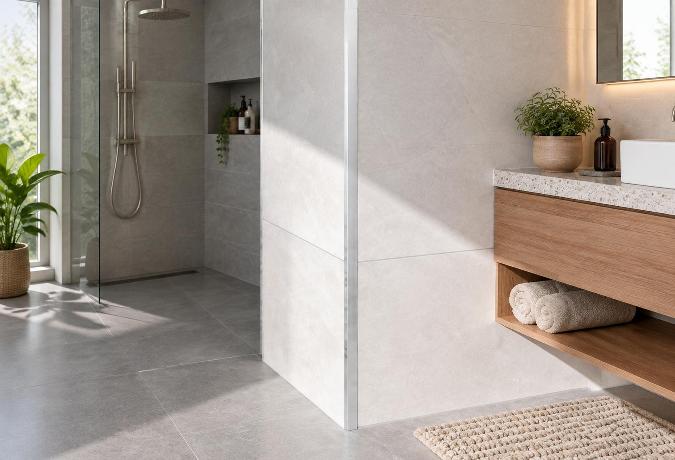
Engineering an Aluminium Angle Profile: Structural Mechanics and Application Realities
What usually drives Architecture profile costs more, alloy or surface treatment?
Why the One-Piece Molding on Aluminium Trim Profiles Matters More Than the Finish
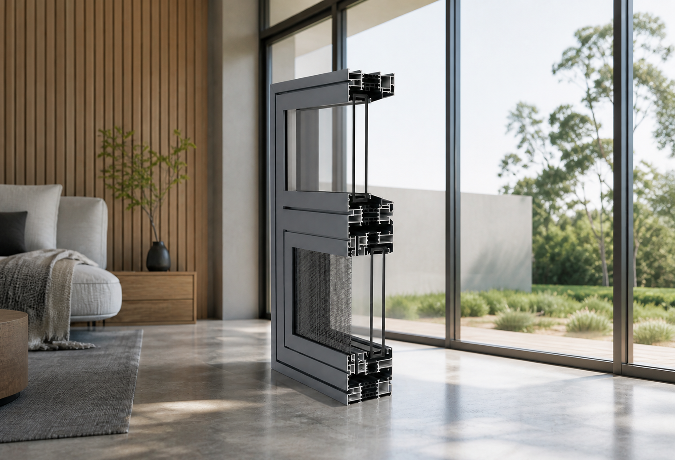
Why the Thermal Break Cavity Matters More Than Frame Thickness in Aluminium Framed Windows and Doors
The T-Slot Groove Geometry That Makes Aluminium Framing Weld-Free
Why the One-Piece Molding on Aluminium Trim Profiles Matters More Than the Finish
Structural Dynamics of Industrial Aluminium Profiles in Laser Cutting Gantries
The Engineering Mechanics Behind High-Performance Aluminium Shutters
What factory documents should I request for a Floding door supplier review?
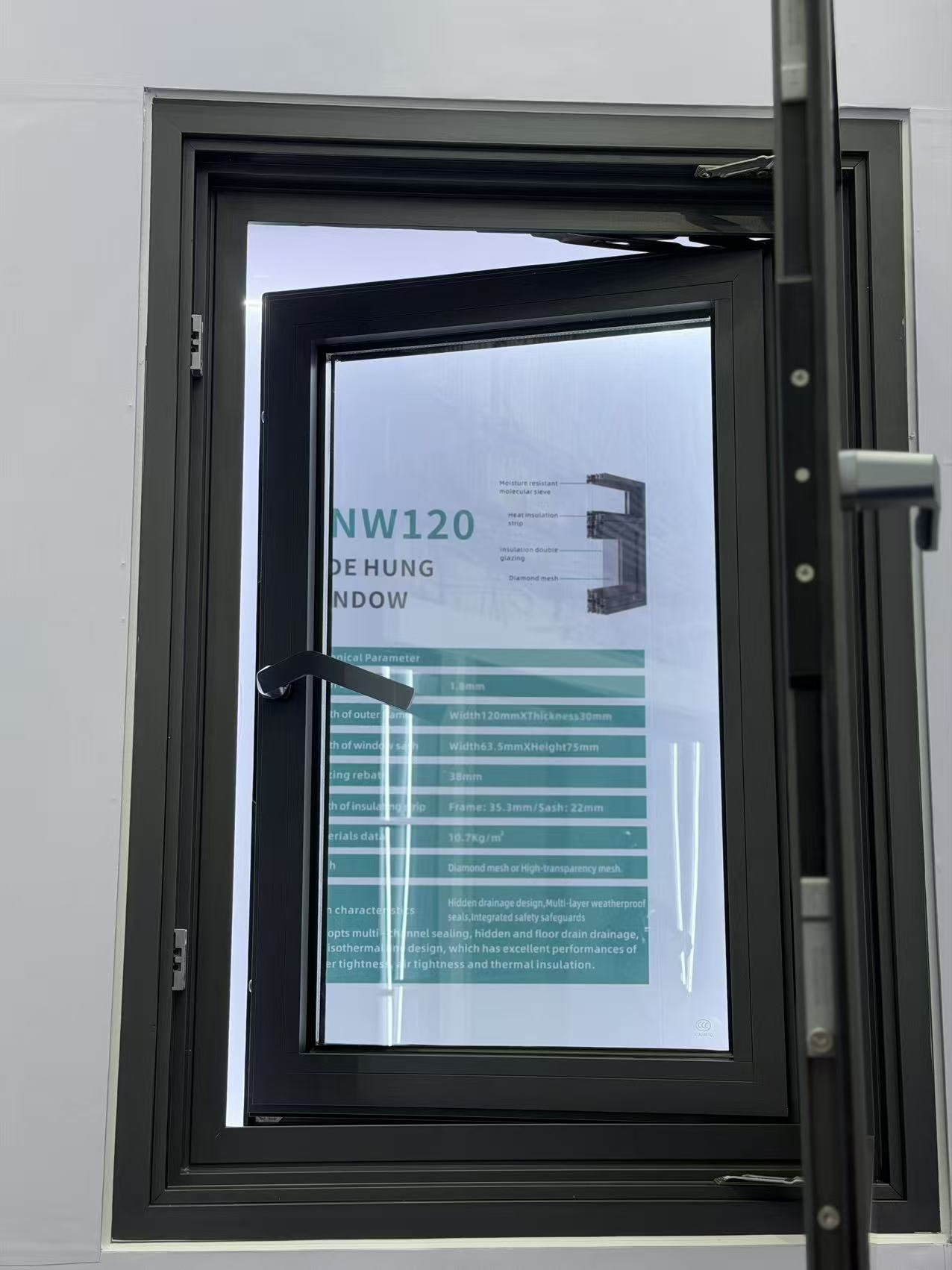
Which delivery term gives me better control over Decorative profile freight costs?
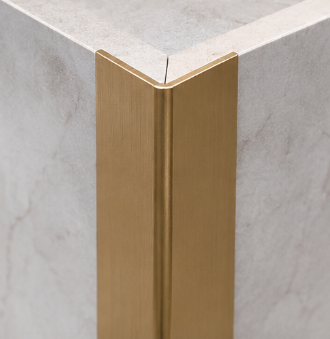
What low-carbon Awing window materials are gaining wider market acceptance?
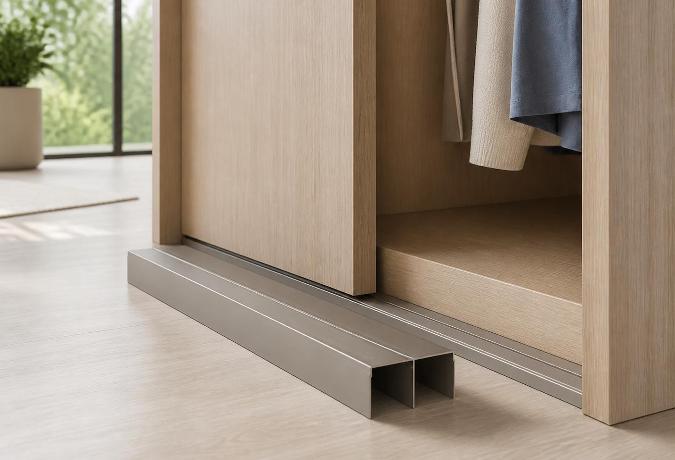
Why Sliding Door Track Geometry Determines Wardrobe Longevity
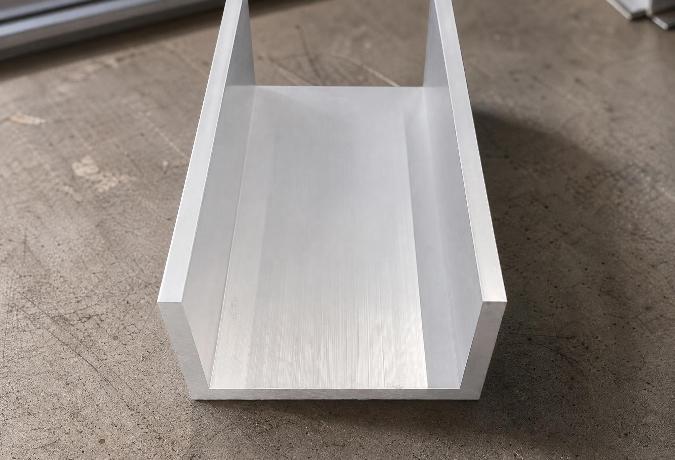
Engineering Mechanics and Surface Dynamics of Aluminium Channel Profiles
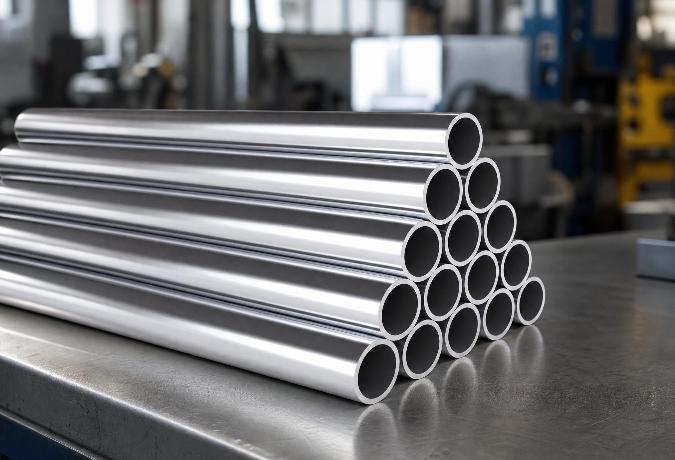
Understanding Aluminium Round Tube Specifications for Structural Engineering
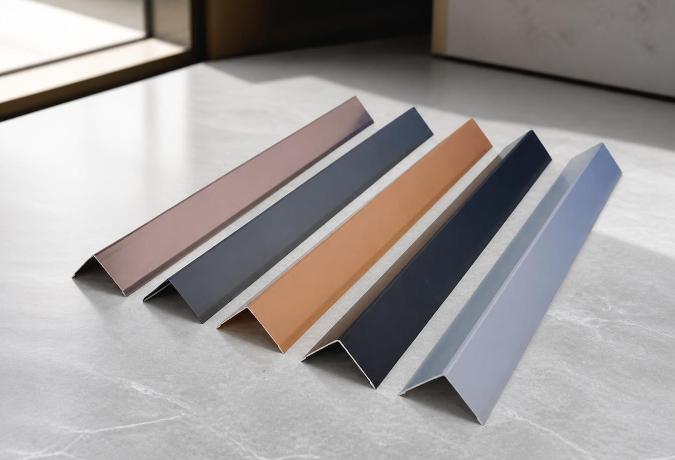
Why the 90-Degree Angle in Standard Aluminium Profiles Determines Structural Reliability
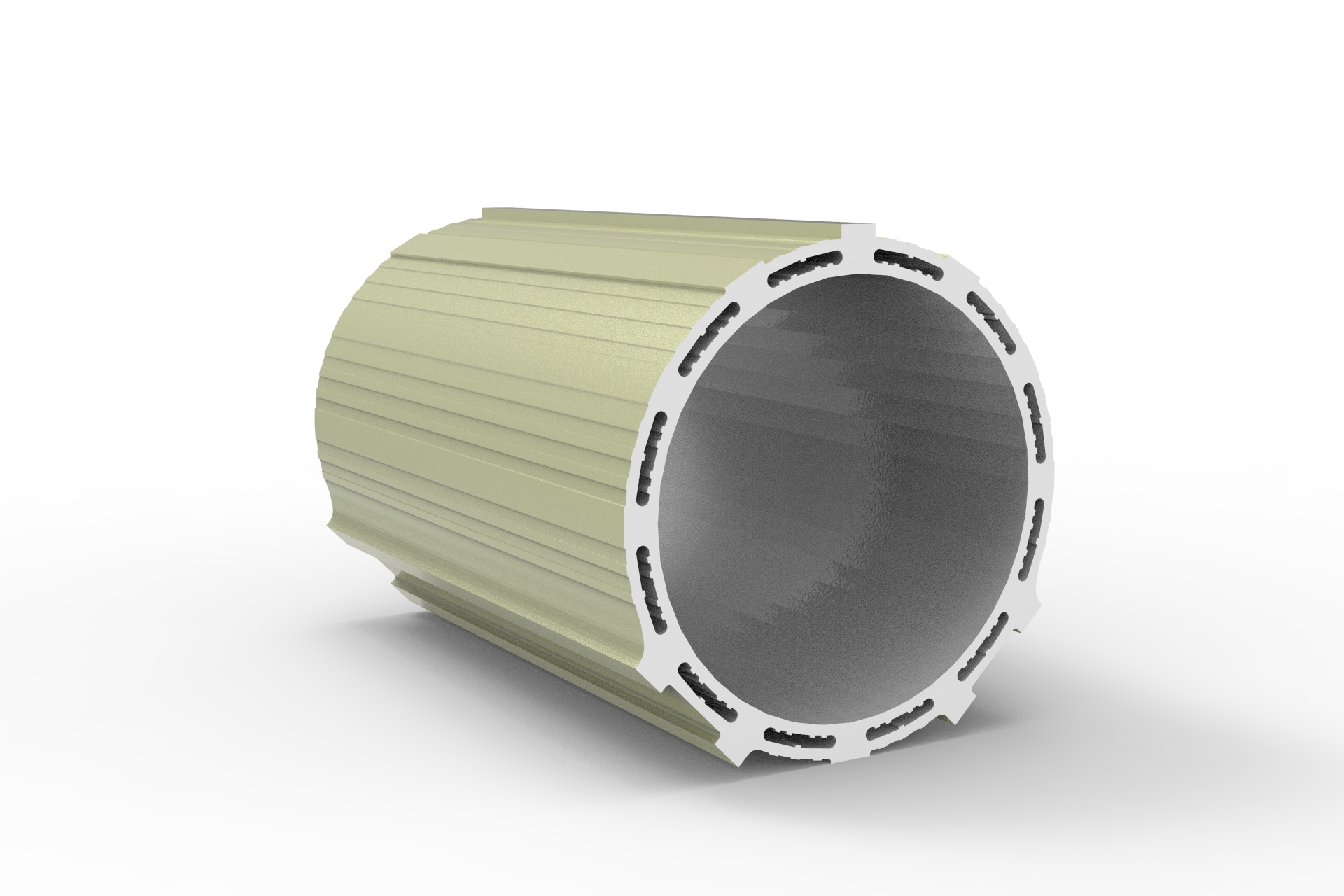
How can I ensure a Floding door sample matches the planned mass production?
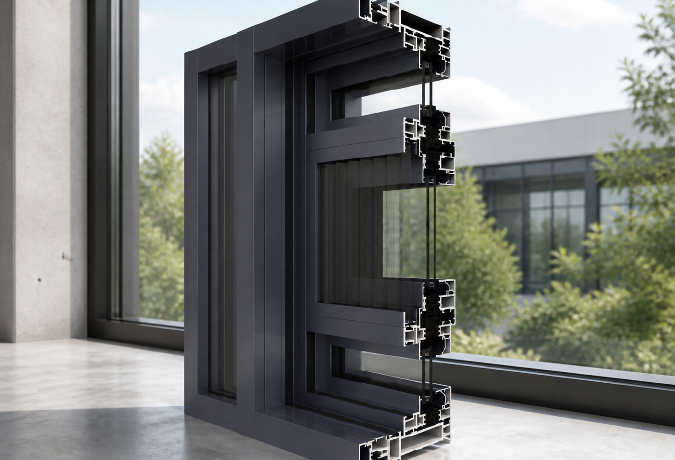
Why Mullion Thickness Determines How Much Glass an Aluminium Curtain Wall Can Actually Hold
Engineering the Structural Framework: The Mechanics of Aluminium Profiles for Kitchen Cabinets
Choosing an Aluminium Profile Supplier: What Actually Separates the Reliable Ones from the Rest
Can Awing window orders ship in batches to avoid project delays?
What response time should I expect for Awing window warranty claims?
Navigating the Supply Chain: Evaluating an Aluminium Profile Manufacturer for B2B Procurement
Engineering Structural Integrity Through Precision L-Shaped Aluminium Profiles
Thermal Dynamics in High-Power Electronics: Engineering Aluminium Heatsink Profiles
Why the T-Slot Design Determines the Real Strength of Structural Aluminium Extrusions
How long should replacement Sliding window parts remain available after purchase?
Should I expect volume discounts when reordering the same Sliding window model?
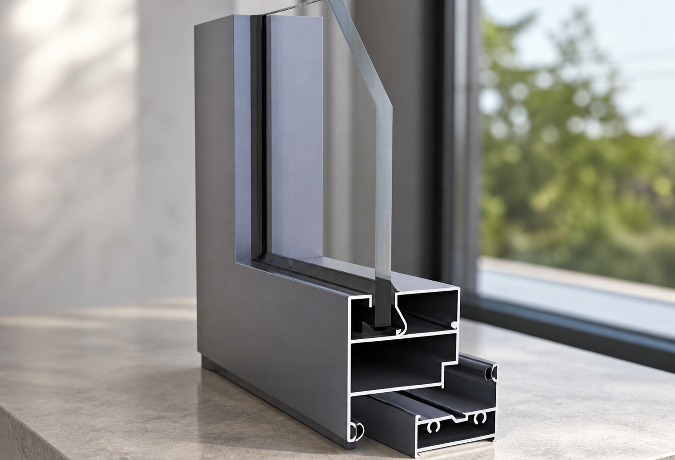
The Multi-Strip Sealing Structure Inside Aluminium Windows and Doors

Engineering Lightweight Rail Structures Through Extruded Aluminium Profiles
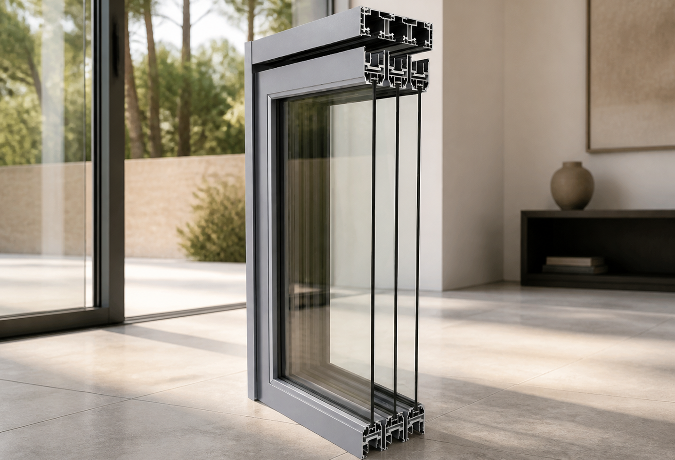
Why the Frame Width on an Aluminium Sliding Door Determines Your Room’s Light
The Engineering Behind Decorative Aluminium Profiles: Alloys, Surface Treatments, and Edge Protectio
What alternative materials could make Casement doors more resilient and recyclable?
How can I compare Awing window quotes without missing hidden packing costs?
Decoding Structural Tolerances in Aluminium Extrusion Profiles for Channel Applications
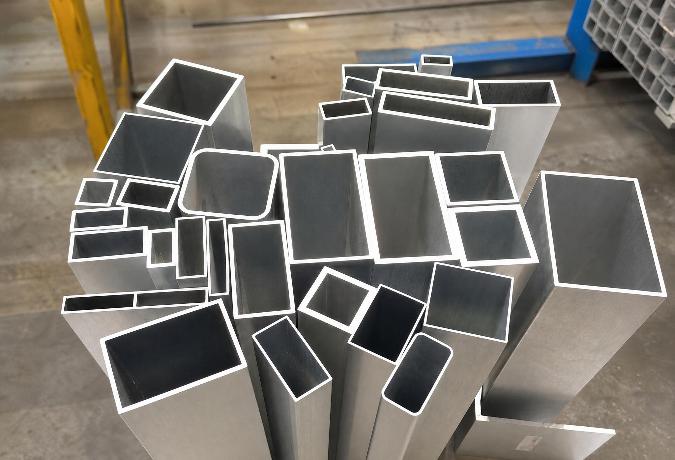
Engineering an Aluminium Square Tube for Modern Structural Integrity
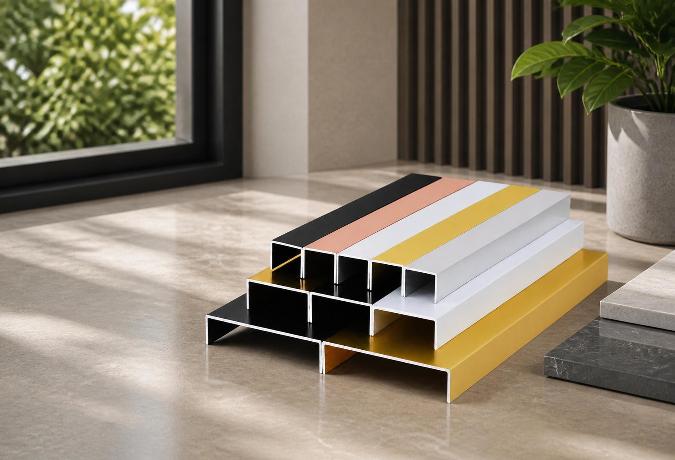
Engineering Tolerances and Alloy Mechanics in Extruded Aluminium Construction Profiles
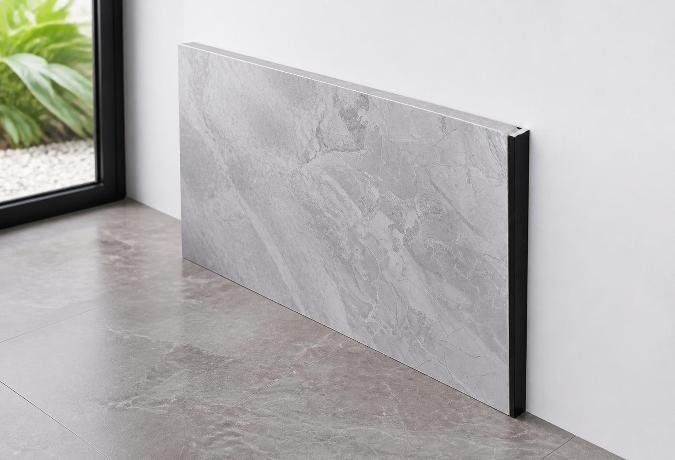
The Engineering Mechanics Behind Aluminium Angle Profiles in Modern Construction
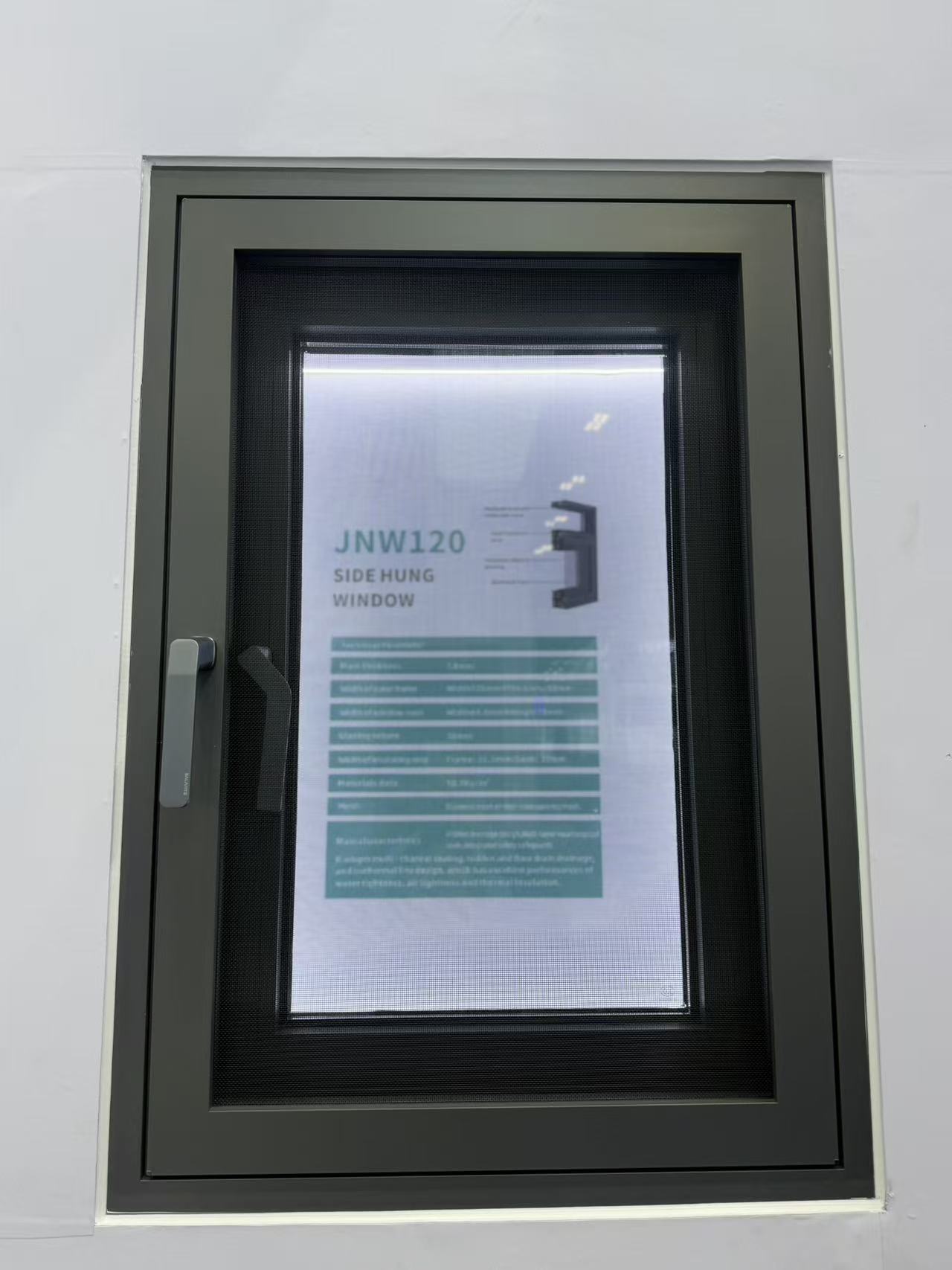
Can an Industrial profile be modified for my assembly without weakening it?
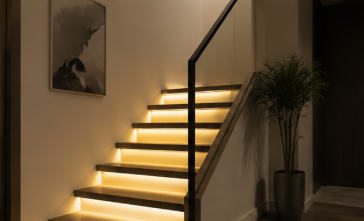
What warning signs suggest a Sliding door seller may disappear after payment?
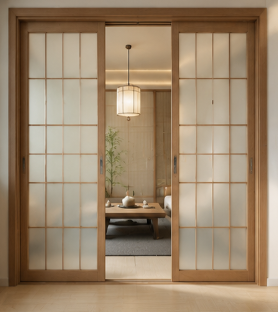
What energy-efficient alternatives to Casement doors are worth comparing now?
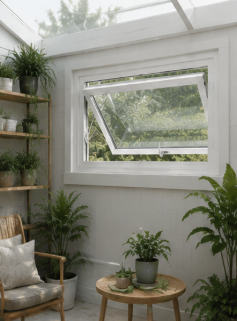
Can a Casement window handle temperature changes without seal failure?
Who pays for unloading and destination handling under Casement door CIF terms?
Custom Aluminium Extrusion Profiles: The Engineering Mechanics of T-Slot Frameworks
Material Transitions and Geometric Stability in Decorative Aluminium Profiles
Can I negotiate a lower Sliding door MOQ for a showroom launch?
Key Advantages of Using Structural Aluminium Extrusion Profiles in Construction
What evidence shows an Awing window factory manages coating waste properly?
How can I protect my deposit when ordering custom Decorative profile?
How do I spot unusually low Industrial profile prices before committing funds?
How can I check that a Shutter supplier is not using unapproved subcontractors?
What contract terms protect my Casement door drawings and branding?
How can I compare Casement door insulation ratings before placing an order?
Sourcing Industrial Aluminium Profiles: What to Look For in a Supplier
How do I keep ownership of a custom Architecture profile extrusion die?
The Energy Efficiency Benefits of an Aluminium Frame Sliding Glass Window
How do I check Industrial profile alloy grades against the shipping documents?
What Casement window warranty period is reasonable for an overseas buyer?
How are defective Sliding window units usually replaced internationally?
How can I reduce breakage risks when shipping Casement windows overseas?
The Structural Mechanics Behind Decorative Aluminium Profiles
How Do Engineers Select Industrial Aluminium Profiles for High-Load Frameworks?
What payment structure reduces my risk on a first Industrial profile order?
Should I approve a Casement window sample before checking its hardware strength?
Structural Mechanics of Channel Extrusions in Architectural Aluminium Profiles
Engineering Mechanics of Aluminium Extrusion Profiles in Channel Systems
What functional tests should I perform on a Sliding door prototype?
What payment terms are fair when Decorative profile colors remain unconfirmed?
Is a letter of credit practical for a large Casement window shipment?
How should Industrial profile bundles be packed to prevent transit damage?
Which safety documents should I request for Awing window imports?
What shipping delays commonly affect Architecture profile orders during peak season?
How to Specify Extruded Aluminium Profiles: Costs, Alloys, and Tolerances
Is a Floding door suitable for a wide opening exposed to strong winds?
Structural Integrity in Modular Design: Engineering T-Slot Aluminium Extrusion Profiles
Resolving Corner Stress: The Engineering Mechanics Behind Aluminium Profiles in Architectural Framin
How do Floding door prices change with glass, hardware, and finish choices?
How can I prove Shutter defects remotely without returning every unit?
How can I shorten Awing window sampling without losing critical tests?
Does ordering mixed Shutter sizes usually change the unit price or MOQ?
How should Industrial profile warranty responsibility be shared after assembly?
How should I plan Shutter inventory when ocean freight schedules change?
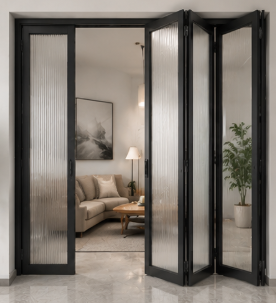
How do escrow arrangements reduce risk for a new Floding door supplier?
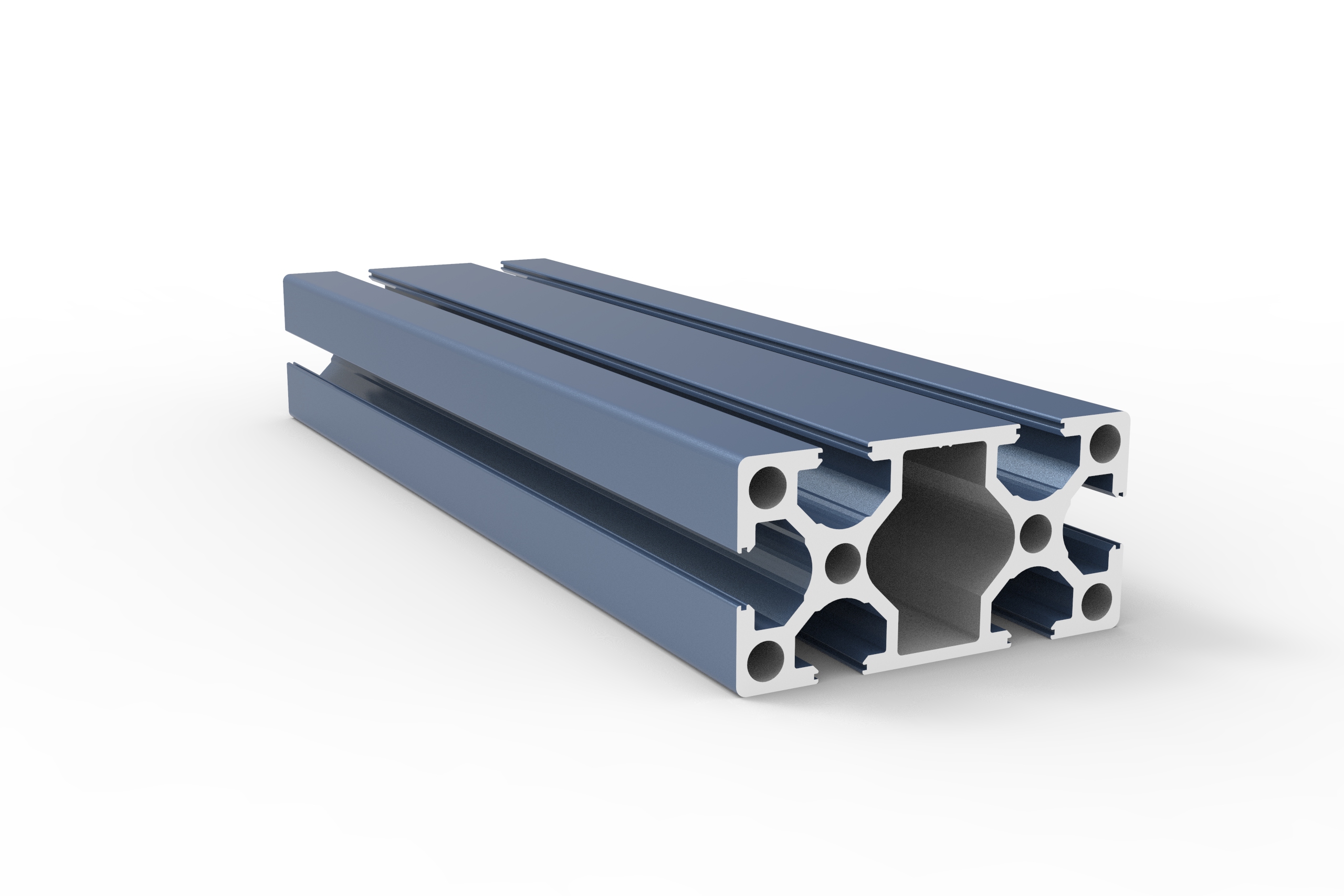
What frame materials make a Sliding window last in harsh coastal weather?
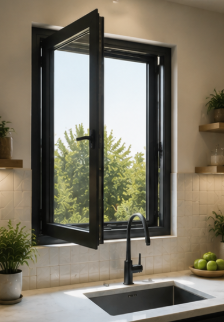
How can I verify that a Shutter certificate matches the actual product?
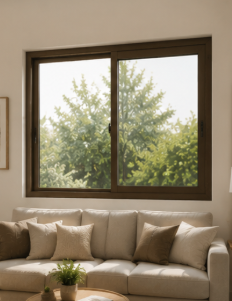
Can automated Shutters replace manual systems without raising lifecycle costs?
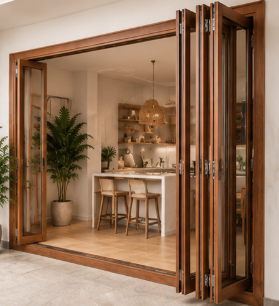
How do I choose the right Casement window size for a windy building?
What should an ethical audit cover at a Decorative profile factory?
How should I document Industrial profile defects before disputing the final payment?
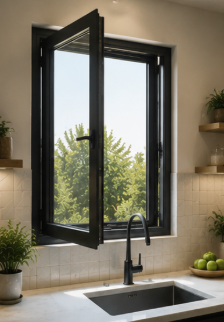
Are lightweight Industrial profile alloys reliable enough for demanding machinery?
Are thermal-break casement windows becoming a better long-term choice than standard frames?
What is a realistic MOQ for custom sliding windows without pushing up unit cost?
What casement window specs should I compare for windy and rainy project sites?
Are there better material options for sliding windows if aluminum prices rise?
How do I ensure aluminum casement windows can handle extreme coastal winds?
What is the typical minimum order quantity for commercial sliding windows?
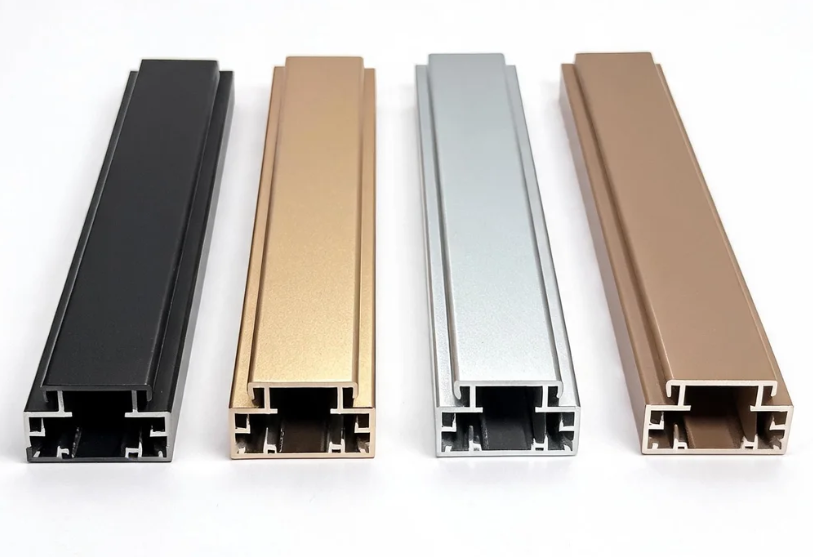
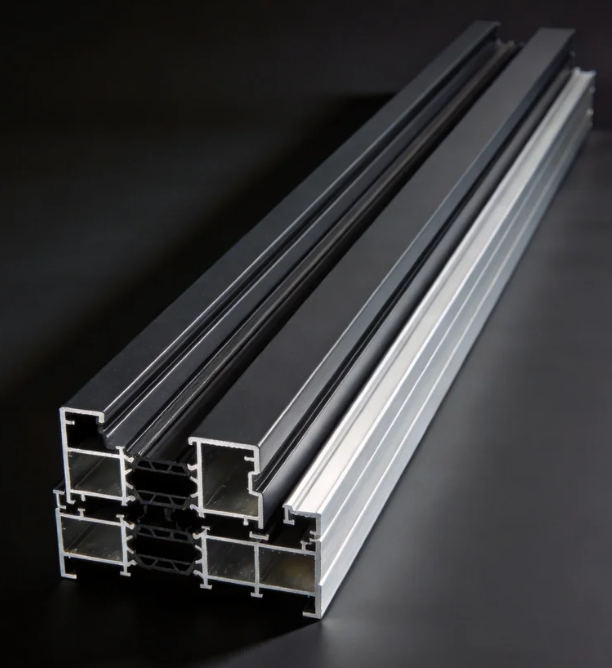
Are there energy-saving alternatives to sliding windows that reduce material and maintenance costs?
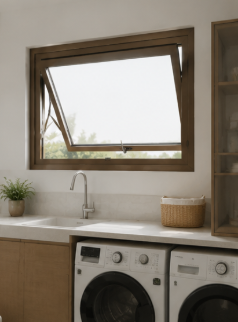
Are energy-efficient Awing windows a practical alternative for reducing long-term building costs?
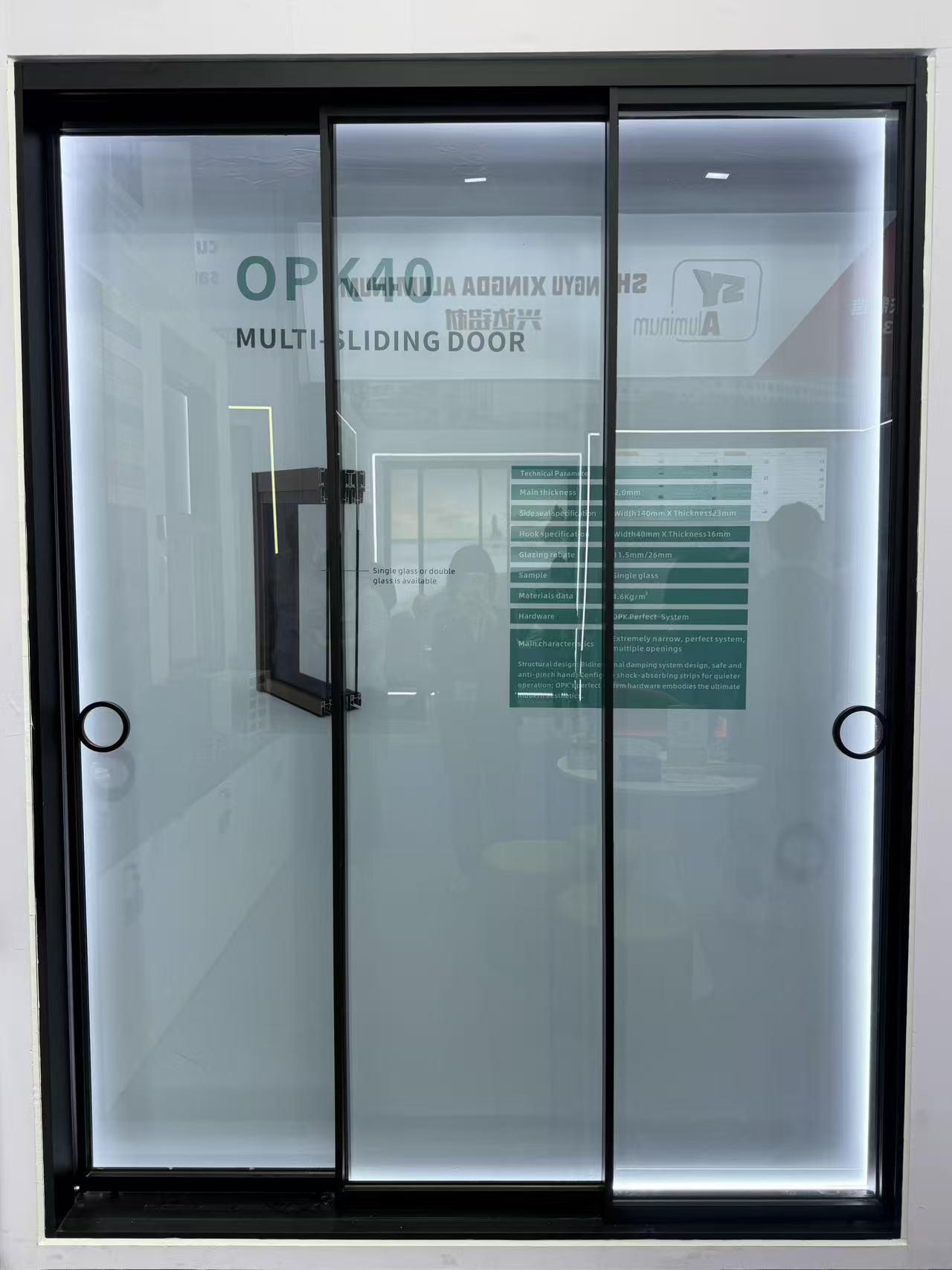
What alternatives to traditional sliding doors can lower costs without sacrificing durability?
What alternatives to industrial profiles can reduce material costs without hurting strength?
Extruded Aluminium Profiles: Flexible Manufacturing for Diverse Customer Needs
Why Aluminium Curtain Walls Are Popular in Modern Architecture
How do I choose a decorative profile that stays stable in humid or harsh environments?
How do I choose an architecture profile that stays stable in harsh outdoor conditions?
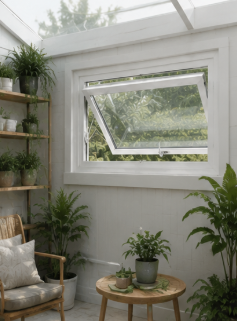
How can I compare Awing window specs to avoid poor performance in harsh weather?
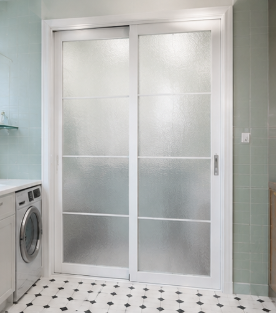
How can I compare Sliding door sizes and hardware ratings for harsh commercial environments?
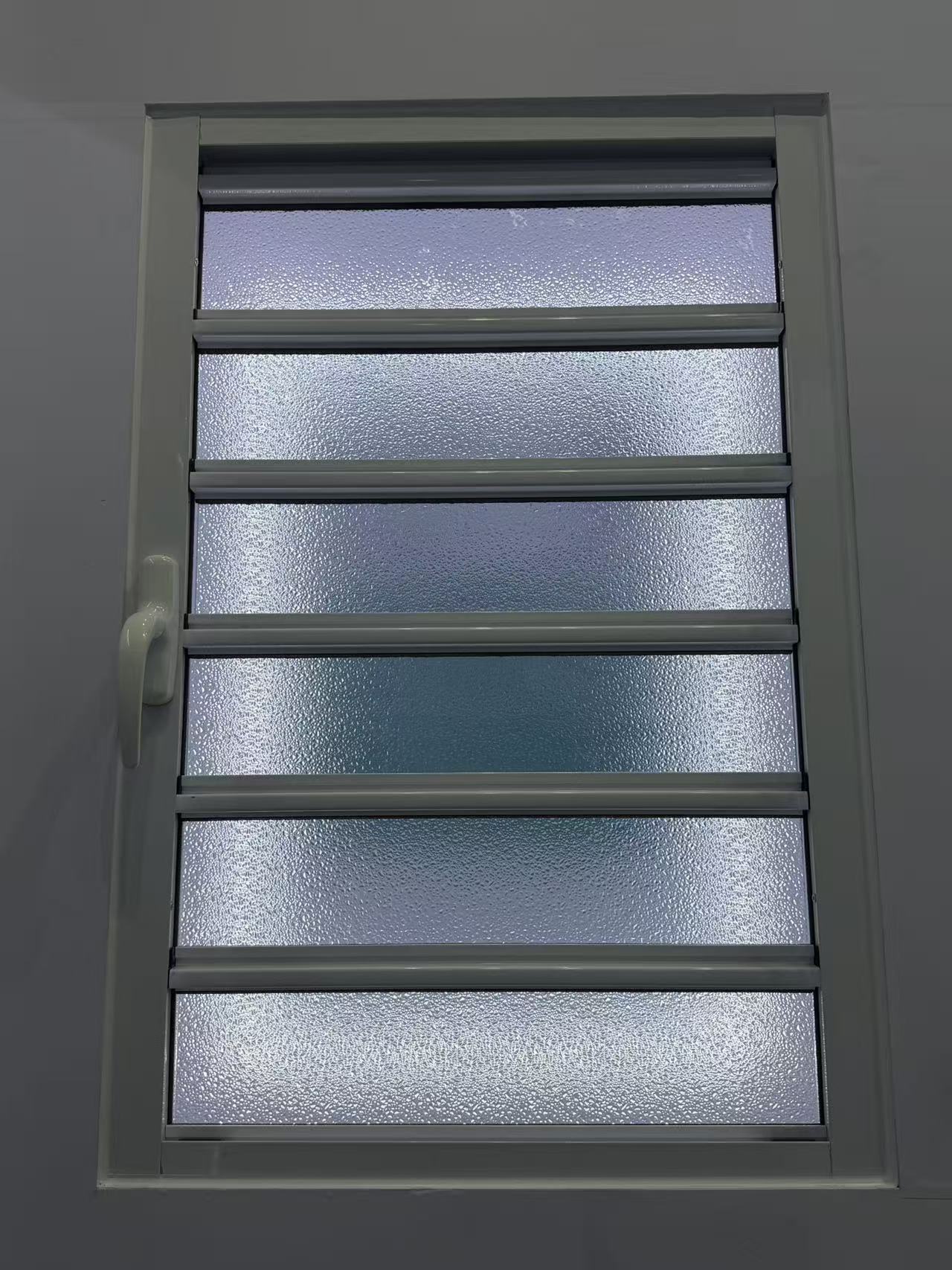
How do I choose the right shutter specifications for harsh climates without overpaying?
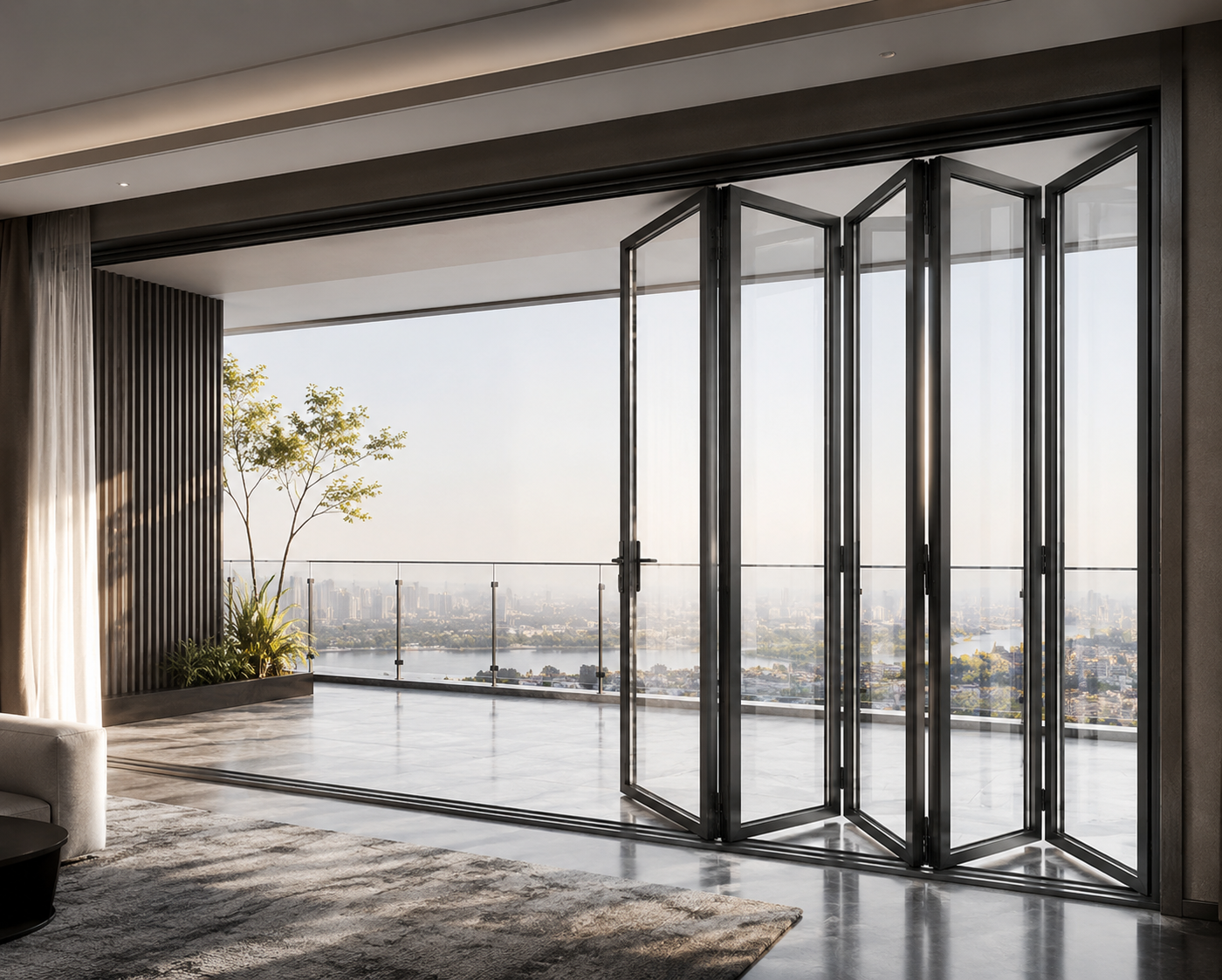
What eco-friendly alternatives to folding doors can cut costs without hurting durability?
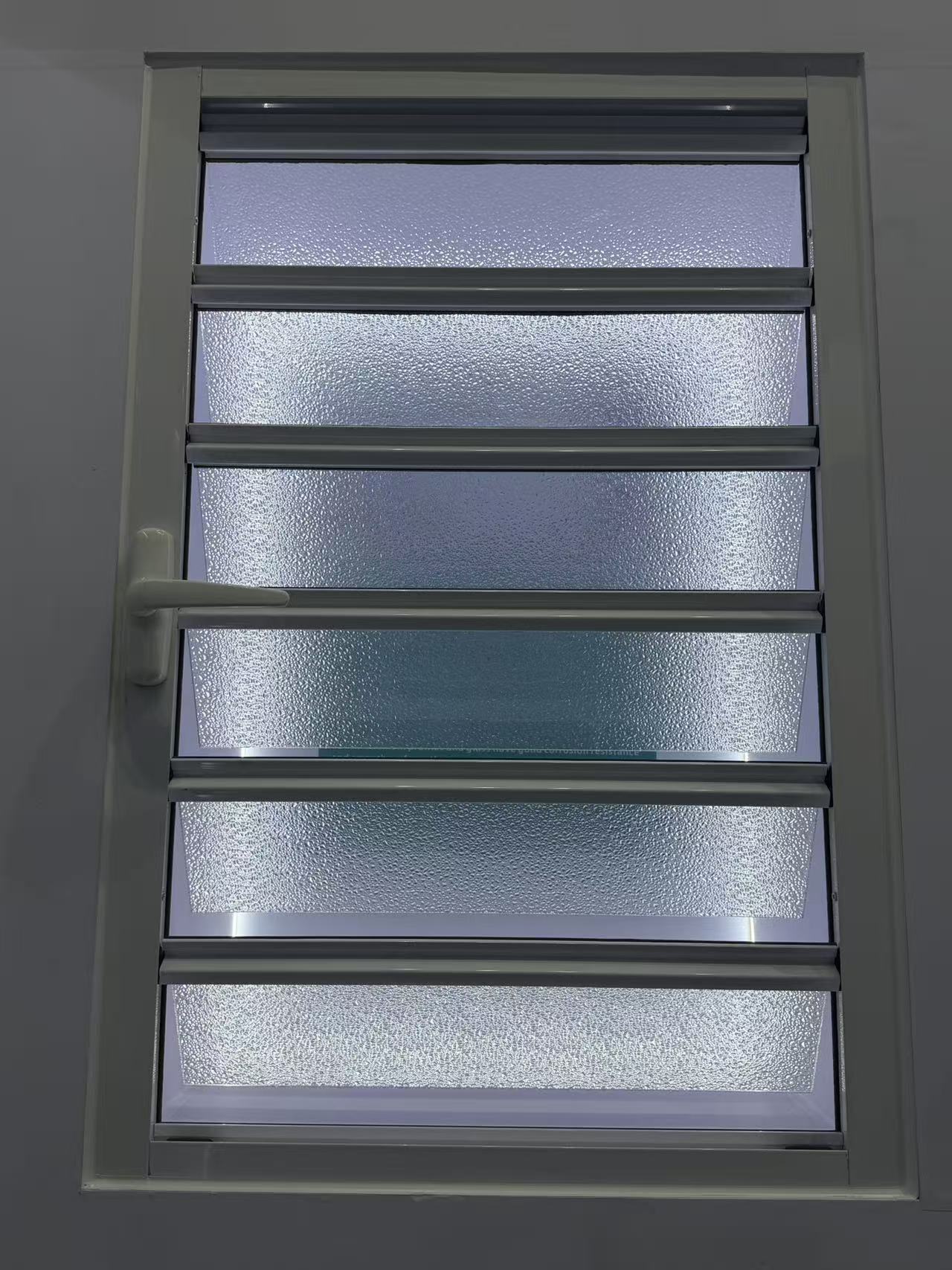
How do I choose the right shutter specifications for harsh weather without overpaying?
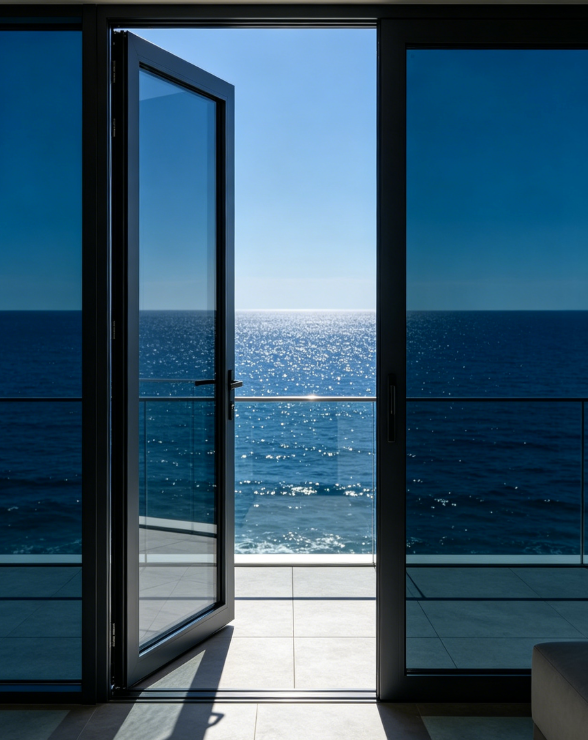
What eco-friendly casement door materials can lower costs without hurting durability?
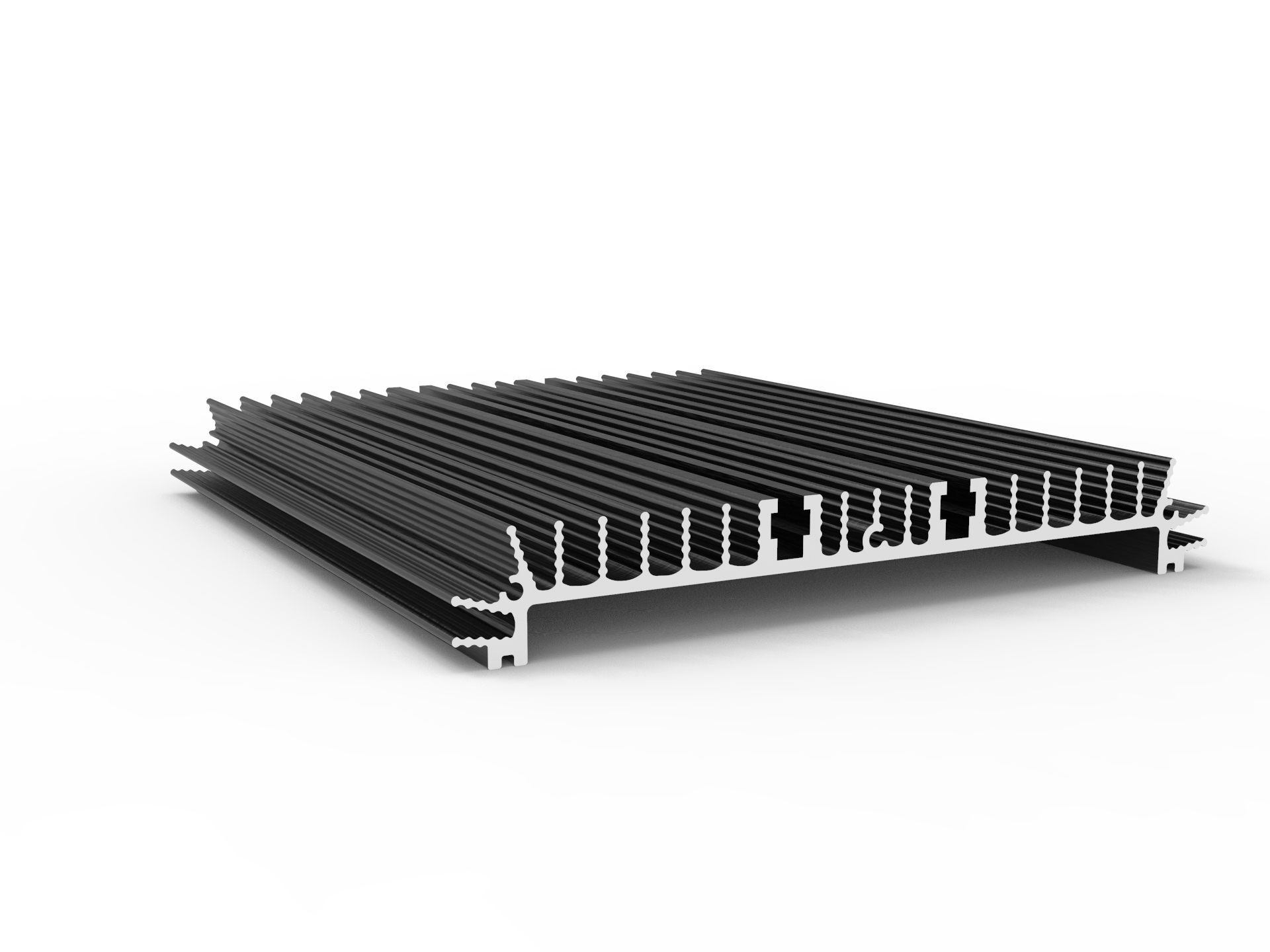
What newer materials can replace industrial profiles without raising costs or supply risks?
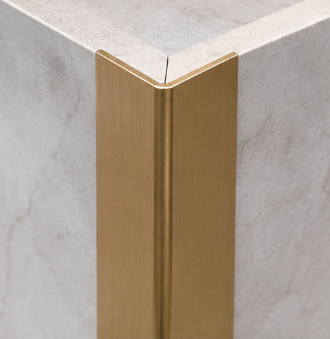
How do I choose a decorative profile that stays stable in humid, high-traffic spaces?
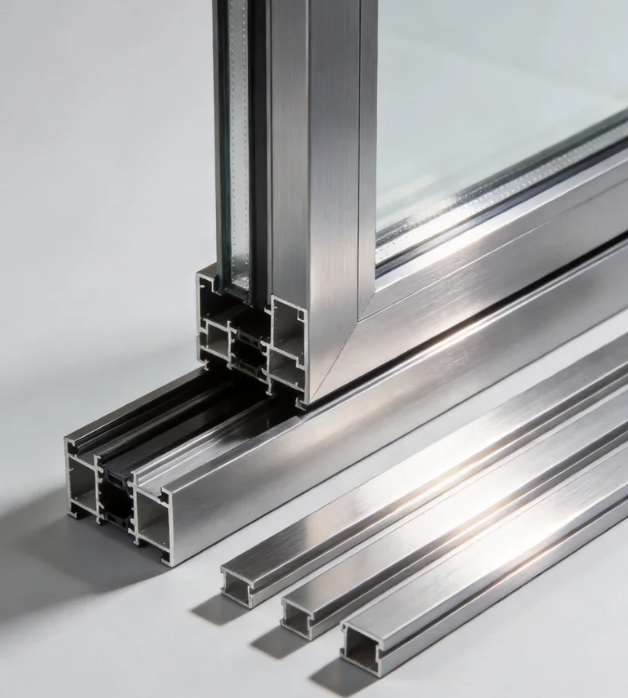
What sustainable material alternatives can replace aluminum architecture profiles?
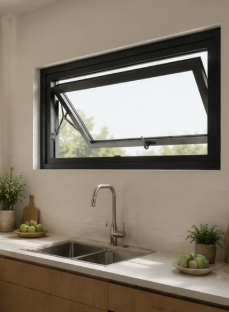
What should I check in Awing window specs to ensure reliable performance in harsh weather?
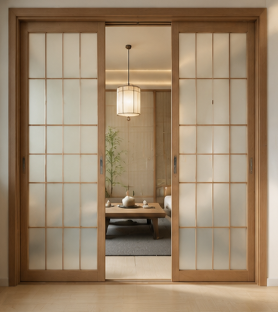
How can I compare Sliding door sizes and thermal ratings for harsh climates before buying?
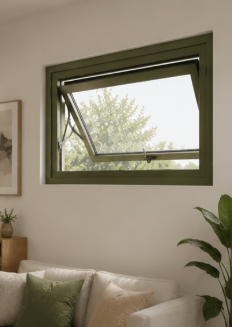
What newer materials can replace aluminum in awning windows without raising our costs?
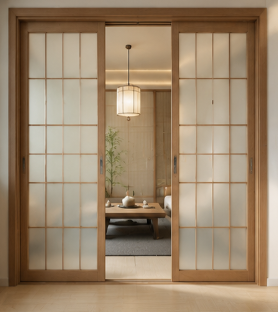
How do I choose the right Sliding door specs for smooth operation in harsh environments?
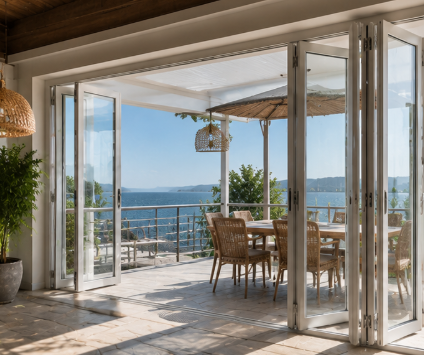
How do I choose a folding door that stays stable in harsh weather and heavy daily use?
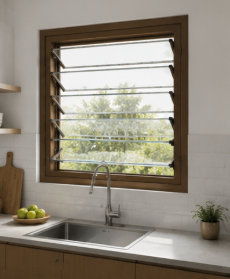
How can I choose the right shutter specifications for harsh weather and long-term use?
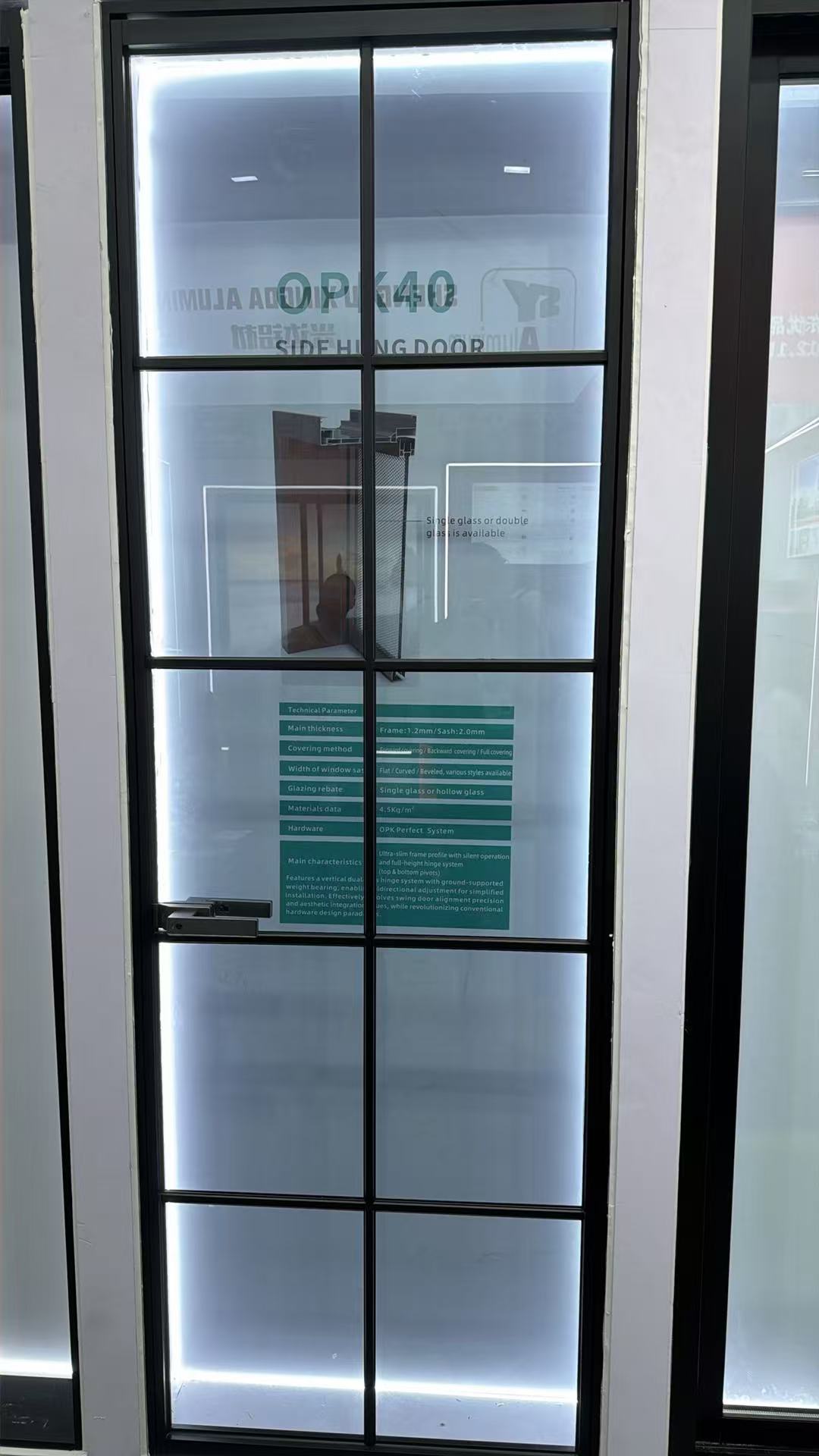
How do I compare casement door U-values, hardware, and weather sealing before buying?
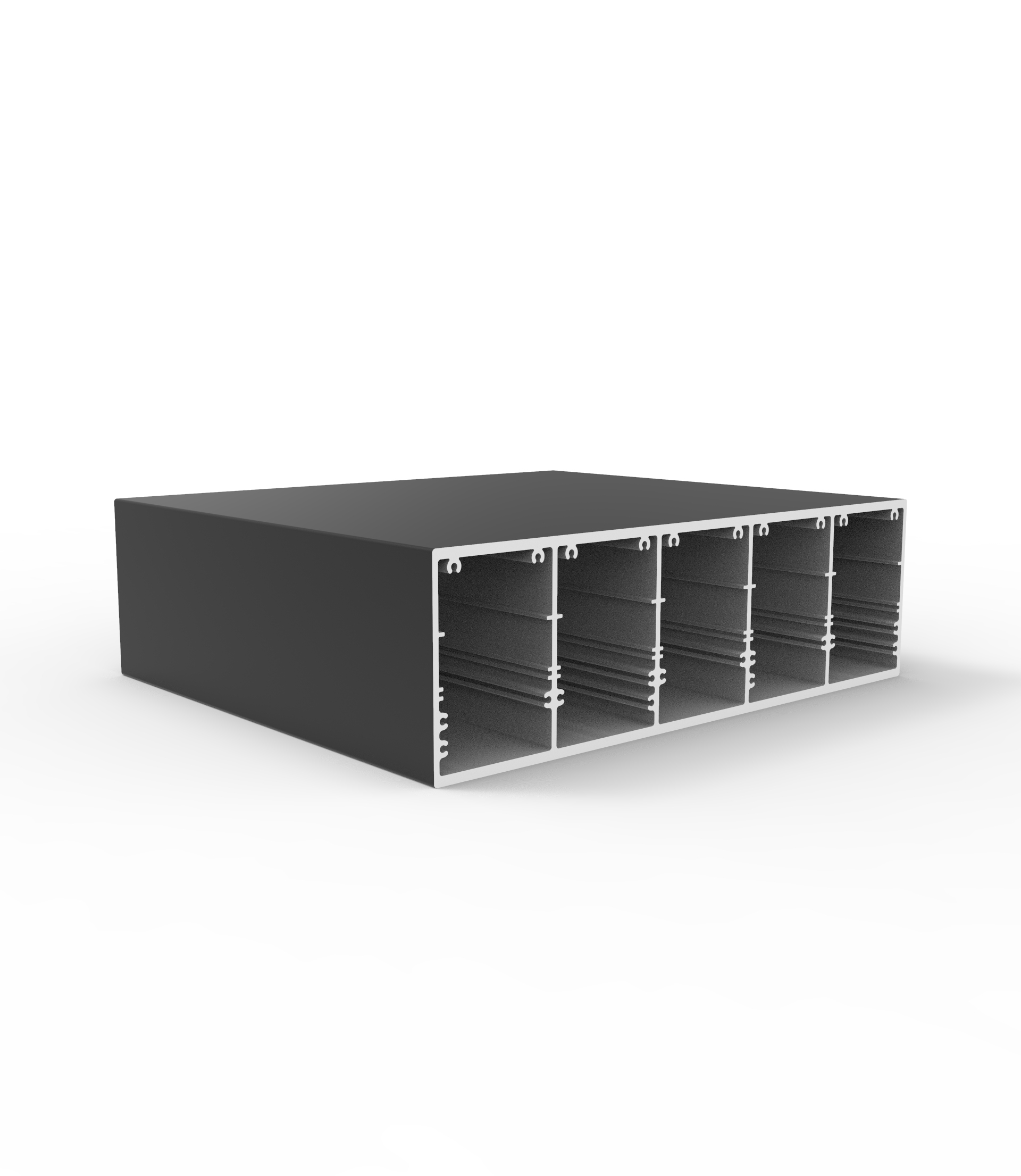
How do I choose the right industrial profile size for strength and load needs?
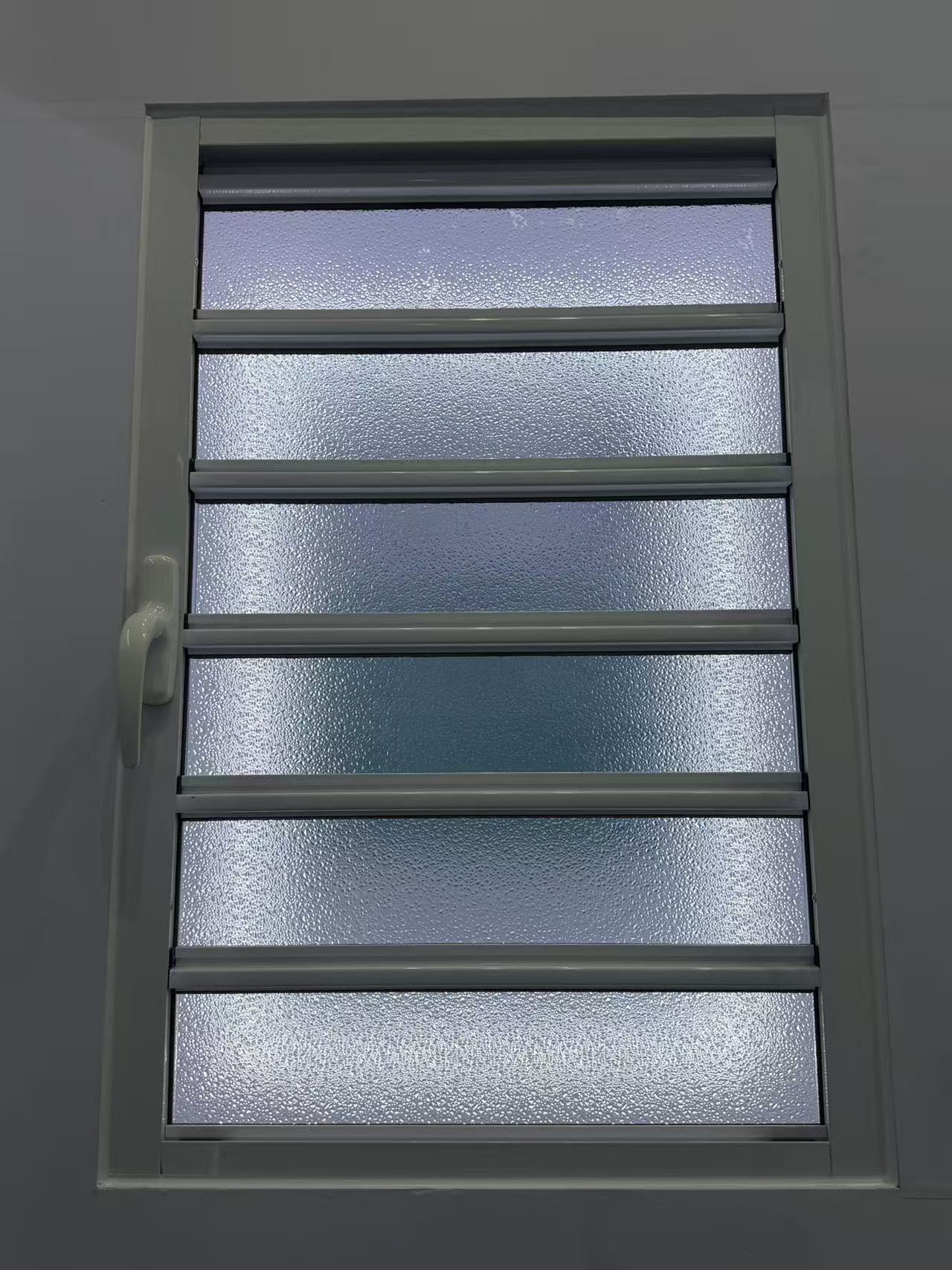
How do I choose the right shutter specifications for harsh weather and long-term commercial use?
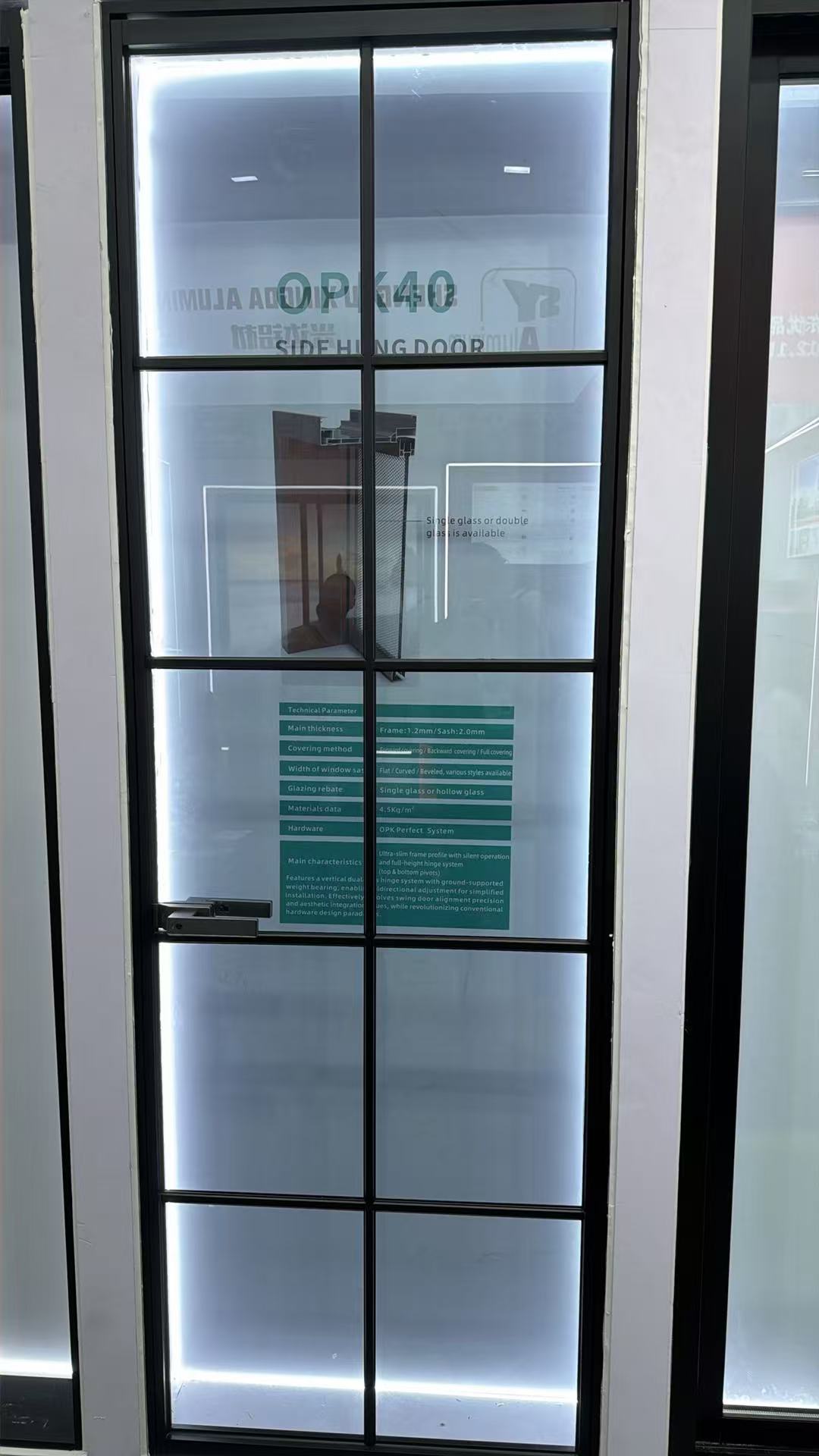
How do I choose the right Casement door size and hardware for harsh weather?
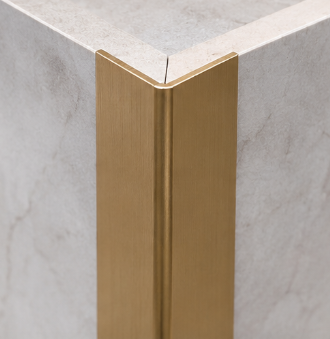
What greener alternatives to decorative profile can cut costs without hurting durability?
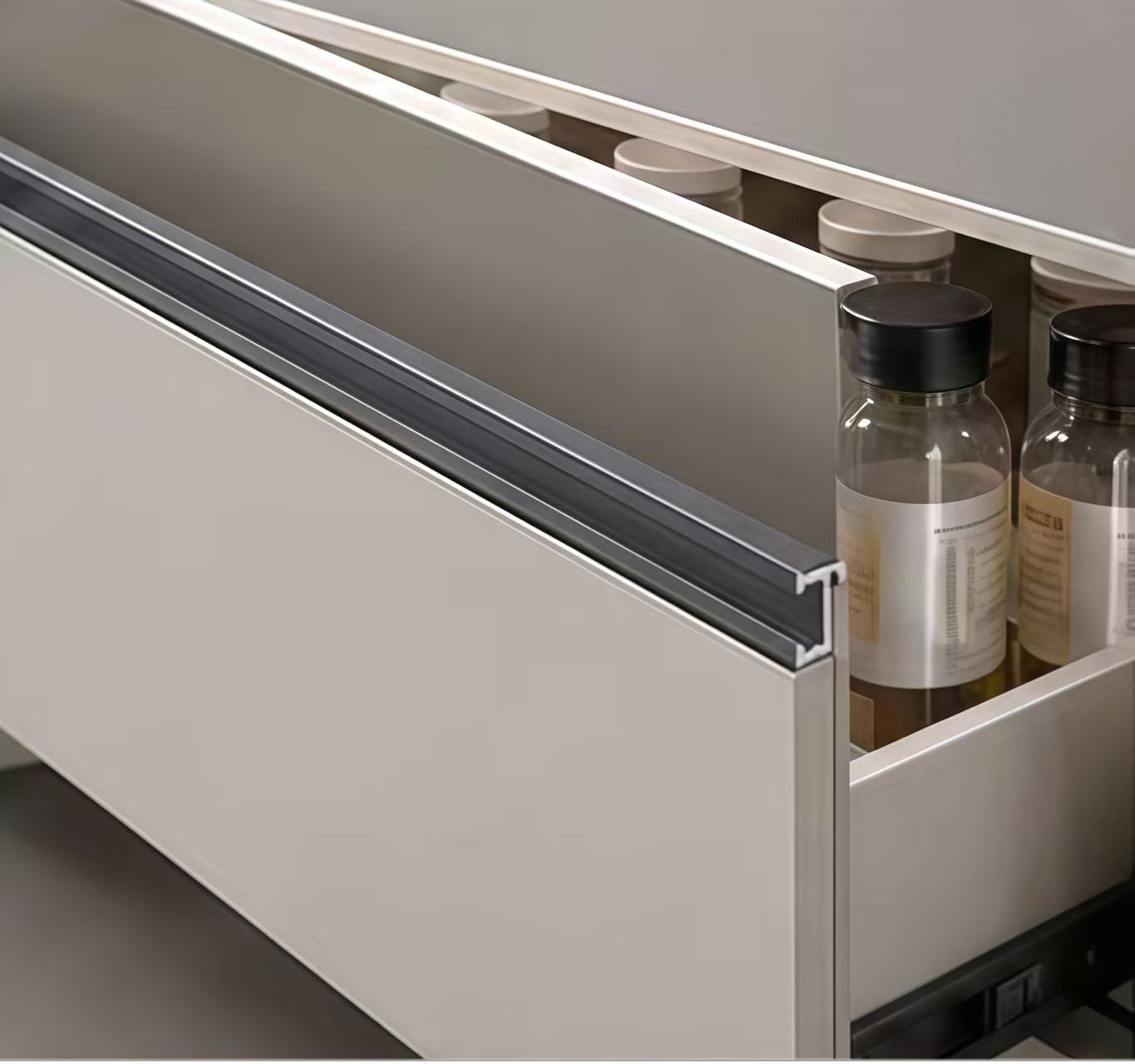
What lower-cost, eco-friendly materials can replace decorative profiles?
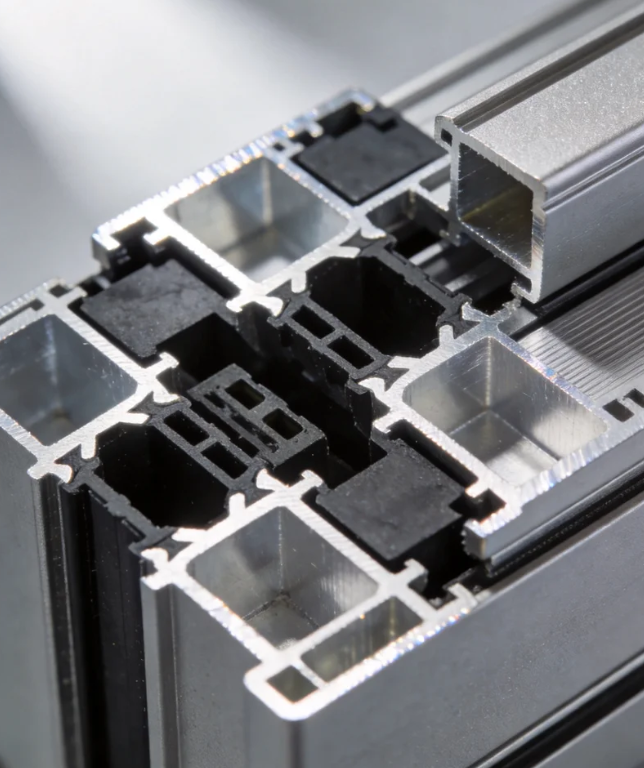
What lower-carbon alternatives to aluminum architecture profiles are practical for our project?
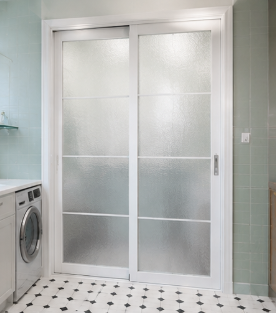
How can I compare sliding door systems for insulation, security, and long-term use?
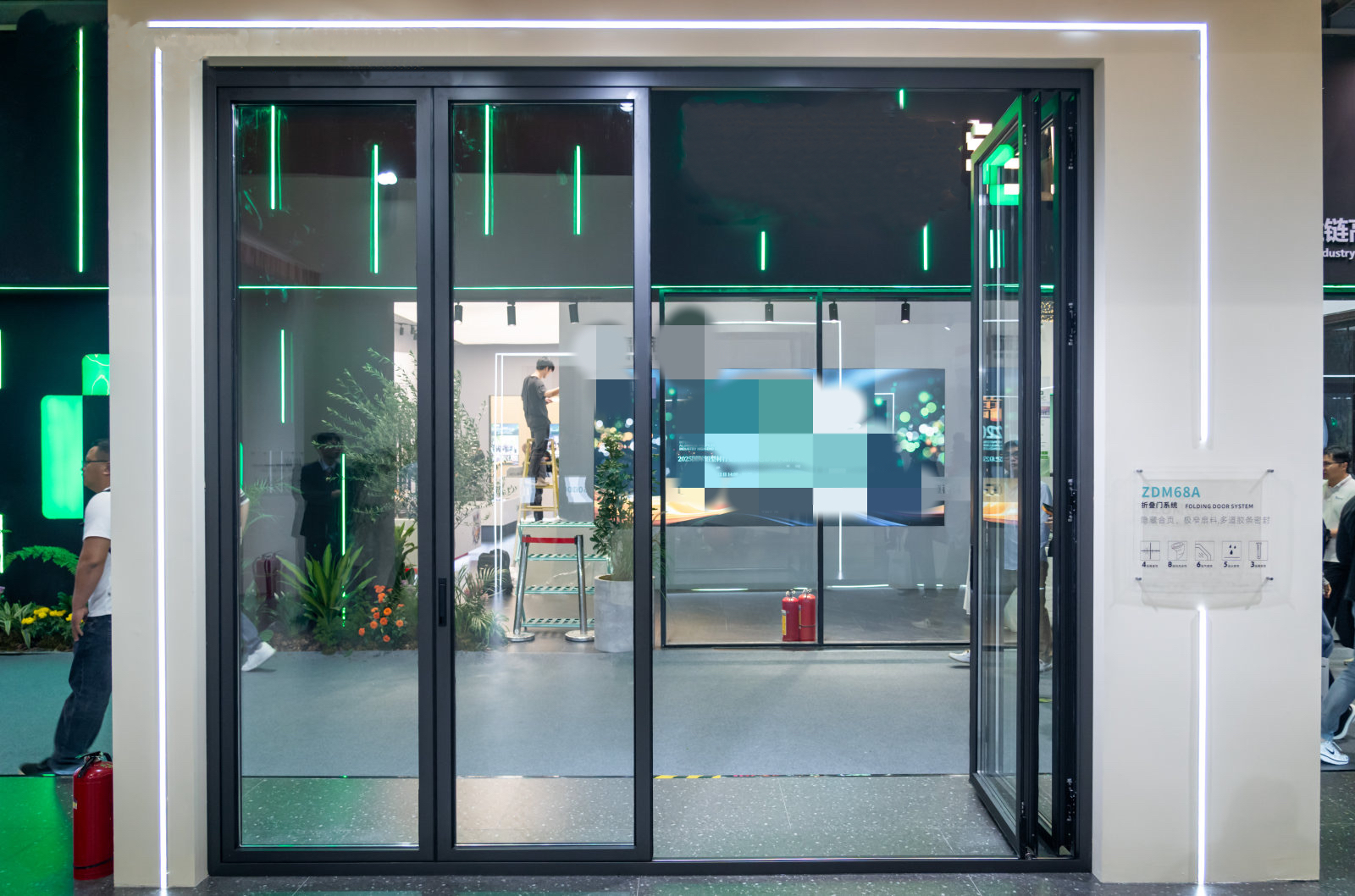
What is the standard production lead time for bulk orders of folding doors?
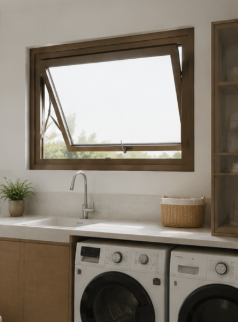
How do I choose the right Awing window size and glass specification for harsh weather?
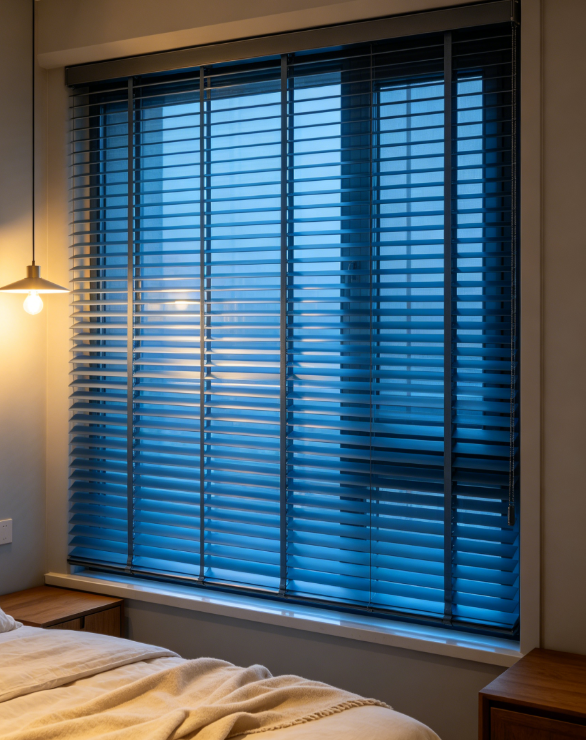
How can I test shutter samples so the final bulk order matches their quality and finish?
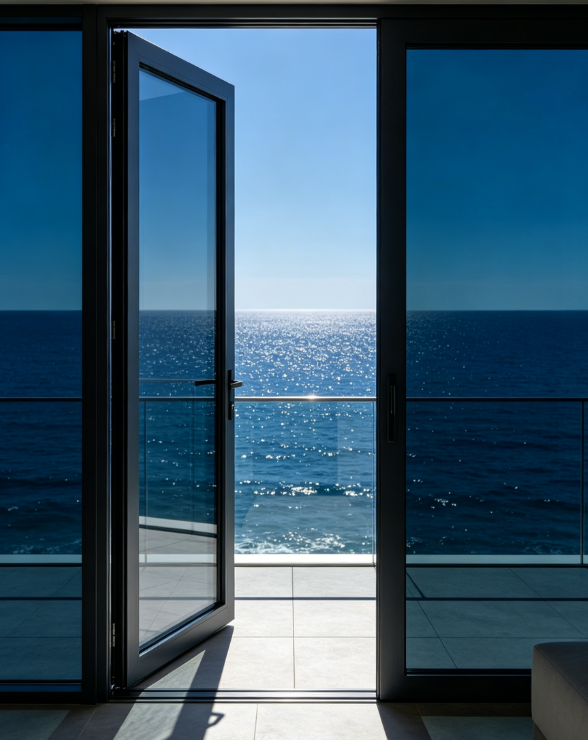
Can suppliers make custom double glass casement doors from my CAD drawings?
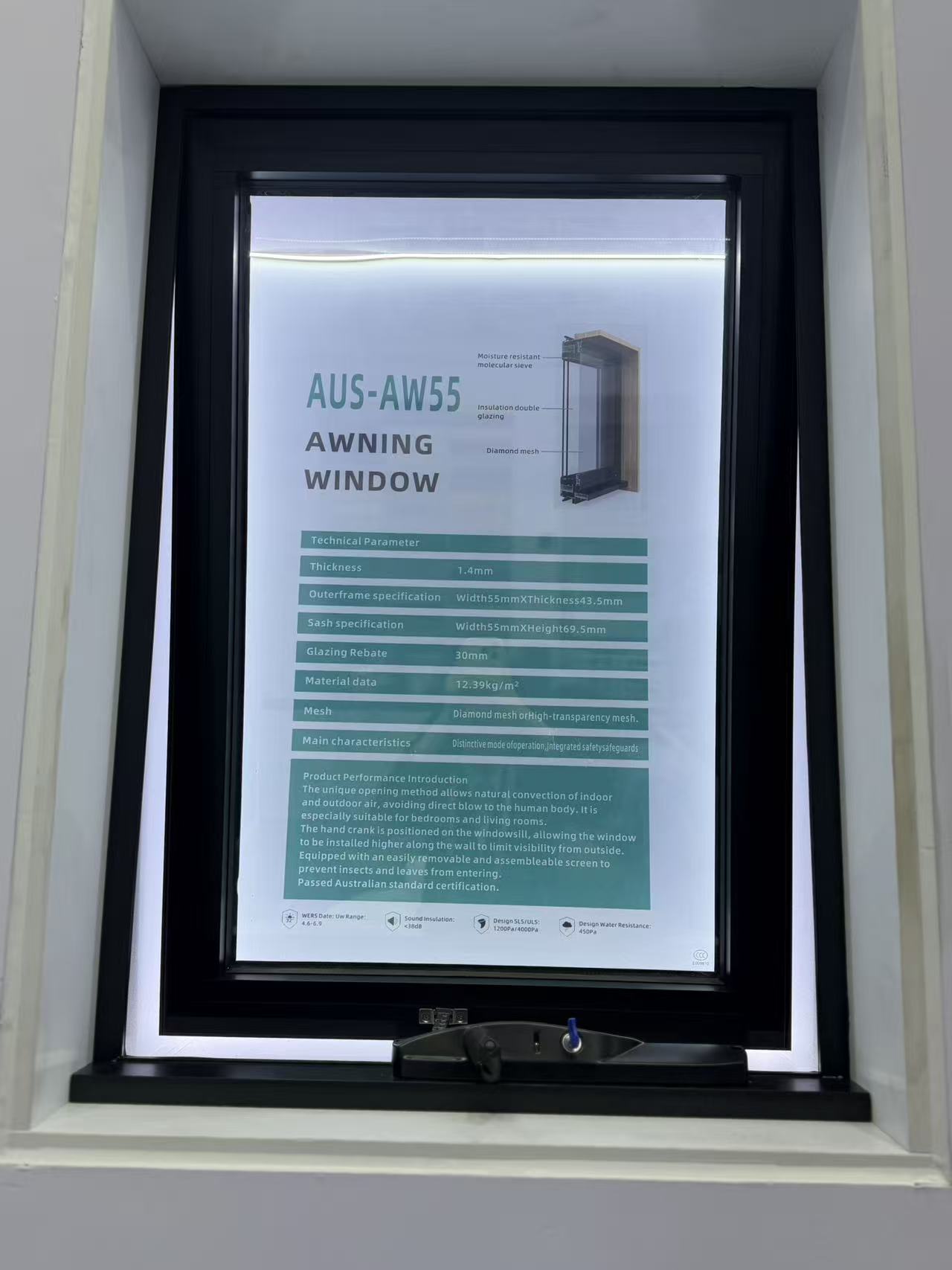
What safety certifications should I request when importing awning windows?
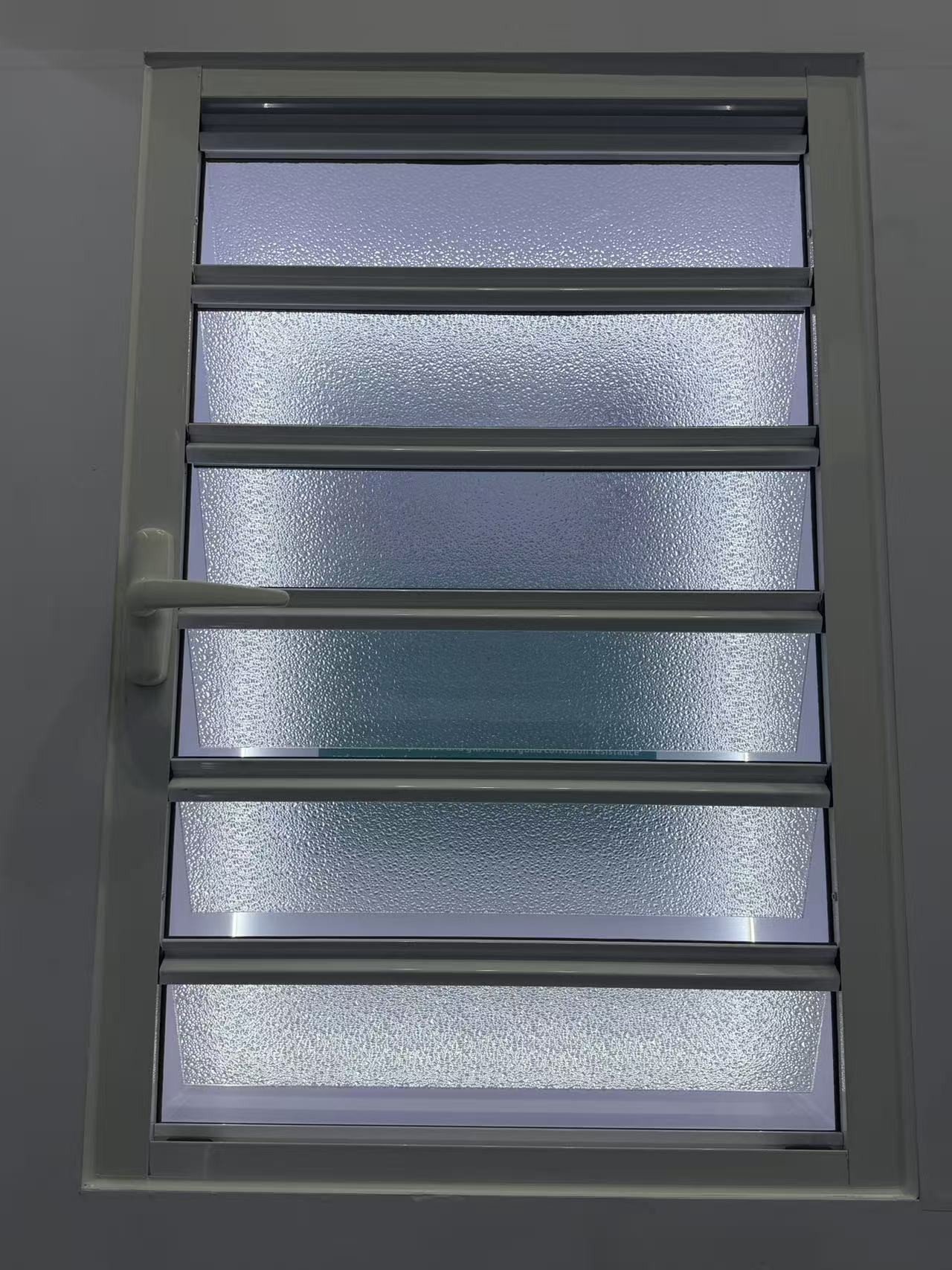
How long does it usually take a factory to make custom shutter samples?
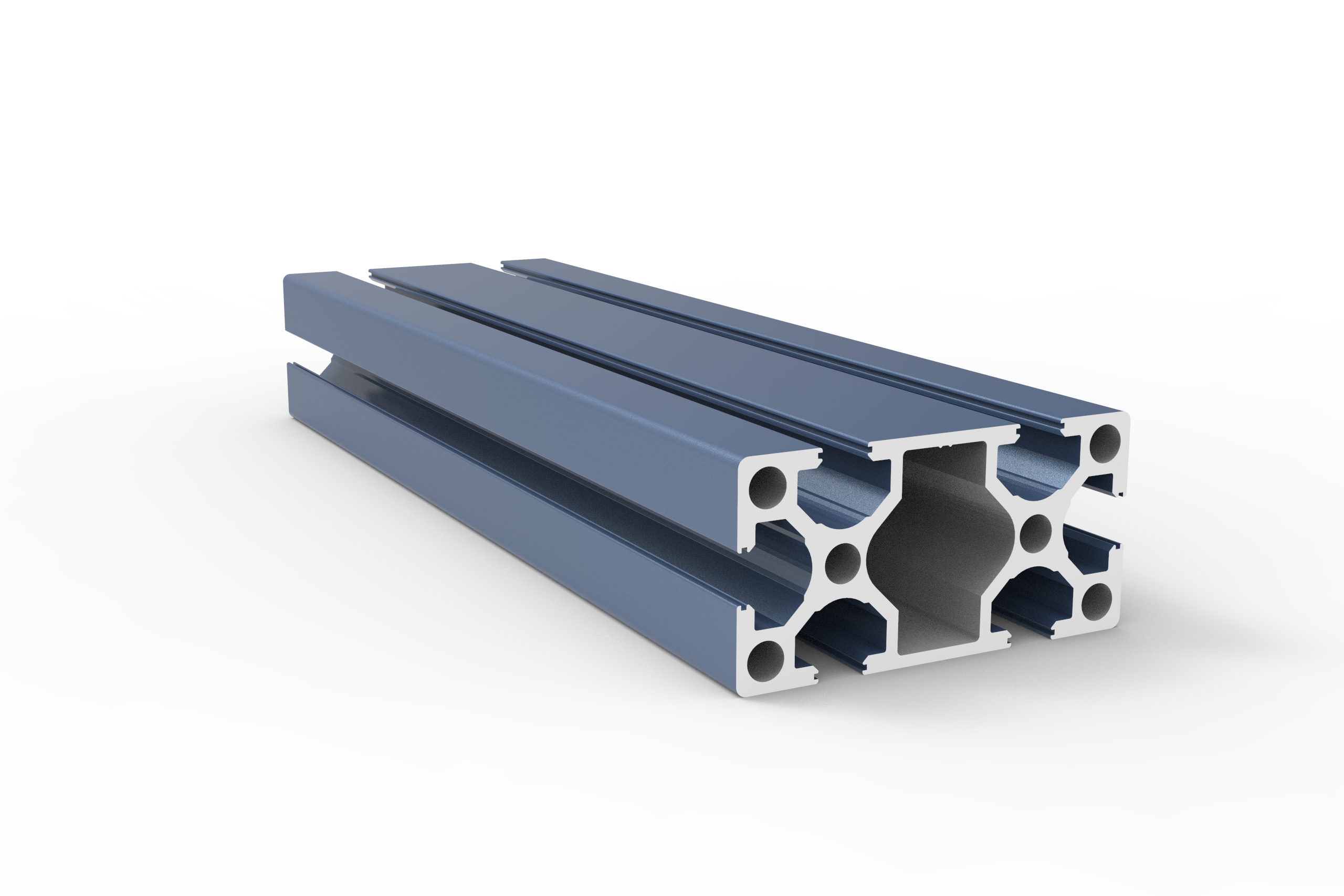
What T-slot industrial profile size is best for a heavy duty machine frame?
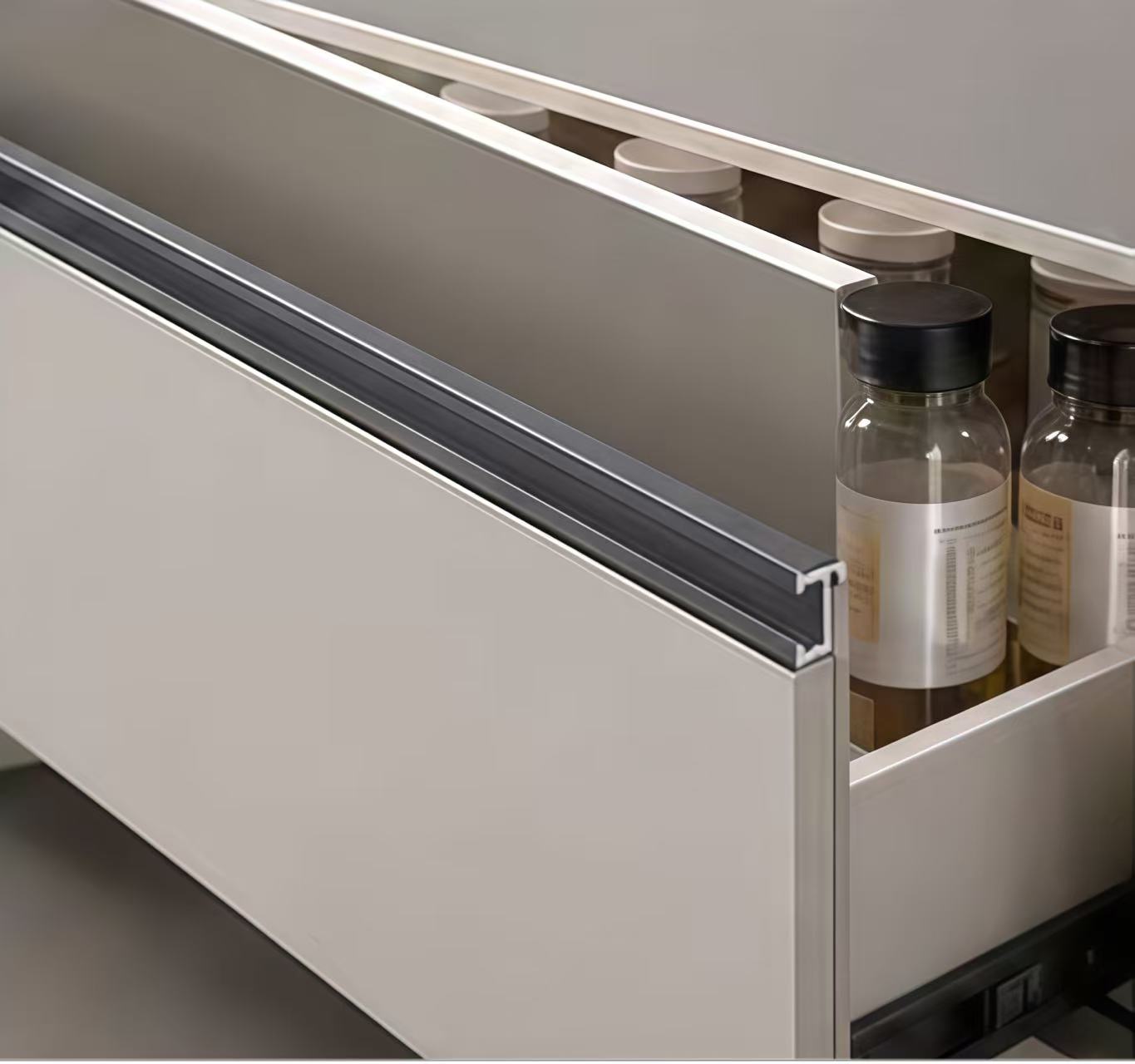
How do I choose the right stainless steel decorative profile for high humidity areas?
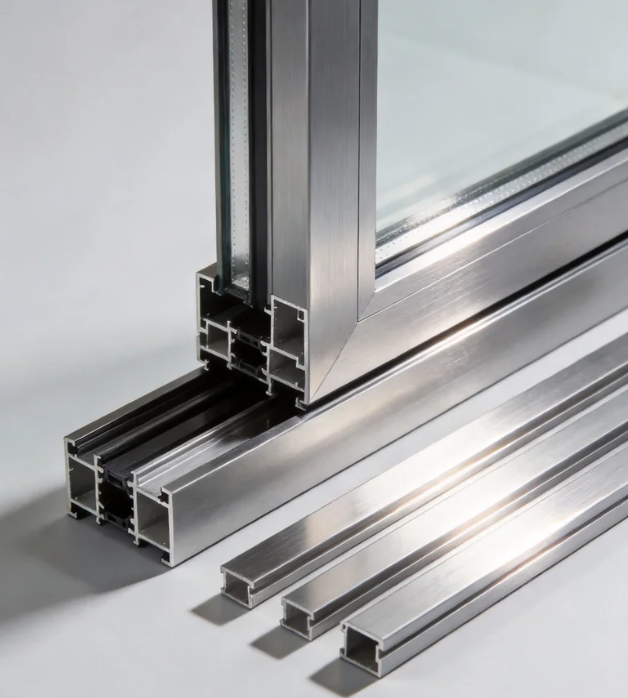
How do I choose the right aluminum architecture profile for coastal buildings?
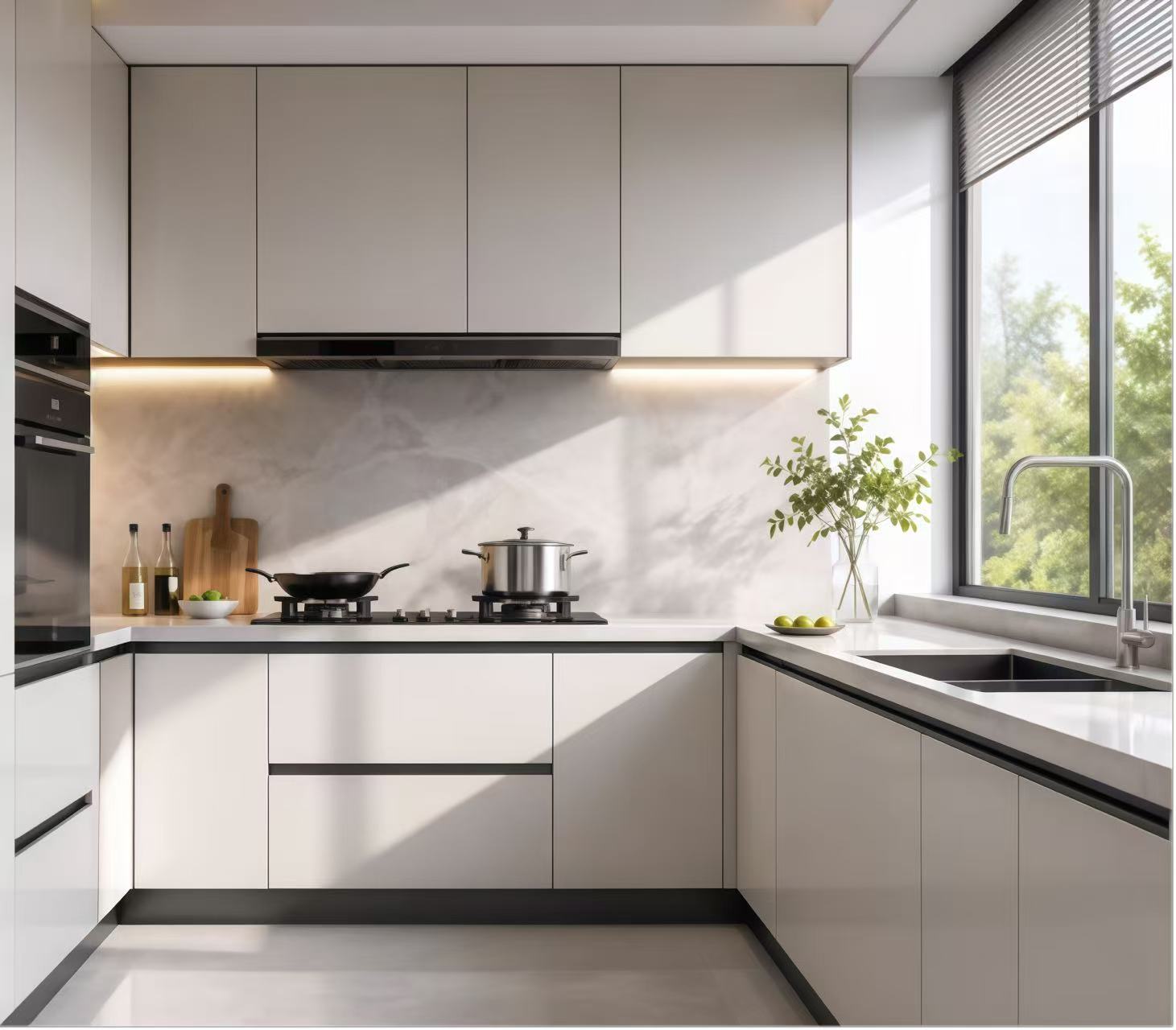
How do I choose the right stainless steel decorative profile for high humidity areas?
What wind load specs should I check for aluminum casement windows in coastal high-rises?
How do I know which aluminum industrial profile alloy is best for heavy machinery frames?
How do I choose the right alloy grade for aluminum architecture profiles?
How do I select the right heavy-duty hardware for exterior commercial floding doors?
How do I select the right glass thickness for bulk awing window orders?
What frame thickness is recommended for commercial aluminum casement doors?
What frame thickness is best for high-rise commercial sliding windows?
How to choose weather resistant aluminum floding door specs for commercial use?
How do I choose the best water tightness rating for commercial awing windows?
How do I choose the right frame material for commercial casement doors?
How do I choose the right wind load rating for sliding windows in coastal areas?
What is the best material for outdoor decorative profiles to prevent rust and fading?
How do I choose the right track thickness for high-traffic commercial sliding doors?
How do I choose between PVC and basswood shutters for high-humidity areas?
How do I choose between double and triple glazing for casement windows in cold climates?
How do I choose the right industrial profile thickness for heavy-duty cnc machine frames?
How do I choose the right alloy for outdoor architecture profiles to prevent corrosion?
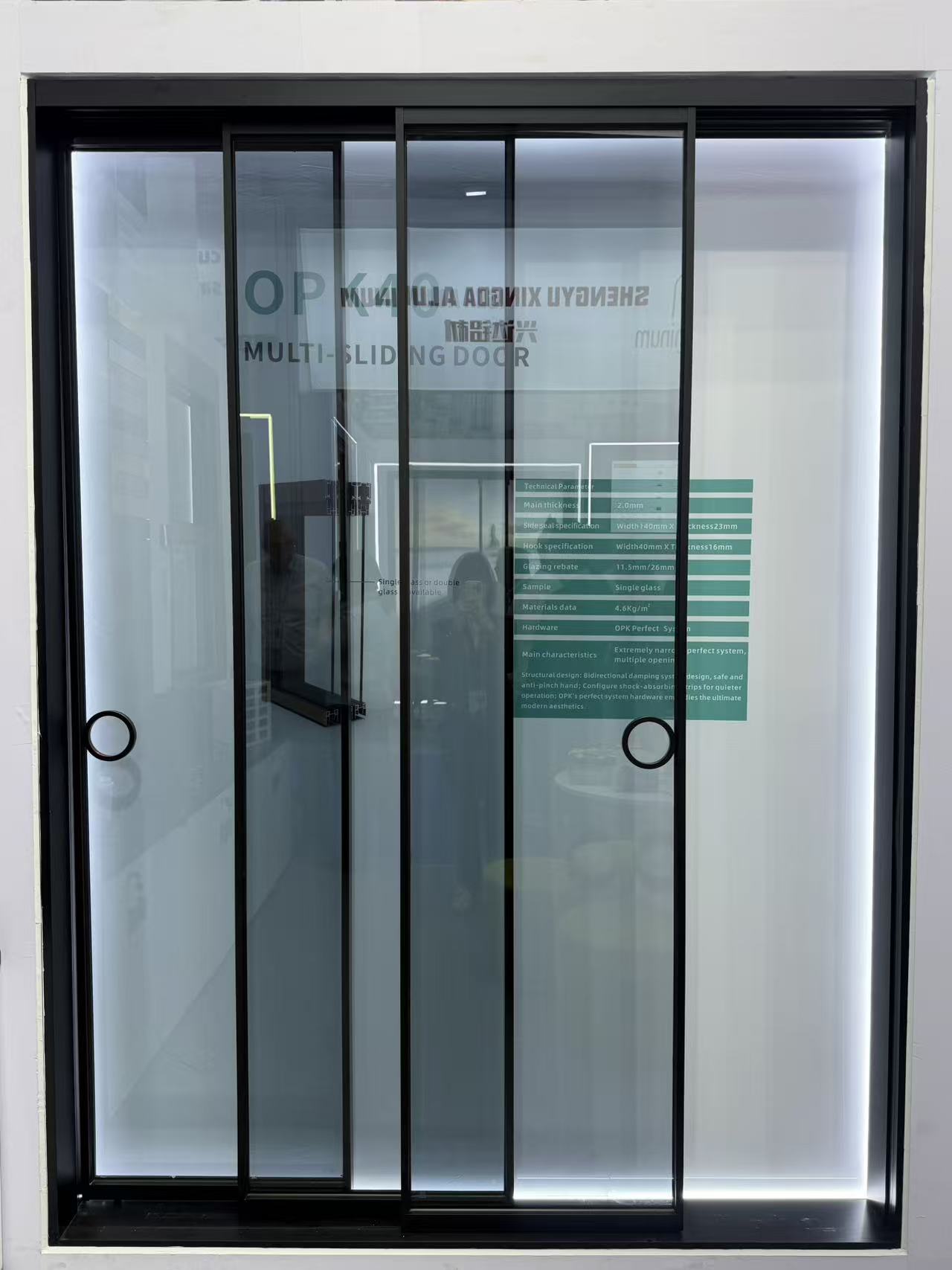
Can you design a slim frame profile for modern minimalist look?
How do I choose the right wind-resistant floding door for a coastal commercial building?
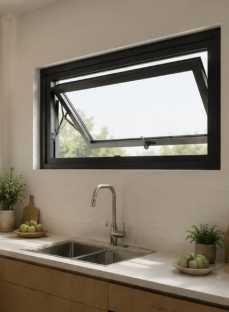
What key specs ensure a casement window can withstand heavy rain and high winds?
How do I choose the right aluminum alloy grade for heavy-duty industrial profiles?
Which alloy grade of architecture profile is best for coastal areas to resist rust?
How do you pack windows to prevent glass breakage in transit?
Are slim-frame thermal break systems replacing traditional ones?
Does the price include the matching frame and installation kit?
How do you protect our proprietary design drawings from leaks?
How do I choose the right decorative profile for high-traffic hotel lobbies?
Is your factory the actual manufacturer or a trading partner?
Is it possible to 3D print a prototype before cutting steel?
Do you outsource any part of the painting process to others?
How do you handle replacement parts for damaged track rollers?
Do you accept escrow payments through third-party platforms?
Do you have ISO 9001 certification for your production line?
Are there extra fees if we pay via bank telegraphic transfer?
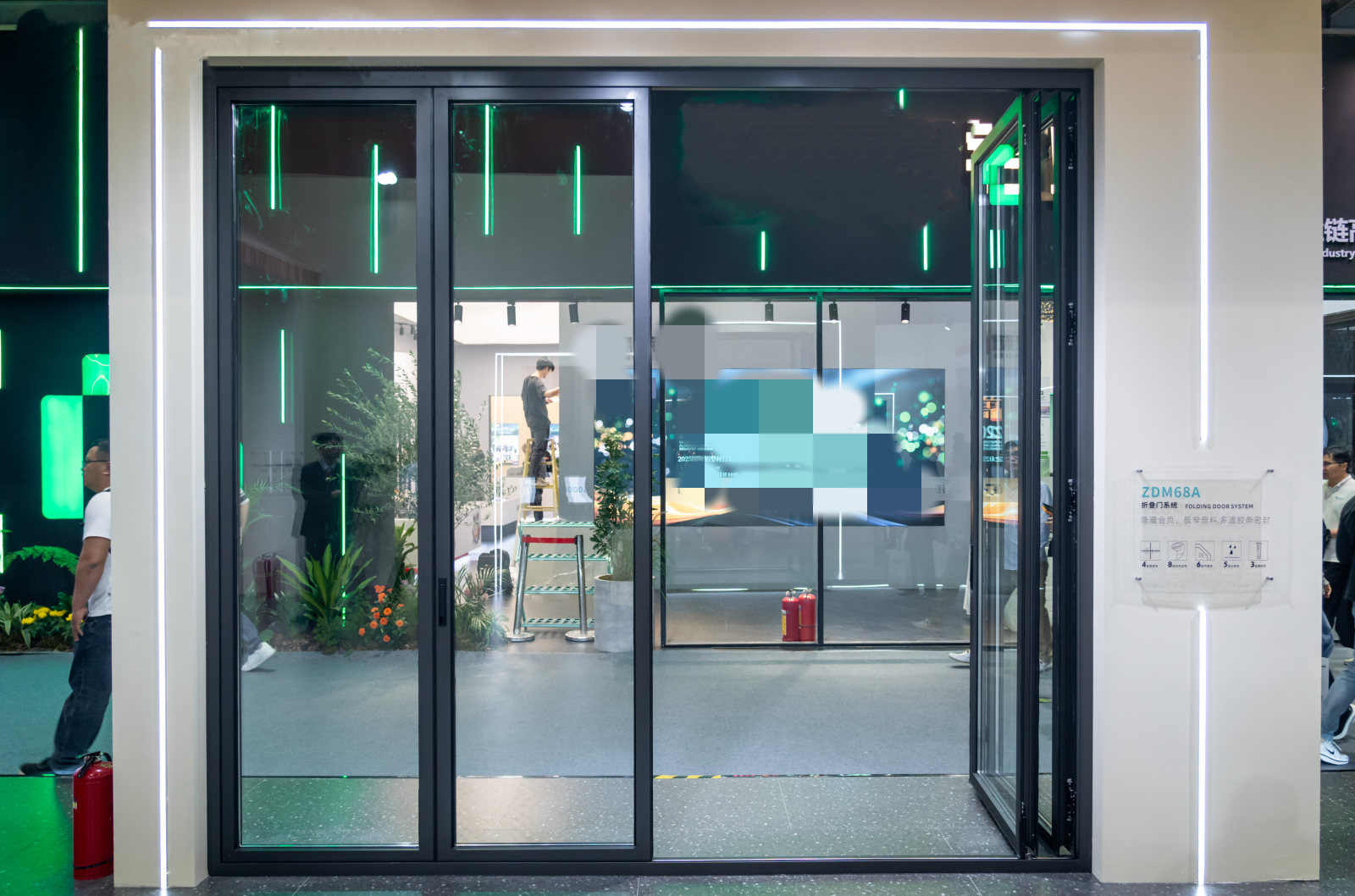
What is the price difference between powder coat and anodized?
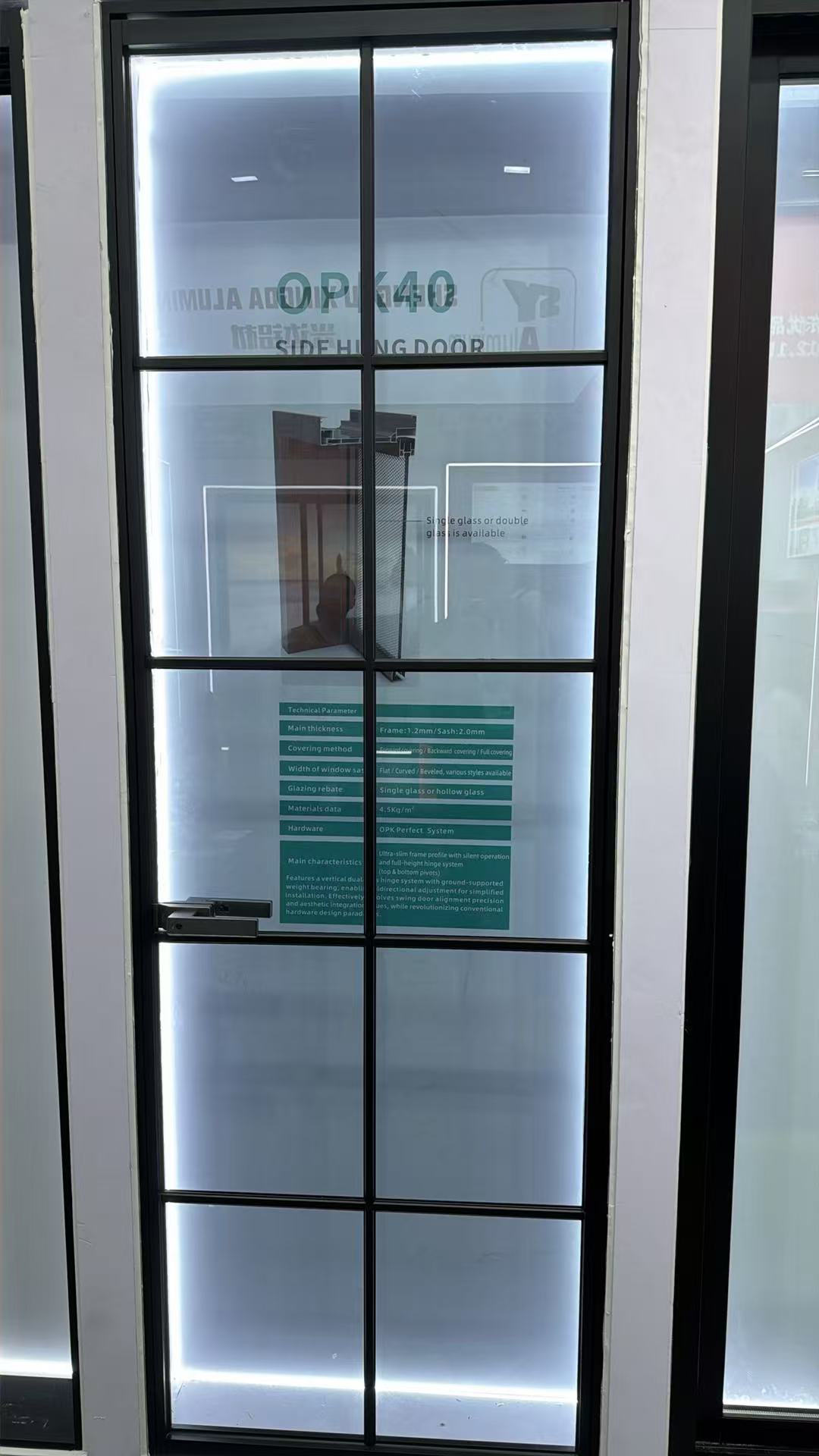
What is the warranty period for the lock and hinge hardware?
What is your policy for dimensional deviations in the batch?
What happens if the shipment is delayed due to factory error?
Do you offer online technical support if color fading occurs?
Is it possible to engrave our brand logo on the tension screw?
Do you offer credit terms for long-term purchasing partners?
Can you palletize the shipments for easy forklift unloading?
What are the latest eco-friendly finish trends for decorative profiles in modern interior design?
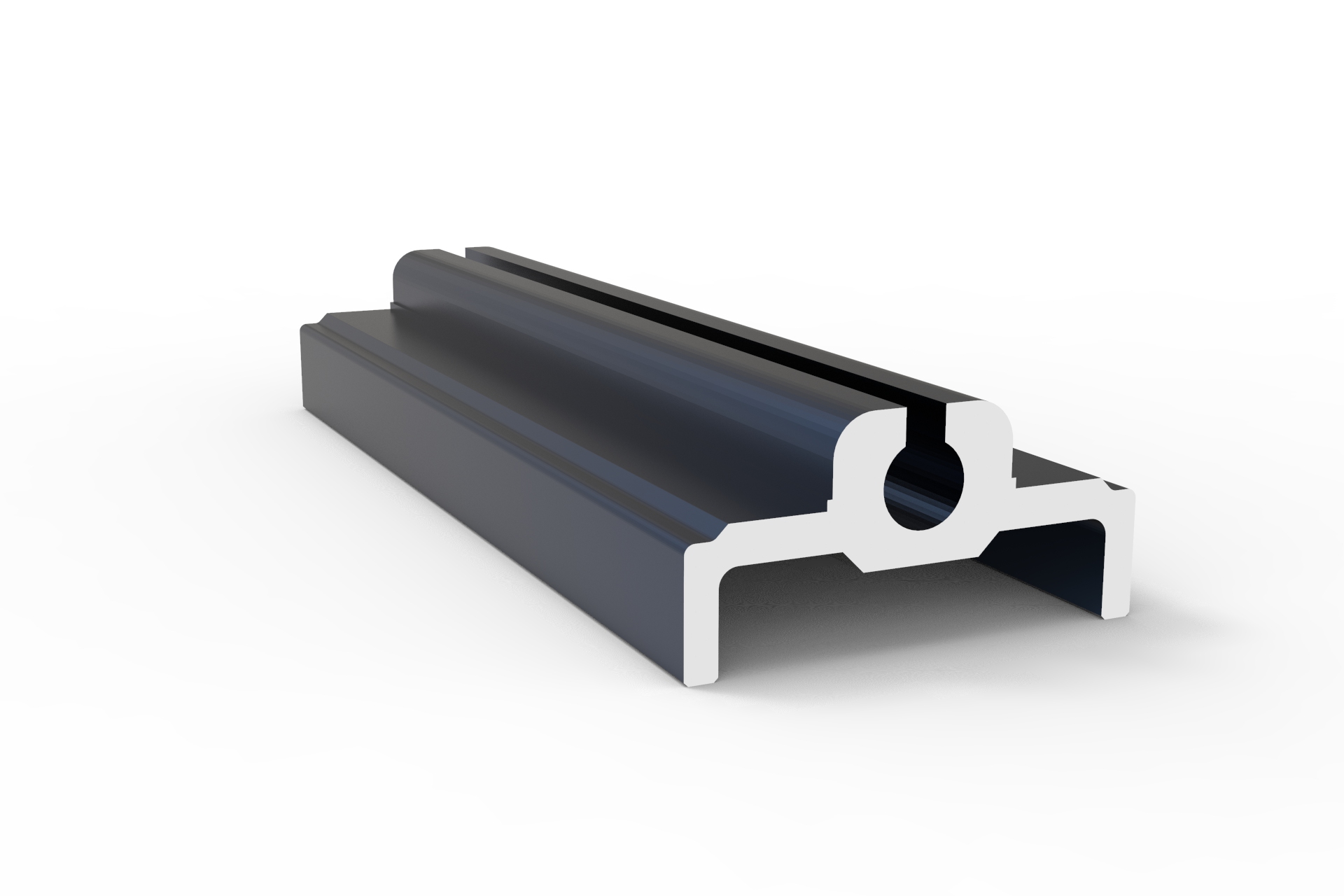
What are the tooling cost and design limitations for customizing heavy-duty industrial profiles?
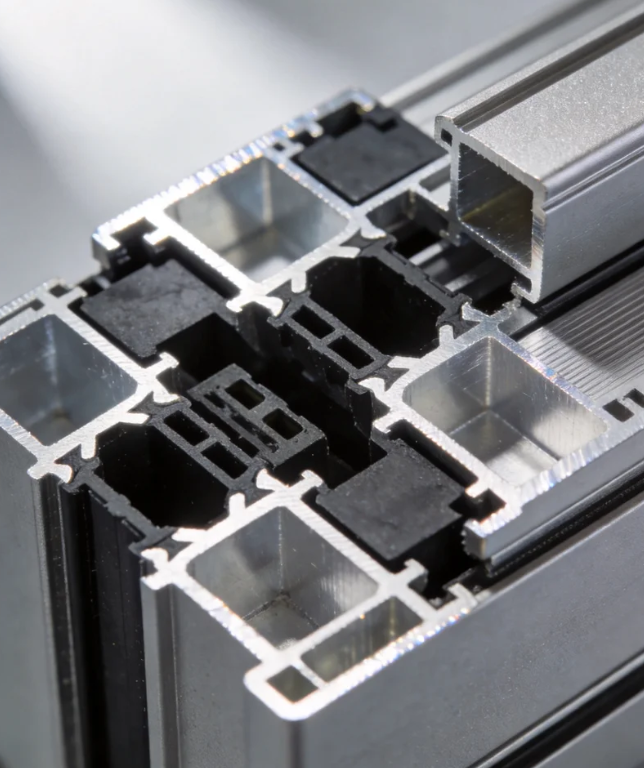
Has your architecture profile manufacturing facility passed ISO 9001 certification?
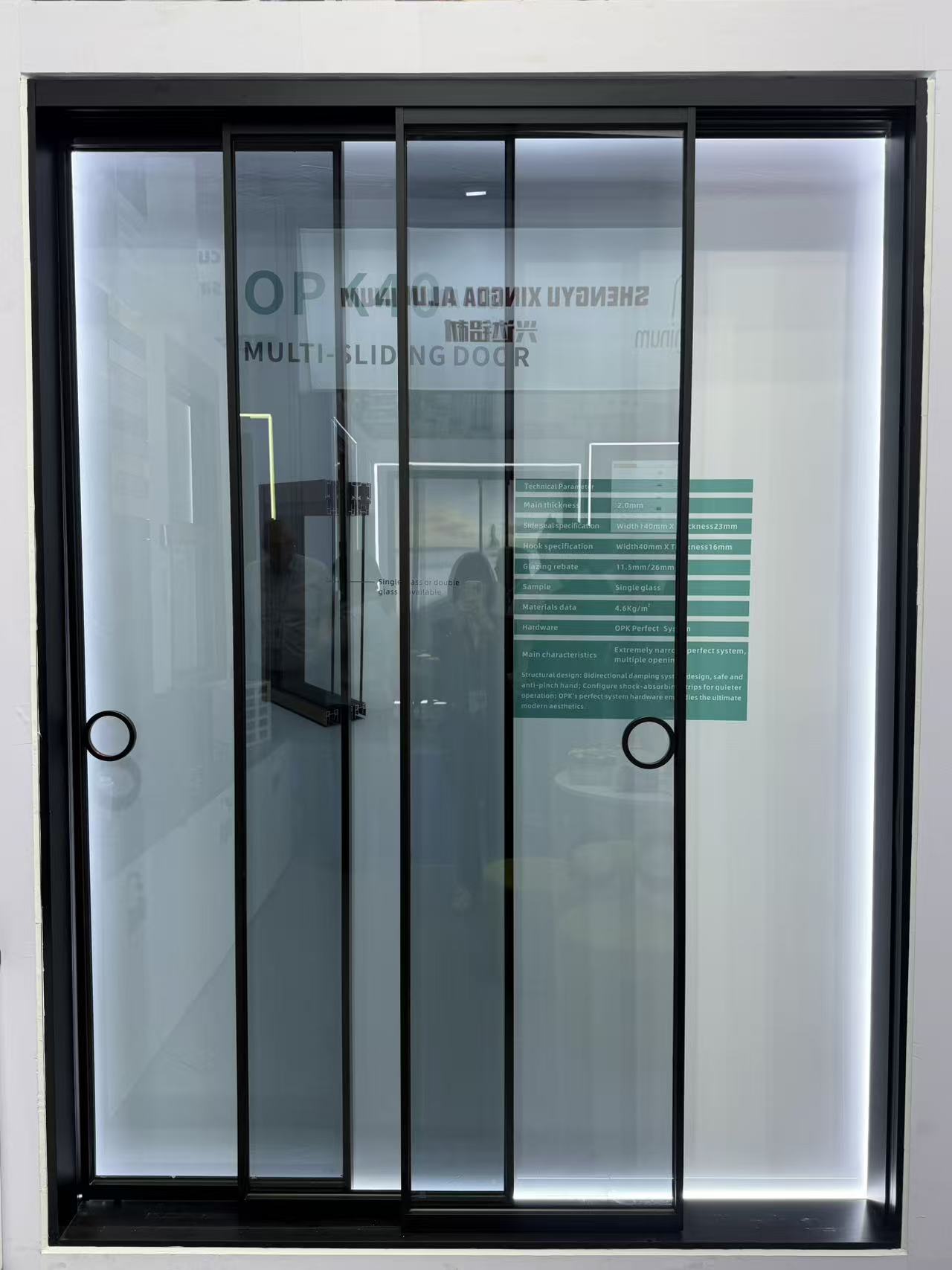
Can we use Alibaba Trade Assurance for our initial sliding door order to mitigate risk?
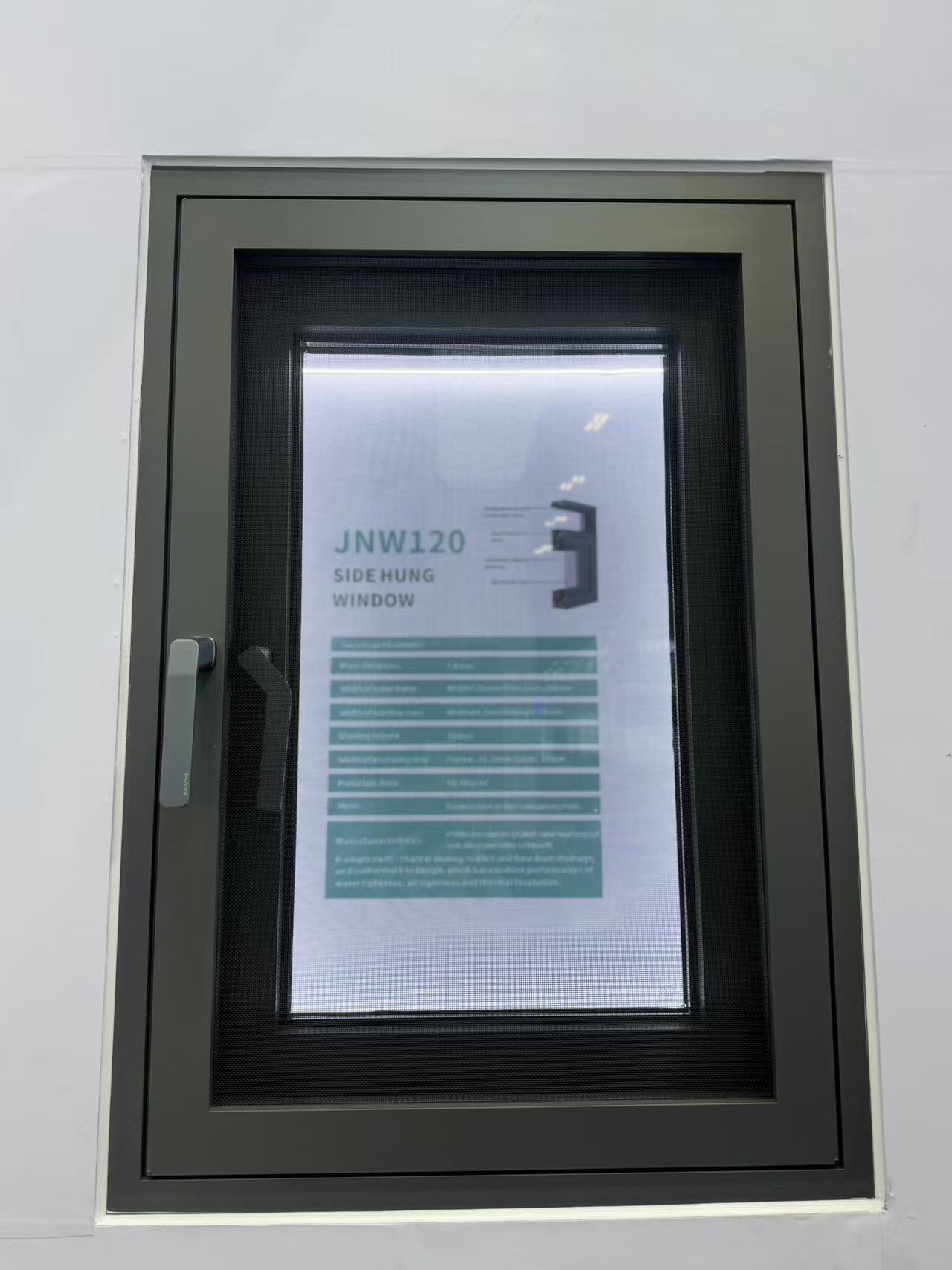
Do you provide free corner samples of the casement window frame for color verification?
Is it possible to custom-match a specific RAL color for a decorative profile order?
Can I request a 3D-printed sample before ordering a custom industrial profile mold?
Can you extrude an architecture profile based on our proprietary CAD drawings?
What thermal performance certifications does a sliding door need for the UK market?
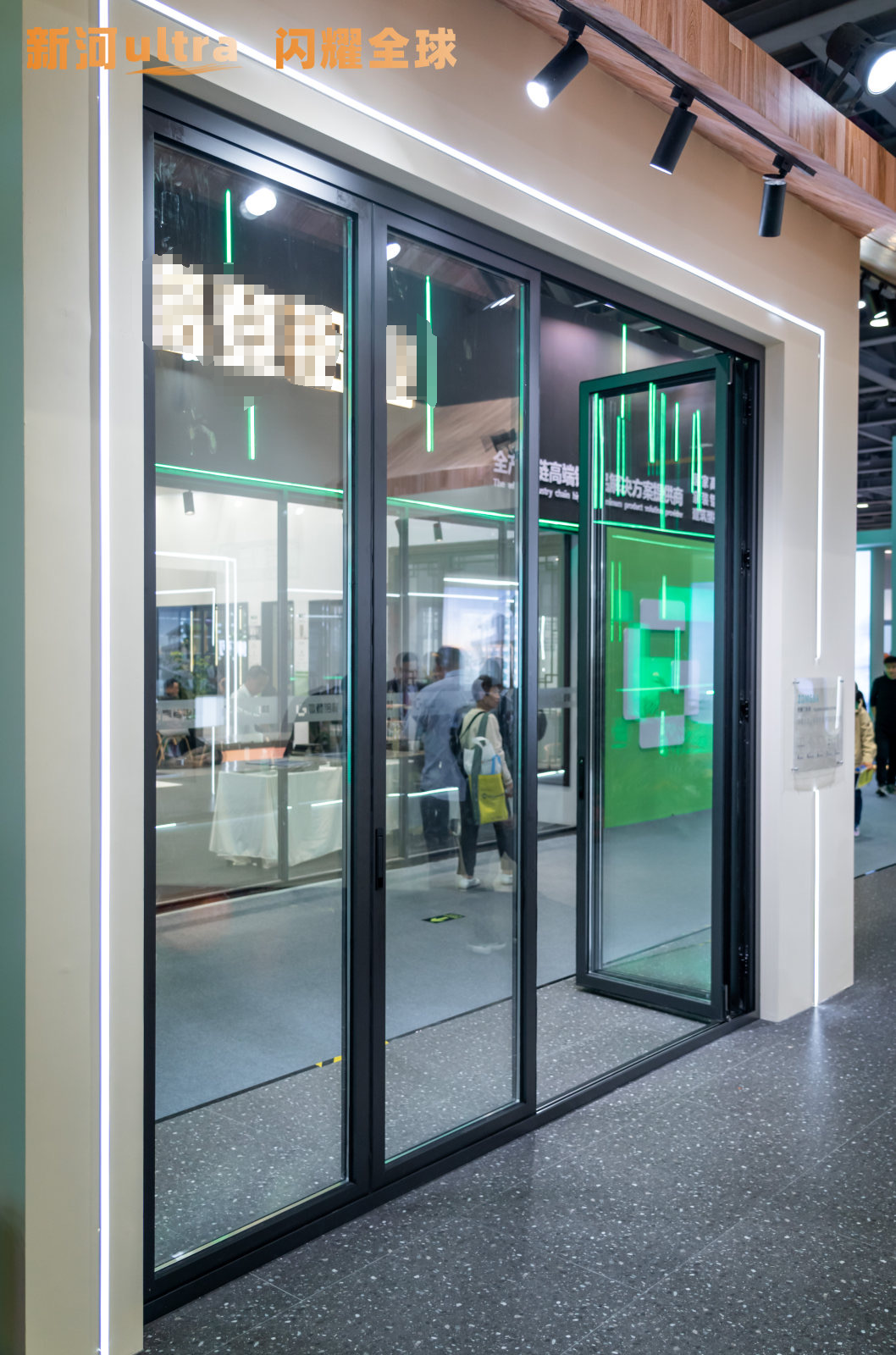
How are heavy floding door panels crated to ensure safe unloading at the job site?
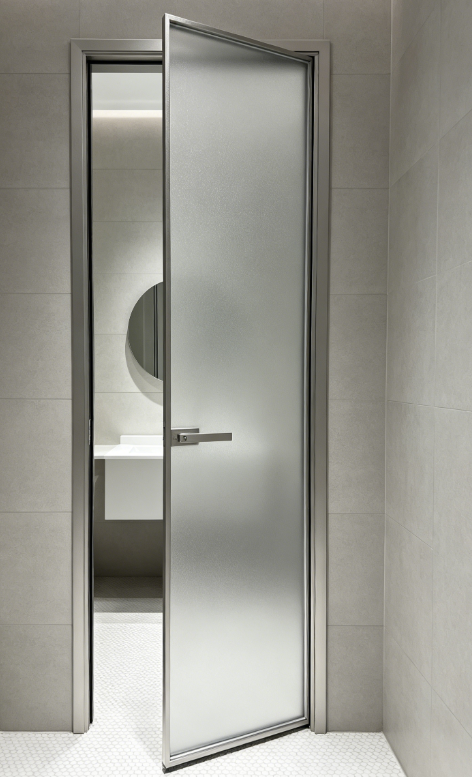
Can we arrange our own freight forwarder to pick up the casement door shipment FOB?
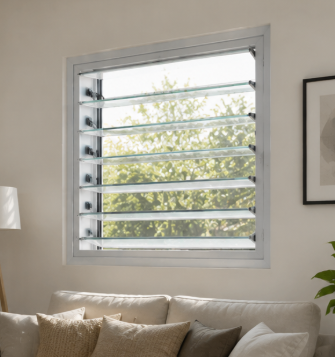
What is the estimated ocean freight transit time for a shutter shipment from China to Europe?
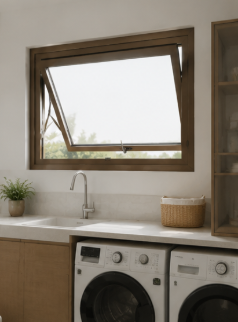
How can we source replacement seals for your awing window models in the future?
How are sliding windows typically packaged to prevent glass breakage during ocean transit?
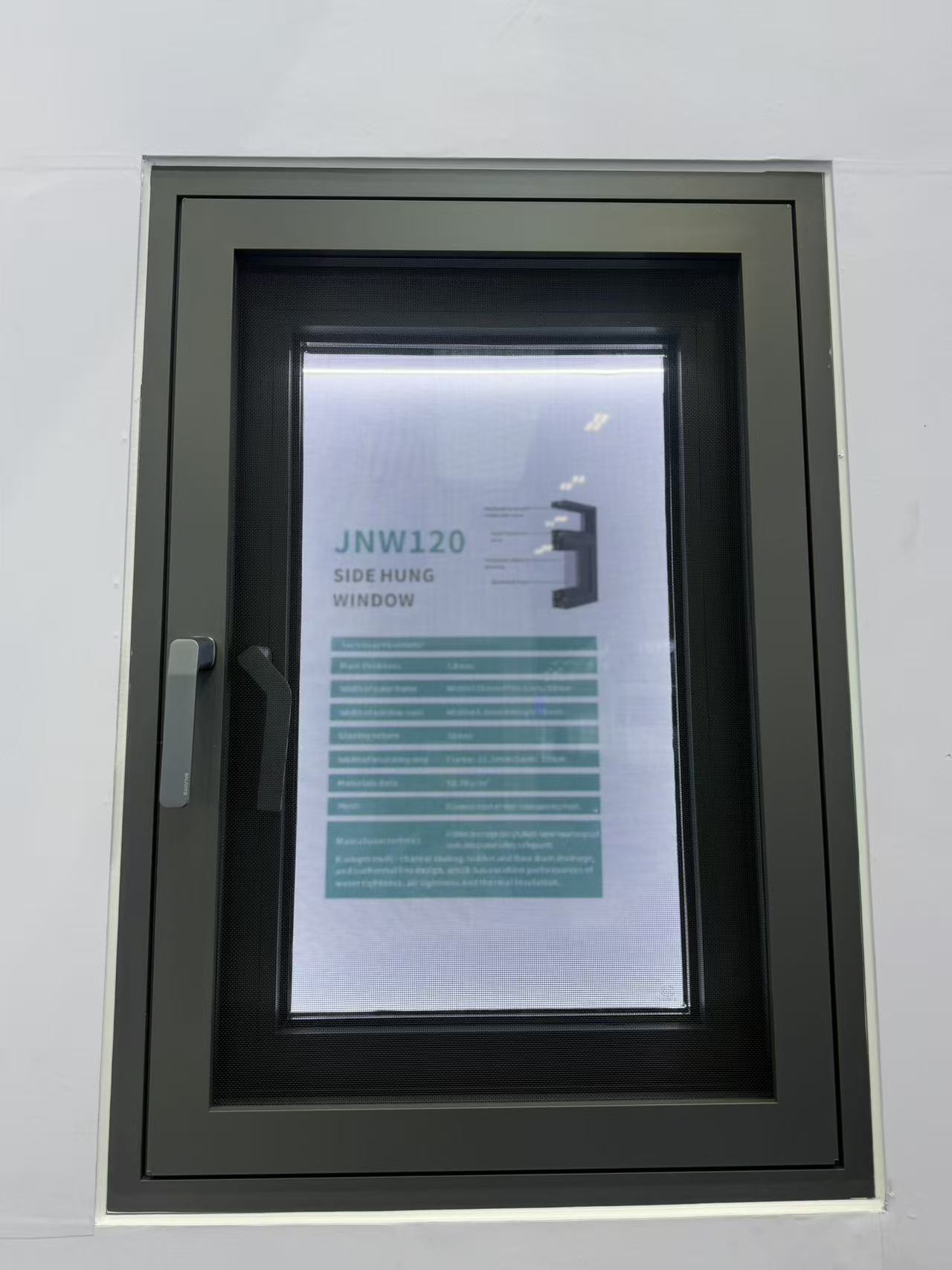
What is the average lead time for a 40ft container of standard aluminum casement windows?
Are there any extra tooling fees if my decorative profile order doesn’t meet the MOQ?
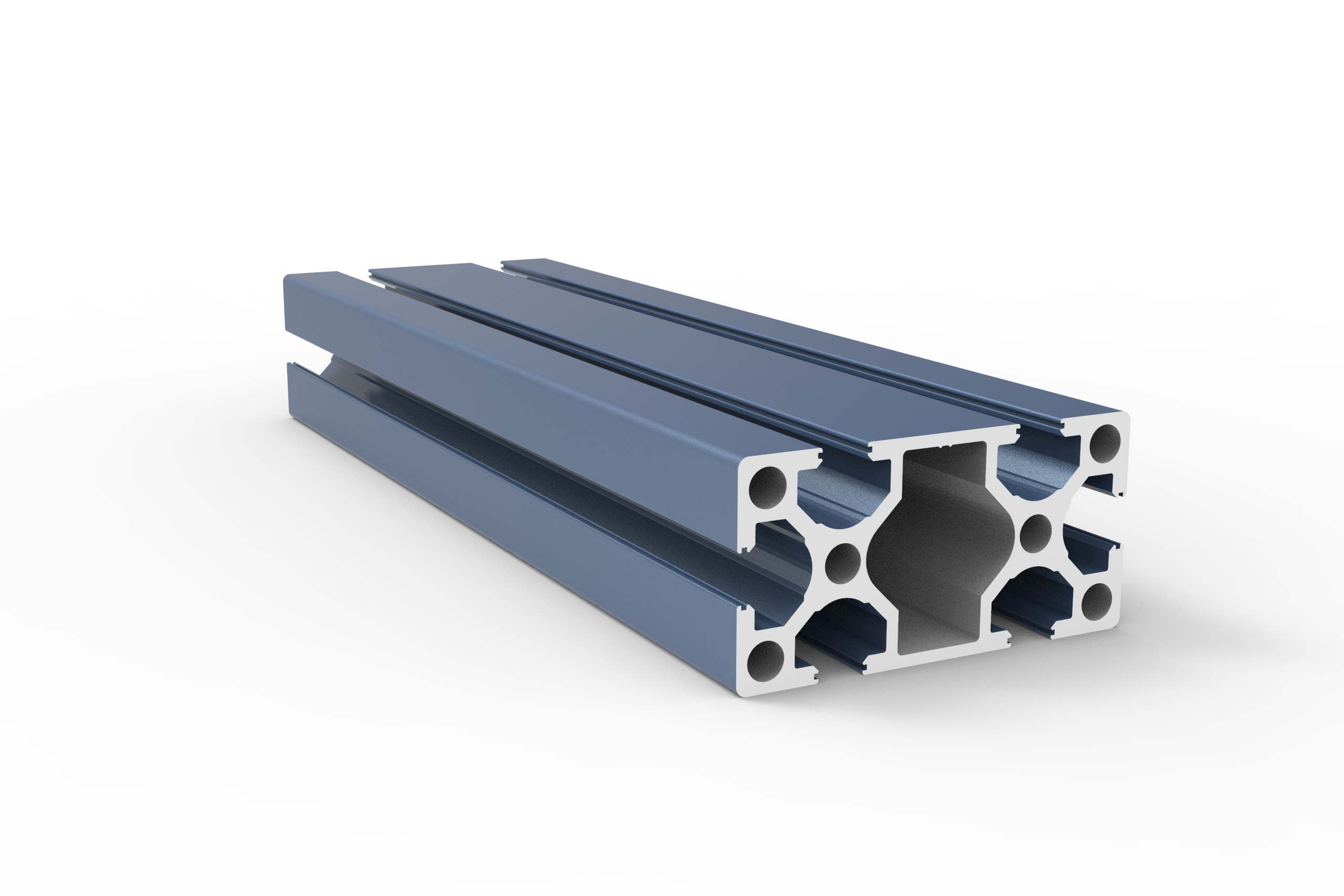
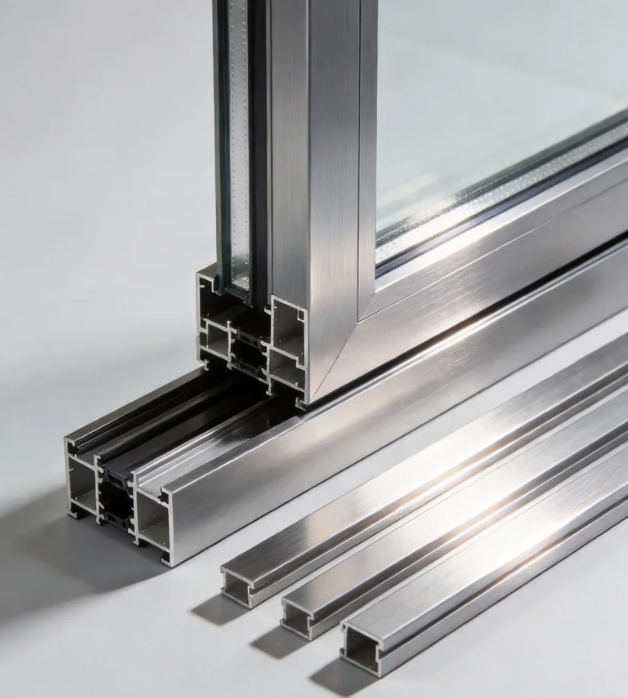
Can I get 3D printed prototypes of custom architecture profiles before committing to mold tooling?
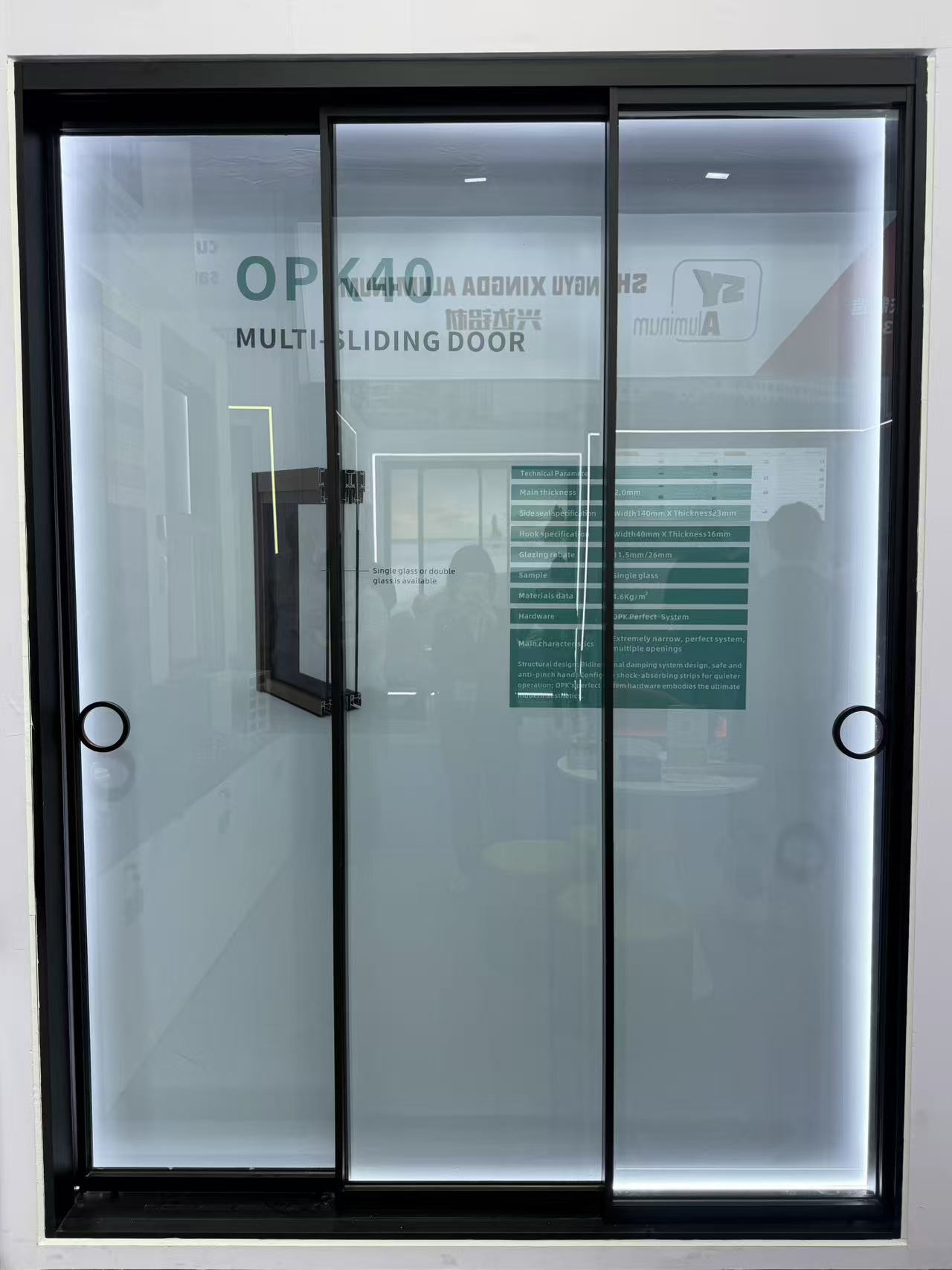
How is smart glass technology being integrated into modern residential sliding door units?
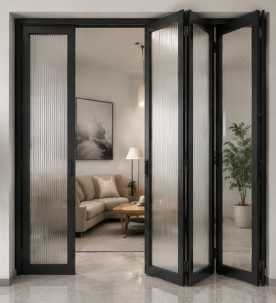
What options do you have for customizing the threshold height of an aluminum floding door?
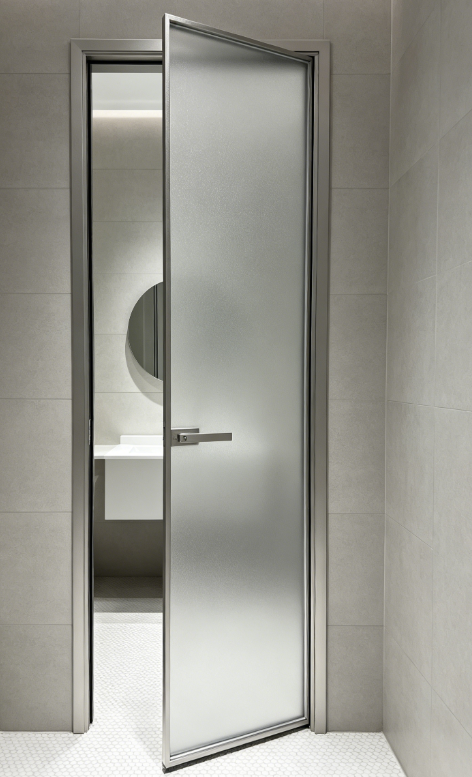
What thermal break technology should I look for in a heavy-duty aluminum casement door?
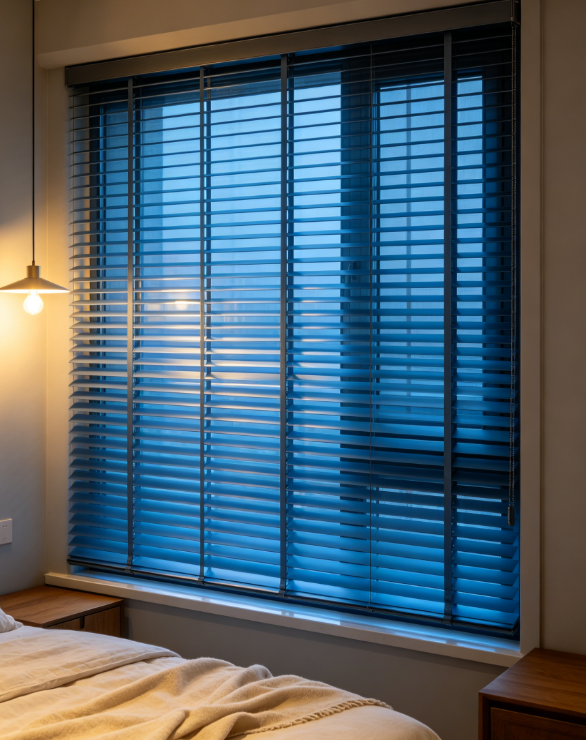
What quality control processes do you perform on shutter hardware before final assembly?
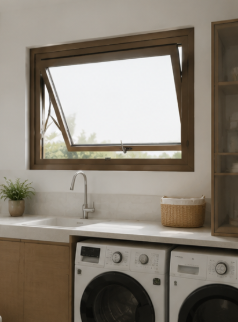
Do you offer DDP shipping terms for awing window orders delivered to our warehouse?
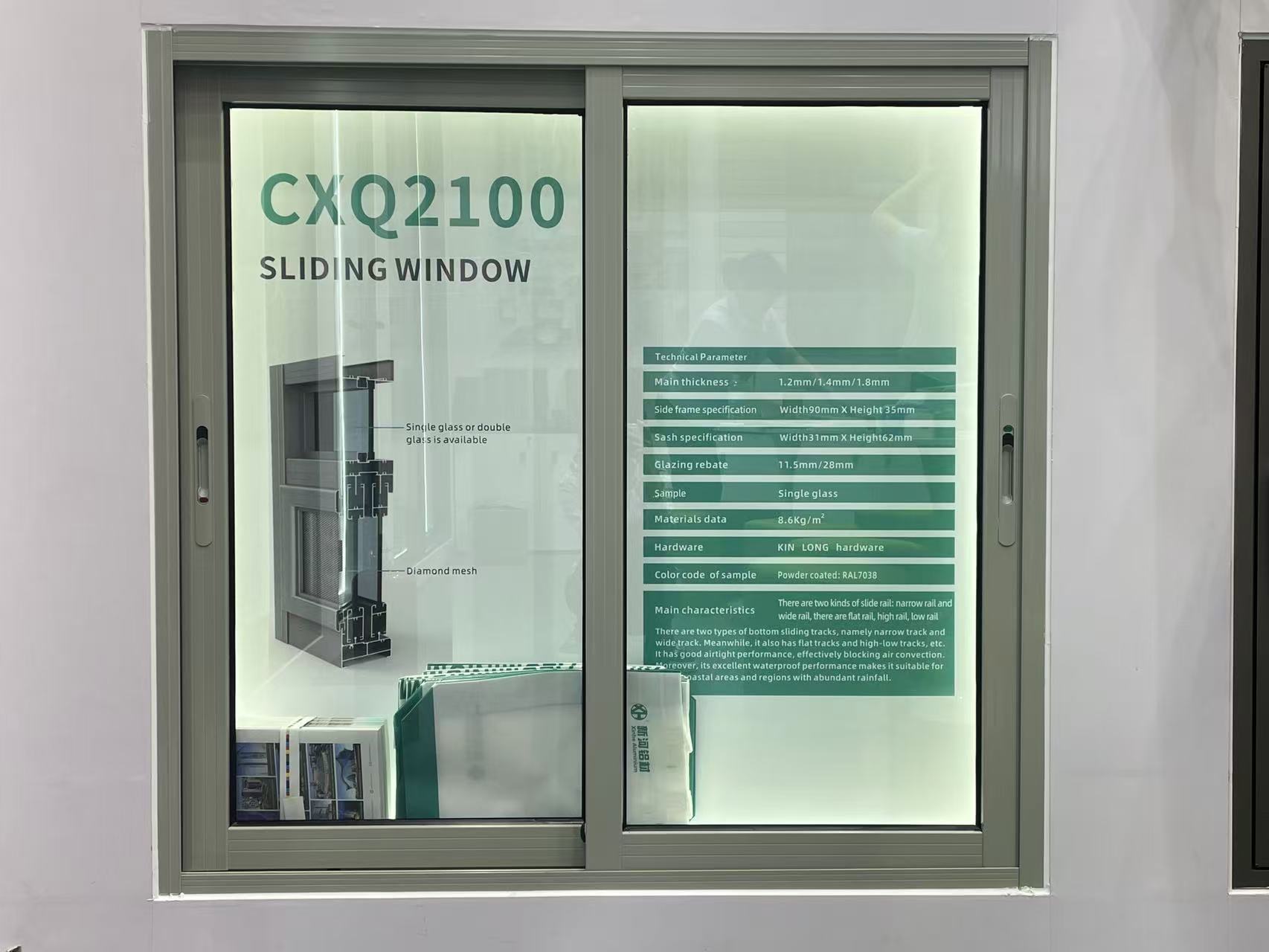
Is it possible to order a fully functional sliding window sample for mock-up testing?
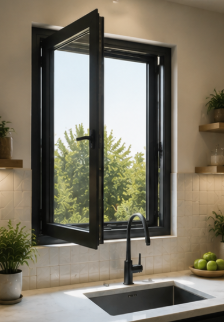
Do you provide replacement hardware if the casement window hinges fail within 5 years?
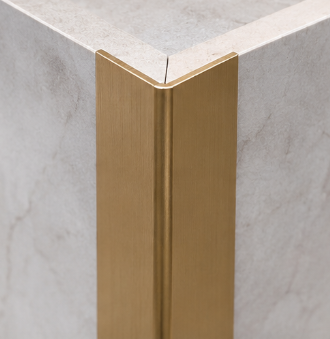
How do you handle claims for decorative profile items damaged during transit?
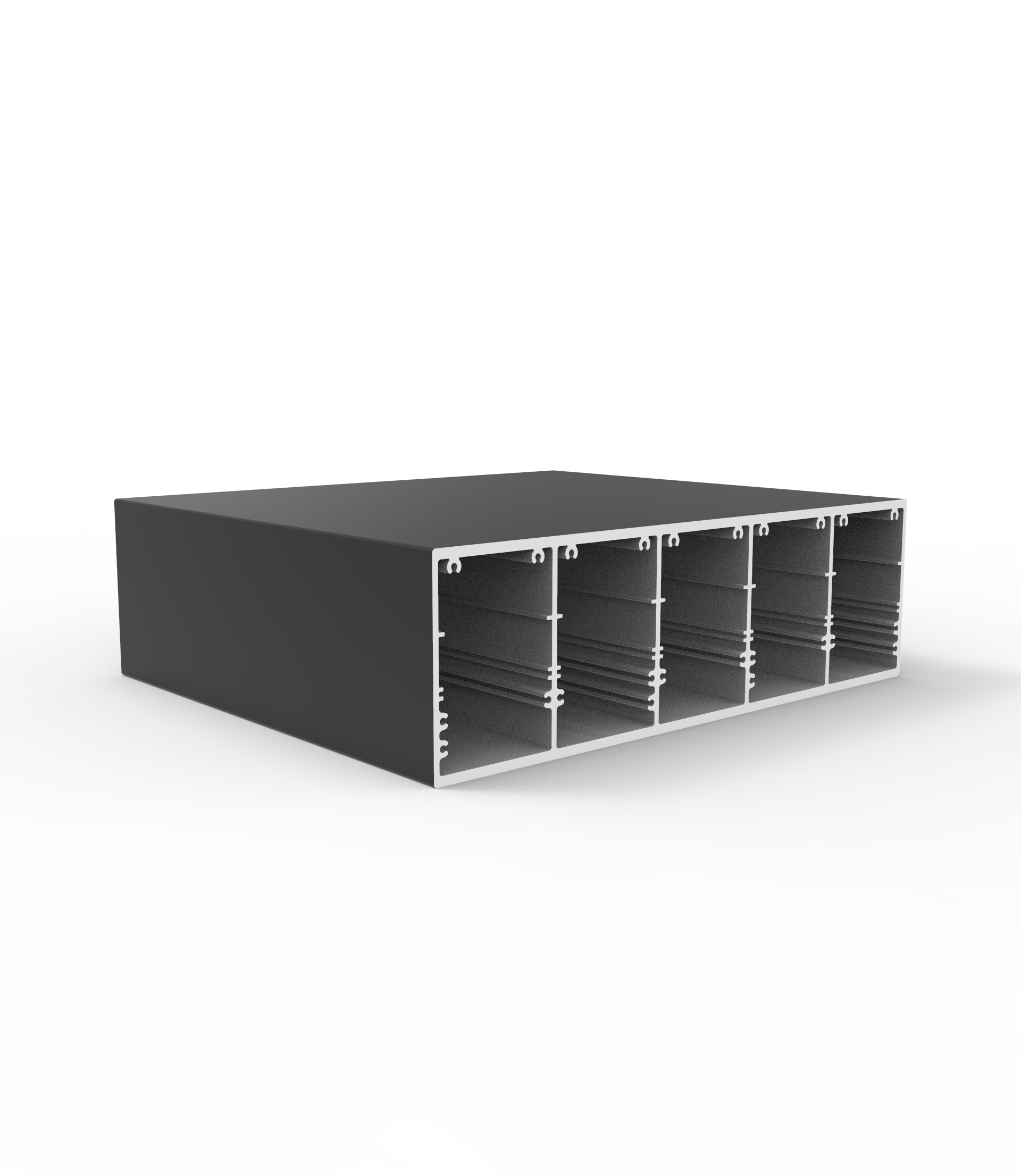
What is the standard MOQ for custom-extruded aluminum industrial profile orders?
How does the order volume affect the per-ton price of custom architecture profile designs?
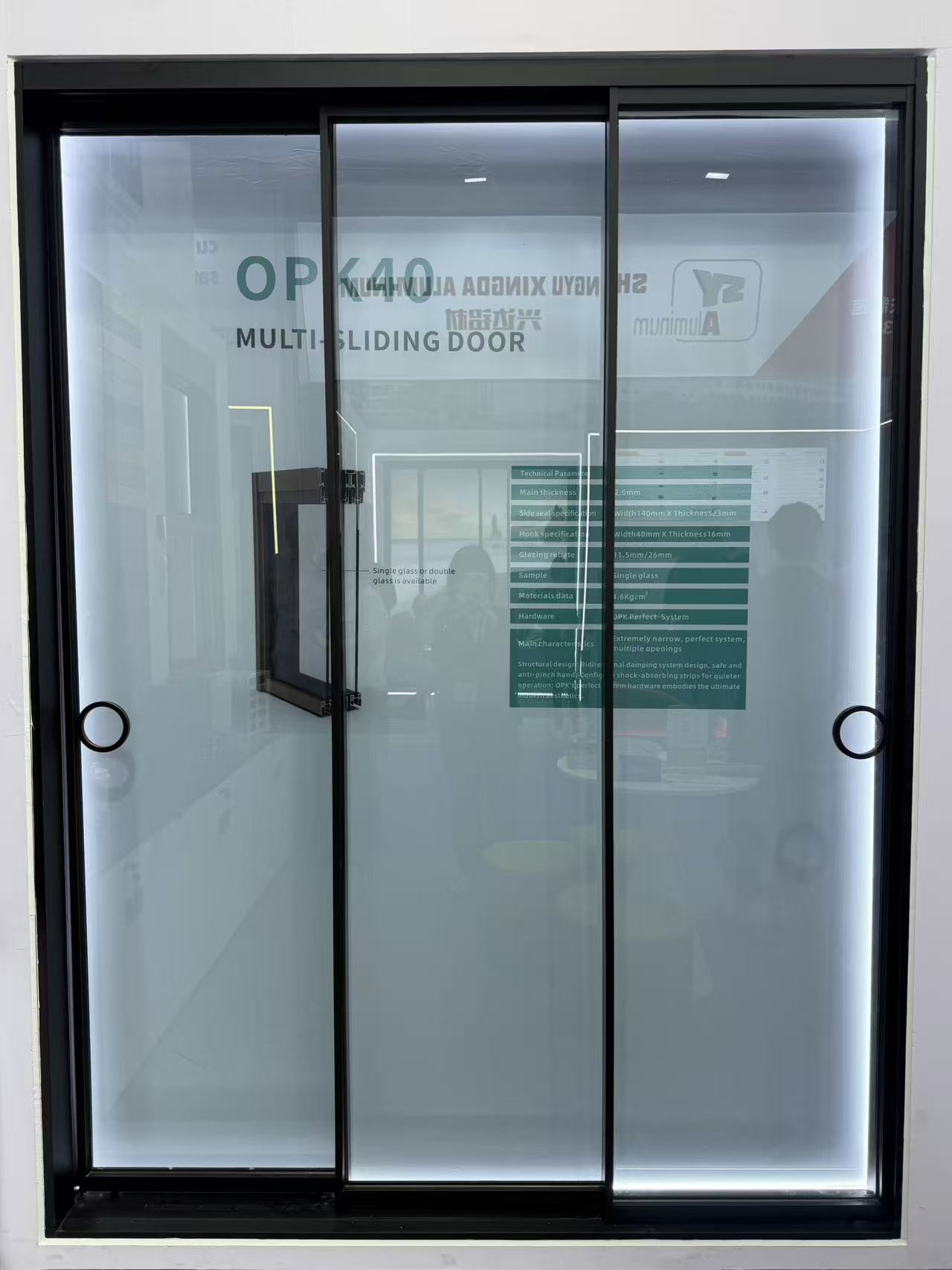
What is the warranty period for the rollers and tracks on your heavy-duty sliding doors?
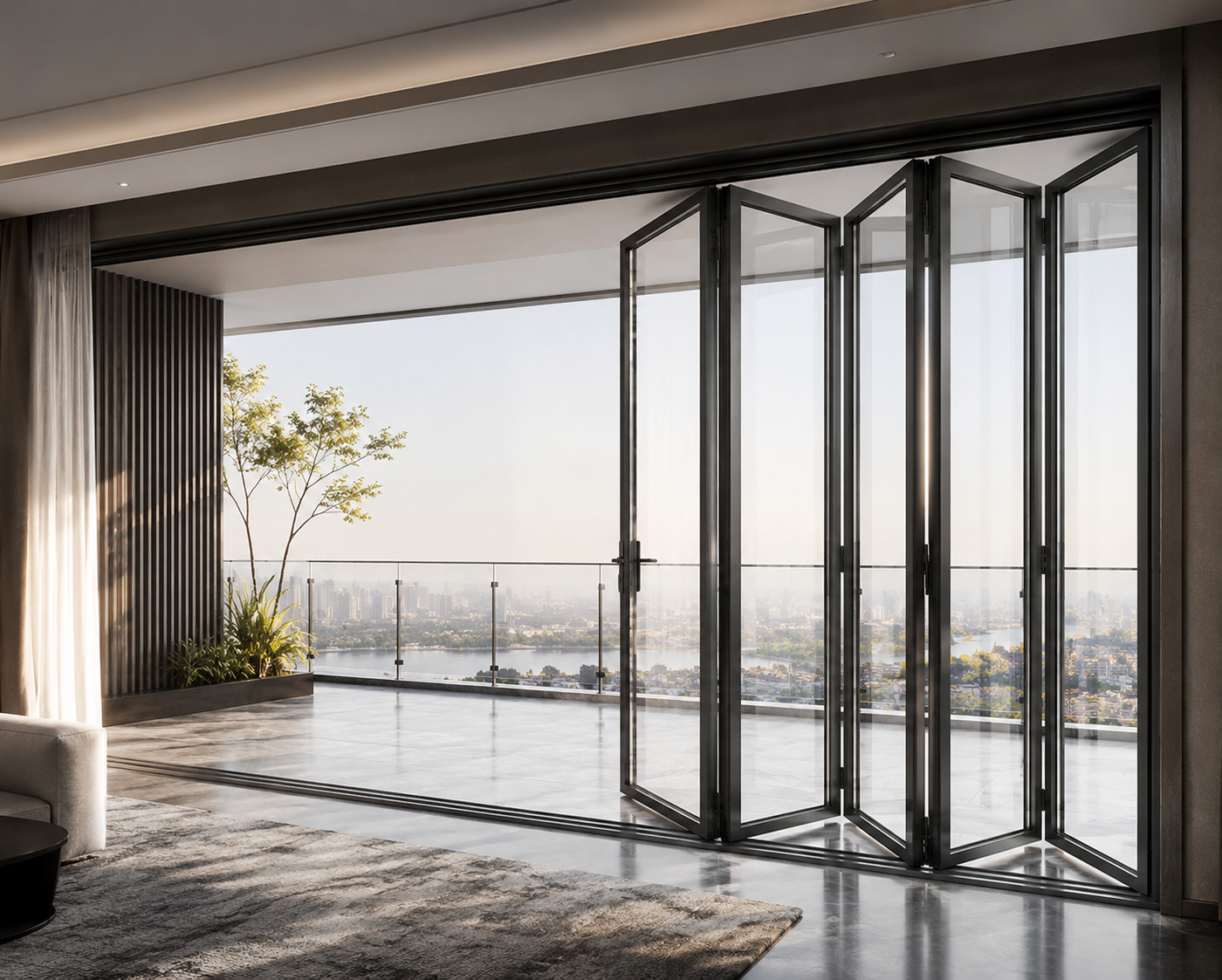
How can we secure our deposit when purchasing high-value custom floding doors from a new supplier?
Can your factory match custom anodized colors for decorative profiles based on physical samples?
Is there a lighter alternative to aluminum industrial profile structures for robotics?
What payment security measures do you have for custom architecture profile tooling fees?
Can I order a sliding door with custom grid patterns between the glass panes?
How do you protect buyers against financial loss if the floding door shipment is delayed?
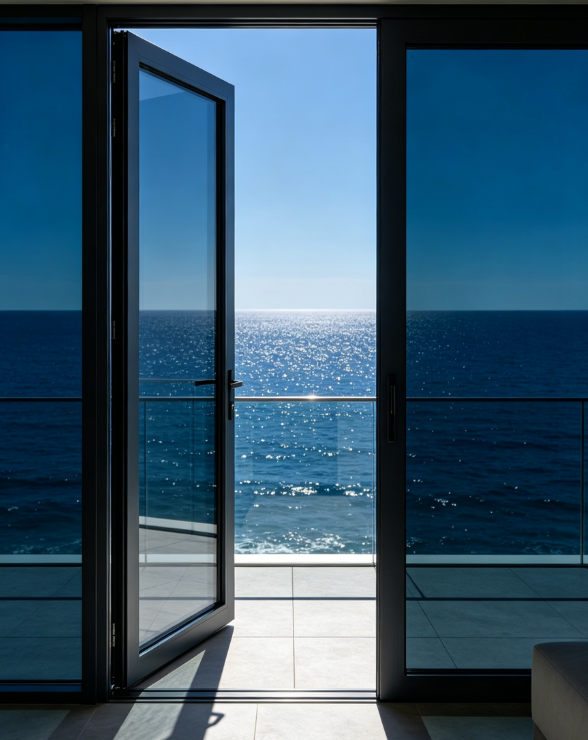
Are slim-frame aluminum casement door designs becoming more popular in modern offices?
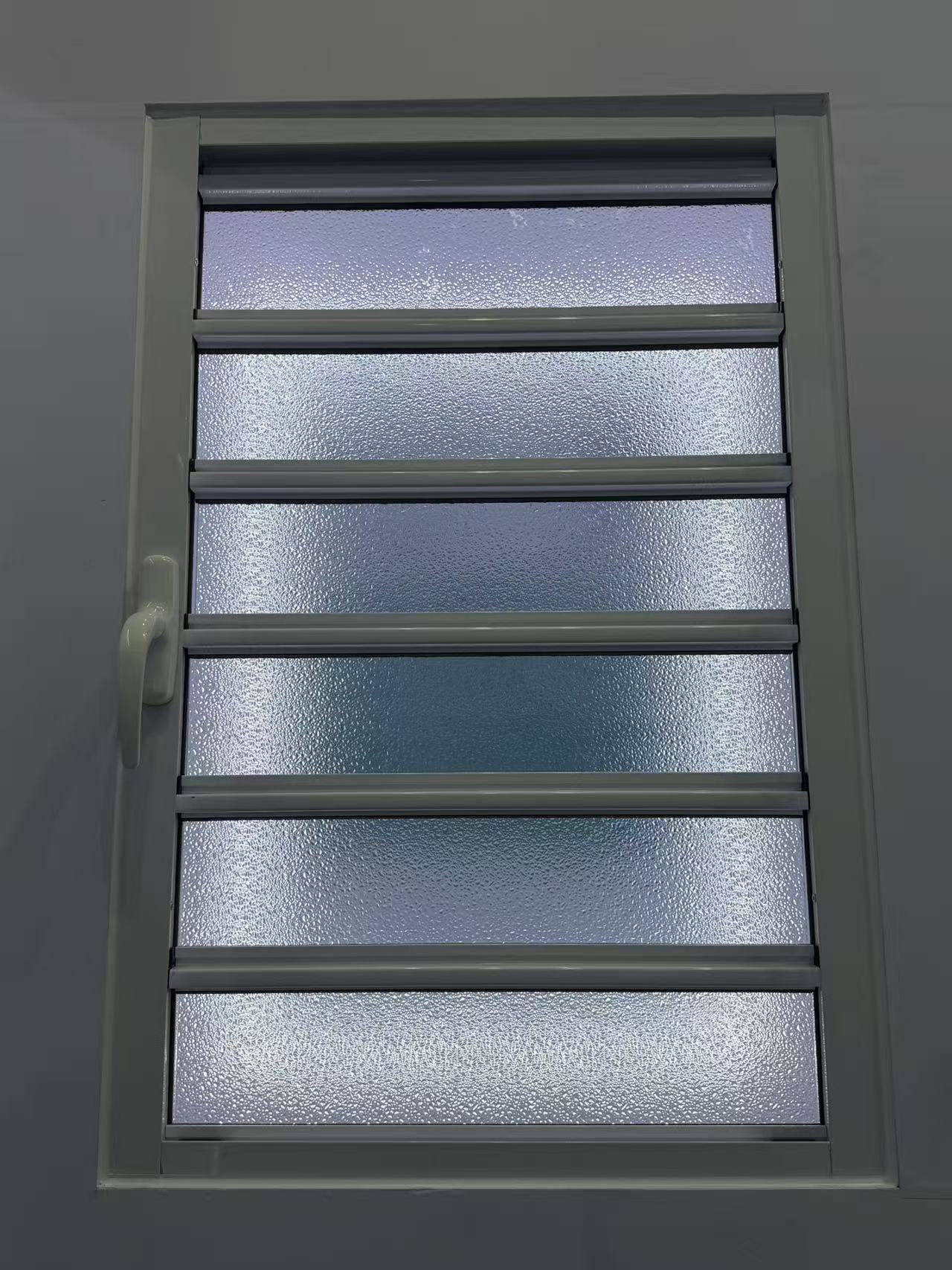
What is your policy for replacing shutter components that arrive with color mismatch?
What kind of remote technical support do you offer for sliding window installation?
What is the maximum safe size for a top-hung awing window in commercial projects?
What environmental management standards does your decorative profile plant follow?
What is the standard lead time for producing a 40ft container of casement window orders?
What is the warranty period for the anodized finish on your industrial profile?
What are the latest eco-friendly trends in architecture profile manufacturing?
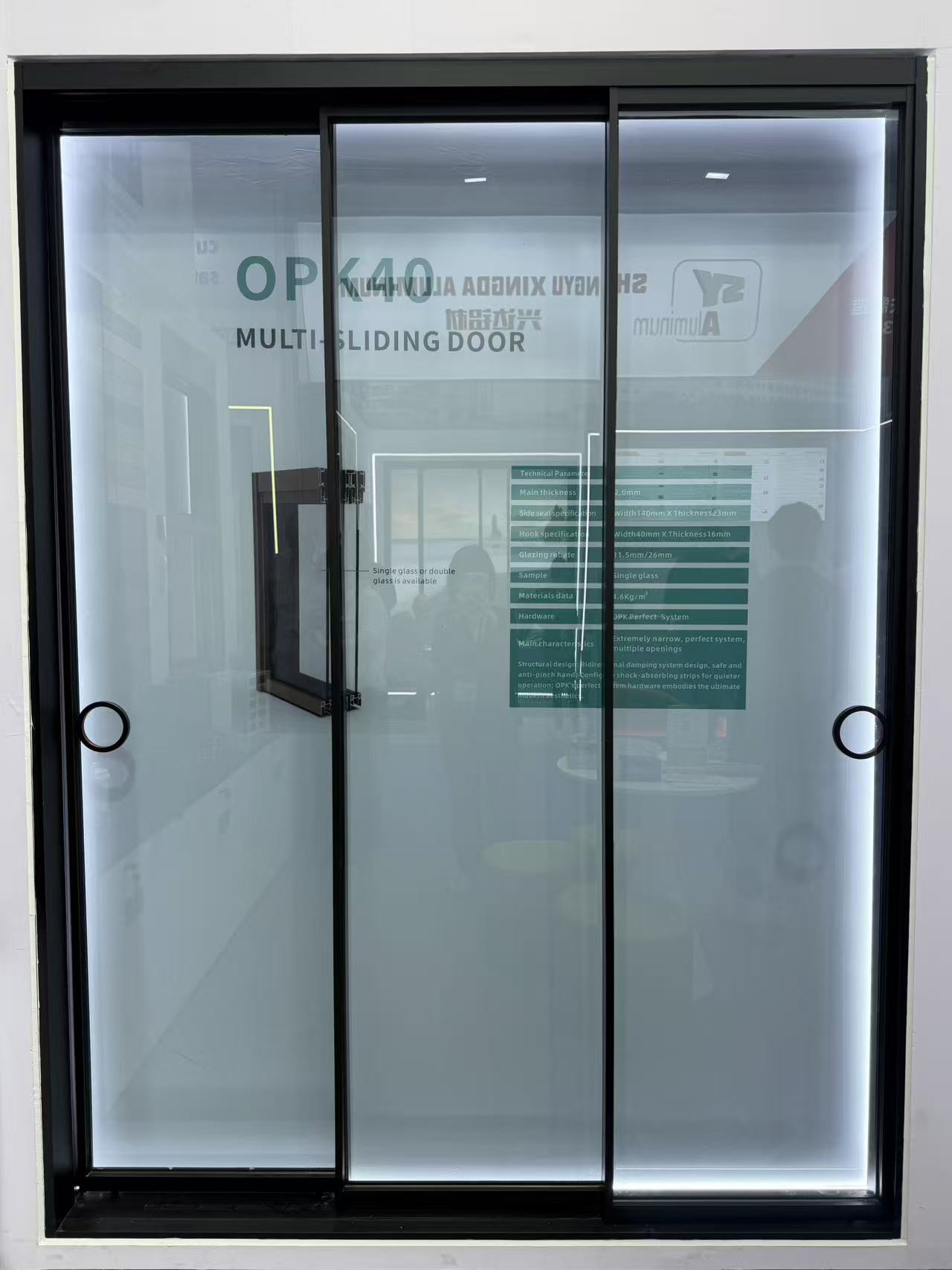
What is the average wholesale price per square meter for double-glazed sliding door systems?
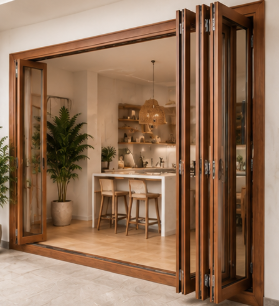
How do I calculate the structural load requirement for a 5-panel exterior floding door?
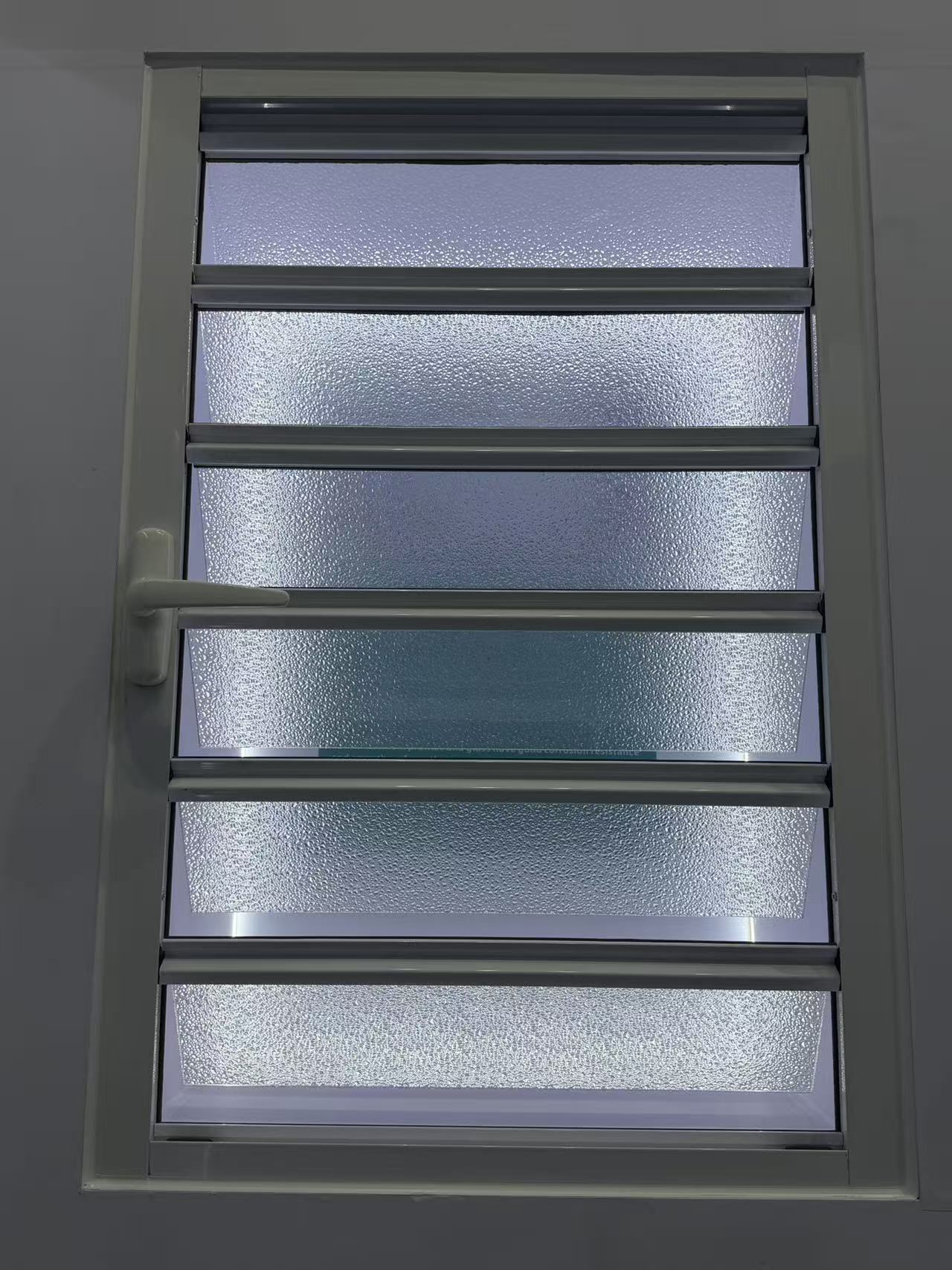
Do your exterior shutter systems comply with Florida building codes for hurricane protection?
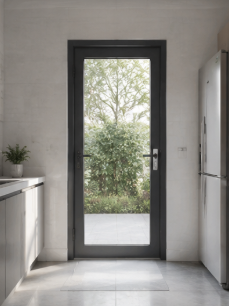
Do you offer Letter of Credit (L/C) payment options for casement door bulk orders?
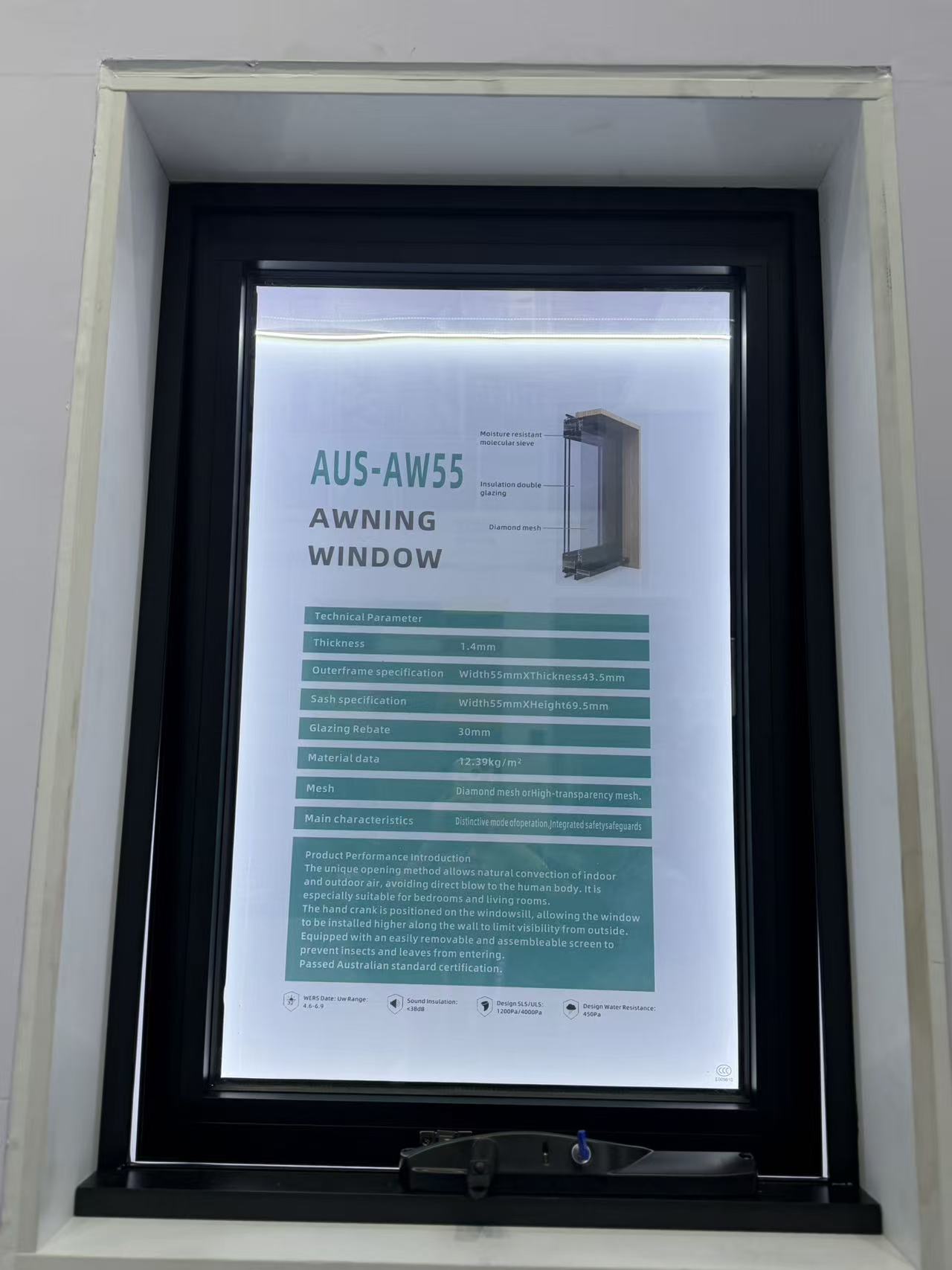
Which water tightness certifications are required for importing an awing window to Europe?
Do you allow virtual factory tours to inspect the sliding window assembly line?
What is the typical MOQ for ordering standard-sized aluminum casement window units?
How long does it take to receive a physical sample of a gold-anodized decorative profile?
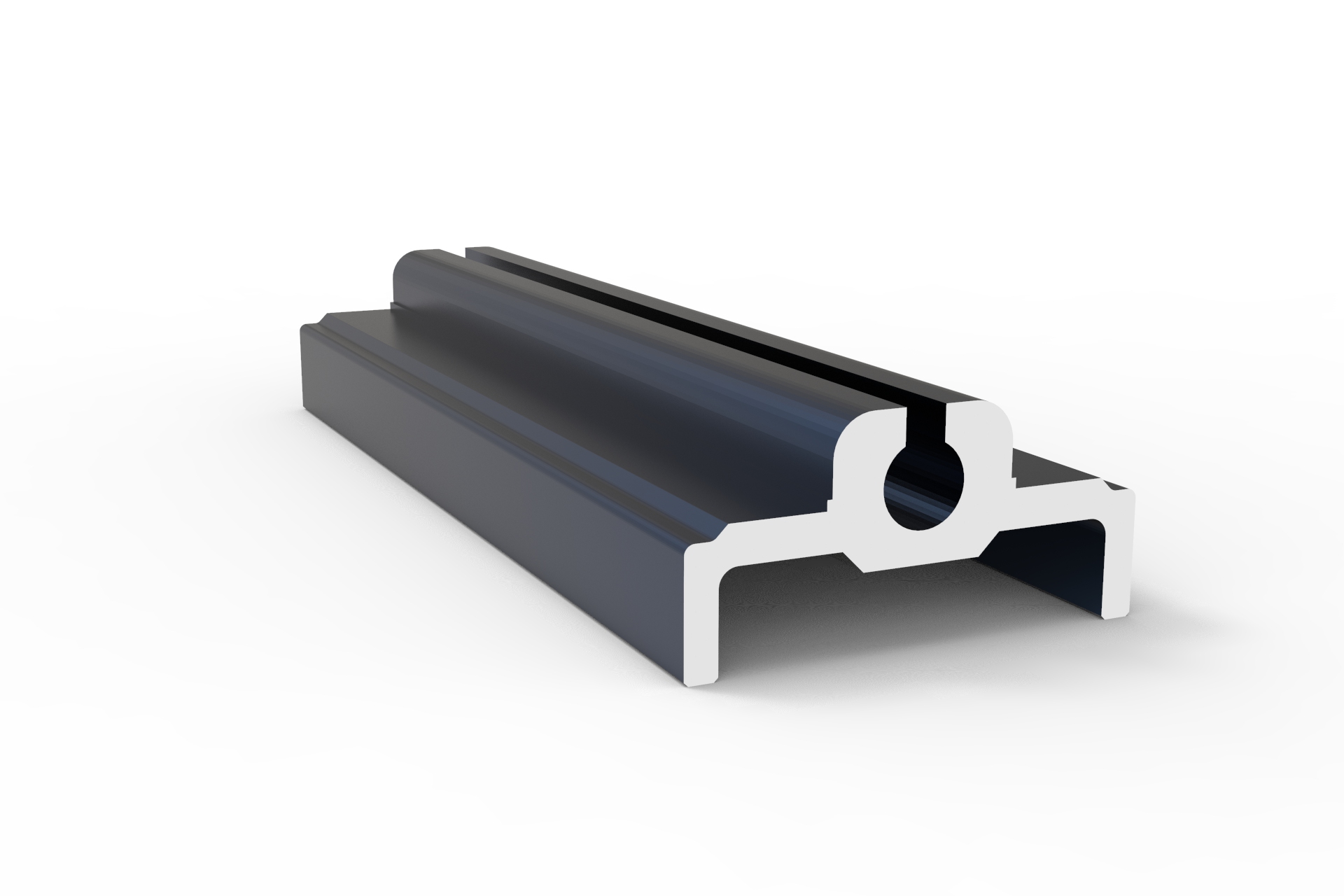
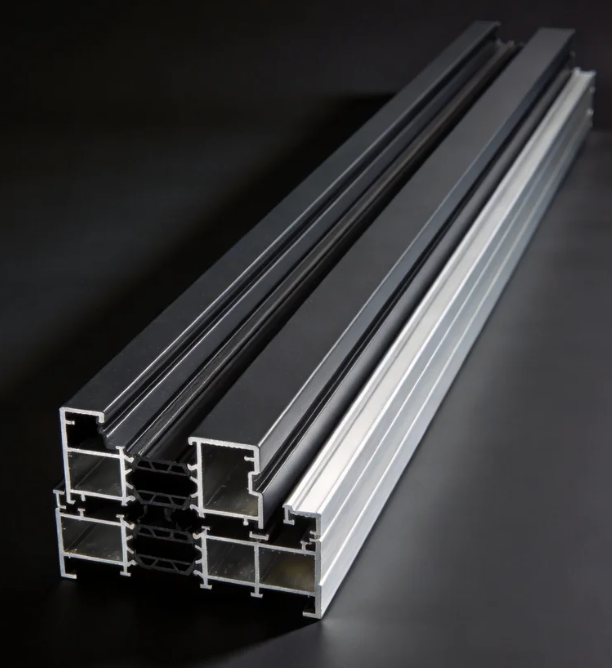
How do I choose the right alloy grade for architecture profiles in high-rise coastal buildings?
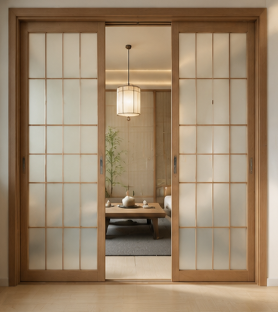
How do I choose the right track and roller specs for heavy-duty commercial sliding doors?
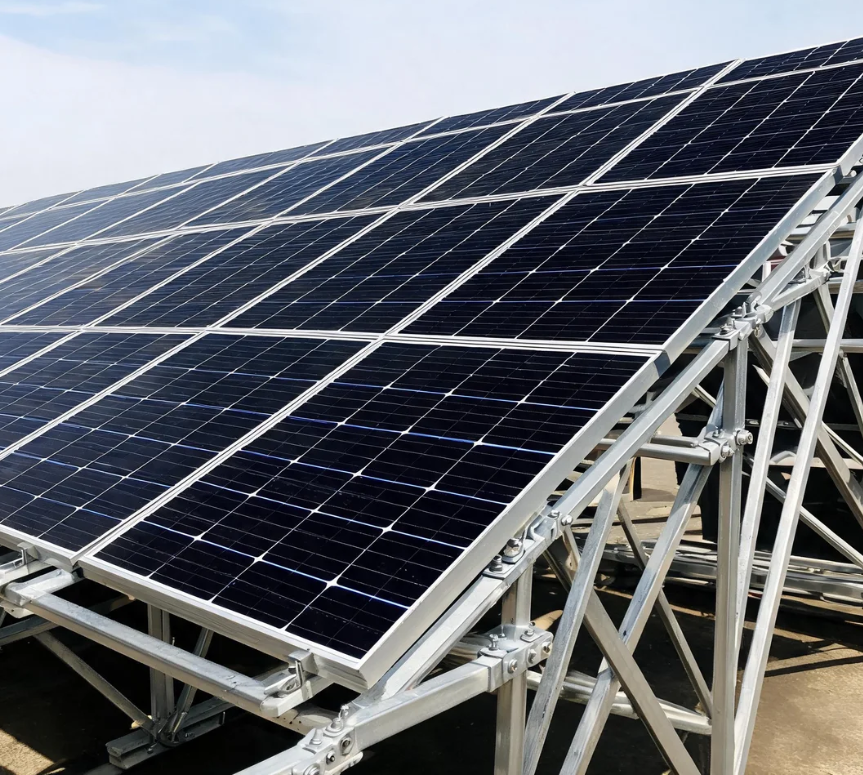
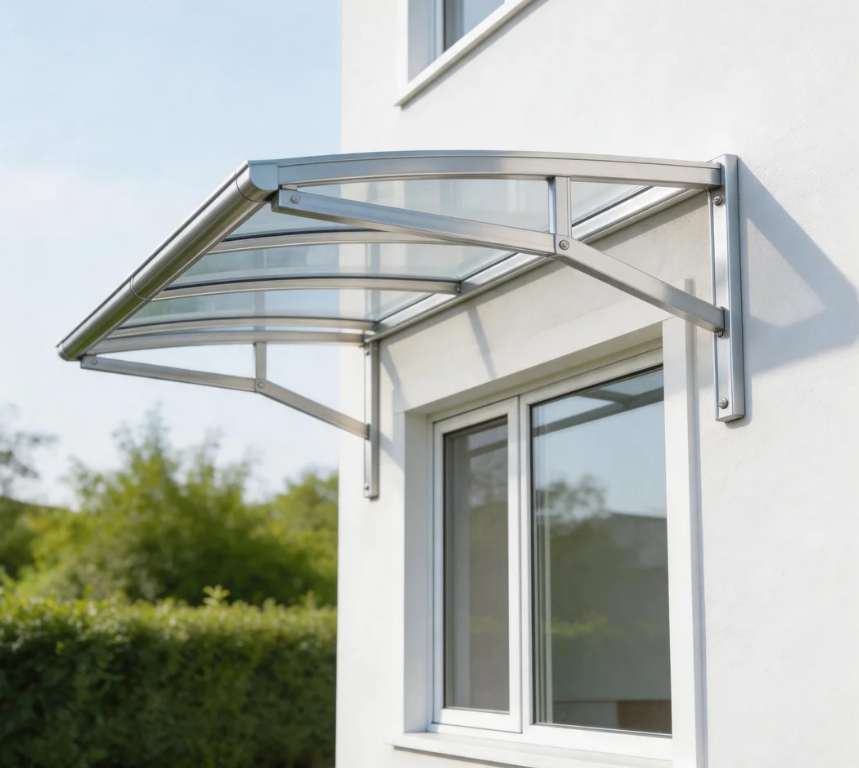
The core advantages of using aluminium profiles for the canopy
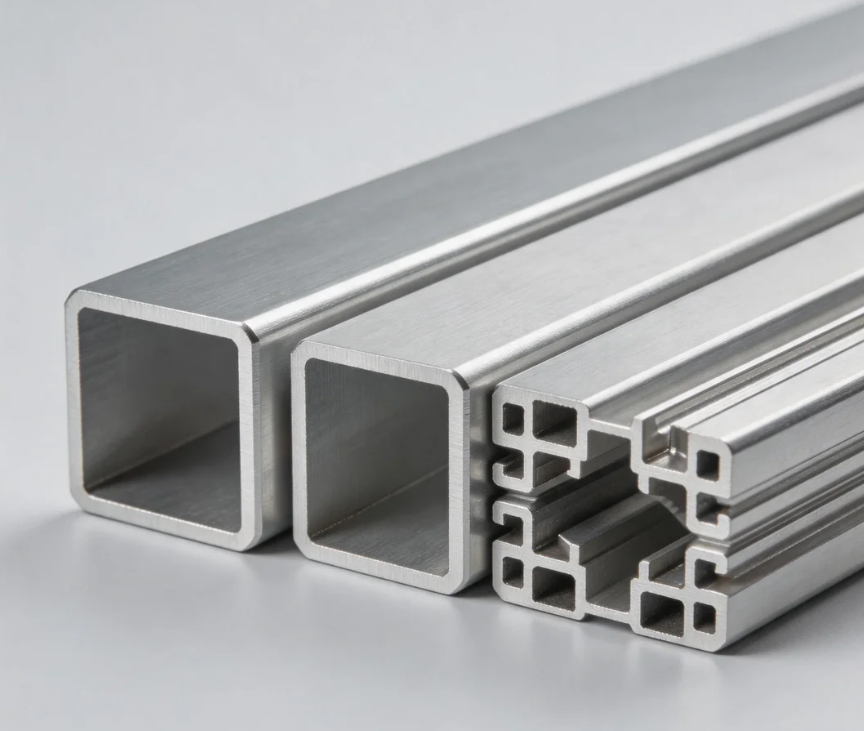
International demand: Dual drive by new energy and infrastructure
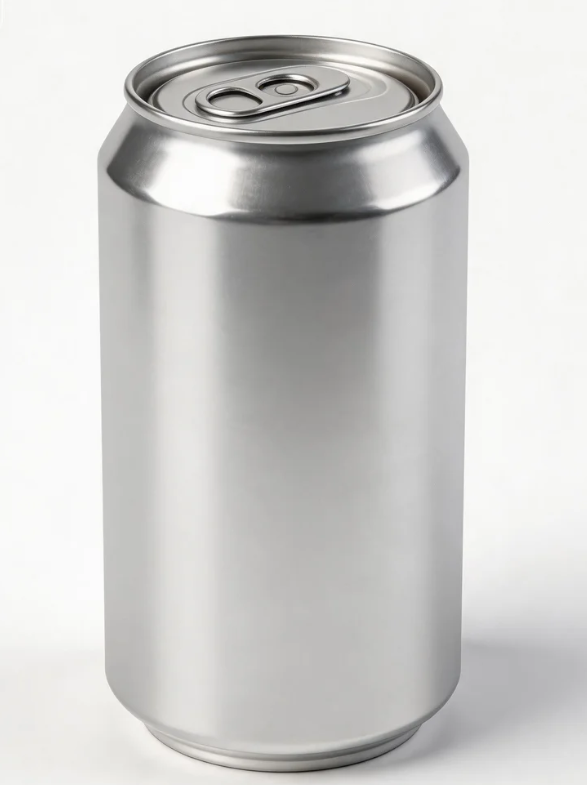
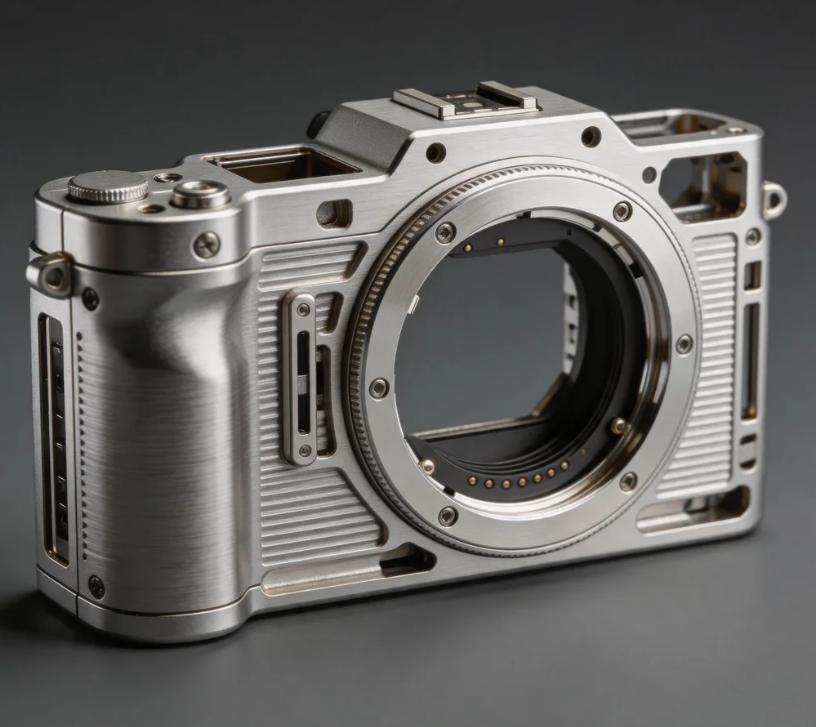
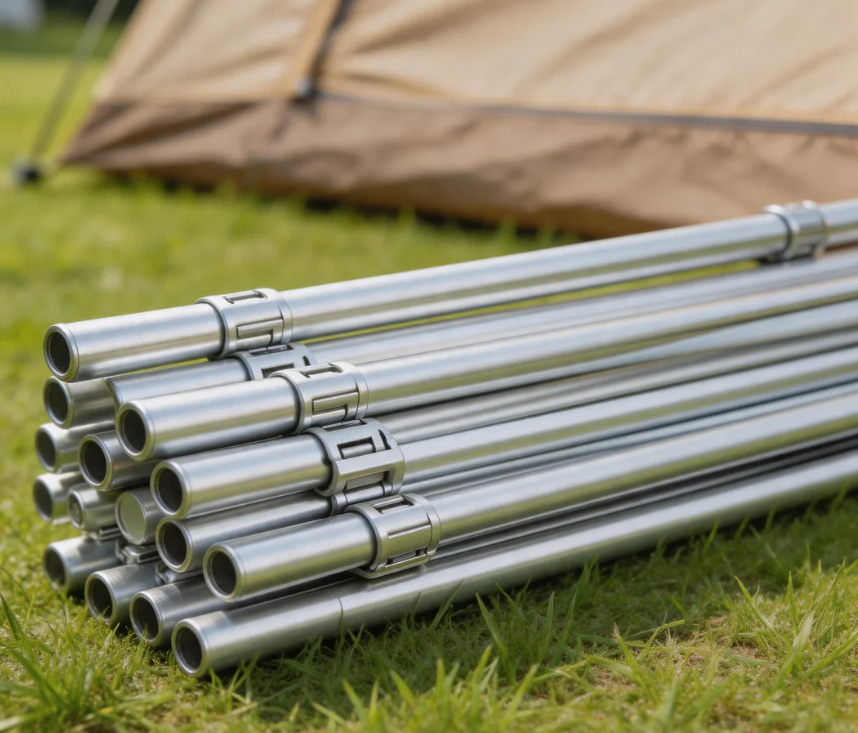
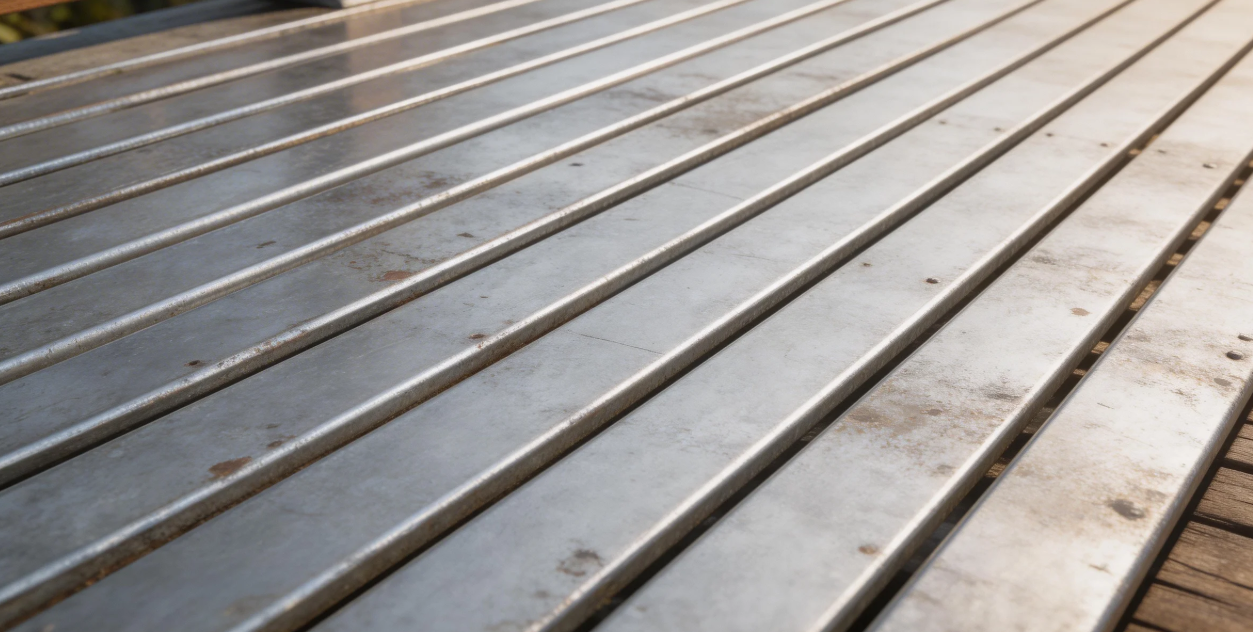
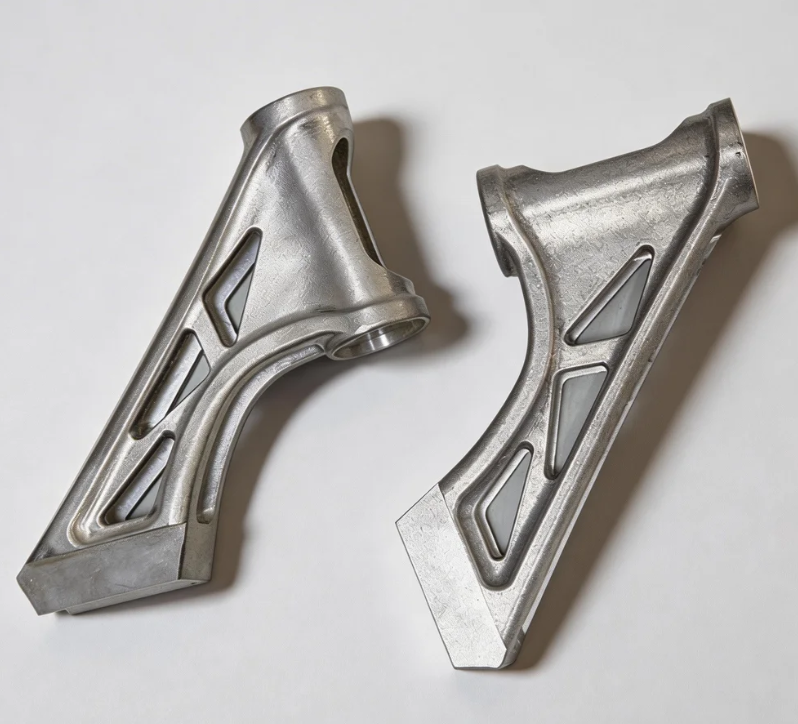

The advantages of using aluminium profiles to manufacture robot arms
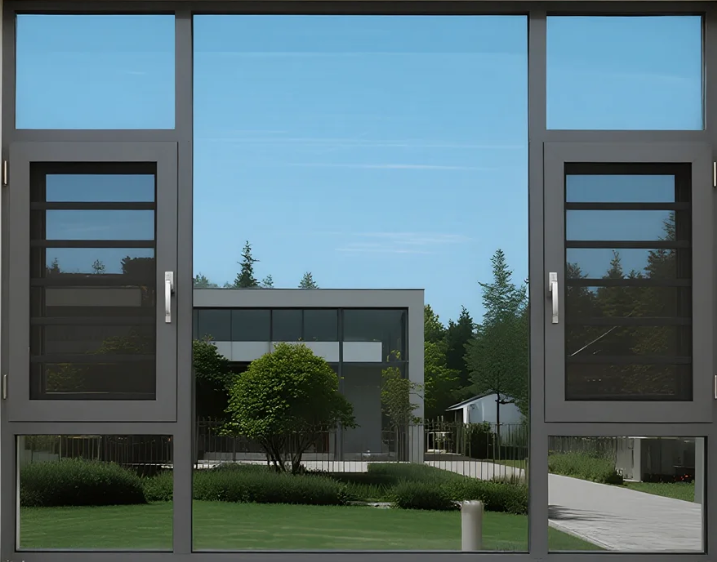
The advantages of using aluminum profiles for door and window frames
The impact of the conflict between the United States and Iran on the price of aluminum
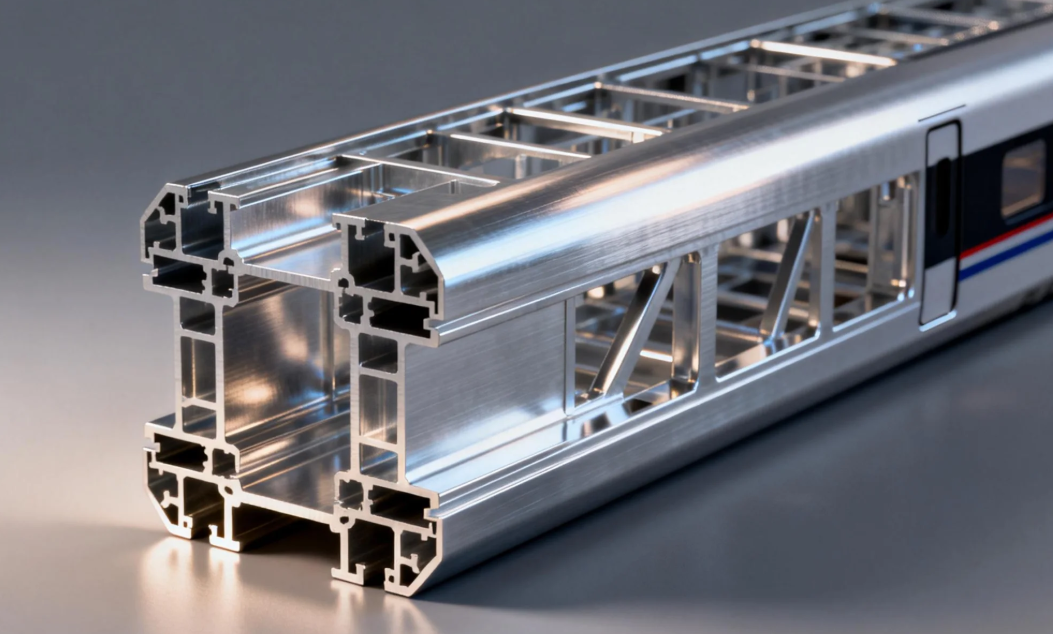
The advantages of using aluminium alloy for the main structure of high-speed train carriages




Methods for distinguishing Indoor and Outdoor Aluminium Doors
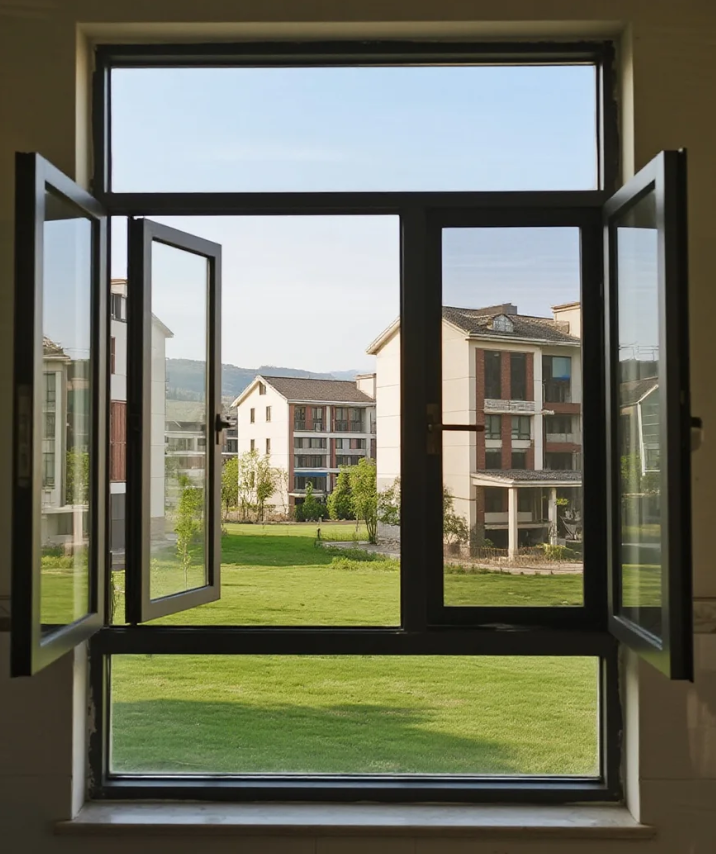
Maintenance methods and tips for aluminium doors and windows
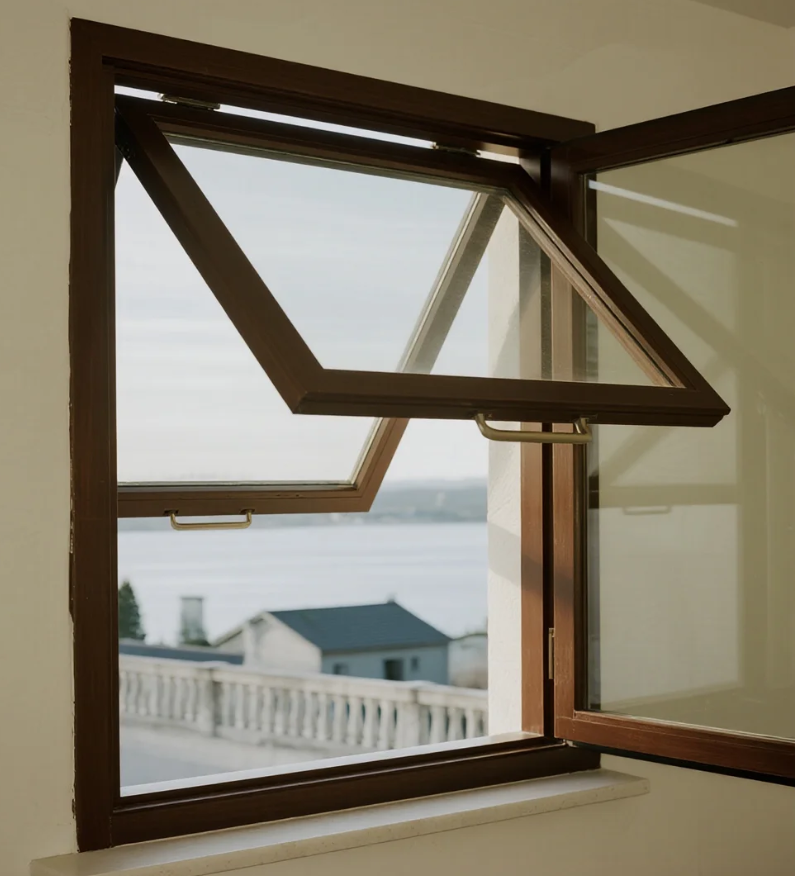
Characteristic of outward-opening and hung aluminium windows


Xinhe Aluminium Research: 7.14-7.18 Analysis of Aluminium Prices
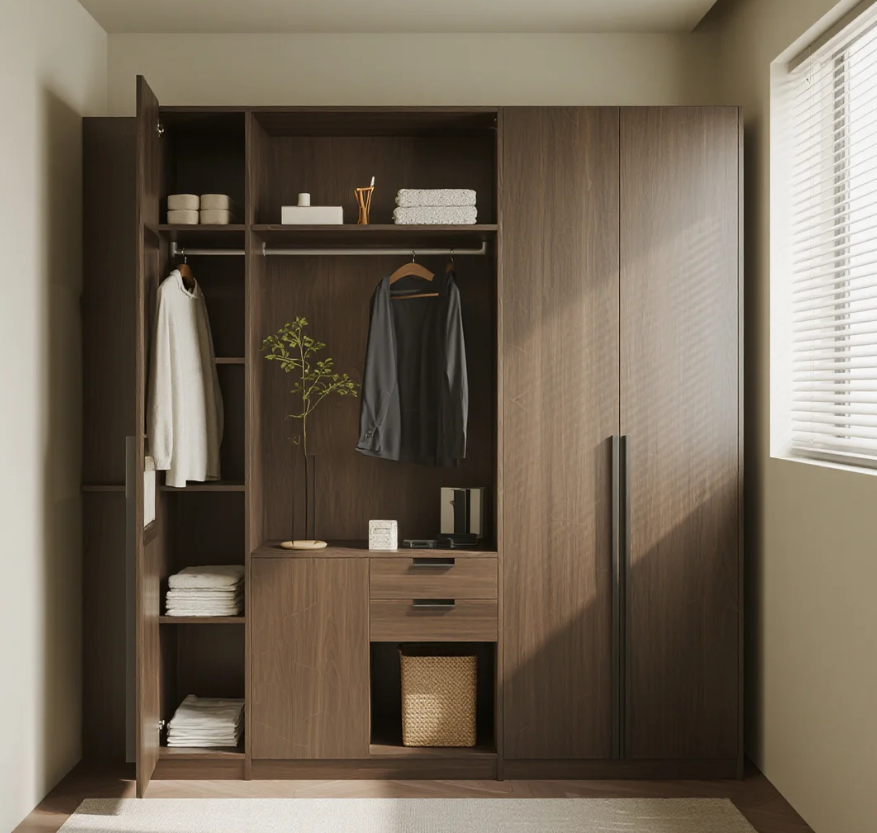
Seven Benefits Of Using Aluminium Profiles In Curtain Wall Systems
The Application of Aluminium Profiles in New Energy Vehicles
The Composition and Application of Series 6 Aluminium Alloys
Top 5 Benefits of Using LED Aluminium Profiles in Modern Lighting
A Complete Guide to Aluminium Frame Profiles for Modern Structures
Exploring the Strength and Versatility of Aluminium Extrusion Profiles
How to Choose the Right Aluminium Profile Supplier for Your Project

COMPANY