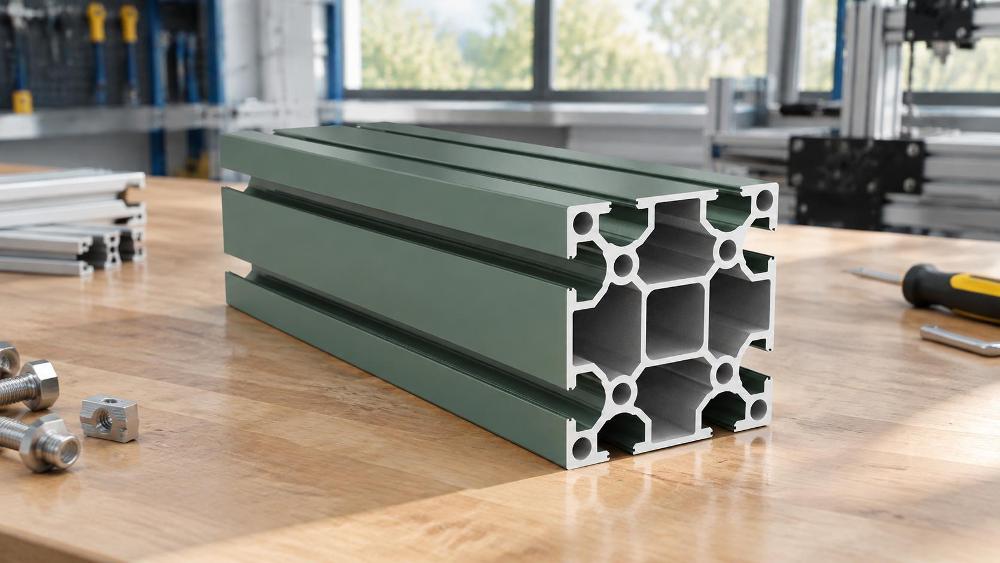
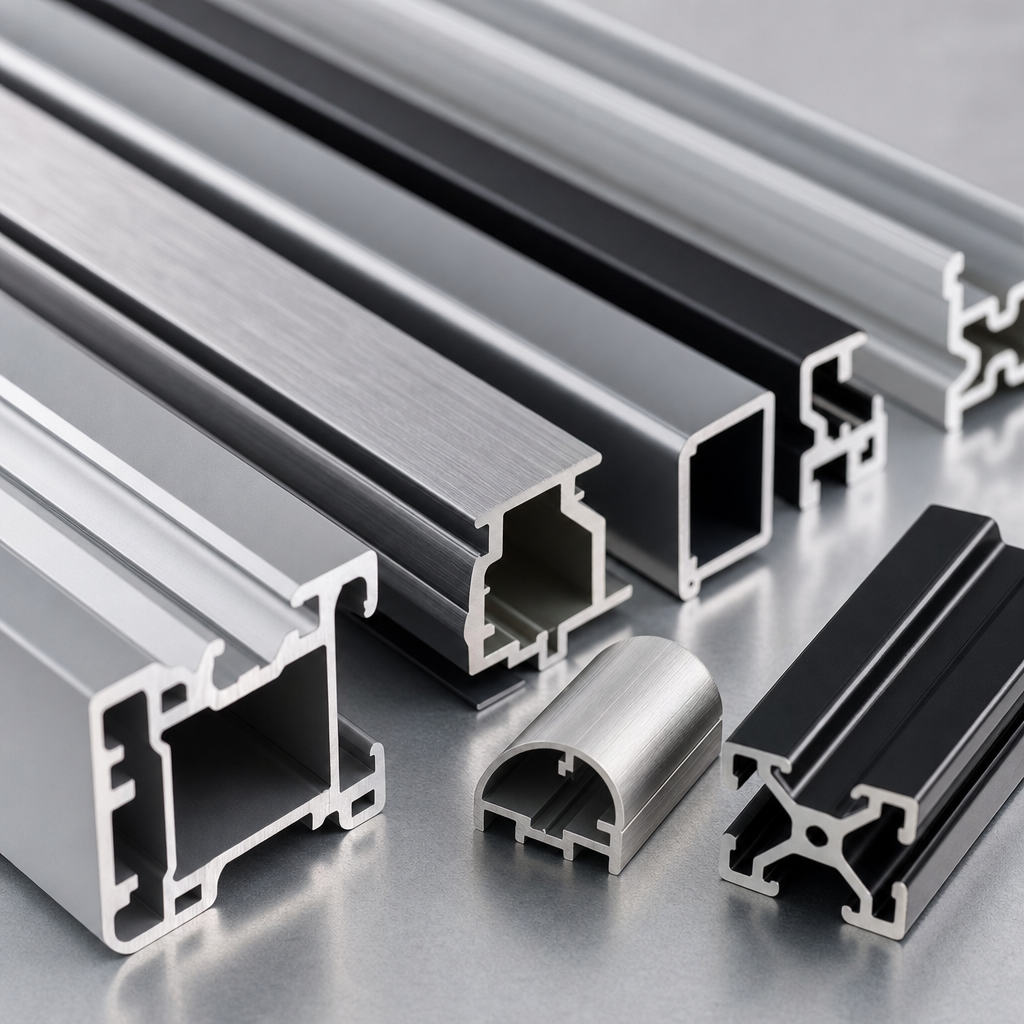
Modern engineering design relies on components that balance structural rigidity, low mass, and rapid assembly. In industrial automation, robotics, and architectural building envelopes, aluminium extrusion profiles serve as the fundamental structural skeleton. By forcing preheated metal billets through precision-machined steel dies, manufacturers generate complex prismatic shapes that would be impossible or cost-prohibitive to machine from solid stock.
Selecting the correct aluminium extrusion profiles requires balancing alloy metallurgy, geometric tolerances, mechanical load ratings, and long-term surface durability. A structural frame meant for an automated pick-and-place gantry demands tighter deflection limits and higher yield strength than an aesthetic partition or a display frame. This technical guide examines the full lifecycle of profile engineering, detailing the mechanics of extrusion, metallurgical trade-offs across 6000-series alloys, modular T-slot framing systems, and procurement best practices.
The extrusion process transforms cast cylindrical aluminium logs into continuous profiles with uniform cross-sections. This hydraulic forming method relies on plastic deformation under elevated temperatures, reshaping the metal without melting its crystalline matrix. The process begins with thermal conditioning of the raw material, followed by die engagement, plastic flow through the orifice, and controlled cooling to lock in the desired metallurgical state.
Direct extrusion begins with preheating an aluminium log to its plastic deformation zone, typically between 430°C and 500°C depending on the alloy composition. A massive hydraulic ram pushes the heated billet through a steel container toward a stationary die orifice. Under pressures reaching 300 to 700 megapascals, the solid metal flows like dense clay, adopting the negative space of the die opening.
Friction generated between the billet surface and the container wall causes thermal gradients across the metal mass. Press operators monitor the profile emergence speed and exit temperature in real time using optical pyrometers. Maintaining exit temperatures within a narrow band ensures that magnesium and silicon remain dissolved in solid solution, which is necessary for downstream heat treatment.
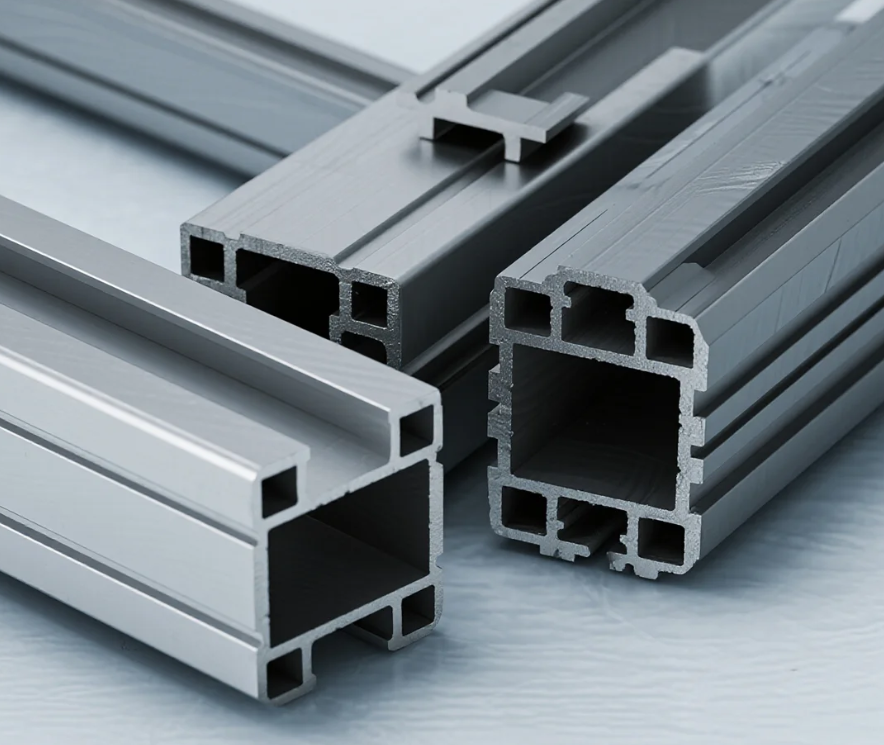
Extrusion dies are classified into three structural families based on profile geometry: solid, semi-hollow, and hollow. Solid dies consist of a single tool-steel disc with one or more cut openings that define the profile boundary. They are the most economical tooling option and feature the longest operational wear cycles.
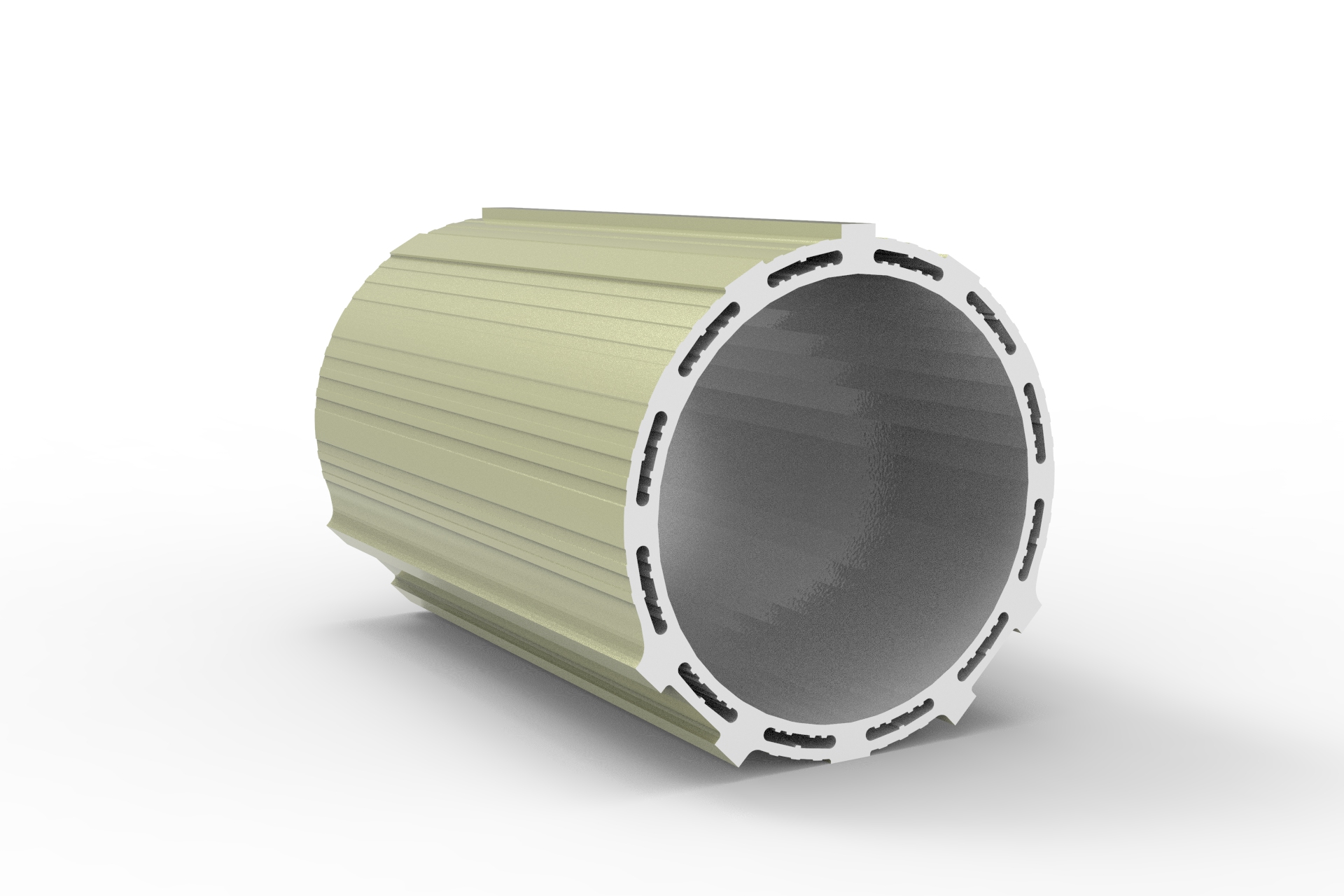
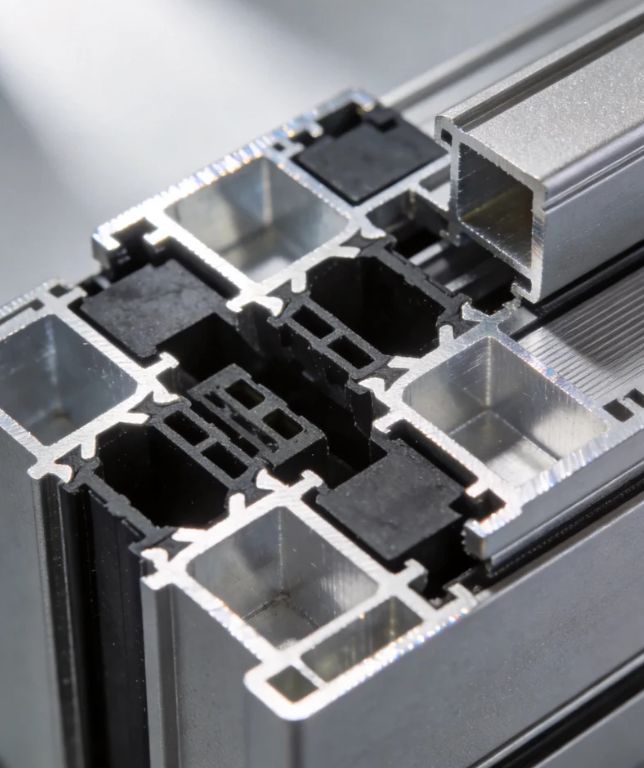
Hollow shapes, such as hollow structural tubes or multi-cavity channels, require bridge, porthole, or spider dies. The billet metal splits under hydraulic pressure into separate metal streams across internal structural bridges. These streams enter an internal weld chamber surrounding a central mandrel, fusing together under high local pressure before exiting the final bearing land.
Semi-hollow dies present unique engineering challenges because of an unbalanced tongue-to-gap ratio. The narrow steel tongue projecting into the die cavity must withstand bending moments without deflecting or breaking during high-speed extrusion passes. These dies require careful thermal management and precise tool steel selection to prevent premature failure under repeated thermal cycling and mechanical stress. Die makers often reinforce the tongue root and adjust bearing length to balance metal flow between the open and restricted sections of the cavity, which helps maintain dimensional consistency across the finished profile.
As the profile emerges from the press, it must be cooled and heat-treated to develop mechanical properties. The temper designation describes the processing route rather than cooling severity alone:
T5 Temper: The profile is cooled from the elevated-temperature shaping process and then artificially aged. This route is often used when the extrusion exit temperature and cooling provide adequate solution heat treatment, allowing direct progression to aging ovens.
T6 Temper: The profile undergoes solution heat treatment at a controlled temperature, is quenched to retain dissolved alloying elements in supersaturated solid solution, and is then artificially aged. This sequence requires reheating after extrusion and a more controlled quench.
The choice of quench medium and cooling rate depends on the specific alloy, section geometry, and required mechanical properties. Following the quench, hydraulic pullers stretch the long extrusions to relieve internal residual stresses and restore straightness. Profiles are cut to batch lengths and moved to aging ovens, where they undergo artificial aging at approximately 175°C to 190°C for 4 to 8 hours. This process precipitates fine metastable strengthening precipitates that pin crystal dislocations and provide structural hardness.
The 6000-series aluminium-magnesium-silicon group dominates structural and industrial extrusions. These heat-treatable alloys combine good formability, weldability, corrosion resistance, and moderate-to-high mechanical strength. The table below provides indicative mechanical properties for common alloys and tempers; actual guaranteed values depend on product form, section dimensions, and the governing standard, so designers should verify limits against the relevant material certificate and thickness classifications.
| Alloy & Temper | Yield Strength (MPa) | Ultimate Tensile Strength (MPa) | Elongation (%) | Typical Applications |
|---|---|---|---|---|
| 6063-T5 | 130 – 150 | 175 – 200 | 8 – 12 | Architectural framing, light industrial enclosures, trim profiles |
| 6063-T6 | 170 – 190 | 215 – 245 | 8 – 10 | Modular machine stands, conduit tracks, window curtain walls |
| 6061-T6 | 240 – 275 | 290 – 310 | 8 – 12 | Heavy-duty structural frameworks, gantry beams, transport components |
| 6060-T6 | 150 – 170 | 190 – 215 | 8 – 10 | Complex thin-walled channels, modular consumer frames, heatsinks |
Often called the architectural alloy, 6063 features lower magnesium and silicon levels than structural machinery alloys. This leaner composition yields high extrusion speeds and fine dimensional precision across complex, thin-walled cross-sections. It produces smooth outer surfaces with minimal die pick-up or micro-tearing, making it well suited to intricate decorative profiles and sections requiring tight dimensional control.
Because 6063 contains minimal copper impurities, it generally responds well to anodizing treatments. The anodized oxide layer tends to grow more uniformly transparent, with less of the yellow or grey hazing that excessive trace elements can cause. This characteristic is a major reason 6063 is widely used for visible architectural framing, cleanroom dividers, and ergonomic display structures.
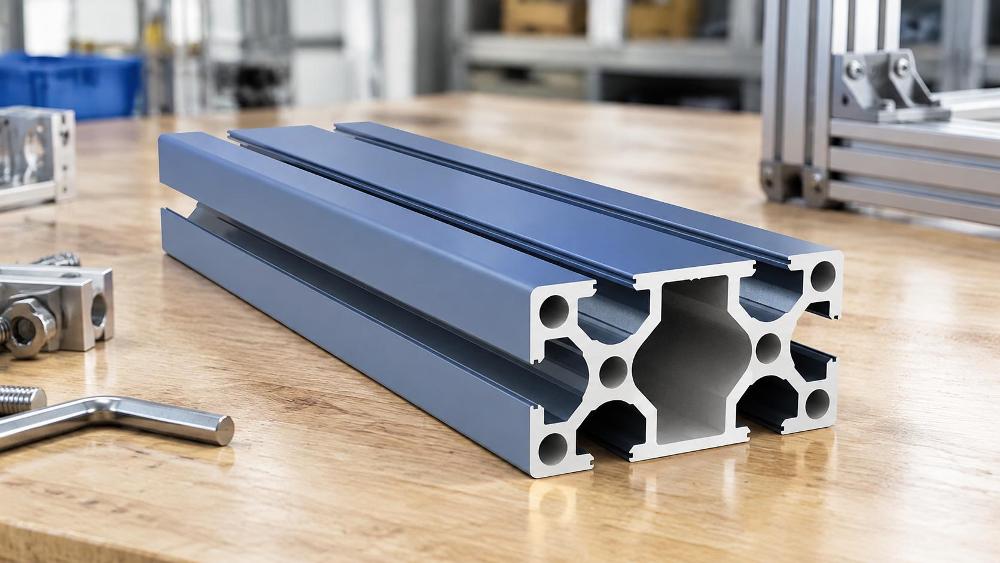
When mechanical loads, dynamic bending moments, and point stresses govern design choices, 6061 is preferred. Formulated with controlled additions of copper (0.15–0.40%) and chromium, 6061-T6 typically delivers higher yield strength than 6063-T5, making it a common selection for demanding structural applications. The actual strength advantage depends on the specific tempers, section dimensions, and applicable standard, so designers should compare certified property values for the exact materials and forms under consideration.
This added strength comes with metallurgical trade-offs. The higher alloy content requires higher extrusion breakout pressures and slower press throughput speeds. Tooling wear increases, and achieving razor-thin outer profiles becomes harder. Additionally, its natural anodized layer tends to take on a slightly darker, yellowish cast compared to 6063, making it generally better suited to internal framework strength than fine decorative trim.
Widespread across European markets, 6060 is a close relative of 6063 with slightly tighter silicon and magnesium limits. These narrow chemistry bands provide predictable thermal flow during high-speed extrusion passes, helping manufacturers maintain consistent die fill and profile geometry across long production runs. Many profile catalogs list 6060 alongside 6063 for similar architectural and light-industrial cross-sections, reflecting their comparable processing behavior and surface quality.
Engineers often choose 6060 for intricate internal hollows, interlocking clips, and snap-fit modular assemblies. Maintaining dimensional consistency across long production batches depends on the specific die design, bearing geometry, and process controls used at the extrusion press, rather than on alloy selection alone.
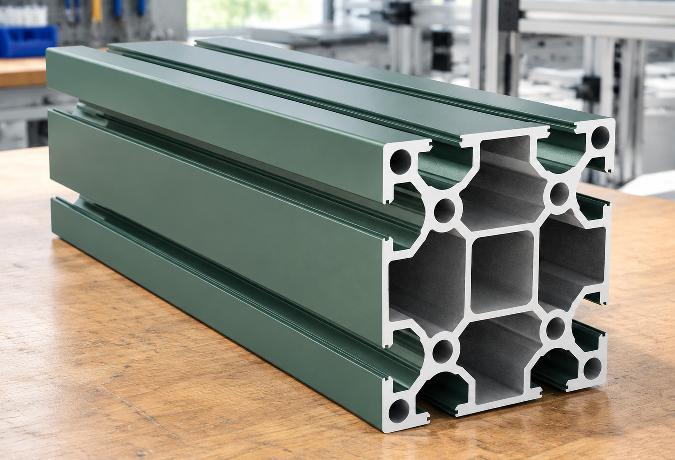
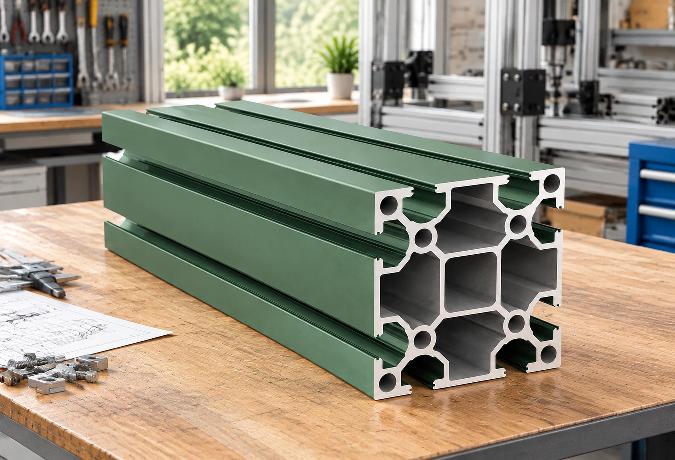
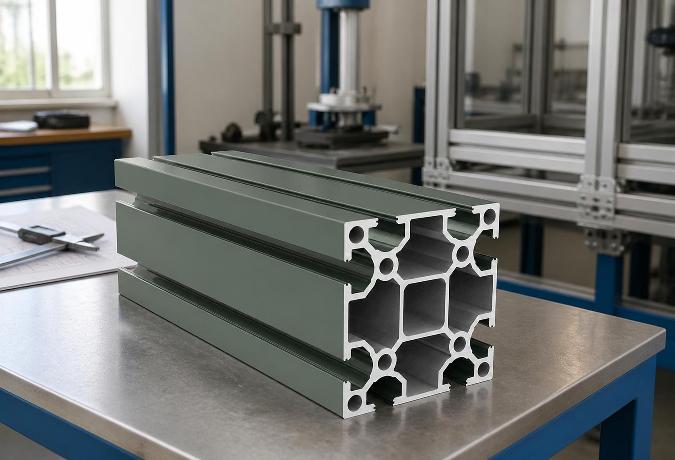
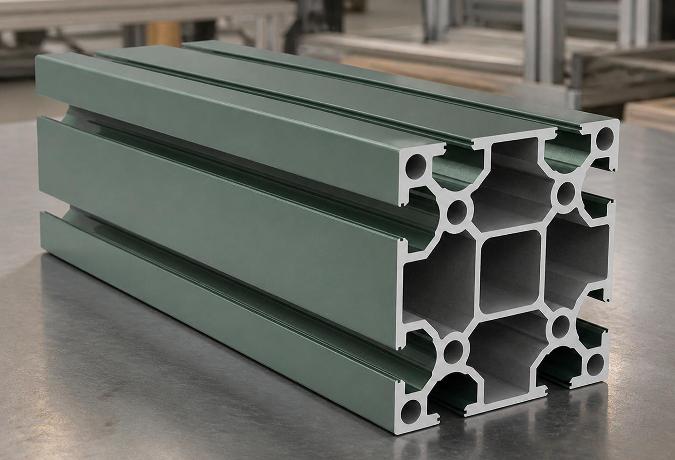
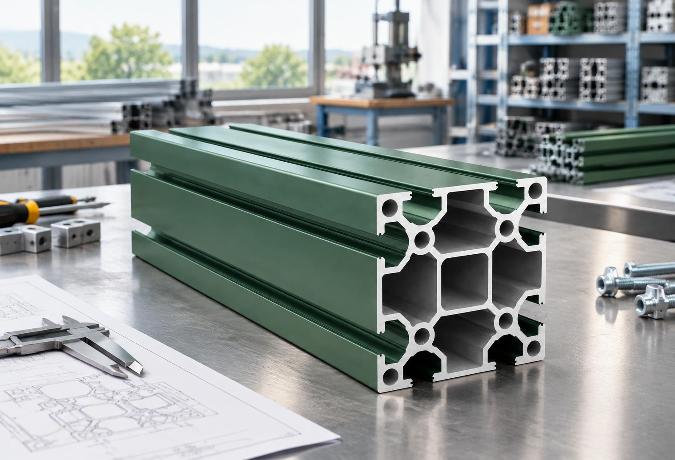
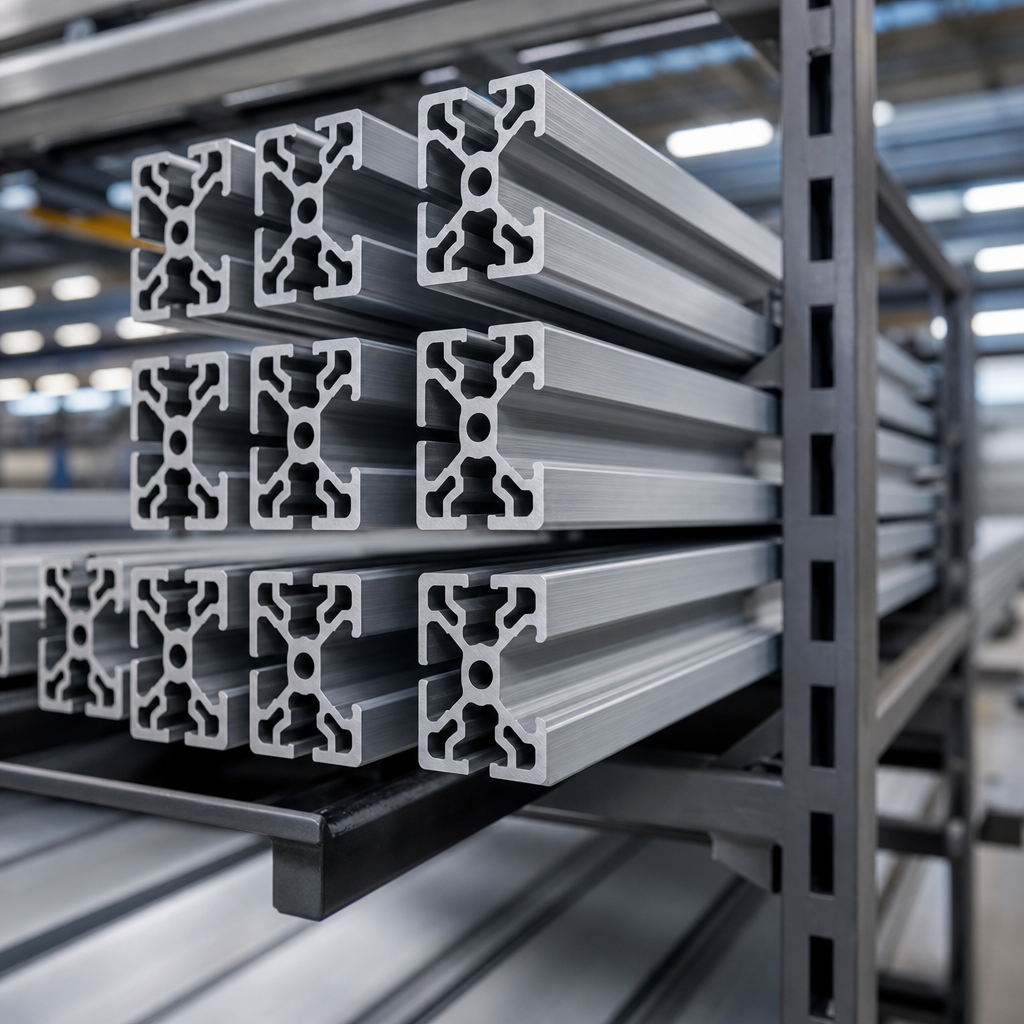
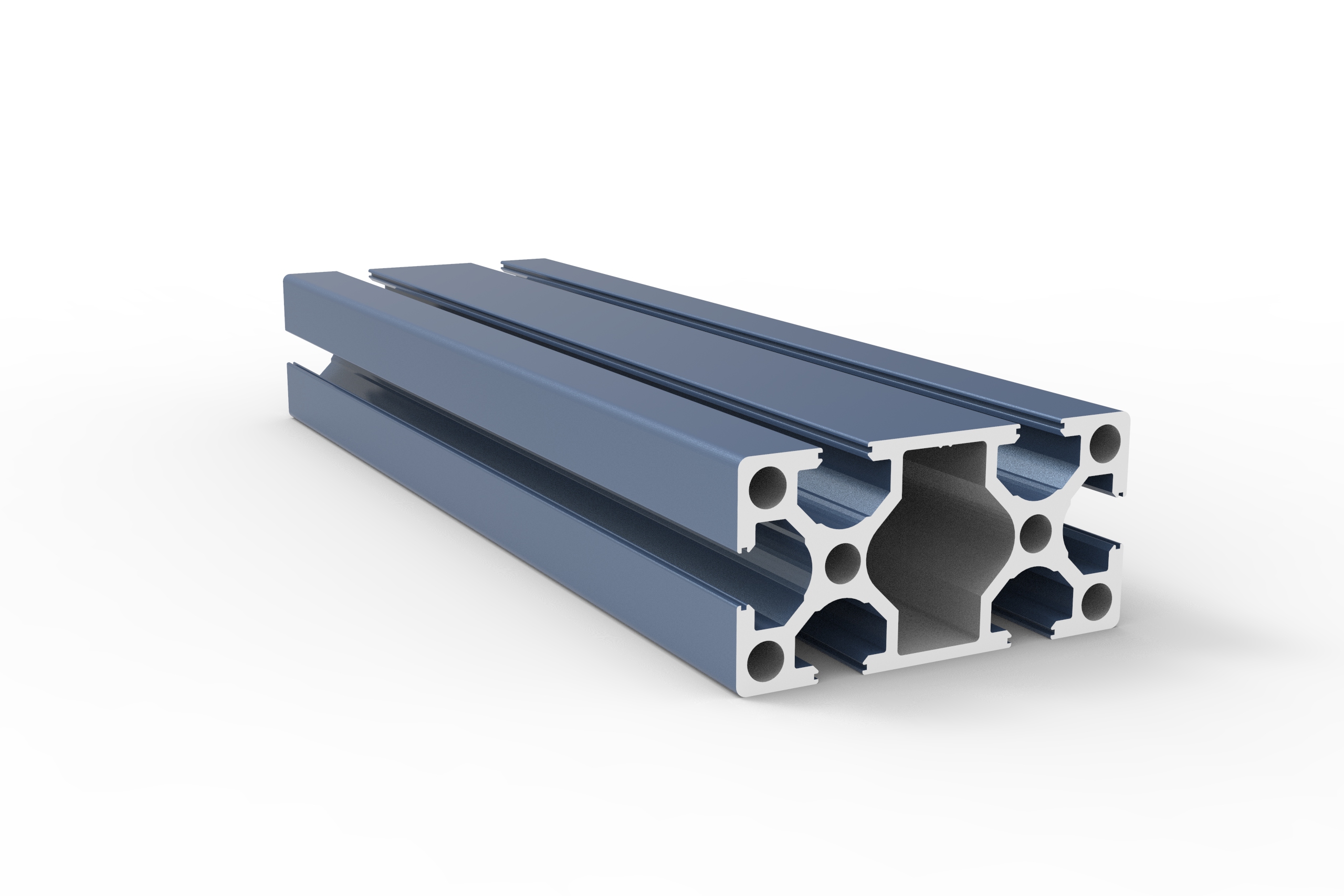
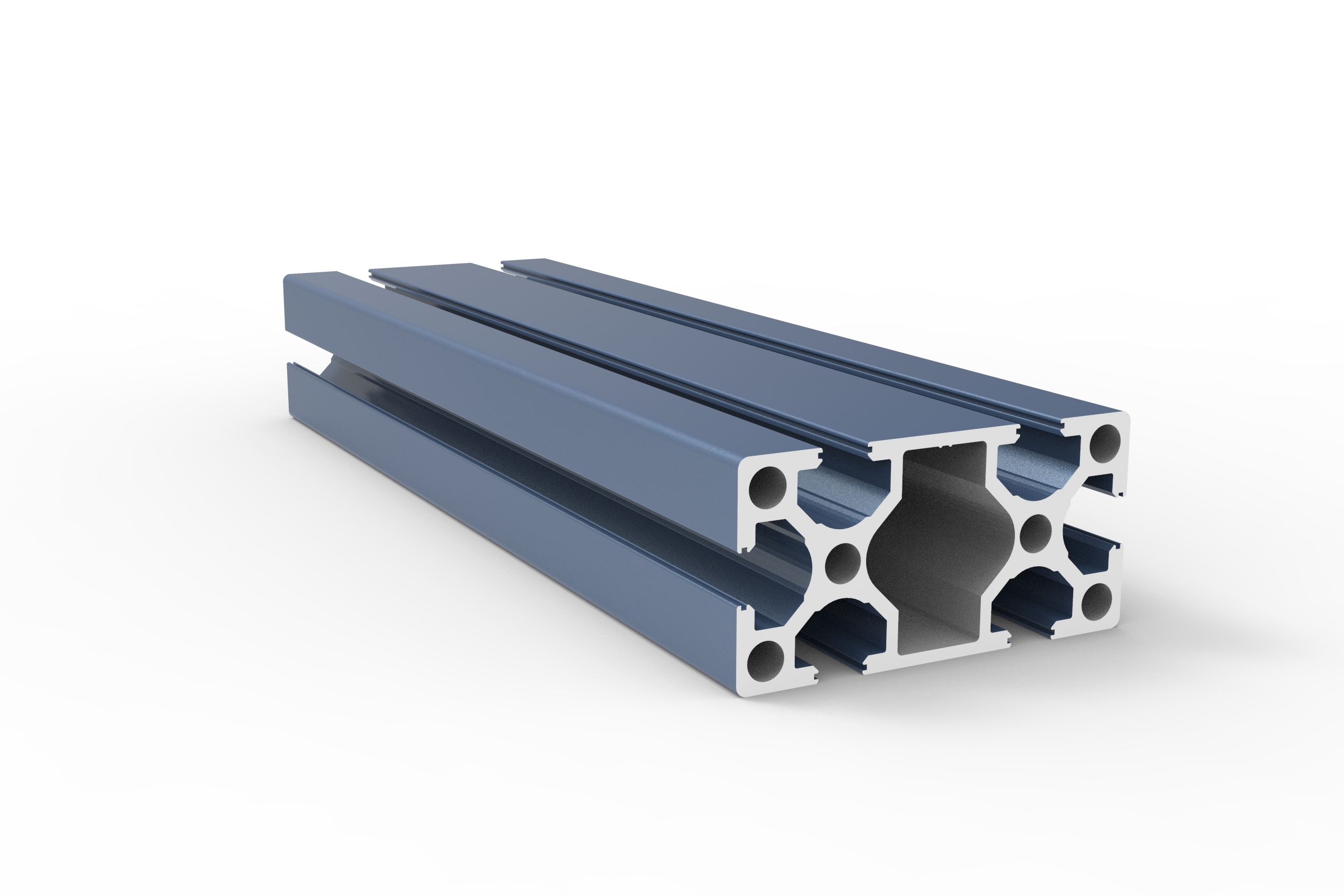
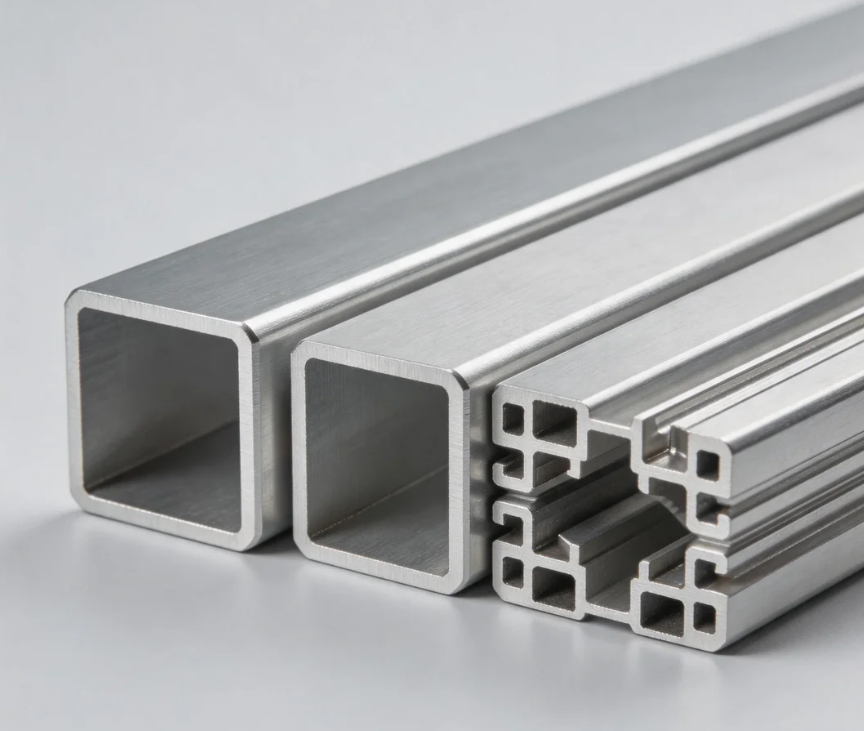
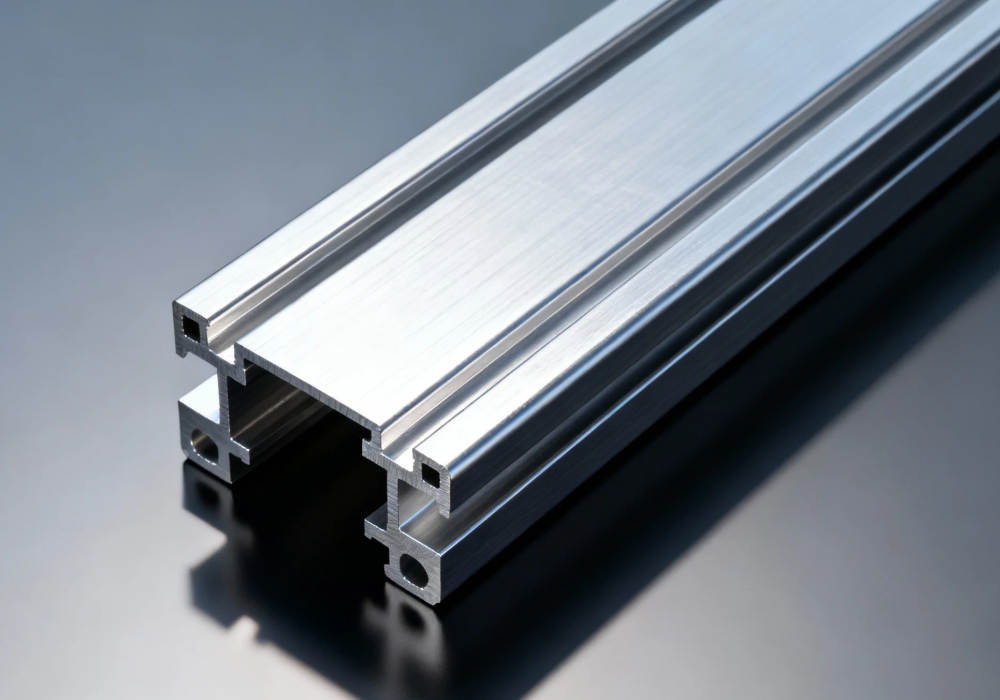
Industrial environments move away from traditional welded carbon steel frames toward modular aluminium extrusion profiles equipped with perimeter T-slots. These geometry tracks allow rapid mechanical assembly using specialized hardware, enabling fast construction and easy reconfiguration.
Modular framing systems use standardized metric cross-sections, with each series designation typically corresponding to the cross-sectional square base dimensions in millimeters. The examples below represent common sizing conventions found in many T-slot profile systems, though specific dimensions, slot openings, and accessory compatibility vary among manufacturers. Designers should verify the profile drawing, slot dimensions, and fastener compatibility for the chosen system:
20 Series (20×20 mm, 20×40 mm): Built with 5 mm or 6 mm slot openings; tailored for sensor mounts, lightweight electronics enclosures, and protective instrument guards.
30 Series (30×30 mm, 30×60 mm): Designed with 8 mm slot widths; commonly used for medium-duty display stands, packing stations, and laboratory test benches.
40 Series (40×40 mm, 40×80 mm): A widely used size in industrial automation, featuring an 8 mm or 10 mm slot depth engineered for robotic cells, machine bases, and material conveyors.
45 and 50 Series: Heavy-load variants offering thicker outer walls and heavy internal webbing for applications requiring greater load capacity.
80 Series (80×80 mm, 80×160 mm): Heavy-duty profiles with multiple reinforced core channels, used in demanding structural applications. Suitability for any specific application, including dynamic automated gantry lines, requires engineering checks of loads, span, deflection, stability, connections, and applicable design requirements.
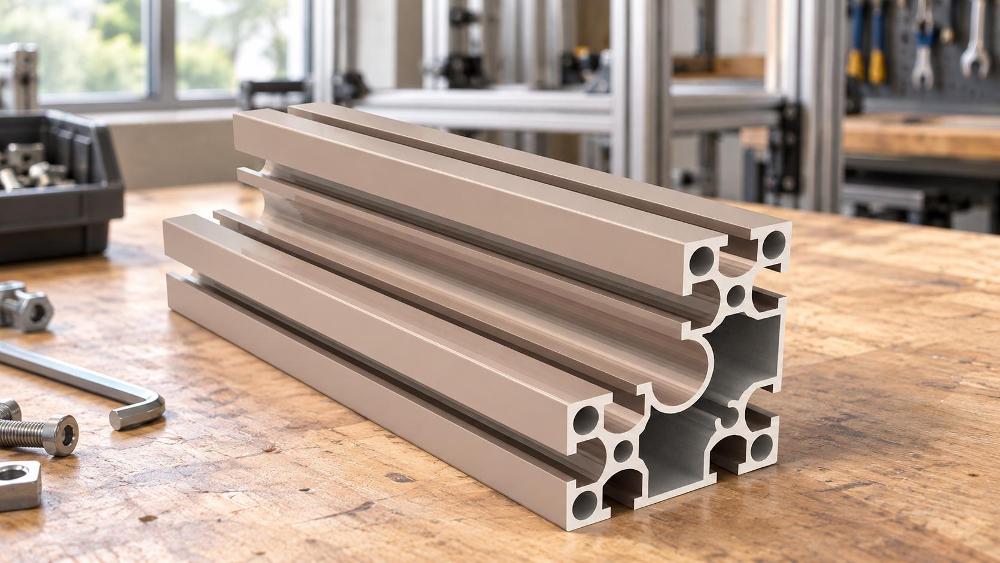
Welding structural steel requires specialized labor, joint preparation, grinding, stress relieving, and protective painting. The localized heat input inevitably causes thermal distortion, making it difficult to maintain perpendicularity across long frame spans without extensive post-weld machining.
Modular aluminium systems avoid this heat distortion problem by design. Profiles are cut to length using carbide-tipped miter saws and joined mechanically with standard hand tools. When industrial layouts change or equipment needs updating, maintenance teams can unbolt the framing and reconfigure it without cutting torches or scrap bin waste. This mechanical assembly approach reduces fabrication time and preserves dimensional accuracy across complex multi-axis structures.
The mechanical integrity of a T-slot joint depends on its fastening mechanics. Rather than tapping into the profile wall, standard connections use cold-rolled carbon or stainless steel T-nuts seated inside the profile channel. These fasteners distribute clamping loads across the internal slot geometry, providing reliable joint strength without compromising the profile structure.
Drop-in Roll-in T-Nuts: These hardware components feature spring-loaded detent balls, allowing operators to insert them directly into existing assembled frames without dismantling the outer uprights.
Internal Universal Connectors: Installed inside cross-drilled holes in the profile core, these barrel fasteners expand against the inner T-slot lip, leaving the outer faces flat for mounting panel skins.
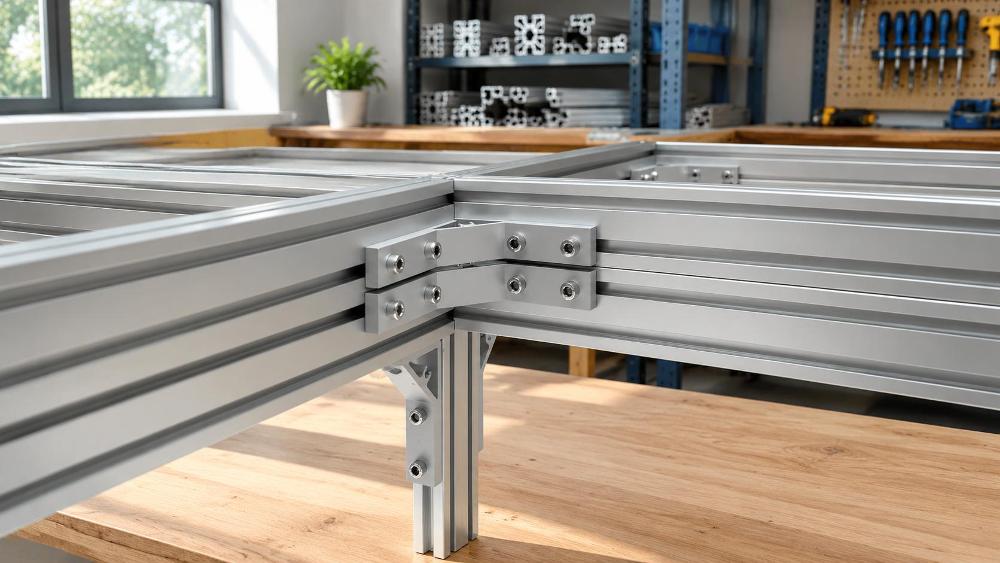
Heavy-Duty Gusset Corner Brackets: Die-cast aluminium brackets fit with anti-rotation tabs that slot into the profile grooves, resisting high torsional and shear loads.
Aluminium naturally forms a thin, microscopic oxide film when exposed to ambient oxygen. In industrial environments with humidity, acidic residues, or chemical washdowns, this natural film often needs reinforced surface treatments to provide adequate long-term protection and maintain appearance.
Anodizing is an electrochemical conversion process that thickens the natural surface oxide into an integrated ceramic-like layer. Submerged in a sulfuric acid bath under controlled DC current, the aluminium profile serves as the anode. The process converts the surface metal into an open, microscopic pore structure ranging from roughly 10 to 25 microns thick.
These open pores can absorb organic or inorganic metallic dyes before being sealed in hot deionized water or nickel acetate baths. Electrophoresis builds on this foundation by applying an organic polymer resin over the fresh anodic film via electrodeposition. The resulting dual-layer barrier is intended to resist scratching, salt spray, and abrasive cleaning chemicals, though actual performance depends on the specific process parameters and film thickness.
Powder coating applies electrostatically charged dry resin particles to the grounded profile, which are then cured in an oven at around 200°C to create a continuous polymer skin. This coating offers deep color choices, textured matte surfaces, and resistance to direct physical impacts.
For extreme outdoor exposure, fluorocarbon coatings formulated with polyvinylidene fluoride (PVDF) resins are often specified for their UV resistance and weathering performance. The carbon-fluorine chemical bond is designed to resist chalking, chemical degradation, and color fading. When selecting a surface treatment for demanding outdoor or marine environments, specify a tested coating system matched to the expected exposure conditions, as performance depends on the complete finish specification, substrate preparation, and application process rather than resin chemistry alone.
Mill finish refers to raw, untreated extrusions straight from the runout cooling table and stretching process. While functional and cost-effective, mill-finish surfaces display extrusion lines, die marks, and light handling abrasions.
Engineers often specify mill finishes for internal components, hidden structural bracing, or parts destined for post-machining where cosmetics are unimportant. However, unprotected mill aluminium can develop irregular surface oxidation when exposed to moisture or temperature fluctuations. Most industrial framing systems instead specify a standard 10-to-15-micron clear architectural anodized finish to provide consistent corrosion protection and a uniform appearance.
The balance of strength, low weight, and modular mounting tracks makes aluminium extrusion profiles useful across diverse manufacturing and design environments. From high-speed automation cells to architectural facades, these profiles adapt to a wide range of structural and aesthetic requirements.
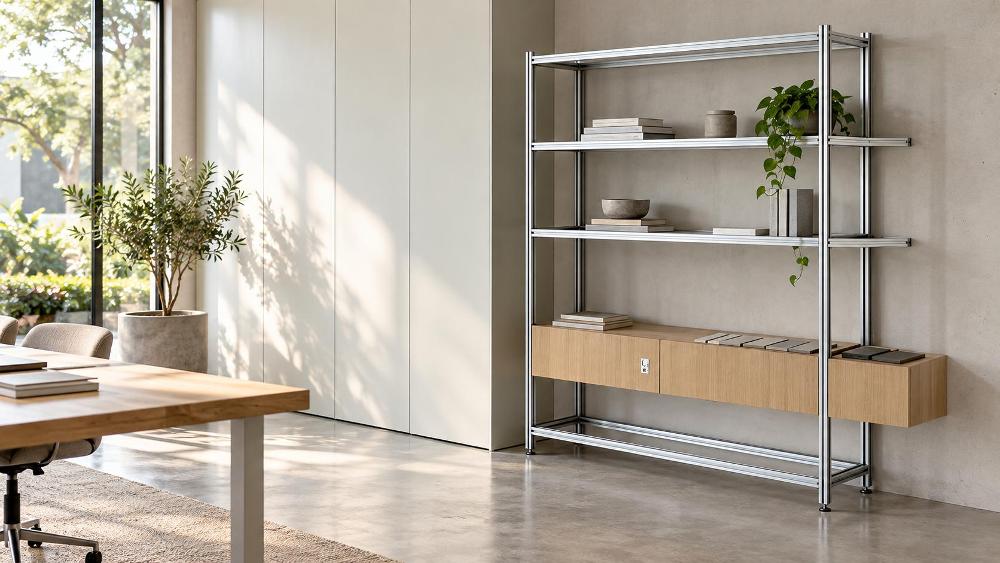
High-speed pick-and-place systems and Cartesian robots demand structural frames that absorb kinetic energy without shifting. Profiles such as 40-series and 80-series extrusions may be selected when calculations for the specific profile, loads, span, deflection, stability, and connections confirm suitability. A lighter frame built from these profiles may support faster acceleration and deceleration cycles, though the achievable acceleration and resulting positional accuracy depend on the complete machine design, including joints, drive components, and overall dynamics, and should be verified through engineering analysis and testing.
Perimeter safety fencing benefits directly from perimeter slot tracks. Polycarbonate view sheets, welded steel wire mesh, or sheet-metal acoustic dampening panels slide directly into the profile channels. Technicians install perimeter interlock switches, pneumatic service lines, and cable carriers without drilling into the load-bearing beams, preserving structural integrity while maintaining clean, professional installations.
Lean manufacturing systems rely on adaptable floor equipment. Conveyor frames made from specialized aluminium extrusion profiles feature integrated guide-rail slots, return-belt channels, and sensor-mount pockets, allowing rapid assembly and modification as production requirements evolve.
Manual assembly workstations require ergonomic flexibility. Operators can adjust shelf heights, tool balancers, overhead LED lighting rails, and parts bin louvers by loosening a few bracket bolts. As plant workflows shift, workers can modify benches on-site without hot-work permits or welding setups, reducing downtime and capital expenditure.
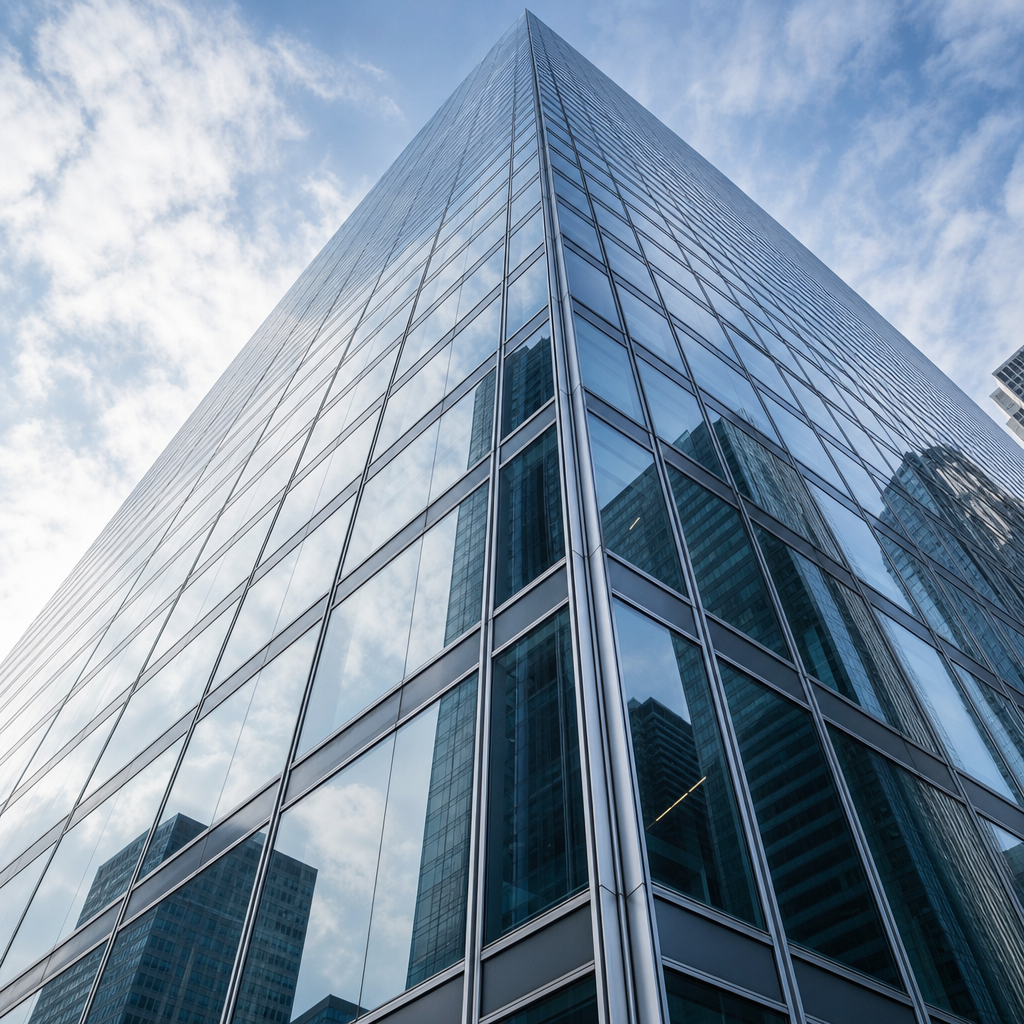
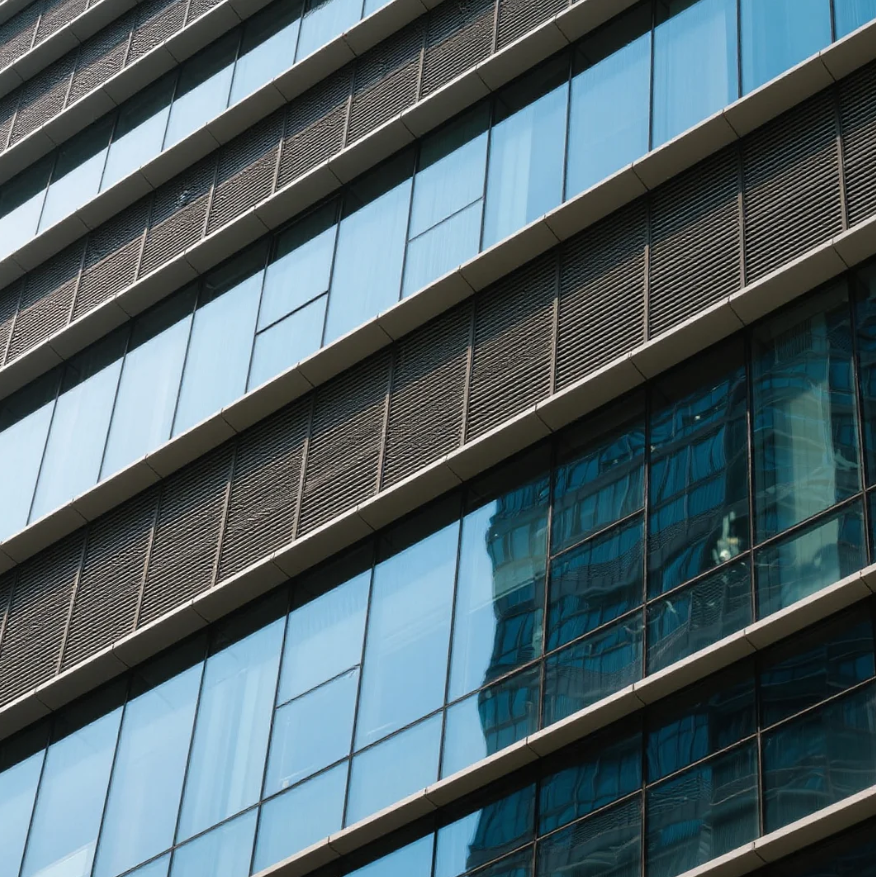
Beyond the factory floor, extruded aluminium profiles are foundational in modern commercial architecture. High-precision profiles form the structural backbones for thermal-break curtain wall systems, seismic storefront framing, and dynamic exterior solar louvers. These applications demand tight tolerances, consistent surface quality, and proven long-term weathering performance.
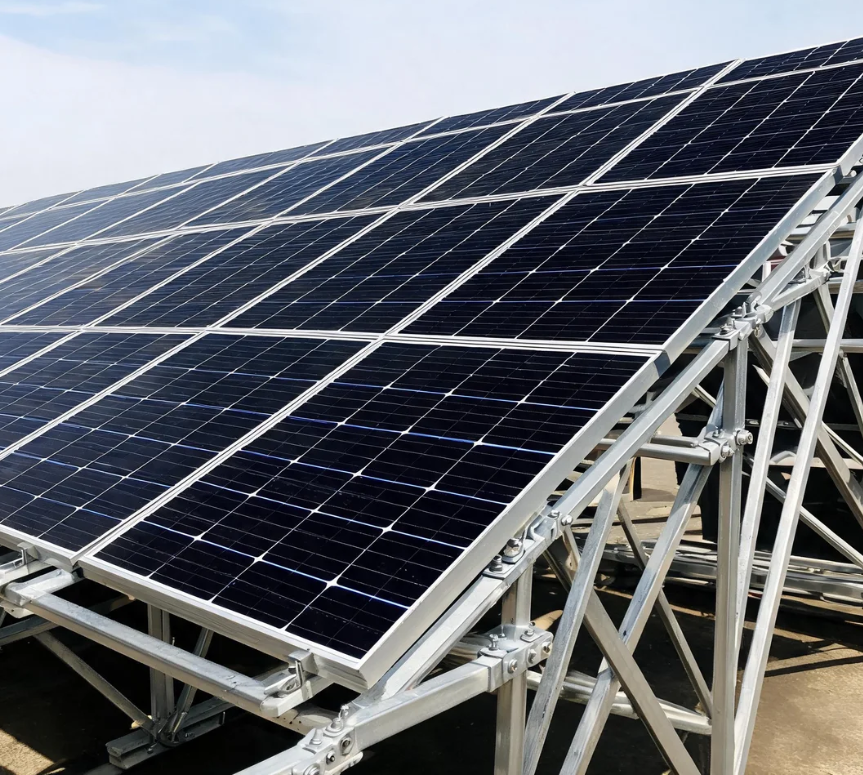
In microelectronics and pharmaceutical cleanrooms, smooth anodized extrusions help resist particulate accumulation and withstand chemical sanitization protocols. External ground-mount and rooftop solar racking systems often use custom 6005-T5 and 6061-T6 profiles selected for their combination of strength, corrosion resistance, and aerodynamic wind uplift performance in outdoor environments.
Procuring aluminium extrusion profiles requires balancing technical requirements with production realities. Project managers must align dimensional standards, minimum order quantities, and manufacturing lead times to ensure successful delivery without unnecessary cost or schedule risk.
Procurement documentation should explicitly state the applicable geometric dimensioning and tolerancing standards. In North America, ASTM B221 governs basic chemical composition and tensile properties, while ANSI H35.2 sets dimensional tolerance limits on cross-sectional thickness, straightness, flatness, and twist.
European and international projects often reference EN 755, which defines general industrial tolerances for aluminium and aluminium alloy extruded rod/bar, tube, and profiles. For high-precision automated assemblies, EN 12020-2 provides significantly tighter tolerances on wall thickness, concentricity, and corner radii, but this standard is specifically scoped to extruded precision profiles in alloys EN AW-6060 and EN AW-6063. Purchasers should select a tolerance standard applicable to the profile alloy, product form, and application requirements. Specifying overly tight tolerances across non-critical dimensions can unnecessarily increase die costs and scrap rates.
Procurement teams must manage three core constraints when ordering custom or standard extrusion profiles:
Extrusion Die Costs: Custom tooling requires dedicated solid or hollow tool-steel dies. Hollow dies carry higher upfront engineering and wire-EDM machining expenses than simple solid open-face dies, reflecting the complexity of internal bridge and mandrel geometries.
Minimum Order Quantities (MOQ): An extrusion press cannot run tiny quantities efficiently due to the thermal mass of the container and billet butt discard scrap. For the T-slot aluminium extrusions covered in this guide, MOQs typically range from 100 to 500 kilograms per section; actual minimums vary by supplier, profile complexity, and order specifics.
Production Lead Times: Delivery times vary based on tooling availability, finishing requirements, and current production schedules. Lead times for complex projects may differ from standard orders.
Partnering with an experienced extruder helps prevent costly manufacturing delays and ensures access to the technical support needed for successful custom profile development. At Xinhe Aluminium, our production ecosystem brings over 25 years of industry experience since our establishment in 1998, supplying aluminium extrusion profiles to partners across more than 50 countries and regions.
With a product range covering more than 5,000 aluminium profile products and an annual production capacity reaching 200,000 tons, our facilities handle projects ranging from small-batch prototypes to full-scale automated infrastructure rollouts. For us, custom extrusion challenges, including specialized cross-sections, custom anodized colors, electrophoresis, fluorocarbon applications, and tight-tolerance requirements, are supported by integrated in-house engineering and tooling resources. Our T-slot aluminium extrusions are available in 6063-T5/T6, 6060-T6, and 6061-T6 alloys with mill finish, anodized and electrophoresis, powder coated, or fluorocarbon surface treatments, with MOQs typically ranging from 100 to 500 kilograms per section and delivery times generally requiring 10 to 20 days.
The primary difference lies in mechanical yield strength and surface finish quality. Alloy 6061-T6 features higher magnesium, silicon, and copper contents, and the table above shows it typically delivering higher yield strength than 6063-T5. This makes 6061-T6 a common choice for heavy structural load-bearing frames and dynamic mechanical stress. The actual strength difference depends on the specific product form, section dimensions, and applicable standard, so designers should compare certified property values for the exact materials under consideration.
In contrast, 6063-T5 trades ultimate strength for higher extrusion speeds, tighter dimensional control on thin-walled sections, and a cleaner surface finish. The lower trace element levels in 6063 make it a common choice for decorative trims, architectural elements, and modular T-slot profiles that do not require heavy structural load ratings.
While raw carbon steel costs less per kilogram than extruded aluminium, raw material price is only a fraction of total fabrication costs. Welded steel structures require cutting, beveling, certified welding labor, weld bead grinding, sandblasting, and protective primer and paint coating. Any post-weld thermal warping requires secondary hydraulic straightening, adding time and expense to the fabrication process.
T-slot aluminium framing typically arrives pre-finished with anodizing already applied. Operators cut profiles to length and assemble them using simple hand tools, which can meaningfully reduce assembly labor hours compared with welded fabrication. Future machine modifications, component realignments, and line expansions generally require only hex wrenches, avoiding hot-work permits, repainting, and production shutdowns. This flexibility and ease of reconfiguration often results in lower total cost of ownership, especially in environments where equipment layouts change frequently.
Precision profiles in alloys EN AW-6060 and EN AW-6063 generally follow European standard EN 12020-2, which sets tight tolerances for high-precision applications. Standard architectural and industrial extrusion profiles typically conform to ASTM B221 (via ANSI H35.2 tables) in North America or EN 755-9 across Europe.
Under precision standards like EN 12020-2, cross-sectional dimensional variations, angular deviations, and twist tolerances are controlled to tighter margins than general commercial standards allow. These tighter tolerances help ensure proper fit for modular sliding tracks, linear guide rails, and interlocking structural assemblies. Designers should select the tolerance standard appropriate to the profile alloy and application requirements.
Fluorocarbon coatings formulated with a high percentage of polyvinylidene fluoride (PVDF) resins are often specified for demanding outdoor applications because of their UV resistance and weathering performance. The chemical bond within the fluoropolymer is designed to resist ultraviolet radiation, acid rain, and chalking, helping maintain color stability over an extended service period.
For industrial marine or high-humidity environments where direct abrasion resistance is also required, architectural hardcoat anodizing or combined anodized electrophoresis can provide good protection. These electrolytic treatments chemically integrate the barrier into the aluminium substrate, reducing the risk of peeling, blistering, or flaking. When specifying a finish for severe outdoor or coastal exposure, work with the coating supplier or finisher to select a tested system matched to the expected environmental conditions, as performance depends on the complete finish specification and application process.
Standard T-slot fasteners and die-cast gusset brackets can generally be disassembled, adjusted, and reassembled when permitted by the hardware manufacturer’s instructions. Because these connections rely on mechanical friction between the steel T-nut and the internal aluminium extrusion shoulder, the base profile typically remains undamaged if tightened within specified torque limits and inspected before reuse.
To help maintain reliable long-term joint tension under vibrational operating loads, use high-grade steel fasteners paired with serrated lock nuts, Nord-Lock style washers, or thread-locking fluid. In high-vibration environments, checking fastener torque during routine maintenance intervals helps catch any minor hardware loosening before it affects structural integrity.
Optimizing machine frames, architectural envelopes, and automated conveyor lines requires a balanced approach to structural profile design. By matching alloy choices like 6063-T5 or 6061-T6 to actual load stresses, selecting practical surface finishes, and designing around standardized modular dimensions, engineering teams can minimize raw material waste and streamline production.
Whether your project requires off-the-shelf industrial framing or specialized custom extrusion cross-sections, careful consideration of minimum order quantities, tooling lead times, and verified tolerance standards helps prevent costly manufacturing delays. Selecting reliable aluminium extrusion profiles, including T-slot aluminium extrusions suited to modular, non-welded assembly, provides the foundation for structural assemblies that are built to perform over years of service.

Aluminium Extrusion Profiles for Solar Panels: Engineering and Sourcing Guide
Could smart Casement windows become a practical alternative to standard models?
Is it practical to develop a private-label Sliding window for my brand?
What spare parts should I stock for Floding door after-sales support?
Architectural and Industrial Aluminium Angle Profile Guide: Structural Sizing, Alloy Selection, and
How can I prevent my Casement window color formula from being reused?
What coating compliance evidence should I request for Decorative profile?
What information helps a factory understand my Sliding door customization needs?
Are new Shutter materials improving durability while reducing total project cost?
What extra charges should I ask about when buying Casement doors?
What files do I need to provide for a custom Decorative profile?
Should I hold the final Shutter payment until an independent inspection passes?
Are Decorative profile tooling fees normally refundable after reaching volume targets?
What defective-rate threshold should trigger compensation for Casement windows?
How can I tell whether an Architecture profile seller owns a real factory?
Can Shutter slat shapes be customized without creating long tooling delays?
Can a remote audit reliably confirm Sliding window quality controls?
How do I confirm an Architecture profile meets the required wall loads?
Can missing Casement window test reports delay customs clearance or installation?
How should I send CAD details for a custom Casement door design?
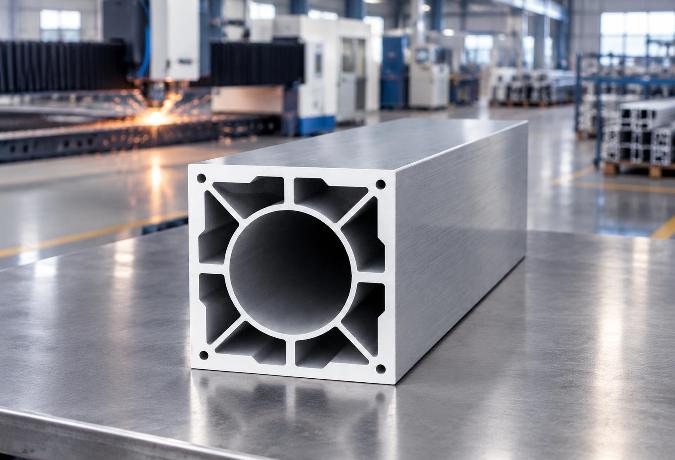
Choosing Industrial Aluminium Profiles for Laser Cutting Machines: A Technical Guide
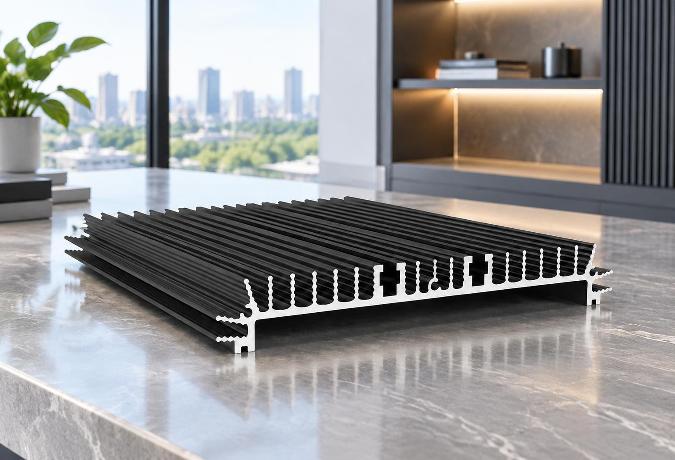
How LED Aluminium Profile Heatsinks Manage Thermal Challenges in High-Performance Lighting
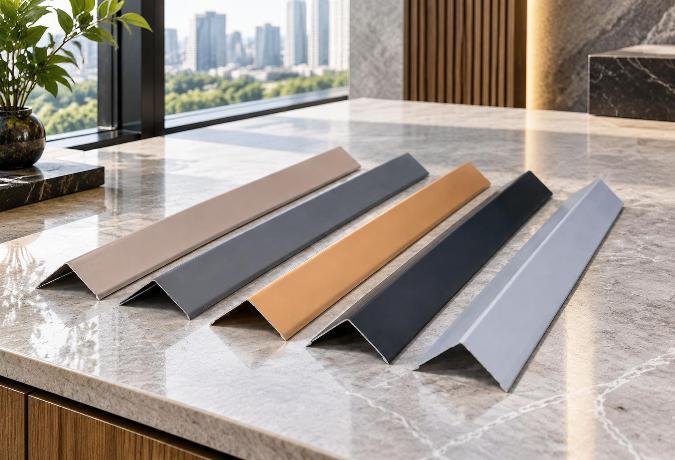
Architectural Aluminium Profiles: Choosing the Right Angle Design for Framing and Trim
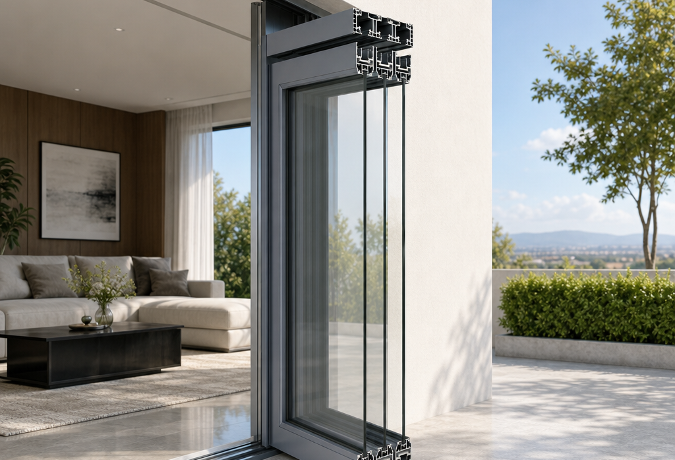
Choosing the Right Aluminium Door Profiles for Narrow-Frame Sliding Systems
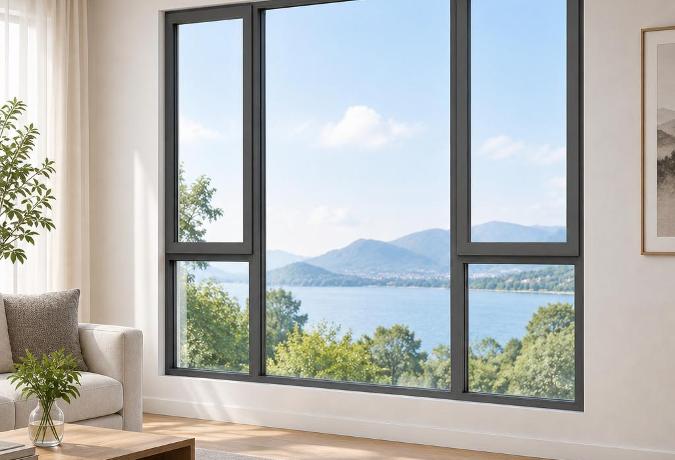
Aluminium Window Profiles: Engineering Durable Facades for Modern Buildings
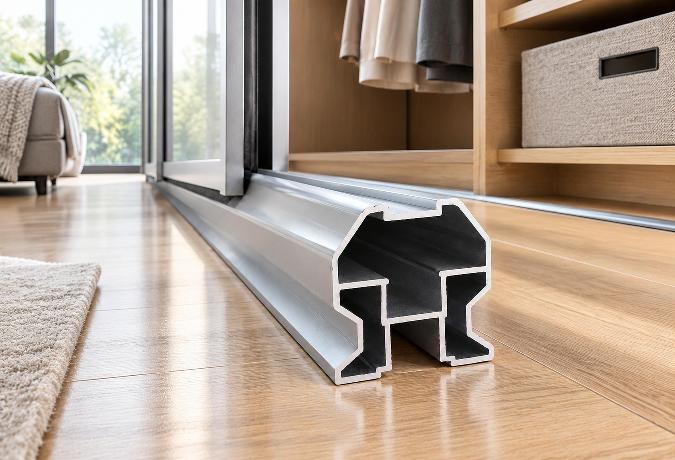
Aluminium Wardrobe Profiles: A Practical Guide to Frames, Tracks, and Finishes
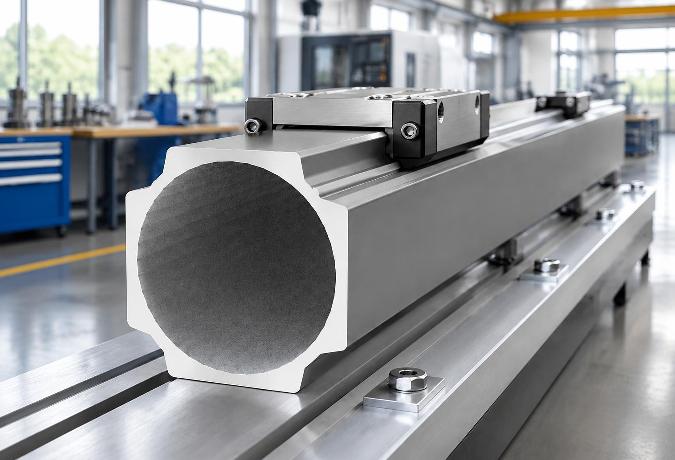
Choosing the Right Aluminium Linear Rail Profile for Motion Systems
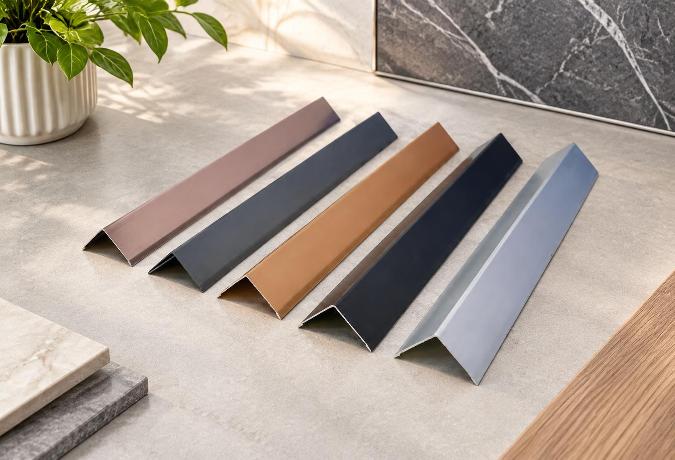
Anodized Aluminium Profiles: Material Selection and Practical Applications in Modern Design
Aluminium Decorative Profiles: Design, Installation, and Interior Applications
Aluminium Profiles for Automation: A Practical Guide to Modular Frame Design
Aluminium Extrusion for Furniture: Structural Logic Behind Lightweight Precision
Aluminium Thermal Break Profiles: Design Principles and Practical Applications
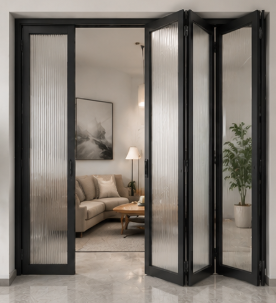
How do suppliers normally handle Sliding door installation problems overseas?
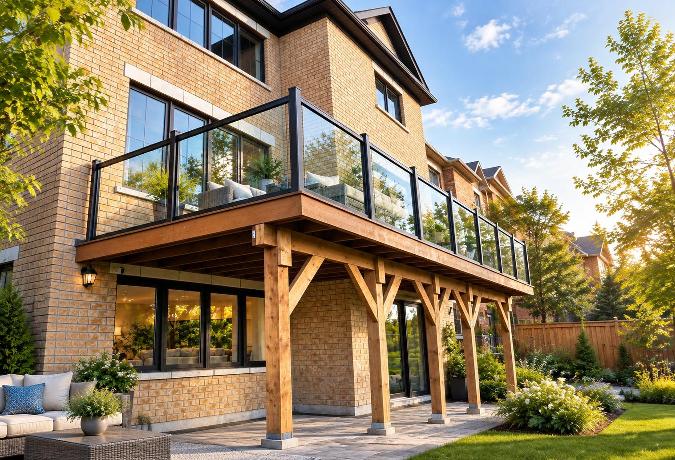
Choosing the Right Aluminium Balustrade Profiles for Your Project
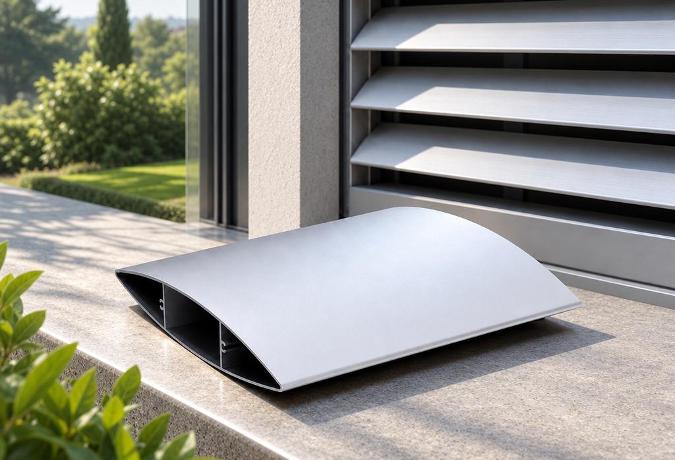
Aluminium Louver Profiles: Light Control and Ventilation in Modern Architecture
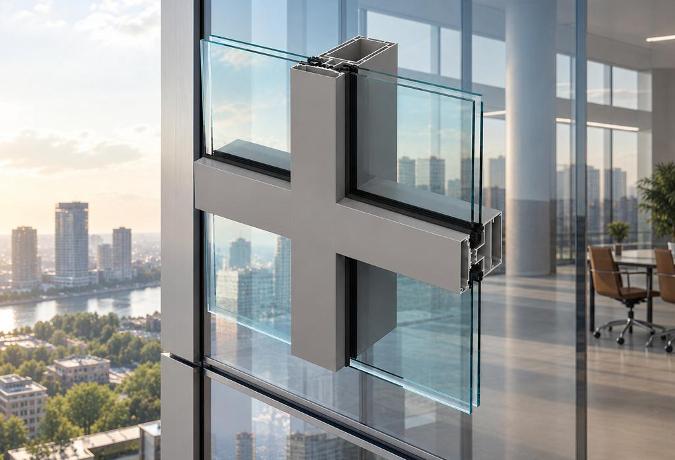
Aluminium Curtain Wall Profiles: Structural Design and Performance in Modern Architecture
Aluminium Trim Profiles: Bridging Aesthetics and Performance in Modern Interior Design
How do I verify Casement window production capacity before signing a contract?
Powder Coated Aluminium Profiles: Durability and Design in Modern Applications
How Aluminium Heatsink Profiles Keep Electronics From Cooking Themselves
How do FOB and CIF change my risks when importing Sliding doors?
What support should I receive if Architecture profile dimensions are wrong?
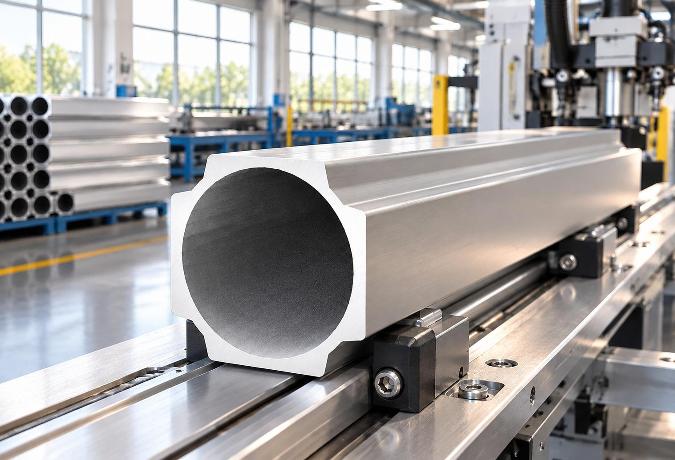
Inside an Aluminium Profile Factory: How Angle Profiles Are Made and Chosen
What is a realistic MOQ for a first Sliding window trial order?
Which factory records should I review before buying Industrial profile?
Aluminium Extrusion for Machinery: Choosing the Right Profile for Industrial Equipment
Aluminium Extrusion for LED Lighting: Choosing the Right Heatsink Profile
Can a Floding door supplier protect my private design from competitors?
Which Industrial profile tolerances affect assembly accuracy and finished quality?
Can trade credit insurance cover my Architecture profile purchase risk?
Custom Aluminium Extrusion Profiles: Engineering Precision into Industrial Motion Systems
T-Slot Aluminium Extrusion: Structural Framework Design Without Welding
Which recycled-content records are credible for Sliding window procurement?
Aluminium Sliding Door Profiles: A Practical Guide to Frame Design and Performance
How Aluminium Extrusion Manufacturers in China Support Linear Motion Systems
What contract clauses protect my money if Casement door quality is unacceptable?
How do I confirm Sliding door testing equipment is calibrated and current?
Should I visit an Architecture profile plant before placing a large order?
Which compliance tests should a Floding door pass before international shipment?
How do I compare Decorative profile color samples under different lighting?
What payment and price terms make sense for a small Casement window order?
What lead time should I allow for a seasonal Floding door order?
How can I compare Floding door alternatives when supply costs suddenly rise?
Which new Sliding door technologies can lower maintenance costs over time?
How are recycled materials changing the future cost of Floding doors?
How long should a custom Casement door sample normally take to prepare?
What gap between a Sliding window sample and bulk order is acceptable?
Which Decorative profile finishes are becoming more sustainable and cost-effective?
What logistics fees should be listed separately in a Sliding window quote?
How might volatile aluminum prices affect future Sliding window sourcing?
Which audit questions reveal labor risks at a Casement door factory?
Can Decorative profile suppliers provide fast remote guidance for finish defects?
What should a Shutter sample include so I can assess production quality?
Do Sliding door materials need traceability records for customs clearance?
What environmental declarations are useful when importing Architecture profile?
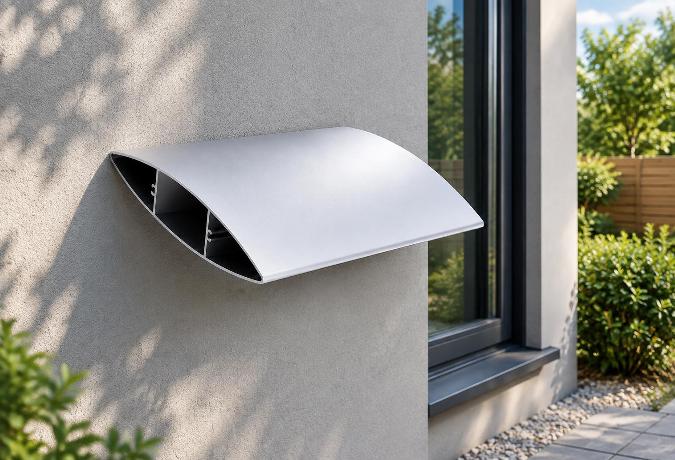
Why Blade Geometry Determines Whether Aluminium Louvers Actually Work
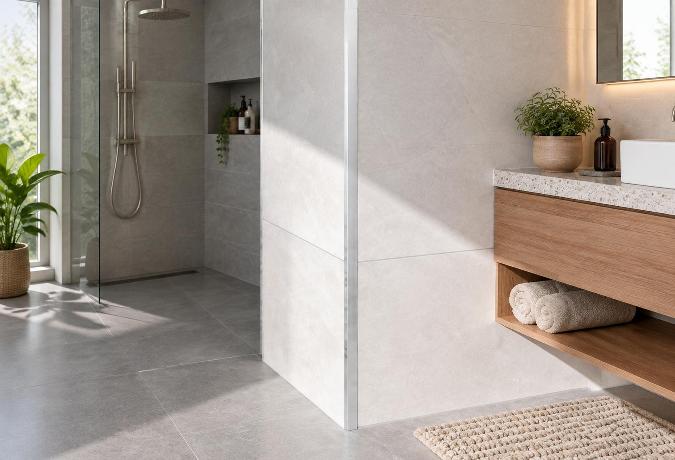
Engineering an Aluminium Angle Profile: Structural Mechanics and Application Realities
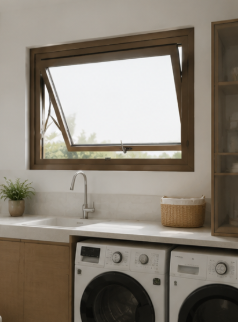
What usually drives Architecture profile costs more, alloy or surface treatment?
Why the One-Piece Molding on Aluminium Trim Profiles Matters More Than the Finish
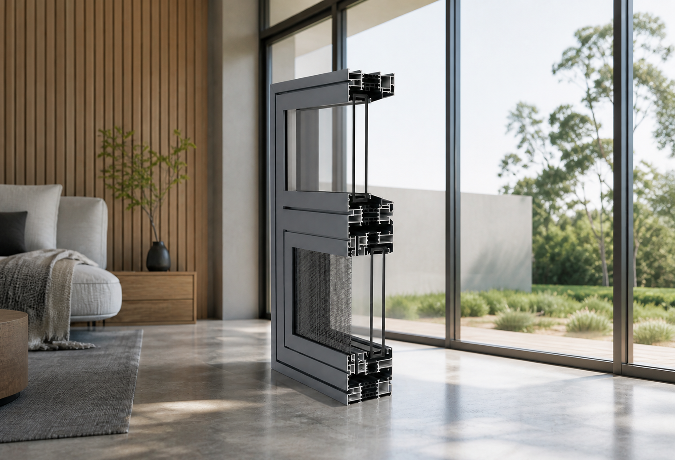
Why the Thermal Break Cavity Matters More Than Frame Thickness in Aluminium Framed Windows and Doors
The T-Slot Groove Geometry That Makes Aluminium Framing Weld-Free
Why the One-Piece Molding on Aluminium Trim Profiles Matters More Than the Finish
Structural Dynamics of Industrial Aluminium Profiles in Laser Cutting Gantries
The Engineering Mechanics Behind High-Performance Aluminium Shutters
What factory documents should I request for a Floding door supplier review?
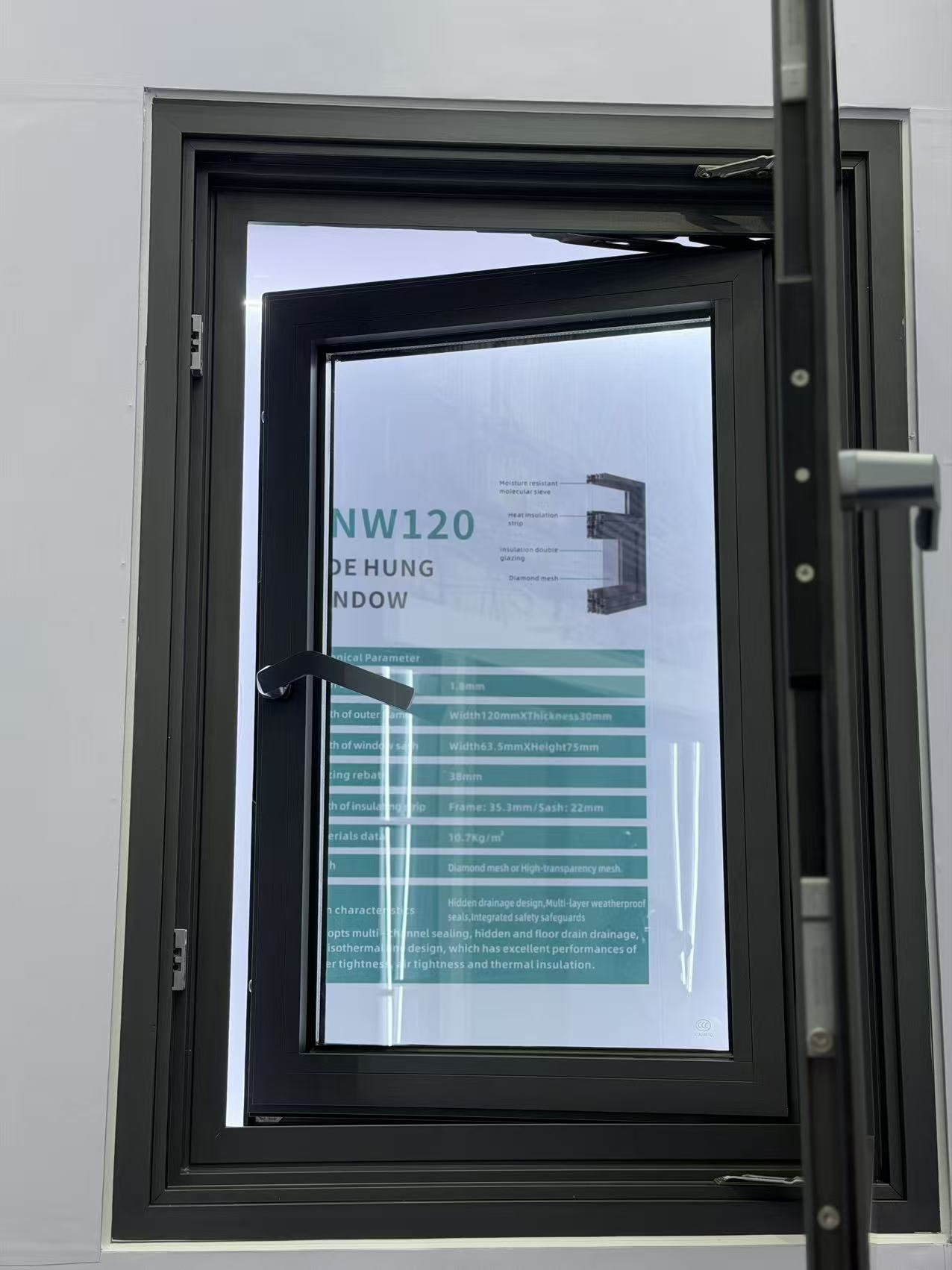
Which delivery term gives me better control over Decorative profile freight costs?
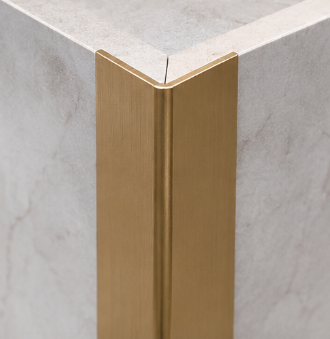
What low-carbon Awing window materials are gaining wider market acceptance?
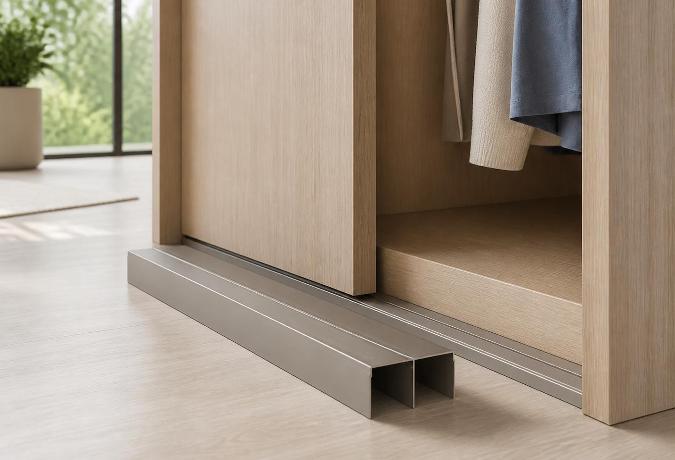
Why Sliding Door Track Geometry Determines Wardrobe Longevity
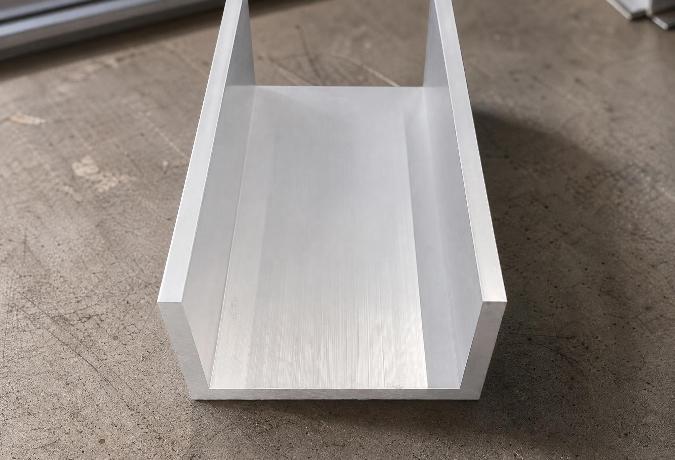
Engineering Mechanics and Surface Dynamics of Aluminium Channel Profiles
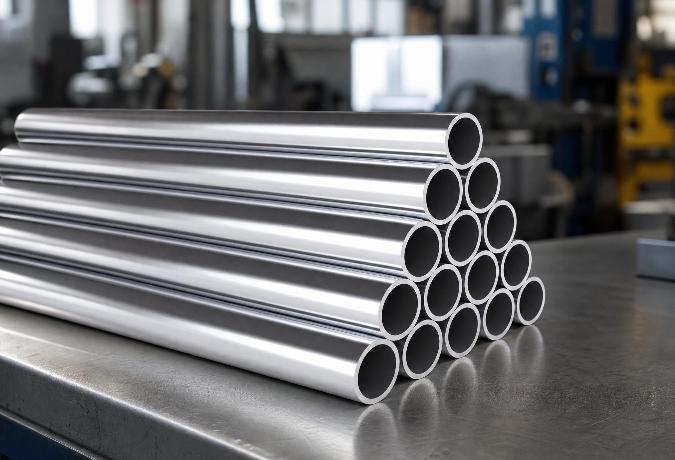
Understanding Aluminium Round Tube Specifications for Structural Engineering
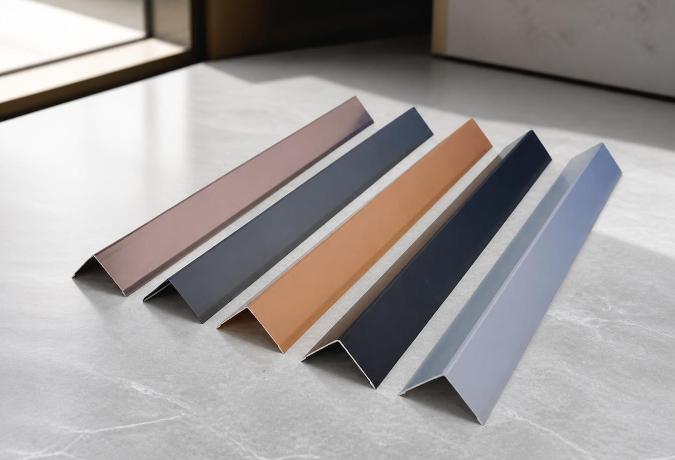
Why the 90-Degree Angle in Standard Aluminium Profiles Determines Structural Reliability
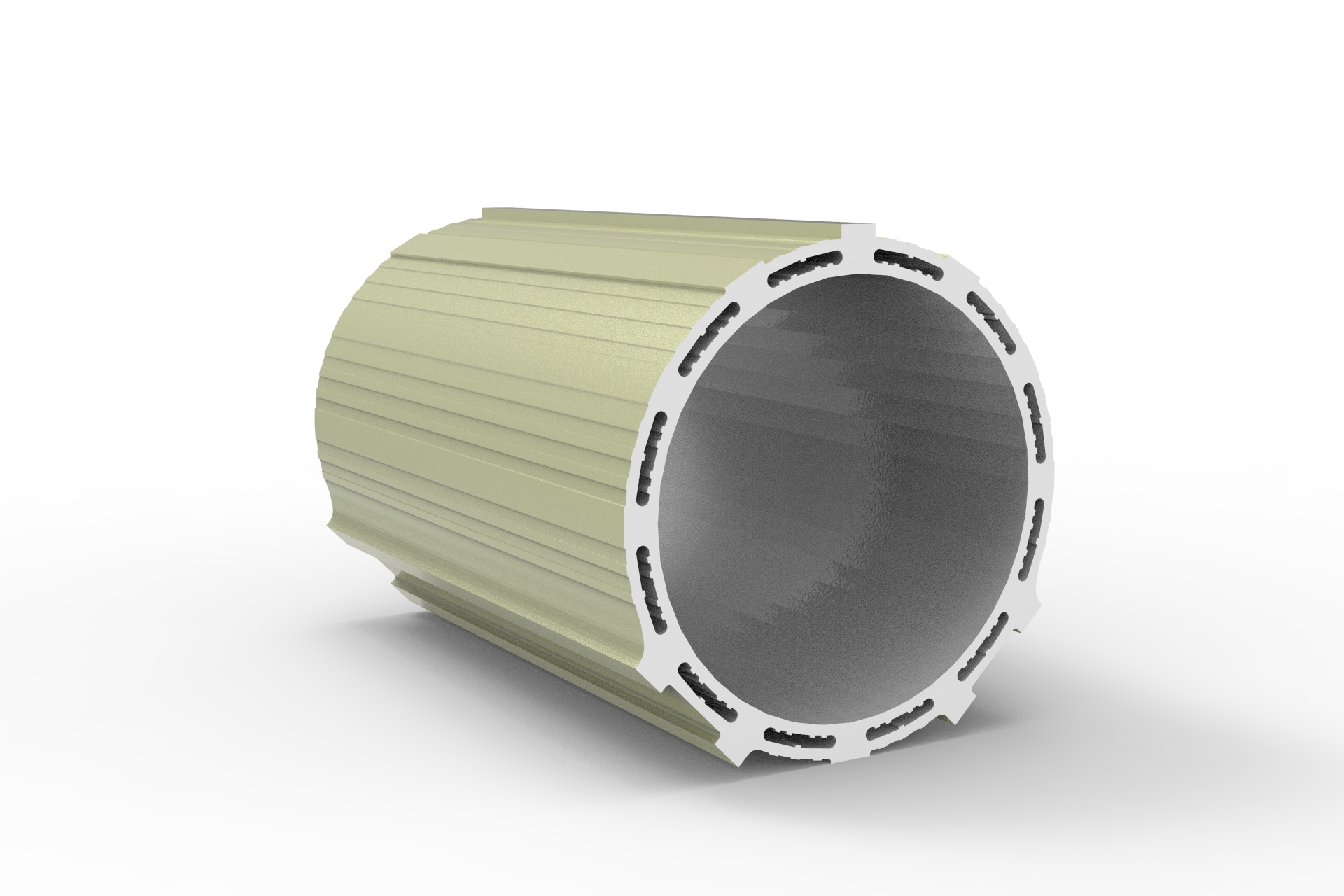
How can I ensure a Floding door sample matches the planned mass production?
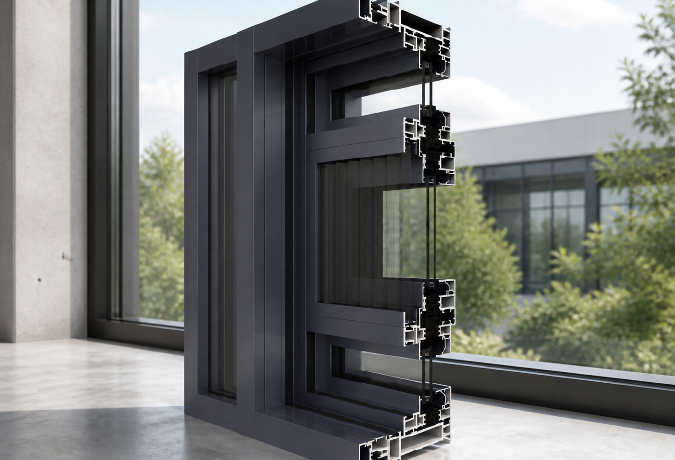
Why Mullion Thickness Determines How Much Glass an Aluminium Curtain Wall Can Actually Hold
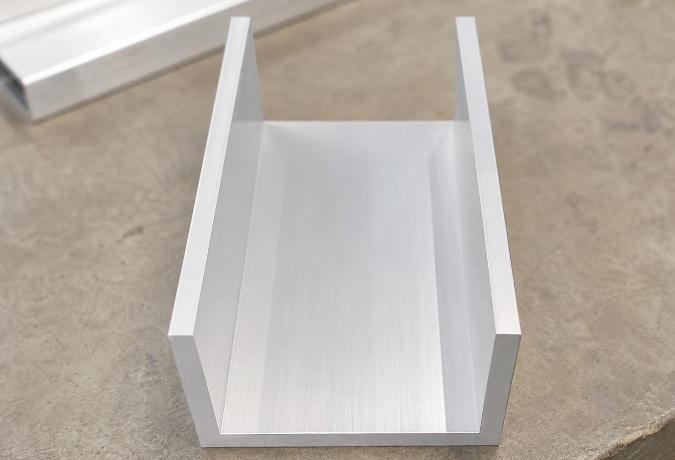
Engineering Dimensional Stability in Aluminium Extrusions for Channel Profiles
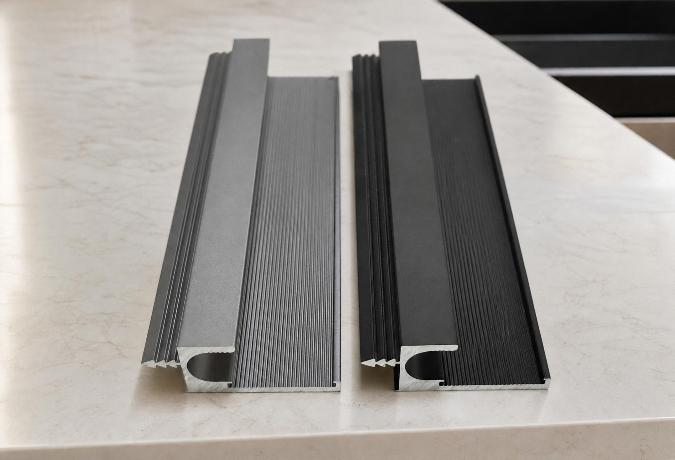
Engineering the Structural Framework: The Mechanics of Aluminium Profiles for Kitchen Cabinets
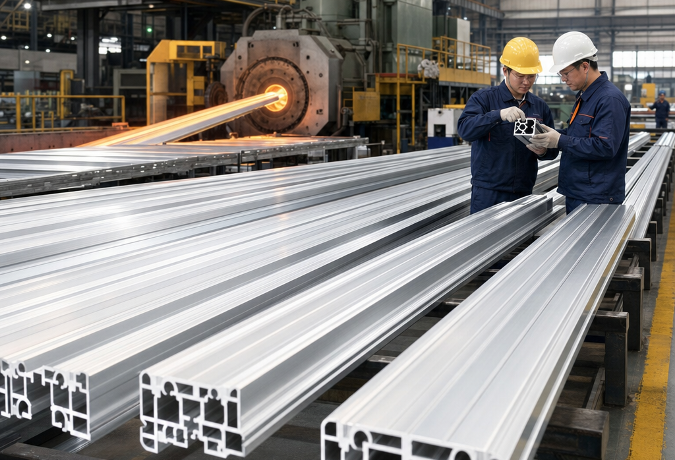
Choosing an Aluminium Profile Supplier: What Actually Separates the Reliable Ones from the Rest
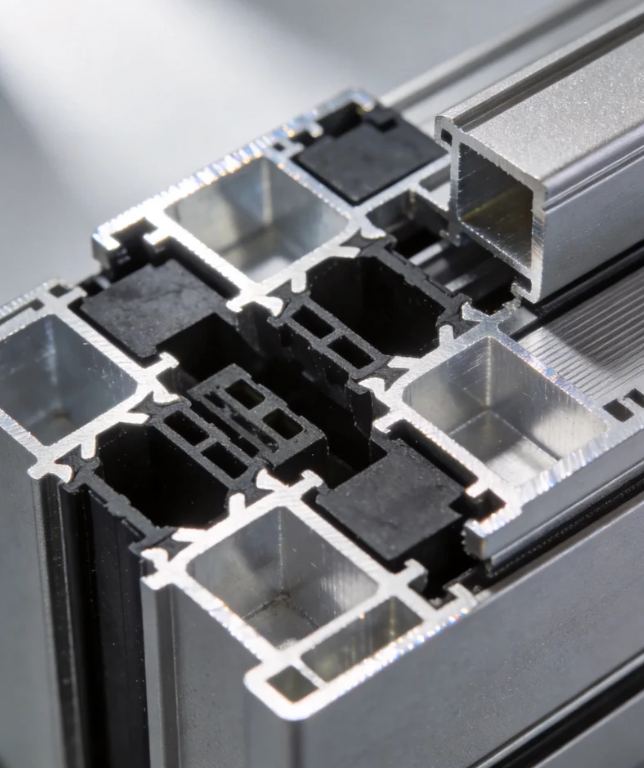
Can Awing window orders ship in batches to avoid project delays?
What response time should I expect for Awing window warranty claims?
Navigating the Supply Chain: Evaluating an Aluminium Profile Manufacturer for B2B Procurement
Engineering Structural Integrity Through Precision L-Shaped Aluminium Profiles
Thermal Dynamics in High-Power Electronics: Engineering Aluminium Heatsink Profiles
Why the T-Slot Design Determines the Real Strength of Structural Aluminium Extrusions
How long should replacement Sliding window parts remain available after purchase?
Should I expect volume discounts when reordering the same Sliding window model?
The Multi-Strip Sealing Structure Inside Aluminium Windows and Doors

Engineering Lightweight Rail Structures Through Extruded Aluminium Profiles
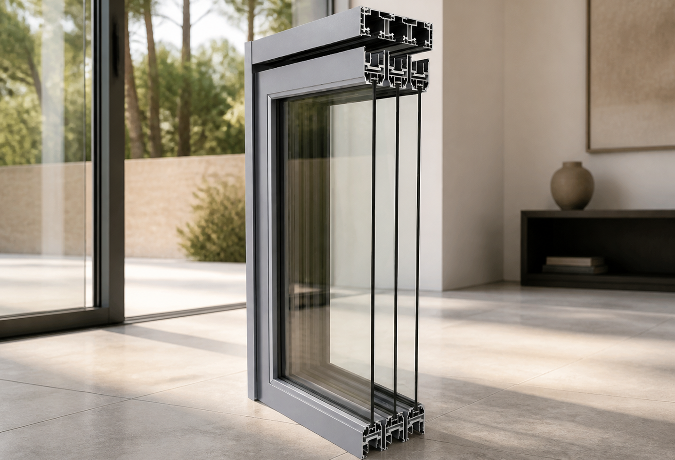
Why the Frame Width on an Aluminium Sliding Door Determines Your Room’s Light
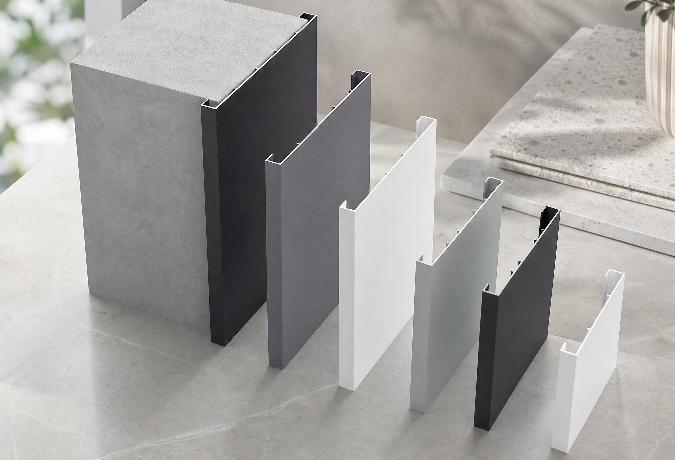
The Engineering Behind Decorative Aluminium Profiles: Alloys, Surface Treatments, and Edge Protectio
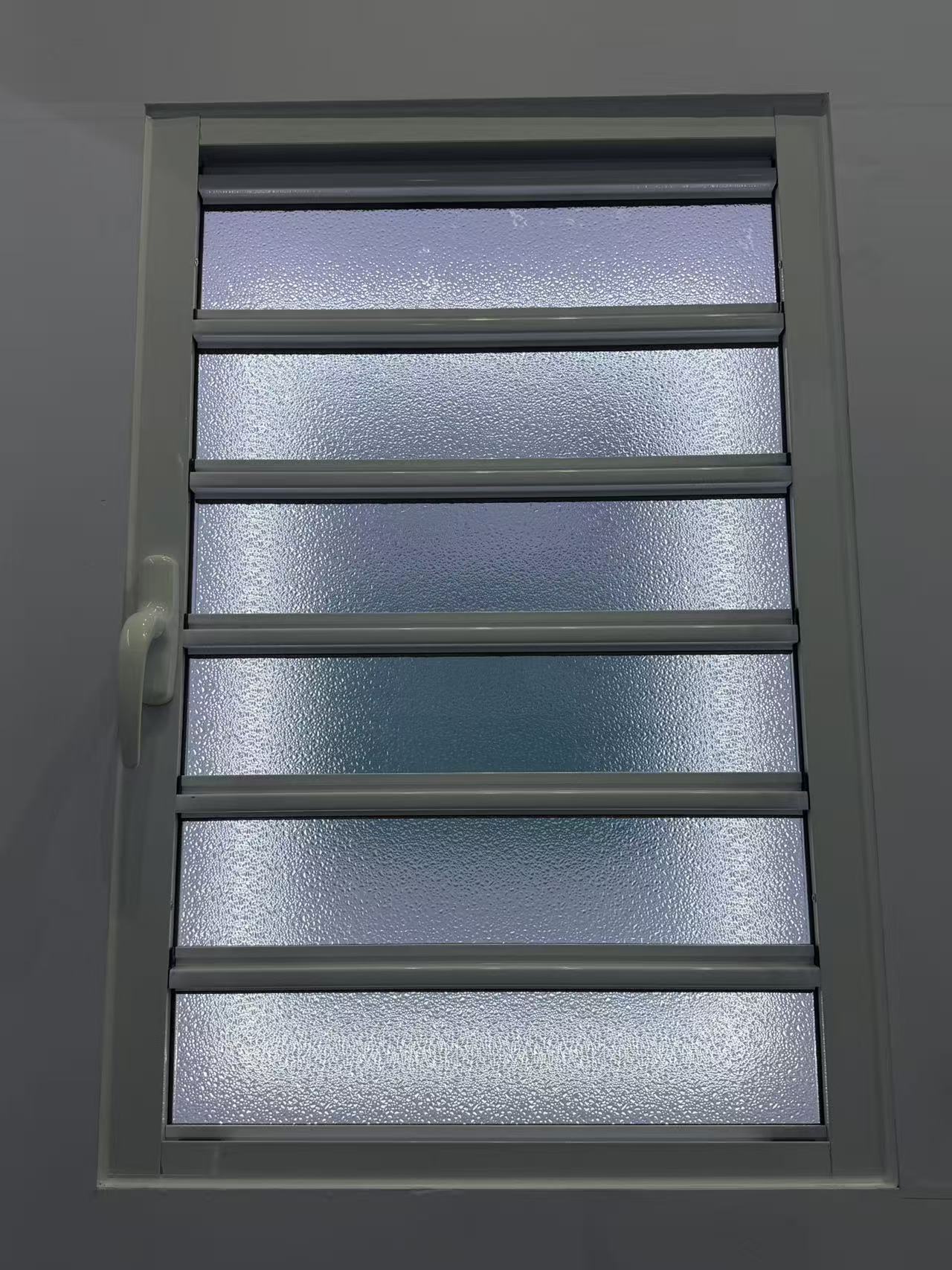
What alternative materials could make Casement doors more resilient and recyclable?
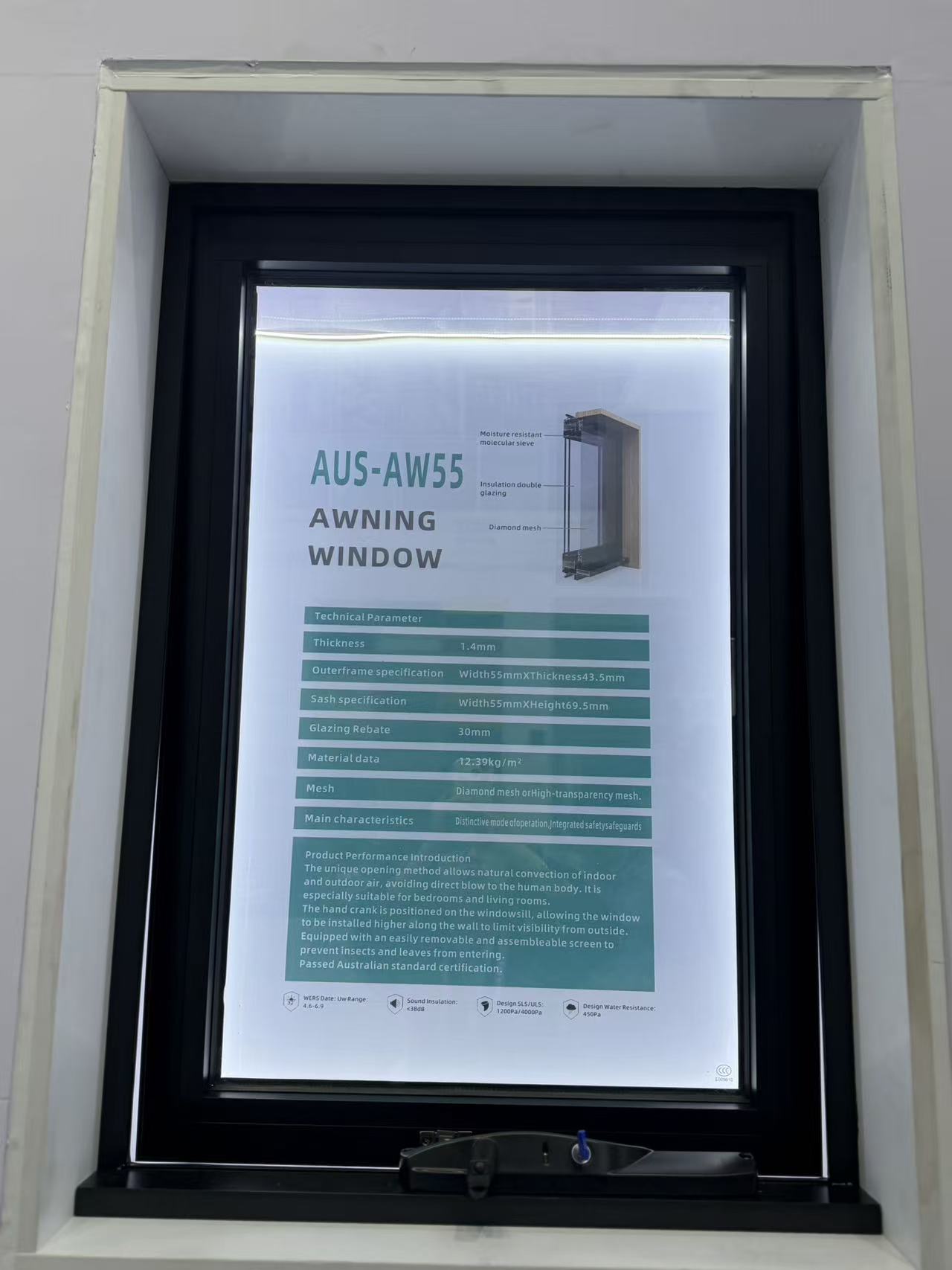
How can I compare Awing window quotes without missing hidden packing costs?
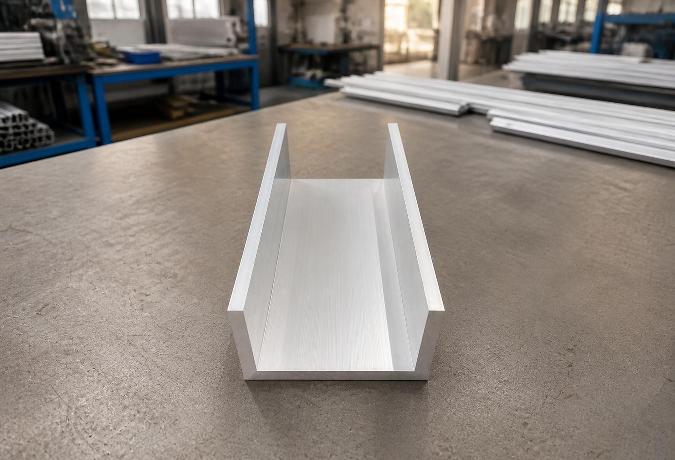
Decoding Structural Tolerances in Aluminium Extrusion Profiles for Channel Applications
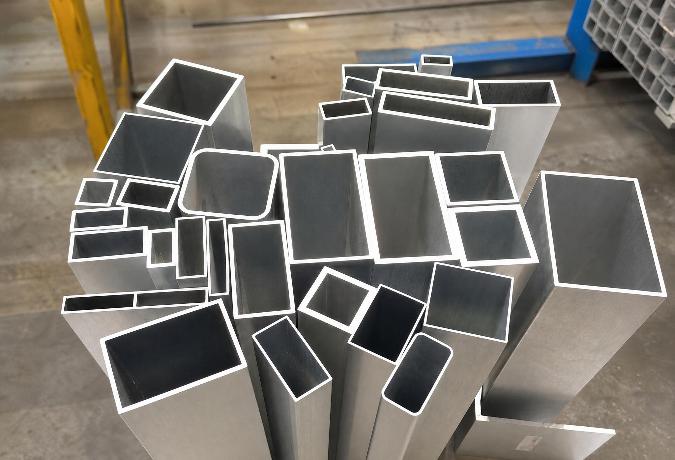
Engineering an Aluminium Square Tube for Modern Structural Integrity
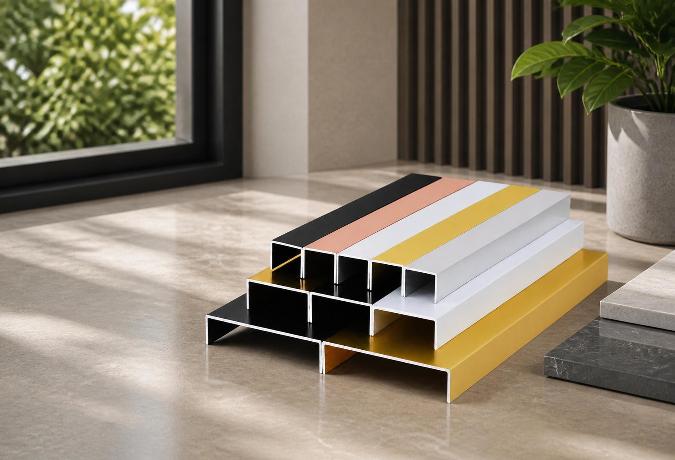
Engineering Tolerances and Alloy Mechanics in Extruded Aluminium Construction Profiles
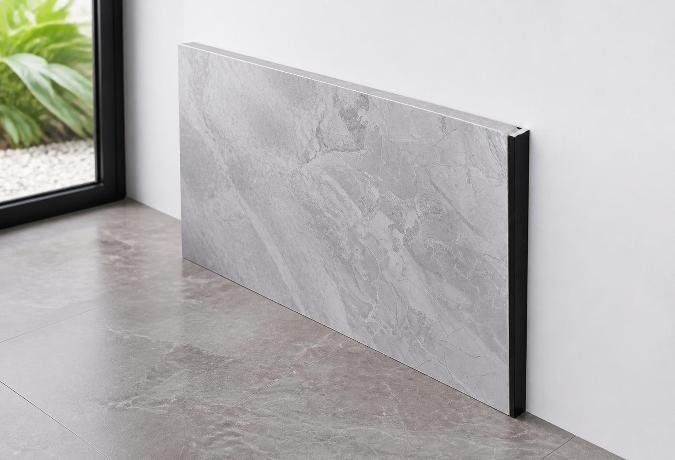
The Engineering Mechanics Behind Aluminium Angle Profiles in Modern Construction
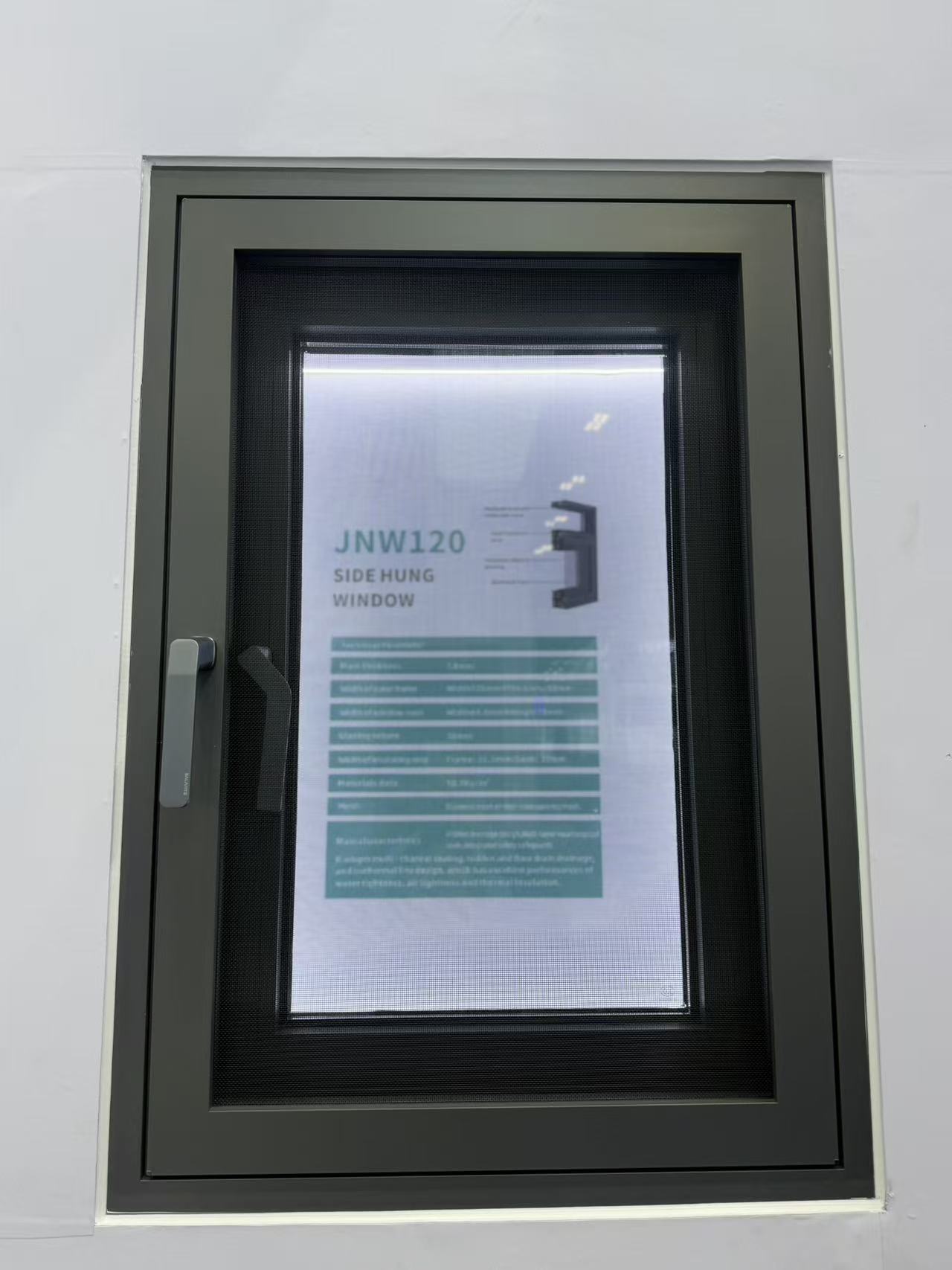
Can an Industrial profile be modified for my assembly without weakening it?
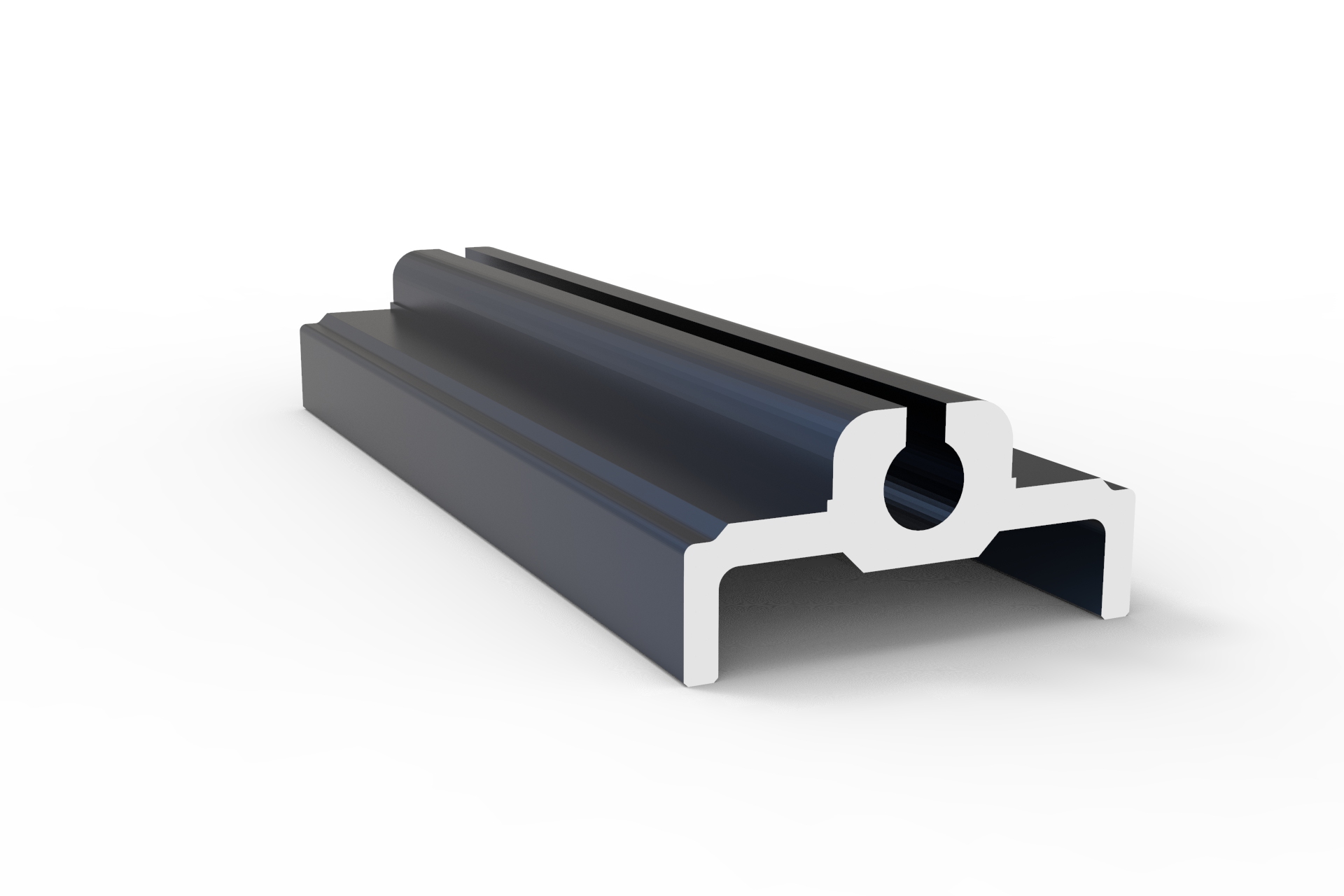
What warning signs suggest a Sliding door seller may disappear after payment?
What energy-efficient alternatives to Casement doors are worth comparing now?
Can a Casement window handle temperature changes without seal failure?
Who pays for unloading and destination handling under Casement door CIF terms?
Custom Aluminium Extrusion Profiles: The Engineering Mechanics of T-Slot Frameworks
Material Transitions and Geometric Stability in Decorative Aluminium Profiles
Can I negotiate a lower Sliding door MOQ for a showroom launch?
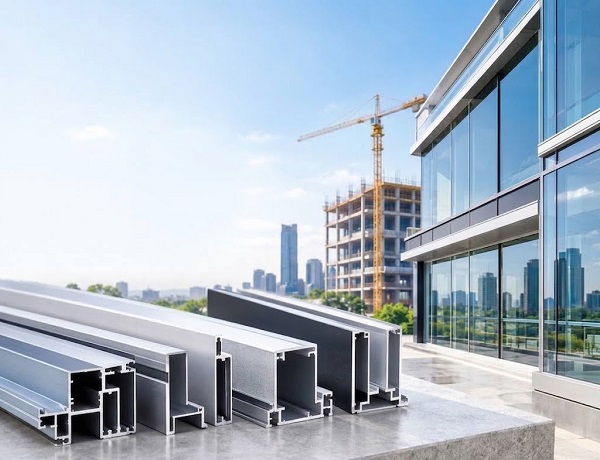
Key Advantages of Using Structural Aluminium Extrusion Profiles in Construction
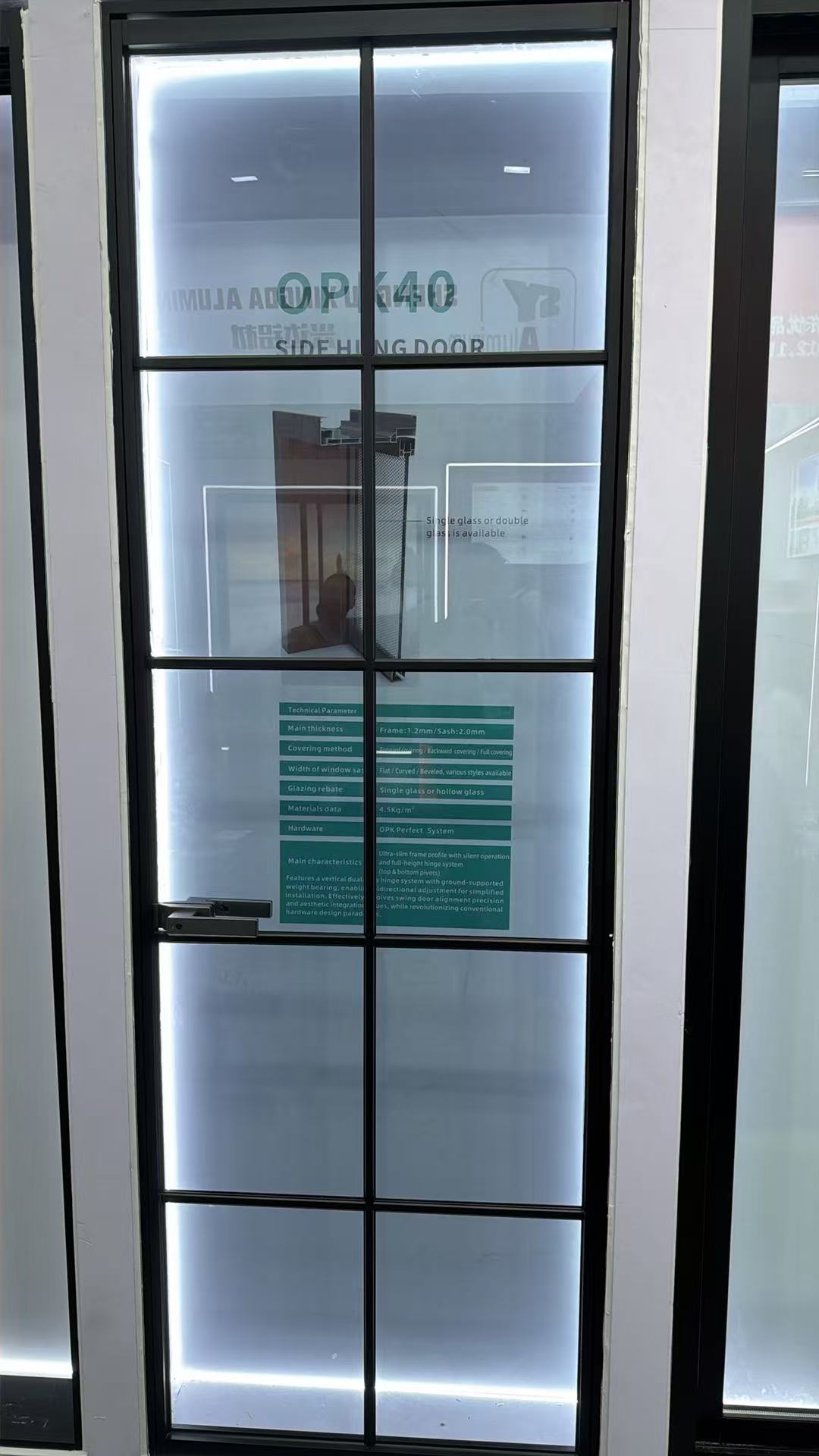
What evidence shows an Awing window factory manages coating waste properly?
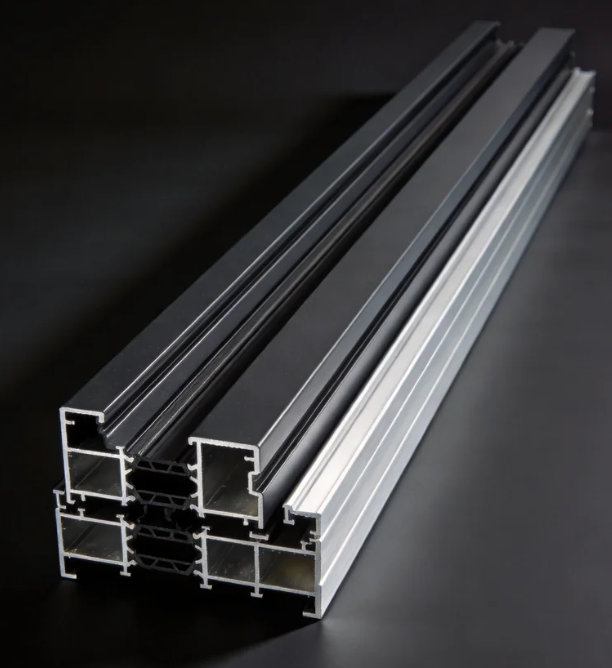
How can I protect my deposit when ordering custom Decorative profile?
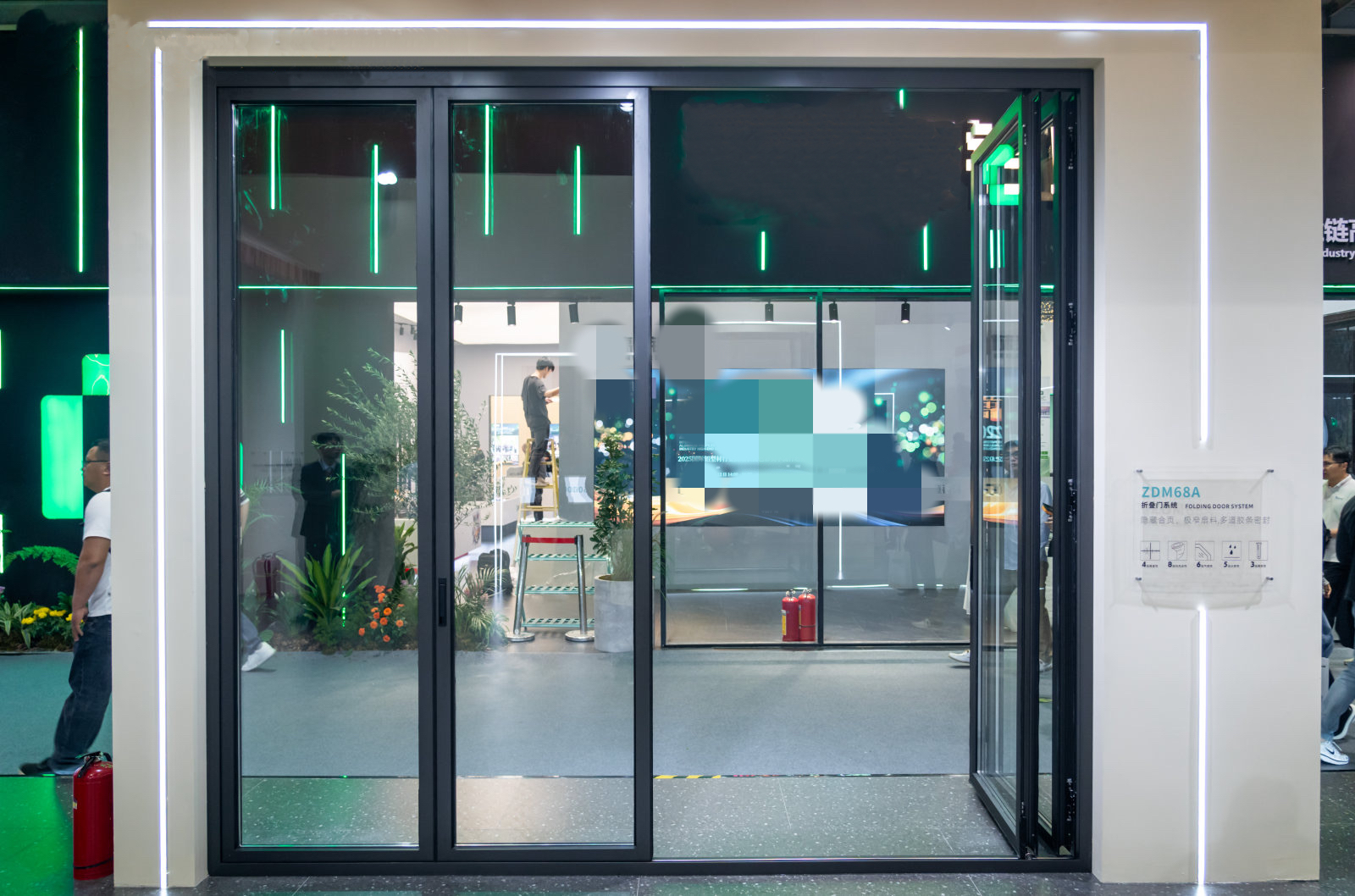
How do I spot unusually low Industrial profile prices before committing funds?
How can I check that a Shutter supplier is not using unapproved subcontractors?
What contract terms protect my Casement door drawings and branding?
How can I compare Casement door insulation ratings before placing an order?
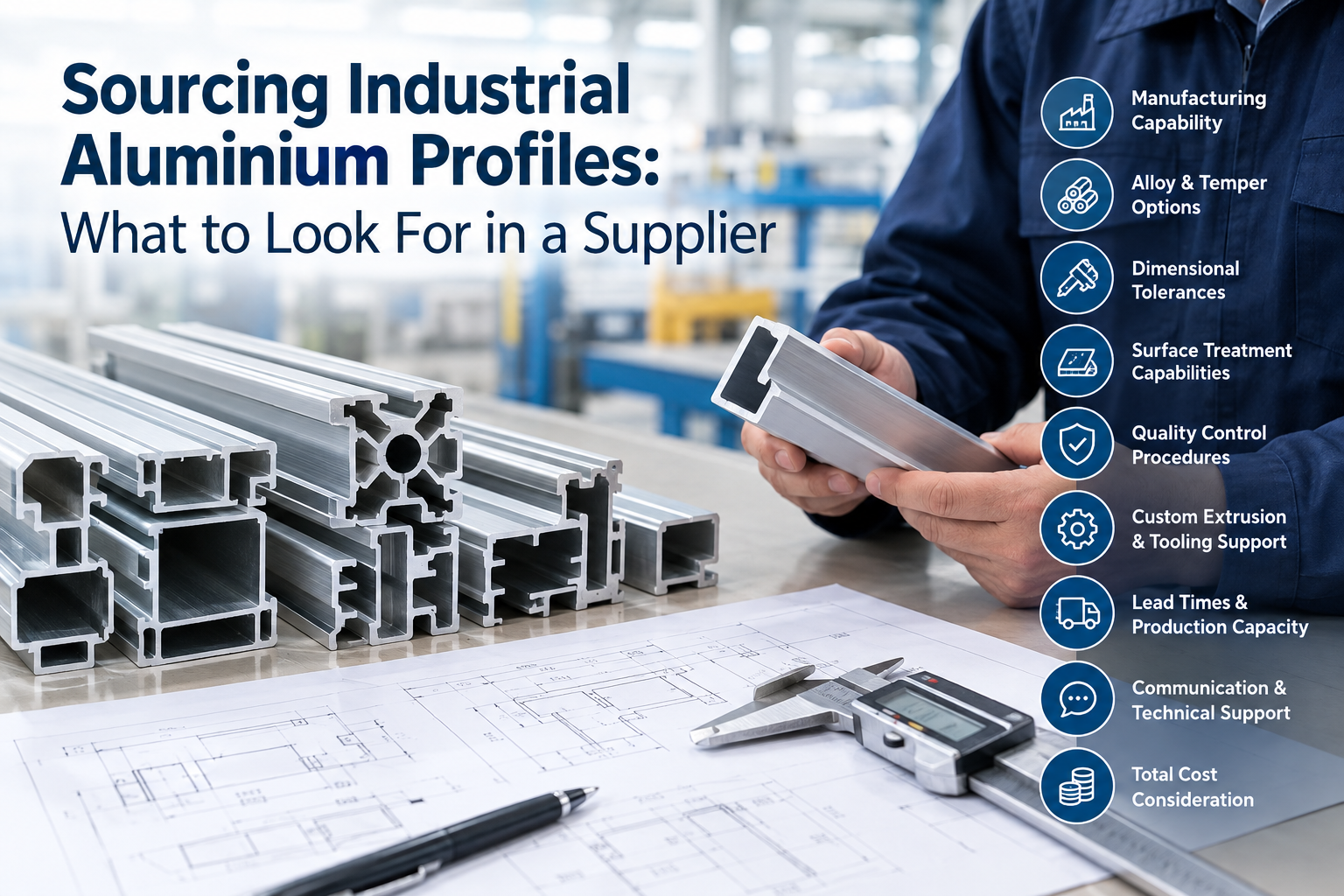
Sourcing Industrial Aluminium Profiles: What to Look For in a Supplier
How do I keep ownership of a custom Architecture profile extrusion die?
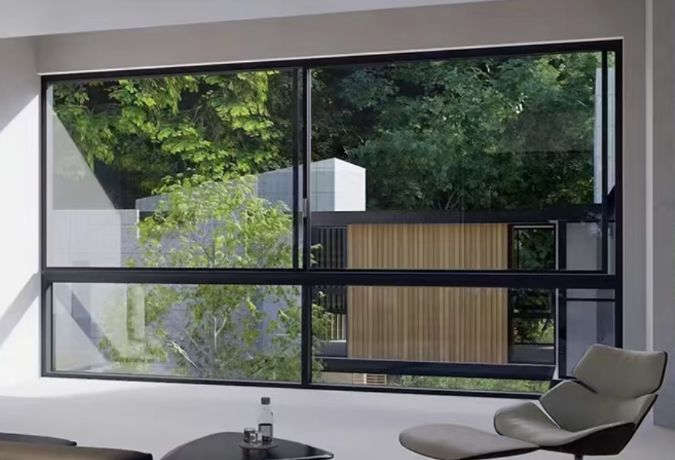
The Energy Efficiency Benefits of an Aluminium Frame Sliding Glass Window
How do I check Industrial profile alloy grades against the shipping documents?
What Casement window warranty period is reasonable for an overseas buyer?
How are defective Sliding window units usually replaced internationally?
How can I reduce breakage risks when shipping Casement windows overseas?
The Structural Mechanics Behind Decorative Aluminium Profiles
How Do Engineers Select Industrial Aluminium Profiles for High-Load Frameworks?
What payment structure reduces my risk on a first Industrial profile order?
Should I approve a Casement window sample before checking its hardware strength?
Structural Mechanics of Channel Extrusions in Architectural Aluminium Profiles
Engineering Mechanics of Aluminium Extrusion Profiles in Channel Systems
What functional tests should I perform on a Sliding door prototype?
What payment terms are fair when Decorative profile colors remain unconfirmed?
Is a letter of credit practical for a large Casement window shipment?
How should Industrial profile bundles be packed to prevent transit damage?
Which safety documents should I request for Awing window imports?
What shipping delays commonly affect Architecture profile orders during peak season?
How to Specify Extruded Aluminium Profiles: Costs, Alloys, and Tolerances
Is a Floding door suitable for a wide opening exposed to strong winds?
Structural Integrity in Modular Design: Engineering T-Slot Aluminium Extrusion Profiles
Resolving Corner Stress: The Engineering Mechanics Behind Aluminium Profiles in Architectural Framin
How do Floding door prices change with glass, hardware, and finish choices?
How can I prove Shutter defects remotely without returning every unit?
How can I shorten Awing window sampling without losing critical tests?
Does ordering mixed Shutter sizes usually change the unit price or MOQ?
How should Industrial profile warranty responsibility be shared after assembly?
How should I plan Shutter inventory when ocean freight schedules change?
How do escrow arrangements reduce risk for a new Floding door supplier?
What frame materials make a Sliding window last in harsh coastal weather?
How can I verify that a Shutter certificate matches the actual product?
Can automated Shutters replace manual systems without raising lifecycle costs?
How do I choose the right Casement window size for a windy building?
What should an ethical audit cover at a Decorative profile factory?
How should I document Industrial profile defects before disputing the final payment?
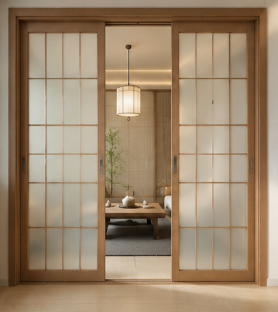
Are lightweight Industrial profile alloys reliable enough for demanding machinery?
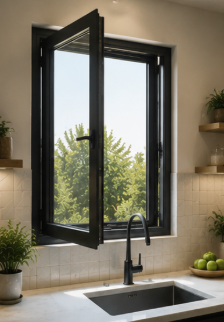
Are thermal-break casement windows becoming a better long-term choice than standard frames?
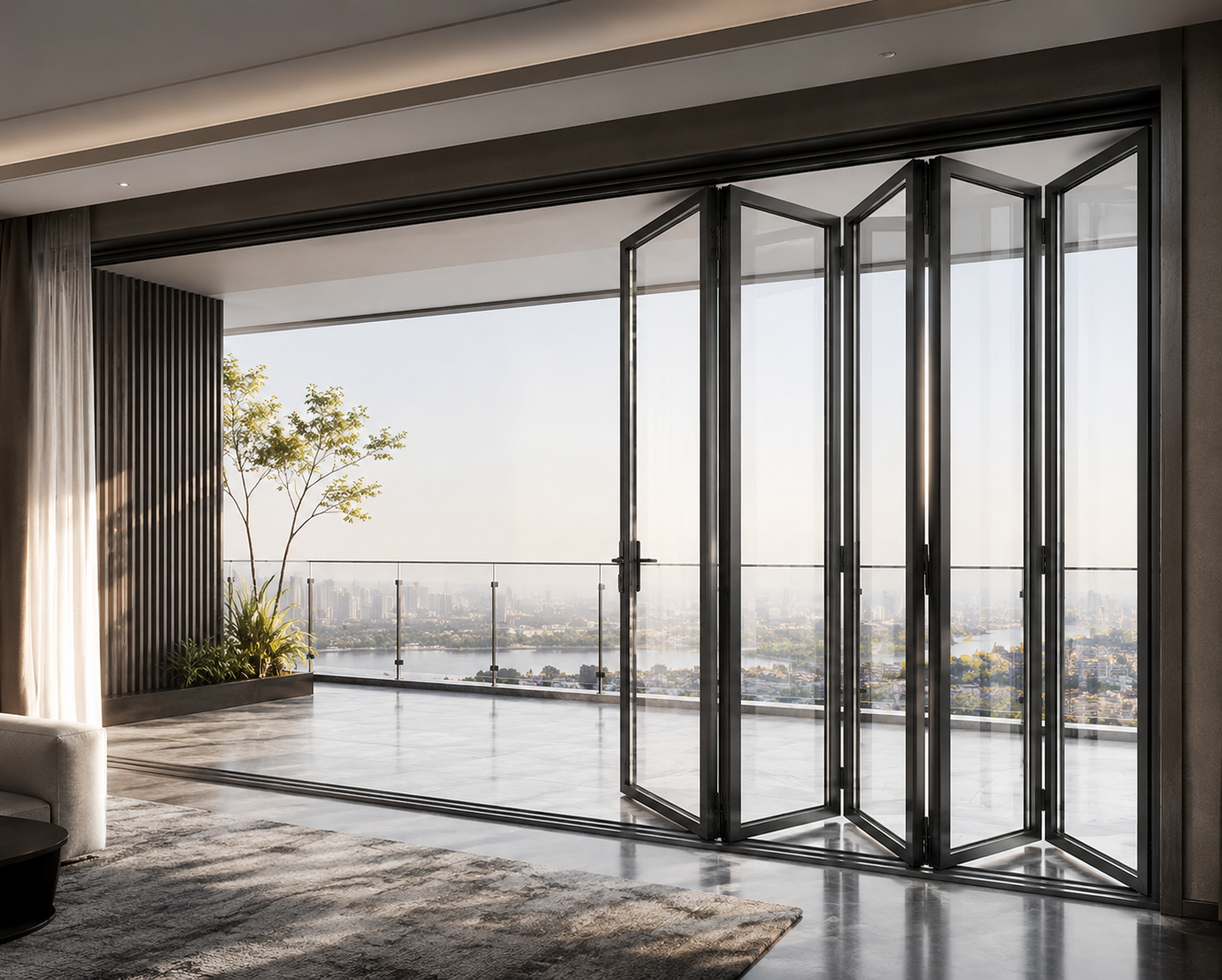
What is a realistic MOQ for custom sliding windows without pushing up unit cost?
What casement window specs should I compare for windy and rainy project sites?
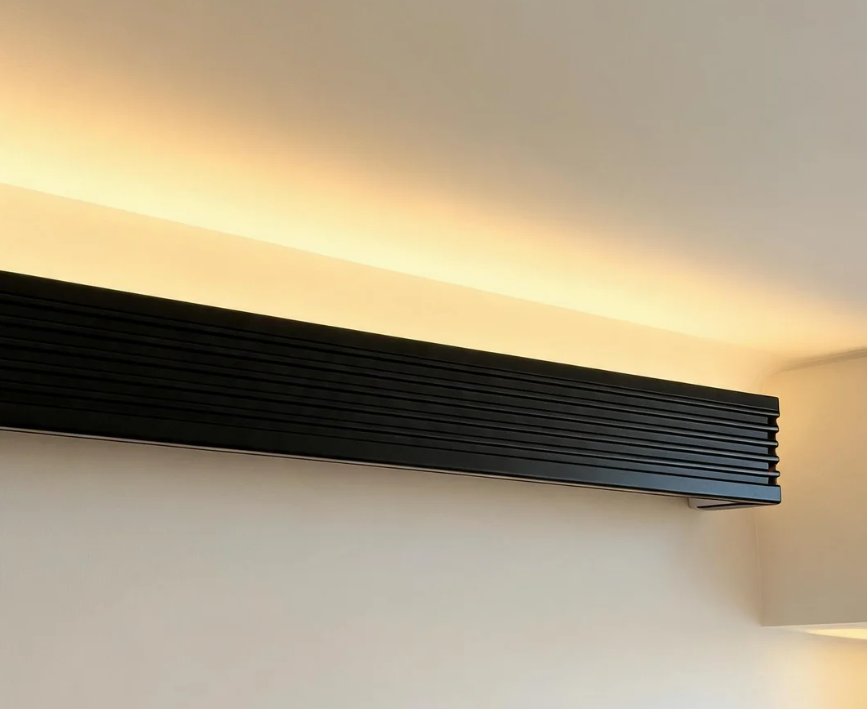
Are there better material options for sliding windows if aluminum prices rise?
How do I ensure aluminum casement windows can handle extreme coastal winds?
What is the typical minimum order quantity for commercial sliding windows?
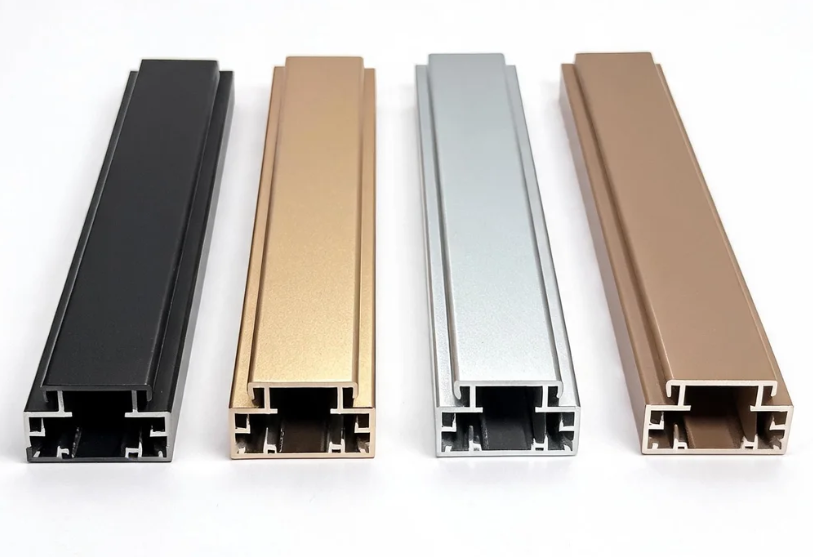
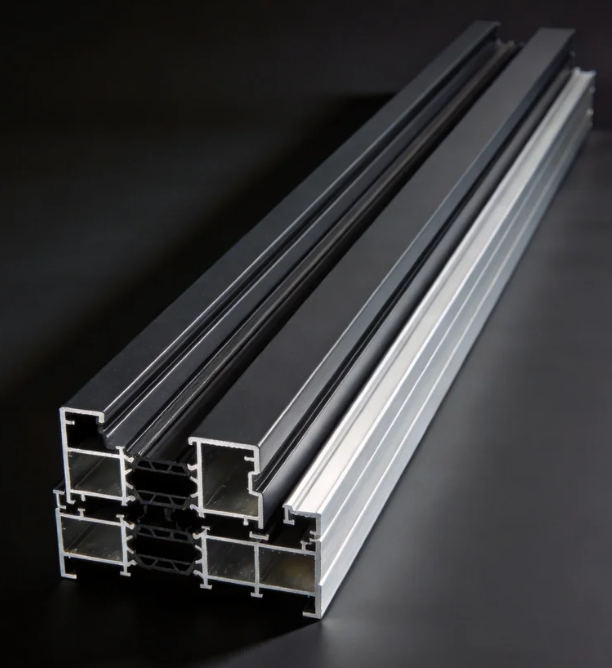
Are there energy-saving alternatives to sliding windows that reduce material and maintenance costs?
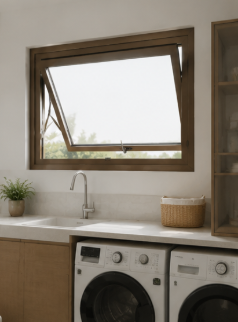
Are energy-efficient Awing windows a practical alternative for reducing long-term building costs?
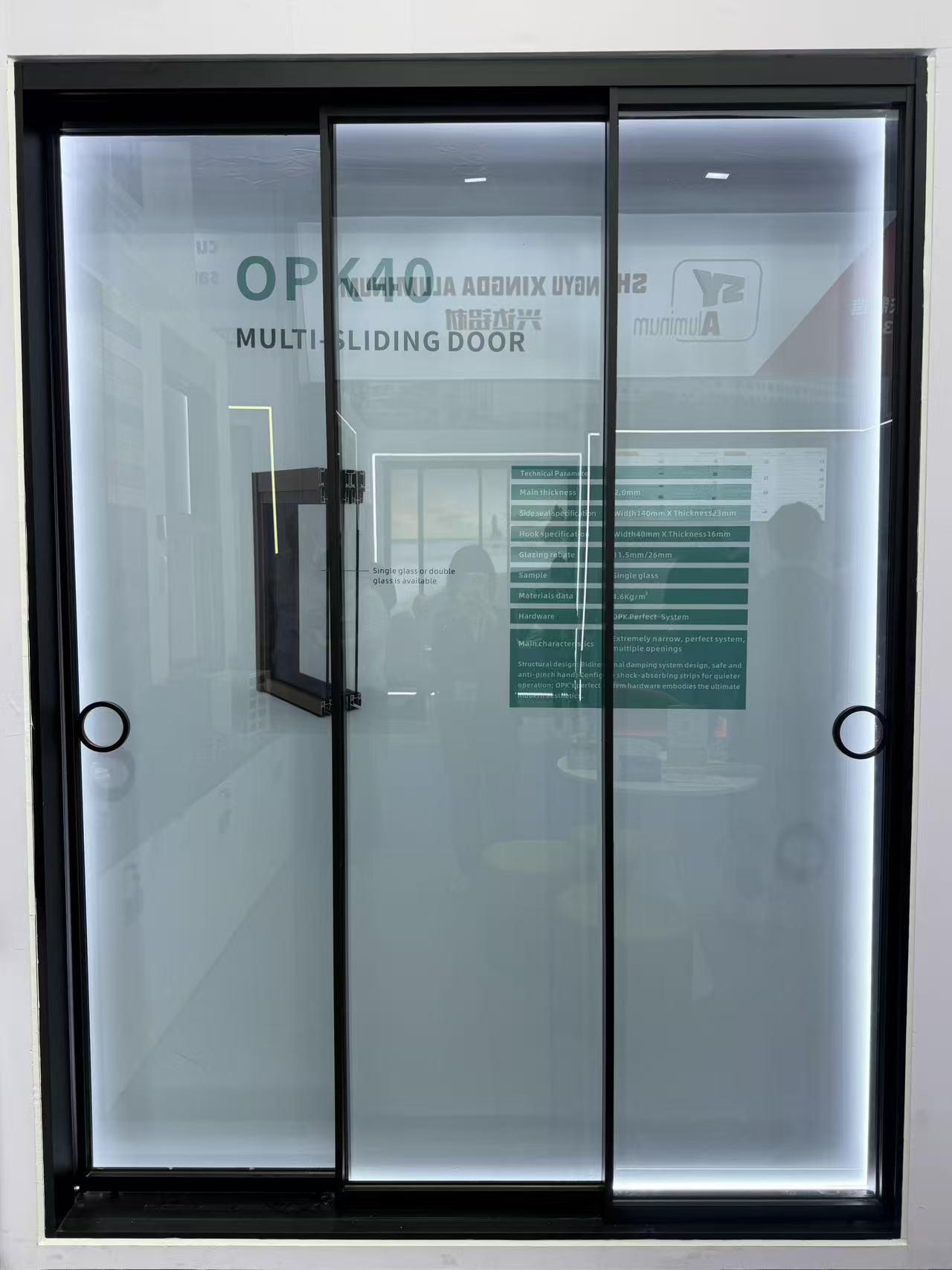
What alternatives to traditional sliding doors can lower costs without sacrificing durability?
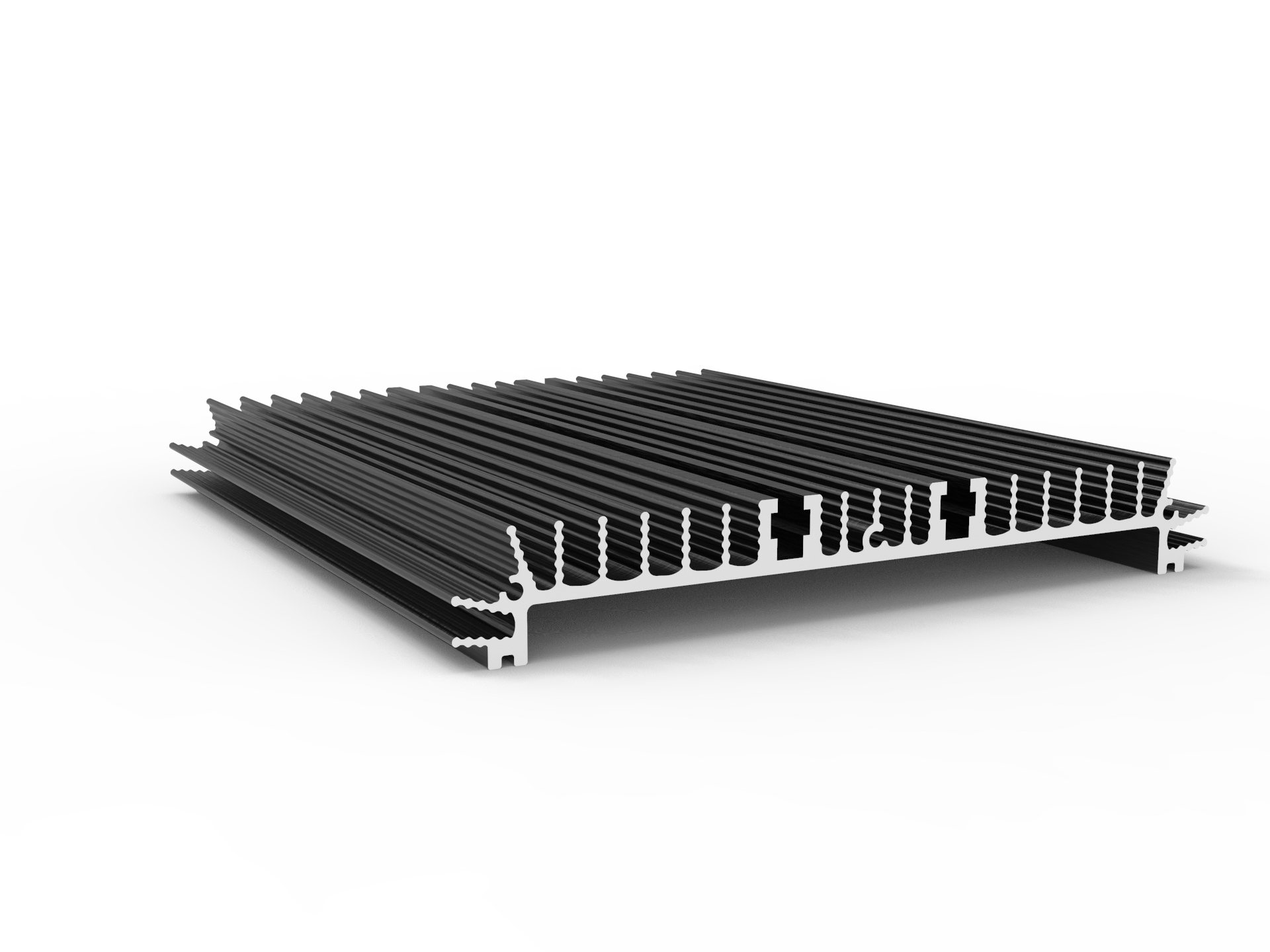
What alternatives to industrial profiles can reduce material costs without hurting strength?
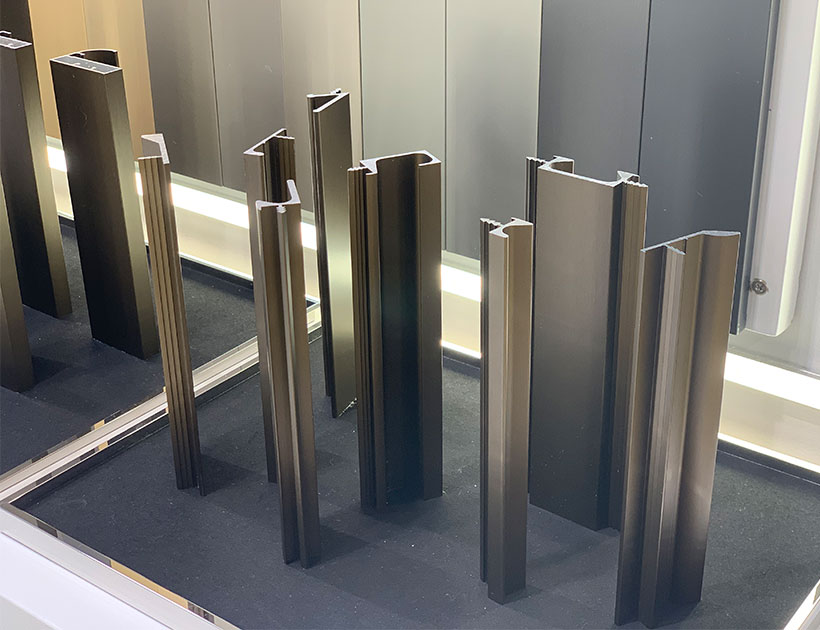
Extruded Aluminium Profiles: Flexible Manufacturing for Diverse Customer Needs
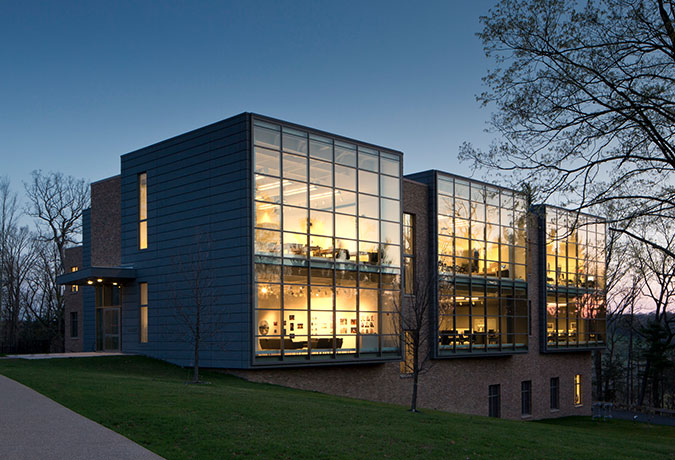
Why Aluminium Curtain Walls Are Popular in Modern Architecture
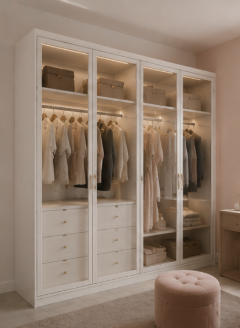
How do I choose a decorative profile that stays stable in humid or harsh environments?
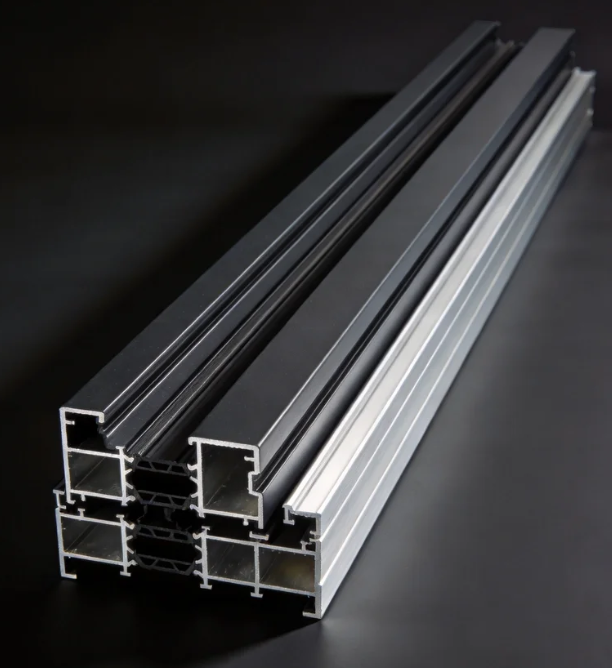
How do I choose an architecture profile that stays stable in harsh outdoor conditions?
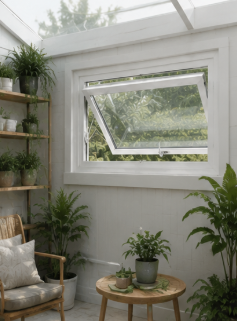
How can I compare Awing window specs to avoid poor performance in harsh weather?
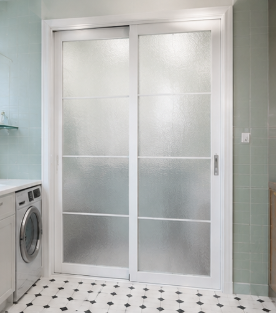
How can I compare Sliding door sizes and hardware ratings for harsh commercial environments?
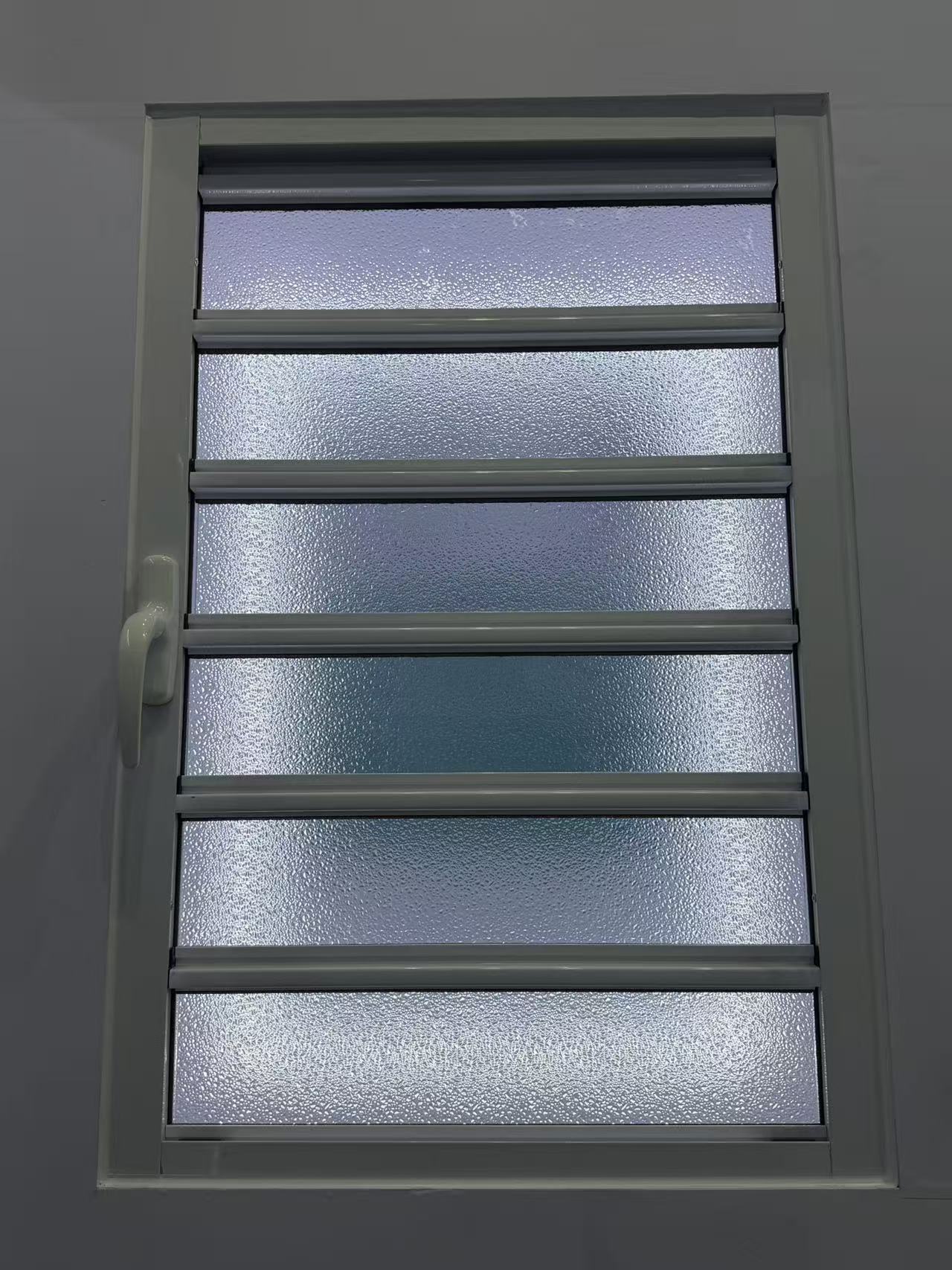
How do I choose the right shutter specifications for harsh climates without overpaying?
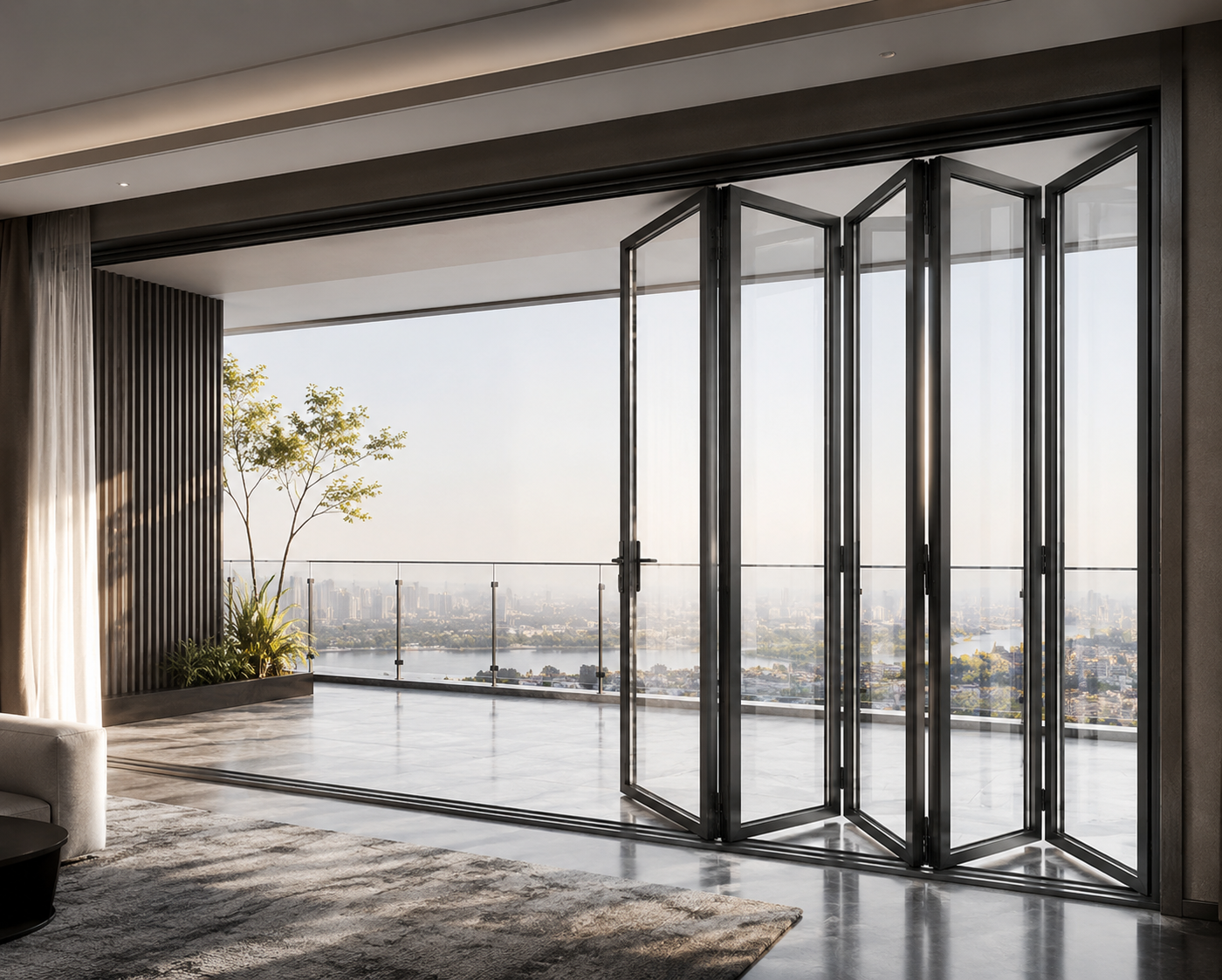
What eco-friendly alternatives to folding doors can cut costs without hurting durability?
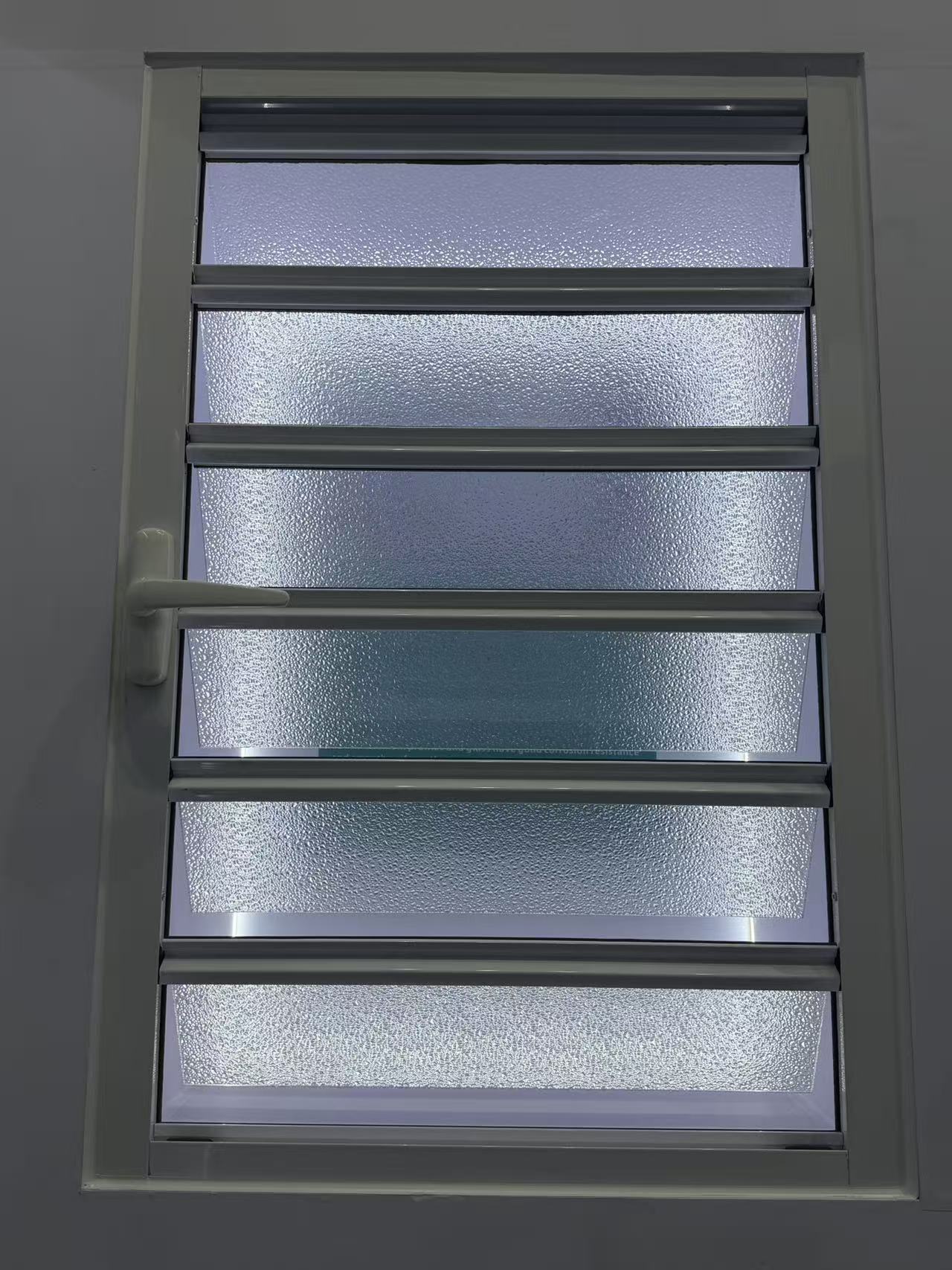
How do I choose the right shutter specifications for harsh weather without overpaying?
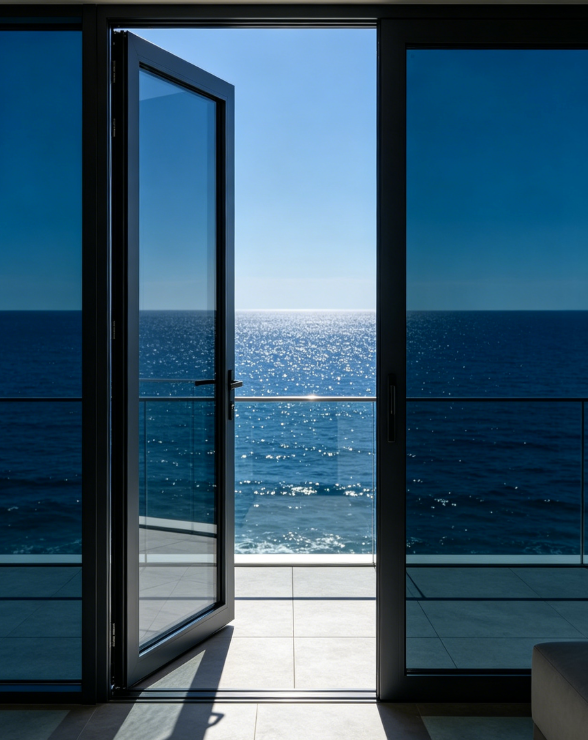
What eco-friendly casement door materials can lower costs without hurting durability?
What newer materials can replace industrial profiles without raising costs or supply risks?
How do I choose a decorative profile that stays stable in humid, high-traffic spaces?
What sustainable material alternatives can replace aluminum architecture profiles?
What should I check in Awing window specs to ensure reliable performance in harsh weather?
How can I compare Sliding door sizes and thermal ratings for harsh climates before buying?
What newer materials can replace aluminum in awning windows without raising our costs?
How do I choose the right Sliding door specs for smooth operation in harsh environments?
How do I choose a folding door that stays stable in harsh weather and heavy daily use?
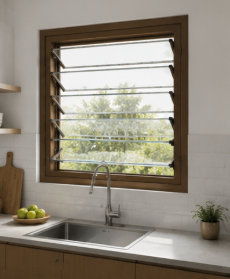
How can I choose the right shutter specifications for harsh weather and long-term use?
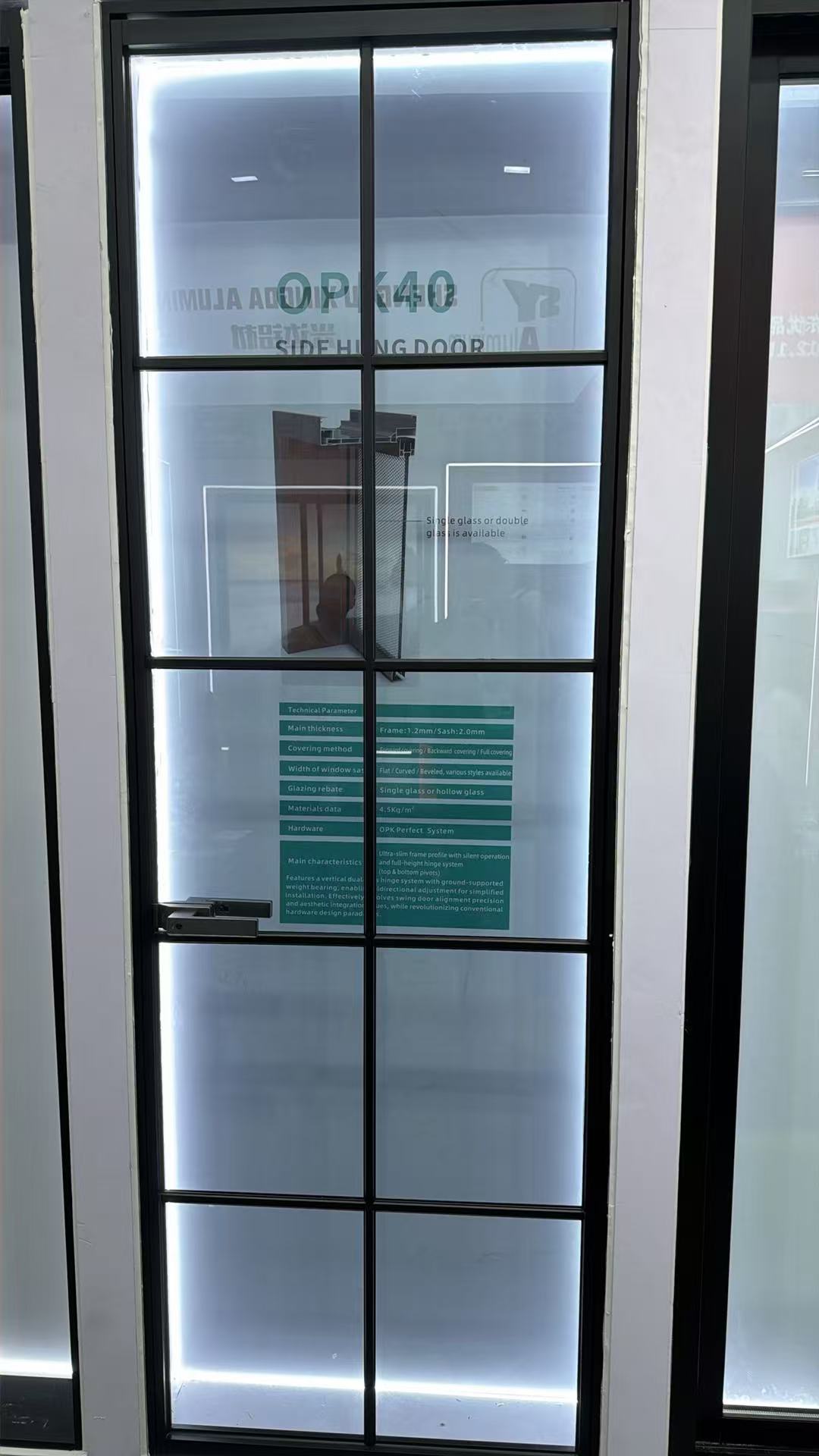
How do I compare casement door U-values, hardware, and weather sealing before buying?
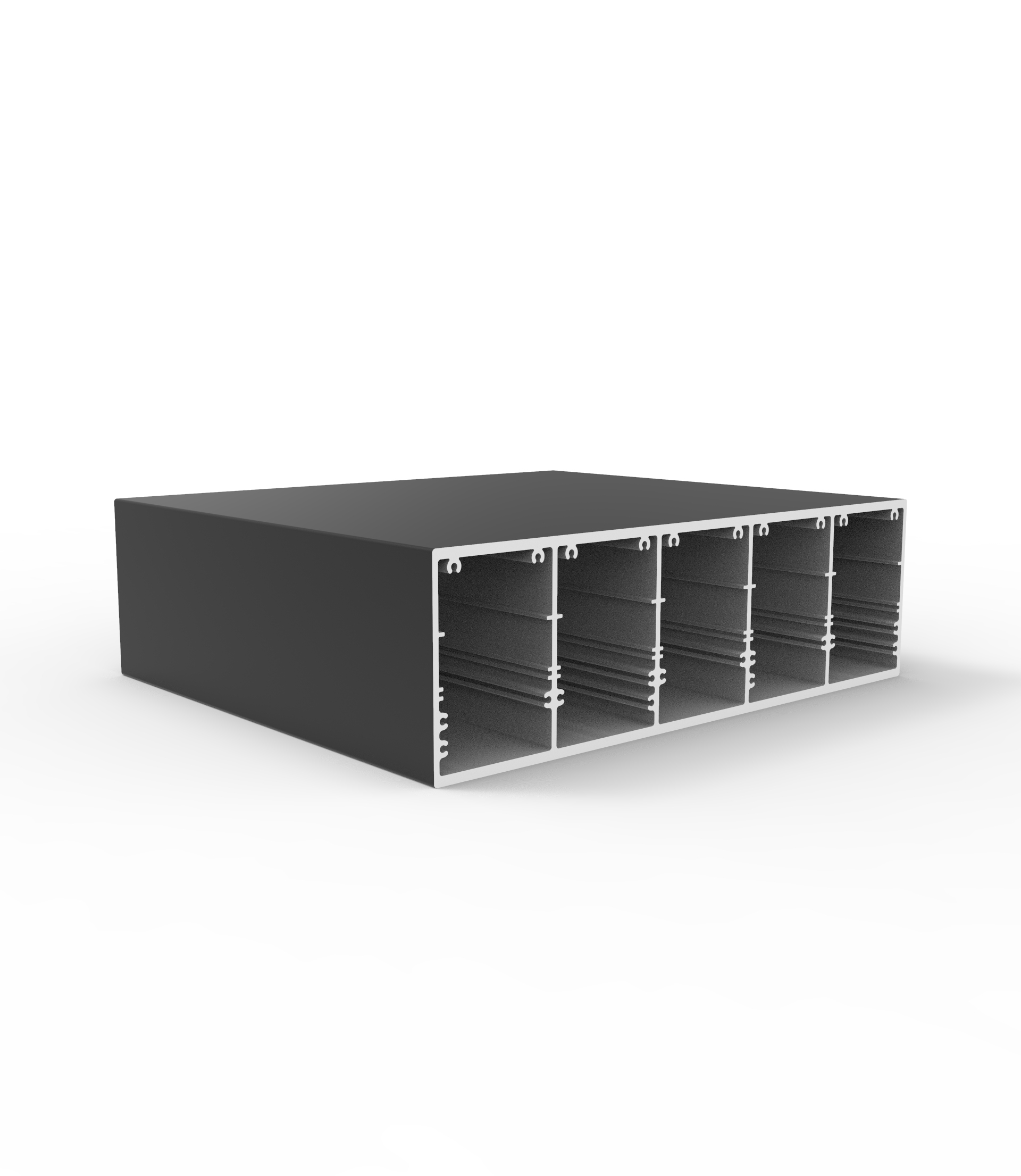
How do I choose the right industrial profile size for strength and load needs?
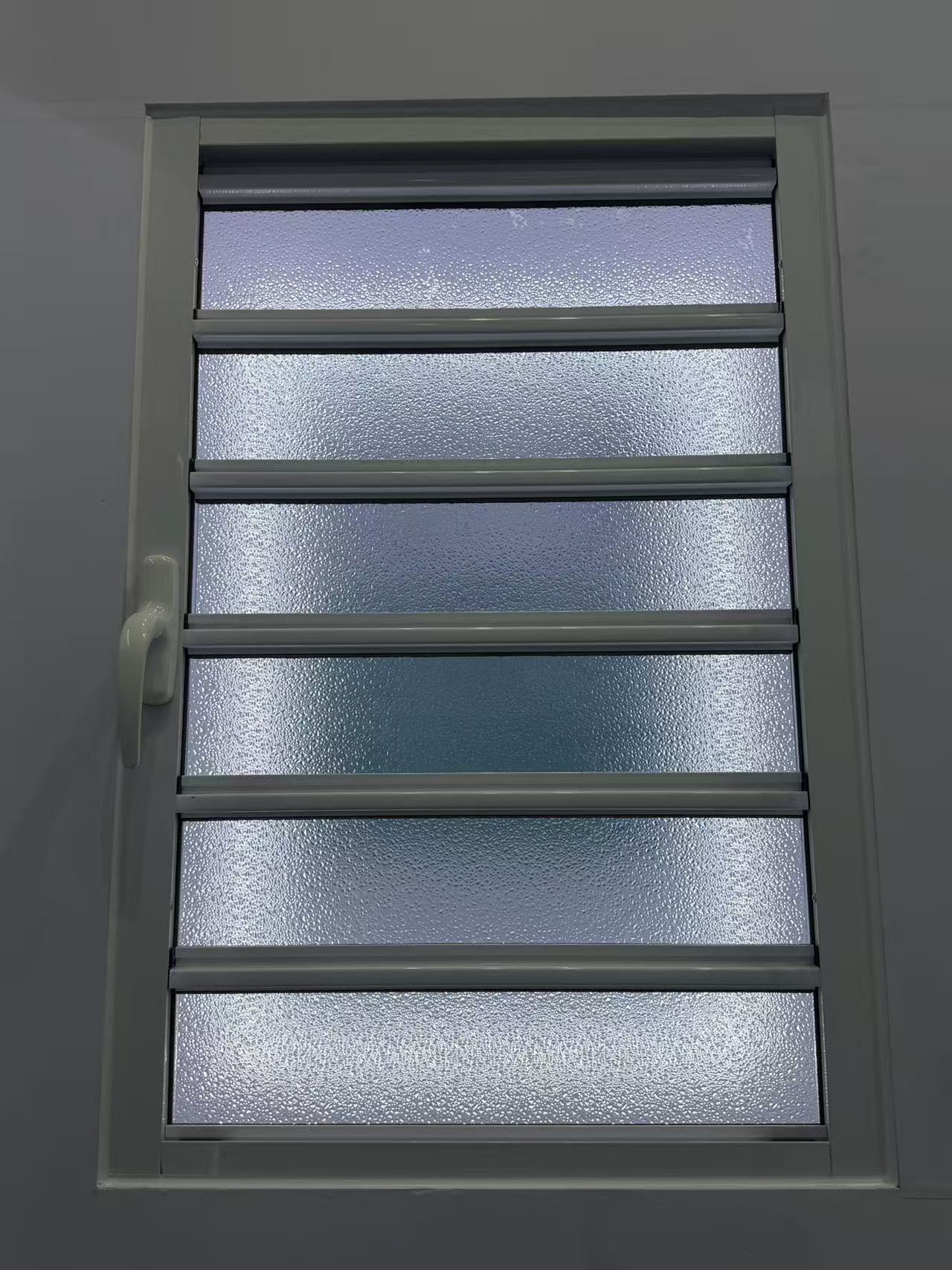
How do I choose the right shutter specifications for harsh weather and long-term commercial use?
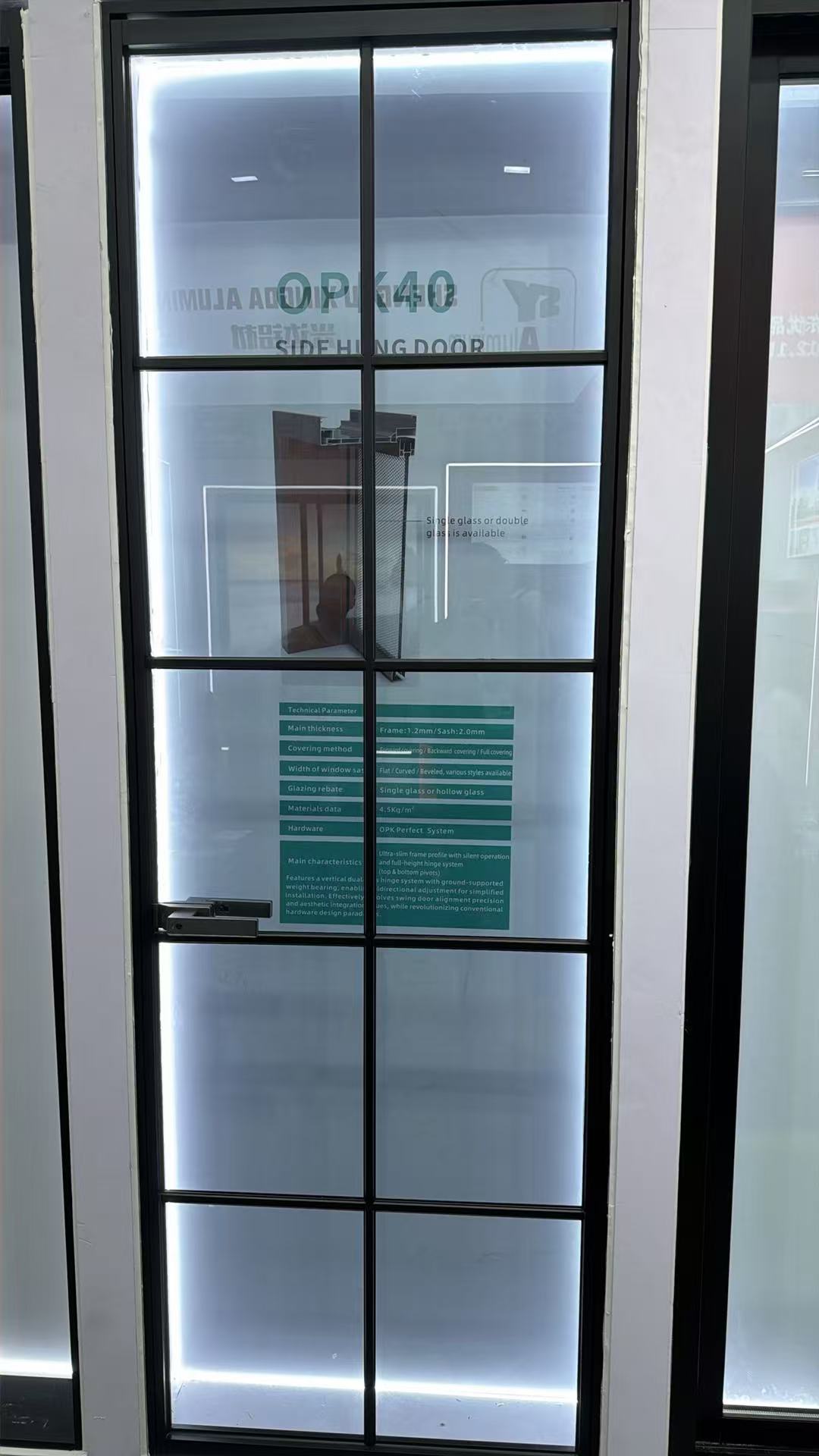
How do I choose the right Casement door size and hardware for harsh weather?
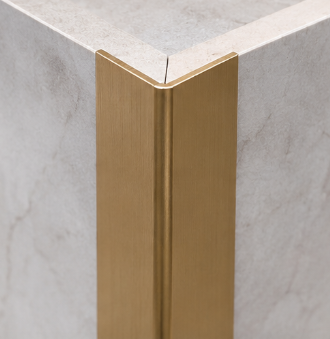
What greener alternatives to decorative profile can cut costs without hurting durability?
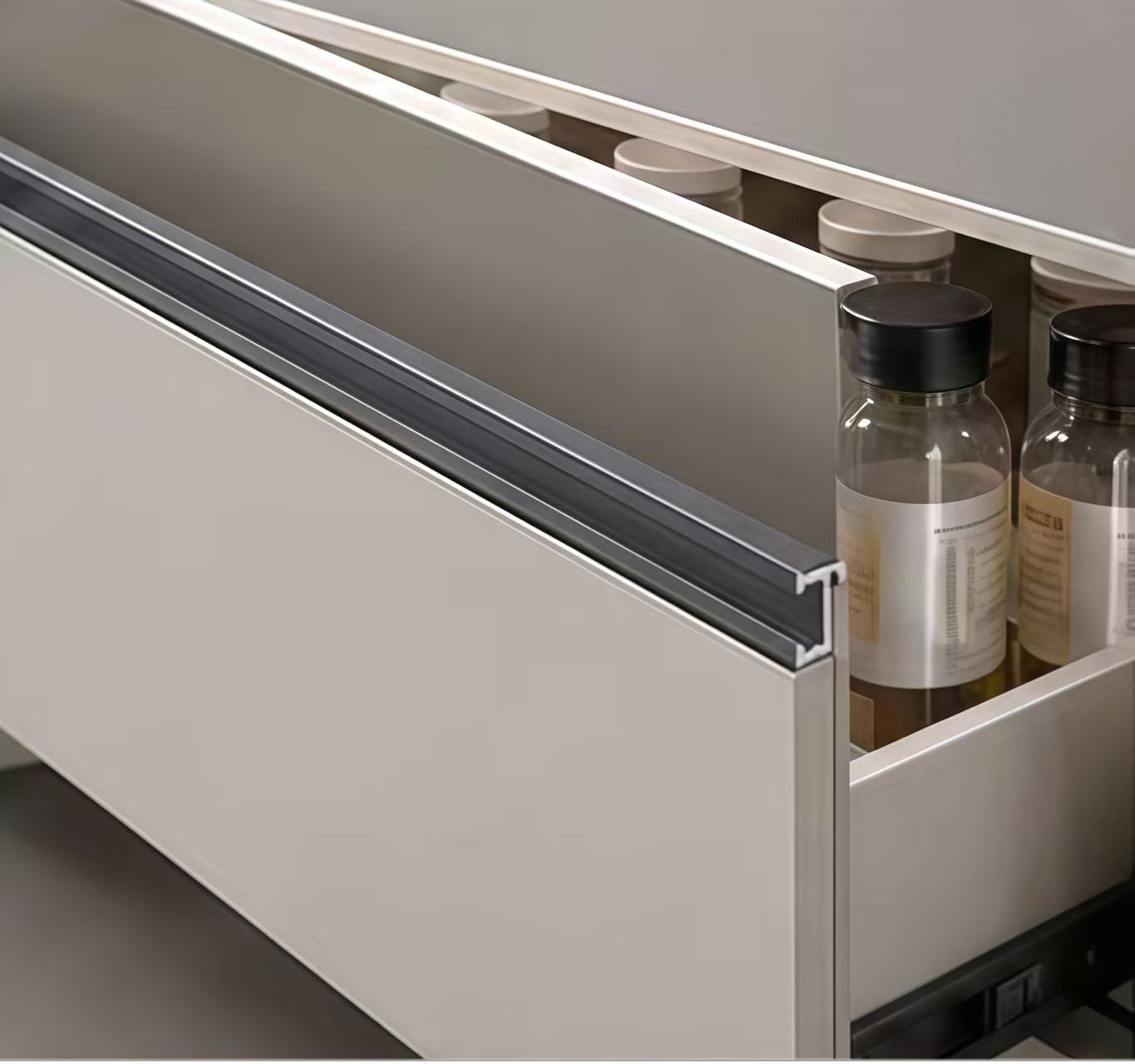
What lower-cost, eco-friendly materials can replace decorative profiles?
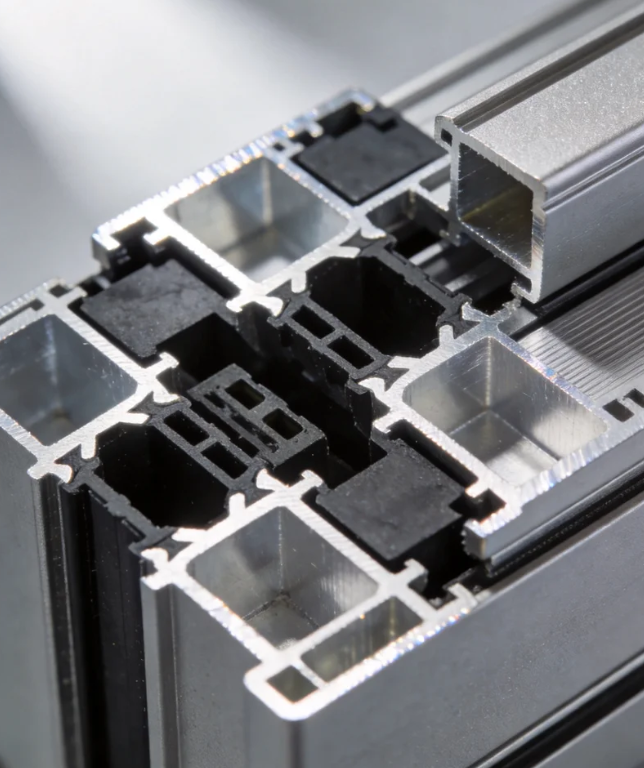
What lower-carbon alternatives to aluminum architecture profiles are practical for our project?
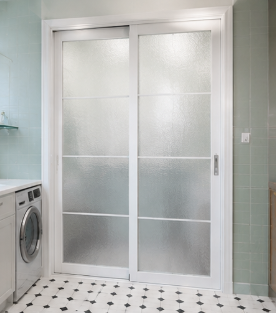
How can I compare sliding door systems for insulation, security, and long-term use?
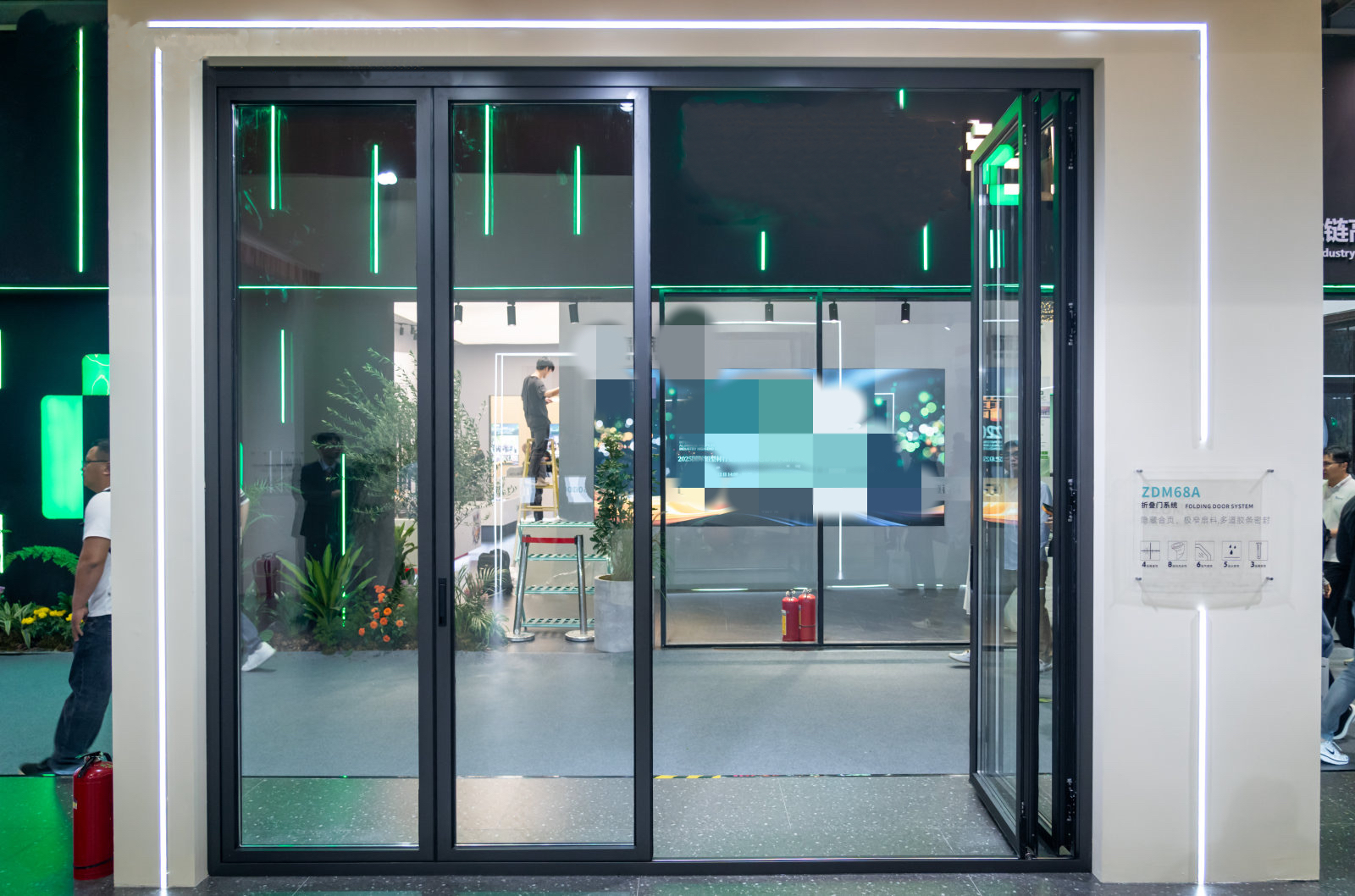
What is the standard production lead time for bulk orders of folding doors?
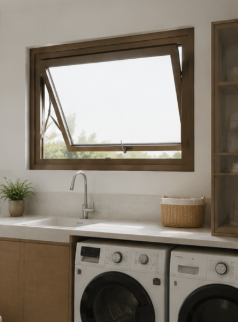
How do I choose the right Awing window size and glass specification for harsh weather?
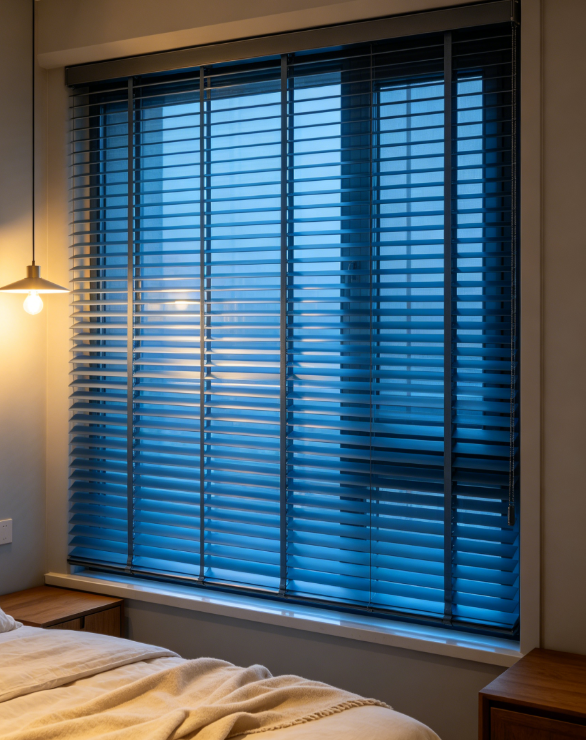
How can I test shutter samples so the final bulk order matches their quality and finish?
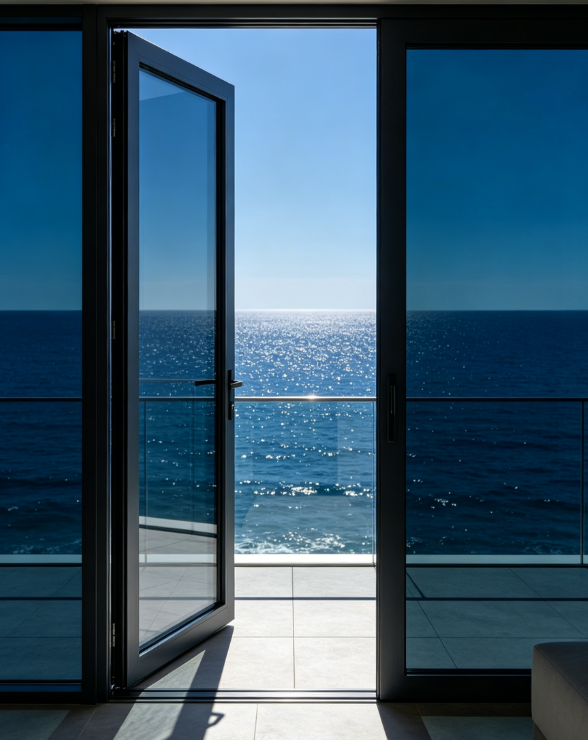
Can suppliers make custom double glass casement doors from my CAD drawings?
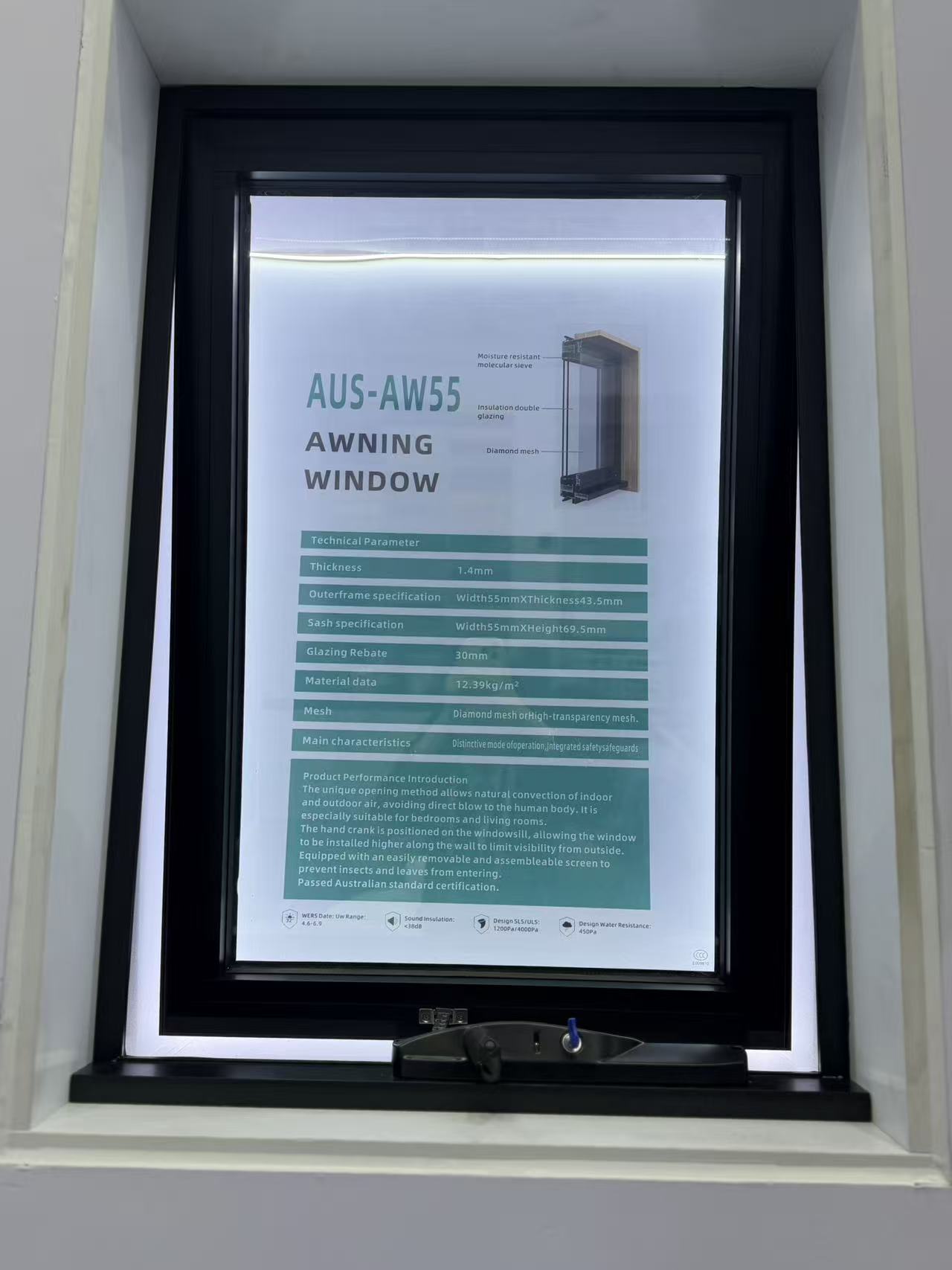
What safety certifications should I request when importing awning windows?
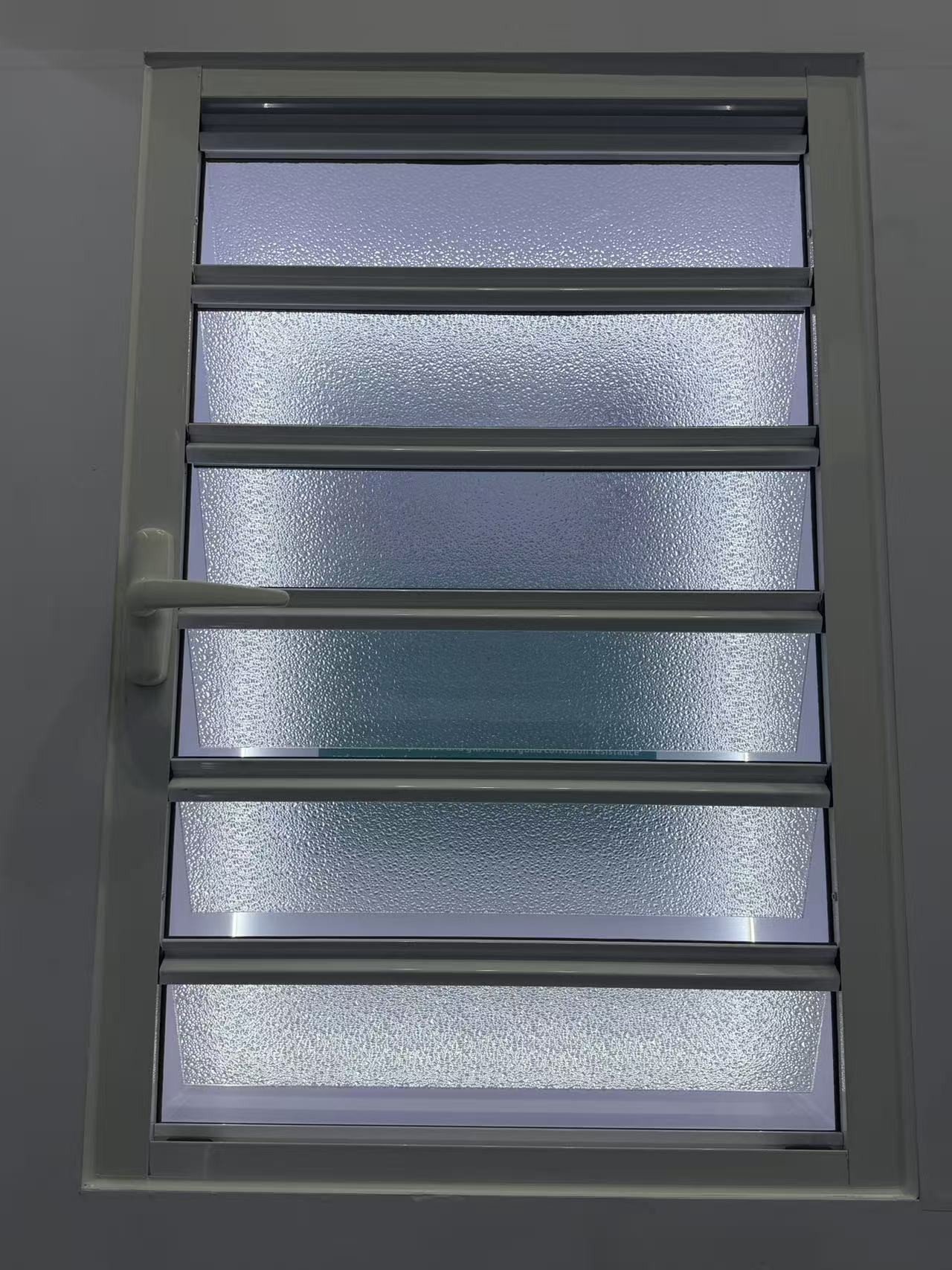
How long does it usually take a factory to make custom shutter samples?
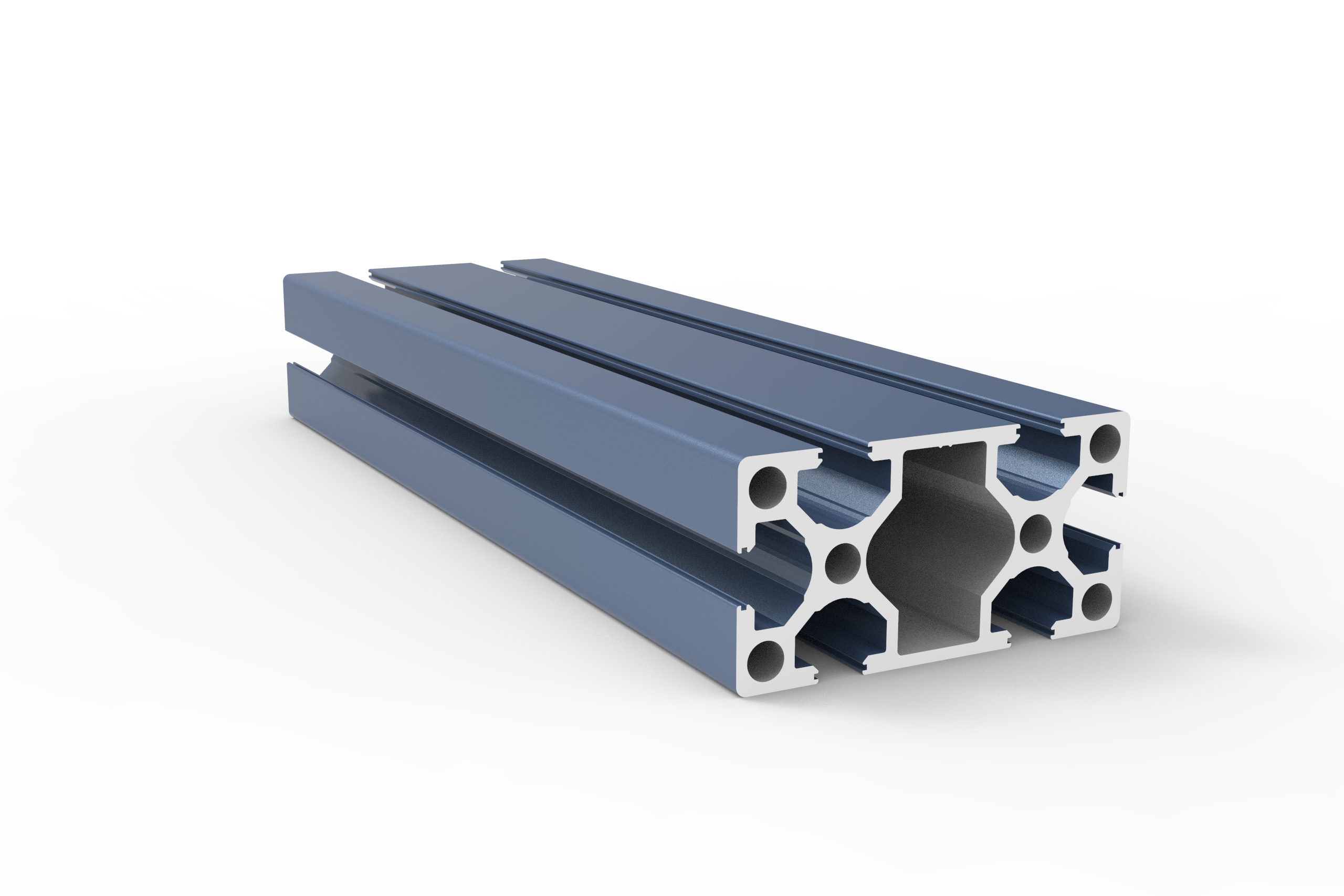
What T-slot industrial profile size is best for a heavy duty machine frame?
How do I choose the right stainless steel decorative profile for high humidity areas?
How do I choose the right aluminum architecture profile for coastal buildings?
How do I choose the right stainless steel decorative profile for high humidity areas?
What wind load specs should I check for aluminum casement windows in coastal high-rises?
How do I know which aluminum industrial profile alloy is best for heavy machinery frames?
How do I choose the right alloy grade for aluminum architecture profiles?
How do I select the right heavy-duty hardware for exterior commercial floding doors?
How do I select the right glass thickness for bulk awing window orders?
What frame thickness is recommended for commercial aluminum casement doors?
What frame thickness is best for high-rise commercial sliding windows?
How to choose weather resistant aluminum floding door specs for commercial use?
How do I choose the best water tightness rating for commercial awing windows?
How do I choose the right frame material for commercial casement doors?
How do I choose the right wind load rating for sliding windows in coastal areas?
What is the best material for outdoor decorative profiles to prevent rust and fading?
How do I choose the right track thickness for high-traffic commercial sliding doors?
How do I choose between PVC and basswood shutters for high-humidity areas?
How do I choose between double and triple glazing for casement windows in cold climates?
How do I choose the right industrial profile thickness for heavy-duty cnc machine frames?
How do I choose the right alloy for outdoor architecture profiles to prevent corrosion?
Can you design a slim frame profile for modern minimalist look?
How do I choose the right wind-resistant floding door for a coastal commercial building?
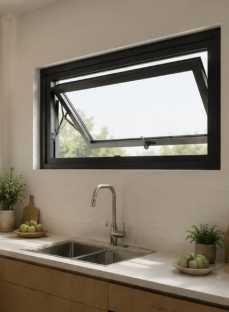
What key specs ensure a casement window can withstand heavy rain and high winds?
How do I choose the right aluminum alloy grade for heavy-duty industrial profiles?
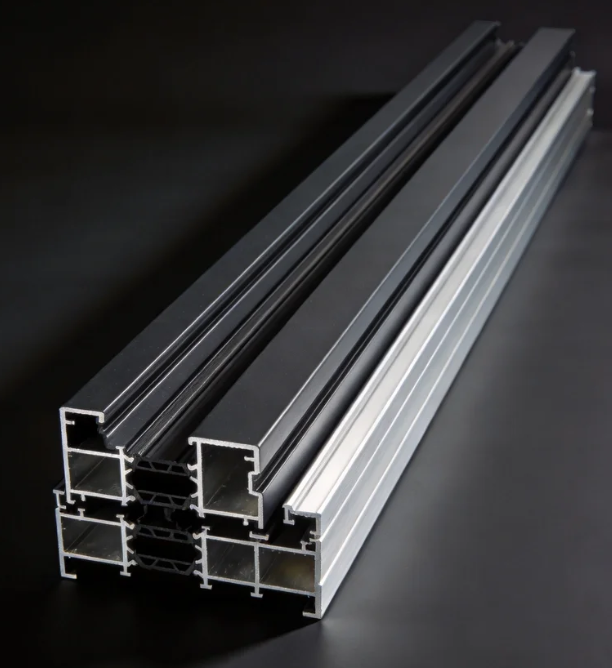
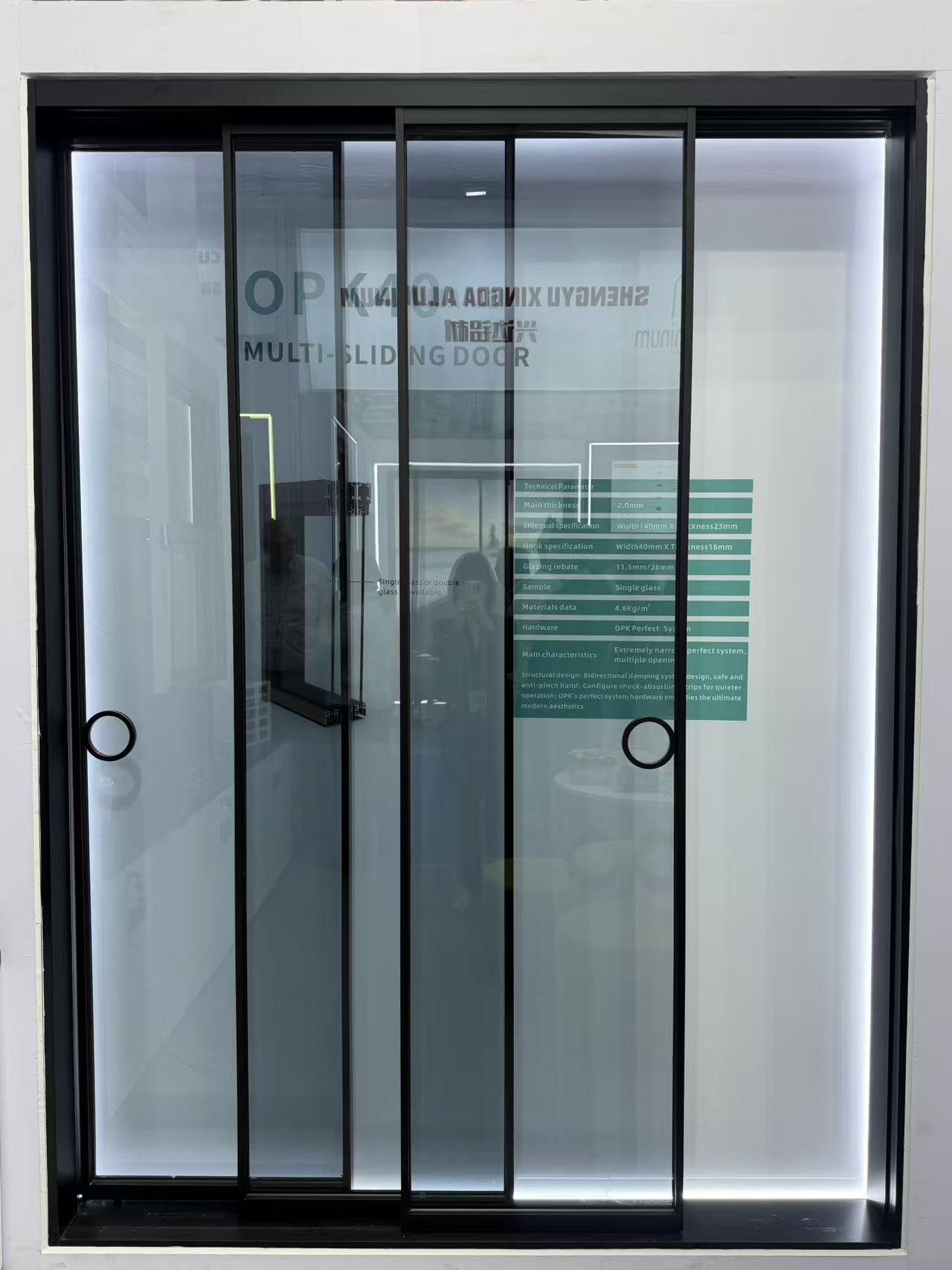
Which alloy grade of architecture profile is best for coastal areas to resist rust?
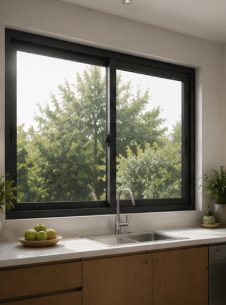
How do you pack windows to prevent glass breakage in transit?
Are slim-frame thermal break systems replacing traditional ones?
Does the price include the matching frame and installation kit?
How do you protect our proprietary design drawings from leaks?
How do I choose the right decorative profile for high-traffic hotel lobbies?
Is your factory the actual manufacturer or a trading partner?
Is it possible to 3D print a prototype before cutting steel?
Do you outsource any part of the painting process to others?
How do you handle replacement parts for damaged track rollers?
Do you accept escrow payments through third-party platforms?
Do you have ISO 9001 certification for your production line?
Are there extra fees if we pay via bank telegraphic transfer?
What is the price difference between powder coat and anodized?
What is the warranty period for the lock and hinge hardware?
What is your policy for dimensional deviations in the batch?
What happens if the shipment is delayed due to factory error?
Do you offer online technical support if color fading occurs?
Is it possible to engrave our brand logo on the tension screw?
Do you offer credit terms for long-term purchasing partners?
Can you palletize the shipments for easy forklift unloading?
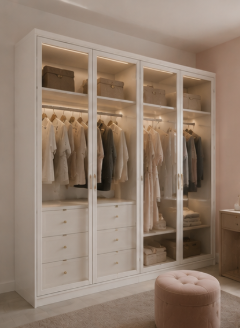
What are the latest eco-friendly finish trends for decorative profiles in modern interior design?
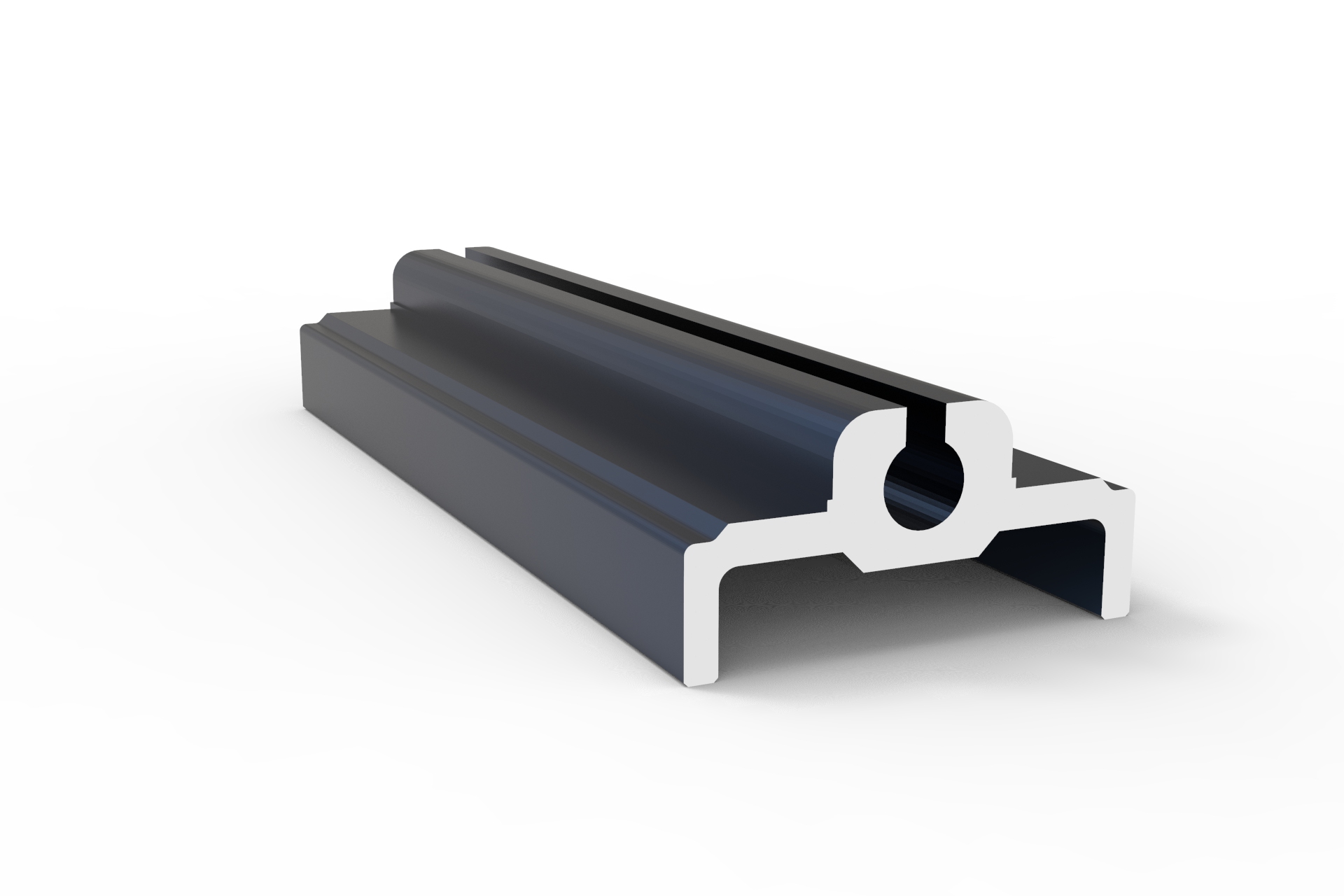
What are the tooling cost and design limitations for customizing heavy-duty industrial profiles?
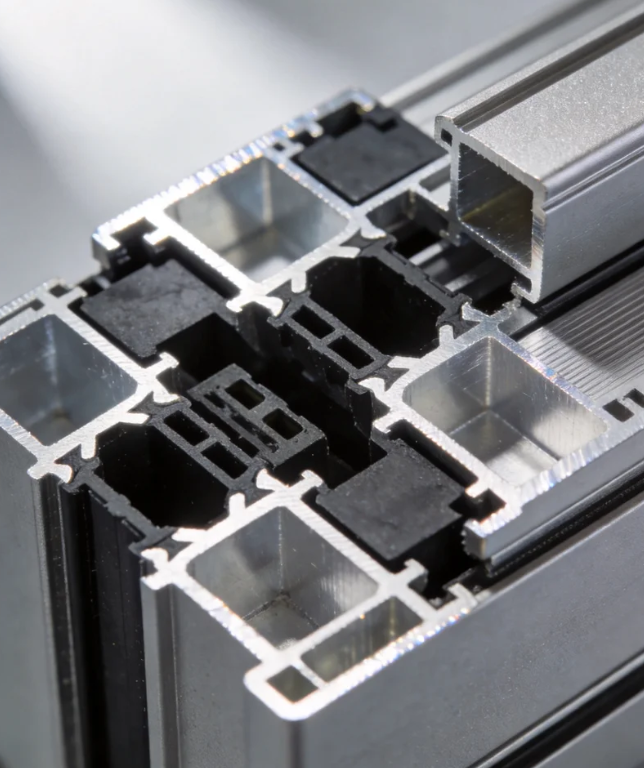
Has your architecture profile manufacturing facility passed ISO 9001 certification?
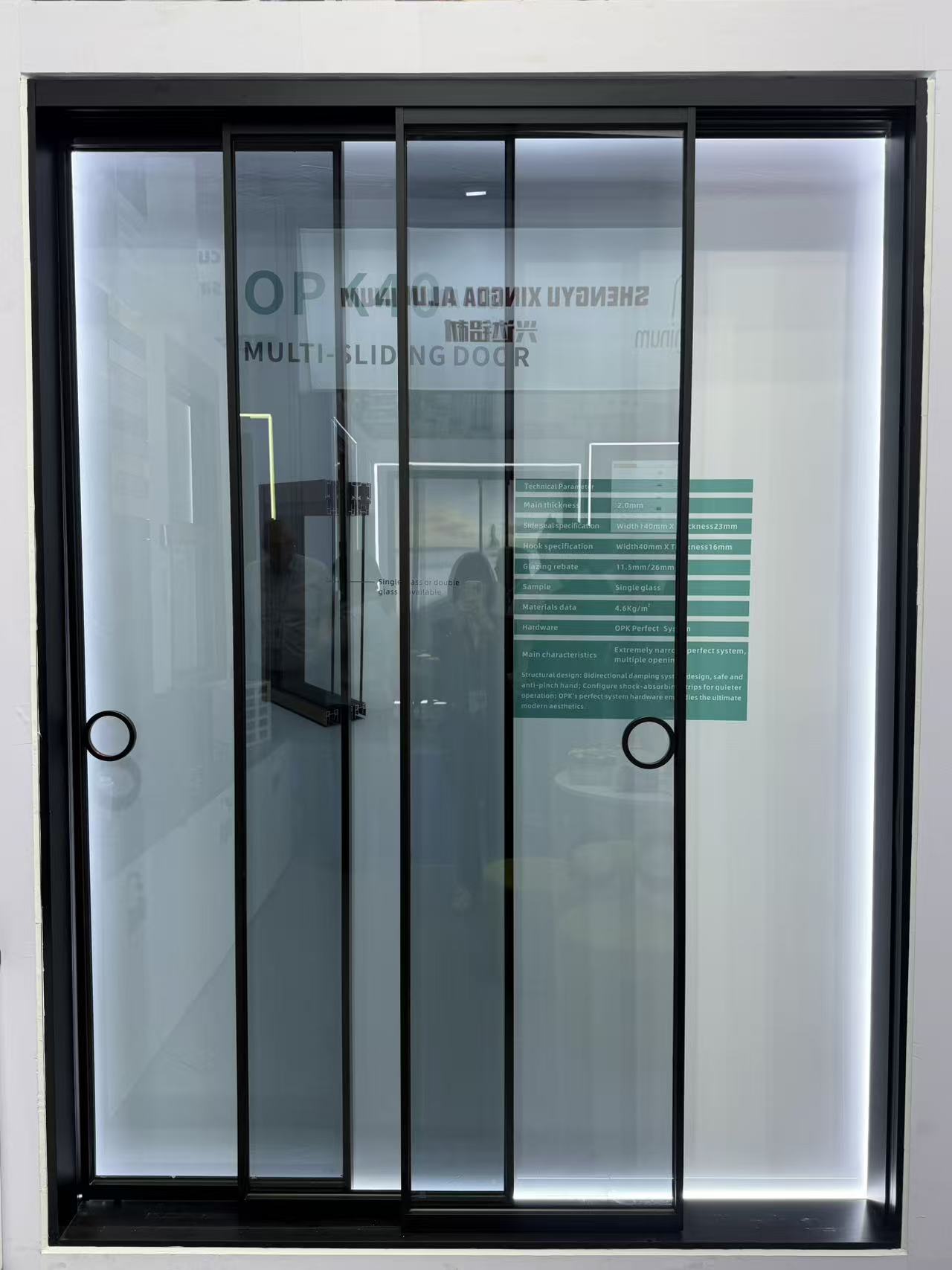
Can we use Alibaba Trade Assurance for our initial sliding door order to mitigate risk?
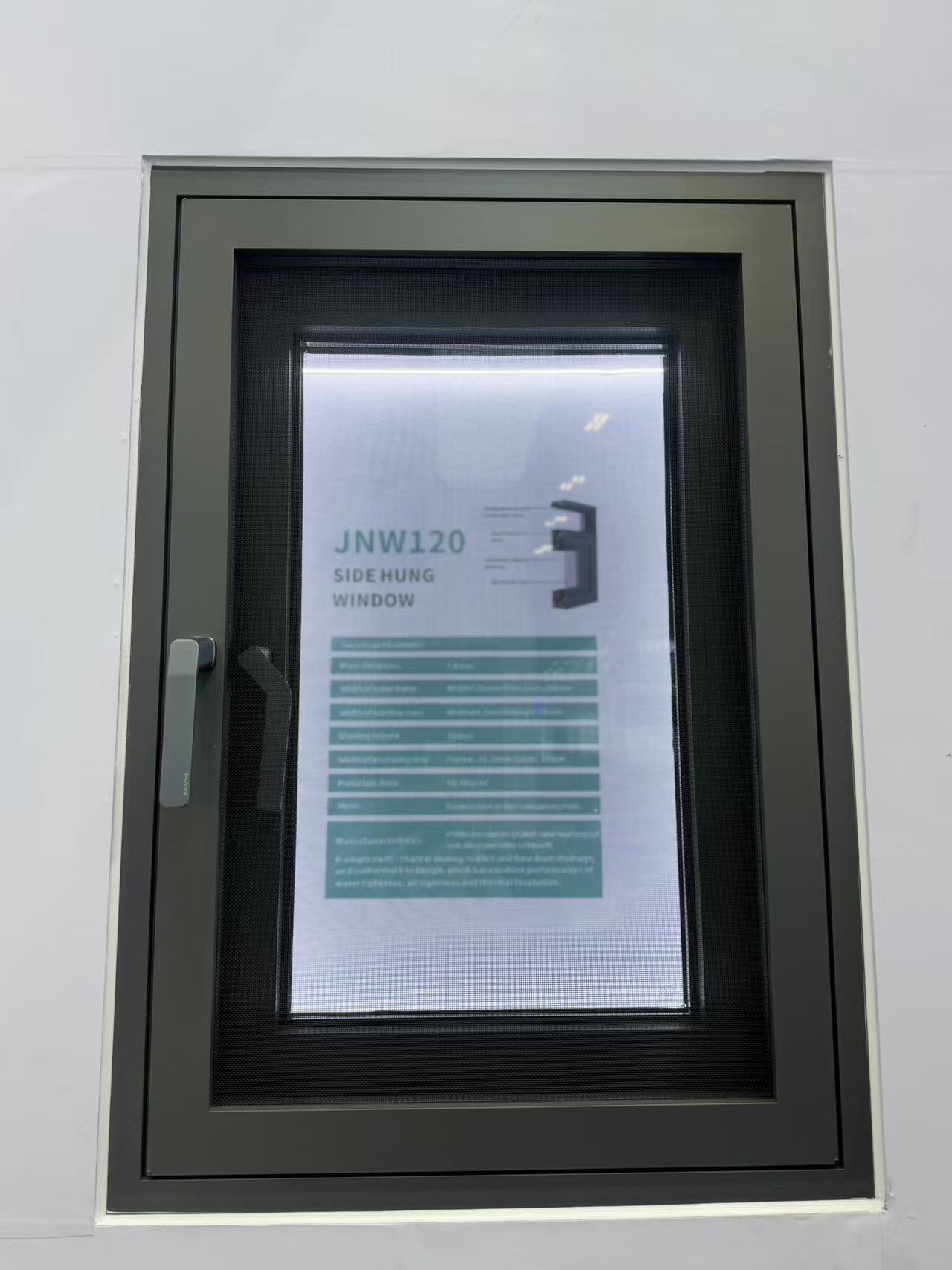
Do you provide free corner samples of the casement window frame for color verification?
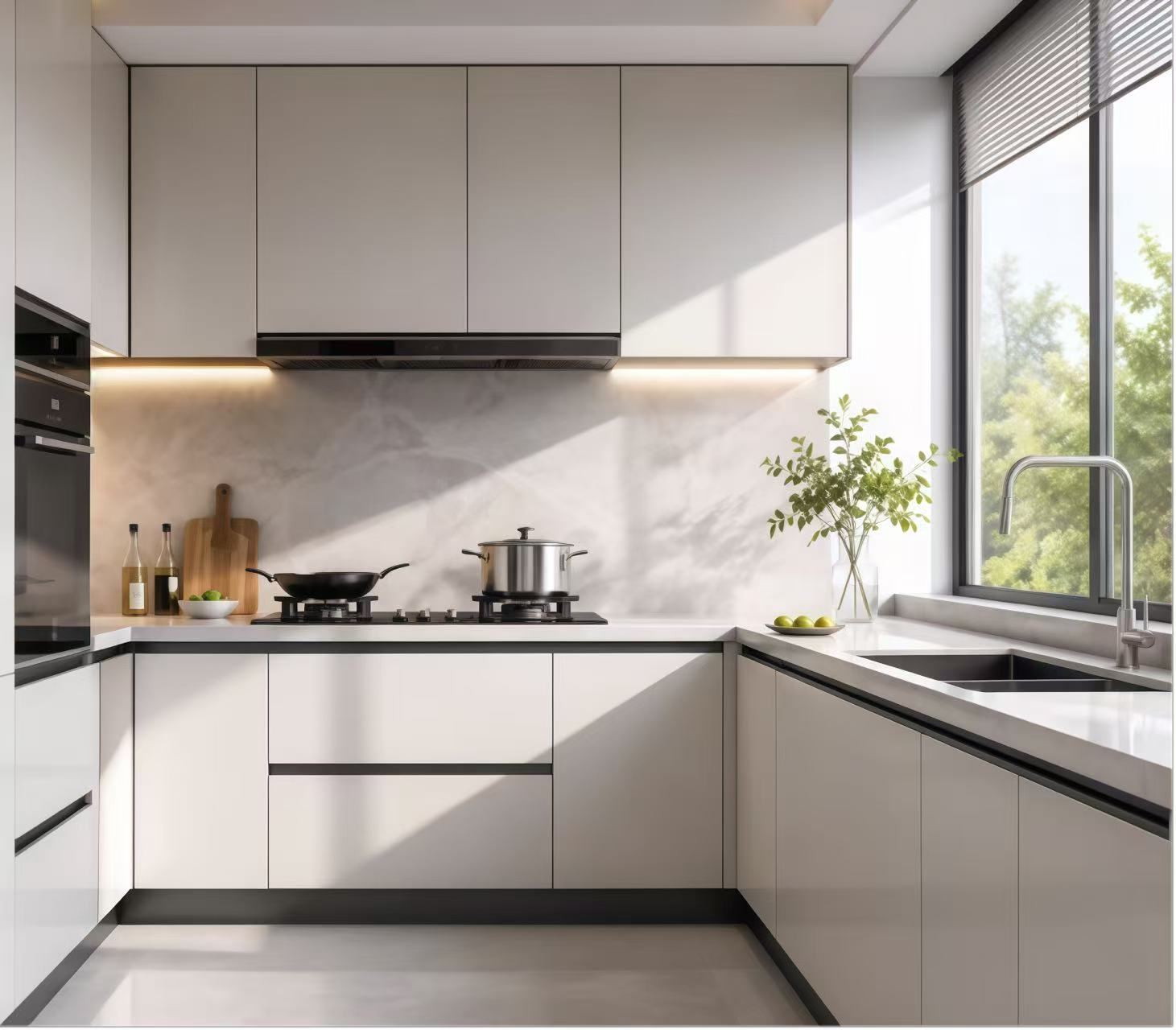
Is it possible to custom-match a specific RAL color for a decorative profile order?
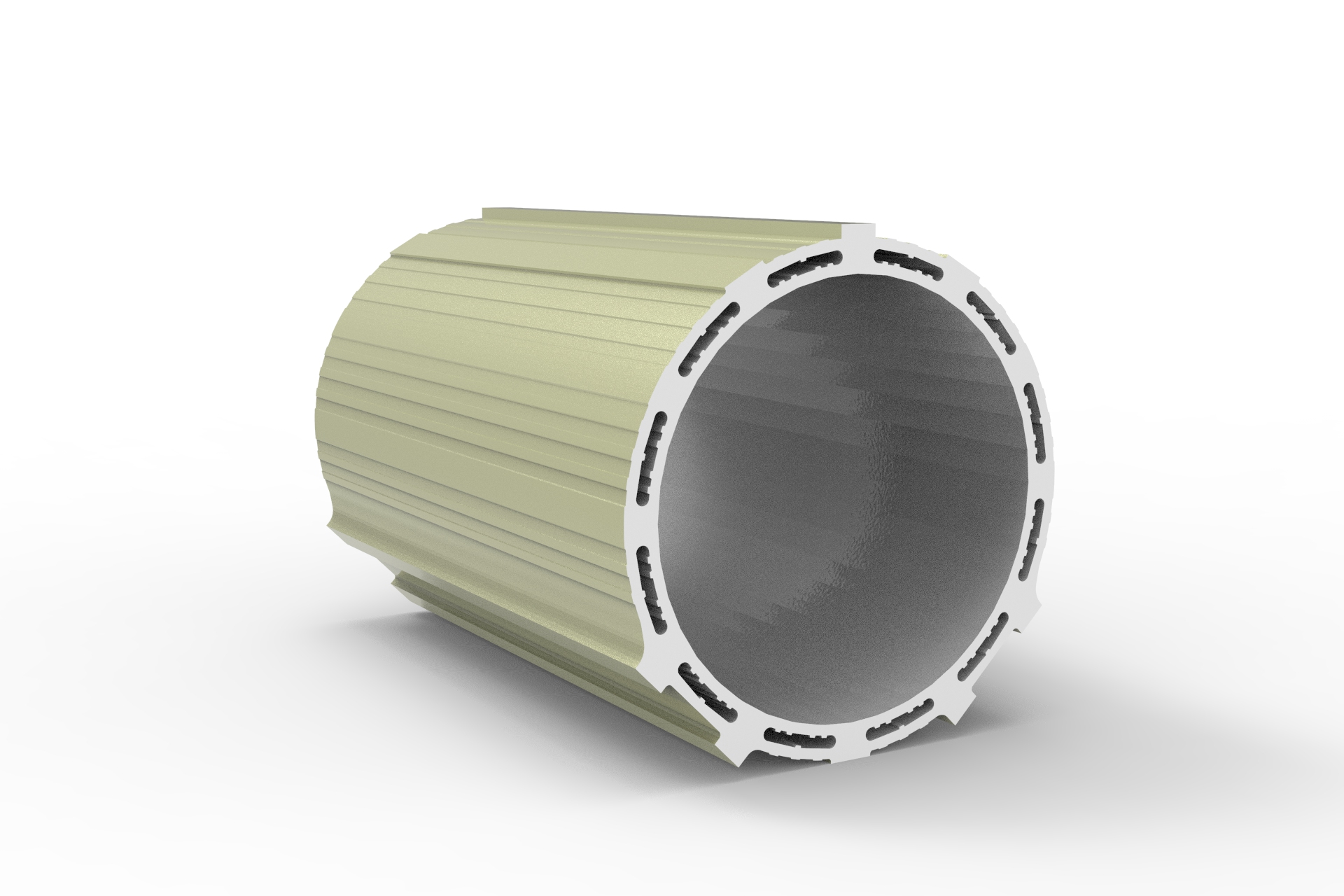
Can I request a 3D-printed sample before ordering a custom industrial profile mold?
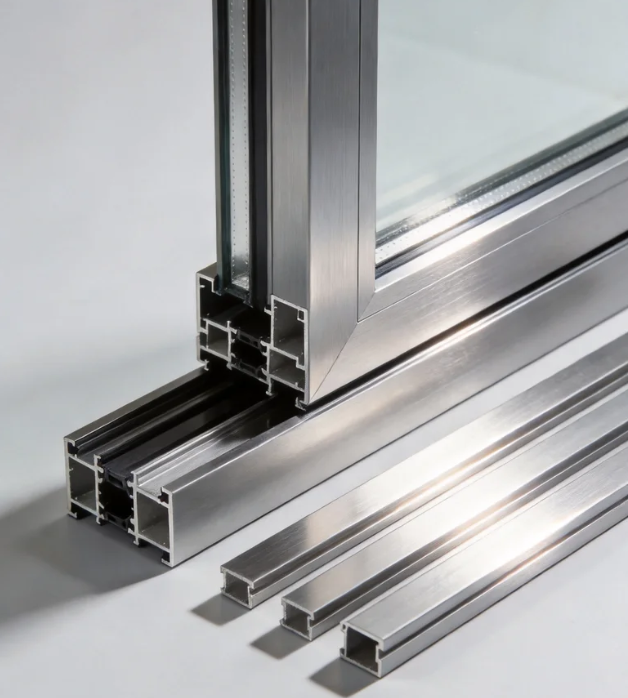
Can you extrude an architecture profile based on our proprietary CAD drawings?
What thermal performance certifications does a sliding door need for the UK market?
How are heavy floding door panels crated to ensure safe unloading at the job site?
Can we arrange our own freight forwarder to pick up the casement door shipment FOB?
What is the estimated ocean freight transit time for a shutter shipment from China to Europe?
How can we source replacement seals for your awing window models in the future?
How are sliding windows typically packaged to prevent glass breakage during ocean transit?
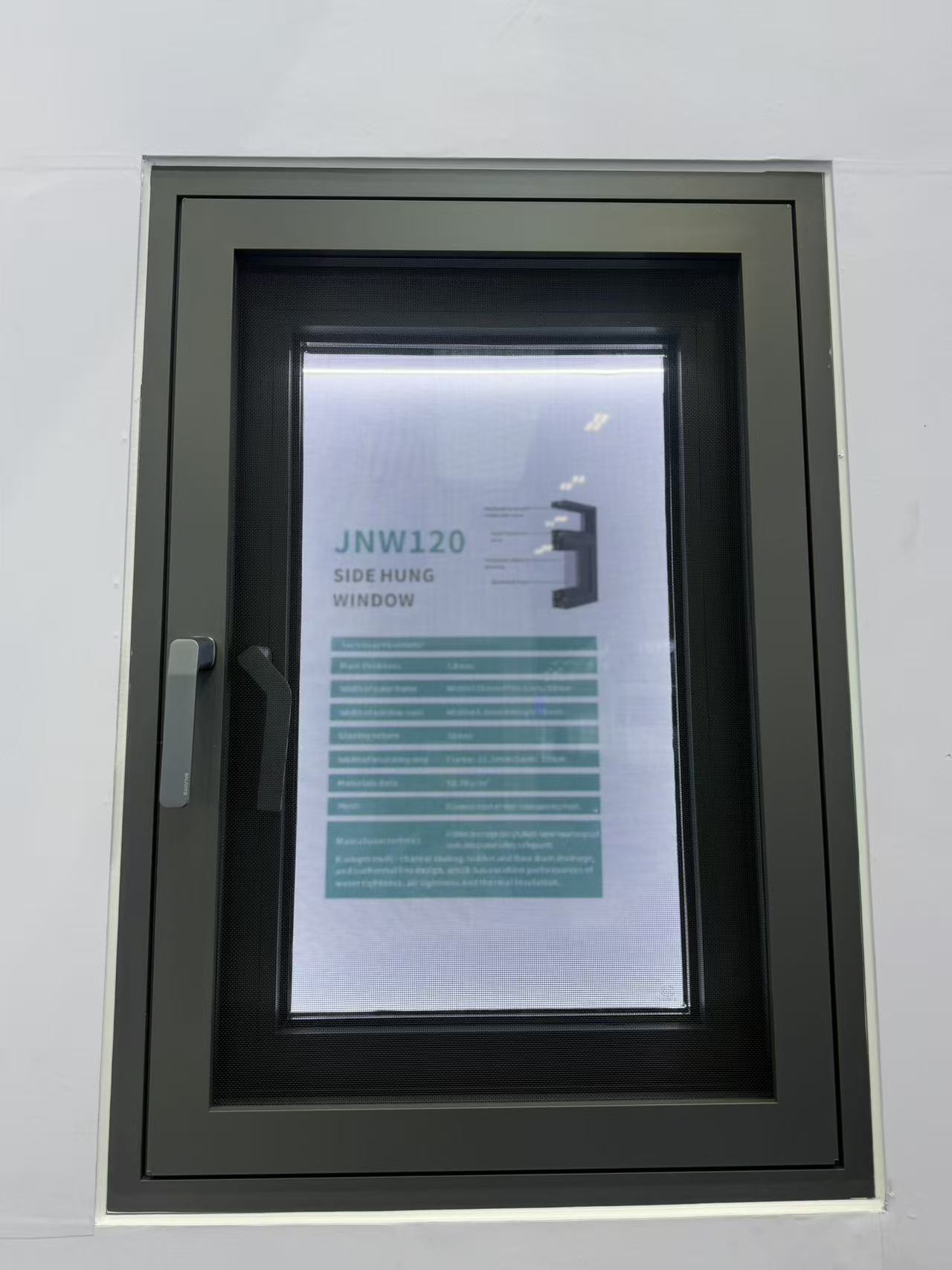
What is the average lead time for a 40ft container of standard aluminum casement windows?
Are there any extra tooling fees if my decorative profile order doesn’t meet the MOQ?
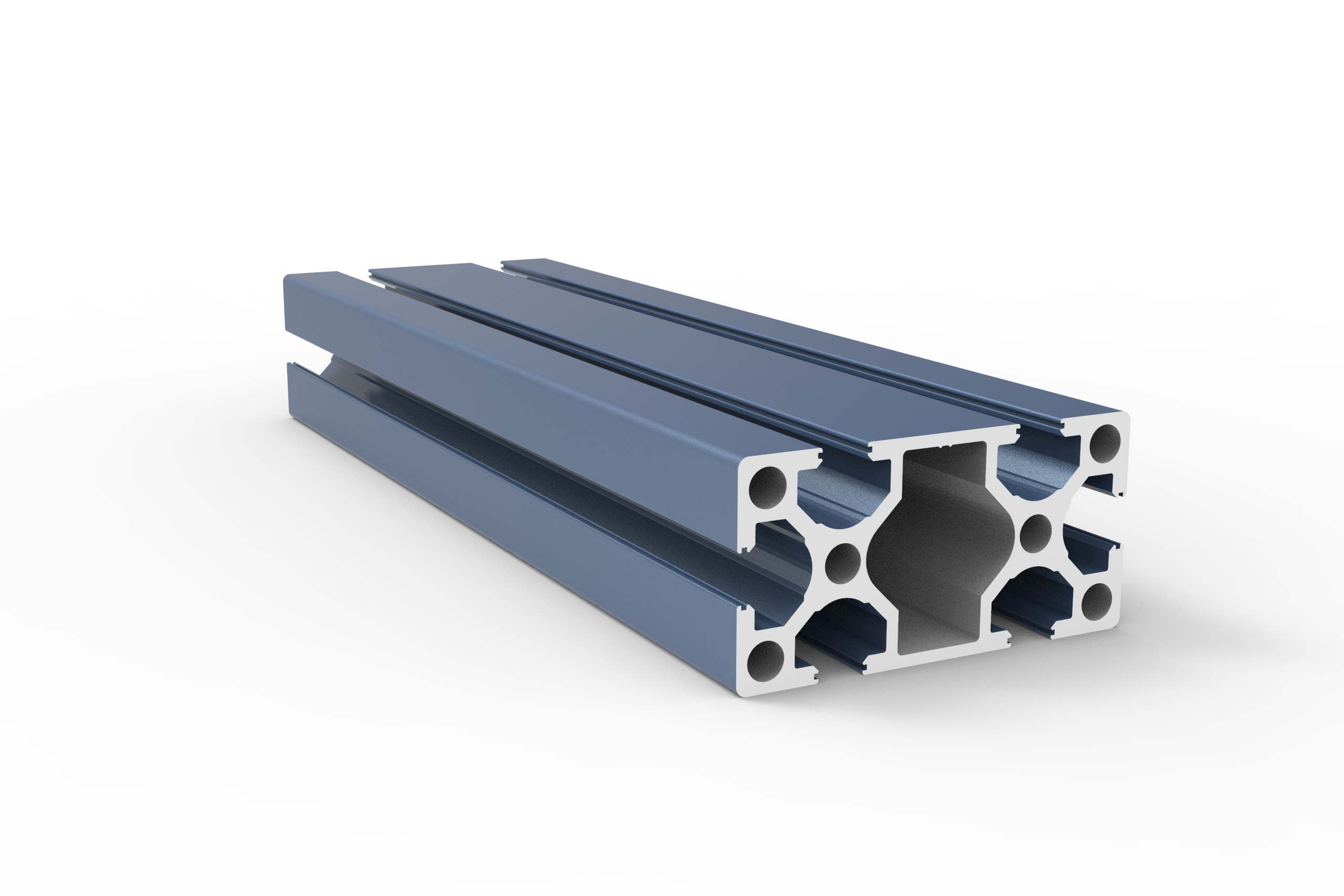
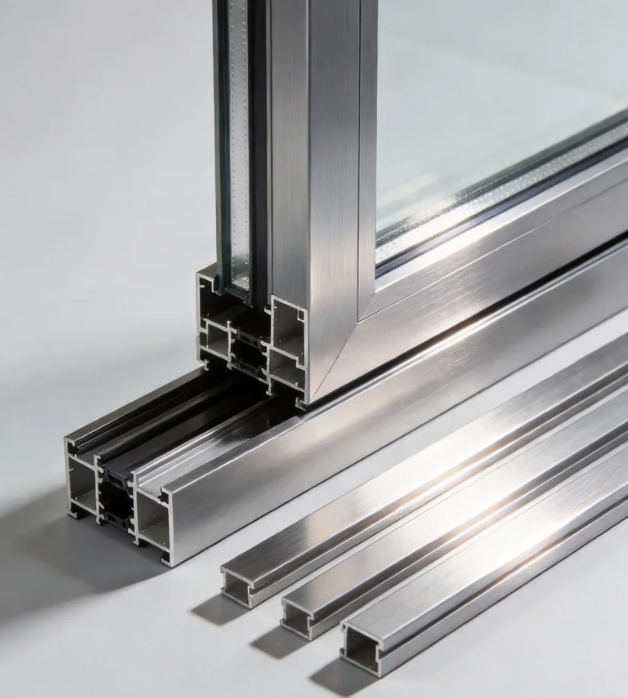
Can I get 3D printed prototypes of custom architecture profiles before committing to mold tooling?
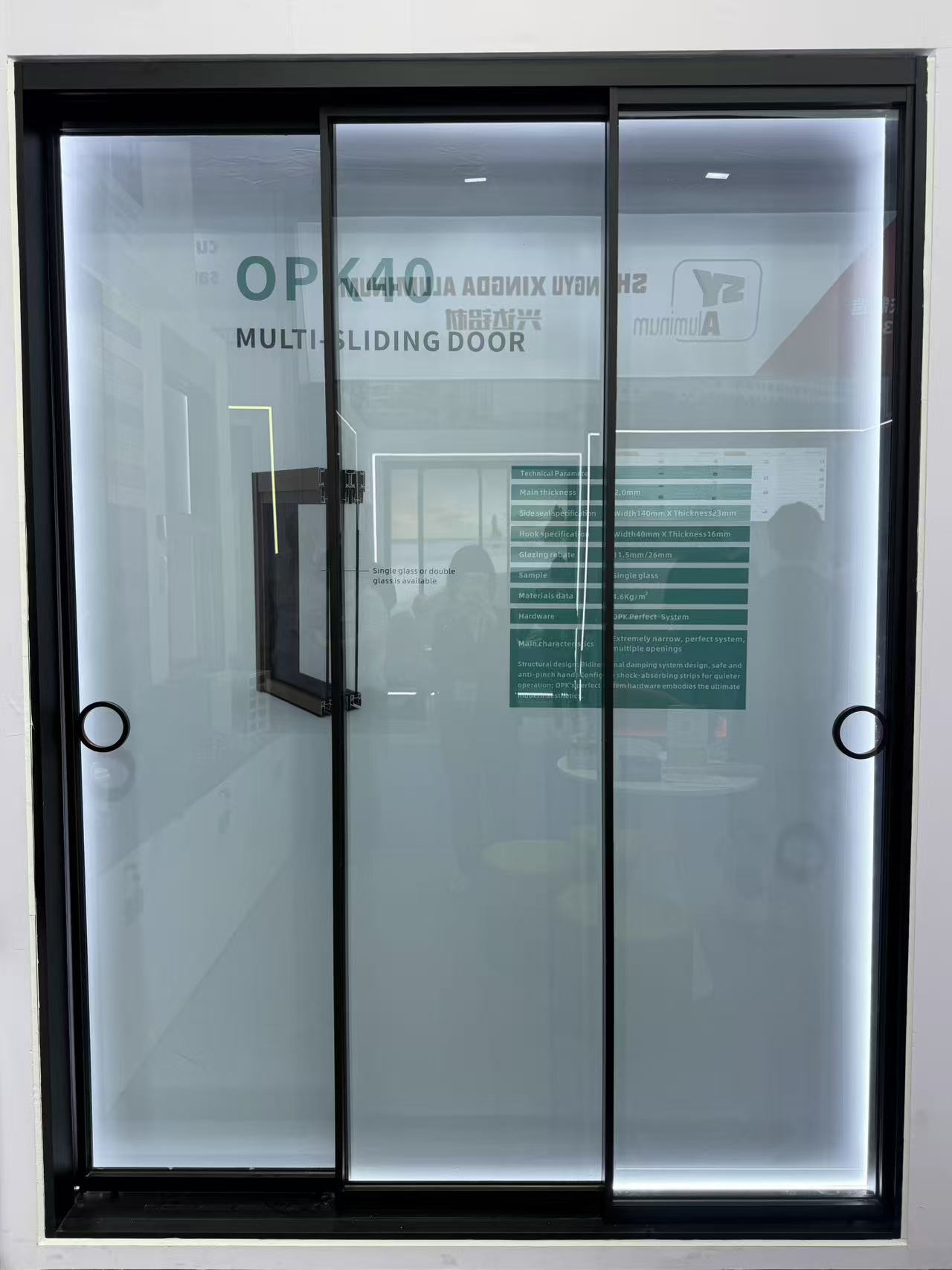
How is smart glass technology being integrated into modern residential sliding door units?
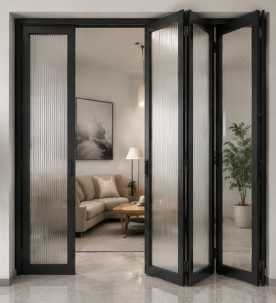
What options do you have for customizing the threshold height of an aluminum floding door?
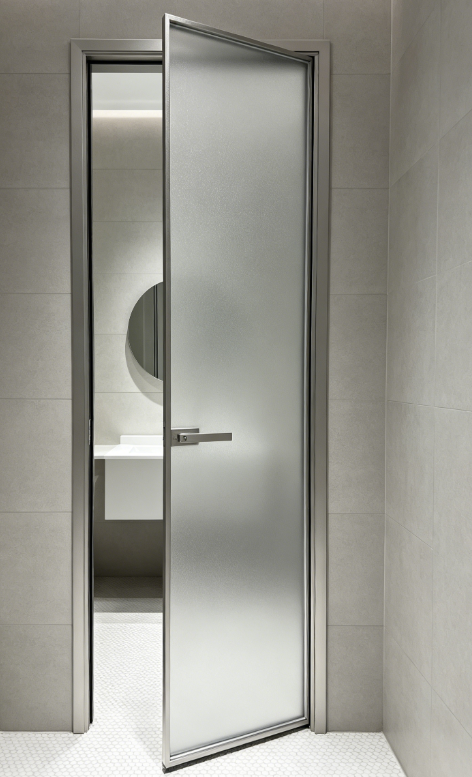
What thermal break technology should I look for in a heavy-duty aluminum casement door?
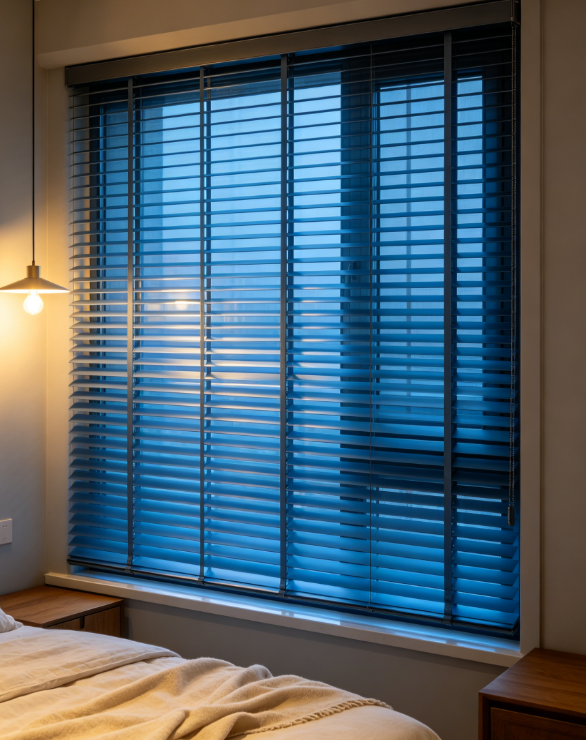
What quality control processes do you perform on shutter hardware before final assembly?
Do you offer DDP shipping terms for awing window orders delivered to our warehouse?
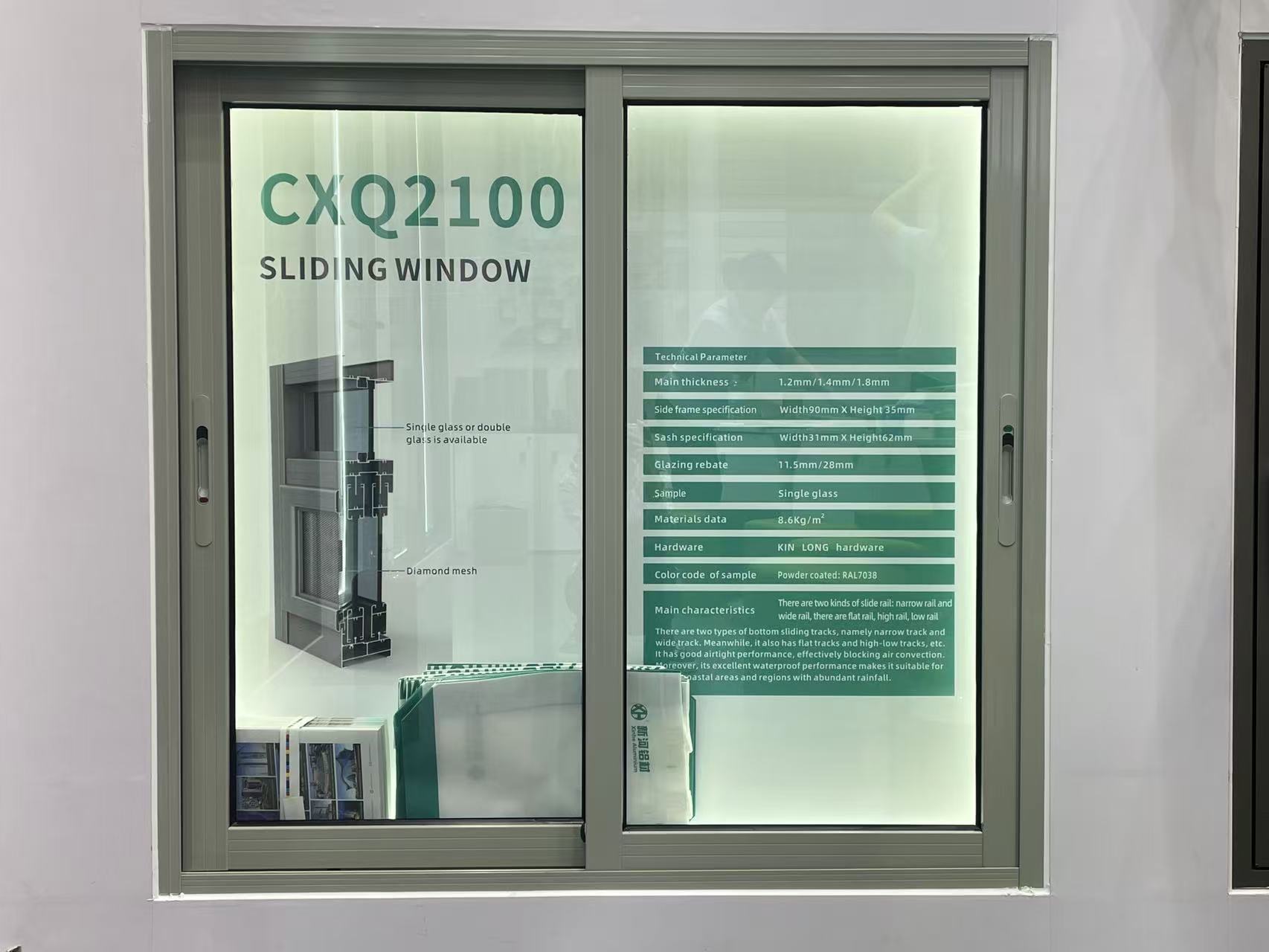
Is it possible to order a fully functional sliding window sample for mock-up testing?
Do you provide replacement hardware if the casement window hinges fail within 5 years?
How do you handle claims for decorative profile items damaged during transit?
What is the standard MOQ for custom-extruded aluminum industrial profile orders?
How does the order volume affect the per-ton price of custom architecture profile designs?
What is the warranty period for the rollers and tracks on your heavy-duty sliding doors?
How can we secure our deposit when purchasing high-value custom floding doors from a new supplier?
Can your factory match custom anodized colors for decorative profiles based on physical samples?
Is there a lighter alternative to aluminum industrial profile structures for robotics?
What payment security measures do you have for custom architecture profile tooling fees?
Can I order a sliding door with custom grid patterns between the glass panes?
How do you protect buyers against financial loss if the floding door shipment is delayed?
Are slim-frame aluminum casement door designs becoming more popular in modern offices?
What is your policy for replacing shutter components that arrive with color mismatch?
What kind of remote technical support do you offer for sliding window installation?
What is the maximum safe size for a top-hung awing window in commercial projects?
What environmental management standards does your decorative profile plant follow?
What is the standard lead time for producing a 40ft container of casement window orders?
What is the warranty period for the anodized finish on your industrial profile?
What are the latest eco-friendly trends in architecture profile manufacturing?
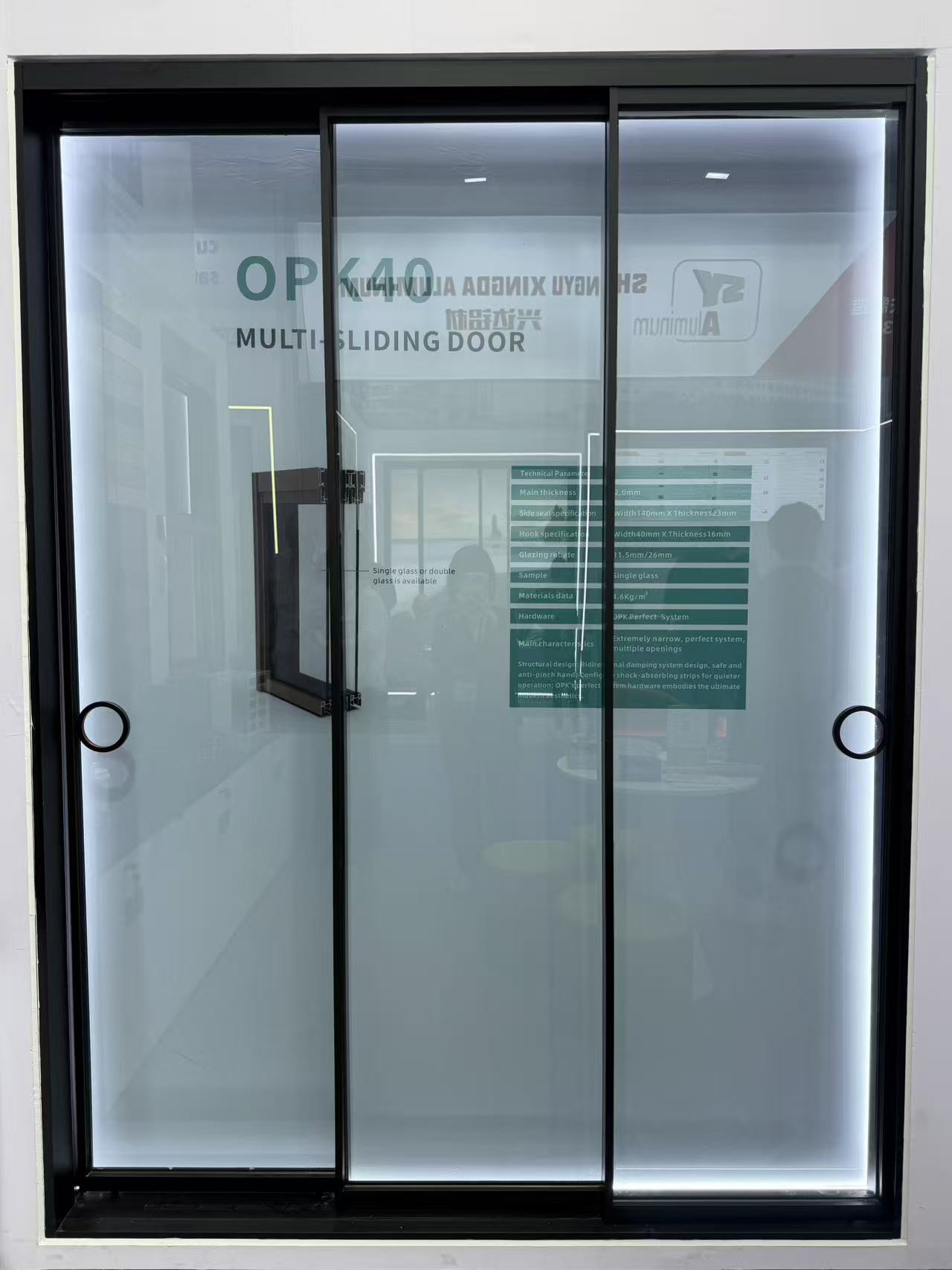
What is the average wholesale price per square meter for double-glazed sliding door systems?
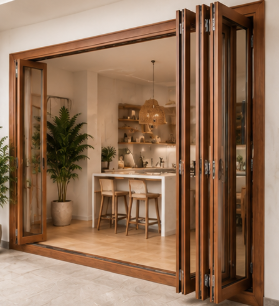
How do I calculate the structural load requirement for a 5-panel exterior floding door?
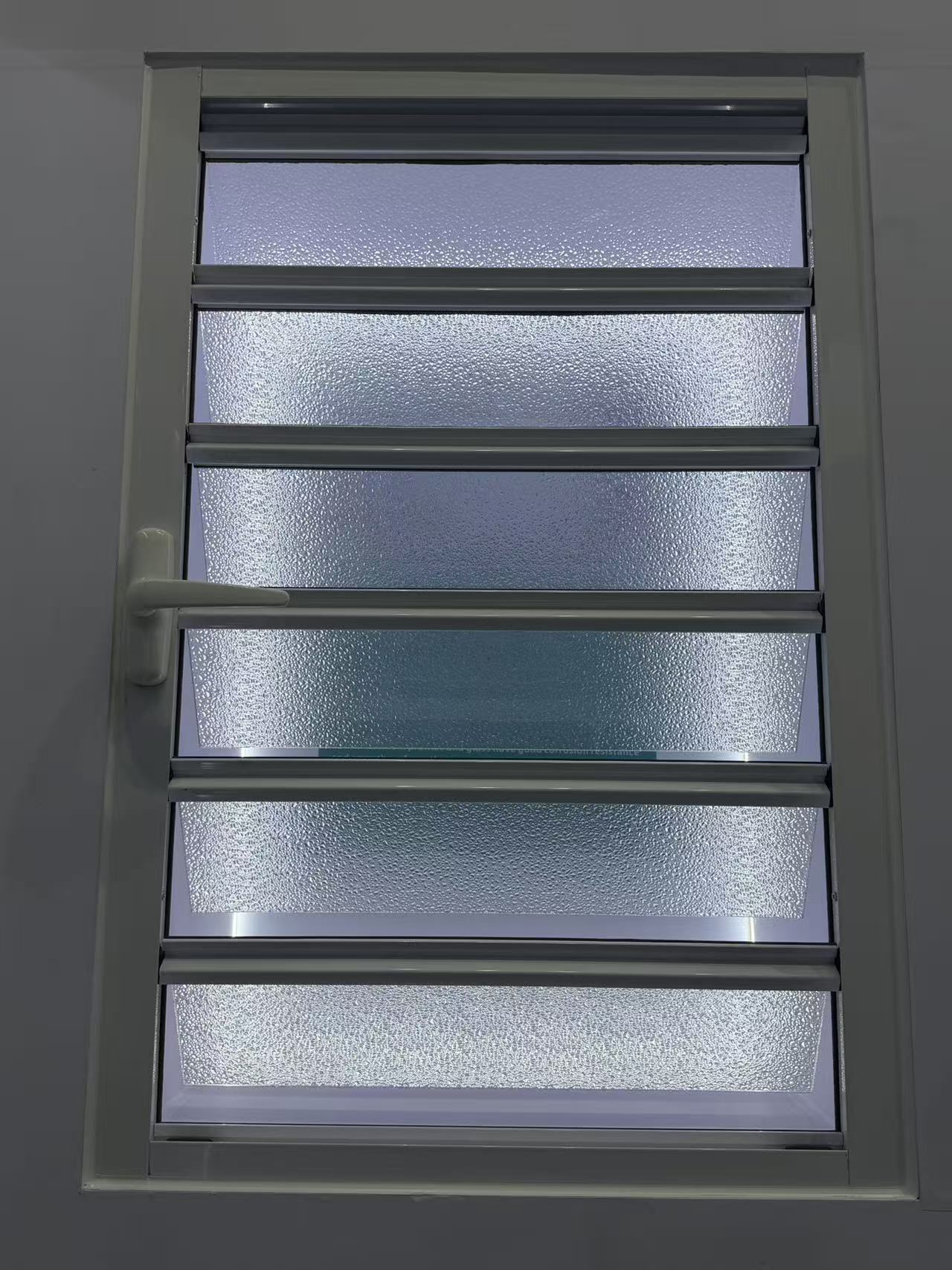
Do your exterior shutter systems comply with Florida building codes for hurricane protection?
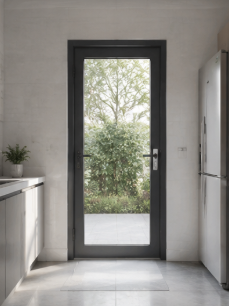
Do you offer Letter of Credit (L/C) payment options for casement door bulk orders?
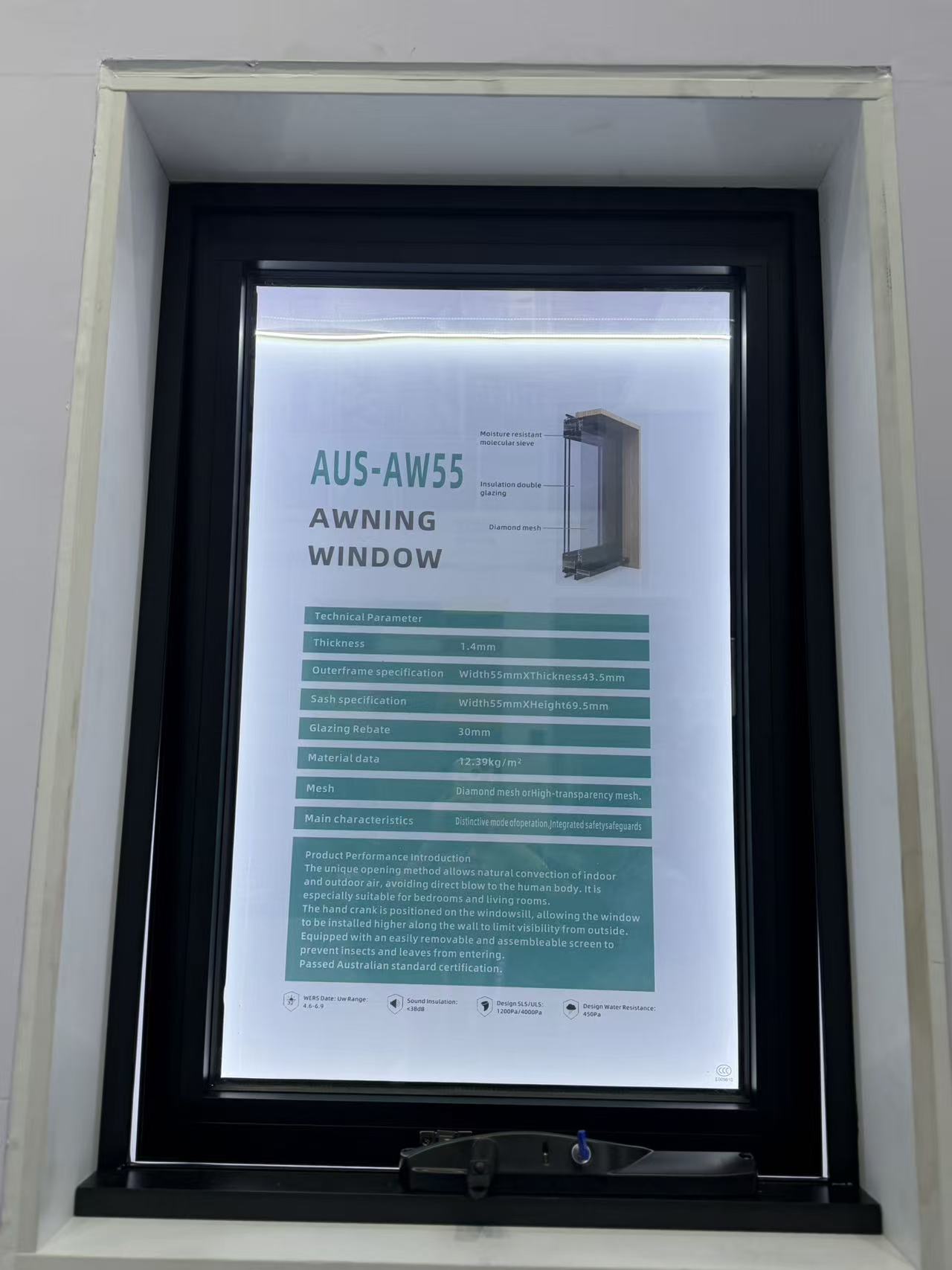
Which water tightness certifications are required for importing an awing window to Europe?
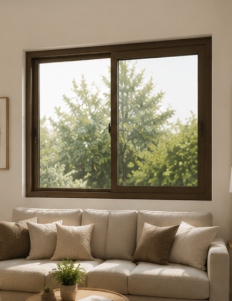
Do you allow virtual factory tours to inspect the sliding window assembly line?
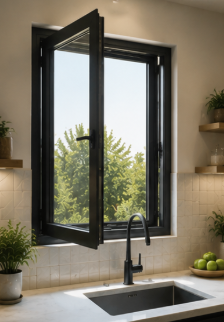
What is the typical MOQ for ordering standard-sized aluminum casement window units?
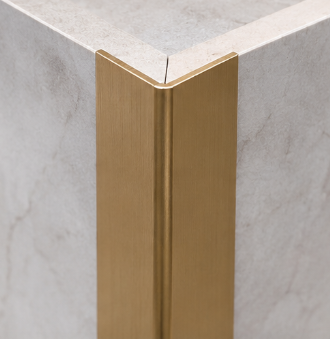
How long does it take to receive a physical sample of a gold-anodized decorative profile?
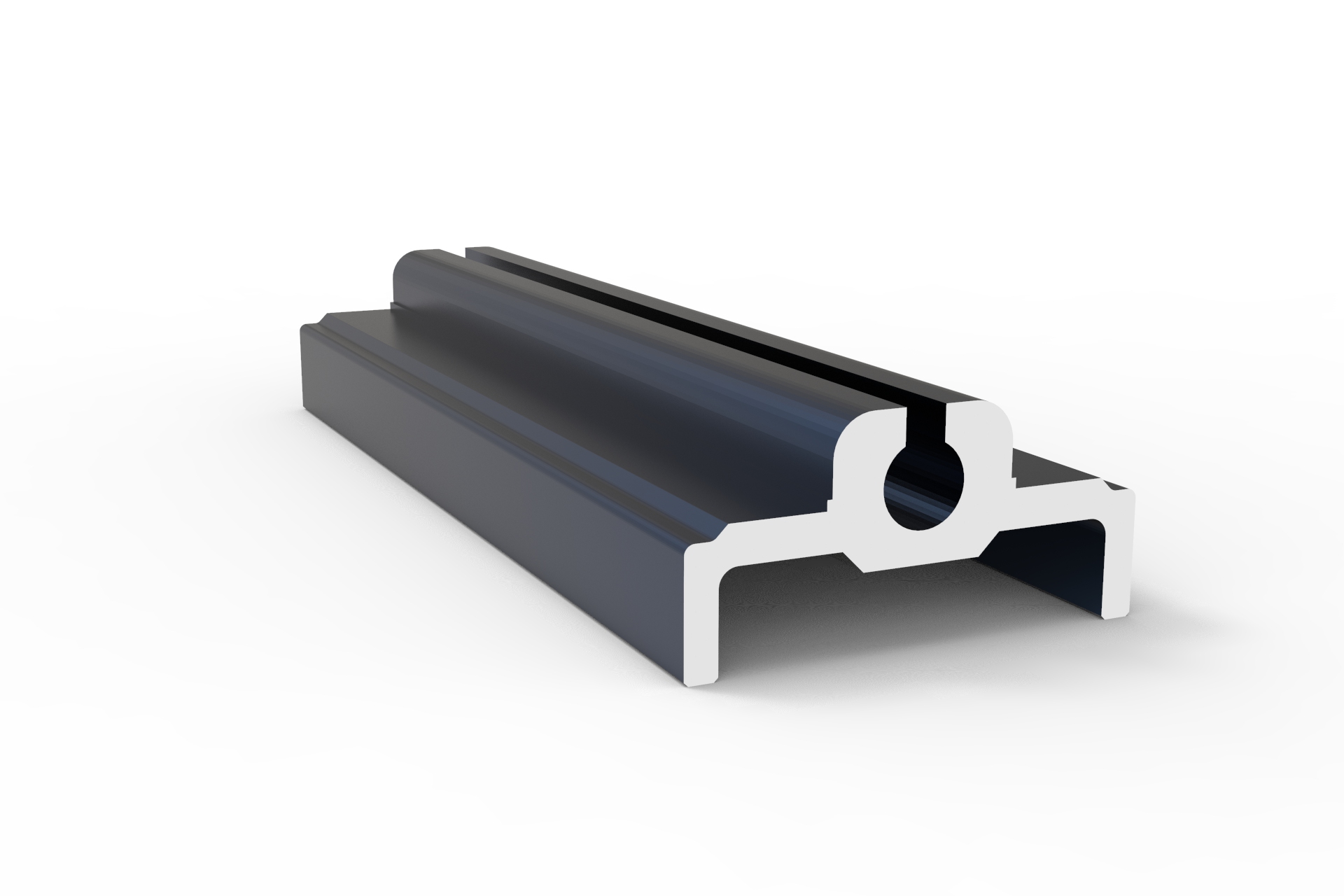
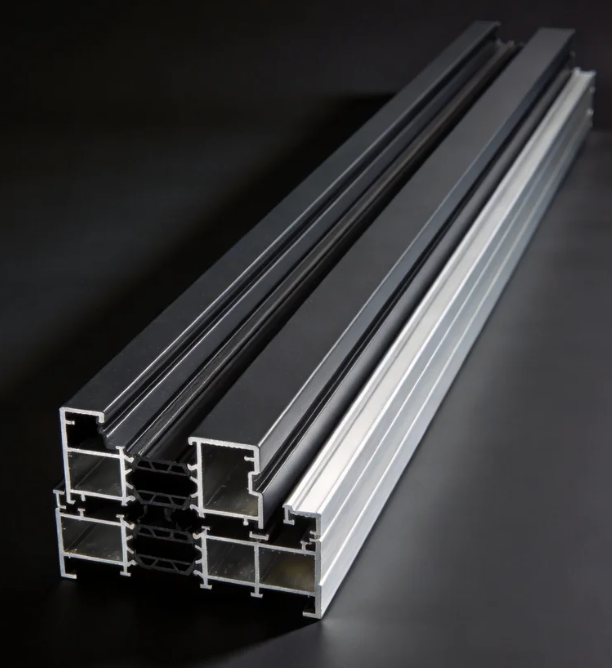
How do I choose the right alloy grade for architecture profiles in high-rise coastal buildings?
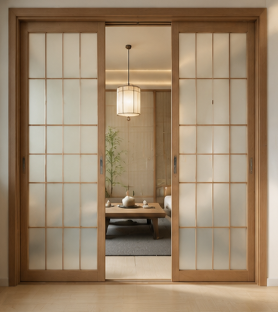
How do I choose the right track and roller specs for heavy-duty commercial sliding doors?
The core advantages of using aluminium profiles for the canopy
International demand: Dual drive by new energy and infrastructure

The advantages of using aluminium profiles to manufacture robot arms
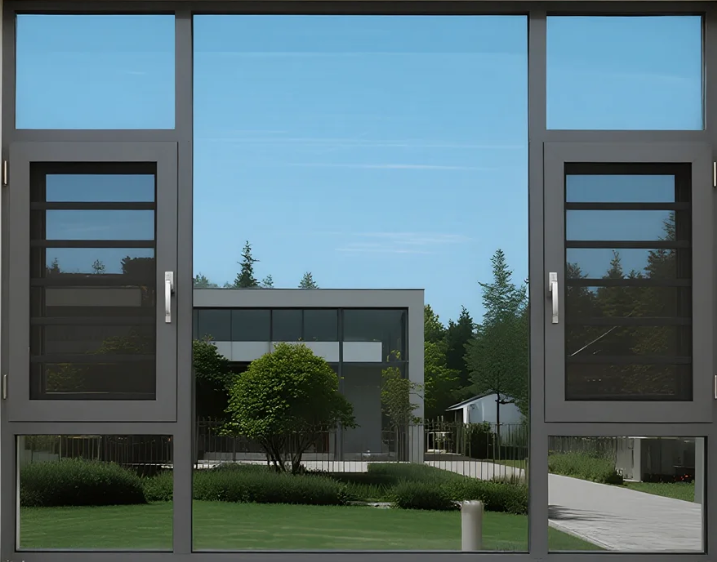
The advantages of using aluminum profiles for door and window frames
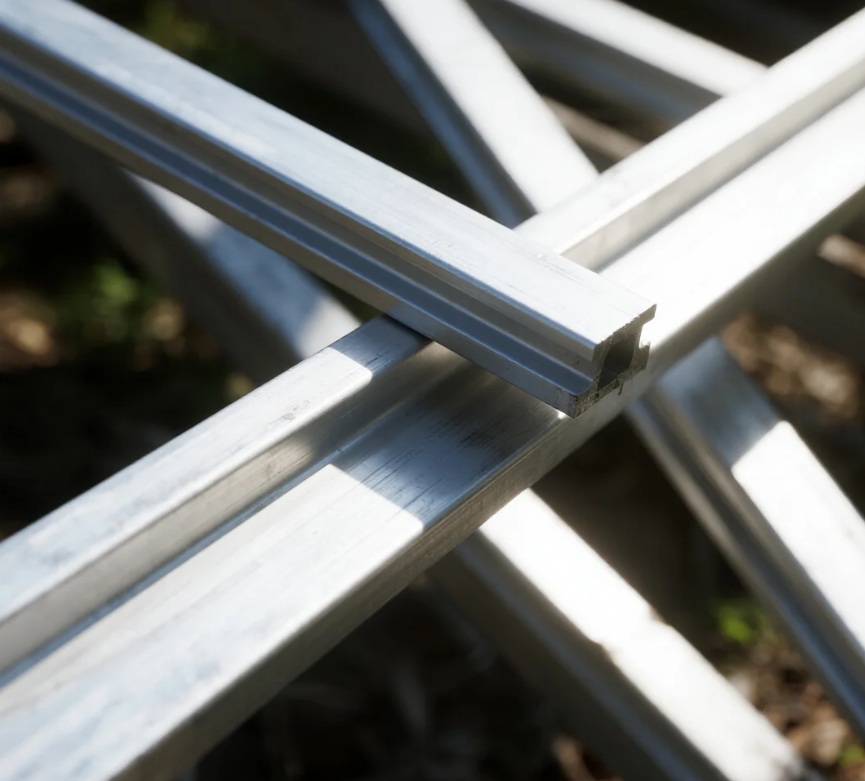
The impact of the conflict between the United States and Iran on the price of aluminum
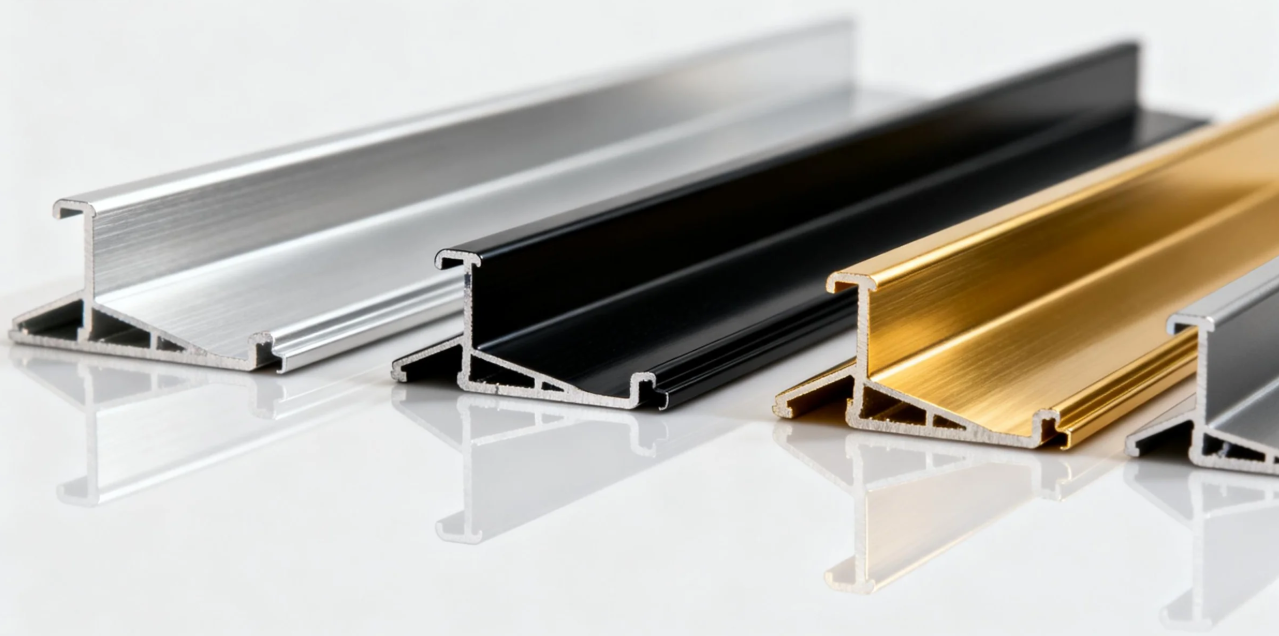
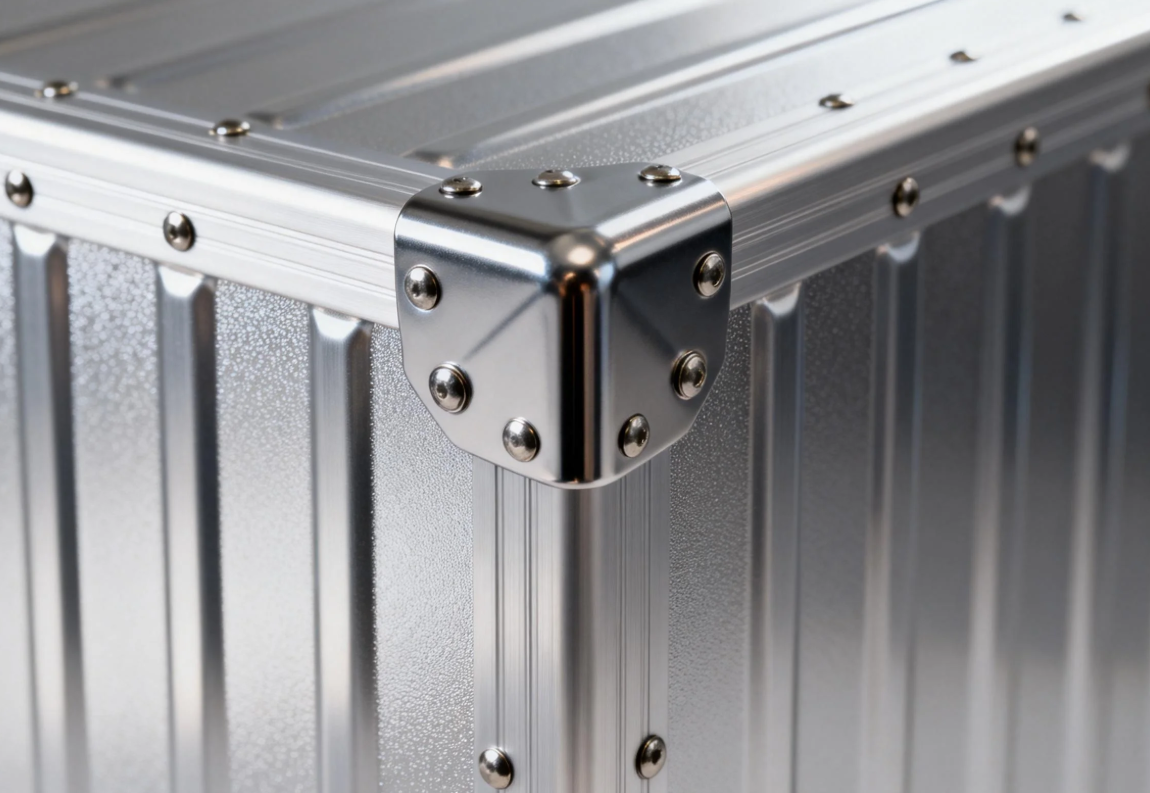
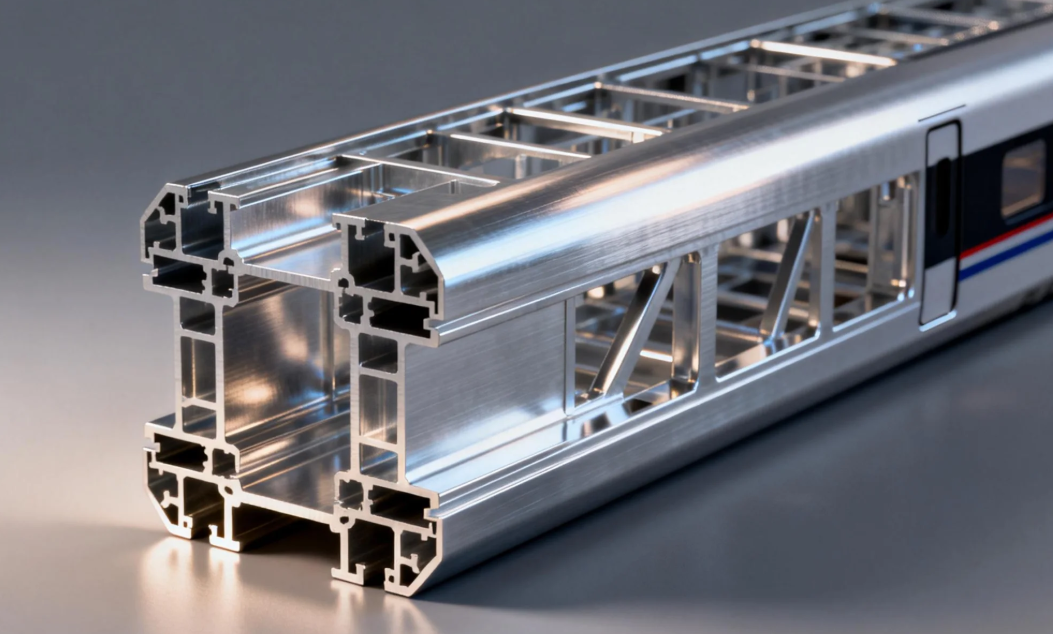
The advantages of using aluminium alloy for the main structure of high-speed train carriages

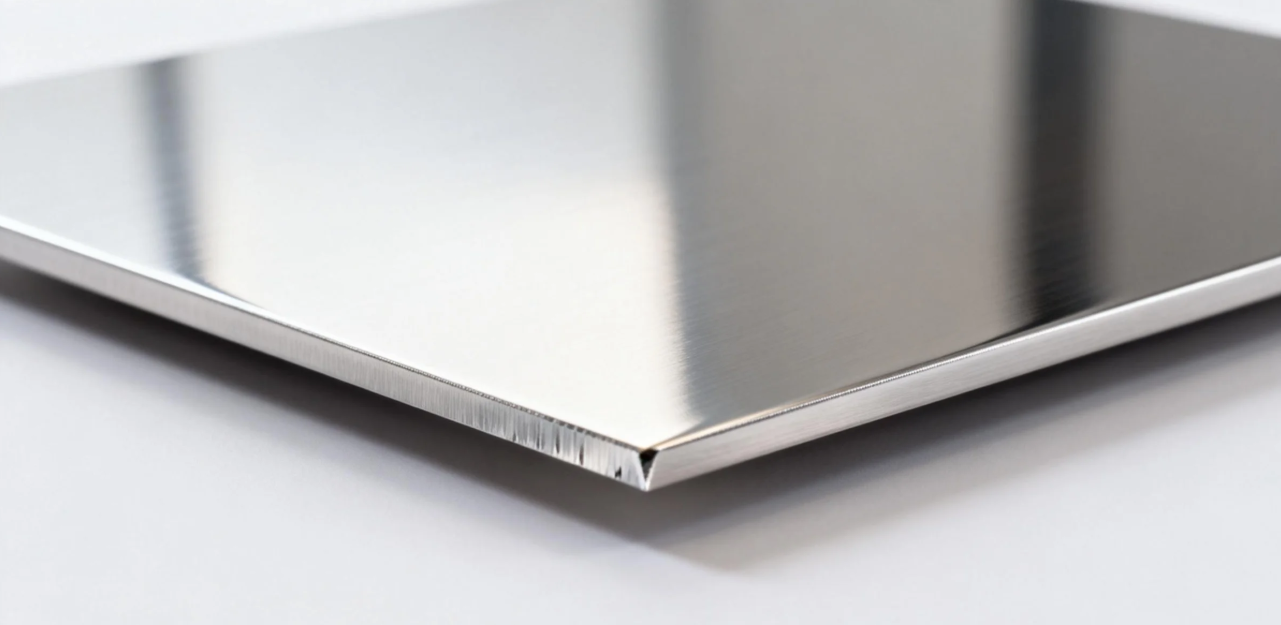
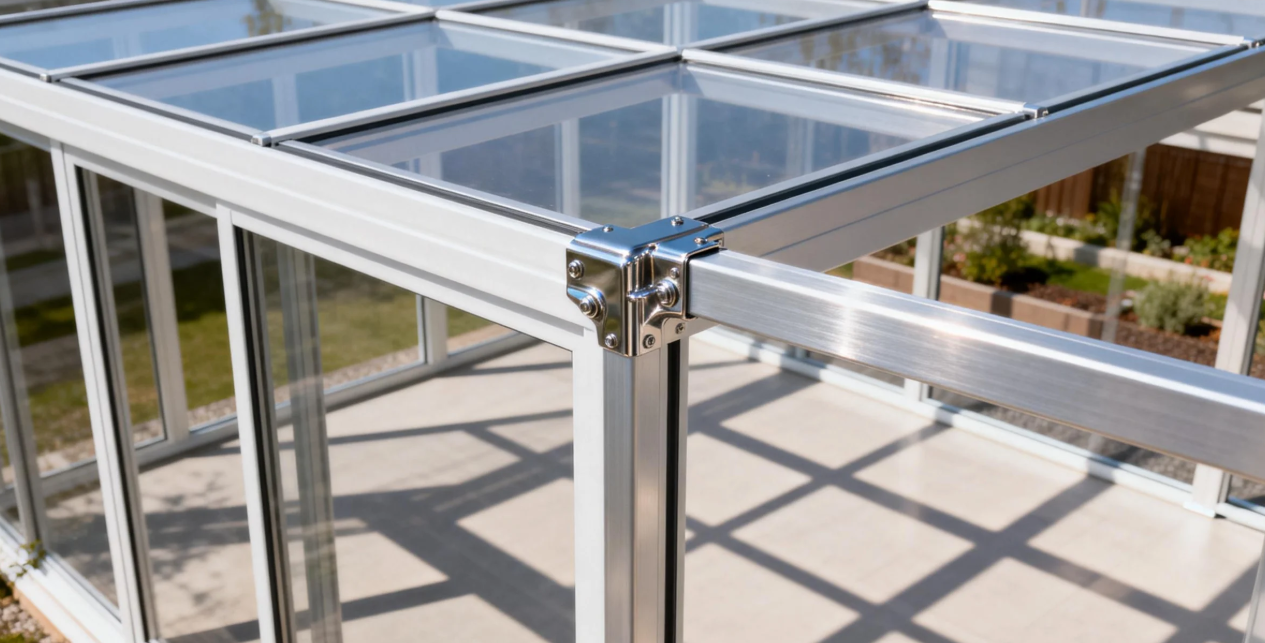
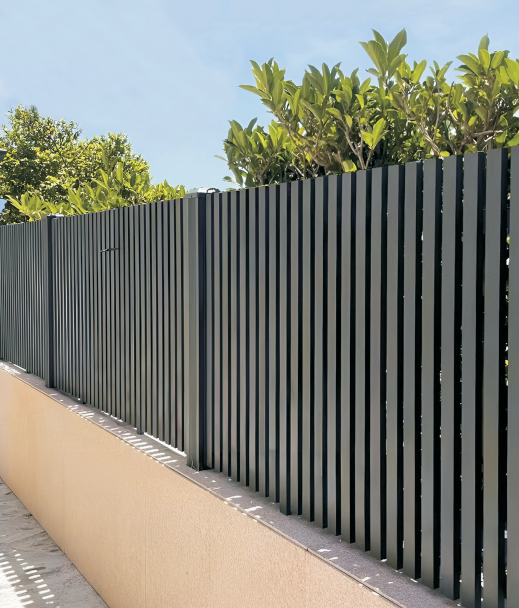
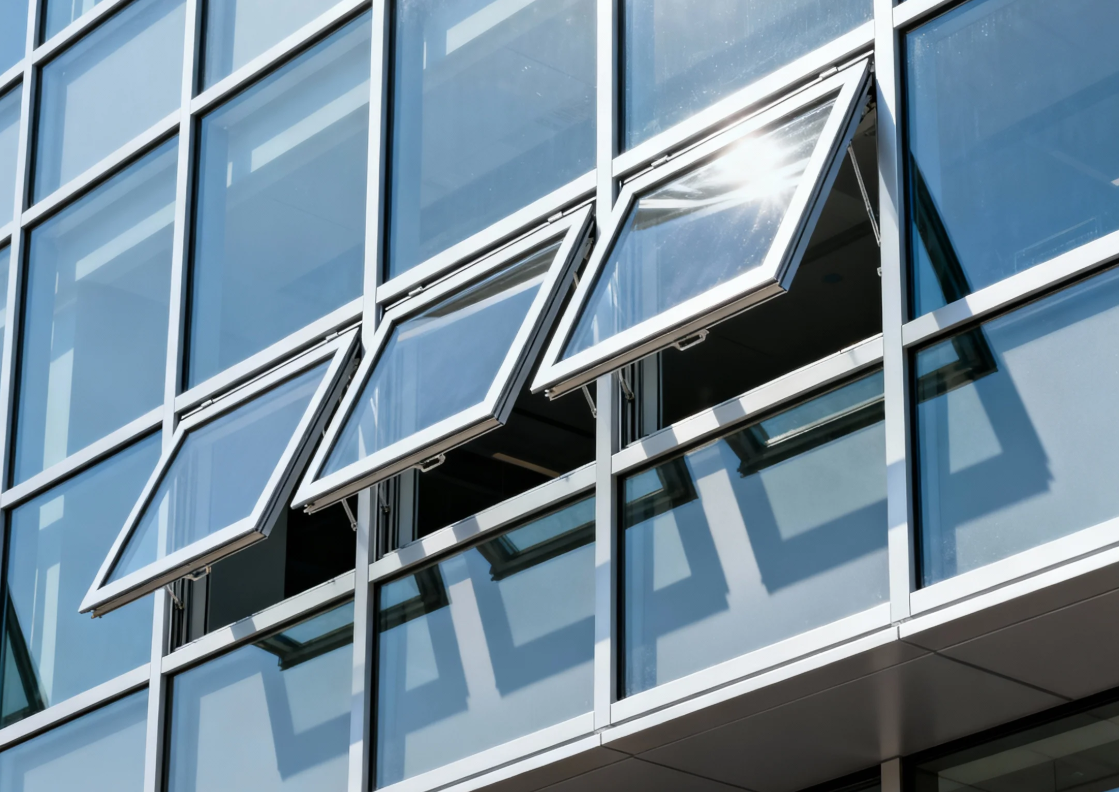


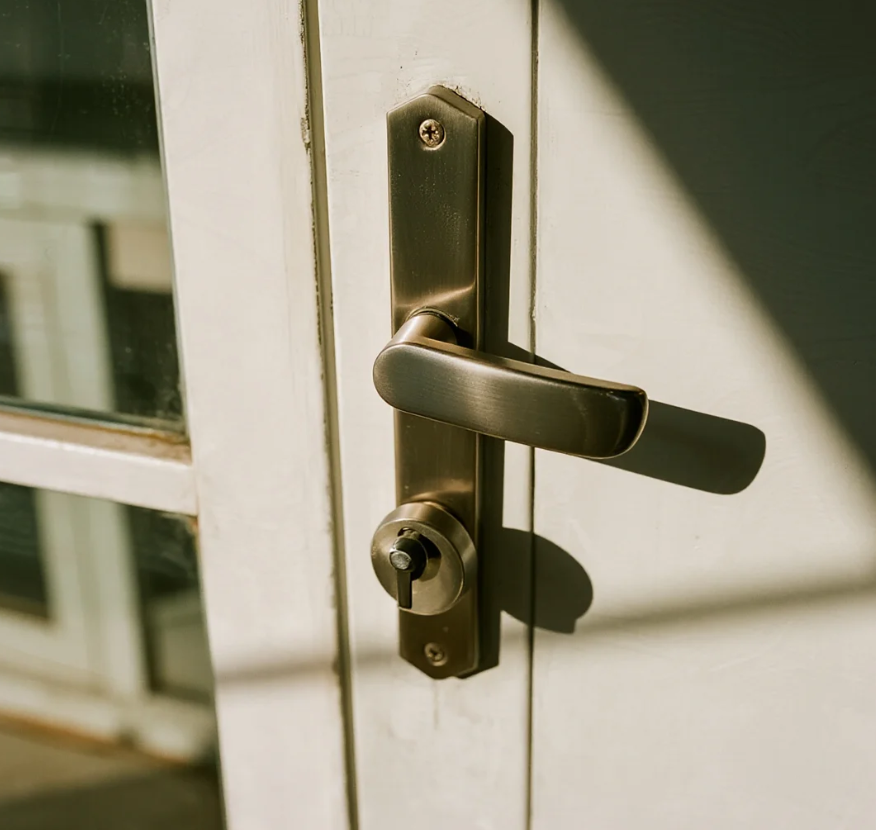
Methods for distinguishing Indoor and Outdoor Aluminium Doors
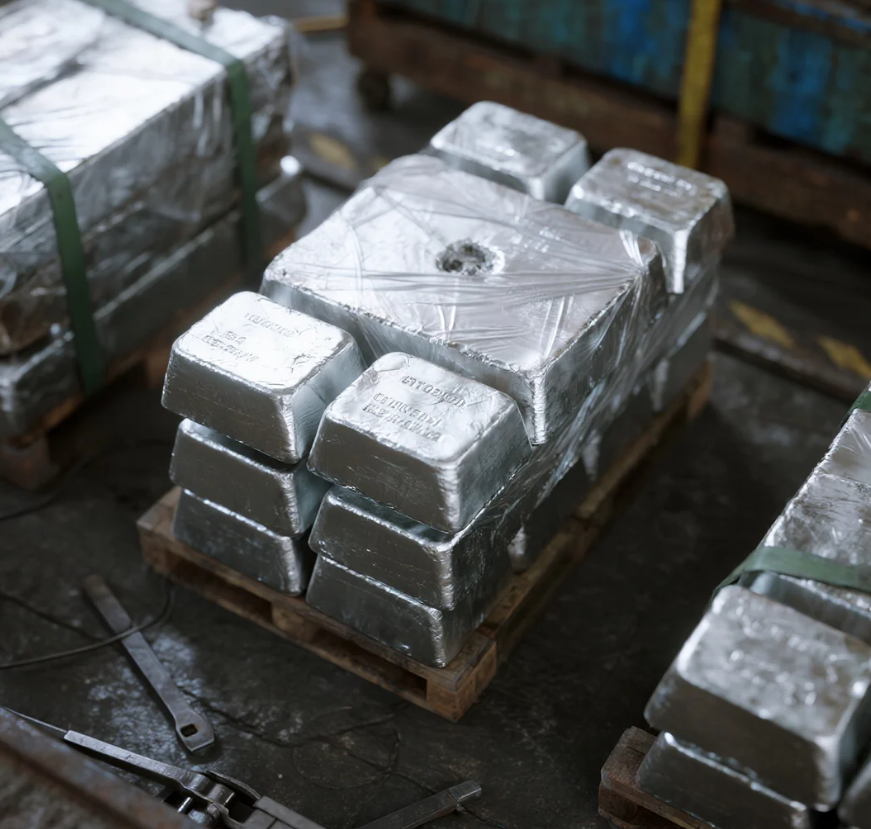
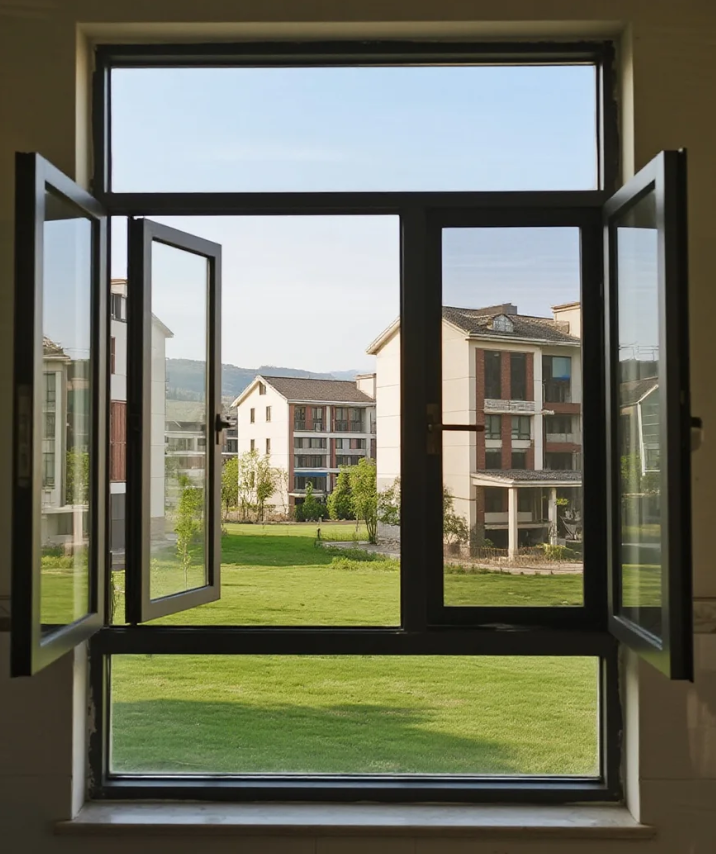
Maintenance methods and tips for aluminium doors and windows
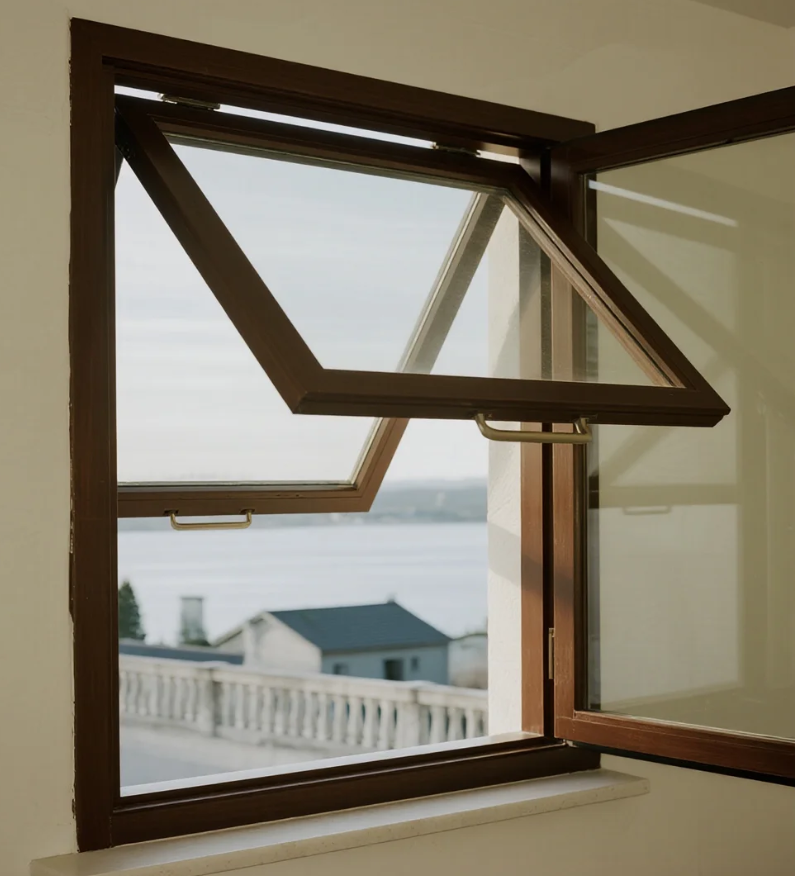
Characteristic of outward-opening and hung aluminium windows


Xinhe Aluminium Research: 7.14-7.18 Analysis of Aluminium Prices
Seven Benefits Of Using Aluminium Profiles In Curtain Wall Systems
The Application of Aluminium Profiles in New Energy Vehicles

The Composition and Application of Series 6 Aluminium Alloys
Top 5 Benefits of Using LED Aluminium Profiles in Modern Lighting
A Complete Guide to Aluminium Frame Profiles for Modern Structures
Exploring the Strength and Versatility of Aluminium Extrusion Profiles
How to Choose the Right Aluminium Profile Supplier for Your Project

COMPANY