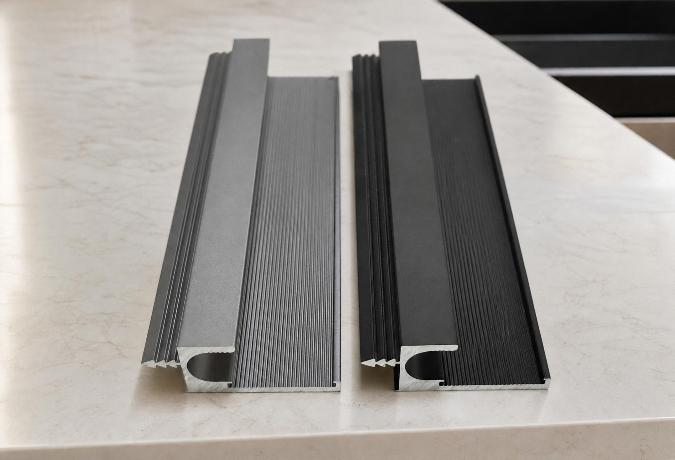
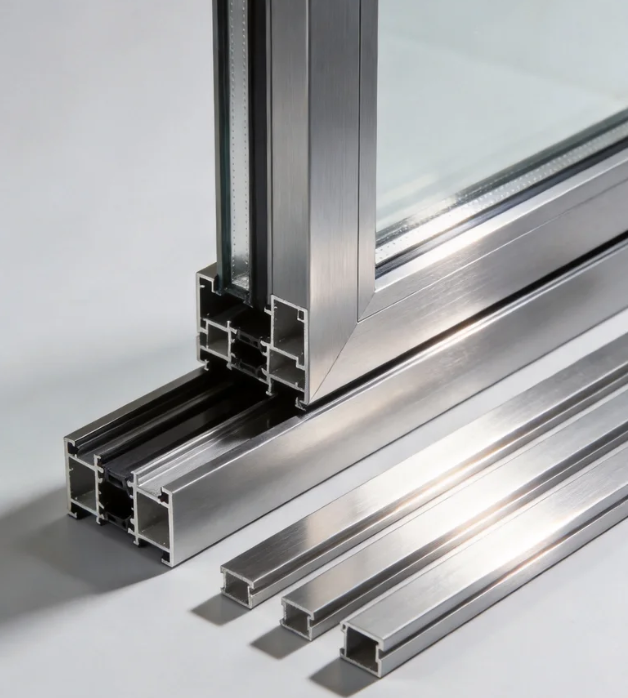
Aluminium trim profiles serve a deceptively simple function: they conceal transitions, protect edges, and define spatial boundaries. Yet their impact on interior spaces runs deeper than mere concealment. These extruded aluminum components have become essential in contemporary design because they solve real problems—managing the visual discord where materials meet, protecting vulnerable surfaces from wear, and establishing architectural coherence across a room.
The rise of minimalist and modern design has elevated trim profiles from afterthought to design statement. Where traditional wooden trim dominated, architects and designers now specify aluminium trim profiles to achieve cleaner lines, better durability, and greater design flexibility. This shift reflects a broader recognition that finishing details determine whether a space feels thoughtfully composed or hastily assembled.
Aluminium trim profiles are manufactured from specific alloys chosen for their combination of strength, workability, and corrosion resistance. The most common choices are 6063 and 6463 aluminum alloys, typically in T5 or T6 temper. These alloys contain magnesium and silicon as primary alloying elements, which create a material that extrudes cleanly into complex cross-sections while maintaining structural integrity.
The T5 and T6 designations refer to heat treatment processes. T5 temper involves artificial aging after extrusion, while T6 includes a solution heat treatment followed by artificial aging. T6 profiles generally offer slightly higher strength but may be less workable for certain applications. This distinction matters when designers specify trim for installations requiring high precision or those tolerating minimal adjustment during fitting.
Aluminium’s inherent lightweight nature—roughly one-third the density of steel—makes installation faster and reduces structural load on walls and frames. A 3-meter section of aluminum trim weighs significantly less than equivalent steel or wood alternatives, which translates directly into labor efficiency and reduced fastening requirements.
Raw aluminium oxidizes rapidly when exposed to air, which creates a thin, naturally occurring oxide layer. To control appearance and enhance durability, manufacturers apply various surface treatments. The choice of finish shapes both the aesthetic outcome and the maintenance profile of installed trim.
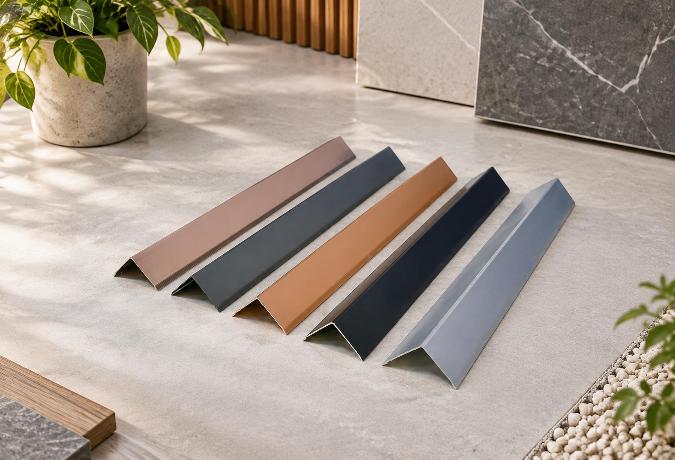
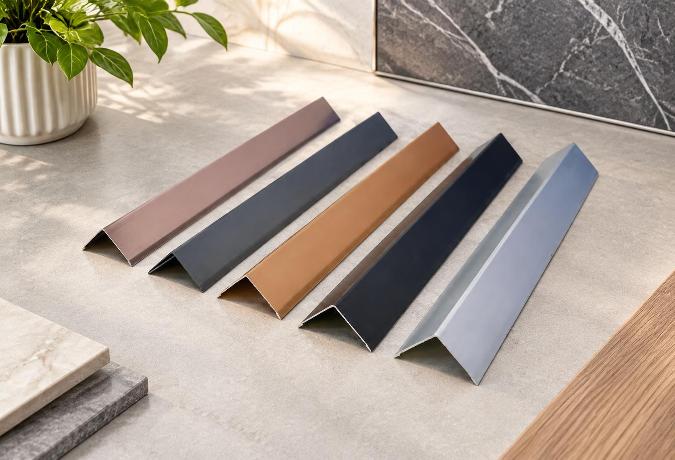
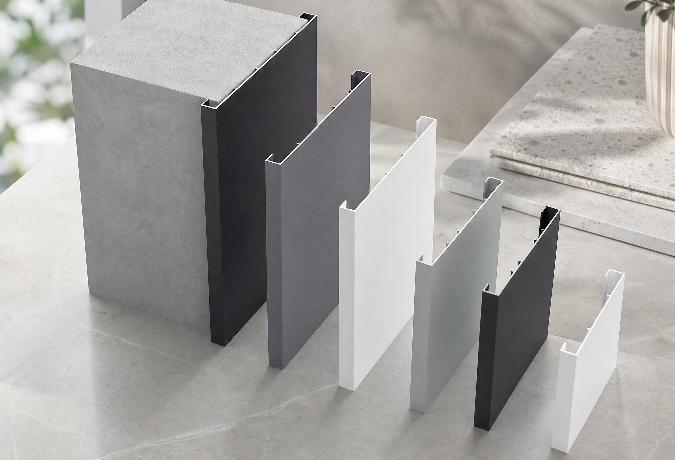
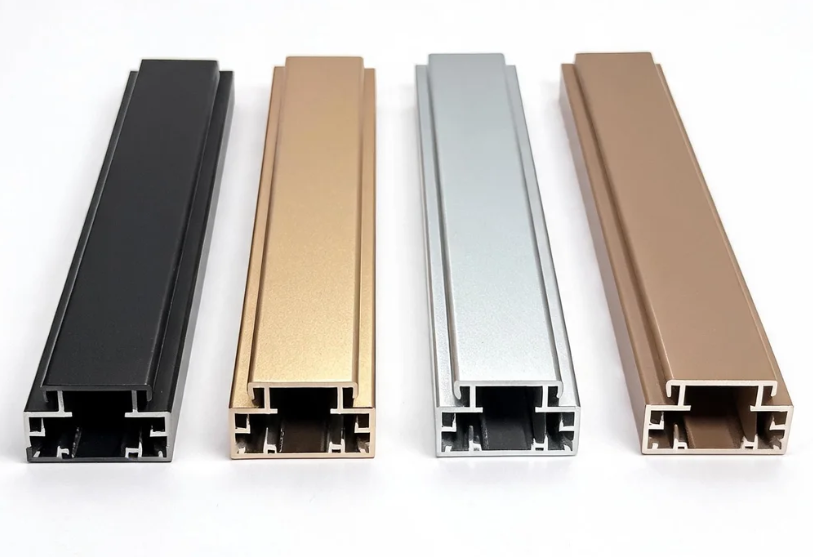
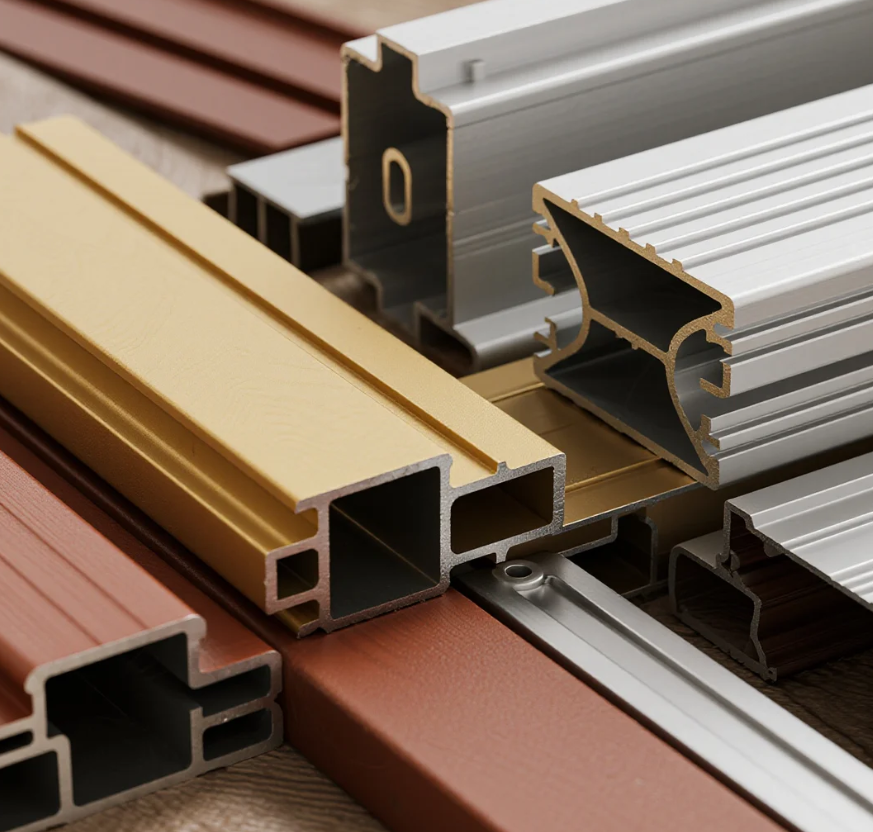
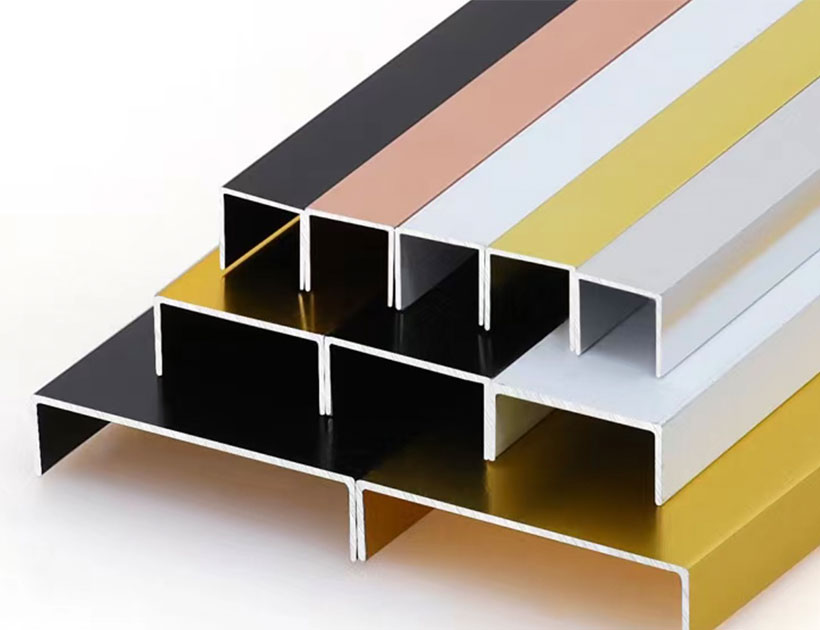
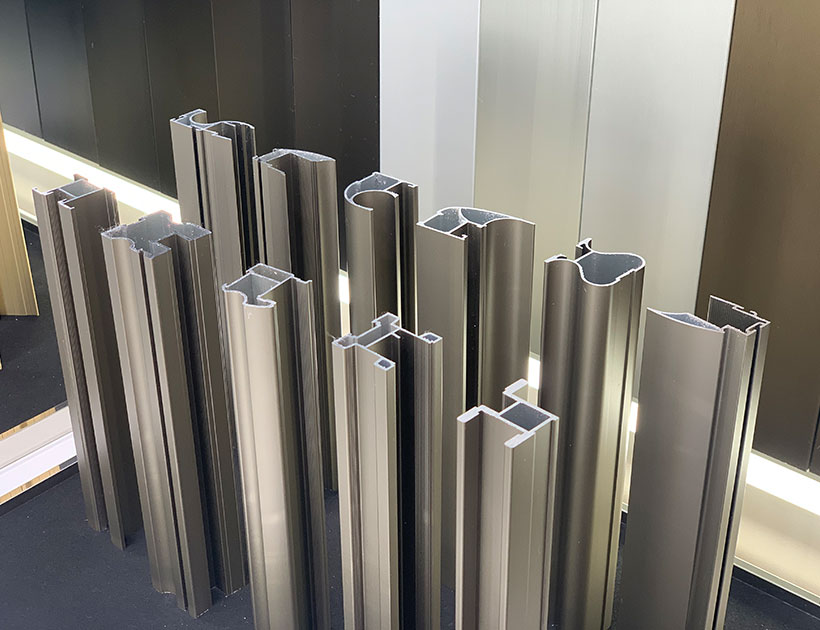
Anodizing remains the most common treatment for aluminium trim profiles. This electrochemical process thickens the natural oxide layer, creating a sealed surface that resists corrosion and weathering. Anodized finishes can achieve a range of colors through pigment integration, from brushed silver to warm champagne gold to deep charcoal. The surface develops a slightly textured feel that many designers prefer over polished alternatives because it masks fingerprints and minor handling marks.
Powder coating provides alternative aesthetic and protective qualities. Unlike anodizing, powder coating builds a distinct polymer layer over the aluminum surface. This approach enables high-gloss finishes, matte blacks, and saturated colors that anodizing struggles to achieve. Powder-coated trim resists chipping better in high-traffic areas, though the coating itself can be damaged through impact or sharp scratching.
Electrophoretic coating (e-coating) offers a middle path. This process deposits a thin polymer layer through electrical current, resulting in uniform coverage that penetrates complex profile geometries more effectively than spray methods. E-coated trim typically achieves matte finishes and performs well in humid environments.
Wood grain finishes represent the most specialized treatment option. High-resolution digital printing or lamination creates surfaces that convincingly mimic natural wood grain patterns. This approach allows designers to achieve wood-like aesthetics while retaining aluminum’s durability and maintenance advantages—a compelling option for projects seeking warmth without the upkeep requirements of real wood trim.
Aluminium trim profiles function across distinct interior zones, each presenting specific performance and aesthetic requirements. Understanding these applications reveals why the material has gained ground in professional design.
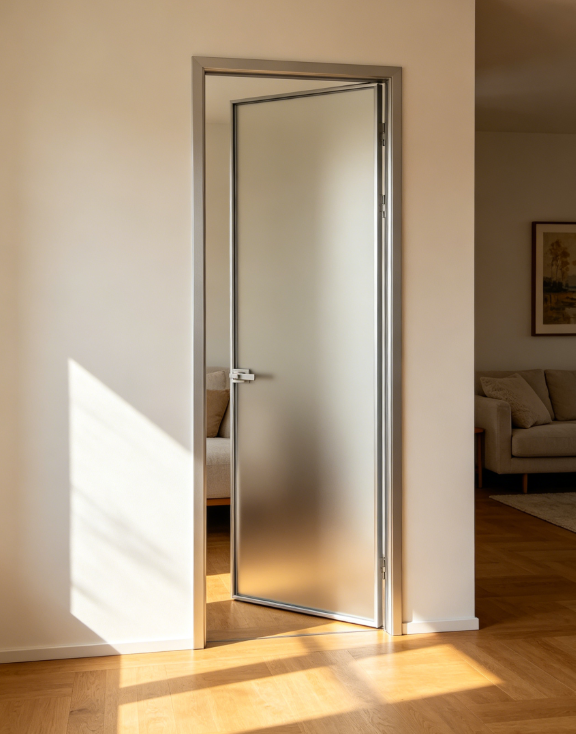
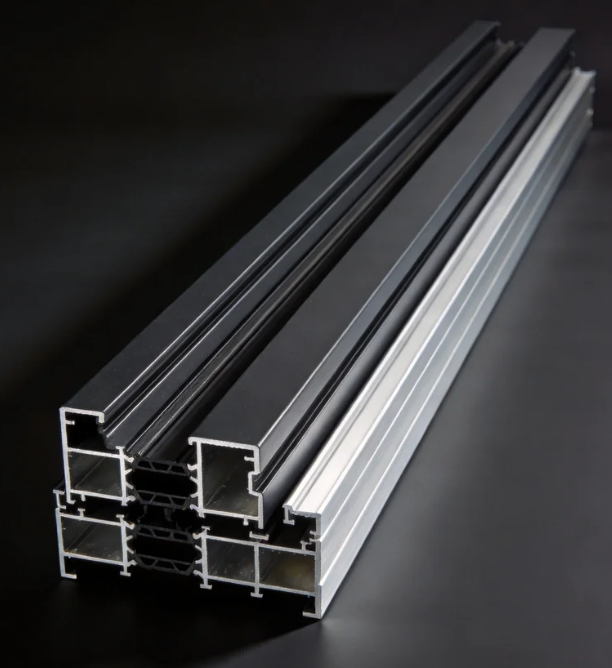
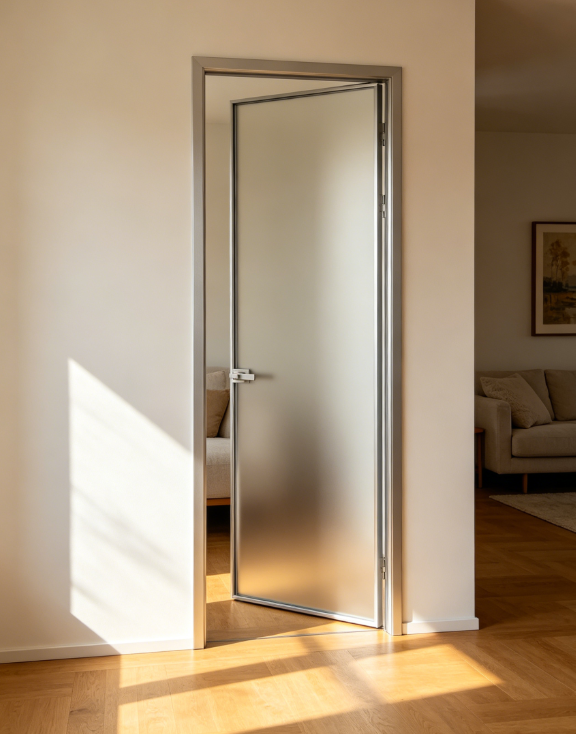
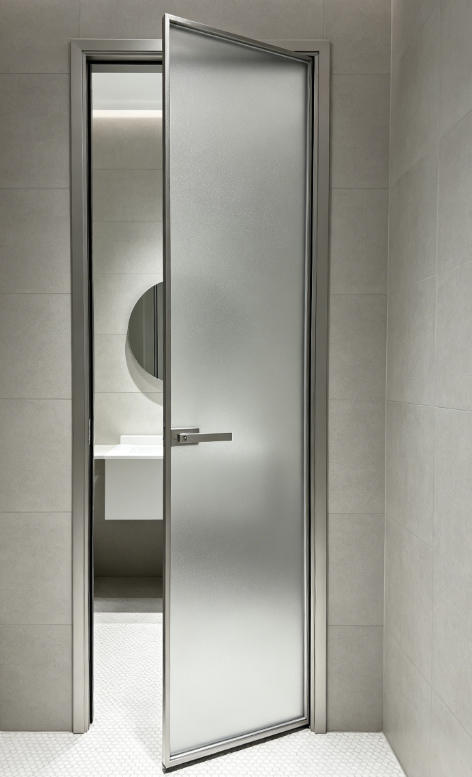
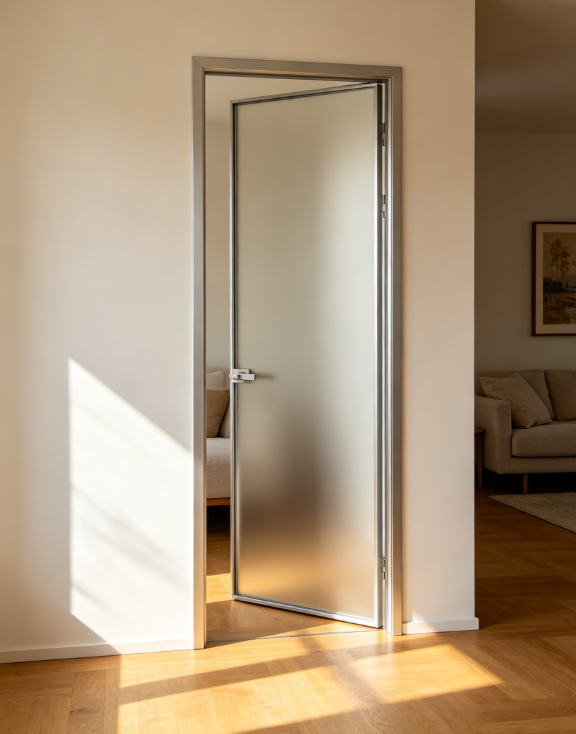
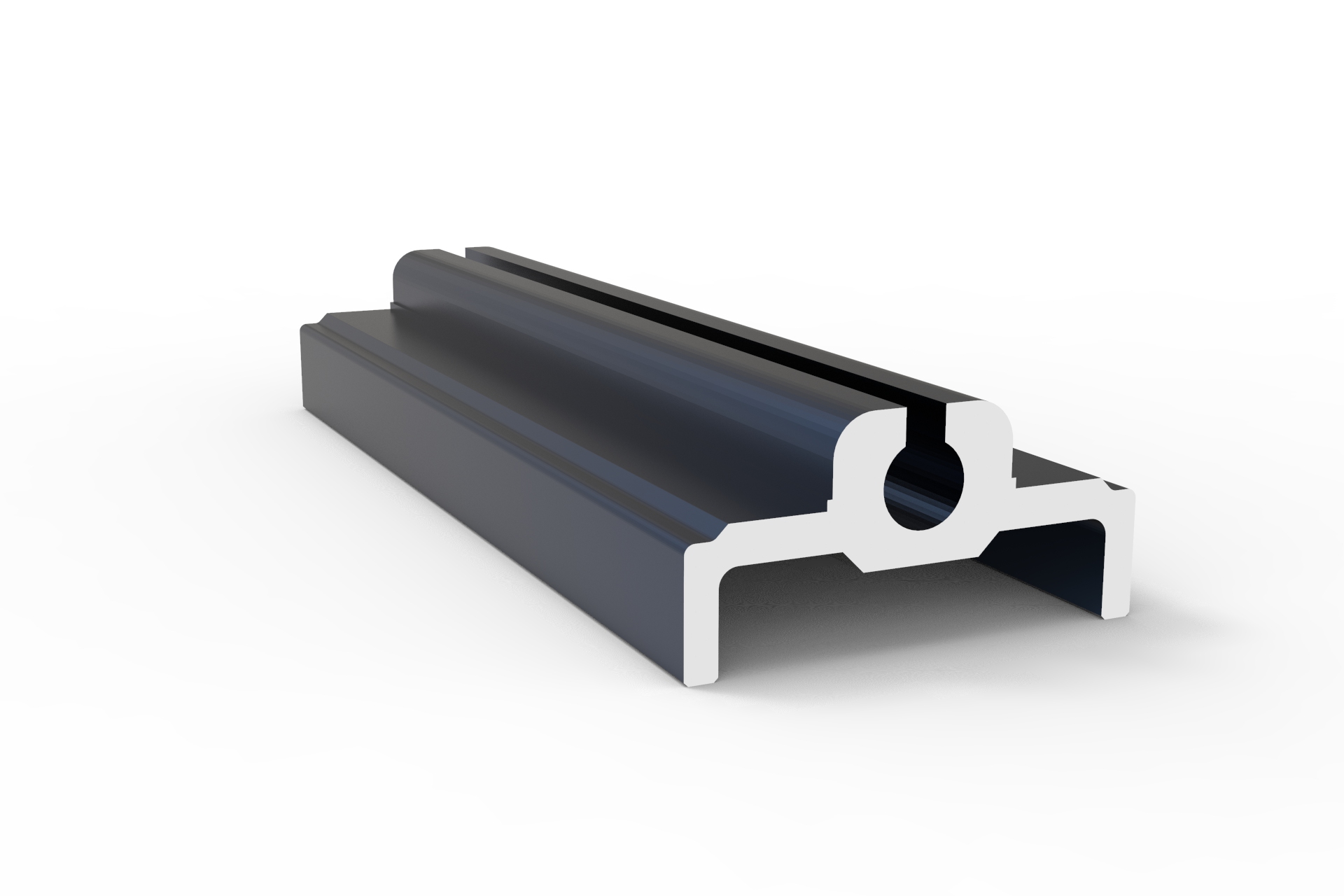
Interior door frames benefit directly from aluminium trim’s clean geometry and corrosion resistance. Where traditional wood trim expands and contracts with humidity changes, aluminum maintains dimensional stability. The one-piece installation design of modern trim profiles—featuring integrated mounting channels and pre-configured sealing surfaces—streamlines the installation process compared to assembled traditional trim systems. A doorway framed with well-specified aluminum trim conveys precision and intentionality.
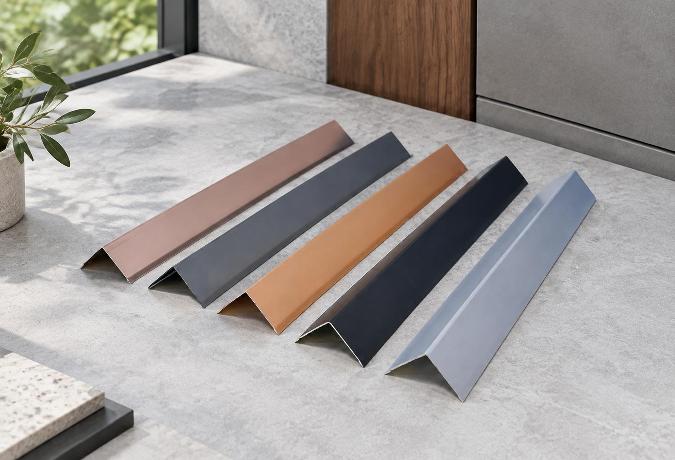
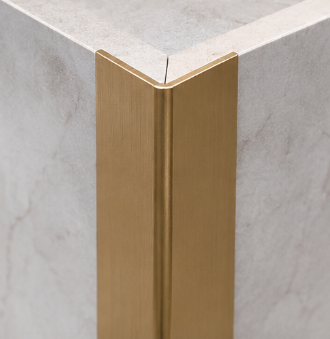
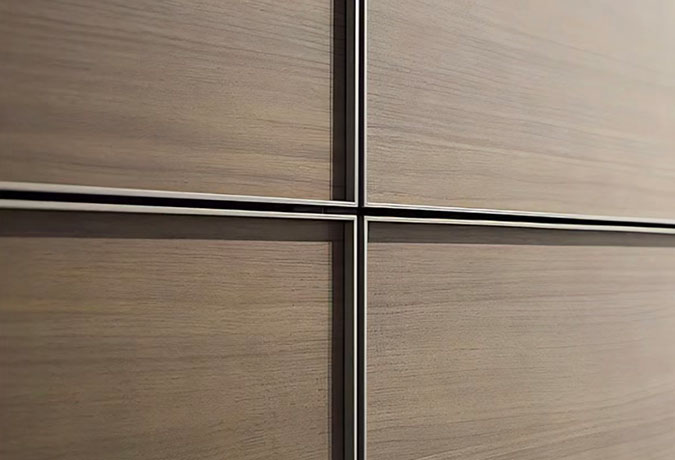
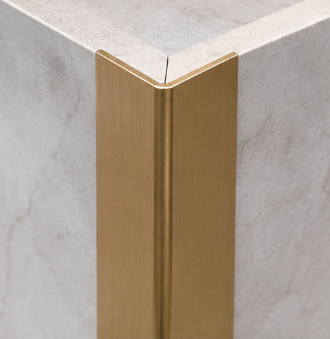
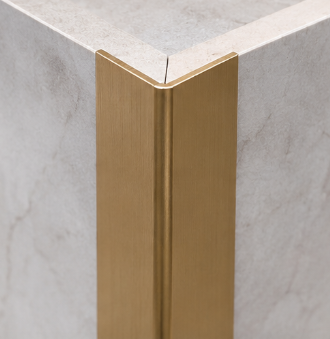
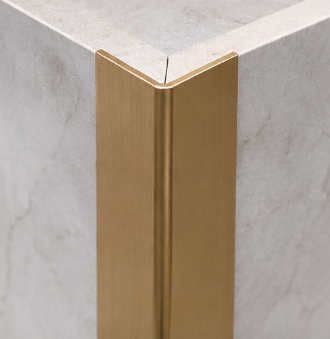
Wall panel edges and corner caps represent another significant application category. In spaces featuring built-in cabinetry, wall paneling, or mixed material surfaces, trim profiles manage transitions between surfaces at different planes. The profiles simultaneously provide edge protection—safeguarding vulnerable wall panel corners from damage—and establish visual continuity. A corner where wood veneer meets drywall, without proper transition trim, registers as unfinished. The same corner treated with matching aluminum trim becomes architectural.
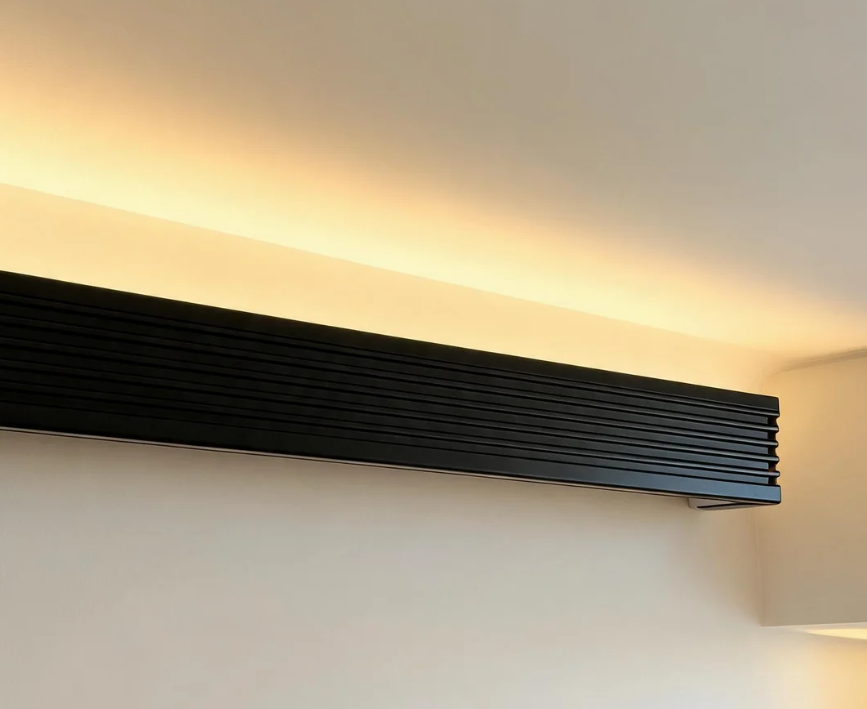
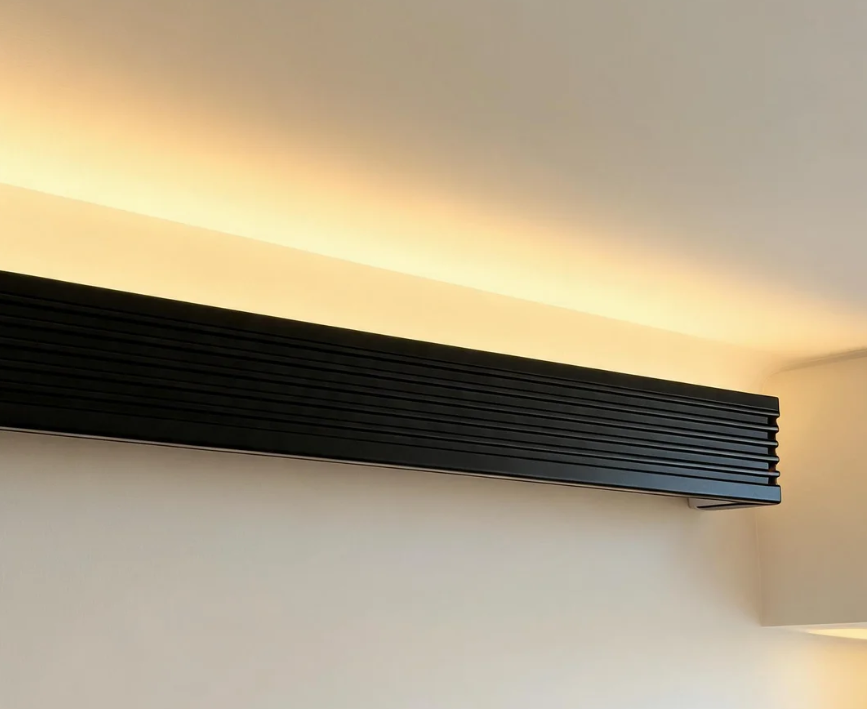
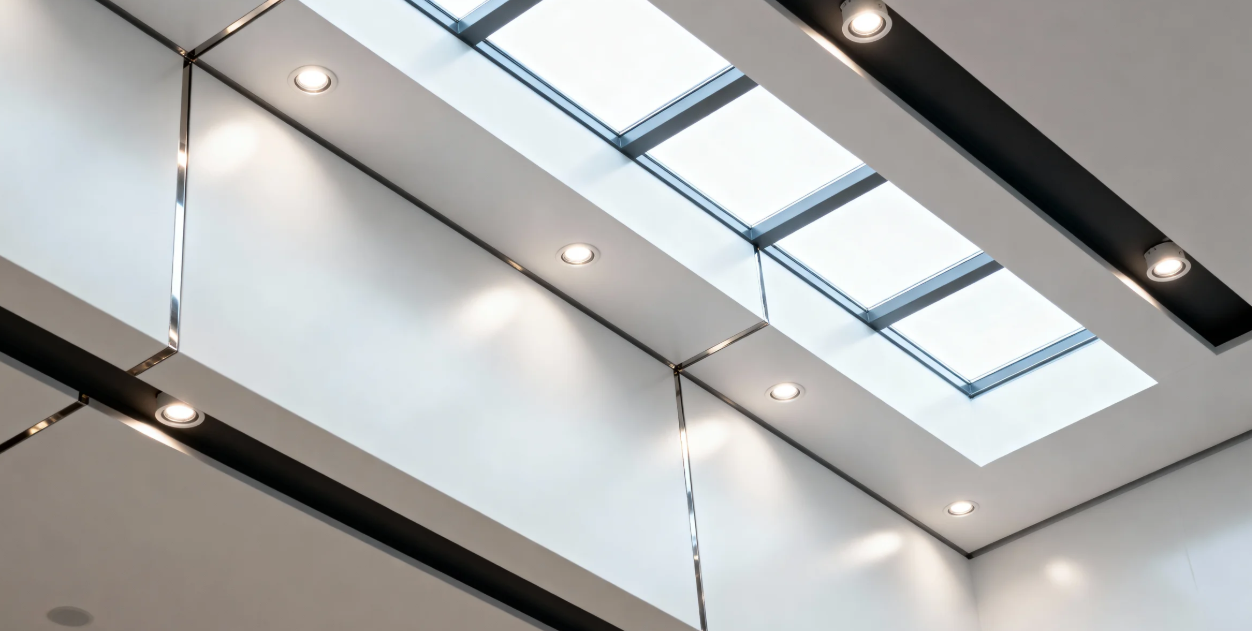
Ceiling-to-wall transitions increasingly employ aluminum trim rather than traditional crown molding. Modern minimalist aesthetics favor the clean lines and subtle presence that aluminum provides over the visual weight of ornamental wood molding. The lightweight nature of aluminum trim allows installation at greater distances from structural support, useful in applications where traditional fastening points are unavailable.
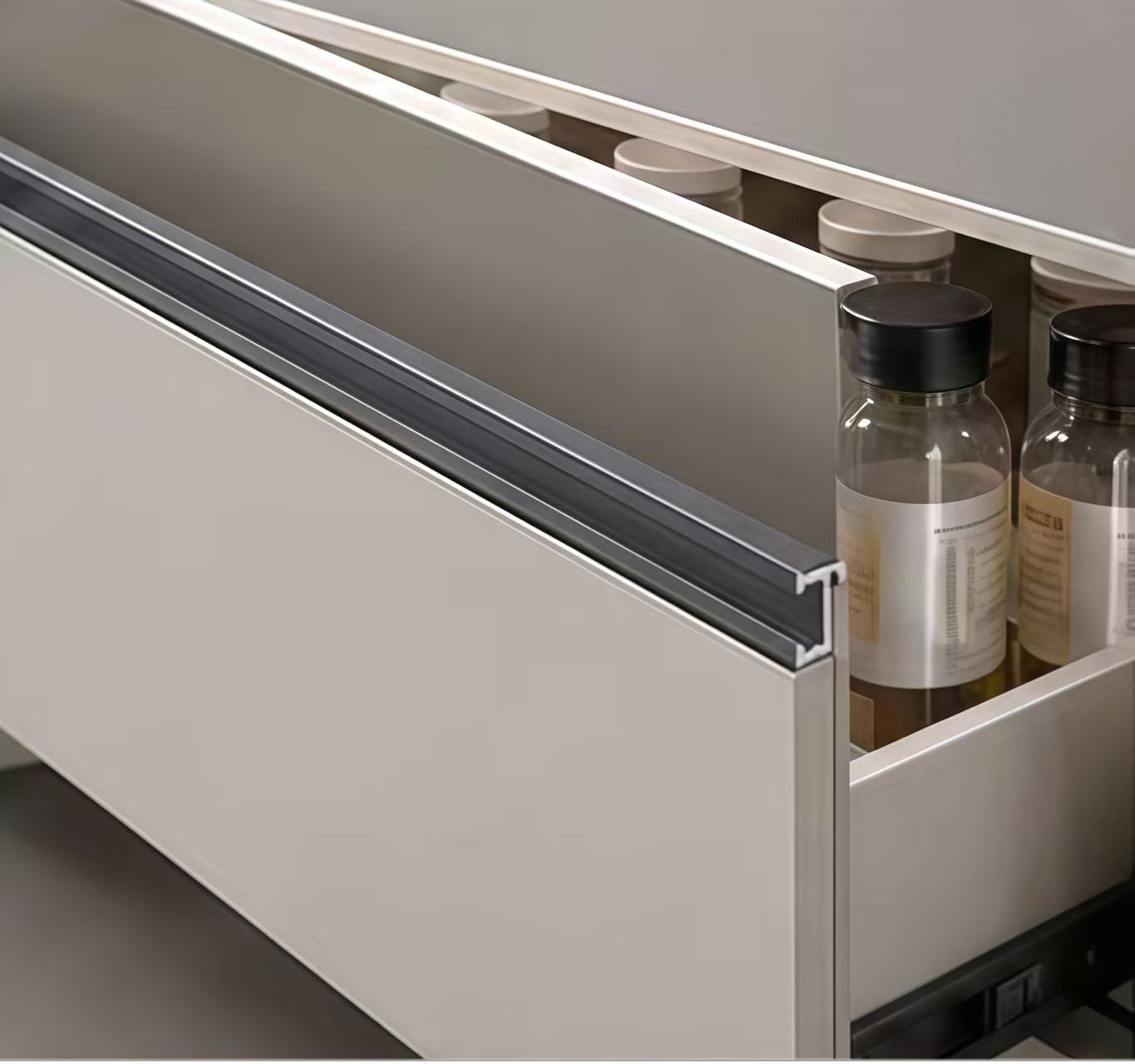
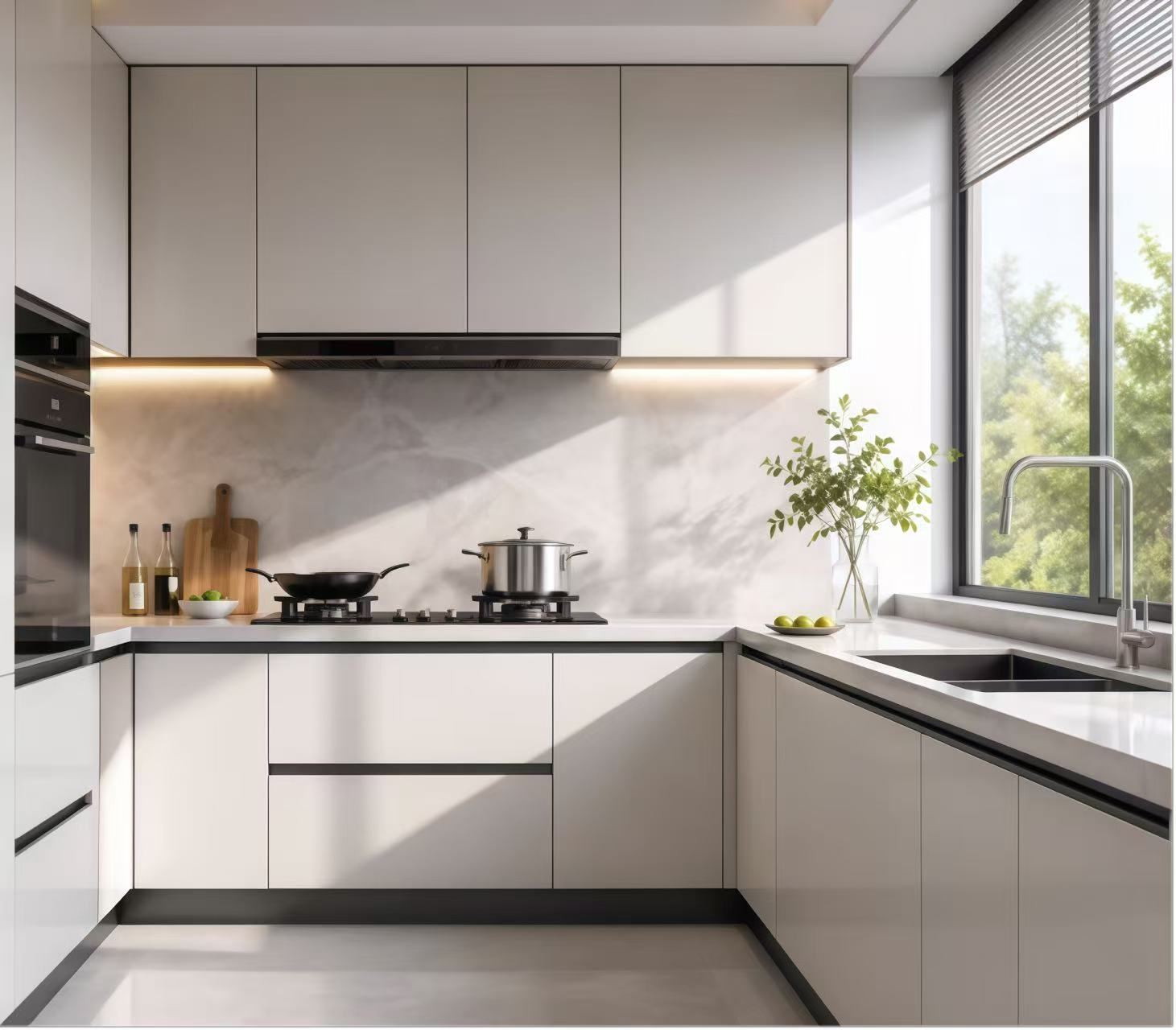
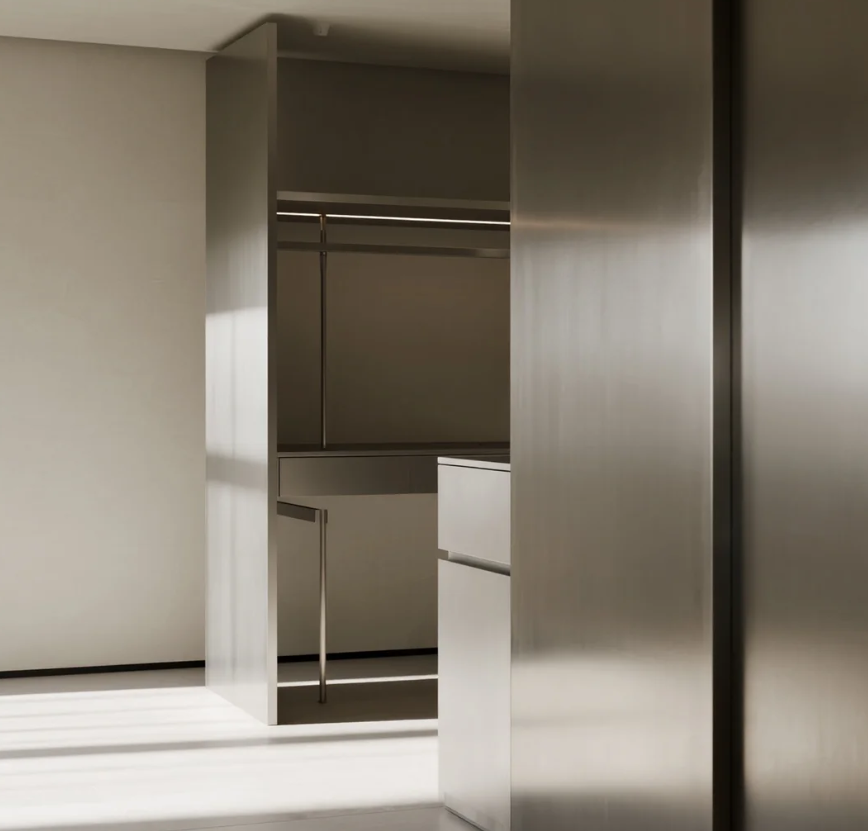
Cabinetry and built-in appliance installations depend on aluminum trim for both structural support and aesthetic definition. Frame wrapping and enclosure borders require materials that won’t warp, absorb moisture, or degrade through repeated opening and closing cycles. Custom aluminium trim profiles engineered to specified widths and depths integrate seamlessly with cabinetry components while providing durable wearing surfaces.
Material selection for trim profiles reflects tradeoffs between aesthetic preferences, performance requirements, installation complexity, and lifecycle cost. Understanding these tradeoffs clarifies why aluminum has become the default specification for many projects.
| Material | Weight | Corrosion Resistance | Maintenance | Installation Speed | Aesthetic Range |
|---|---|---|---|---|---|
| Solid Wood | Moderate | Requires sealing | High | Slow | Limited by species |
| PVC | Very Light | Excellent | Minimal | Moderate | Limited by molding design |
| Aluminium | Very Light | Excellent | Minimal | Fast | Extensive through finishes |
| Steel | Heavy | Requires coating | Moderate | Slow | Limited without coating |
| MDF | Moderate | Poor in humid areas | Moderate | Moderate | Dependent on finishing |
Solid wood trim remains aesthetically preferred by some designers but introduces maintenance demands that often surprise occupants. Wood trim requires periodic staining or sealing to maintain appearance and protection. In high-moisture environments like bathrooms and kitchens, wood absorbs water, leading to dimensional changes and eventual decay despite surface coatings.
PVC trim emerged as a cost-effective alternative to wood and maintains popularity in budget-conscious residential projects. However, PVC exhibits limited aesthetic range and can appear plasticky in applications where authentic material expression matters. The material also softens in direct sunlight, potentially warping if installed in south-facing windows.
Steel trim offers superior strength but introduces installation complexity through its weight and corrosion management requirements. Steel must be painted or coated to prevent rust, and any damage to the coating creates vulnerability to further corrosion.
Aluminium trim profiles balance all these considerations effectively. The material combines genuine durability with clean aesthetics, minimal maintenance requirements, and straightforward installation. The extensive surface treatment options enable designers to achieve specific visual objectives without material substitution.
Aluminium trim profiles perform consistently across the environmental variations that challenge other materials. Understanding these performance characteristics informs specification decisions for different project contexts.
Corrosion resistance represents perhaps the most significant performance advantage. Aluminium naturally forms a protective oxide layer when exposed to air. This passive oxide film resists degradation even in challenging environments. Unlike steel, which rusts through progressive oxidation, aluminium won’t develop structural compromise from corrosion. In coastal environments with salt spray exposure, aluminum trim maintains integrity through decades while steel requires constant maintenance.
The alloys used in trim profiles—particularly 6063 and 6463—contain magnesium and silicon in carefully balanced proportions that support good corrosion resistance. These alloys generally resist pitting corrosion well, particularly compared with uncoated carbon steel in chloride-rich environments.
Temperature stability affects both dimensional and aesthetic performance. Aluminium expands and contracts through temperature changes, though the expansion coefficient remains lower than certain plastics. For trim profiles spanning transitions between interior and exterior surfaces, this stability helps limit the opening and closing of gaps that plague materials with higher expansion rates. A trim joint sealed against moisture at 70°F remains effectively sealed through typical temperature variations unless the profile thickness or material was fundamentally misspecified.
Moisture management connects to both corrosion and dimensional stability. Properly anodized or powder-coated aluminium trim doesn’t absorb water, which eliminates the dimensional swelling and microbial growth that affects wood-based alternatives. In bathroom installations where ventilation remains imperfect and moisture levels remain chronically elevated, aluminum trim delivers performance that wood simply cannot match.
Standard trim profiles cover the majority of project requirements, but architectural complexity often demands customization. According to product specifications supplied by manufacturers such as ours, custom aluminium trim profiles can typically be ordered with minimum quantities around 200 to 500 kilograms per section, with lead times generally in the range of 10 to 20 days, and manufacturers support custom specification across multiple dimensions—profile geometry, length, thickness, and surface treatment.
Custom geometry addresses specific architectural needs. A project might require a trim profile with an unusual cross-sectional shape to integrate with particular wall systems or accommodate specialized mounting requirements. Custom profiles enable designers to solve specific problems without material substitution or workaround installations. The manufacturing flexibility of aluminum extrusion—where complex cross-sections can be created through tooling—gives aluminum advantages over many materials.
Thickness customization affects both structural capacity and material cost. A partition border requiring higher structural stiffness might specify increased wall thickness within the profile’s cross-section, while a purely decorative trim might optimize for minimal material. This granularity in specification reflects the understanding that not every installation demands identical strength.
Surface treatment customization extends beyond standard color options. Some projects require specific finishes—matte surfaces for light-absorbing applications, high-gloss for reflective effects, or textured finishes for particular aesthetic objectives. Advanced manufacturers can engineer custom finishes that meet specific performance and appearance requirements.
Choosing appropriate aluminium trim profiles requires evaluating multiple factors specific to each project context. A systematic approach clarifies the decision path.
Environmental exposure represents the first critical consideration. Is the trim interior-only or subject to exterior exposure? Coastal proximity? High humidity? These factors influence alloy selection and surface treatment specification. Interior dry applications permit broader specification latitude, while demanding environments require premium alloy selections and robust coating systems.
Aesthetic objectives shape both profile geometry and finish selection. Minimalist contemporary design typically favors slim profiles with matte or satin finishes, while traditional interiors might employ wider profiles with warmer finishes. The desired visual presence—bold architectural statement versus subtle background element—informs width, depth, and color decisions.
Structural and functional requirements determine profile thickness and cross-sectional stiffness. A profile functioning as edge protection for high-impact applications requires different engineering than a purely decorative element. Fastening requirements, load-bearing capacity, and sealing performance all influence specification.
Installation context and labor capabilities affect the practical feasibility of certain profiles. Complex profiles requiring precision fitting demand experienced installers, while simpler geometries accommodate broader installation skill levels. Projects with budget constraints on labor typically benefit from simpler profiles that install quickly.
Aluminium trim profiles deliver genuine low-maintenance performance compared to traditional alternatives. The actual maintenance reality, however, depends on understanding what maintenance involves and what it doesn’t.
Routine cleaning comprises the primary maintenance activity. For anodized finishes, mild soap and water remove dust and light soiling. The sealed oxide layer resists staining better than raw aluminum, though sustained exposure to harsh environments can eventually dull the surface. This change, if it occurs, remains superficial and doesn’t compromise material integrity.
Powder-coated trim typically requires only similar routine cleaning. The polymer coating resists most household chemicals and environmental exposure. Deep scratches in powder-coated surfaces create vulnerability to corrosion at the exposed aluminum, though minor scratches in typical installations rarely prove problematic over practical lifespans.
Wood grain finishes, despite their realistic appearance, maintain the low-maintenance characteristics of aluminum substrates. Unlike real wood, no refinishing becomes necessary as the coating gradually weathers. The finish remains stable for years with minimal intervention.
Avoiding maintenance mistakes matters as much as performing routine maintenance. High-pressure washing risks forcing water into sealing surfaces, while abrasive cleaners can scratch anodized finishes. Architectural specifications should clarify maintenance protocols for maintenance personnel, preventing damage from well-intentioned but inappropriate cleaning methods.
The lifecycle cost advantage of aluminum trim emerges across extended timeframes. While initial material cost might exceed some alternatives, the reduced need for refinishing, resealing, and repair over the long service life of a building creates compelling economic logic. A hallway trimmed with wood trim might require refinishing every 7-10 years. The same hallway trimmed with properly specified aluminum trim requires only routine cleaning.
Professional specification of aluminium trim profiles relies on industry standards that establish minimum performance requirements and testing protocols. Understanding these standards clarifies what quality means and why manufacturer selection matters.
Extrusion standards define the geometric tolerances, material composition, and mechanical properties of aluminum profiles. Different standards apply in different markets—American standards, European standards, and Chinese standards establish specifications within their respective regions. Profiles meeting recognized standards undergo testing to verify composition, tensile strength, and dimensional accuracy.
Surface treatment standards specify acceptable coating thickness, adhesion, and protective performance. For anodized finishes, standards define oxide layer thickness ranges and coloration specifications. For powder coatings, standards address coating thickness, hardness, and salt spray corrosion resistance. These specifications ensure that finished profiles deliver predictable performance.
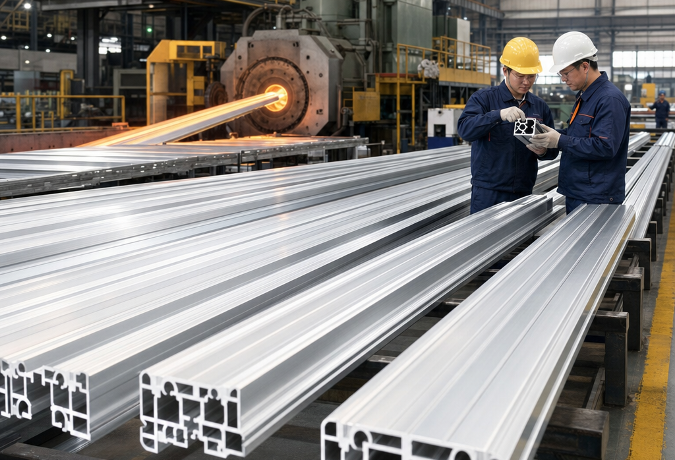
Manufacturing quality assurance protocols verify that production runs meet specified standards. Reputable manufacturers implement in-process testing and finished product inspection to detect deviations before products ship. This quality discipline ensures consistency across production batches and installation timeframes.
The experience and reputation of the manufacturer influences the reliability of quality assurance. Manufacturers with decades of experience serving international markets typically maintain more rigorous processes than newer entrants, though newer manufacturers may employ advanced quality systems. Verification through third-party testing, certifications, and customer references provides confidence in quality claims.
Aluminium trim profiles continue evolving through improved alloy formulations, advanced surface treatments, and innovative manufacturing processes. These developments expand the material’s capabilities while addressing remaining limitations.
Alloy development focuses on enhanced corrosion resistance and improved workability for complex profiles. Emerging alloy compositions promise improved performance in challenging environments while maintaining ease of fabrication.
Surface treatment innovation addresses the desire for more durable finishes with broader aesthetic range. Advanced coating systems provide enhanced scratch resistance while maintaining the aesthetic qualities designers demand.
Manufacturing process improvements enable greater customization while reducing lead times and minimum order quantities. Advanced CNC machinery and digital design integration allow small-run custom profiles to approach mass-production economics.
Sustainability considerations increasingly influence material selection in design practice. Aluminium’s recyclability—the material can be recycled repeatedly without significant loss of properties—appeals to environmentally conscious designers and building programs targeting sustainability certifications. Recycled content specifications allow projects to incorporate significant quantities of post-consumer or post-industrial aluminum without performance compromise.
Aluminium trim profiles installed properly deliver decades of reliable performance. Experience from installations across residential and commercial applications demonstrates consistent durability when specifications match project requirements.
Interior applications—hallway trim, door frames, cabinetry integration—commonly show minimal degradation after many years of use. Finishes retain color stability in interior lighting conditions, while material integrity remains uncompromised. Minor surface wear appears in high-traffic applications where physical contact occurs, though structural performance continues unaffected.
High-moisture bathroom and kitchen applications demonstrate aluminum’s genuine advantage over alternative materials. Trim installations in wet environments typically show no swelling, decay, or corrosion-driven failure when properly sealed. Wood trim in equivalent conditions often requires intervention or replacement much sooner.
Coastal applications reveal the material’s corrosion resistance advantages most clearly. Aluminium trim installed in high-salt-exposure environments maintains appearance and function across extended periods while steel would require constant maintenance and wood would deteriorate.
Selecting aluminium trim profiles for any project involves integrating technical requirements, aesthetic objectives, and practical constraints into a coherent specification. The material’s versatility across applications, combined with its genuine performance advantages, explains its increasing prominence in contemporary interior design.
The decision to specify aluminium trim profiles typically reflects recognition that finishing details merit thoughtful attention. Projects that reach this level of specification sophistication typically achieve superior results across multiple dimensions—aesthetic coherence, installation efficiency, and long-term durability.
Partnering with experienced manufacturers ensures access to the full range of available options and expert guidance on specification details. Manufacturers with extensive experience across diverse applications and markets can clarify tradeoffs, suggest alternatives when initial concepts face practical constraints, and validate specifications against real-world performance data.
The evolution toward aluminium trim profiles across professional design practice reflects genuine material advantages rather than trend-driven preference. As projects increasingly demand cleaner aesthetics, improved durability, and reduced maintenance, aluminium trim profiles deliver on all three fronts. Whether framing an interior doorway, managing wall panel transitions, or integrating cabinetry components, properly specified aluminium trim profiles provide solutions that perform reliably across years of use while maintaining the visual precision that contemporary design demands.

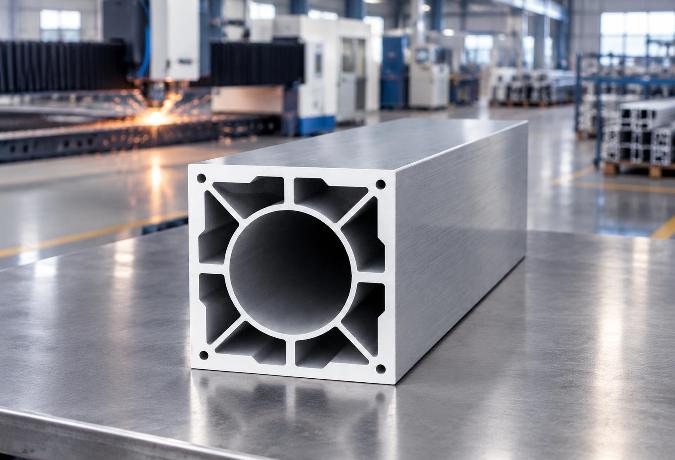
Choosing Industrial Aluminium Profiles for Laser Cutting Machines: A Technical Guide
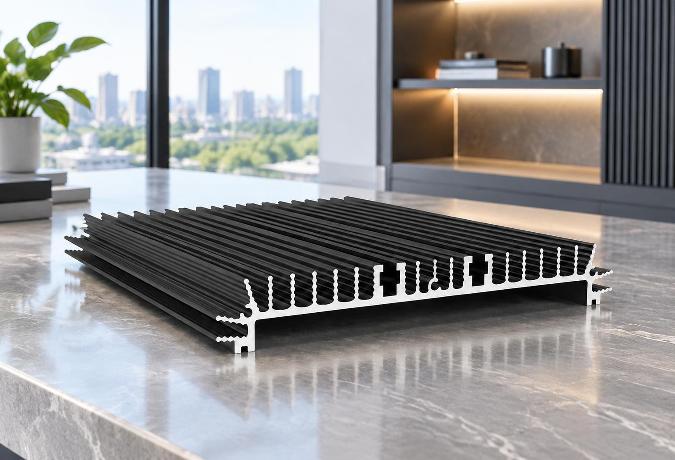
How LED Aluminium Profile Heatsinks Manage Thermal Challenges in High-Performance Lighting
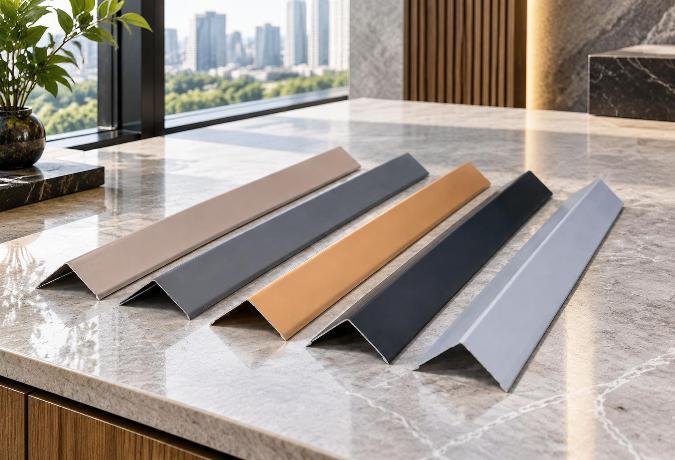
Architectural Aluminium Profiles: Choosing the Right Angle Design for Framing and Trim
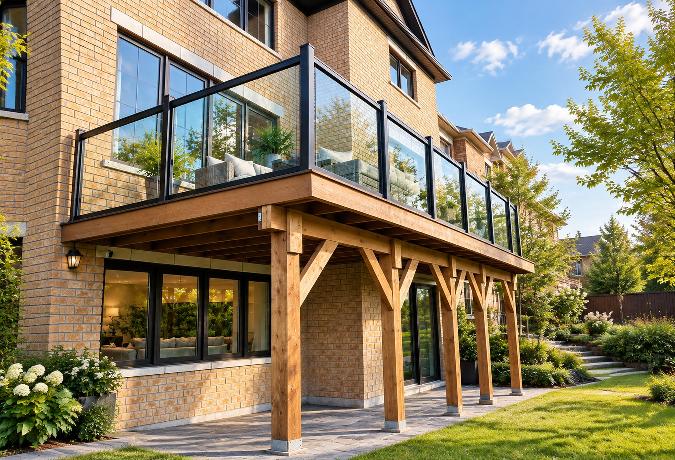
Choosing the Right Aluminium Balustrade Profiles for Your Project
Choosing the Right Aluminium Door Profiles for Narrow-Frame Sliding Systems
Aluminium Window Profiles: Engineering Durable Facades for Modern Buildings
Aluminium Thermal Break Profiles: Design Principles and Practical Applications
Aluminium Extrusion for Furniture: Structural Logic Behind Lightweight Precision
Aluminium Wardrobe Profiles: A Practical Guide to Frames, Tracks, and Finishes
Choosing the Right Aluminium Linear Rail Profile for Motion Systems
Anodized Aluminium Profiles: Material Selection and Practical Applications in Modern Design
Anodized Aluminium Profiles: Material Selection and Practical Applications in Modern Design
Aluminium Decorative Profiles: Design, Installation, and Interior Applications
Aluminium Profiles for Automation: A Practical Guide to Modular Frame Design
Aluminium Extrusion for Furniture: Structural Logic Behind Lightweight Precision
Aluminium Thermal Break Profiles: Design Principles and Practical Applications
How do suppliers normally handle Sliding door installation problems overseas?
Choosing the Right Aluminium Balustrade Profiles for Your Project
Aluminium Louver Profiles: Light Control and Ventilation in Modern Architecture
Aluminium Curtain Wall Profiles: Structural Design and Performance in Modern Architecture
How do I verify Casement window production capacity before signing a contract?
Powder Coated Aluminium Profiles: Durability and Design in Modern Applications
How Aluminium Heatsink Profiles Keep Electronics From Cooking Themselves
How do FOB and CIF change my risks when importing Sliding doors?
What support should I receive if Architecture profile dimensions are wrong?
Aluminium Profile Alloys 6063 T5 T6: Properties, Heat Treatment Differences, and Application Selecti
Inside an Aluminium Profile Factory: How Angle Profiles Are Made and Chosen
What is a realistic MOQ for a first Sliding window trial order?
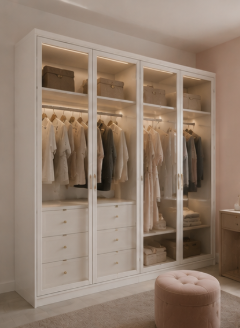
Which factory records should I review before buying Industrial profile?
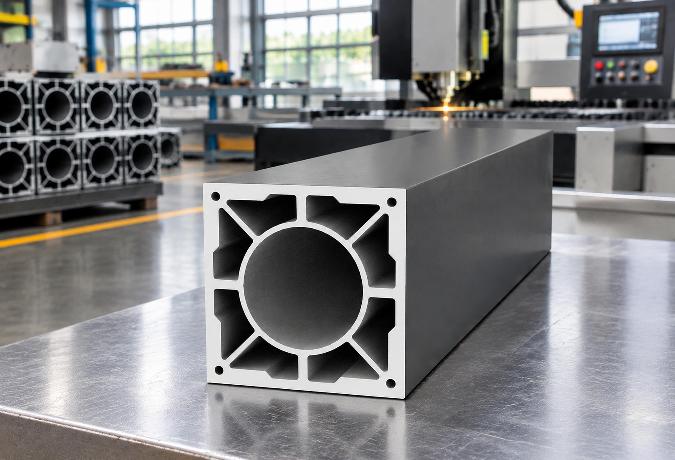
Aluminium Extrusion for Machinery: Choosing the Right Profile for Industrial Equipment
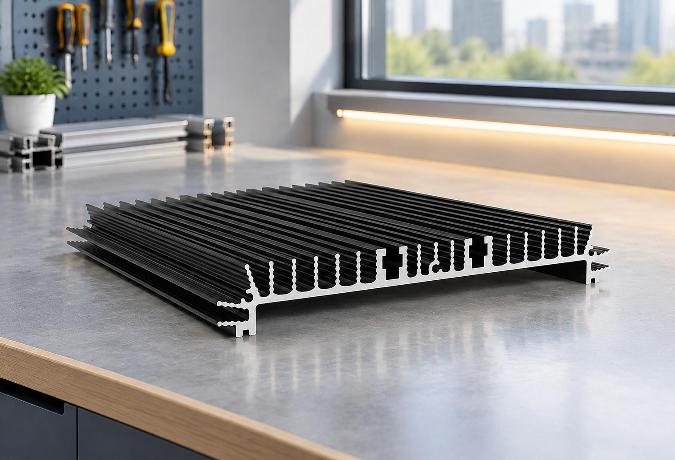
Aluminium Extrusion for LED Lighting: Choosing the Right Heatsink Profile
Can a Floding door supplier protect my private design from competitors?
Which Industrial profile tolerances affect assembly accuracy and finished quality?
Can trade credit insurance cover my Architecture profile purchase risk?
Custom Aluminium Extrusion Profiles: Engineering Precision into Industrial Motion Systems
T-Slot Aluminium Extrusion: Structural Framework Design Without Welding
Which recycled-content records are credible for Sliding window procurement?
Aluminium Sliding Door Profiles: A Practical Guide to Frame Design and Performance
How Aluminium Extrusion Manufacturers in China Support Linear Motion Systems
What contract clauses protect my money if Casement door quality is unacceptable?
How do I confirm Sliding door testing equipment is calibrated and current?
Should I visit an Architecture profile plant before placing a large order?
Which compliance tests should a Floding door pass before international shipment?
How do I compare Decorative profile color samples under different lighting?
What payment and price terms make sense for a small Casement window order?
What lead time should I allow for a seasonal Floding door order?
How can I compare Floding door alternatives when supply costs suddenly rise?
Which new Sliding door technologies can lower maintenance costs over time?
How are recycled materials changing the future cost of Floding doors?
How long should a custom Casement door sample normally take to prepare?
What gap between a Sliding window sample and bulk order is acceptable?
Which Decorative profile finishes are becoming more sustainable and cost-effective?
What logistics fees should be listed separately in a Sliding window quote?
How might volatile aluminum prices affect future Sliding window sourcing?
Which audit questions reveal labor risks at a Casement door factory?
Can Decorative profile suppliers provide fast remote guidance for finish defects?
What should a Shutter sample include so I can assess production quality?
Do Sliding door materials need traceability records for customs clearance?
What environmental declarations are useful when importing Architecture profile?
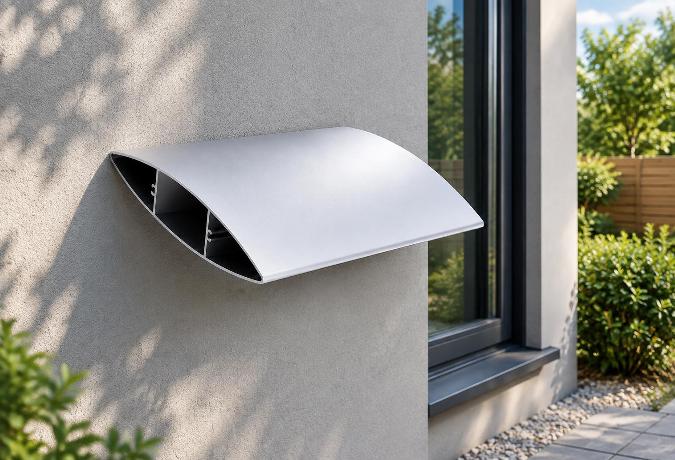
Why Blade Geometry Determines Whether Aluminium Louvers Actually Work
Engineering an Aluminium Angle Profile: Structural Mechanics and Application Realities
What usually drives Architecture profile costs more, alloy or surface treatment?
Why the One-Piece Molding on Aluminium Trim Profiles Matters More Than the Finish
Why the Thermal Break Cavity Matters More Than Frame Thickness in Aluminium Framed Windows and Doors
The T-Slot Groove Geometry That Makes Aluminium Framing Weld-Free
Why the One-Piece Molding on Aluminium Trim Profiles Matters More Than the Finish
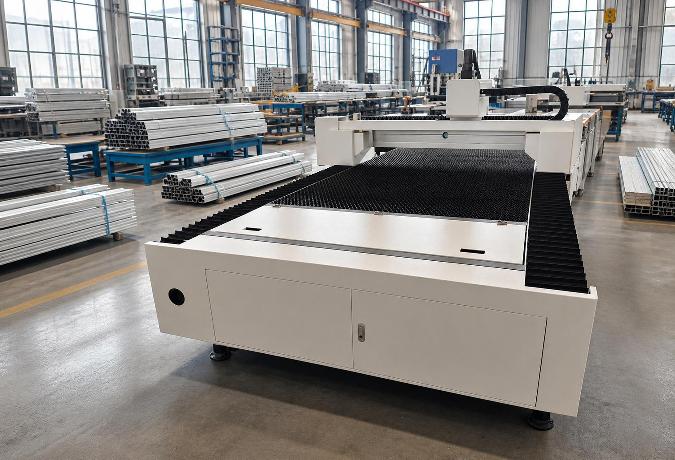
Structural Dynamics of Industrial Aluminium Profiles in Laser Cutting Gantries
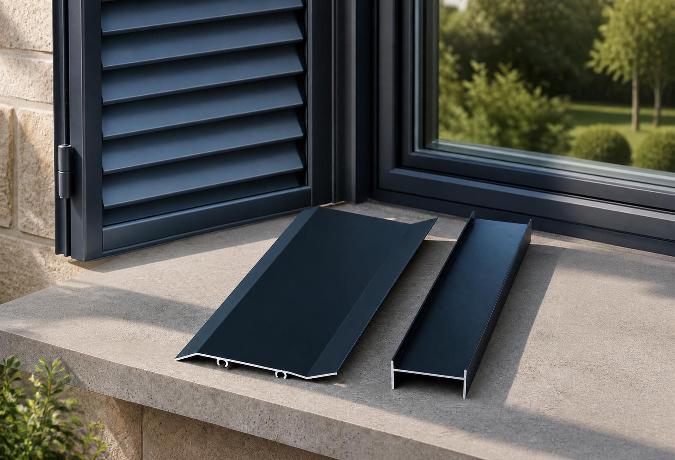
The Engineering Mechanics Behind High-Performance Aluminium Shutters
What factory documents should I request for a Floding door supplier review?
Which delivery term gives me better control over Decorative profile freight costs?
What low-carbon Awing window materials are gaining wider market acceptance?
Why Sliding Door Track Geometry Determines Wardrobe Longevity
Engineering Mechanics and Surface Dynamics of Aluminium Channel Profiles
Understanding Aluminium Round Tube Specifications for Structural Engineering
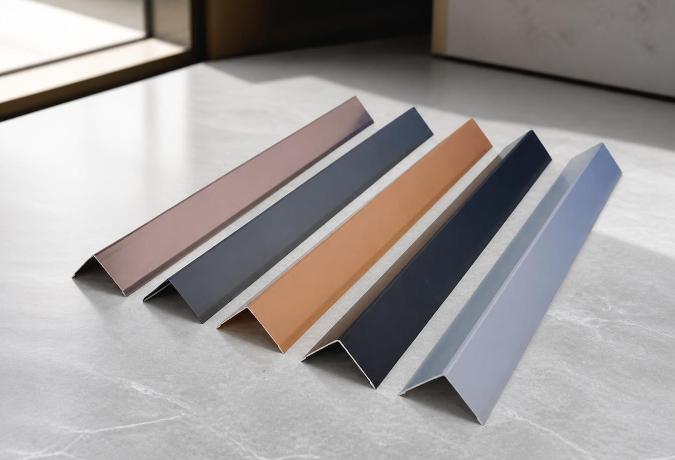
Why the 90-Degree Angle in Standard Aluminium Profiles Determines Structural Reliability
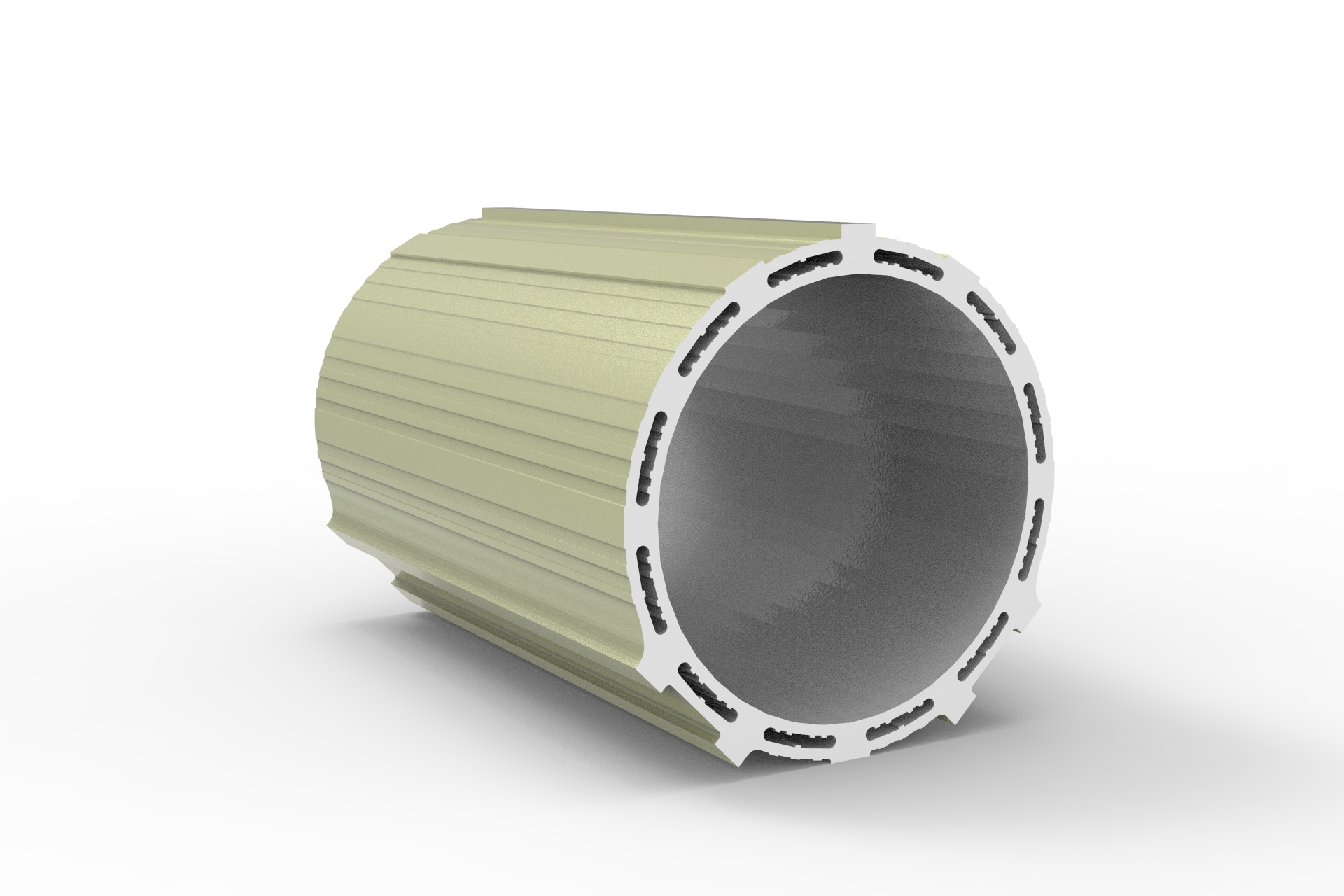
How can I ensure a Floding door sample matches the planned mass production?
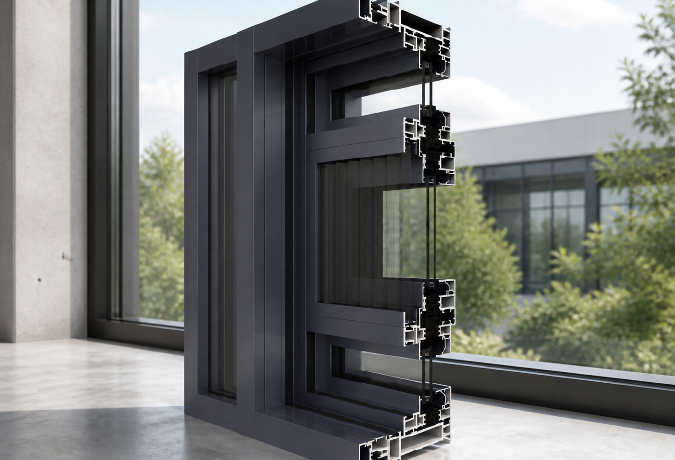
Why Mullion Thickness Determines How Much Glass an Aluminium Curtain Wall Can Actually Hold
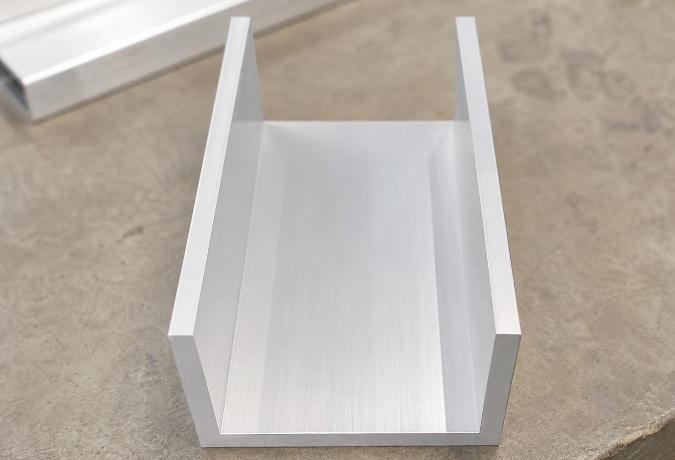
Engineering Dimensional Stability in Aluminium Extrusions for Channel Profiles
Engineering the Structural Framework: The Mechanics of Aluminium Profiles for Kitchen Cabinets
Choosing an Aluminium Profile Supplier: What Actually Separates the Reliable Ones from the Rest
Can Awing window orders ship in batches to avoid project delays?
What response time should I expect for Awing window warranty claims?
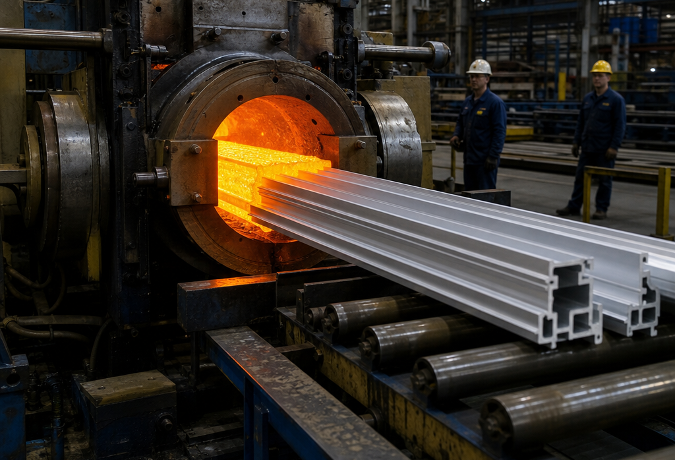
Navigating the Supply Chain: Evaluating an Aluminium Profile Manufacturer for B2B Procurement
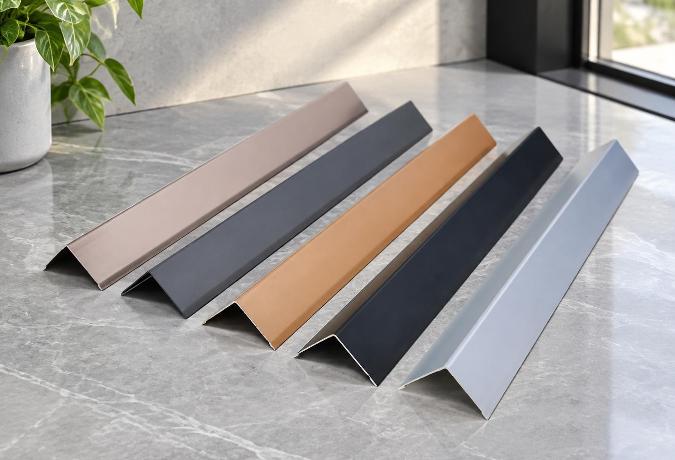
Engineering Structural Integrity Through Precision L-Shaped Aluminium Profiles
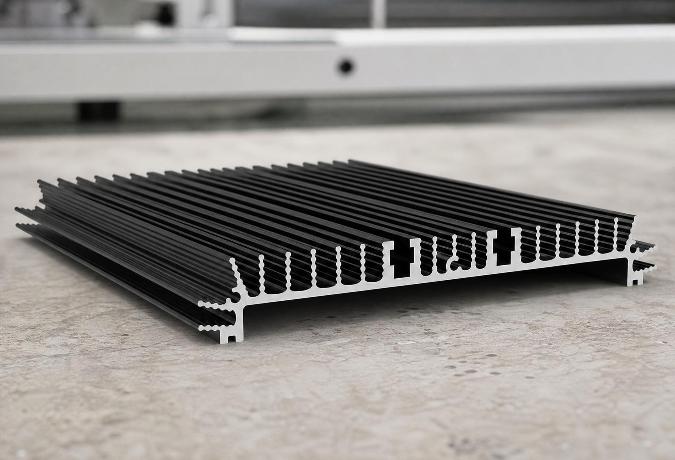
Thermal Dynamics in High-Power Electronics: Engineering Aluminium Heatsink Profiles
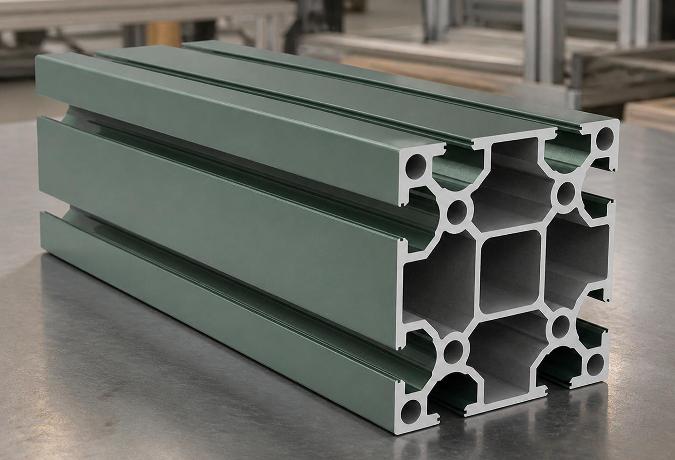
Why the T-Slot Design Determines the Real Strength of Structural Aluminium Extrusions
How long should replacement Sliding window parts remain available after purchase?
Should I expect volume discounts when reordering the same Sliding window model?
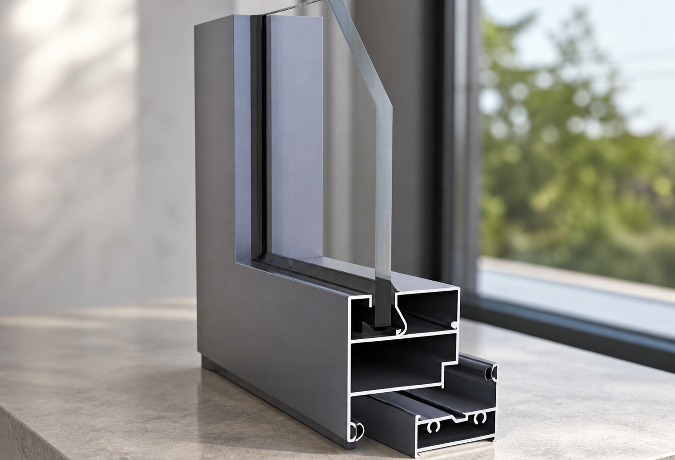
The Multi-Strip Sealing Structure Inside Aluminium Windows and Doors

Engineering Lightweight Rail Structures Through Extruded Aluminium Profiles
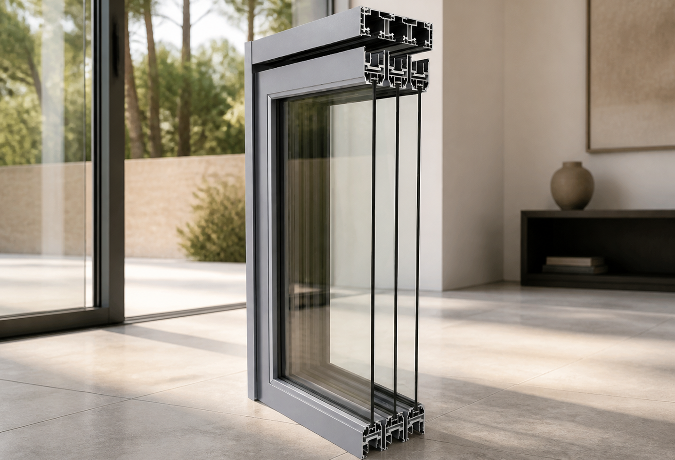
Why the Frame Width on an Aluminium Sliding Door Determines Your Room’s Light
The Engineering Behind Decorative Aluminium Profiles: Alloys, Surface Treatments, and Edge Protectio
What alternative materials could make Casement doors more resilient and recyclable?
How can I compare Awing window quotes without missing hidden packing costs?
Decoding Structural Tolerances in Aluminium Extrusion Profiles for Channel Applications
Engineering an Aluminium Square Tube for Modern Structural Integrity
Engineering Tolerances and Alloy Mechanics in Extruded Aluminium Construction Profiles
The Engineering Mechanics Behind Aluminium Angle Profiles in Modern Construction
Can an Industrial profile be modified for my assembly without weakening it?
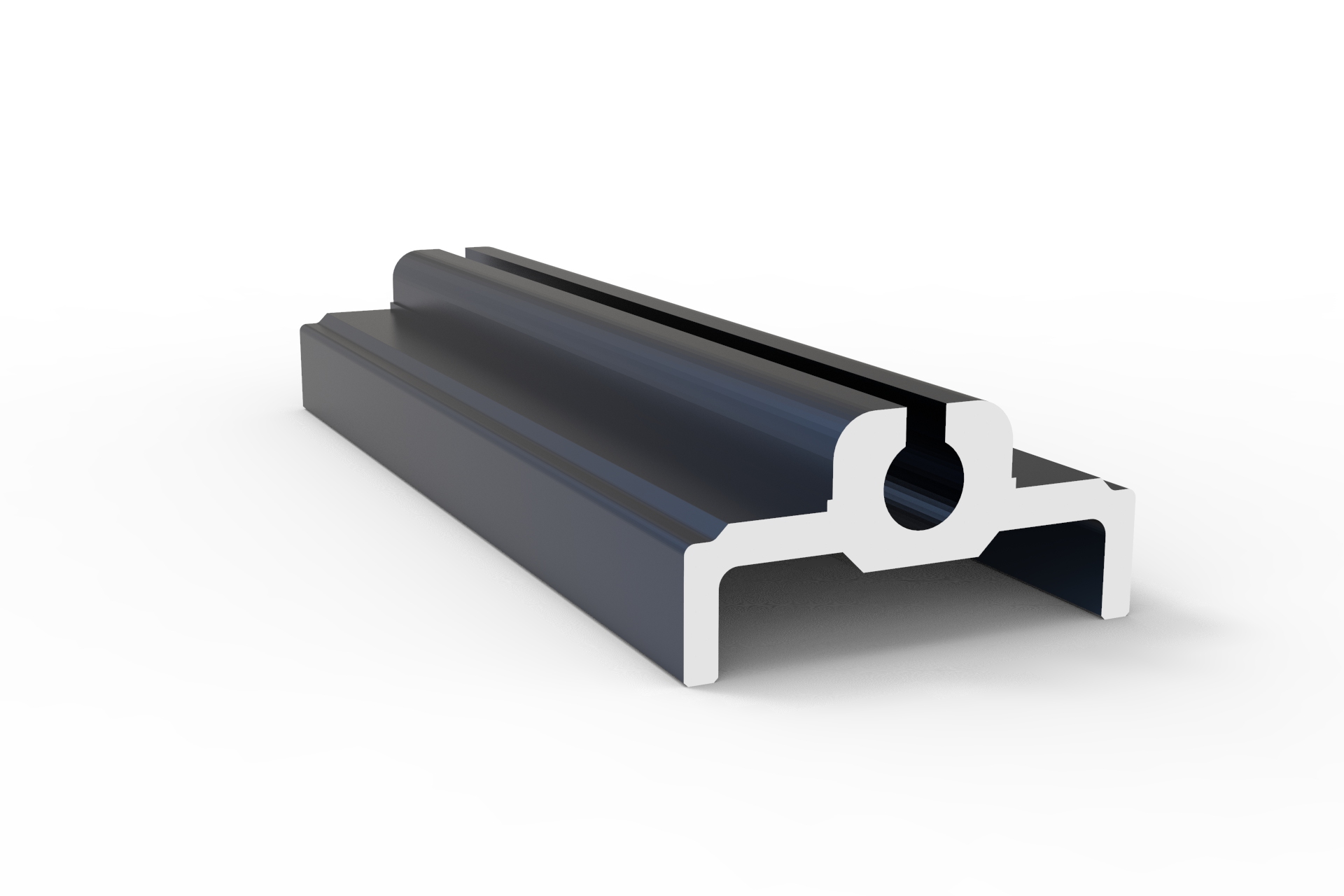
What warning signs suggest a Sliding door seller may disappear after payment?
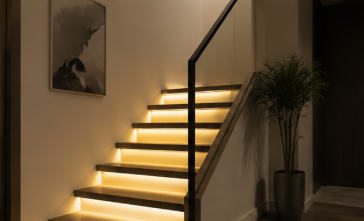
What energy-efficient alternatives to Casement doors are worth comparing now?
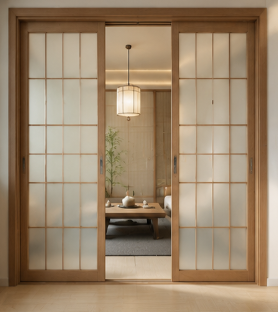
Can a Casement window handle temperature changes without seal failure?
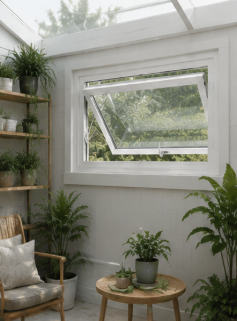
Who pays for unloading and destination handling under Casement door CIF terms?
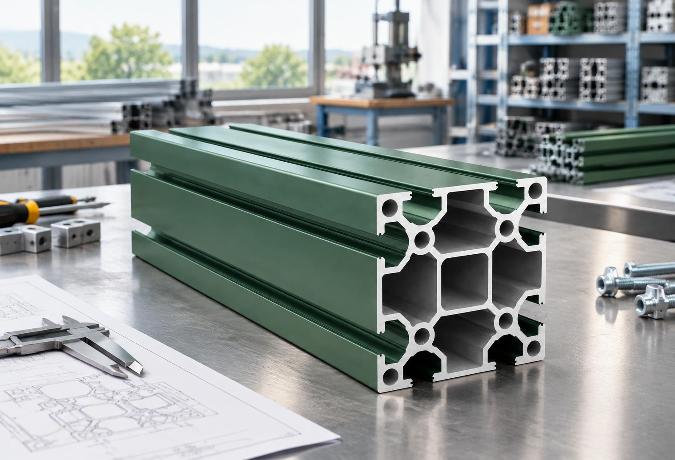
Custom Aluminium Extrusion Profiles: The Engineering Mechanics of T-Slot Frameworks
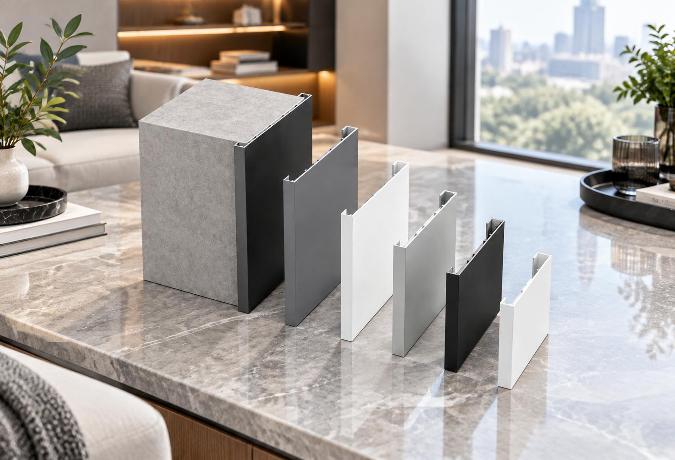
Material Transitions and Geometric Stability in Decorative Aluminium Profiles
Can I negotiate a lower Sliding door MOQ for a showroom launch?
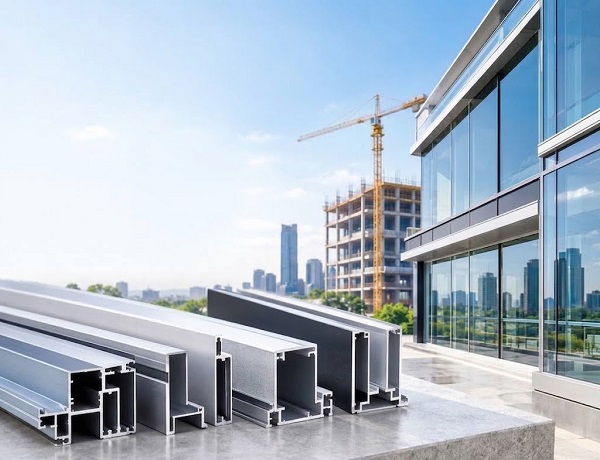
Key Advantages of Using Structural Aluminium Extrusion Profiles in Construction
What evidence shows an Awing window factory manages coating waste properly?
How can I protect my deposit when ordering custom Decorative profile?
How do I spot unusually low Industrial profile prices before committing funds?
How can I check that a Shutter supplier is not using unapproved subcontractors?
What contract terms protect my Casement door drawings and branding?
How can I compare Casement door insulation ratings before placing an order?
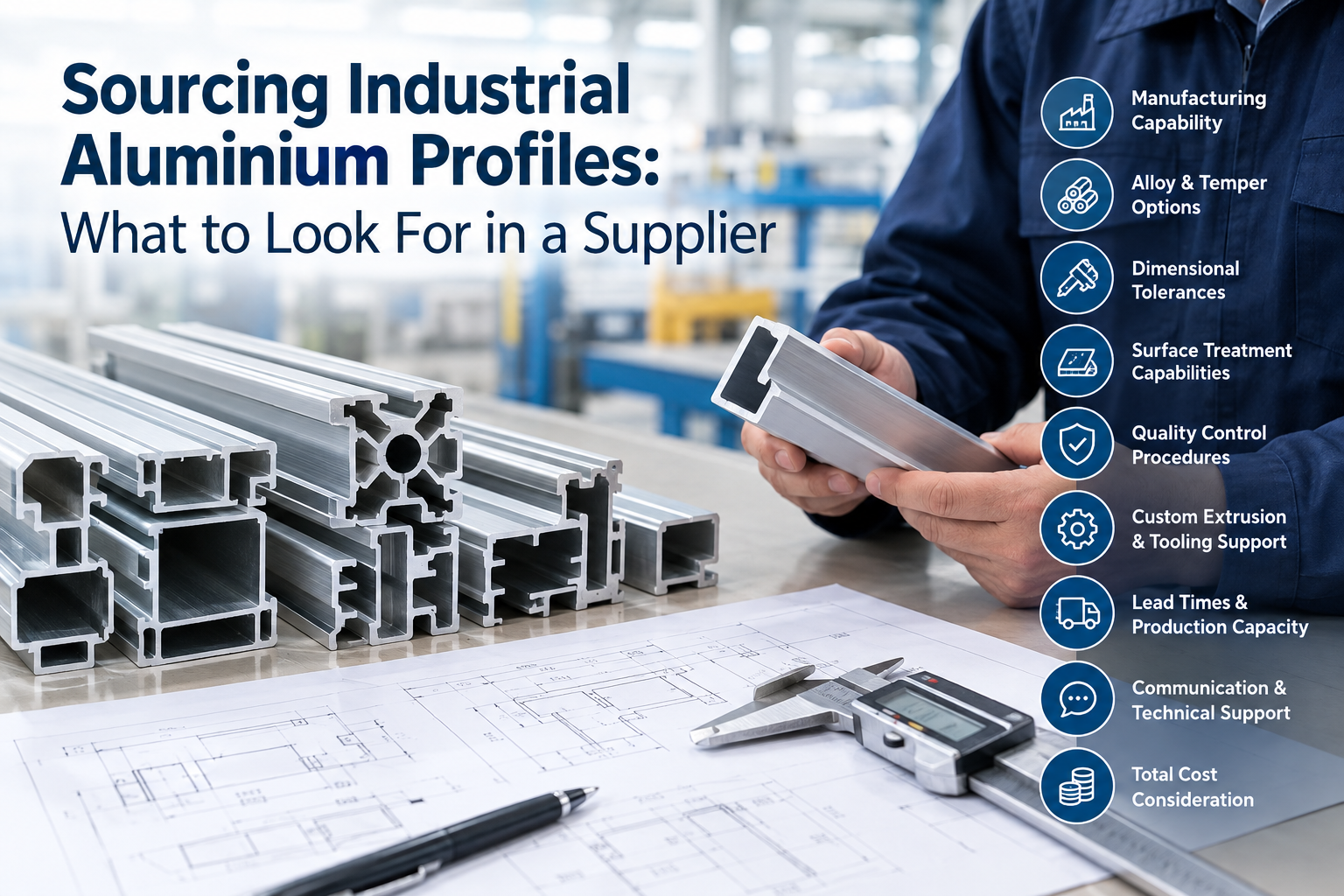
Sourcing Industrial Aluminium Profiles: What to Look For in a Supplier
How do I keep ownership of a custom Architecture profile extrusion die?
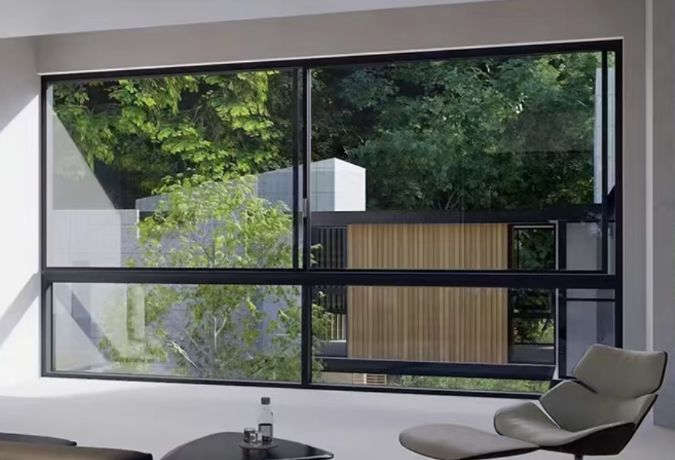
The Energy Efficiency Benefits of an Aluminium Frame Sliding Glass Window
How do I check Industrial profile alloy grades against the shipping documents?
What Casement window warranty period is reasonable for an overseas buyer?
How are defective Sliding window units usually replaced internationally?
How can I reduce breakage risks when shipping Casement windows overseas?
The Structural Mechanics Behind Decorative Aluminium Profiles
How Do Engineers Select Industrial Aluminium Profiles for High-Load Frameworks?
What payment structure reduces my risk on a first Industrial profile order?
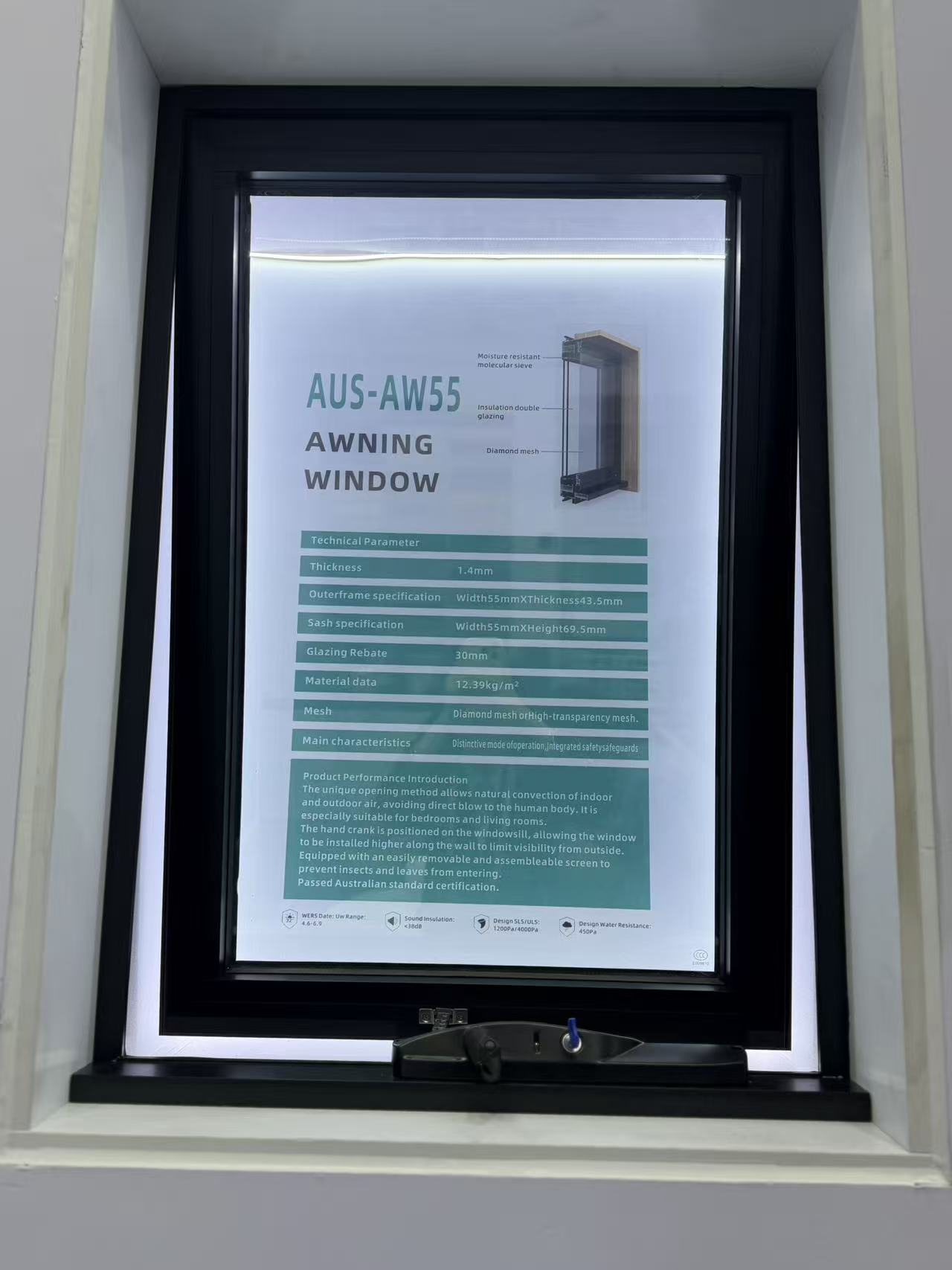
Should I approve a Casement window sample before checking its hardware strength?
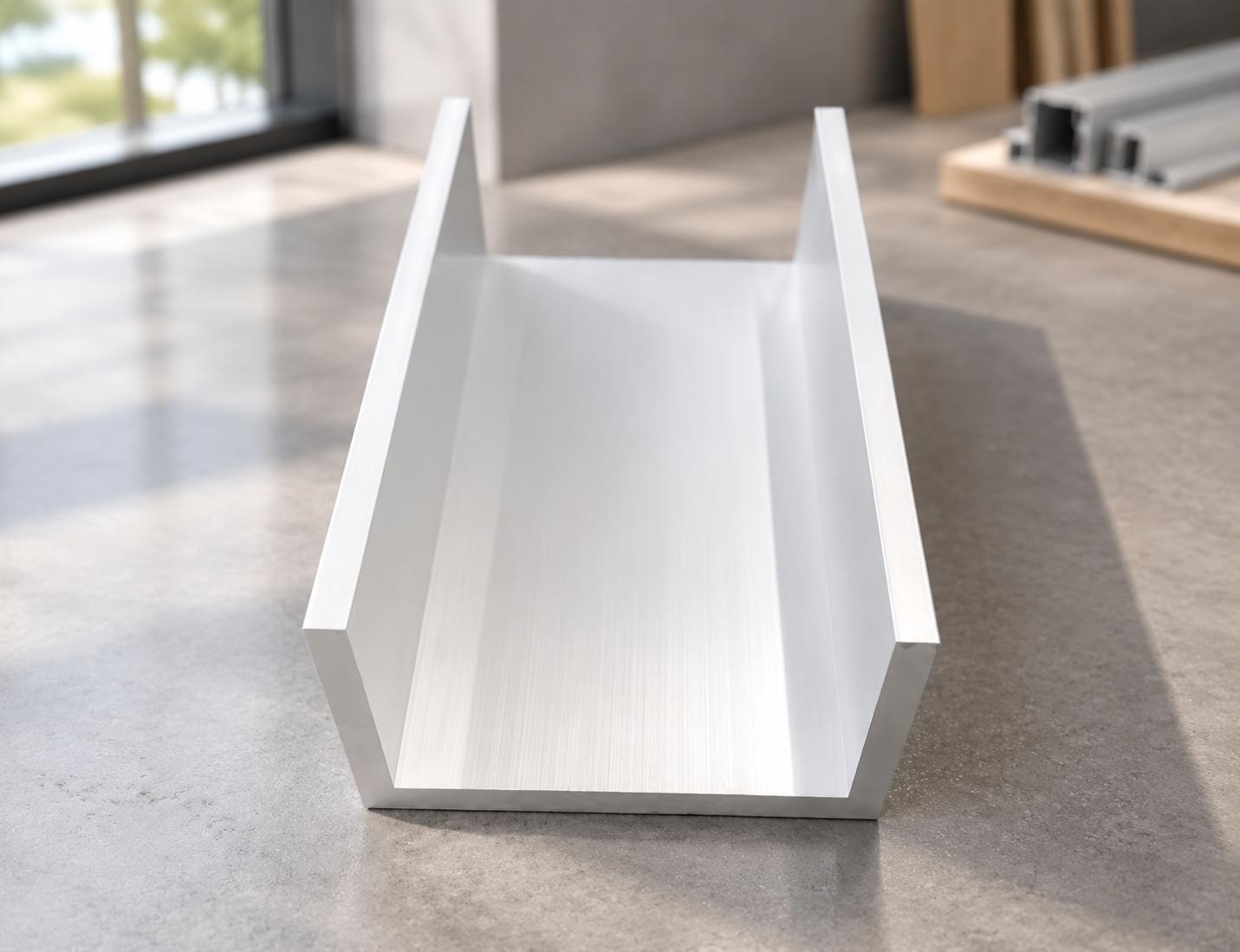
Structural Mechanics of Channel Extrusions in Architectural Aluminium Profiles
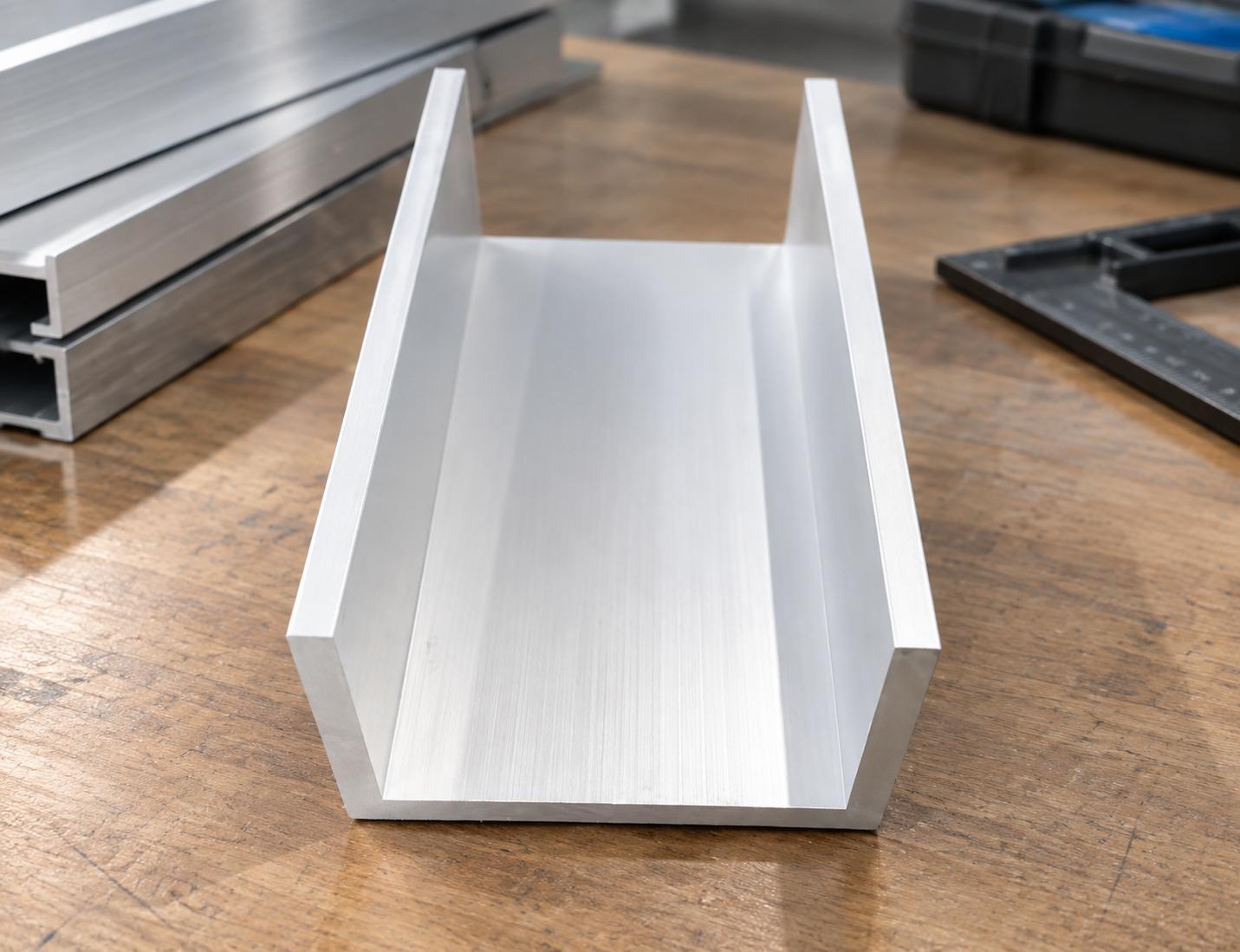
Engineering Mechanics of Aluminium Extrusion Profiles in Channel Systems
What functional tests should I perform on a Sliding door prototype?
What payment terms are fair when Decorative profile colors remain unconfirmed?
Is a letter of credit practical for a large Casement window shipment?
How should Industrial profile bundles be packed to prevent transit damage?
Which safety documents should I request for Awing window imports?
What shipping delays commonly affect Architecture profile orders during peak season?
How to Specify Extruded Aluminium Profiles: Costs, Alloys, and Tolerances
Is a Floding door suitable for a wide opening exposed to strong winds?
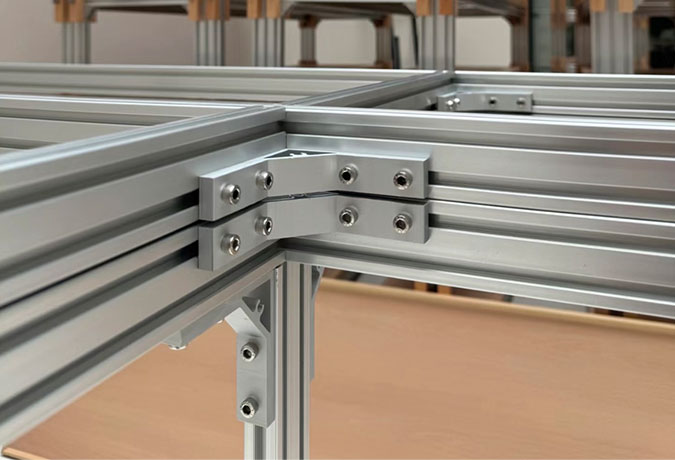
Structural Integrity in Modular Design: Engineering T-Slot Aluminium Extrusion Profiles
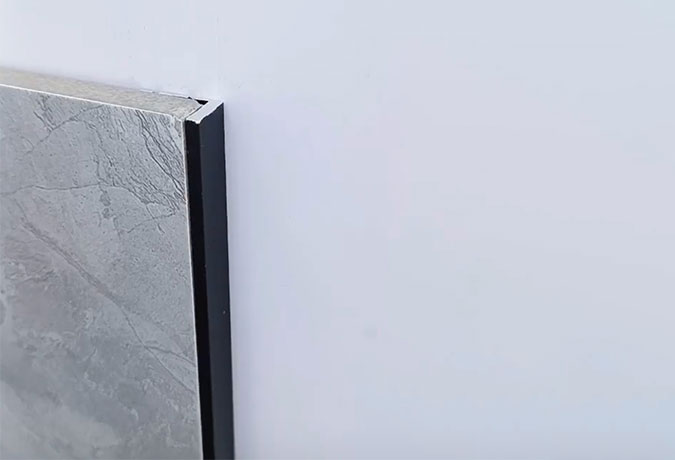
Resolving Corner Stress: The Engineering Mechanics Behind Aluminium Profiles in Architectural Framin
How do Floding door prices change with glass, hardware, and finish choices?
How can I prove Shutter defects remotely without returning every unit?
How can I shorten Awing window sampling without losing critical tests?
Does ordering mixed Shutter sizes usually change the unit price or MOQ?
How should Industrial profile warranty responsibility be shared after assembly?
How should I plan Shutter inventory when ocean freight schedules change?
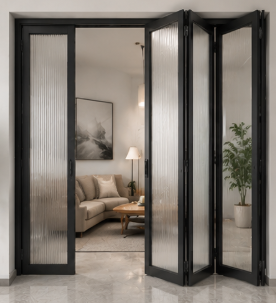
How do escrow arrangements reduce risk for a new Floding door supplier?
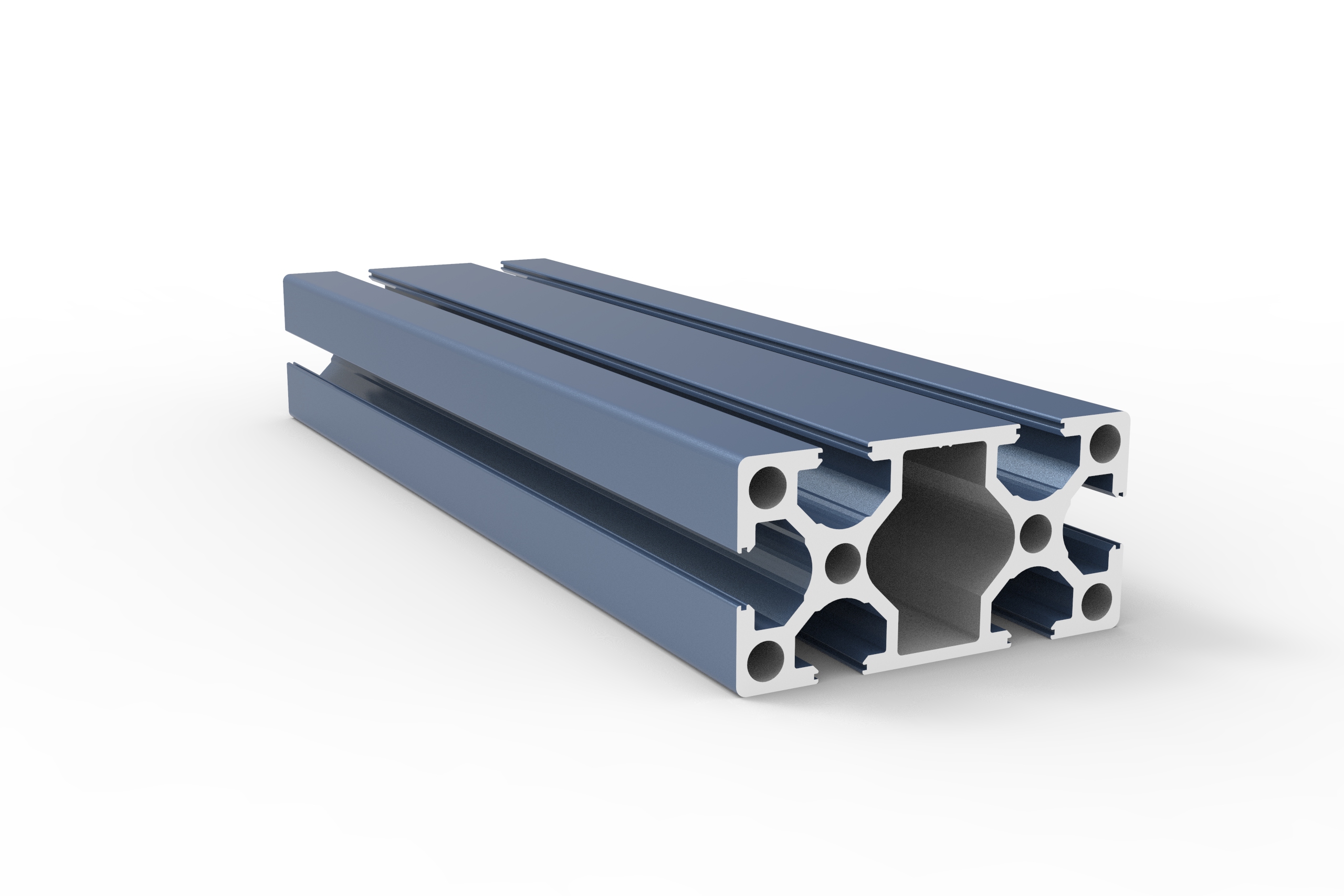
What frame materials make a Sliding window last in harsh coastal weather?
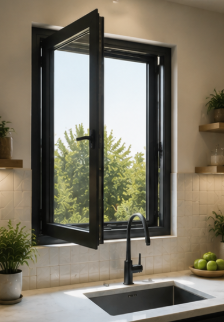
How can I verify that a Shutter certificate matches the actual product?
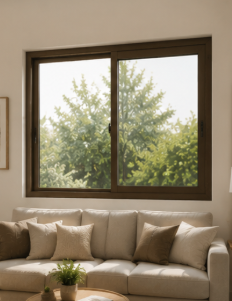
Can automated Shutters replace manual systems without raising lifecycle costs?
How do I choose the right Casement window size for a windy building?
What should an ethical audit cover at a Decorative profile factory?
How should I document Industrial profile defects before disputing the final payment?
Are lightweight Industrial profile alloys reliable enough for demanding machinery?
Are thermal-break casement windows becoming a better long-term choice than standard frames?
What is a realistic MOQ for custom sliding windows without pushing up unit cost?
What casement window specs should I compare for windy and rainy project sites?
Are there better material options for sliding windows if aluminum prices rise?
How do I ensure aluminum casement windows can handle extreme coastal winds?
What is the typical minimum order quantity for commercial sliding windows?
Are there energy-saving alternatives to sliding windows that reduce material and maintenance costs?
Are energy-efficient Awing windows a practical alternative for reducing long-term building costs?
What alternatives to traditional sliding doors can lower costs without sacrificing durability?
What alternatives to industrial profiles can reduce material costs without hurting strength?
Extruded Aluminium Profiles: Flexible Manufacturing for Diverse Customer Needs
Why Aluminium Curtain Walls Are Popular in Modern Architecture
How do I choose a decorative profile that stays stable in humid or harsh environments?
How do I choose an architecture profile that stays stable in harsh outdoor conditions?
How can I compare Awing window specs to avoid poor performance in harsh weather?
How can I compare Sliding door sizes and hardware ratings for harsh commercial environments?
How do I choose the right shutter specifications for harsh climates without overpaying?
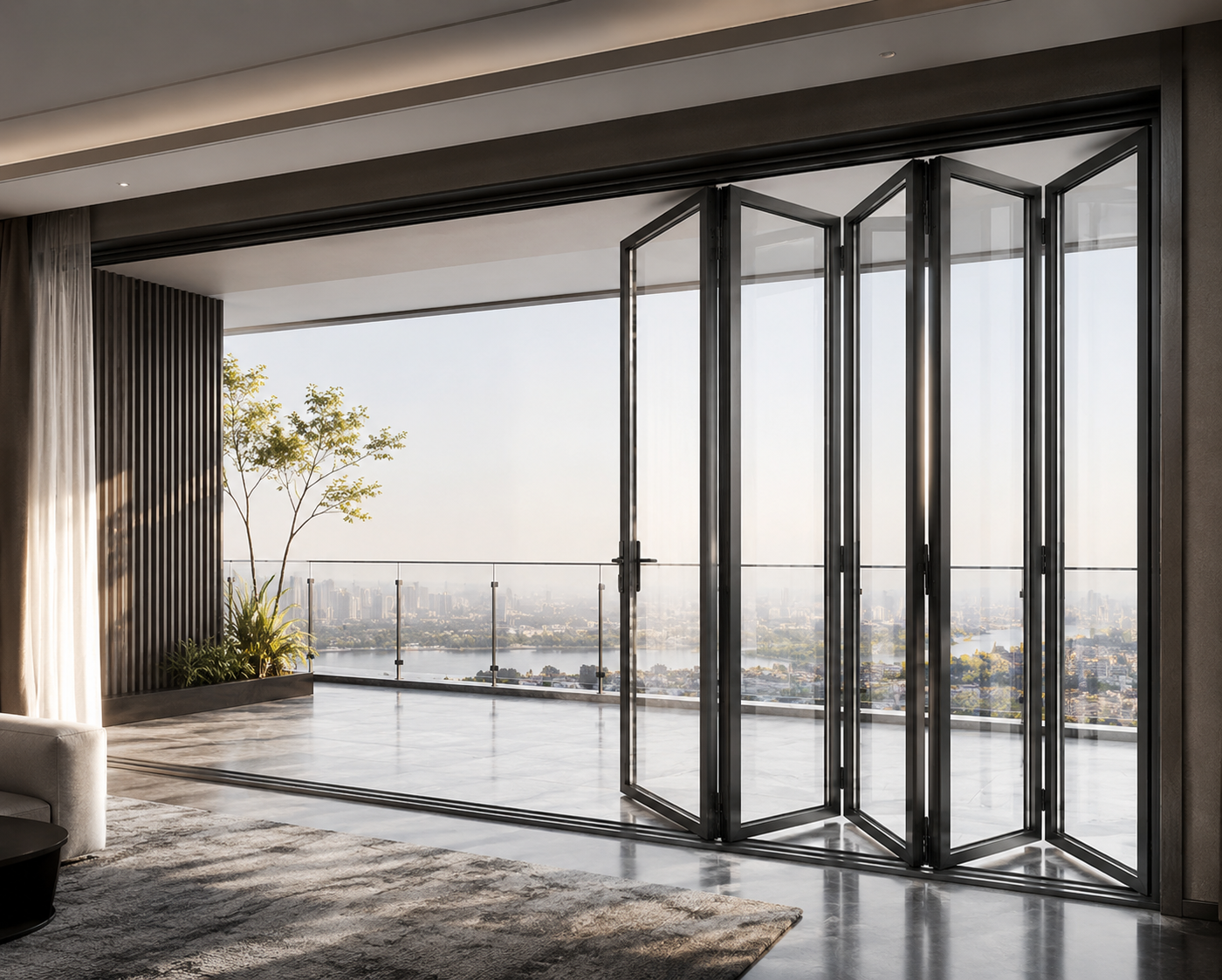
What eco-friendly alternatives to folding doors can cut costs without hurting durability?
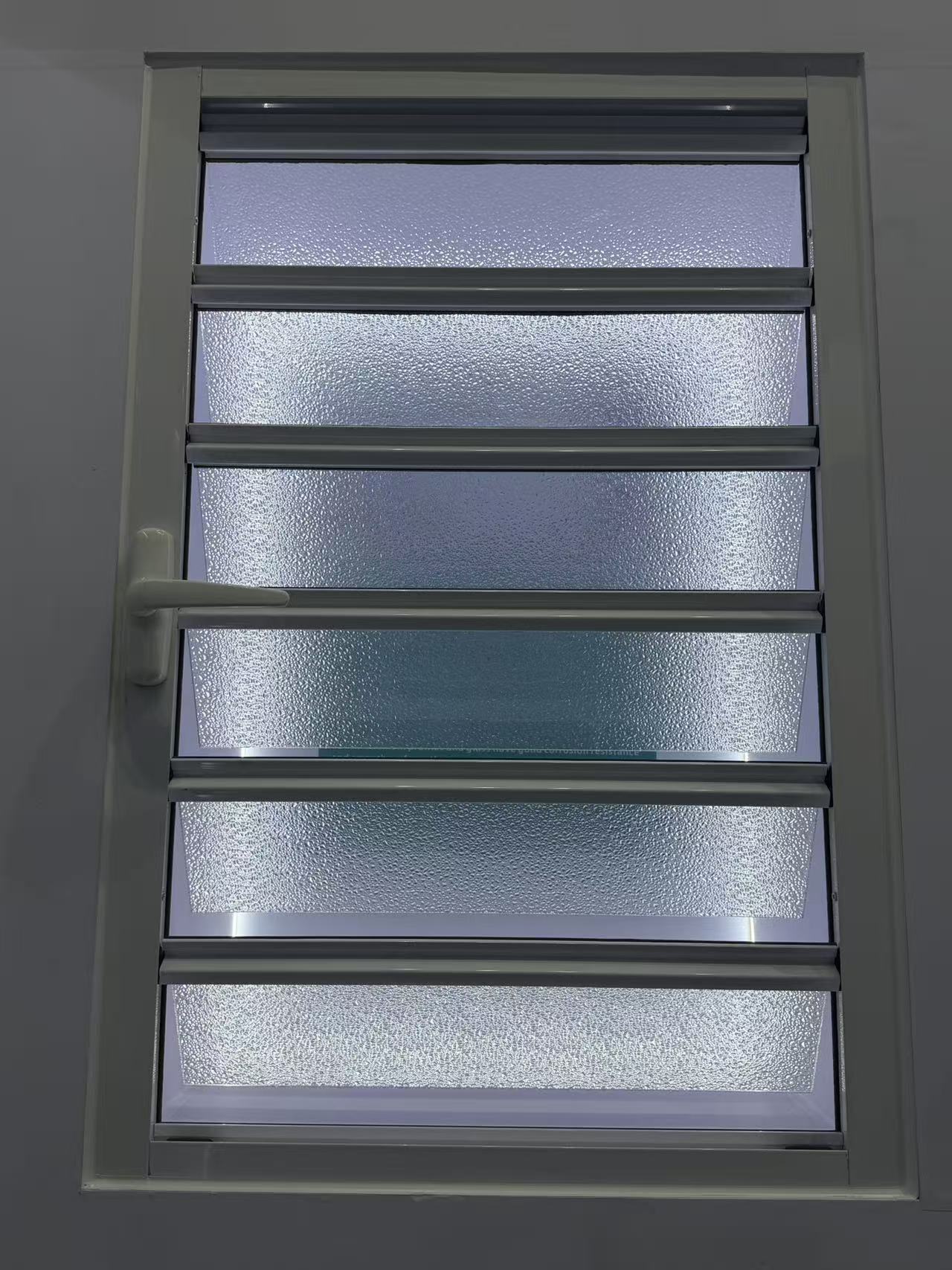
How do I choose the right shutter specifications for harsh weather without overpaying?
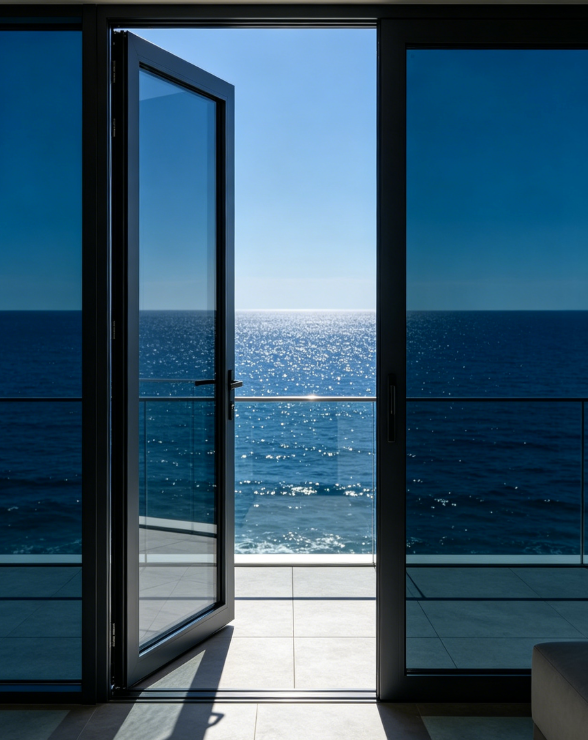
What eco-friendly casement door materials can lower costs without hurting durability?
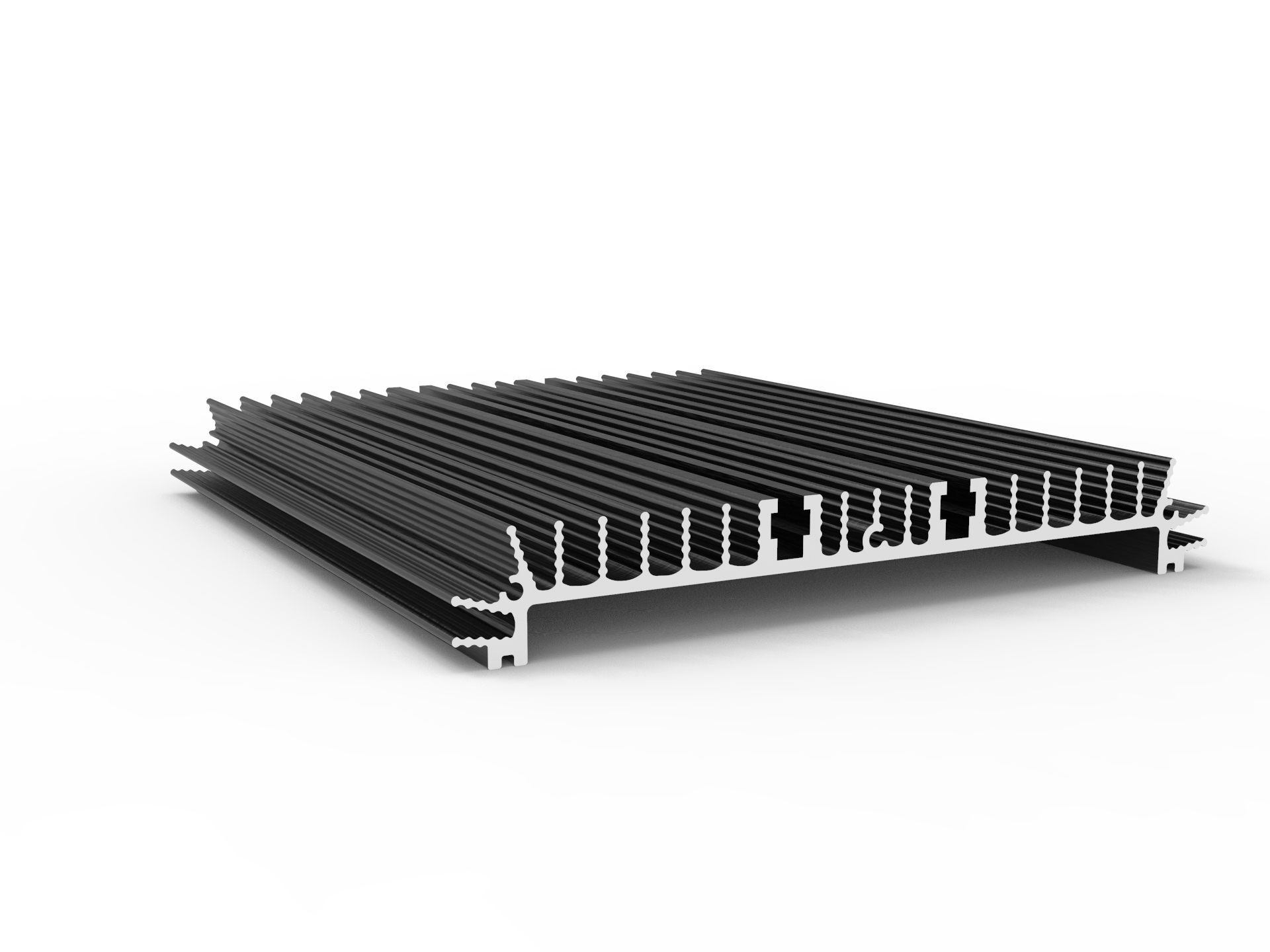
What newer materials can replace industrial profiles without raising costs or supply risks?
How do I choose a decorative profile that stays stable in humid, high-traffic spaces?
What sustainable material alternatives can replace aluminum architecture profiles?
What should I check in Awing window specs to ensure reliable performance in harsh weather?
How can I compare Sliding door sizes and thermal ratings for harsh climates before buying?
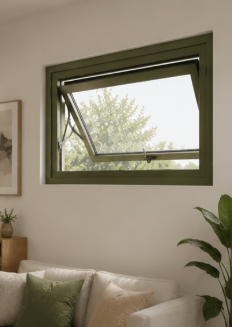
What newer materials can replace aluminum in awning windows without raising our costs?
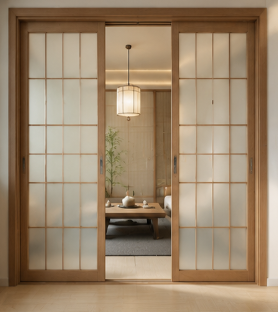
How do I choose the right Sliding door specs for smooth operation in harsh environments?
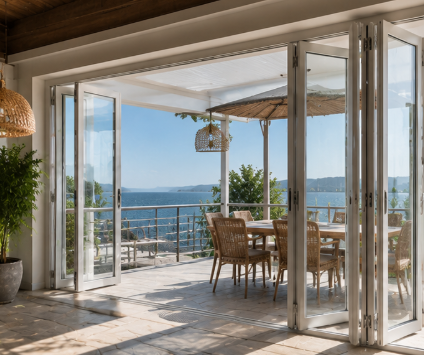
How do I choose a folding door that stays stable in harsh weather and heavy daily use?
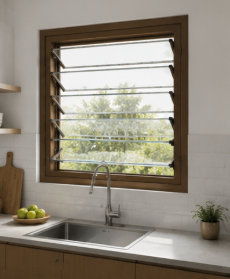
How can I choose the right shutter specifications for harsh weather and long-term use?
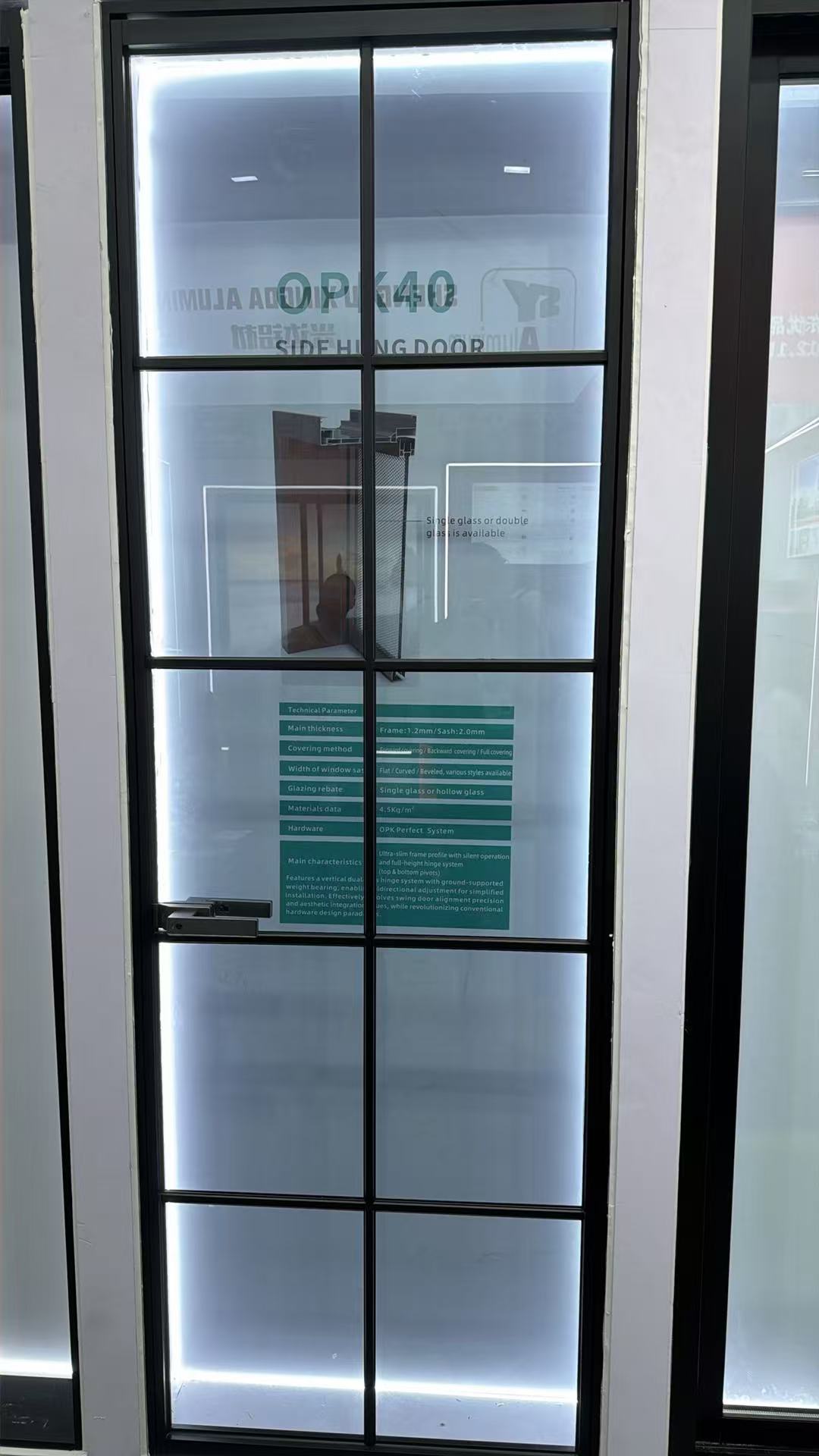
How do I compare casement door U-values, hardware, and weather sealing before buying?
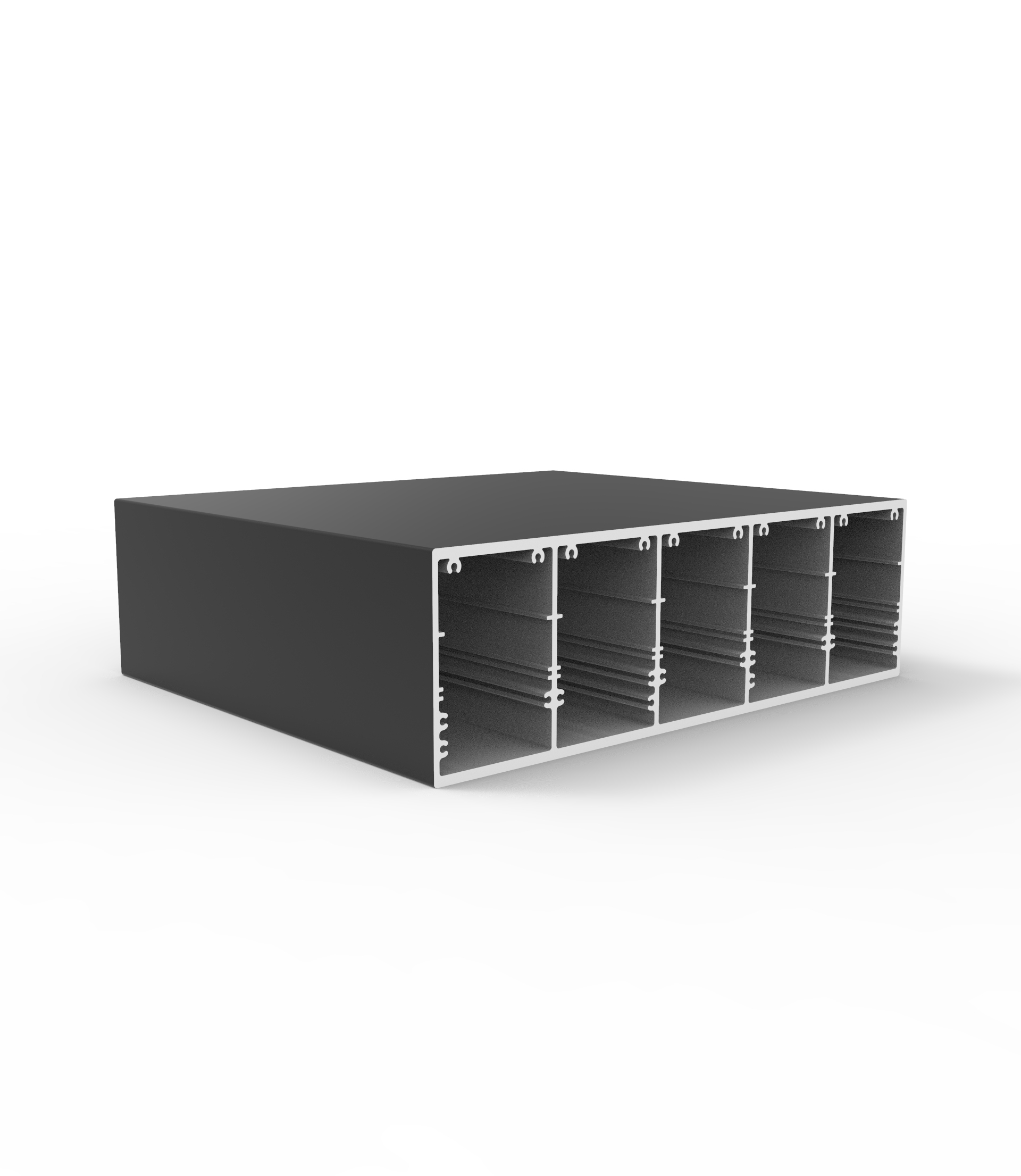
How do I choose the right industrial profile size for strength and load needs?
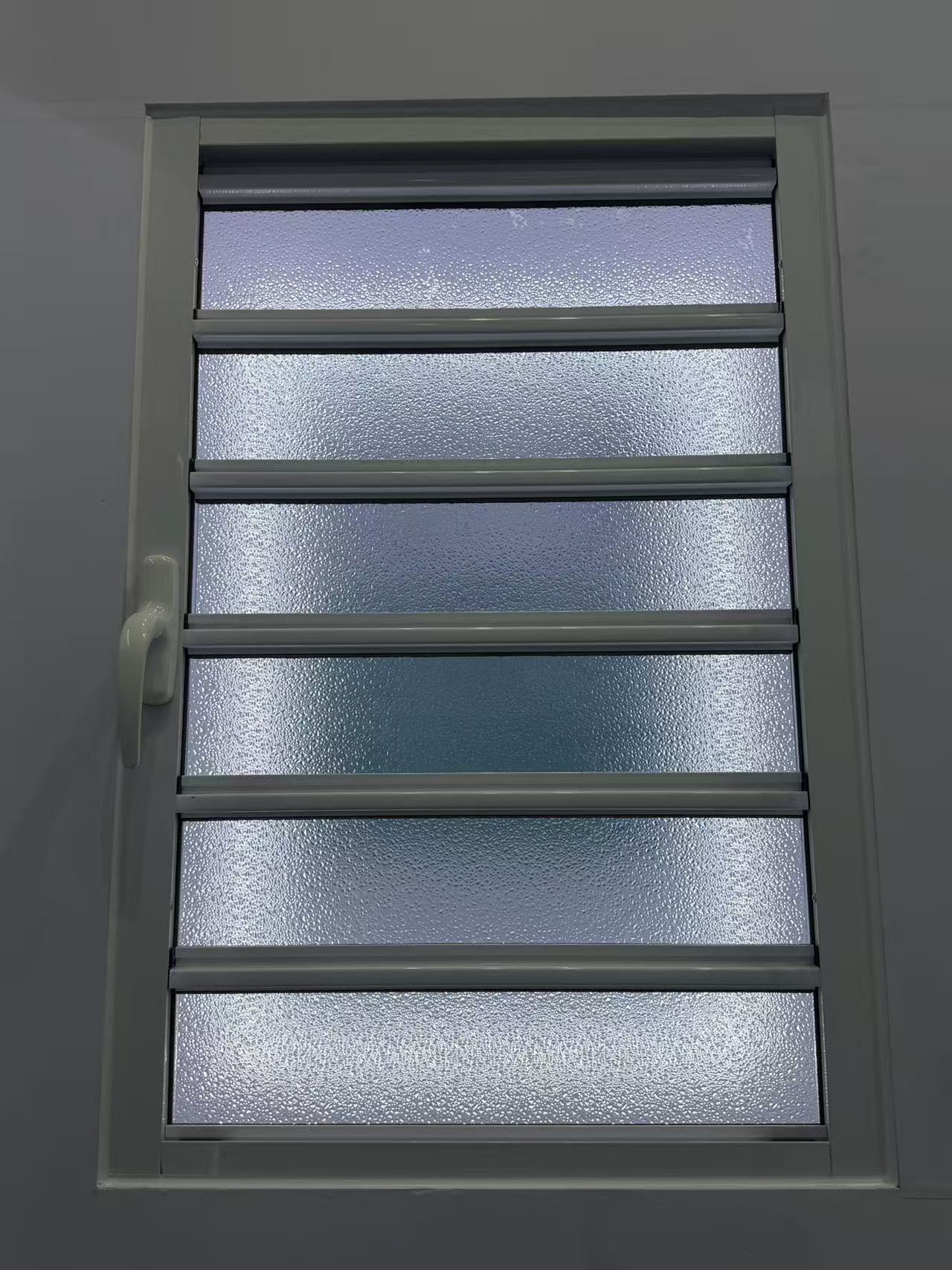
How do I choose the right shutter specifications for harsh weather and long-term commercial use?
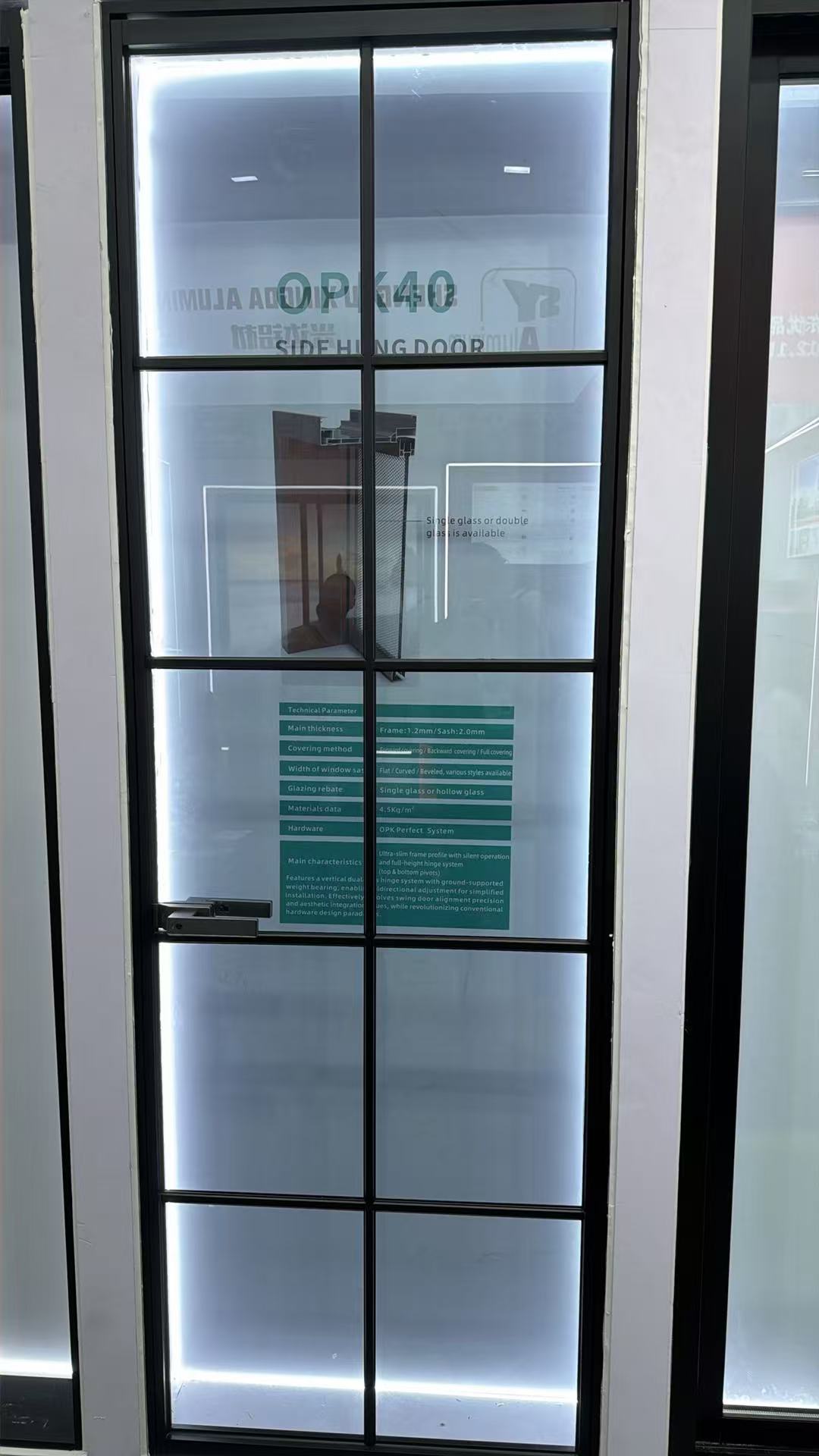
How do I choose the right Casement door size and hardware for harsh weather?
What greener alternatives to decorative profile can cut costs without hurting durability?
What lower-cost, eco-friendly materials can replace decorative profiles?
What lower-carbon alternatives to aluminum architecture profiles are practical for our project?
How can I compare sliding door systems for insulation, security, and long-term use?
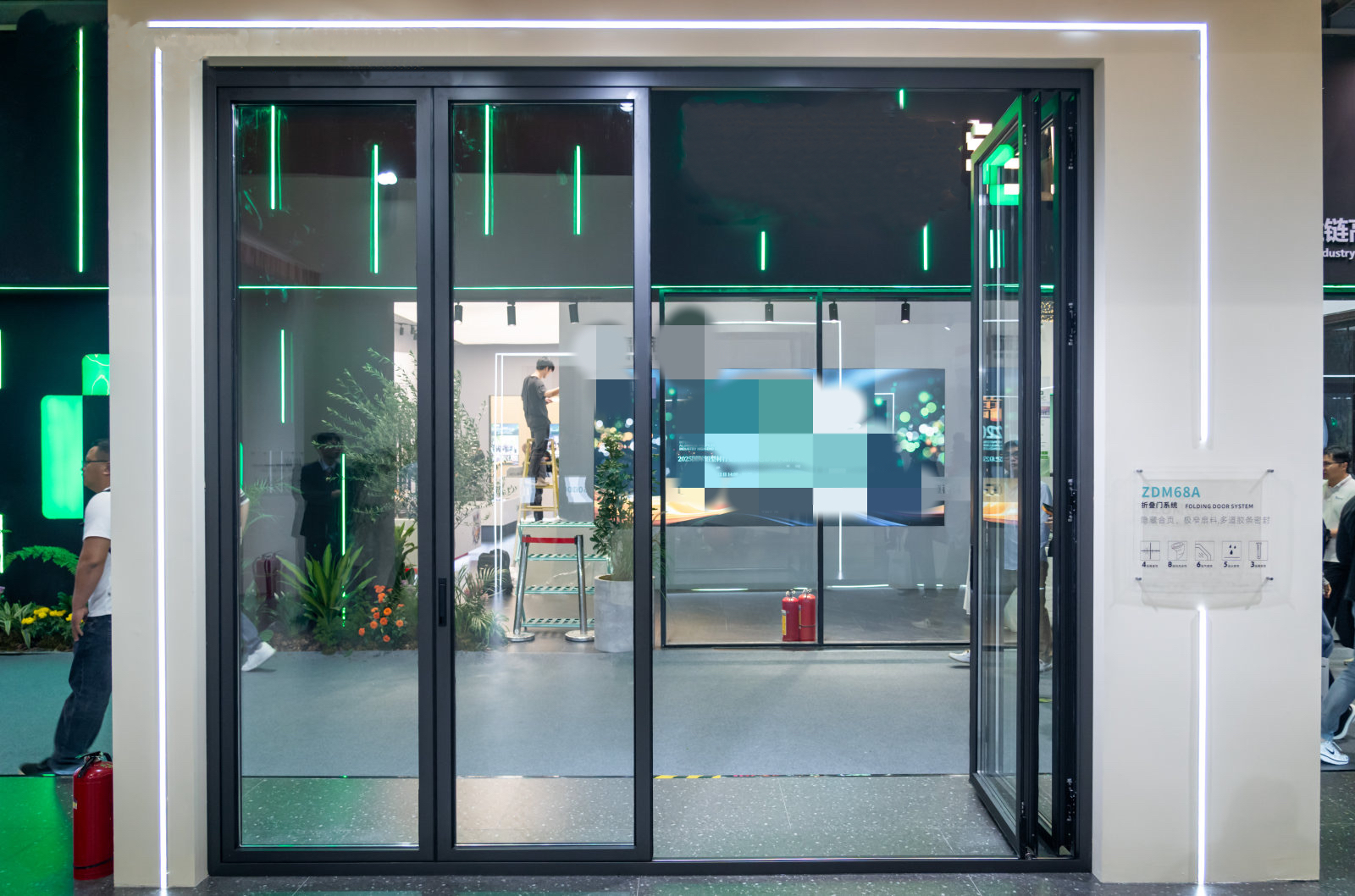
What is the standard production lead time for bulk orders of folding doors?
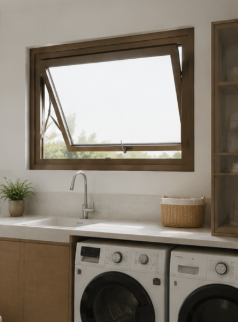
How do I choose the right Awing window size and glass specification for harsh weather?
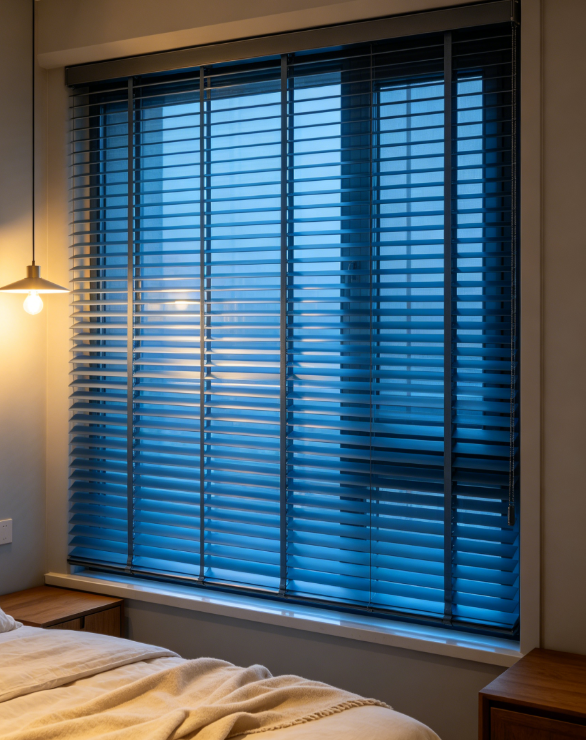
How can I test shutter samples so the final bulk order matches their quality and finish?
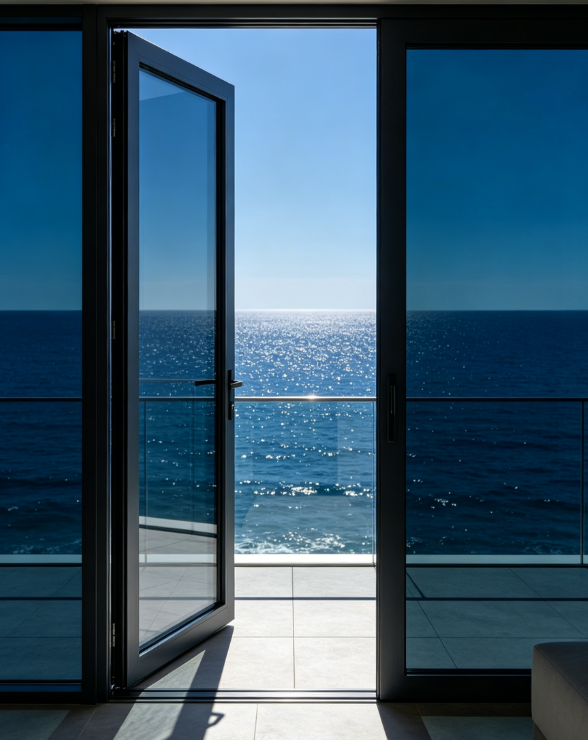
Can suppliers make custom double glass casement doors from my CAD drawings?
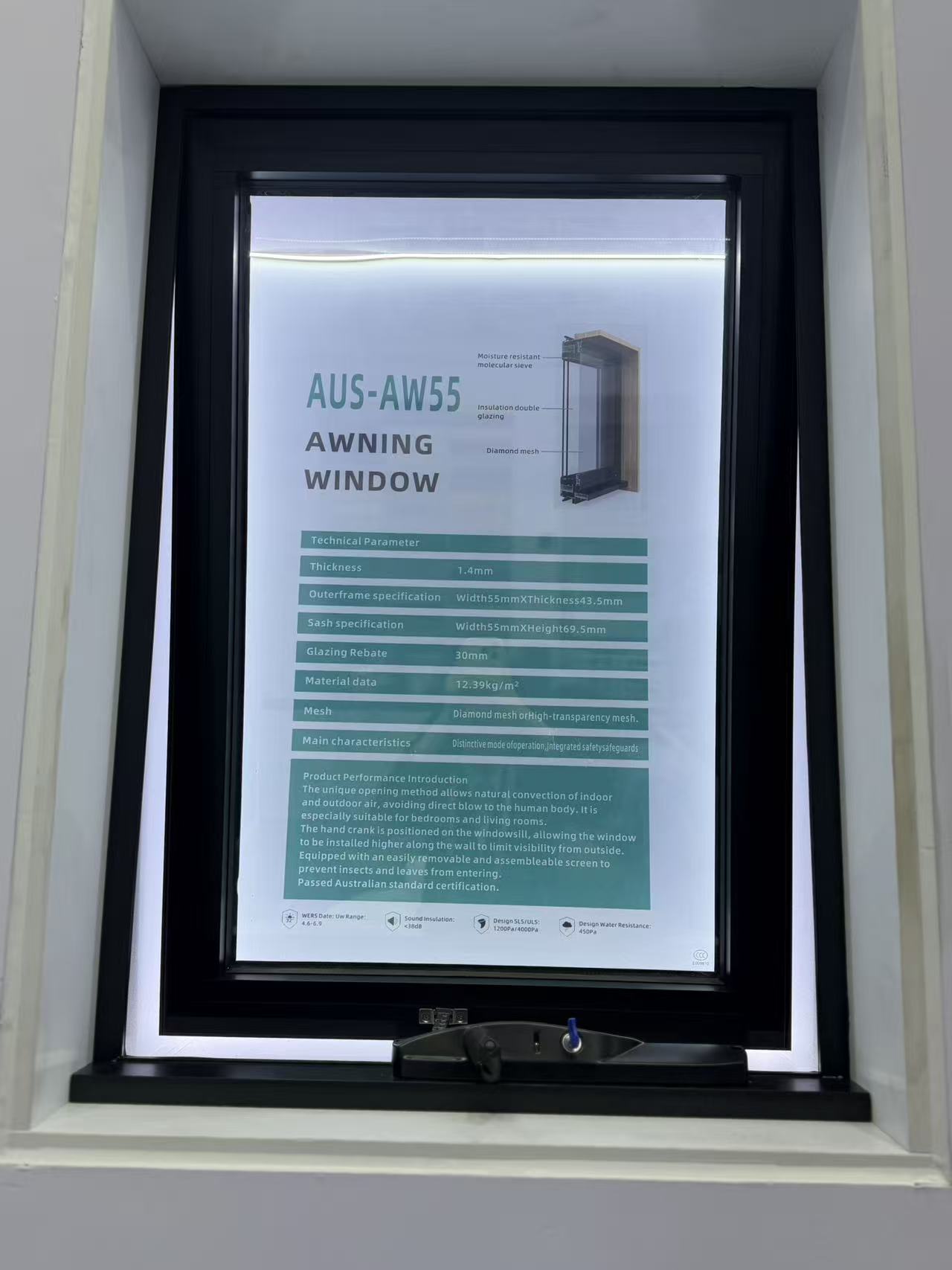
What safety certifications should I request when importing awning windows?
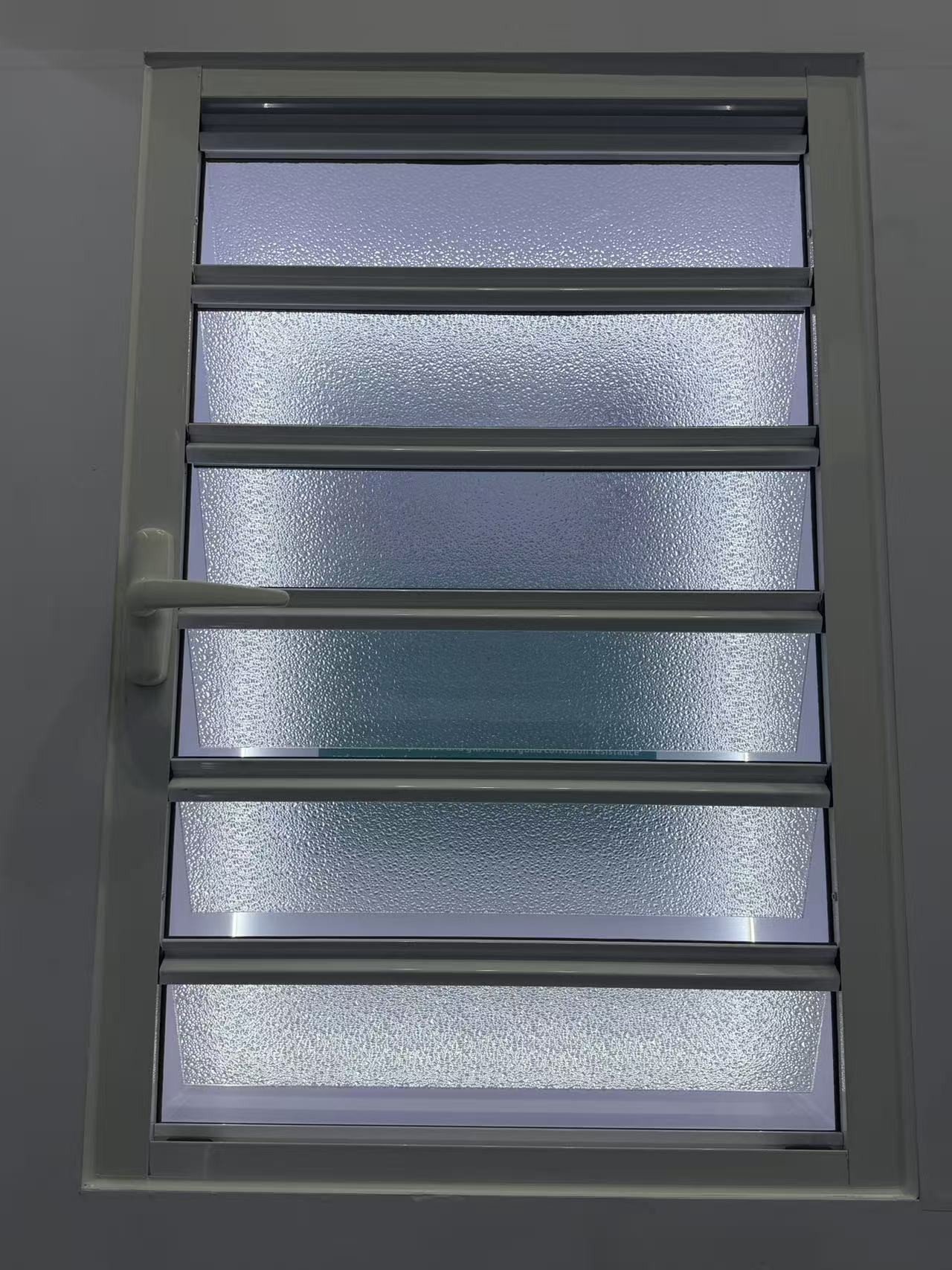
How long does it usually take a factory to make custom shutter samples?
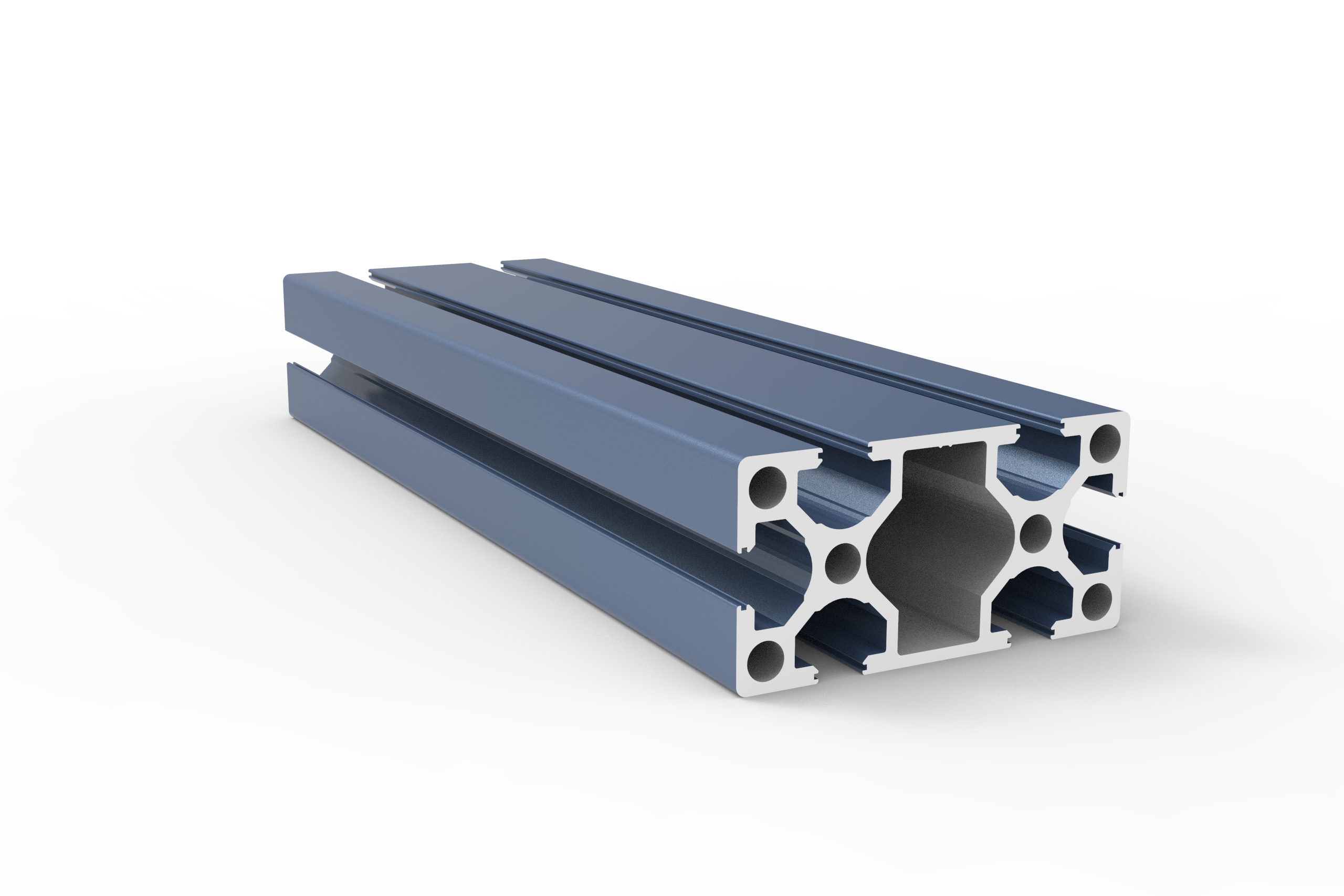
What T-slot industrial profile size is best for a heavy duty machine frame?
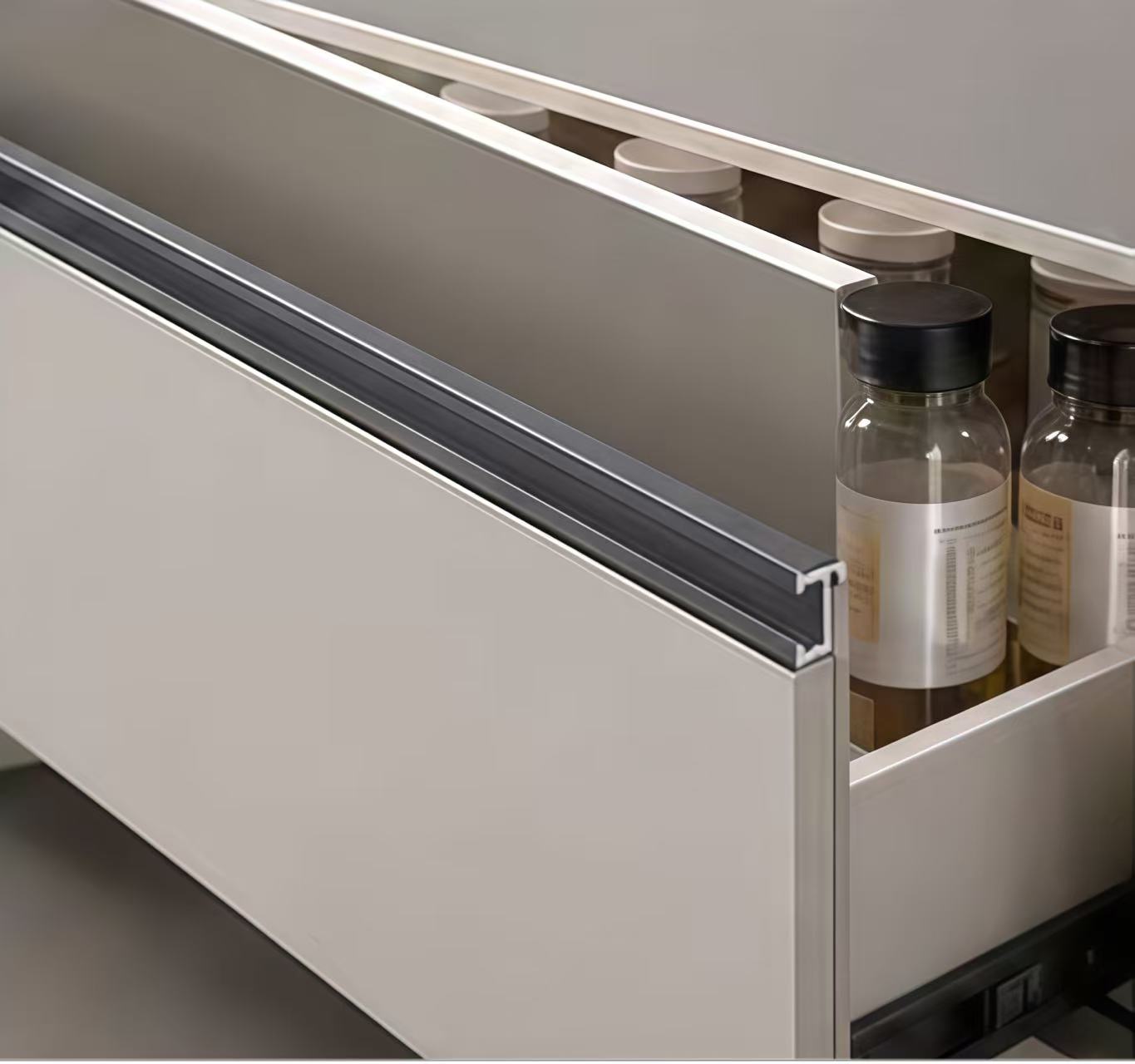
How do I choose the right stainless steel decorative profile for high humidity areas?
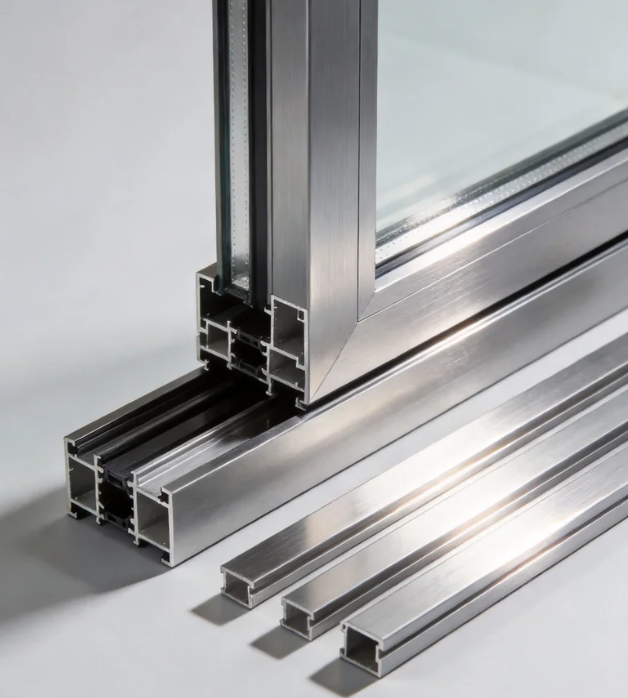
How do I choose the right aluminum architecture profile for coastal buildings?
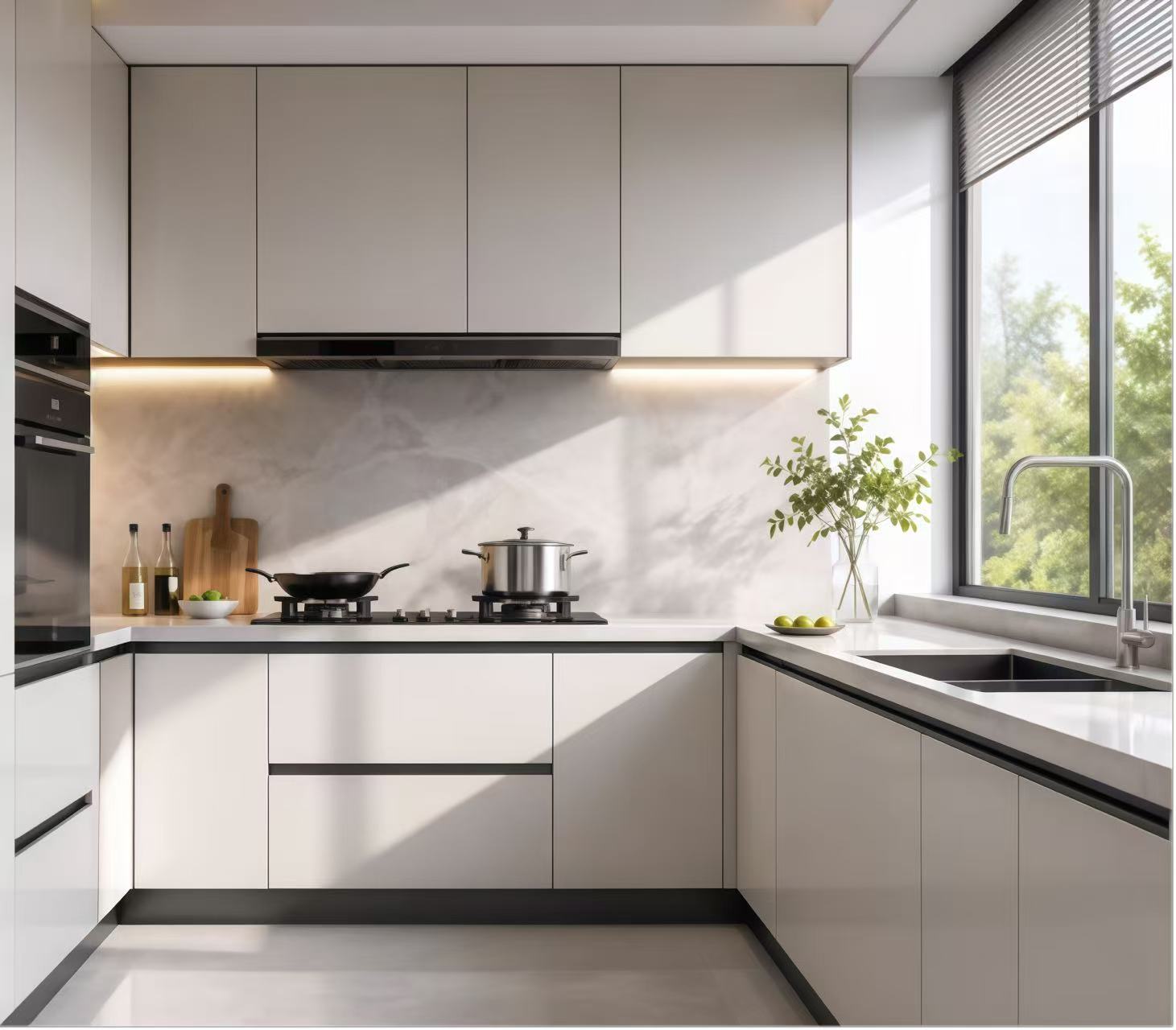
How do I choose the right stainless steel decorative profile for high humidity areas?
What wind load specs should I check for aluminum casement windows in coastal high-rises?
How do I know which aluminum industrial profile alloy is best for heavy machinery frames?
How do I choose the right alloy grade for aluminum architecture profiles?
How do I select the right heavy-duty hardware for exterior commercial floding doors?
How do I select the right glass thickness for bulk awing window orders?
What frame thickness is recommended for commercial aluminum casement doors?
What frame thickness is best for high-rise commercial sliding windows?
How to choose weather resistant aluminum floding door specs for commercial use?
How do I choose the best water tightness rating for commercial awing windows?
How do I choose the right frame material for commercial casement doors?
How do I choose the right wind load rating for sliding windows in coastal areas?
What is the best material for outdoor decorative profiles to prevent rust and fading?
How do I choose the right track thickness for high-traffic commercial sliding doors?
How do I choose between PVC and basswood shutters for high-humidity areas?
How do I choose between double and triple glazing for casement windows in cold climates?
How do I choose the right industrial profile thickness for heavy-duty cnc machine frames?
How do I choose the right alloy for outdoor architecture profiles to prevent corrosion?
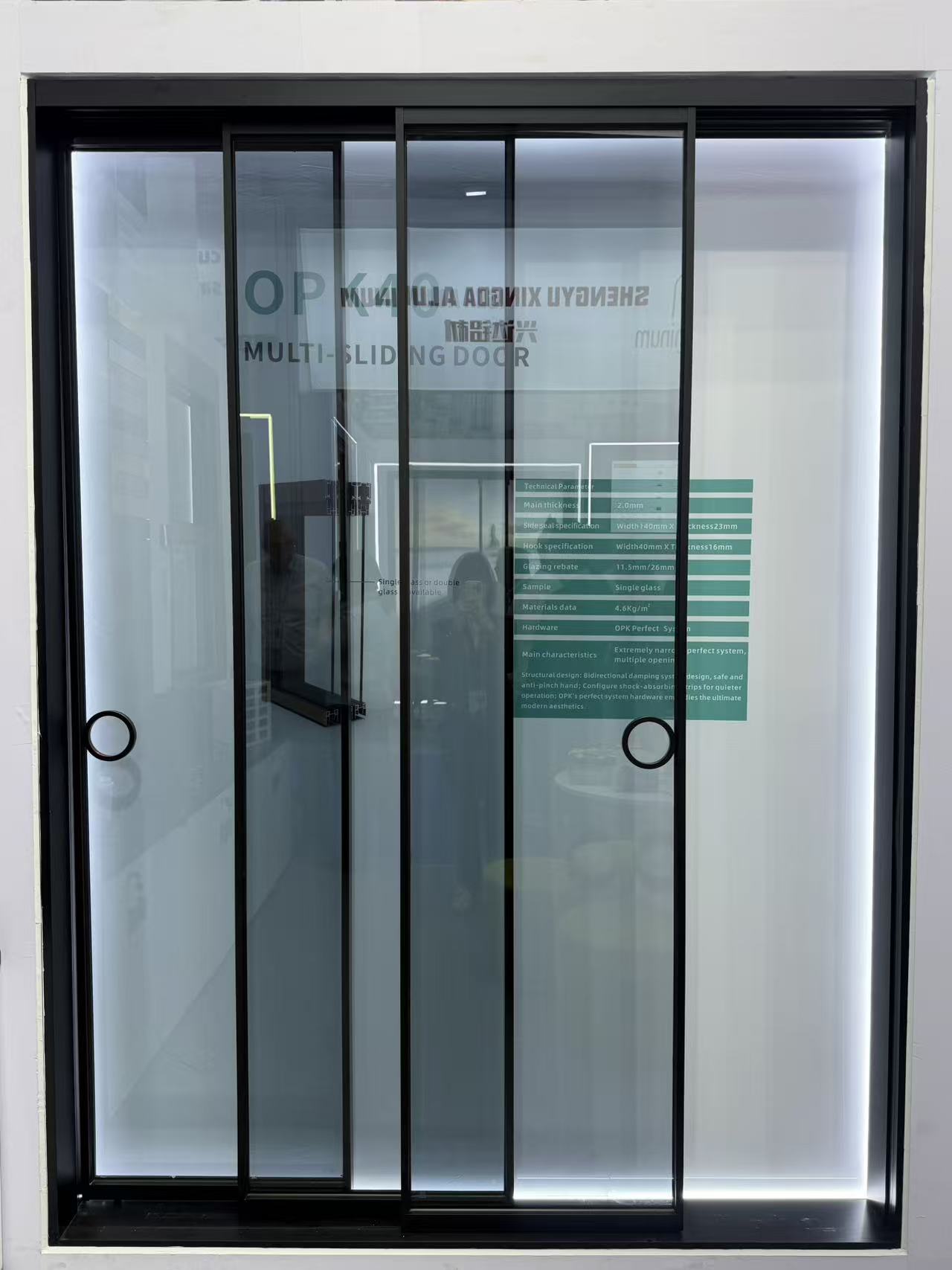
Can you design a slim frame profile for modern minimalist look?
How do I choose the right wind-resistant floding door for a coastal commercial building?
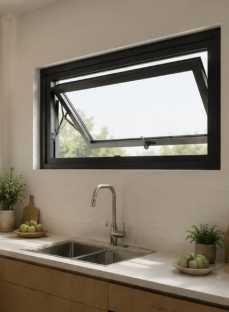
What key specs ensure a casement window can withstand heavy rain and high winds?
How do I choose the right aluminum alloy grade for heavy-duty industrial profiles?
Which alloy grade of architecture profile is best for coastal areas to resist rust?
How do you pack windows to prevent glass breakage in transit?
Are slim-frame thermal break systems replacing traditional ones?
Does the price include the matching frame and installation kit?
How do you protect our proprietary design drawings from leaks?
How do I choose the right decorative profile for high-traffic hotel lobbies?
Is your factory the actual manufacturer or a trading partner?
Is it possible to 3D print a prototype before cutting steel?
Do you outsource any part of the painting process to others?
How do you handle replacement parts for damaged track rollers?
Do you accept escrow payments through third-party platforms?
Do you have ISO 9001 certification for your production line?
Are there extra fees if we pay via bank telegraphic transfer?
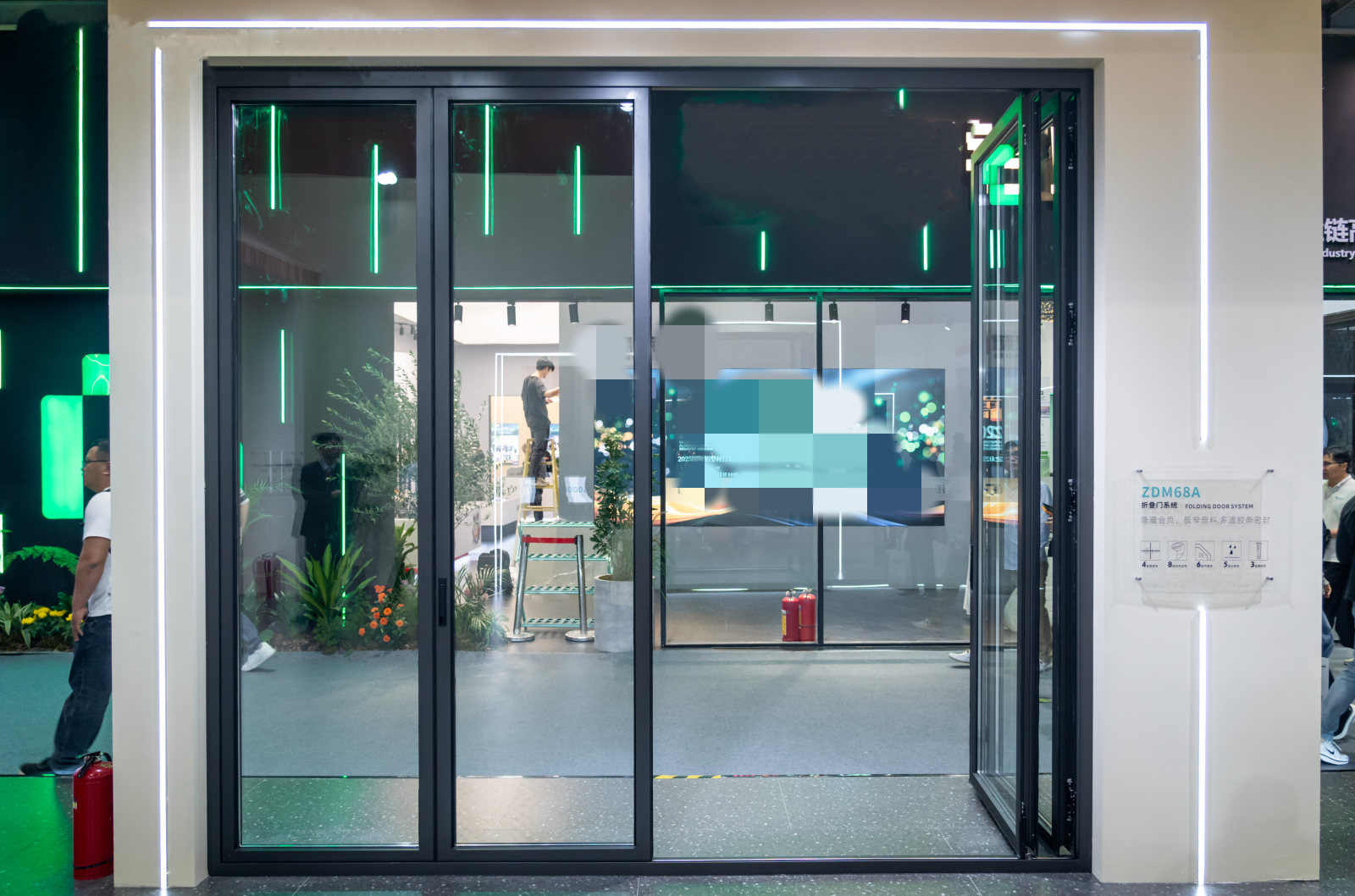
What is the price difference between powder coat and anodized?
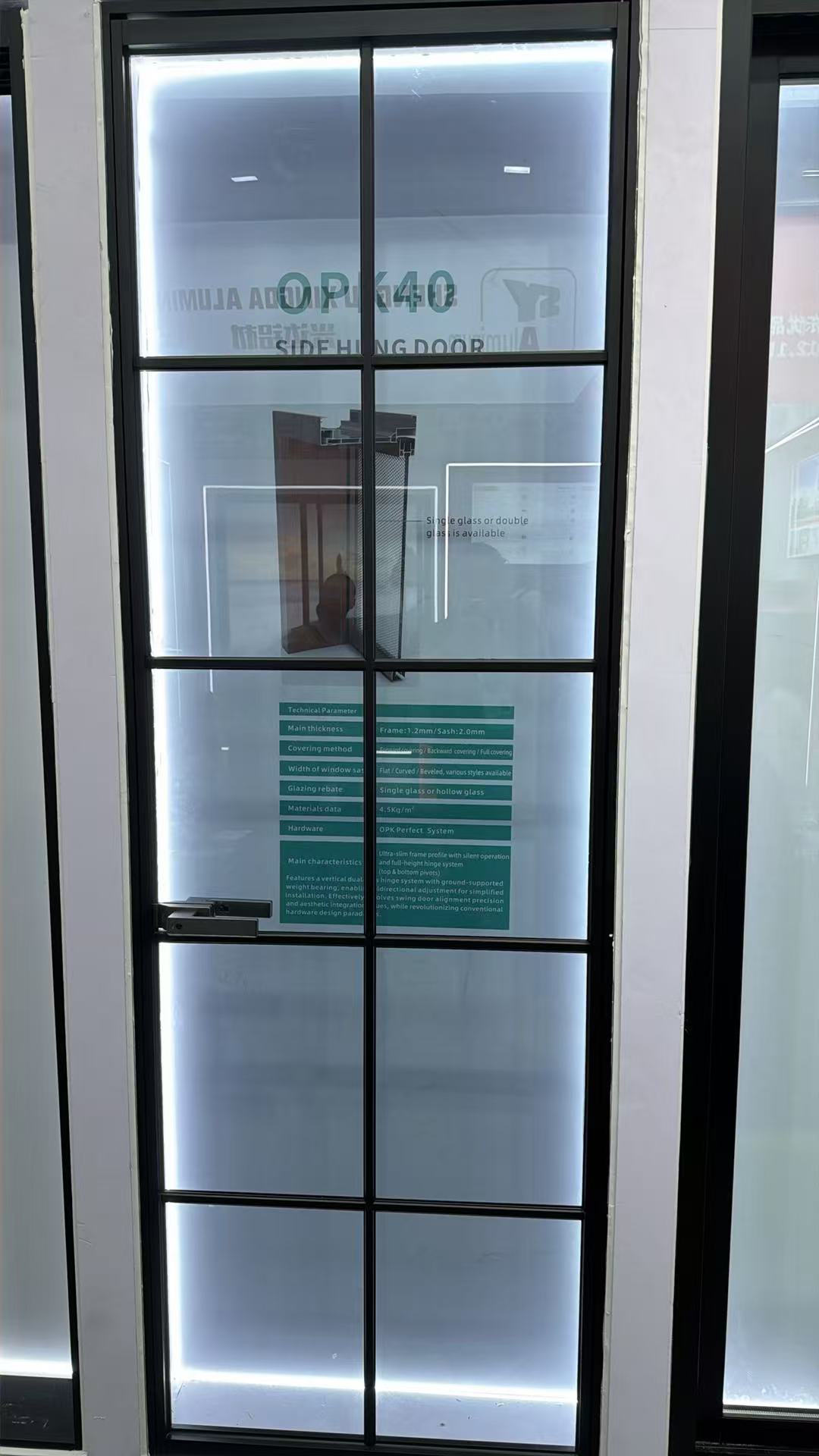
What is the warranty period for the lock and hinge hardware?
What is your policy for dimensional deviations in the batch?
What happens if the shipment is delayed due to factory error?
Do you offer online technical support if color fading occurs?
Is it possible to engrave our brand logo on the tension screw?
Do you offer credit terms for long-term purchasing partners?
Can you palletize the shipments for easy forklift unloading?
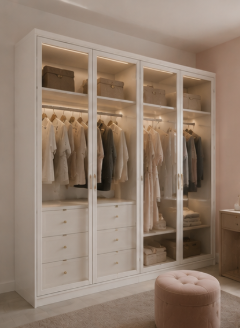
What are the latest eco-friendly finish trends for decorative profiles in modern interior design?
What are the tooling cost and design limitations for customizing heavy-duty industrial profiles?
Has your architecture profile manufacturing facility passed ISO 9001 certification?
Can we use Alibaba Trade Assurance for our initial sliding door order to mitigate risk?
Do you provide free corner samples of the casement window frame for color verification?
Is it possible to custom-match a specific RAL color for a decorative profile order?
Can I request a 3D-printed sample before ordering a custom industrial profile mold?
Can you extrude an architecture profile based on our proprietary CAD drawings?
What thermal performance certifications does a sliding door need for the UK market?
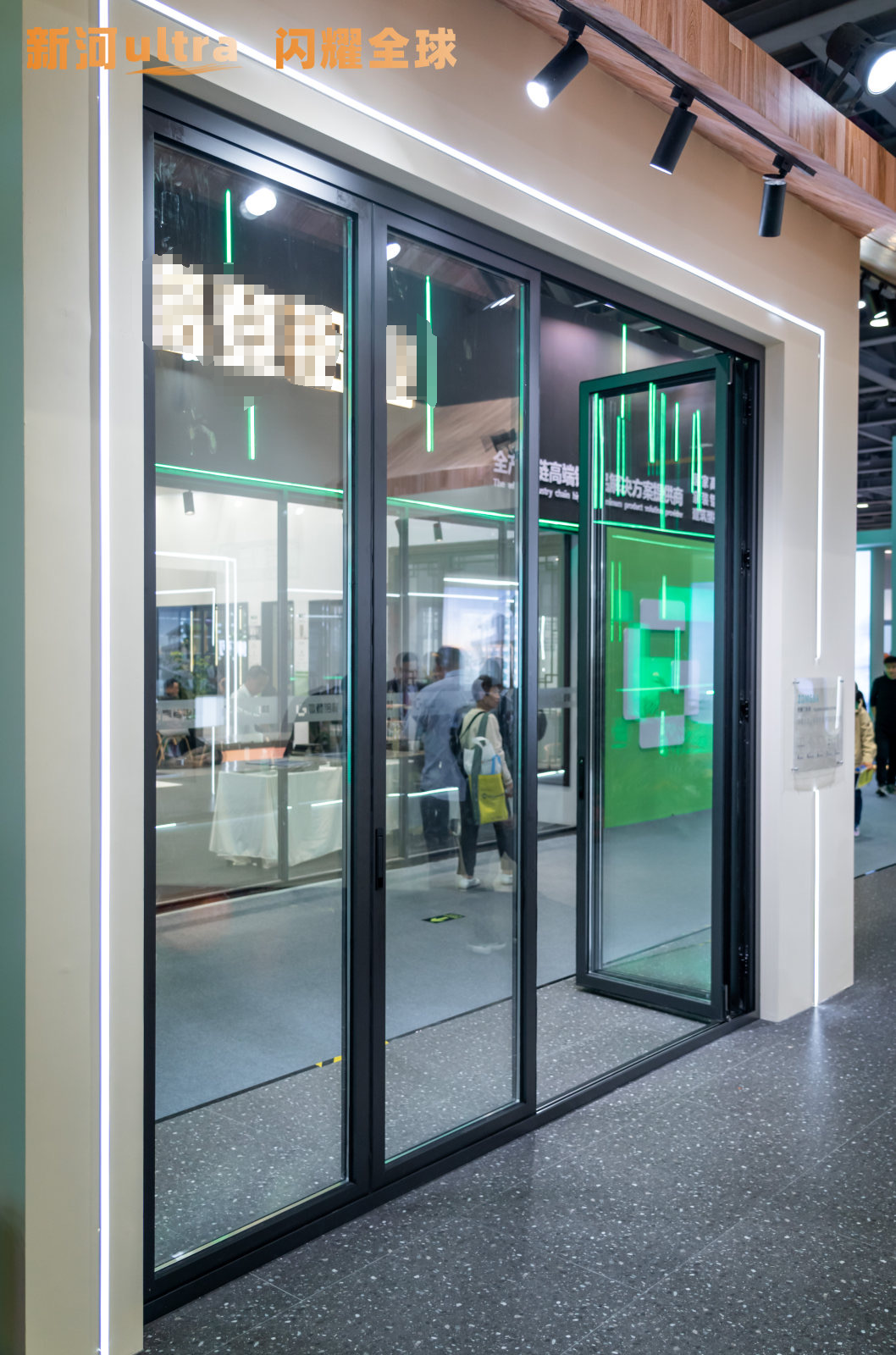
How are heavy floding door panels crated to ensure safe unloading at the job site?
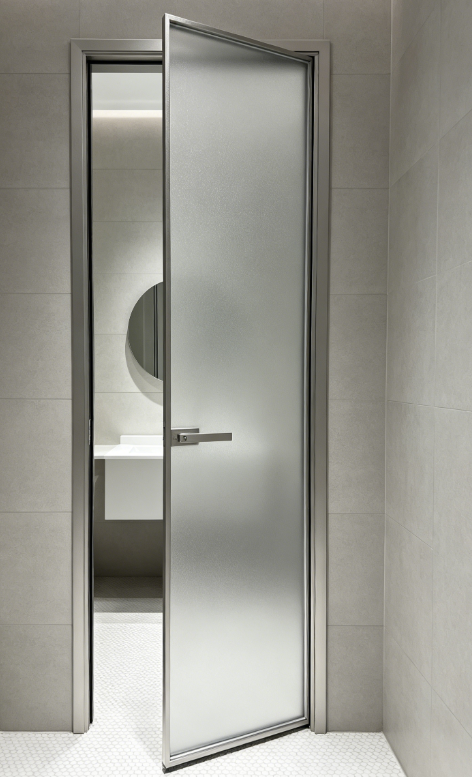
Can we arrange our own freight forwarder to pick up the casement door shipment FOB?
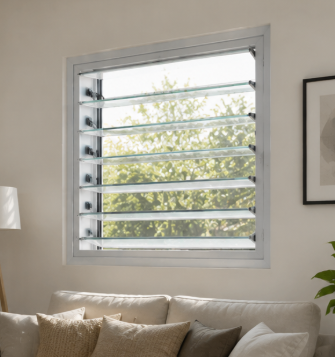
What is the estimated ocean freight transit time for a shutter shipment from China to Europe?
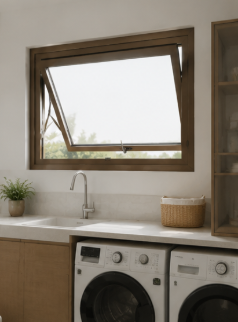
How can we source replacement seals for your awing window models in the future?
How are sliding windows typically packaged to prevent glass breakage during ocean transit?
What is the average lead time for a 40ft container of standard aluminum casement windows?
Are there any extra tooling fees if my decorative profile order doesn’t meet the MOQ?
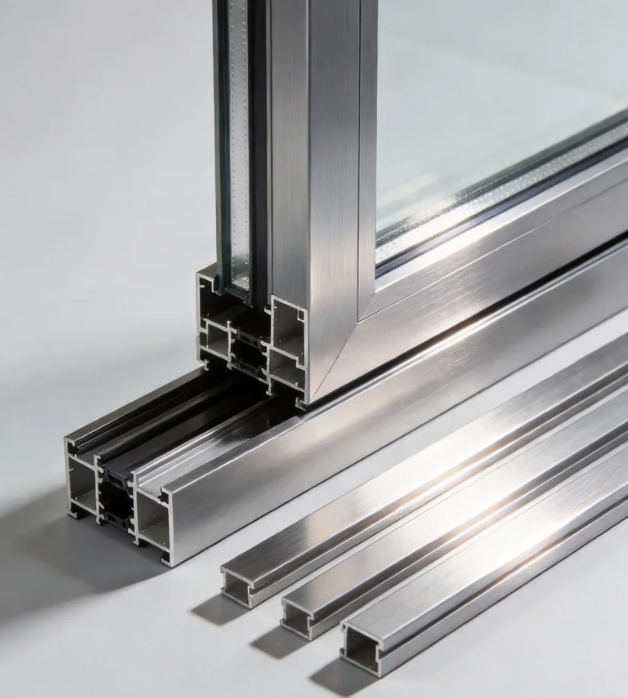
Can I get 3D printed prototypes of custom architecture profiles before committing to mold tooling?
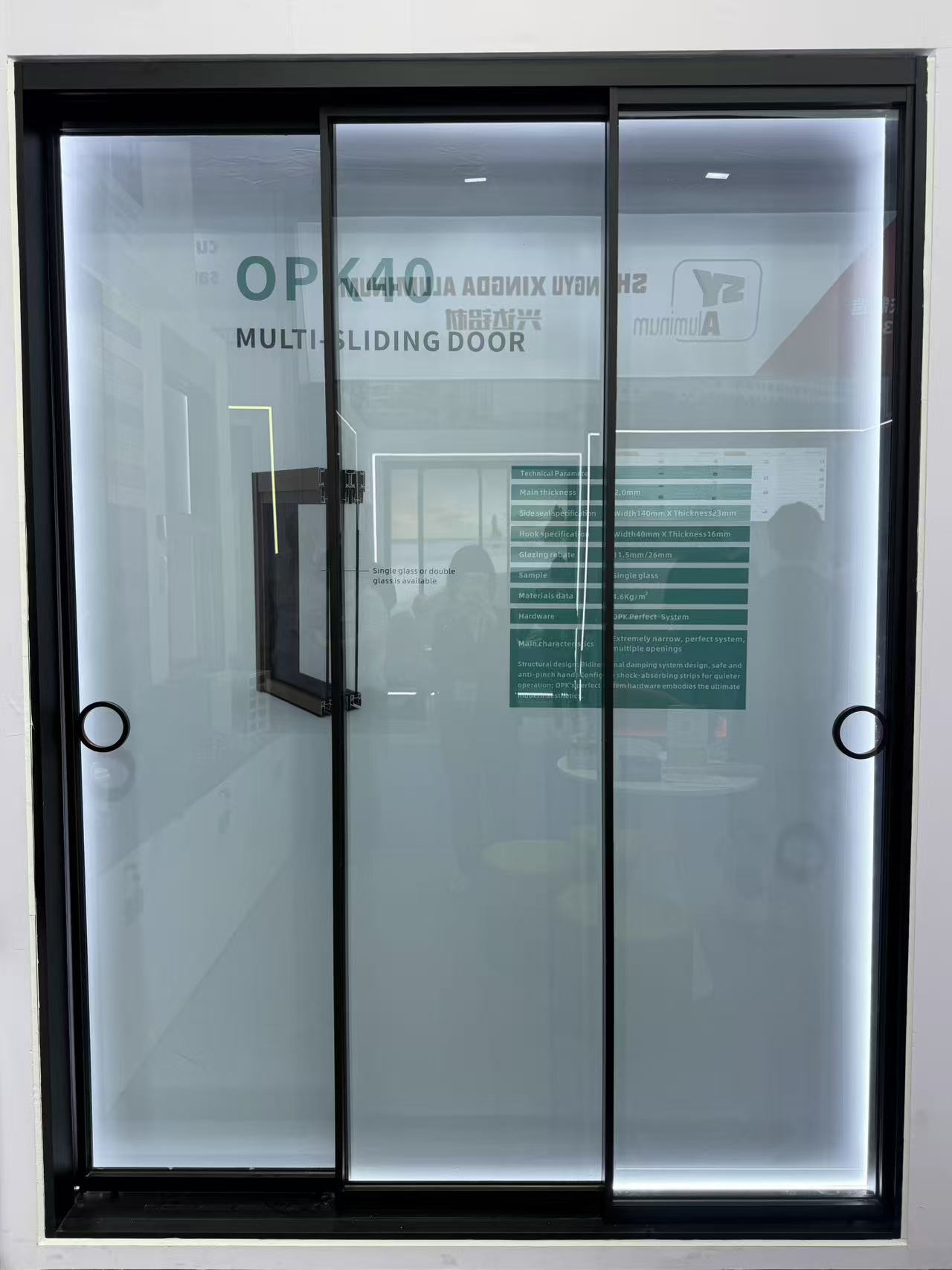
How is smart glass technology being integrated into modern residential sliding door units?
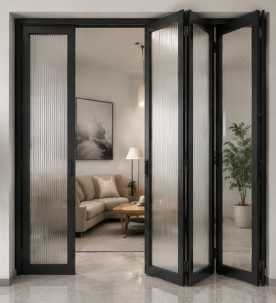
What options do you have for customizing the threshold height of an aluminum floding door?
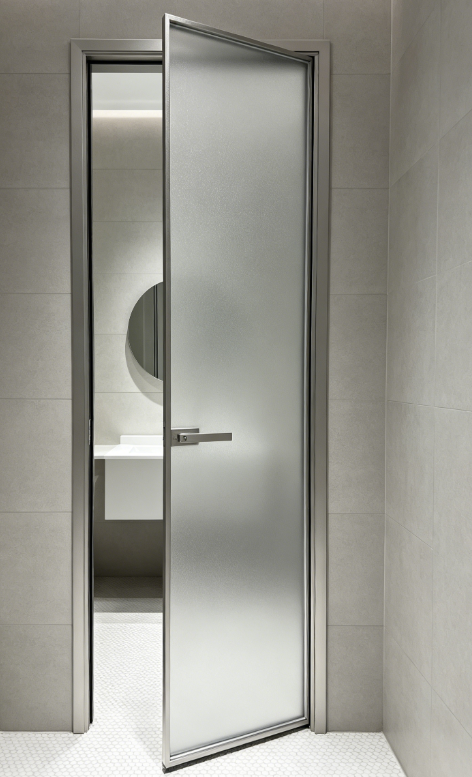
What thermal break technology should I look for in a heavy-duty aluminum casement door?
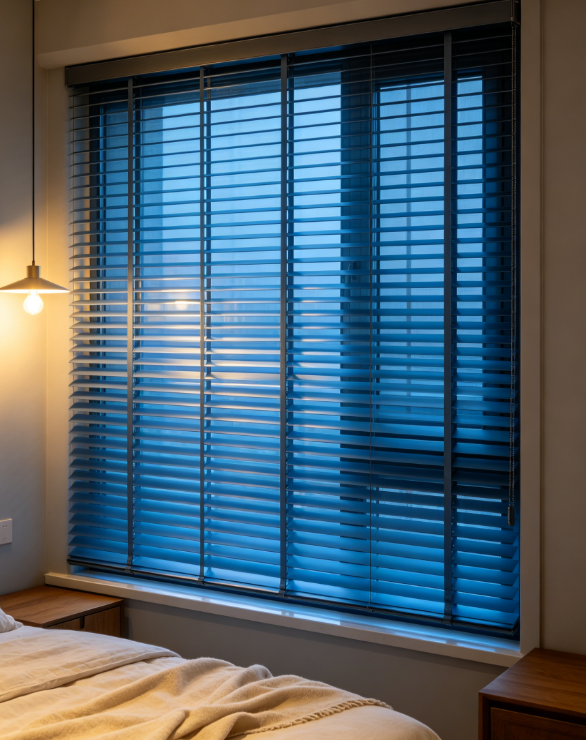
What quality control processes do you perform on shutter hardware before final assembly?
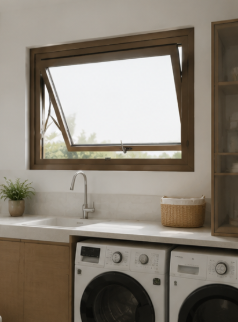
Do you offer DDP shipping terms for awing window orders delivered to our warehouse?
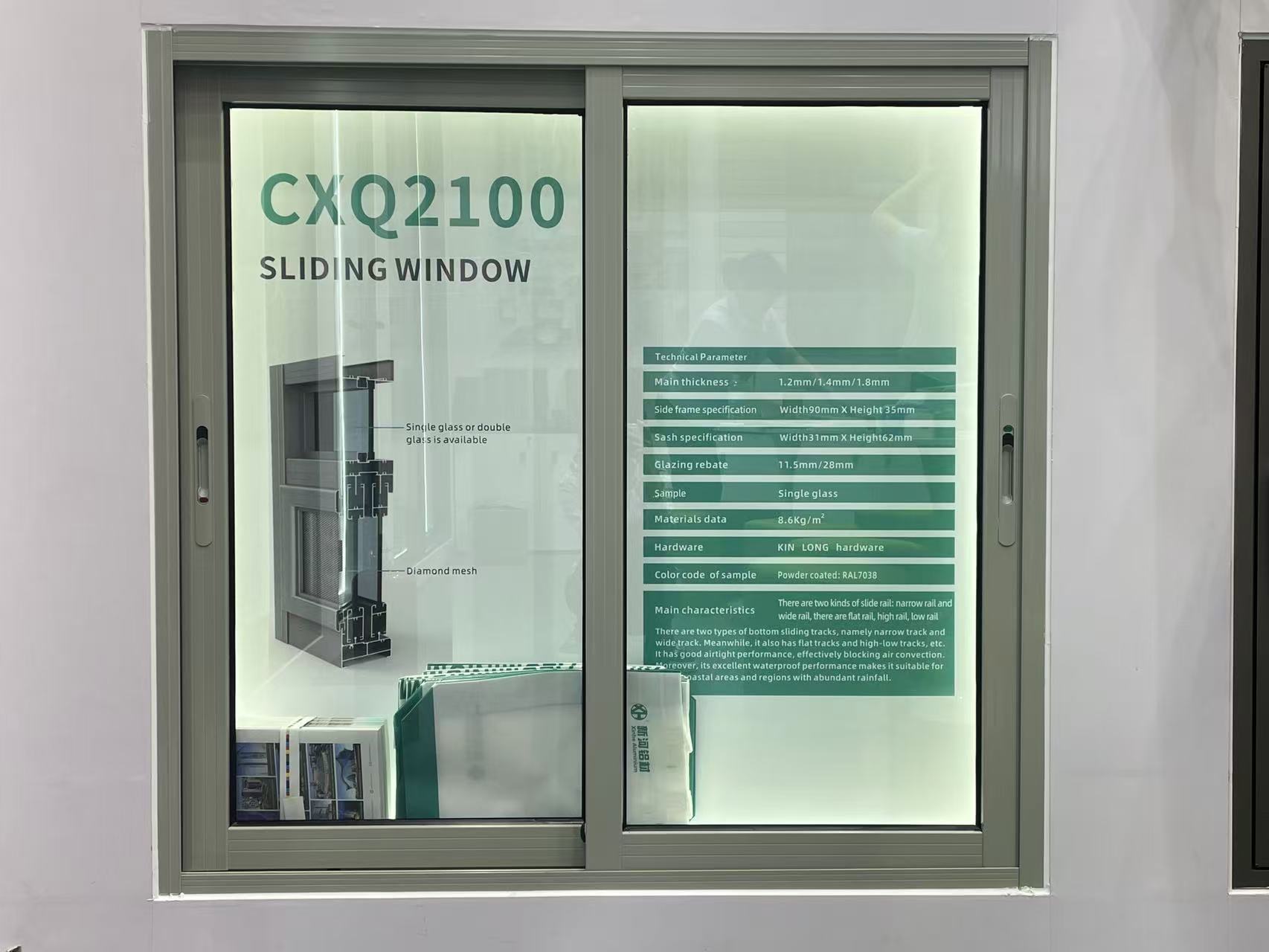
Is it possible to order a fully functional sliding window sample for mock-up testing?
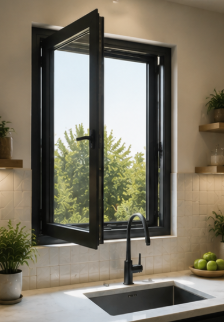
Do you provide replacement hardware if the casement window hinges fail within 5 years?
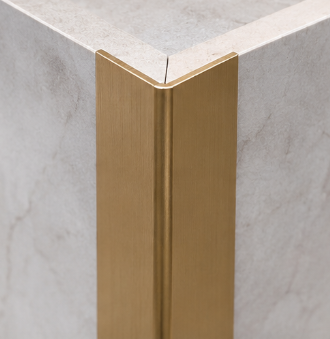
How do you handle claims for decorative profile items damaged during transit?
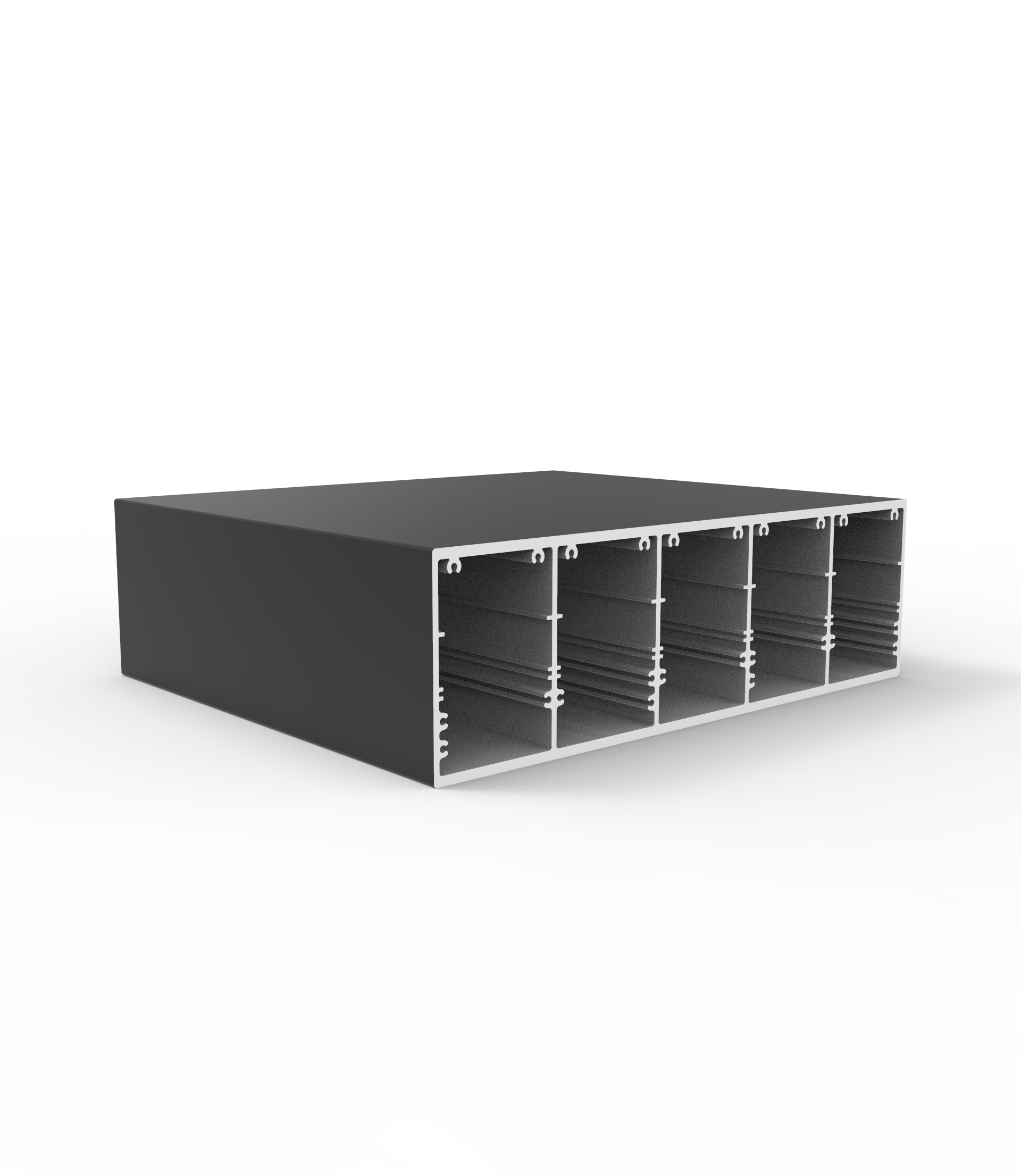
What is the standard MOQ for custom-extruded aluminum industrial profile orders?
How does the order volume affect the per-ton price of custom architecture profile designs?
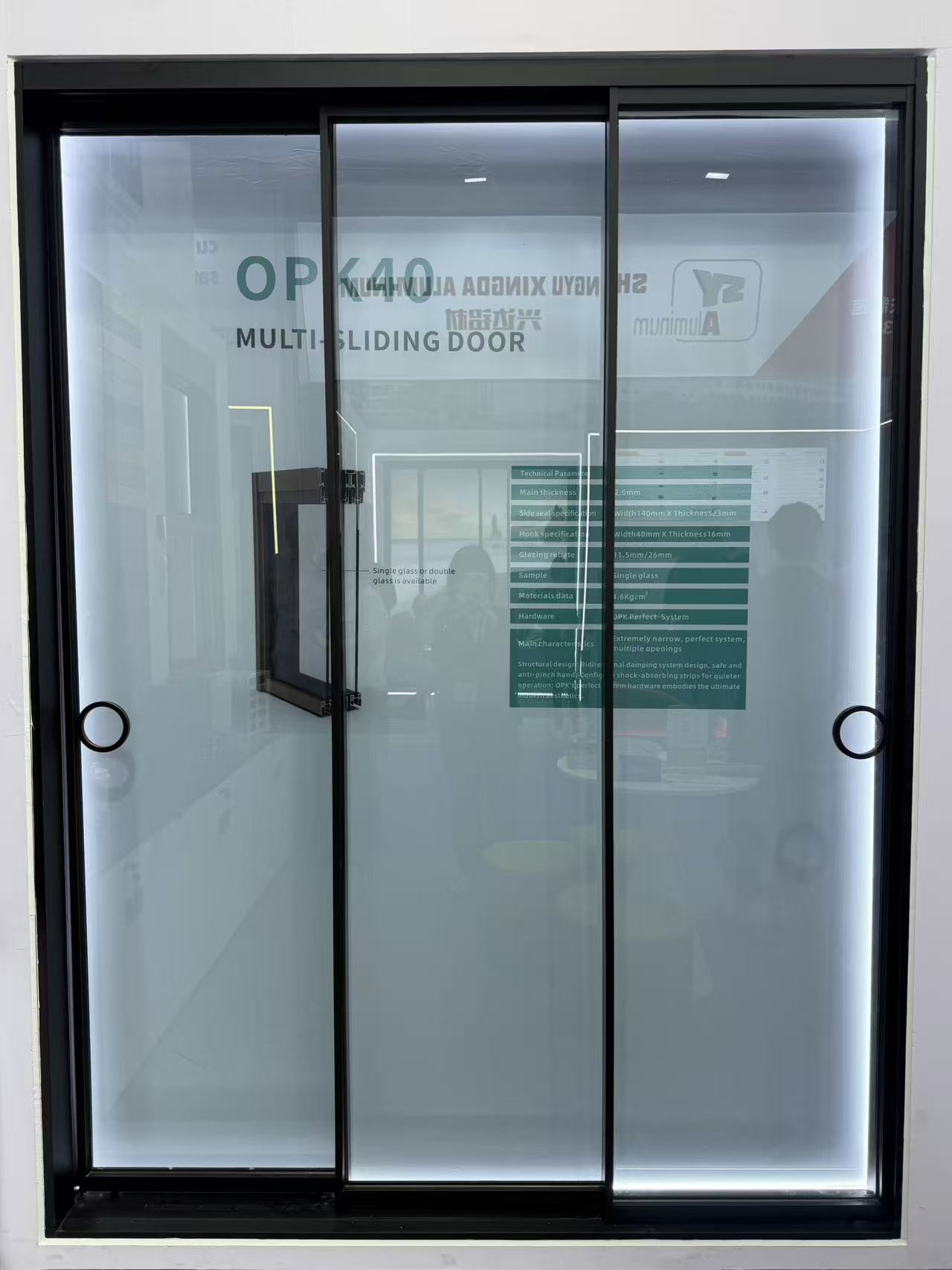
What is the warranty period for the rollers and tracks on your heavy-duty sliding doors?
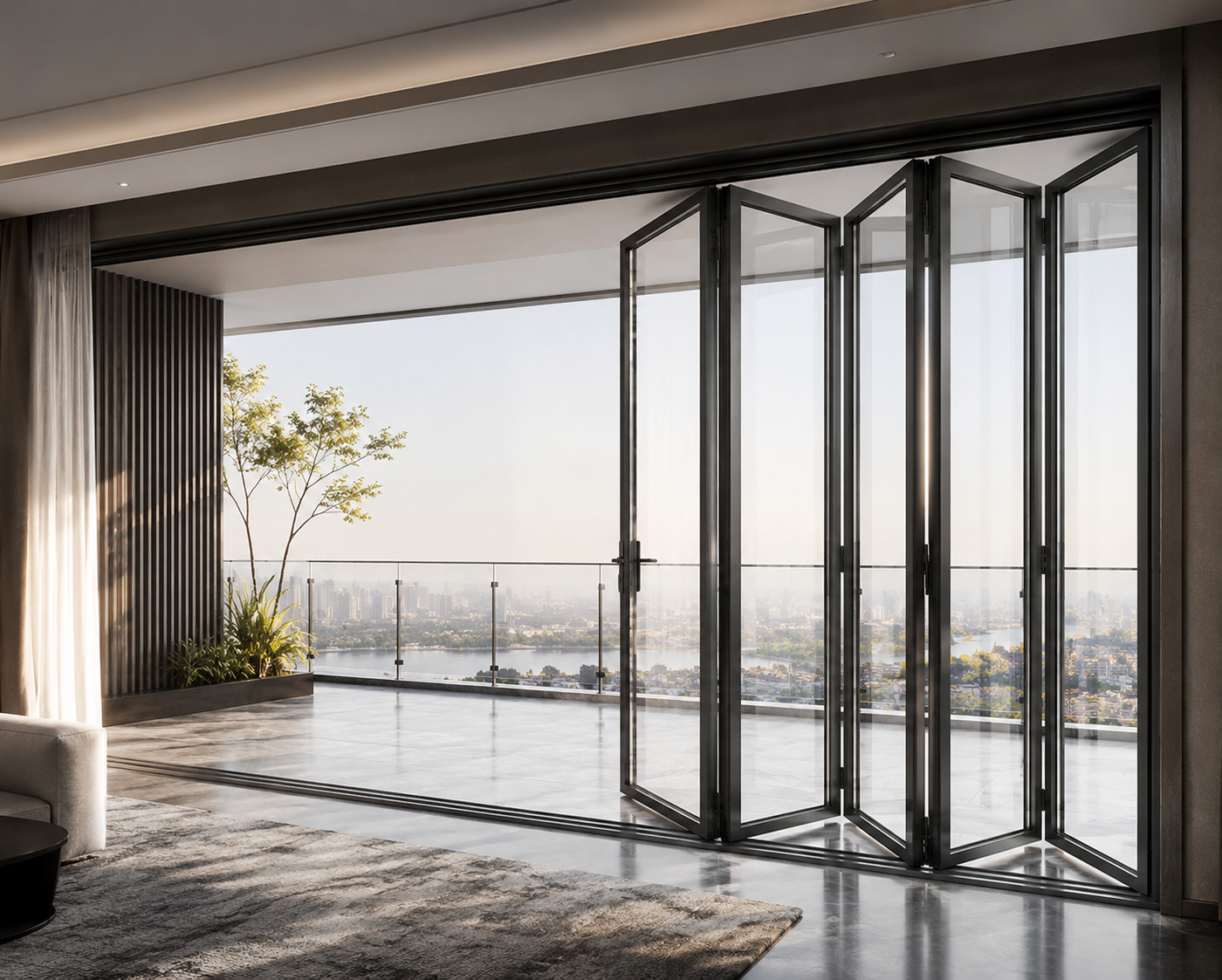
How can we secure our deposit when purchasing high-value custom floding doors from a new supplier?
Can your factory match custom anodized colors for decorative profiles based on physical samples?
Is there a lighter alternative to aluminum industrial profile structures for robotics?
What payment security measures do you have for custom architecture profile tooling fees?
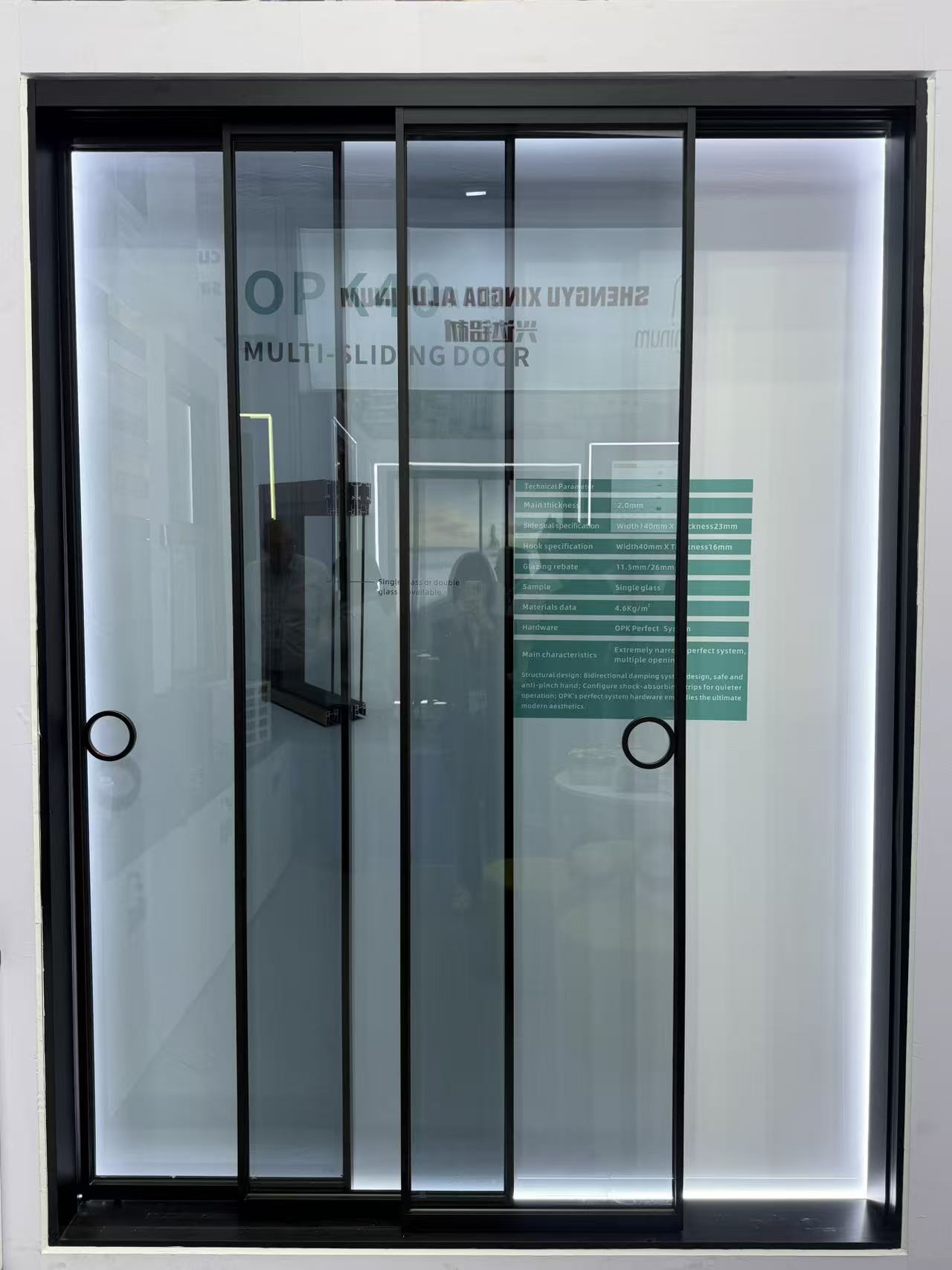
Can I order a sliding door with custom grid patterns between the glass panes?
How do you protect buyers against financial loss if the floding door shipment is delayed?
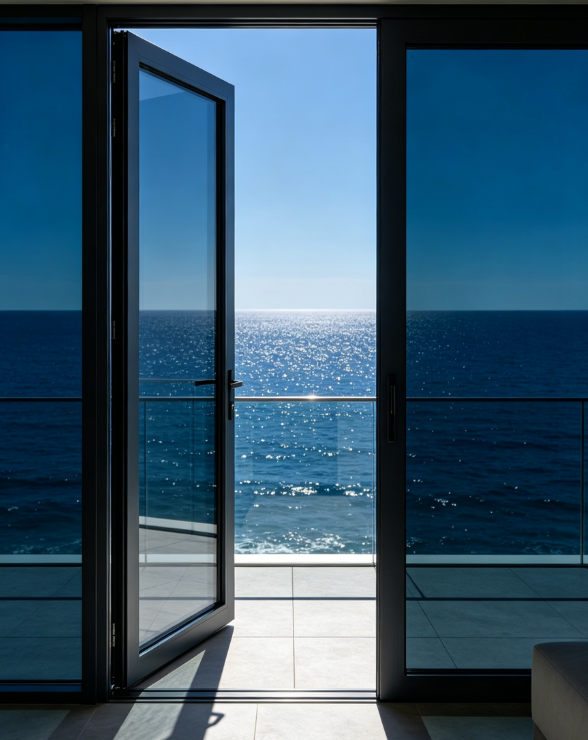
Are slim-frame aluminum casement door designs becoming more popular in modern offices?
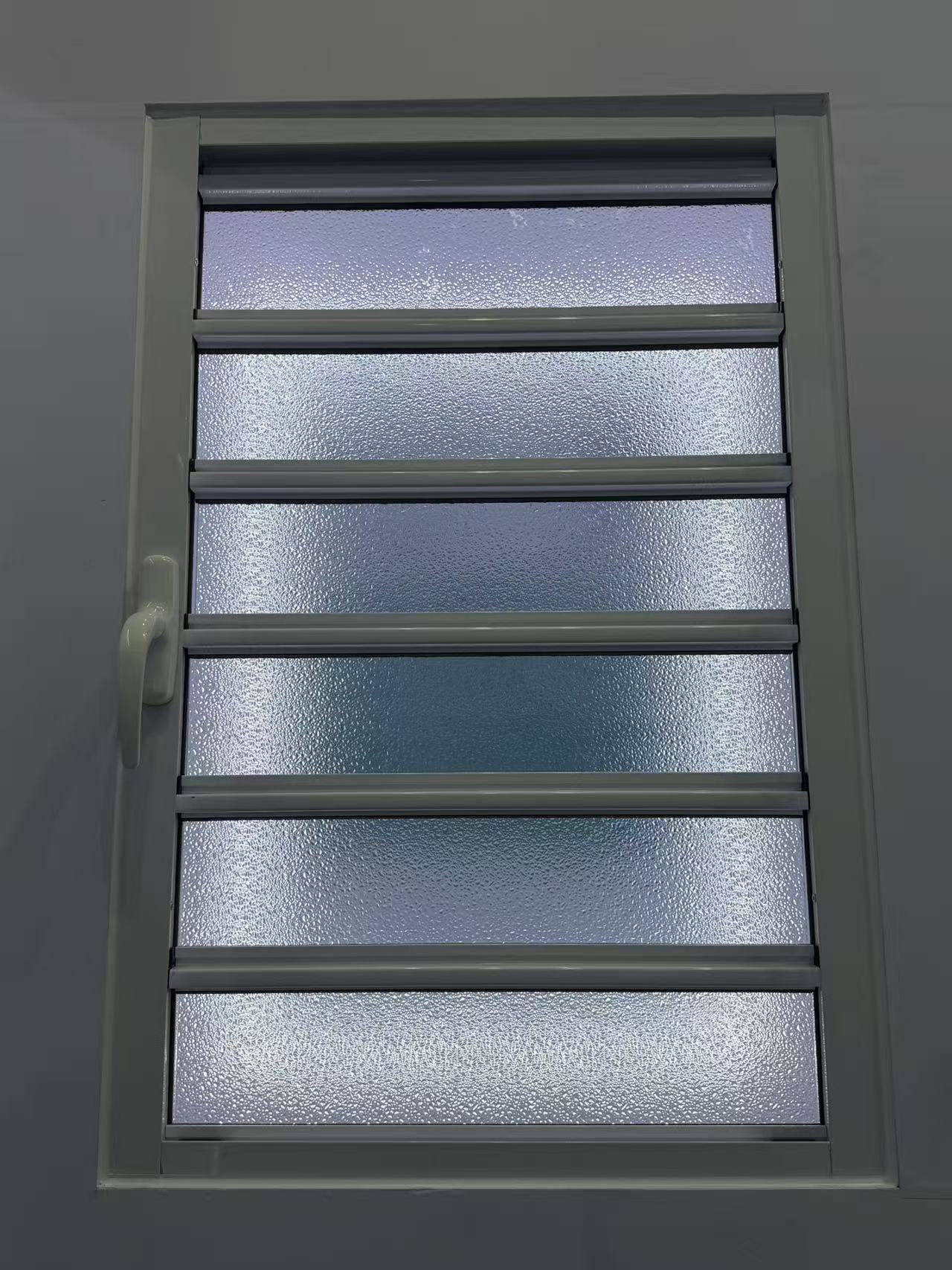
What is your policy for replacing shutter components that arrive with color mismatch?
What kind of remote technical support do you offer for sliding window installation?
What is the maximum safe size for a top-hung awing window in commercial projects?
What environmental management standards does your decorative profile plant follow?
What is the standard lead time for producing a 40ft container of casement window orders?
What is the warranty period for the anodized finish on your industrial profile?
What are the latest eco-friendly trends in architecture profile manufacturing?
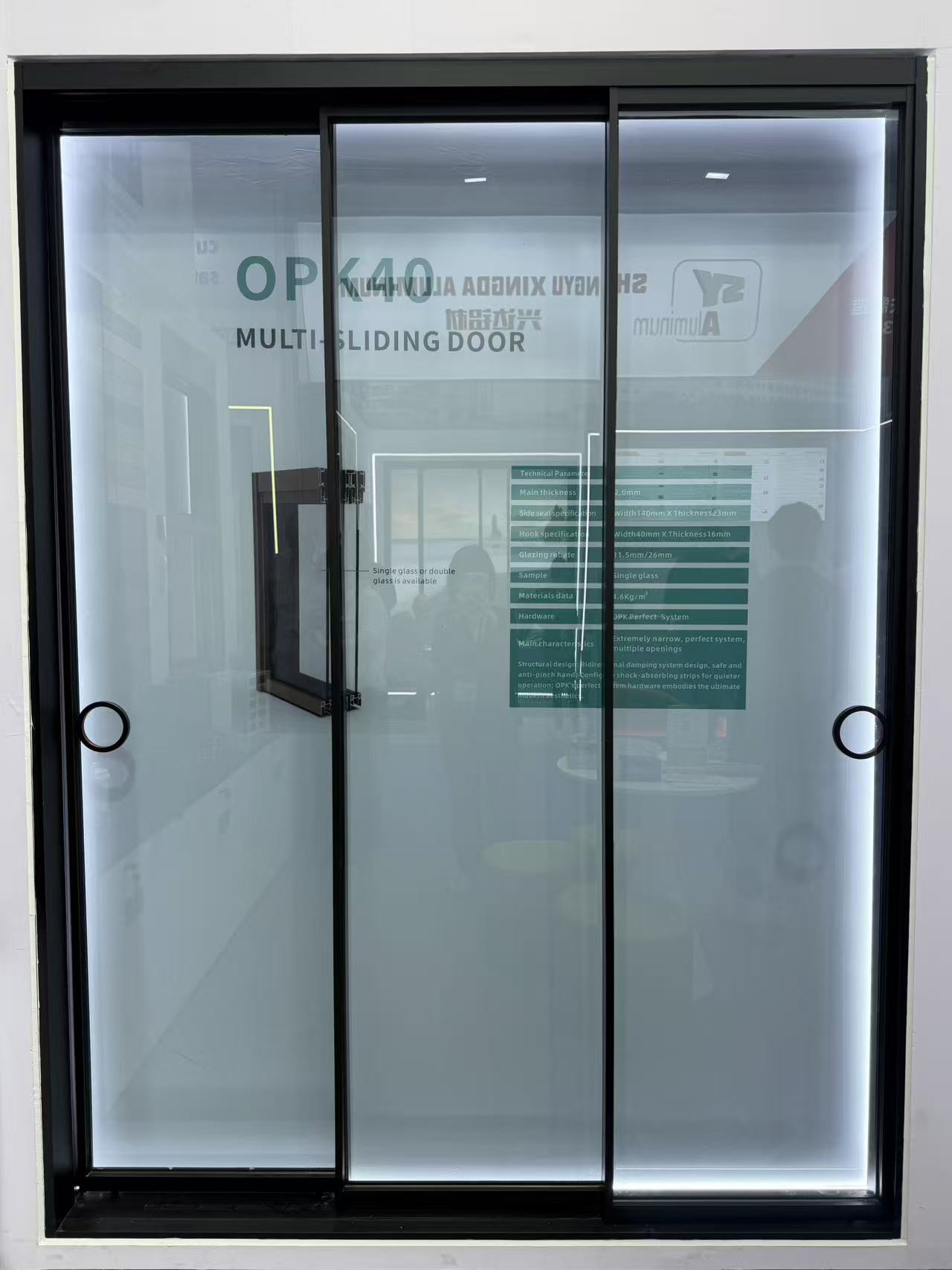
What is the average wholesale price per square meter for double-glazed sliding door systems?
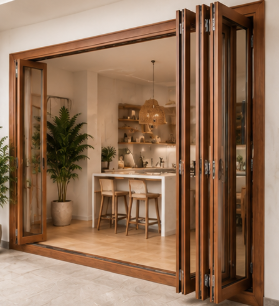
How do I calculate the structural load requirement for a 5-panel exterior floding door?
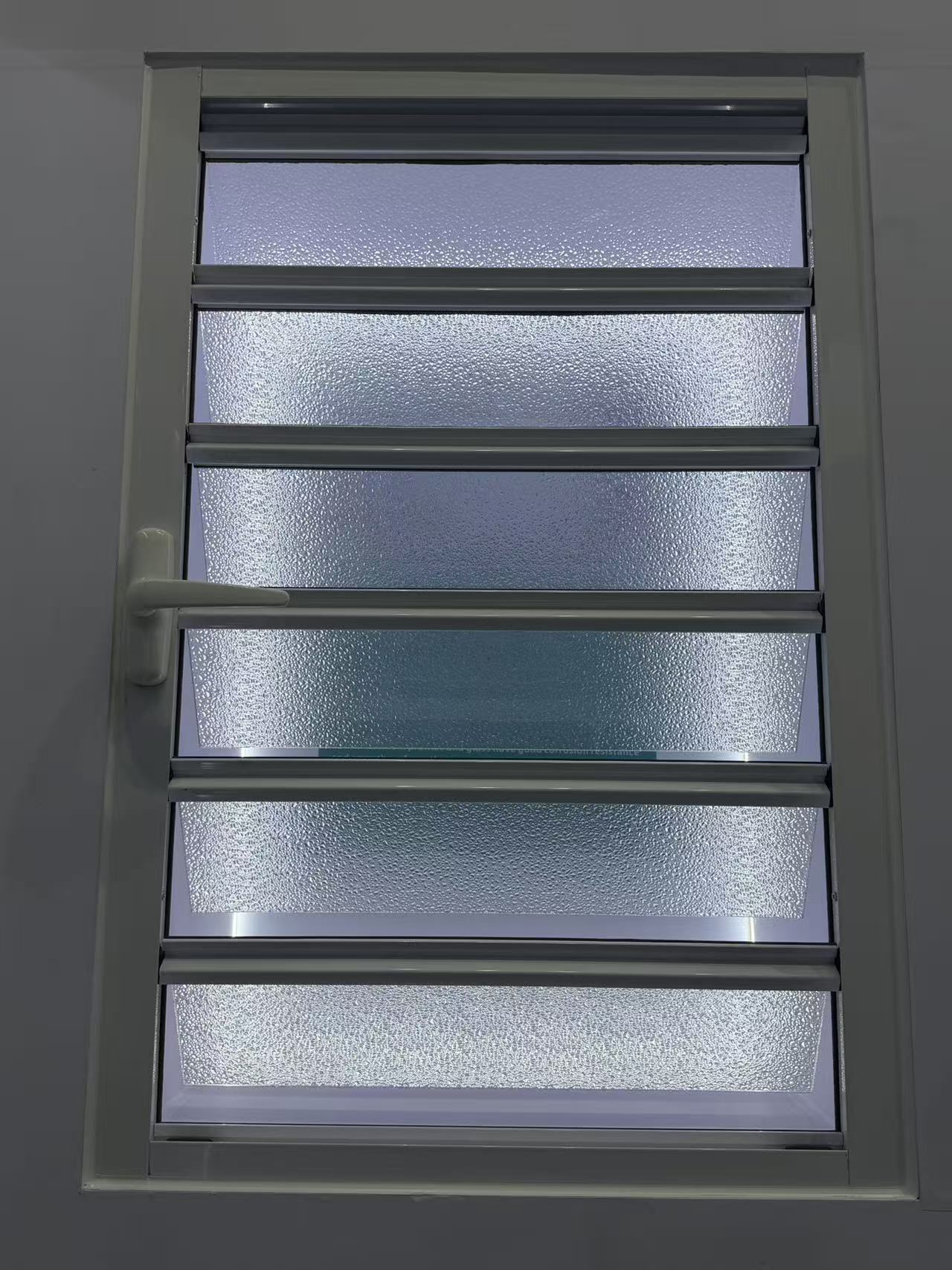
Do your exterior shutter systems comply with Florida building codes for hurricane protection?
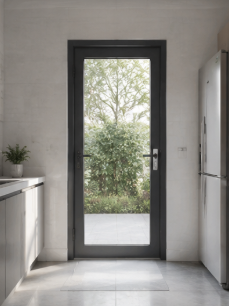
Do you offer Letter of Credit (L/C) payment options for casement door bulk orders?
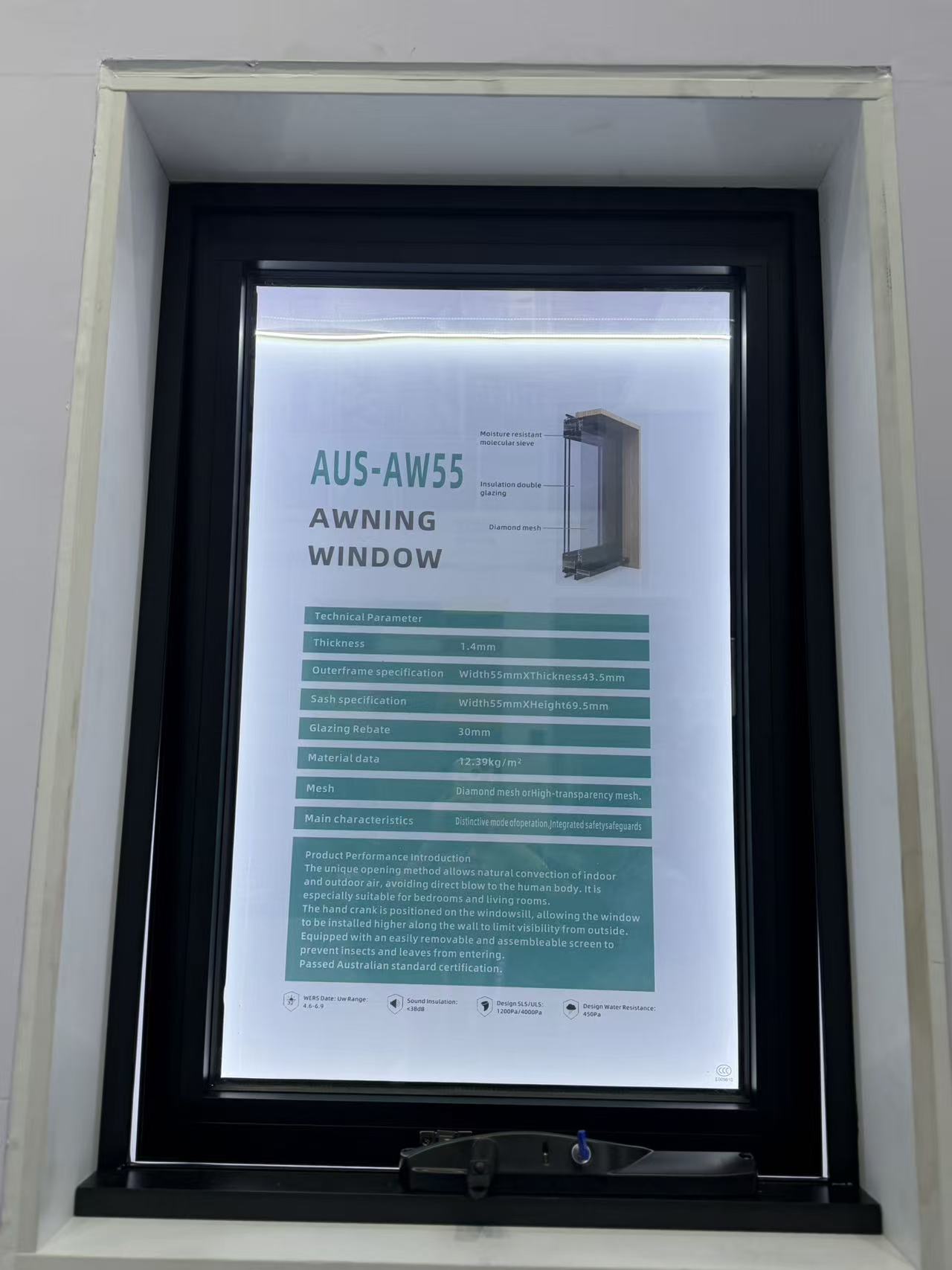
Which water tightness certifications are required for importing an awing window to Europe?
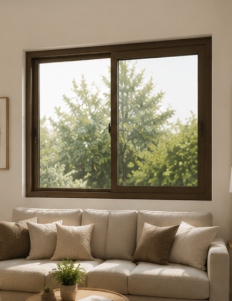
Do you allow virtual factory tours to inspect the sliding window assembly line?
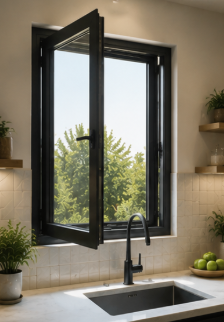
What is the typical MOQ for ordering standard-sized aluminum casement window units?
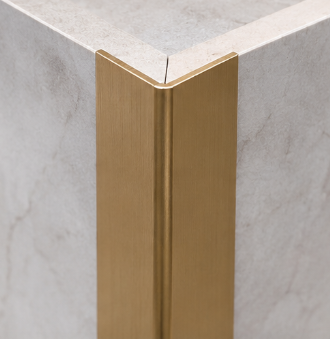
How long does it take to receive a physical sample of a gold-anodized decorative profile?
How do I choose the right alloy grade for architecture profiles in high-rise coastal buildings?
How do I choose the right track and roller specs for heavy-duty commercial sliding doors?
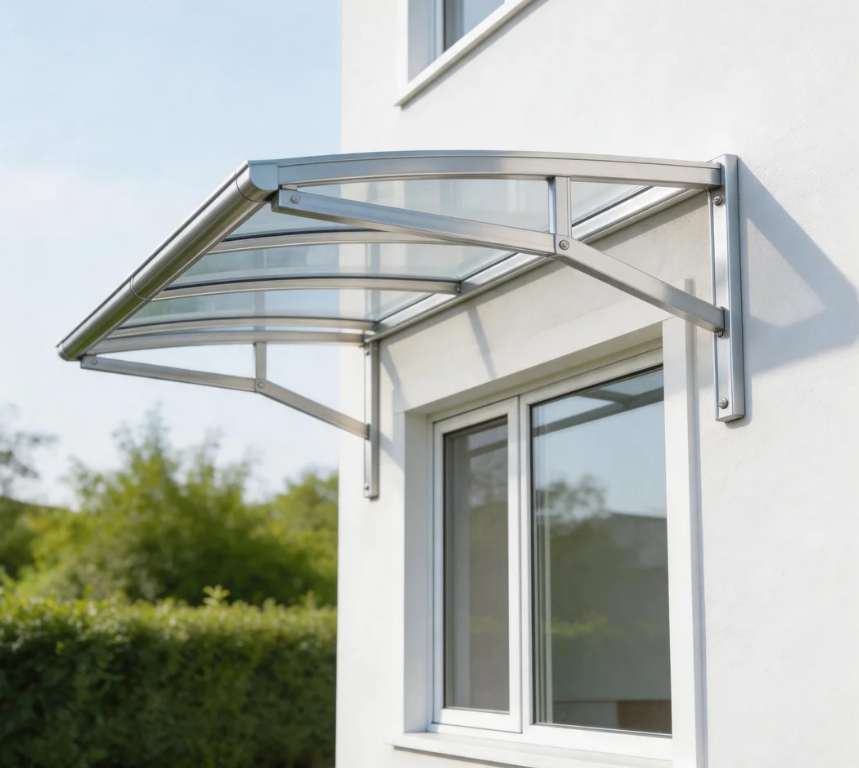
The core advantages of using aluminium profiles for the canopy
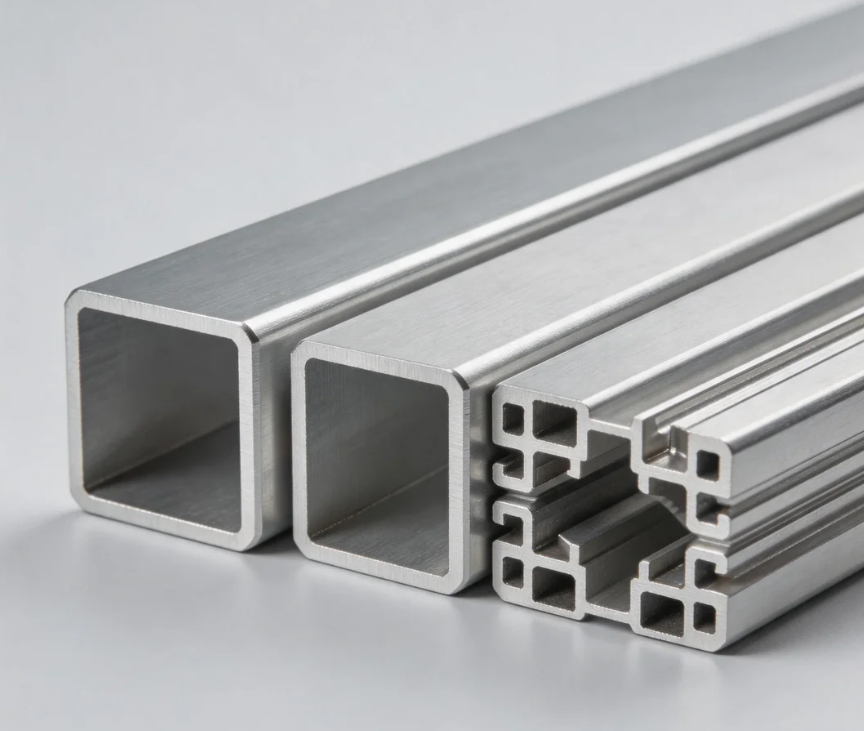
International demand: Dual drive by new energy and infrastructure
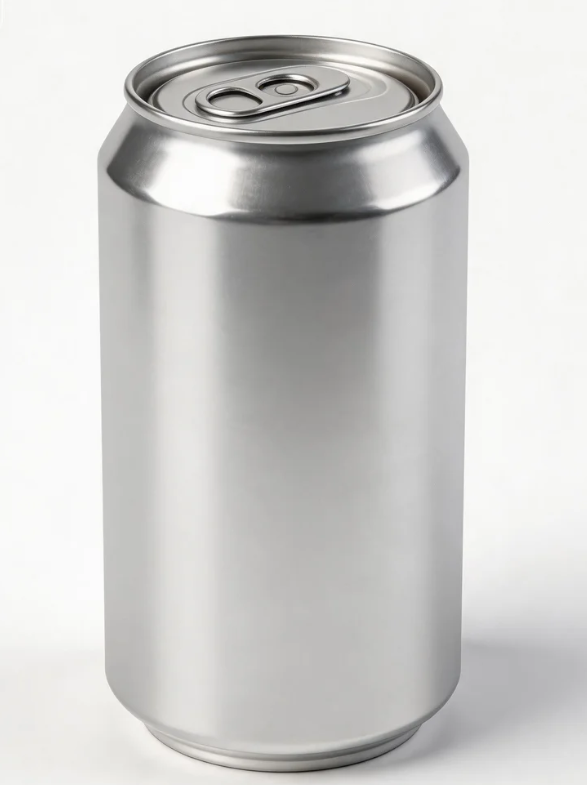
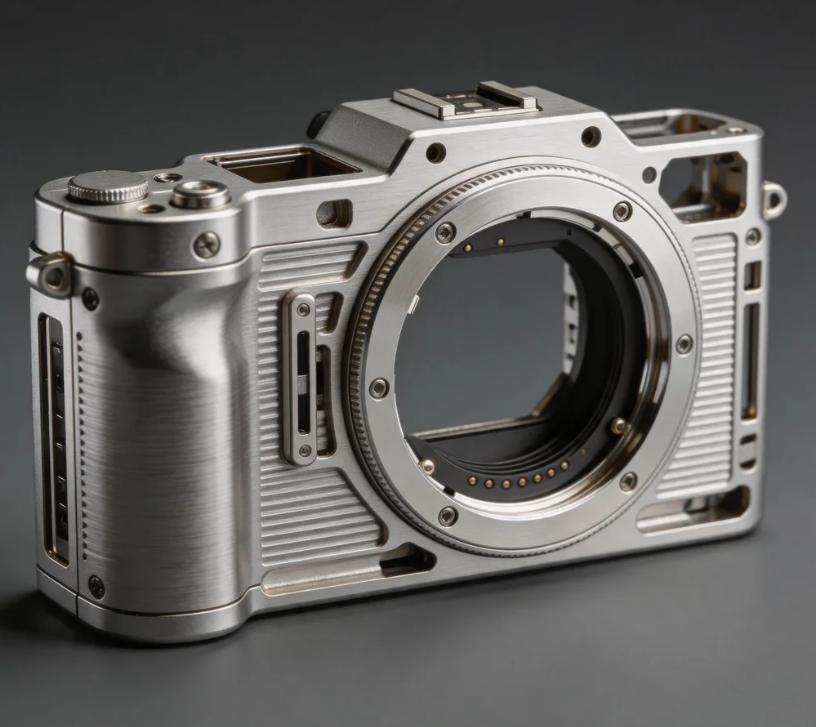
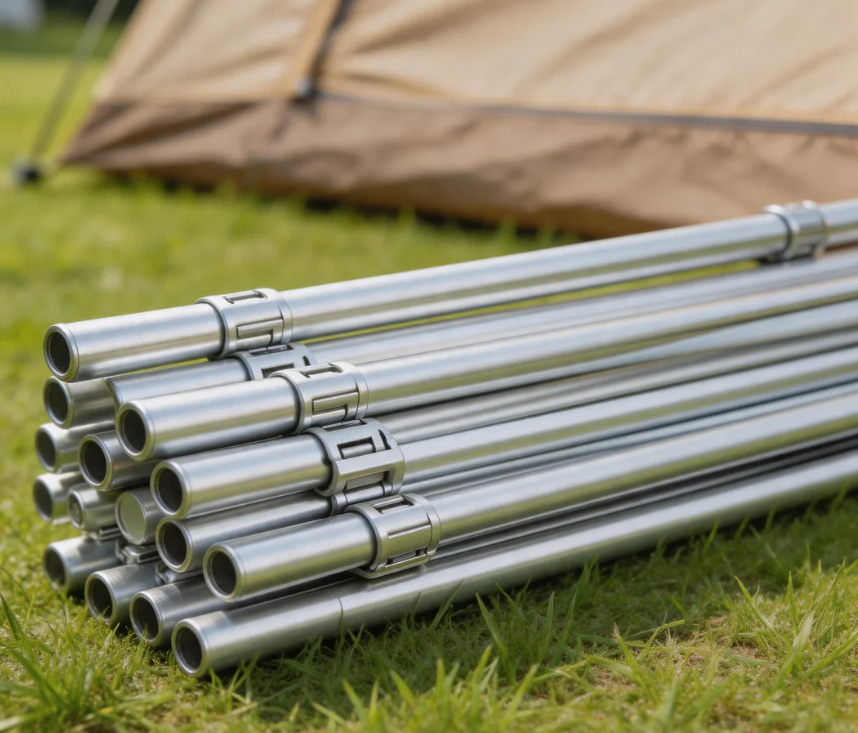
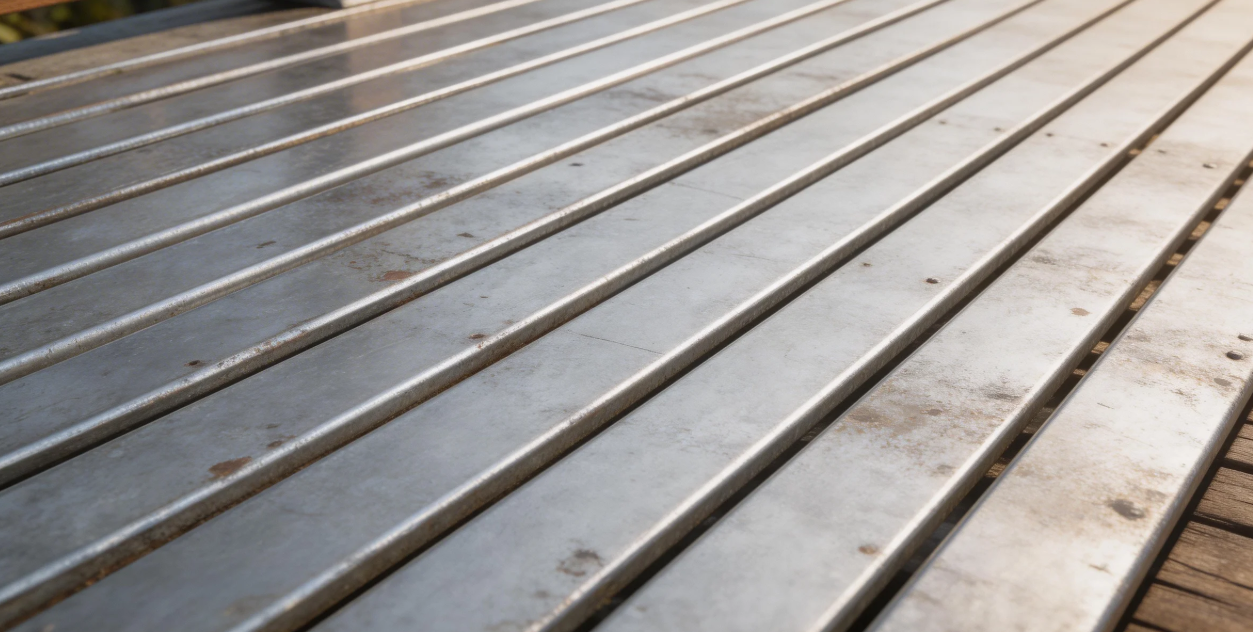
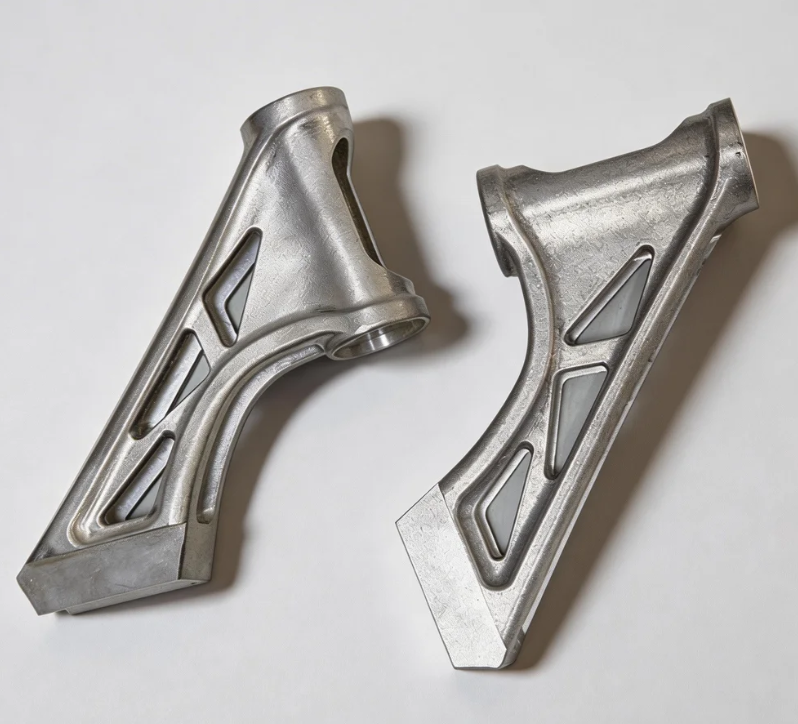

The advantages of using aluminium profiles to manufacture robot arms
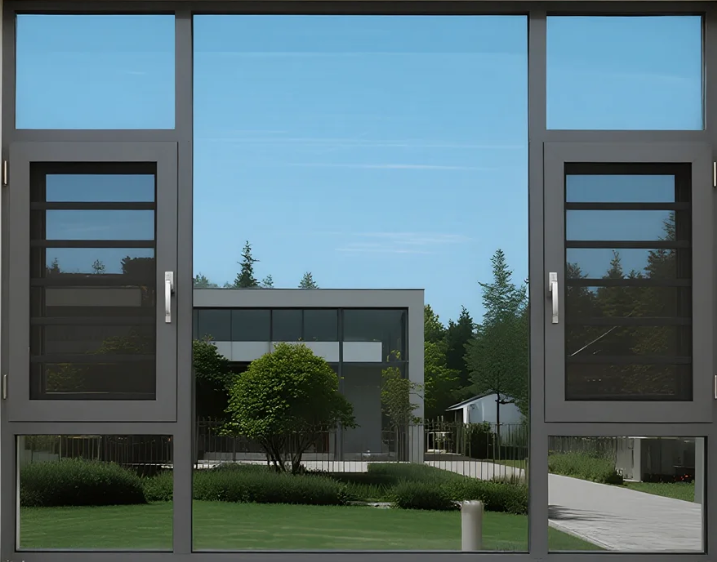
The advantages of using aluminum profiles for door and window frames
The impact of the conflict between the United States and Iran on the price of aluminum
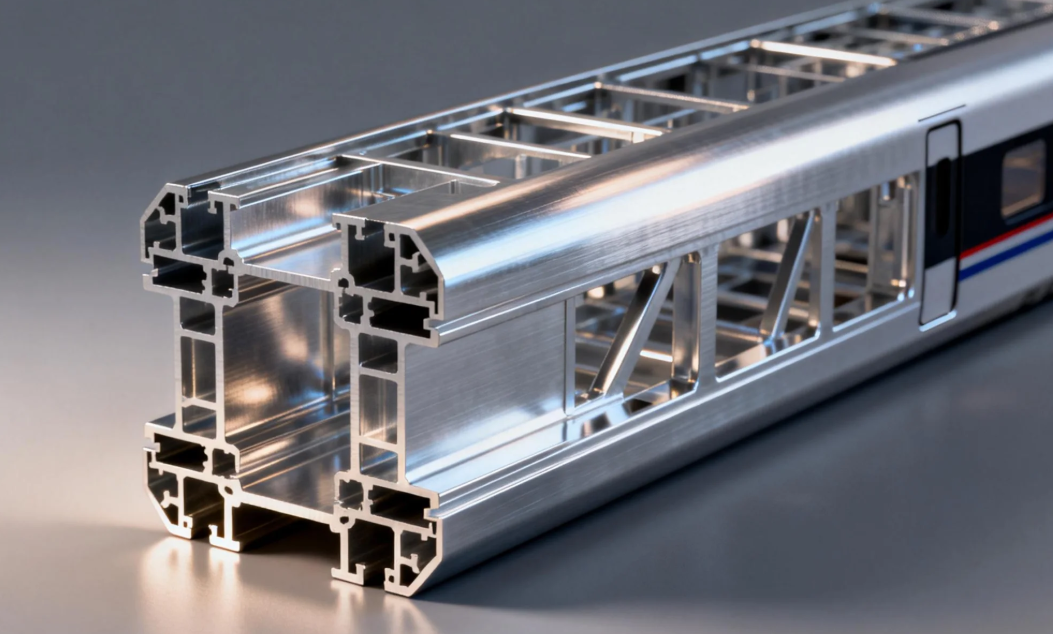
The advantages of using aluminium alloy for the main structure of high-speed train carriages





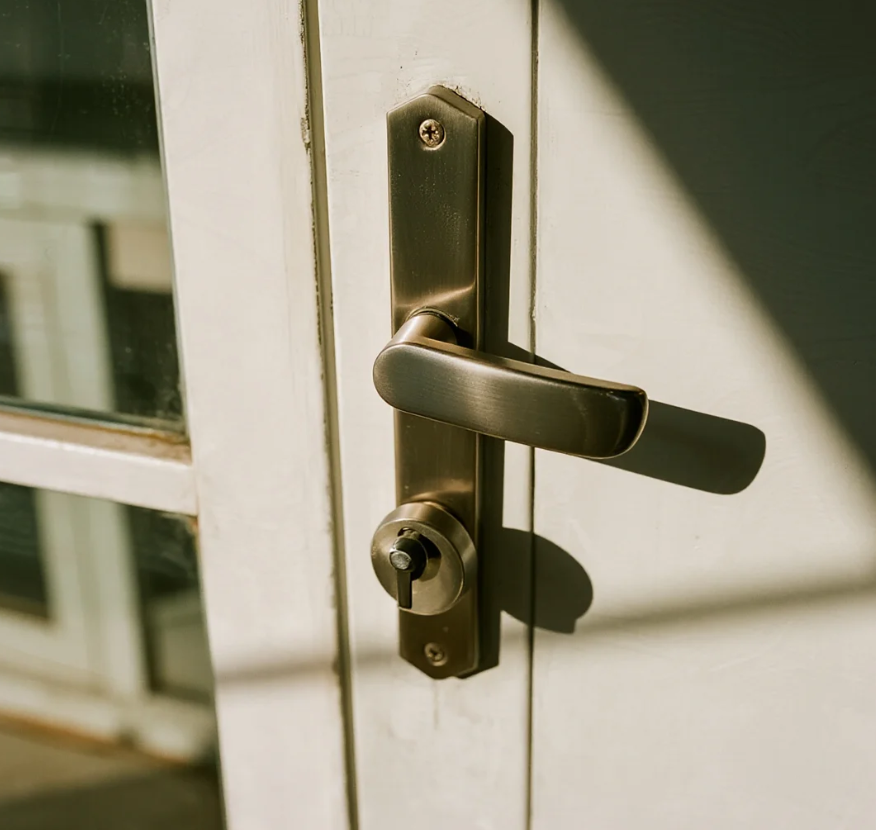
Methods for distinguishing Indoor and Outdoor Aluminium Doors

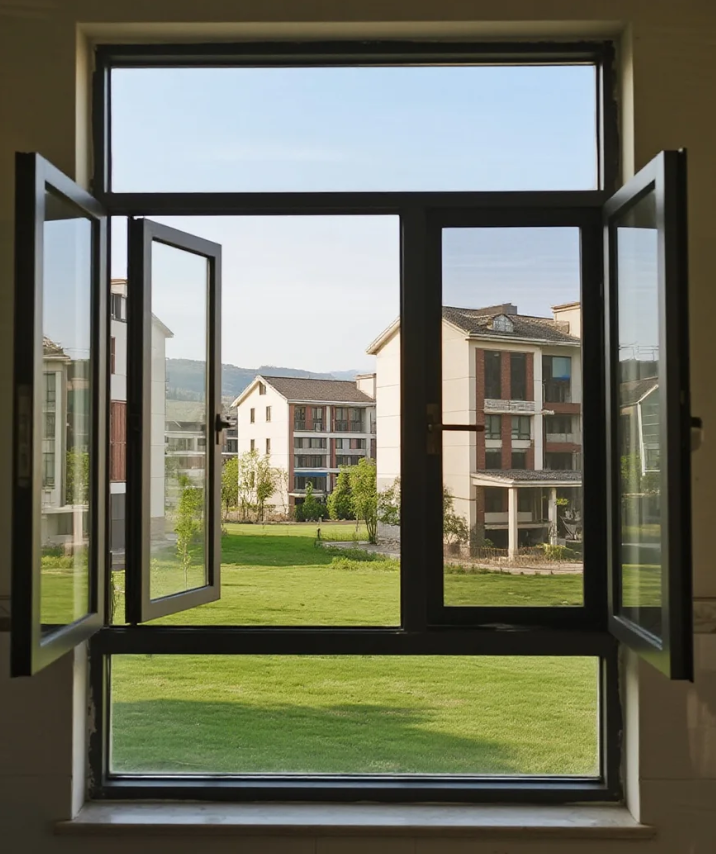
Maintenance methods and tips for aluminium doors and windows
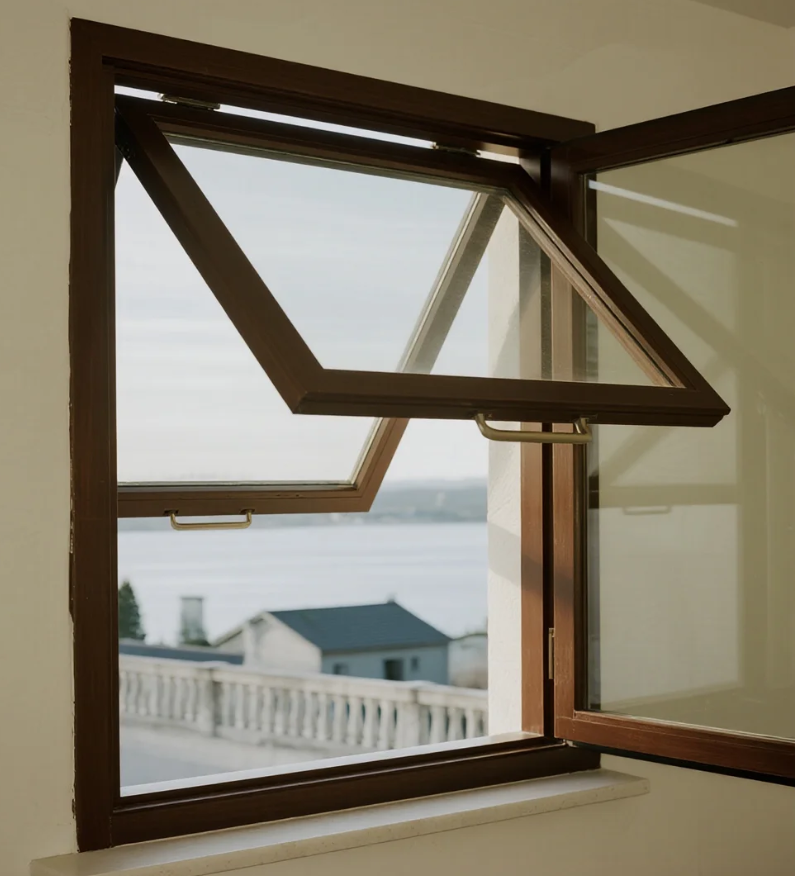
Characteristic of outward-opening and hung aluminium windows


Xinhe Aluminium Research: 7.14-7.18 Analysis of Aluminium Prices

Seven Benefits Of Using Aluminium Profiles In Curtain Wall Systems
The Application of Aluminium Profiles in New Energy Vehicles

The Composition and Application of Series 6 Aluminium Alloys
Top 5 Benefits of Using LED Aluminium Profiles in Modern Lighting
A Complete Guide to Aluminium Frame Profiles for Modern Structures
Exploring the Strength and Versatility of Aluminium Extrusion Profiles
How to Choose the Right Aluminium Profile Supplier for Your Project


COMPANY