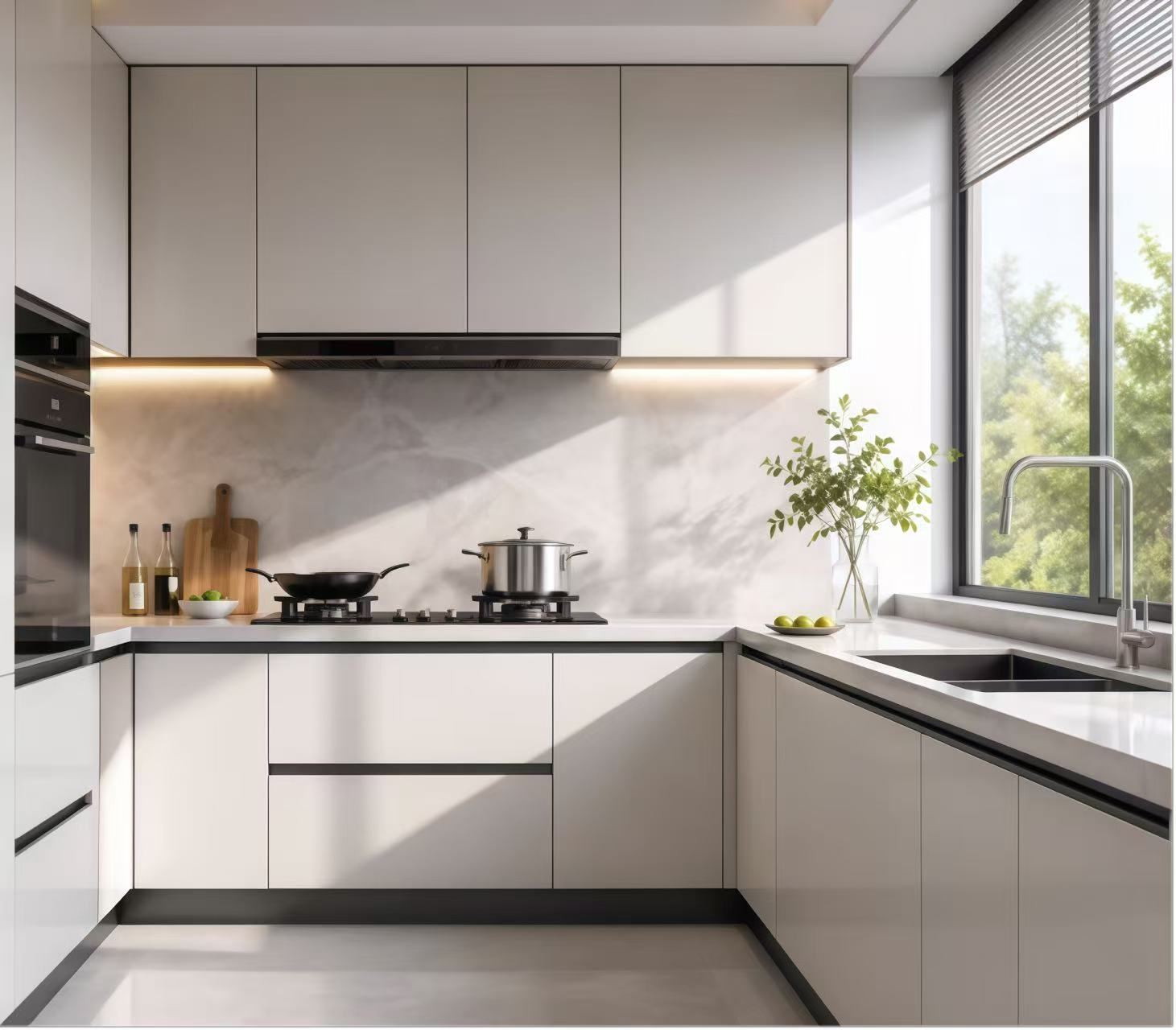
Modern culinary environments represent an incredibly hostile microclimate for architectural materials. Wood derivatives and standard polymers face constant threats from oscillating temperatures, localized humidity spikes, and acidic cooking fumes. These stressors initiate microscopic warping across the substrate, compromising structural integrity over extended periods.
Engineers increasingly specify aluminium profiles for kitchen cabinets to resolve these fundamental material failures. The transition from timber to metal framing is not merely a modern aesthetic choice. It is heavily rooted in strict mechanical advantages and predictable load-bearing capabilities.
Traditional cabinetry suffers from an inherent biological vulnerability to moisture absorption. Standard medium-density fiberboard acts like a rigid sponge, expanding laterally when exposed to airborne steam. A precision-milled metal exoskeleton isolates these vulnerable interior substrates from the harsh external atmosphere.
Understanding the physics behind these specialized extrusions reveals exactly why they dominate modern interior architecture. This analysis dismantles the metallurgical properties, surface thermodynamics, and mechanical stress distribution inherent in specialized cabinet hardware.
Specifying the exact metallic composition determines the functional lifespan of the entire storage unit. Standard structural extrusions heavily rely on the 6000-series magnesium and silicon alloys. The specific engineering selection usually narrows down to the 6063 and 6463 variations.
Magnesium significantly increases the base tensile strength of the material framework. Silicon lowers the melting temperature to improve precise fluid dynamics during the manufacturing process. The ratio of these two elements dictates how the raw heated billet flows through the steel die.

The T5 designation indicates a highly specific thermal treatment protocol applied immediately after forming. The metal is artificially aged at elevated temperatures, typically holding at around 175 degrees Celsius for several hours. This controlled thermal exposure aligns the internal grain structure of the aluminium matrix.
Such crystalline alignment drastically enhances the yield strength and establishes high structural rigidity. A poorly tempered profile will easily deform under the static load of heavy ceramic dishware or cast-iron cookware. T5 tempering ensures the metal snaps back to its original geometry after enduring dynamic mechanical stress.
When comparing the two common variants, 6463 offers a slightly different metallurgical response than its counterpart. The intentionally lower iron content in the 6463 chemistry allows for a much brighter, mirror-like finish after chemical brightening. This makes it ideal for highly polished decorative trims.
Conversely, 6063 remains the absolute workhorse for standard matte structures or structurally hidden framework components. Both alloys maintain a remarkably low overall cabinetry weight. They deliver excellent load-bearing capacity without deformation, keeping the wall-mounting hardware from experiencing excessive shear force.
Kitchen layouts generate concentrated pockets of vaporized grease, acidic food splatters, and variable ambient heat. Bare metals degrade rapidly when exposed to this continuous atmospheric onslaught. Aluminium naturally forms a thin microscopic oxide layer upon contact with ambient oxygen.
This naturally occurring chemical barrier is rarely sufficient for the demanding conditions of commercial or heavy residential cooking spaces. Industrial surface treatments must artificially alter the exterior boundary layer of the profile. Anodizing thickens the protective oxide shield through a dedicated electrochemical cell process.

The extruded profile is submerged in a highly controlled sulfuric acid bath while an electrical current passes through the liquid. This forces millions of microscopic pores to open across the metal surface, driving oxygen deep into the substrate. The resulting porous structure is subsequently sealed with heavy metal salts.
This anodized shield physically integrates with the base metal rather than just sitting on top of it. It becomes entirely immune to peeling or flaking under heavy mechanical friction. Sliding heavy pots against an anodized edge will not compromise the underlying structural matrix.
Alternative protective methods involve different physical bonding mechanisms to achieve profound moisture and corrosion resistance. Powder coating applies electrostatically charged polymer particles to the grounded metal substrate. Curing the profile in a high-temperature oven melts these distinct particles into a continuous, impenetrable plastic membrane.
Electrophoresis provides a similar protective envelope with an even tighter micron-level adherence. Wood grain sublimation transfers specialized ink directly into a polyurethane base layer. This provides the visual warmth of organic timber without the inherent biological vulnerabilities to mold or water damage.
The functional geometry of cabinet doors has shifted dramatically toward integrated pull mechanisms. Traditional handles concentrate all mechanical pulling forces onto two incredibly small screw penetration points. Over time, repeated dynamic loading weakens the threaded connection within standard substrate materials.
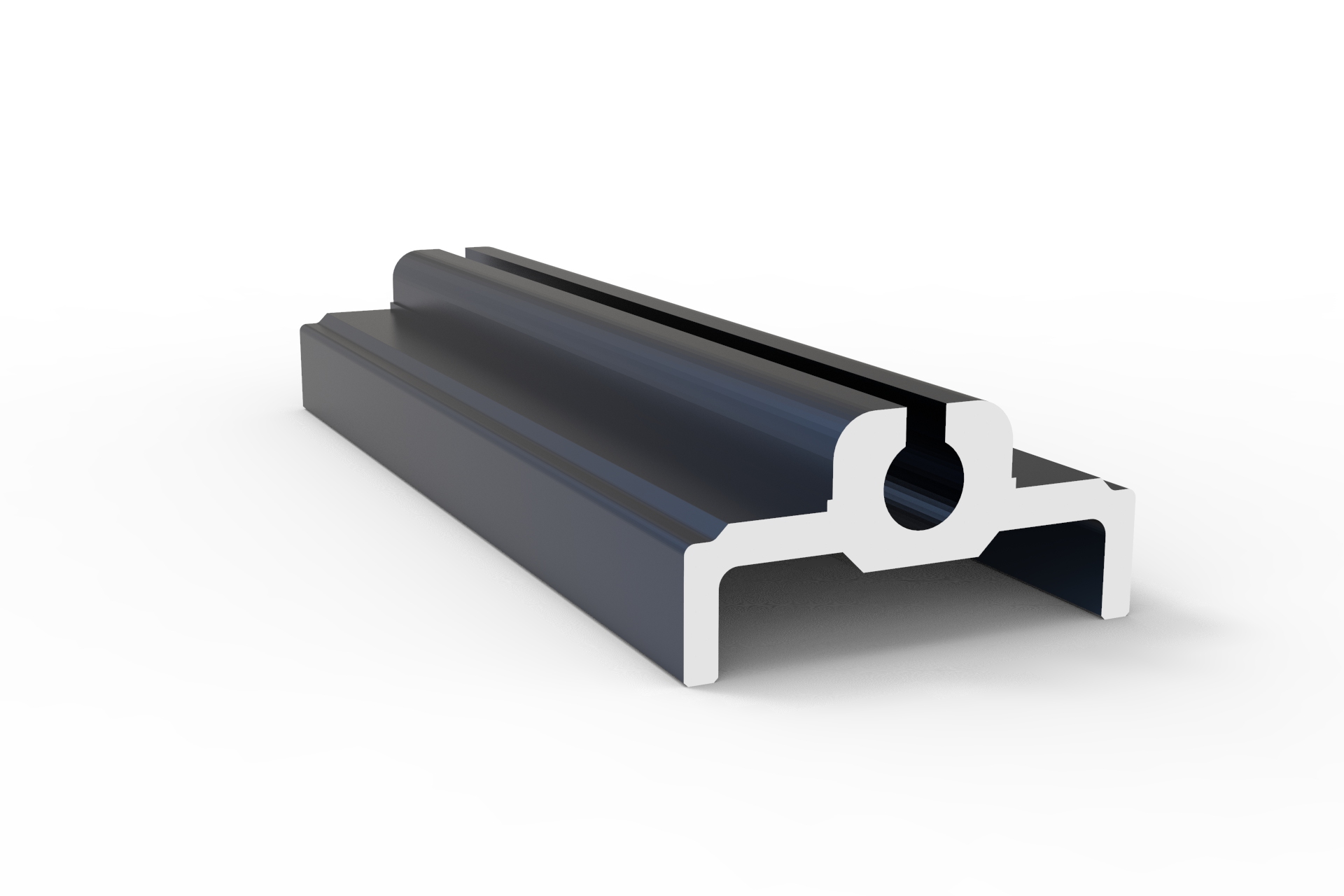
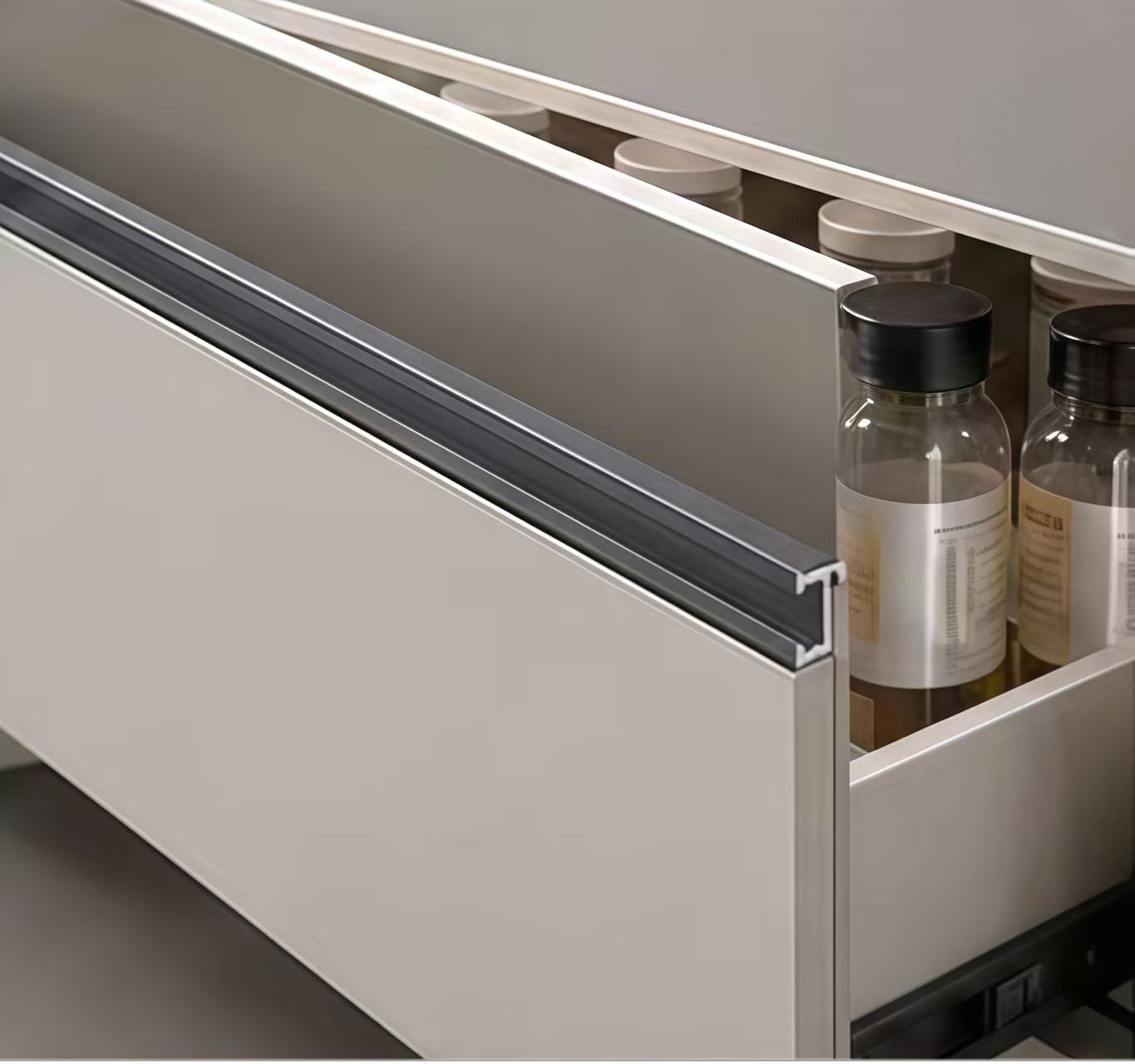
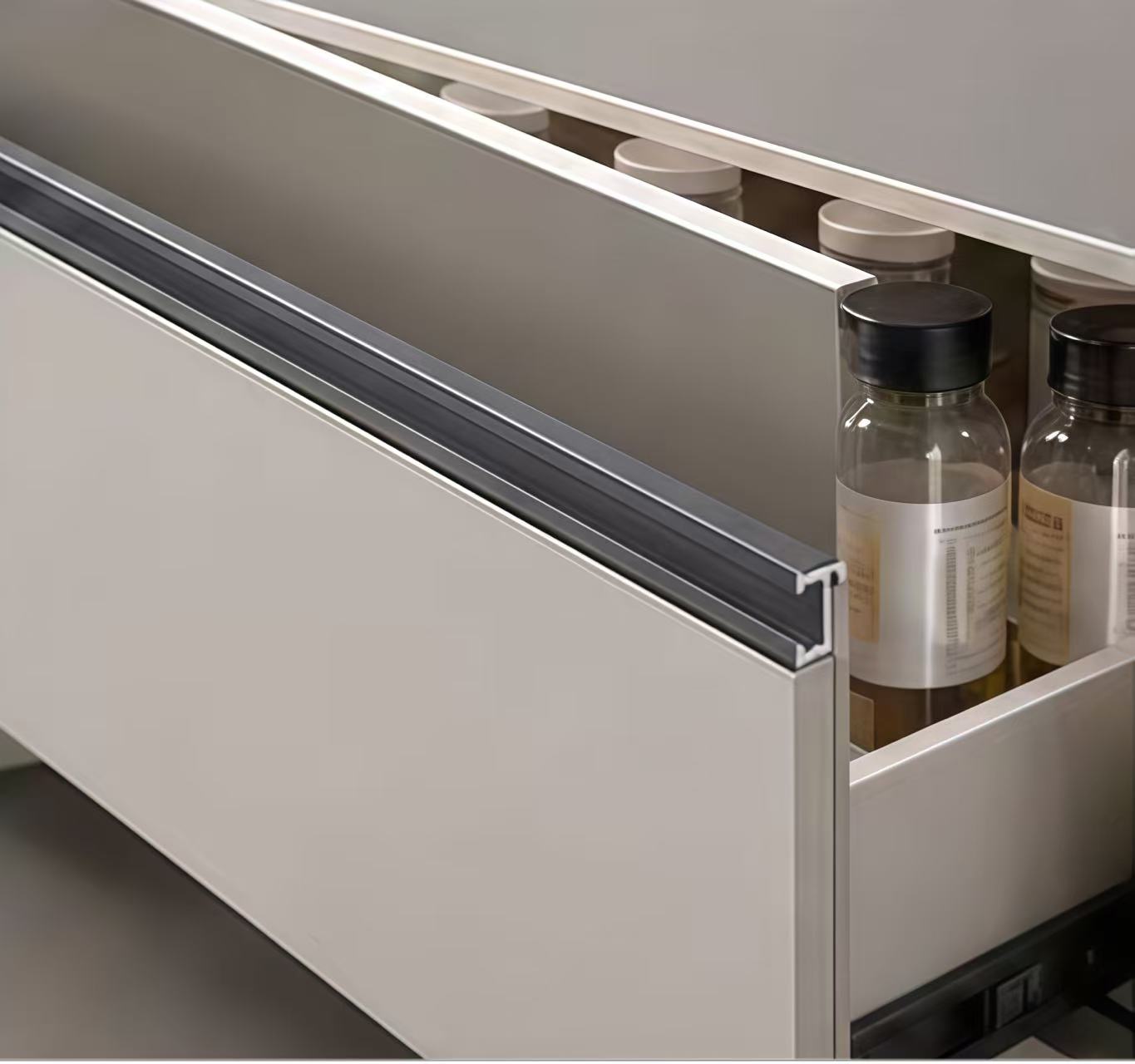
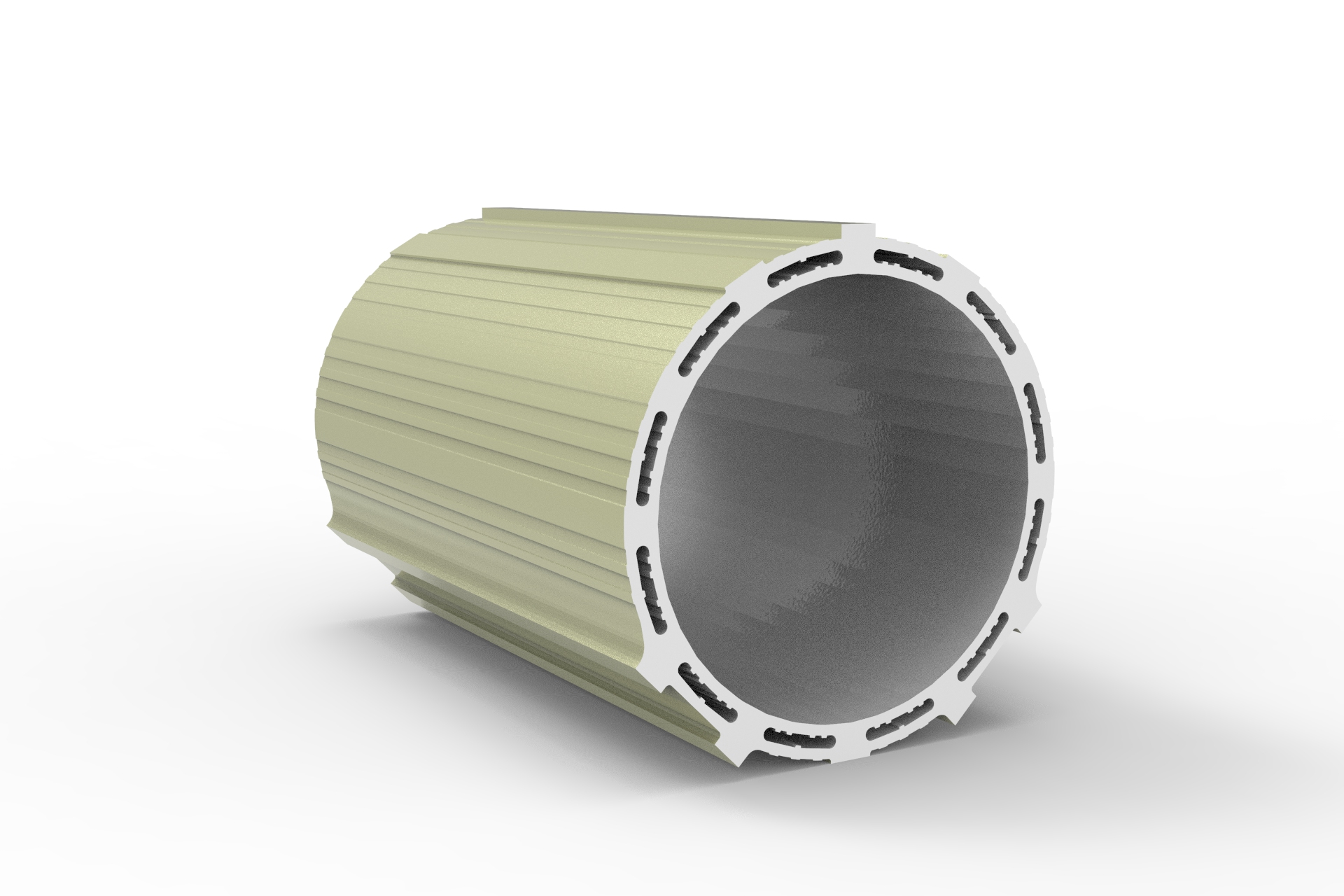
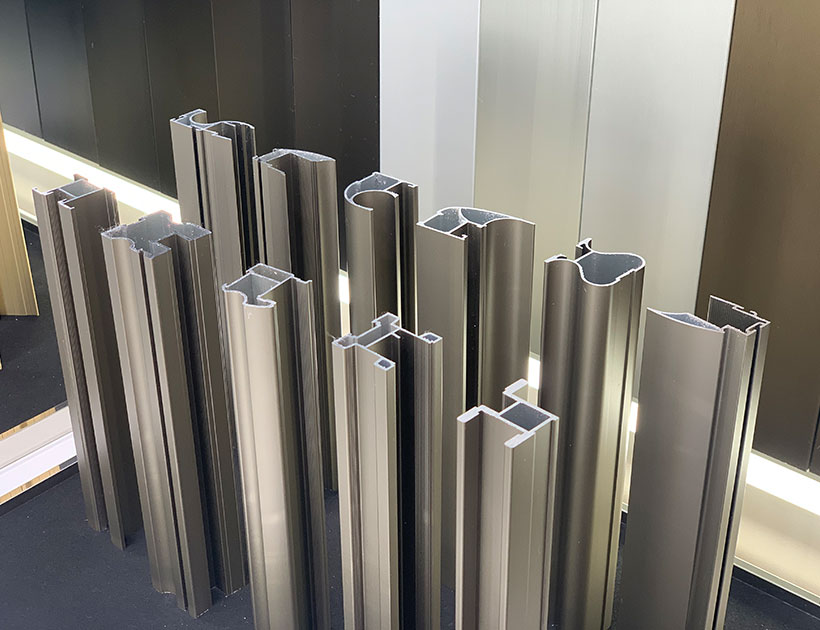
Extruded channels eliminate these isolated stress nodes entirely by altering the fundamental mechanical fulcrum. Gola, J-pull, and C-pull profiles distribute the mechanical opening force across the entire horizontal or vertical span of the door.

This continuous engagement rail mathematically reduces the peak pressure applied to any single millimeter of the wooden structure. The cross-sectional geometry of these profiles requires meticulous engineering calculations. Designers must precisely balance ergonomic grip depth with the internal metal wall thickness.
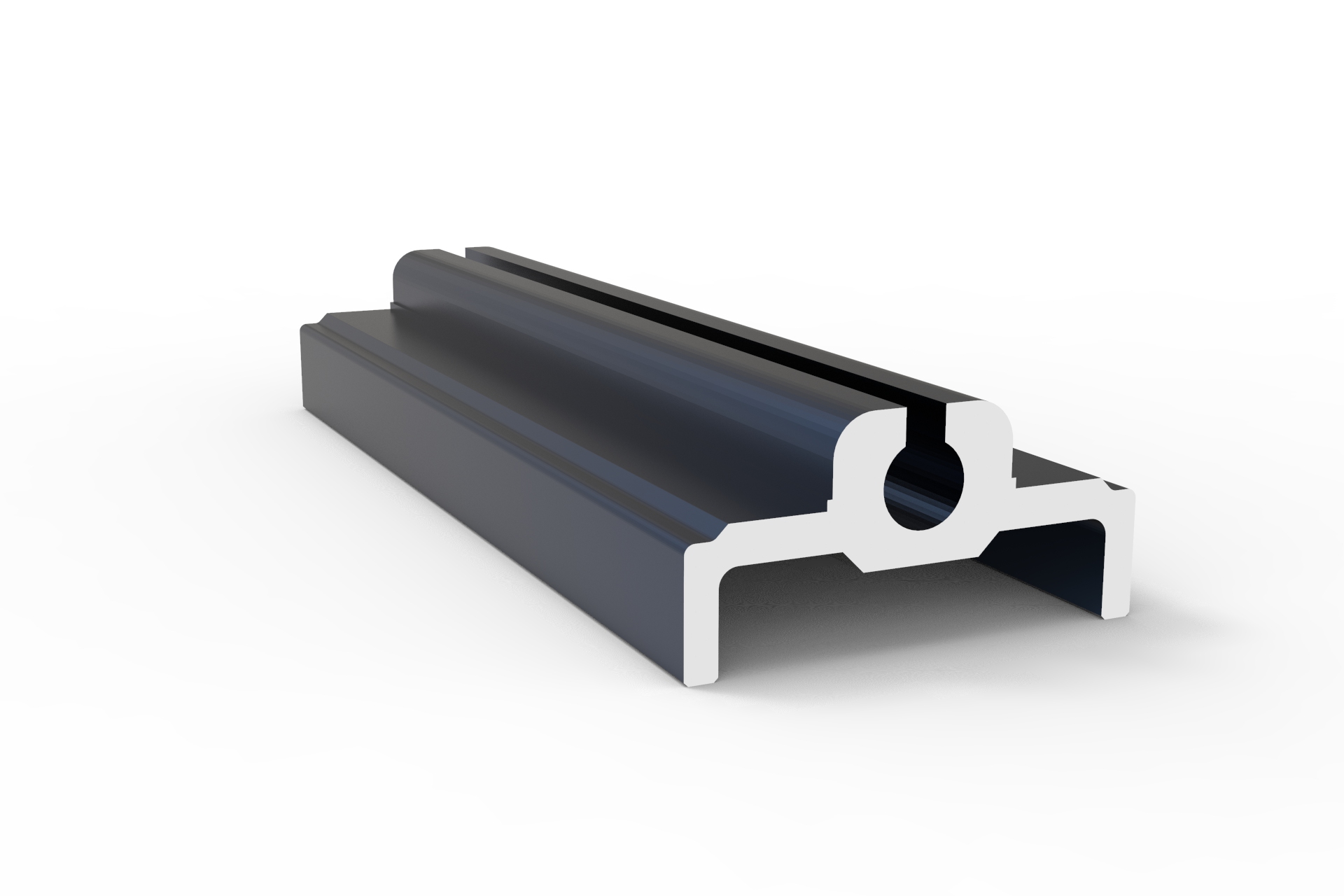
A typical J-pull edge profile features a curved finger recess engineered to support the human hand naturally. The inner lip must maintain sufficient structural thickness, usually around 1.2 to 1.5 millimeters, to prevent deflection. Users forcefully yanking a fully loaded base drawer will bend thinner, poorly engineered metals.
The internal mounting rail often utilizes a ribbed barbed mounting spline to secure the channel. This specific geometric design ensures maximum surface area contact with the underlying timber substrate. Friction and rigid adhesives work together to create an unbreakable mechanical bond.
Implementing these continuous handleless channels requires precise cavity planning during the cabinet carcass assembly phase. The profiles are embedded directly into routed grooves or mounted securely to the internal framework. This flush integration physically reinforces the perimeter of the cabinet unit.
Aluminium extrusions maintain their exact dimensional footprint regardless of extreme seasonal humidity fluctuations. Organic materials readily absorb ambient moisture, expanding during humid summer months and contracting throughout dry winters. This kinetic physical movement slowly misaligns heavy hinges and damages sliding drawer tracks.
A rigid metal framework isolates these sensitive moving hardware components from unpredictable substrate expansion. The inherent dimensional stability ensures long-lasting precision across the entire lifespan of the furniture unit. Doors remain perfectly aligned without requiring constant mechanical readjustment.

Machining flexibility allows these rigid profiles to adapt seamlessly to highly bespoke interior layouts. Fabricators routinely process the metal on standard miter saws utilizing specialized non-ferrous cutting equipment. The 6000-series alloy readily supports high-speed cutting, punching, drilling, and cold bending operations.
The tempered metal resists micro-cracking or localized tearing during heavy mechanical processing. Integrating glass-front upper wall cabinets depends entirely on these precise milling operations. Glass panels rely on a perfectly flat seating channel to avoid point-loading stress that inevitably leads to shattering.
The extruded frame edging acts as a protective exoskeleton around the fragile glass perimeter. Minor deviations in the extrusion die would render the entire door assembly completely unusable. A twisted frame creates uneven pressure points against the tempered glass sheet.
Controlling the manufacturing tolerance during the initial fluid extrusion phase dictates the success of final installation. Small temperature variances on the factory cooling bed can introduce subtle longitudinal bows. A bent profile severely complicates the laser-straight alignment required for three-meter continuous Gola spans.
Engineers must account for the specific chemical interactions between different metals within the same assembly. Kitchens are inherently wet environments prone to microscopic condensation build-up inside dark cabinet cavities. Mixing incompatible metals in these spaces creates a functional wet-cell battery.
When standard stainless steel screws penetrate raw aluminium, galvanic corrosion initiates at the molecular level. Aluminium acts as the sacrificial anode, slowly corroding away around the harder steel threads. This invisible chemical reaction eventually causes heavy handles to strip out and detach completely.
Mitigating this electrochemical degradation requires strict adherence to proper hardware selection protocols. Installers must utilize zinc-plated fasteners, heavily anodized screws, or non-conductive nylon isolation washers. Breaking the electrical conductivity between the dissimilar metals halts the galvanic deterioration entirely.
A thick powder-coated layer on the aluminium profile also acts as an excellent dialectic insulator. However, cutting the profile exposes the raw internal cross-section to potential moisture bridging. Professional fabricators always seal freshly cut edges in highly demanding commercial sink environments.
To deeply contextualize the engineering capabilities of these structural elements, examining the baseline manufacturing data clarifies material limits. Standardized production parameters ensure consistent behavioral predictability across large-scale commercial deployments.
| Engineering Parameter | Technical Specification | Operational Significance |
|---|---|---|
| Primary Alloy Matrix | 6063-T5, 6463-T5 | Balances base tensile strength with precise extrusion flow control. |
| Minimum Order Range | 100~500kgs/section | Facilitates custom die creation for highly bespoke geometric cross-sections. |
| Surface Finish Options | Mill finish, anodized, powder coated, electrophoresis, wood grain | Dictates the exact level of atmospheric and chemical corrosion resistance. |
| Machining Operations | Cutting, punching, drilling, bending | Enables complex integration with diverse specialized hardware mechanisms. |
| Standard Delivery Cycle | 10~20 days | Reflects the strict thermal aging and surface treatment processing times. |
Evaluating these specific metrics allows structural designers to calculate precise load tolerances. A deep understanding of these numbers dictates the longevity of the installation in exceptionally harsh commercial zones. For us, maintaining a massive catalog of verified profiles guarantees rapid deployment for complex architectural demands.
Translating theoretical metallurgy into functional interior architecture requires specific, tested application strategies. The profiles serve distinct mechanical functions depending on their exact placement within the kitchen geometry. Modern residential kitchen base structures often utilize heavy-duty perimeter frames to properly support thick stone countertops.
Commercial kitchen cabinetry demands much higher resistance to caustic cleaning chemicals and constant abrasive impacts. Standard wooden plinths decompose rapidly when subjected to nightly industrial floor mopping routines. Utilizing metal extrusions for the base kickboards creates a completely impermeable barrier against standing water.

The structural rigidity naturally prevents damage from rolling service carts, heavy foot traffic, and industrial vacuum cleaners. Several highly specific interior deployment areas benefit directly from these specialized extrusions:
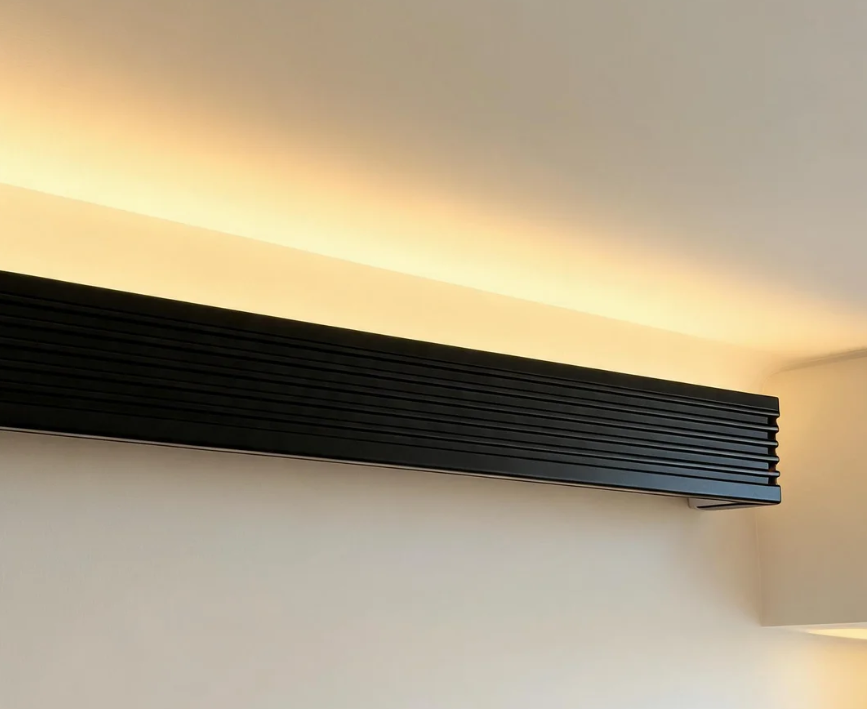
Using extrusions as LED housings leverages the high thermal conductivity of the raw metal. The aluminium pulls destructive heat away from the sensitive electronic diodes. This thermal management passively doubles the operational lifespan of the lighting components.
Fabricators frequently encounter conflicting technical information regarding the physical integration of metal extrusions into traditional timber cabinetry. Addressing these specific physical realities prevents catastrophic hardware failures during the operational lifespan of the architectural project.
Q: Does routing a continuous metal handle channel compromise the structural integrity of the wooden door?
When routing a deep longitudinal channel into an MDF panel, you technically reduce the thickness of the core material. The rigid metal extrusion actually acts as a massive structural stiffener once securely bonded into place. The final composite assembly often exhibits higher resistance to warping than a solid timber panel.
Q: Why do powder-coated profiles occasionally exhibit microscopic chipping near cut ends?
This failure stems entirely from improper cutting techniques rather than a defect in the factory surface treatment. Standard chop saws operating at incorrect RPMs generate massive localized heat and aggressive kinetic shock. Fabricators must use specialized negative-rake carbide blades to slice cleanly through the polymer layer.
Q: Are raw mill finish extrusions suitable for concealed interior framing?
Raw, untreated metal is never recommended for microclimates with frequent humidity spikes, even if completely hidden from view. Condensation readily forms on cold metal surfaces inside dark, unventilated cabinet cavities. Prolonged exposure to this trapped moisture accelerates localized pitting and rapid oxide degradation.
Q: Do thermal variations cause the rigid metal profiles to detach from the wooden substrates?
The coefficient of thermal expansion differs drastically between organic timber and extruded metal. If fixed with rigid adhesives, extreme seasonal temperature shifts can cause the bond to shear violently. Mechanical fastening through slightly oversized slotted holes allows the substrate to expand independently of the metal.
Q: Can 6063-T5 profiles be bent cold to fit curved island countertops?
While the T5 temper provides excellent rigidity, it drastically reduces the cold-forming ductility of the metal. Attempting to bend a standard T5 profile around a tight radius will cause the external wall to fracture. Curved applications require specifically engineered dies, specialized stretch-forming machinery, or a softer T4 temper designation.
Designing a bespoke die for a new handle configuration involves intricate computational fluid dynamics simulations. The raw heated billet must flow evenly through the complex steel die to prevent varying wall thicknesses. An unbalanced extrusion profile will twist or bow violently as it cools rapidly on the run-out table.
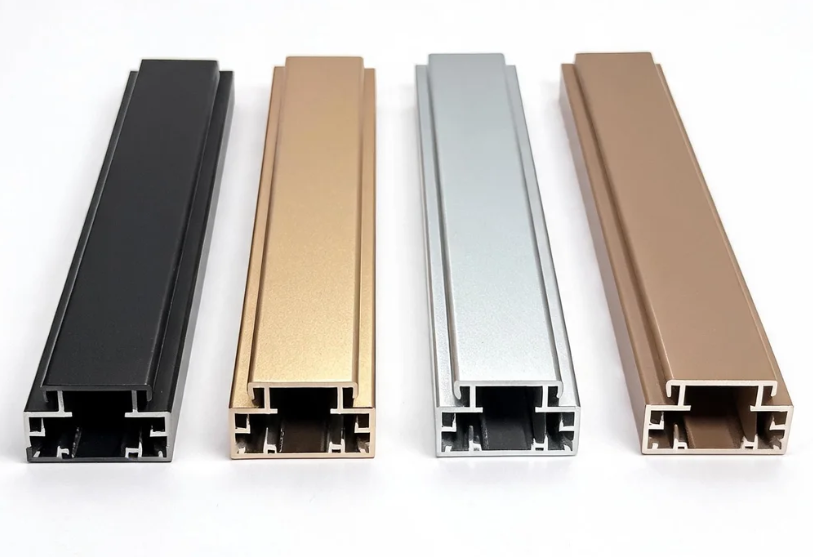
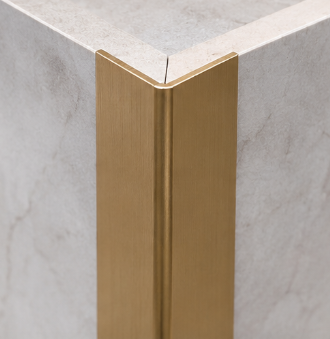
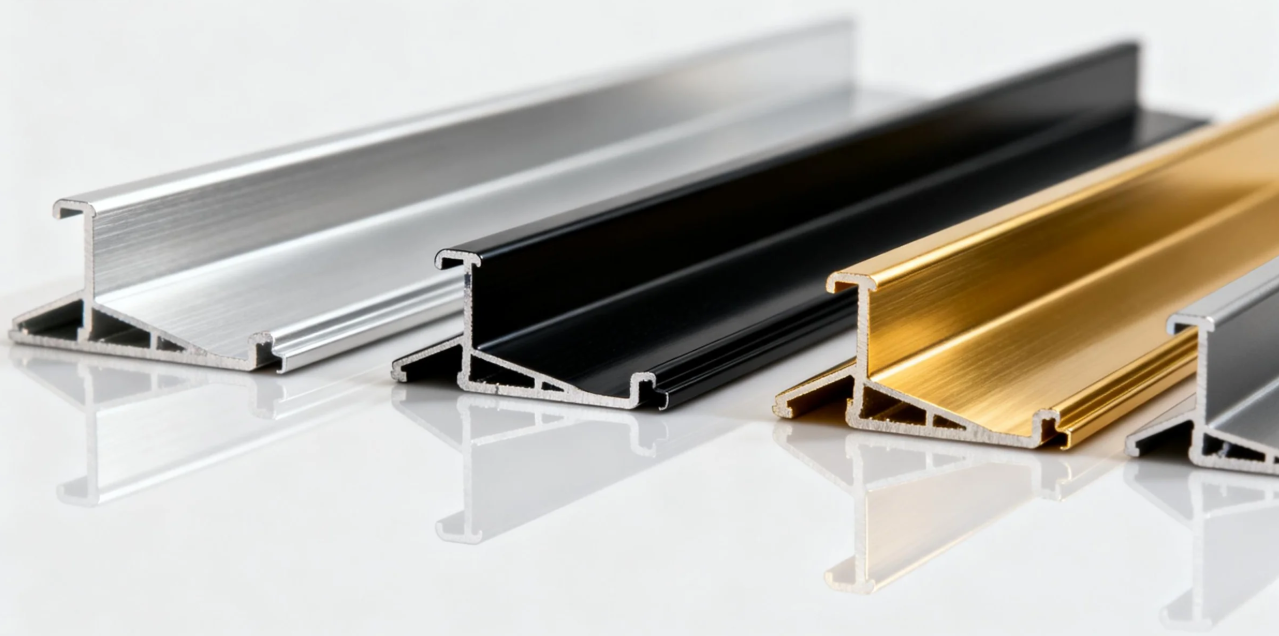
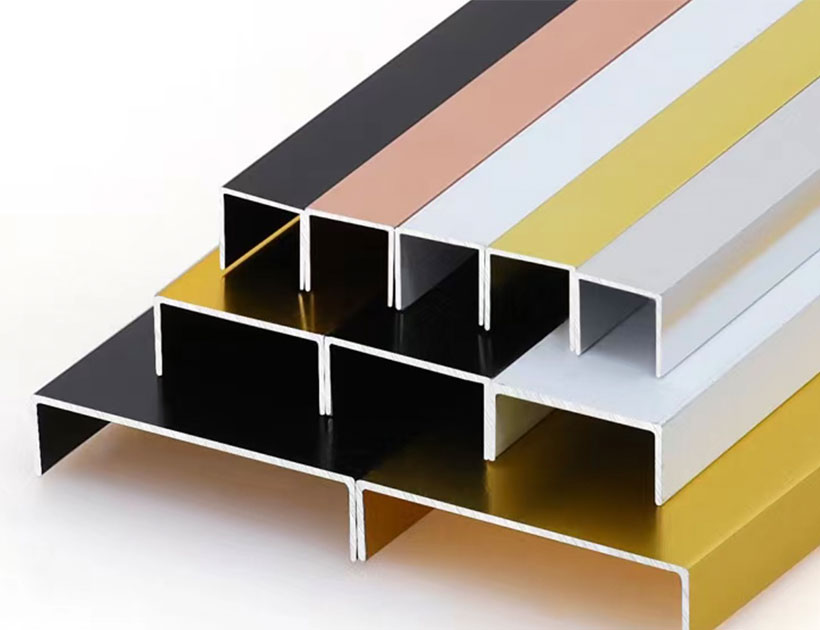
Choosing the appropriate surface treatment dictates the functional visual weight of the entire kitchen installation. Matte black anodized finishes absorb harsh ambient light, easily masking fingerprints and minor daily abrasions. Brushed champagne gold introduces a subtle metallic luminance without the distracting reflections of polished chrome.
Every parameter carefully engineered into aluminium profiles for kitchen cabinets serves a distinct mechanical purpose. Ignoring these underlying physical realities results in sagging shelves, peeling finishes, and stripped hardware. Properly specified extrusions transform vulnerable wooden storage boxes into permanent, load-bearing architectural features capable of surviving the harshest culinary environments.
Choosing Industrial Aluminium Profiles for Laser Cutting Machines: A Technical Guide
How LED Aluminium Profile Heatsinks Manage Thermal Challenges in High-Performance Lighting
Architectural Aluminium Profiles: Choosing the Right Angle Design for Framing and Trim
Choosing the Right Aluminium Balustrade Profiles for Your Project
Choosing the Right Aluminium Door Profiles for Narrow-Frame Sliding Systems
Aluminium Window Profiles: Engineering Durable Facades for Modern Buildings
Aluminium Thermal Break Profiles: Design Principles and Practical Applications
Aluminium Extrusion for Furniture: Structural Logic Behind Lightweight Precision
Aluminium Wardrobe Profiles: A Practical Guide to Frames, Tracks, and Finishes
Choosing the Right Aluminium Linear Rail Profile for Motion Systems
Anodized Aluminium Profiles: Material Selection and Practical Applications in Modern Design
Anodized Aluminium Profiles: Material Selection and Practical Applications in Modern Design
Aluminium Decorative Profiles: Design, Installation, and Interior Applications
Aluminium Profiles for Automation: A Practical Guide to Modular Frame Design
Aluminium Extrusion for Furniture: Structural Logic Behind Lightweight Precision
Aluminium Thermal Break Profiles: Design Principles and Practical Applications
How do suppliers normally handle Sliding door installation problems overseas?
Choosing the Right Aluminium Balustrade Profiles for Your Project
Aluminium Louver Profiles: Light Control and Ventilation in Modern Architecture
Aluminium Curtain Wall Profiles: Structural Design and Performance in Modern Architecture
Aluminium Trim Profiles: Bridging Aesthetics and Performance in Modern Interior Design
How do I verify Casement window production capacity before signing a contract?
Powder Coated Aluminium Profiles: Durability and Design in Modern Applications
How Aluminium Heatsink Profiles Keep Electronics From Cooking Themselves
How do FOB and CIF change my risks when importing Sliding doors?
What support should I receive if Architecture profile dimensions are wrong?
Aluminium Profile Alloys 6063 T5 T6: Properties, Heat Treatment Differences, and Application Selecti
Inside an Aluminium Profile Factory: How Angle Profiles Are Made and Chosen
What is a realistic MOQ for a first Sliding window trial order?
Which factory records should I review before buying Industrial profile?
Aluminium Extrusion for Machinery: Choosing the Right Profile for Industrial Equipment
Aluminium Extrusion for LED Lighting: Choosing the Right Heatsink Profile
Can a Floding door supplier protect my private design from competitors?
Which Industrial profile tolerances affect assembly accuracy and finished quality?
Can trade credit insurance cover my Architecture profile purchase risk?
Custom Aluminium Extrusion Profiles: Engineering Precision into Industrial Motion Systems
T-Slot Aluminium Extrusion: Structural Framework Design Without Welding
Which recycled-content records are credible for Sliding window procurement?
Aluminium Sliding Door Profiles: A Practical Guide to Frame Design and Performance
How Aluminium Extrusion Manufacturers in China Support Linear Motion Systems
What contract clauses protect my money if Casement door quality is unacceptable?
How do I confirm Sliding door testing equipment is calibrated and current?
Should I visit an Architecture profile plant before placing a large order?
Which compliance tests should a Floding door pass before international shipment?
How do I compare Decorative profile color samples under different lighting?
What payment and price terms make sense for a small Casement window order?
What lead time should I allow for a seasonal Floding door order?
How can I compare Floding door alternatives when supply costs suddenly rise?
Which new Sliding door technologies can lower maintenance costs over time?
How are recycled materials changing the future cost of Floding doors?
How long should a custom Casement door sample normally take to prepare?
What gap between a Sliding window sample and bulk order is acceptable?
Which Decorative profile finishes are becoming more sustainable and cost-effective?
What logistics fees should be listed separately in a Sliding window quote?
How might volatile aluminum prices affect future Sliding window sourcing?
Which audit questions reveal labor risks at a Casement door factory?
Can Decorative profile suppliers provide fast remote guidance for finish defects?
What should a Shutter sample include so I can assess production quality?
Do Sliding door materials need traceability records for customs clearance?
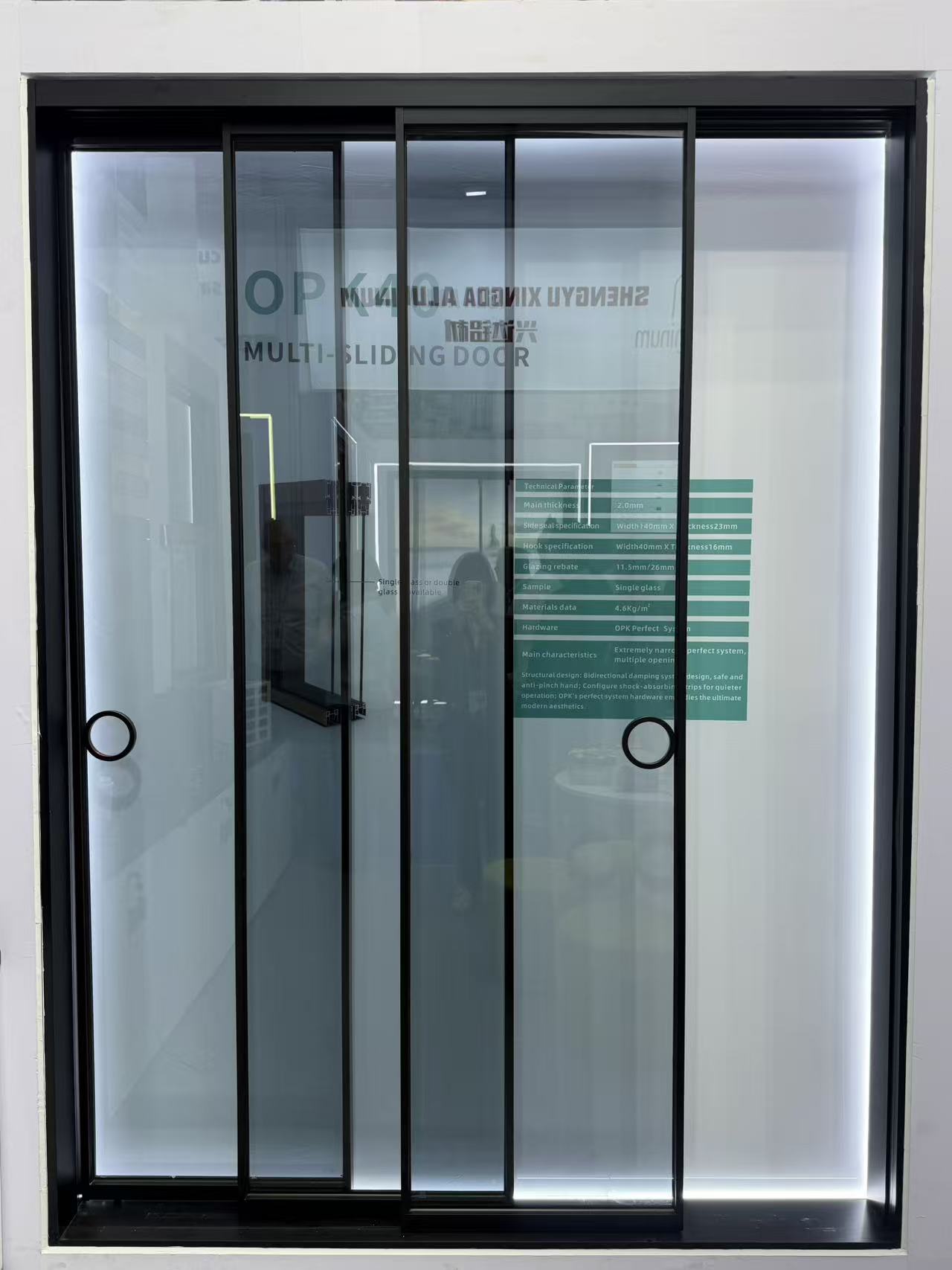
What environmental declarations are useful when importing Architecture profile?
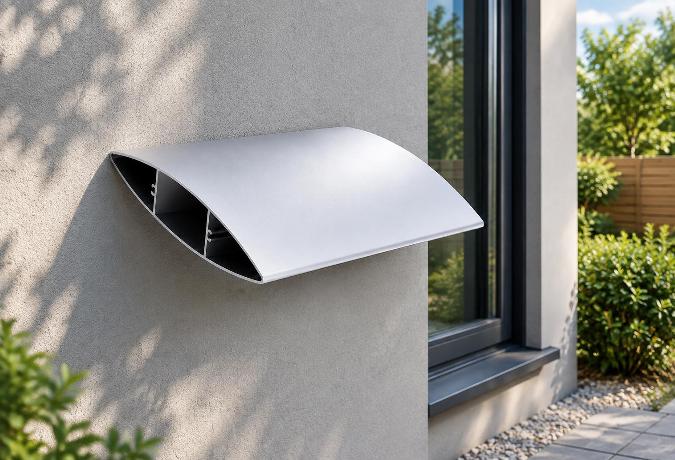
Why Blade Geometry Determines Whether Aluminium Louvers Actually Work
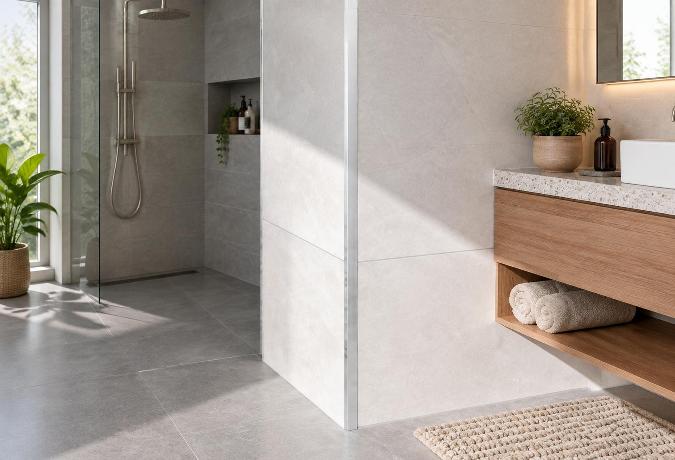
Engineering an Aluminium Angle Profile: Structural Mechanics and Application Realities
What usually drives Architecture profile costs more, alloy or surface treatment?
Why the One-Piece Molding on Aluminium Trim Profiles Matters More Than the Finish
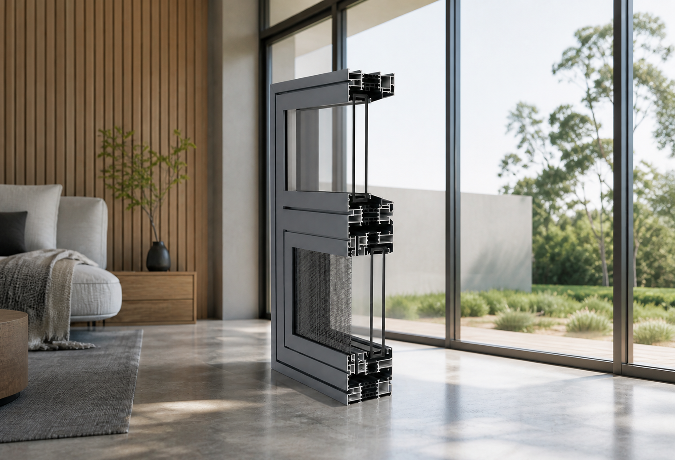
Why the Thermal Break Cavity Matters More Than Frame Thickness in Aluminium Framed Windows and Doors
The T-Slot Groove Geometry That Makes Aluminium Framing Weld-Free
Why the One-Piece Molding on Aluminium Trim Profiles Matters More Than the Finish
Structural Dynamics of Industrial Aluminium Profiles in Laser Cutting Gantries
The Engineering Mechanics Behind High-Performance Aluminium Shutters
What factory documents should I request for a Floding door supplier review?
Which delivery term gives me better control over Decorative profile freight costs?
What low-carbon Awing window materials are gaining wider market acceptance?
Why Sliding Door Track Geometry Determines Wardrobe Longevity
Engineering Mechanics and Surface Dynamics of Aluminium Channel Profiles
Understanding Aluminium Round Tube Specifications for Structural Engineering
Why the 90-Degree Angle in Standard Aluminium Profiles Determines Structural Reliability
How can I ensure a Floding door sample matches the planned mass production?
Why Mullion Thickness Determines How Much Glass an Aluminium Curtain Wall Can Actually Hold
Engineering Dimensional Stability in Aluminium Extrusions for Channel Profiles
Choosing an Aluminium Profile Supplier: What Actually Separates the Reliable Ones from the Rest
Can Awing window orders ship in batches to avoid project delays?
What response time should I expect for Awing window warranty claims?
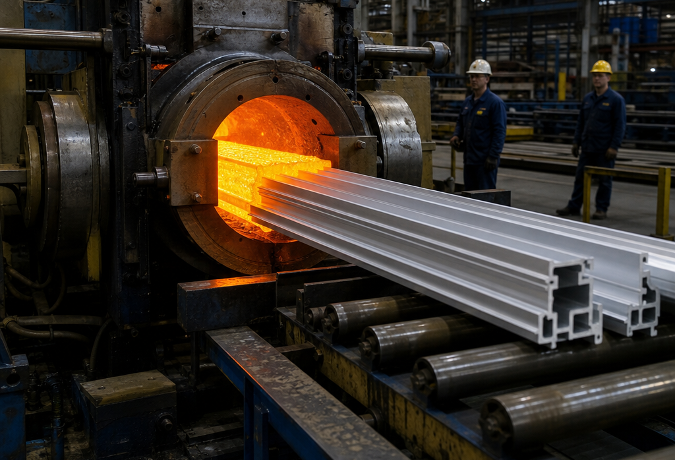
Navigating the Supply Chain: Evaluating an Aluminium Profile Manufacturer for B2B Procurement
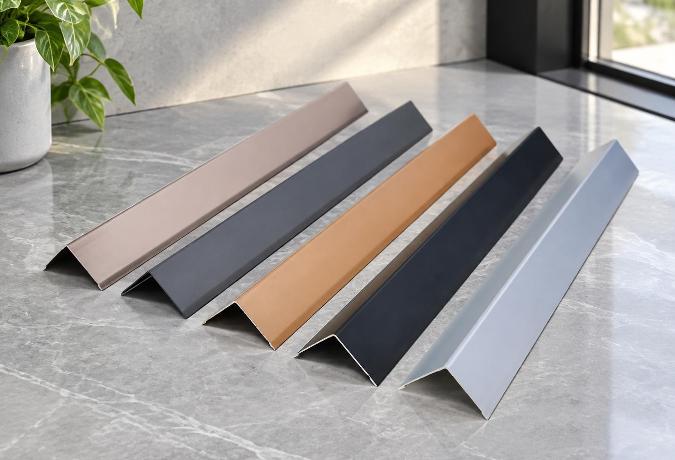
Engineering Structural Integrity Through Precision L-Shaped Aluminium Profiles
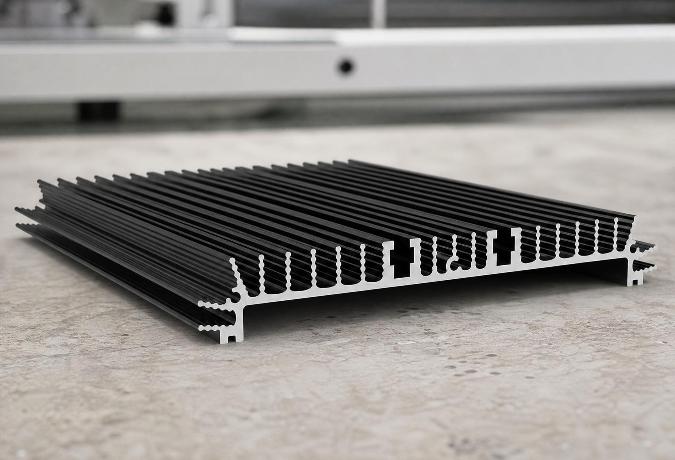
Thermal Dynamics in High-Power Electronics: Engineering Aluminium Heatsink Profiles
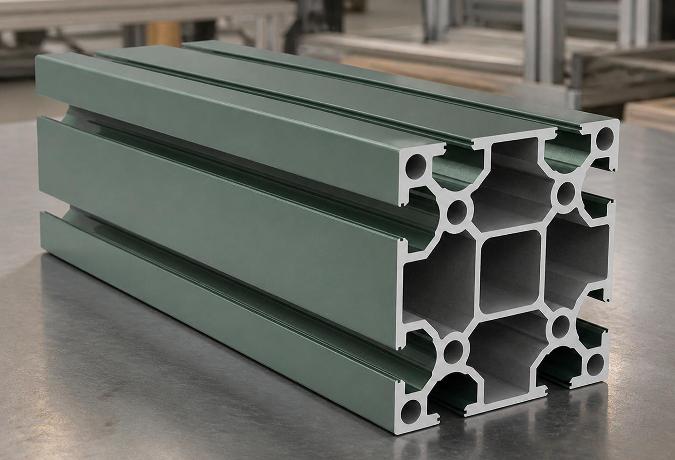
Why the T-Slot Design Determines the Real Strength of Structural Aluminium Extrusions
How long should replacement Sliding window parts remain available after purchase?
Should I expect volume discounts when reordering the same Sliding window model?
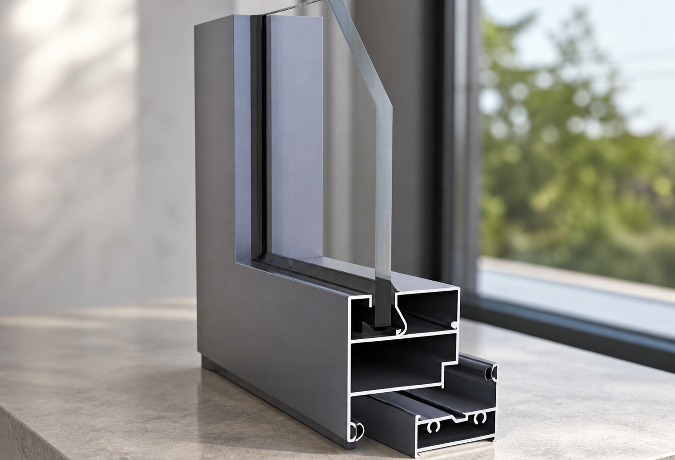
The Multi-Strip Sealing Structure Inside Aluminium Windows and Doors

Engineering Lightweight Rail Structures Through Extruded Aluminium Profiles
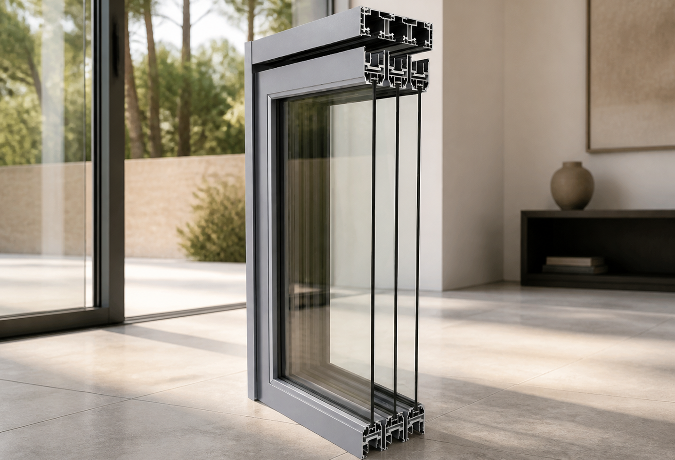
Why the Frame Width on an Aluminium Sliding Door Determines Your Room’s Light
The Engineering Behind Decorative Aluminium Profiles: Alloys, Surface Treatments, and Edge Protectio
What alternative materials could make Casement doors more resilient and recyclable?
How can I compare Awing window quotes without missing hidden packing costs?
Decoding Structural Tolerances in Aluminium Extrusion Profiles for Channel Applications
Engineering an Aluminium Square Tube for Modern Structural Integrity
Engineering Tolerances and Alloy Mechanics in Extruded Aluminium Construction Profiles
The Engineering Mechanics Behind Aluminium Angle Profiles in Modern Construction
Can an Industrial profile be modified for my assembly without weakening it?
What warning signs suggest a Sliding door seller may disappear after payment?
What energy-efficient alternatives to Casement doors are worth comparing now?
Can a Casement window handle temperature changes without seal failure?
Who pays for unloading and destination handling under Casement door CIF terms?
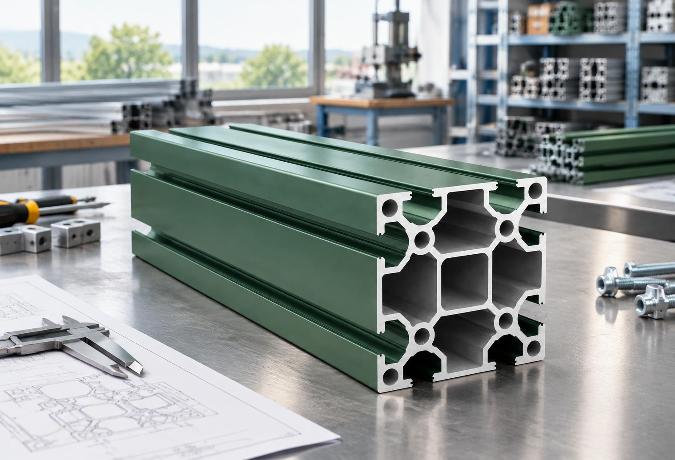
Custom Aluminium Extrusion Profiles: The Engineering Mechanics of T-Slot Frameworks
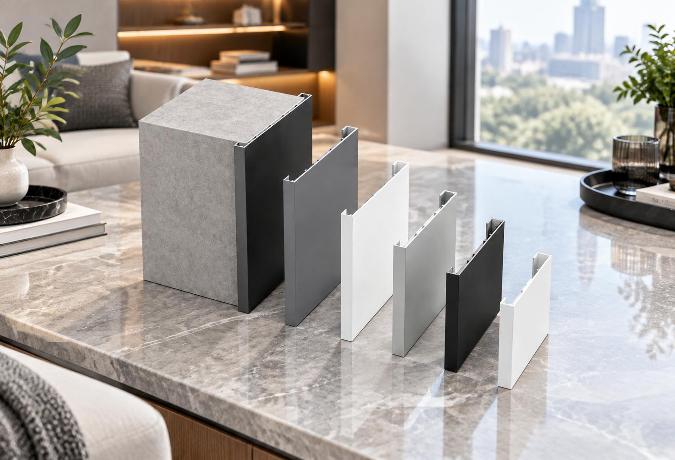
Material Transitions and Geometric Stability in Decorative Aluminium Profiles
Can I negotiate a lower Sliding door MOQ for a showroom launch?
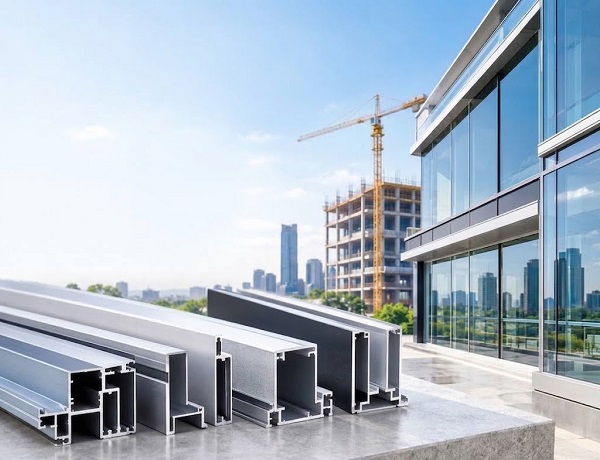
Key Advantages of Using Structural Aluminium Extrusion Profiles in Construction
What evidence shows an Awing window factory manages coating waste properly?
How can I protect my deposit when ordering custom Decorative profile?
How do I spot unusually low Industrial profile prices before committing funds?
How can I check that a Shutter supplier is not using unapproved subcontractors?
What contract terms protect my Casement door drawings and branding?
How can I compare Casement door insulation ratings before placing an order?
Sourcing Industrial Aluminium Profiles: What to Look For in a Supplier
How do I keep ownership of a custom Architecture profile extrusion die?
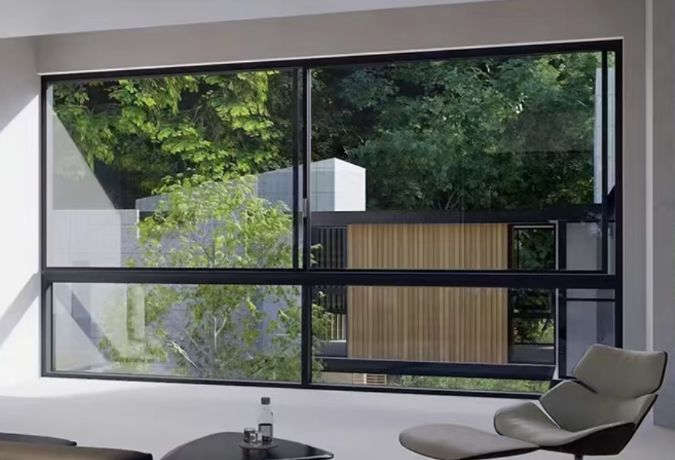
The Energy Efficiency Benefits of an Aluminium Frame Sliding Glass Window
How do I check Industrial profile alloy grades against the shipping documents?
What Casement window warranty period is reasonable for an overseas buyer?
How are defective Sliding window units usually replaced internationally?
How can I reduce breakage risks when shipping Casement windows overseas?
The Structural Mechanics Behind Decorative Aluminium Profiles
How Do Engineers Select Industrial Aluminium Profiles for High-Load Frameworks?
What payment structure reduces my risk on a first Industrial profile order?
Should I approve a Casement window sample before checking its hardware strength?
Structural Mechanics of Channel Extrusions in Architectural Aluminium Profiles
Engineering Mechanics of Aluminium Extrusion Profiles in Channel Systems
What functional tests should I perform on a Sliding door prototype?
What payment terms are fair when Decorative profile colors remain unconfirmed?
Is a letter of credit practical for a large Casement window shipment?
How should Industrial profile bundles be packed to prevent transit damage?
Which safety documents should I request for Awing window imports?
What shipping delays commonly affect Architecture profile orders during peak season?
How to Specify Extruded Aluminium Profiles: Costs, Alloys, and Tolerances
Is a Floding door suitable for a wide opening exposed to strong winds?
Structural Integrity in Modular Design: Engineering T-Slot Aluminium Extrusion Profiles
Resolving Corner Stress: The Engineering Mechanics Behind Aluminium Profiles in Architectural Framin
How do Floding door prices change with glass, hardware, and finish choices?
How can I prove Shutter defects remotely without returning every unit?
How can I shorten Awing window sampling without losing critical tests?
Does ordering mixed Shutter sizes usually change the unit price or MOQ?
How should Industrial profile warranty responsibility be shared after assembly?
How should I plan Shutter inventory when ocean freight schedules change?
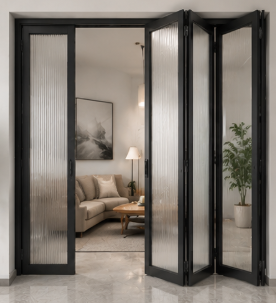
How do escrow arrangements reduce risk for a new Floding door supplier?
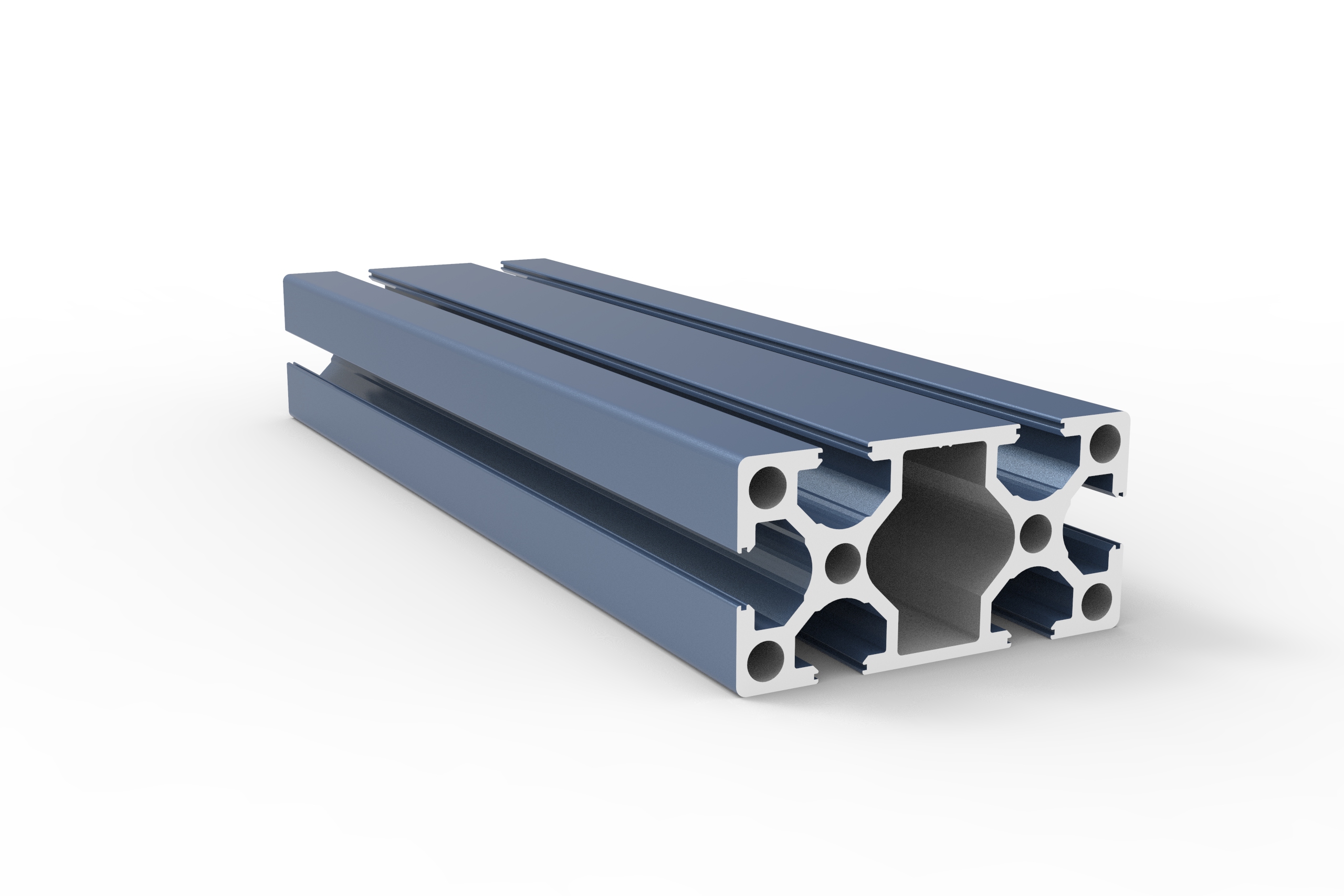
What frame materials make a Sliding window last in harsh coastal weather?
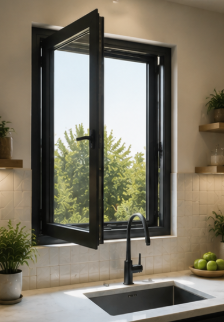
How can I verify that a Shutter certificate matches the actual product?
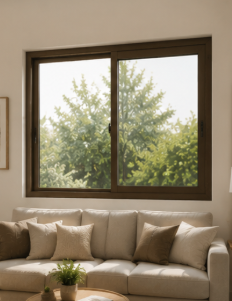
Can automated Shutters replace manual systems without raising lifecycle costs?
How do I choose the right Casement window size for a windy building?
What should an ethical audit cover at a Decorative profile factory?
How should I document Industrial profile defects before disputing the final payment?
Are lightweight Industrial profile alloys reliable enough for demanding machinery?
Are thermal-break casement windows becoming a better long-term choice than standard frames?
What is a realistic MOQ for custom sliding windows without pushing up unit cost?
What casement window specs should I compare for windy and rainy project sites?
Are there better material options for sliding windows if aluminum prices rise?
How do I ensure aluminum casement windows can handle extreme coastal winds?
What is the typical minimum order quantity for commercial sliding windows?
Are there energy-saving alternatives to sliding windows that reduce material and maintenance costs?
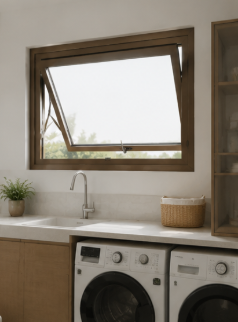
Are energy-efficient Awing windows a practical alternative for reducing long-term building costs?
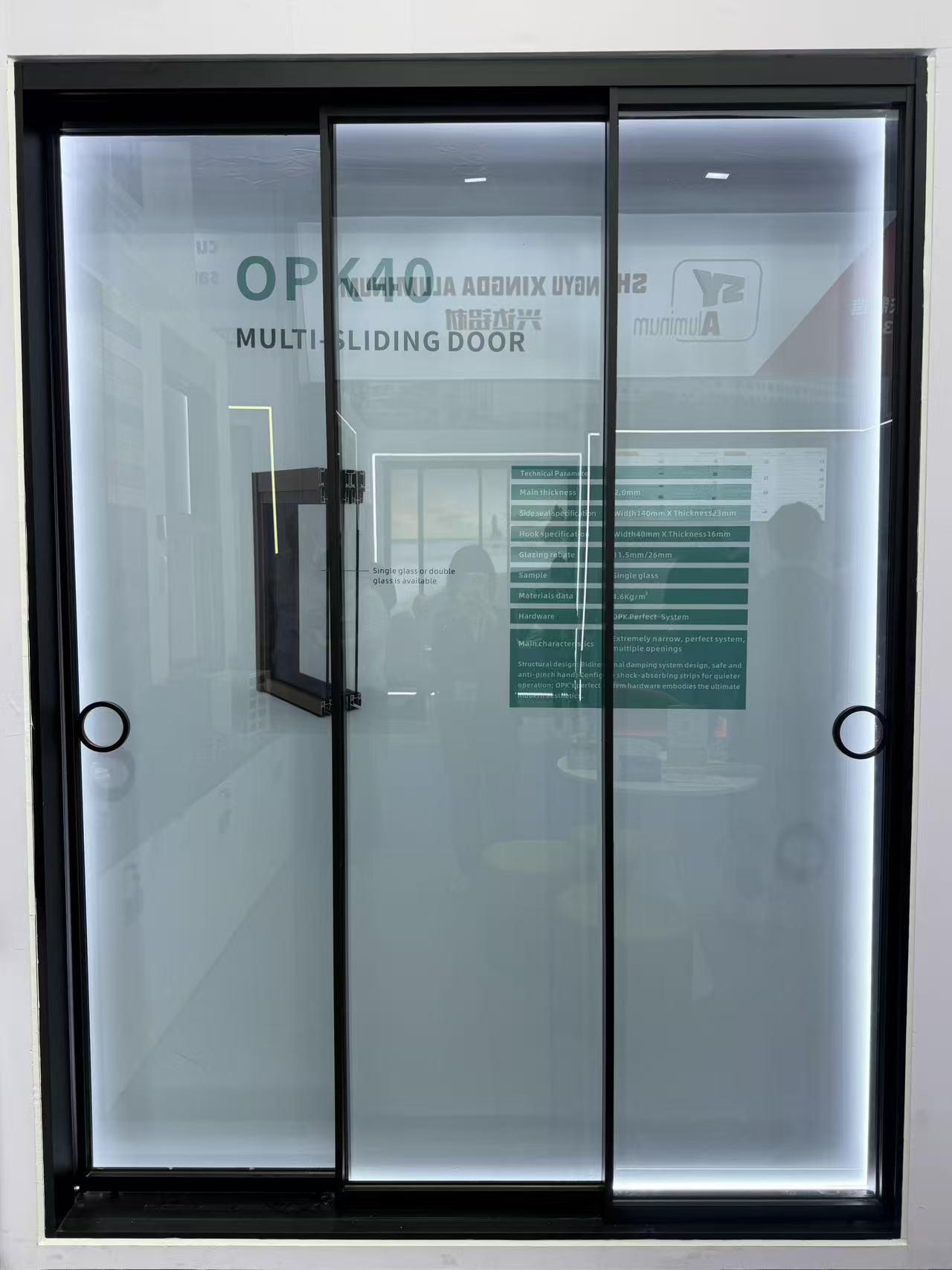
What alternatives to traditional sliding doors can lower costs without sacrificing durability?
What alternatives to industrial profiles can reduce material costs without hurting strength?
Extruded Aluminium Profiles: Flexible Manufacturing for Diverse Customer Needs
Why Aluminium Curtain Walls Are Popular in Modern Architecture
How do I choose a decorative profile that stays stable in humid or harsh environments?
How do I choose an architecture profile that stays stable in harsh outdoor conditions?
How can I compare Awing window specs to avoid poor performance in harsh weather?
How can I compare Sliding door sizes and hardware ratings for harsh commercial environments?
How do I choose the right shutter specifications for harsh climates without overpaying?
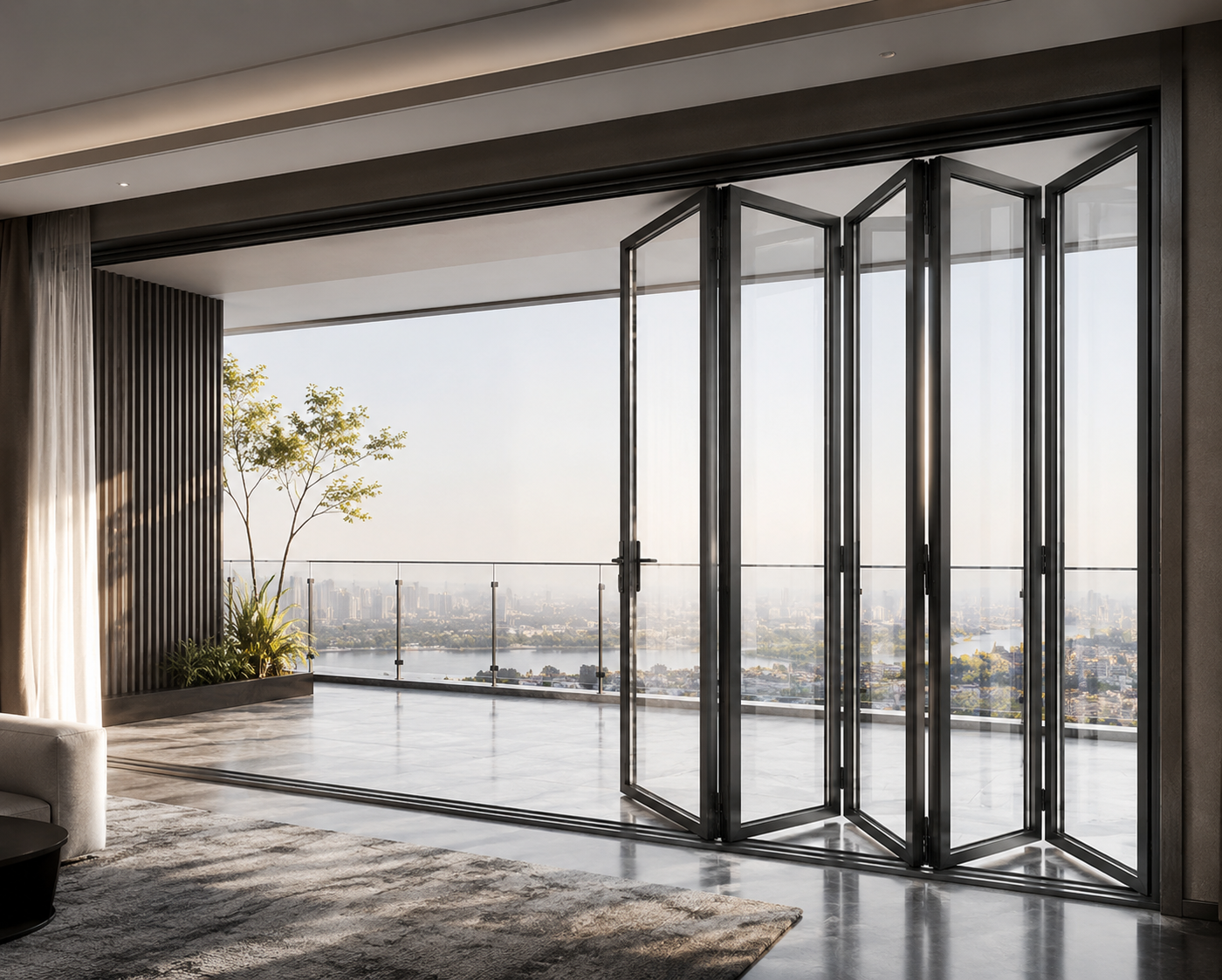
What eco-friendly alternatives to folding doors can cut costs without hurting durability?
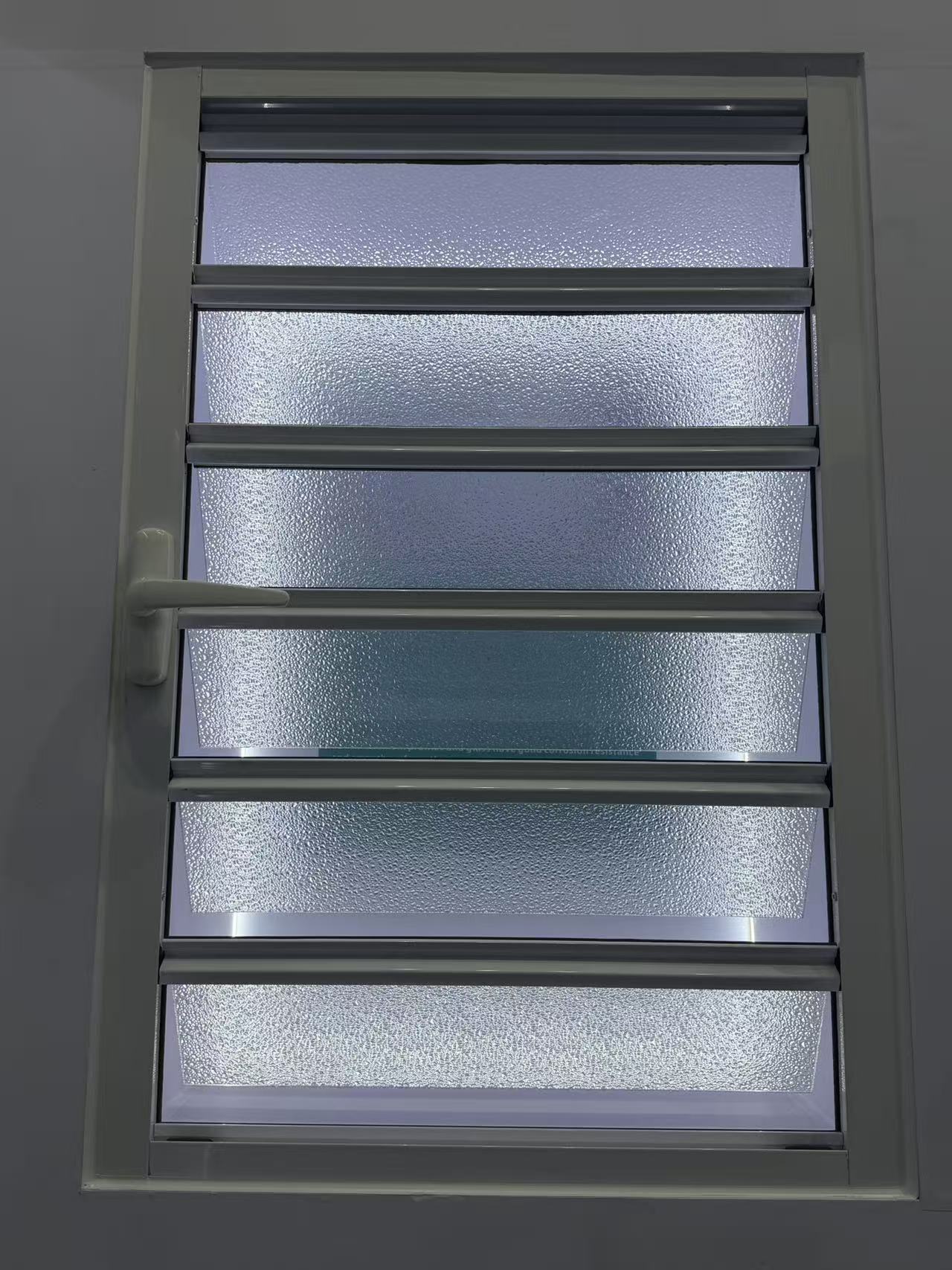
How do I choose the right shutter specifications for harsh weather without overpaying?
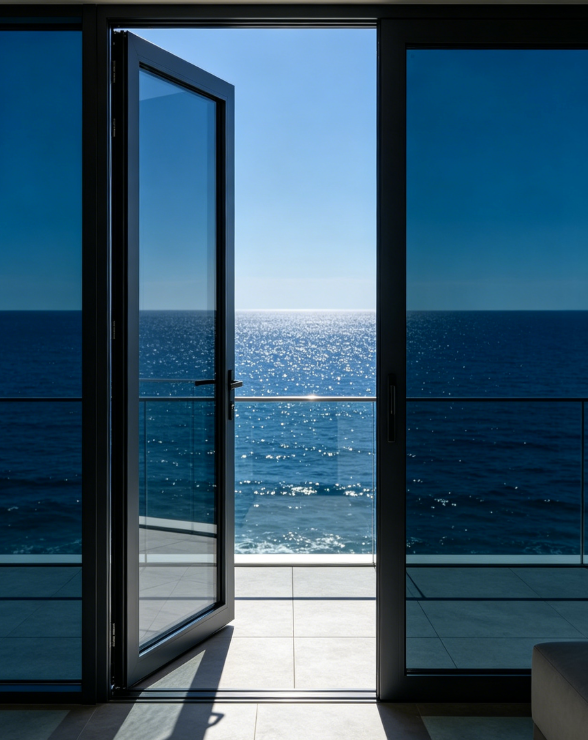
What eco-friendly casement door materials can lower costs without hurting durability?
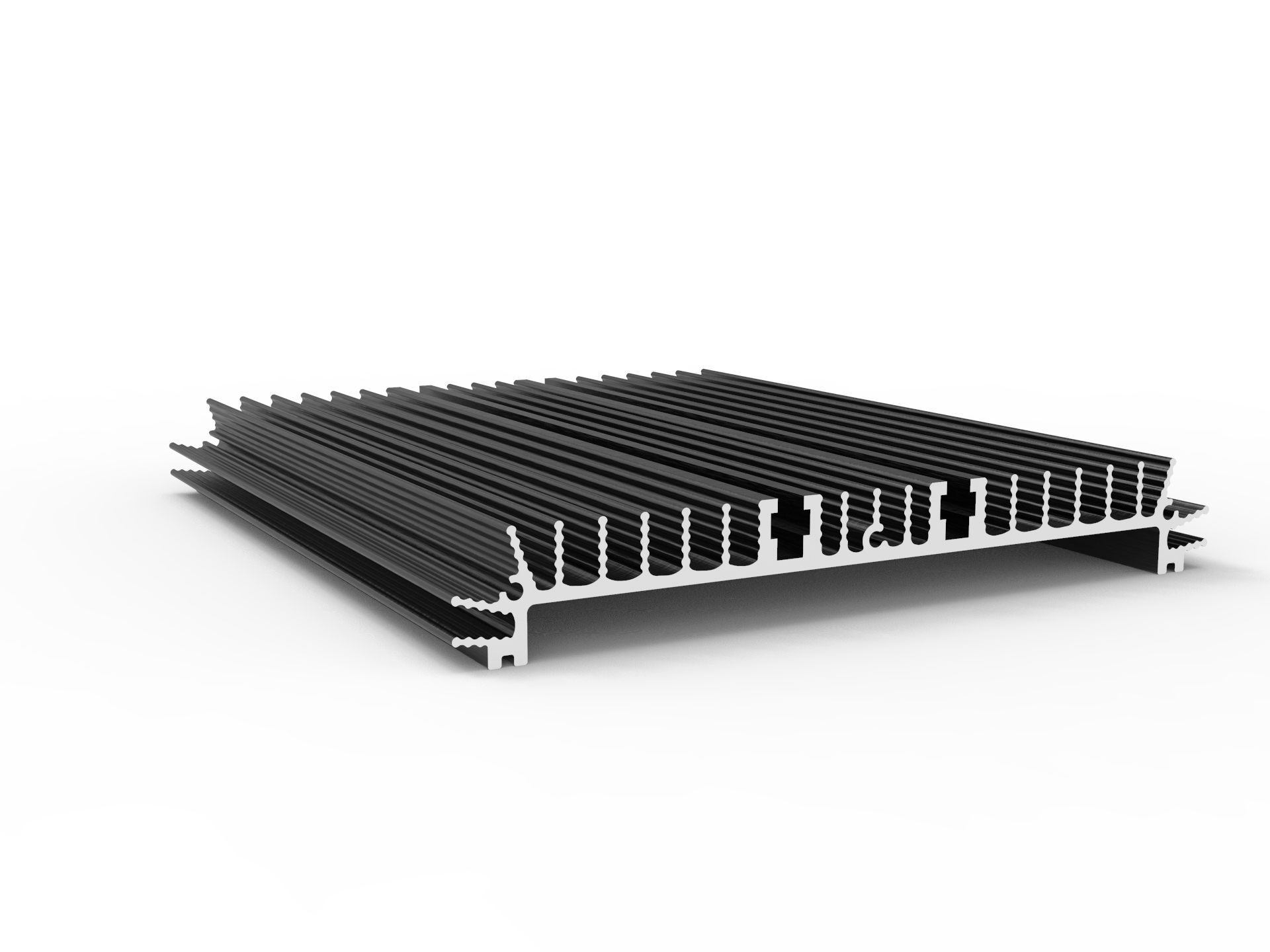
What newer materials can replace industrial profiles without raising costs or supply risks?
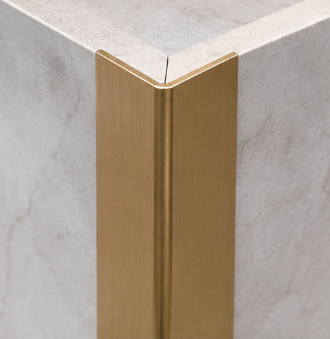
How do I choose a decorative profile that stays stable in humid, high-traffic spaces?
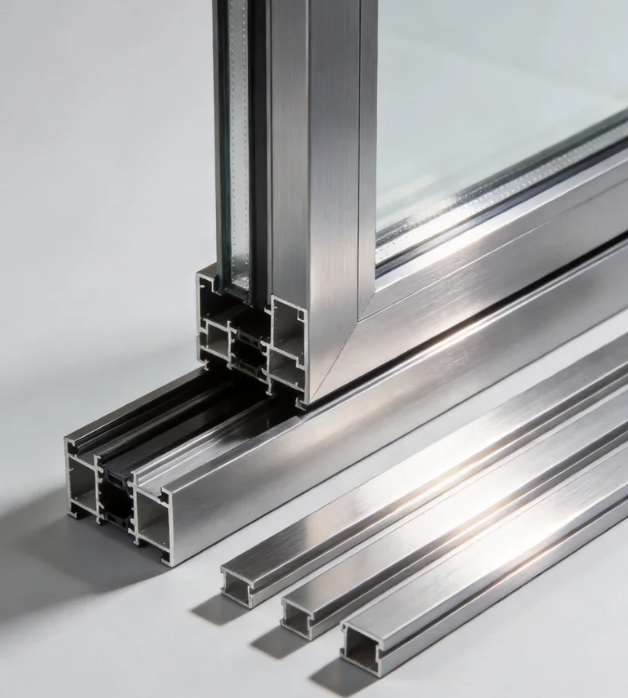
What sustainable material alternatives can replace aluminum architecture profiles?
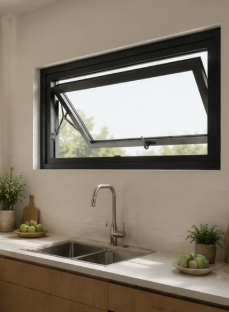
What should I check in Awing window specs to ensure reliable performance in harsh weather?
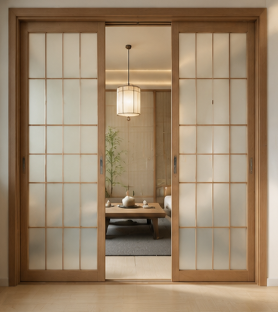
How can I compare Sliding door sizes and thermal ratings for harsh climates before buying?
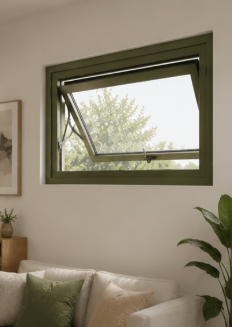
What newer materials can replace aluminum in awning windows without raising our costs?
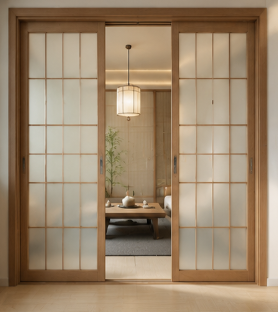
How do I choose the right Sliding door specs for smooth operation in harsh environments?
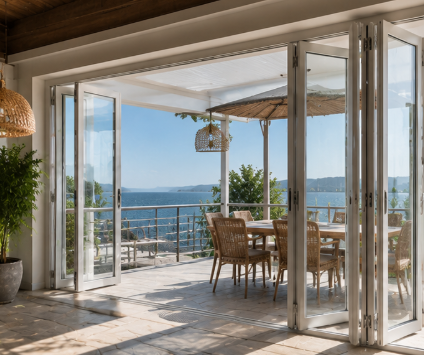
How do I choose a folding door that stays stable in harsh weather and heavy daily use?
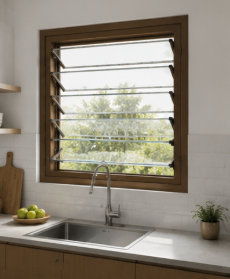
How can I choose the right shutter specifications for harsh weather and long-term use?
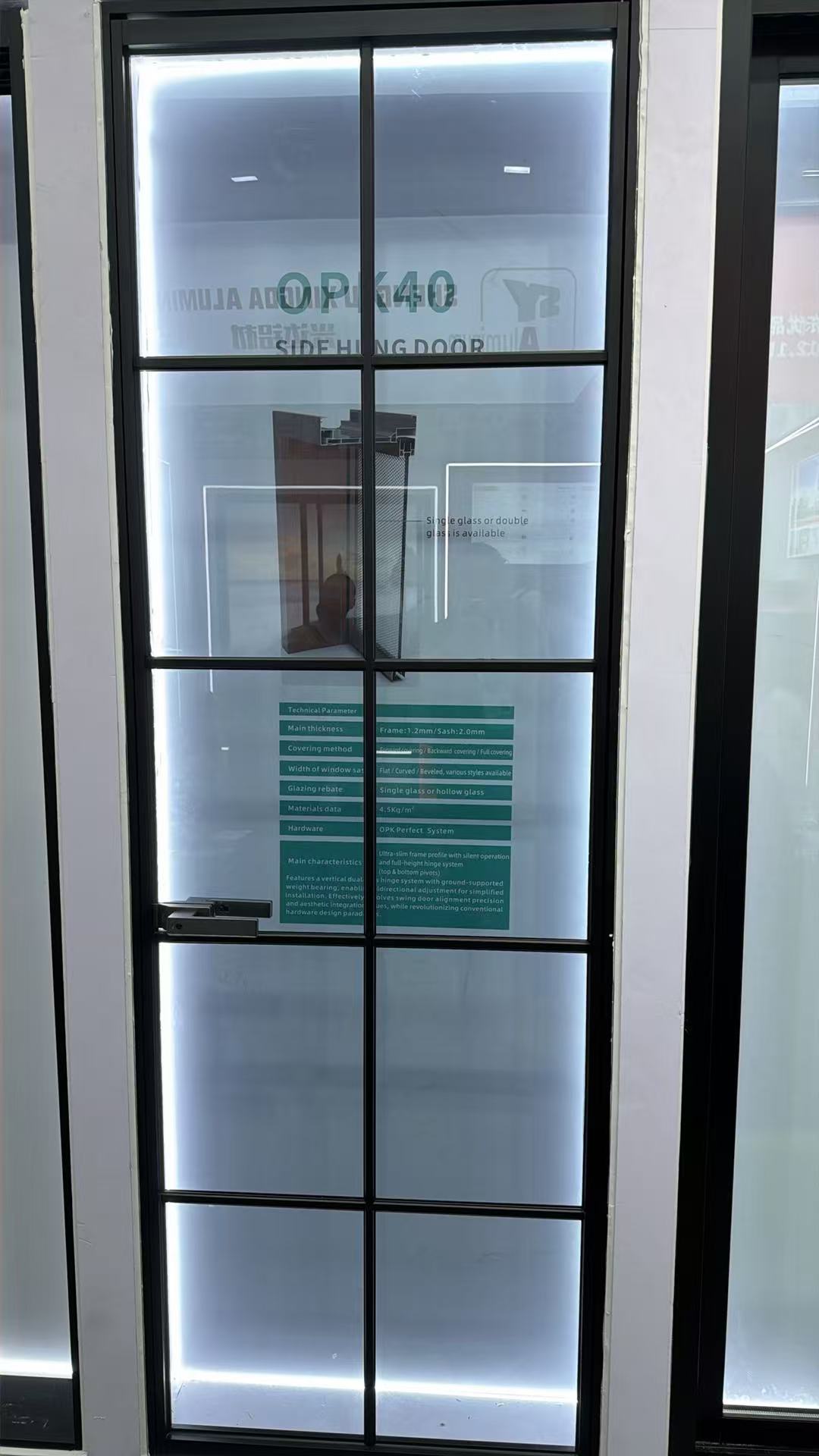
How do I compare casement door U-values, hardware, and weather sealing before buying?
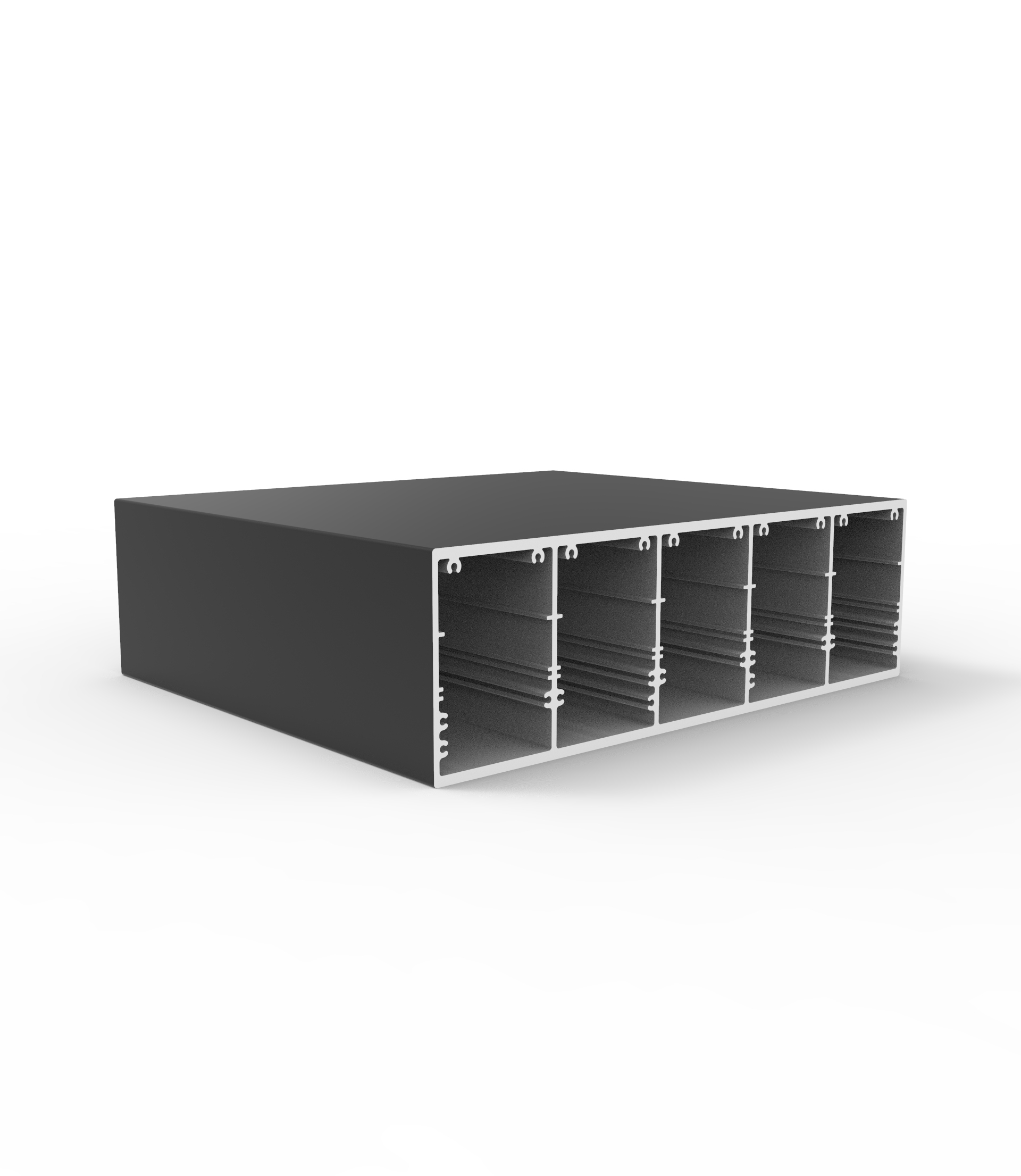
How do I choose the right industrial profile size for strength and load needs?
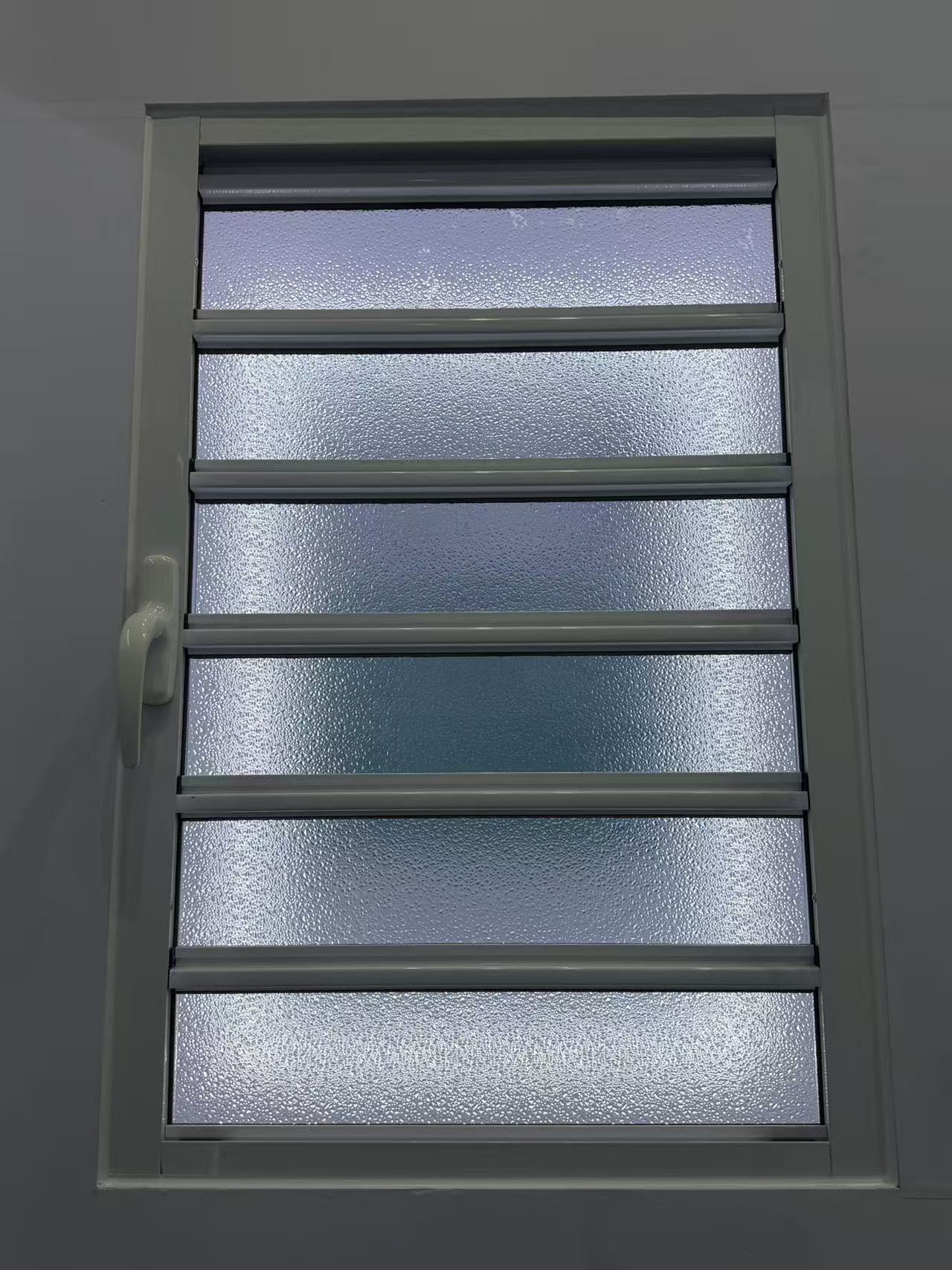
How do I choose the right shutter specifications for harsh weather and long-term commercial use?
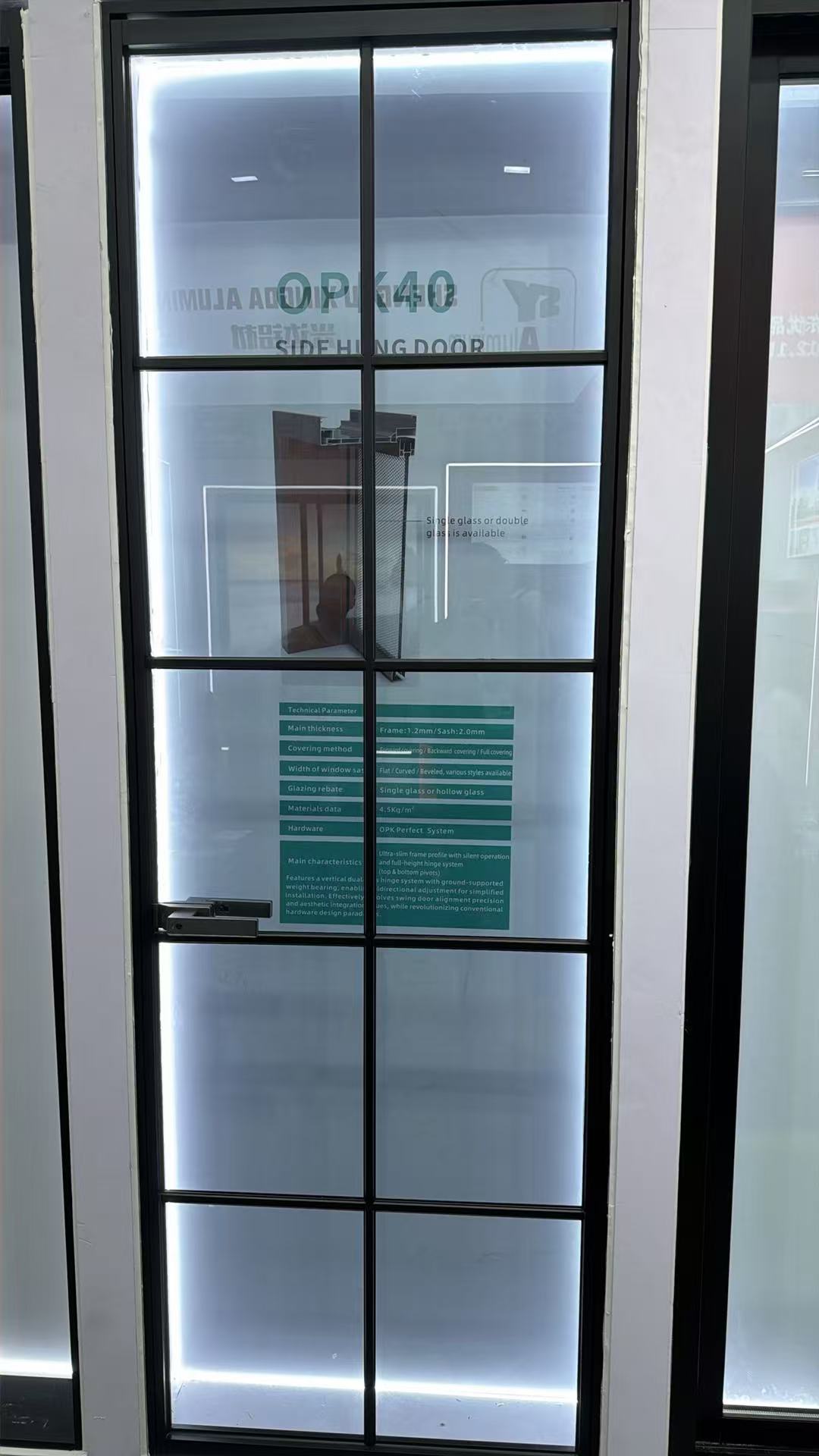
How do I choose the right Casement door size and hardware for harsh weather?
What greener alternatives to decorative profile can cut costs without hurting durability?
What lower-cost, eco-friendly materials can replace decorative profiles?
What lower-carbon alternatives to aluminum architecture profiles are practical for our project?
How can I compare sliding door systems for insulation, security, and long-term use?
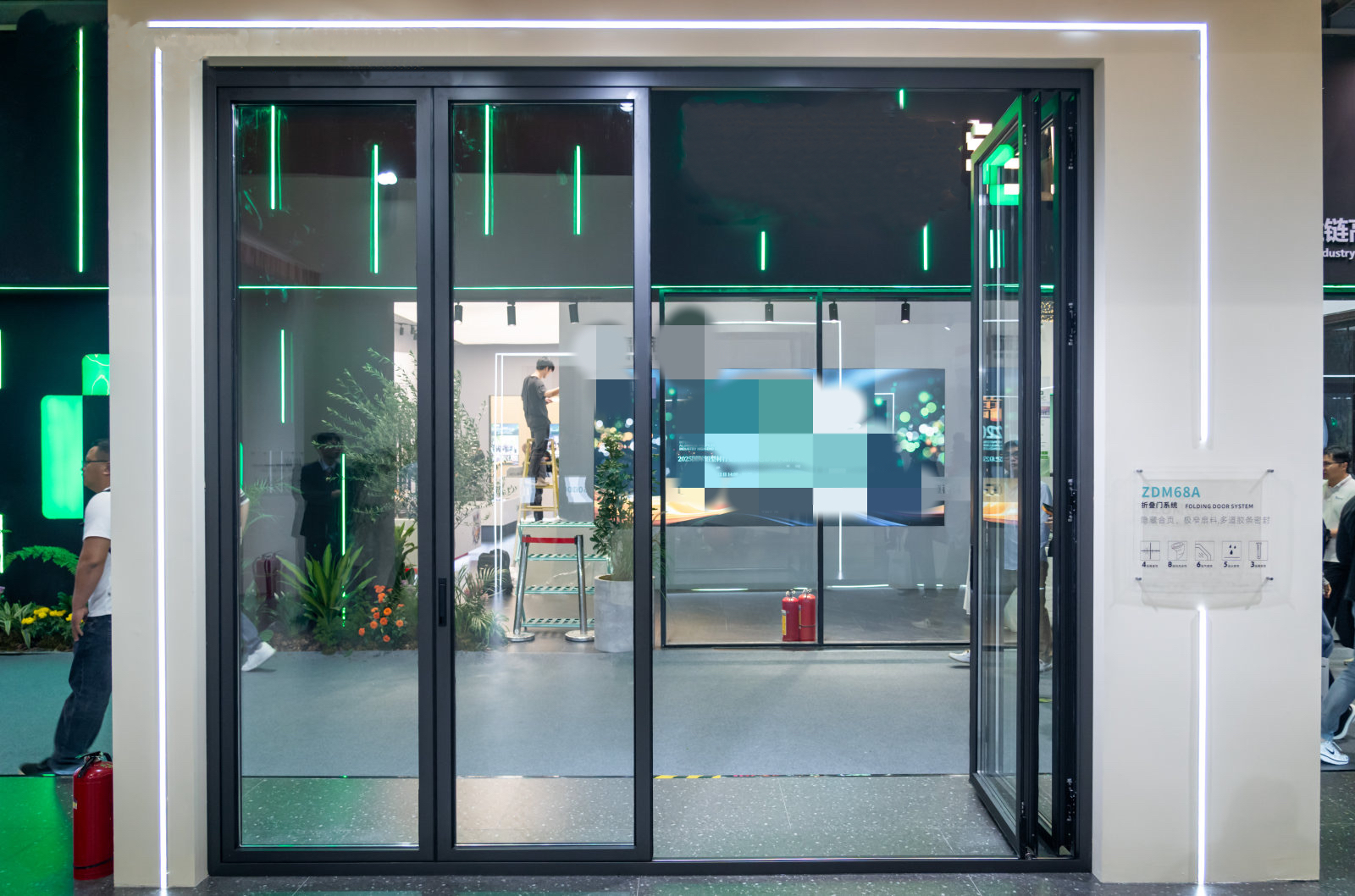
What is the standard production lead time for bulk orders of folding doors?
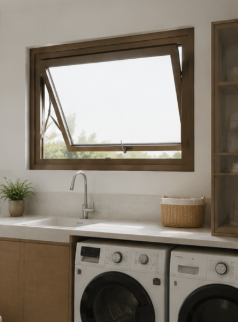
How do I choose the right Awing window size and glass specification for harsh weather?
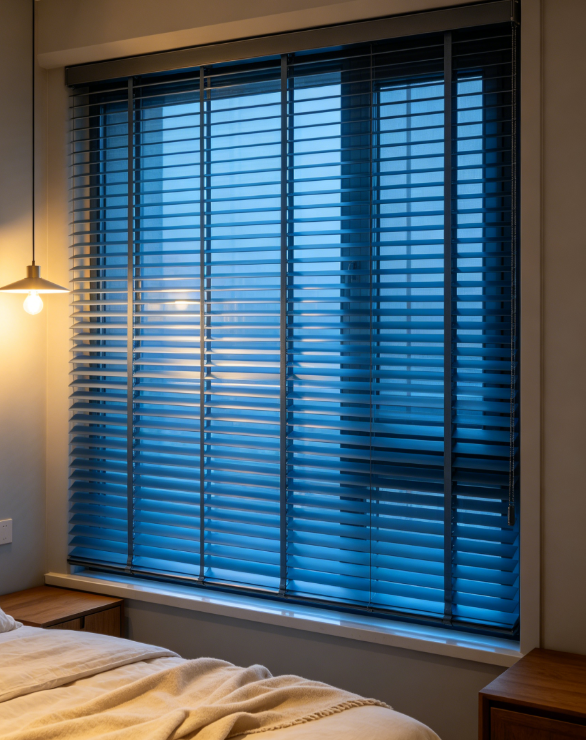
How can I test shutter samples so the final bulk order matches their quality and finish?
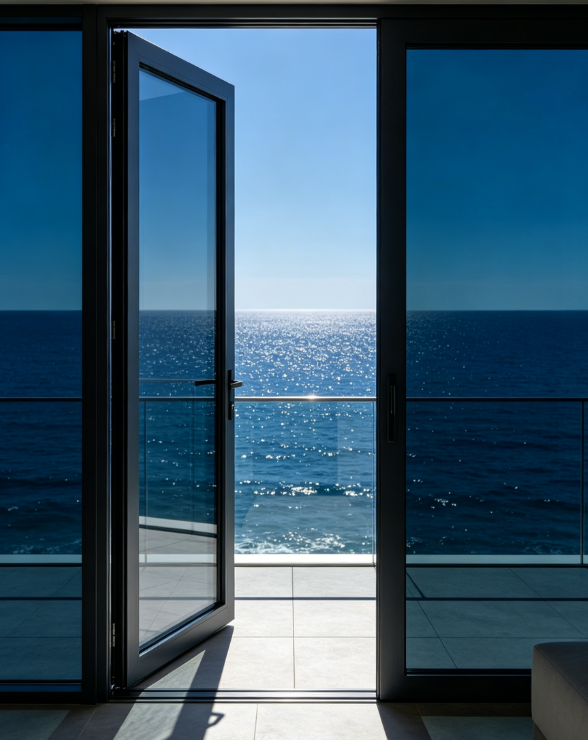
Can suppliers make custom double glass casement doors from my CAD drawings?
What safety certifications should I request when importing awning windows?
How long does it usually take a factory to make custom shutter samples?
What T-slot industrial profile size is best for a heavy duty machine frame?
How do I choose the right stainless steel decorative profile for high humidity areas?
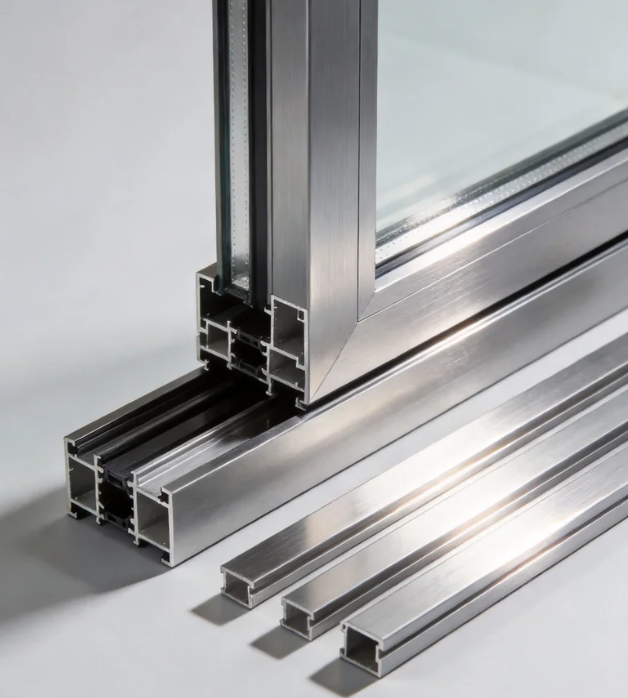
How do I choose the right aluminum architecture profile for coastal buildings?
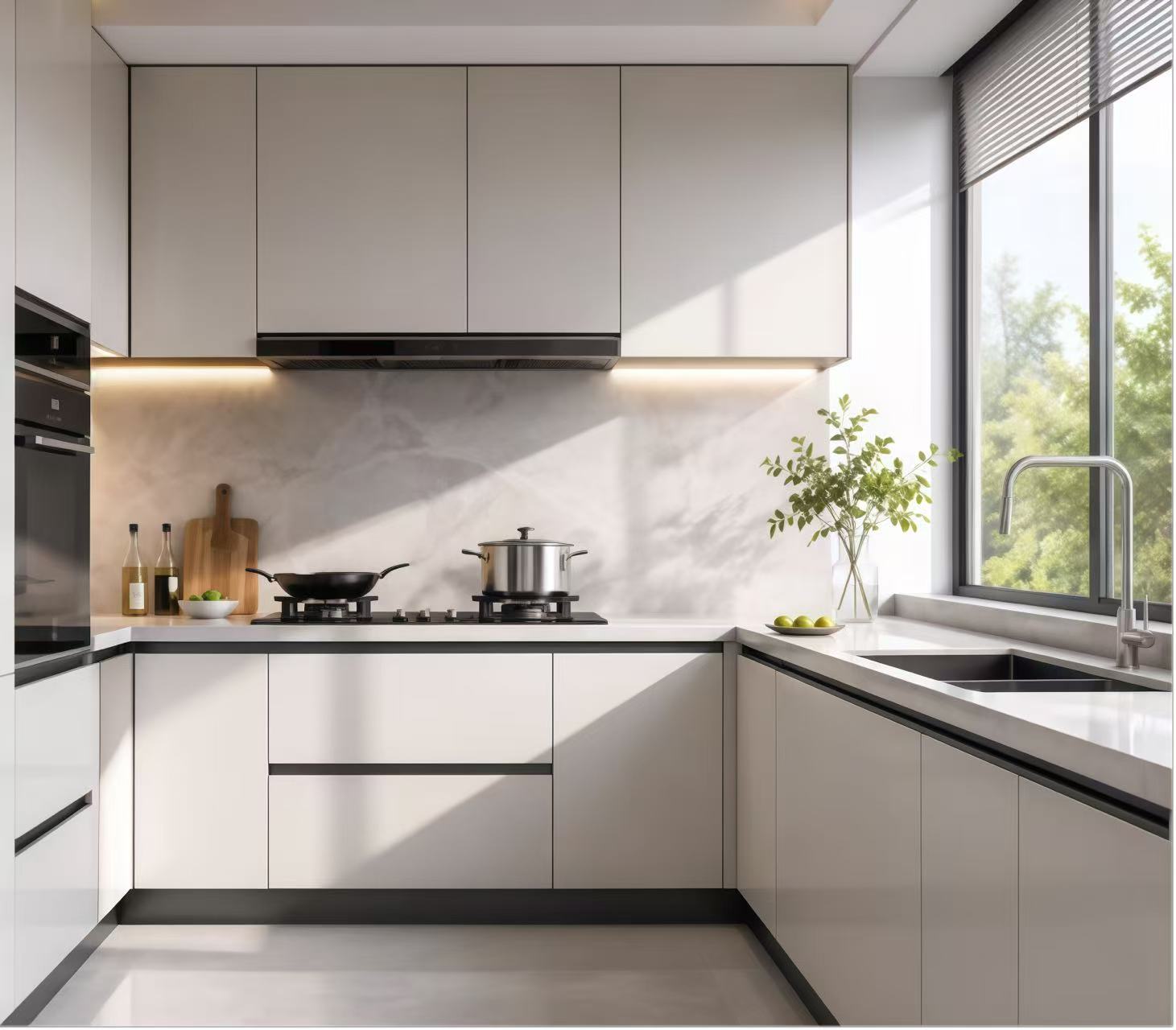
How do I choose the right stainless steel decorative profile for high humidity areas?
What wind load specs should I check for aluminum casement windows in coastal high-rises?
How do I know which aluminum industrial profile alloy is best for heavy machinery frames?
How do I choose the right alloy grade for aluminum architecture profiles?
How do I select the right heavy-duty hardware for exterior commercial floding doors?
How do I select the right glass thickness for bulk awing window orders?
What frame thickness is recommended for commercial aluminum casement doors?
What frame thickness is best for high-rise commercial sliding windows?
How to choose weather resistant aluminum floding door specs for commercial use?
How do I choose the best water tightness rating for commercial awing windows?
How do I choose the right frame material for commercial casement doors?
How do I choose the right wind load rating for sliding windows in coastal areas?
What is the best material for outdoor decorative profiles to prevent rust and fading?
How do I choose the right track thickness for high-traffic commercial sliding doors?
How do I choose between PVC and basswood shutters for high-humidity areas?
How do I choose between double and triple glazing for casement windows in cold climates?
How do I choose the right industrial profile thickness for heavy-duty cnc machine frames?
How do I choose the right alloy for outdoor architecture profiles to prevent corrosion?
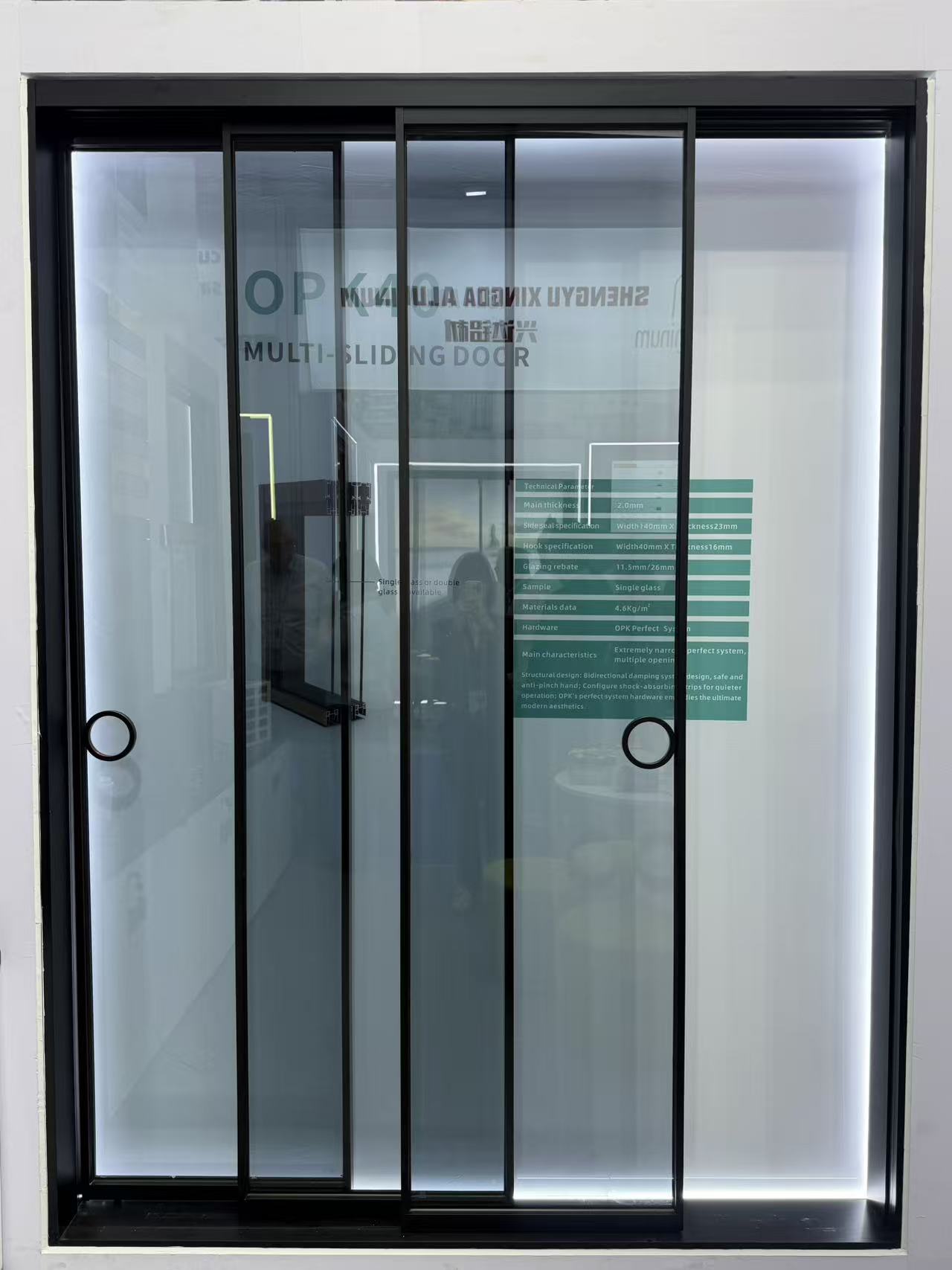
Can you design a slim frame profile for modern minimalist look?
How do I choose the right wind-resistant floding door for a coastal commercial building?
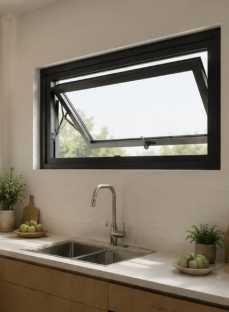
What key specs ensure a casement window can withstand heavy rain and high winds?
How do I choose the right aluminum alloy grade for heavy-duty industrial profiles?
Which alloy grade of architecture profile is best for coastal areas to resist rust?
How do you pack windows to prevent glass breakage in transit?
Are slim-frame thermal break systems replacing traditional ones?
Does the price include the matching frame and installation kit?
How do you protect our proprietary design drawings from leaks?
How do I choose the right decorative profile for high-traffic hotel lobbies?
Is your factory the actual manufacturer or a trading partner?
Is it possible to 3D print a prototype before cutting steel?
Do you outsource any part of the painting process to others?
How do you handle replacement parts for damaged track rollers?
Do you accept escrow payments through third-party platforms?
Do you have ISO 9001 certification for your production line?
Are there extra fees if we pay via bank telegraphic transfer?
What is the price difference between powder coat and anodized?
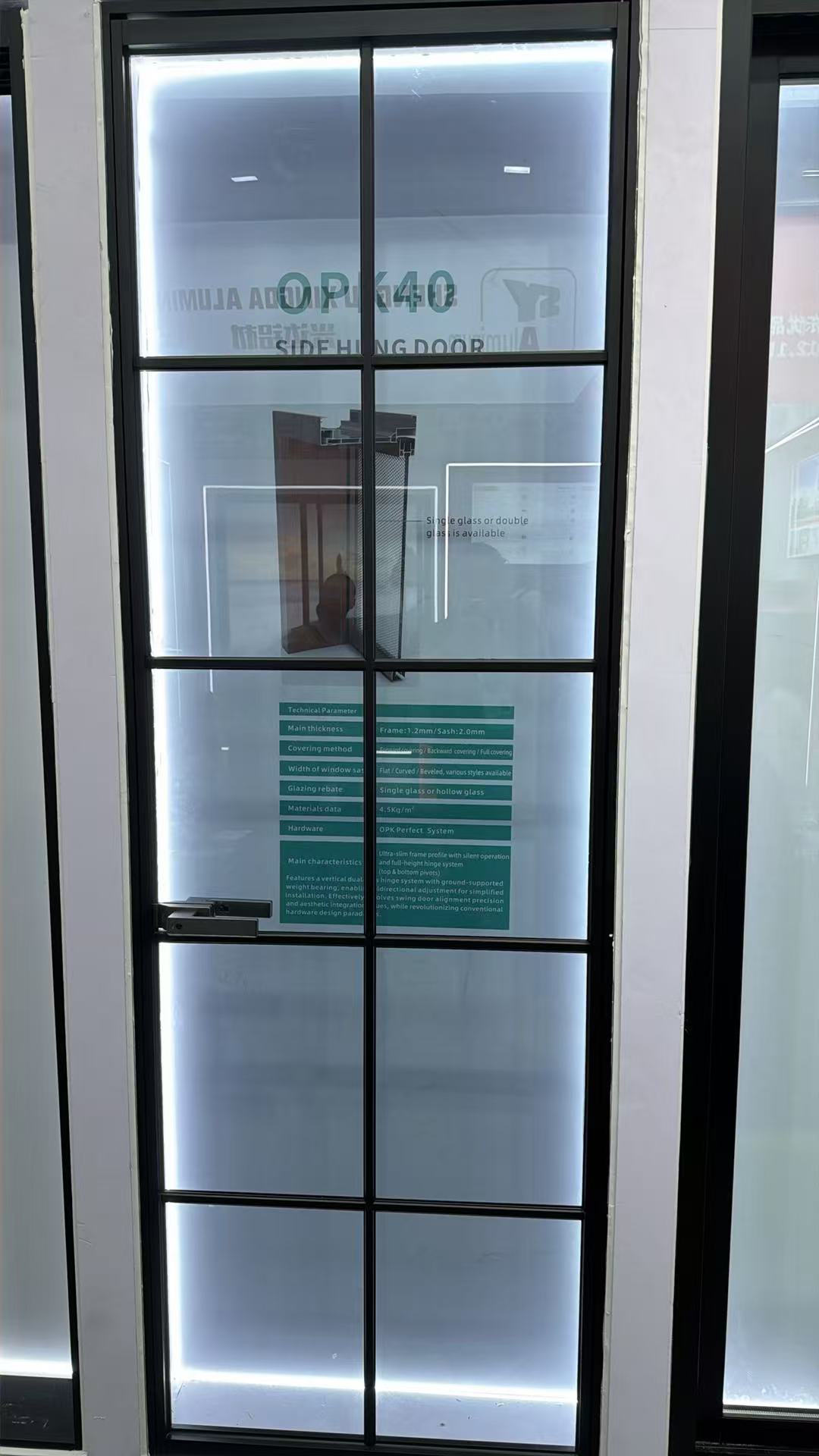
What is the warranty period for the lock and hinge hardware?
What is your policy for dimensional deviations in the batch?
What happens if the shipment is delayed due to factory error?
Do you offer online technical support if color fading occurs?
Is it possible to engrave our brand logo on the tension screw?
Do you offer credit terms for long-term purchasing partners?
Can you palletize the shipments for easy forklift unloading?
What are the latest eco-friendly finish trends for decorative profiles in modern interior design?
What are the tooling cost and design limitations for customizing heavy-duty industrial profiles?
Has your architecture profile manufacturing facility passed ISO 9001 certification?
Can we use Alibaba Trade Assurance for our initial sliding door order to mitigate risk?
Do you provide free corner samples of the casement window frame for color verification?
Is it possible to custom-match a specific RAL color for a decorative profile order?
Can I request a 3D-printed sample before ordering a custom industrial profile mold?
Can you extrude an architecture profile based on our proprietary CAD drawings?
What thermal performance certifications does a sliding door need for the UK market?
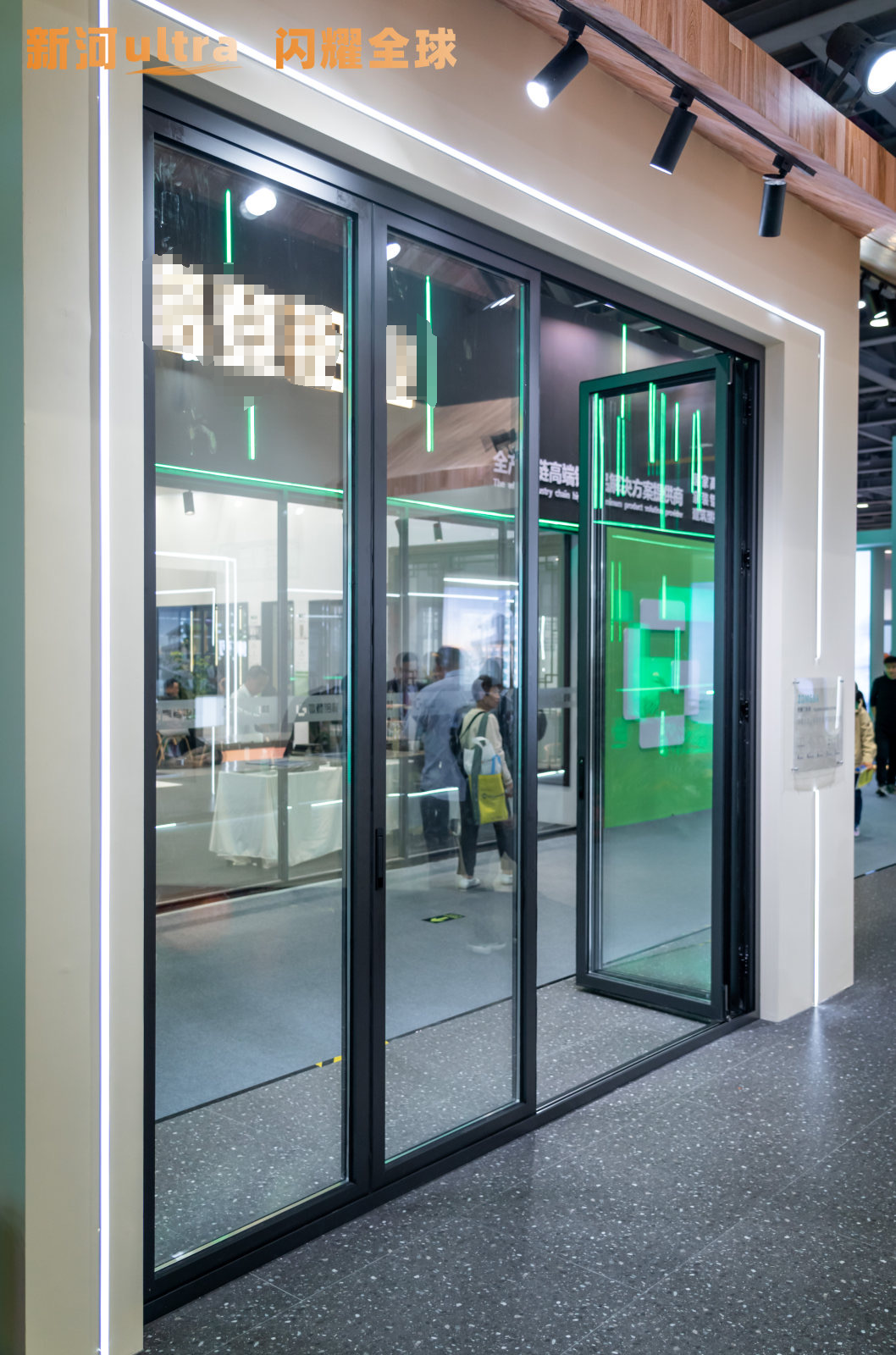
How are heavy floding door panels crated to ensure safe unloading at the job site?
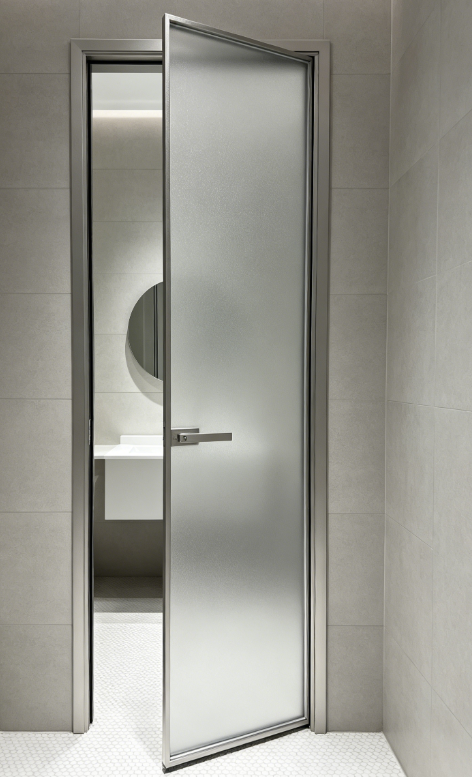
Can we arrange our own freight forwarder to pick up the casement door shipment FOB?
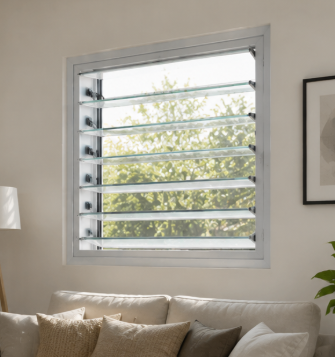
What is the estimated ocean freight transit time for a shutter shipment from China to Europe?
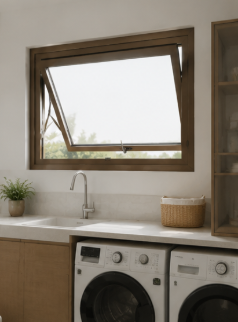
How can we source replacement seals for your awing window models in the future?
How are sliding windows typically packaged to prevent glass breakage during ocean transit?
What is the average lead time for a 40ft container of standard aluminum casement windows?
Are there any extra tooling fees if my decorative profile order doesn’t meet the MOQ?
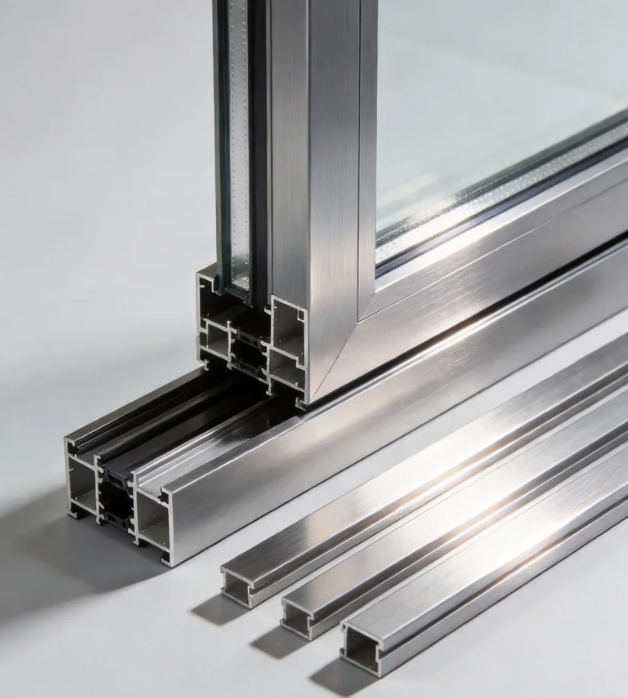
Can I get 3D printed prototypes of custom architecture profiles before committing to mold tooling?
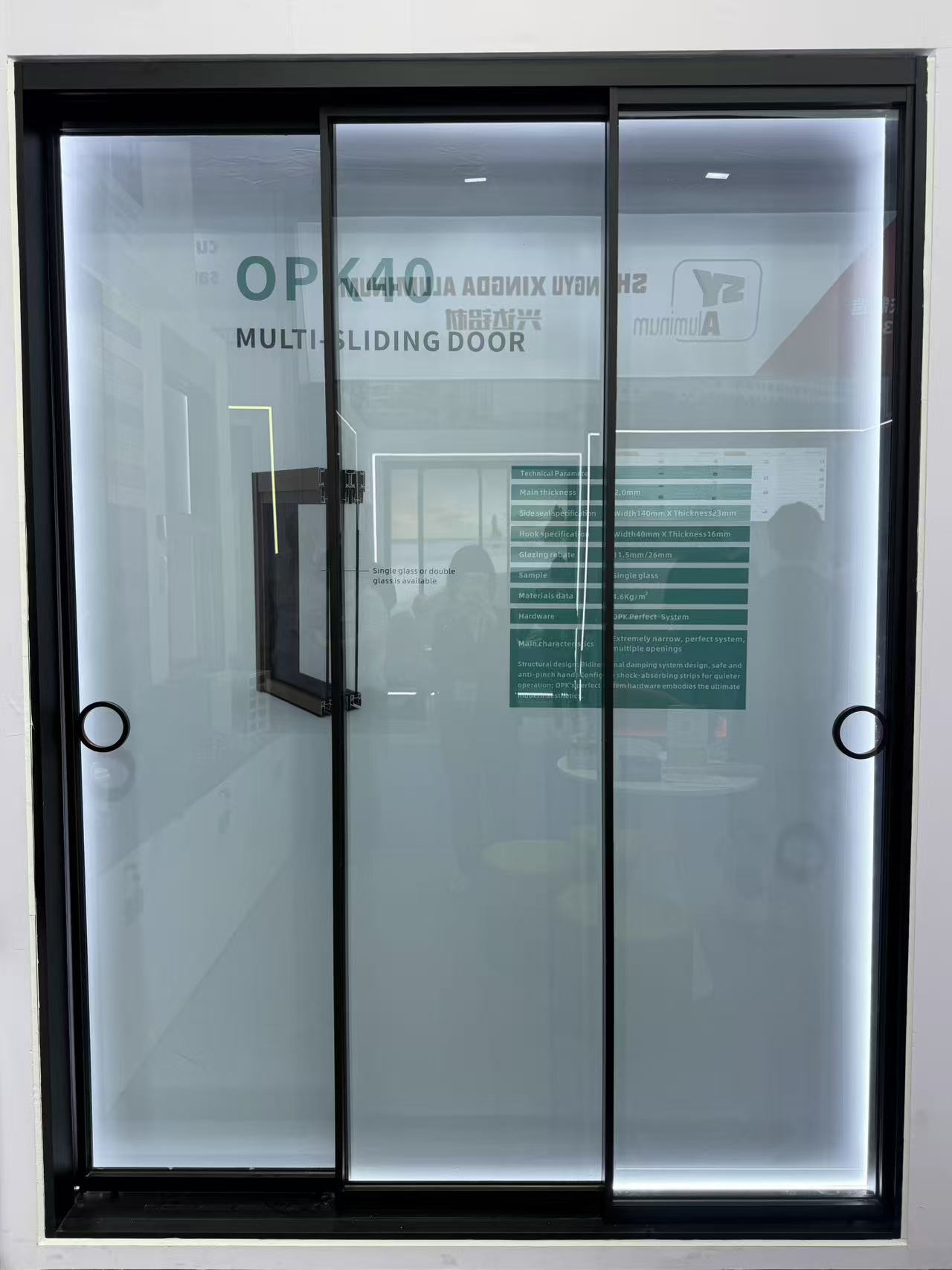
How is smart glass technology being integrated into modern residential sliding door units?
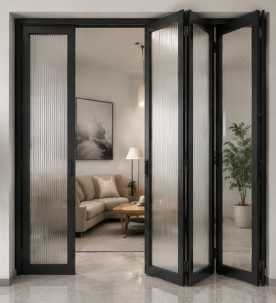
What options do you have for customizing the threshold height of an aluminum floding door?
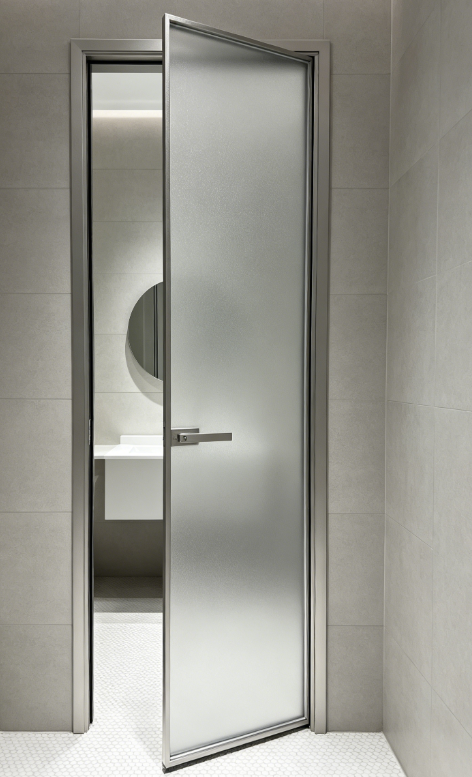
What thermal break technology should I look for in a heavy-duty aluminum casement door?
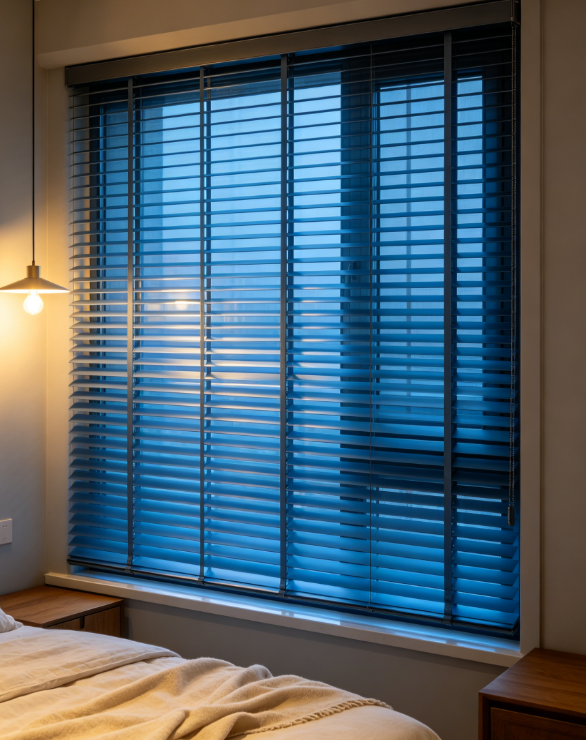
What quality control processes do you perform on shutter hardware before final assembly?
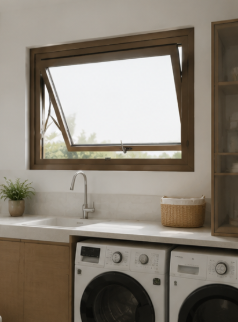
Do you offer DDP shipping terms for awing window orders delivered to our warehouse?
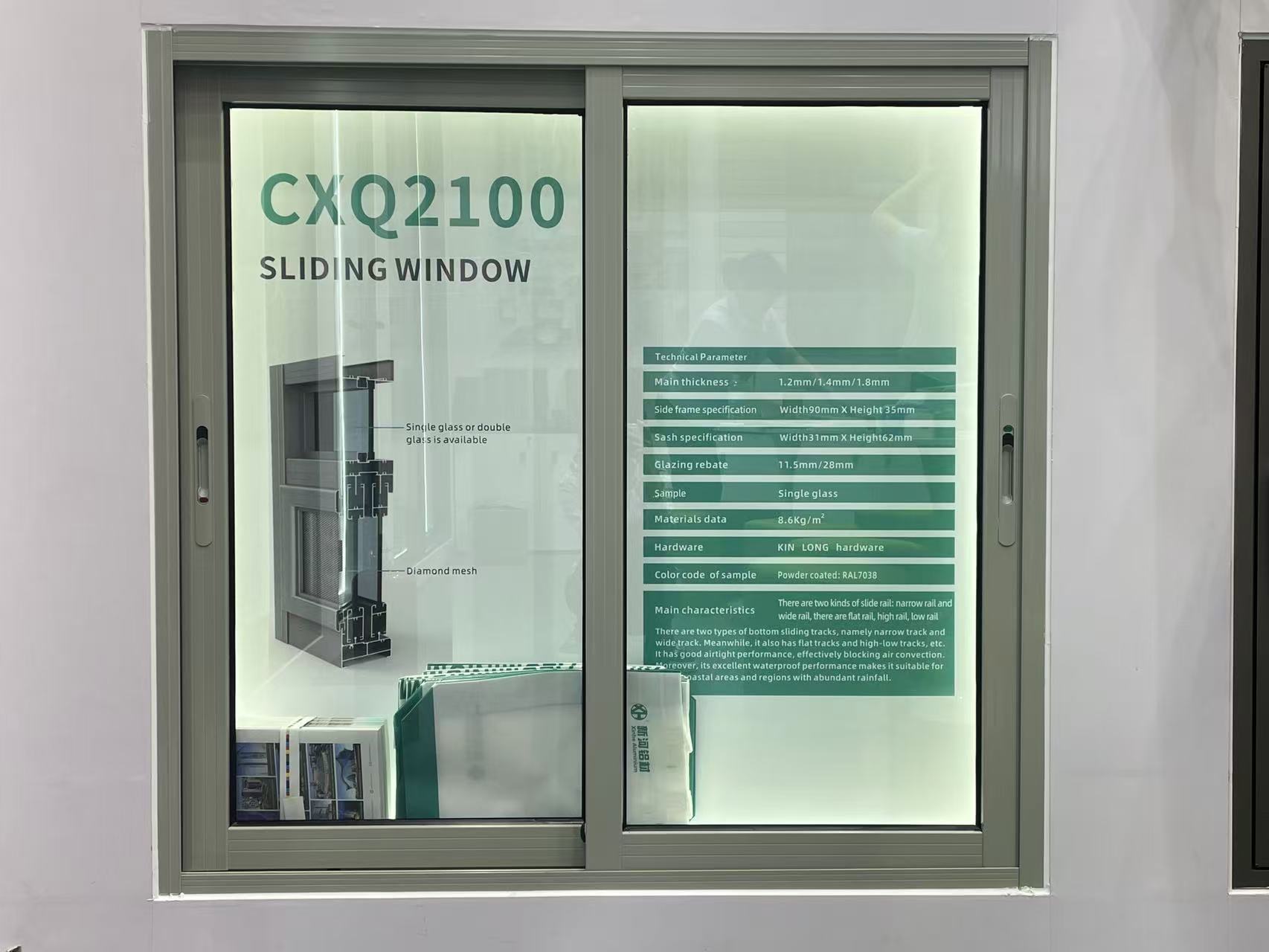
Is it possible to order a fully functional sliding window sample for mock-up testing?
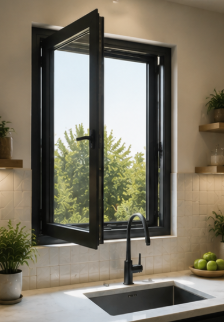
Do you provide replacement hardware if the casement window hinges fail within 5 years?
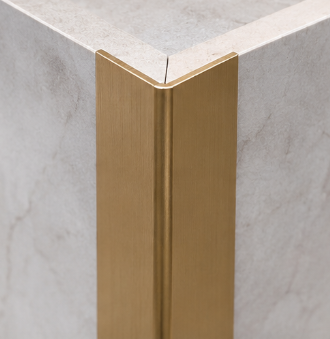
How do you handle claims for decorative profile items damaged during transit?
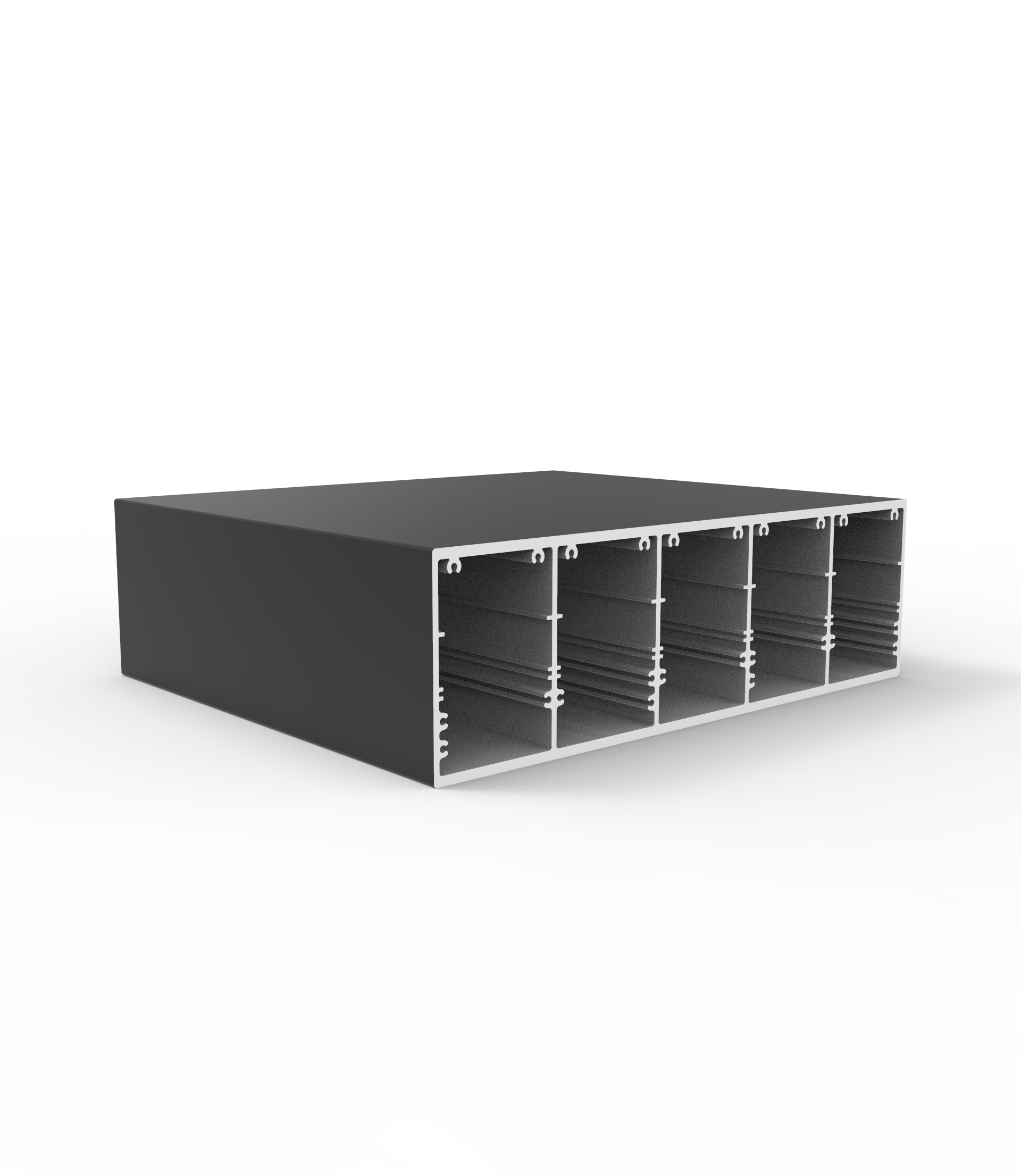
What is the standard MOQ for custom-extruded aluminum industrial profile orders?
How does the order volume affect the per-ton price of custom architecture profile designs?
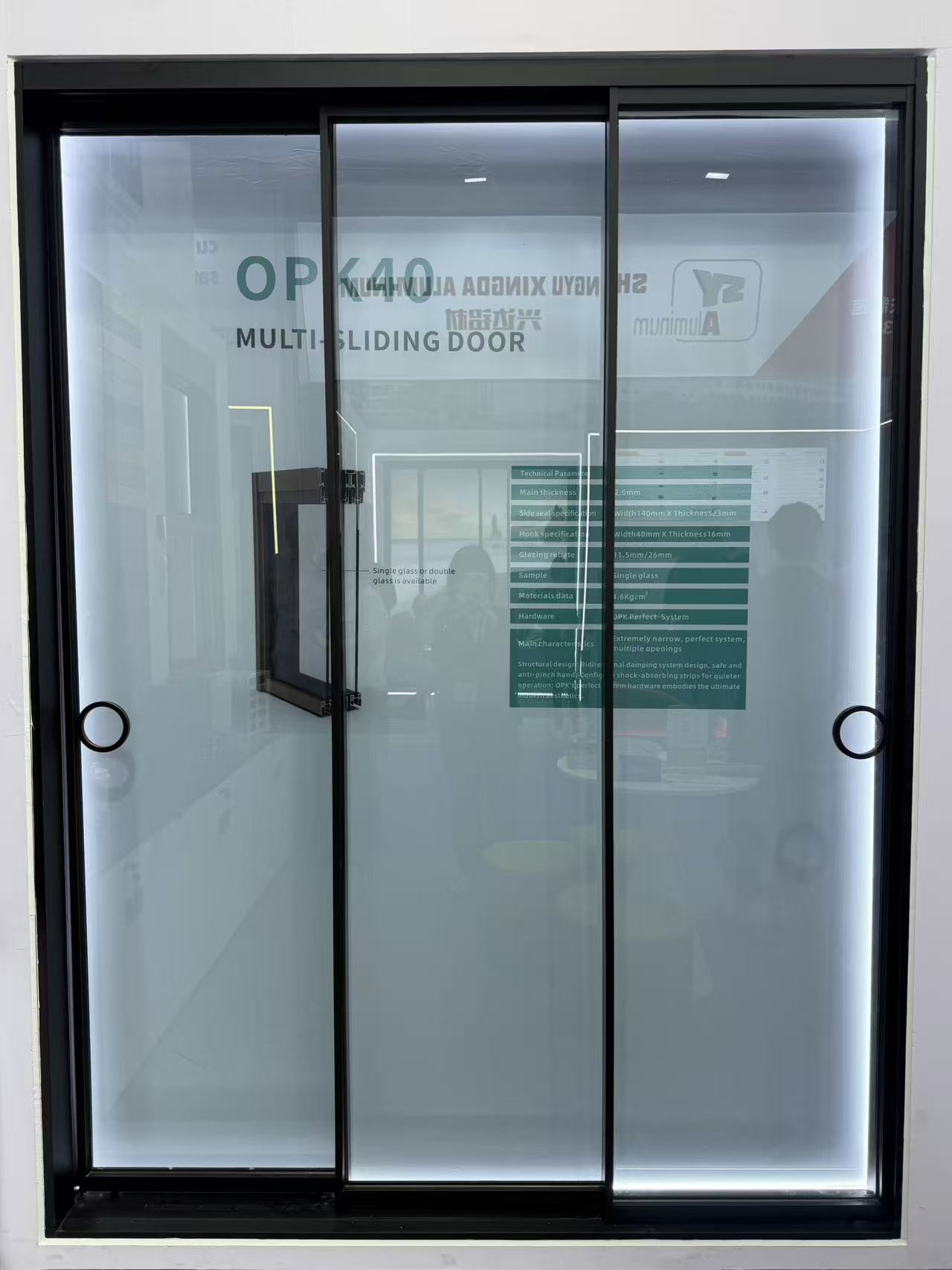
What is the warranty period for the rollers and tracks on your heavy-duty sliding doors?
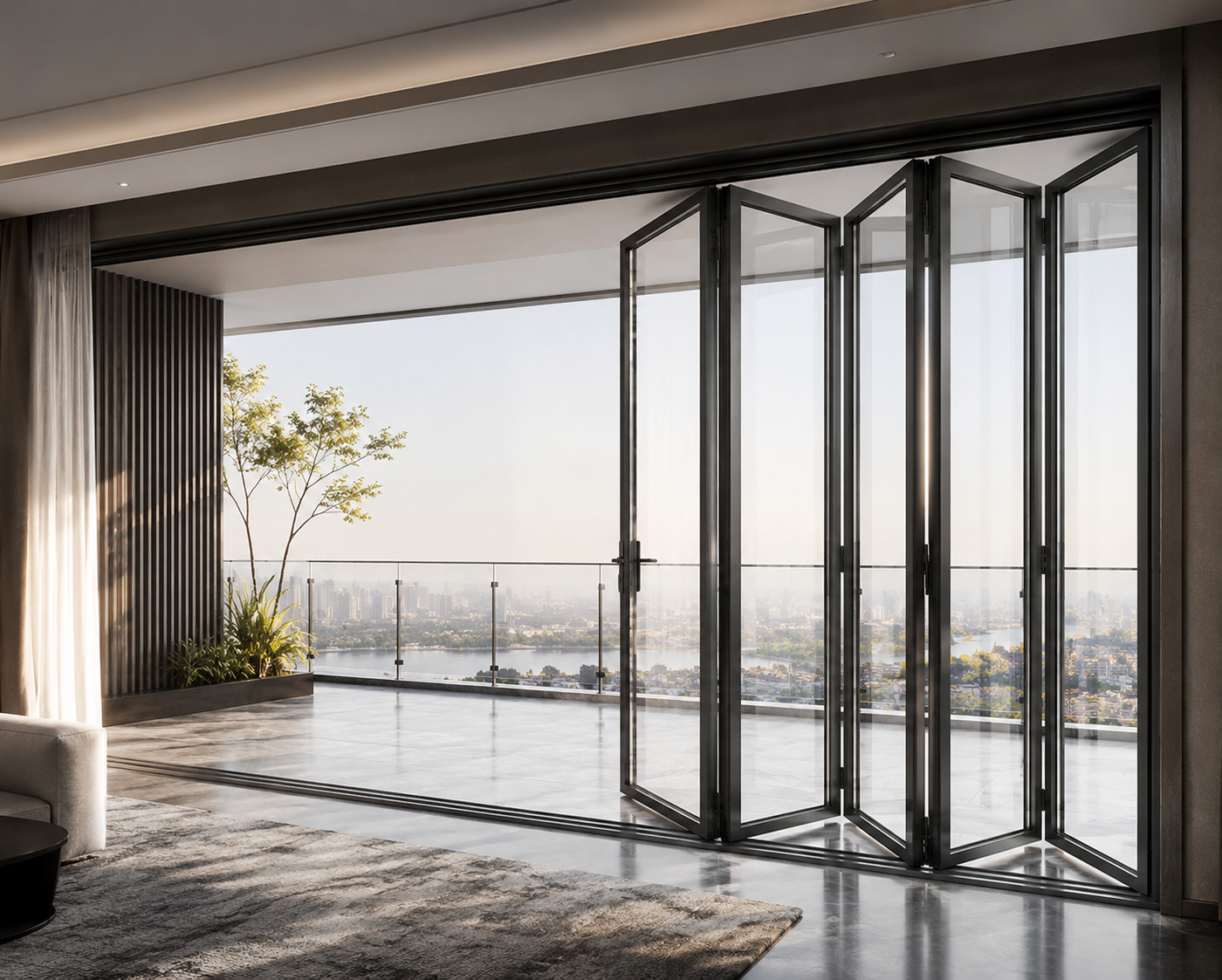
How can we secure our deposit when purchasing high-value custom floding doors from a new supplier?
Can your factory match custom anodized colors for decorative profiles based on physical samples?
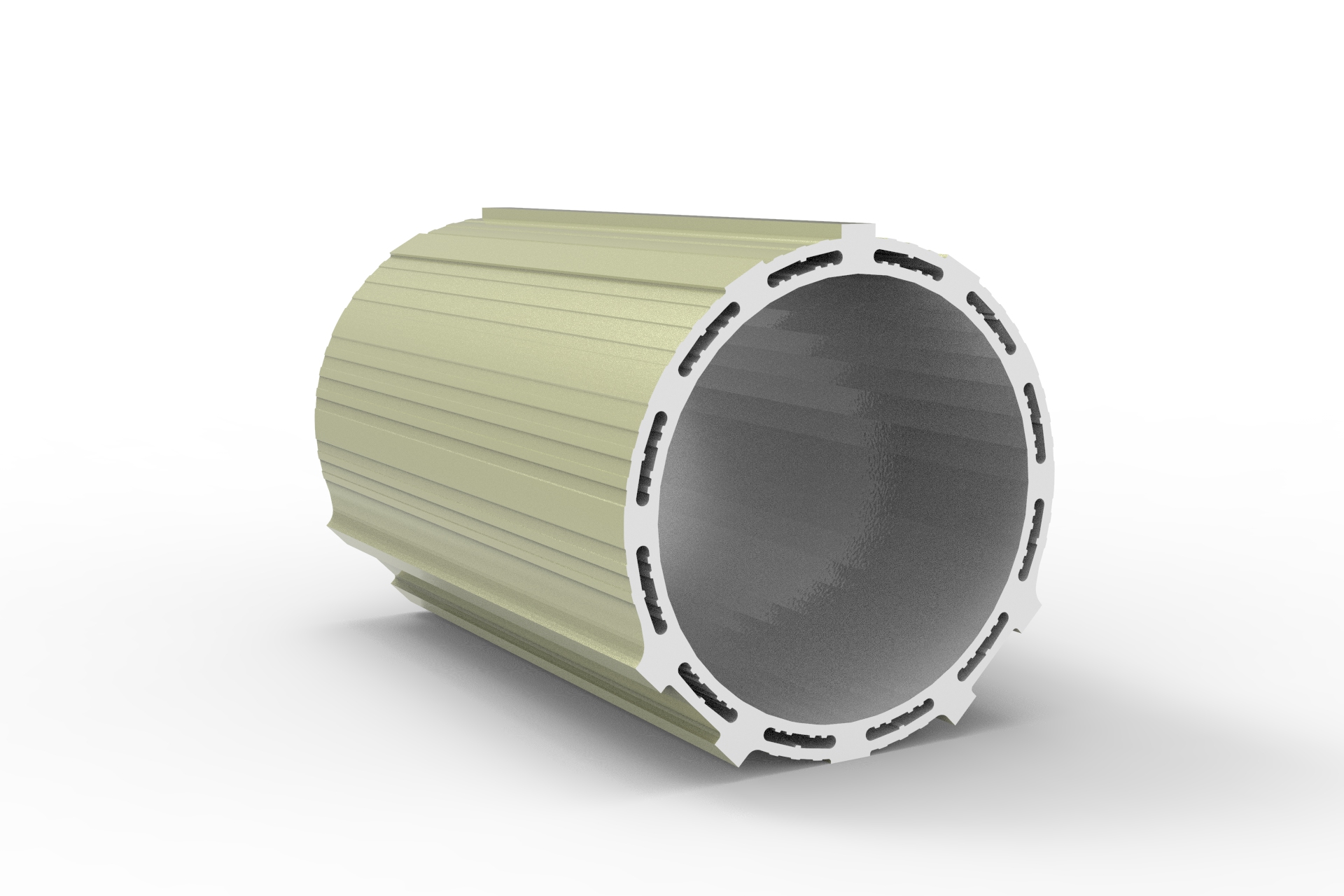
Is there a lighter alternative to aluminum industrial profile structures for robotics?
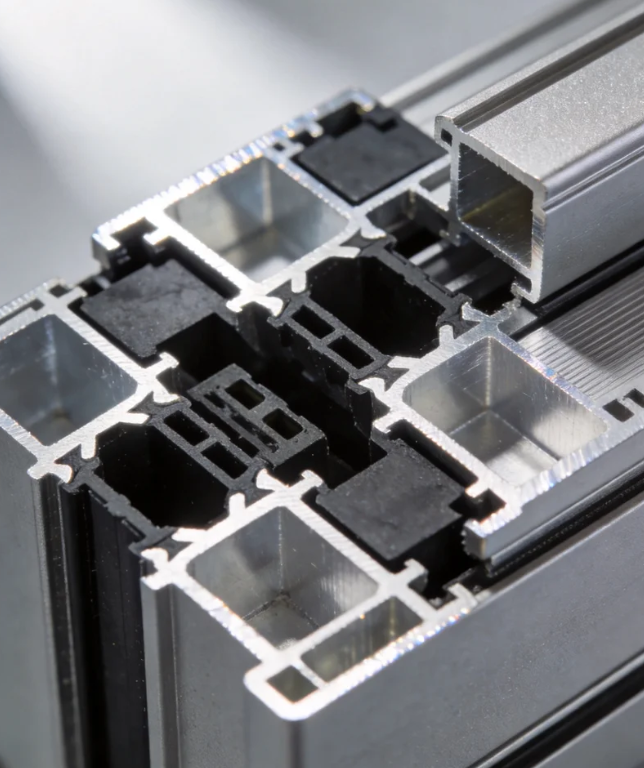
What payment security measures do you have for custom architecture profile tooling fees?
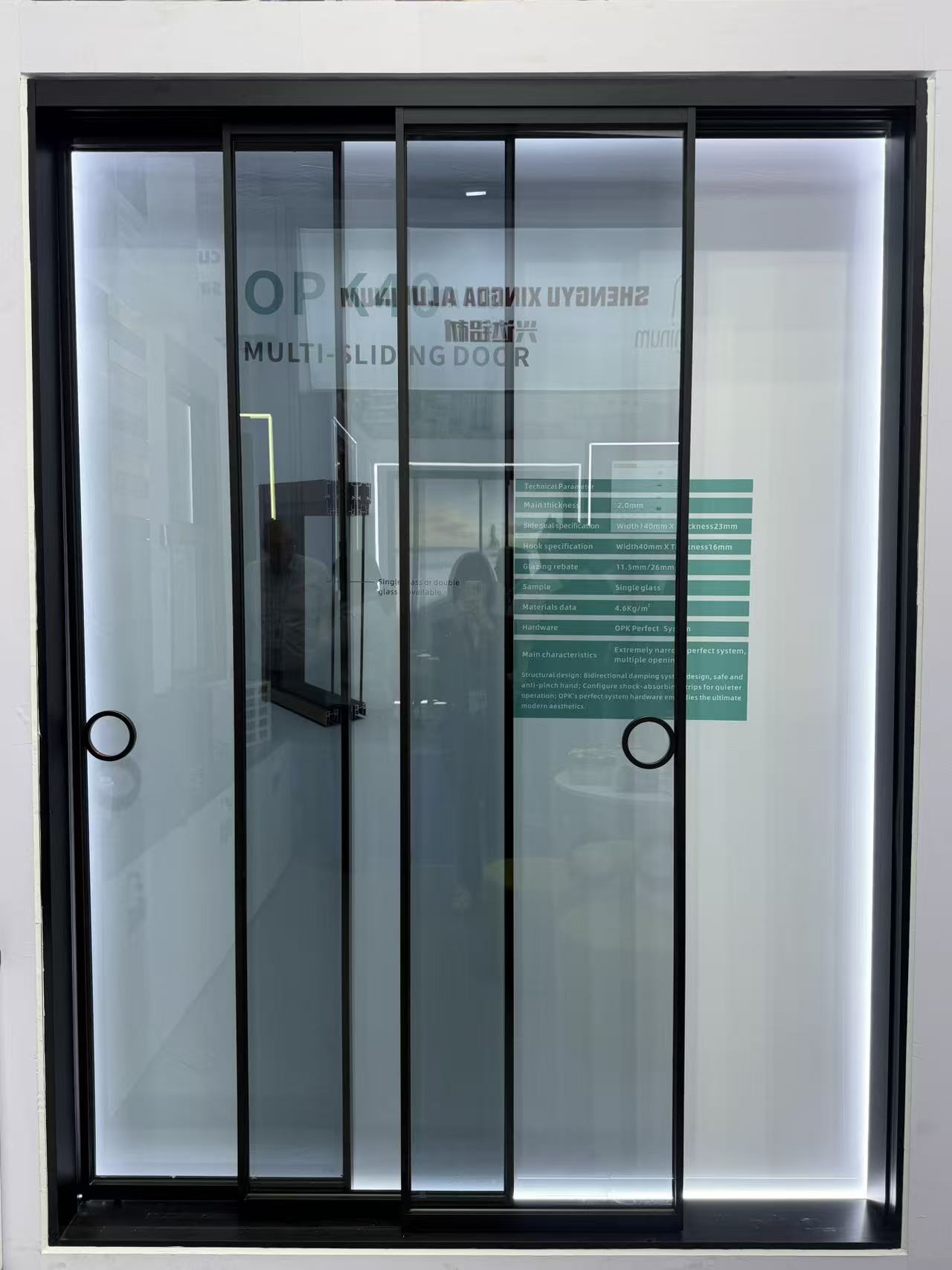
Can I order a sliding door with custom grid patterns between the glass panes?
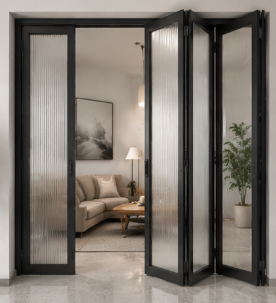
How do you protect buyers against financial loss if the floding door shipment is delayed?
Are slim-frame aluminum casement door designs becoming more popular in modern offices?
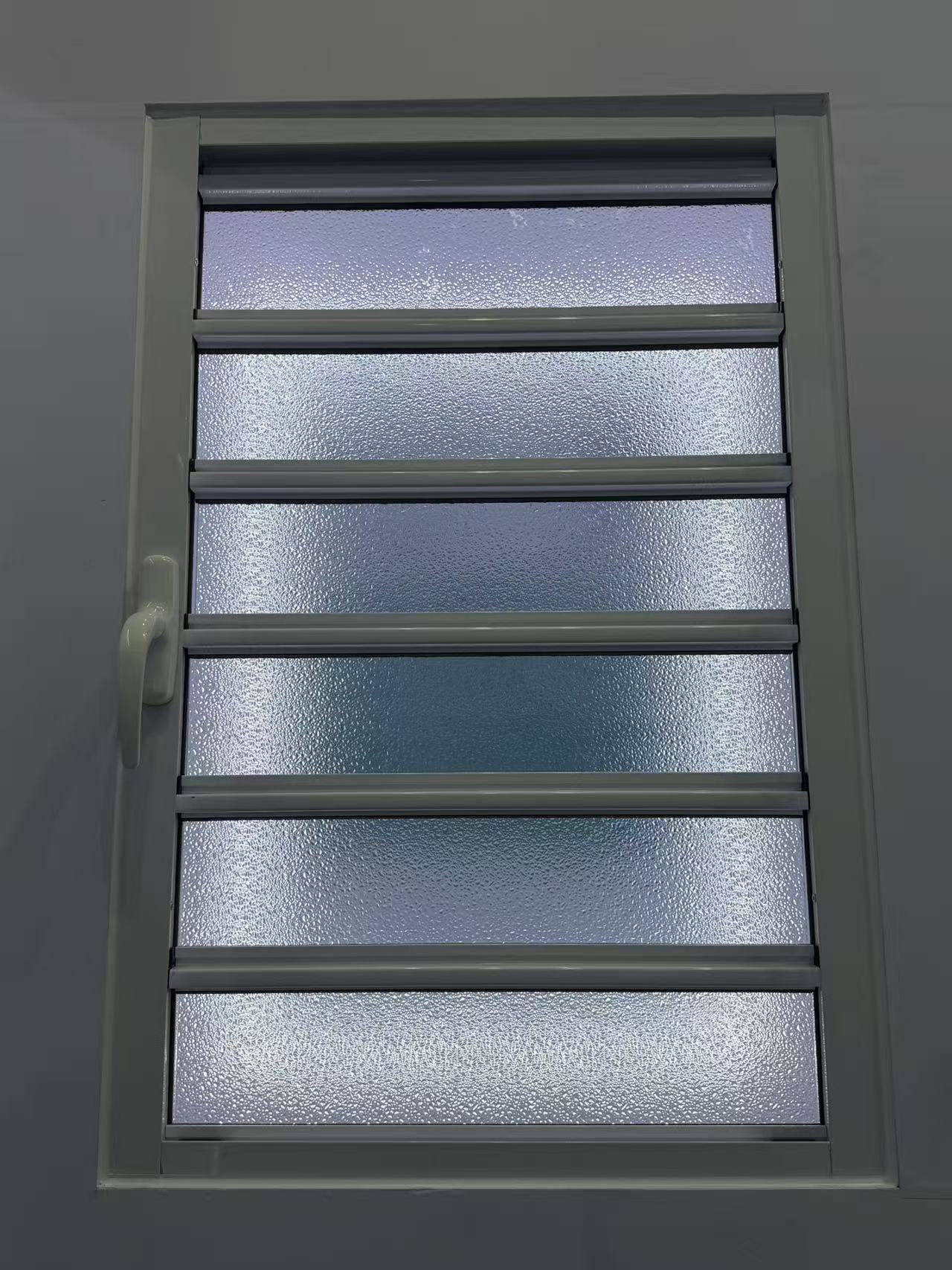
What is your policy for replacing shutter components that arrive with color mismatch?
What kind of remote technical support do you offer for sliding window installation?
What is the maximum safe size for a top-hung awing window in commercial projects?
What environmental management standards does your decorative profile plant follow?
What is the standard lead time for producing a 40ft container of casement window orders?
What is the warranty period for the anodized finish on your industrial profile?
What are the latest eco-friendly trends in architecture profile manufacturing?
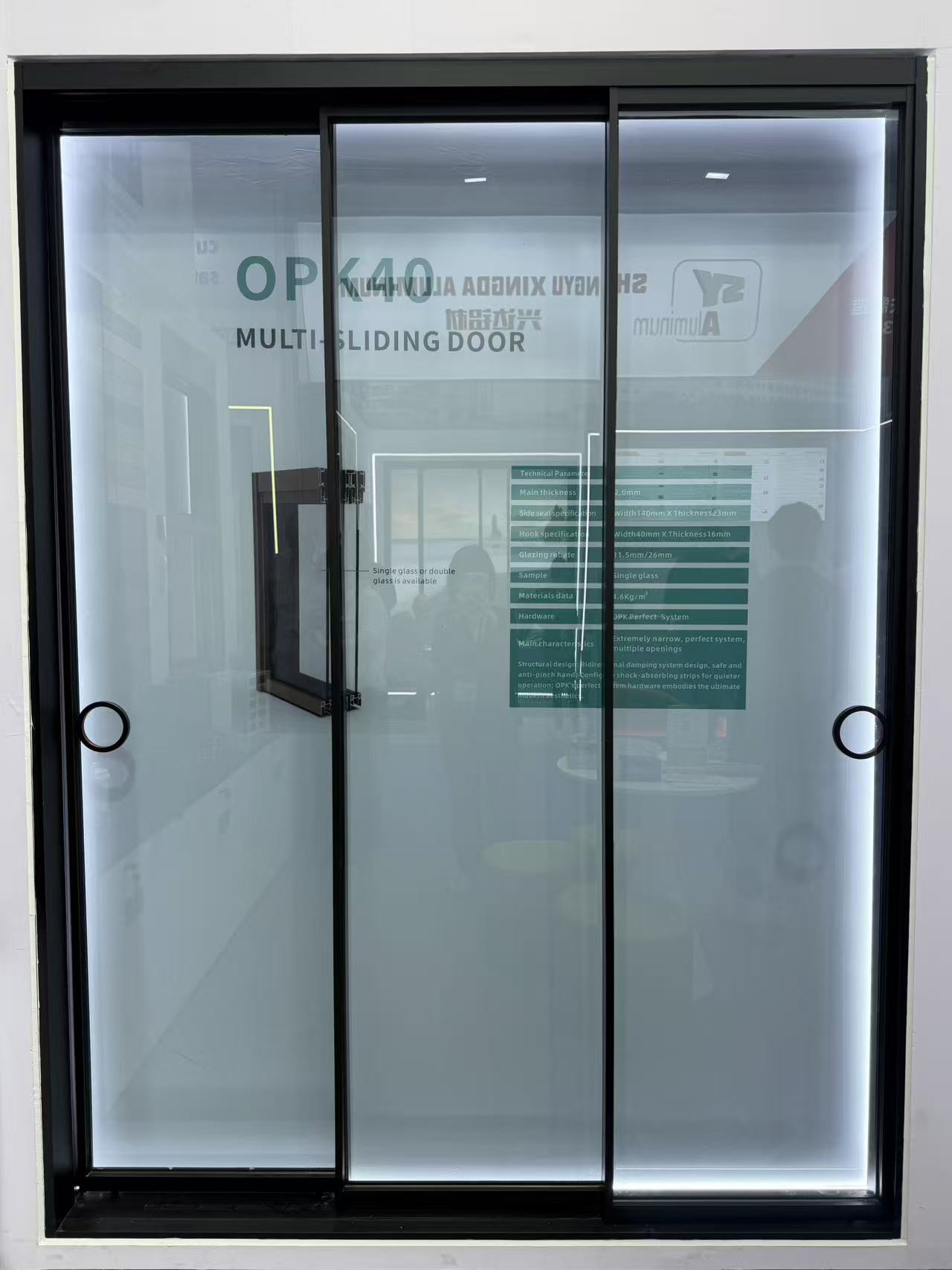
What is the average wholesale price per square meter for double-glazed sliding door systems?
How do I calculate the structural load requirement for a 5-panel exterior floding door?
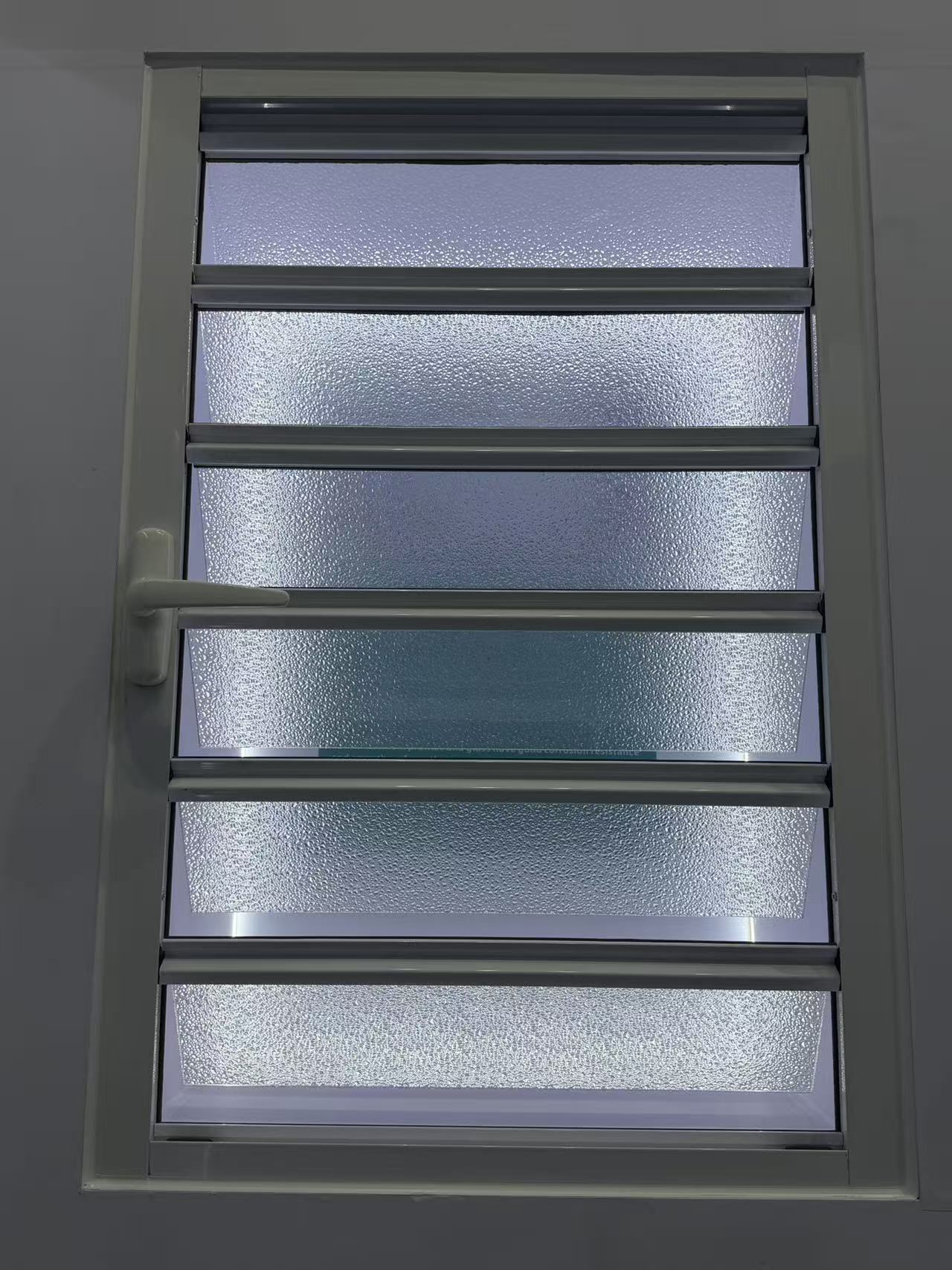
Do your exterior shutter systems comply with Florida building codes for hurricane protection?
Do you offer Letter of Credit (L/C) payment options for casement door bulk orders?
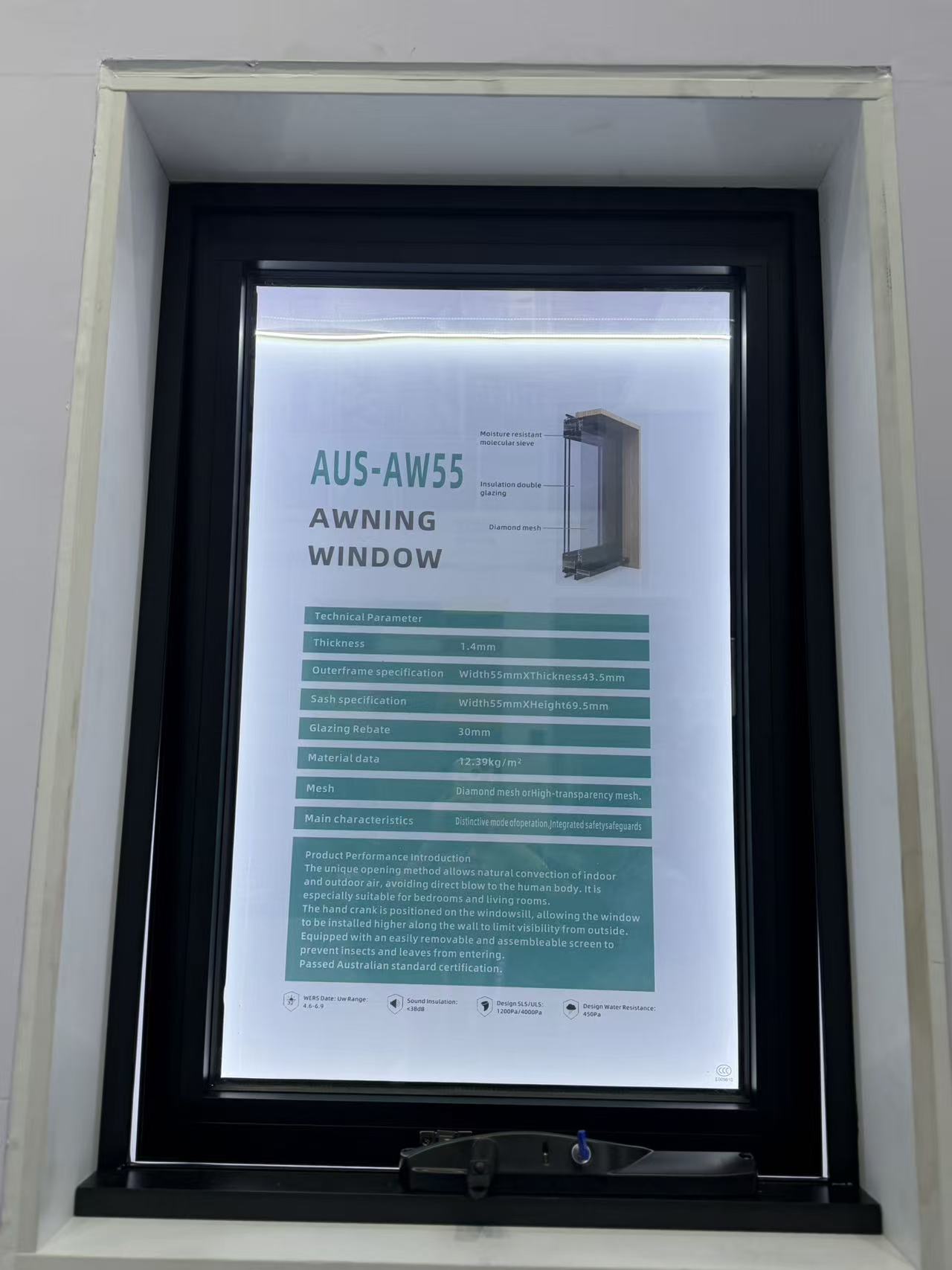
Which water tightness certifications are required for importing an awing window to Europe?
Do you allow virtual factory tours to inspect the sliding window assembly line?
What is the typical MOQ for ordering standard-sized aluminum casement window units?
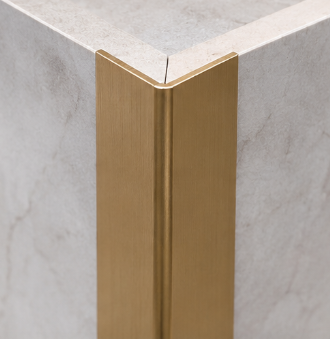
How long does it take to receive a physical sample of a gold-anodized decorative profile?
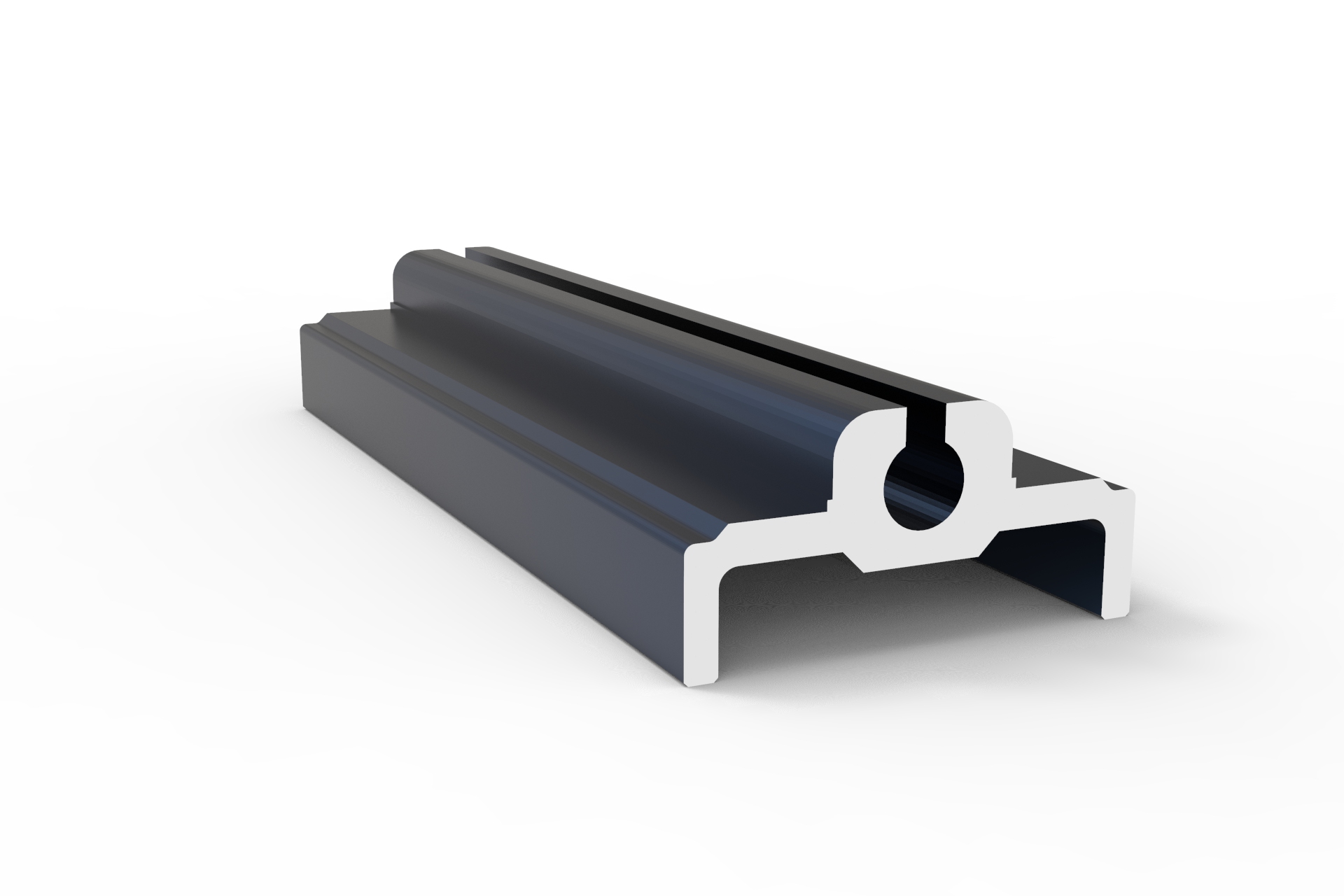
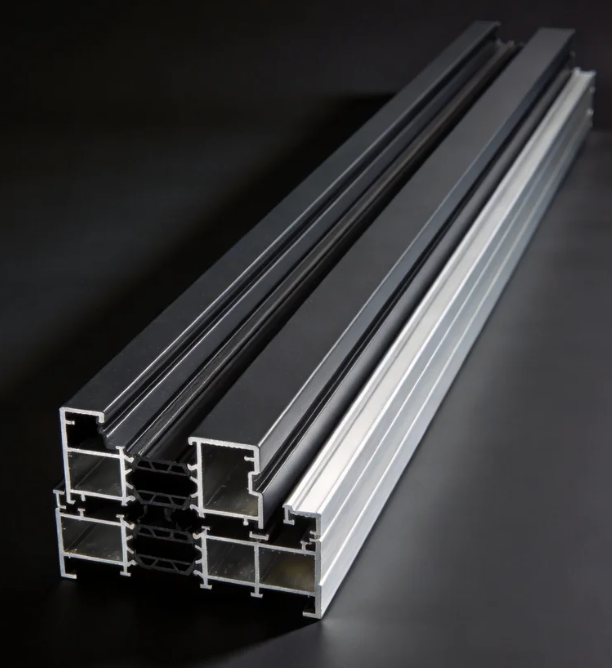
How do I choose the right alloy grade for architecture profiles in high-rise coastal buildings?
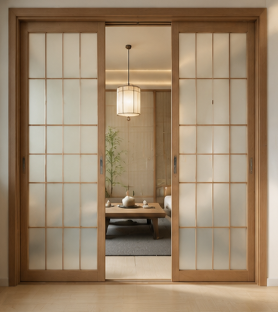
How do I choose the right track and roller specs for heavy-duty commercial sliding doors?
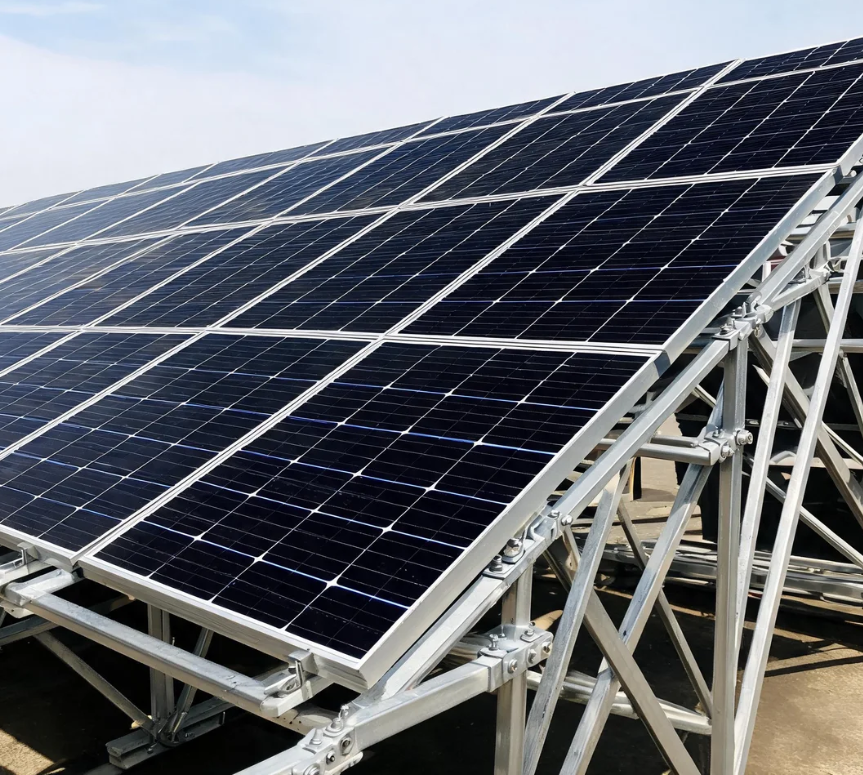
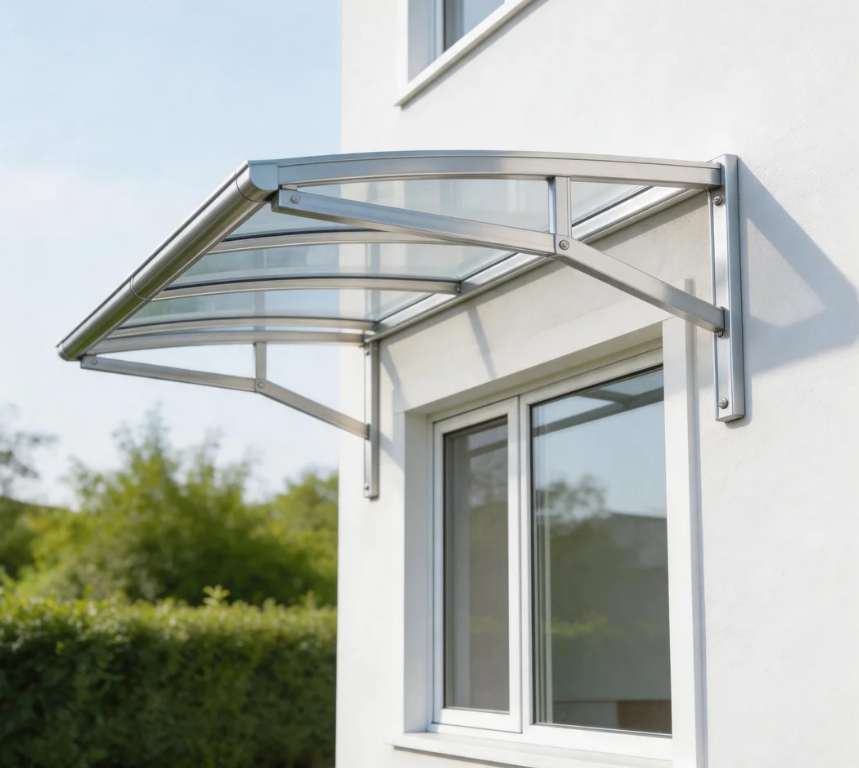
The core advantages of using aluminium profiles for the canopy
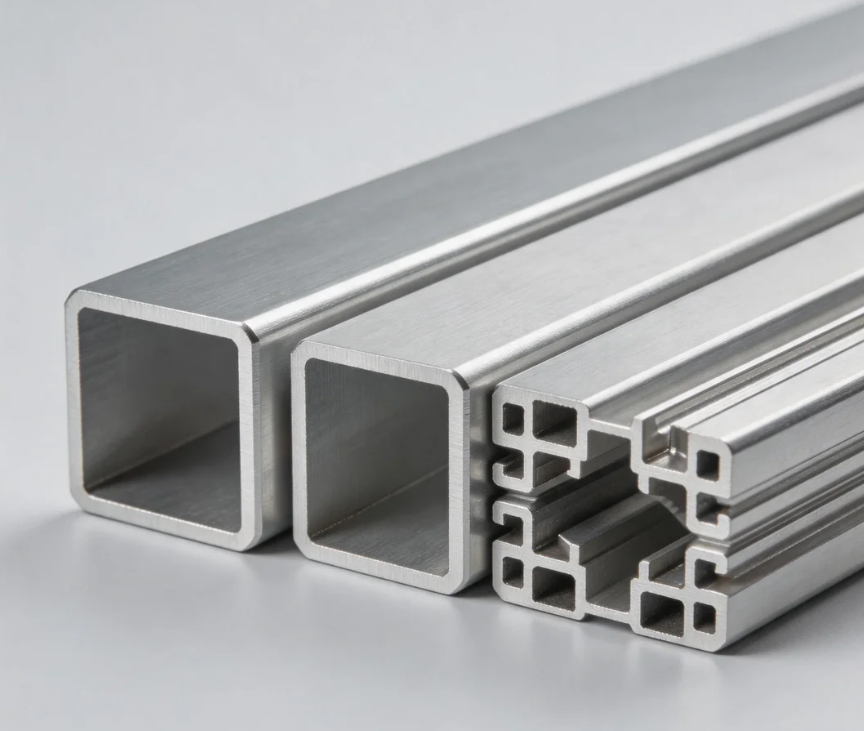
International demand: Dual drive by new energy and infrastructure
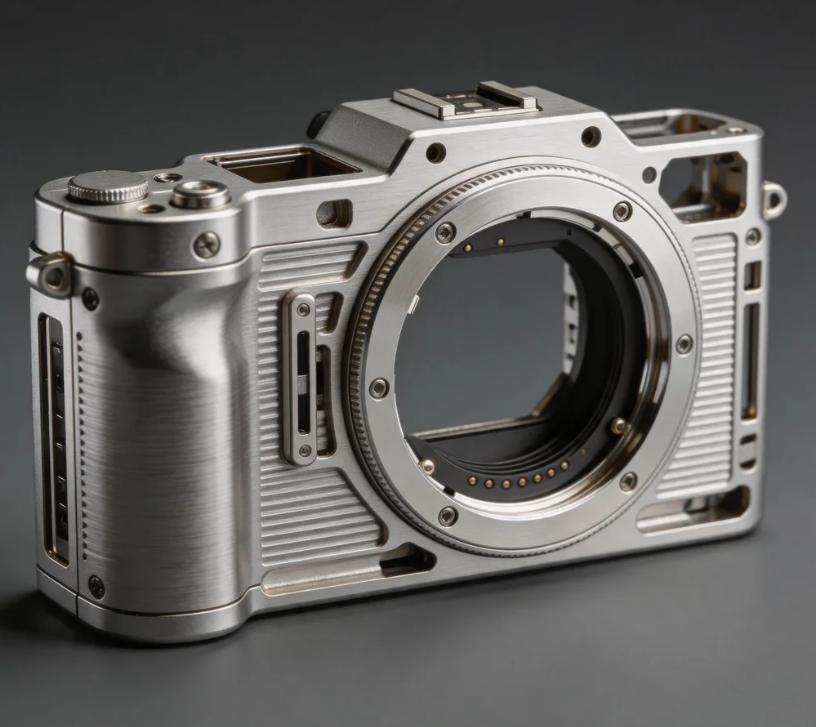

The advantages of using aluminium profiles to manufacture robot arms
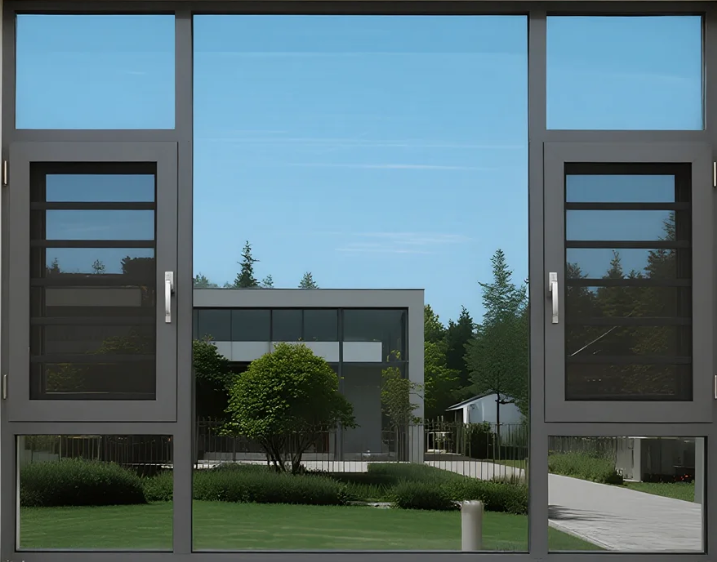
The advantages of using aluminum profiles for door and window frames
The impact of the conflict between the United States and Iran on the price of aluminum
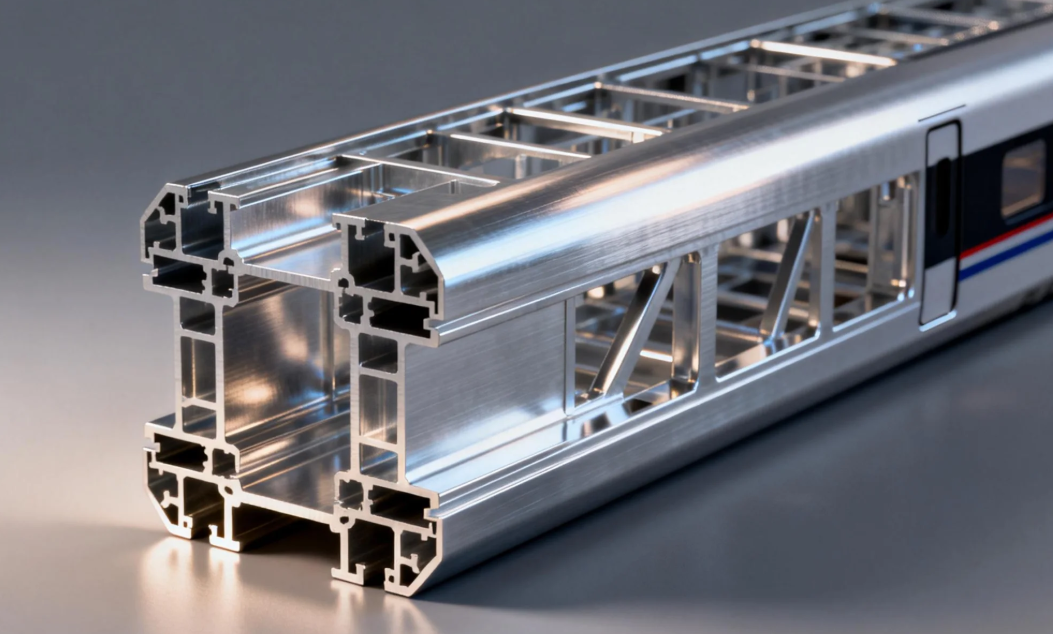
The advantages of using aluminium alloy for the main structure of high-speed train carriages





Methods for distinguishing Indoor and Outdoor Aluminium Doors
Maintenance methods and tips for aluminium doors and windows
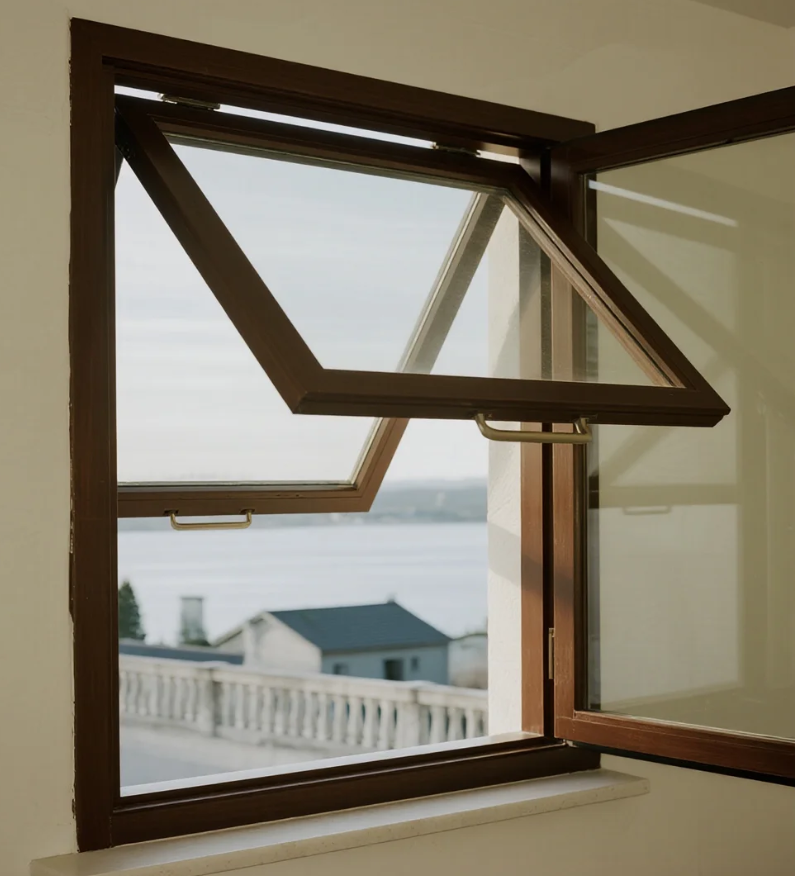
Characteristic of outward-opening and hung aluminium windows


Xinhe Aluminium Research: 7.14-7.18 Analysis of Aluminium Prices
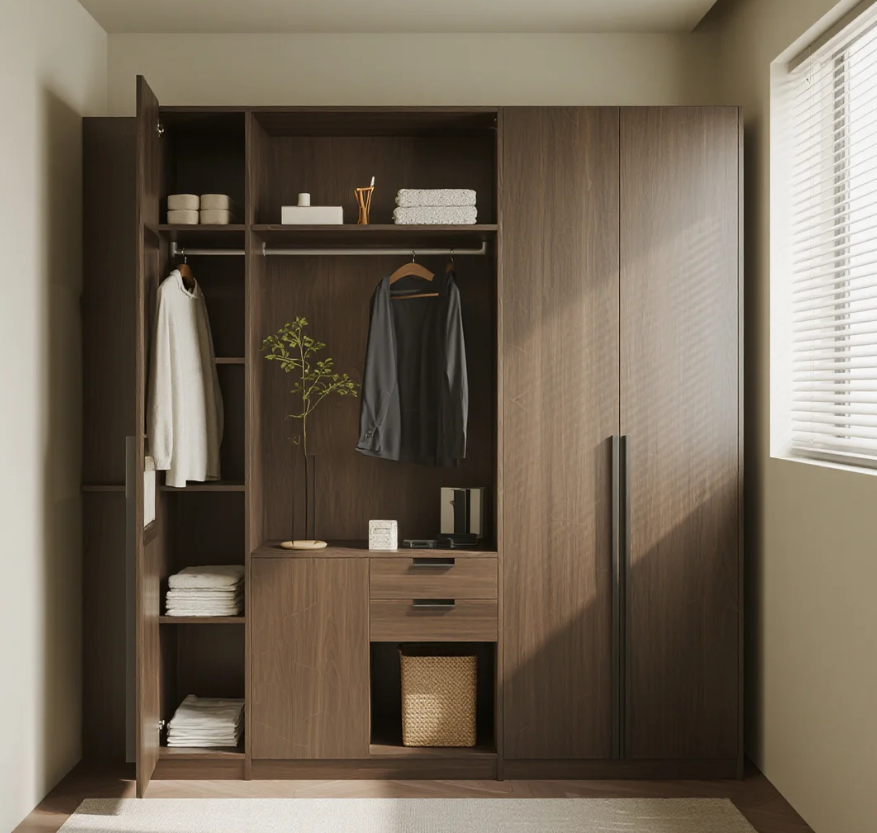
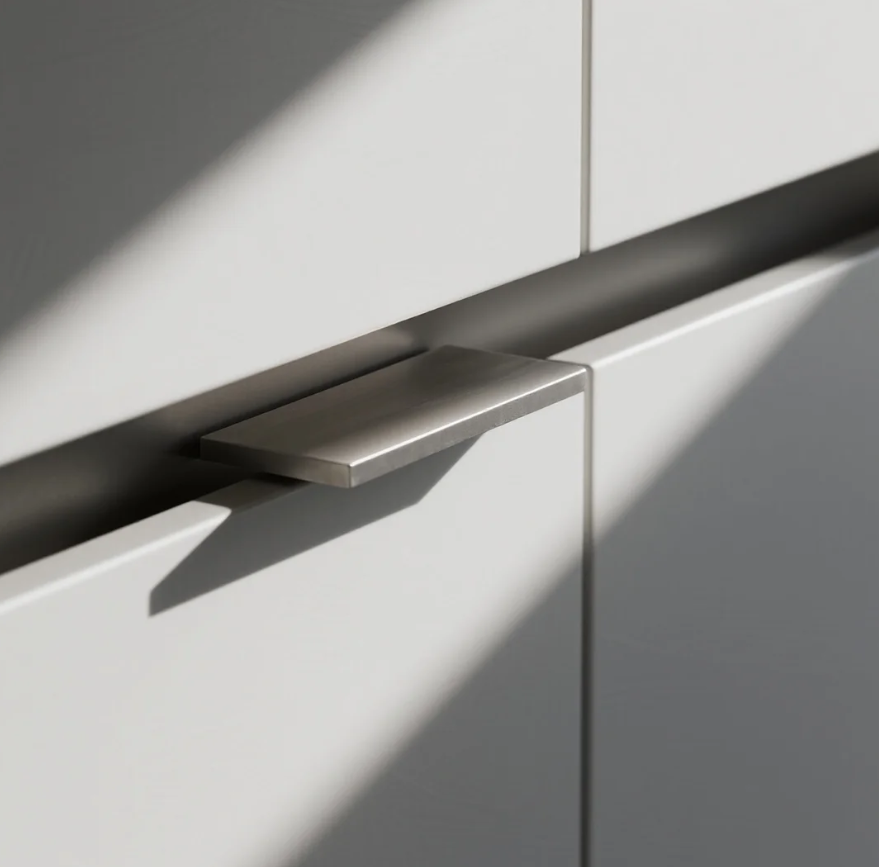

Seven Benefits Of Using Aluminium Profiles In Curtain Wall Systems
The Application of Aluminium Profiles in New Energy Vehicles

The Composition and Application of Series 6 Aluminium Alloys
Top 5 Benefits of Using LED Aluminium Profiles in Modern Lighting
A Complete Guide to Aluminium Frame Profiles for Modern Structures
Exploring the Strength and Versatility of Aluminium Extrusion Profiles
How to Choose the Right Aluminium Profile Supplier for Your Project

COMPANY