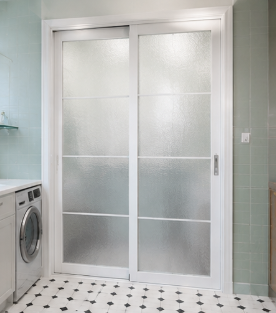
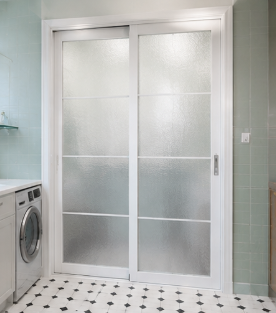
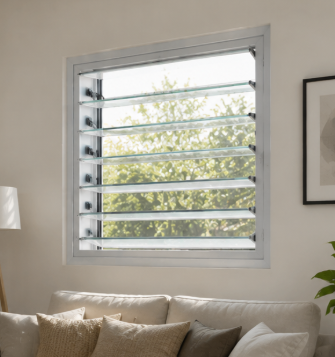
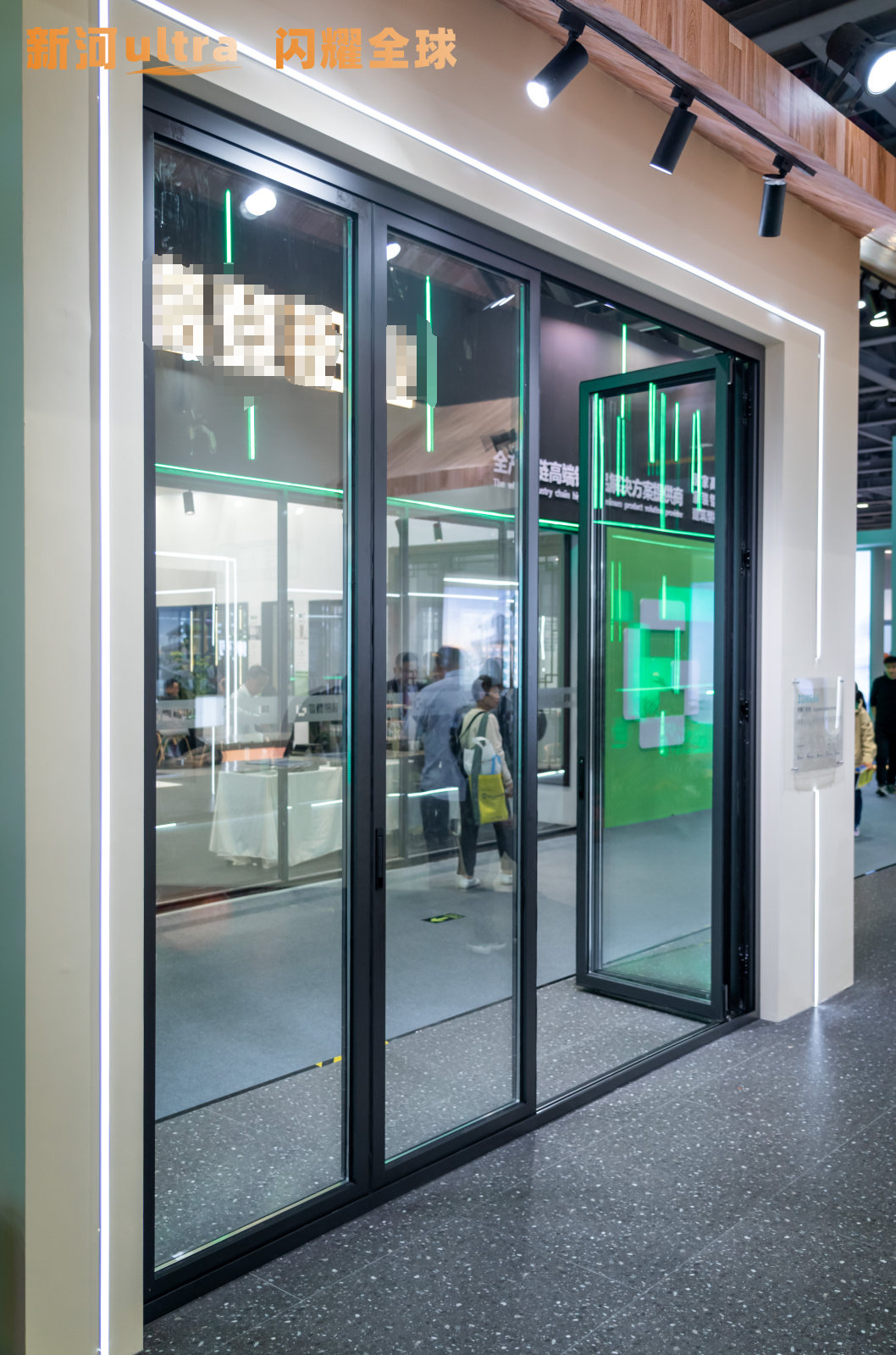
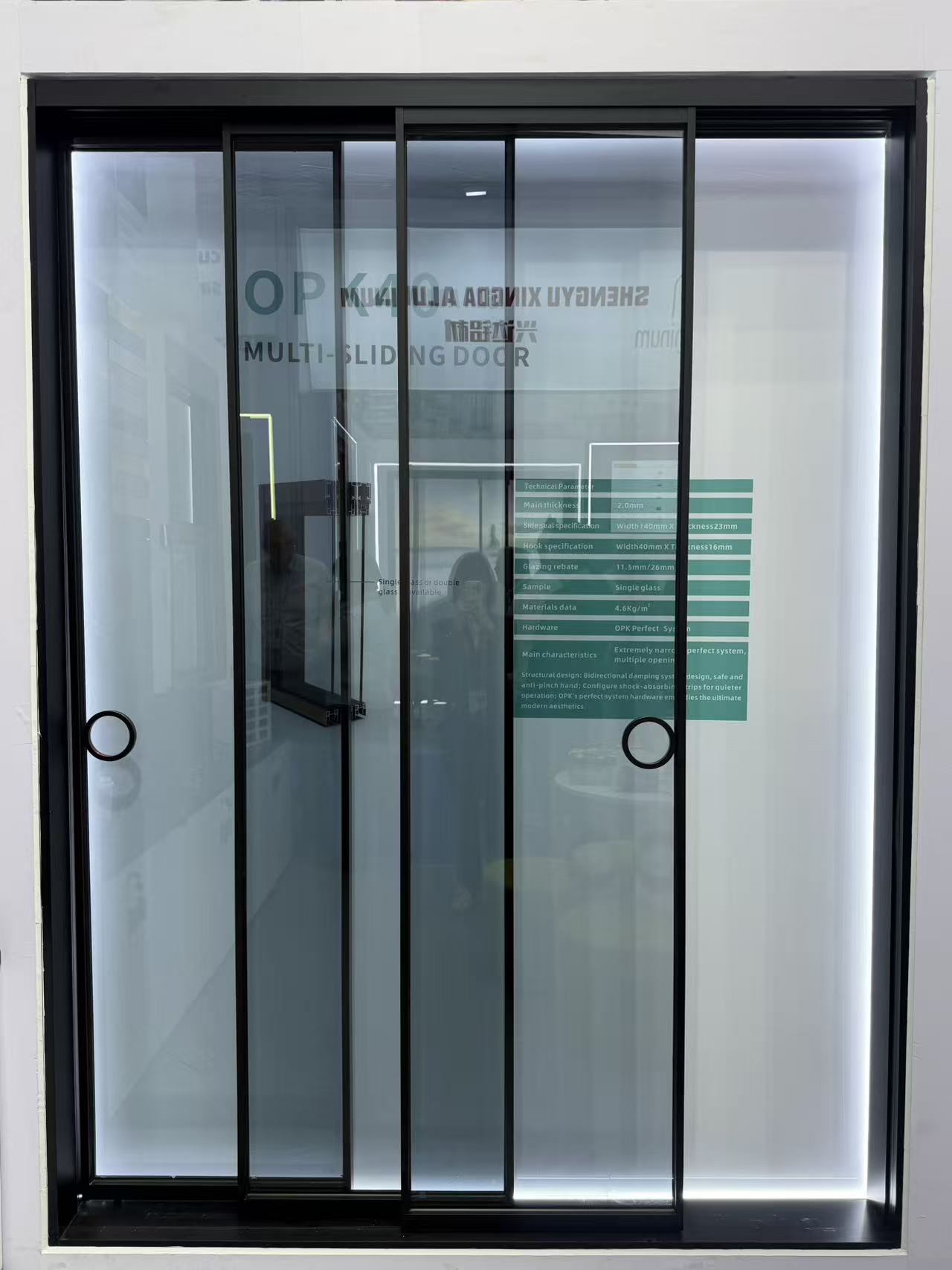
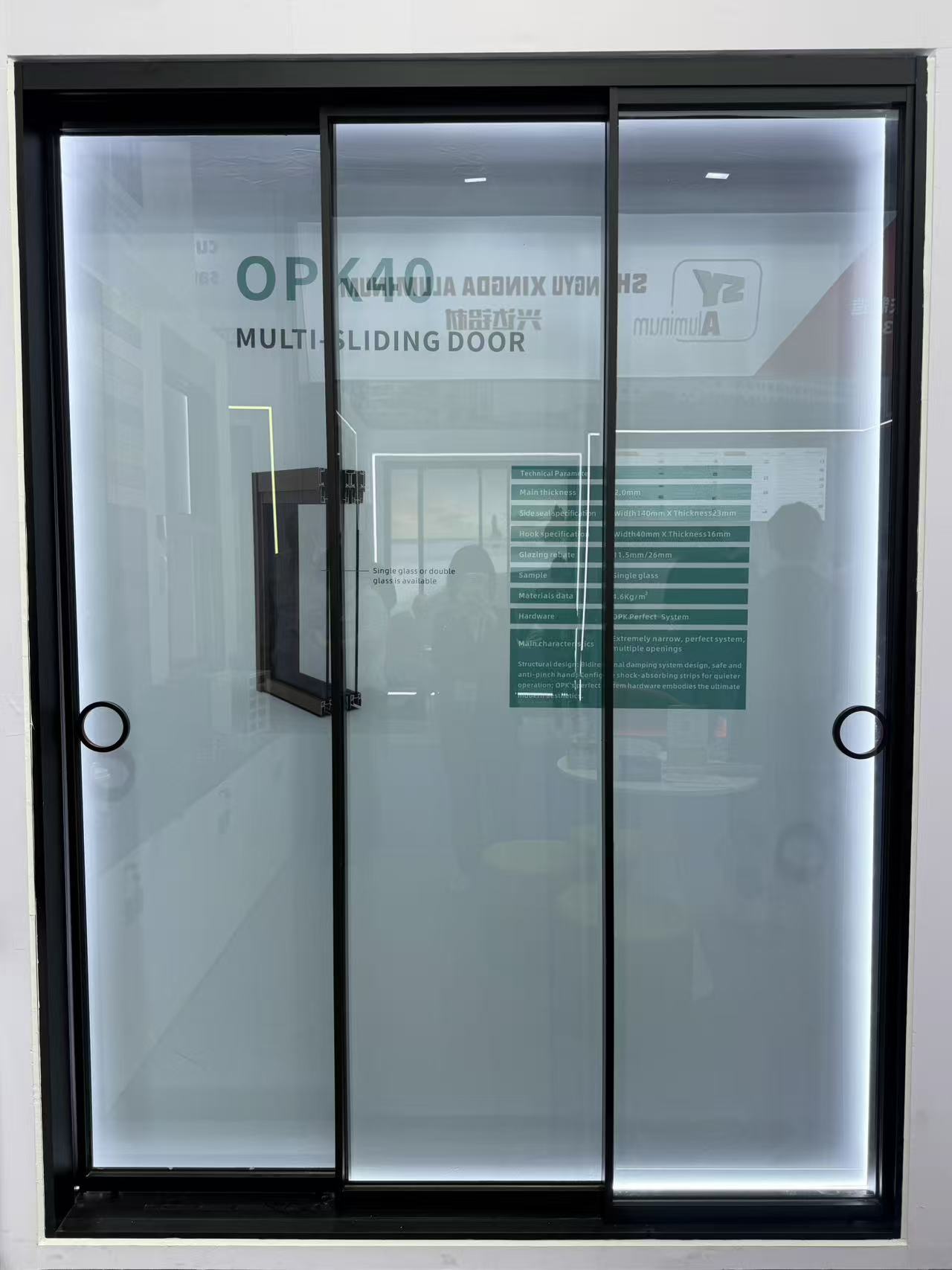
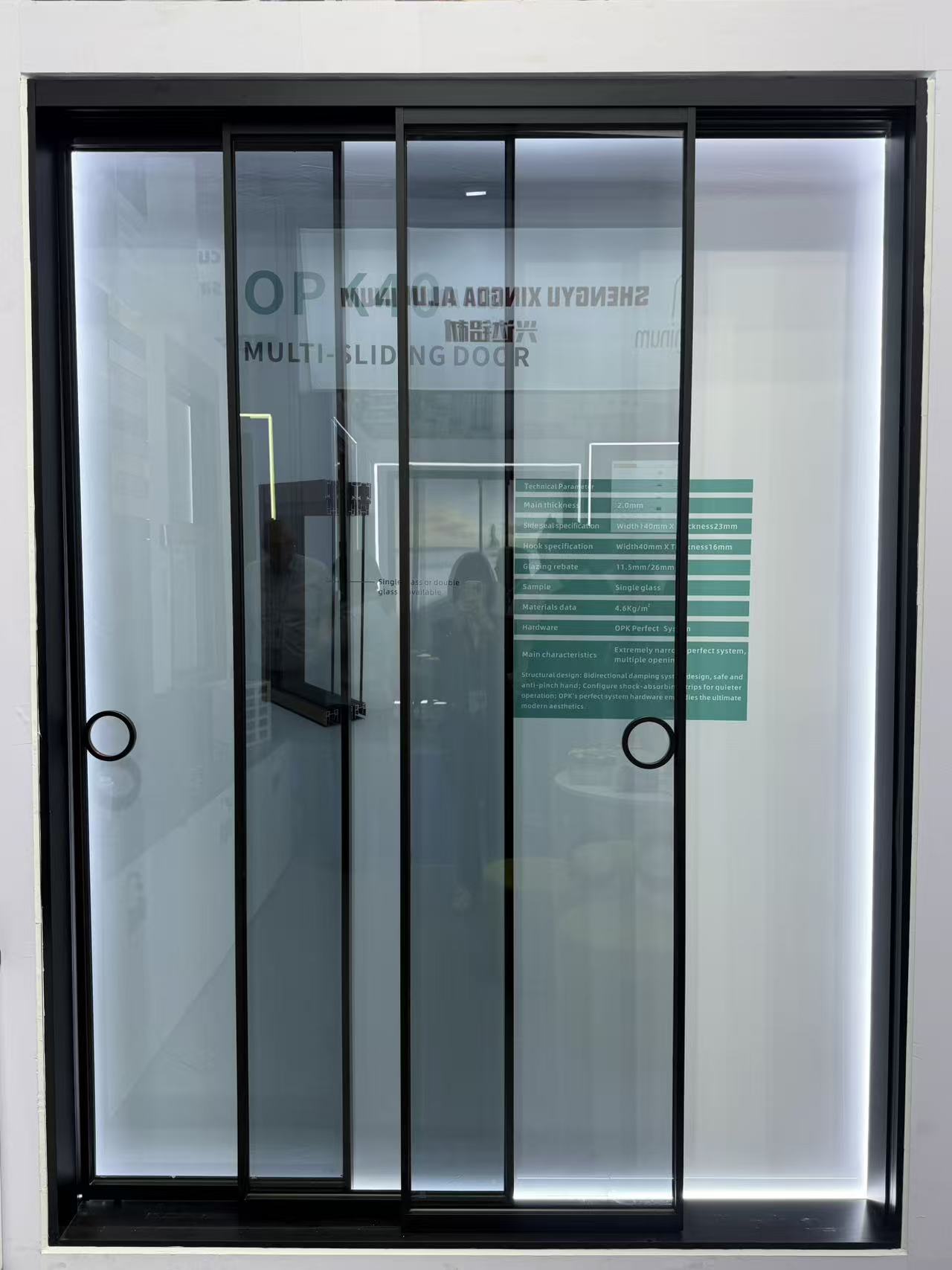
For a Sliding door prototype, perform tests for opening and closing operation, movement stability, frame and sash fit, daylight transmission, cleaning access, hardware function, and resistance to visible deformation during repeated use. Record whether the prototype operates smoothly, remains stable, maintains consistent clearances, and supports the stated Glass Shutter characteristics of easy cleaning and stable performance.
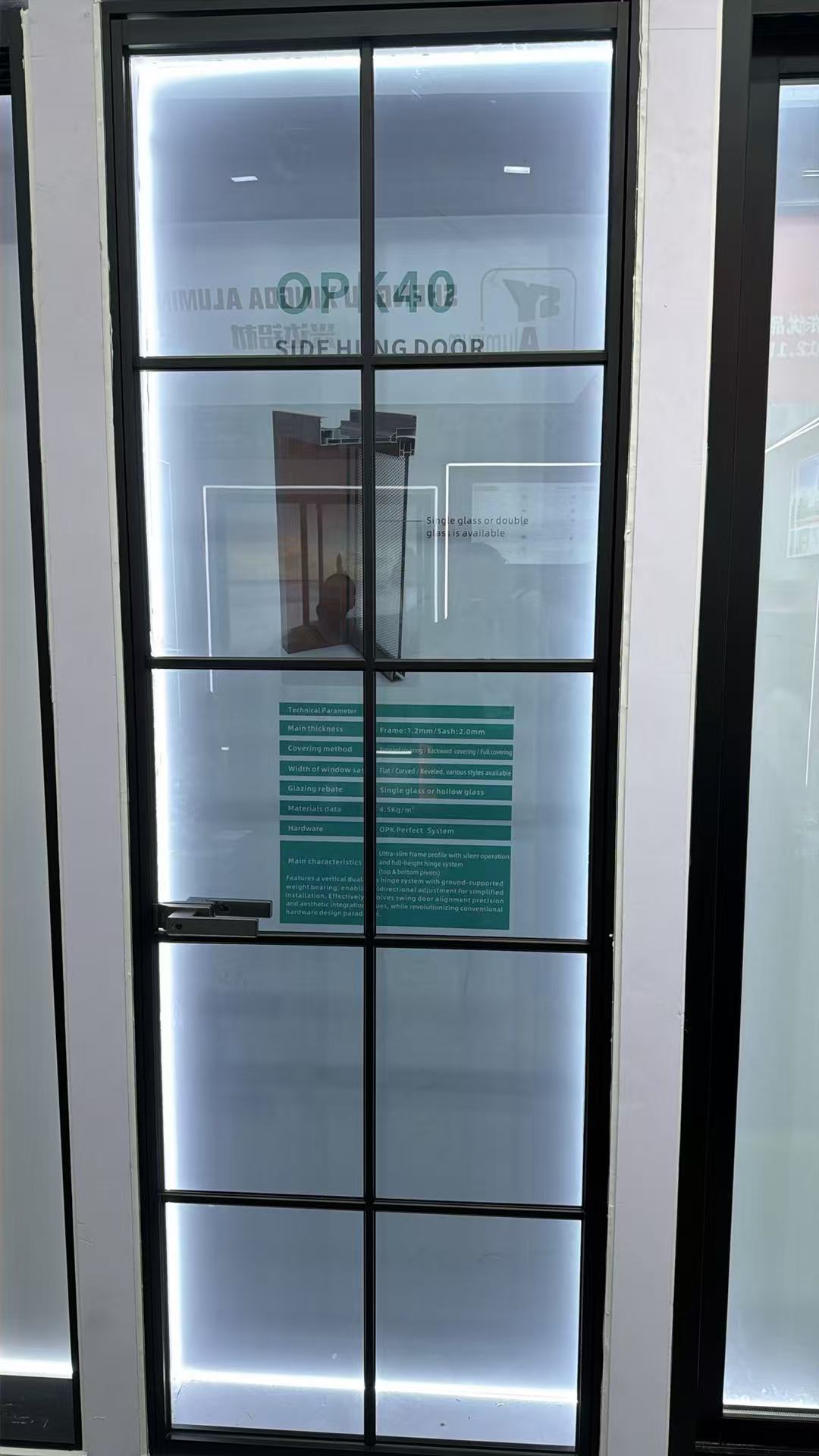
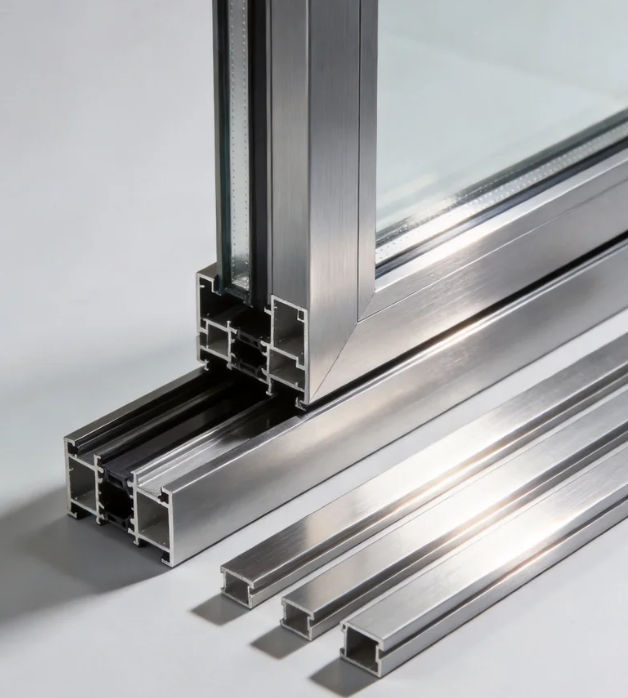
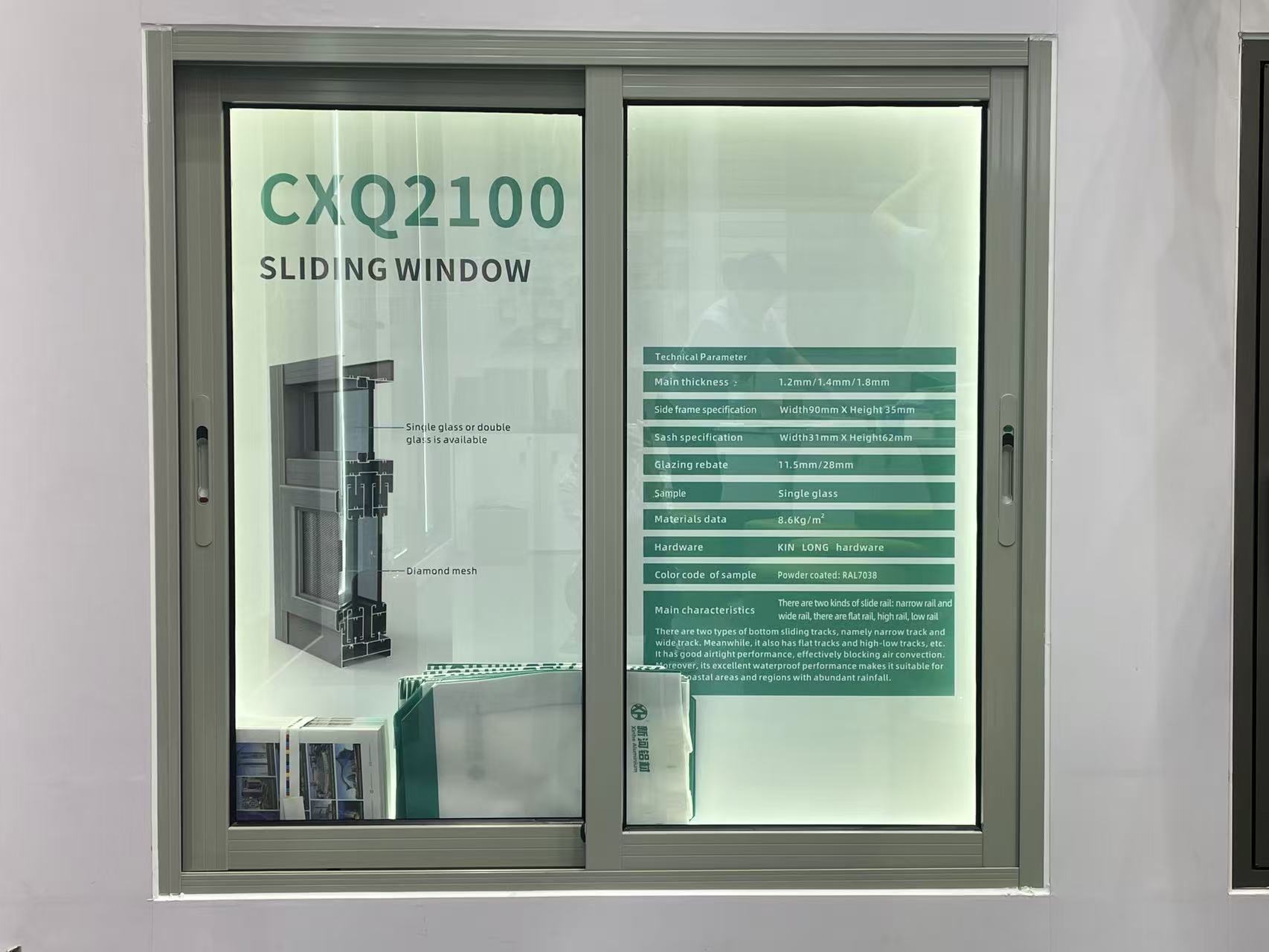
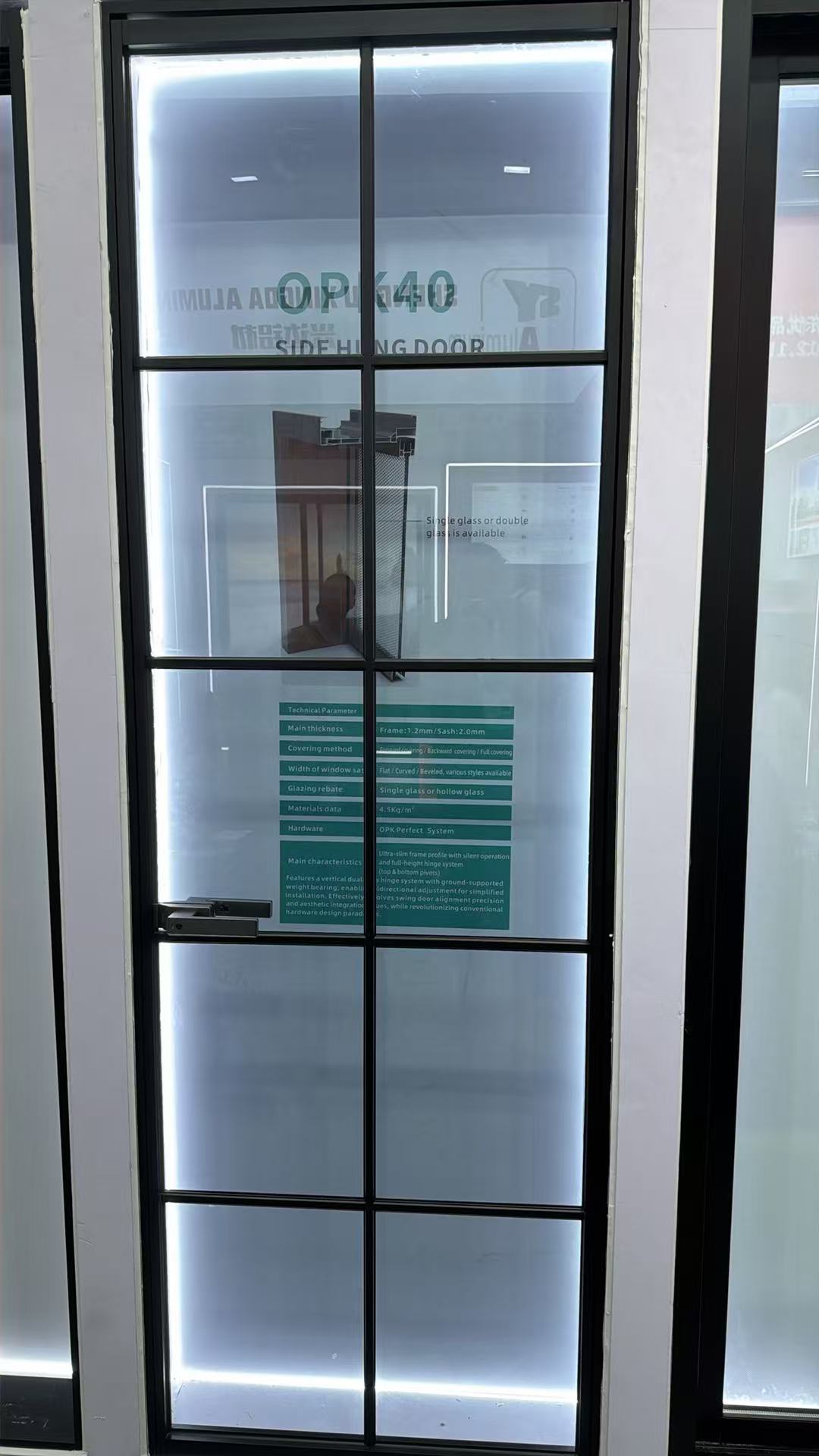
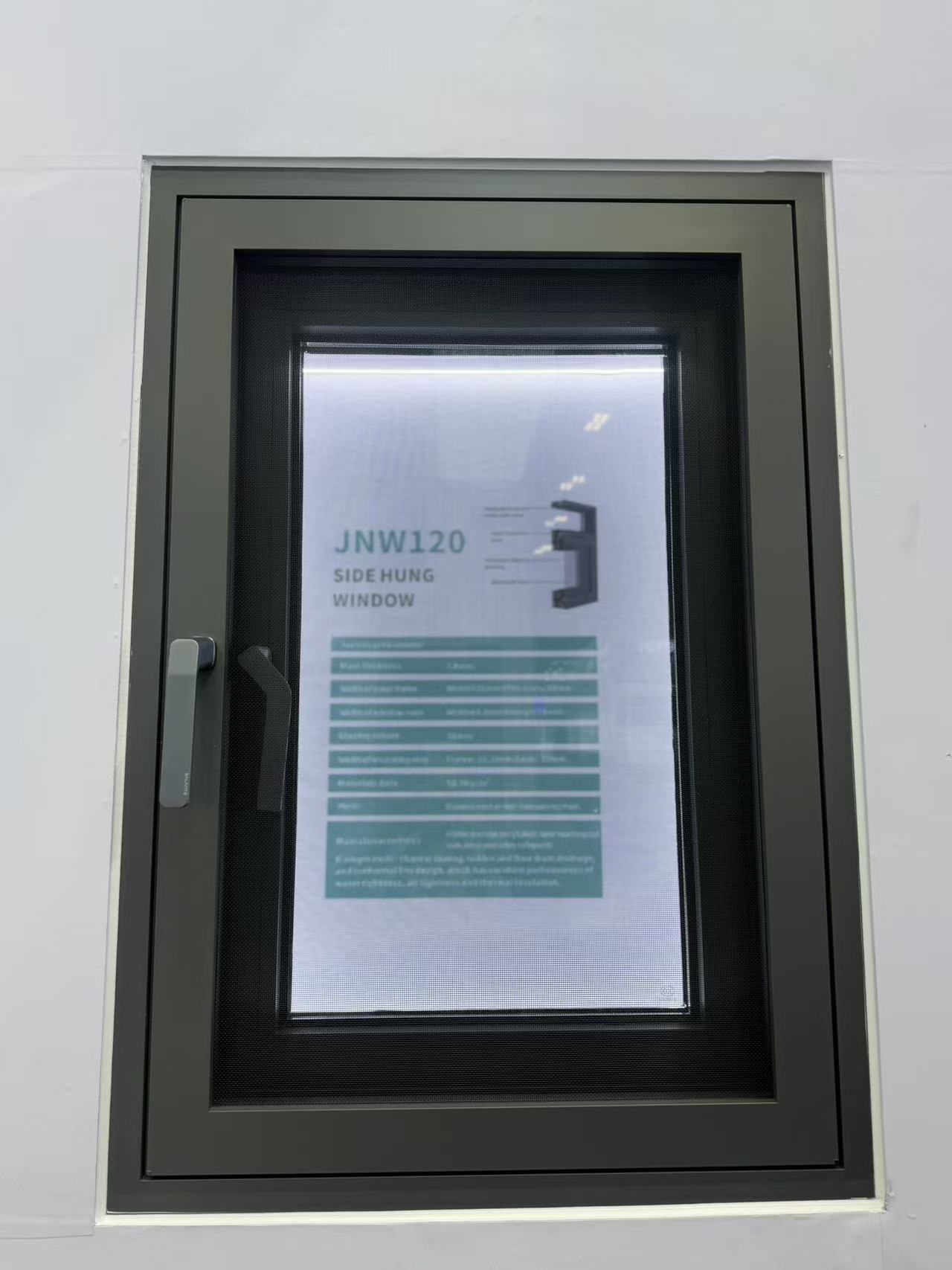
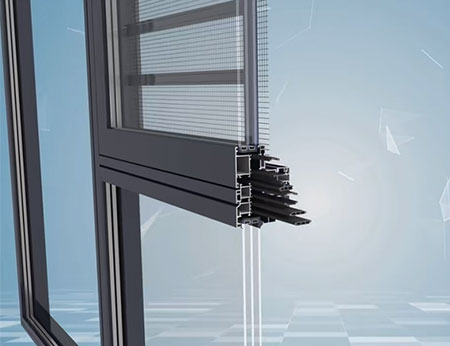
The available product information identifies the product as a Glass Shutter rather than a complete sliding door assembly. Its listed parameters are a 1.5 mm frame thickness, 1.6 mm sash thickness, a 9.6 mm glazing rebate, material data of 11 Kg/m2, KIN LONG hardware, daylight transmission, easy cleaning, and stable performance. A sliding door prototype should therefore be assessed against its own design drawings while using these stated product characteristics as the available reference points.
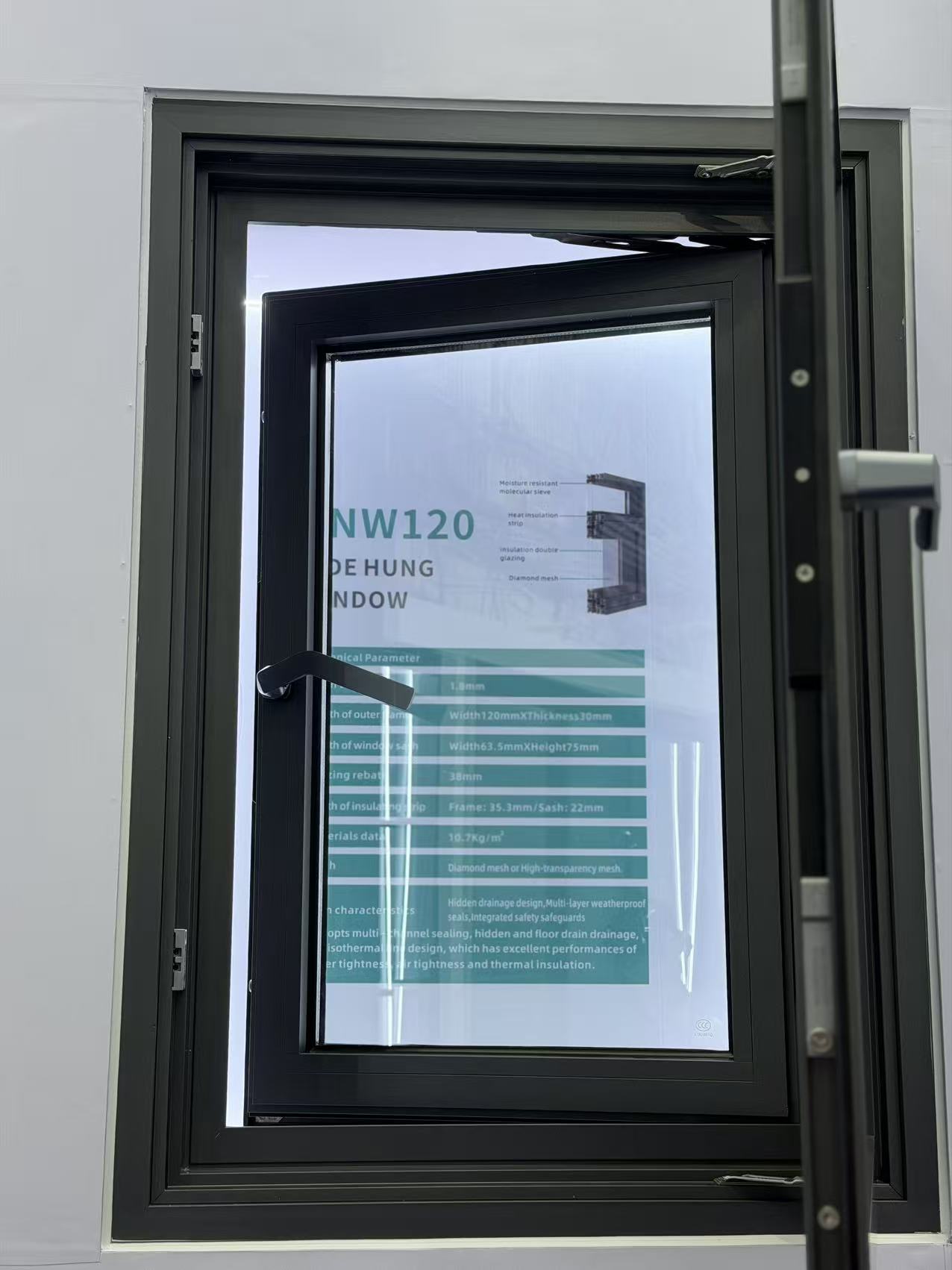
Test the complete operating path from the closed position to the fully open position and back. Observe whether the sash moves consistently, whether the hardware operates as intended, and whether the frame and sash remain aligned. Record any sticking, abnormal resistance, visible instability, or interference between components.
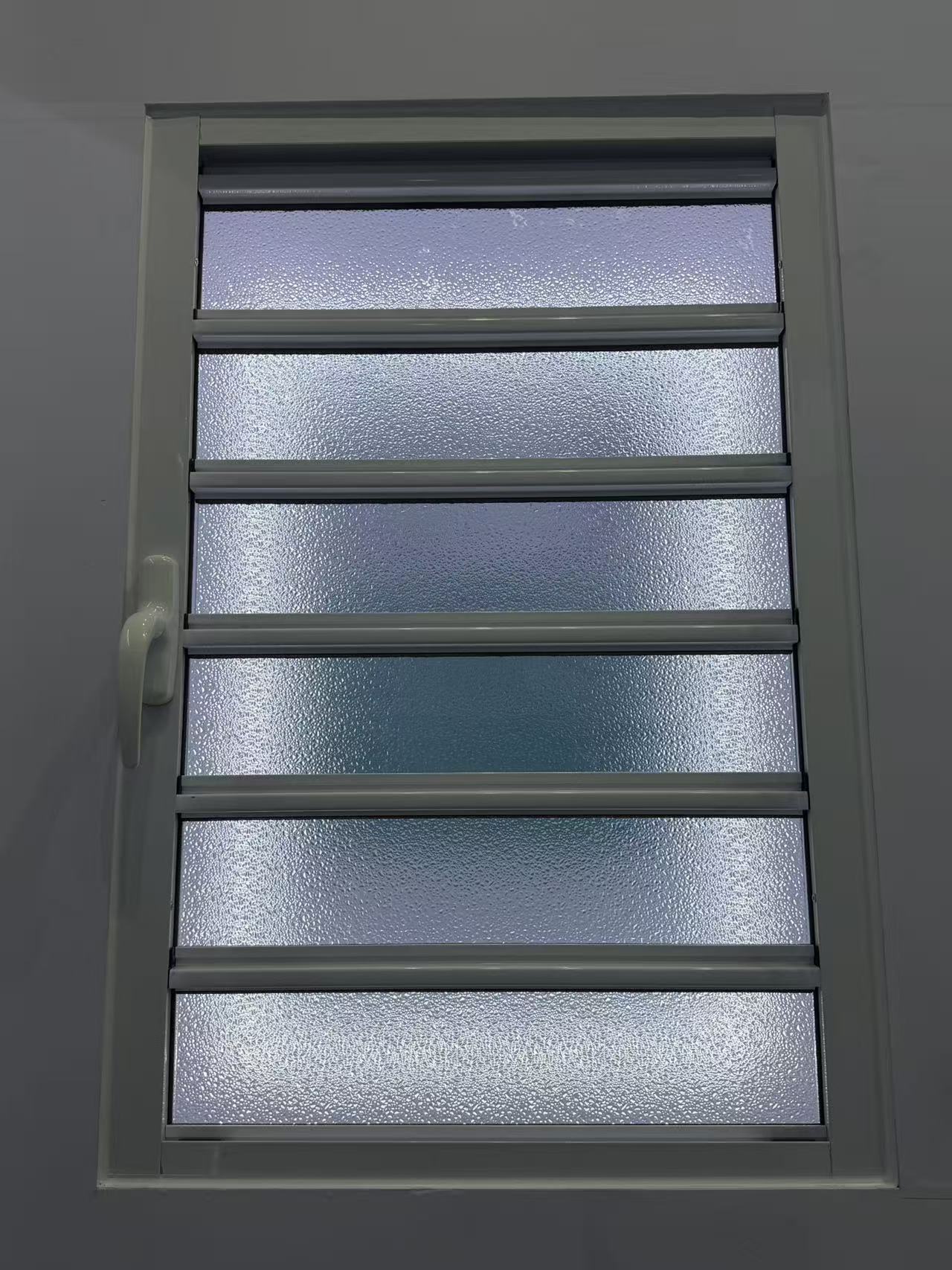
Check stability during repeated opening and closing cycles. The available data does not specify a cycle count, impact load, permissible clearance, or operating force, so these values should be defined by the project specification rather than assumed. The inspection should focus on whether the prototype retains stable movement, consistent fit, and functional hardware operation.
Inspect daylight transmission through the glazed section under the intended installation condition. Check whether the glazing rebate accommodates the specified glass arrangement and whether the frame, sash, and hardware obstruct the intended glazed area. The product data states a 9.6 mm glazing rebate but does not provide a complete glass specification.
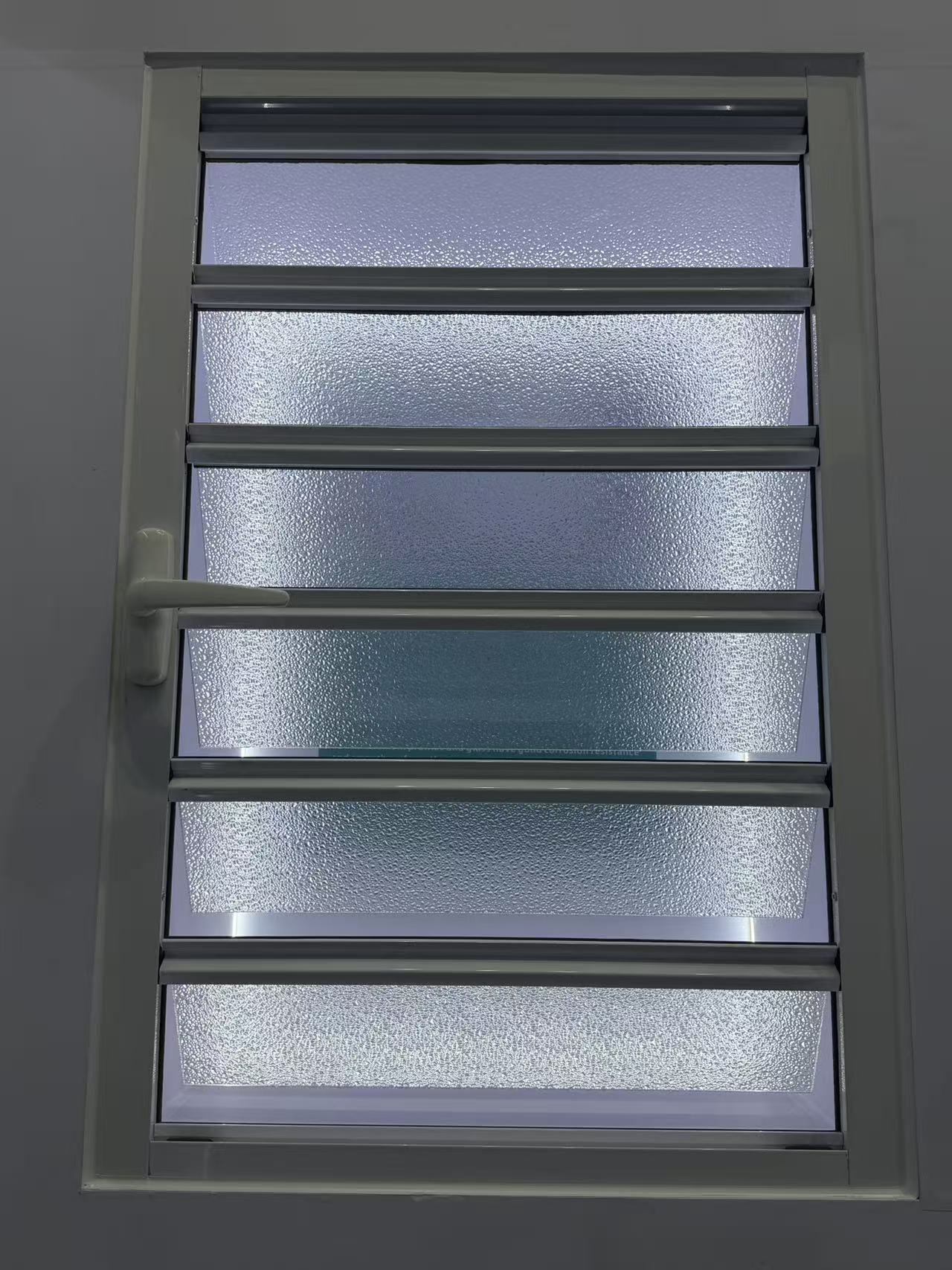
Assess cleaning access by checking whether the glazed surfaces and accessible frame areas can be reached without abnormal disassembly. This directly reflects the product characteristic of easy cleaning. Record any areas that remain inaccessible or require tools not identified in the product information.
Quality verification should follow the stated inspection sequence: production-line 100% inspection, laboratory sampling and testing, and incoming raw-material inspection. Xinhe Aluminium also lists SGS material quality inspection of the substrate and a CNAS laboratory accreditation certificate, providing documented quality-control references for prototype-related material and laboratory checks.
Relevant project experience includes a building project on Batam Island, Indonesia, where the customer review described multiple sealing strips and glue-injected corner brackets associated with air and water tightness. That case can inform inspection of sealing interfaces, although the available data does not establish that the same configuration applies to this prototype.
| Functional test area | What to verify | Available reference |
|---|---|---|
| Operation and hardware | Opening, closing, hardware engagement, smooth movement, and absence of interference | KIN LONG hardware; sliding-door operation should be verified on the prototype |
| Fit and stability | Frame and sash alignment, consistent clearances, and stable performance during repeated use | Frame: 1.5 mm; sash: 1.6 mm; stable performance stated |
| Glazing and daylight | Glazing fit, visible light passage, and obstruction caused by frame or hardware | Glazing rebate: 9.6 mm; daylight transmission stated |
| Cleaning access | Reachability of glazed and frame surfaces and need for disassembly | Easy cleaning stated |
| Quality inspection | Material inspection, production inspection, and laboratory sampling or testing | 100% production-line inspection, laboratory sampling and testing, and incoming raw-material inspection |
Should the Glass Shutter data be treated as a complete sliding-door specification?
No. The data identifies a Glass Shutter and provides frame, sash, glazing rebate, material, hardware, daylight, cleaning, and stability information. Sliding-door-specific requirements should be confirmed against the prototype design and project specification.
Which operating defects should be recorded?
Record sticking, inconsistent movement, hardware malfunction, sash misalignment, visible instability, interference, and any change in fit during repeated opening and closing. The supplied data does not define numeric acceptance limits.
How should material and quality checks be organized?
Use the stated sequence of production-line 100% inspection, laboratory sampling and testing, and incoming raw-material inspection. SGS substrate inspection and the CNAS laboratory accreditation are listed quality references associated with Xinhe Aluminium.
A sliding door prototype should pass documented checks for movement, hardware function, frame and sash fit, glazing accommodation, daylight transmission, cleaning access, and stability. Use project-defined acceptance limits for operating force, cycle count, clearances, sealing, and other numerical criteria because those values are not provided in the product data. Xinhe Aluminium supports a full industrial chain, distribution, and direct-sales model; its stated aluminium-profile MOQ is 3 tons, with a 15-20 day delivery time. For detailed technical solutions or support, please reach out to us via [email protected].
Guangdong Xinhe Aluminium Co., Ltd focuses on research, development, and production of building, decorative, and industrial aluminium profiles. Established in 1998, the company operates a 666,670 sqm factory and has 60 modern extrusion production lines with capacities ranging from 1,100 to 5,000 tons. Its credentials include ISO 9001 quality management certification and CNAS laboratory accreditation, and it has served clients across multiple industries.

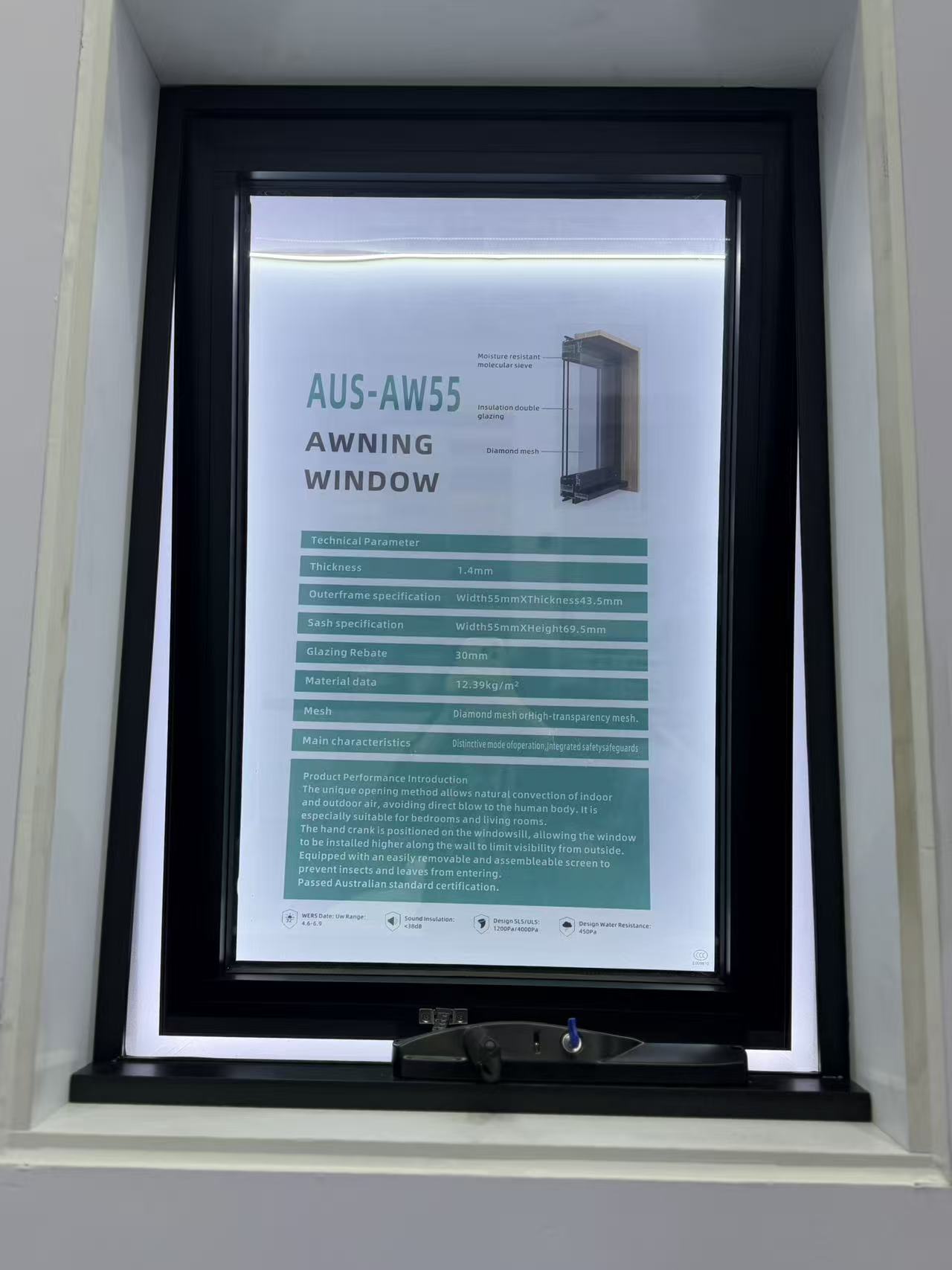
Should I approve a Casement window sample before checking its hardware strength?
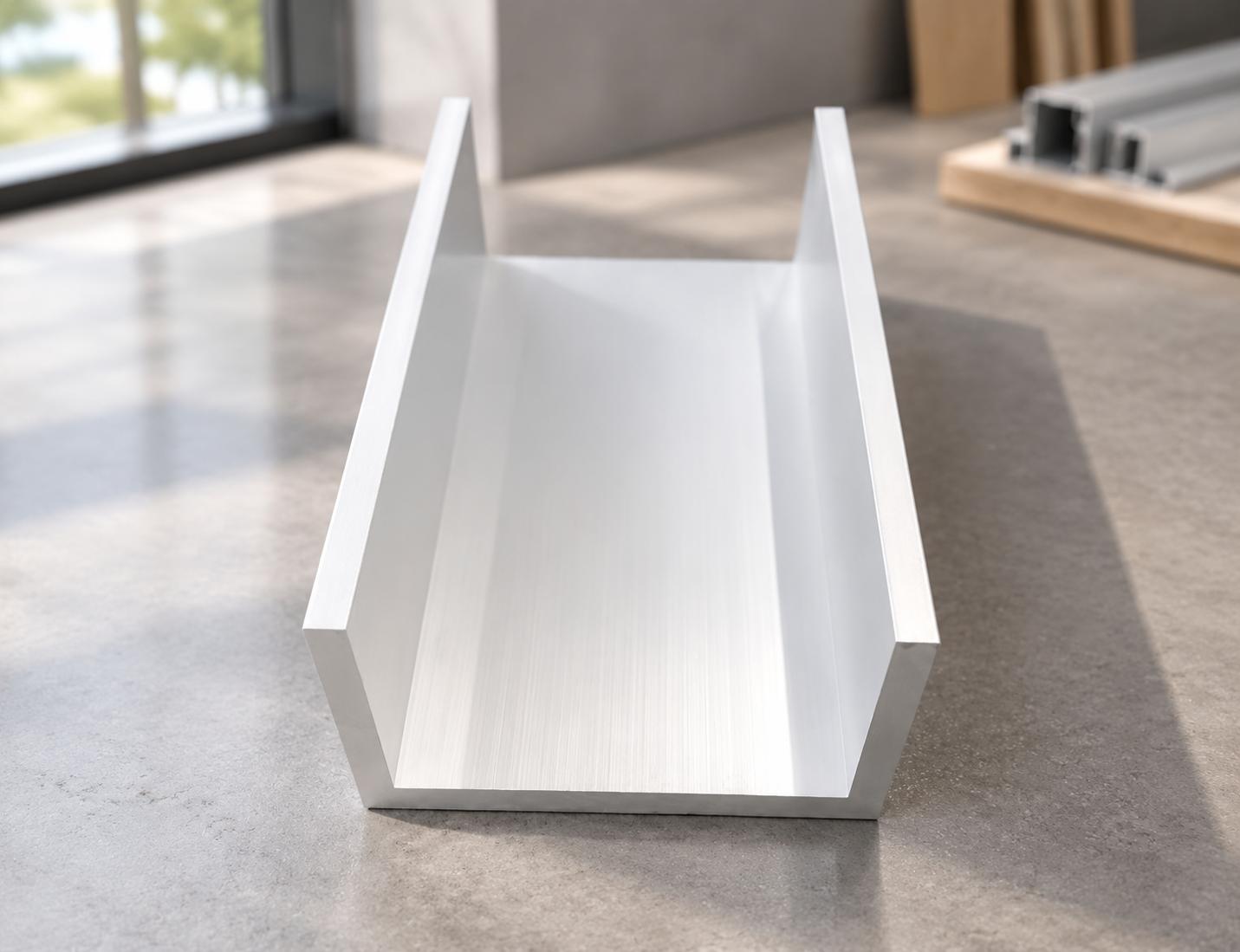
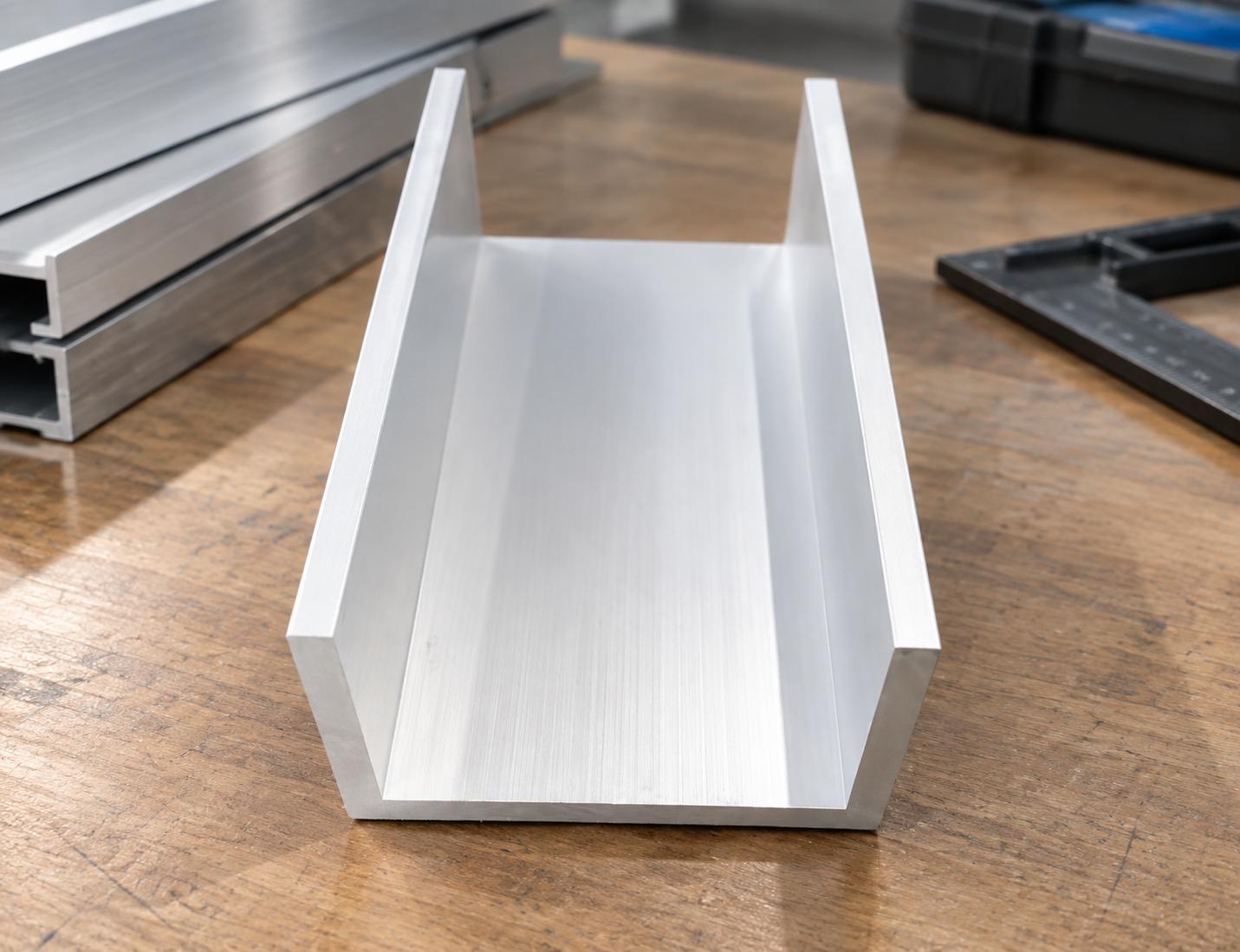
Structural Mechanics of Channel Extrusions in Architectural Aluminium Profiles
Engineering Mechanics of Aluminium Extrusion Profiles in Channel Systems
What payment terms are fair when Decorative profile colors remain unconfirmed?
Is a letter of credit practical for a large Casement window shipment?
How should Industrial profile bundles be packed to prevent transit damage?
Which safety documents should I request for Awing window imports?
What shipping delays commonly affect Architecture profile orders during peak season?
How to Specify Extruded Aluminium Profiles: Costs, Alloys, and Tolerances
Is a Floding door suitable for a wide opening exposed to strong winds?
Structural Integrity in Modular Design: Engineering T-Slot Aluminium Extrusion Profiles
Resolving Corner Stress: The Engineering Mechanics Behind Aluminium Profiles in Architectural Framin
How do Floding door prices change with glass, hardware, and finish choices?
How can I prove Shutter defects remotely without returning every unit?
How can I shorten Awing window sampling without losing critical tests?
Does ordering mixed Shutter sizes usually change the unit price or MOQ?
How should Industrial profile warranty responsibility be shared after assembly?
How should I plan Shutter inventory when ocean freight schedules change?
How do escrow arrangements reduce risk for a new Floding door supplier?
What frame materials make a Sliding window last in harsh coastal weather?
How can I verify that a Shutter certificate matches the actual product?
Can automated Shutters replace manual systems without raising lifecycle costs?
How do I choose the right Casement window size for a windy building?
What should an ethical audit cover at a Decorative profile factory?
How should I document Industrial profile defects before disputing the final payment?
Are lightweight Industrial profile alloys reliable enough for demanding machinery?
Are thermal-break casement windows becoming a better long-term choice than standard frames?
What is a realistic MOQ for custom sliding windows without pushing up unit cost?
What casement window specs should I compare for windy and rainy project sites?
Are there better material options for sliding windows if aluminum prices rise?
How do I ensure aluminum casement windows can handle extreme coastal winds?
What is the typical minimum order quantity for commercial sliding windows?
Are there energy-saving alternatives to sliding windows that reduce material and maintenance costs?
Are energy-efficient Awing windows a practical alternative for reducing long-term building costs?
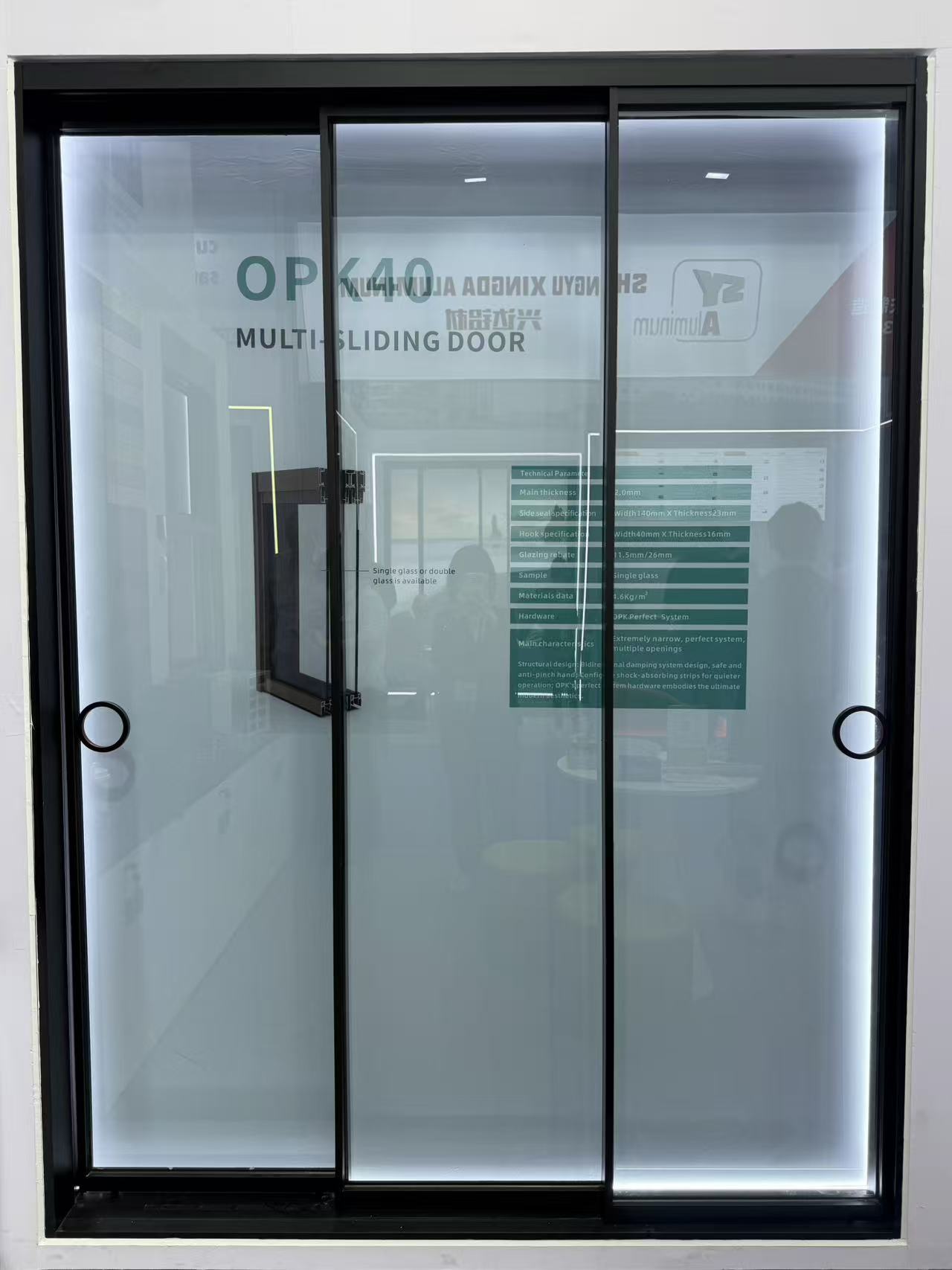
What alternatives to traditional sliding doors can lower costs without sacrificing durability?
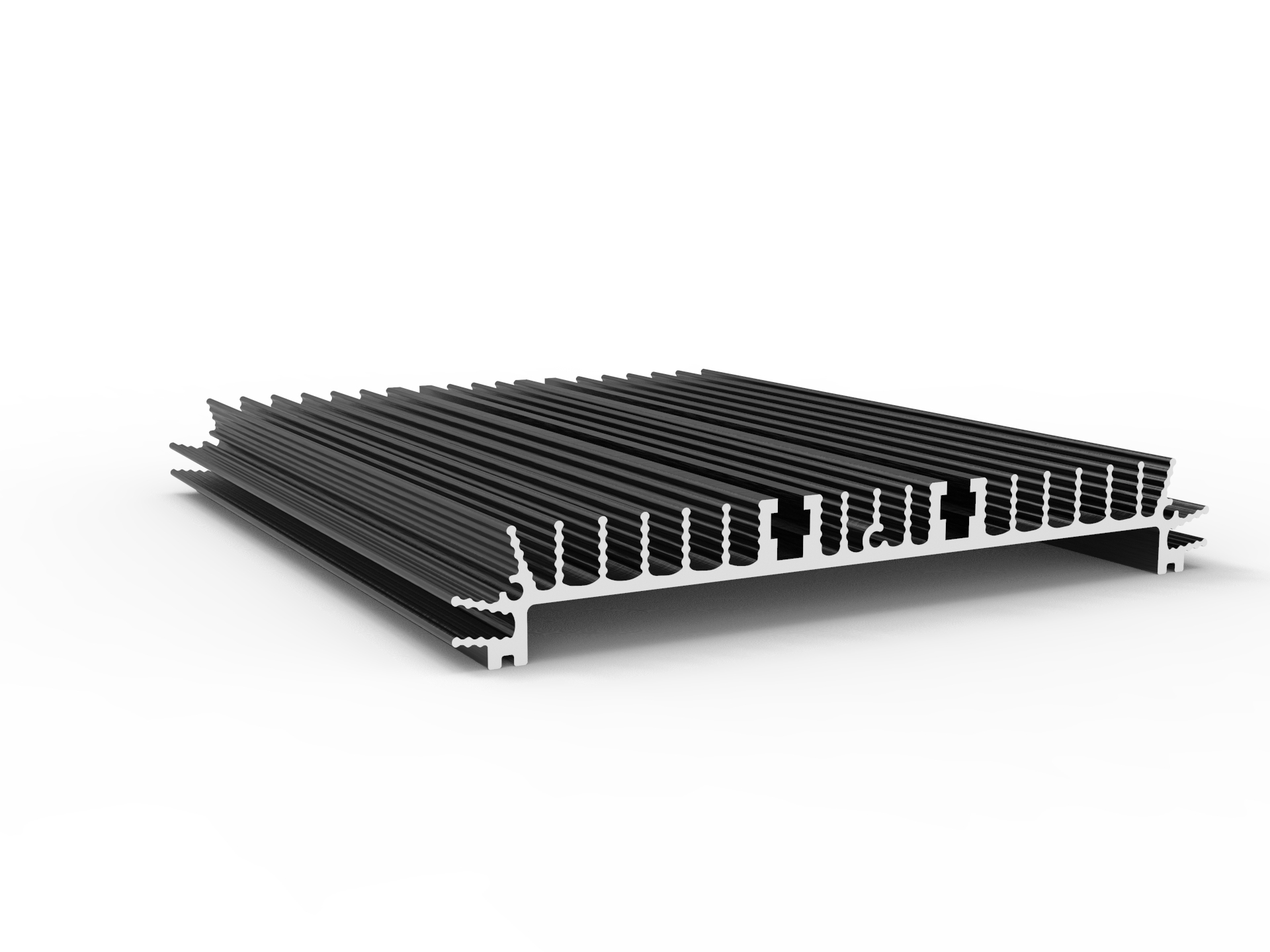
What alternatives to industrial profiles can reduce material costs without hurting strength?
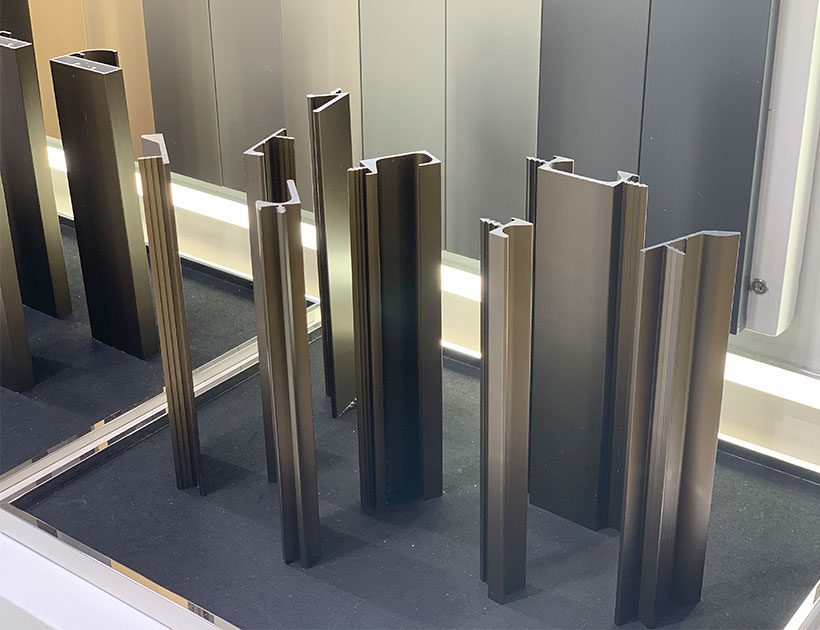
Extruded Aluminium Profiles: Flexible Manufacturing for Diverse Customer Needs
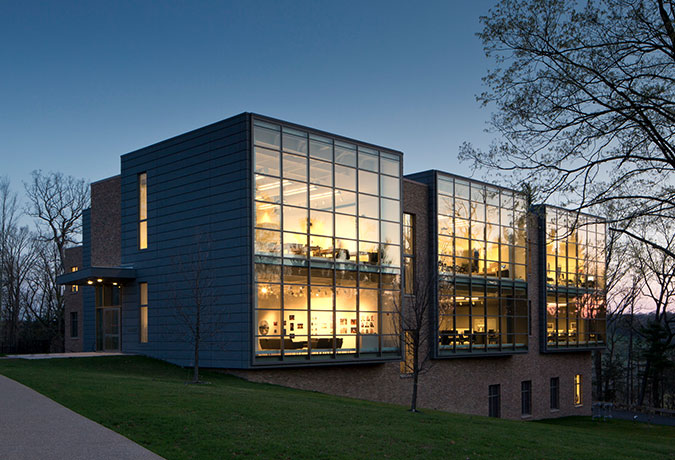
Why Aluminium Curtain Walls Are Popular in Modern Architecture
How do I choose a decorative profile that stays stable in humid or harsh environments?
How do I choose an architecture profile that stays stable in harsh outdoor conditions?
How can I compare Awing window specs to avoid poor performance in harsh weather?
How can I compare Sliding door sizes and hardware ratings for harsh commercial environments?
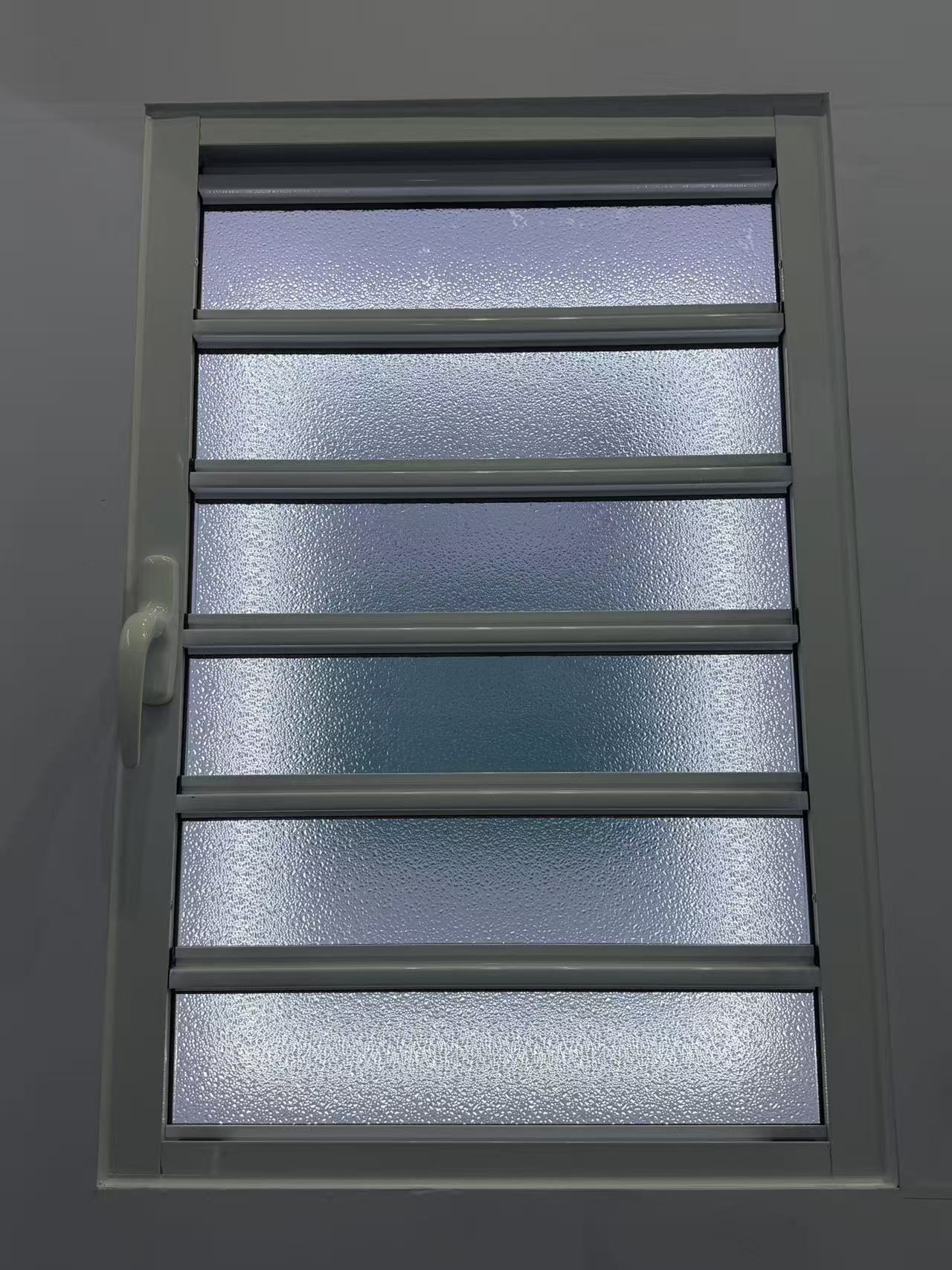
How do I choose the right shutter specifications for harsh climates without overpaying?
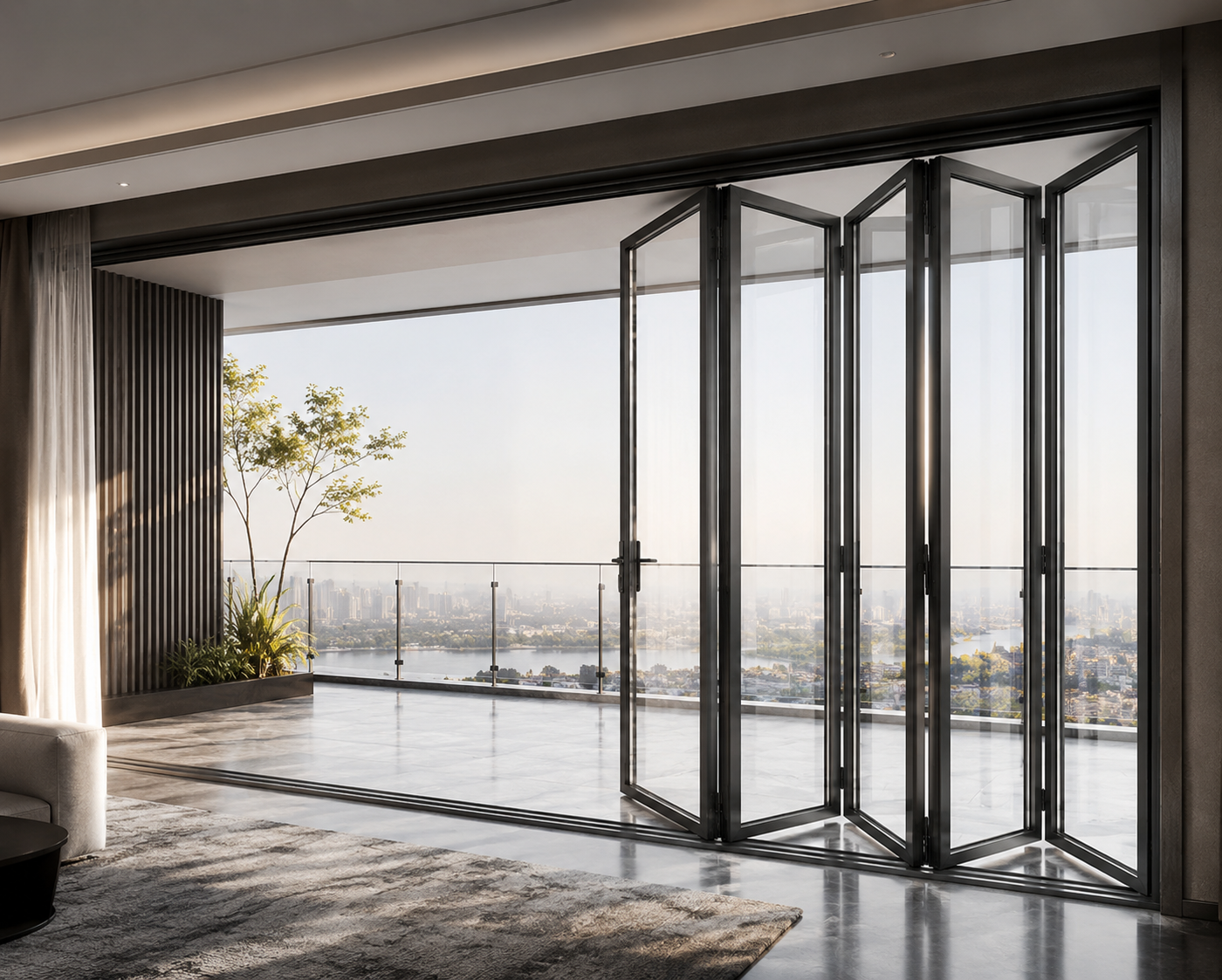
What eco-friendly alternatives to folding doors can cut costs without hurting durability?
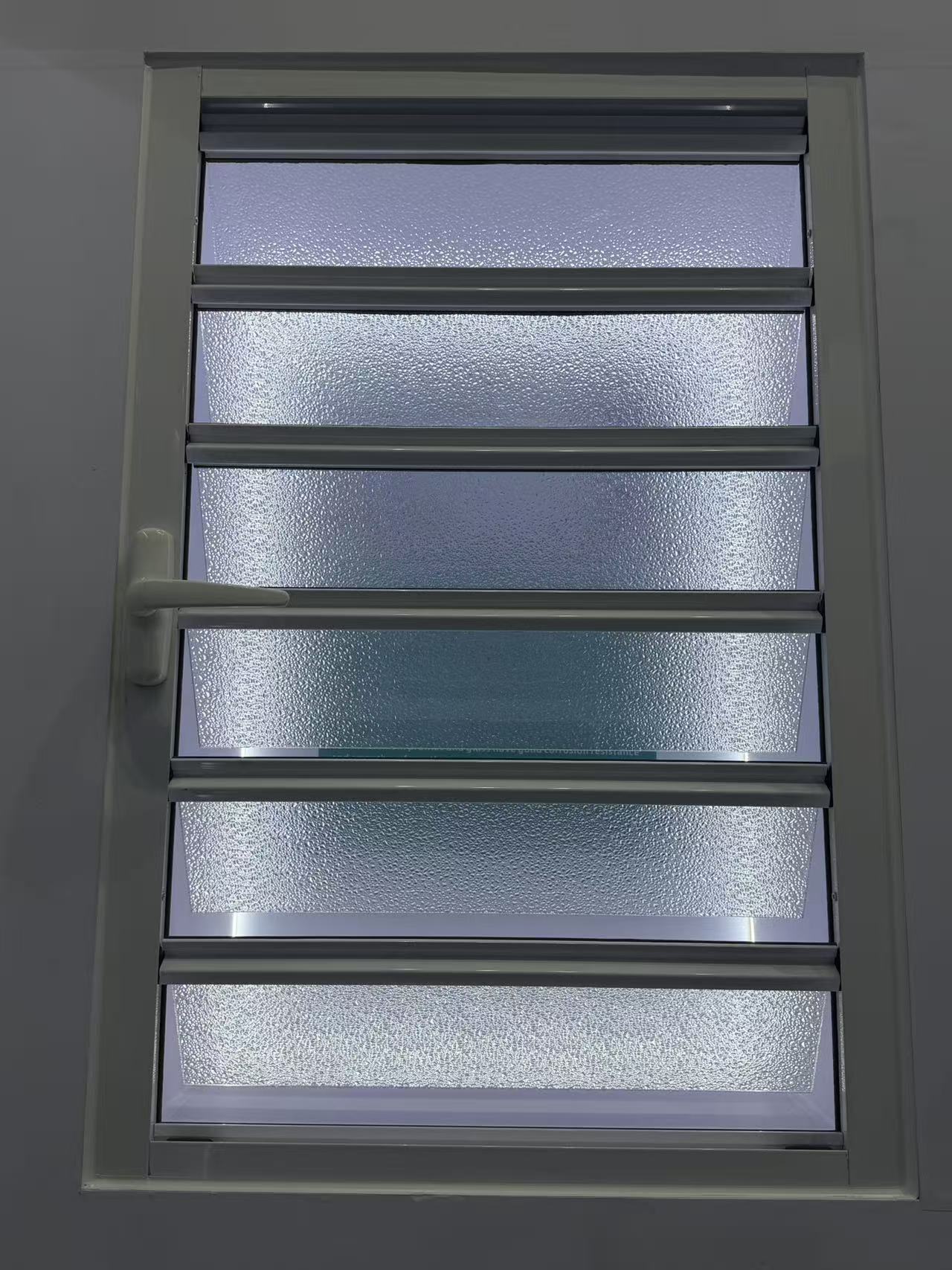
How do I choose the right shutter specifications for harsh weather without overpaying?
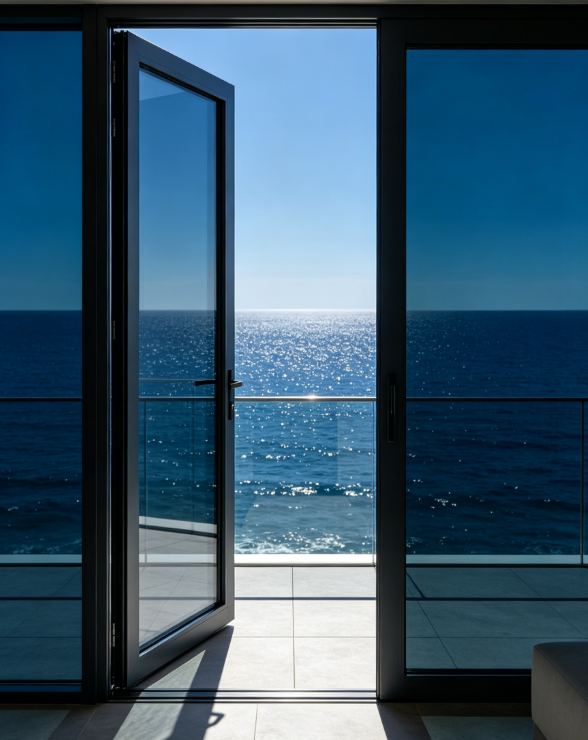
What eco-friendly casement door materials can lower costs without hurting durability?
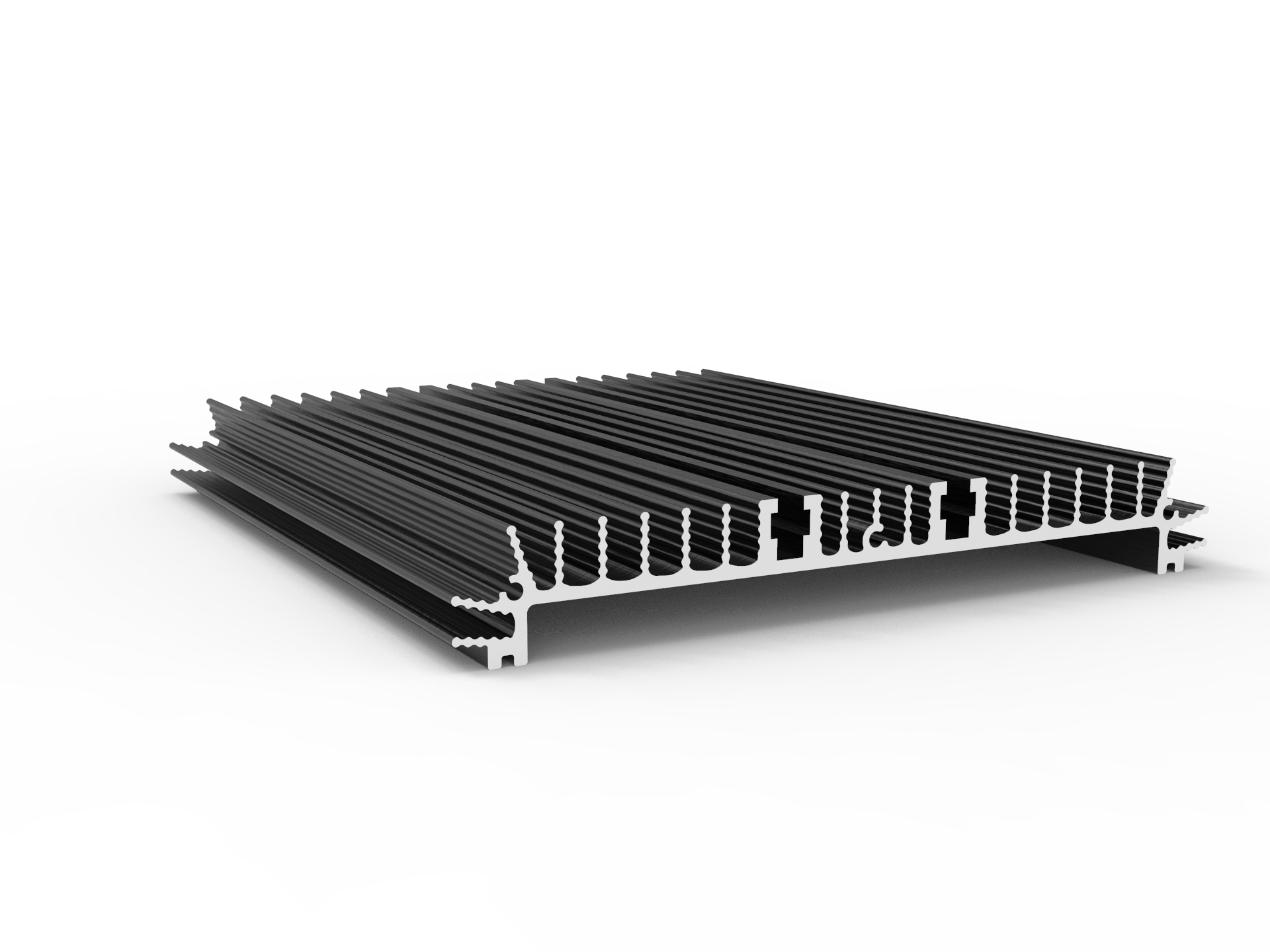
What newer materials can replace industrial profiles without raising costs or supply risks?
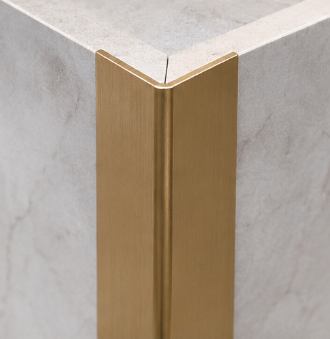
How do I choose a decorative profile that stays stable in humid, high-traffic spaces?
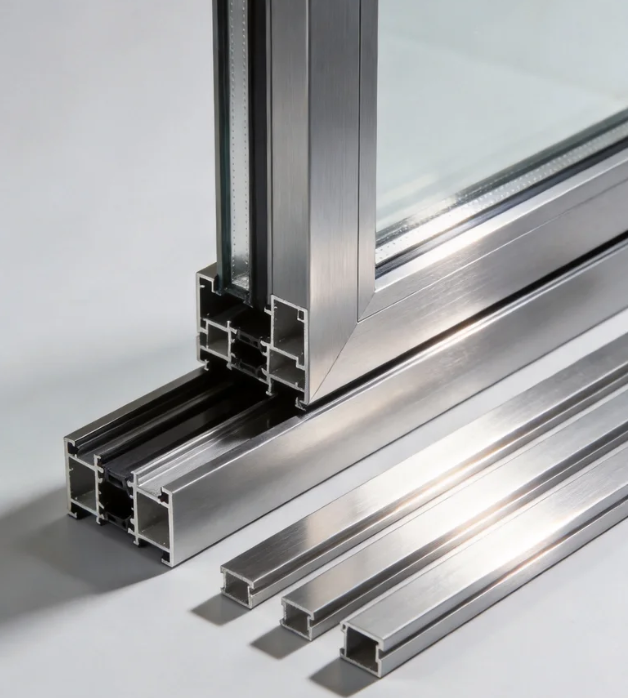
What sustainable material alternatives can replace aluminum architecture profiles?
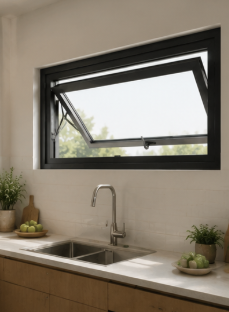
What should I check in Awing window specs to ensure reliable performance in harsh weather?
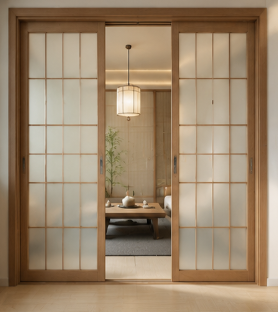
How can I compare Sliding door sizes and thermal ratings for harsh climates before buying?
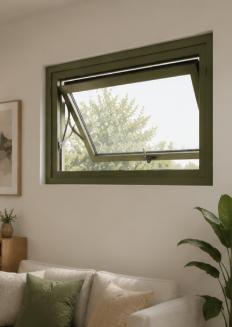
What newer materials can replace aluminum in awning windows without raising our costs?
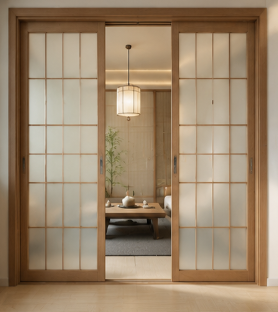
How do I choose the right Sliding door specs for smooth operation in harsh environments?
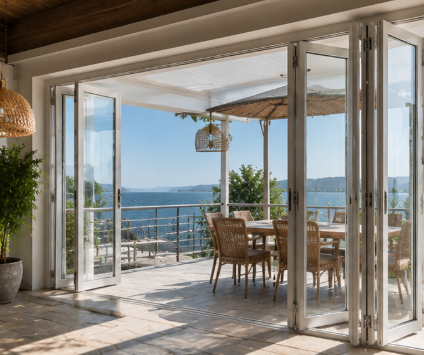
How do I choose a folding door that stays stable in harsh weather and heavy daily use?
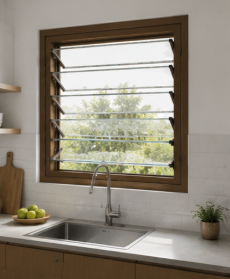
How can I choose the right shutter specifications for harsh weather and long-term use?
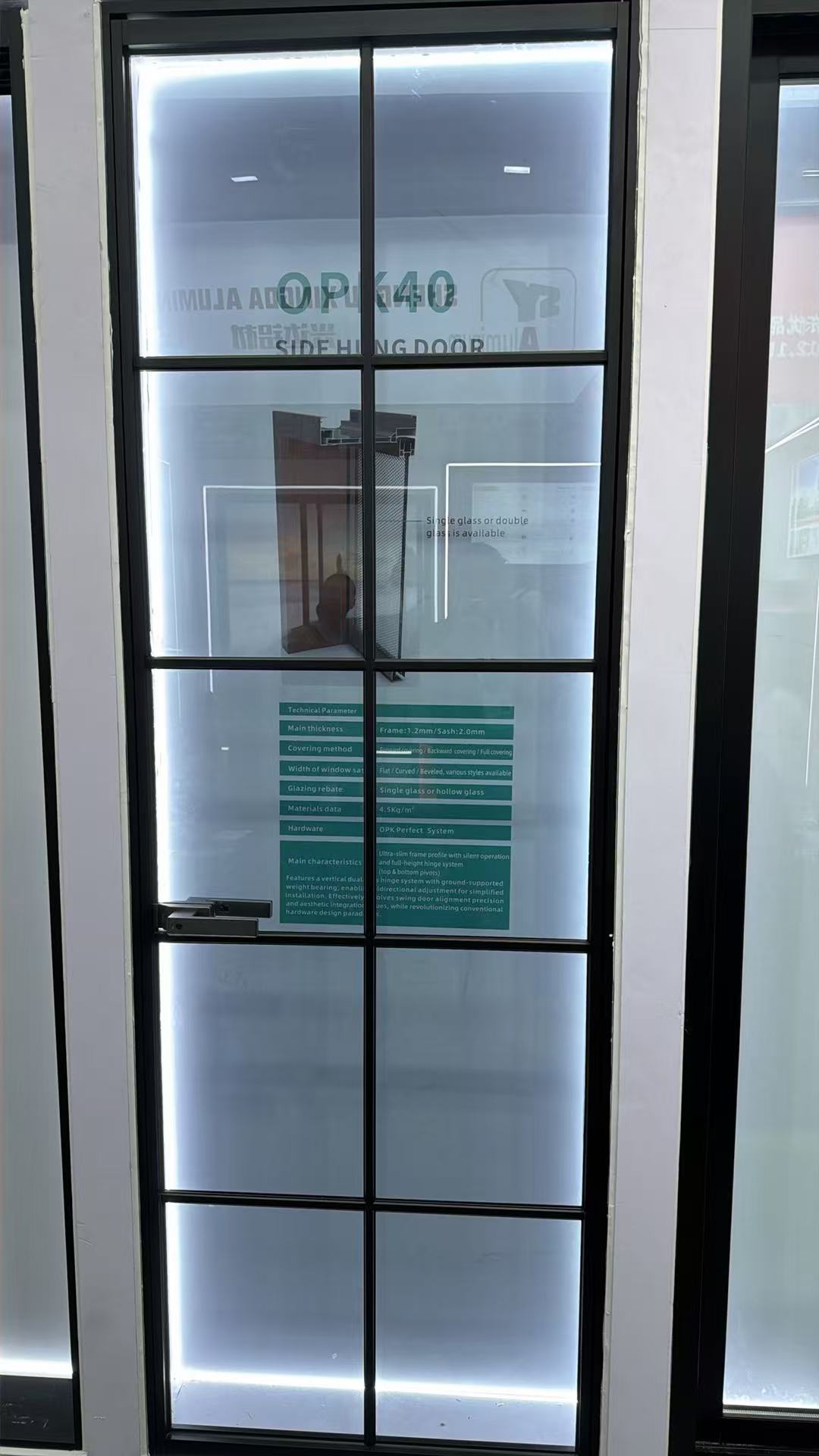
How do I compare casement door U-values, hardware, and weather sealing before buying?
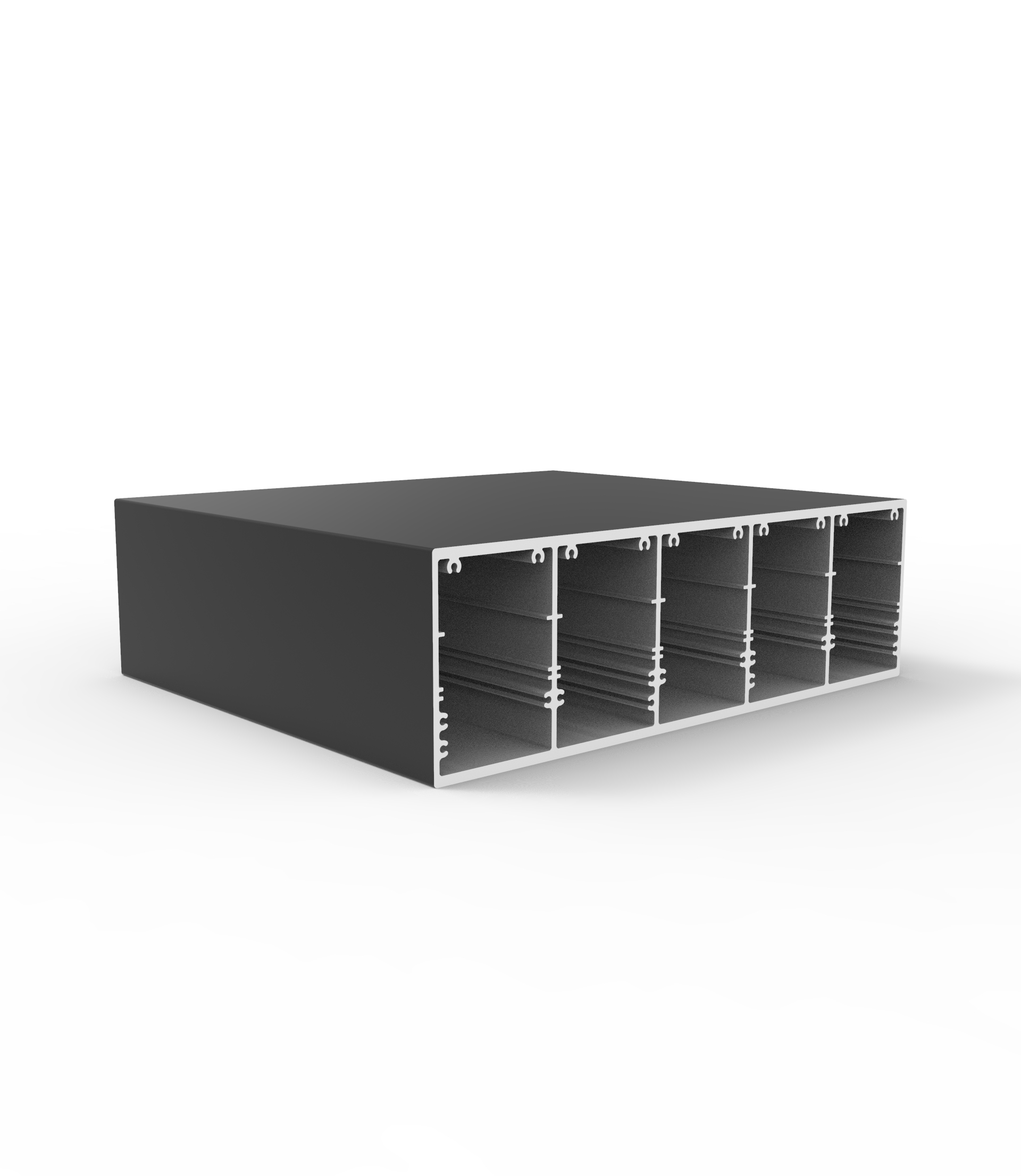
How do I choose the right industrial profile size for strength and load needs?
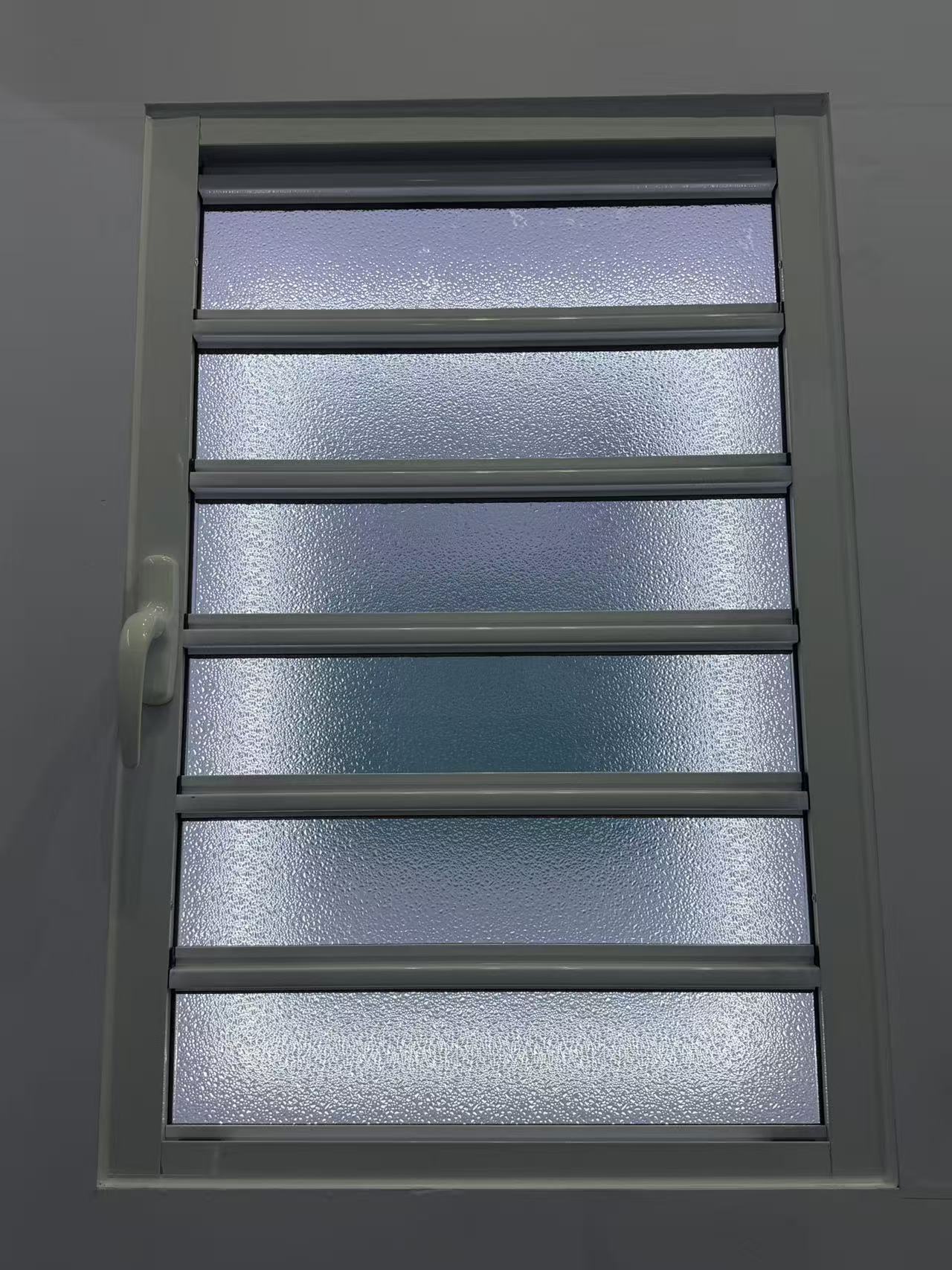
How do I choose the right shutter specifications for harsh weather and long-term commercial use?
How do I choose the right Casement door size and hardware for harsh weather?
What greener alternatives to decorative profile can cut costs without hurting durability?
What lower-cost, eco-friendly materials can replace decorative profiles?
What lower-carbon alternatives to aluminum architecture profiles are practical for our project?
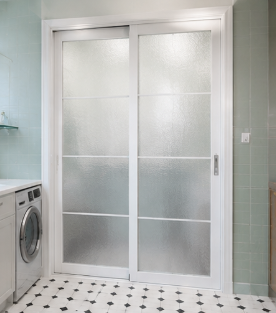
How can I compare sliding door systems for insulation, security, and long-term use?
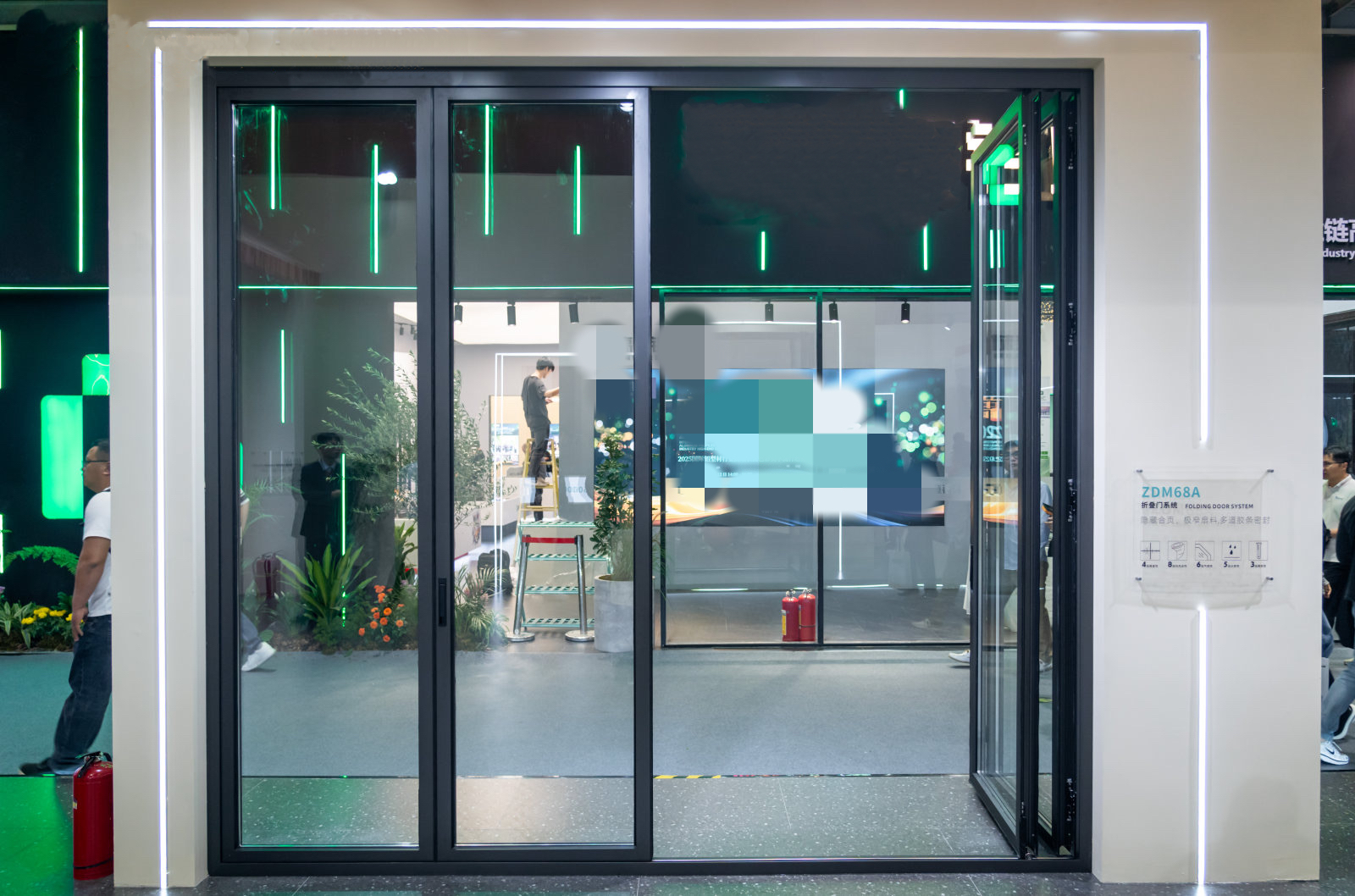
What is the standard production lead time for bulk orders of folding doors?
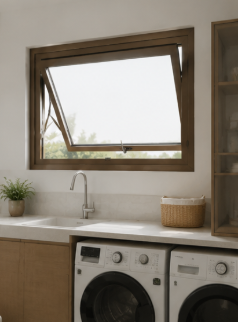
How do I choose the right Awing window size and glass specification for harsh weather?
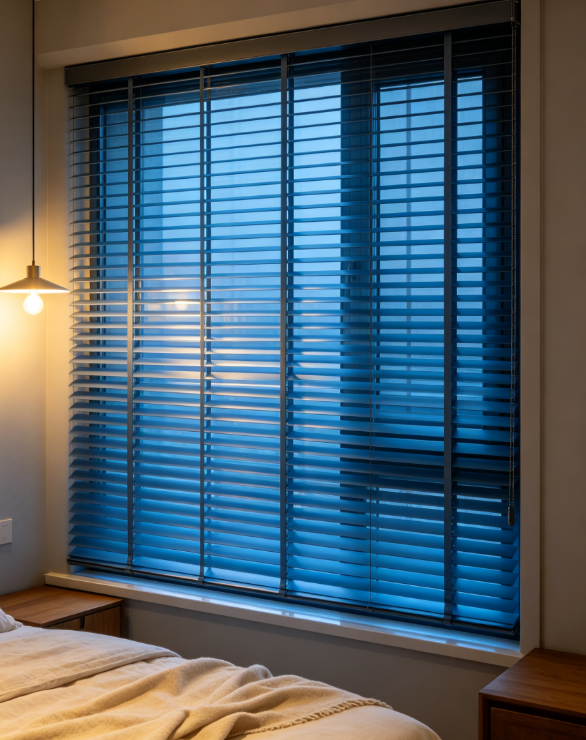
How can I test shutter samples so the final bulk order matches their quality and finish?
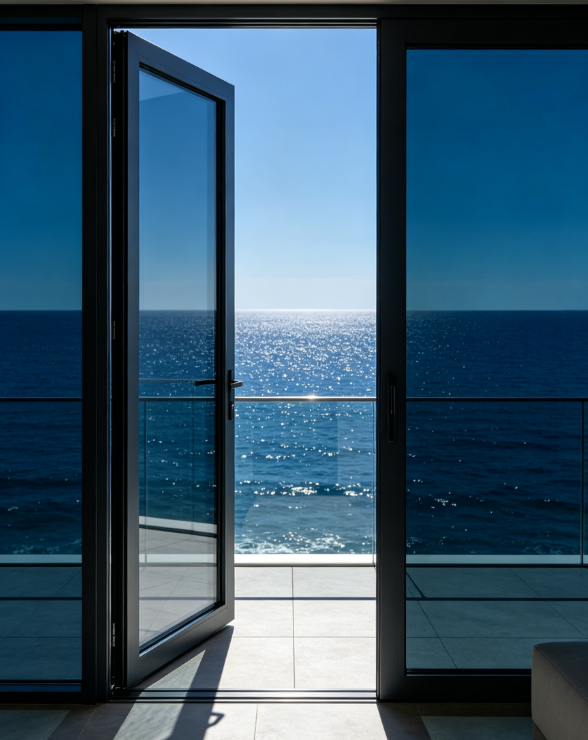
Can suppliers make custom double glass casement doors from my CAD drawings?
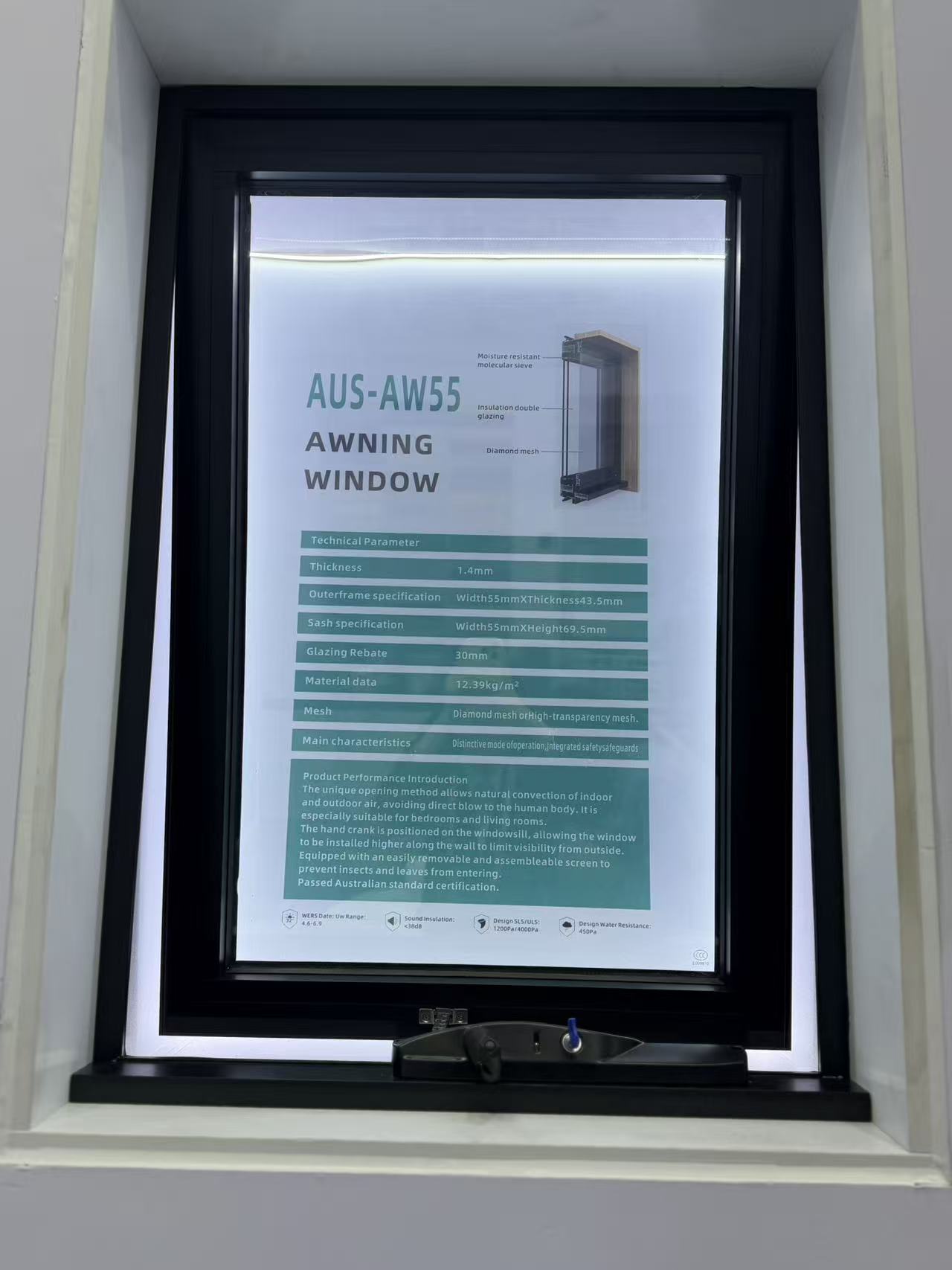
What safety certifications should I request when importing awning windows?
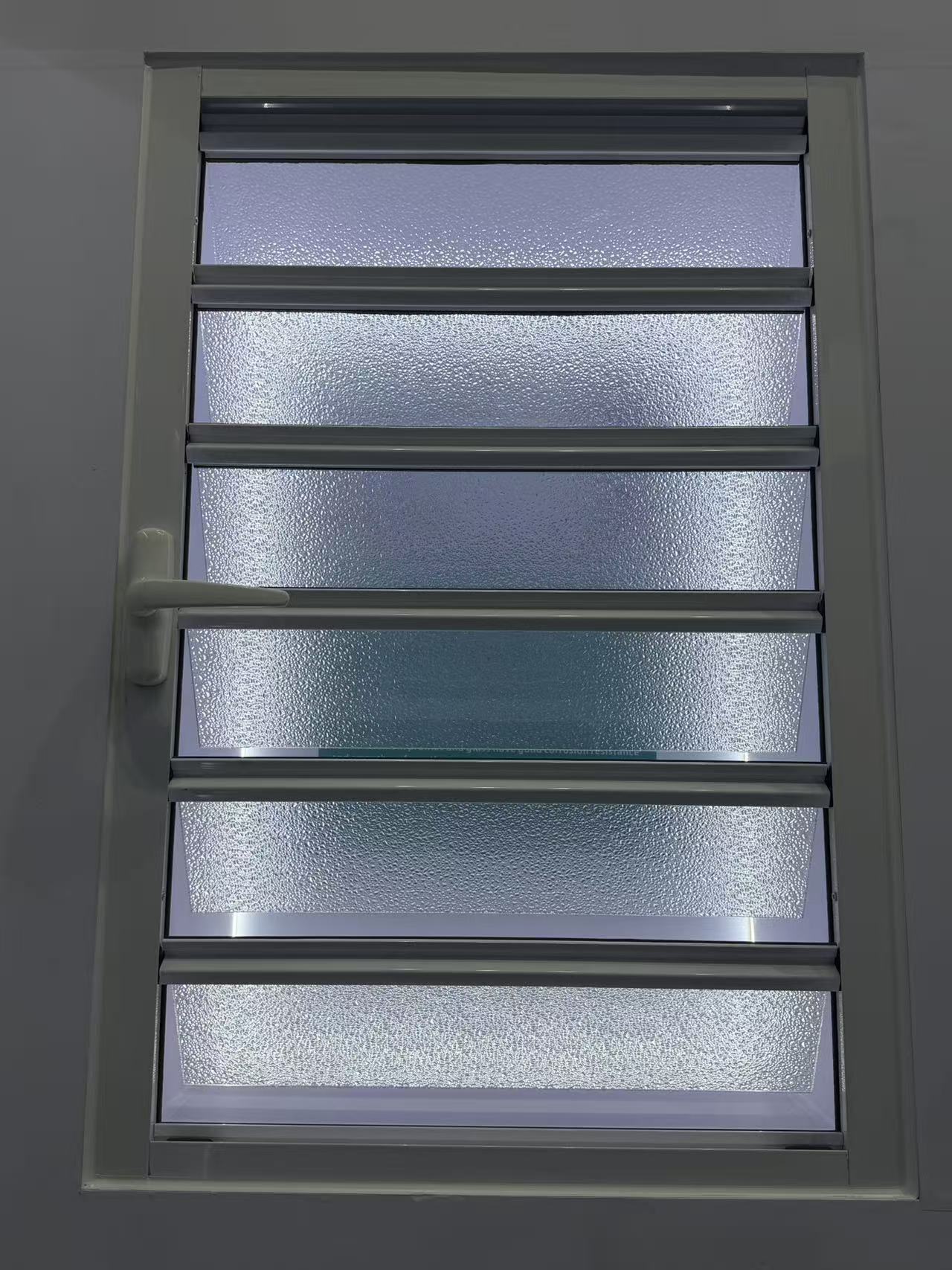
How long does it usually take a factory to make custom shutter samples?
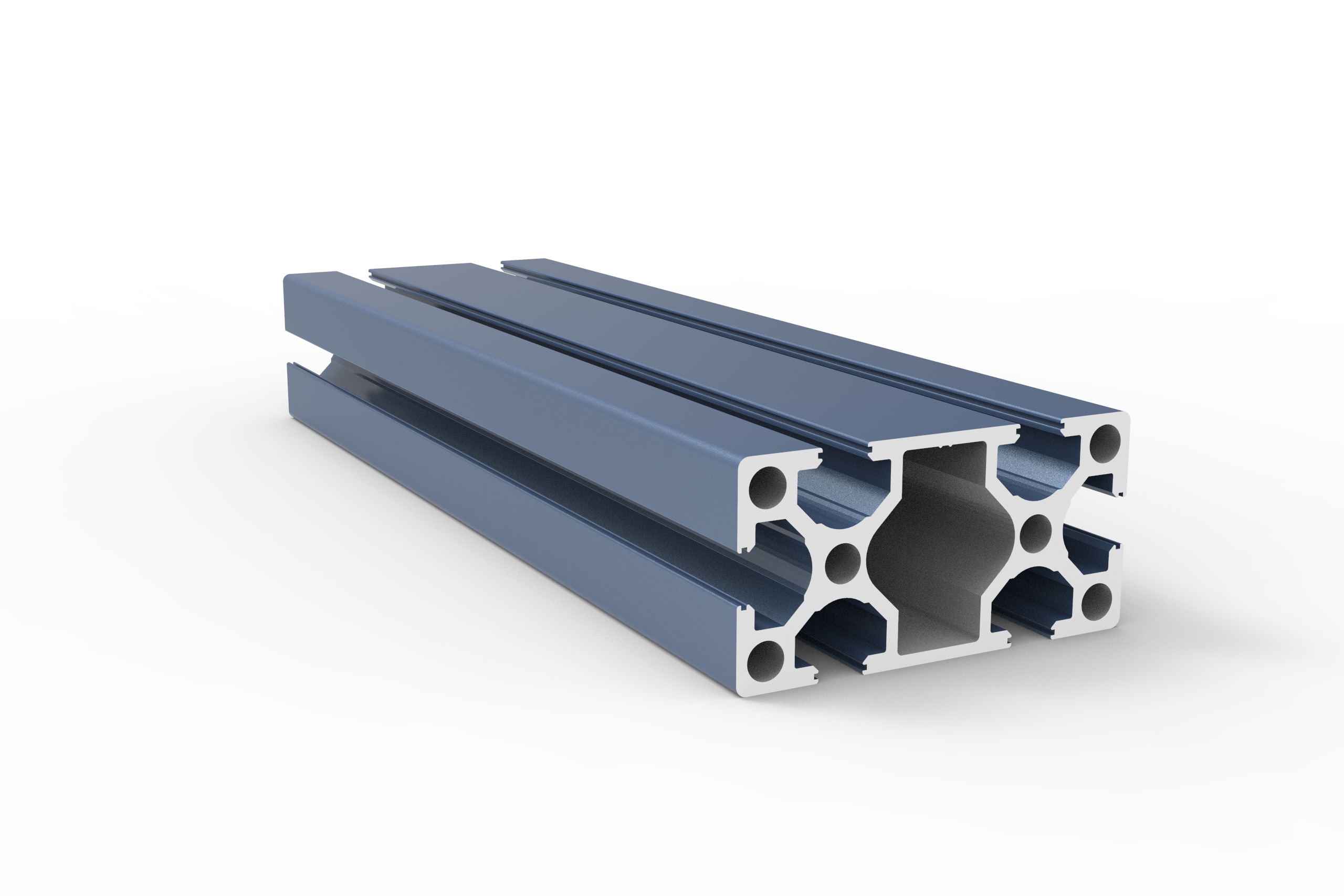
What T-slot industrial profile size is best for a heavy duty machine frame?
How do I choose the right stainless steel decorative profile for high humidity areas?
How do I choose the right aluminum architecture profile for coastal buildings?
How do I choose the right stainless steel decorative profile for high humidity areas?
What wind load specs should I check for aluminum casement windows in coastal high-rises?
How do I know which aluminum industrial profile alloy is best for heavy machinery frames?
How do I choose the right alloy grade for aluminum architecture profiles?
How do I select the right heavy-duty hardware for exterior commercial floding doors?
How do I select the right glass thickness for bulk awing window orders?
What frame thickness is recommended for commercial aluminum casement doors?
What frame thickness is best for high-rise commercial sliding windows?
How to choose weather resistant aluminum floding door specs for commercial use?
How do I choose the best water tightness rating for commercial awing windows?
How do I choose the right frame material for commercial casement doors?
How do I choose the right wind load rating for sliding windows in coastal areas?
What is the best material for outdoor decorative profiles to prevent rust and fading?
How do I choose the right track thickness for high-traffic commercial sliding doors?
How do I choose between PVC and basswood shutters for high-humidity areas?
How do I choose between double and triple glazing for casement windows in cold climates?
How do I choose the right industrial profile thickness for heavy-duty cnc machine frames?
How do I choose the right alloy for outdoor architecture profiles to prevent corrosion?
Can you design a slim frame profile for modern minimalist look?
How do I choose the right wind-resistant floding door for a coastal commercial building?
What key specs ensure a casement window can withstand heavy rain and high winds?
How do I choose the right aluminum alloy grade for heavy-duty industrial profiles?
Which alloy grade of architecture profile is best for coastal areas to resist rust?
How do you pack windows to prevent glass breakage in transit?
Are slim-frame thermal break systems replacing traditional ones?
Does the price include the matching frame and installation kit?
How do you protect our proprietary design drawings from leaks?
How do I choose the right decorative profile for high-traffic hotel lobbies?
Is your factory the actual manufacturer or a trading partner?
Is it possible to 3D print a prototype before cutting steel?
Do you outsource any part of the painting process to others?
How do you handle replacement parts for damaged track rollers?
Do you accept escrow payments through third-party platforms?
Do you have ISO 9001 certification for your production line?
Are there extra fees if we pay via bank telegraphic transfer?
What is the price difference between powder coat and anodized?
What is the warranty period for the lock and hinge hardware?
What is your policy for dimensional deviations in the batch?
What happens if the shipment is delayed due to factory error?
Do you offer online technical support if color fading occurs?
Is it possible to engrave our brand logo on the tension screw?
Do you offer credit terms for long-term purchasing partners?
Can you palletize the shipments for easy forklift unloading?
What are the latest eco-friendly finish trends for decorative profiles in modern interior design?
What are the tooling cost and design limitations for customizing heavy-duty industrial profiles?
Has your architecture profile manufacturing facility passed ISO 9001 certification?
Can we use Alibaba Trade Assurance for our initial sliding door order to mitigate risk?
Do you provide free corner samples of the casement window frame for color verification?
Is it possible to custom-match a specific RAL color for a decorative profile order?
Can I request a 3D-printed sample before ordering a custom industrial profile mold?
Can you extrude an architecture profile based on our proprietary CAD drawings?
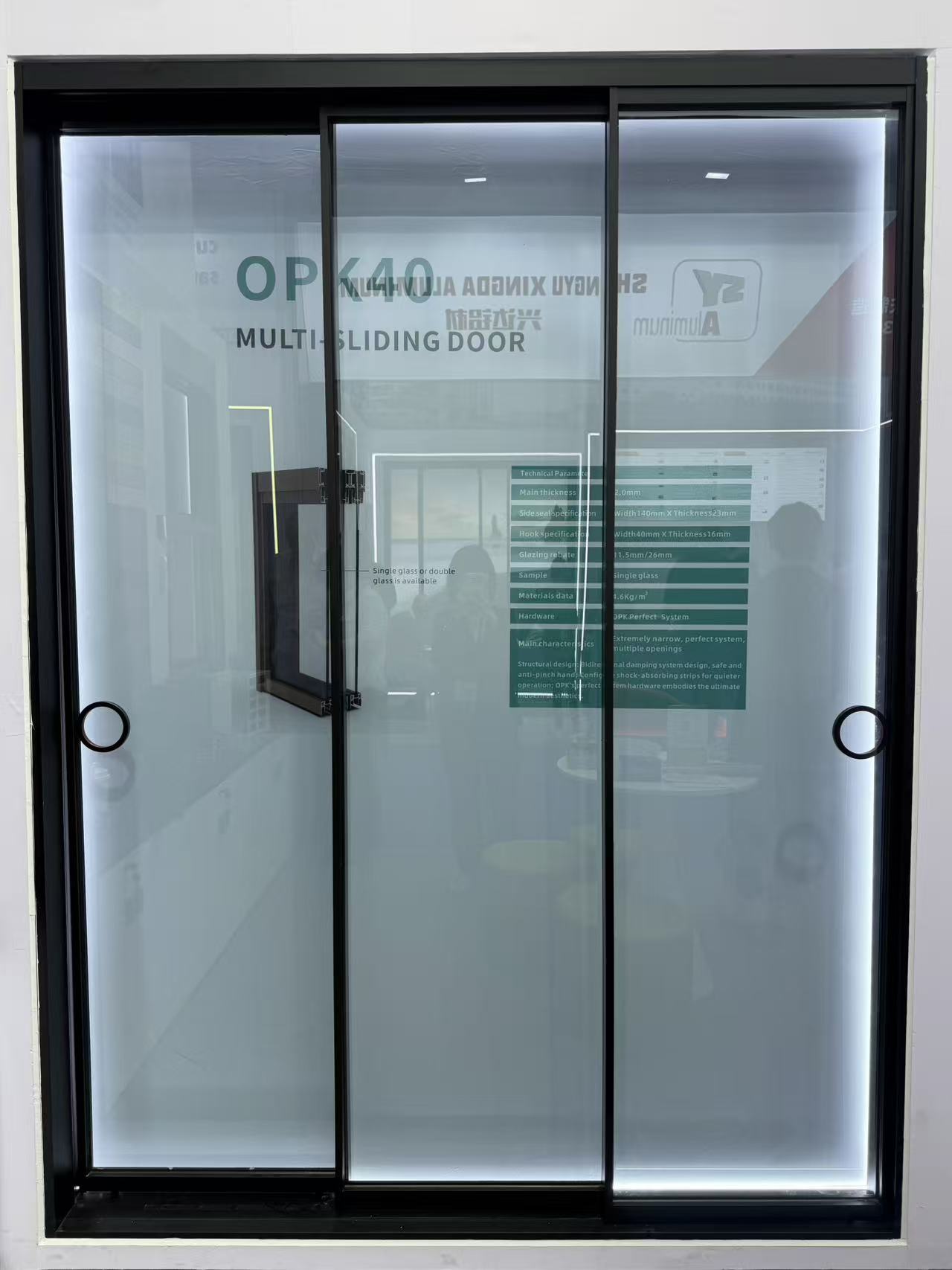
What thermal performance certifications does a sliding door need for the UK market?
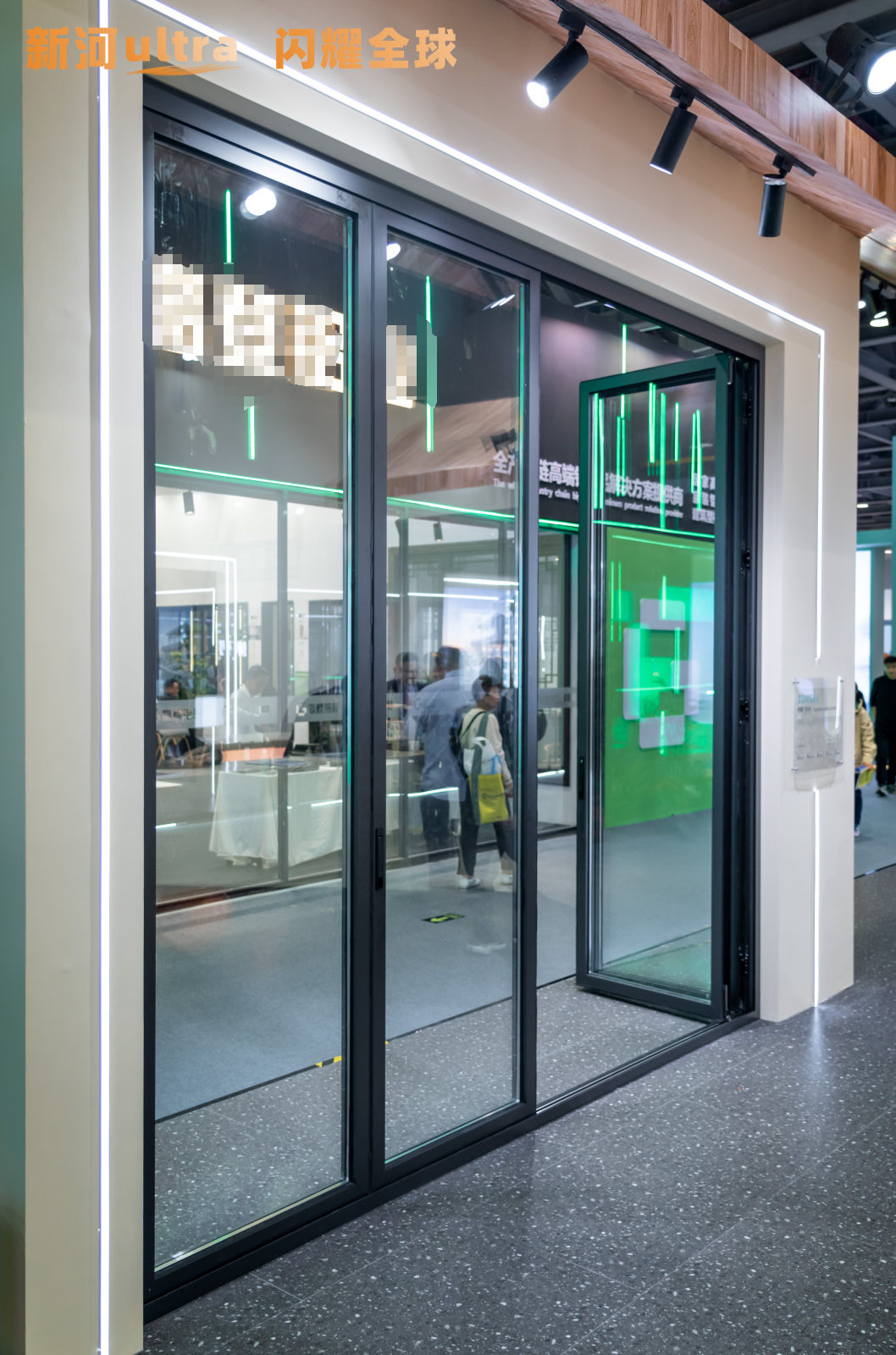
How are heavy floding door panels crated to ensure safe unloading at the job site?
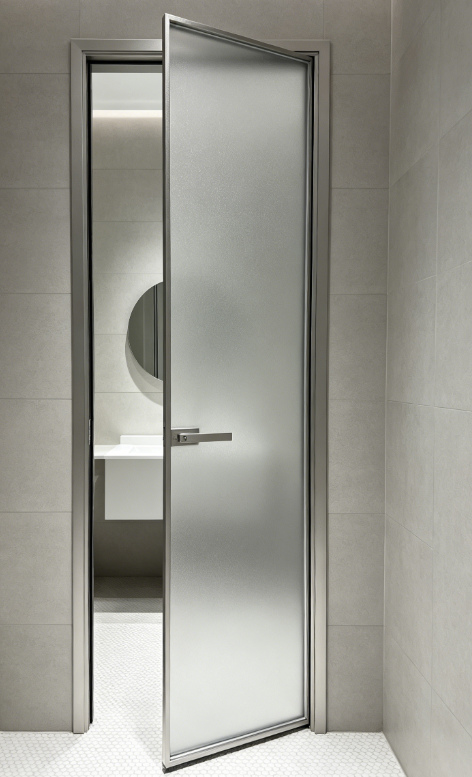
Can we arrange our own freight forwarder to pick up the casement door shipment FOB?
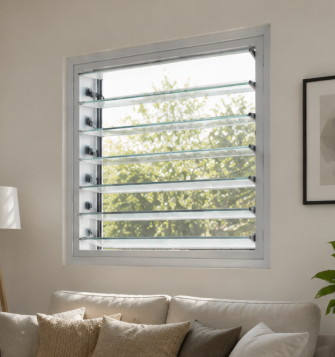
What is the estimated ocean freight transit time for a shutter shipment from China to Europe?
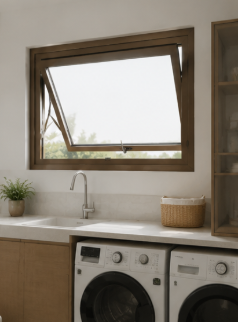
How can we source replacement seals for your awing window models in the future?
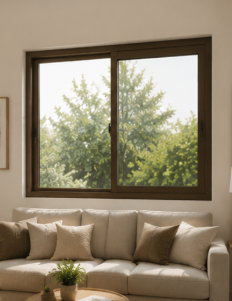
How are sliding windows typically packaged to prevent glass breakage during ocean transit?
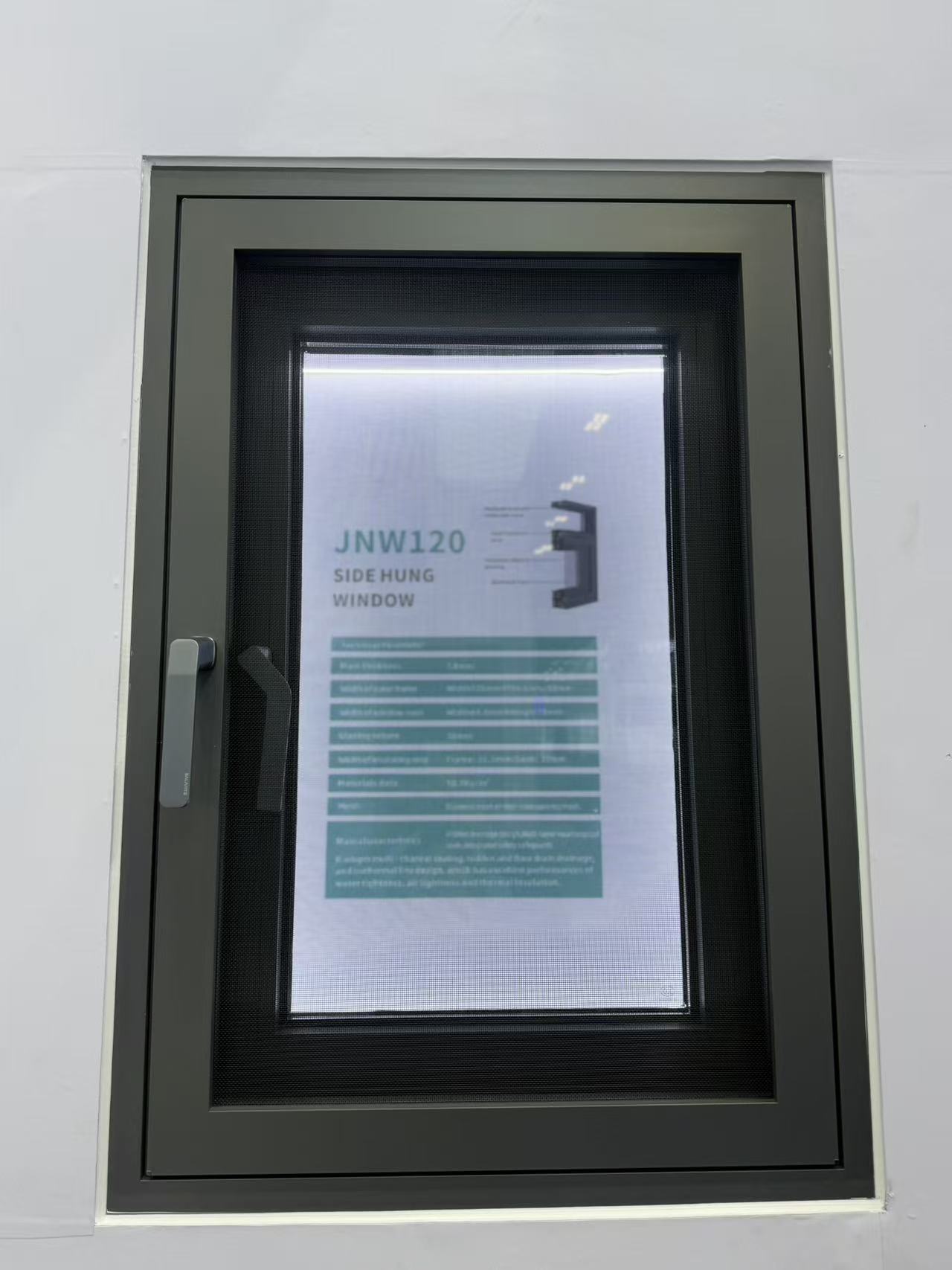
What is the average lead time for a 40ft container of standard aluminum casement windows?
Are there any extra tooling fees if my decorative profile order doesn’t meet the MOQ?
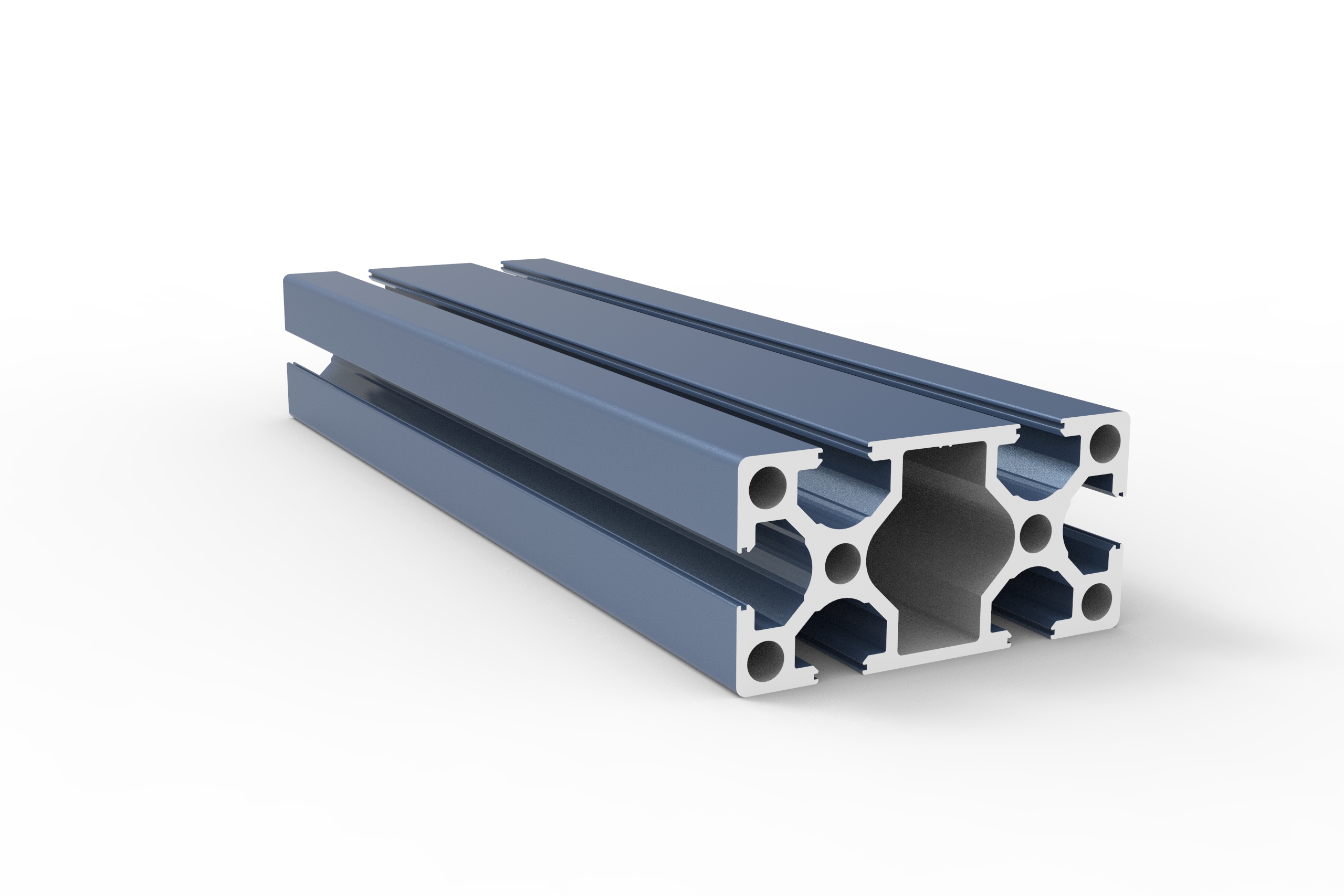
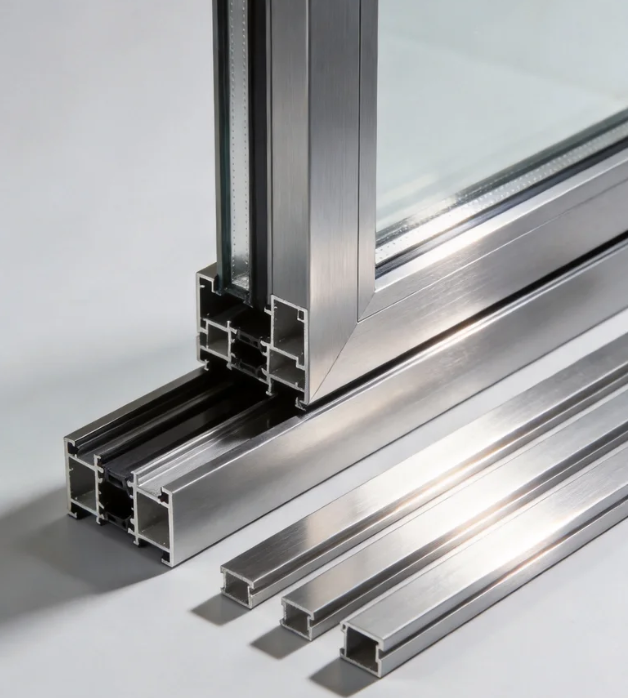
Can I get 3D printed prototypes of custom architecture profiles before committing to mold tooling?
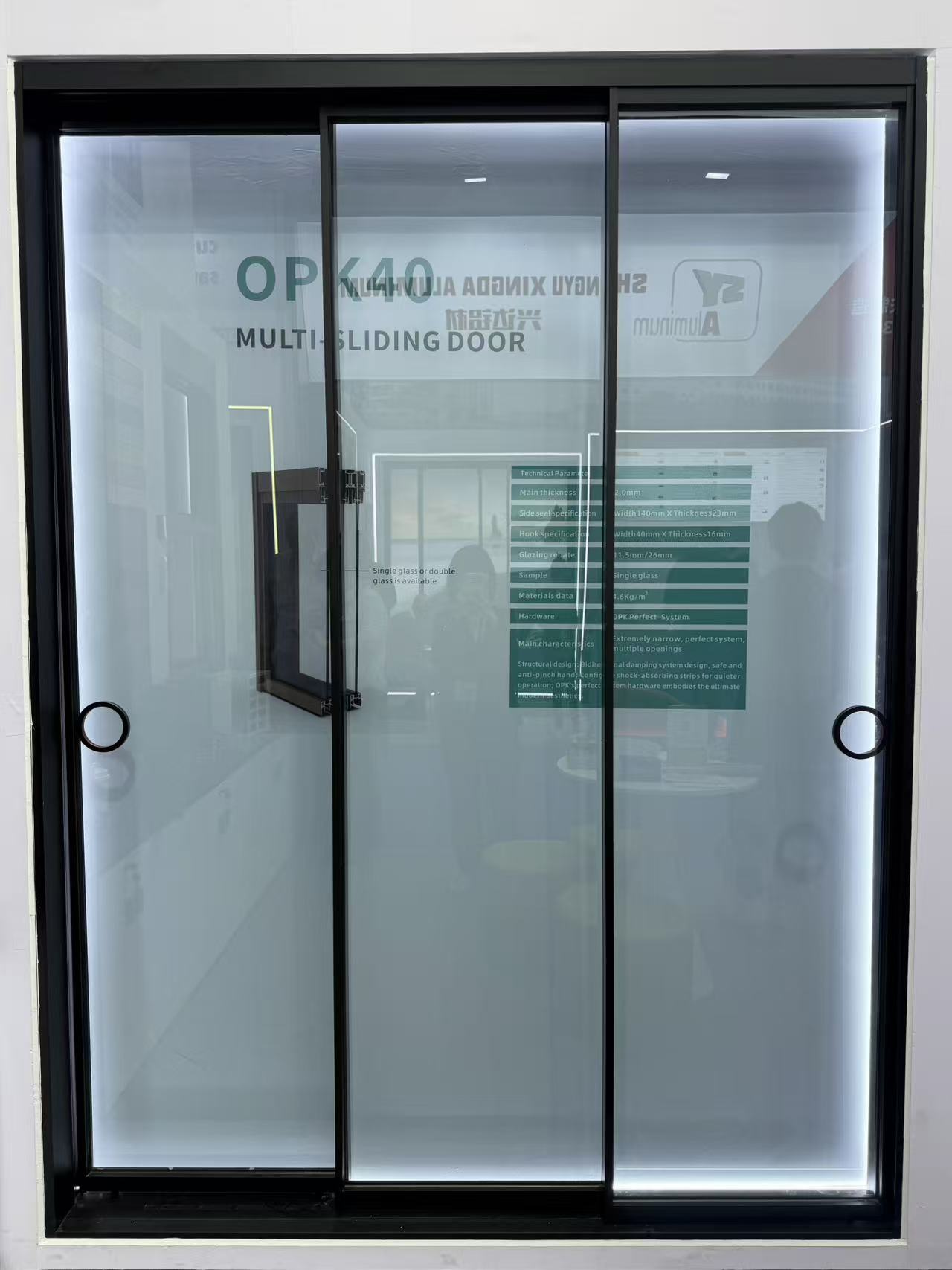
How is smart glass technology being integrated into modern residential sliding door units?
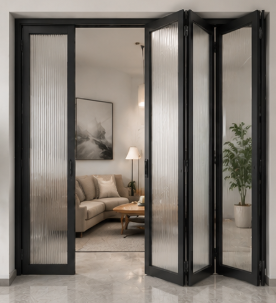
What options do you have for customizing the threshold height of an aluminum floding door?
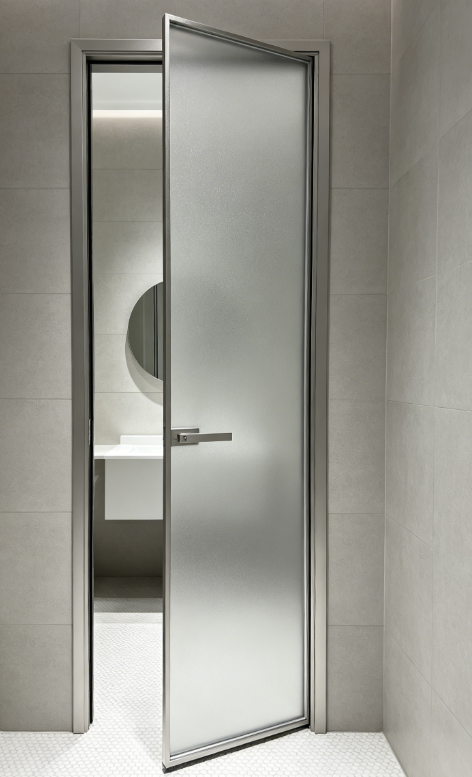
What thermal break technology should I look for in a heavy-duty aluminum casement door?
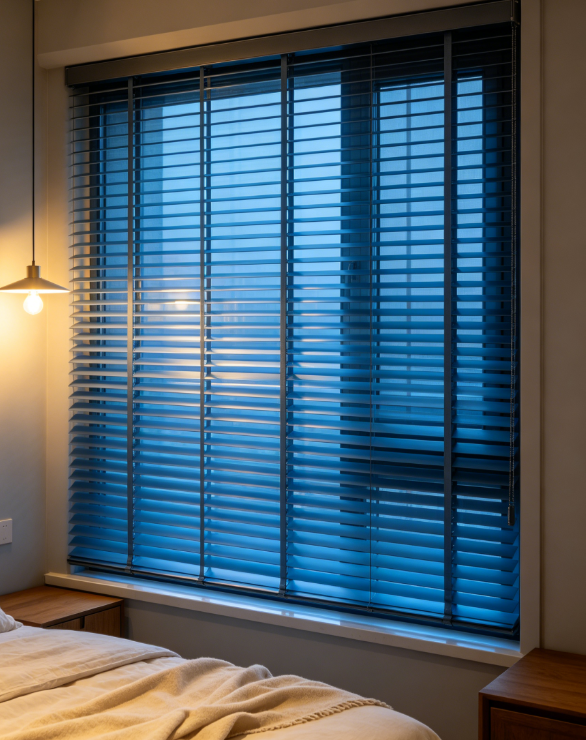
What quality control processes do you perform on shutter hardware before final assembly?
Do you offer DDP shipping terms for awing window orders delivered to our warehouse?
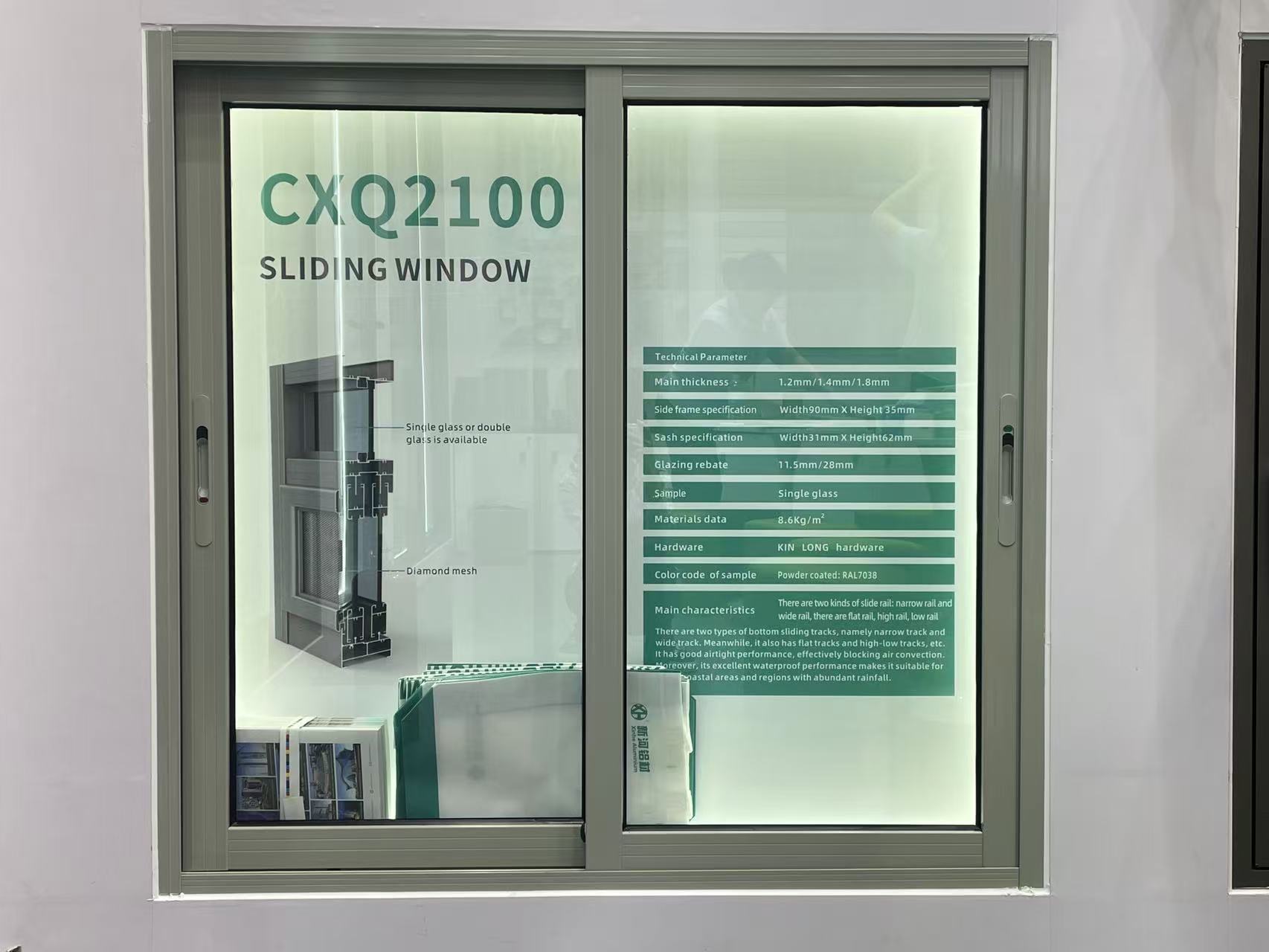
Is it possible to order a fully functional sliding window sample for mock-up testing?
Do you provide replacement hardware if the casement window hinges fail within 5 years?
How do you handle claims for decorative profile items damaged during transit?
What is the standard MOQ for custom-extruded aluminum industrial profile orders?
How does the order volume affect the per-ton price of custom architecture profile designs?
What is the warranty period for the rollers and tracks on your heavy-duty sliding doors?
How can we secure our deposit when purchasing high-value custom floding doors from a new supplier?
Can your factory match custom anodized colors for decorative profiles based on physical samples?
Is there a lighter alternative to aluminum industrial profile structures for robotics?
What payment security measures do you have for custom architecture profile tooling fees?
Can I order a sliding door with custom grid patterns between the glass panes?
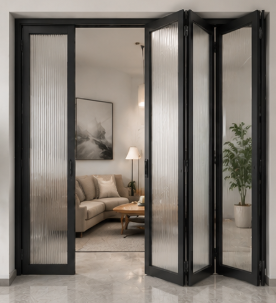
How do you protect buyers against financial loss if the floding door shipment is delayed?
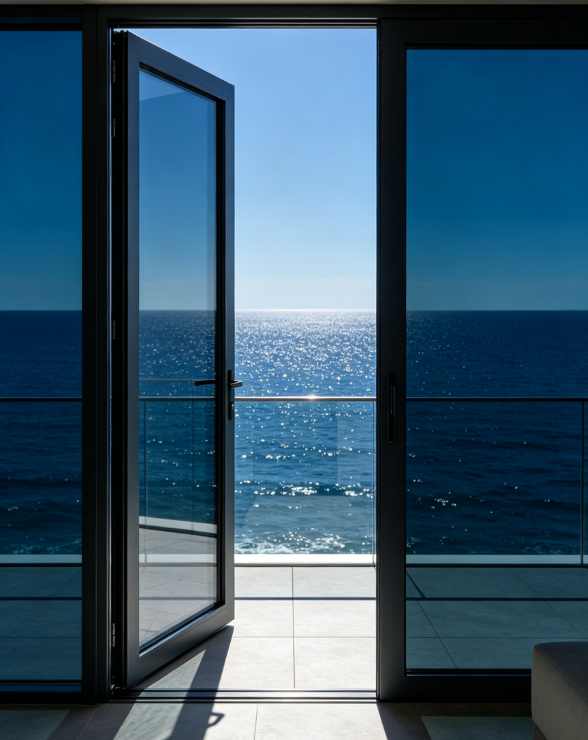
Are slim-frame aluminum casement door designs becoming more popular in modern offices?
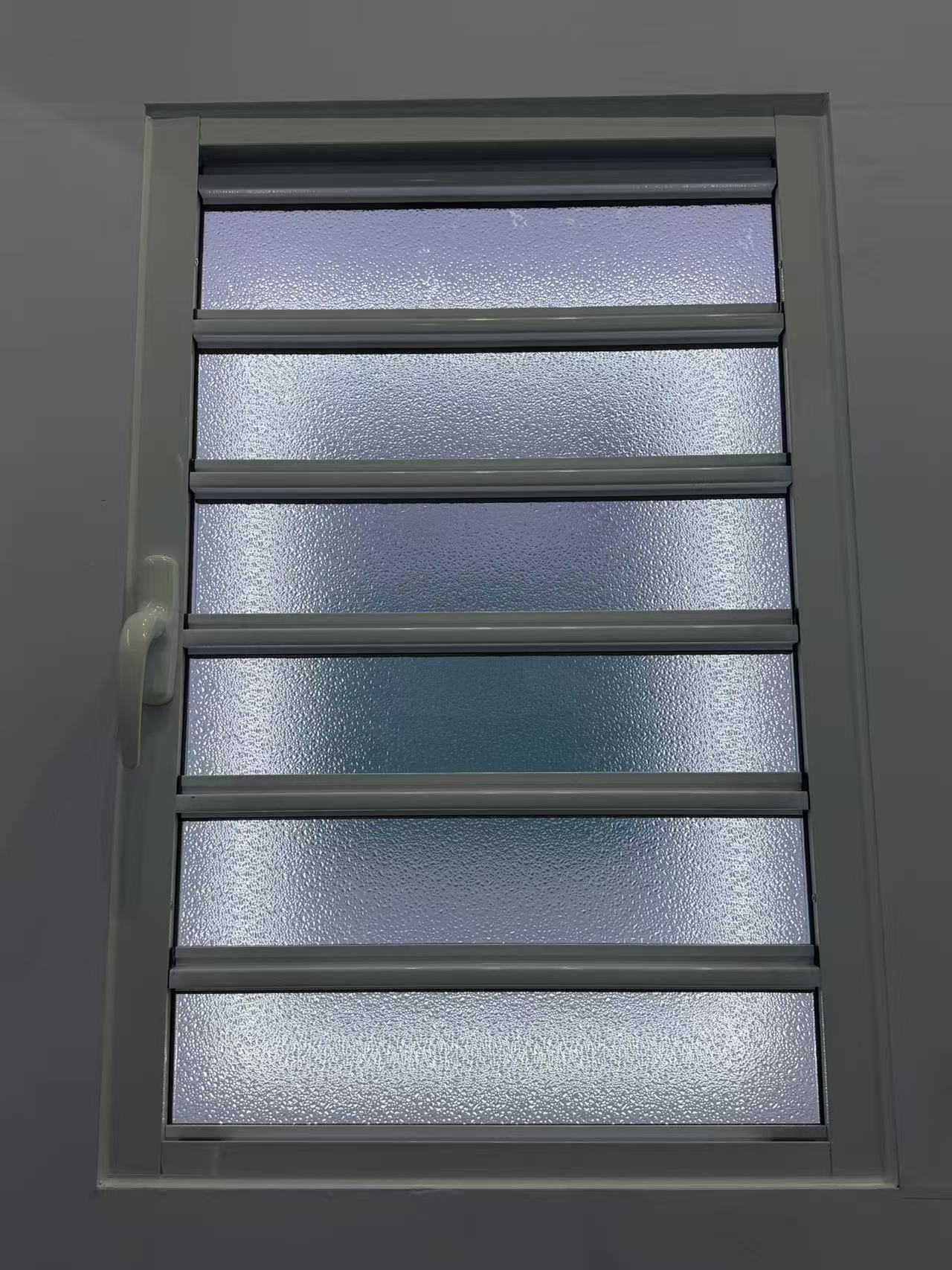
What is your policy for replacing shutter components that arrive with color mismatch?
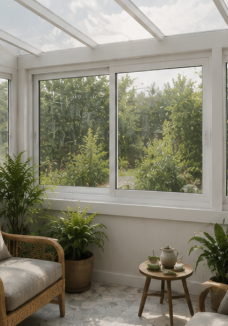
What kind of remote technical support do you offer for sliding window installation?
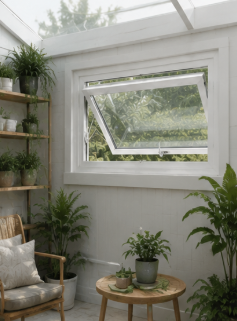
What is the maximum safe size for a top-hung awing window in commercial projects?
What environmental management standards does your decorative profile plant follow?
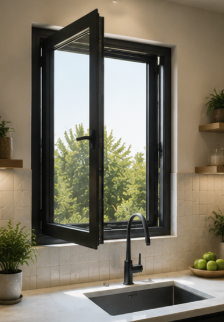
What is the standard lead time for producing a 40ft container of casement window orders?
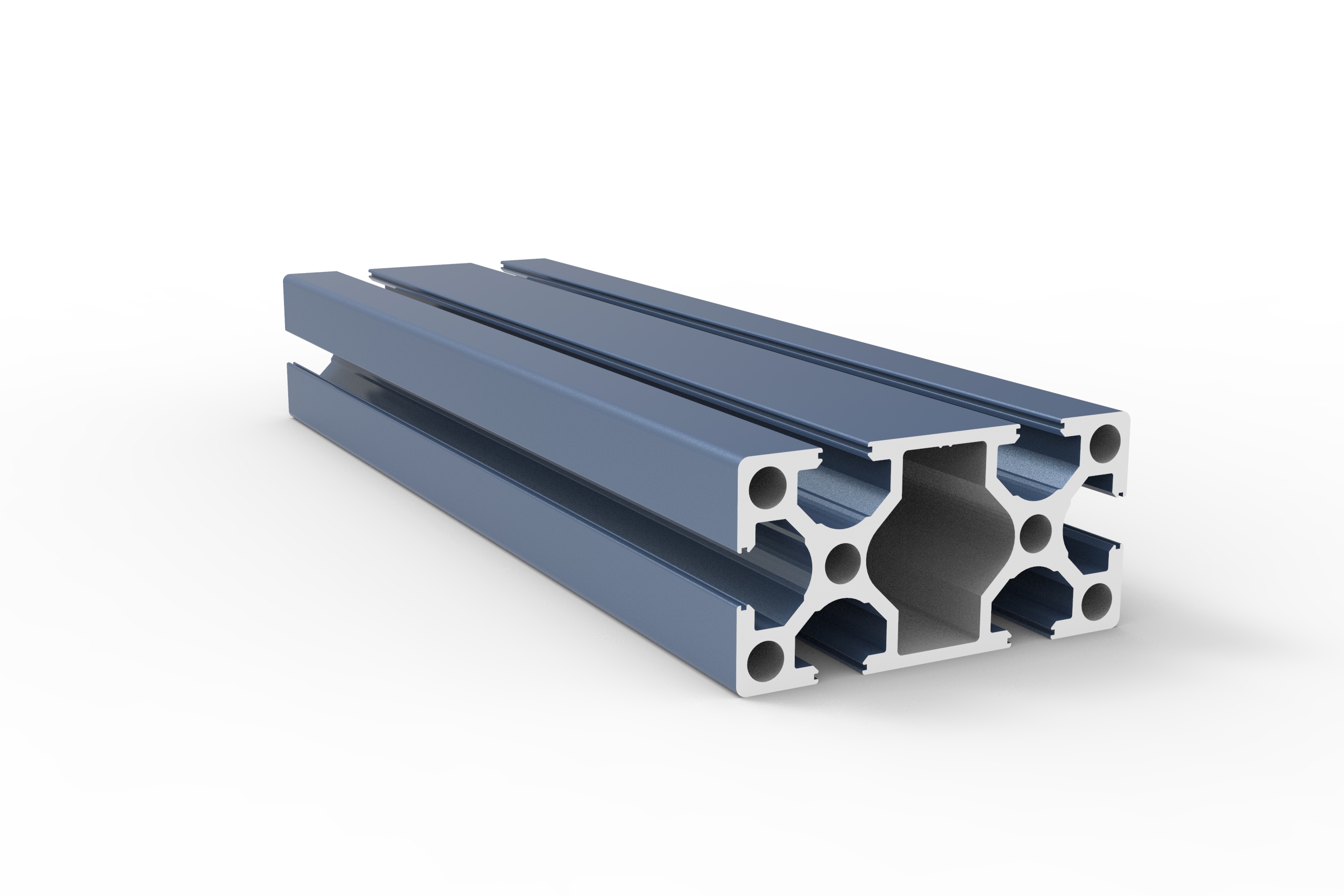
What is the warranty period for the anodized finish on your industrial profile?
What are the latest eco-friendly trends in architecture profile manufacturing?
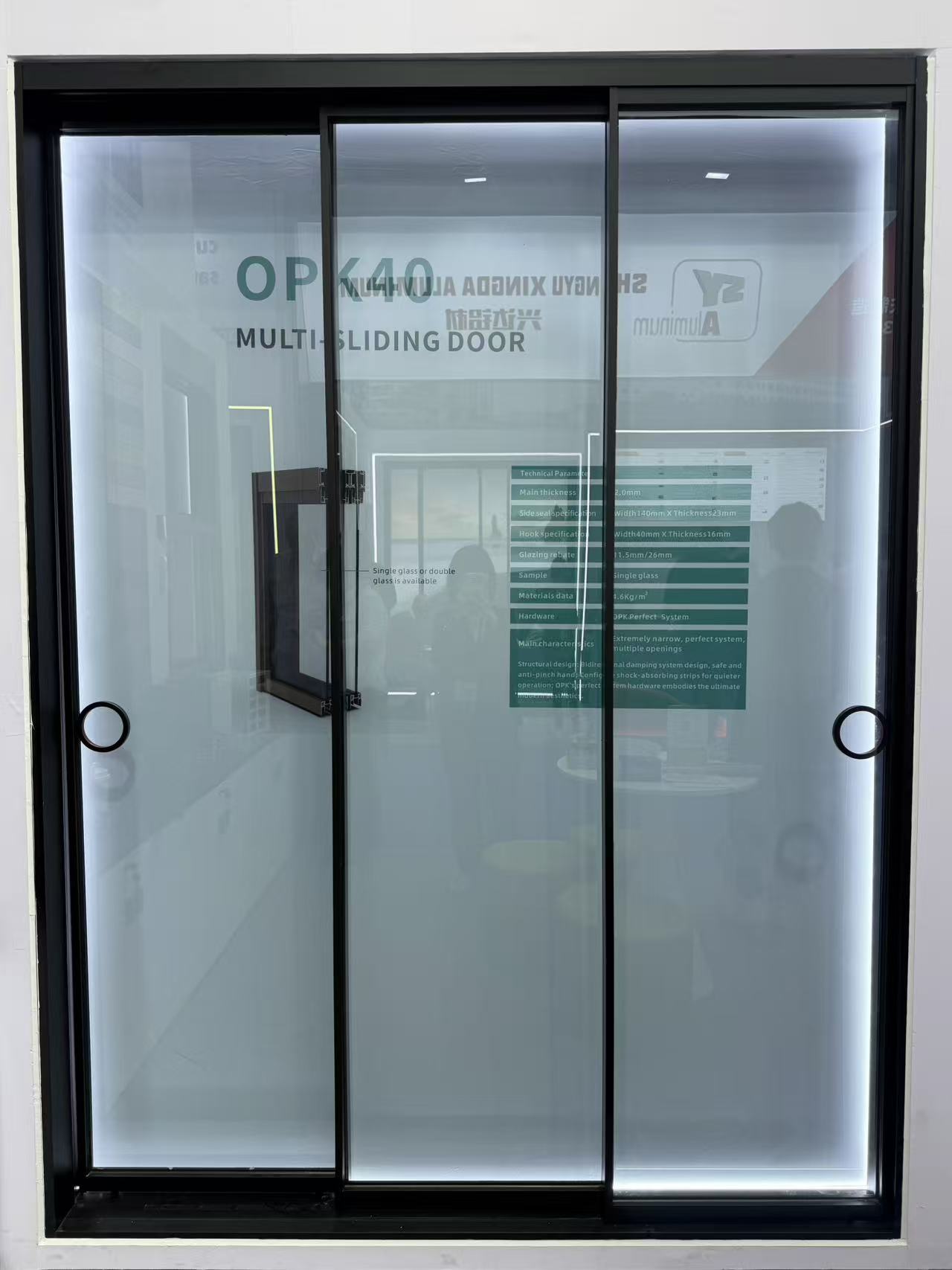
What is the average wholesale price per square meter for double-glazed sliding door systems?
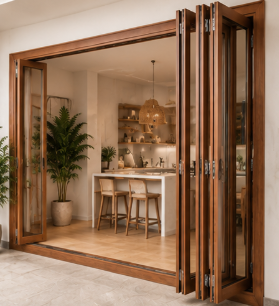
How do I calculate the structural load requirement for a 5-panel exterior floding door?
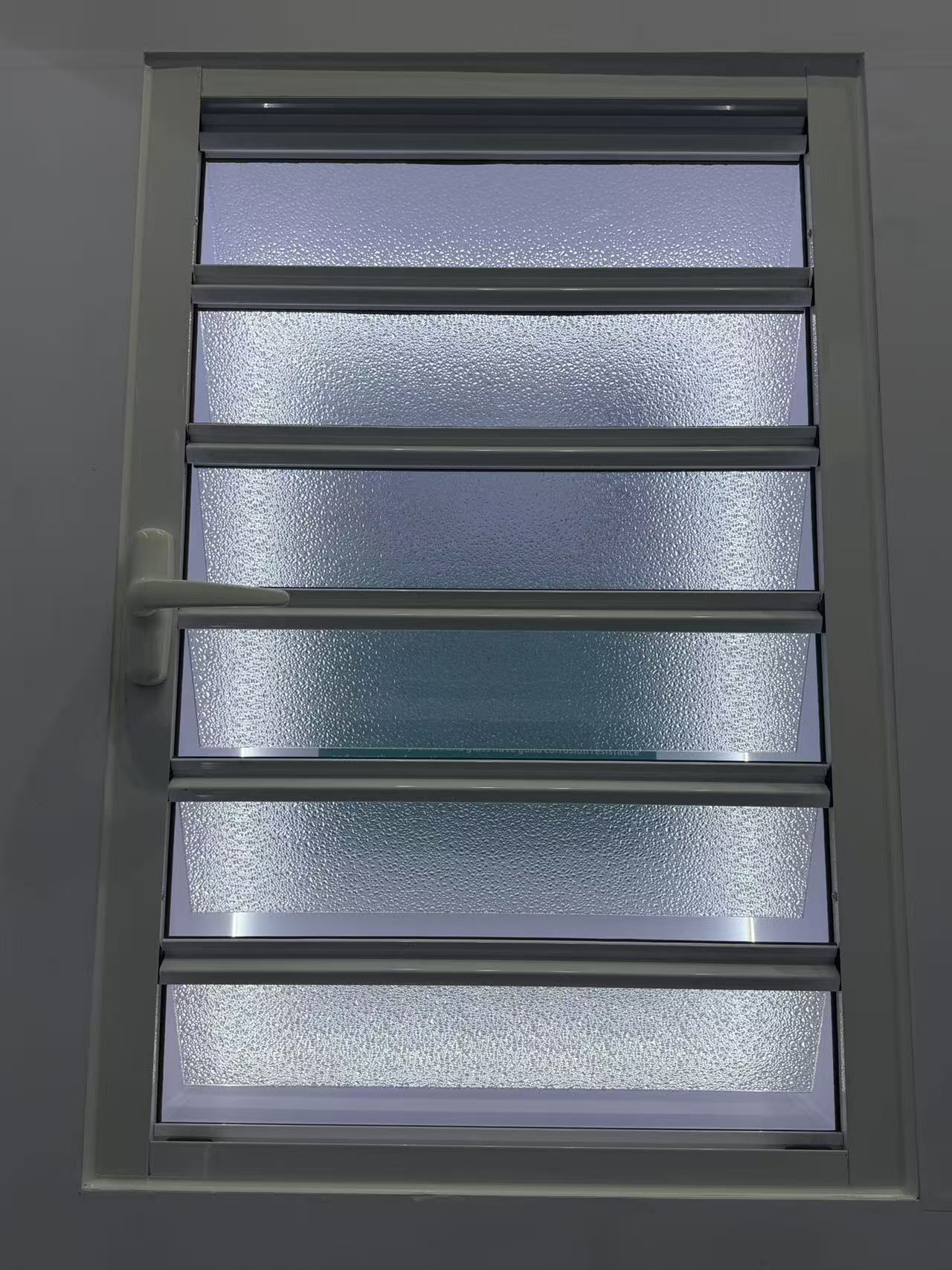
Do your exterior shutter systems comply with Florida building codes for hurricane protection?
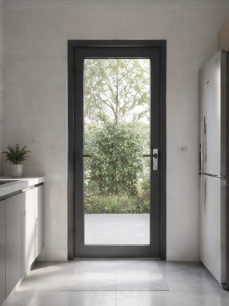
Do you offer Letter of Credit (L/C) payment options for casement door bulk orders?
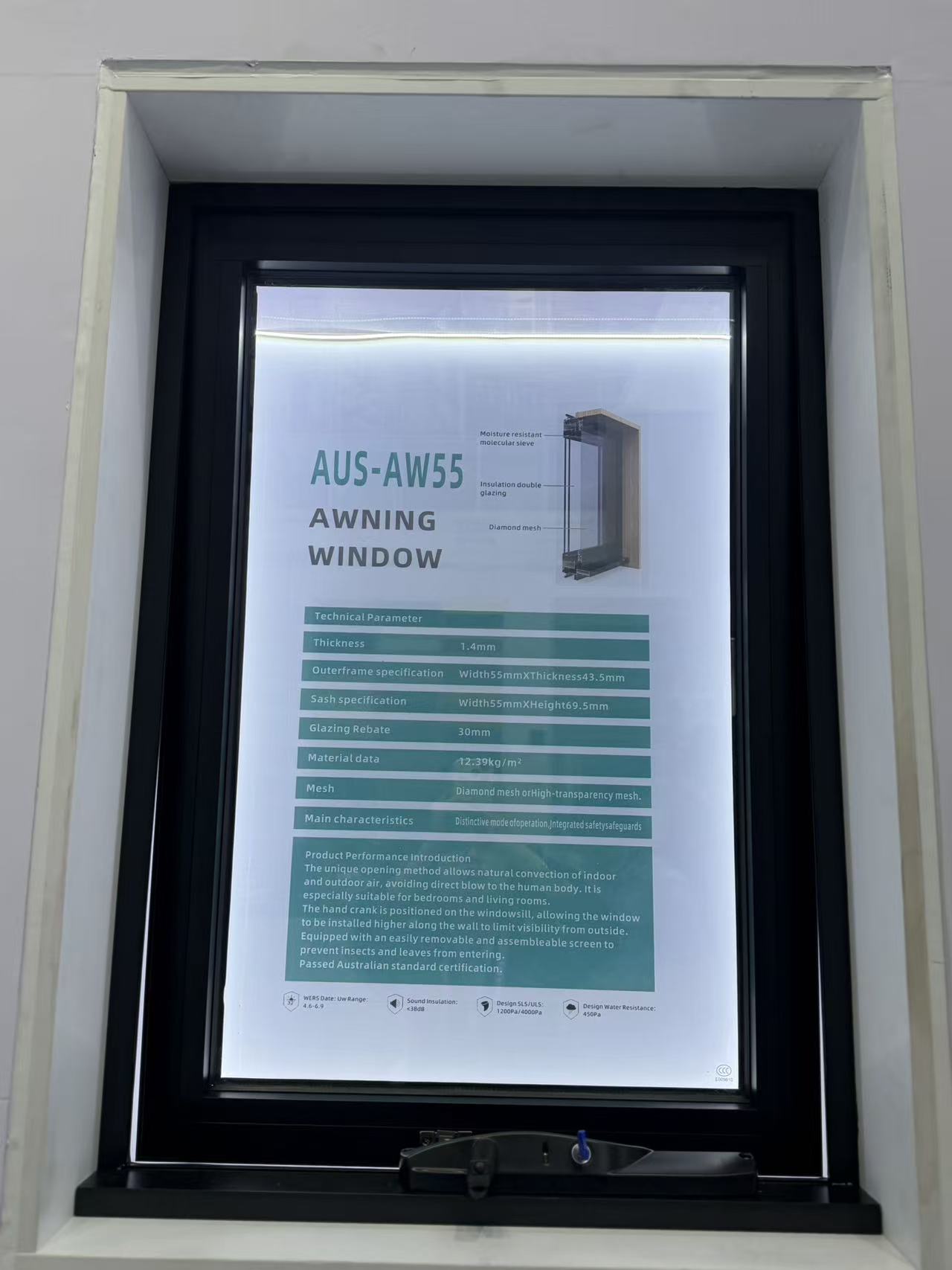
Which water tightness certifications are required for importing an awing window to Europe?
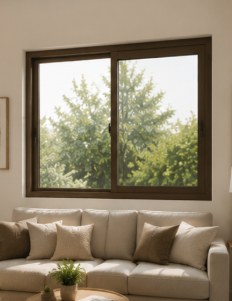
Do you allow virtual factory tours to inspect the sliding window assembly line?
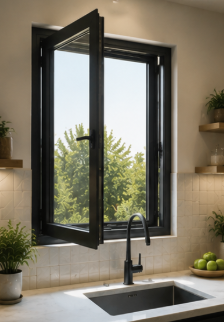
What is the typical MOQ for ordering standard-sized aluminum casement window units?
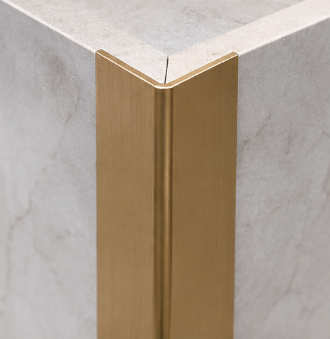
How long does it take to receive a physical sample of a gold-anodized decorative profile?
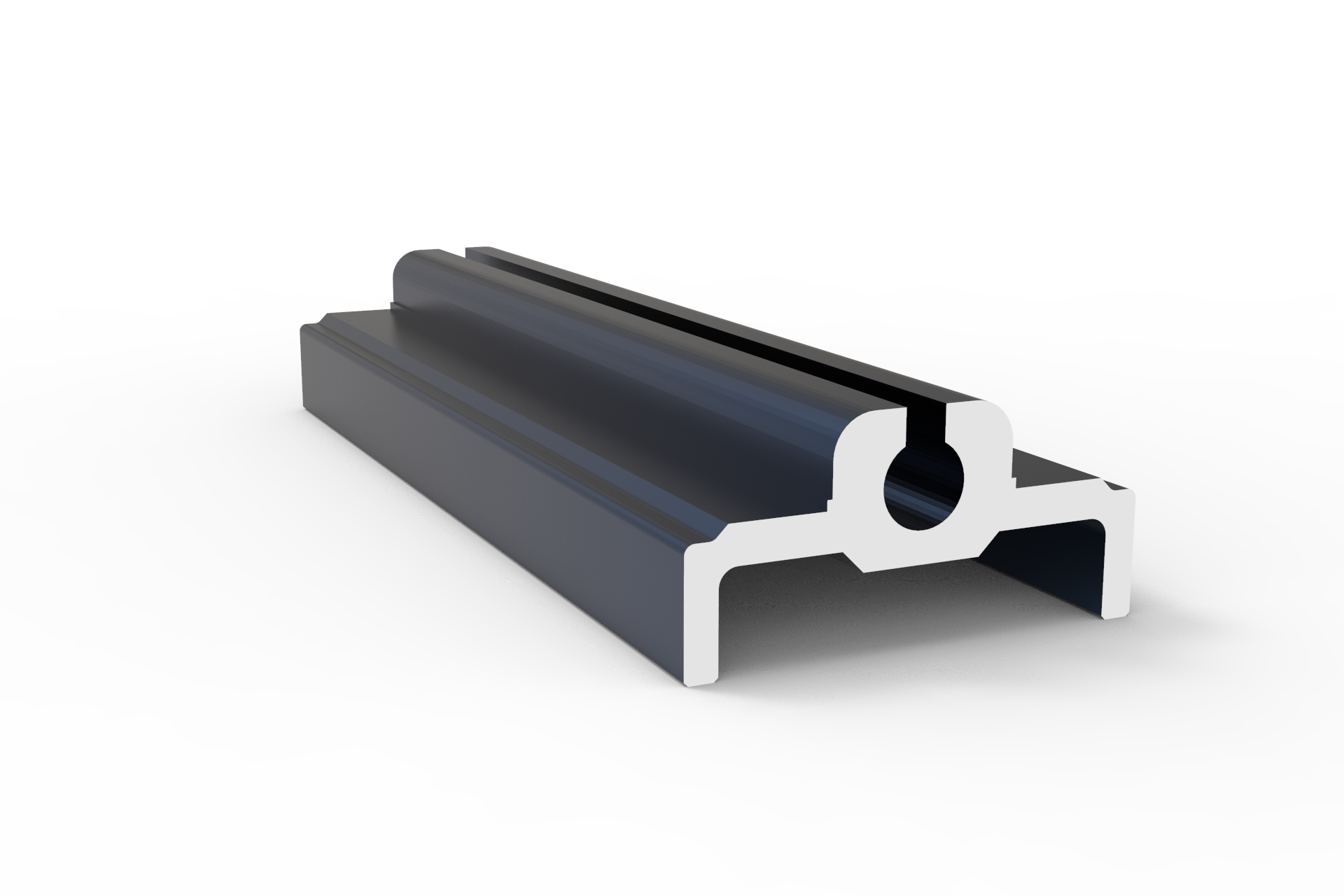
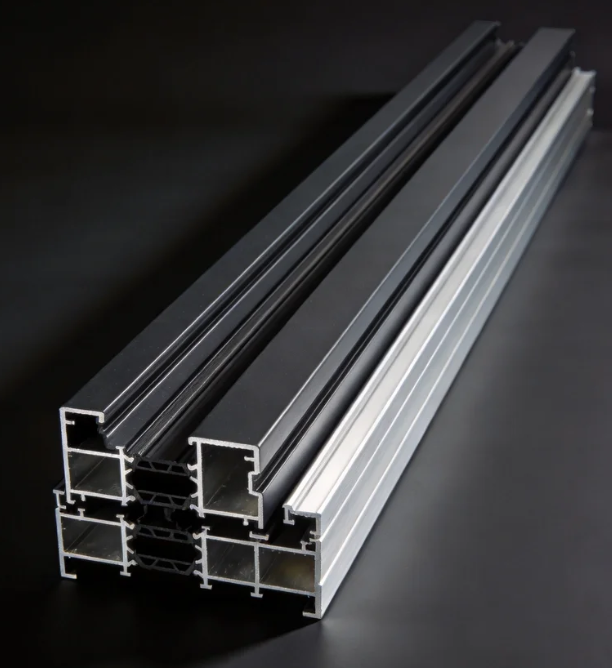
How do I choose the right alloy grade for architecture profiles in high-rise coastal buildings?
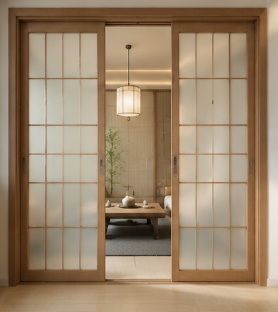
How do I choose the right track and roller specs for heavy-duty commercial sliding doors?
The core advantages of using aluminium profiles for the canopy
International demand: Dual drive by new energy and infrastructure
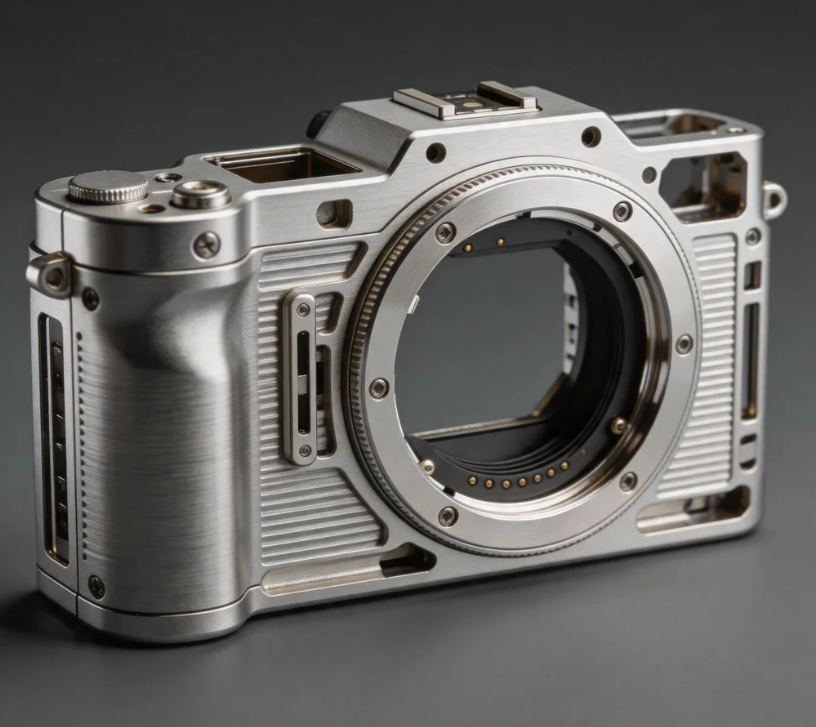
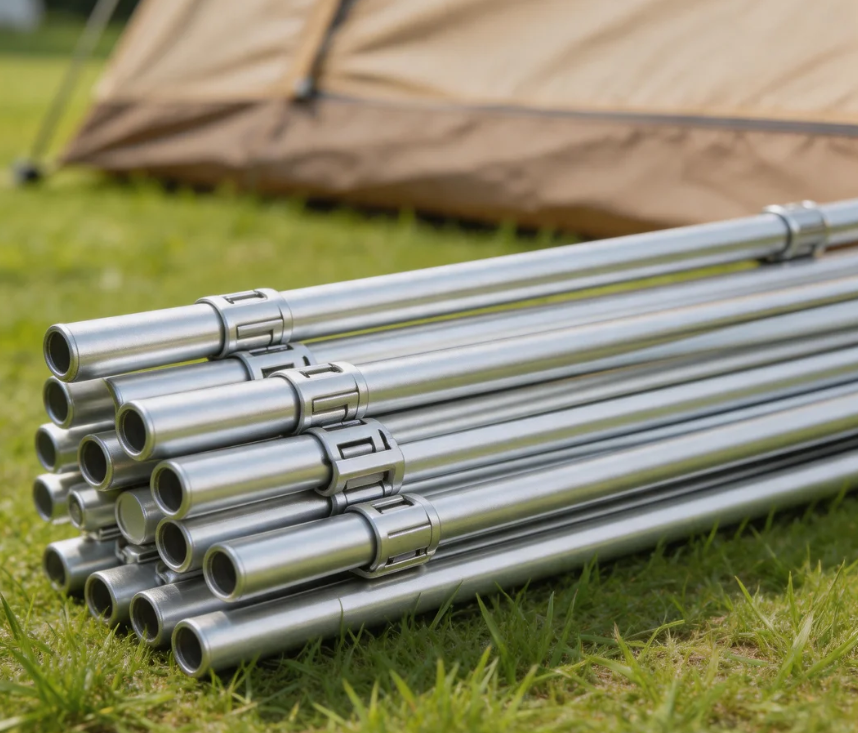
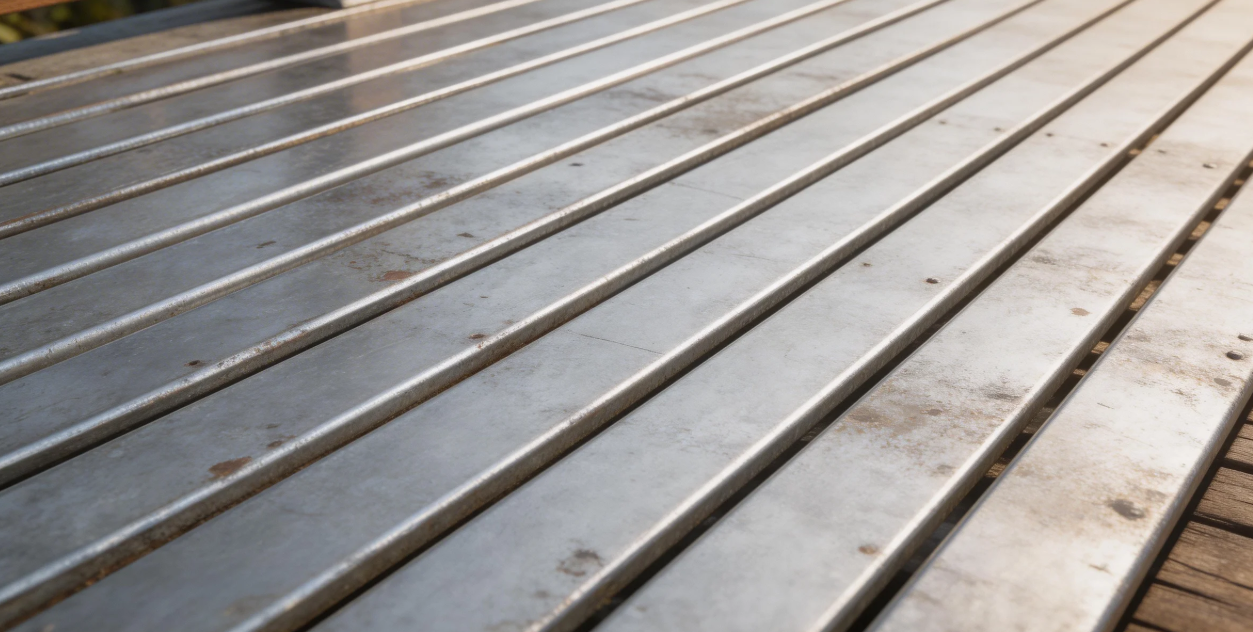
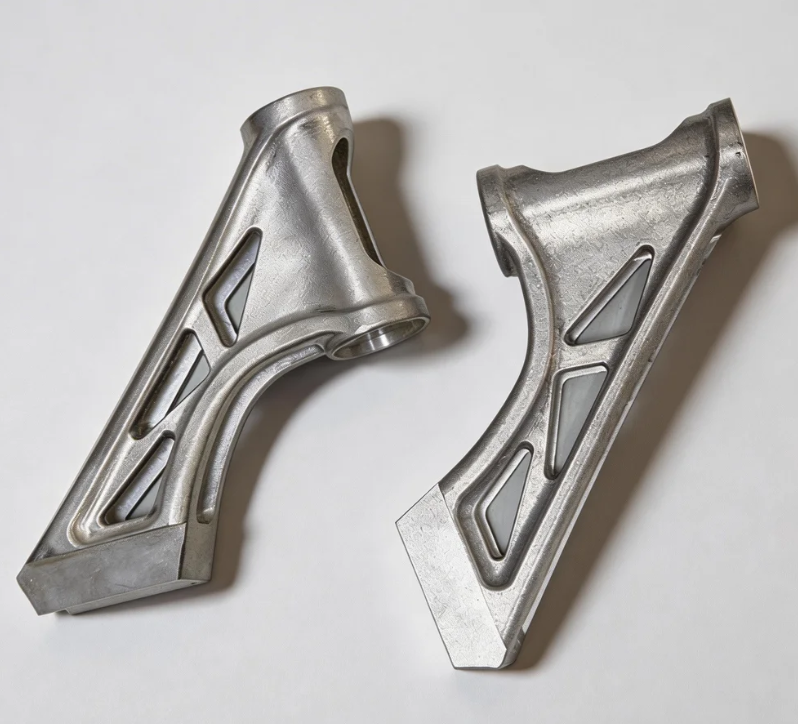

The advantages of using aluminium profiles to manufacture robot arms
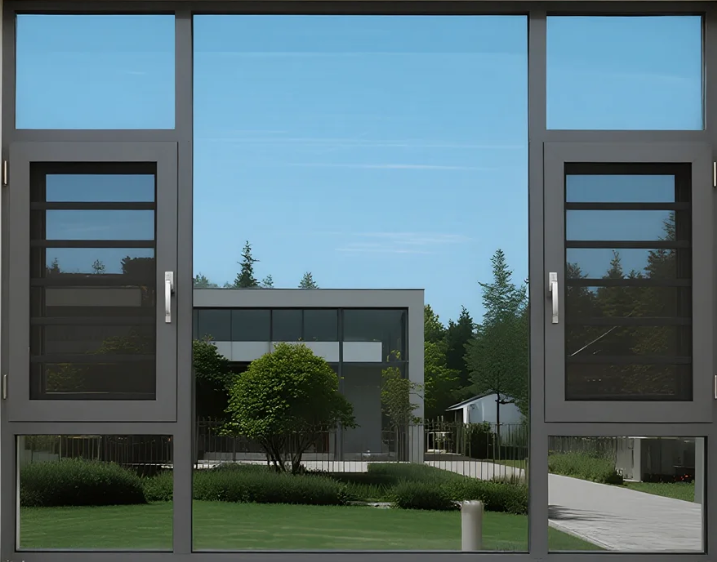
The advantages of using aluminum profiles for door and window frames
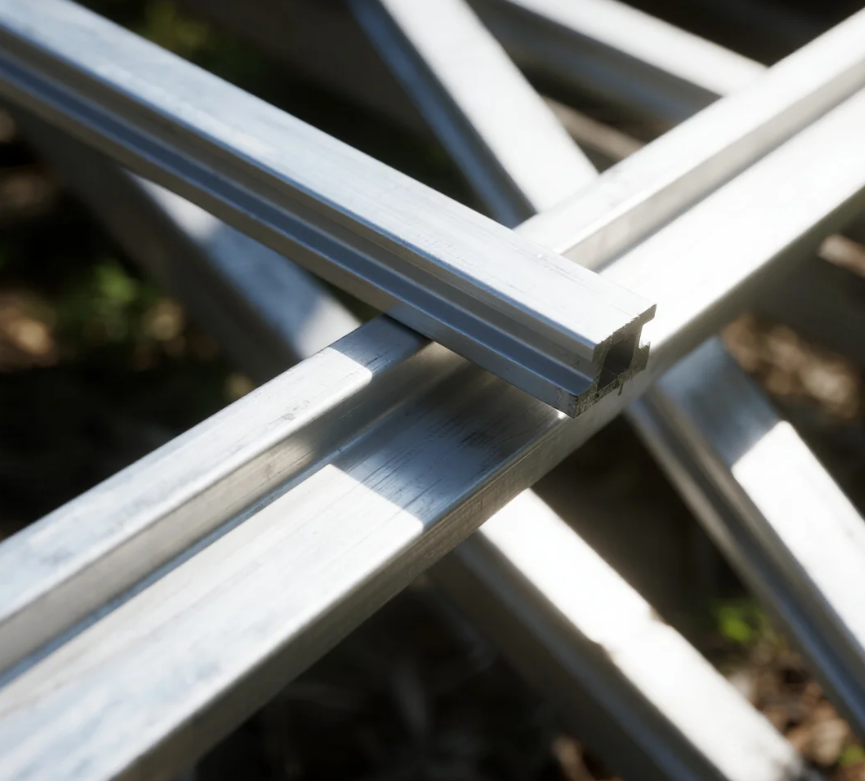
The impact of the conflict between the United States and Iran on the price of aluminum
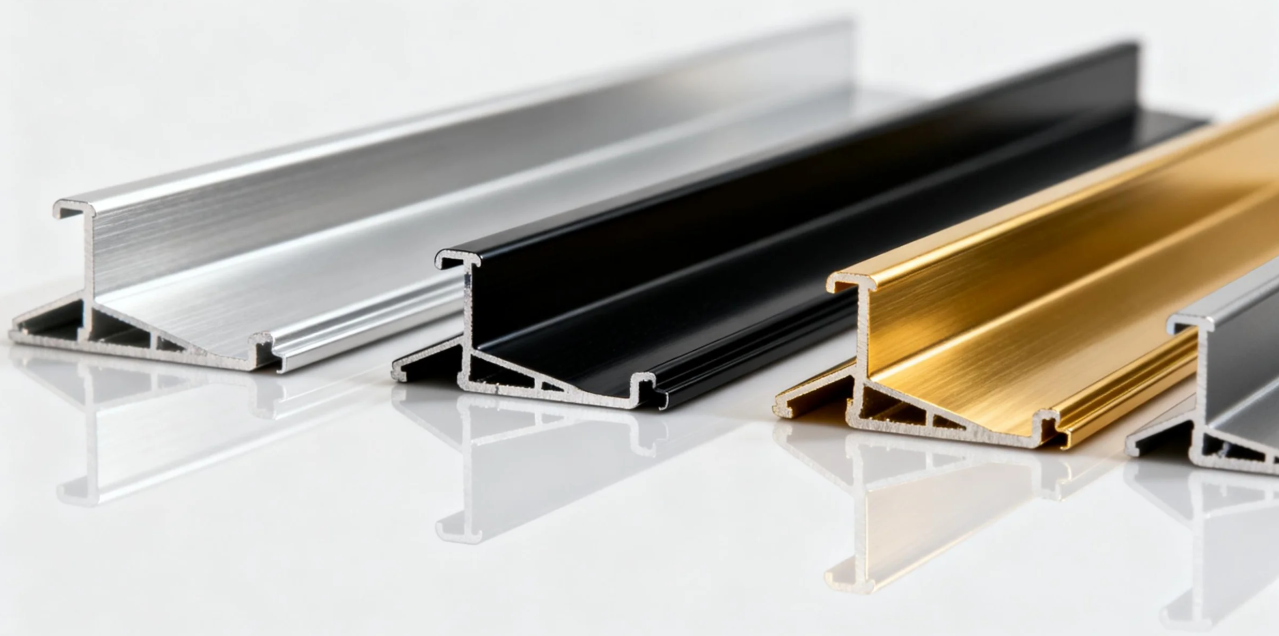
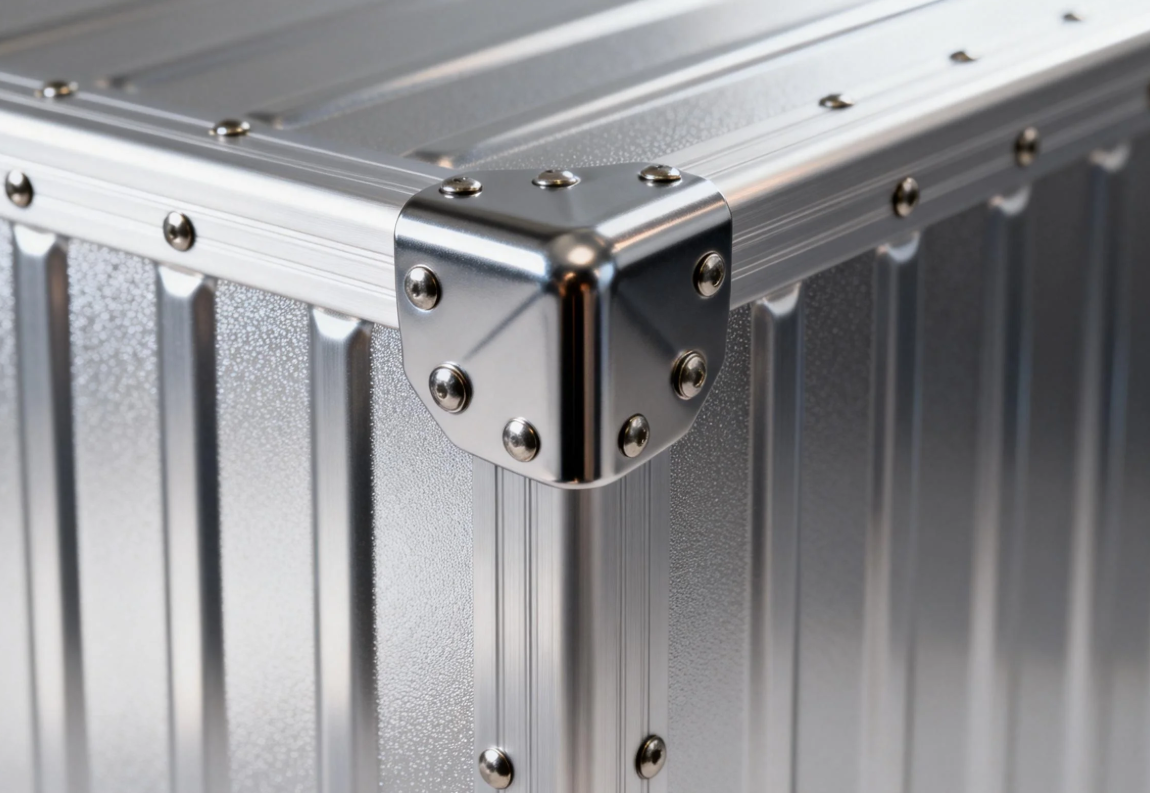
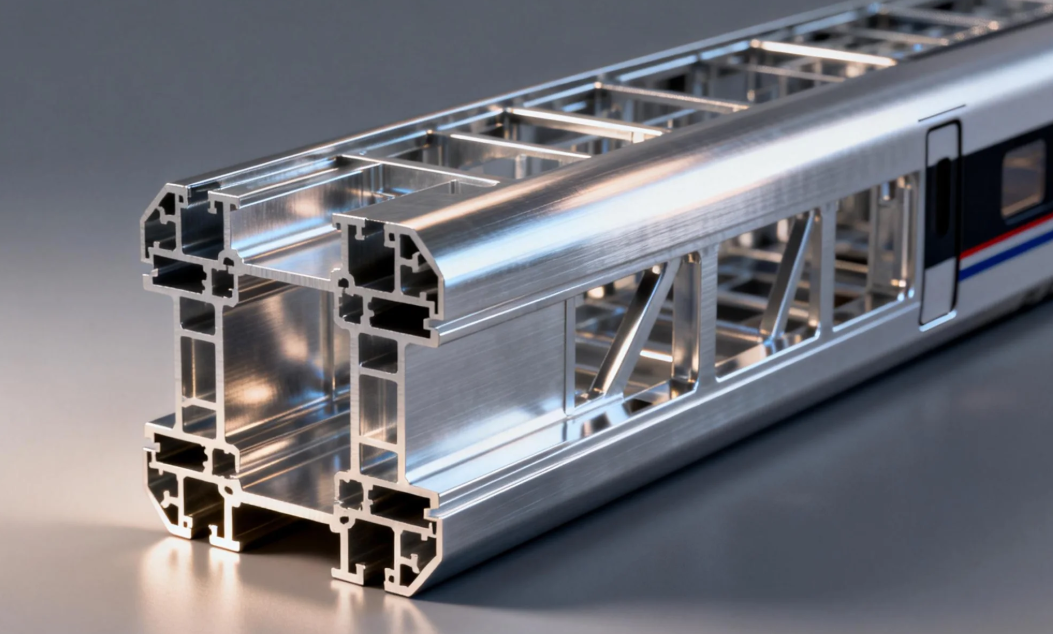
The advantages of using aluminium alloy for the main structure of high-speed train carriages

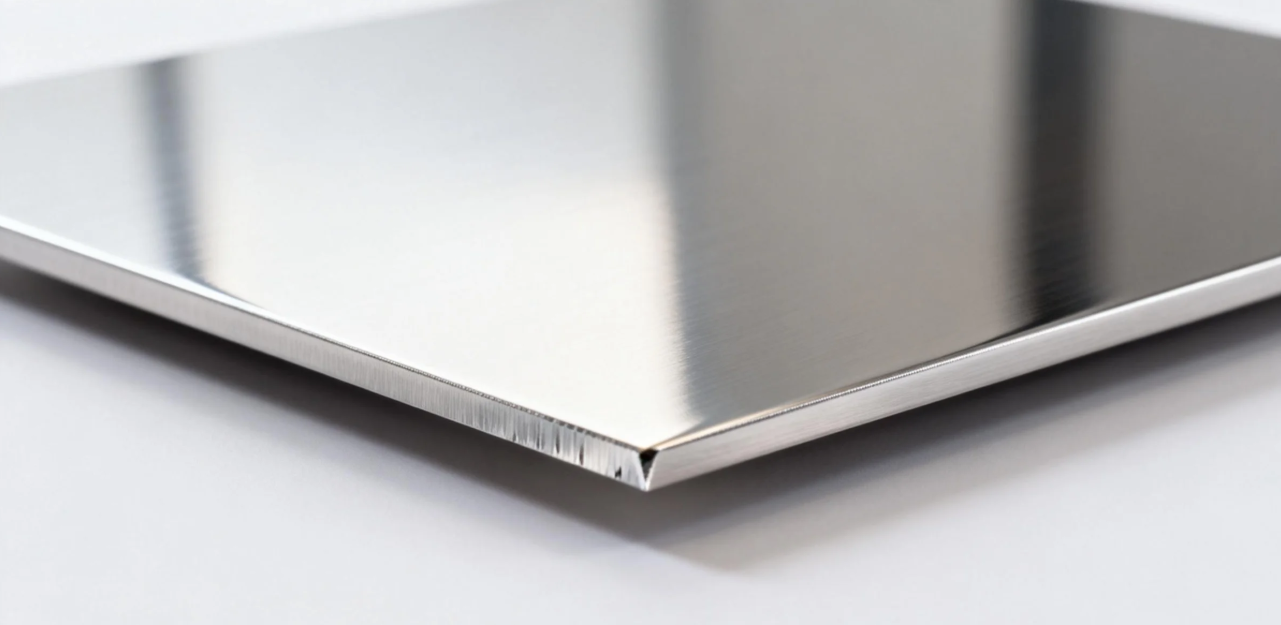
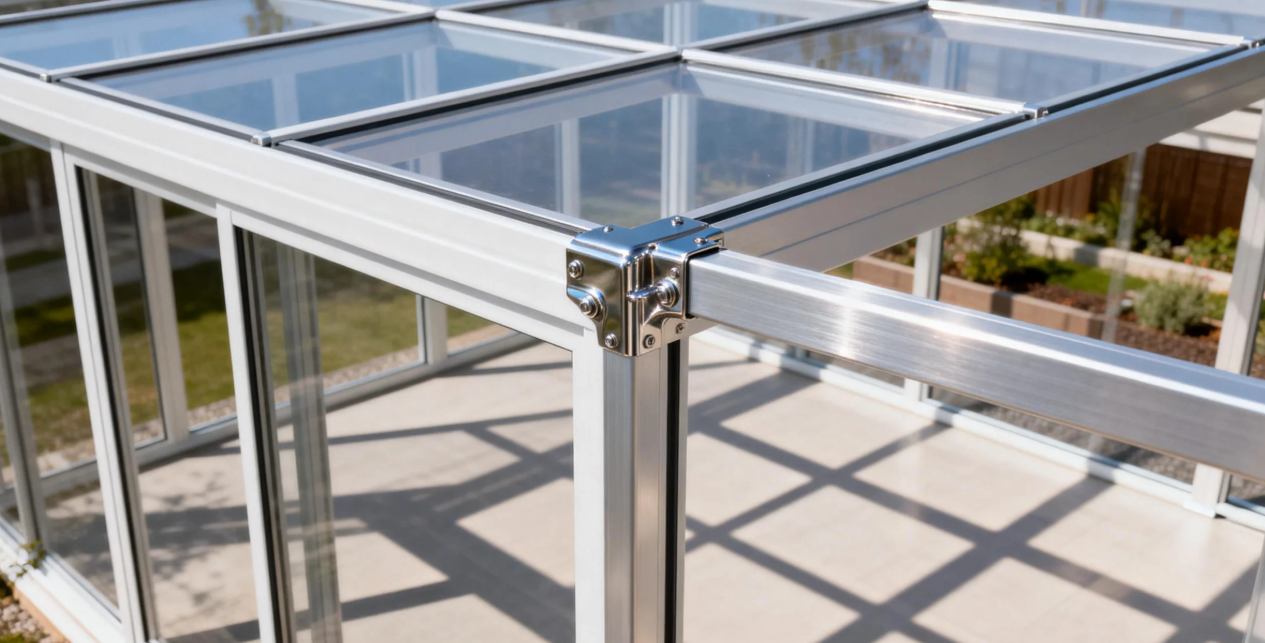
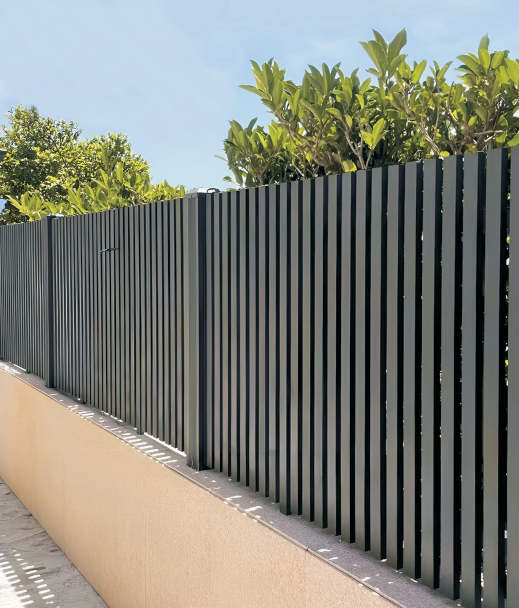




Methods for distinguishing Indoor and Outdoor Aluminium Doors

Maintenance methods and tips for aluminium doors and windows
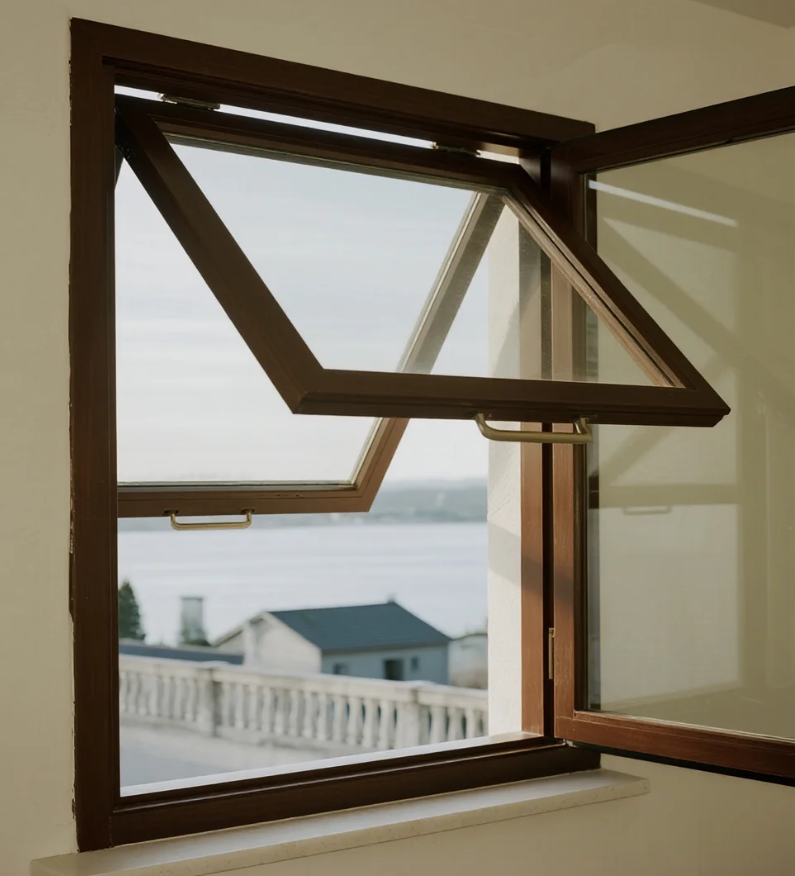
Characteristic of outward-opening and hung aluminium windows

Xinhe Aluminium Research: 7.14-7.18 Analysis of Aluminium Prices

Seven Benefits Of Using Aluminium Profiles In Curtain Wall Systems
The Application of Aluminium Profiles in New Energy Vehicles

The Composition and Application of Series 6 Aluminium Alloys
Top 5 Benefits of Using LED Aluminium Profiles in Modern Lighting
A Complete Guide to Aluminium Frame Profiles for Modern Structures
Exploring the Strength and Versatility of Aluminium Extrusion Profiles
How to Choose the Right Aluminium Profile Supplier for Your Project

COMPANY