Finding the right aluminium profile supplier China can be the difference between a laser cutting operation that runs smoothly for years and one that constantly struggles with precision issues and unexpected downtime. When manufacturers seek industrial aluminium profiles for laser cutting equipment, they’re looking for more than just material—they need a structural foundation that can handle thermal stress, maintain tight tolerances, and support complex automation demands.
The challenge lies in understanding what makes certain aluminium profiles suited specifically for this application. Many buyers treat all industrial profiles as interchangeable, but laser cutting machines operate under conditions that require very specific material properties and engineering precision.
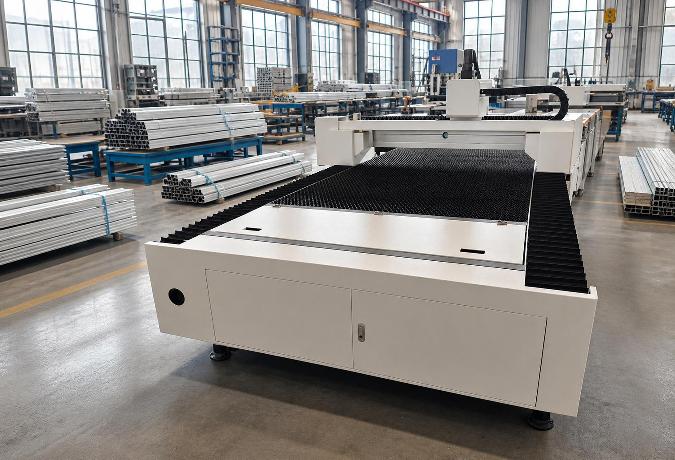
Laser cutting equipment operates differently from other machinery. The cutting head generates intense localized heat during operation, while the gantry system must move with micrometer-level accuracy across distances of several meters. This combination creates competing demands that standard structural profiles simply cannot meet.
Temperature fluctuations cause thermal expansion. When an aluminium profile heats unevenly, it expands at different rates across its cross-section, introducing micro-stresses that accumulate over time. For a laser cutting gantry, even slight dimensional changes translate directly into cutting inaccuracy. A beam that shifts by 0.1mm will produce parts that are 0.1mm out of spec—an unacceptable margin in precision manufacturing.
Vibration and mechanical stress add another layer of complexity. The cutting head accelerates and decelerates rapidly, creating inertial forces that the gantry frame must absorb without resonating. Resonance causes the beam to wander during the cut, producing irregular edges and inconsistent kerf widths. The profile’s cross-sectional geometry plays a critical role in stiffness and damping characteristics.
Friction between moving components wears surfaces over time. If the profile’s surface finish is too rough, friction increases, motors work harder, and precision degradation accelerates. Smoother surfaces mean lower friction, less thermal generation, and more consistent cutting quality over extended operating periods.
An aluminium profile supplier China providing industrial-grade material understands these demands because they work with OEMs and system integrators who face these exact problems daily.
Not all aluminium alloys are created equal. For laser cutting applications, 6000-series alloys—particularly 6063-T5/T6, 6060-T6, and 6061-T6—dominate because they offer the right balance of strength, workability, and thermal properties.
The 6063 alloy is often the default choice. It provides excellent extrudability, allowing manufacturers to create complex cross-sectional geometries without compromising structural integrity. The T5 and T6 heat treatments determine final hardness. T5 (air-cooled after extrusion) reaches moderate strength quickly, while T6 (artificially aged) achieves higher hardness for applications requiring greater rigidity. Many gantry systems use 6063-T6 for main load-bearing beams because the extra hardness reduces deflection under dynamic cutting forces.
6061-T6 offers higher strength than 6063 but is slightly less extrudable, limiting geometric complexity. It’s selected when the profile must carry heavy concentrated loads—such as in large-format machines where the gantry span exceeds five meters.
6060-T6 sits between the two, providing adequate strength for medium-duty applications while maintaining excellent surface finish and dimensional tolerance. The choice between these alloys depends on the specific machine design, load profile, and precision requirements.
Thermal conductivity matters more in laser applications than in many other industrial uses. Aluminium’s natural thermal conductivity (around 160-210 W/m·K depending on alloy) is its strength here. When the profile is positioned near the cutting zone, it acts as a heat sink, drawing thermal energy away from sensitive mechanical components. This passive cooling prevents thermal deformation that would throw the entire cutting head out of alignment.
The internal structure of a profile—its web thickness, rib placement, and hollow cavity dimensions—determines how it performs under real operating conditions. This is where generic industrial profiles fail laser cutting applications.
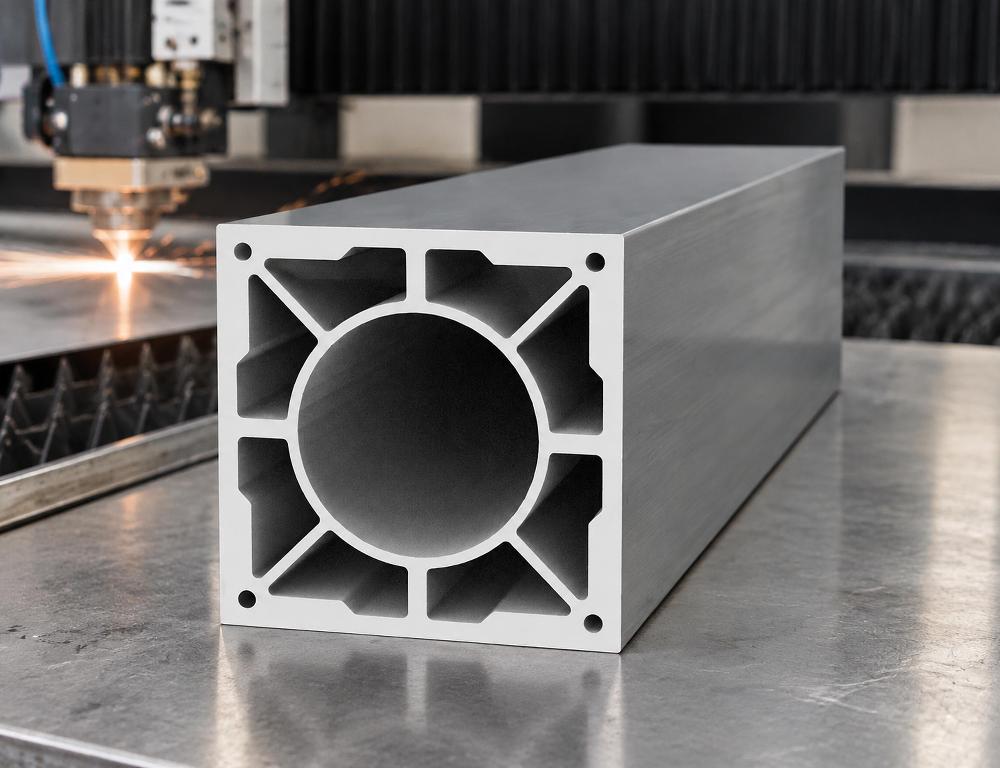
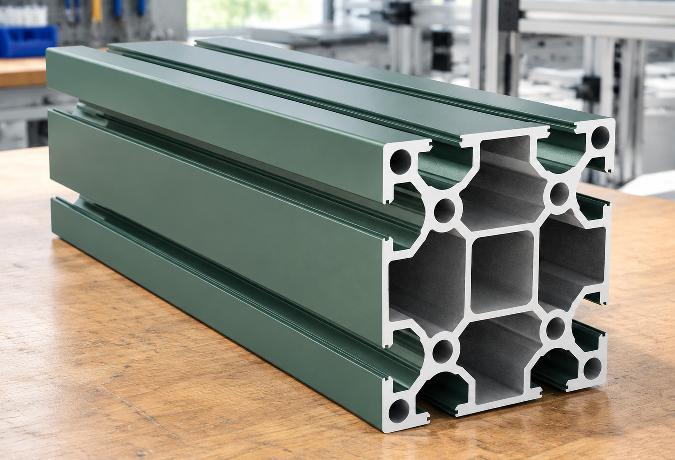
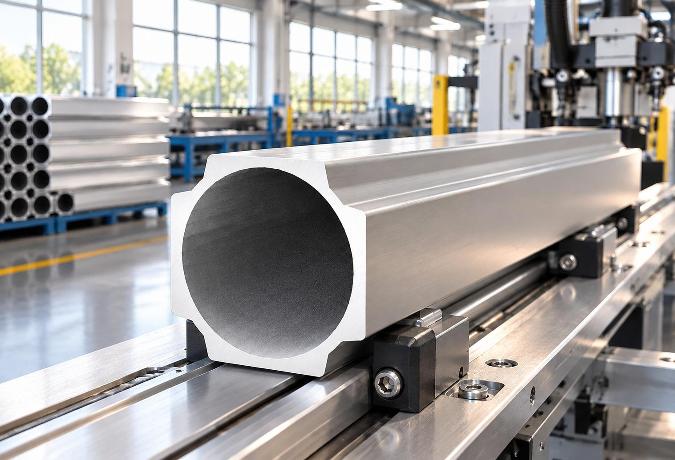
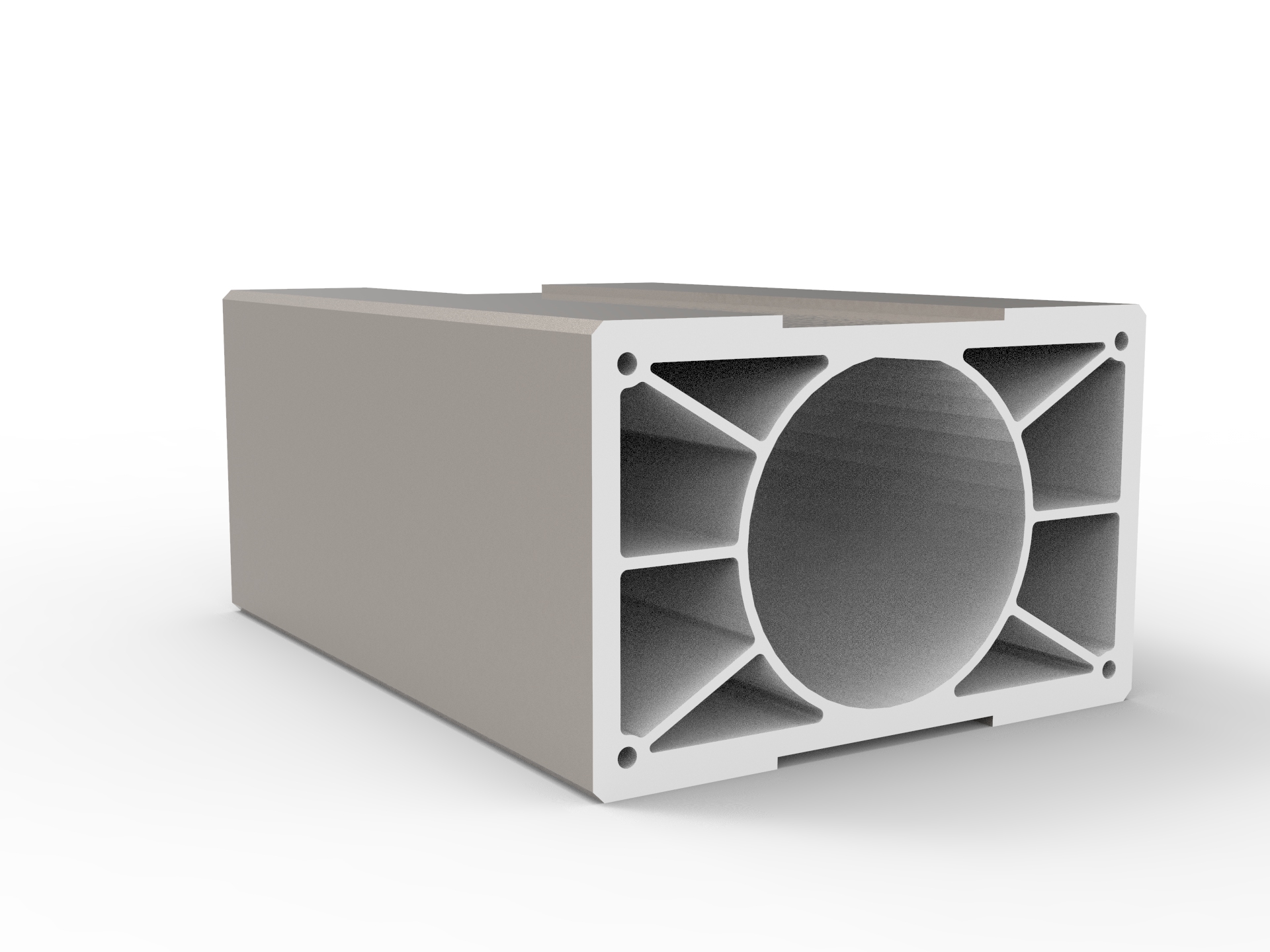
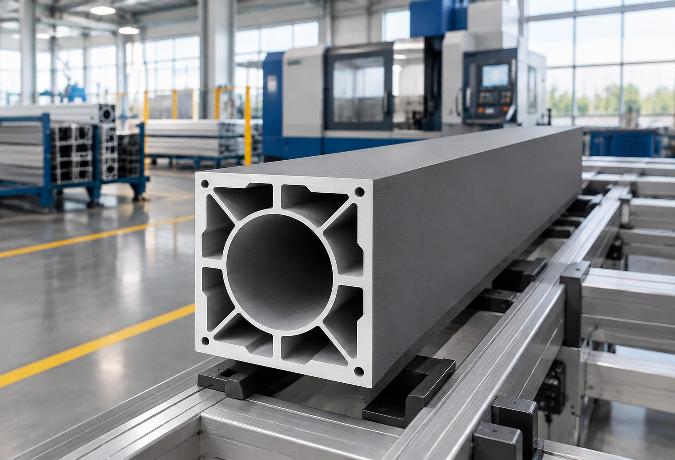
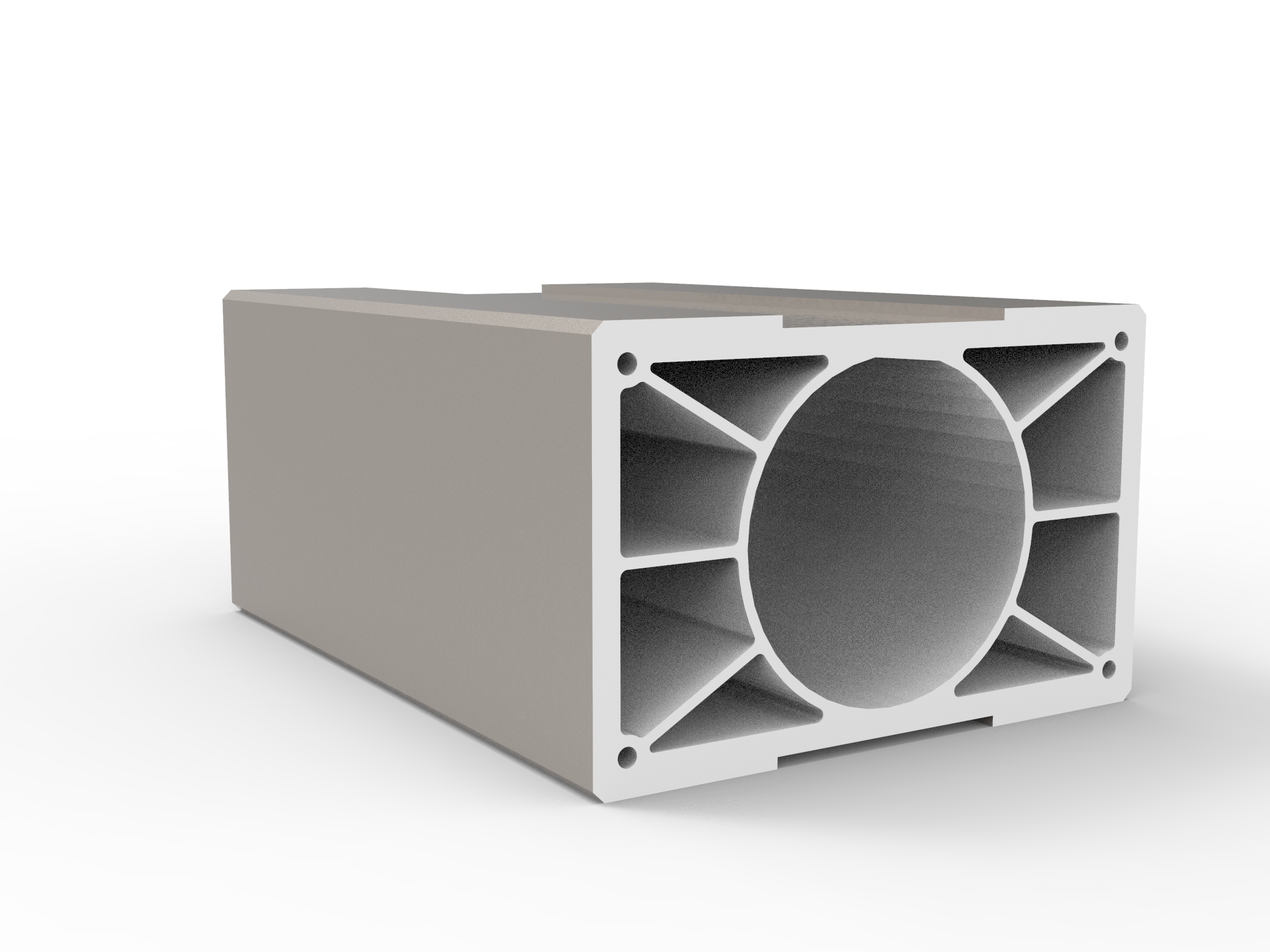
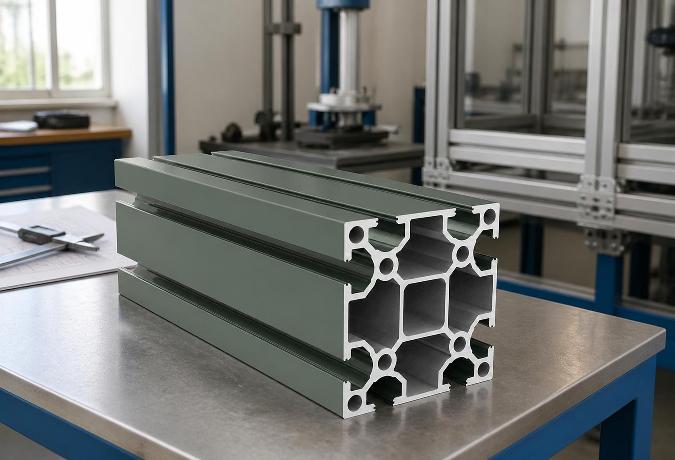
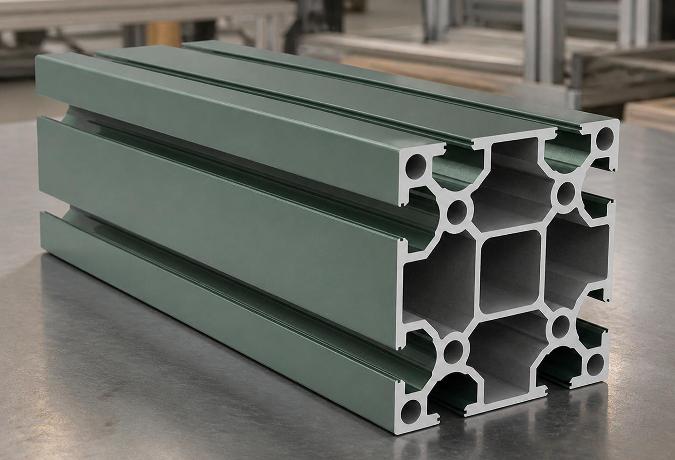
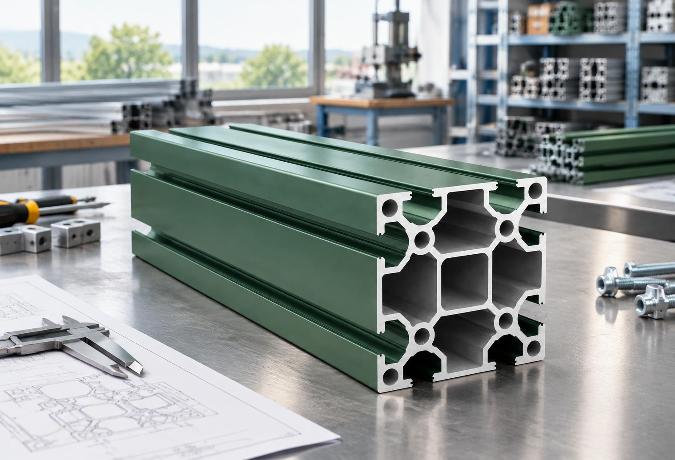
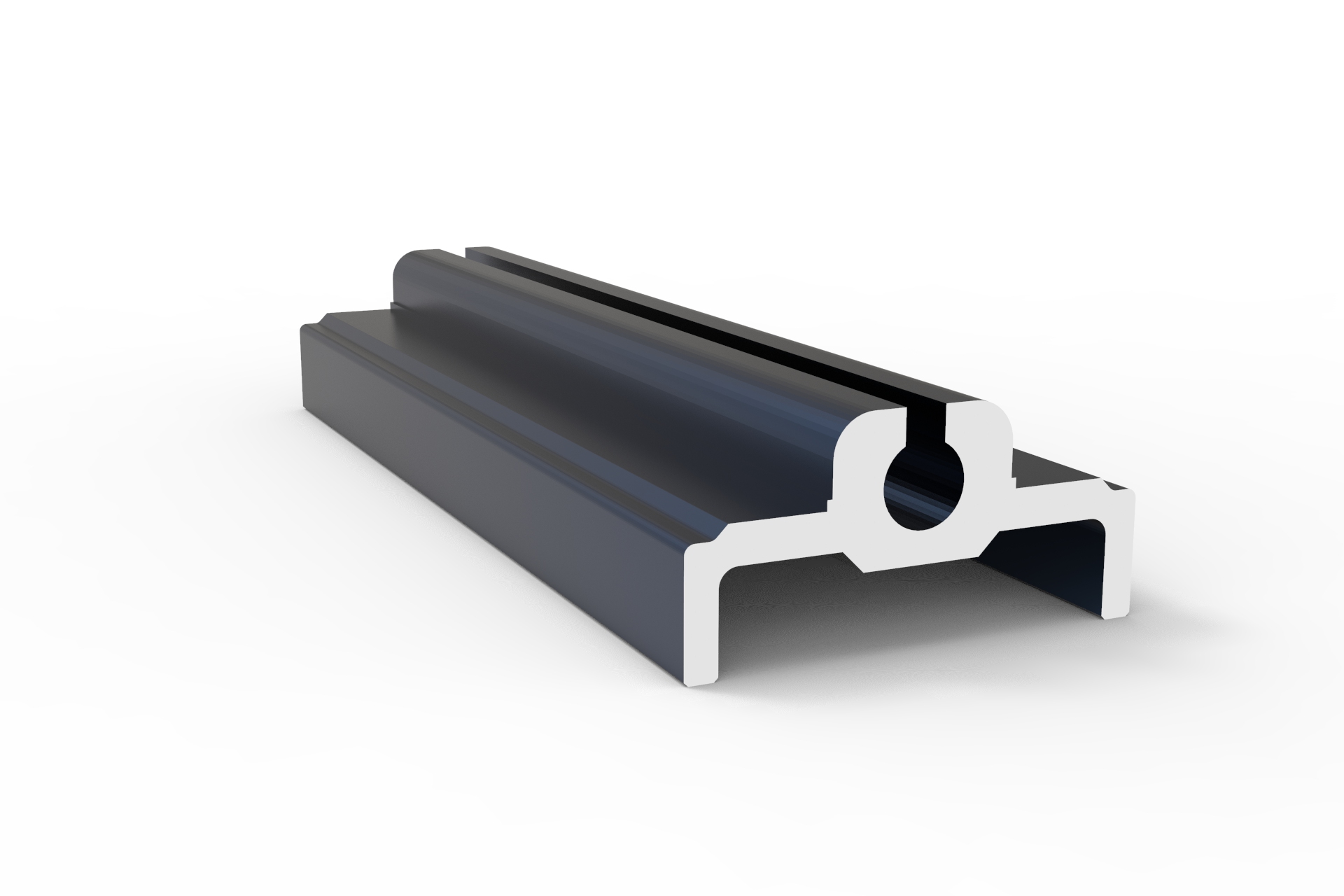
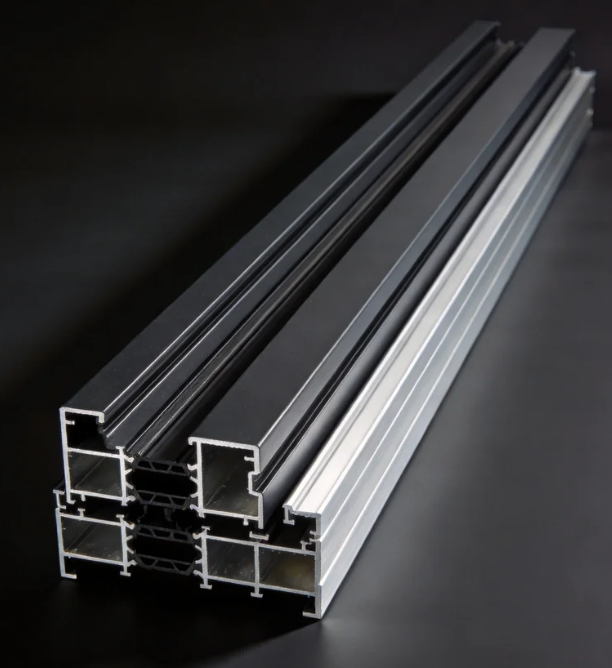
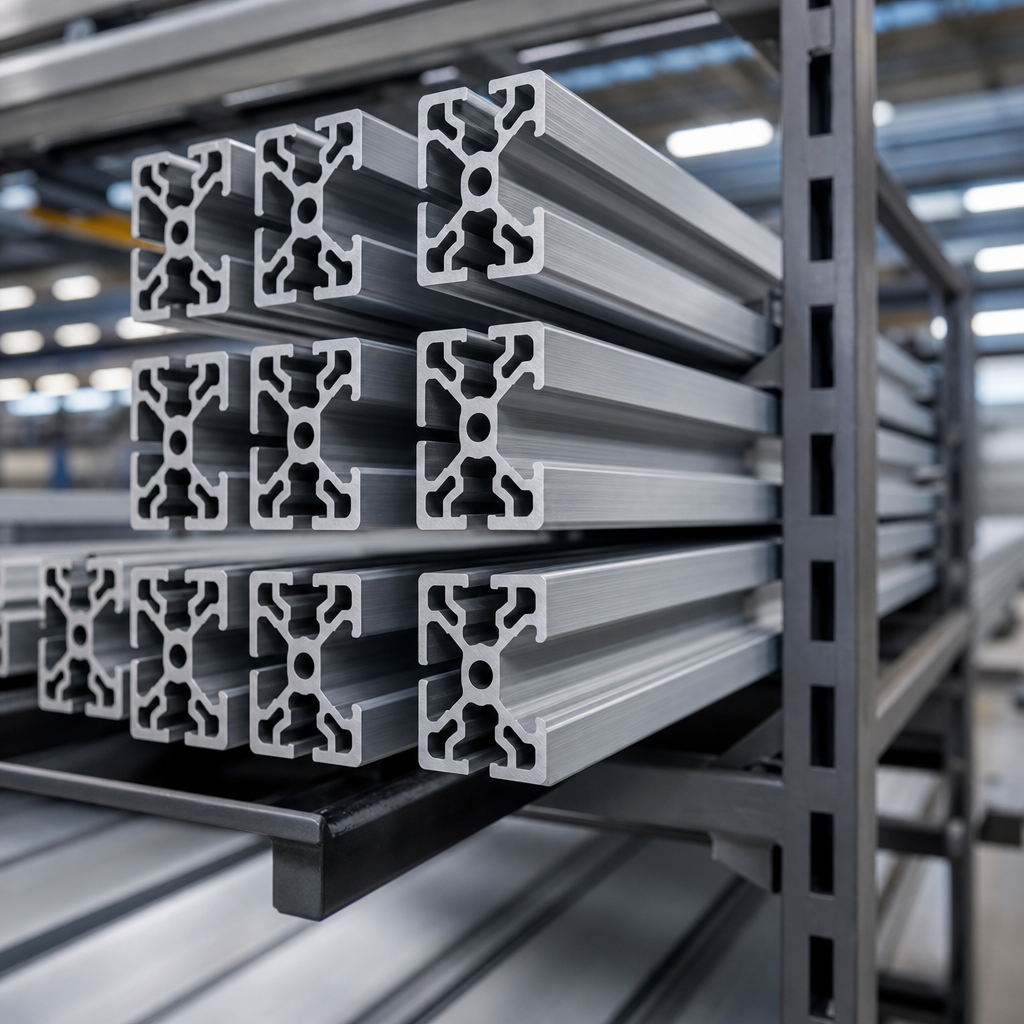
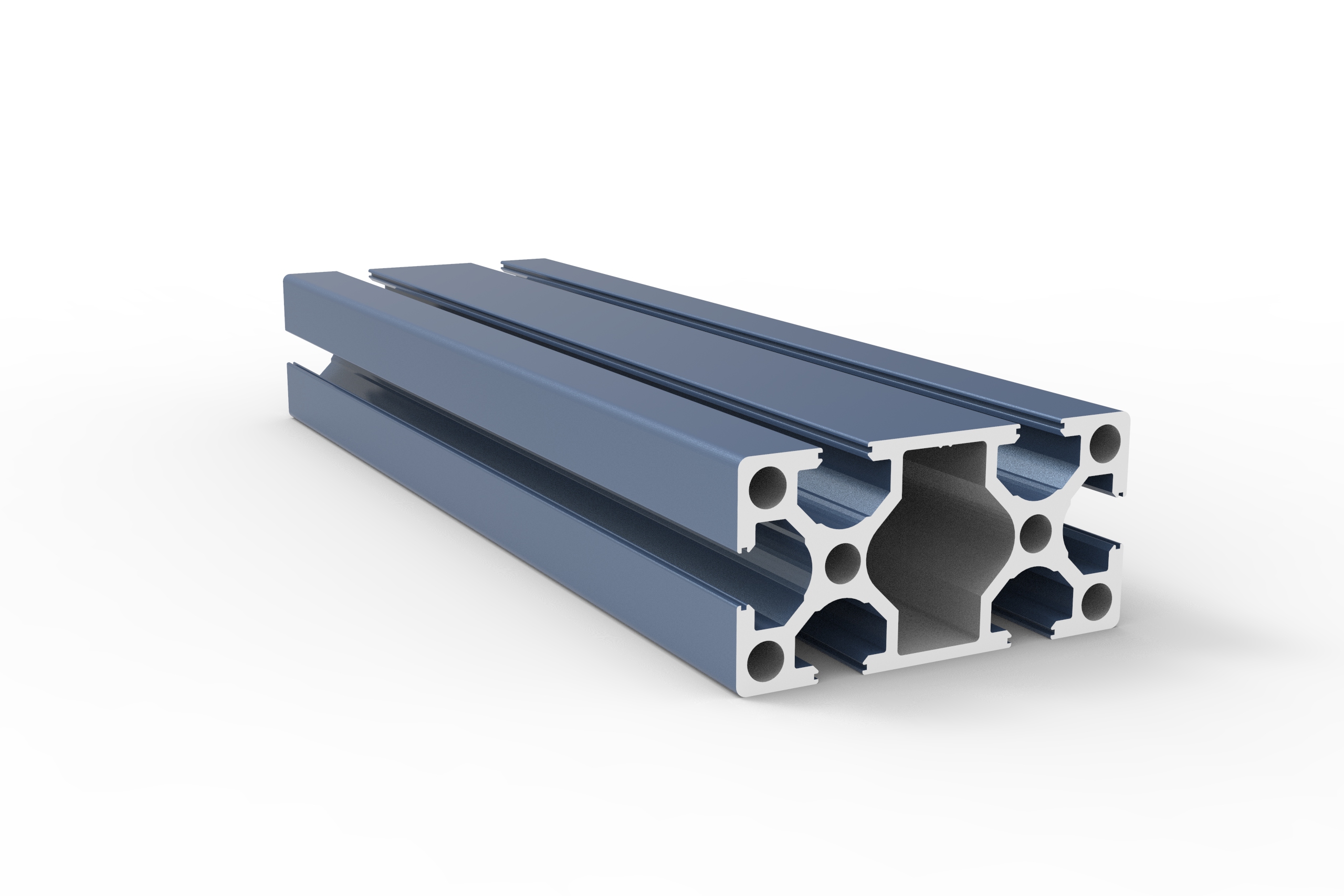
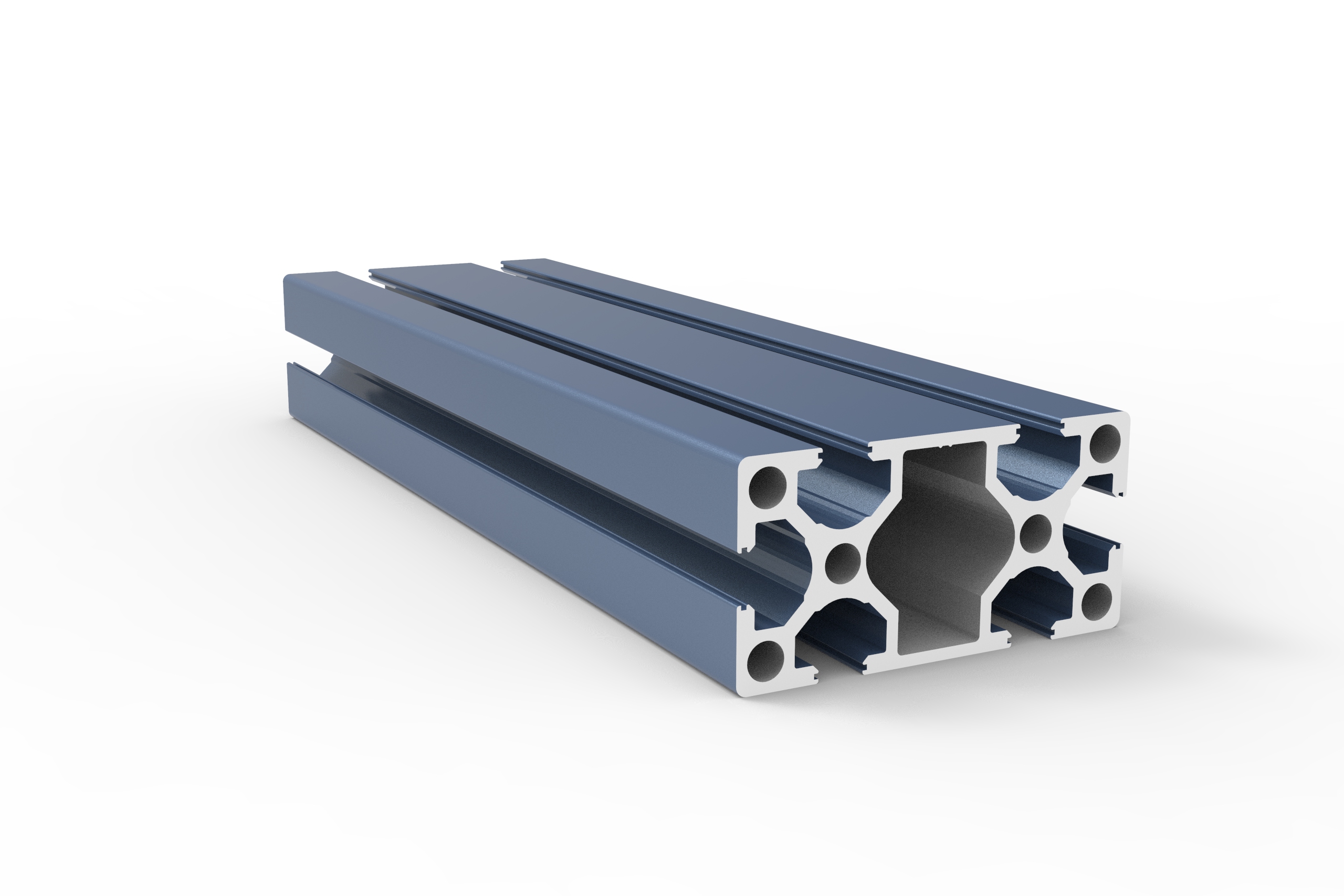
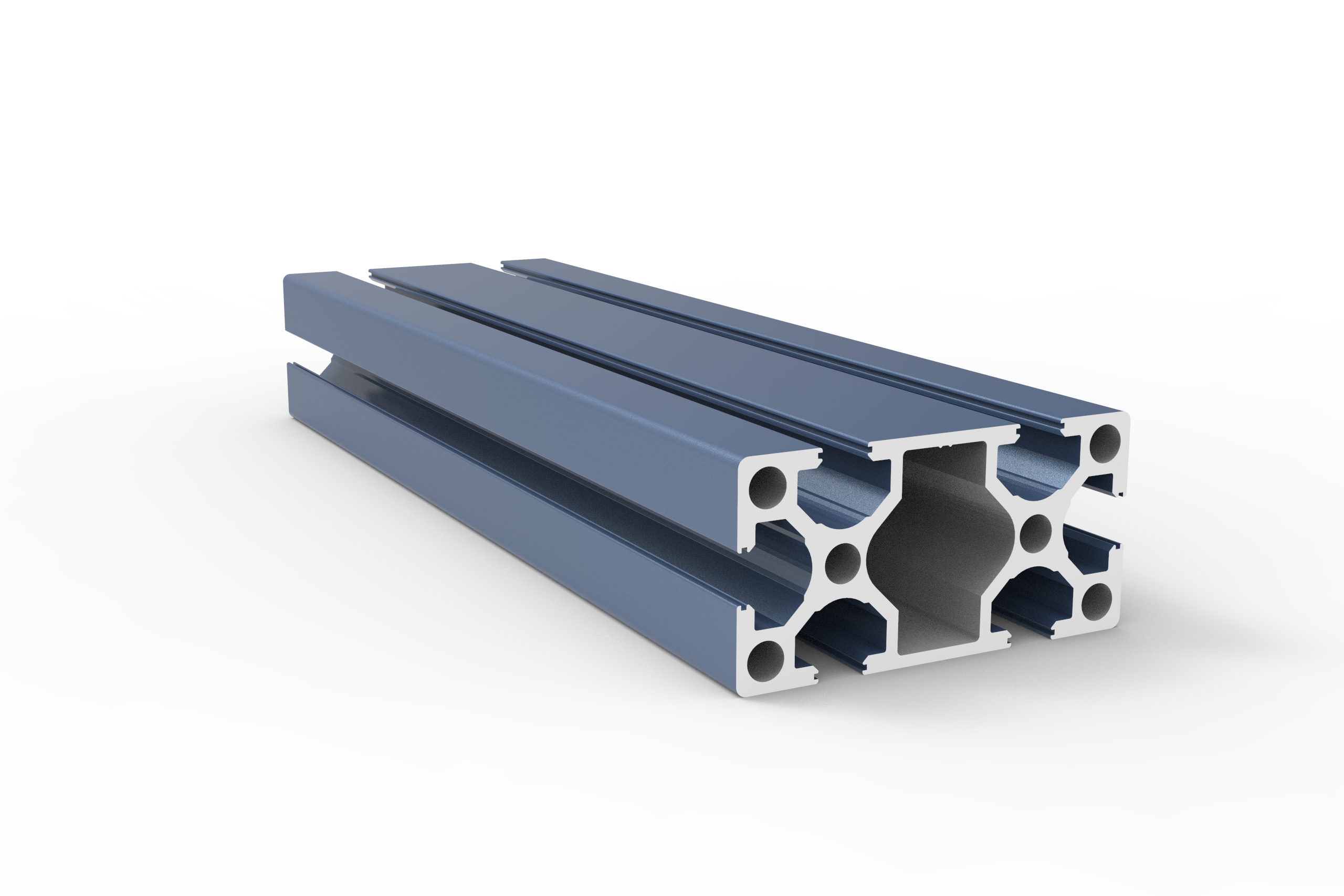
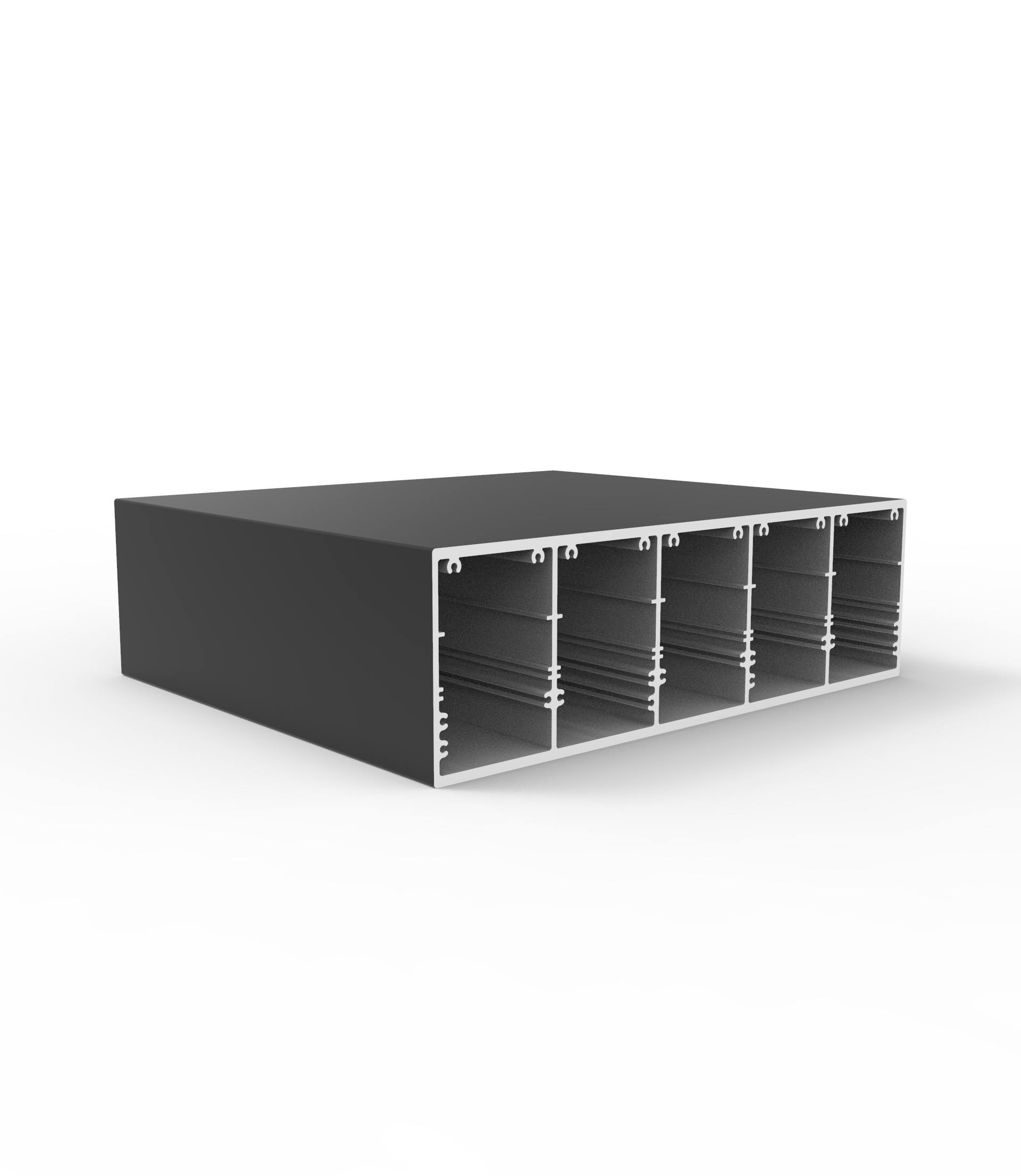
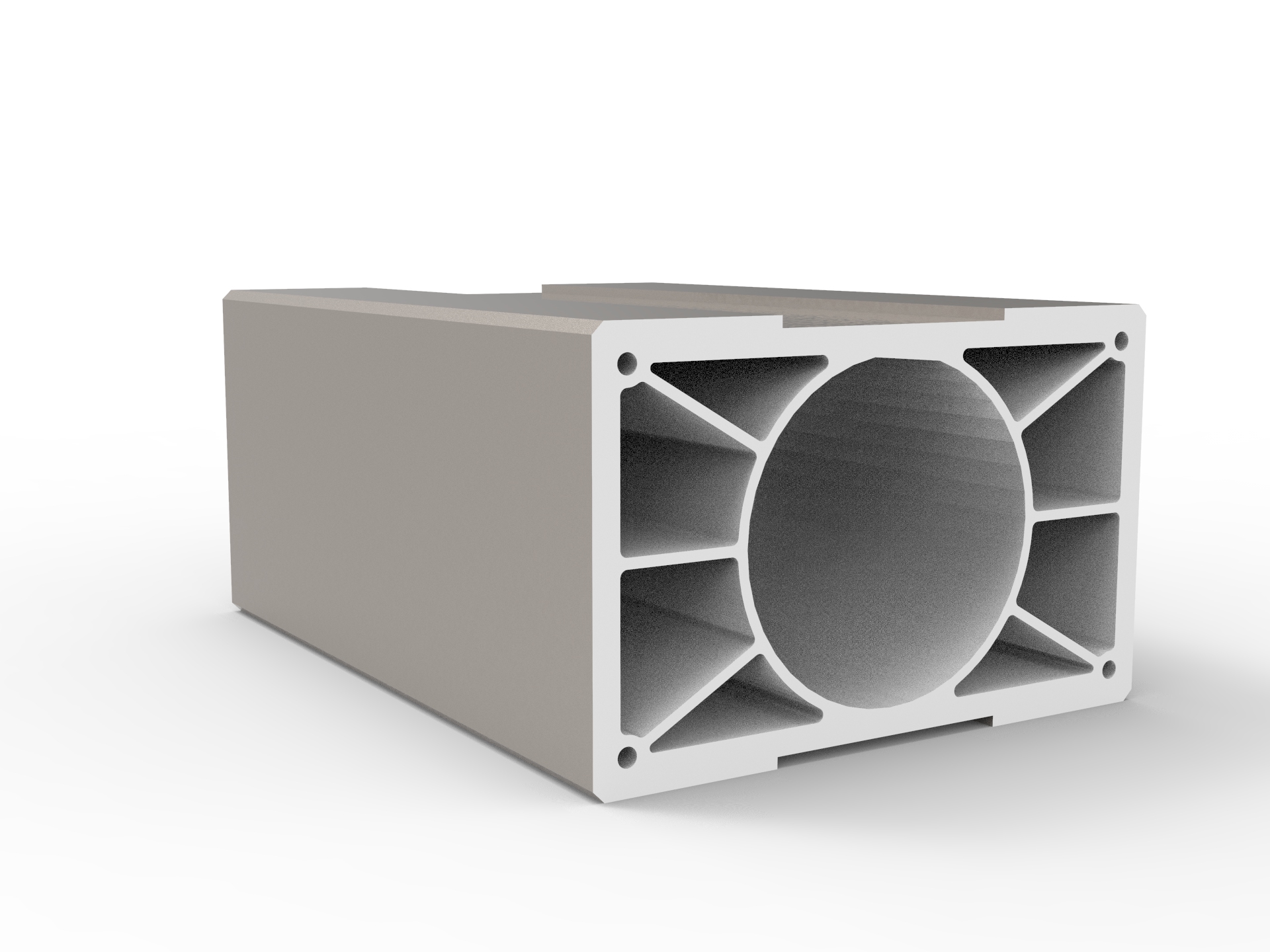
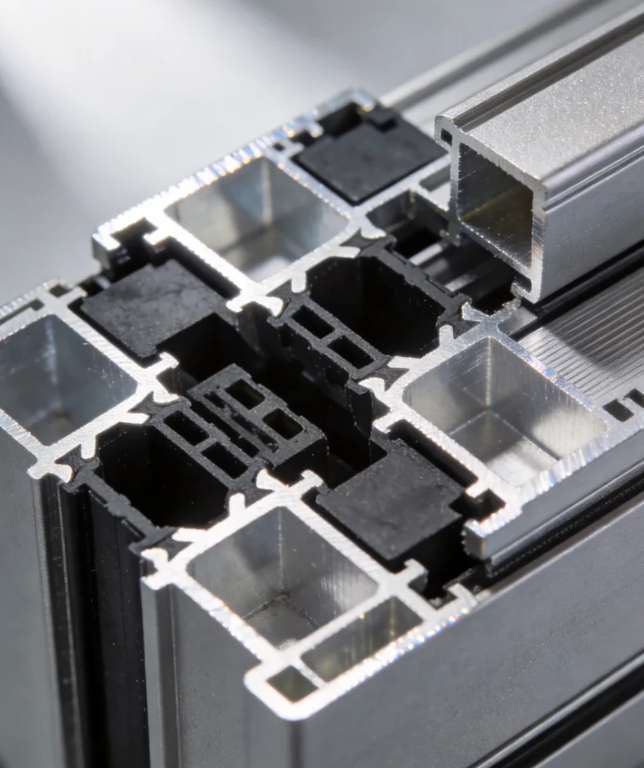
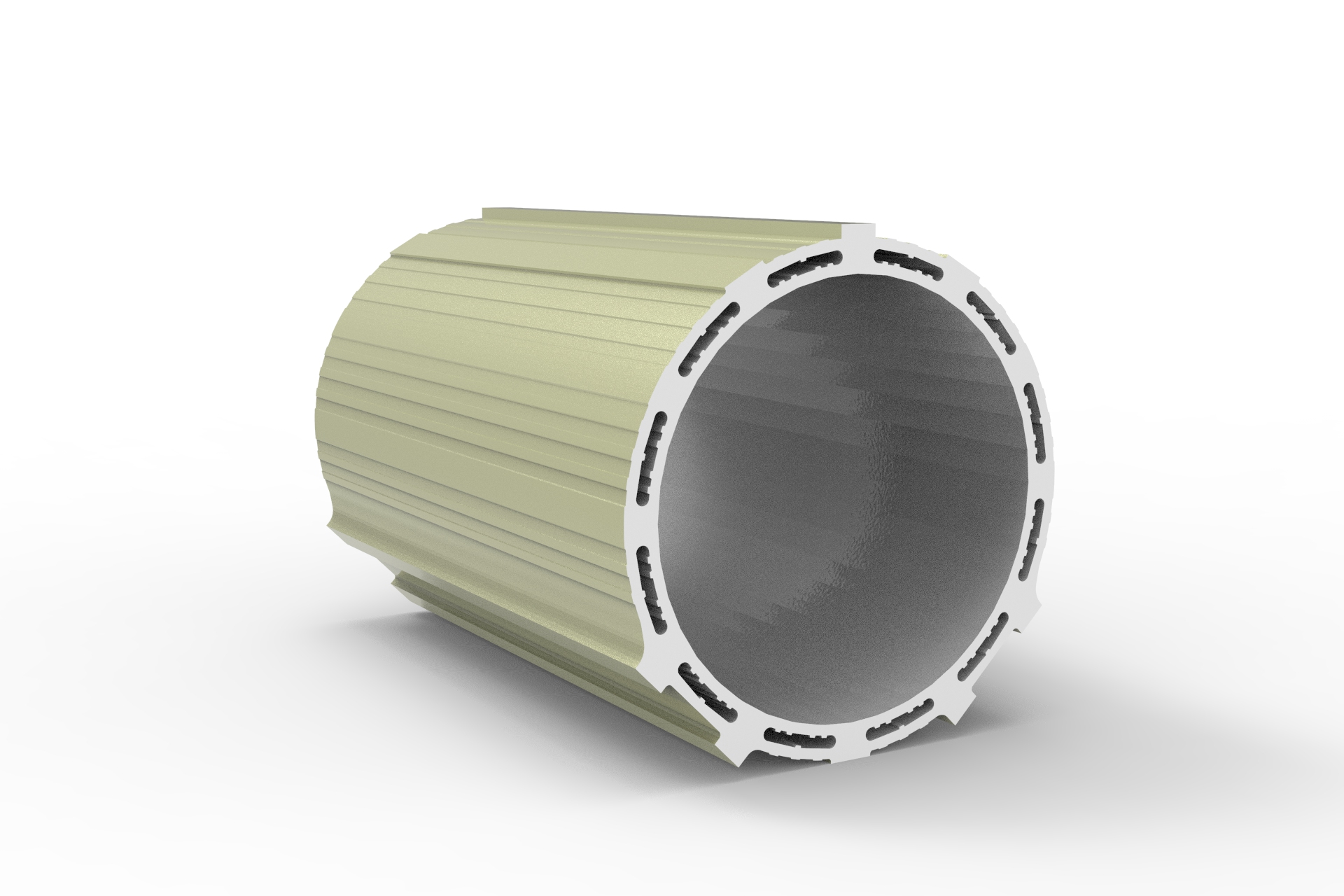
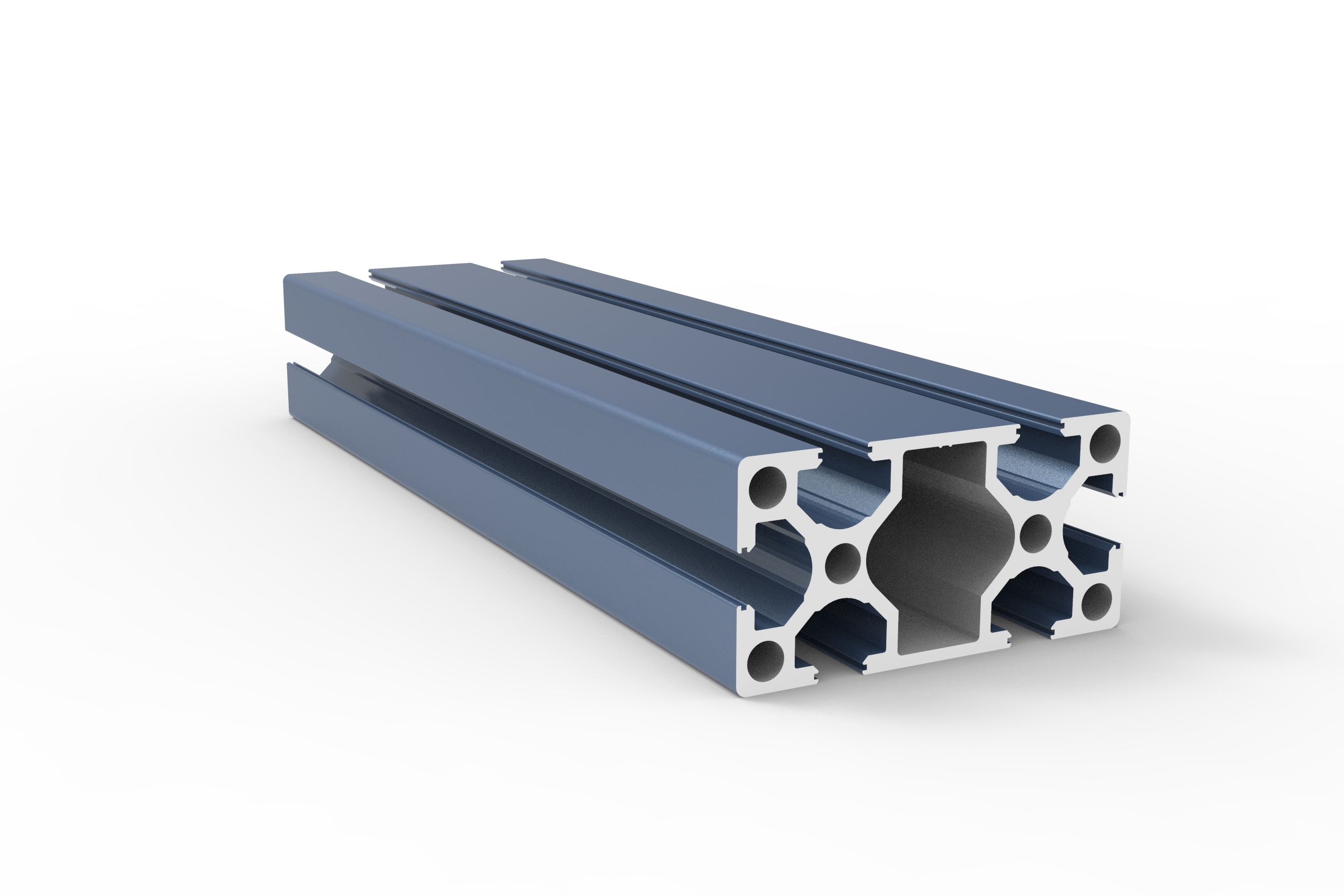
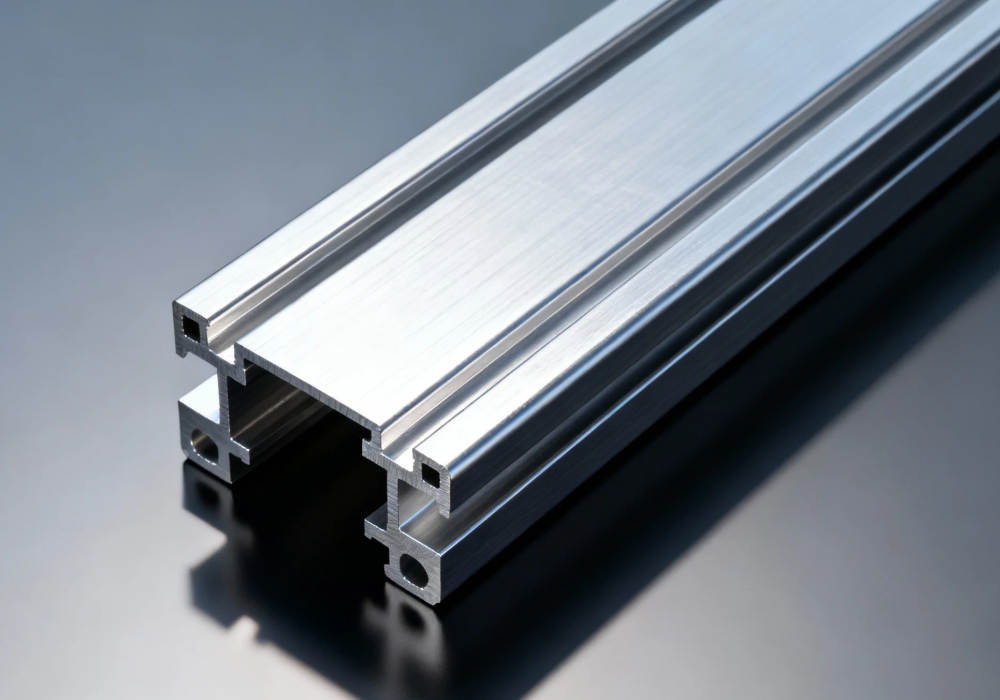
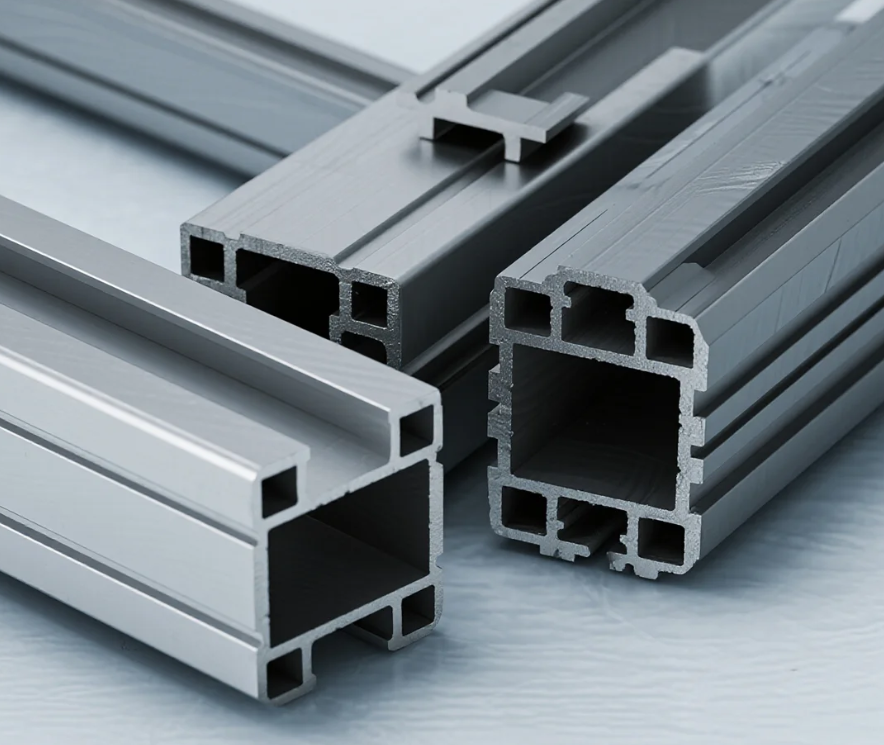
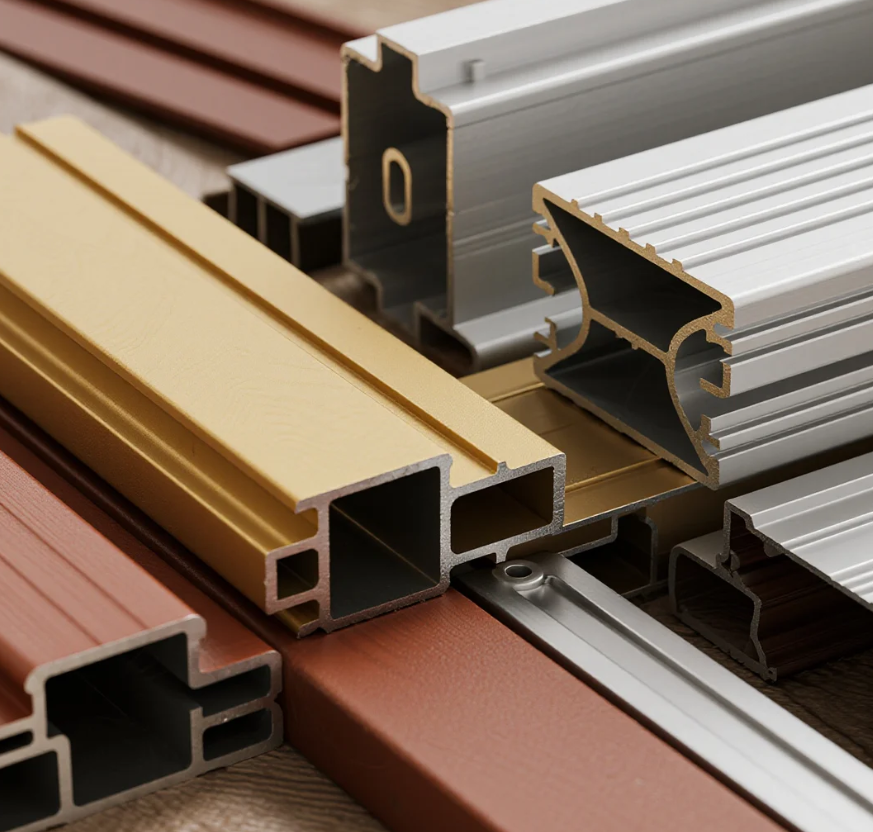
A typical industrial profile for laser cutting features a hollow rectangular or square cross-section with internal reinforcing ribs. The hollow core reduces weight without sacrificing stiffness, which is crucial for fast acceleration and deceleration cycles. The internal ribs—typically four to eight—act as bracing, preventing buckling and reducing vibration modes.
Corner mounting bosses (screw holes) are positioned where maximum stress concentration occurs. This design choice allows engineers to attach other structural components, slides, and fixtures without drilling into thin-walled sections where fasteners would tear through. The boss design also serves as localized reinforcement, strengthening the profile exactly where it needs to resist bending moments.
The distinction between a profile designed for laser cutting and one designed for generic industrial use lies in these details. A generic industrial profile might have ribs optimized for tooling simplicity rather than structural performance. A purpose-built profile prioritizes rigidity-to-weight ratio and thermal behavior over manufacturing convenience.
Surface finish inside the hollow cavity is equally important. If internal surfaces are rough from the extrusion process, they trap dust and debris during machine operation. This accumulation interferes with moving components and creates micro-abrasion points that shorten bearing life. Purpose-engineered industrial aluminium profiles for laser systems specify smooth internal surfaces as a manufacturing requirement, not an afterthought.
When you purchase from an established aluminium profile supplier China with decades of experience, you’re buying precision that extends well beyond simple dimensional accuracy. The extrusion process itself determines surface quality, wall thickness consistency, and squareness of the profile.
High-precision extrusion equipment maintains tight control over the die temperature, material flow rate, and cooling parameters. This results in profiles where wall thickness varies by less than ±0.5mm across the entire length—a specification that might seem small until you realize that a 0.5mm thickness variance on a 2-meter beam introduces stress concentration points where the profile is thinner.
Dimensional tolerance on overall profile width and height typically runs ±0.3mm to ±0.5mm depending on the cross-sectional size. For a gantry system with a 3-meter span, this tolerance accumulation is managed through design practices like using precision linear guides rather than relying on profile geometry alone.
Straightness—the deviation from a perfectly straight line along the profile’s length—is another critical specification. High-precision extrusion targets straightness tolerances of ±1mm per meter or better. A gantry beam that’s slightly curved introduces angular misalignment that compounds as you move along its length. Over a 3-meter span, a curve of 3mm sounds acceptable but translates to a cutting head that’s 3mm higher on one end than the other, producing angled cuts on parts where alignment matters.
Surface finish uniformity matters for both aesthetic reasons and functional ones. A uniform mill finish (the natural as-extruded surface) reflects thermal radiation consistently, whereas a streaked or etched surface has varying emissivity, leading to uneven heat dissipation. When a surface finish is specified as "smooth" or "ultra-smooth," it typically means the surface was processed to Ra 1.6μm or better—smooth enough for low-friction sliding contact and consistent thermal behavior.
Generic off-the-shelf profiles don’t fit every application. A laser system designed for cutting thin stainless steel sheet might use different profile geometries than one designed for thicker carbon steel plate cutting. The difference lies in acceleration demands, heat generation patterns, and precision requirements.
An advanced aluminium profile supplier China offers customization across multiple dimensions:
These customization options aren’t marketing additions—they’re necessary because laser cutting machine manufacturers operate in competitive markets where cost reduction and performance improvement drive continuous iteration. A profile that was optimal five years ago might become suboptimal today if cutting speeds have increased or beam sizes have changed.
Anodized finishes provide corrosion resistance and can modify surface properties. Electrophoresis and powder coating add protective layers, though they’re less common for internal structural components. Fluorocarbon finishes offer superior UV resistance for outdoor equipment, though laser cutting machines are typically used indoors.
The real test of an industrial aluminium profile comes during extended cutting operations where heat accumulates. Laser cutting generates thermal energy at the cutting zone, but heat also develops in the drive motors, laser tube (if using CO2 systems), and other equipment mounted on the gantry.
Aluminium’s thermal conductivity becomes an active advantage here. Heat conducted away from sensitive components through the profile structure reduces equipment degradation. A profile positioned strategically in the gantry design acts as a thermal pathway, channeling heat toward larger surface areas where it can dissipate into the surrounding air.
Material selection influences thermal behavior. 6061-T6 has slightly different thermal properties than 6063-T6, with 6063 offering better thermal conductivity (approximately 200 W/m·K for 6063 vs. 167 W/m·K for 6061, depending on exact composition and treatment). This difference is small enough that structural requirements usually outweigh thermal considerations in alloy selection.
The heat treatment state also affects thermal stability. T6 heat-treated profiles are more thermally stable than T4 or T5 variants because the aged structure resists creep (slow, permanent deformation under sustained load). When a profile is subjected to combined mechanical stress and elevated temperature, creep becomes a real concern. A beam that creeps even slightly will introduce gradually increasing cutting errors over the course of a production run.
A smooth aluminium profile surface enables smooth component movement. In laser cutting systems, linear slides—the bearing assemblies that ride on the profile—depend on smooth surfaces to maintain consistent friction and minimal wear.
When a slide rides on a rough profile surface, friction becomes inconsistent. Starting friction differs from running friction, introducing stick-slip behavior that shows up as slight hesitations during cutting motion. These hesitations appear as marks or inconsistencies on cut parts. They also increase wear on the slide bearings themselves, shortening service life by 30 to 50 percent according to bearing manufacturers’ calculations.
A precision-finished aluminium profile surface reduces friction from the baseline of perhaps 0.15 to 0.12 coefficient of friction—a modest percentage improvement that compounds over thousands of operating hours. Lower friction also means the servo motor driving the slide requires less power, generating less heat, which indirectly supports better thermal management for the entire system.
The surface treatment influences wear rates significantly. Anodized surfaces are harder than bare aluminium and wear more slowly, but they add cost and require careful handling during fabrication to avoid damaging the anodized layer. Mill-finish profiles are adequate for many applications where replacement is planned every few years, while anodized profiles extend service intervals by 50 to 70 percent in high-use environments.
| Specification | Impact on Laser Cutting Performance | Typical Value | Selection Criteria |
|---|---|---|---|
| Wall Thickness | Affects rigidity and weight balance | 1.5–3mm | Balance stiffness with weight for acceleration |
| Internal Ribs | Reduces vibration and buckling | 4–8 ribs | More ribs increase damping but reduce internal cavity space |
| Mounting Bosses | Enables fixture attachment without stress concentration | ±25mm centers | Position near maximum bending moment |
| Surface Finish | Friction and thermal dissipation | Ra 1.6–3.2μm | Smoother finish for precision applications |
| Alloy Selection | Strength-to-weight and thermal properties | 6063-T6, 6061-T6 | 6063 for complex geometry, 6061 for high strength |
| Tolerance Grade | Precision and repeatability | ±0.5mm | Tighter tolerance for high-speed cutting |
| Heat Treatment | Structural stability and creep resistance | T5, T6 | T6 for sustained thermal stress |
When evaluating industrial aluminium profiles for laser cutting, start with your machine’s design specifications. What cutting area must the gantry span? What’s the cutting speed, and does it require rapid acceleration? How much thermal stress will the profile experience?
Load calculations determine the minimum profile size needed. Use finite element analysis or standard beam formulas to find deflection under the cutting head weight plus dynamic forces. Most laser cutting machines specify maximum allowable deflection of 0.5mm to 2mm depending on cutting precision requirements.
Thermal analysis comes next. Calculate expected temperature rise during continuous operation and verify that the profile’s thermal properties (combined with any cooling systems) keep all components within safe operating ranges. Aluminium loses strength gradually above 100°C, so even passive cooling through the profile structure is valuable.
Consider the operating environment. Indoor climate-controlled facilities allow use of standard mill-finish profiles. Outdoor or corrosive environments (such as near salt spray) require surface treatment—typically anodized or powder-coated finishes.
Lead time and minimum order quantities matter in practice. Most manufacturers require purchase of 250–500kg per profile cross-section, equivalent to several hundred meters of standard profiles. This commitment makes design finalization critical before ordering. An aluminium profile supplier China with inventory or rapid production capability offers flexibility that regional suppliers might not.
Service and technical support during design phase can prevent costly mistakes. Experienced suppliers provide guidance on profile geometry optimization, surface finish specifications, and fixture attachment strategies based on thousands of previous applications.
Established manufacturers in China’s aluminium industry bring decades of combined experience to every project. With annual production capacity exceeding 100,000 tons and product portfolios covering thousands of profile designs, they’ve encountered nearly every application scenario.
The advantage of this scale isn’t just lower per-unit cost—though cost efficiency matters for margin-conscious manufacturers. The real advantage is expertise. When you describe your laser cutting machine design to an experienced supplier, they can immediately identify whether your profile geometry matches your stated performance requirements or whether adjustments could improve results.
For us, this means providing not just products but technical partnership. Customers send CAD files and performance specifications, and the engineering team reviews them against manufacturing capabilities and design best practices. This dialogue often surfaces optimization opportunities—perhaps a subtle geometry change that increases stiffness by 10 percent without changing material weight, or a surface treatment adjustment that improves thermal dissipation.
Quality control processes distinguish industrial-grade suppliers from commodity producers. Incoming material is tested for composition and hardness. Finished profiles are measured for dimensional accuracy and surface finish. Random samples undergo tensile testing to verify mechanical properties meet specifications. Documentation—test reports, certificates of analysis, mill certificates—provides traceability and proof of specification compliance.
Delivery reliability supports manufacturing schedules. A committed lead time of 10–20 days means you can plan production around material arrival. Larger suppliers maintain inventory buffers for popular profile cross-sections, enabling shorter lead times for repeat orders.
Cutting precision deterioration is often traced to gantry deflection or vibration, both of which profile selection directly influences. An undersized profile that deflects more than designed introduces gradual angular misalignment, producing parts that are consistently out of spec on one end of the cut.
Thermal drift causes the cutting head to shift position as components expand. A profile with poor thermal conductivity allows hot spots to develop, creating local expansion that throws optical alignment off. Purpose-designed industrial aluminium profiles for laser systems manage heat through geometry and material selection, keeping temperature differentials small.
Bearing wear accelerates on rough profile surfaces. Replacing slide bearings every 2–3 years instead of 4–5 years adds significant maintenance cost. Smooth, precision profiles extend bearing life directly through reduced friction.
Component corrosion matters in humid or chemically aggressive environments. Bare aluminium oxidizes naturally, forming a protective oxide layer, but persistent moisture can pit the surface. Anodized profiles resist pitting and maintain surface integrity over years of exposure.
When you’re ready to specify industrial aluminium profiles for a laser cutting system, gather these key pieces of information:
Your machine’s cutting area dimensions and gantry span determine the profile’s minimum size and geometric requirements. Load calculations under both static (cutting head weight) and dynamic (acceleration forces) conditions tell you the wall thickness and alloy selection needed.
Thermal analysis reveals whether standard cooling suffices or if you need modified profile geometry to improve heat dissipation. Environmental conditions dictate surface treatment choices.
Design collaboration with an aluminium profile supplier China that understands laser cutting machinery accelerates your path to optimized solutions. They can validate your geometry, suggest improvements, and commit to reliable delivery within your production timeline.
The profile you select becomes the foundation of your laser cutting system’s precision, reliability, and service life. Choosing based on cost alone leaves performance and durability on the table. Choosing based on a supplier’s experience and engineering support ensures your investment in the system pays dividends through consistent, accurate cutting operations for years to come.
Q: What’s the difference between 6063 and 6061 aluminium for laser cutting applications?
6063 is more extrudable, allowing complex cross-sectional designs with thin walls and intricate ribs. 6061 is stronger but less extrudable, limiting geometry options. For laser cutting, 6063-T6 is often preferred because it balances strength with design flexibility.
Q: Why does surface finish matter if the profile is internal to the structure?
Even internal surfaces affect performance. Rough internal surfaces trap debris, increase friction for moving components mounted on the profile, and create irregular thermal contact points. Smooth surfaces reduce wear on bearings and support consistent thermal dissipation.
Q: How tight should dimensional tolerances be?
For precision laser cutting, tolerances of ±0.5mm or better on overall profile dimensions and ±1mm per meter on straightness are typical. Looser tolerances accumulate over long gantry spans, introducing angular misalignment that compounds into cutting errors.
Q: Does anodizing affect thermal conductivity?
Anodizing creates a thin insulating oxide layer (typically 10–25 microns), which slightly reduces thermal conductivity. The effect is minimal for profiles, but it’s measurable. If thermal performance is critical, specify anodize thickness carefully or use other surface treatments like powder coating.
Q: What’s the typical service life of a laser cutting gantry profile?
With proper maintenance and surface treatment, industrial aluminium profiles last 10–15 years in standard use. High-speed or high-temperature environments might reduce this to 5–8 years. Wear on mounted components (bearings, guides) typically requires replacement before the profile itself fails.
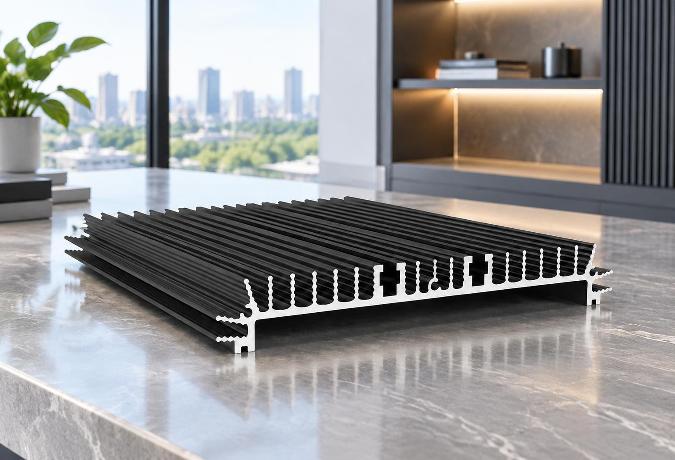
How LED Aluminium Profile Heatsinks Manage Thermal Challenges in High-Performance Lighting
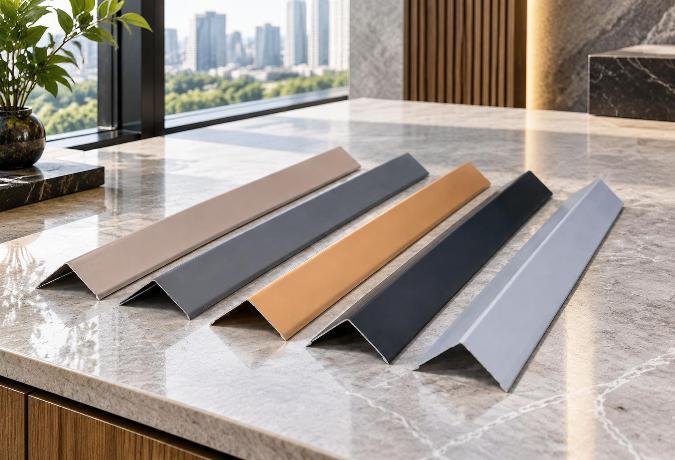
Architectural Aluminium Profiles: Choosing the Right Angle Design for Framing and Trim
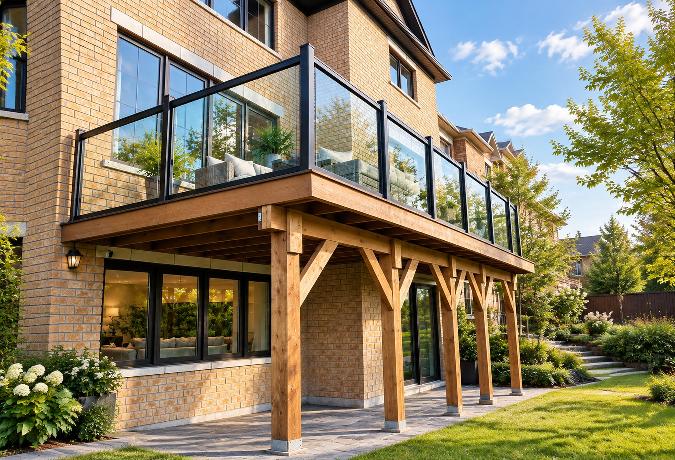
Choosing the Right Aluminium Balustrade Profiles for Your Project
Choosing the Right Aluminium Door Profiles for Narrow-Frame Sliding Systems
Aluminium Window Profiles: Engineering Durable Facades for Modern Buildings
Aluminium Thermal Break Profiles: Design Principles and Practical Applications
Aluminium Extrusion for Furniture: Structural Logic Behind Lightweight Precision
Aluminium Wardrobe Profiles: A Practical Guide to Frames, Tracks, and Finishes
Choosing the Right Aluminium Linear Rail Profile for Motion Systems
Anodized Aluminium Profiles: Material Selection and Practical Applications in Modern Design
Anodized Aluminium Profiles: Material Selection and Practical Applications in Modern Design
Aluminium Decorative Profiles: Design, Installation, and Interior Applications
Aluminium Profiles for Automation: A Practical Guide to Modular Frame Design
Aluminium Extrusion for Furniture: Structural Logic Behind Lightweight Precision
Aluminium Thermal Break Profiles: Design Principles and Practical Applications
How do suppliers normally handle Sliding door installation problems overseas?
Choosing the Right Aluminium Balustrade Profiles for Your Project
Aluminium Louver Profiles: Light Control and Ventilation in Modern Architecture
Aluminium Curtain Wall Profiles: Structural Design and Performance in Modern Architecture
Aluminium Trim Profiles: Bridging Aesthetics and Performance in Modern Interior Design
How do I verify Casement window production capacity before signing a contract?
Powder Coated Aluminium Profiles: Durability and Design in Modern Applications
How Aluminium Heatsink Profiles Keep Electronics From Cooking Themselves
How do FOB and CIF change my risks when importing Sliding doors?
What support should I receive if Architecture profile dimensions are wrong?
Aluminium Profile Alloys 6063 T5 T6: Properties, Heat Treatment Differences, and Application Selecti
Inside an Aluminium Profile Factory: How Angle Profiles Are Made and Chosen
What is a realistic MOQ for a first Sliding window trial order?
Which factory records should I review before buying Industrial profile?
Aluminium Extrusion for Machinery: Choosing the Right Profile for Industrial Equipment
Aluminium Extrusion for LED Lighting: Choosing the Right Heatsink Profile
Can a Floding door supplier protect my private design from competitors?
Which Industrial profile tolerances affect assembly accuracy and finished quality?
Can trade credit insurance cover my Architecture profile purchase risk?
Custom Aluminium Extrusion Profiles: Engineering Precision into Industrial Motion Systems
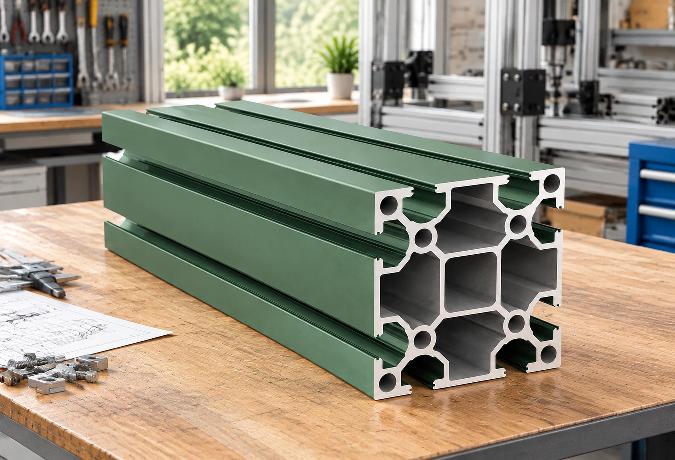
T-Slot Aluminium Extrusion: Structural Framework Design Without Welding
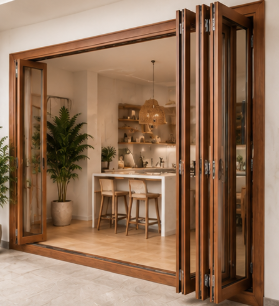
Which recycled-content records are credible for Sliding window procurement?
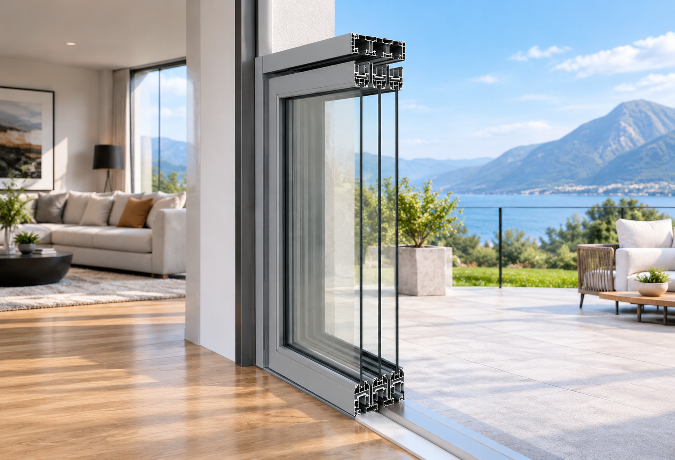
Aluminium Sliding Door Profiles: A Practical Guide to Frame Design and Performance
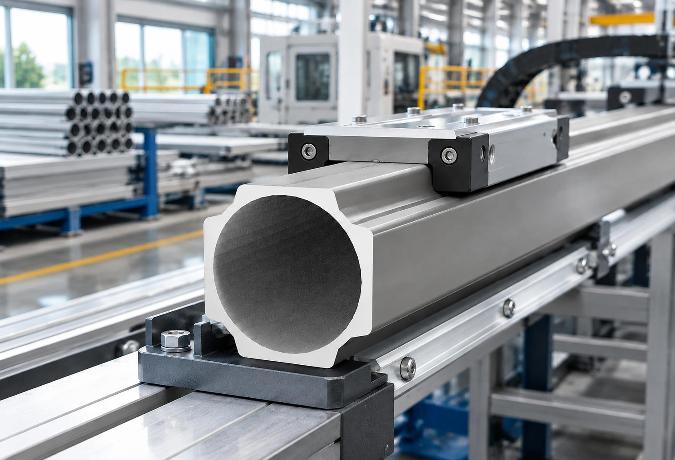
How Aluminium Extrusion Manufacturers in China Support Linear Motion Systems
What contract clauses protect my money if Casement door quality is unacceptable?
How do I confirm Sliding door testing equipment is calibrated and current?
Should I visit an Architecture profile plant before placing a large order?
Which compliance tests should a Floding door pass before international shipment?
How do I compare Decorative profile color samples under different lighting?
What payment and price terms make sense for a small Casement window order?
What lead time should I allow for a seasonal Floding door order?
How can I compare Floding door alternatives when supply costs suddenly rise?
Which new Sliding door technologies can lower maintenance costs over time?
How are recycled materials changing the future cost of Floding doors?
How long should a custom Casement door sample normally take to prepare?
What gap between a Sliding window sample and bulk order is acceptable?
Which Decorative profile finishes are becoming more sustainable and cost-effective?
What logistics fees should be listed separately in a Sliding window quote?
How might volatile aluminum prices affect future Sliding window sourcing?
Which audit questions reveal labor risks at a Casement door factory?
Can Decorative profile suppliers provide fast remote guidance for finish defects?
What should a Shutter sample include so I can assess production quality?
Do Sliding door materials need traceability records for customs clearance?
What environmental declarations are useful when importing Architecture profile?
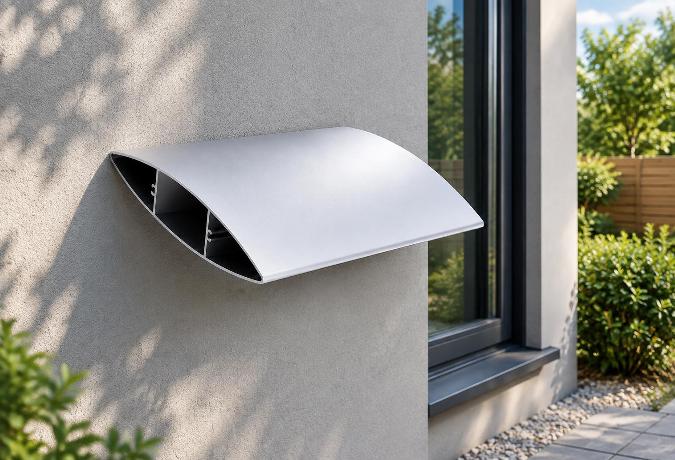
Why Blade Geometry Determines Whether Aluminium Louvers Actually Work
Engineering an Aluminium Angle Profile: Structural Mechanics and Application Realities
What usually drives Architecture profile costs more, alloy or surface treatment?
Why the One-Piece Molding on Aluminium Trim Profiles Matters More Than the Finish
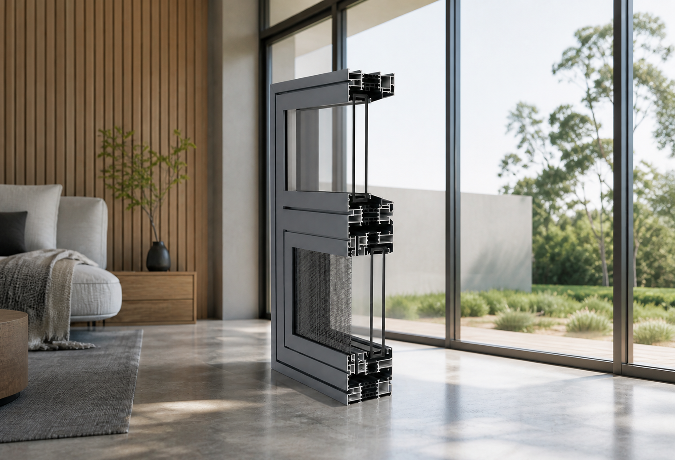
Why the Thermal Break Cavity Matters More Than Frame Thickness in Aluminium Framed Windows and Doors
The T-Slot Groove Geometry That Makes Aluminium Framing Weld-Free
Why the One-Piece Molding on Aluminium Trim Profiles Matters More Than the Finish
Structural Dynamics of Industrial Aluminium Profiles in Laser Cutting Gantries
The Engineering Mechanics Behind High-Performance Aluminium Shutters
What factory documents should I request for a Floding door supplier review?
Which delivery term gives me better control over Decorative profile freight costs?
What low-carbon Awing window materials are gaining wider market acceptance?
Why Sliding Door Track Geometry Determines Wardrobe Longevity
Engineering Mechanics and Surface Dynamics of Aluminium Channel Profiles
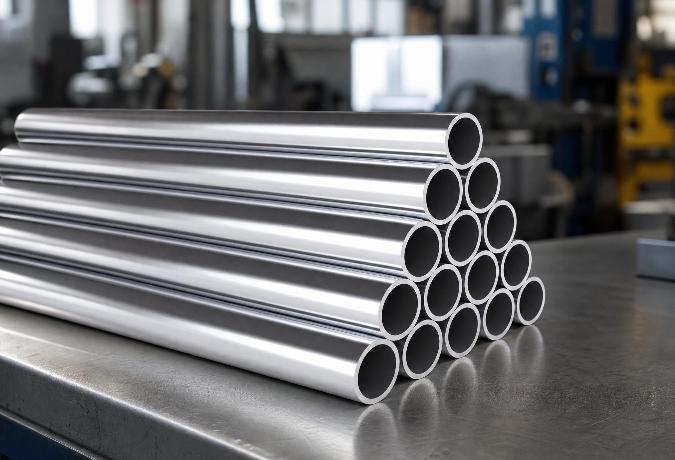
Understanding Aluminium Round Tube Specifications for Structural Engineering
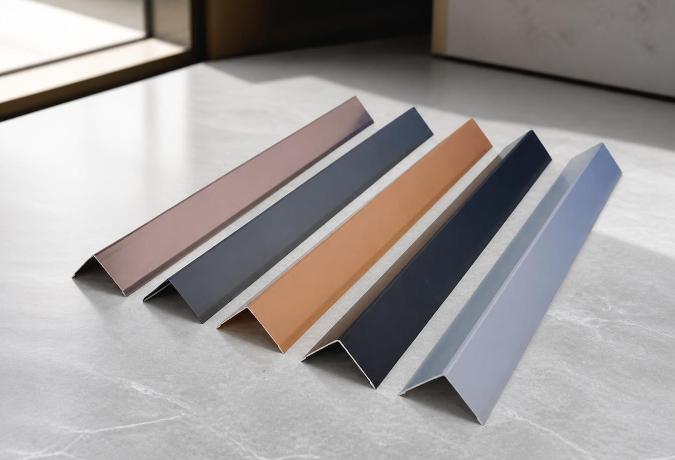
Why the 90-Degree Angle in Standard Aluminium Profiles Determines Structural Reliability
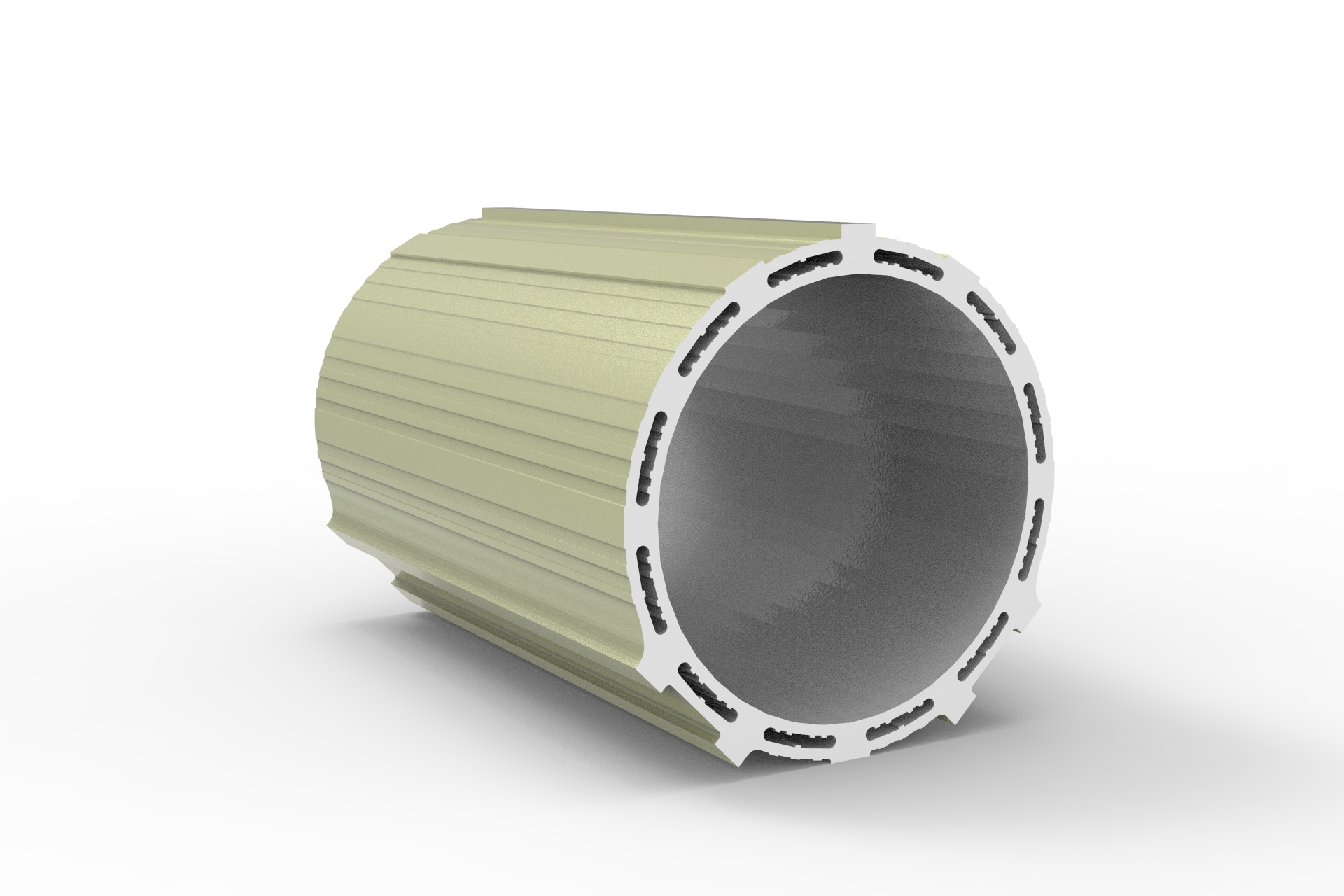
How can I ensure a Floding door sample matches the planned mass production?
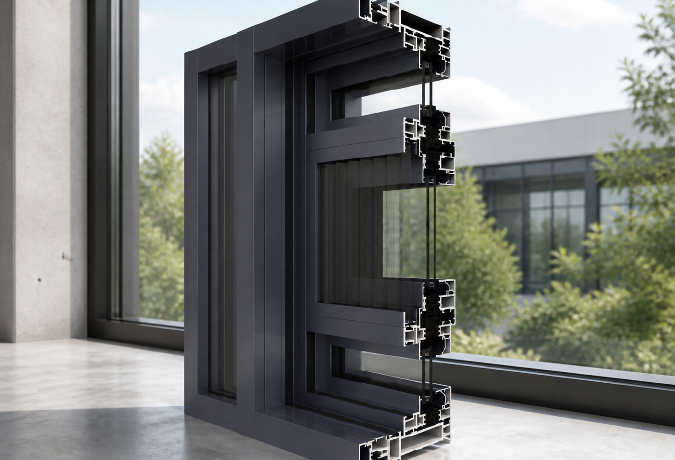
Why Mullion Thickness Determines How Much Glass an Aluminium Curtain Wall Can Actually Hold
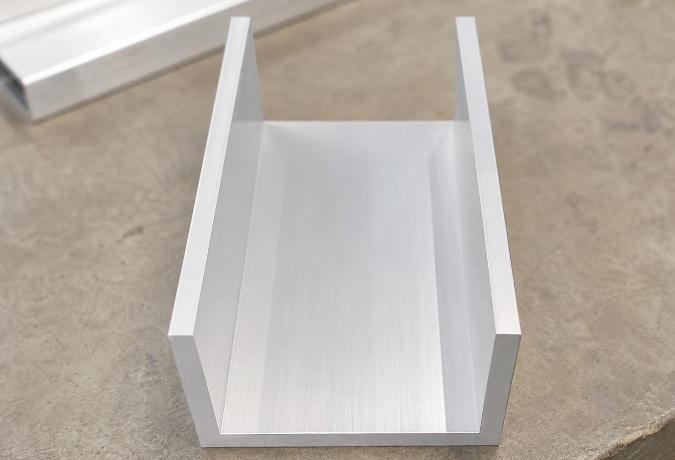
Engineering Dimensional Stability in Aluminium Extrusions for Channel Profiles
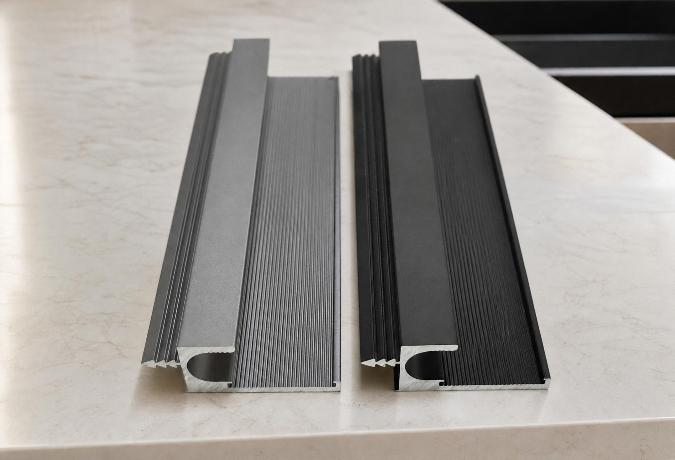
Engineering the Structural Framework: The Mechanics of Aluminium Profiles for Kitchen Cabinets
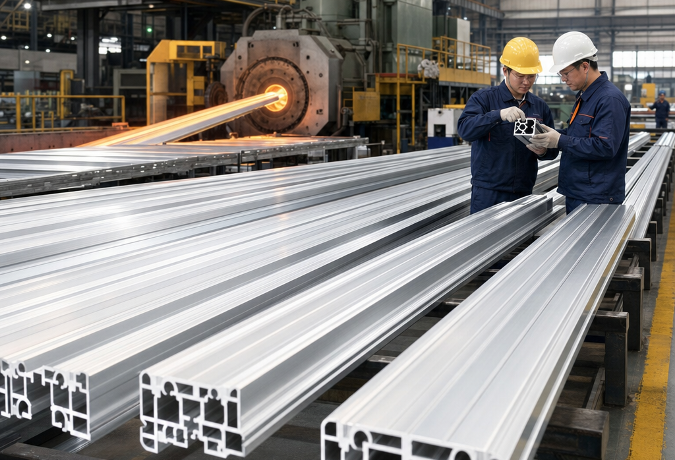
Choosing an Aluminium Profile Supplier: What Actually Separates the Reliable Ones from the Rest
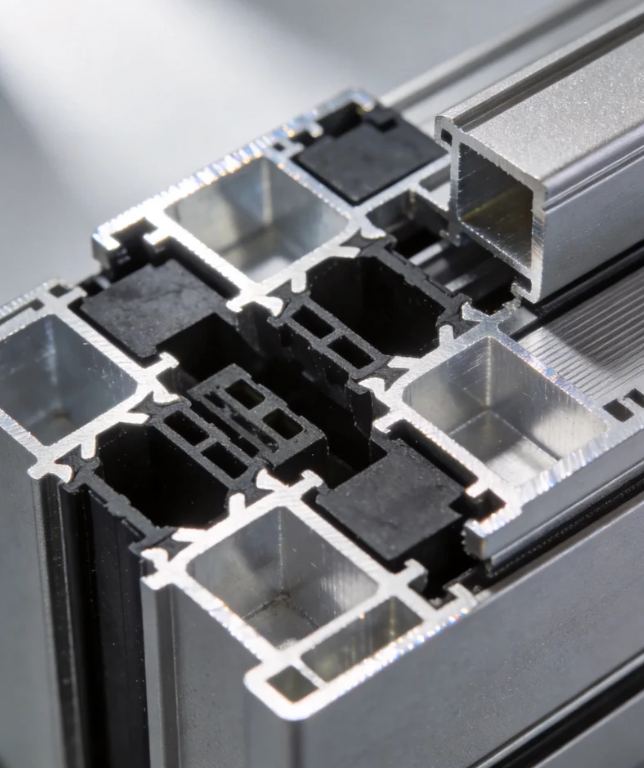
Can Awing window orders ship in batches to avoid project delays?
What response time should I expect for Awing window warranty claims?
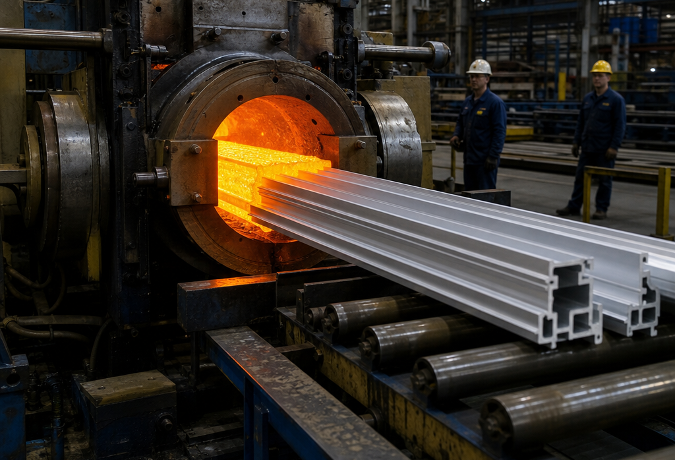
Navigating the Supply Chain: Evaluating an Aluminium Profile Manufacturer for B2B Procurement
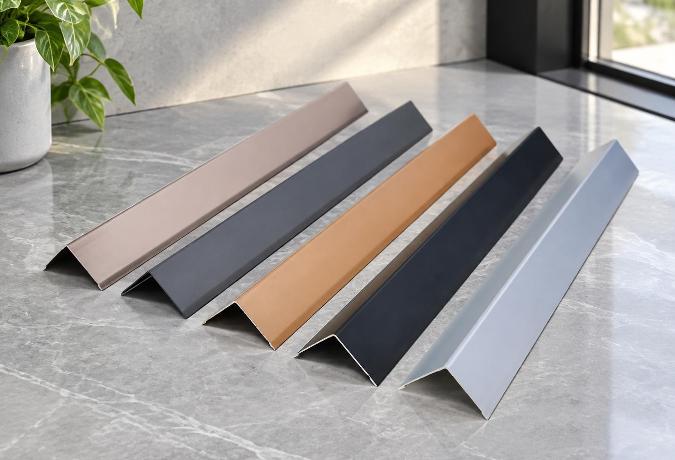
Engineering Structural Integrity Through Precision L-Shaped Aluminium Profiles
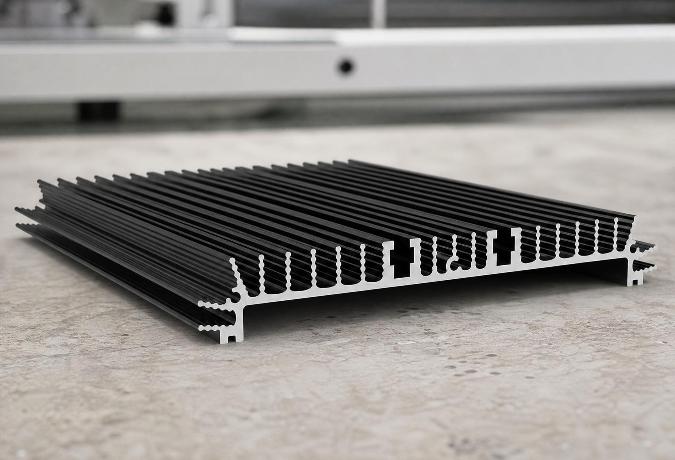
Thermal Dynamics in High-Power Electronics: Engineering Aluminium Heatsink Profiles
Why the T-Slot Design Determines the Real Strength of Structural Aluminium Extrusions
How long should replacement Sliding window parts remain available after purchase?
Should I expect volume discounts when reordering the same Sliding window model?
The Multi-Strip Sealing Structure Inside Aluminium Windows and Doors
Engineering Lightweight Rail Structures Through Extruded Aluminium Profiles
Why the Frame Width on an Aluminium Sliding Door Determines Your Room’s Light
The Engineering Behind Decorative Aluminium Profiles: Alloys, Surface Treatments, and Edge Protectio
What alternative materials could make Casement doors more resilient and recyclable?
How can I compare Awing window quotes without missing hidden packing costs?
Decoding Structural Tolerances in Aluminium Extrusion Profiles for Channel Applications
Engineering an Aluminium Square Tube for Modern Structural Integrity
Engineering Tolerances and Alloy Mechanics in Extruded Aluminium Construction Profiles
The Engineering Mechanics Behind Aluminium Angle Profiles in Modern Construction
Can an Industrial profile be modified for my assembly without weakening it?
What warning signs suggest a Sliding door seller may disappear after payment?
What energy-efficient alternatives to Casement doors are worth comparing now?
Can a Casement window handle temperature changes without seal failure?
Who pays for unloading and destination handling under Casement door CIF terms?
Custom Aluminium Extrusion Profiles: The Engineering Mechanics of T-Slot Frameworks
Material Transitions and Geometric Stability in Decorative Aluminium Profiles
Can I negotiate a lower Sliding door MOQ for a showroom launch?
Key Advantages of Using Structural Aluminium Extrusion Profiles in Construction
What evidence shows an Awing window factory manages coating waste properly?
How can I protect my deposit when ordering custom Decorative profile?
How do I spot unusually low Industrial profile prices before committing funds?
How can I check that a Shutter supplier is not using unapproved subcontractors?
What contract terms protect my Casement door drawings and branding?
How can I compare Casement door insulation ratings before placing an order?
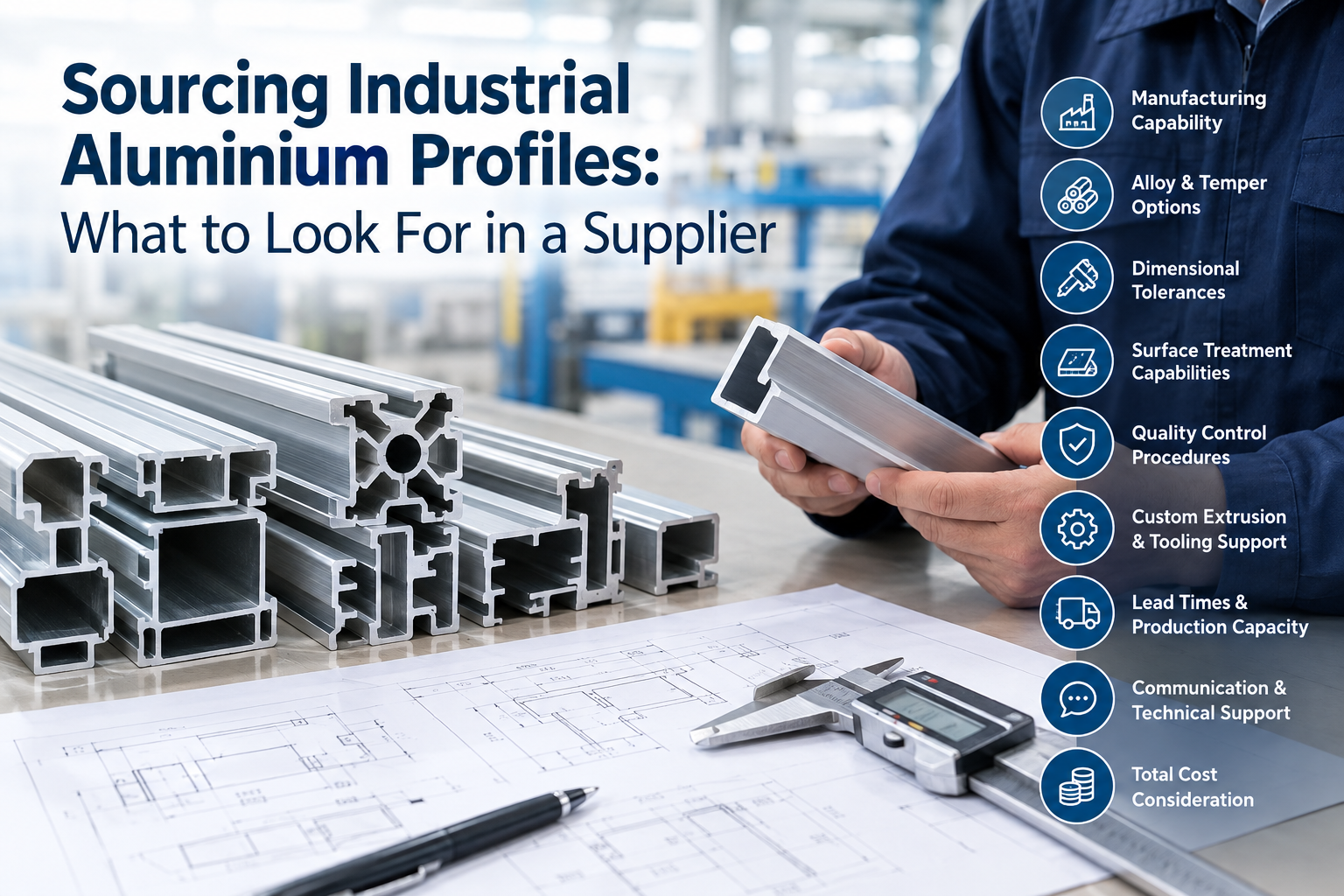
Sourcing Industrial Aluminium Profiles: What to Look For in a Supplier
How do I keep ownership of a custom Architecture profile extrusion die?
The Energy Efficiency Benefits of an Aluminium Frame Sliding Glass Window
How do I check Industrial profile alloy grades against the shipping documents?
What Casement window warranty period is reasonable for an overseas buyer?
How are defective Sliding window units usually replaced internationally?
How can I reduce breakage risks when shipping Casement windows overseas?
The Structural Mechanics Behind Decorative Aluminium Profiles
How Do Engineers Select Industrial Aluminium Profiles for High-Load Frameworks?
What payment structure reduces my risk on a first Industrial profile order?
Should I approve a Casement window sample before checking its hardware strength?
Structural Mechanics of Channel Extrusions in Architectural Aluminium Profiles
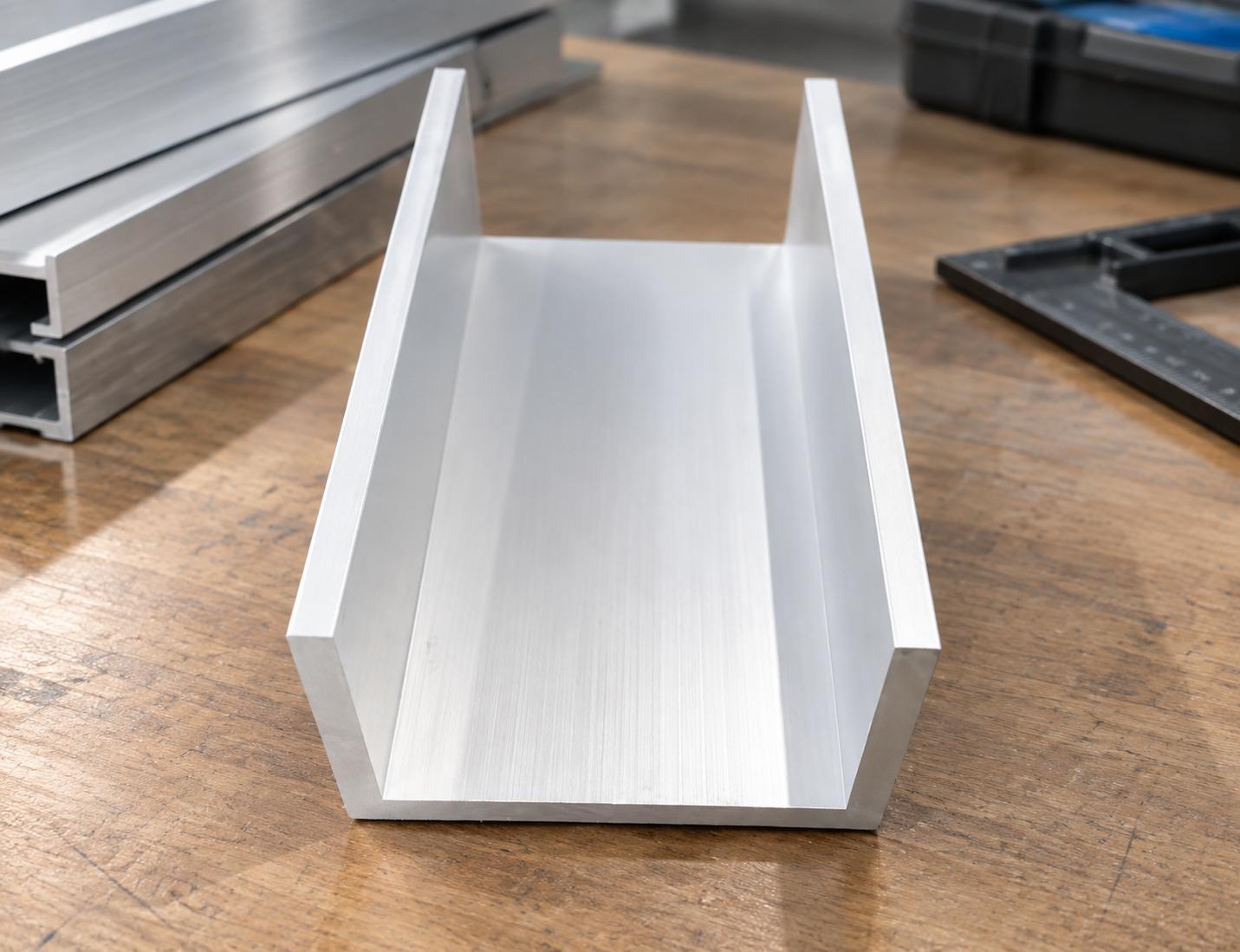
Engineering Mechanics of Aluminium Extrusion Profiles in Channel Systems
What functional tests should I perform on a Sliding door prototype?
What payment terms are fair when Decorative profile colors remain unconfirmed?
Is a letter of credit practical for a large Casement window shipment?
How should Industrial profile bundles be packed to prevent transit damage?
Which safety documents should I request for Awing window imports?
What shipping delays commonly affect Architecture profile orders during peak season?
How to Specify Extruded Aluminium Profiles: Costs, Alloys, and Tolerances
Is a Floding door suitable for a wide opening exposed to strong winds?
Structural Integrity in Modular Design: Engineering T-Slot Aluminium Extrusion Profiles
Resolving Corner Stress: The Engineering Mechanics Behind Aluminium Profiles in Architectural Framin
How do Floding door prices change with glass, hardware, and finish choices?
How can I prove Shutter defects remotely without returning every unit?
How can I shorten Awing window sampling without losing critical tests?
Does ordering mixed Shutter sizes usually change the unit price or MOQ?
How should Industrial profile warranty responsibility be shared after assembly?
How should I plan Shutter inventory when ocean freight schedules change?
How do escrow arrangements reduce risk for a new Floding door supplier?
What frame materials make a Sliding window last in harsh coastal weather?
How can I verify that a Shutter certificate matches the actual product?
Can automated Shutters replace manual systems without raising lifecycle costs?
How do I choose the right Casement window size for a windy building?
What should an ethical audit cover at a Decorative profile factory?
How should I document Industrial profile defects before disputing the final payment?
Are lightweight Industrial profile alloys reliable enough for demanding machinery?
Are thermal-break casement windows becoming a better long-term choice than standard frames?
What is a realistic MOQ for custom sliding windows without pushing up unit cost?
What casement window specs should I compare for windy and rainy project sites?
Are there better material options for sliding windows if aluminum prices rise?
How do I ensure aluminum casement windows can handle extreme coastal winds?
What is the typical minimum order quantity for commercial sliding windows?
Are there energy-saving alternatives to sliding windows that reduce material and maintenance costs?
Are energy-efficient Awing windows a practical alternative for reducing long-term building costs?
What alternatives to traditional sliding doors can lower costs without sacrificing durability?
What alternatives to industrial profiles can reduce material costs without hurting strength?
Extruded Aluminium Profiles: Flexible Manufacturing for Diverse Customer Needs
Why Aluminium Curtain Walls Are Popular in Modern Architecture
How do I choose a decorative profile that stays stable in humid or harsh environments?
How do I choose an architecture profile that stays stable in harsh outdoor conditions?
How can I compare Awing window specs to avoid poor performance in harsh weather?
How can I compare Sliding door sizes and hardware ratings for harsh commercial environments?
How do I choose the right shutter specifications for harsh climates without overpaying?
What eco-friendly alternatives to folding doors can cut costs without hurting durability?
How do I choose the right shutter specifications for harsh weather without overpaying?
What eco-friendly casement door materials can lower costs without hurting durability?
What newer materials can replace industrial profiles without raising costs or supply risks?
How do I choose a decorative profile that stays stable in humid, high-traffic spaces?
What sustainable material alternatives can replace aluminum architecture profiles?
What should I check in Awing window specs to ensure reliable performance in harsh weather?
How can I compare Sliding door sizes and thermal ratings for harsh climates before buying?
What newer materials can replace aluminum in awning windows without raising our costs?
How do I choose the right Sliding door specs for smooth operation in harsh environments?
How do I choose a folding door that stays stable in harsh weather and heavy daily use?
How can I choose the right shutter specifications for harsh weather and long-term use?
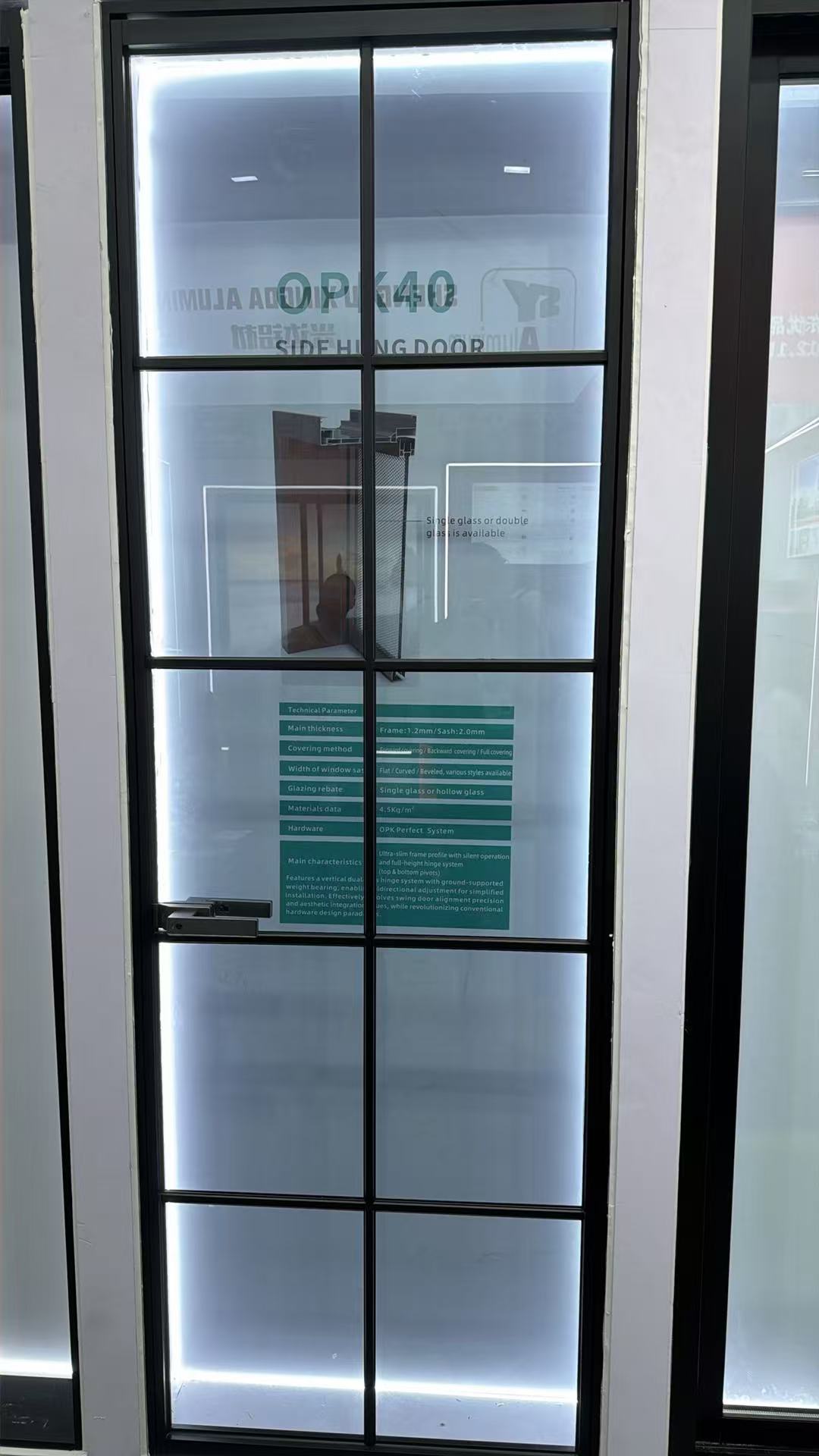
How do I compare casement door U-values, hardware, and weather sealing before buying?
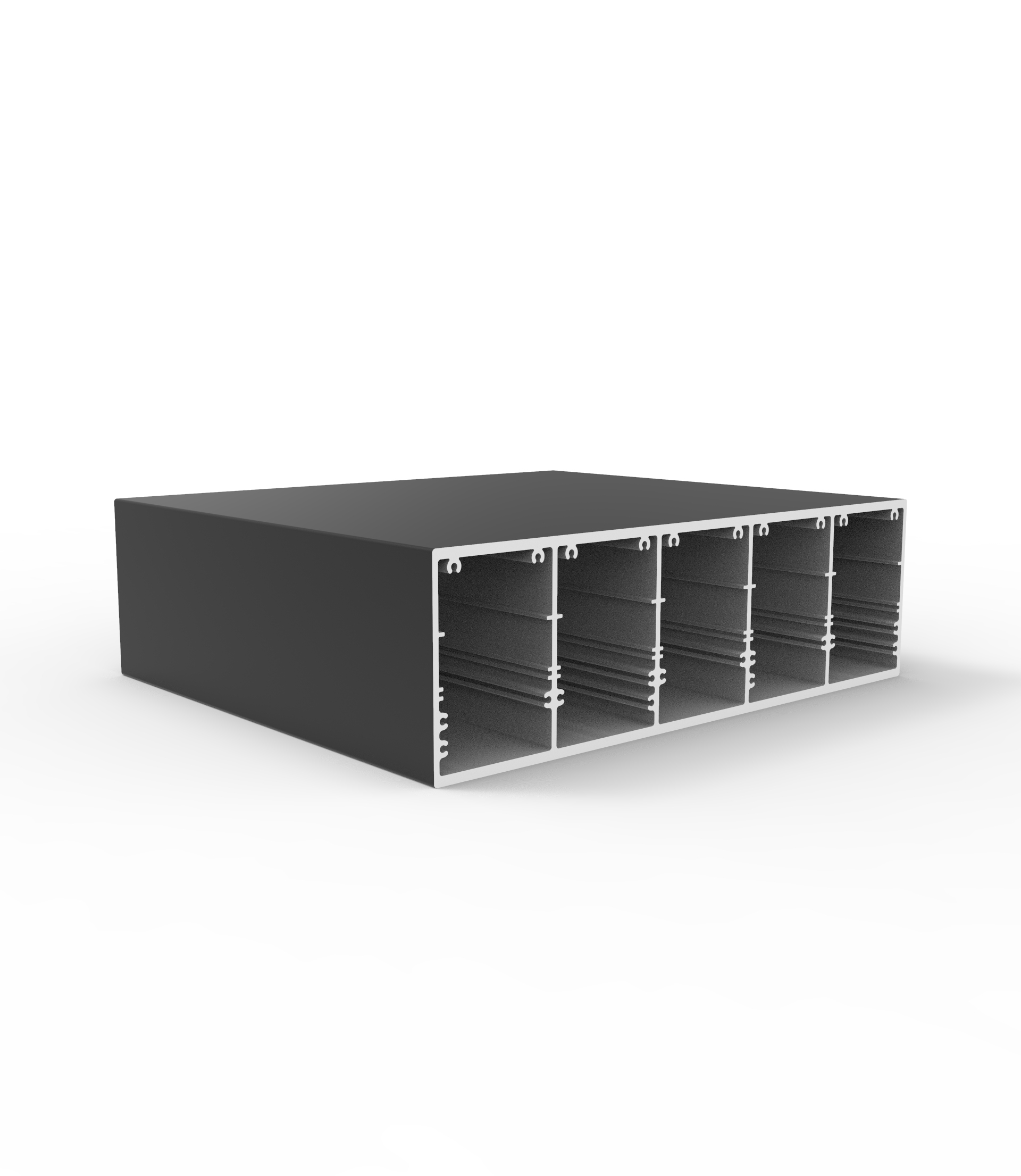
How do I choose the right industrial profile size for strength and load needs?
How do I choose the right shutter specifications for harsh weather and long-term commercial use?
How do I choose the right Casement door size and hardware for harsh weather?
What greener alternatives to decorative profile can cut costs without hurting durability?
What lower-cost, eco-friendly materials can replace decorative profiles?
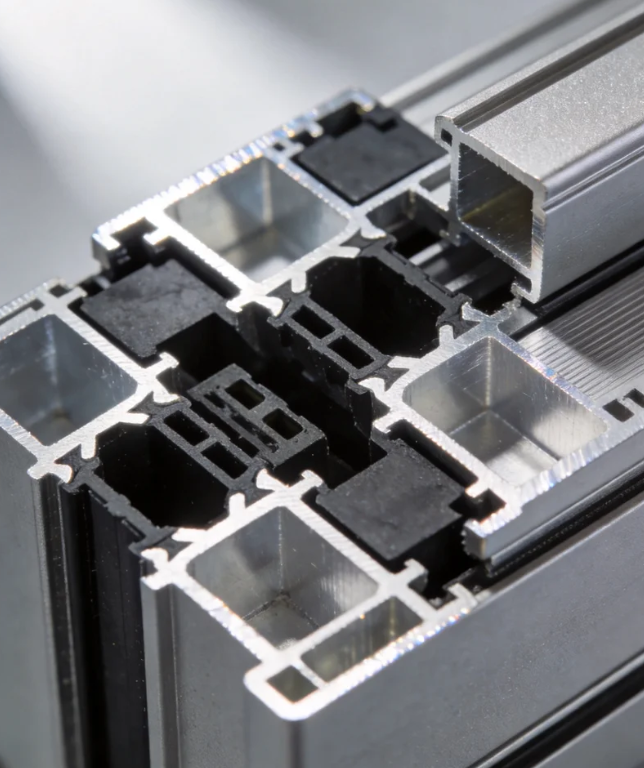
What lower-carbon alternatives to aluminum architecture profiles are practical for our project?
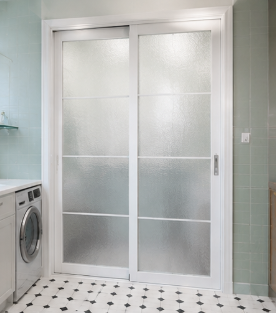
How can I compare sliding door systems for insulation, security, and long-term use?
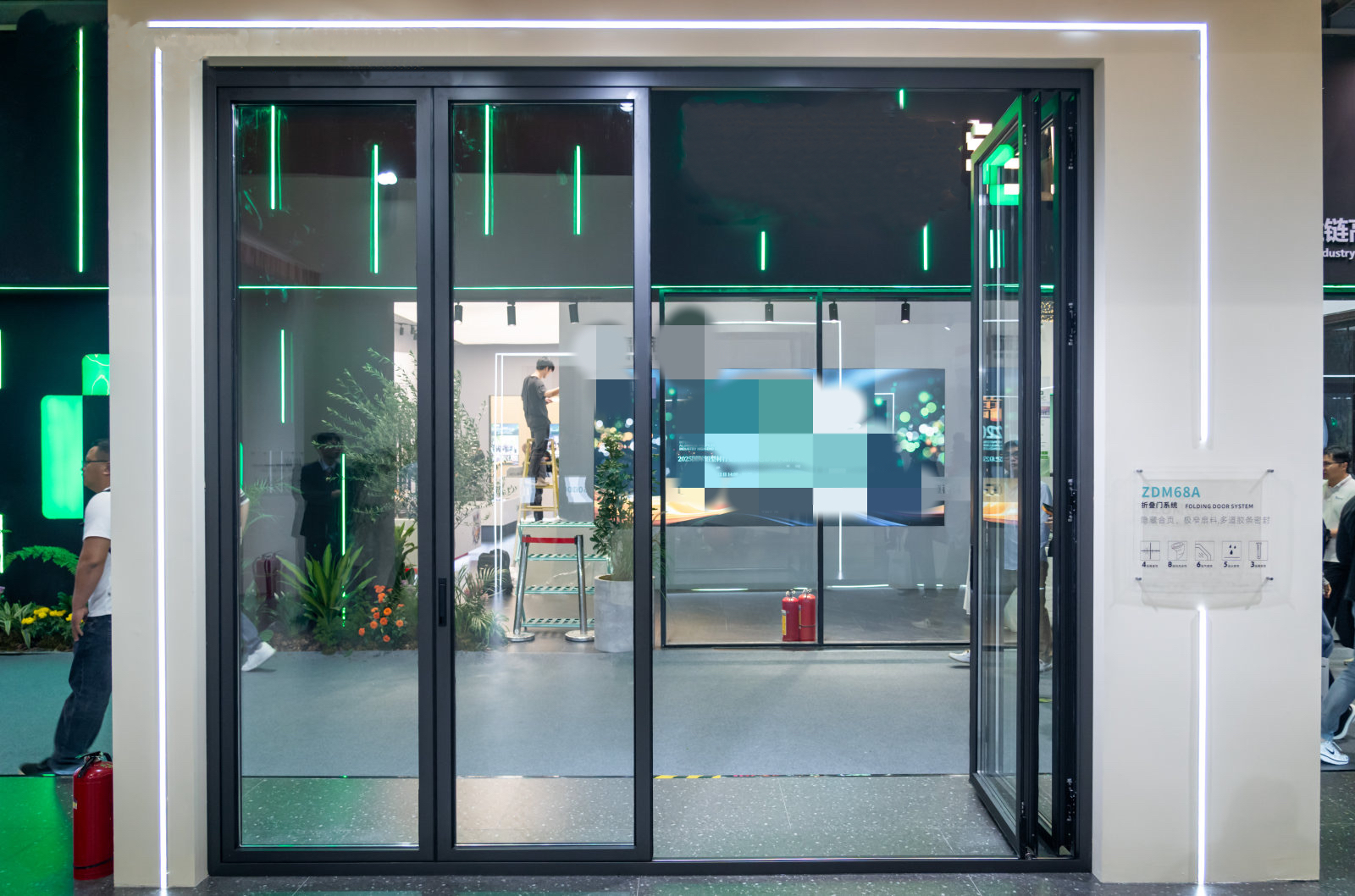
What is the standard production lead time for bulk orders of folding doors?
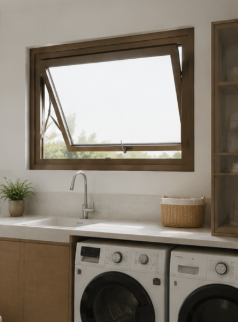
How do I choose the right Awing window size and glass specification for harsh weather?
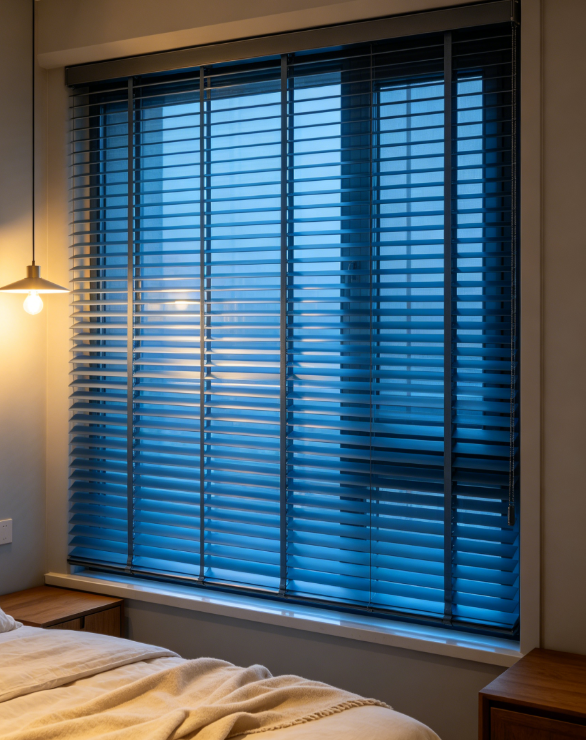
How can I test shutter samples so the final bulk order matches their quality and finish?
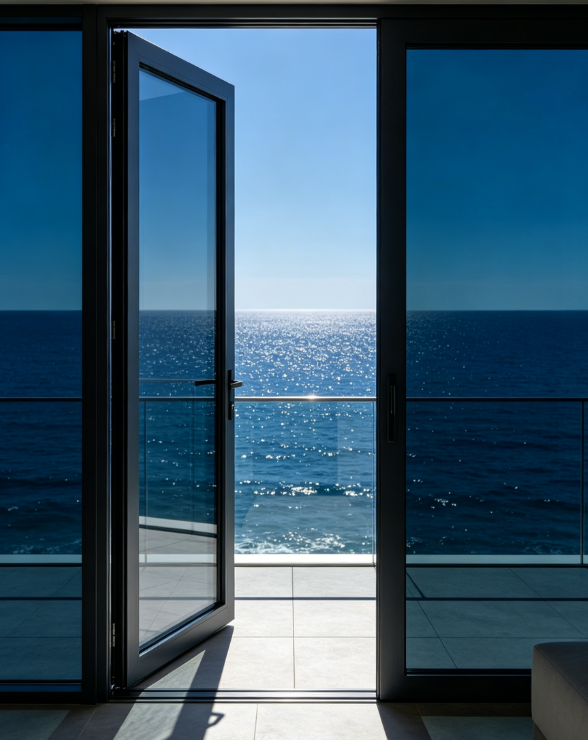
Can suppliers make custom double glass casement doors from my CAD drawings?
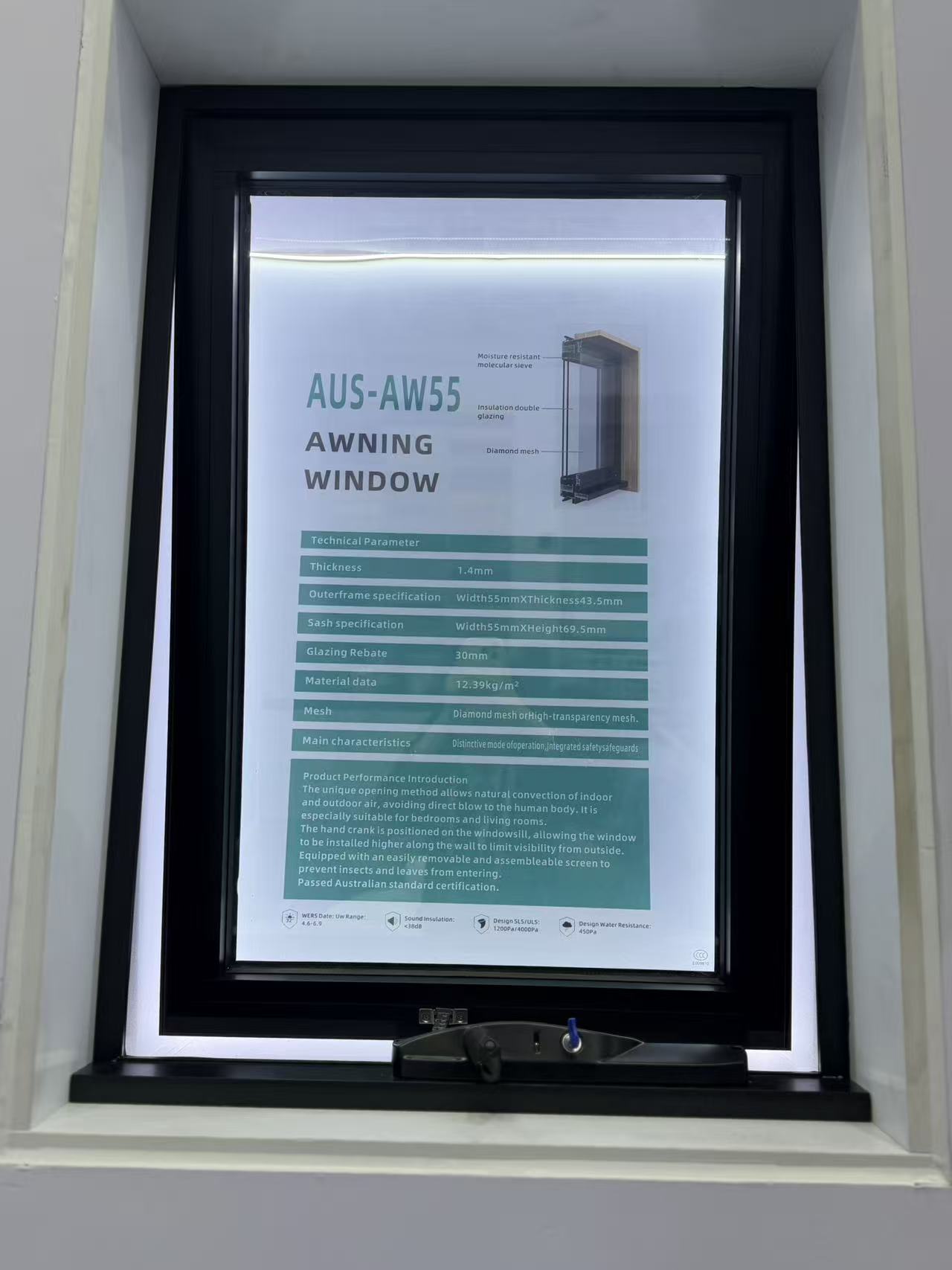
What safety certifications should I request when importing awning windows?
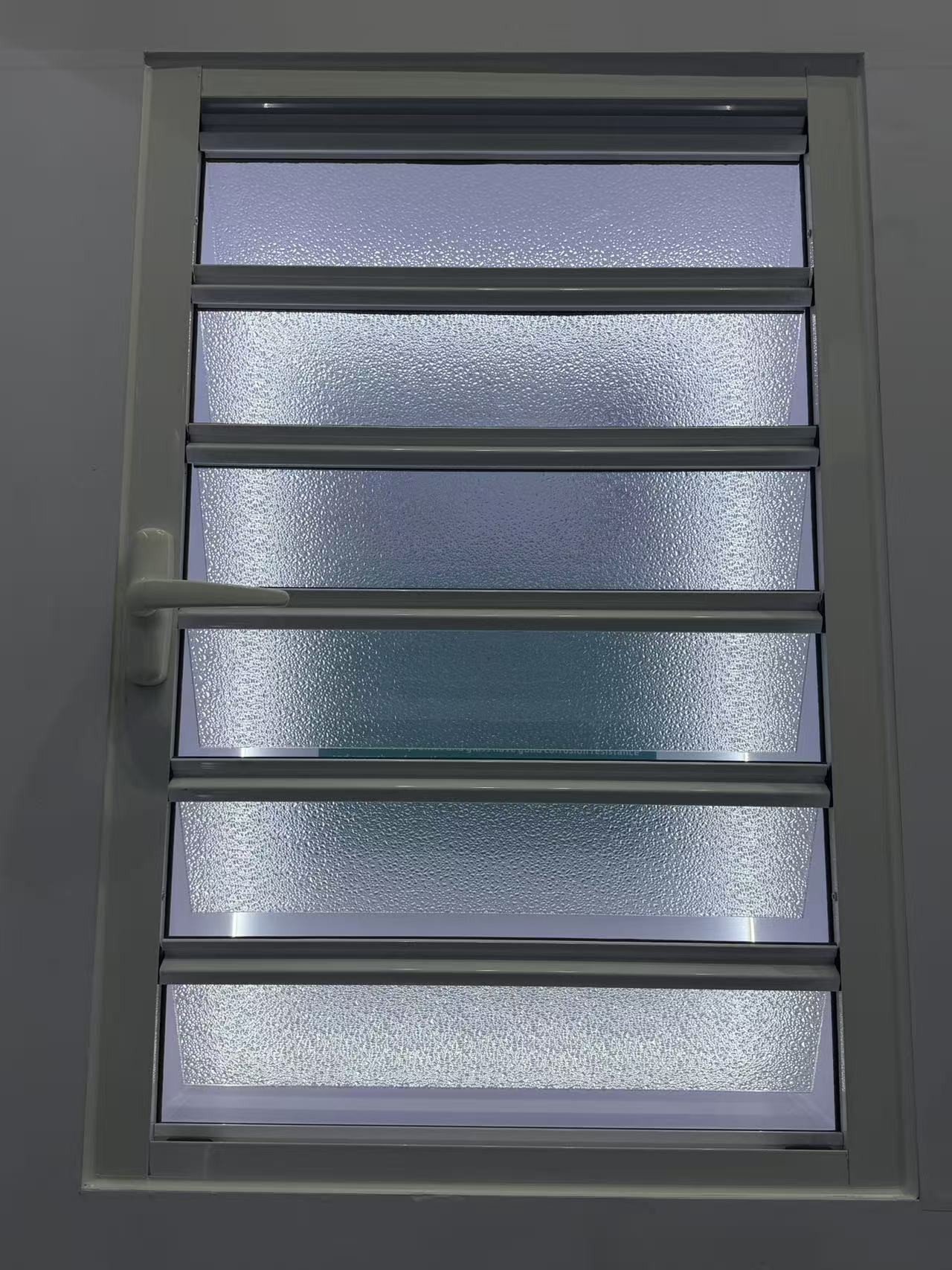
How long does it usually take a factory to make custom shutter samples?
What T-slot industrial profile size is best for a heavy duty machine frame?
How do I choose the right stainless steel decorative profile for high humidity areas?
How do I choose the right aluminum architecture profile for coastal buildings?
How do I choose the right stainless steel decorative profile for high humidity areas?
What wind load specs should I check for aluminum casement windows in coastal high-rises?
How do I know which aluminum industrial profile alloy is best for heavy machinery frames?
How do I choose the right alloy grade for aluminum architecture profiles?
How do I select the right heavy-duty hardware for exterior commercial floding doors?
How do I select the right glass thickness for bulk awing window orders?
What frame thickness is recommended for commercial aluminum casement doors?
What frame thickness is best for high-rise commercial sliding windows?
How to choose weather resistant aluminum floding door specs for commercial use?
How do I choose the best water tightness rating for commercial awing windows?
How do I choose the right frame material for commercial casement doors?
How do I choose the right wind load rating for sliding windows in coastal areas?
What is the best material for outdoor decorative profiles to prevent rust and fading?
How do I choose the right track thickness for high-traffic commercial sliding doors?
How do I choose between PVC and basswood shutters for high-humidity areas?
How do I choose between double and triple glazing for casement windows in cold climates?
How do I choose the right industrial profile thickness for heavy-duty cnc machine frames?
How do I choose the right alloy for outdoor architecture profiles to prevent corrosion?
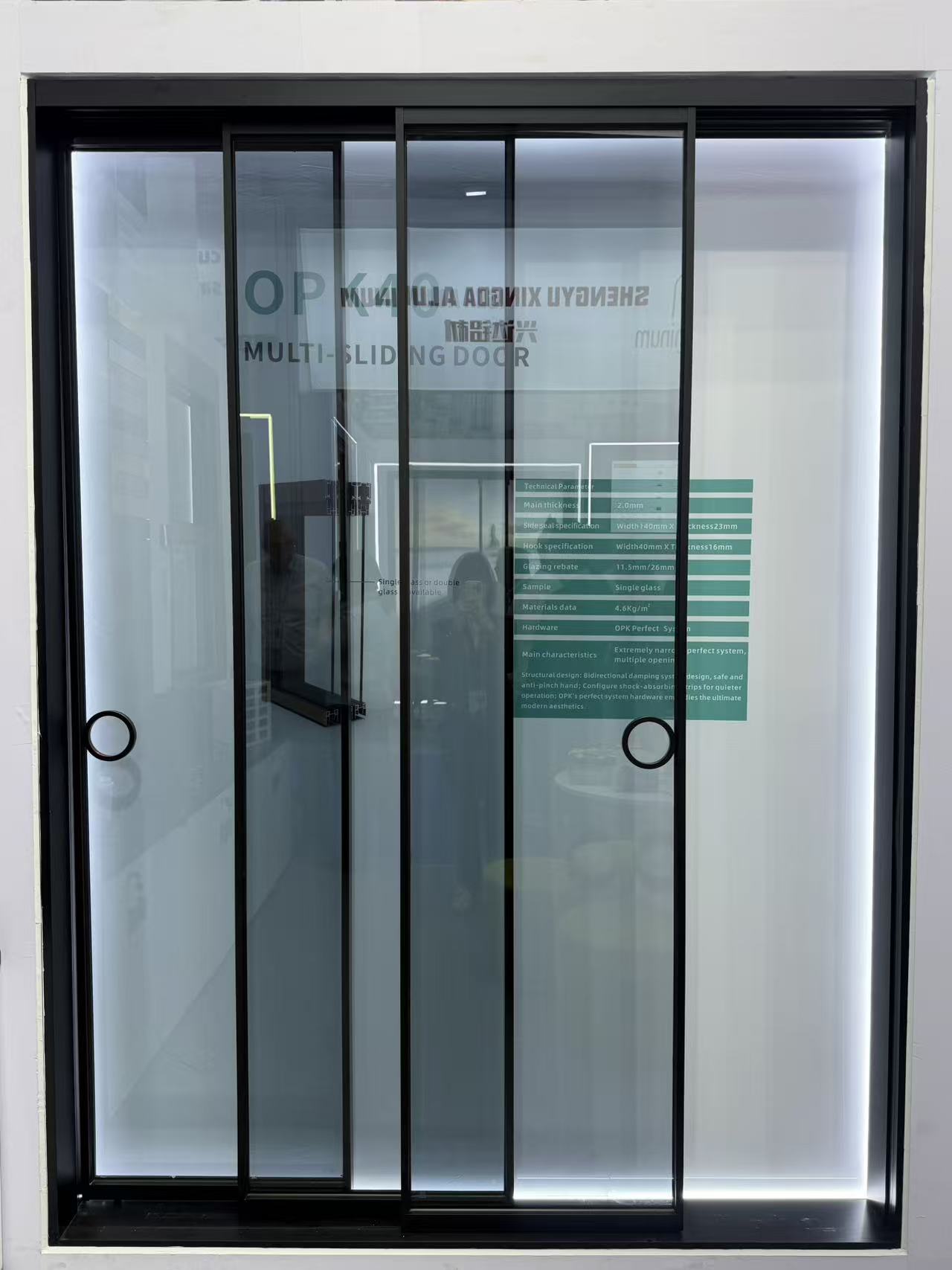
Can you design a slim frame profile for modern minimalist look?
How do I choose the right wind-resistant floding door for a coastal commercial building?
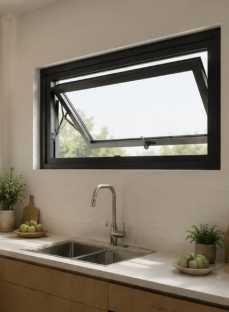
What key specs ensure a casement window can withstand heavy rain and high winds?
How do I choose the right aluminum alloy grade for heavy-duty industrial profiles?
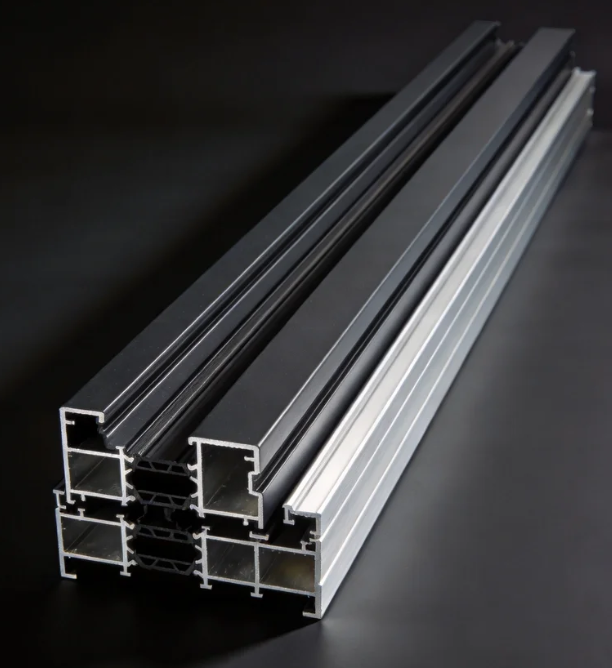
Which alloy grade of architecture profile is best for coastal areas to resist rust?
How do you pack windows to prevent glass breakage in transit?
Are slim-frame thermal break systems replacing traditional ones?
Does the price include the matching frame and installation kit?
How do you protect our proprietary design drawings from leaks?
How do I choose the right decorative profile for high-traffic hotel lobbies?
Is your factory the actual manufacturer or a trading partner?
Is it possible to 3D print a prototype before cutting steel?
Do you outsource any part of the painting process to others?
How do you handle replacement parts for damaged track rollers?
Do you accept escrow payments through third-party platforms?
Do you have ISO 9001 certification for your production line?
Are there extra fees if we pay via bank telegraphic transfer?
What is the price difference between powder coat and anodized?
What is the warranty period for the lock and hinge hardware?
What is your policy for dimensional deviations in the batch?
What happens if the shipment is delayed due to factory error?
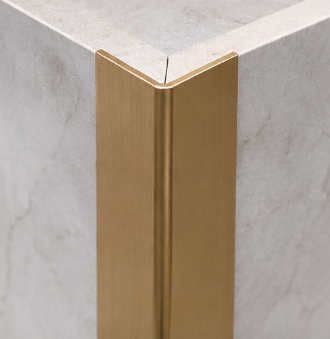
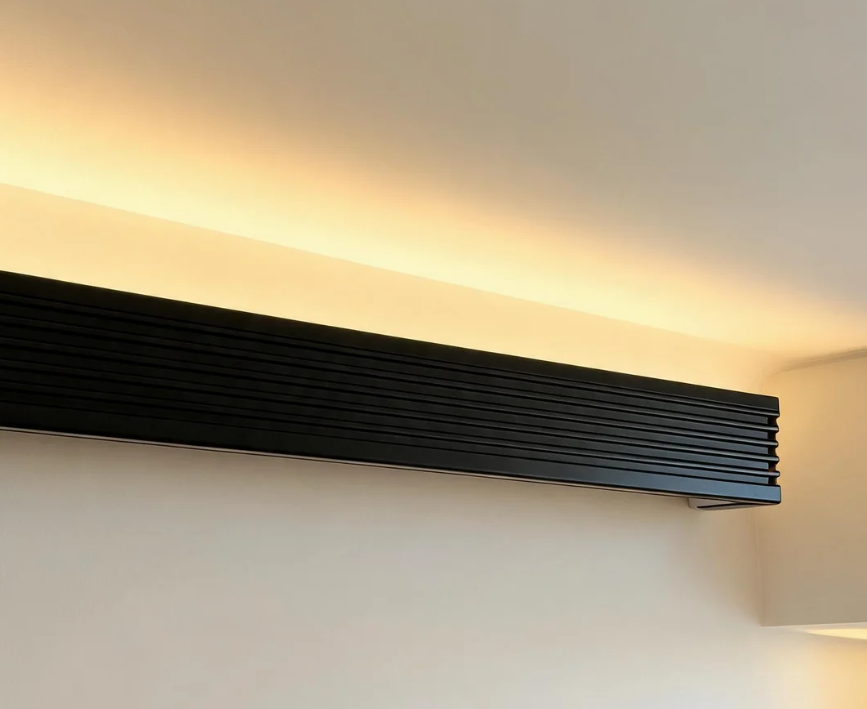
Do you offer online technical support if color fading occurs?
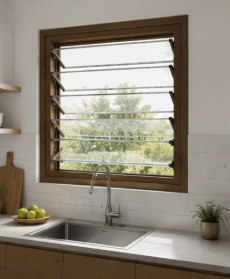
Is it possible to engrave our brand logo on the tension screw?
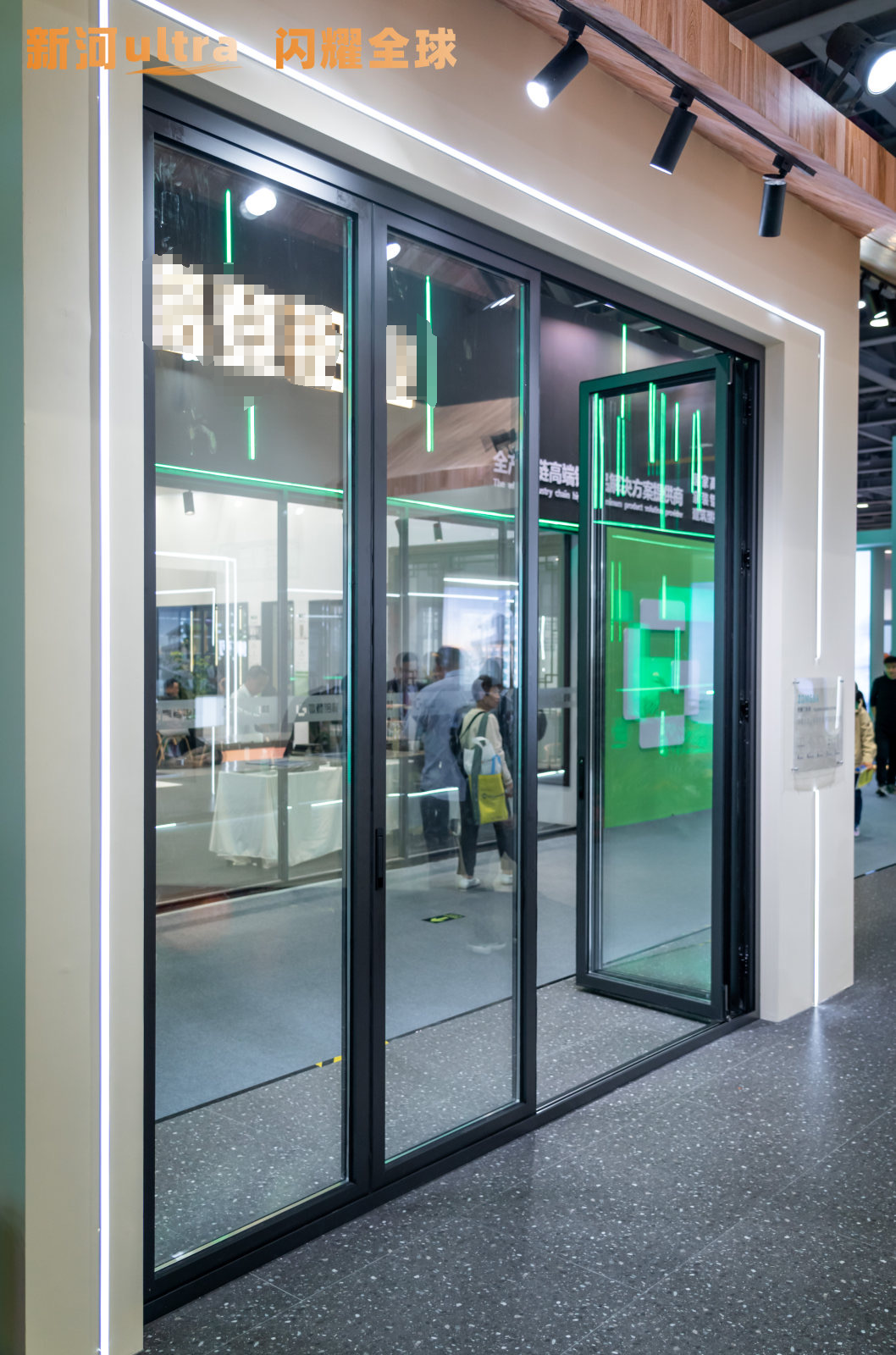
Do you offer credit terms for long-term purchasing partners?
Can you palletize the shipments for easy forklift unloading?
What are the latest eco-friendly finish trends for decorative profiles in modern interior design?
What are the tooling cost and design limitations for customizing heavy-duty industrial profiles?
Has your architecture profile manufacturing facility passed ISO 9001 certification?
Can we use Alibaba Trade Assurance for our initial sliding door order to mitigate risk?
Do you provide free corner samples of the casement window frame for color verification?
Is it possible to custom-match a specific RAL color for a decorative profile order?
Can I request a 3D-printed sample before ordering a custom industrial profile mold?
Can you extrude an architecture profile based on our proprietary CAD drawings?
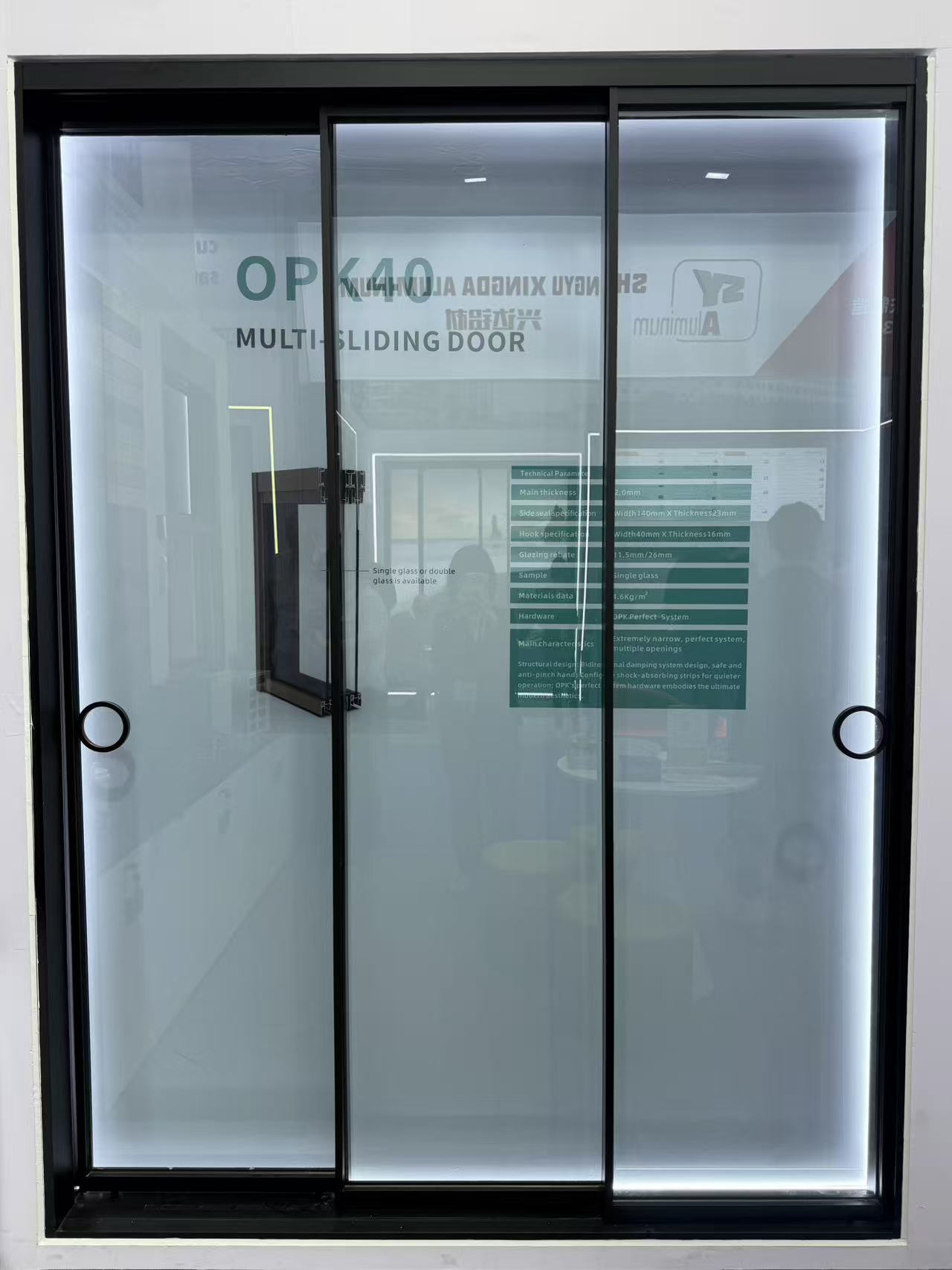
What thermal performance certifications does a sliding door need for the UK market?
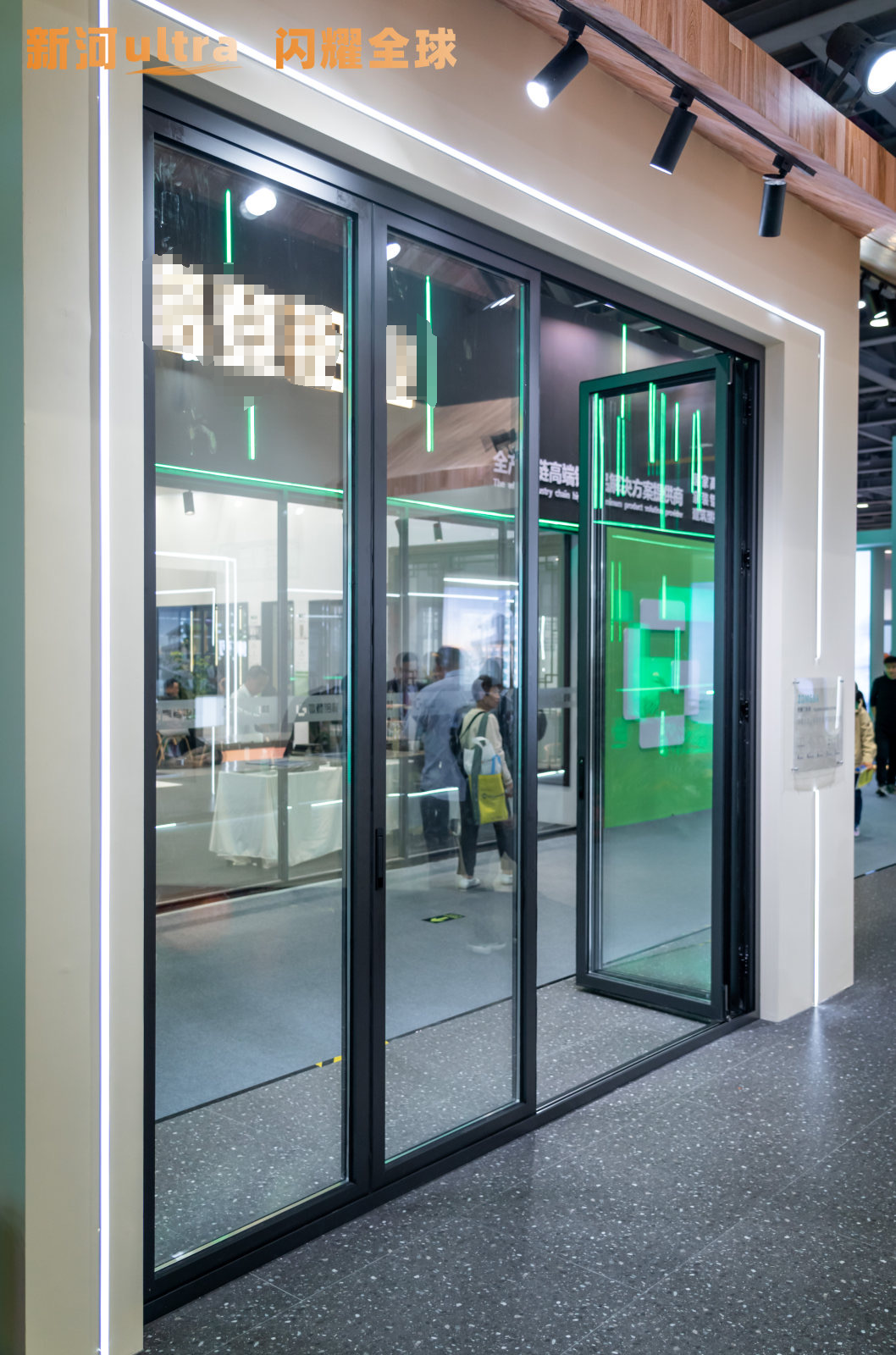
How are heavy floding door panels crated to ensure safe unloading at the job site?
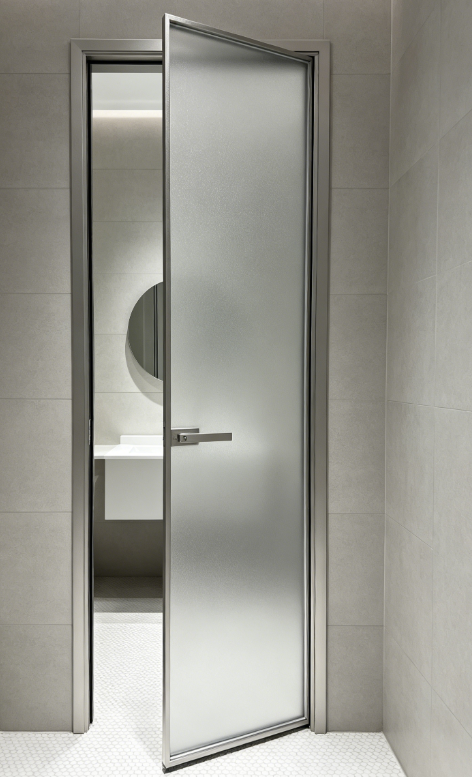
Can we arrange our own freight forwarder to pick up the casement door shipment FOB?
What is the estimated ocean freight transit time for a shutter shipment from China to Europe?
How can we source replacement seals for your awing window models in the future?
How are sliding windows typically packaged to prevent glass breakage during ocean transit?
What is the average lead time for a 40ft container of standard aluminum casement windows?
Are there any extra tooling fees if my decorative profile order doesn’t meet the MOQ?
Can I get 3D printed prototypes of custom architecture profiles before committing to mold tooling?
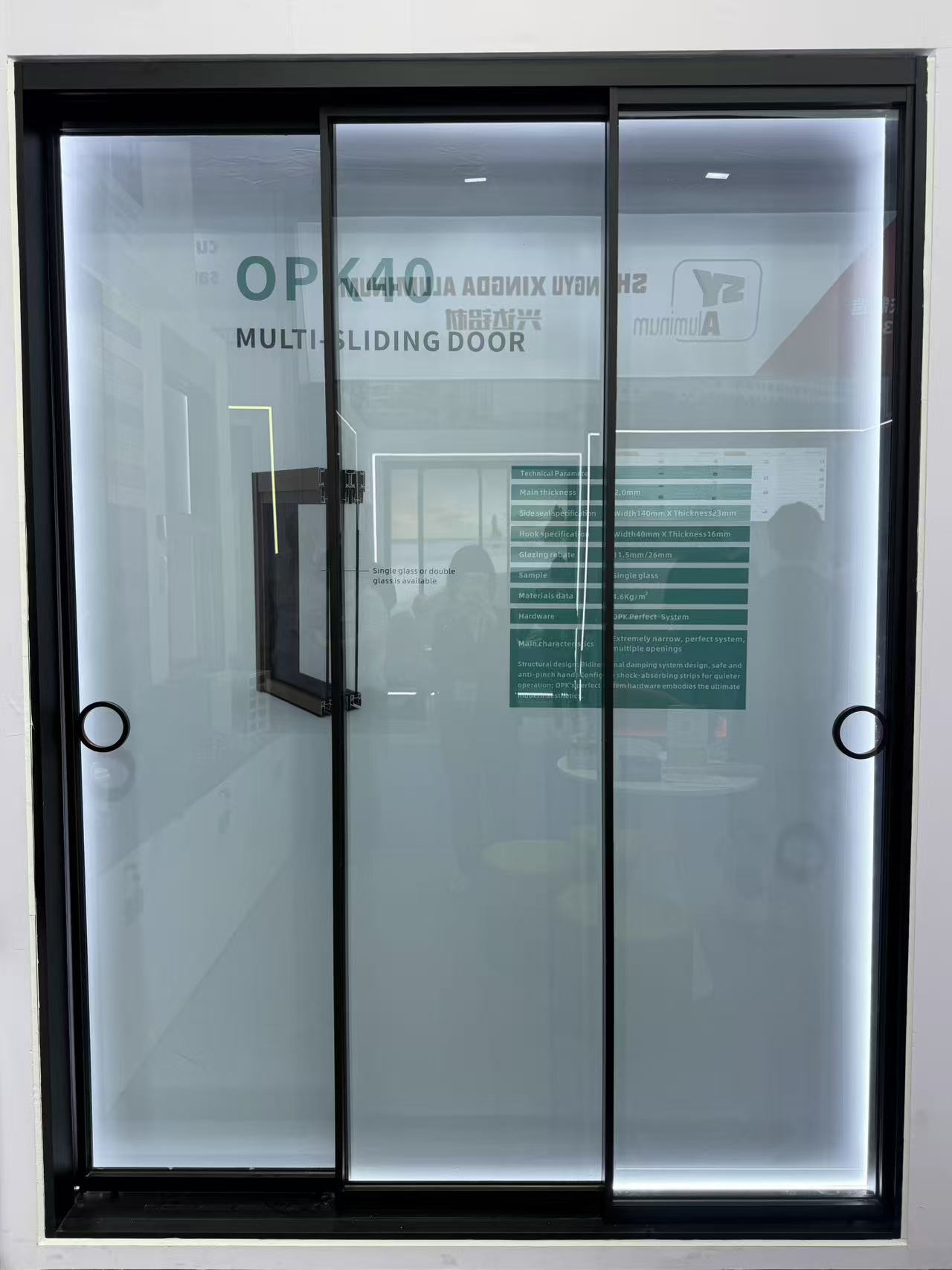
How is smart glass technology being integrated into modern residential sliding door units?
What options do you have for customizing the threshold height of an aluminum floding door?
What thermal break technology should I look for in a heavy-duty aluminum casement door?
What quality control processes do you perform on shutter hardware before final assembly?
Do you offer DDP shipping terms for awing window orders delivered to our warehouse?
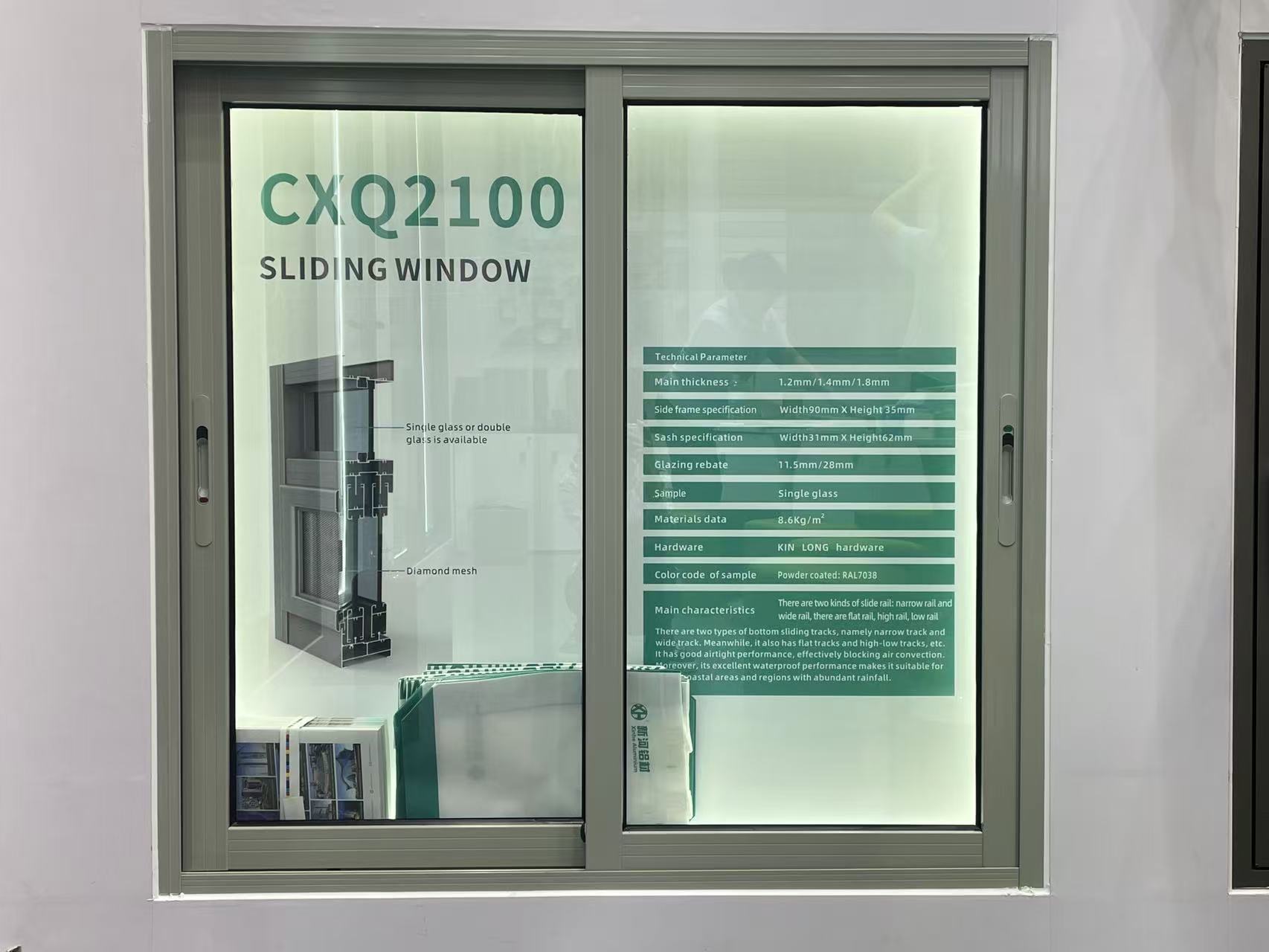
Is it possible to order a fully functional sliding window sample for mock-up testing?
Do you provide replacement hardware if the casement window hinges fail within 5 years?
How do you handle claims for decorative profile items damaged during transit?
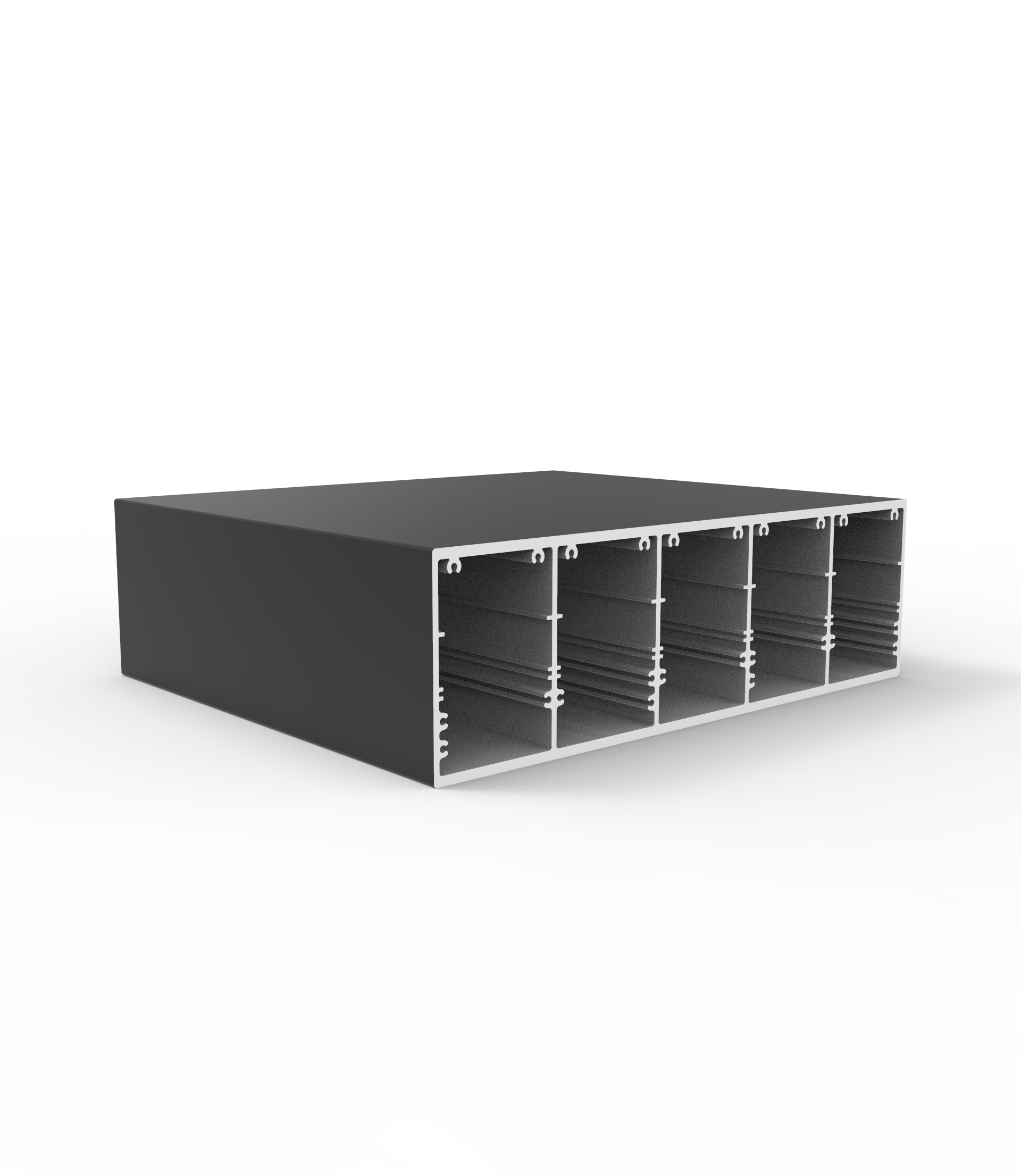
What is the standard MOQ for custom-extruded aluminum industrial profile orders?
How does the order volume affect the per-ton price of custom architecture profile designs?
What is the warranty period for the rollers and tracks on your heavy-duty sliding doors?
How can we secure our deposit when purchasing high-value custom floding doors from a new supplier?
Can your factory match custom anodized colors for decorative profiles based on physical samples?
Is there a lighter alternative to aluminum industrial profile structures for robotics?
What payment security measures do you have for custom architecture profile tooling fees?
Can I order a sliding door with custom grid patterns between the glass panes?
How do you protect buyers against financial loss if the floding door shipment is delayed?
Are slim-frame aluminum casement door designs becoming more popular in modern offices?
What is your policy for replacing shutter components that arrive with color mismatch?
What kind of remote technical support do you offer for sliding window installation?
What is the maximum safe size for a top-hung awing window in commercial projects?
What environmental management standards does your decorative profile plant follow?
What is the standard lead time for producing a 40ft container of casement window orders?
What is the warranty period for the anodized finish on your industrial profile?
What are the latest eco-friendly trends in architecture profile manufacturing?
What is the average wholesale price per square meter for double-glazed sliding door systems?
How do I calculate the structural load requirement for a 5-panel exterior floding door?
Do your exterior shutter systems comply with Florida building codes for hurricane protection?
Do you offer Letter of Credit (L/C) payment options for casement door bulk orders?
Which water tightness certifications are required for importing an awing window to Europe?
Do you allow virtual factory tours to inspect the sliding window assembly line?
What is the typical MOQ for ordering standard-sized aluminum casement window units?
How long does it take to receive a physical sample of a gold-anodized decorative profile?
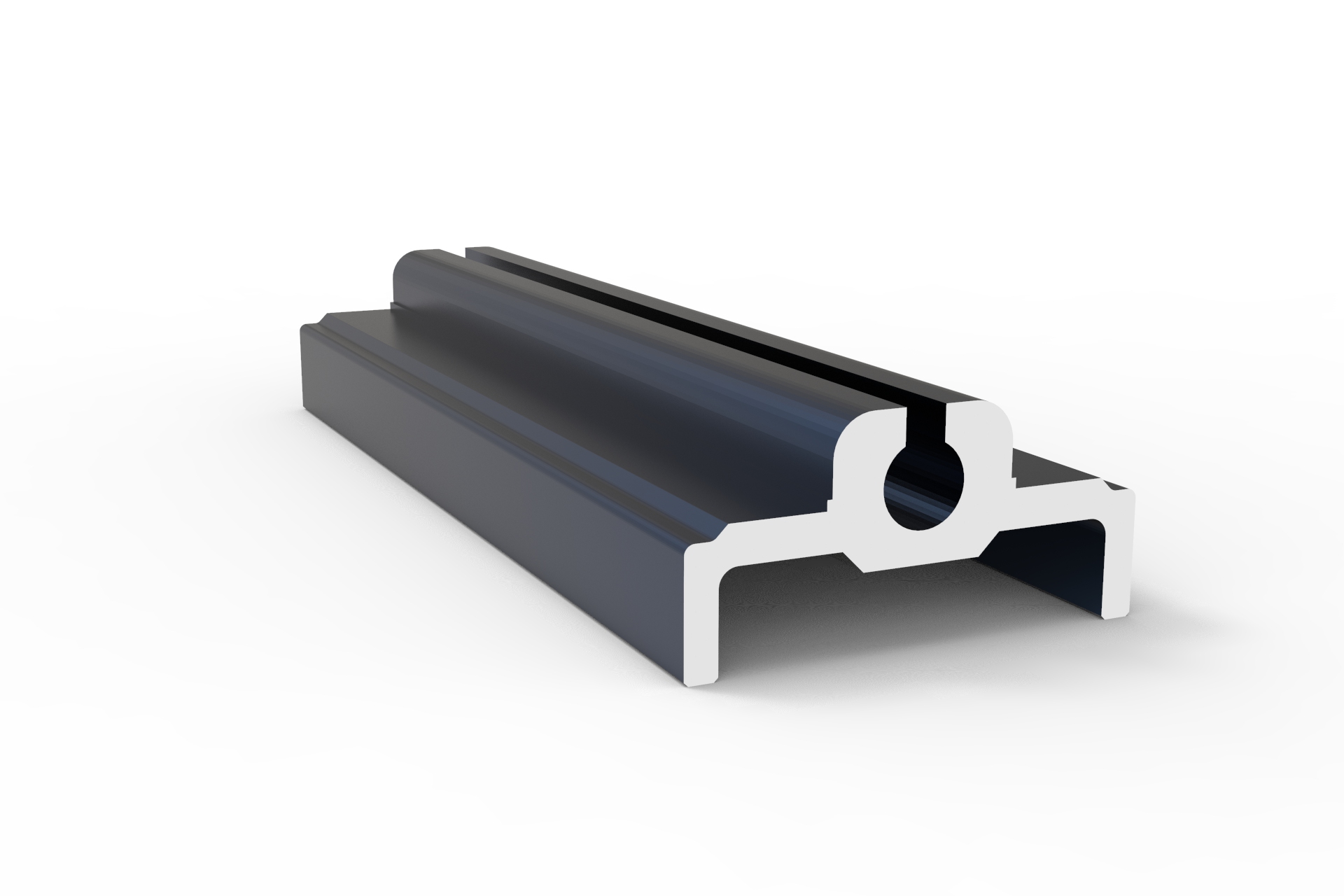
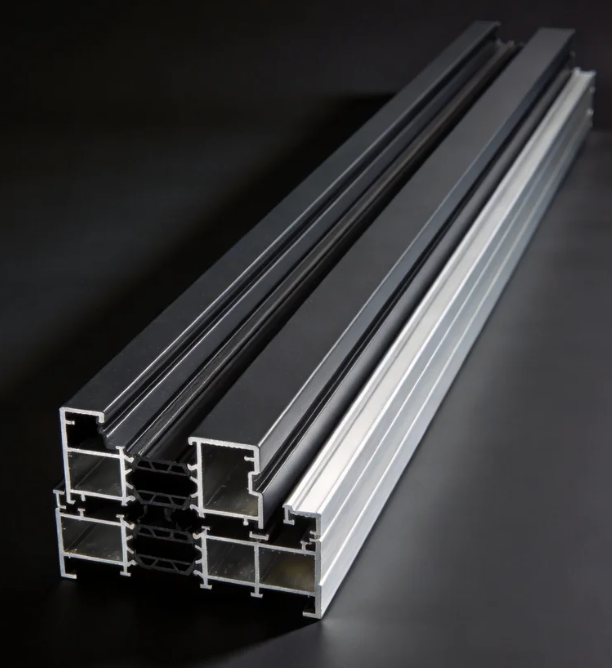
How do I choose the right alloy grade for architecture profiles in high-rise coastal buildings?
How do I choose the right track and roller specs for heavy-duty commercial sliding doors?
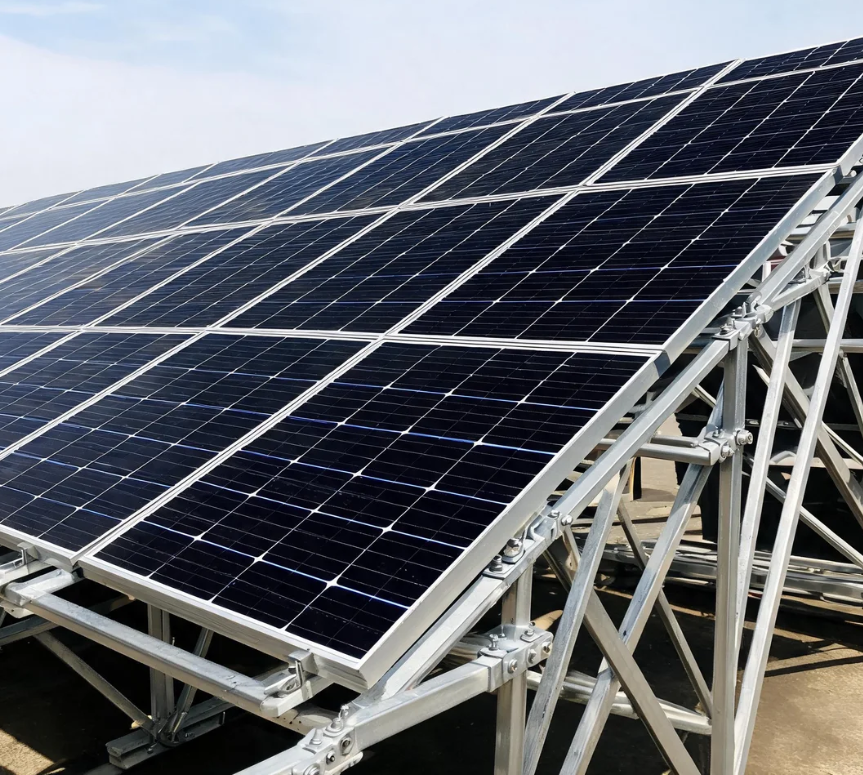
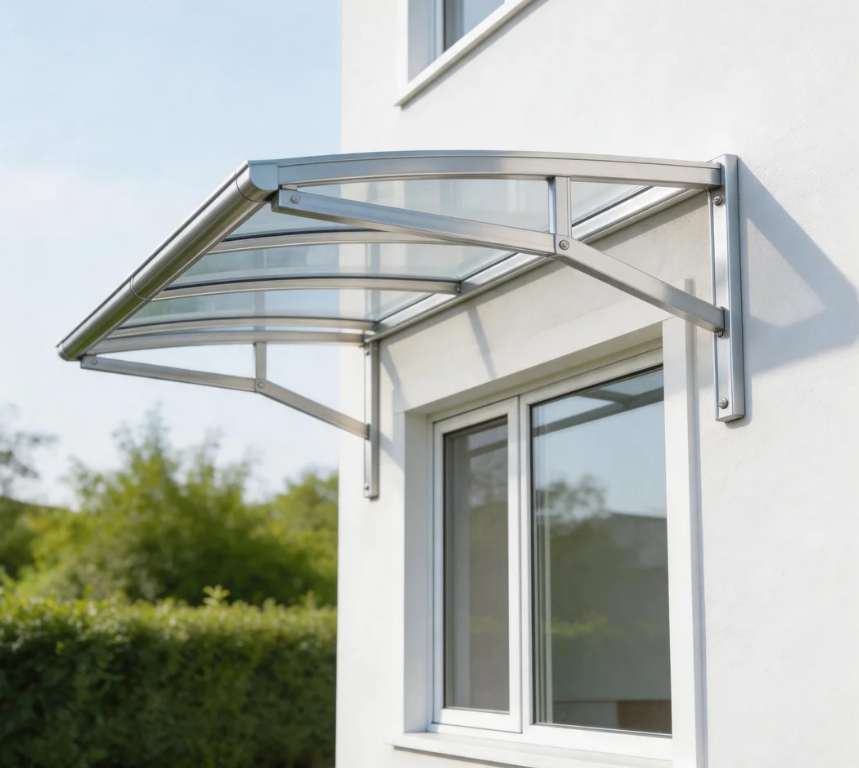
The core advantages of using aluminium profiles for the canopy
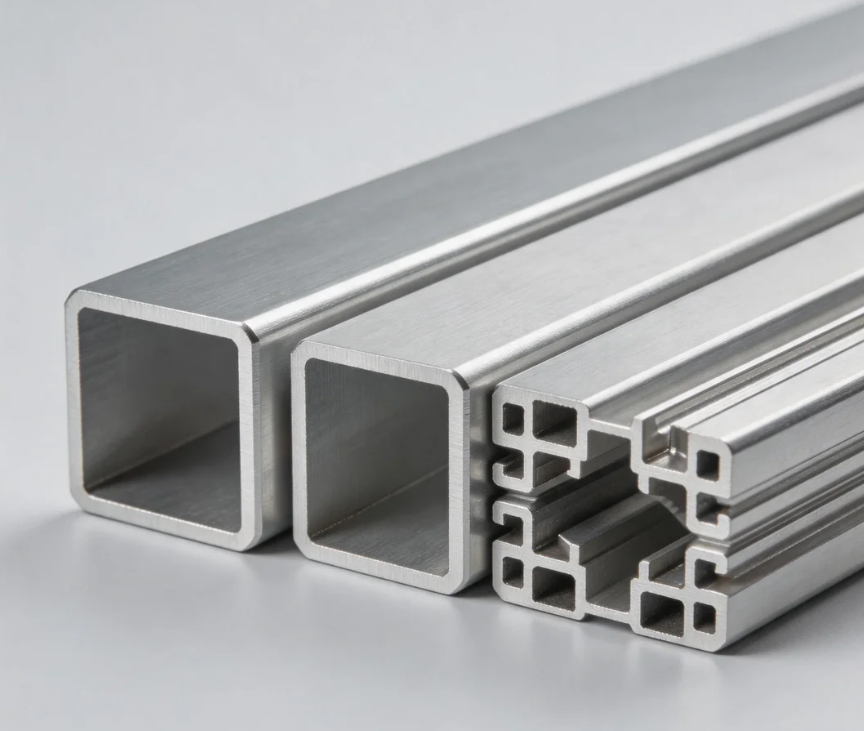
International demand: Dual drive by new energy and infrastructure
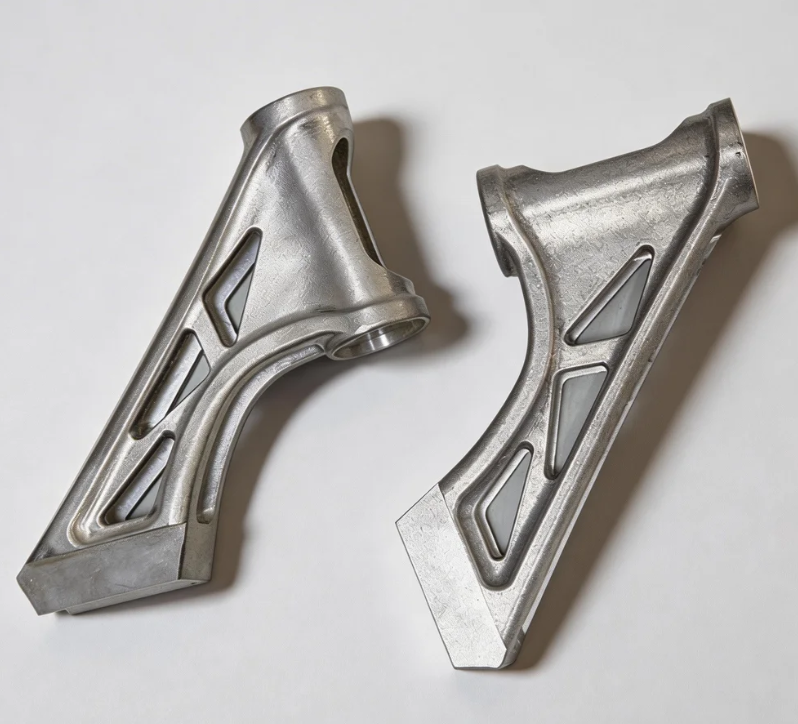

The advantages of using aluminium profiles to manufacture robot arms
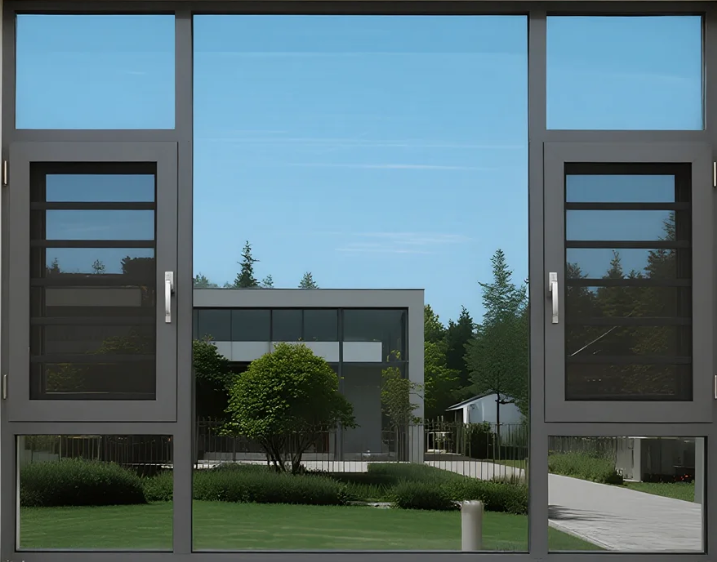
The advantages of using aluminum profiles for door and window frames
The impact of the conflict between the United States and Iran on the price of aluminum
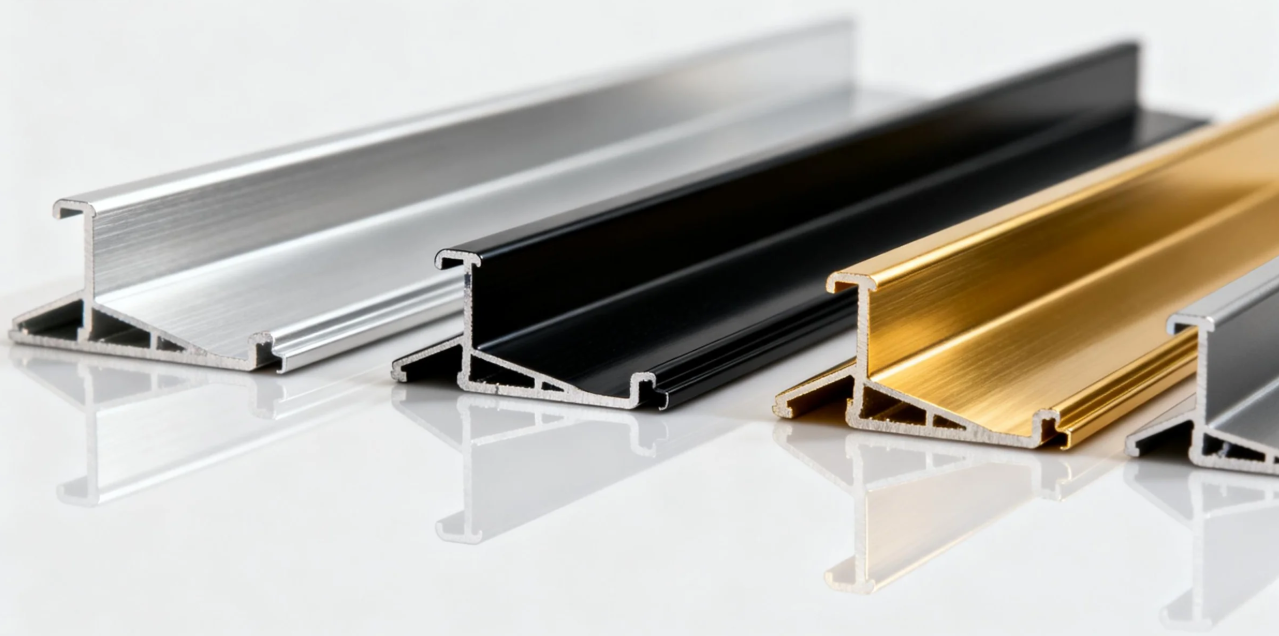
The advantages of using aluminium alloy for the main structure of high-speed train carriages
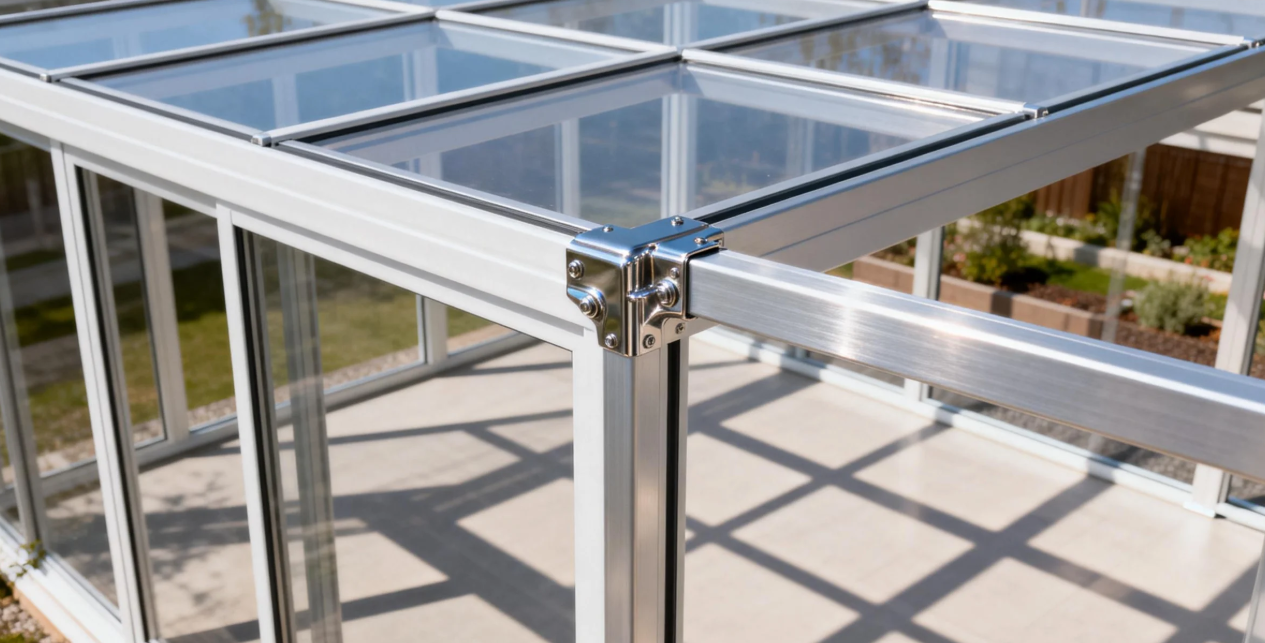
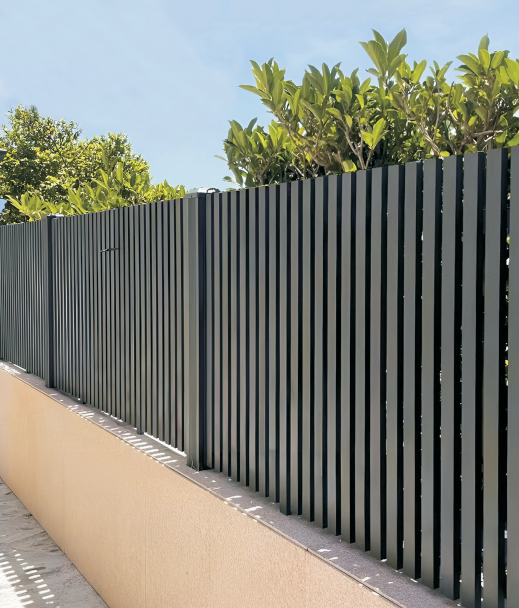
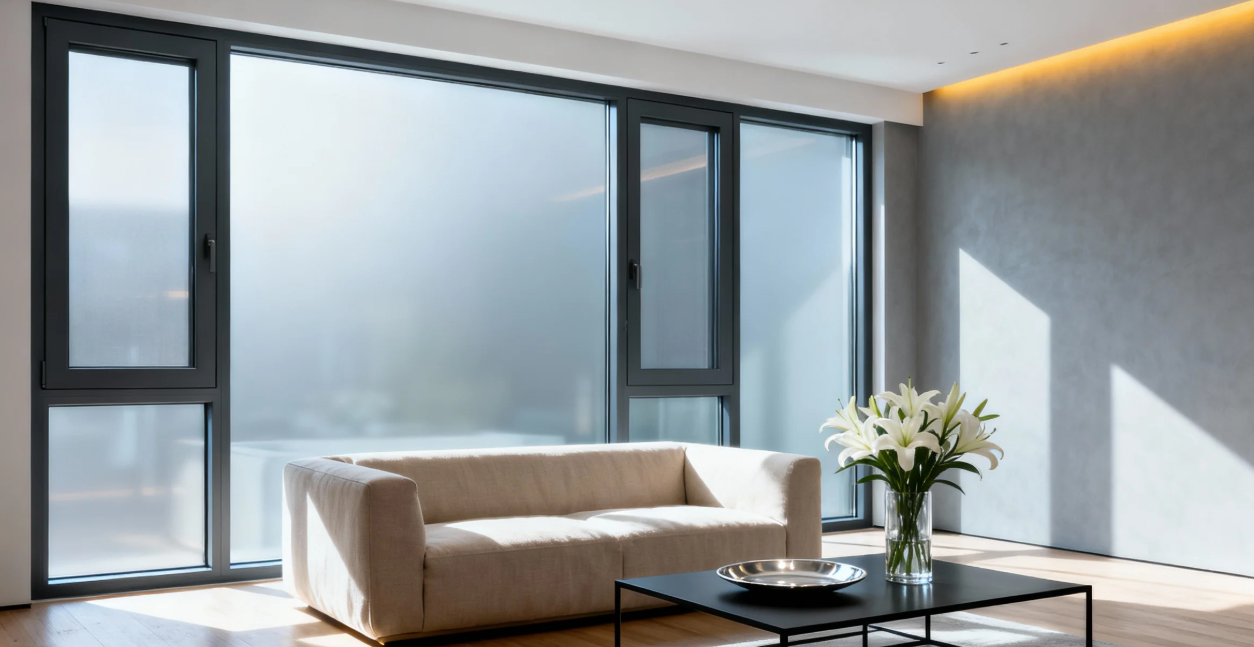

Methods for distinguishing Indoor and Outdoor Aluminium Doors
Maintenance methods and tips for aluminium doors and windows
Characteristic of outward-opening and hung aluminium windows


Xinhe Aluminium Research: 7.14-7.18 Analysis of Aluminium Prices
Seven Benefits Of Using Aluminium Profiles In Curtain Wall Systems
The Application of Aluminium Profiles in New Energy Vehicles
The Composition and Application of Series 6 Aluminium Alloys
Top 5 Benefits of Using LED Aluminium Profiles in Modern Lighting
A Complete Guide to Aluminium Frame Profiles for Modern Structures
Exploring the Strength and Versatility of Aluminium Extrusion Profiles
How to Choose the Right Aluminium Profile Supplier for Your Project

COMPANY