When furniture designers shift from particleboard to aluminium extrusion, they’re not chasing a trend. They’re solving a problem particleboard can’t: how to maintain structural integrity while shedding weight, resisting moisture, and accommodating modular reconfiguration. Aluminium extrusion for furniture delivers dimensional stability that wood composites lose over time, especially in high-humidity environments like kitchens and bathrooms.
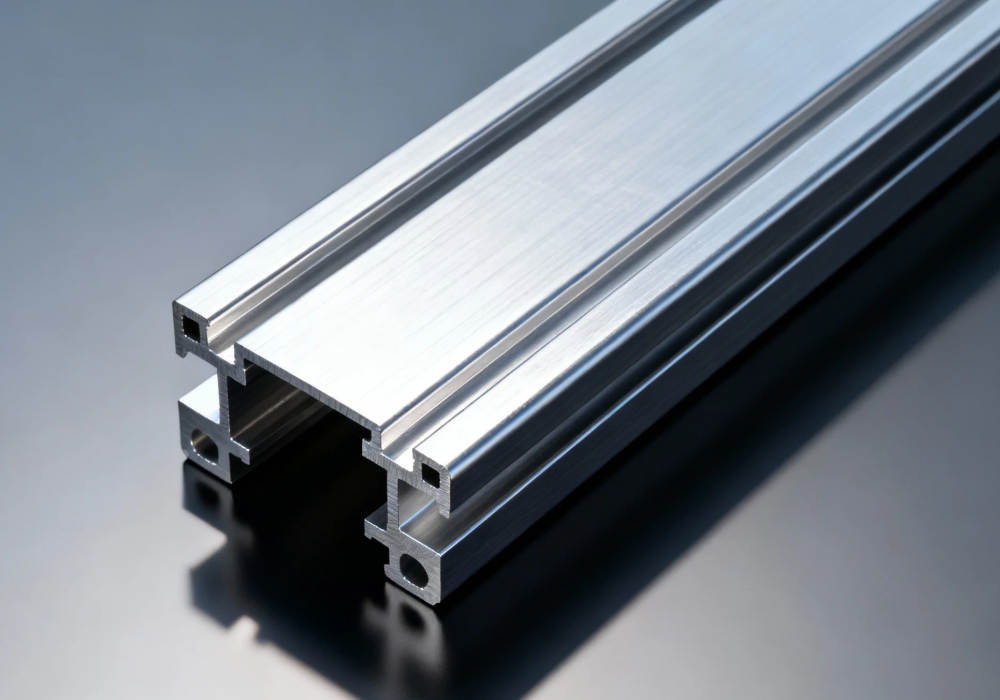
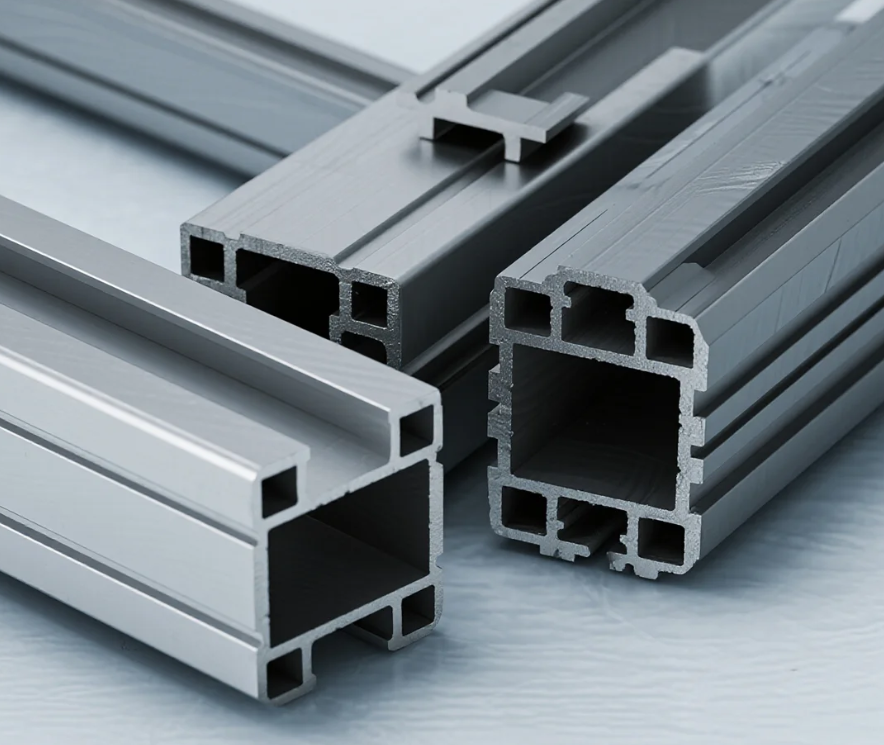
The appeal isn’t just mechanical. Extrusion processes allow furniture manufacturers to embed functional geometry directly into the profile cross-section—cable channels in desk frames, integrated pull handles in cabinet doors, mounting grooves for glass panels—without secondary machining. This shifts complexity upstream, reducing assembly steps and improving repeatability across production runs.
Aluminium’s raw properties—tensile strength around 215 MPa for 6063-T5, density at 2.7 g/cm³—tell only part of the story. What distinguishes extrusion profiles from sheet metal or tube stock is the ability to distribute material exactly where structural loads demand it. A cabinet frame profile might feature thick walls along load-bearing edges and thin webs in non-critical zones, achieving stiffness-to-weight ratios that solid sections can’t match.
This isn’t abstract engineering. A typical kitchen base cabinet must support 15–20 kg per linear meter without visible deflection. Extruded profiles meet this threshold at lower weight than equivalent steel frames, reducing shipping costs and easing installation without compromising rigidity. The difference becomes tangible when installers handle full-height pantry units or modular shelving systems.
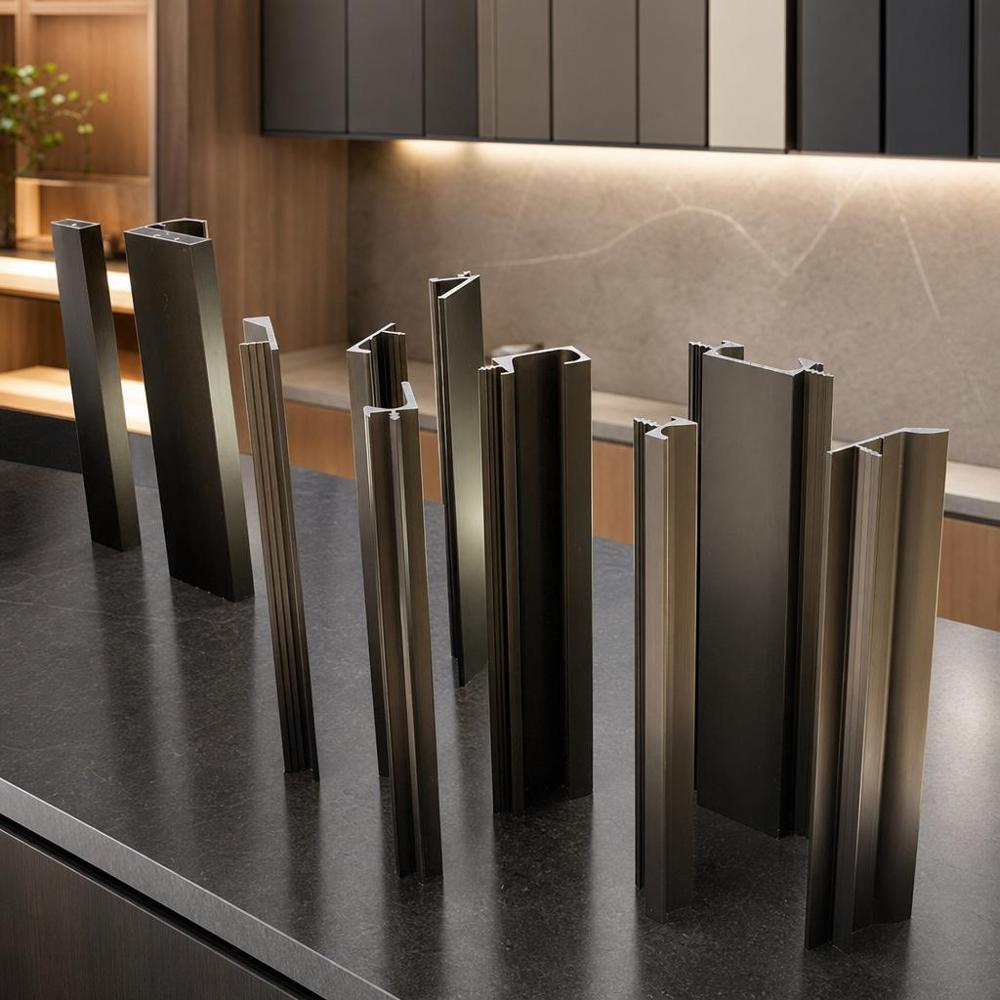
Surface treatments add another layer of functional durability. Anodizing creates a hardened oxide layer 5–25 microns thick that resists scratching better than painted finishes. Powder coating offers color flexibility and impact resistance, while wood grain transfer films provide the aesthetic warmth of timber without the maintenance burden. Each finish responds differently to kitchen environments where grease, steam, and cleaning agents cycle continuously.
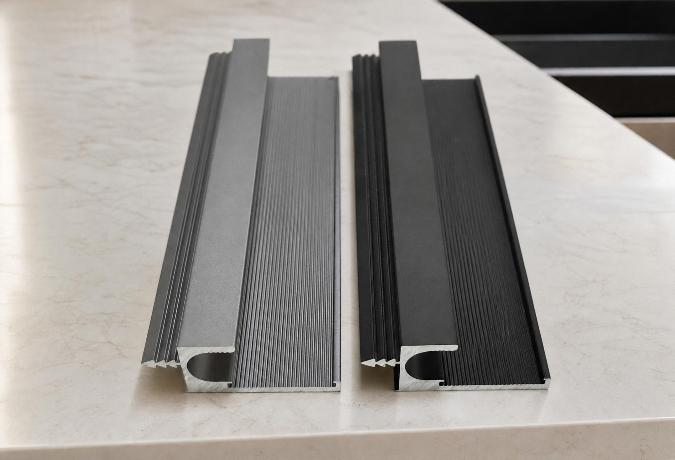
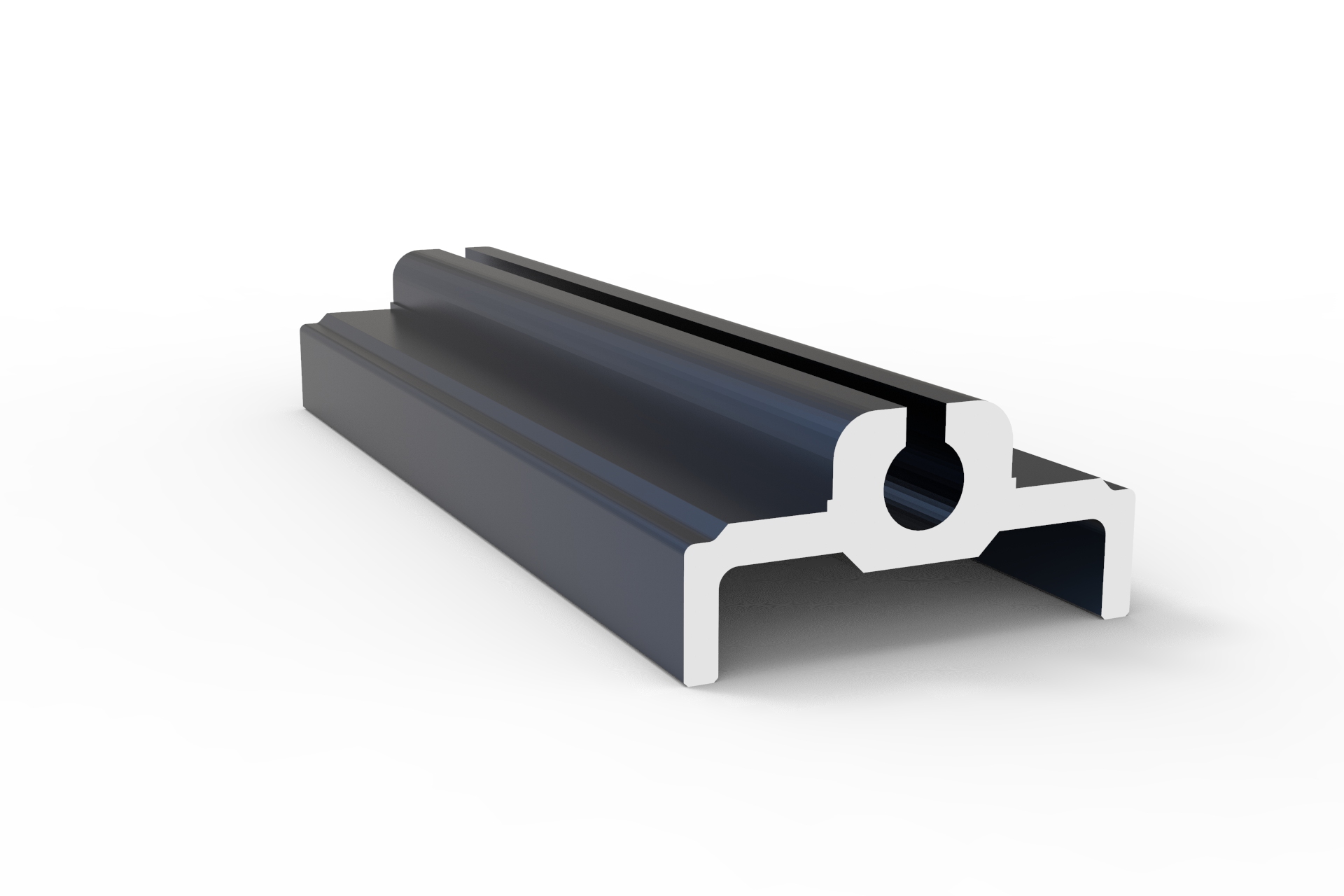
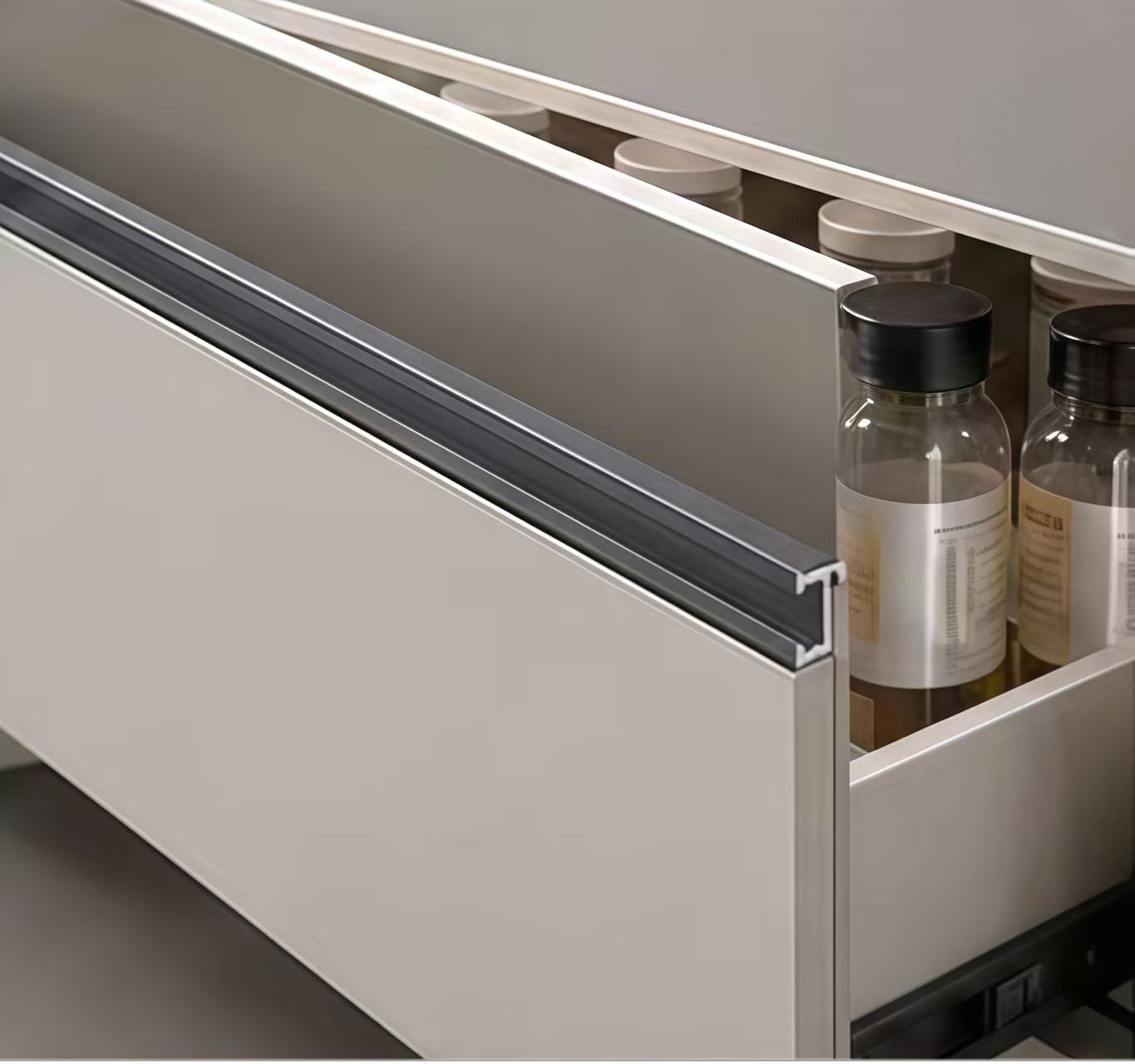
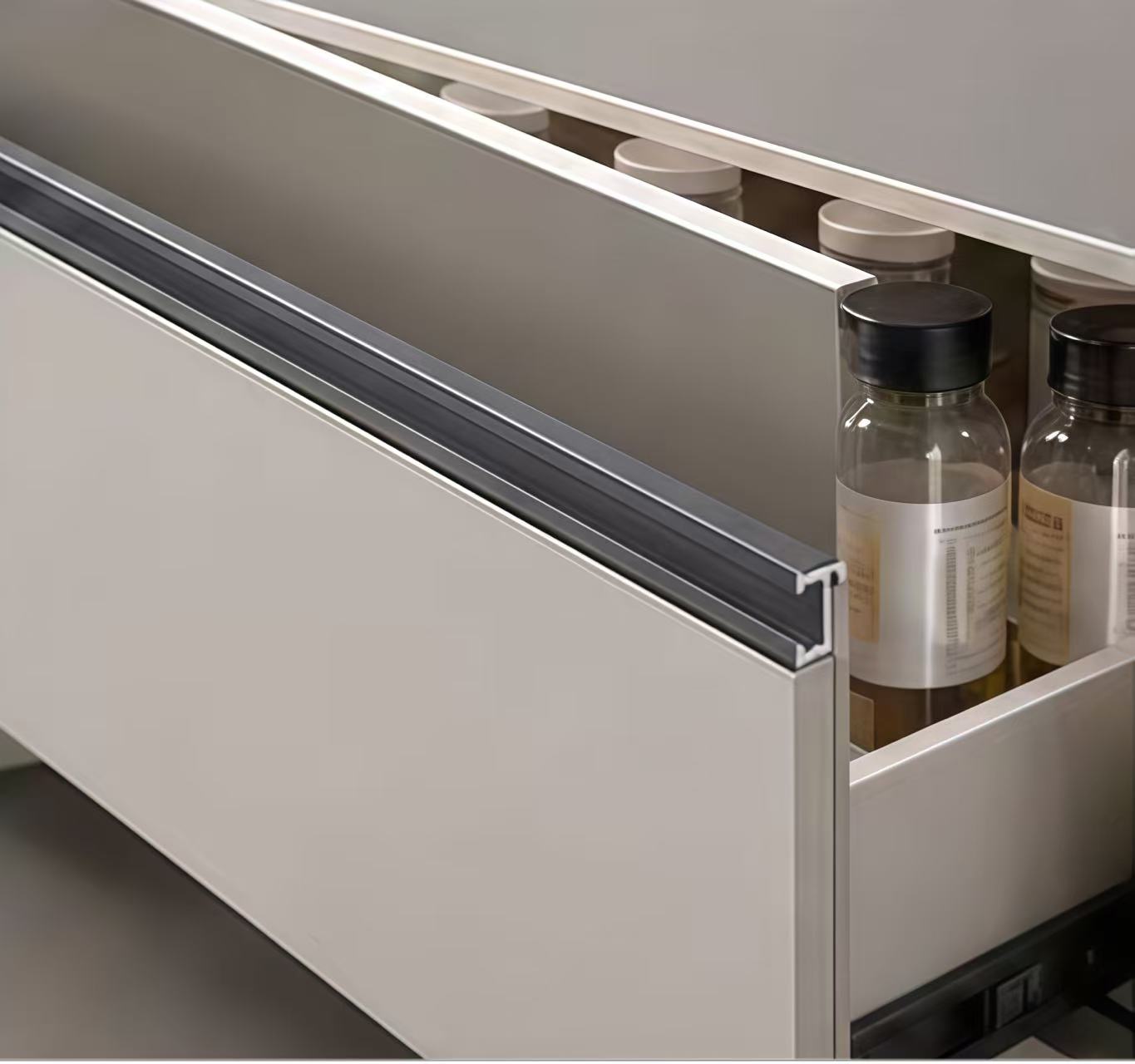
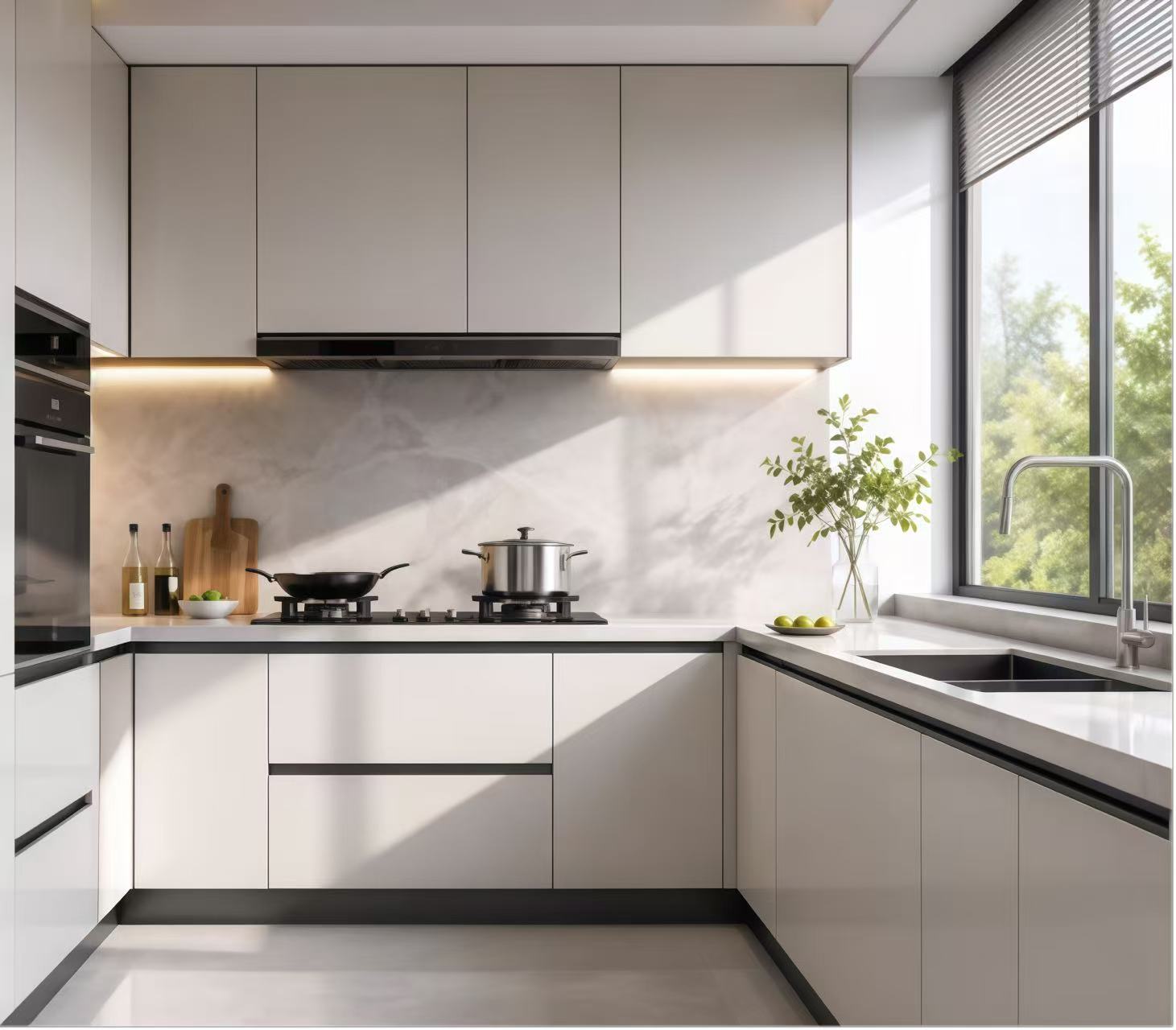
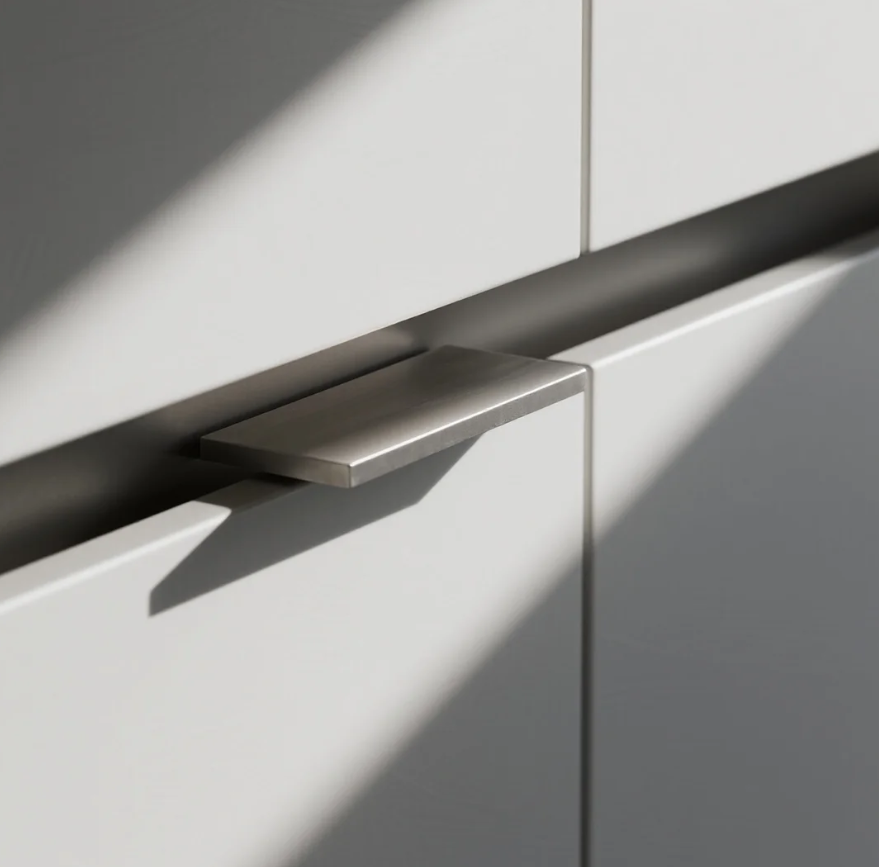
Modern cabinet construction increasingly relies on handleless door profiles—commonly termed Gola, J-pull, or C-pull configurations. These aren’t purely aesthetic choices. A recessed Gola channel eliminates protruding hardware that collects grease and disrupts visual flow across cabinet runs. The extrusion’s geometry creates a continuous grip zone along the door edge, distributing pull forces across a larger surface area than discrete knobs or handles.
The typical Gola profile features a horizontal recess 10–12 mm deep with a return lip. This lip serves dual purposes: it conceals the cabinet body edge behind the door and provides a tactile reference point for users opening doors without visual cues. The profile’s rear mounting rail often includes barbed channels that lock into cabinet panels without visible fasteners, maintaining clean interior surfaces.
J-pull profiles achieve similar results through a curved extrusion that wraps the door edge, creating a finger recess on the underside. The curve radius—usually 8–10 mm—balances grip comfort against material distribution. Sharper radii concentrate stress at bend points, while larger radii consume more material without proportional ergonomic gains.
These geometries must accommodate door thickness variations. Standard 18 mm panels require different profile depths than 25 mm variants. Extrusion dies can be adjusted to maintain consistent visual appearance across mixed panel thicknesses, something post-machining of solid stock struggles to replicate economically.
Most furniture extrusions specify 6063-T5 or 6463-T5 alloys. The distinction lies in iron content limits: 6463 restricts iron to 0.15% versus 0.35% in 6063, producing slightly brighter anodized finishes. For furniture applications, this matters primarily when matching profiles to aluminum-framed glass doors or achieving uniform appearance across mixed component sources.
The T5 temper designation indicates the profile was cooled from extrusion temperature and artificially aged to develop strength. This temper offers yield strength around 145 MPa—sufficient for furniture loads while maintaining enough ductility for field adjustments. Bending a T5 profile 90 degrees over a suitable radius won’t typically cause cracking, allowing installers to correct minor misalignments during assembly.
Some manufacturers position 6061-T6 as a premium alternative. Its higher silicon content increases strength to 240 MPa yield, but at the cost of extrudability. Complex cross-sections with thin walls or tight internal radii become difficult to produce consistently. For furniture, where profiles rarely exceed 3 mm wall thickness and feature intricate handle recesses, 6063’s superior formability outweighs 6061’s strength advantage.
The moisture resistance that makes aluminium suitable for kitchen environments stems from passive oxide formation. Unlike steel, which requires galvanization or paint to prevent rust, aluminium spontaneously forms a protective layer nanometers thick when exposed to air. Anodizing deliberately thickens this layer through electrochemical oxidation, creating a porous structure that can accept dyes before being sealed. This isn’t coating that can chip—it’s an integral part of the surface metal.
Aluminium’s coefficient of thermal expansion—roughly 23 × 10⁻⁶ per °C—sits between steel and plastics. A 3-meter cabinet profile experiences approximately 0.7 mm length change across a 30°C temperature swing. For comparison, MDF expands more over the same span, enough to potentially bind drawer slides or create visible gaps at joints.
This stability matters most in applications combining materials. A cabinet door with aluminium edge profiles and a particleboard core will see differential movement. Mounting systems must accommodate this through slotted fastener holes or flexible adhesives. Mechanical interlock designs—like T-slot channels with sliding nuts—allow the core panel to expand independently of the frame without creating stress concentrations.
Welded aluminium frames for larger furniture pieces like workbenches or retail fixtures benefit from lower thermal distortion during fabrication. TIG welding aluminium generates intense localized heat, but the material’s high thermal conductivity dissipates energy rapidly. Post-weld distortion typically remains minimal per meter of weld seam compared to equivalent steel assemblies.
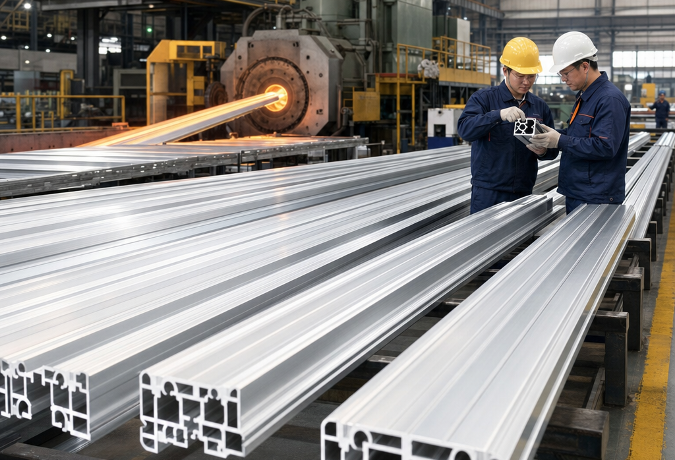
Extrusions arrive from the mill as straight lengths, typically 6 meters maximum. Furniture manufacturers cut these to finished dimensions—often 1200–2400 mm for cabinet applications—using carbide saws. The soft alloy cuts cleanly at high speeds without work hardening, though aluminum’s tendency to gum cutting tools requires periodic blade maintenance.
Drilling and tapping operations add mounting points for hinges, drawer slides, and adjustable feet. 6063-T5’s machinability allows thread cutting without pre-drilling pilot holes in profiles over 2.5 mm wall thickness. The threads hold screws reliably under typical furniture loads, though through-bolts with backing plates remain preferable for high-stress joints.
Punching operations create cutouts for cable grommets, ventilation slots, or handle openings. The alloy’s ductility permits clean shearing up to 4 mm thickness without edge cracking, provided die clearances stay within 5–8% of material thickness. Tighter clearances work-harden the shear edge excessively; larger clearances create rough burrs requiring deburring.
| Operation | Tooling Requirement | Typical Tolerance |
|---|---|---|
| Cut-to-length sawing | Carbide-tipped blade, 80+ teeth | ±0.5 mm |
| CNC drilling | Solid carbide, 118° point angle | ±0.1 mm |
| Punching | Tool steel dies, 6–8% clearance | ±0.2 mm |
| Thread tapping | M4–M8 spiral flute taps | ISO 2B class fit |
Bending extrusions to create curved drawer fronts or radius cabinet ends requires mandrel support to prevent wall collapse. Minimum bend radius generally equals 3–5 times the profile’s major dimension. A 30 mm wide profile bends reliably to 100 mm radius; tighter curves risk localized thinning on the outer surface. For complex curves, multi-axis CNC bending centers can produce consistent results, though setup costs favor production runs exceeding 100 units.
Kitchen cabinetry faces grease vapor, acidic cleaners, and repeated moisture exposure. Surface treatments must resist both chemical attack and mechanical abrasion from daily use. Mill finish aluminum—the as-extruded surface—offers basic corrosion resistance but shows fingerprints easily and scratches under contact with abrasive cleaners.
Anodizing creates a ceramic-like surface layer through controlled oxidation. Type II anodizing (5–25 microns) provides good durability for interior profiles. Type III hard anodizing (25+ microns) increases abrasion resistance but adds cost and limits color options. Clear anodized finishes maintain aluminum’s metallic appearance while sealing the surface; dyed anodizing offers black, bronze, or champagne tones by absorbing pigments into the porous oxide layer before sealing.
Powder coating applies dry polymer particles electrostatically, then cures them at 180–200°C. The resulting film—60–100 microns thick—resists chipping better than liquid paints and tolerates impact from pots, pans, and utensils. Color consistency across batches depends on tight process control; slight variations become visible when profiles from different coating runs sit adjacent on finished cabinets.
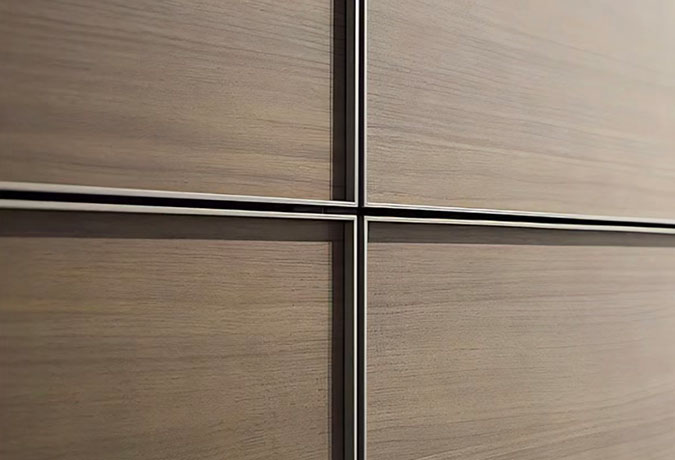
Wood grain transfer films bond a printed polymer layer onto powder-coated profiles through heat and pressure. The effect mimics natural timber grain with better moisture resistance than wood veneer. Installation orientation matters—running the grain direction consistently across cabinet faces prevents visual disruption. The film thickness (40–60 microns) adds minimal dimension but requires accounting for in tight-tolerance assemblies.
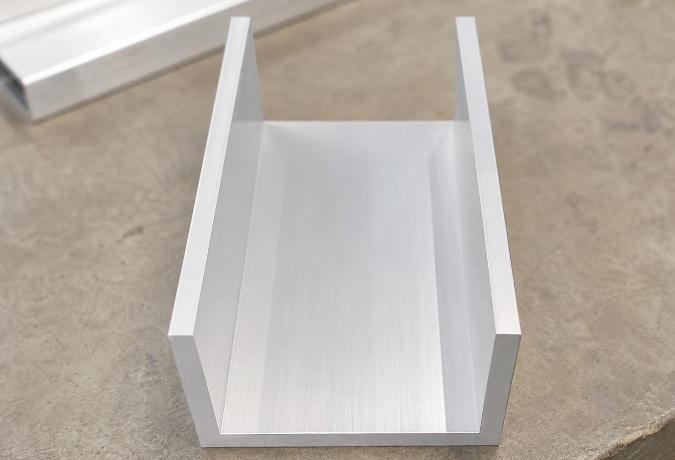
Manufacturers typically stock standard profiles for common furniture applications: 20 mm C-channels for glass door frames, 12 mm square tubes for table legs, 30 mm Gola channels for handleless cabinets. These commoditized sections ship quickly and keep inventory lean for furniture makers producing established designs.
Custom extrusion becomes cost-effective when order volumes exceed certain thresholds per profile cross-section. Die costs vary based on complexity—simple open shapes cost less than complex hollow sections with multiple internal voids. Amortizing these costs across sufficient production volume brings per-kilogram pricing closer to standard profiles.
Design for extrudability follows specific rules. Minimum wall thickness typically sits at 1.5 mm for 6063 alloy; thinner sections risk tearing during extrusion. Internal voids require wall spacing at least 2.5 times the wall thickness to maintain die strength. Sharp internal corners concentrate stress—radii should exceed 0.5 mm where walls intersect. These constraints rarely limit furniture design but require coordination between industrial designers and extrusion engineers during development.
Lead times for custom tooling run several weeks, followed by initial production and sampling. The first extrusion runs undergo dimensional verification against drawings, checking critical features like handle recess depth, mounting groove position, and overall profile straightness. Once approved, production ramps to meet furniture manufacturing schedules.
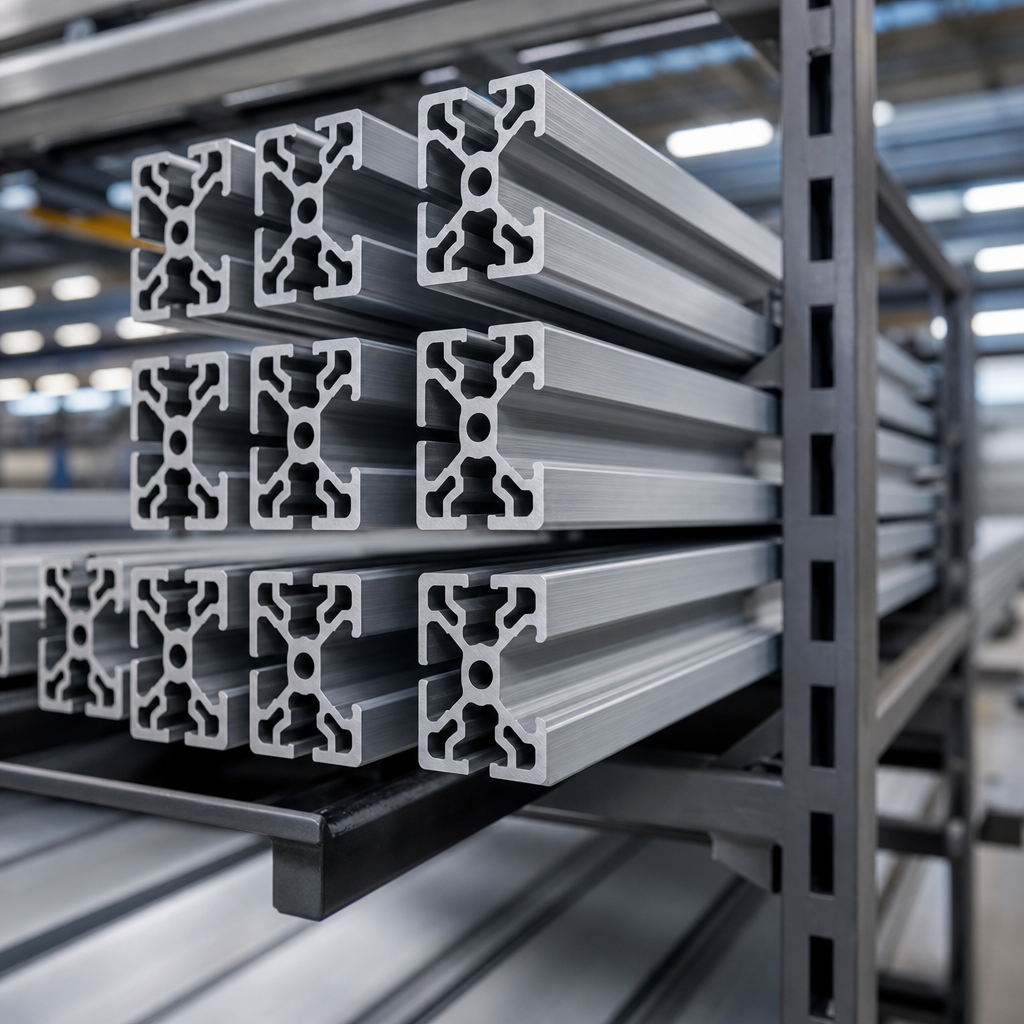
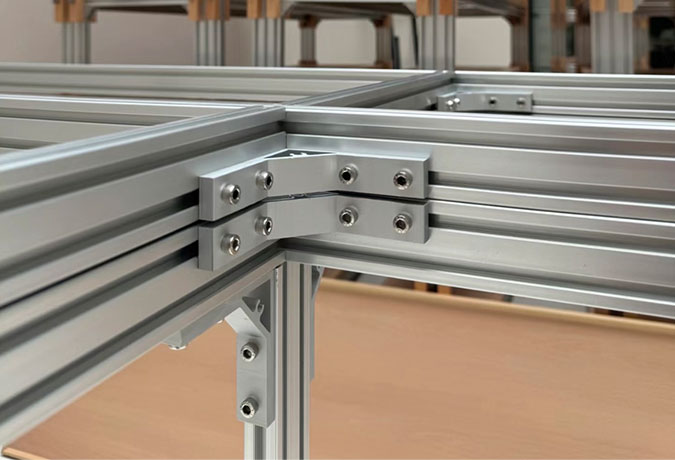
Aluminium extrusions excel in modular furniture because standardized cross-sections allow interchangeable components. A retail fixture system might use identical 40 mm square extrusions for vertical posts, with accessories sliding into T-slot grooves. Shelf brackets, garment rails, and signage holders all mount to the same base profile without custom machining.
Corner joints in extruded frames typically employ one of three methods. Die-cast corner brackets with M6 bolts offer quick assembly and reasonable strength for light-duty applications. TIG welding creates permanent joints with full material strength but requires jigs to maintain alignment during fabrication. Mechanical connectors—hidden fasteners that thread into profile ends—split the difference, providing strength approaching welded joints while remaining field-serviceable.
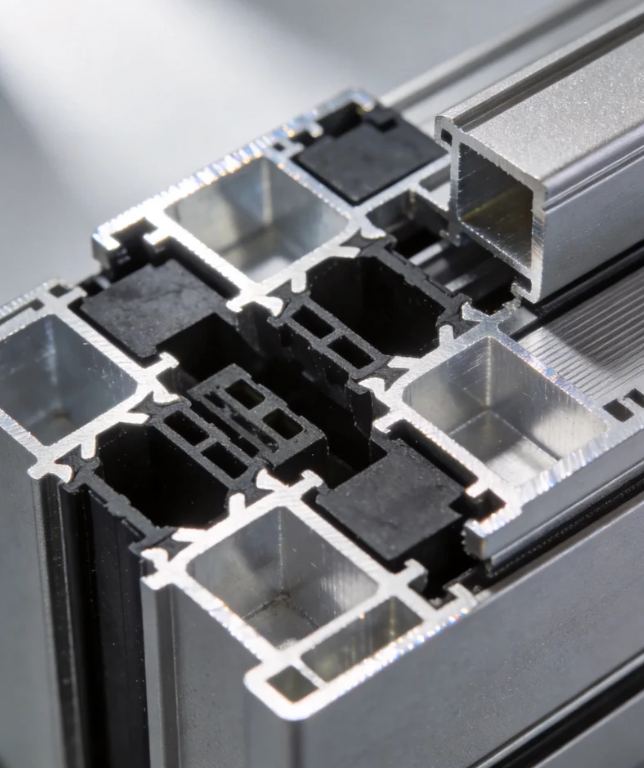
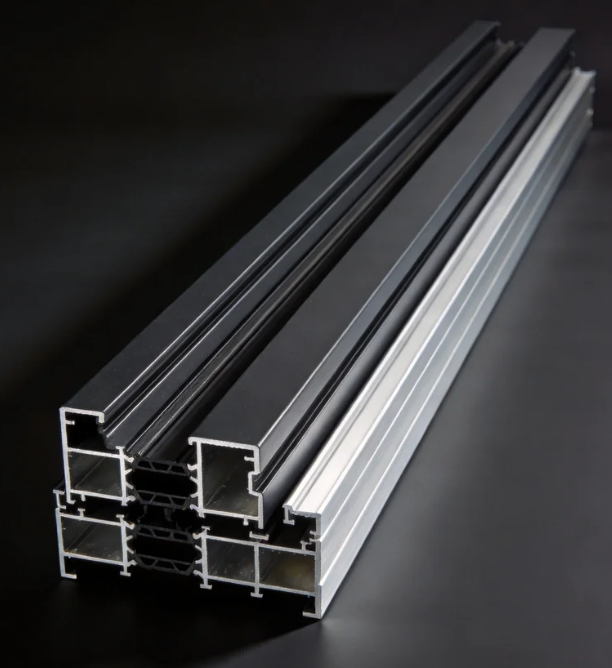
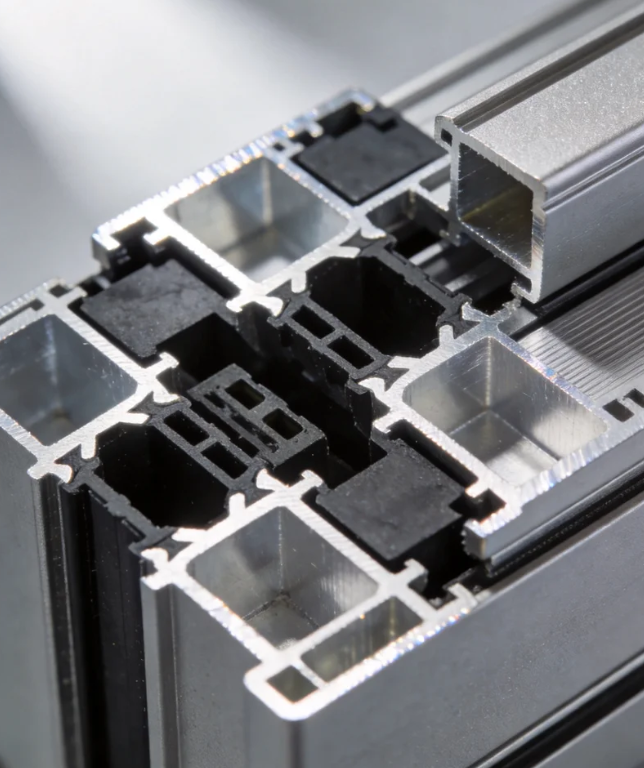
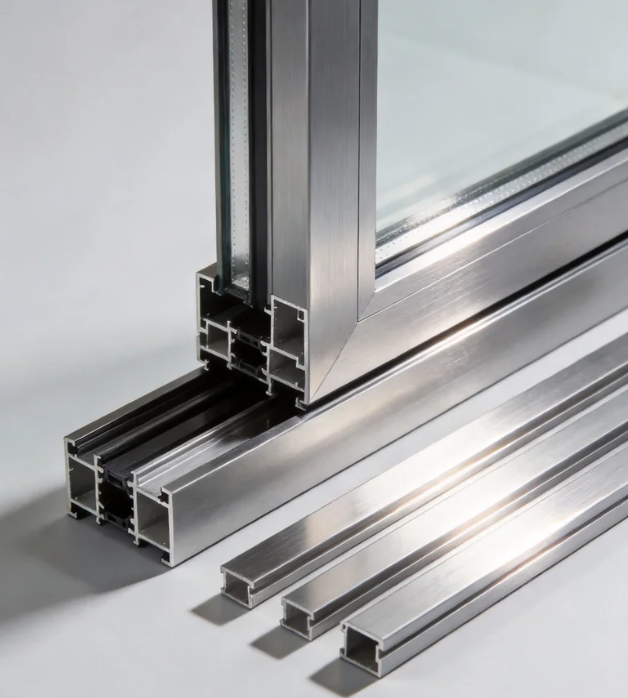
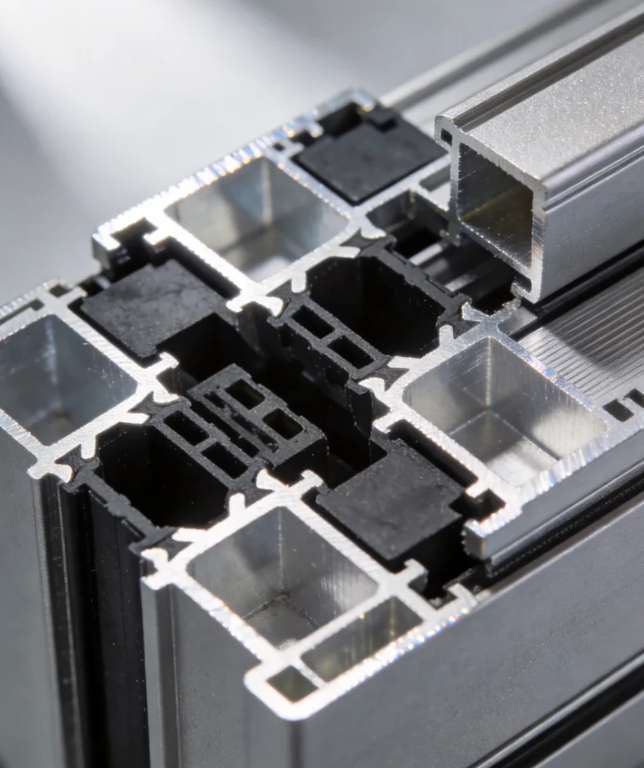
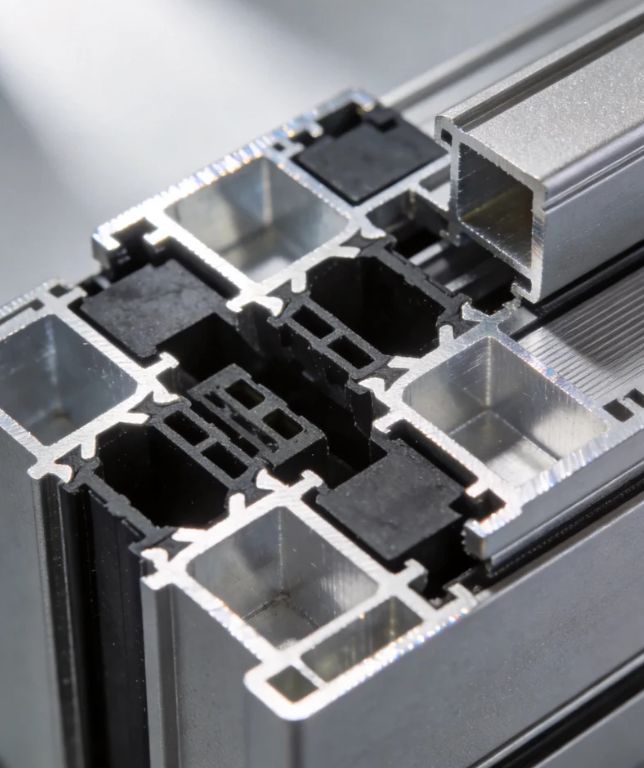
Thermal break technology, borrowed from window frame design, occasionally appears in upscale furniture where metal-to-metal contact paths need interruption. A polyamide strip mechanically locks between two aluminum extrusion halves, maintaining structural continuity while blocking heat flow. This keeps exposed metal surfaces near room temperature, preventing condensation in climate-controlled environments or uncomfortable touch temperatures in direct sunlight.
Bathroom vanities and outdoor furniture push aluminium’s corrosion resistance harder than kitchen applications. Sustained exposure to water droplets, especially in coastal regions where salt spray carries inland, accelerates oxide layer breakdown if surface treatments fail. Anodized profiles generally withstand continuous moisture better than powder-coated variants, as the oxide layer integrates with base metal rather than forming a mechanical bond.
Field observations show properly anodized cabinet profiles maintaining appearance after extended periods in residential kitchens with normal cleaning habits. Failures typically trace to edge damage during installation or contact with strong alkaline cleaners (pH > 11) that attack aluminum oxide. Powder-coated profiles show extended service life before minor edge chipping becomes cosmetically noticeable, though mechanical performance remains unaffected.
Marine-grade 5xxx series alloys (higher magnesium content) resist salt corrosion more aggressively than 6063, but their reduced extrudability limits profile complexity. Most furniture applications find 6063 adequate with proper surface treatment selection based on expected exposure conditions.
Restaurant kitchens and commercial food prep areas subject cabinetry to abuse beyond residential norms: high-temperature equipment proximity, frequent power washing, and concentrated cleaning chemical exposure. Specification here favors Type III hard anodizing or two-coat powder systems (primer plus topcoat) for enhanced durability.
Modular storage systems in retail or warehouse settings benefit from aluminum’s ability to support repeated reconfiguration. Profiles with integrated T-slots accept brackets and shelves that reposition without tools, adapting layouts as inventory requirements shift. The material doesn’t fatigue under repeated assembly cycles the way threaded particleboard does.
Residential furniture increasingly adopts commercial-grade profiles as consumers expect greater longevity. The cost premium—typically 15–25% over wood composite alternatives—becomes acceptable when framed as lifecycle value rather than initial expense. A well-specified aluminum cabinet frame outlasts multiple generations of particleboard boxes in typical kitchen use.
Minimum order quantities for extrusion profiles reflect the material volume needed to justify die setup and mill run economics. Standard profiles often ship in smaller quantities, while custom sections require larger minimums to absorb tooling costs.
For furniture manufacturers operating on just-in-time inventory principles, this creates tension. Stockpiling custom profiles ties up capital; frequent small orders multiply setup charges. Successful operations often compromise by designing around a limited palette of custom sections supplemented with readily available standard shapes.
Surface treatment adds time to lead times. Anodizing requires batch processing—profiles hang on racks, immerse in electrolyte tanks, then cure in sealed ovens. Powder coating moves faster but still requires staging between coating application and curing cycles. Planning must account for these intervals when coordinating with cabinet assembly schedules.
Xinhe Aluminium operates with capacity approaching 200,000 tons annually across a product range exceeding 5,000 profile variants. This scale allows flexible MOQ accommodation across both standard and custom sections, supporting furniture manufacturers from prototype development through volume production. Since 1998, the integration of extrusion, surface treatment, and fabrication services has enabled streamlined development cycles for customers across more than 50 markets.
Alloy development continues incrementally. Improved quenching techniques during T5 temper processing extract slightly higher strength without compromising formability. Some mills experiment with trace element additions to refine grain structure and improve surface finish after anodizing.
Recycled aluminum content in extrusions now regularly exceeds 70%, driven by both cost and environmental considerations. The material requires only 5% of the energy needed to produce primary aluminum from bauxite ore. Closed-loop recycling programs collect off-cuts from furniture fabrication, remelt them, and reintroduce the metal into billet casting. Mechanical properties remain equivalent to primary metal, making recycled content invisible to end users.
Hybrid profiles combining aluminum extrusion with composite inserts or co-extruded polymers expand functional possibilities. A cabinet profile might feature aluminum structural rails with an integrated polymer gasket for dust sealing, extruded as a single piece. These technologies remain cost-prohibitive for most furniture applications but suggest directions as manufacturing capabilities evolve.
Aluminium extrusion for furniture succeeds not through revolutionary material science but by aligning metal properties with specific structural and aesthetic requirements. The capacity to embed complex geometry during extrusion, maintain dimensional precision across environmental variations, and resist degradation from moisture and kitchen chemistry makes these profiles foundational in contemporary cabinet design. When furniture engineers select aluminum over traditional materials, they’re purchasing predictable long-term performance more than metal tonnage.
Aluminium Decorative Profiles: Design, Installation, and Interior Applications
Aluminium Profiles for Automation: A Practical Guide to Modular Frame Design
Aluminium Thermal Break Profiles: Design Principles and Practical Applications
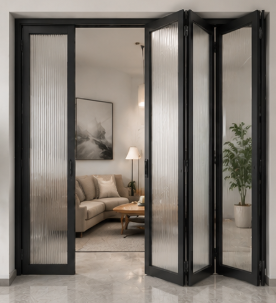
How do suppliers normally handle Sliding door installation problems overseas?
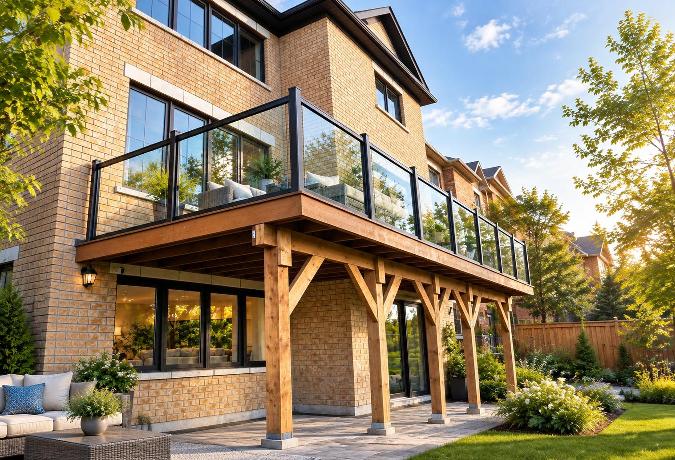
Choosing the Right Aluminium Balustrade Profiles for Your Project
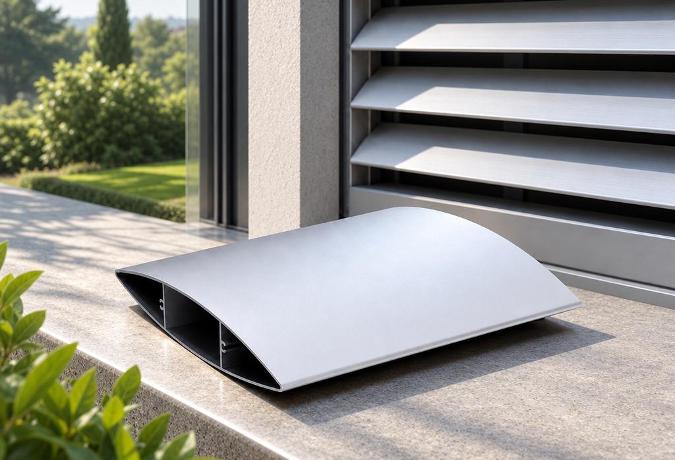
Aluminium Louver Profiles: Light Control and Ventilation in Modern Architecture
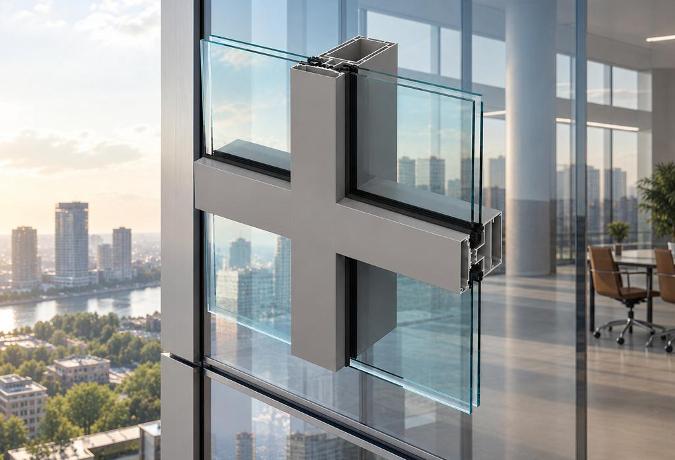
Aluminium Curtain Wall Profiles: Structural Design and Performance in Modern Architecture
Aluminium Trim Profiles: Bridging Aesthetics and Performance in Modern Interior Design
How do I verify Casement window production capacity before signing a contract?
Powder Coated Aluminium Profiles: Durability and Design in Modern Applications
How Aluminium Heatsink Profiles Keep Electronics From Cooking Themselves
How do FOB and CIF change my risks when importing Sliding doors?
What support should I receive if Architecture profile dimensions are wrong?
Aluminium Profile Alloys 6063 T5 T6: Properties, Heat Treatment Differences, and Application Selecti
Inside an Aluminium Profile Factory: How Angle Profiles Are Made and Chosen
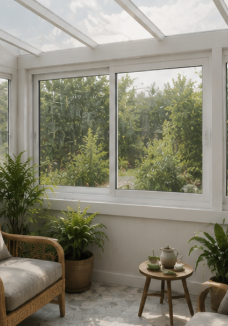
What is a realistic MOQ for a first Sliding window trial order?
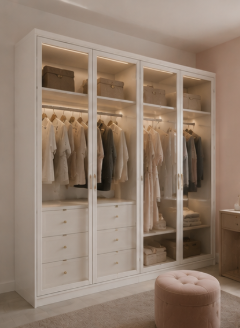
Which factory records should I review before buying Industrial profile?
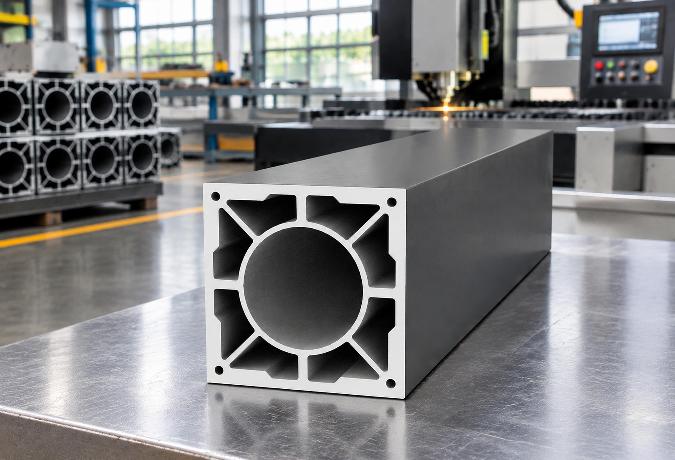
Aluminium Extrusion for Machinery: Choosing the Right Profile for Industrial Equipment
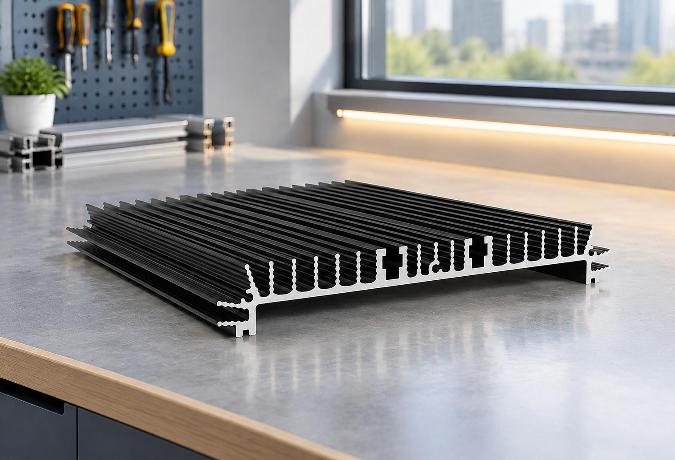
Aluminium Extrusion for LED Lighting: Choosing the Right Heatsink Profile
Can a Floding door supplier protect my private design from competitors?
Which Industrial profile tolerances affect assembly accuracy and finished quality?
Can trade credit insurance cover my Architecture profile purchase risk?
Custom Aluminium Extrusion Profiles: Engineering Precision into Industrial Motion Systems
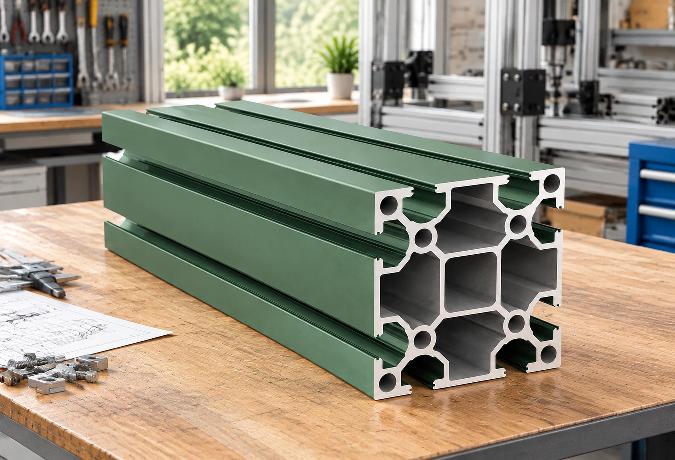
T-Slot Aluminium Extrusion: Structural Framework Design Without Welding
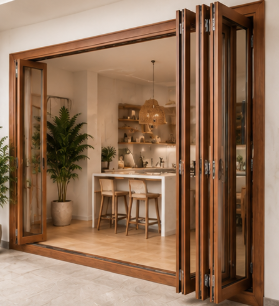
Which recycled-content records are credible for Sliding window procurement?
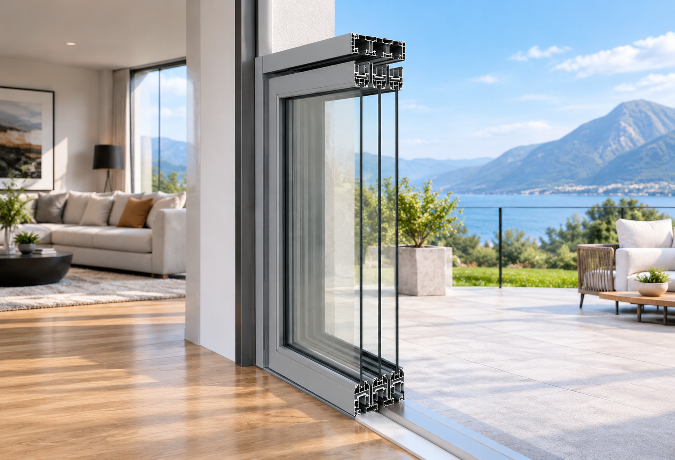
Aluminium Sliding Door Profiles: A Practical Guide to Frame Design and Performance
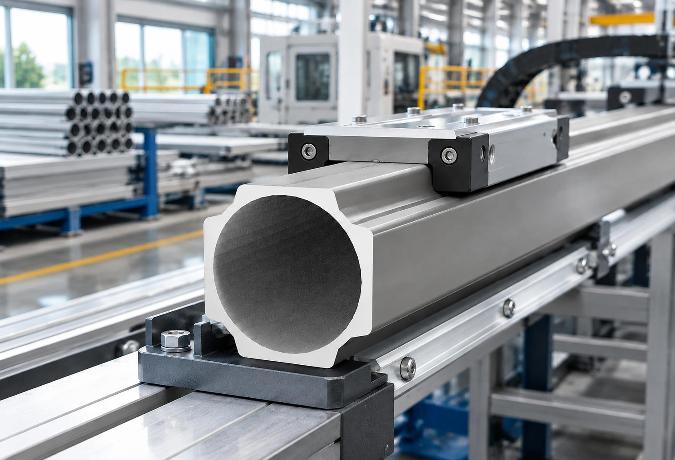
How Aluminium Extrusion Manufacturers in China Support Linear Motion Systems
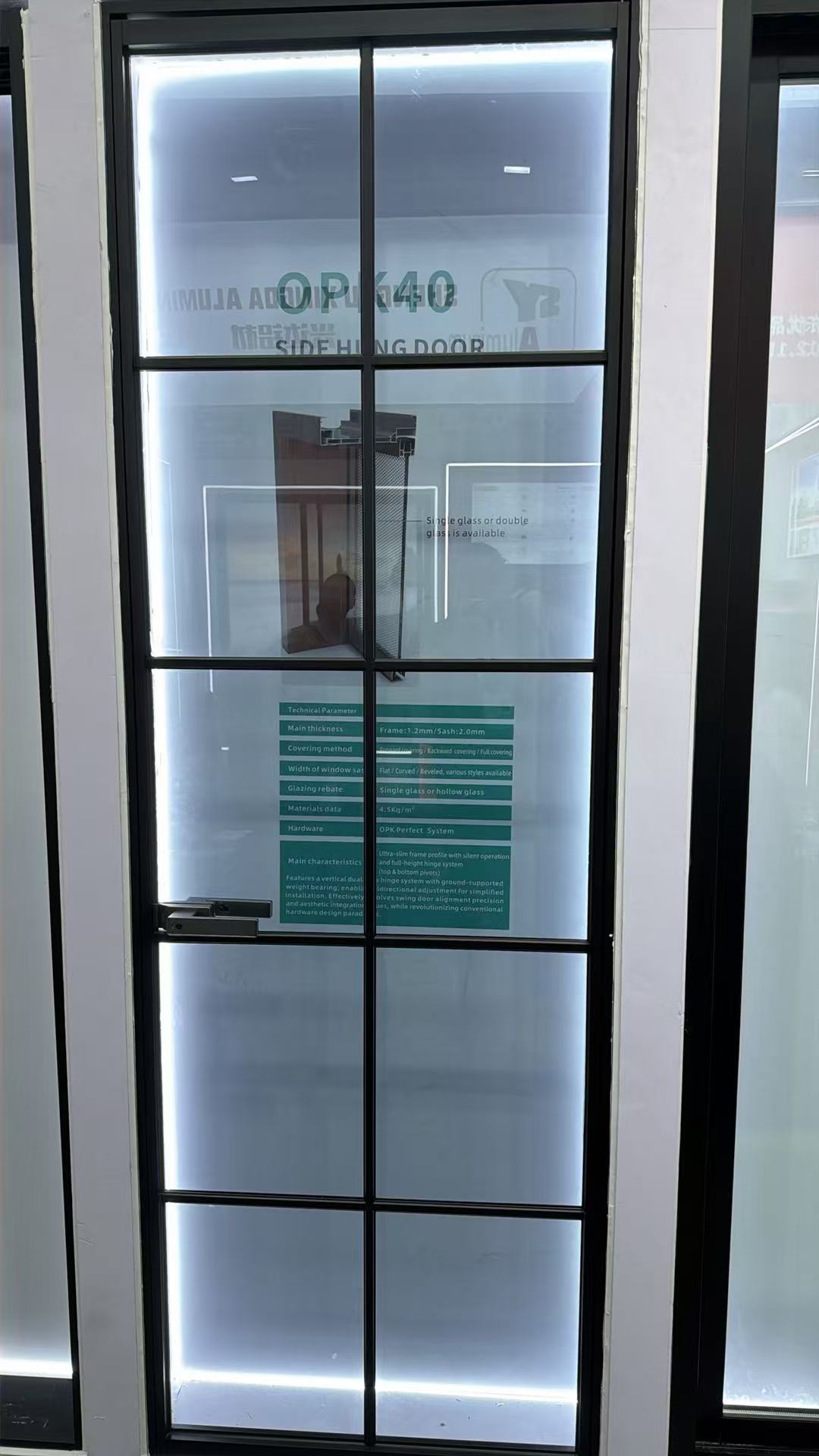
What contract clauses protect my money if Casement door quality is unacceptable?
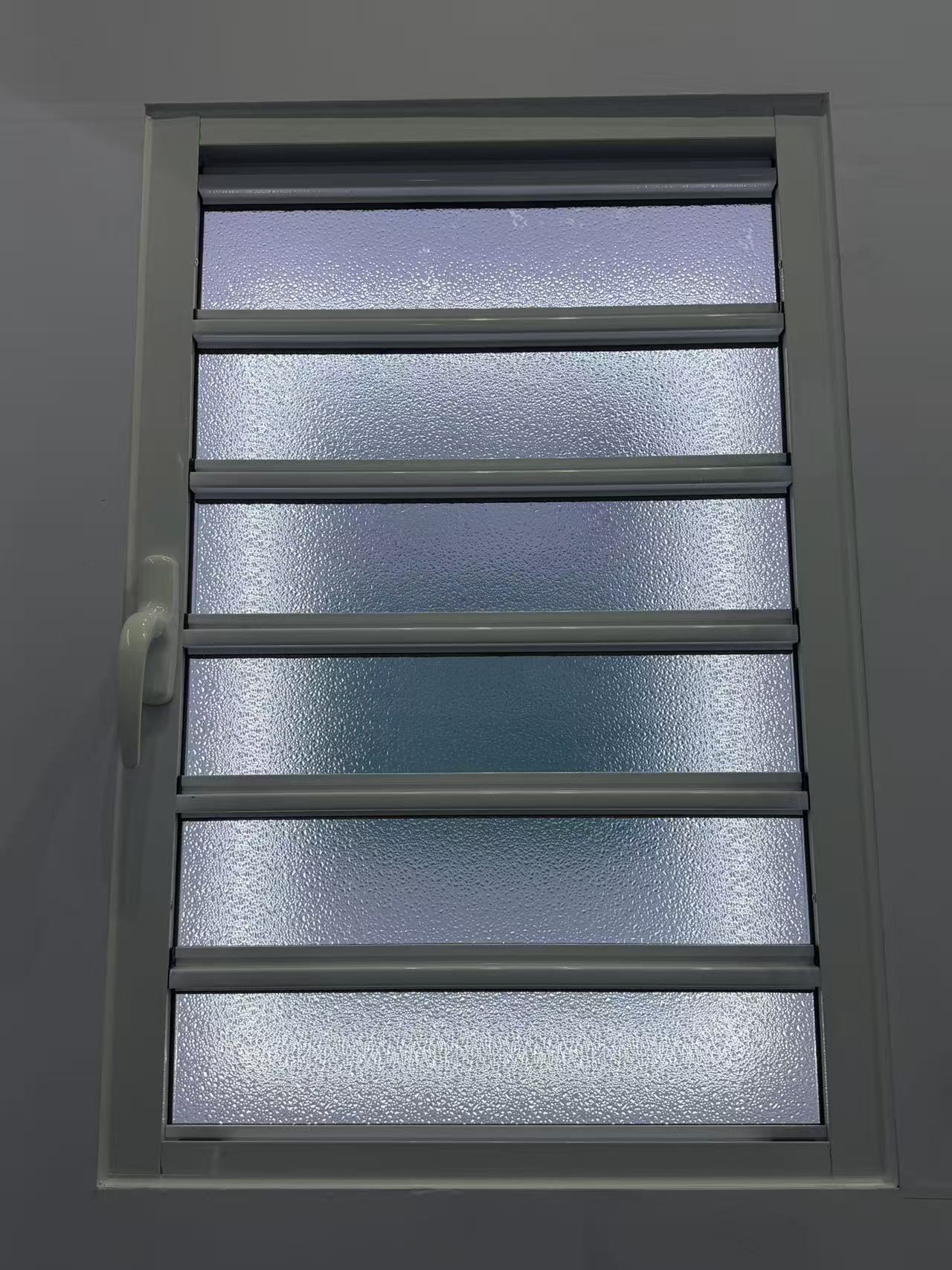
How do I confirm Sliding door testing equipment is calibrated and current?
Should I visit an Architecture profile plant before placing a large order?
Which compliance tests should a Floding door pass before international shipment?
How do I compare Decorative profile color samples under different lighting?
What payment and price terms make sense for a small Casement window order?
What lead time should I allow for a seasonal Floding door order?
How can I compare Floding door alternatives when supply costs suddenly rise?
Which new Sliding door technologies can lower maintenance costs over time?
How are recycled materials changing the future cost of Floding doors?
How long should a custom Casement door sample normally take to prepare?
What gap between a Sliding window sample and bulk order is acceptable?
Which Decorative profile finishes are becoming more sustainable and cost-effective?
What logistics fees should be listed separately in a Sliding window quote?
How might volatile aluminum prices affect future Sliding window sourcing?
Which audit questions reveal labor risks at a Casement door factory?
Can Decorative profile suppliers provide fast remote guidance for finish defects?
What should a Shutter sample include so I can assess production quality?
Do Sliding door materials need traceability records for customs clearance?
What environmental declarations are useful when importing Architecture profile?
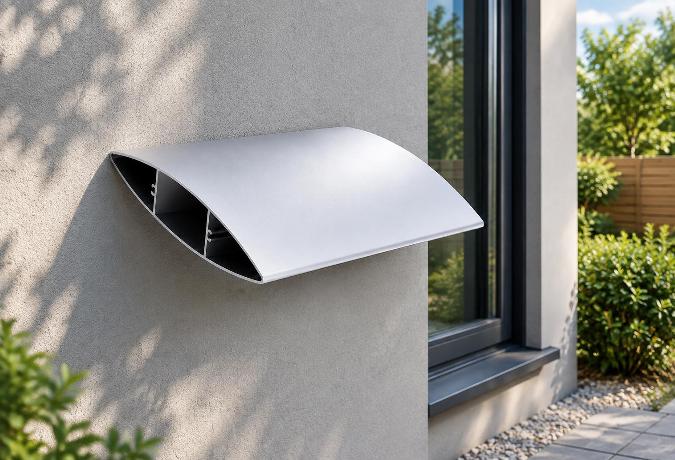
Why Blade Geometry Determines Whether Aluminium Louvers Actually Work
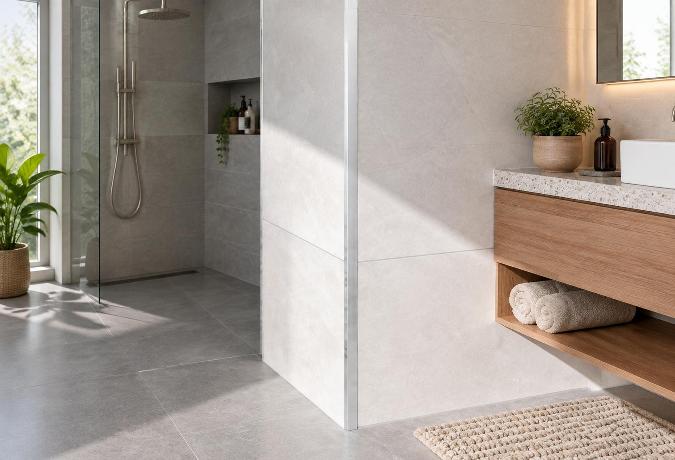
Engineering an Aluminium Angle Profile: Structural Mechanics and Application Realities
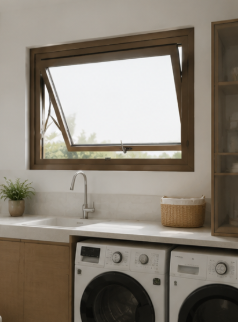
What usually drives Architecture profile costs more, alloy or surface treatment?
Why the One-Piece Molding on Aluminium Trim Profiles Matters More Than the Finish
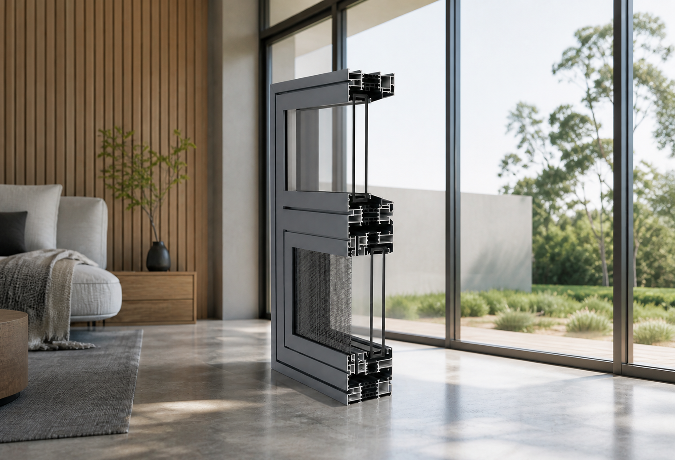
Why the Thermal Break Cavity Matters More Than Frame Thickness in Aluminium Framed Windows and Doors
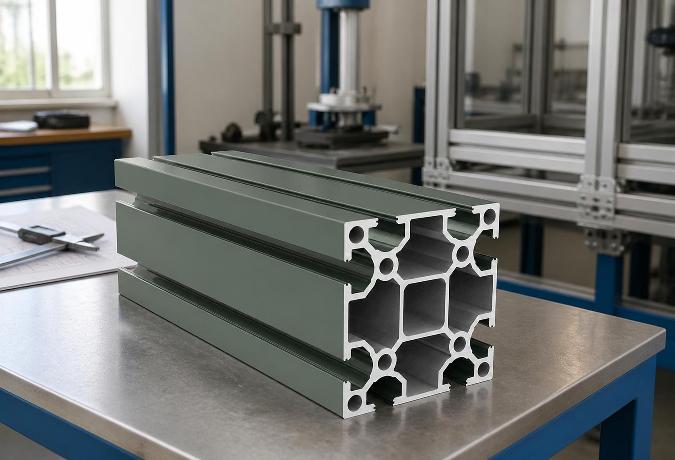
The T-Slot Groove Geometry That Makes Aluminium Framing Weld-Free
Why the One-Piece Molding on Aluminium Trim Profiles Matters More Than the Finish
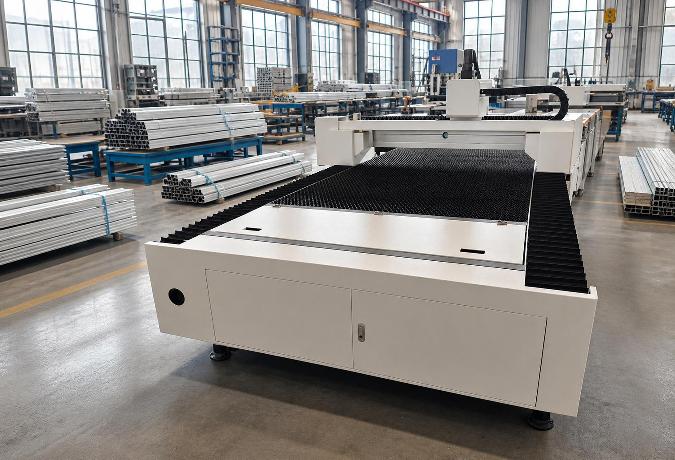
Structural Dynamics of Industrial Aluminium Profiles in Laser Cutting Gantries
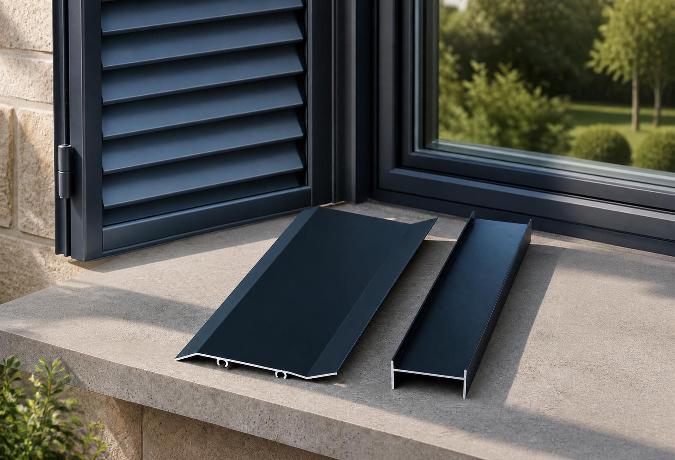
The Engineering Mechanics Behind High-Performance Aluminium Shutters
What factory documents should I request for a Floding door supplier review?
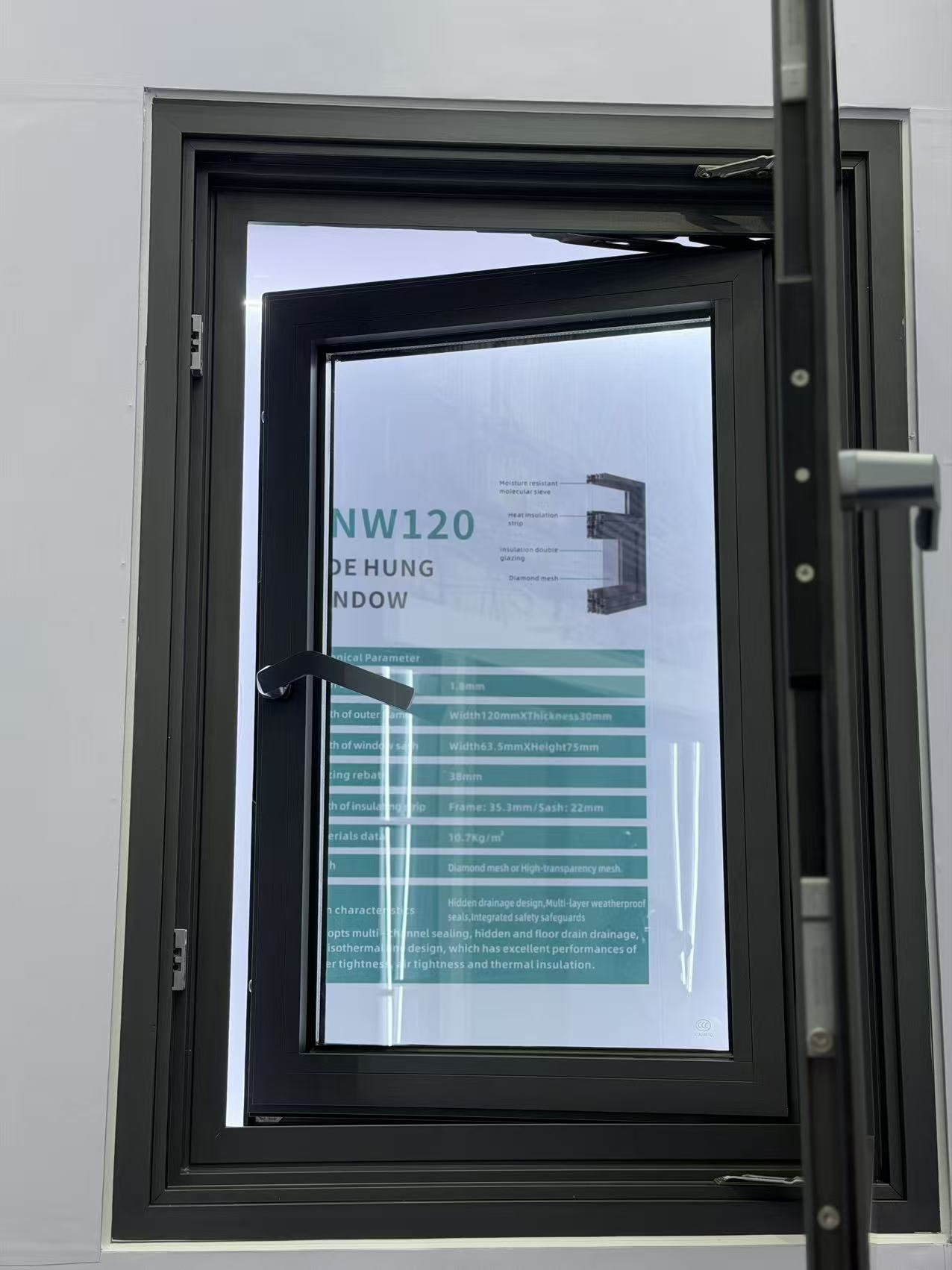
Which delivery term gives me better control over Decorative profile freight costs?
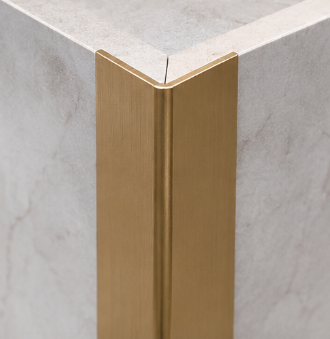
What low-carbon Awing window materials are gaining wider market acceptance?
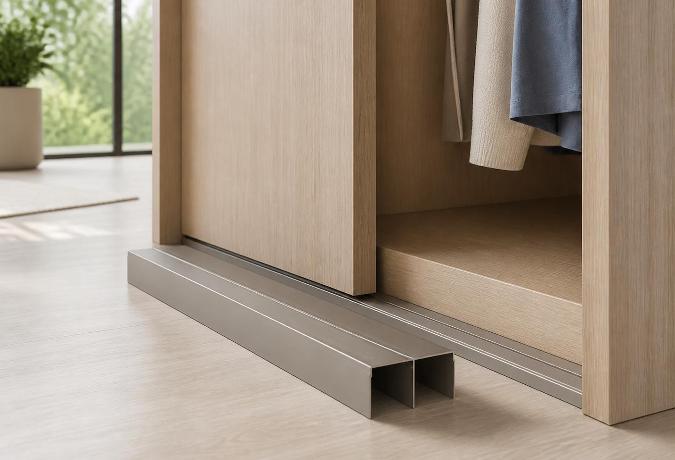
Why Sliding Door Track Geometry Determines Wardrobe Longevity
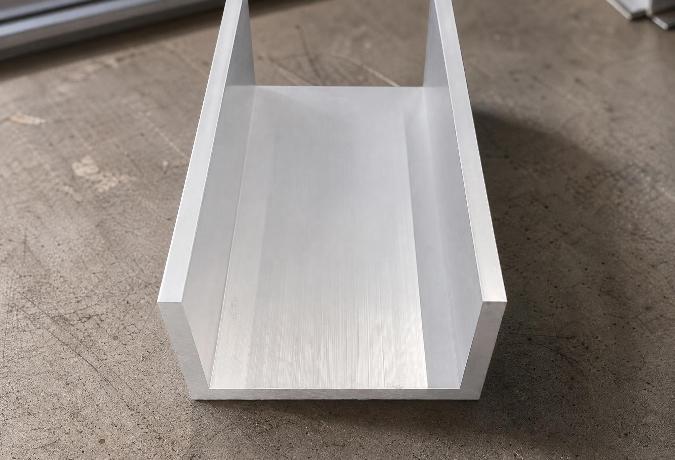
Engineering Mechanics and Surface Dynamics of Aluminium Channel Profiles
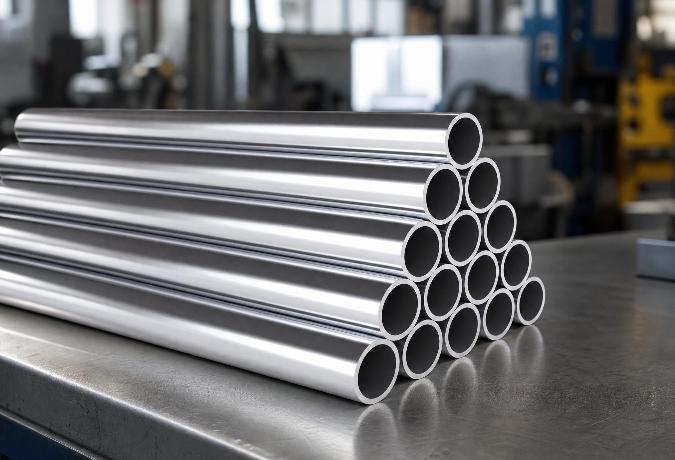
Understanding Aluminium Round Tube Specifications for Structural Engineering
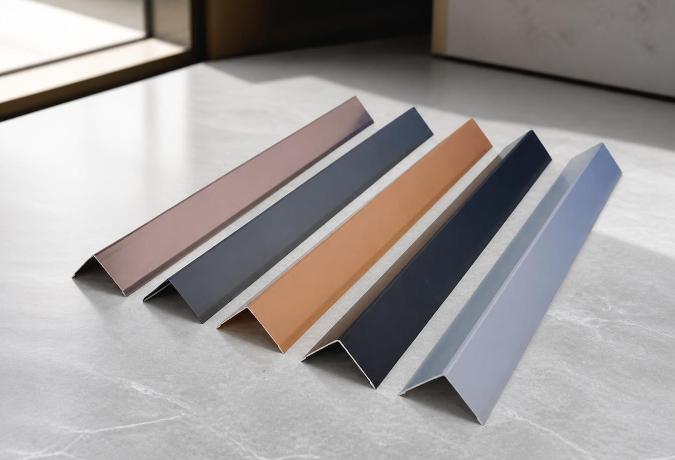
Why the 90-Degree Angle in Standard Aluminium Profiles Determines Structural Reliability
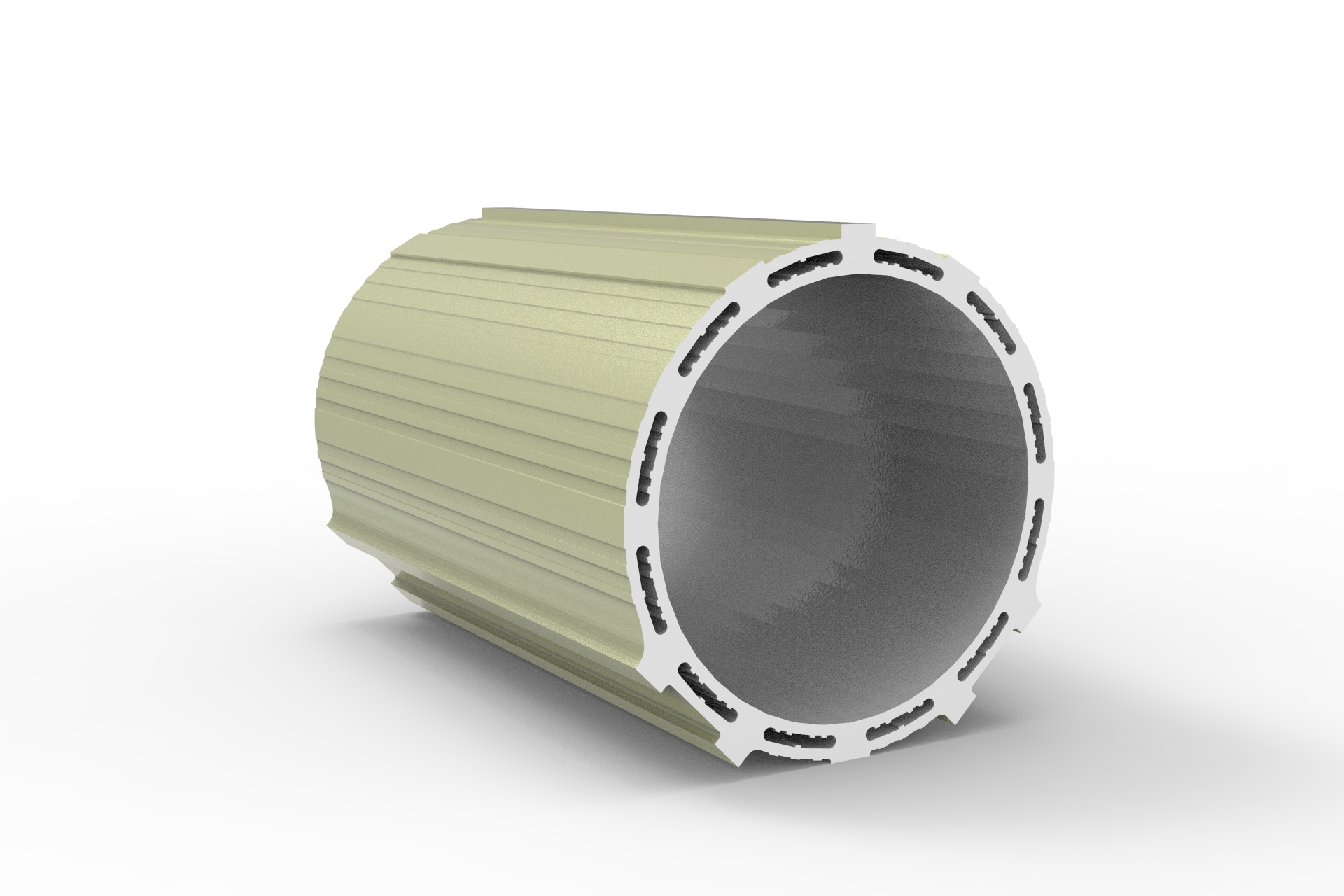
How can I ensure a Floding door sample matches the planned mass production?
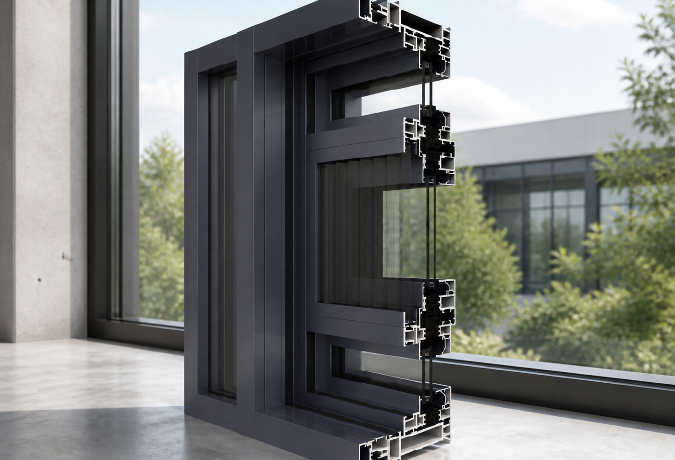
Why Mullion Thickness Determines How Much Glass an Aluminium Curtain Wall Can Actually Hold
Engineering Dimensional Stability in Aluminium Extrusions for Channel Profiles
Engineering the Structural Framework: The Mechanics of Aluminium Profiles for Kitchen Cabinets
Choosing an Aluminium Profile Supplier: What Actually Separates the Reliable Ones from the Rest
Can Awing window orders ship in batches to avoid project delays?
What response time should I expect for Awing window warranty claims?
Navigating the Supply Chain: Evaluating an Aluminium Profile Manufacturer for B2B Procurement
Engineering Structural Integrity Through Precision L-Shaped Aluminium Profiles
Thermal Dynamics in High-Power Electronics: Engineering Aluminium Heatsink Profiles
Why the T-Slot Design Determines the Real Strength of Structural Aluminium Extrusions
How long should replacement Sliding window parts remain available after purchase?
Should I expect volume discounts when reordering the same Sliding window model?
The Multi-Strip Sealing Structure Inside Aluminium Windows and Doors

Engineering Lightweight Rail Structures Through Extruded Aluminium Profiles
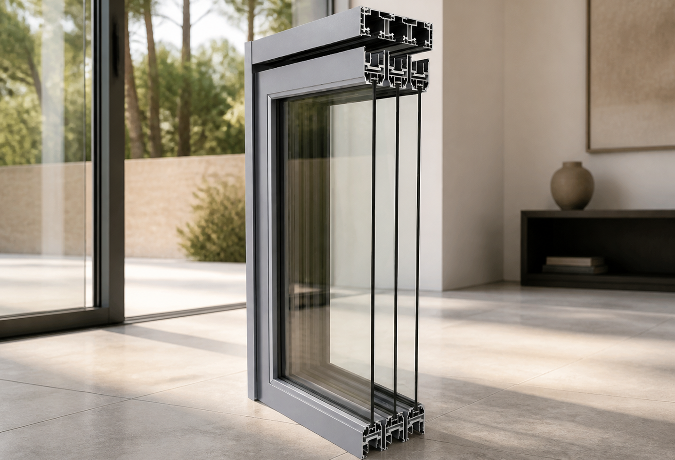
Why the Frame Width on an Aluminium Sliding Door Determines Your Room’s Light
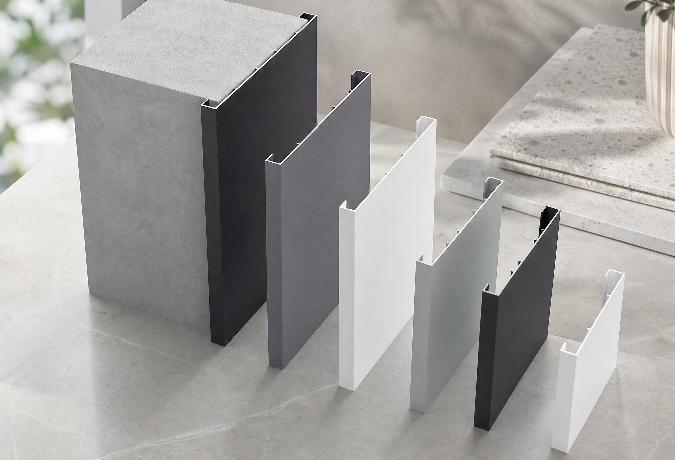
The Engineering Behind Decorative Aluminium Profiles: Alloys, Surface Treatments, and Edge Protectio
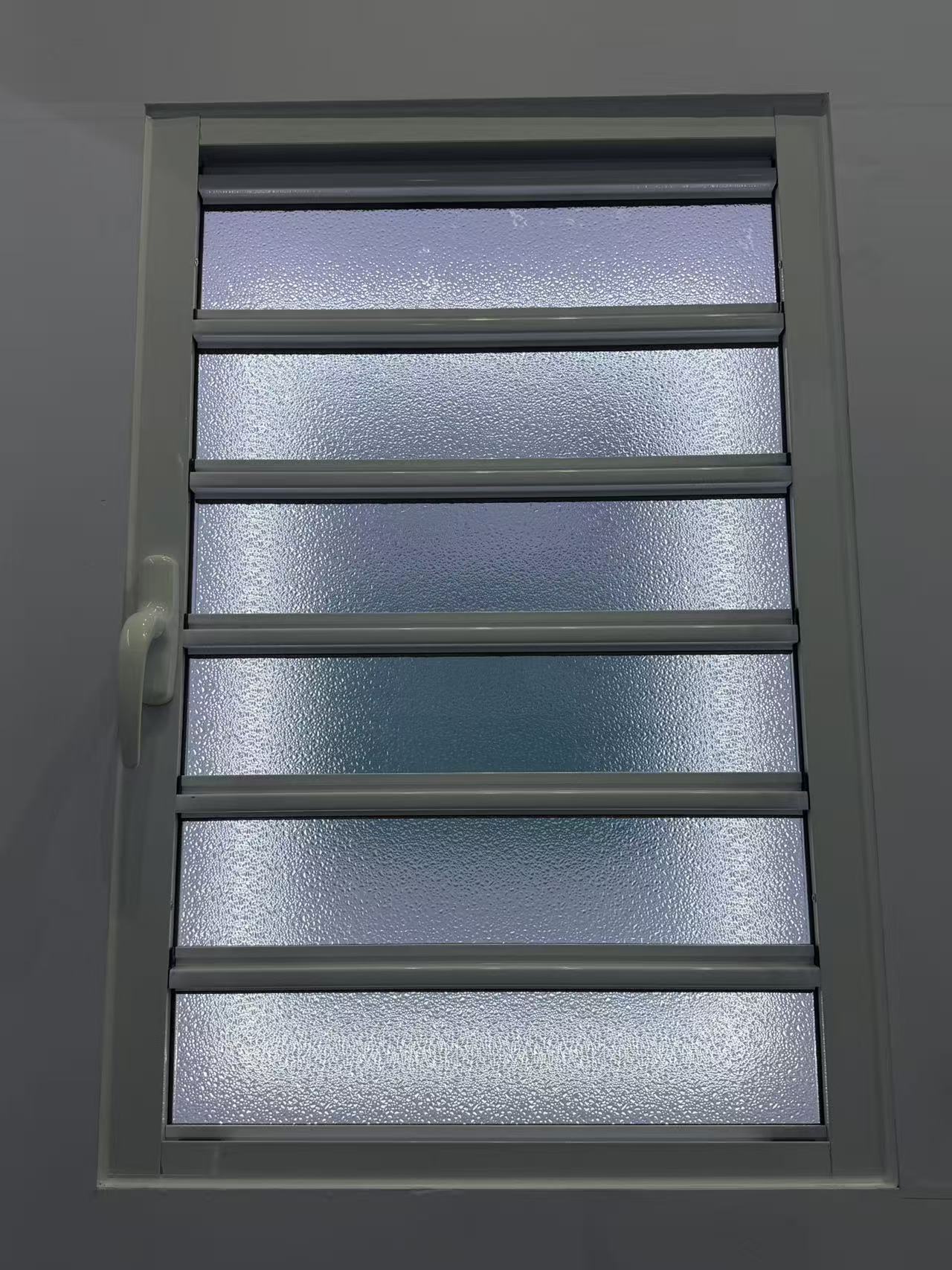
What alternative materials could make Casement doors more resilient and recyclable?
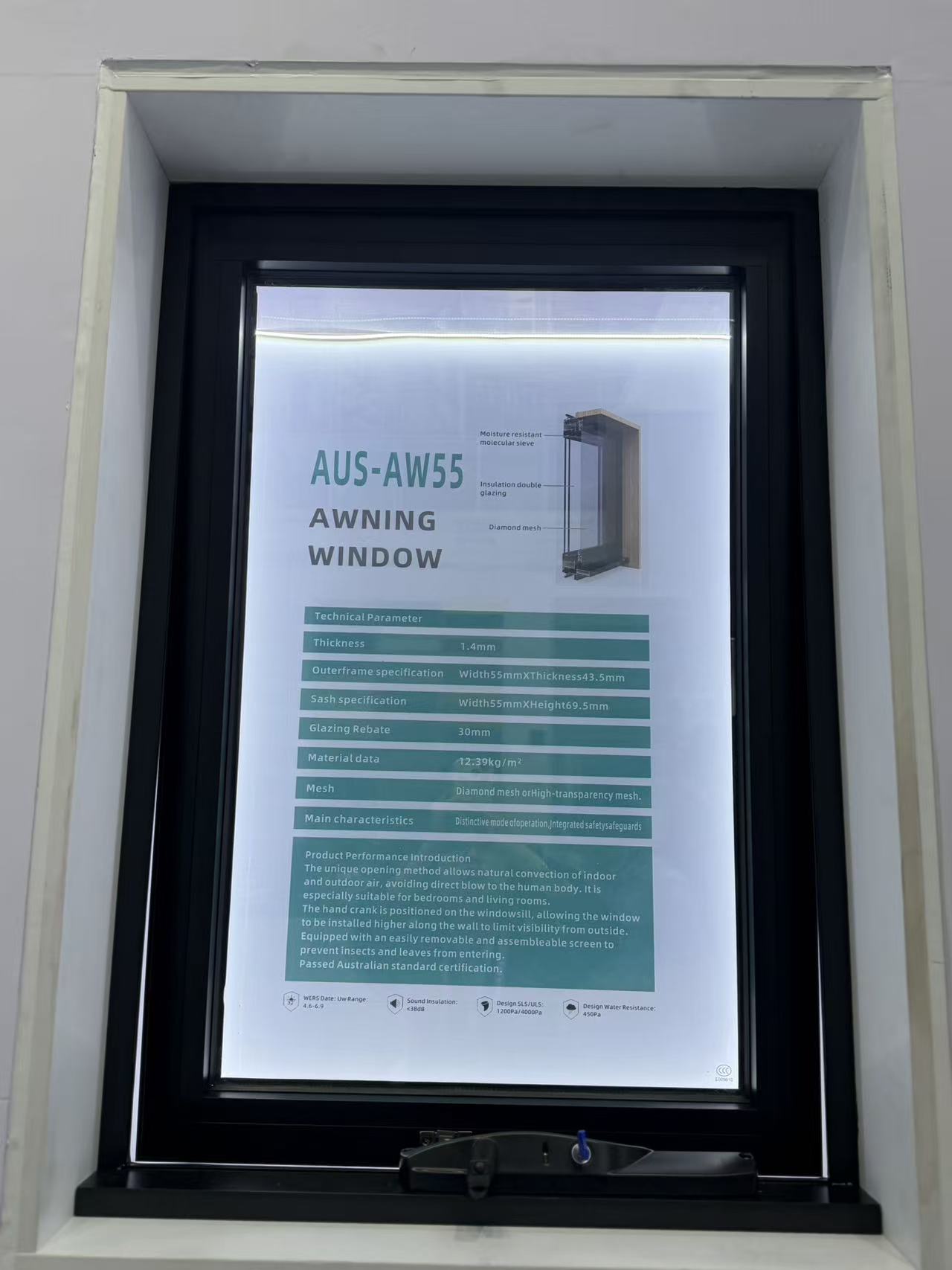
How can I compare Awing window quotes without missing hidden packing costs?
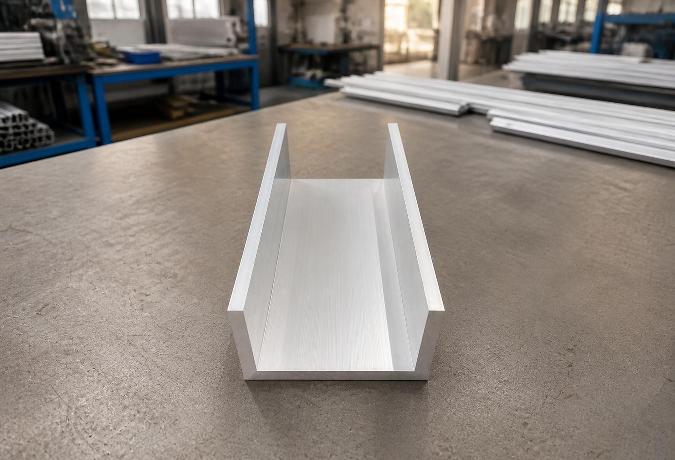
Decoding Structural Tolerances in Aluminium Extrusion Profiles for Channel Applications
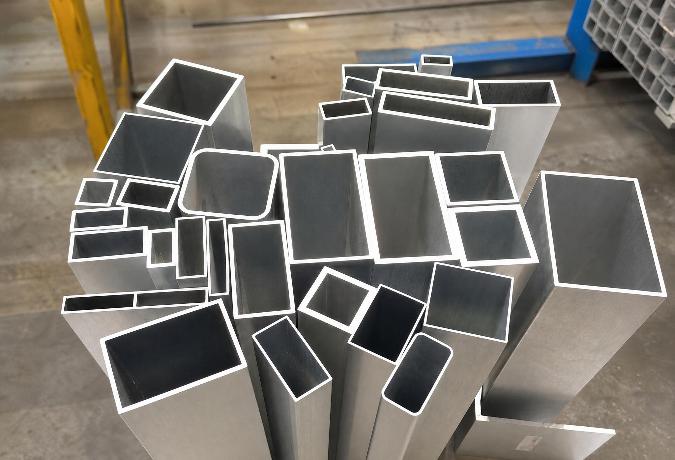
Engineering an Aluminium Square Tube for Modern Structural Integrity
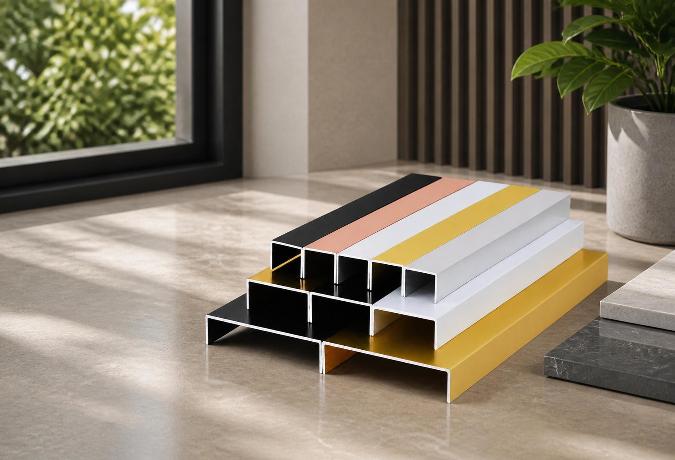
Engineering Tolerances and Alloy Mechanics in Extruded Aluminium Construction Profiles
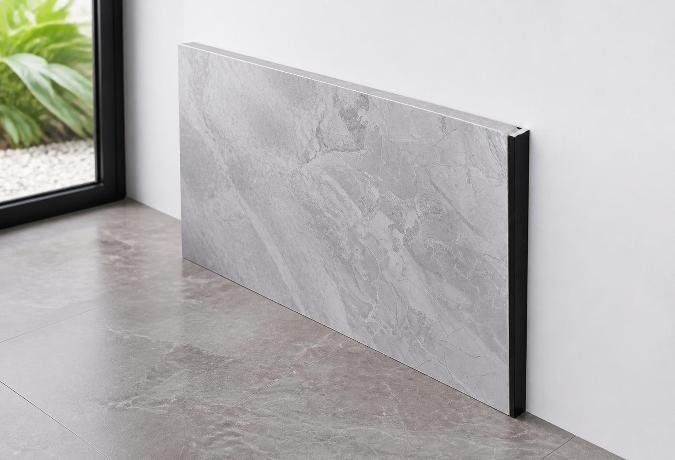
The Engineering Mechanics Behind Aluminium Angle Profiles in Modern Construction
Can an Industrial profile be modified for my assembly without weakening it?
What warning signs suggest a Sliding door seller may disappear after payment?
What energy-efficient alternatives to Casement doors are worth comparing now?
Can a Casement window handle temperature changes without seal failure?
Who pays for unloading and destination handling under Casement door CIF terms?
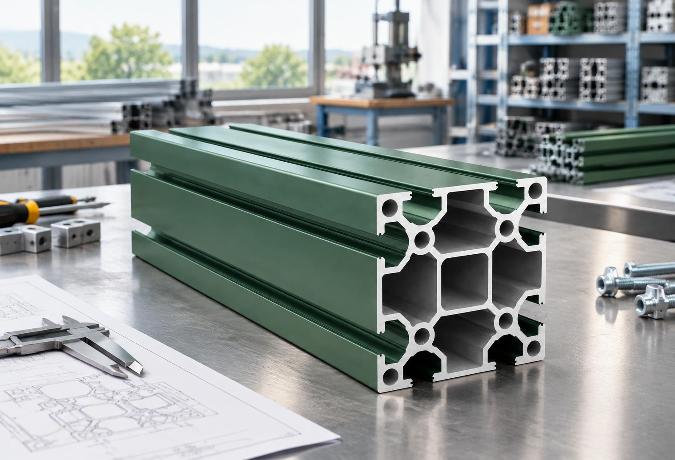
Custom Aluminium Extrusion Profiles: The Engineering Mechanics of T-Slot Frameworks
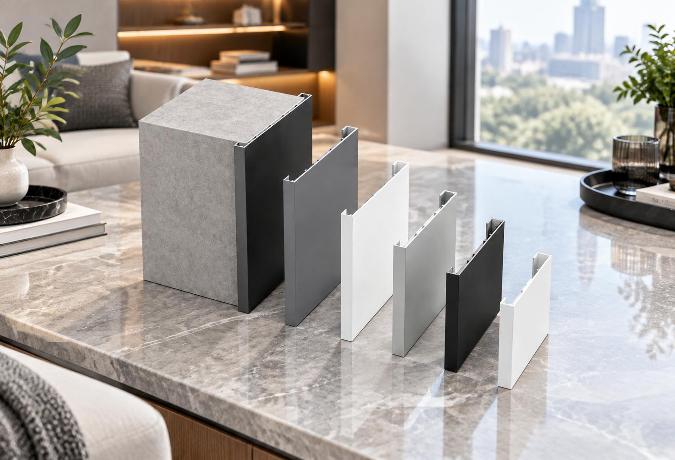
Material Transitions and Geometric Stability in Decorative Aluminium Profiles
Can I negotiate a lower Sliding door MOQ for a showroom launch?
Key Advantages of Using Structural Aluminium Extrusion Profiles in Construction
What evidence shows an Awing window factory manages coating waste properly?
How can I protect my deposit when ordering custom Decorative profile?
How do I spot unusually low Industrial profile prices before committing funds?
How can I check that a Shutter supplier is not using unapproved subcontractors?
What contract terms protect my Casement door drawings and branding?
How can I compare Casement door insulation ratings before placing an order?
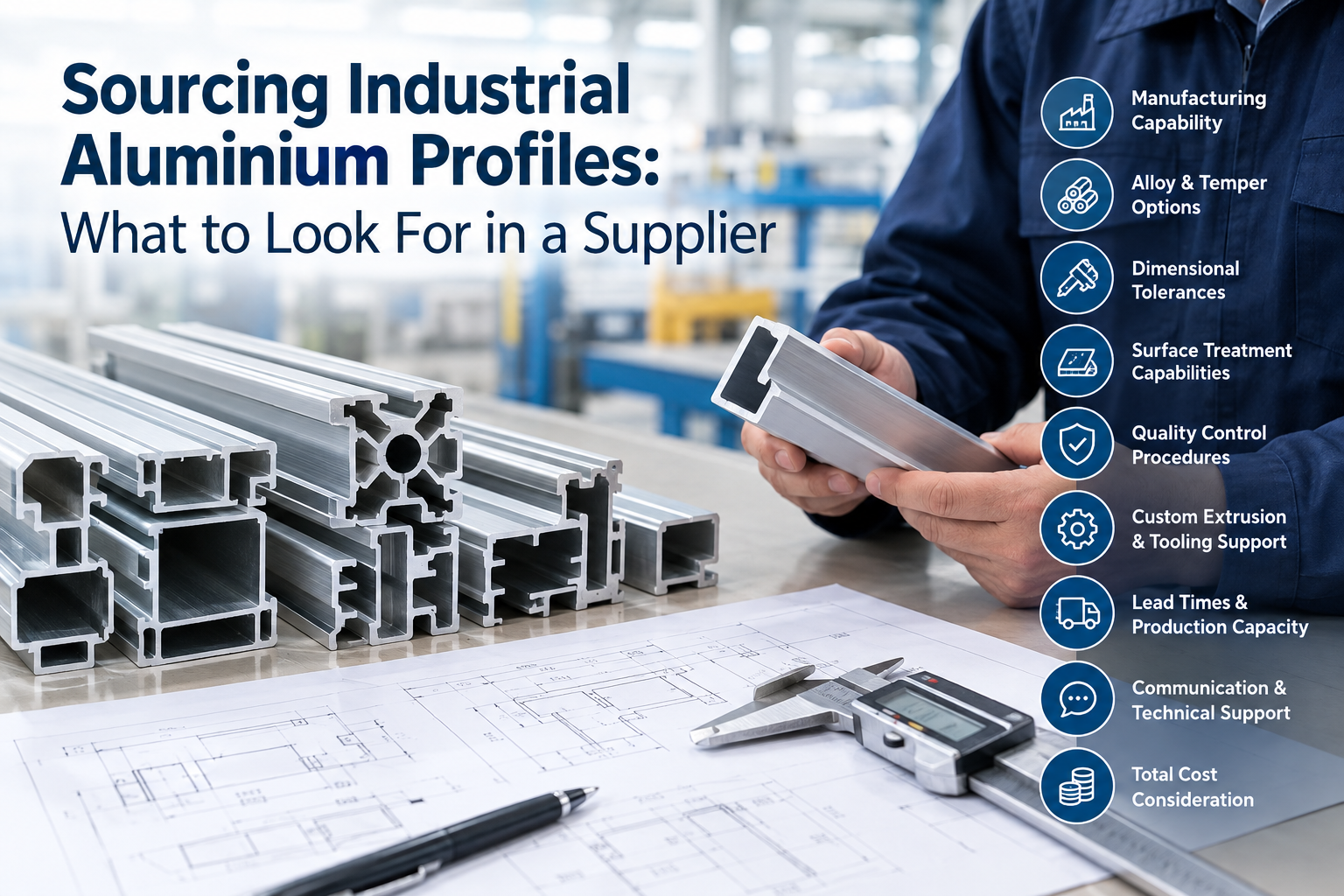
Sourcing Industrial Aluminium Profiles: What to Look For in a Supplier
How do I keep ownership of a custom Architecture profile extrusion die?
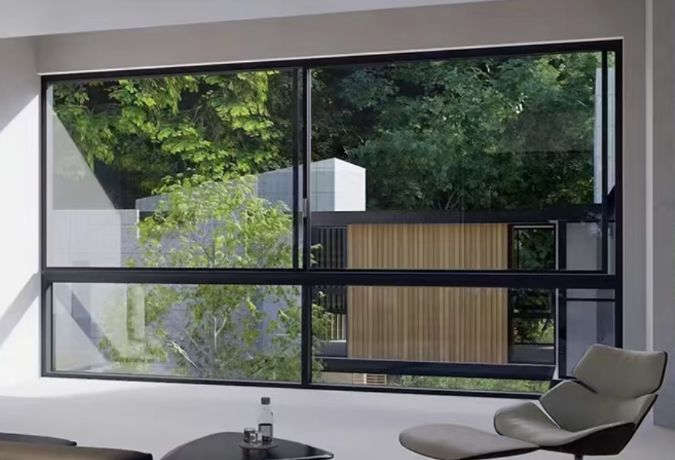
The Energy Efficiency Benefits of an Aluminium Frame Sliding Glass Window
How do I check Industrial profile alloy grades against the shipping documents?
What Casement window warranty period is reasonable for an overseas buyer?
How are defective Sliding window units usually replaced internationally?
How can I reduce breakage risks when shipping Casement windows overseas?
The Structural Mechanics Behind Decorative Aluminium Profiles
How Do Engineers Select Industrial Aluminium Profiles for High-Load Frameworks?
What payment structure reduces my risk on a first Industrial profile order?
Should I approve a Casement window sample before checking its hardware strength?
Structural Mechanics of Channel Extrusions in Architectural Aluminium Profiles
Engineering Mechanics of Aluminium Extrusion Profiles in Channel Systems
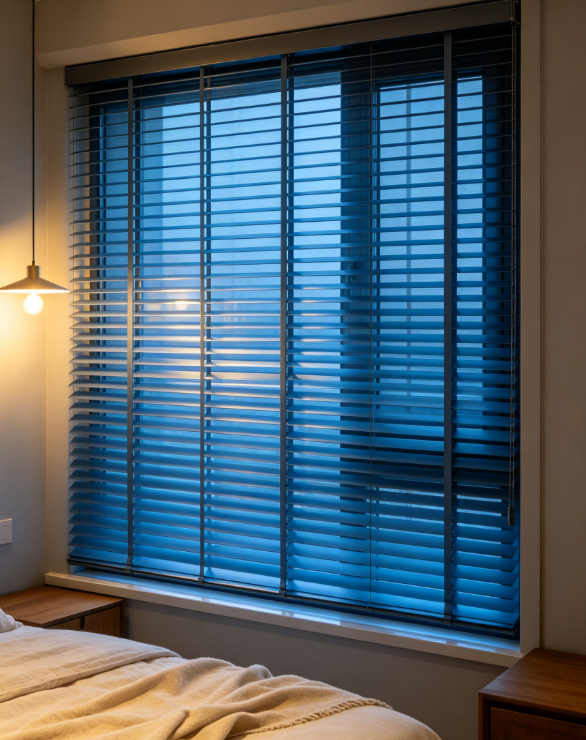
What functional tests should I perform on a Sliding door prototype?
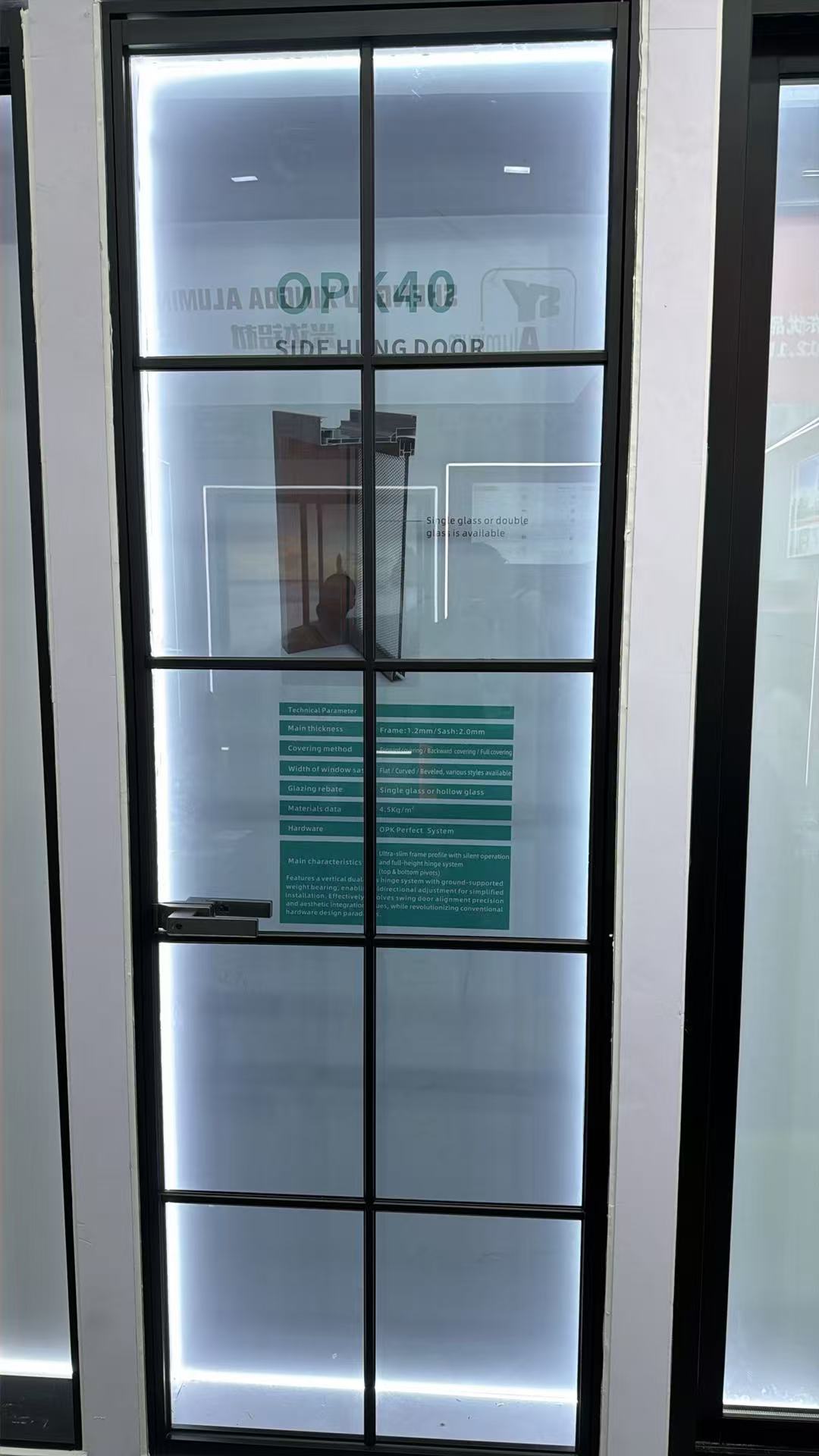
What payment terms are fair when Decorative profile colors remain unconfirmed?
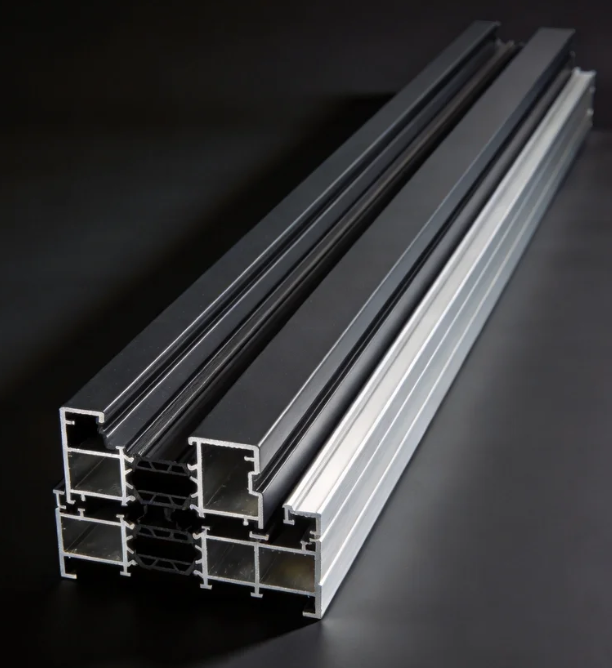
Is a letter of credit practical for a large Casement window shipment?
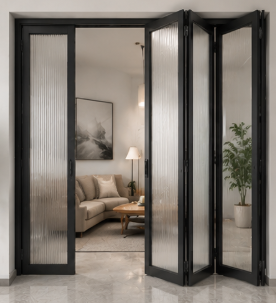
How should Industrial profile bundles be packed to prevent transit damage?
Which safety documents should I request for Awing window imports?
What shipping delays commonly affect Architecture profile orders during peak season?
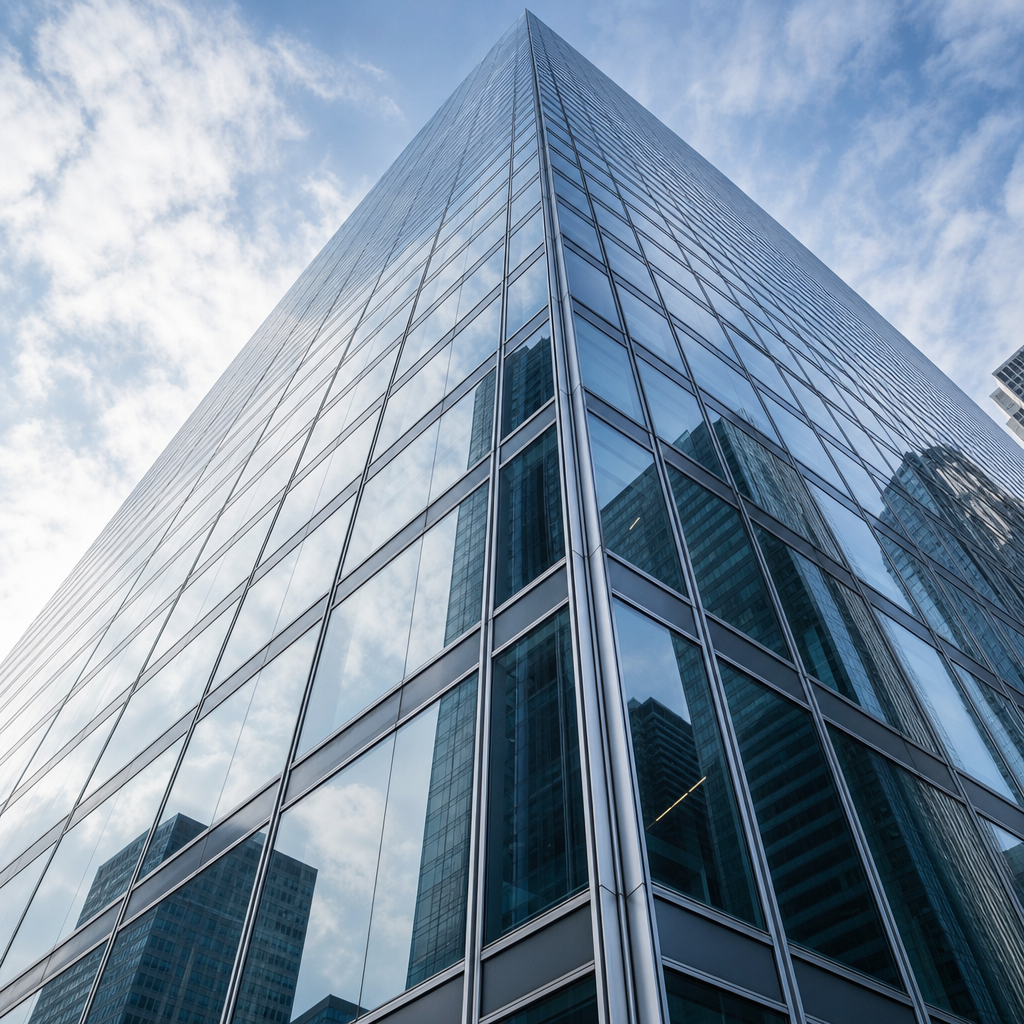
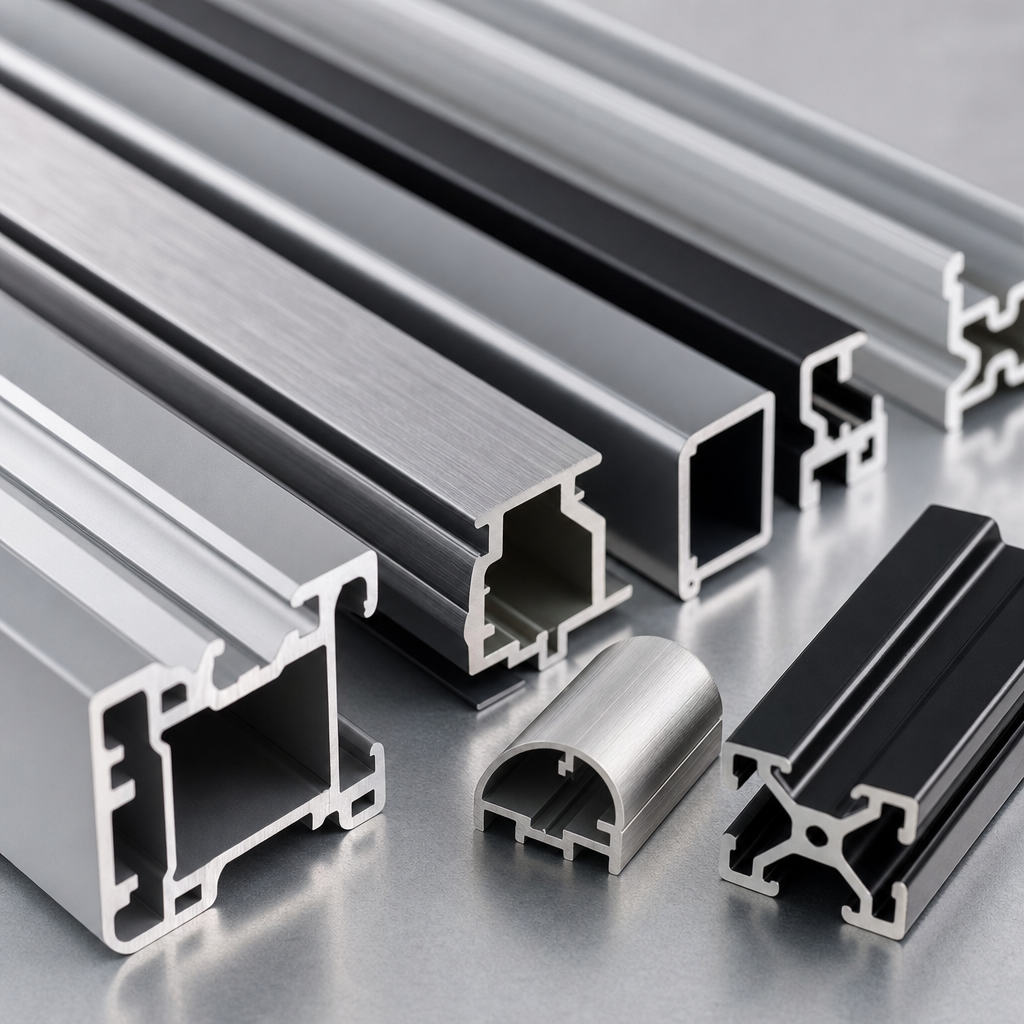
How to Specify Extruded Aluminium Profiles: Costs, Alloys, and Tolerances
Is a Floding door suitable for a wide opening exposed to strong winds?
Structural Integrity in Modular Design: Engineering T-Slot Aluminium Extrusion Profiles
Resolving Corner Stress: The Engineering Mechanics Behind Aluminium Profiles in Architectural Framin
How do Floding door prices change with glass, hardware, and finish choices?
How can I prove Shutter defects remotely without returning every unit?
How can I shorten Awing window sampling without losing critical tests?
Does ordering mixed Shutter sizes usually change the unit price or MOQ?
How should Industrial profile warranty responsibility be shared after assembly?
How should I plan Shutter inventory when ocean freight schedules change?
How do escrow arrangements reduce risk for a new Floding door supplier?
What frame materials make a Sliding window last in harsh coastal weather?
How can I verify that a Shutter certificate matches the actual product?
Can automated Shutters replace manual systems without raising lifecycle costs?
How do I choose the right Casement window size for a windy building?
What should an ethical audit cover at a Decorative profile factory?
How should I document Industrial profile defects before disputing the final payment?
Are lightweight Industrial profile alloys reliable enough for demanding machinery?
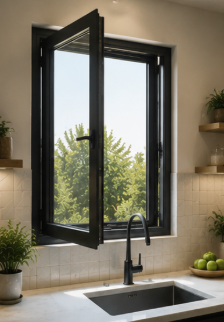
Are thermal-break casement windows becoming a better long-term choice than standard frames?
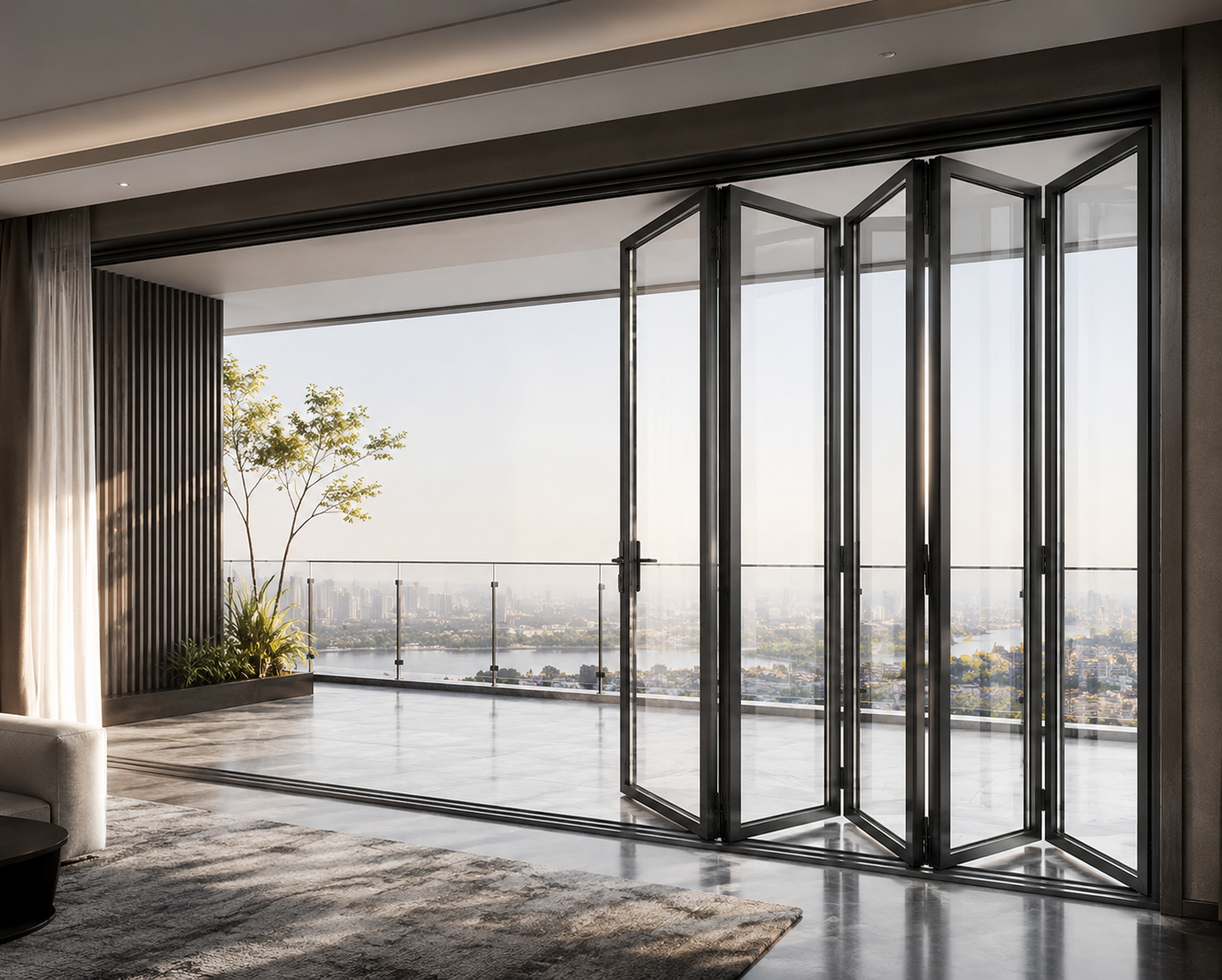
What is a realistic MOQ for custom sliding windows without pushing up unit cost?
What casement window specs should I compare for windy and rainy project sites?
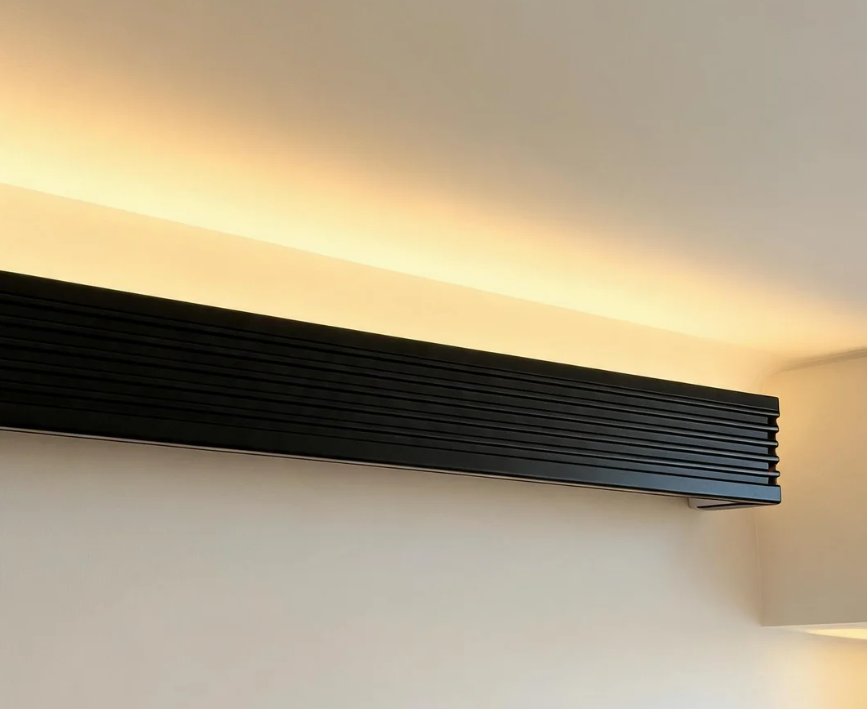
Are there better material options for sliding windows if aluminum prices rise?
How do I ensure aluminum casement windows can handle extreme coastal winds?
What is the typical minimum order quantity for commercial sliding windows?
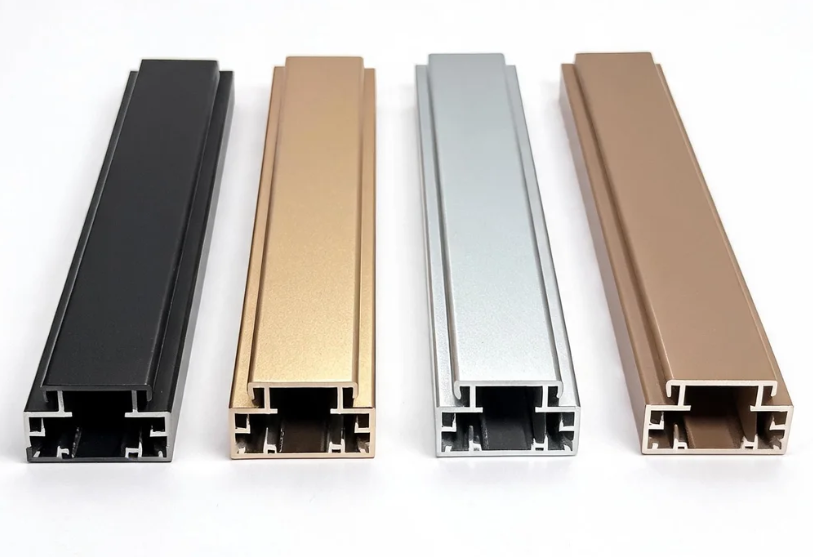
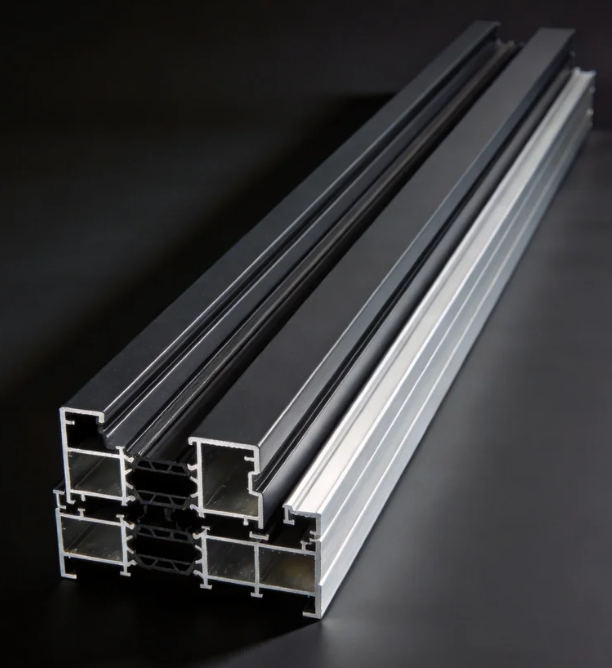
Are there energy-saving alternatives to sliding windows that reduce material and maintenance costs?
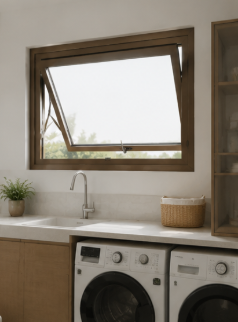
Are energy-efficient Awing windows a practical alternative for reducing long-term building costs?
What alternatives to traditional sliding doors can lower costs without sacrificing durability?
What alternatives to industrial profiles can reduce material costs without hurting strength?
Extruded Aluminium Profiles: Flexible Manufacturing for Diverse Customer Needs
Why Aluminium Curtain Walls Are Popular in Modern Architecture
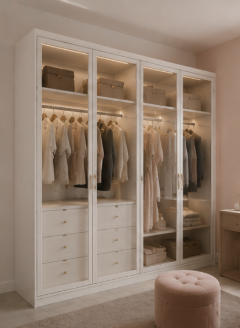
How do I choose a decorative profile that stays stable in humid or harsh environments?
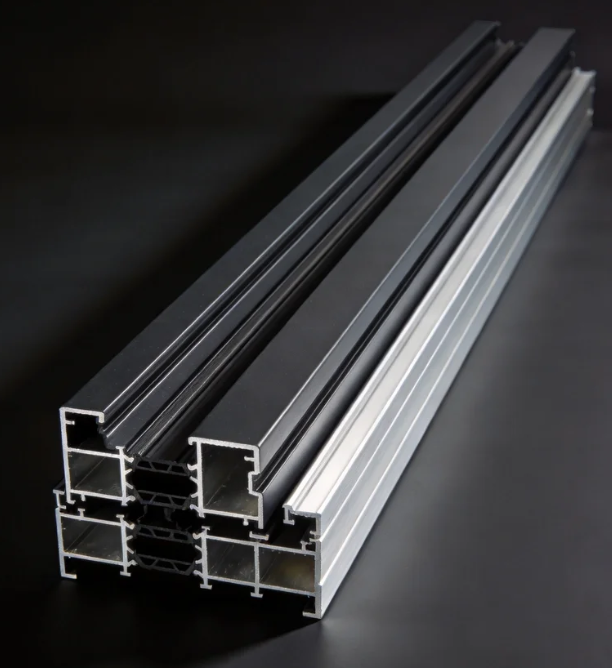
How do I choose an architecture profile that stays stable in harsh outdoor conditions?
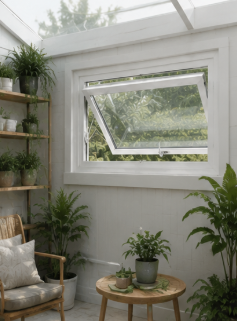
How can I compare Awing window specs to avoid poor performance in harsh weather?
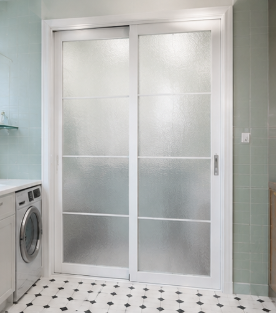
How can I compare Sliding door sizes and hardware ratings for harsh commercial environments?
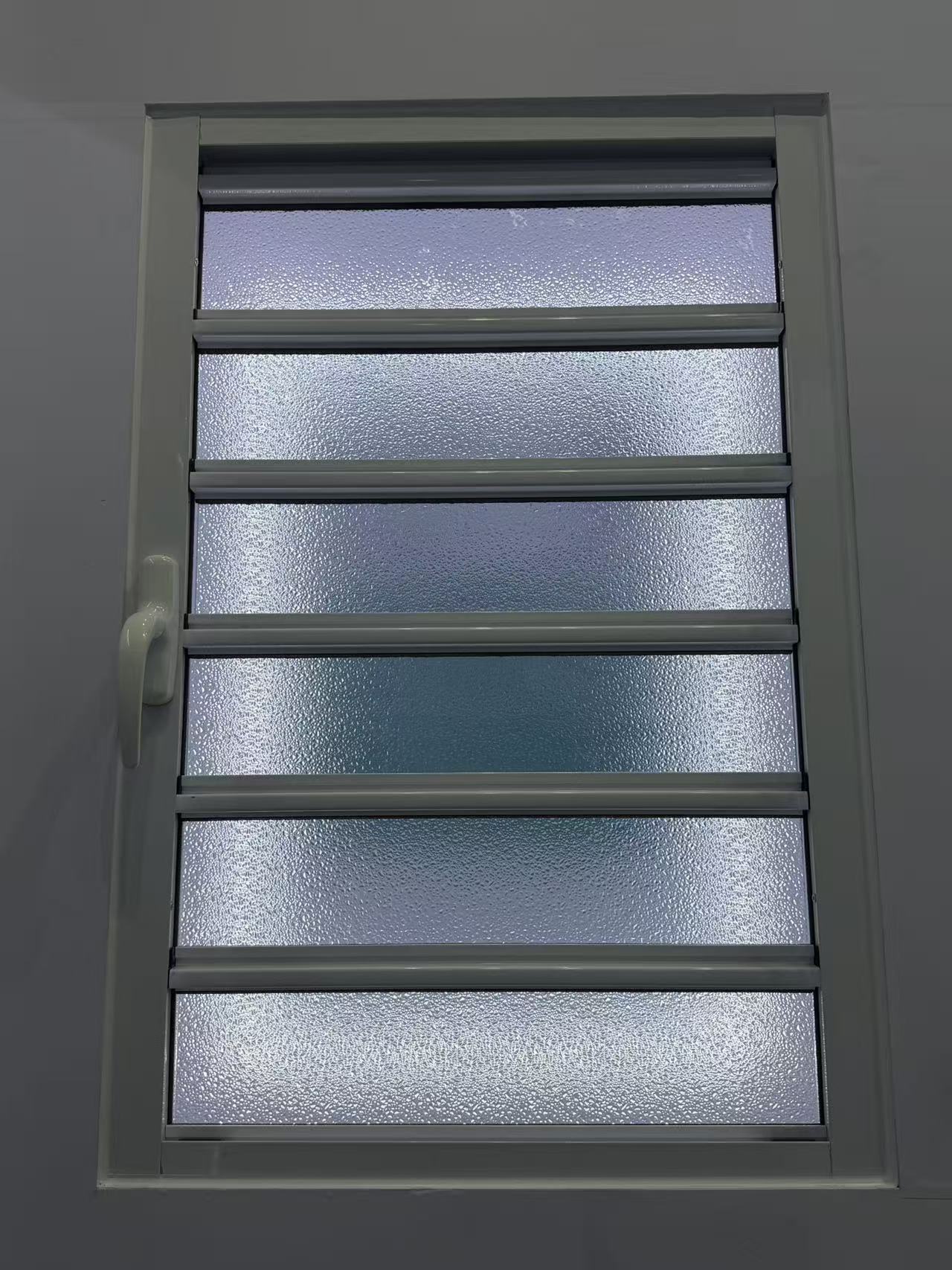
How do I choose the right shutter specifications for harsh climates without overpaying?
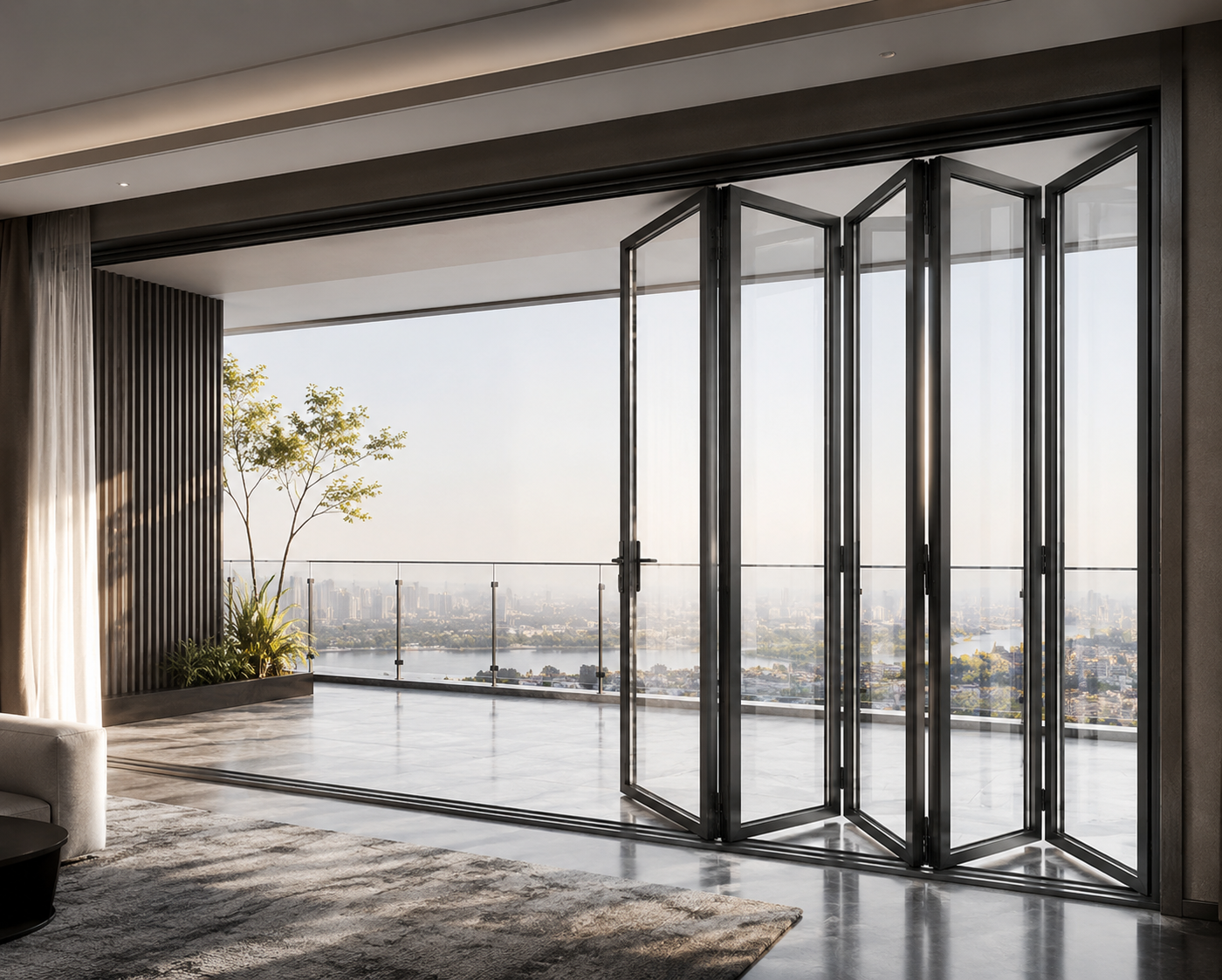
What eco-friendly alternatives to folding doors can cut costs without hurting durability?
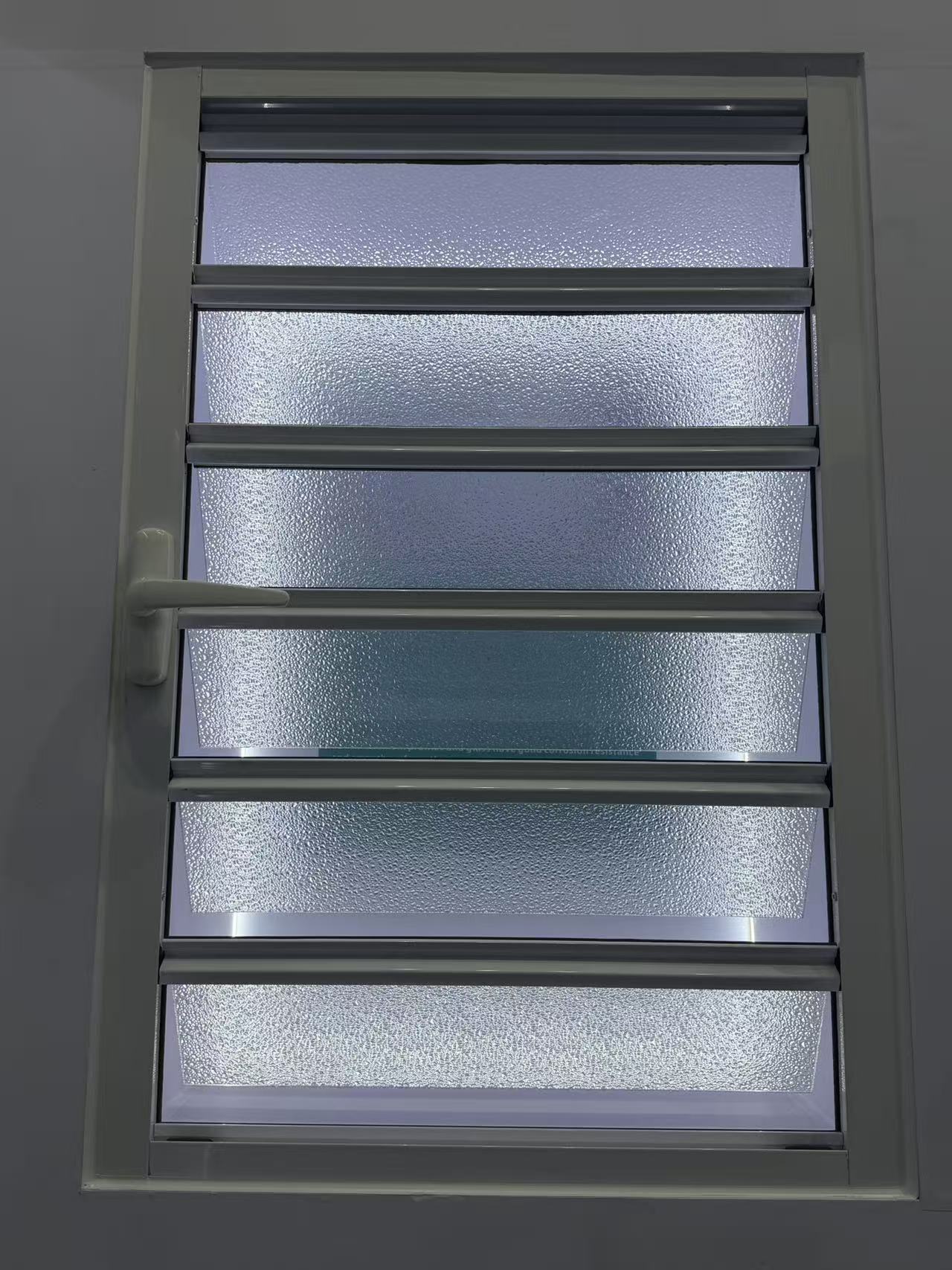
How do I choose the right shutter specifications for harsh weather without overpaying?
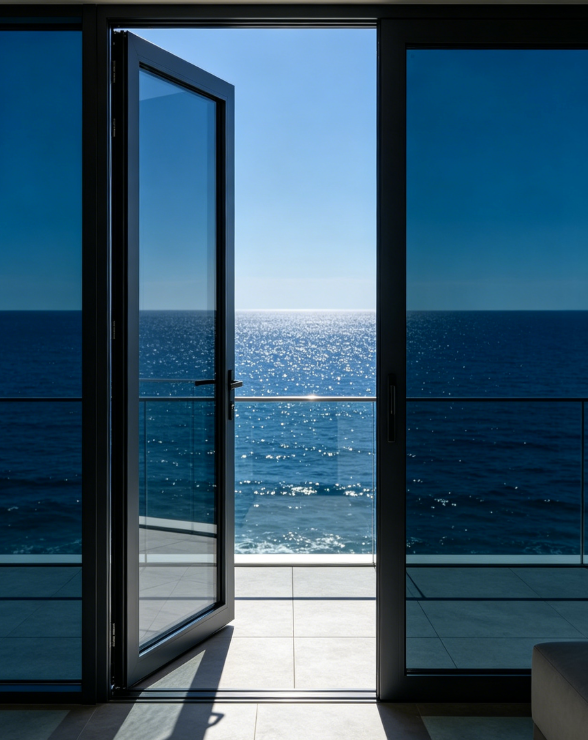
What eco-friendly casement door materials can lower costs without hurting durability?
What newer materials can replace industrial profiles without raising costs or supply risks?
How do I choose a decorative profile that stays stable in humid, high-traffic spaces?
What sustainable material alternatives can replace aluminum architecture profiles?
What should I check in Awing window specs to ensure reliable performance in harsh weather?
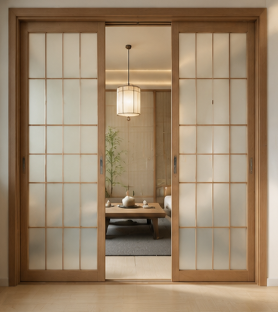
How can I compare Sliding door sizes and thermal ratings for harsh climates before buying?
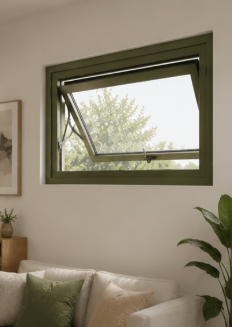
What newer materials can replace aluminum in awning windows without raising our costs?
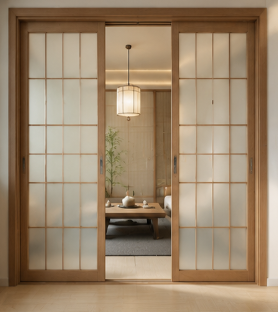
How do I choose the right Sliding door specs for smooth operation in harsh environments?
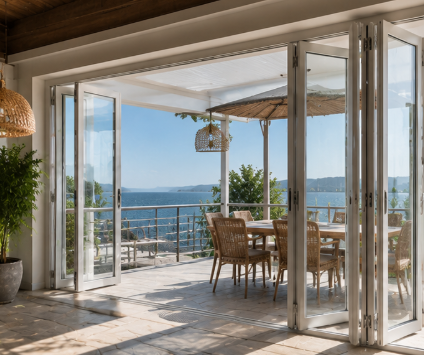
How do I choose a folding door that stays stable in harsh weather and heavy daily use?
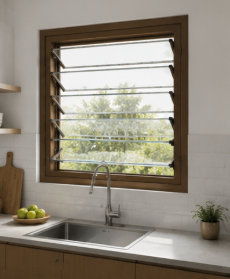
How can I choose the right shutter specifications for harsh weather and long-term use?
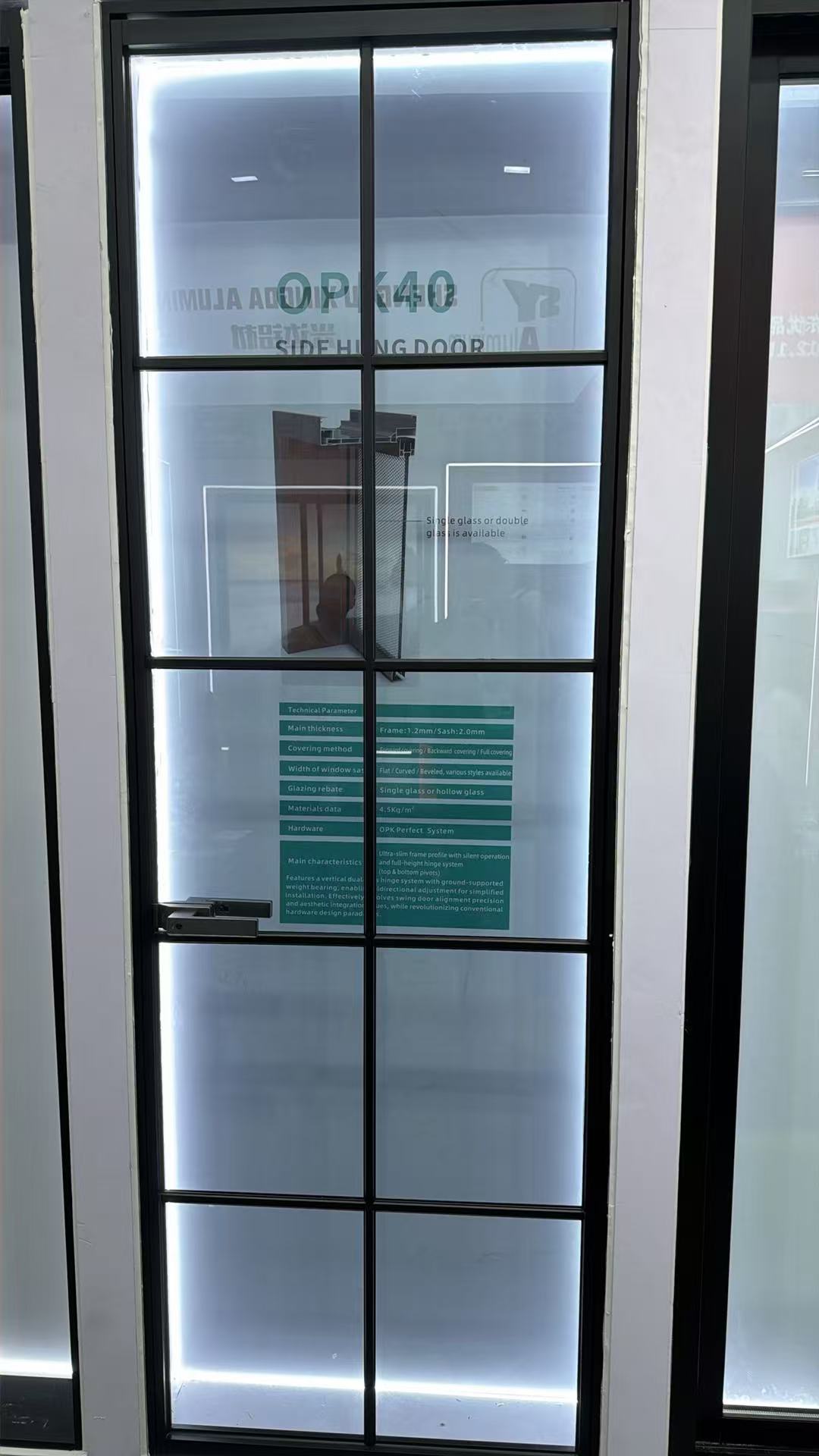
How do I compare casement door U-values, hardware, and weather sealing before buying?
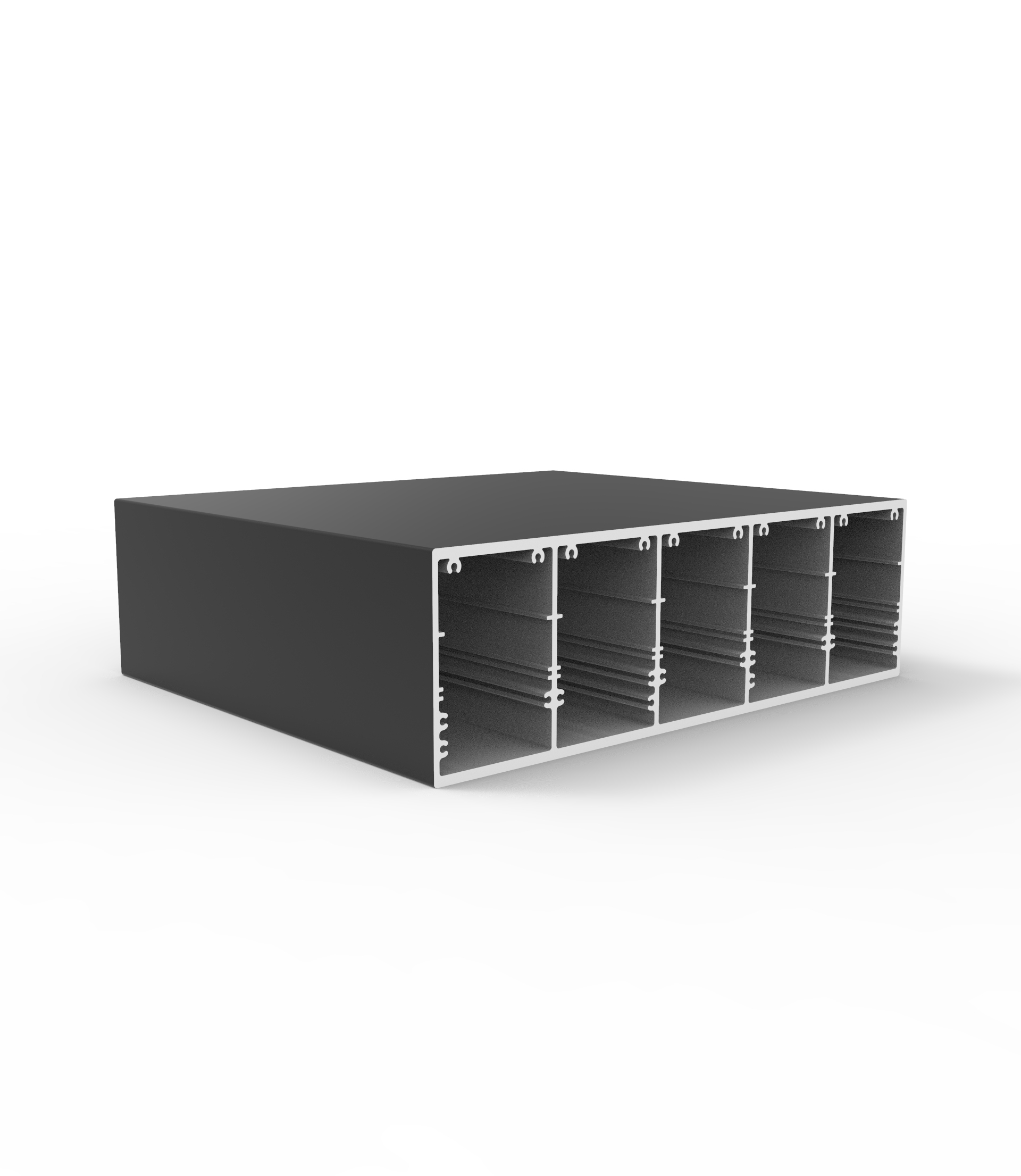
How do I choose the right industrial profile size for strength and load needs?
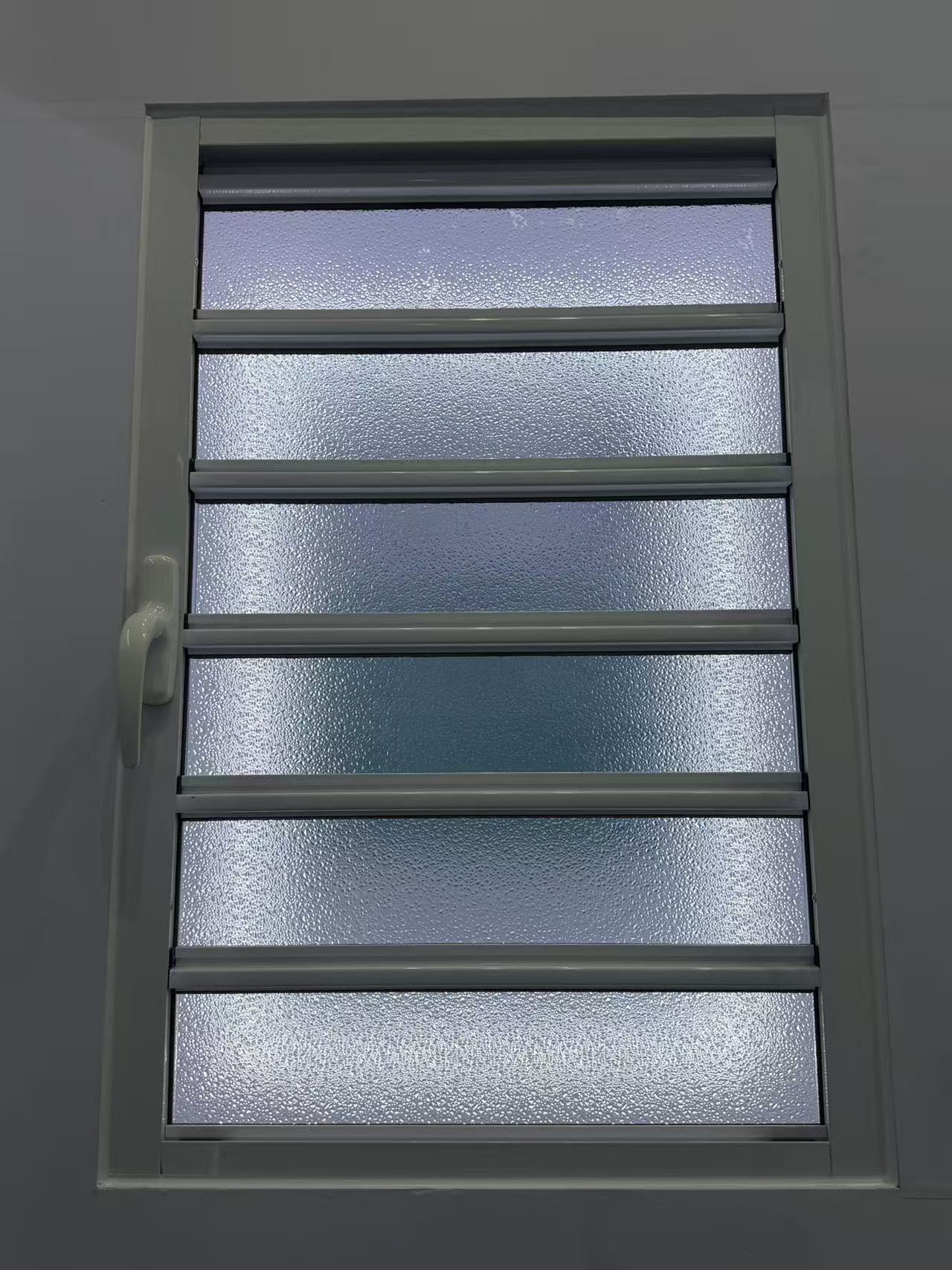
How do I choose the right shutter specifications for harsh weather and long-term commercial use?
How do I choose the right Casement door size and hardware for harsh weather?
What greener alternatives to decorative profile can cut costs without hurting durability?
What lower-cost, eco-friendly materials can replace decorative profiles?
What lower-carbon alternatives to aluminum architecture profiles are practical for our project?
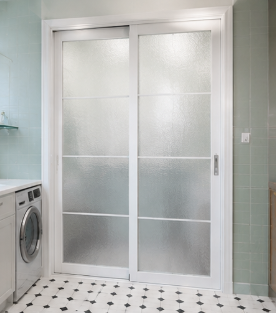
How can I compare sliding door systems for insulation, security, and long-term use?
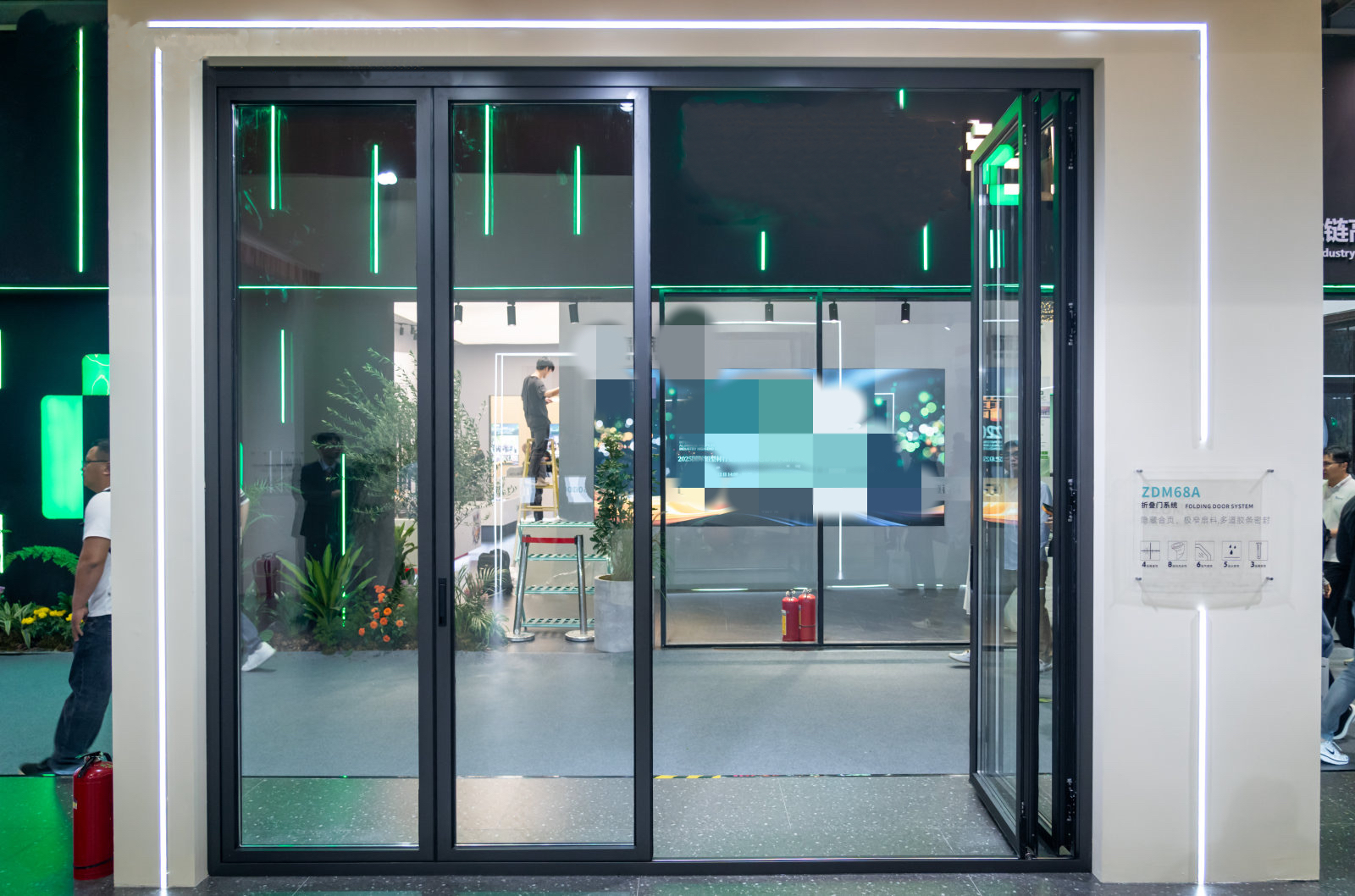
What is the standard production lead time for bulk orders of folding doors?
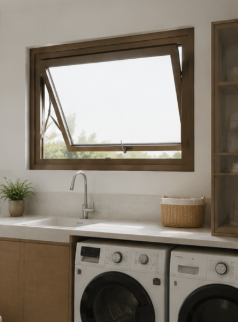
How do I choose the right Awing window size and glass specification for harsh weather?
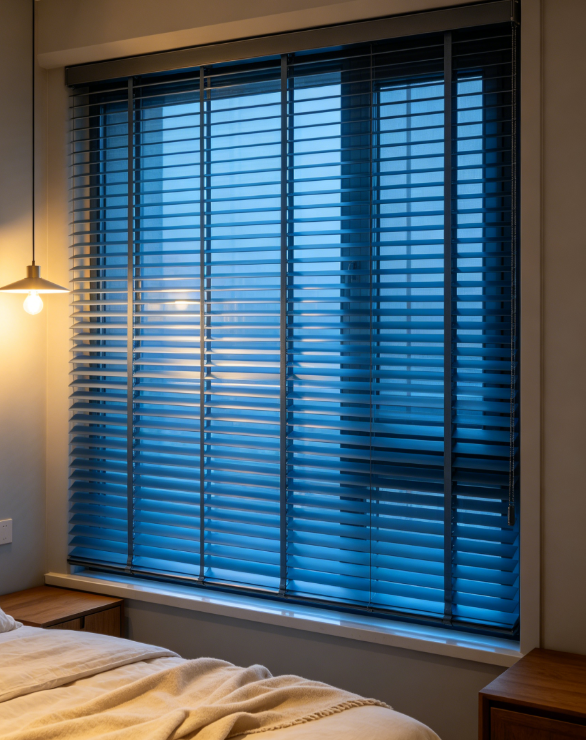
How can I test shutter samples so the final bulk order matches their quality and finish?
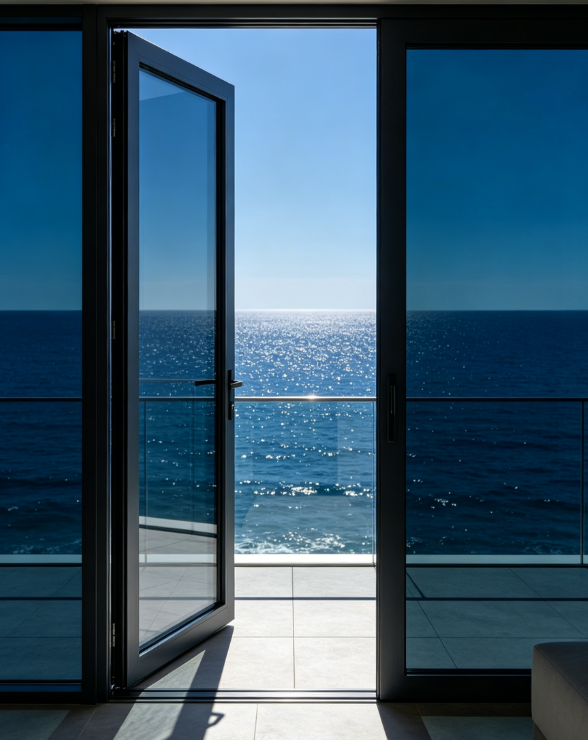
Can suppliers make custom double glass casement doors from my CAD drawings?
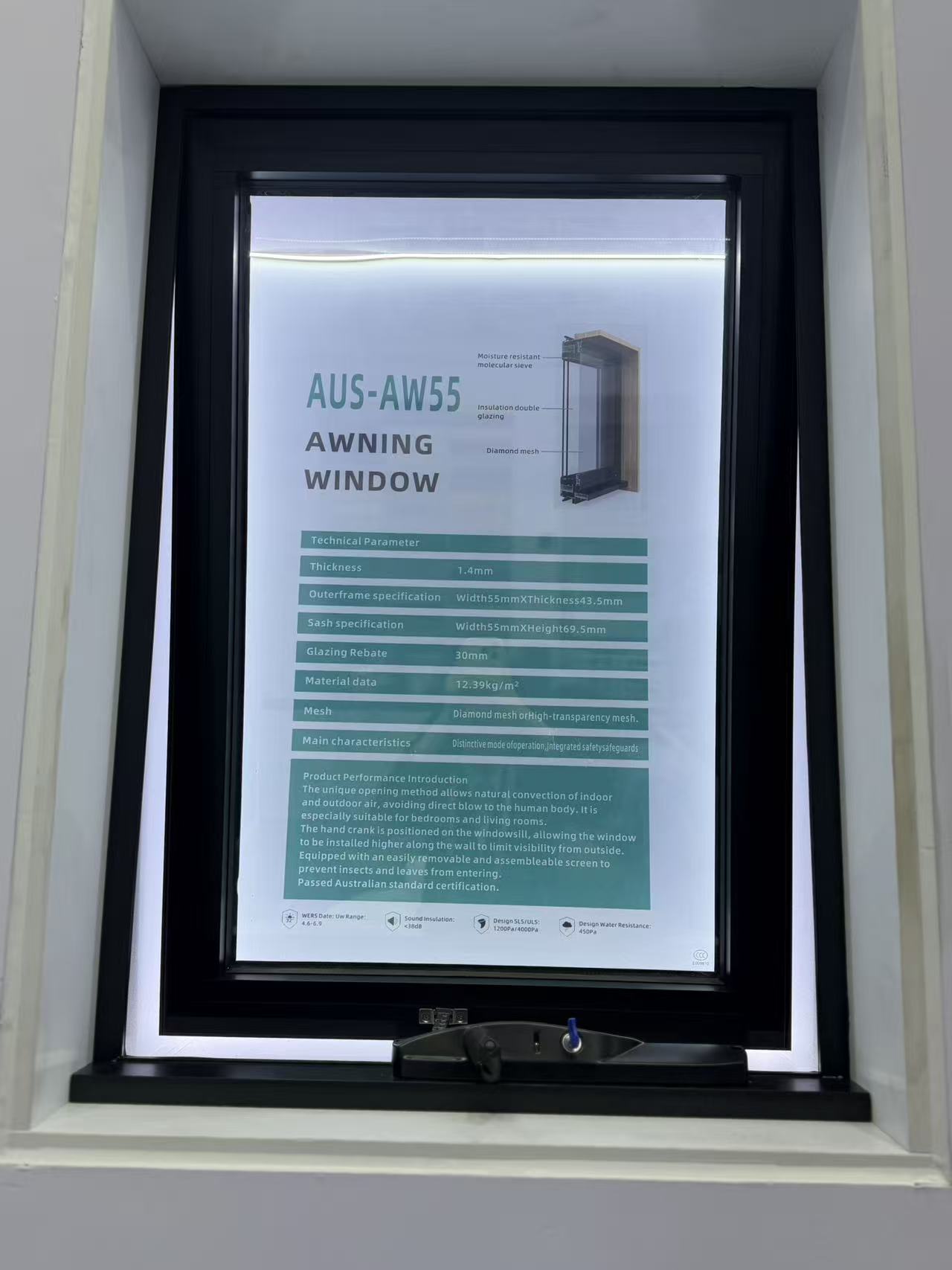
What safety certifications should I request when importing awning windows?
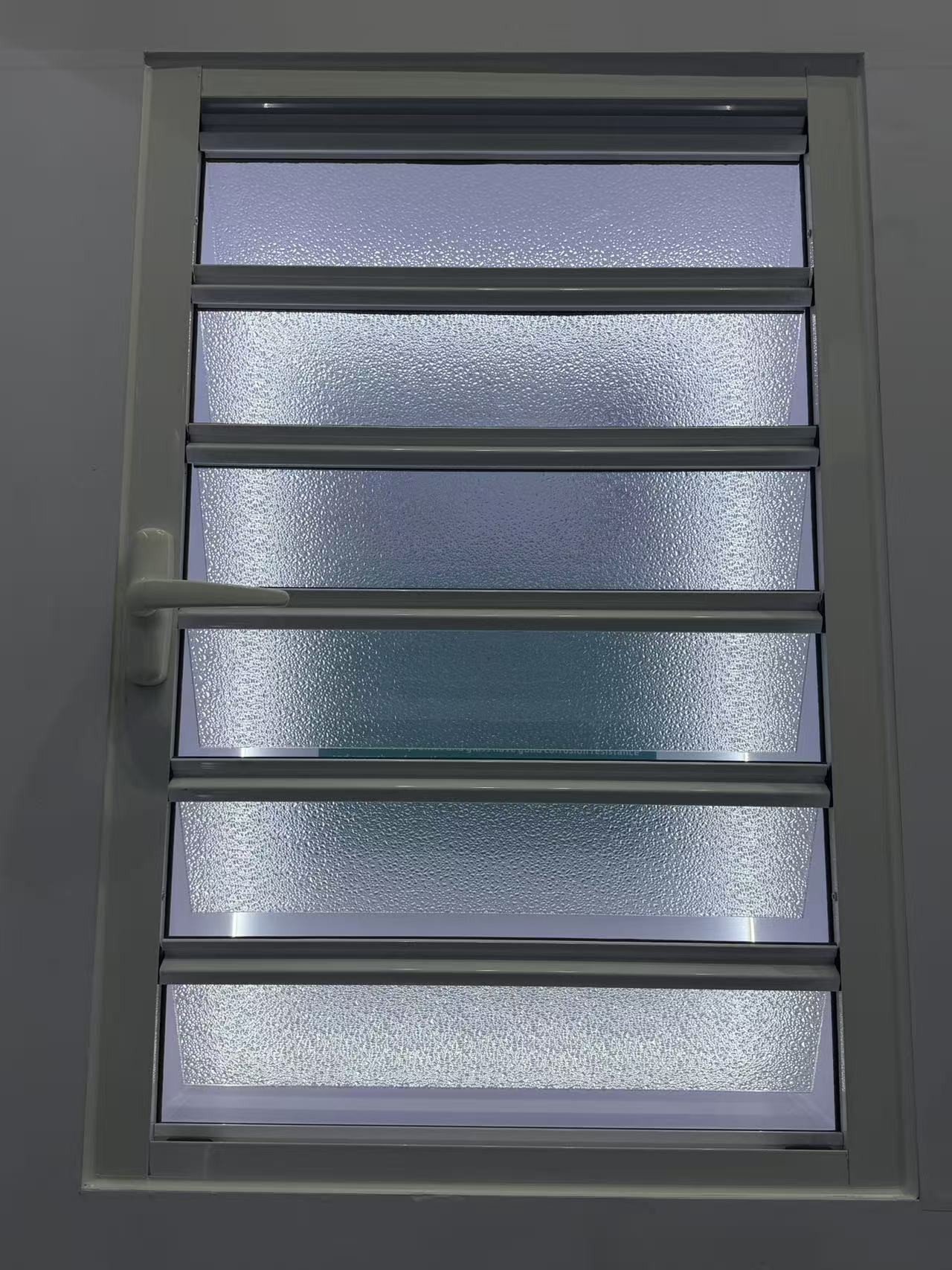
How long does it usually take a factory to make custom shutter samples?
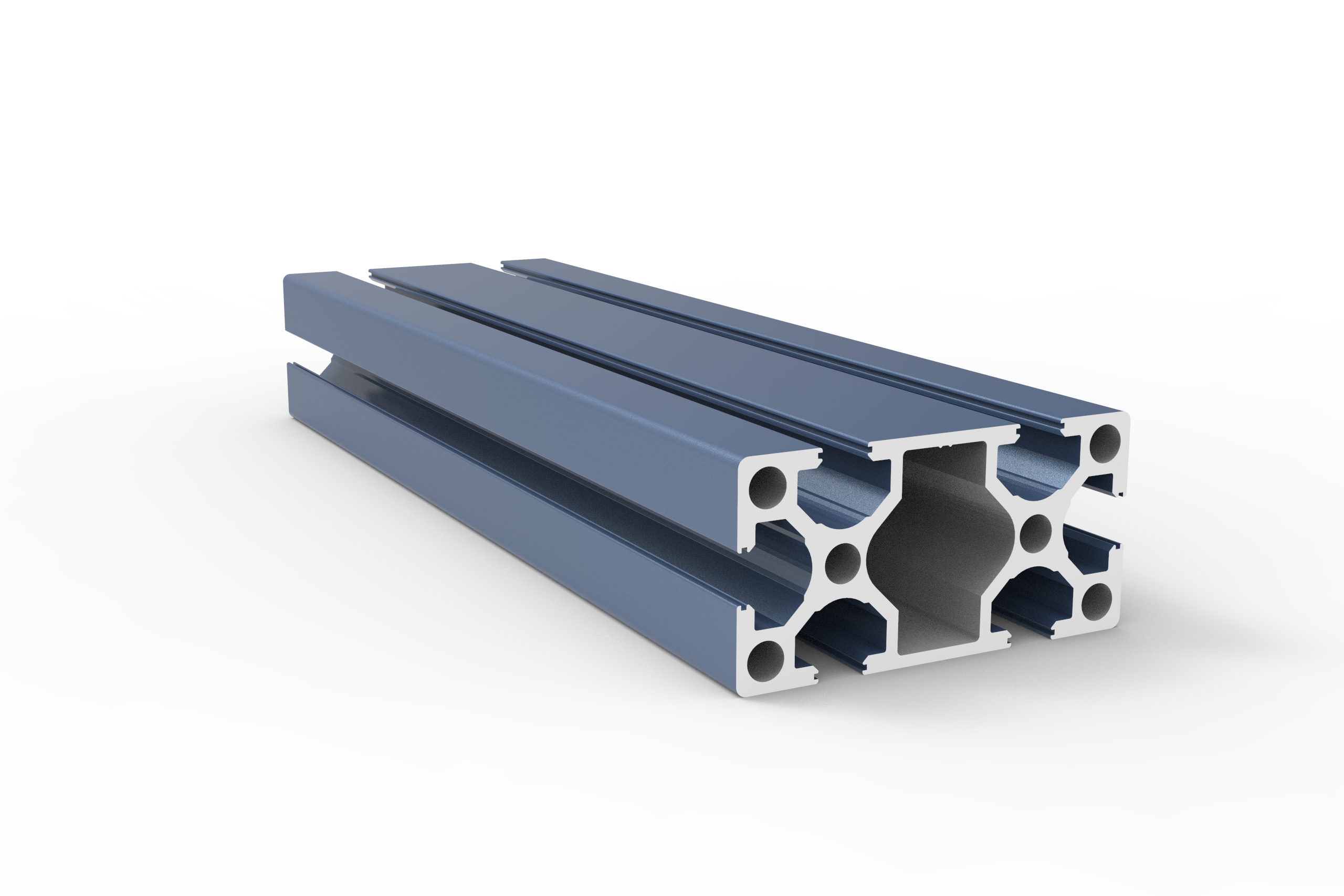
What T-slot industrial profile size is best for a heavy duty machine frame?
How do I choose the right stainless steel decorative profile for high humidity areas?
How do I choose the right aluminum architecture profile for coastal buildings?
How do I choose the right stainless steel decorative profile for high humidity areas?
What wind load specs should I check for aluminum casement windows in coastal high-rises?
How do I know which aluminum industrial profile alloy is best for heavy machinery frames?
How do I choose the right alloy grade for aluminum architecture profiles?
How do I select the right heavy-duty hardware for exterior commercial floding doors?
How do I select the right glass thickness for bulk awing window orders?
What frame thickness is recommended for commercial aluminum casement doors?
What frame thickness is best for high-rise commercial sliding windows?
How to choose weather resistant aluminum floding door specs for commercial use?
How do I choose the best water tightness rating for commercial awing windows?
How do I choose the right frame material for commercial casement doors?
How do I choose the right wind load rating for sliding windows in coastal areas?
What is the best material for outdoor decorative profiles to prevent rust and fading?
How do I choose the right track thickness for high-traffic commercial sliding doors?
How do I choose between PVC and basswood shutters for high-humidity areas?
How do I choose between double and triple glazing for casement windows in cold climates?
How do I choose the right industrial profile thickness for heavy-duty cnc machine frames?
How do I choose the right alloy for outdoor architecture profiles to prevent corrosion?
Can you design a slim frame profile for modern minimalist look?
How do I choose the right wind-resistant floding door for a coastal commercial building?
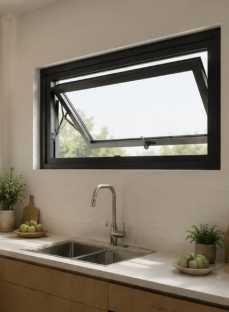
What key specs ensure a casement window can withstand heavy rain and high winds?
How do I choose the right aluminum alloy grade for heavy-duty industrial profiles?
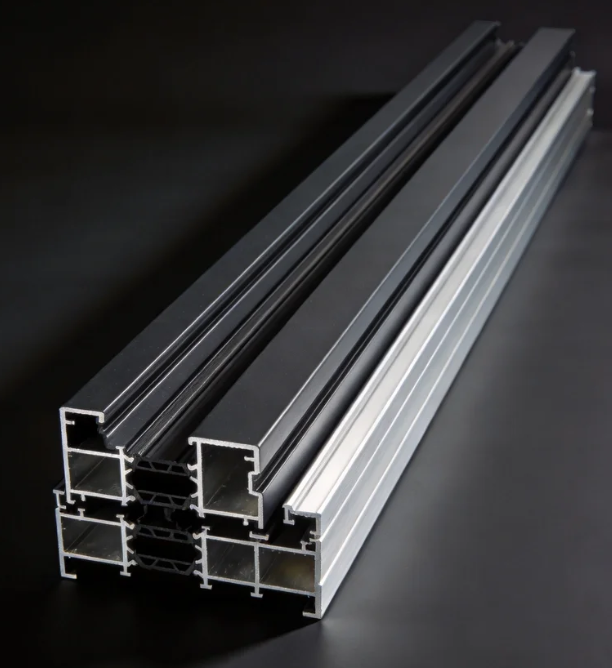
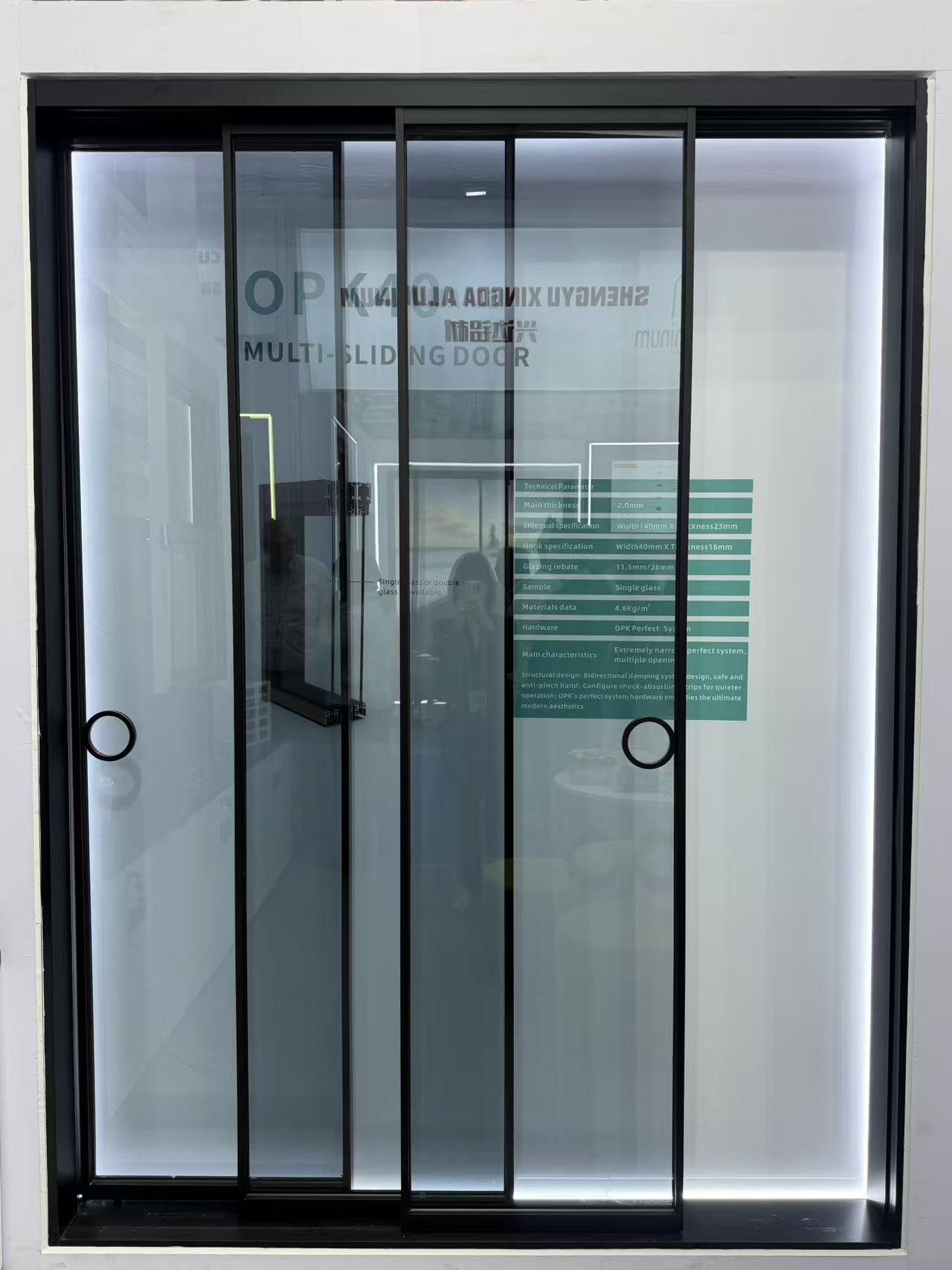
Which alloy grade of architecture profile is best for coastal areas to resist rust?
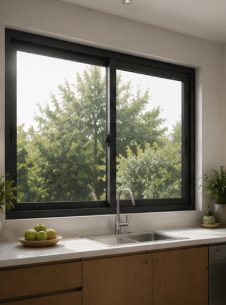
How do you pack windows to prevent glass breakage in transit?
Are slim-frame thermal break systems replacing traditional ones?
Does the price include the matching frame and installation kit?
How do you protect our proprietary design drawings from leaks?
How do I choose the right decorative profile for high-traffic hotel lobbies?
Is your factory the actual manufacturer or a trading partner?
Is it possible to 3D print a prototype before cutting steel?
Do you outsource any part of the painting process to others?
How do you handle replacement parts for damaged track rollers?
Do you accept escrow payments through third-party platforms?
Do you have ISO 9001 certification for your production line?
Are there extra fees if we pay via bank telegraphic transfer?
What is the price difference between powder coat and anodized?
What is the warranty period for the lock and hinge hardware?
What is your policy for dimensional deviations in the batch?
What happens if the shipment is delayed due to factory error?
Do you offer online technical support if color fading occurs?
Is it possible to engrave our brand logo on the tension screw?
Do you offer credit terms for long-term purchasing partners?
Can you palletize the shipments for easy forklift unloading?
What are the latest eco-friendly finish trends for decorative profiles in modern interior design?
What are the tooling cost and design limitations for customizing heavy-duty industrial profiles?
Has your architecture profile manufacturing facility passed ISO 9001 certification?
Can we use Alibaba Trade Assurance for our initial sliding door order to mitigate risk?
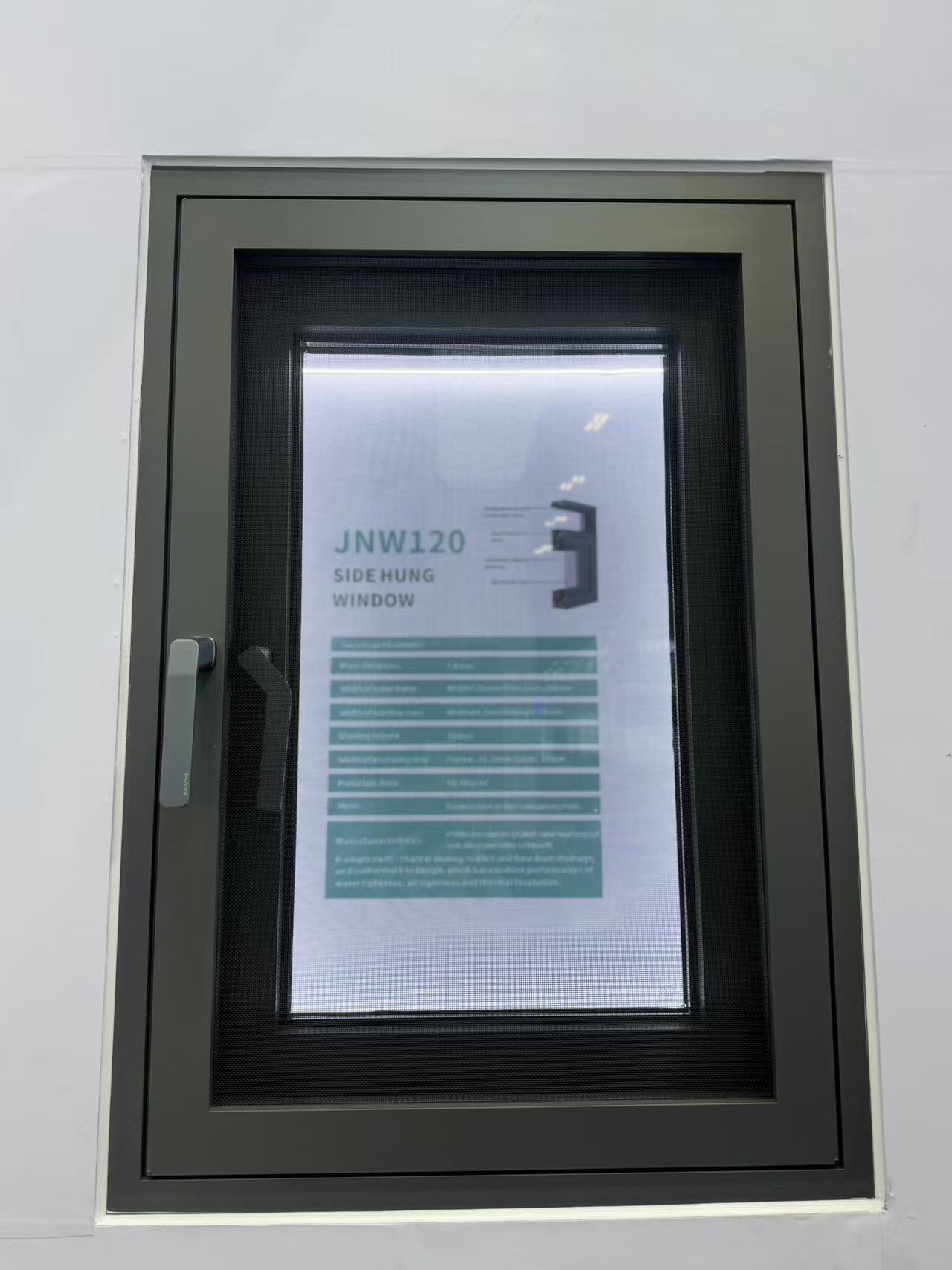
Do you provide free corner samples of the casement window frame for color verification?
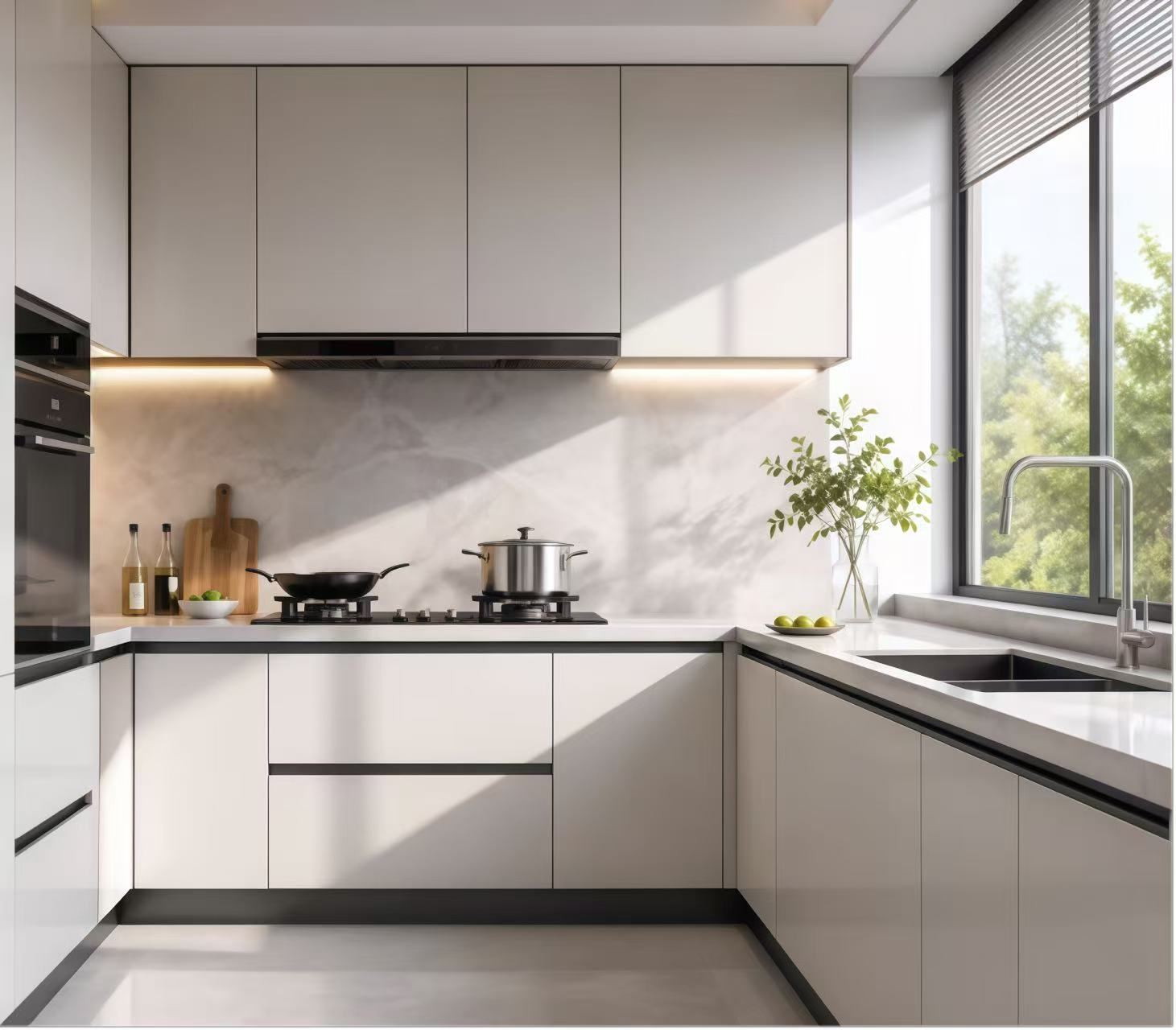
Is it possible to custom-match a specific RAL color for a decorative profile order?
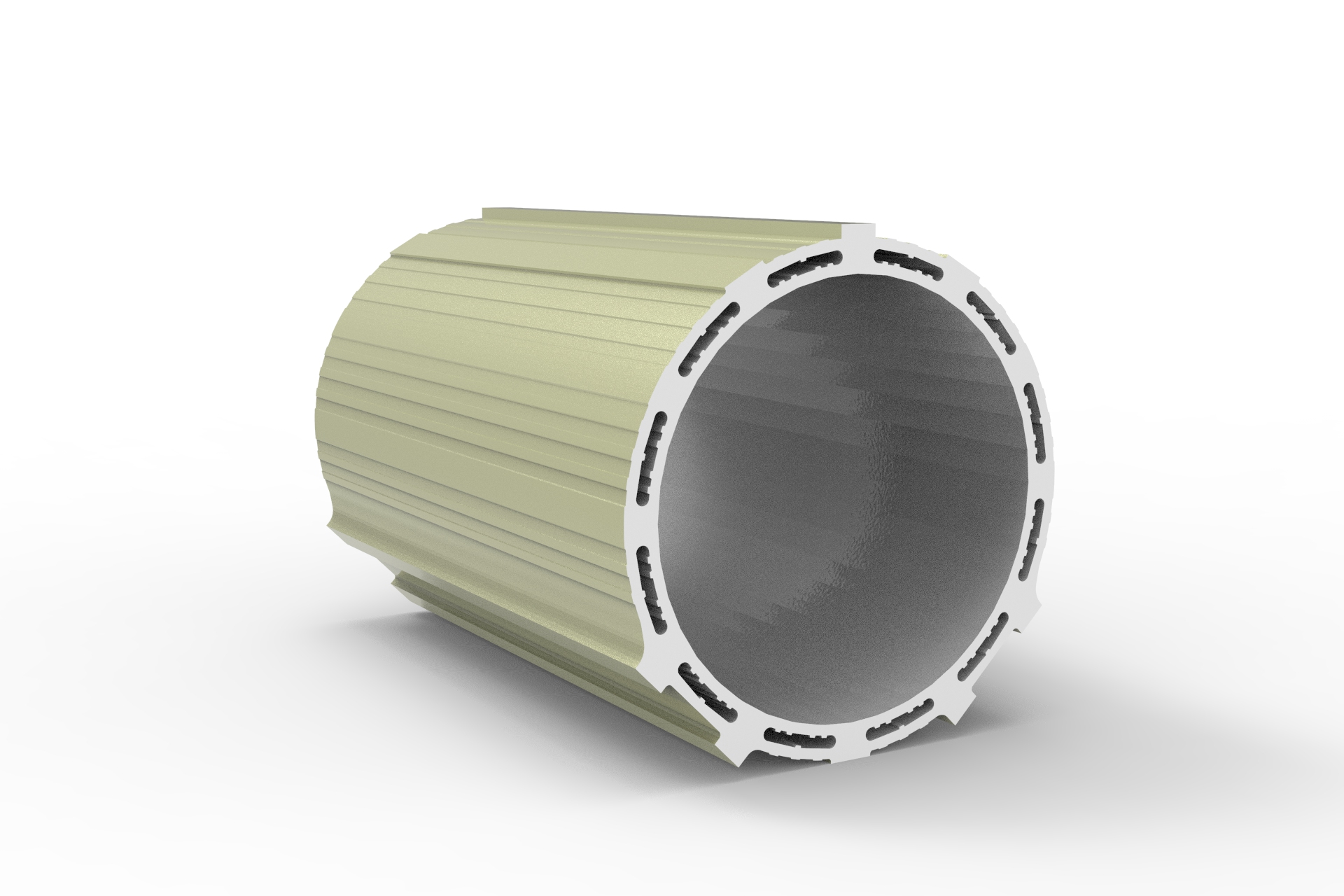
Can I request a 3D-printed sample before ordering a custom industrial profile mold?
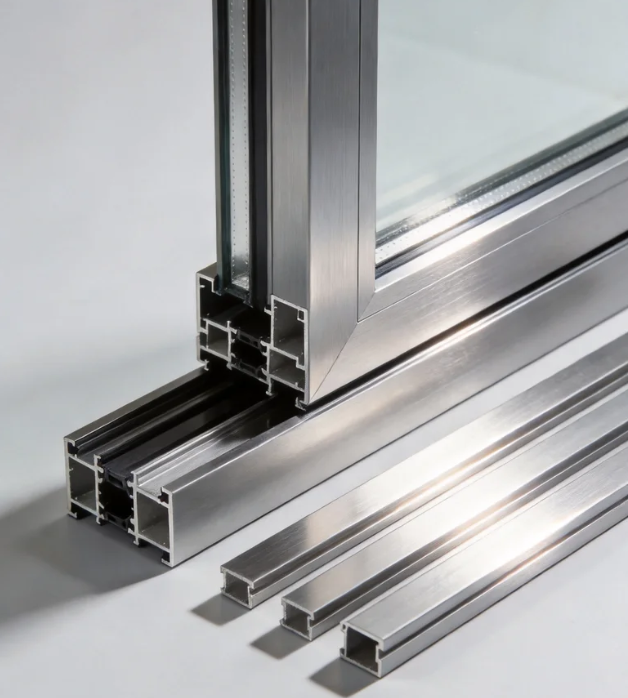
Can you extrude an architecture profile based on our proprietary CAD drawings?
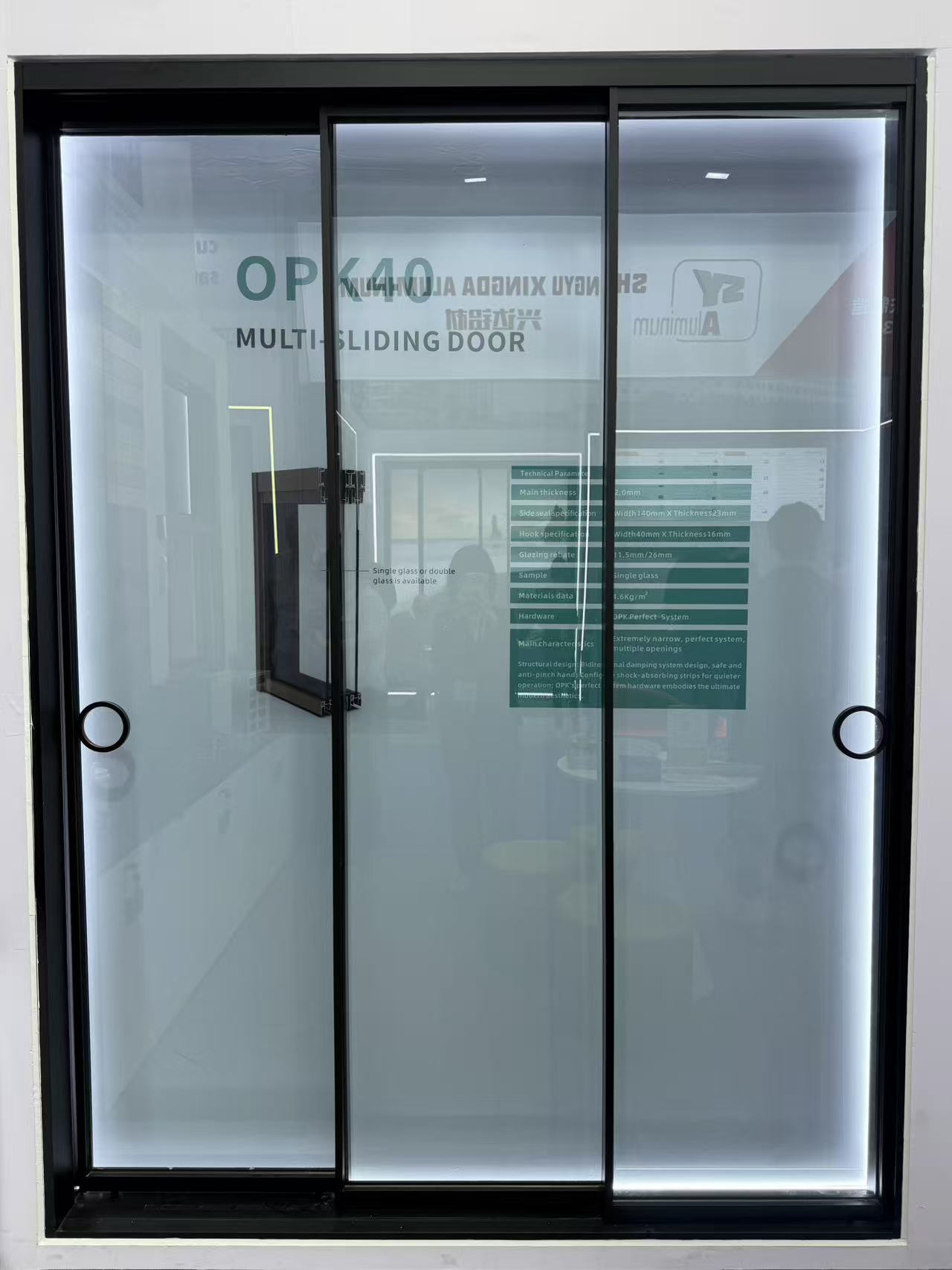
What thermal performance certifications does a sliding door need for the UK market?
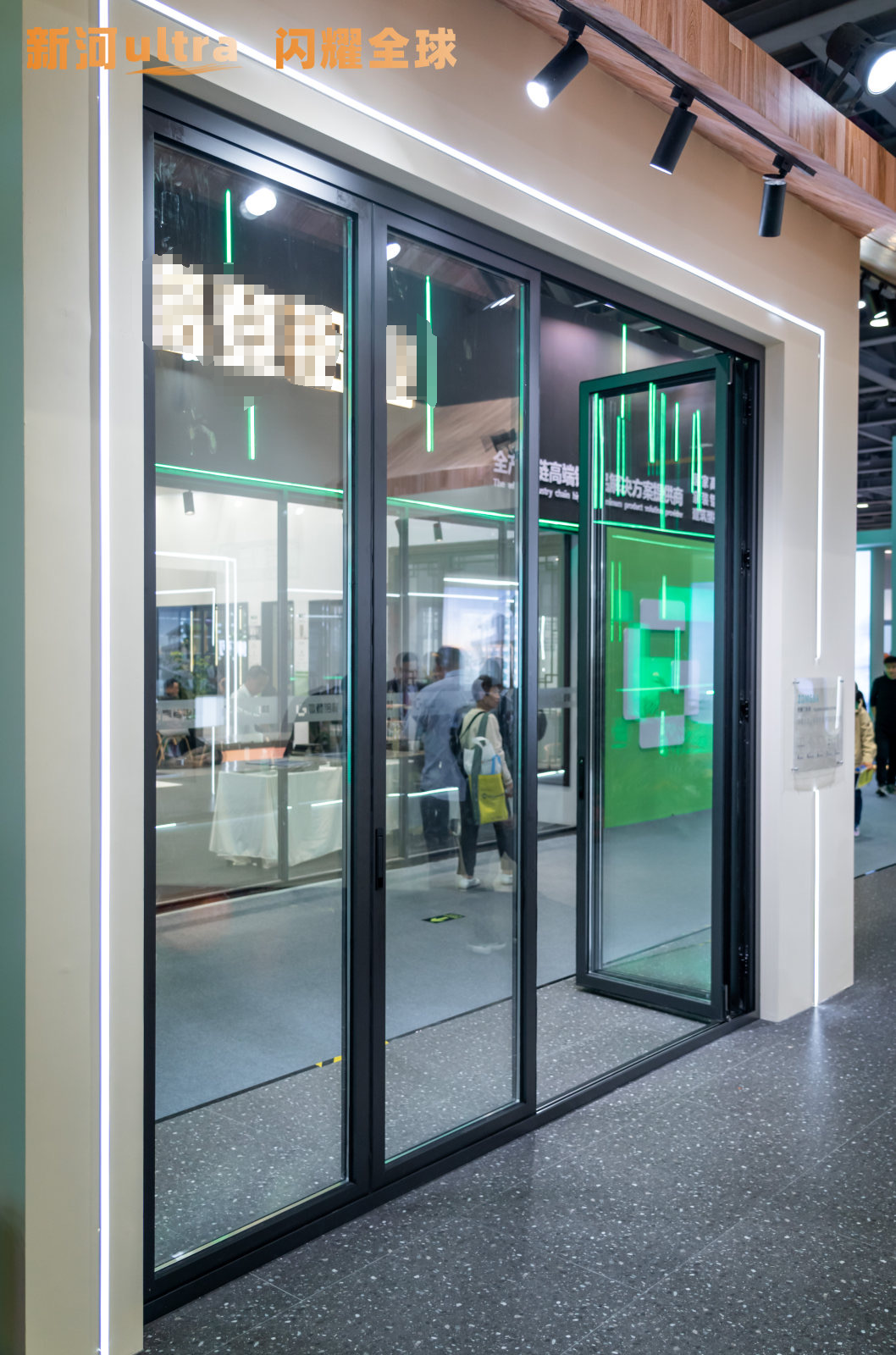
How are heavy floding door panels crated to ensure safe unloading at the job site?
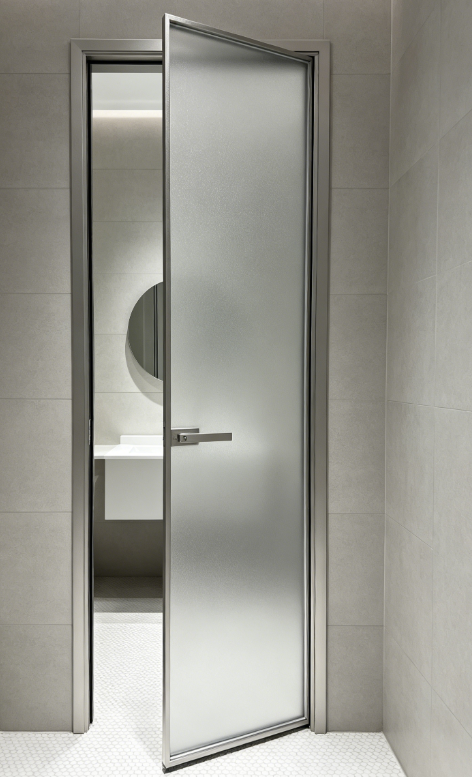
Can we arrange our own freight forwarder to pick up the casement door shipment FOB?
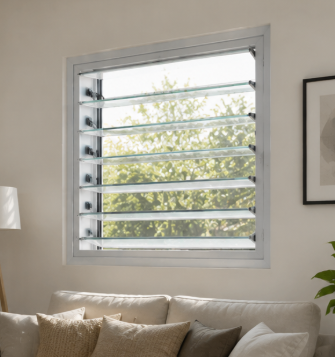
What is the estimated ocean freight transit time for a shutter shipment from China to Europe?
How can we source replacement seals for your awing window models in the future?
How are sliding windows typically packaged to prevent glass breakage during ocean transit?
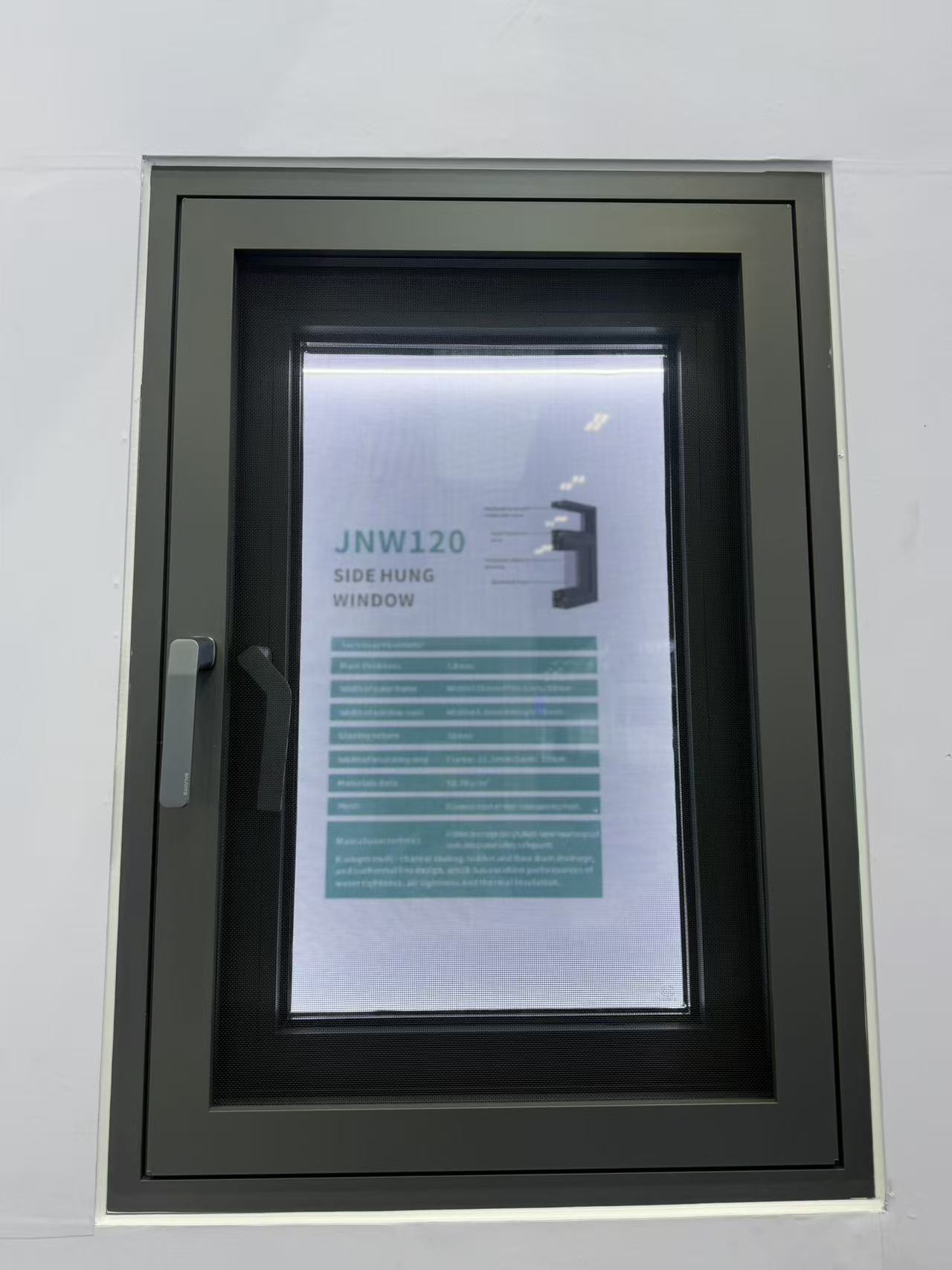
What is the average lead time for a 40ft container of standard aluminum casement windows?
Are there any extra tooling fees if my decorative profile order doesn’t meet the MOQ?
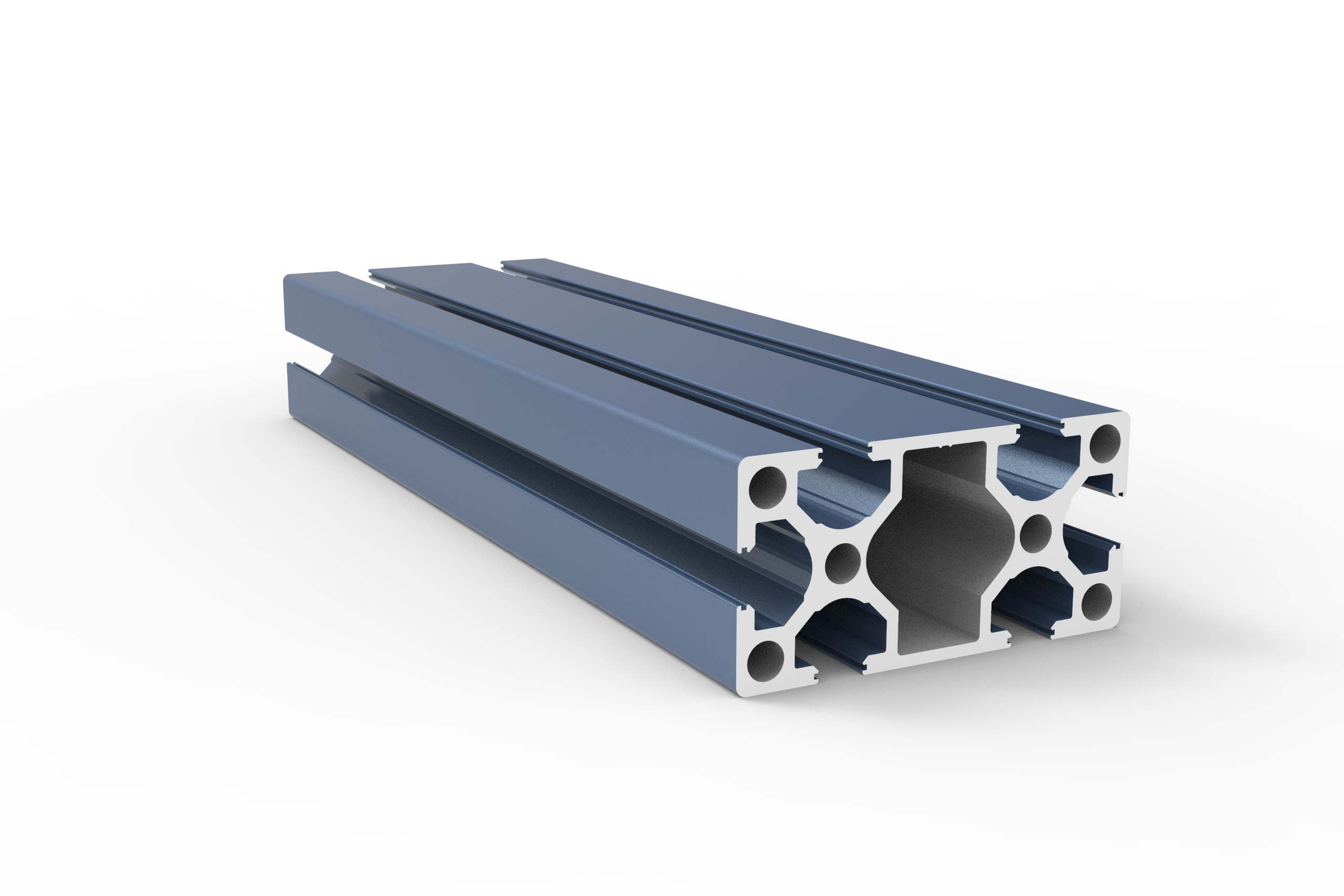
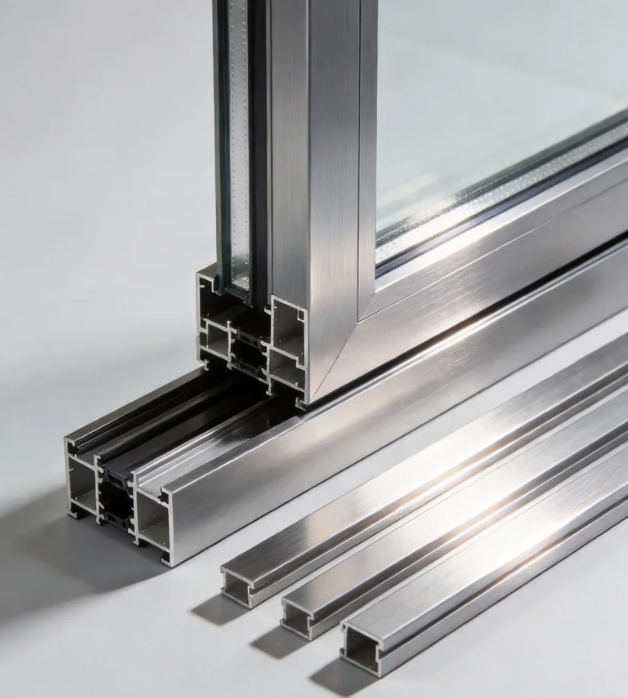
Can I get 3D printed prototypes of custom architecture profiles before committing to mold tooling?
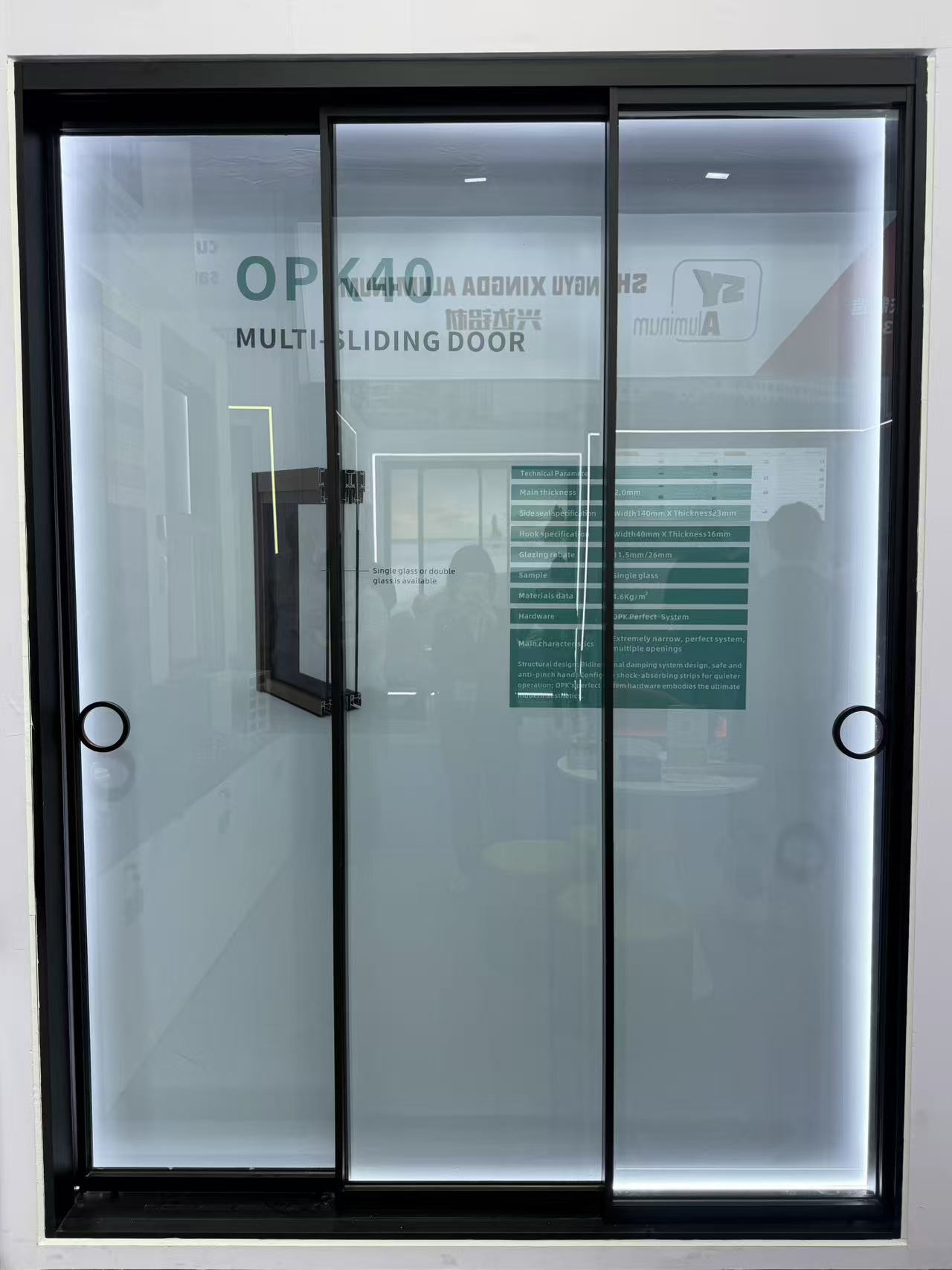
How is smart glass technology being integrated into modern residential sliding door units?
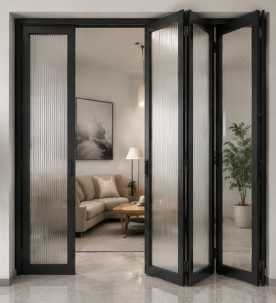
What options do you have for customizing the threshold height of an aluminum floding door?
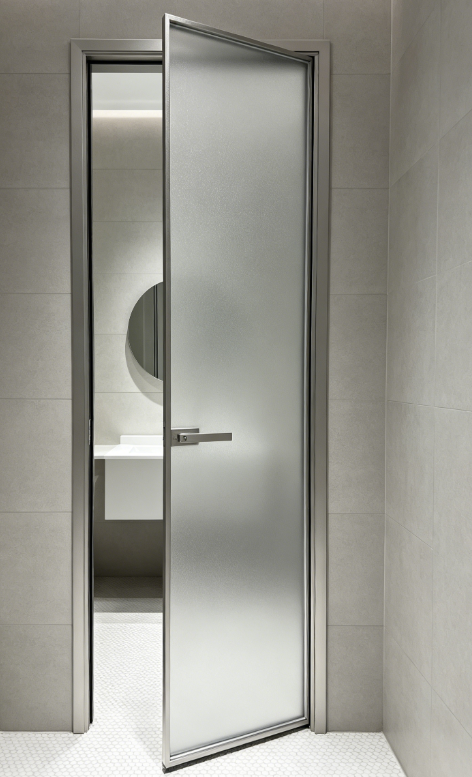
What thermal break technology should I look for in a heavy-duty aluminum casement door?
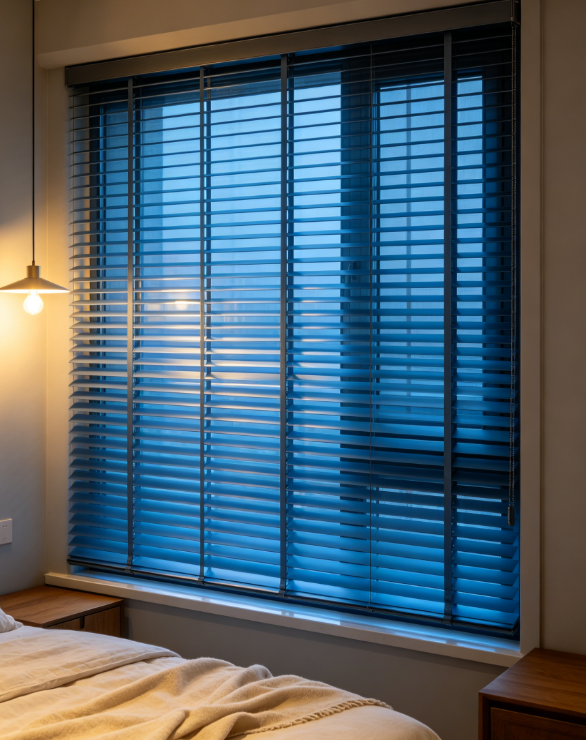
What quality control processes do you perform on shutter hardware before final assembly?
Do you offer DDP shipping terms for awing window orders delivered to our warehouse?
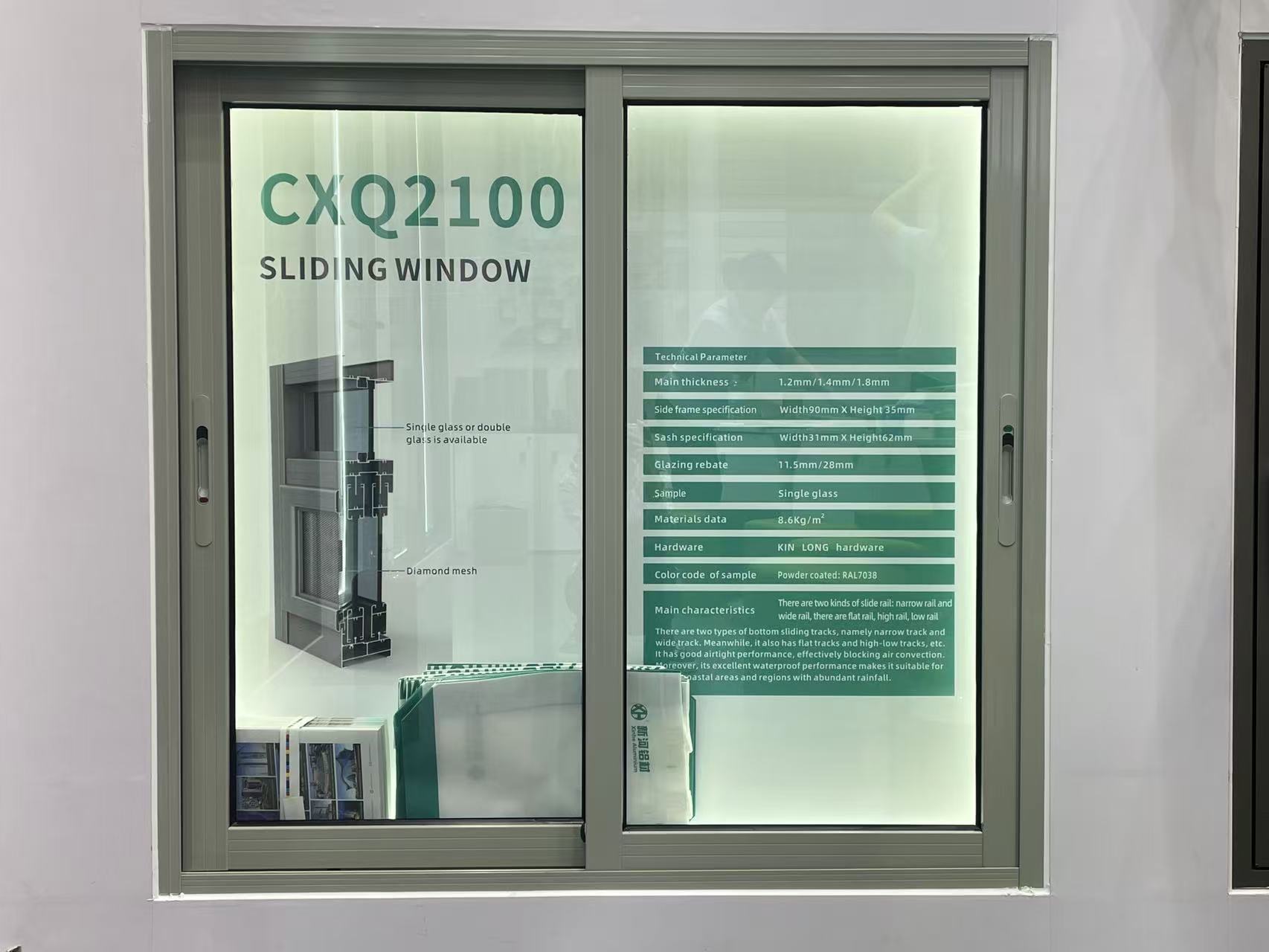
Is it possible to order a fully functional sliding window sample for mock-up testing?
Do you provide replacement hardware if the casement window hinges fail within 5 years?
How do you handle claims for decorative profile items damaged during transit?
What is the standard MOQ for custom-extruded aluminum industrial profile orders?
How does the order volume affect the per-ton price of custom architecture profile designs?
What is the warranty period for the rollers and tracks on your heavy-duty sliding doors?
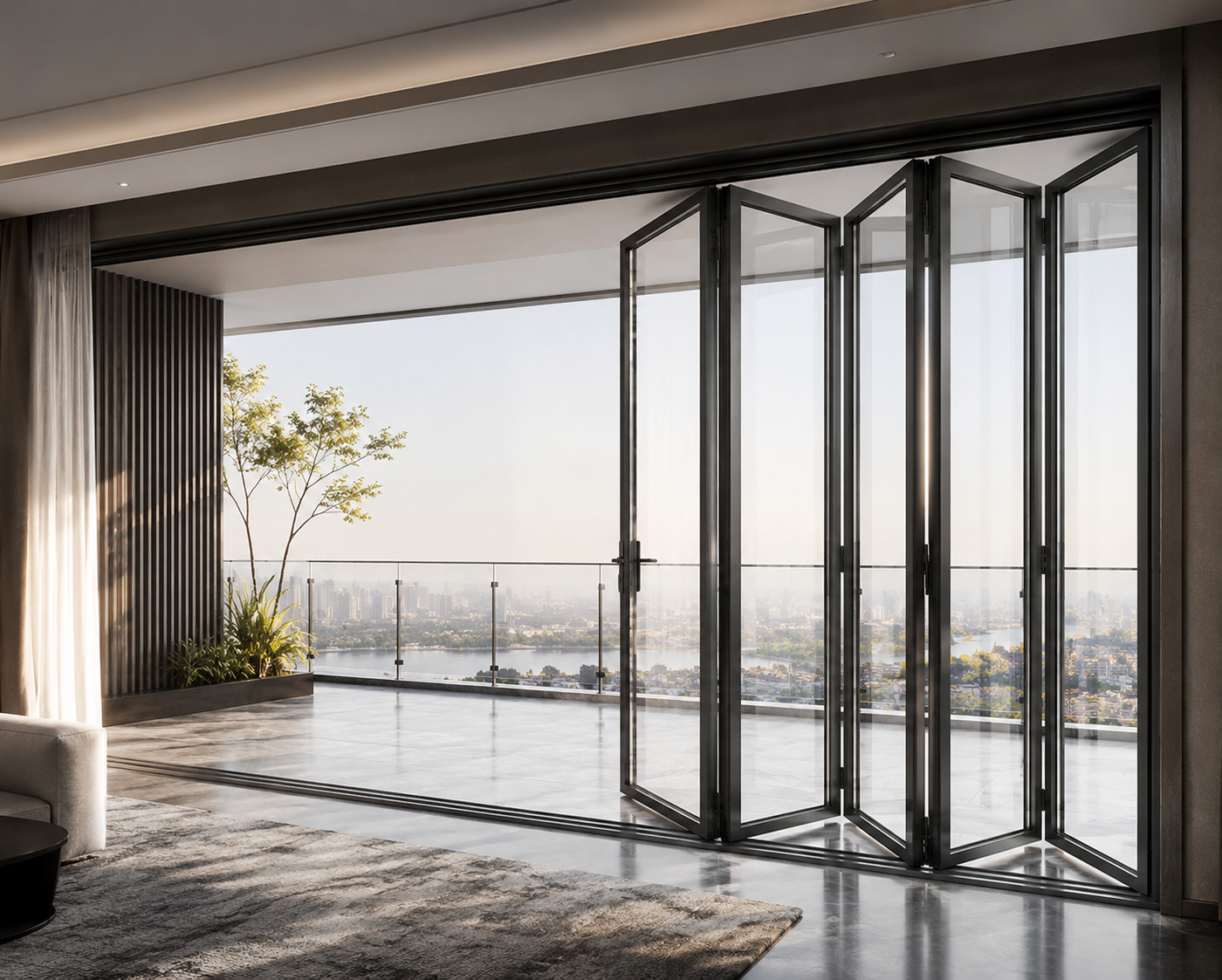
How can we secure our deposit when purchasing high-value custom floding doors from a new supplier?
Can your factory match custom anodized colors for decorative profiles based on physical samples?
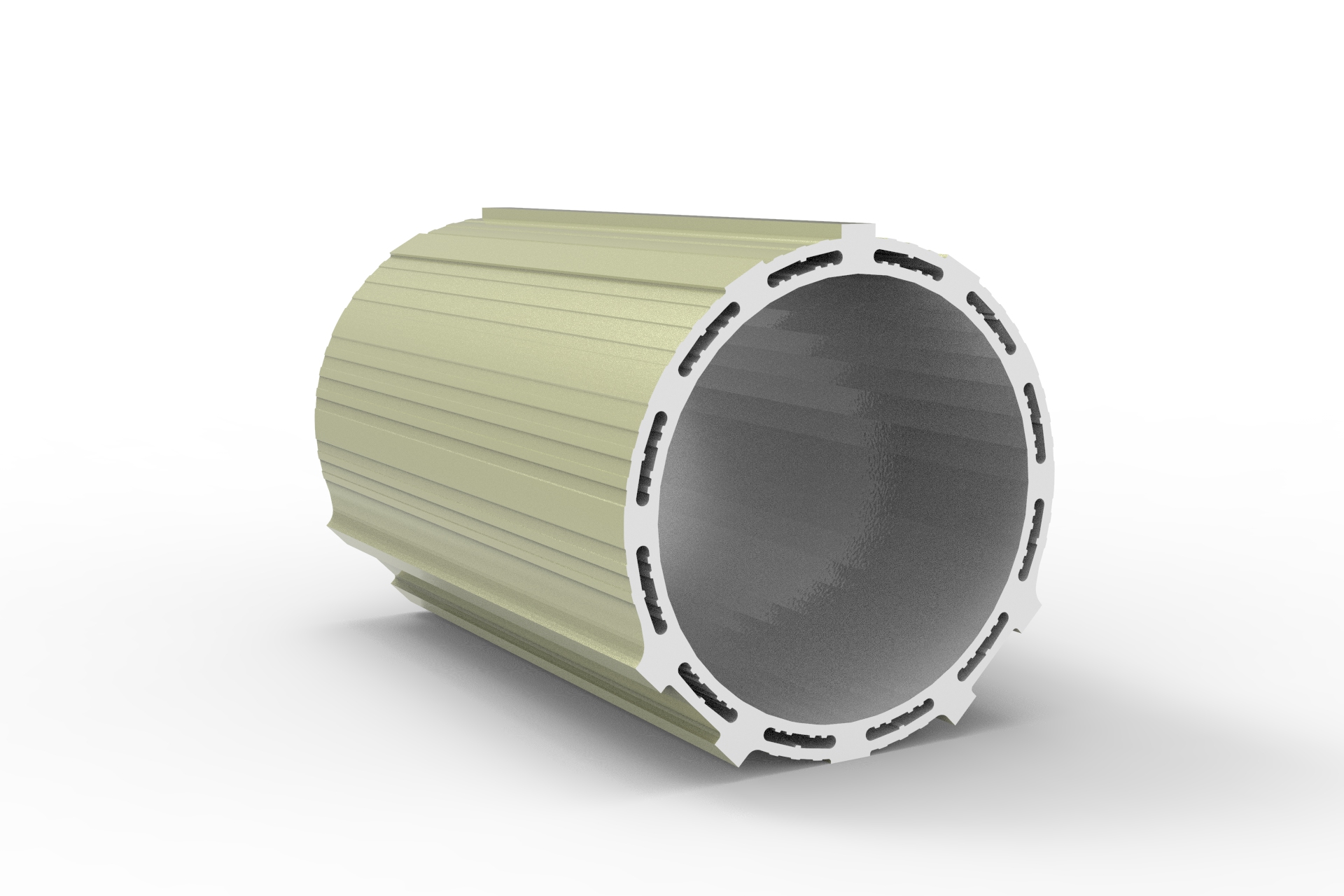
Is there a lighter alternative to aluminum industrial profile structures for robotics?
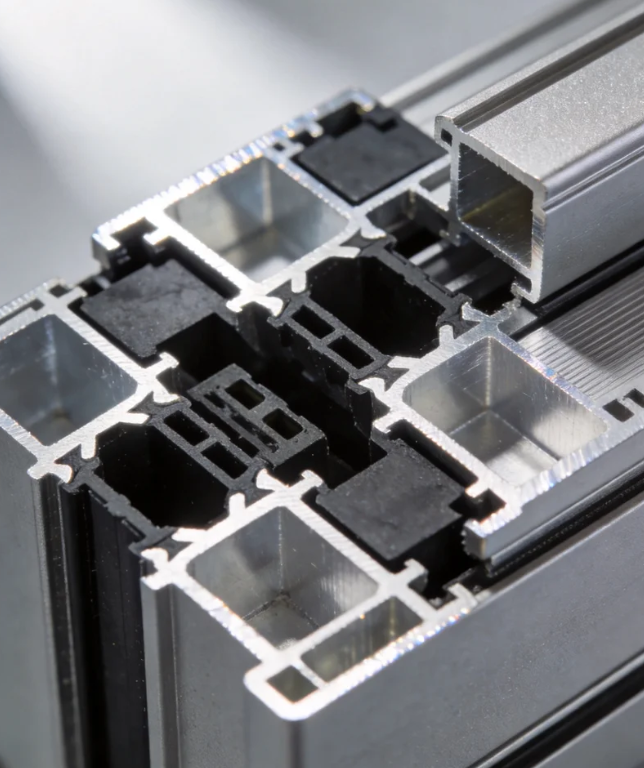
What payment security measures do you have for custom architecture profile tooling fees?
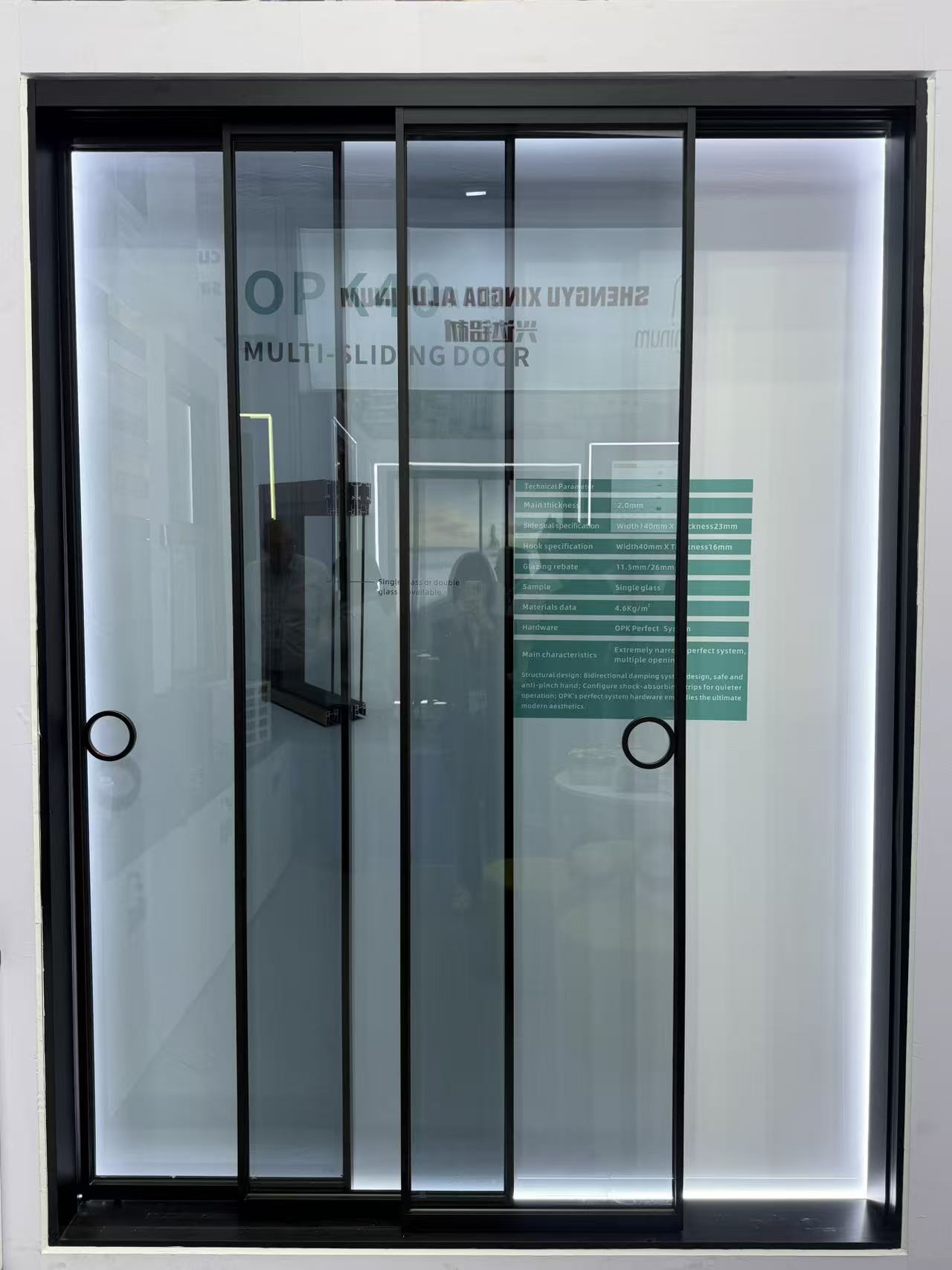
Can I order a sliding door with custom grid patterns between the glass panes?
How do you protect buyers against financial loss if the floding door shipment is delayed?
Are slim-frame aluminum casement door designs becoming more popular in modern offices?
What is your policy for replacing shutter components that arrive with color mismatch?
What kind of remote technical support do you offer for sliding window installation?
What is the maximum safe size for a top-hung awing window in commercial projects?
What environmental management standards does your decorative profile plant follow?
What is the standard lead time for producing a 40ft container of casement window orders?
What is the warranty period for the anodized finish on your industrial profile?
What are the latest eco-friendly trends in architecture profile manufacturing?
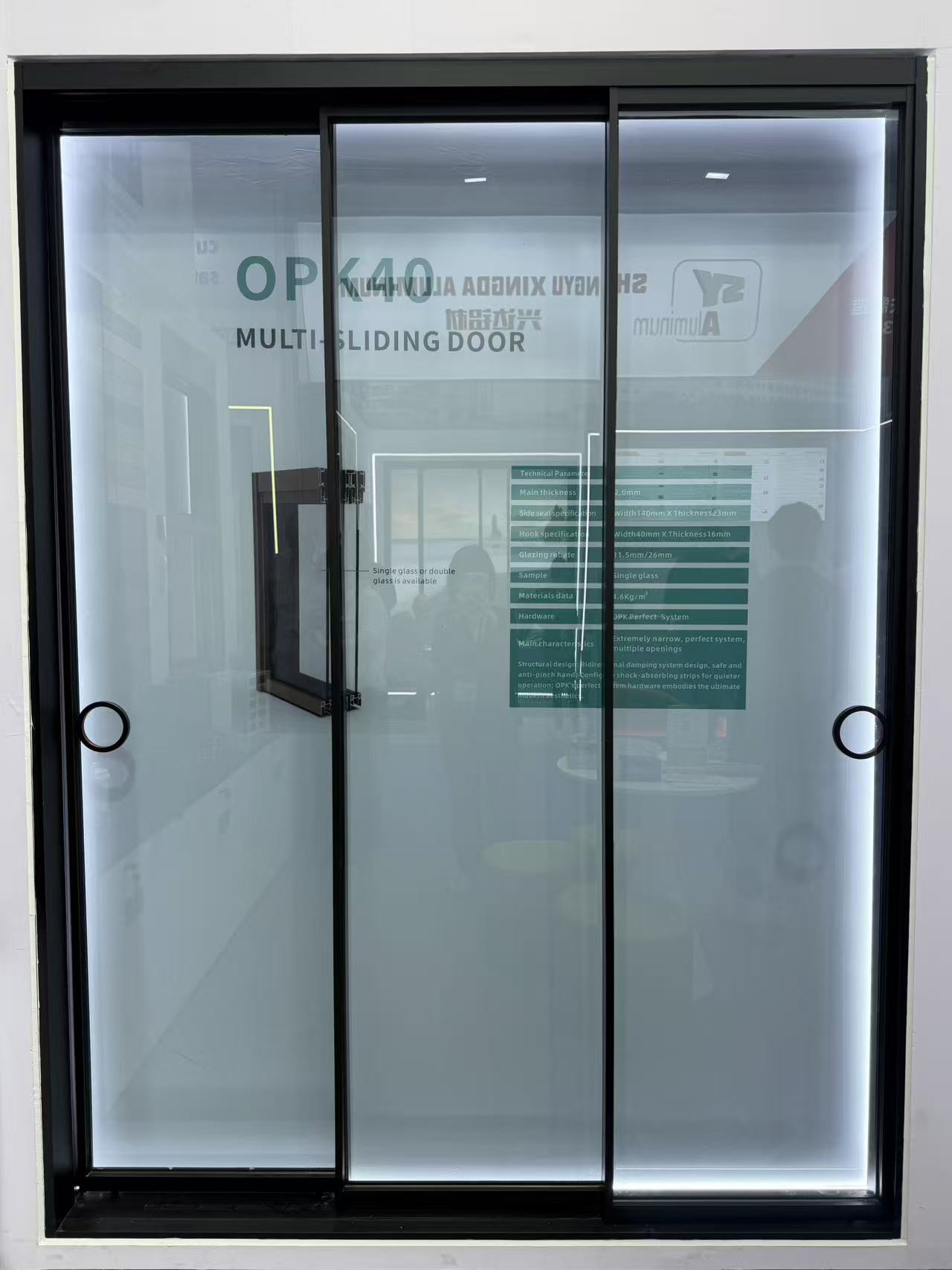
What is the average wholesale price per square meter for double-glazed sliding door systems?
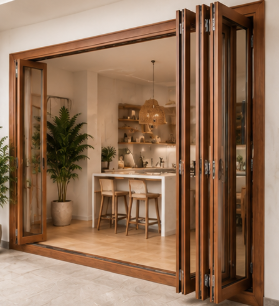
How do I calculate the structural load requirement for a 5-panel exterior floding door?
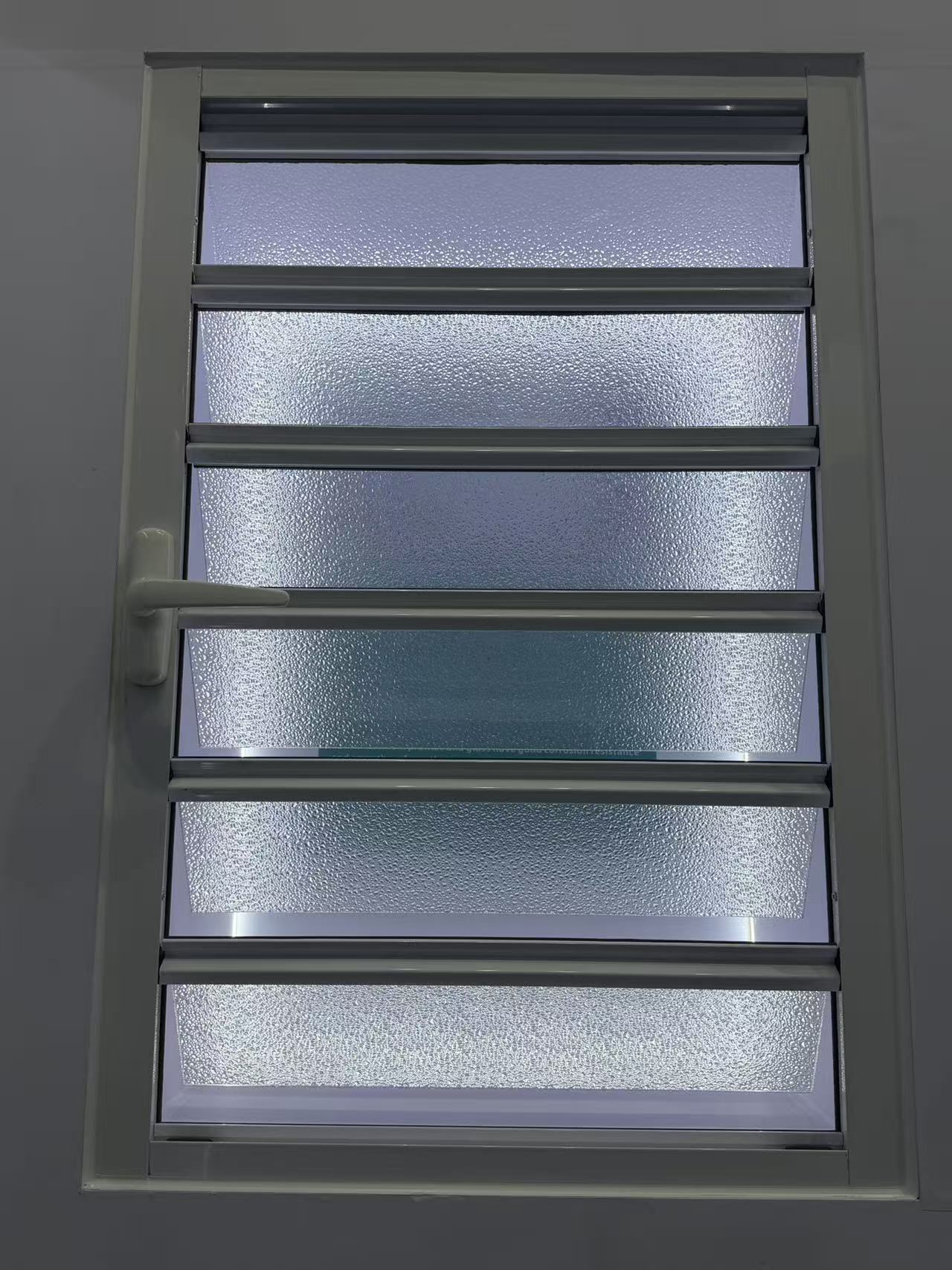
Do your exterior shutter systems comply with Florida building codes for hurricane protection?
Do you offer Letter of Credit (L/C) payment options for casement door bulk orders?
Which water tightness certifications are required for importing an awing window to Europe?
Do you allow virtual factory tours to inspect the sliding window assembly line?
What is the typical MOQ for ordering standard-sized aluminum casement window units?
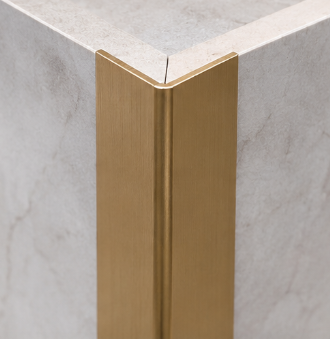
How long does it take to receive a physical sample of a gold-anodized decorative profile?
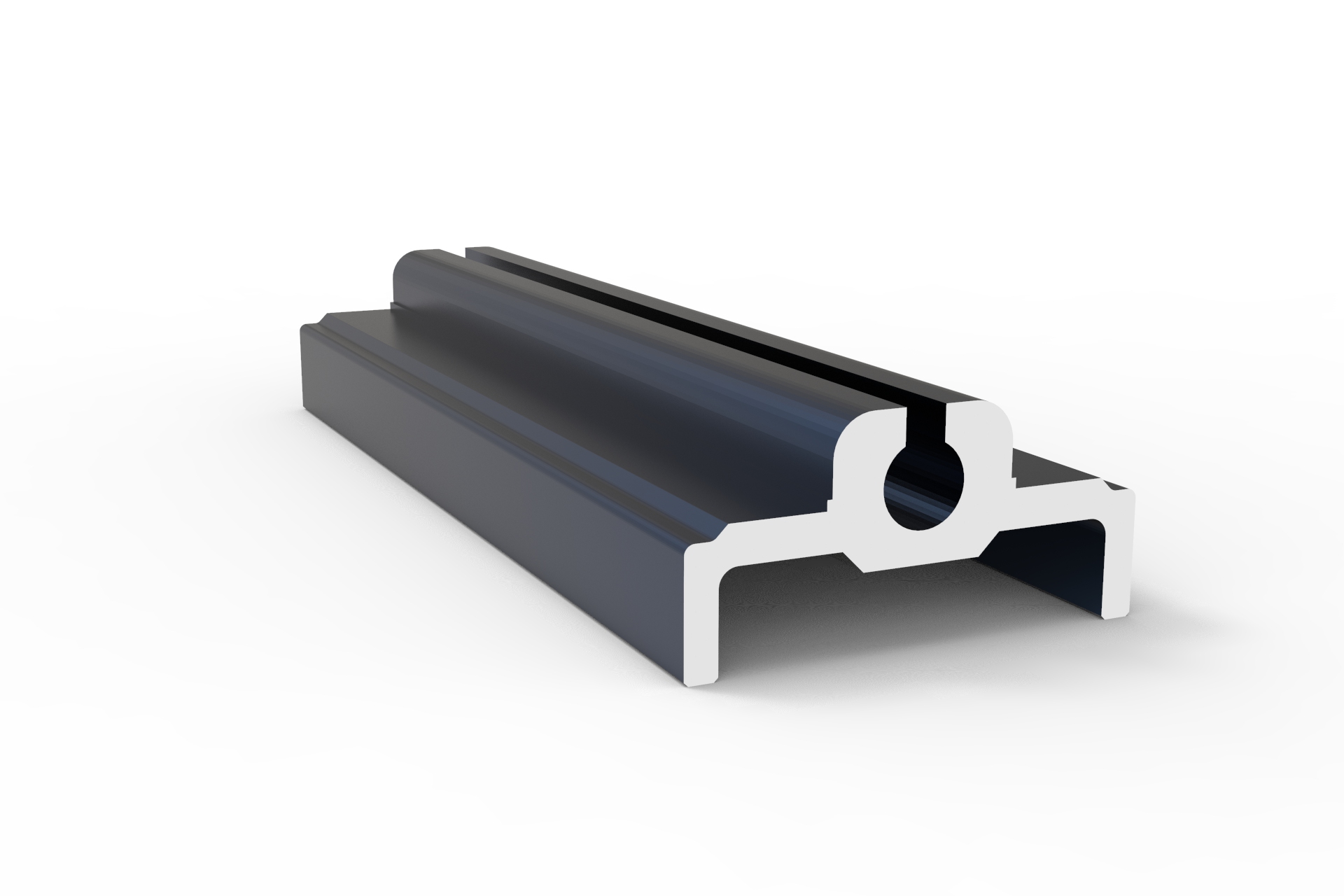
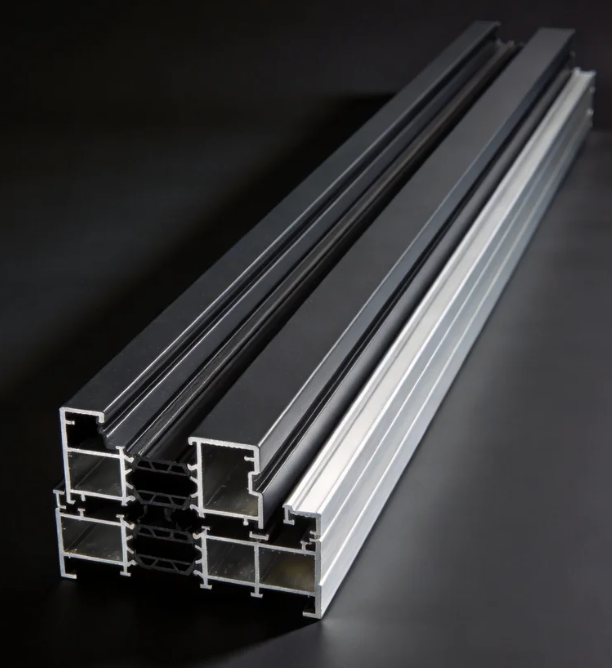
How do I choose the right alloy grade for architecture profiles in high-rise coastal buildings?
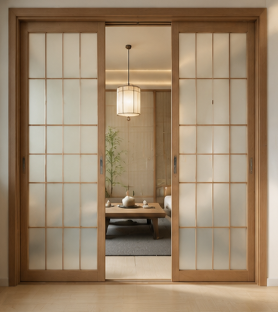
How do I choose the right track and roller specs for heavy-duty commercial sliding doors?
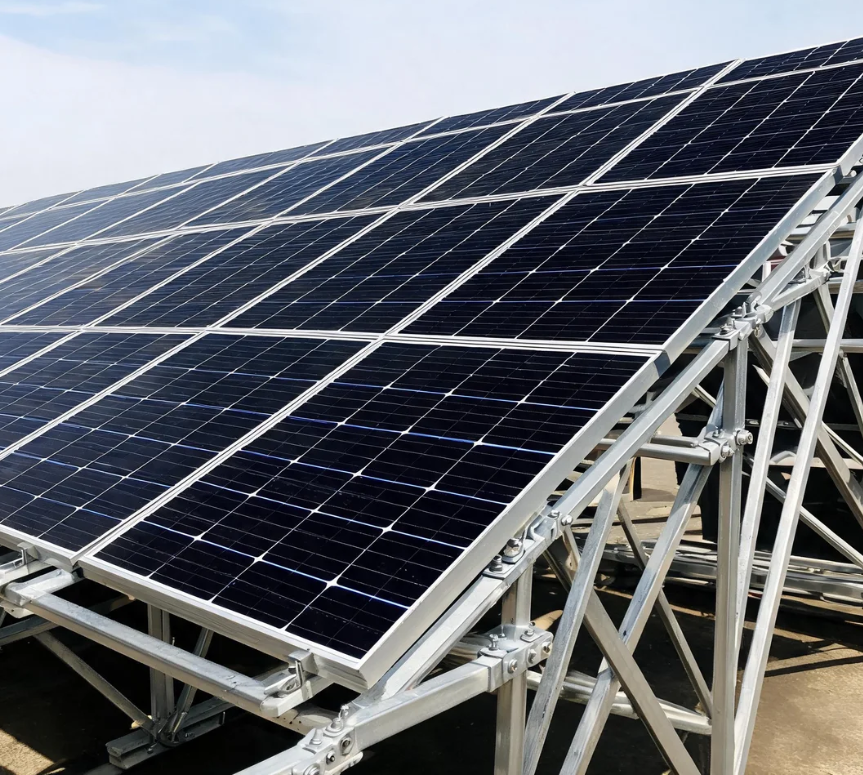
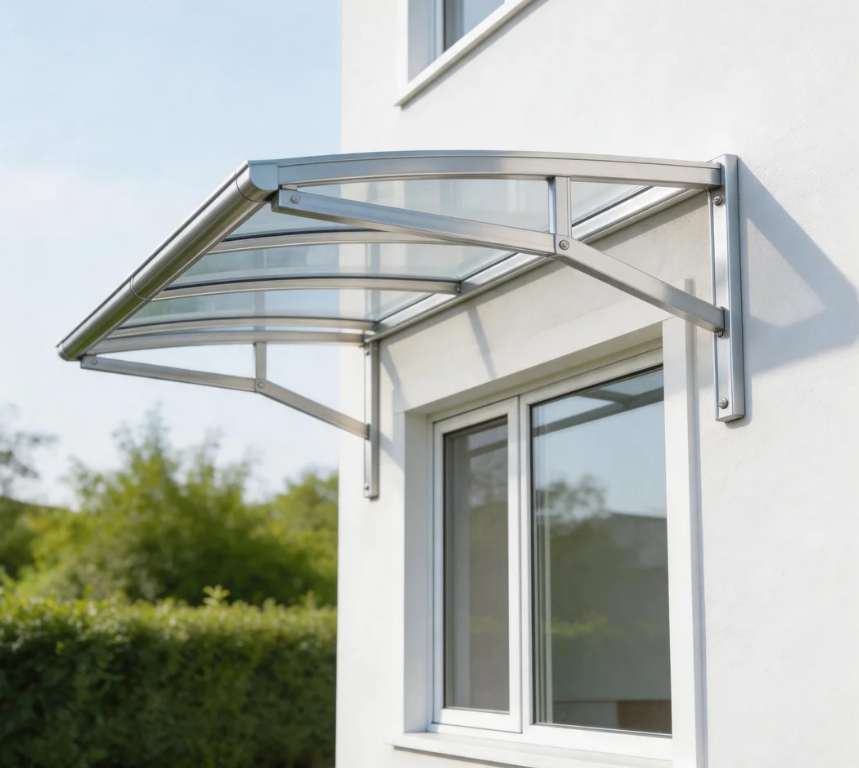
The core advantages of using aluminium profiles for the canopy
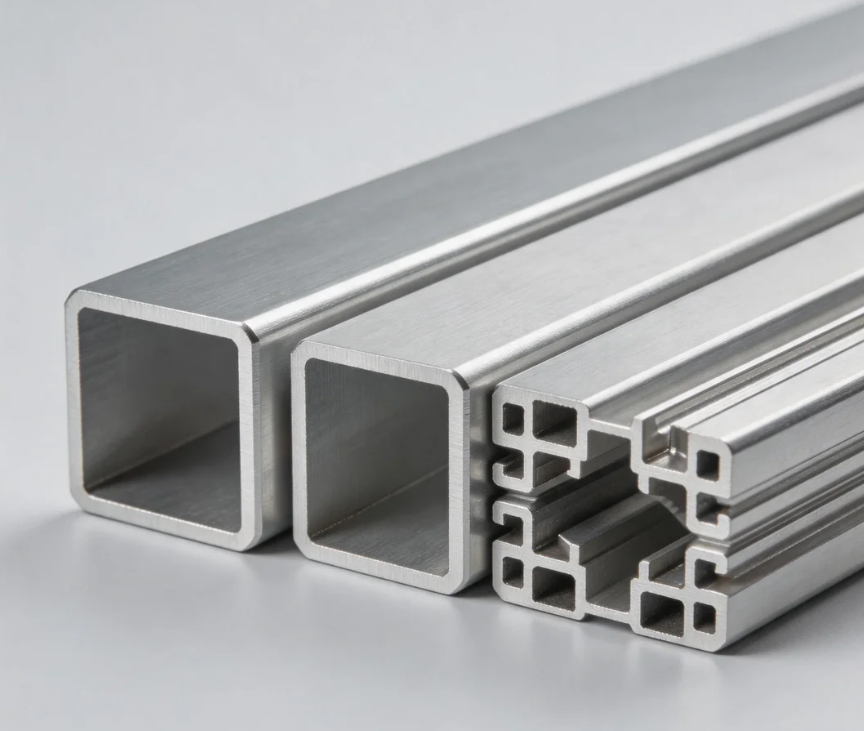
International demand: Dual drive by new energy and infrastructure

The advantages of using aluminium profiles to manufacture robot arms
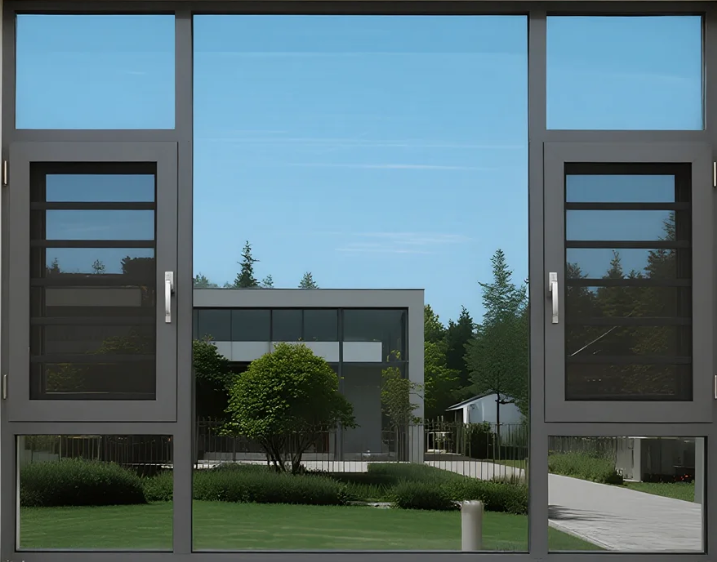
The advantages of using aluminum profiles for door and window frames
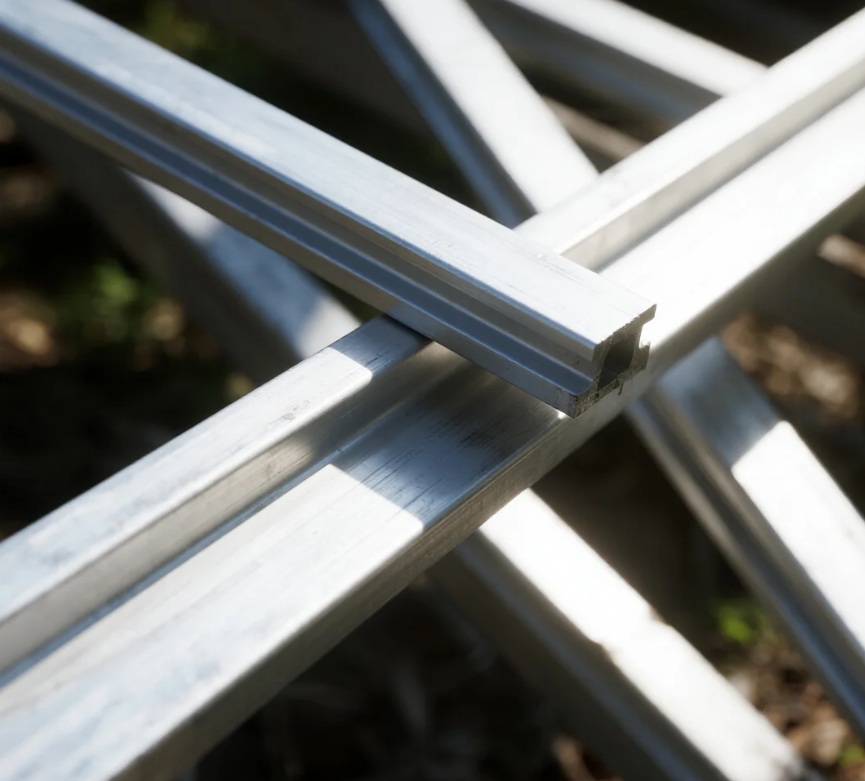
The impact of the conflict between the United States and Iran on the price of aluminum
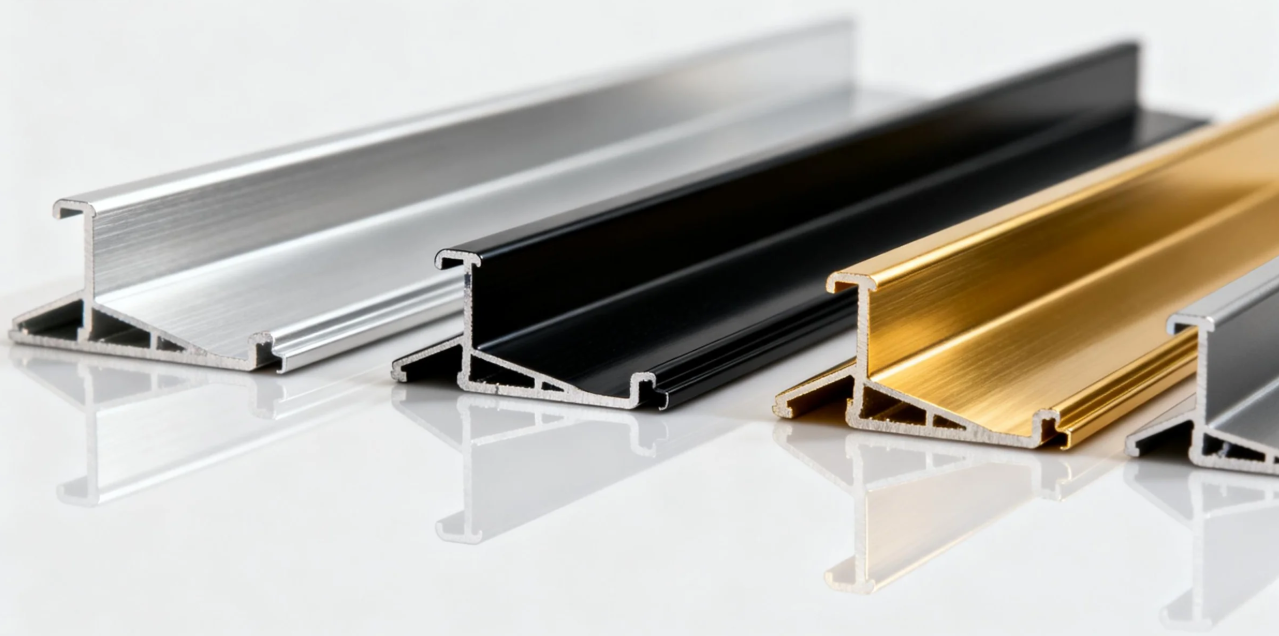
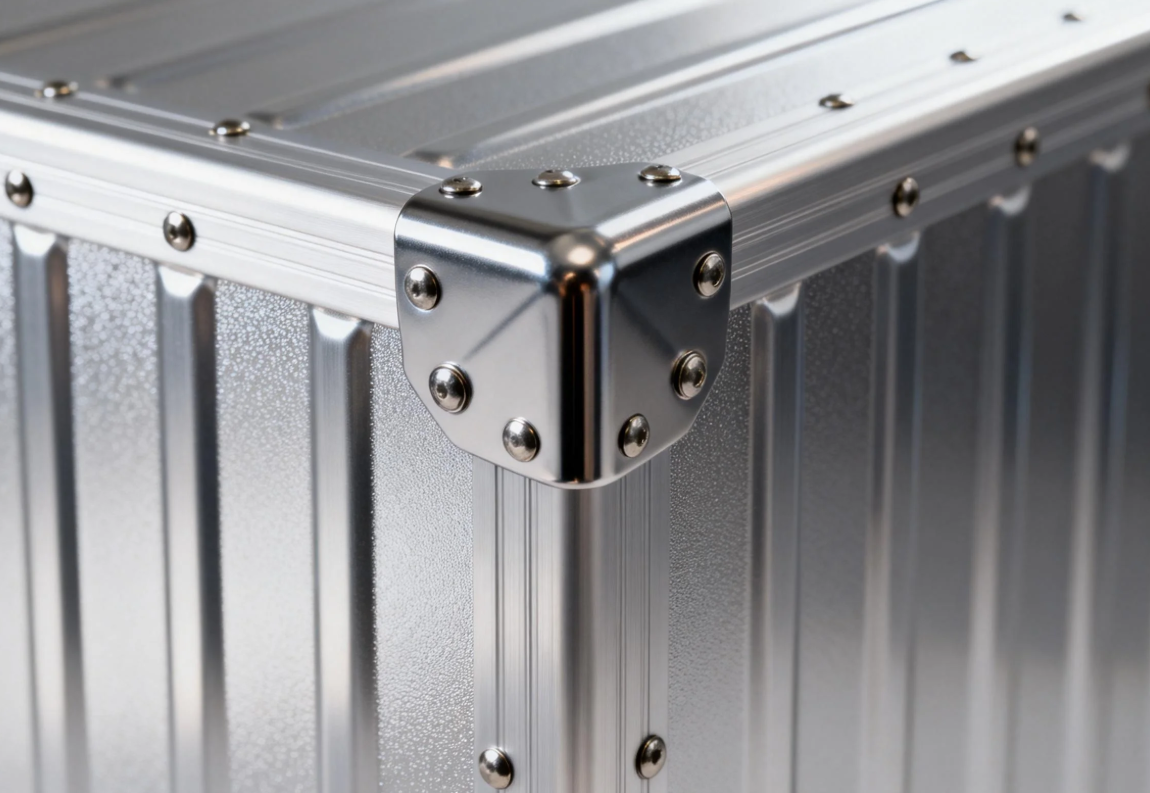
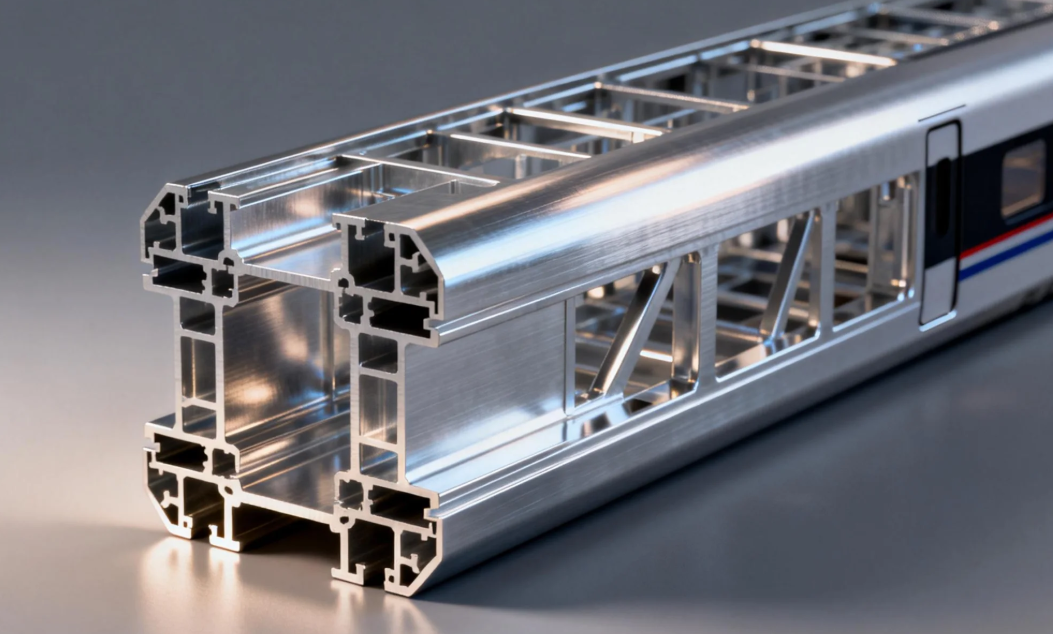
The advantages of using aluminium alloy for the main structure of high-speed train carriages
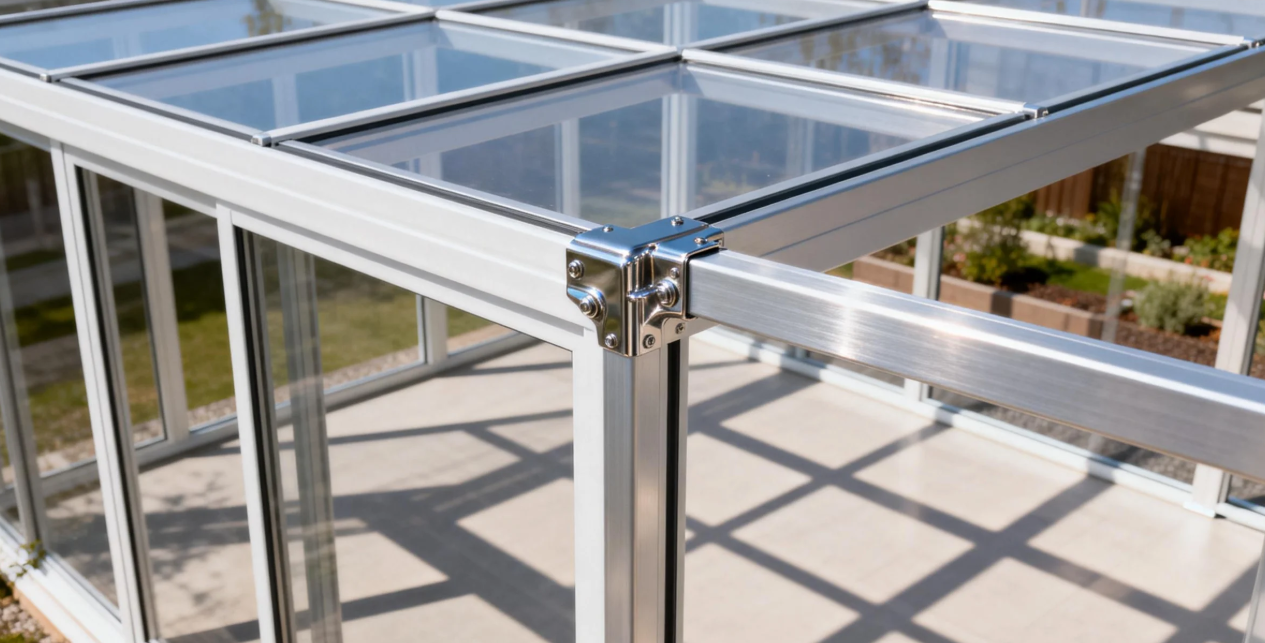
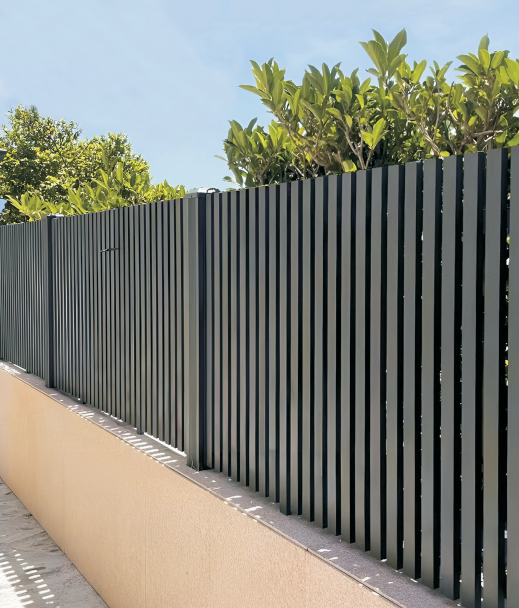
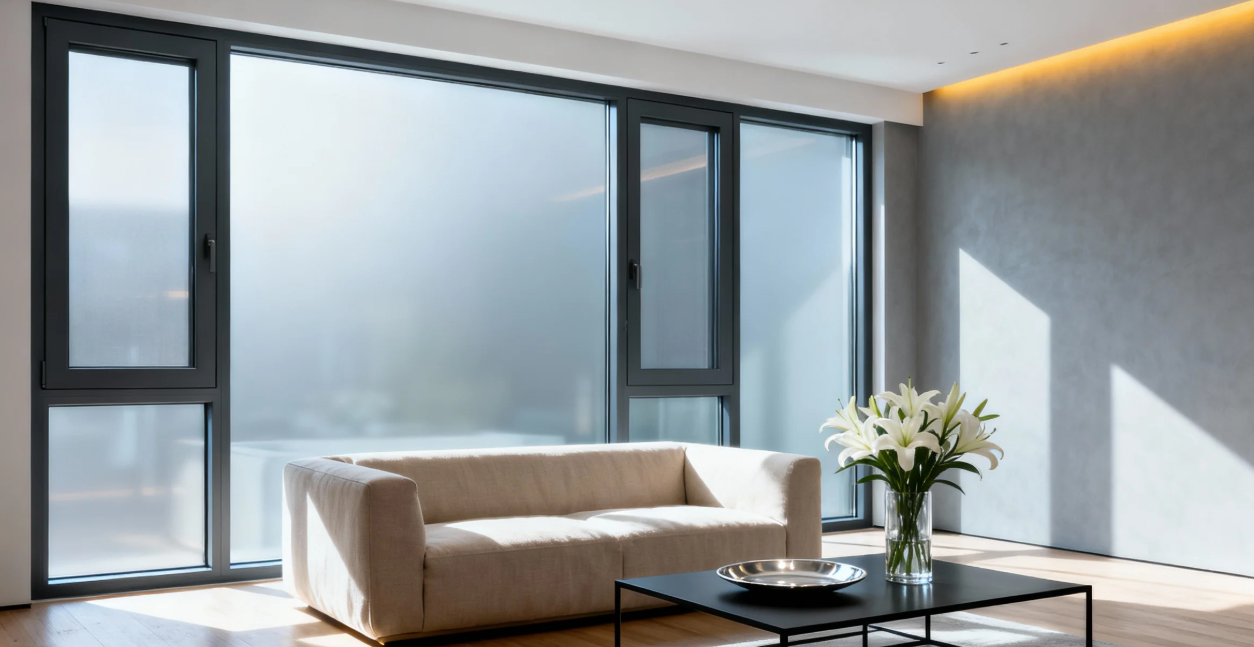




Methods for distinguishing Indoor and Outdoor Aluminium Doors
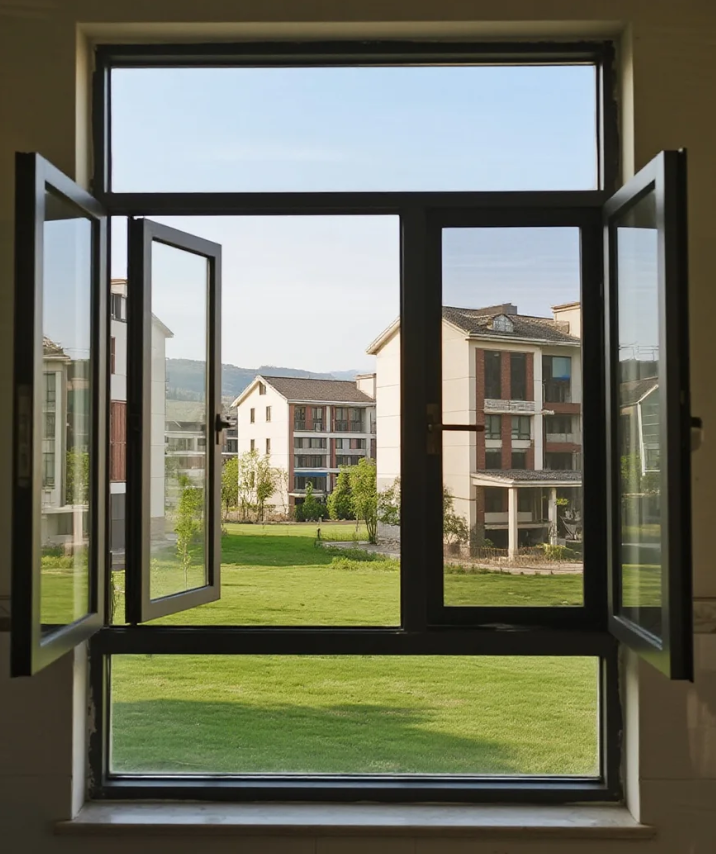
Maintenance methods and tips for aluminium doors and windows
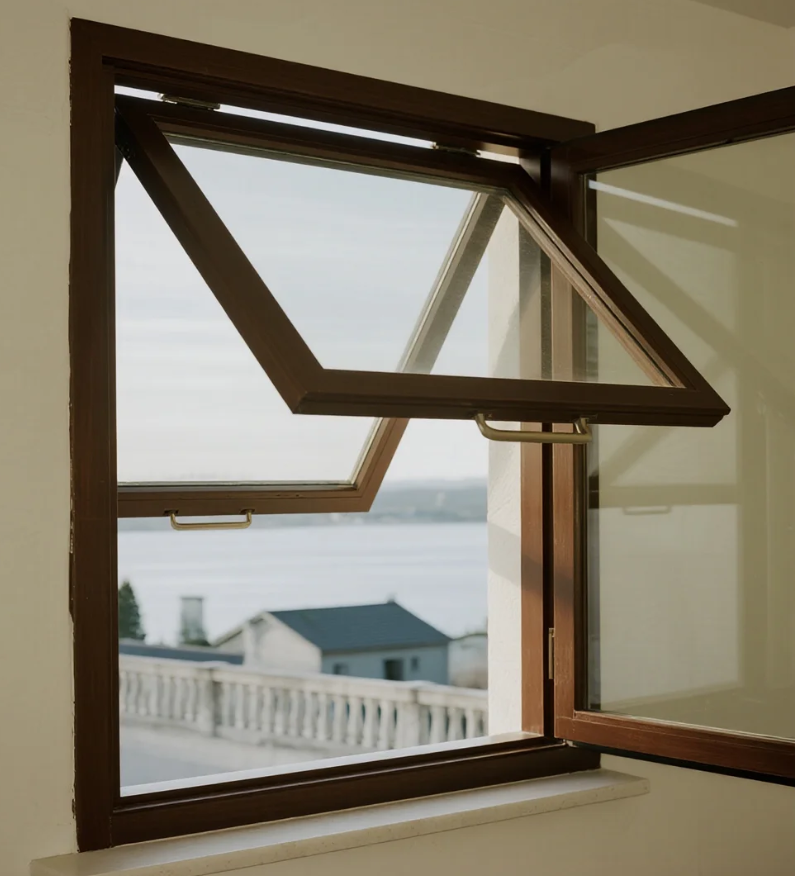
Characteristic of outward-opening and hung aluminium windows


Xinhe Aluminium Research: 7.14-7.18 Analysis of Aluminium Prices
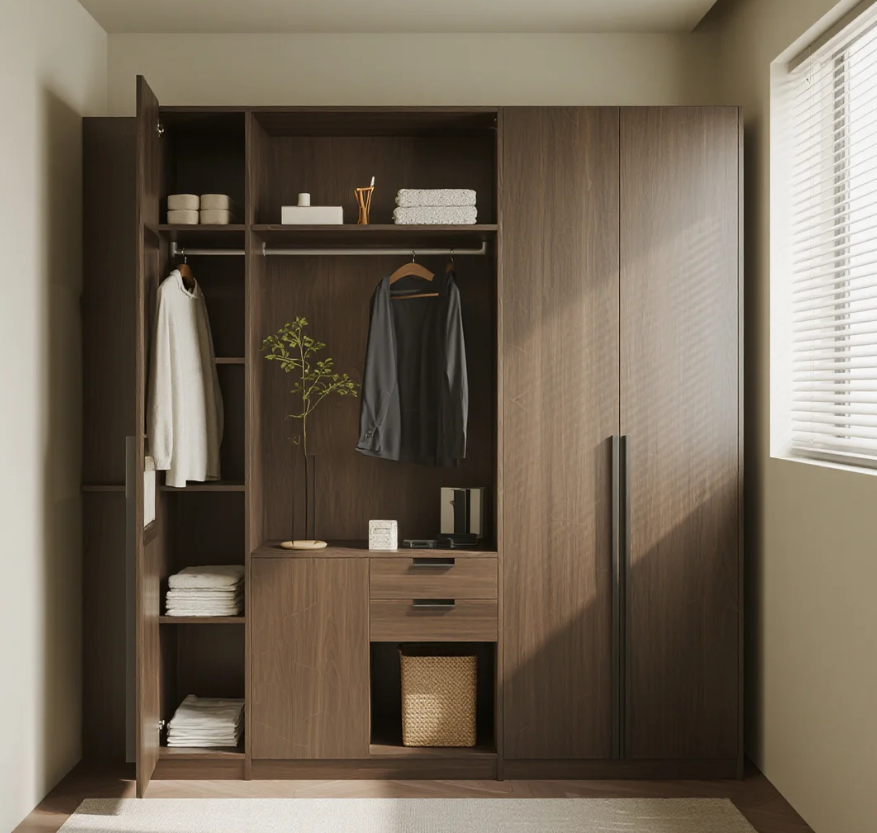

Seven Benefits Of Using Aluminium Profiles In Curtain Wall Systems
The Application of Aluminium Profiles in New Energy Vehicles

The Composition and Application of Series 6 Aluminium Alloys
Top 5 Benefits of Using LED Aluminium Profiles in Modern Lighting
A Complete Guide to Aluminium Frame Profiles for Modern Structures
Exploring the Strength and Versatility of Aluminium Extrusion Profiles
How to Choose the Right Aluminium Profile Supplier for Your Project

COMPANY