The use of aluminium components to manufacture seats (from high-speed rail and car seats to office chairs and outdoor leisure chairs) has become an important trend in modern design and manufacturing. The reason why aluminium is so favored is that it possesses comprehensive advantages over traditional materials (such as steel and wood) in terms of lightweight, durability, design flexibility, safety and environmental friendliness.
The following are the main benefits of using aluminium seat components:
I.Lightweighting and mobility convenience
1.Significant weight reduction effect
Low density: The density of aluminum is approximately 2.7 g/cm³, which is only about 1/3 of that of steel (about 7.8 g/cm³).
Equal strength weight reduction: Under the premise of meeting the same strength requirements, the weight of aluminum components can be reduced by about 40% compared to steel components. For example, a certain new energy vehicle integrates more than 40 components into an aluminum alloy rear floor frame, reducing the weight by 20%.
Practical significance: For vehicles such as cars and high-speed trains, lightweighting of seats can directly reduce energy consumption, improve range or fuel economy; for office chairs and outdoor chairs, it means easier transportation and more convenient movement.
2. Lower requirements for supporting structures
The lightweight seats impose less load on the supporting structures such as the floor and slide rails, which helps to reduce the overall weight of the structure and optimize the cost.
II.Strength, durability and safety performance
1.High strength and excellent load-bearing capacity
The commonly used 6-series aluminum alloys (such as 6061 and 6063) can achieve an ultimate tensile strength of 200-310 MPa after heat treatment (in the T6 state), which is close to that of ordinary carbon steel.
The aluminum alloy seat frame can withstand high loads and provide safe and effective support for passengers. For instance, there are standards requiring that the aluminum lounge chairs should not be damaged after a 24-hour placement of a 350kg weight.
2.Excellent corrosion resistance
A layer of dense oxide film will naturally form on the surface of aluminum, giving it an inherent resistance to rust. It will never rust, no matter in a humid environment, in coastal areas, or indoors.
This characteristic makes it particularly suitable for use in outdoor public seating, near swimming pools, seaside resorts, and bathrooms with high humidity, etc.
3.Excellent fatigue resistance performance
Aluminum alloy exhibits excellent fatigue resistance under repeated stress cycles, making it suitable for seats that are used frequently and for long periods (such as those in buses and subways)
III.Design flexibility and aesthetics
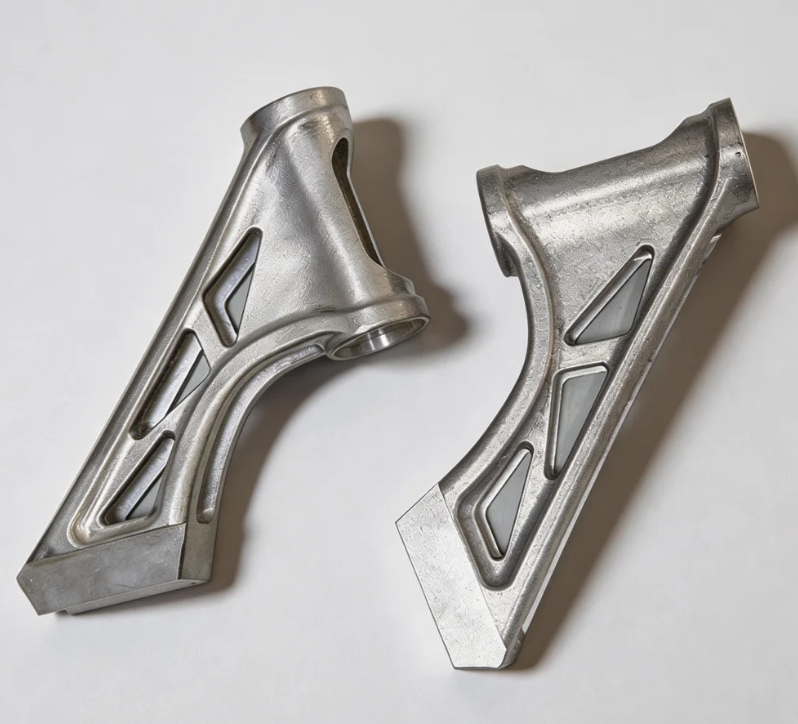
1.Excellent processing and forming properties
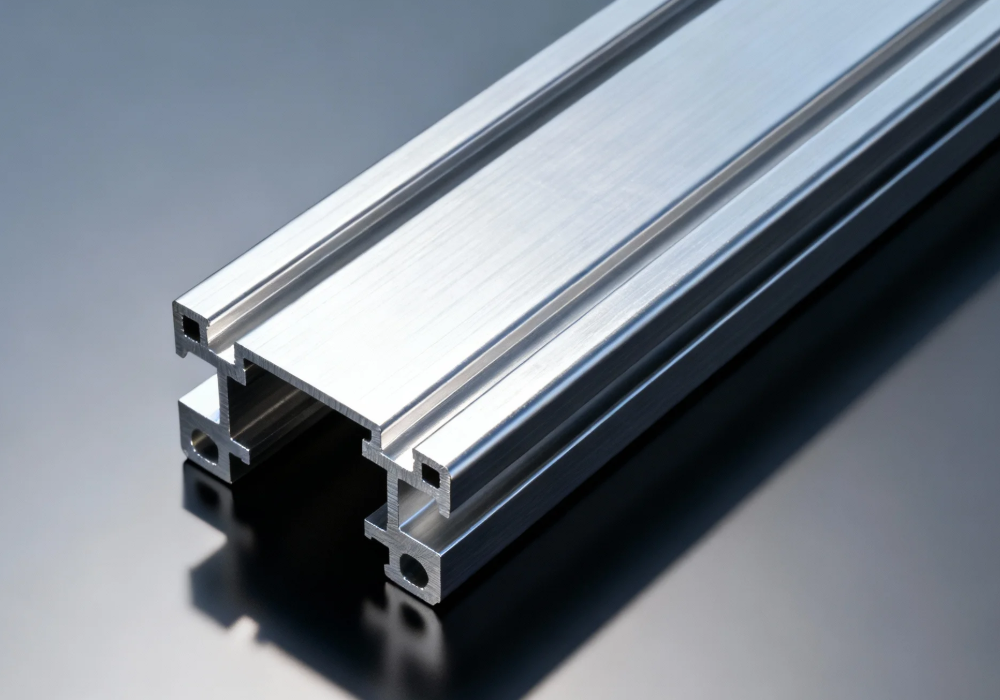
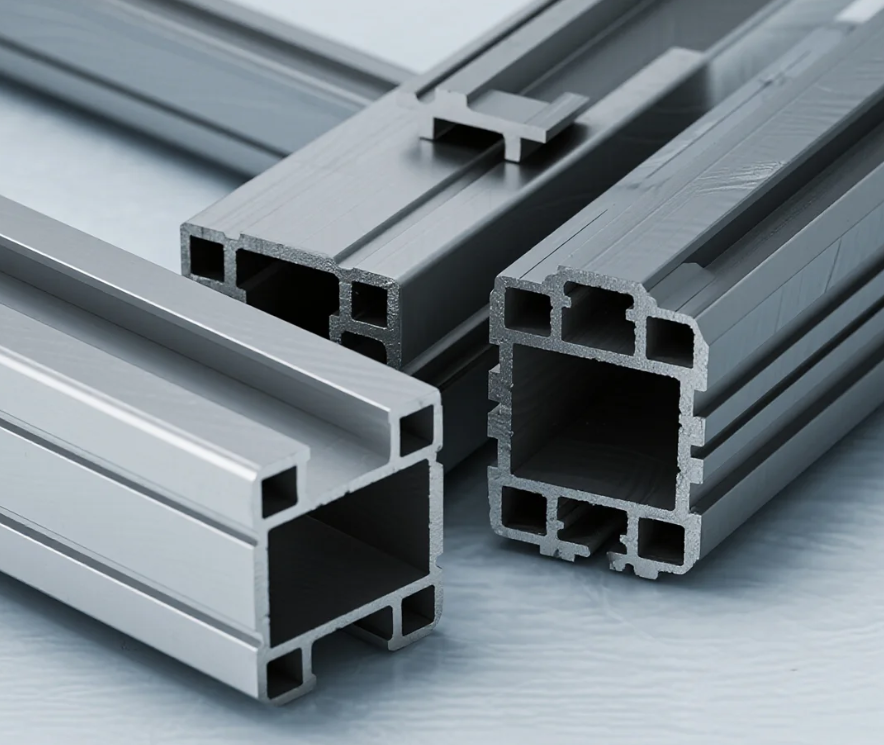
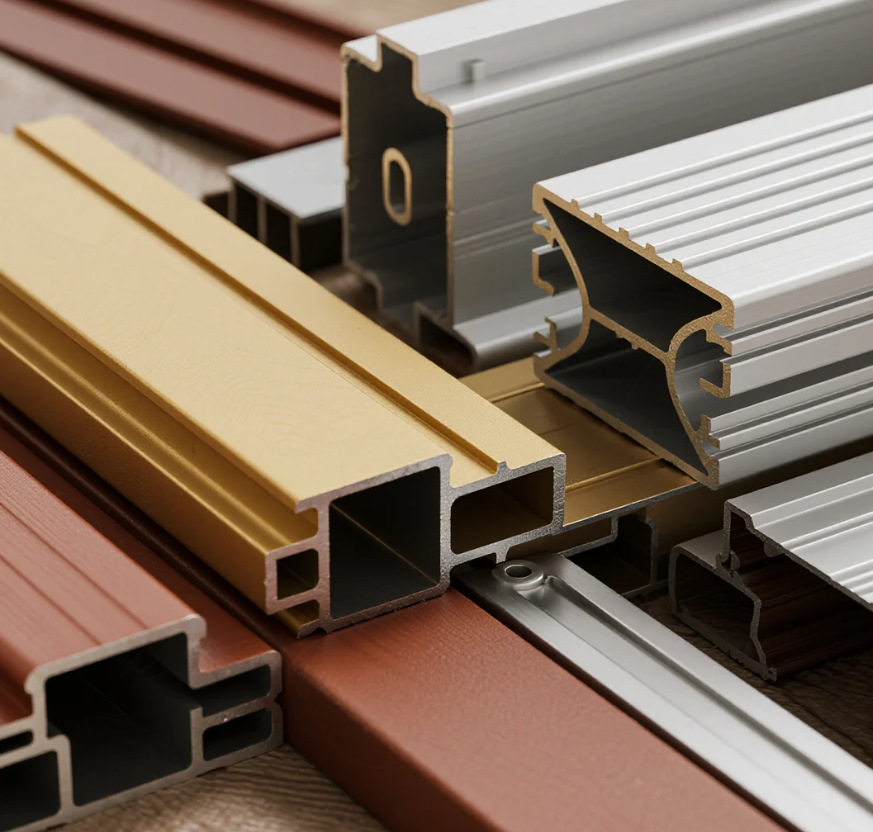
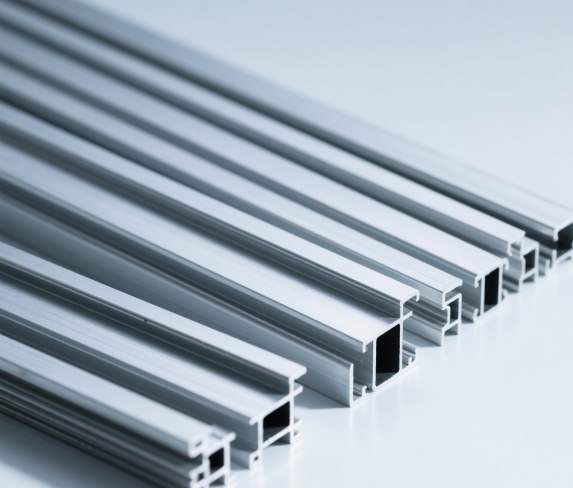
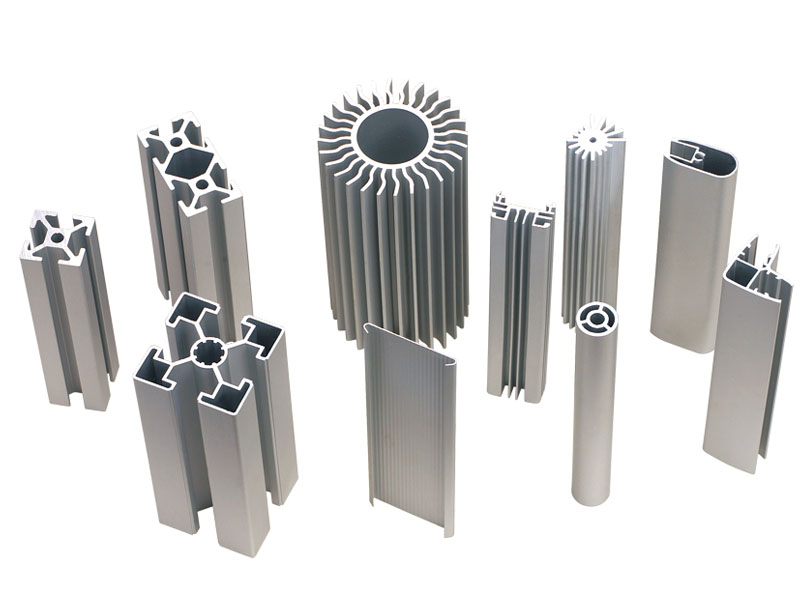
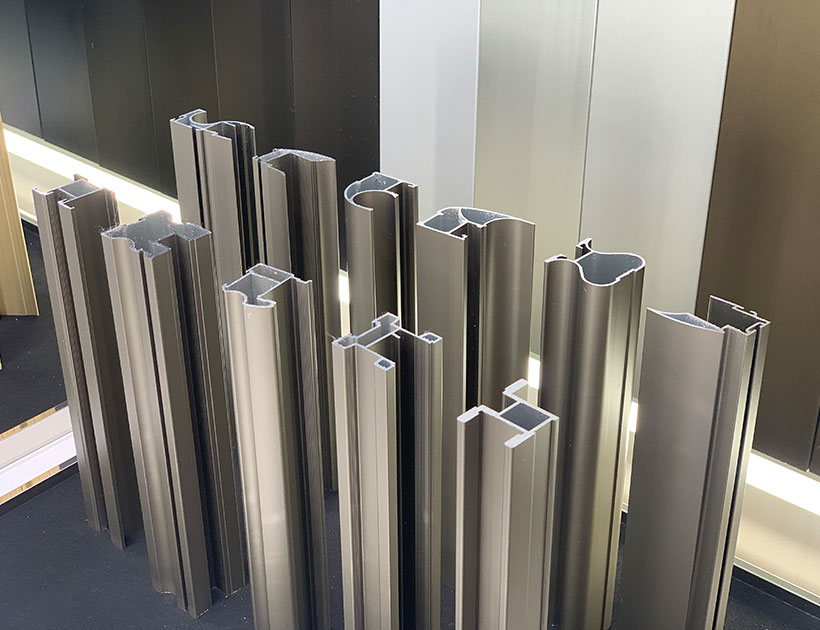
Aluminum profiles can be manufactured into various complex cross-sectional shapes through the extrusion process, meeting the diverse design requirements of seat structures.
Through processes such as roll bending, diameter variation, and stamping, diverse product designs with different shapes can be achieved.
2.Rich surface treatments and colors
Aluminum components can undergo various surface treatments, significantly enhancing their appearance and personalization:
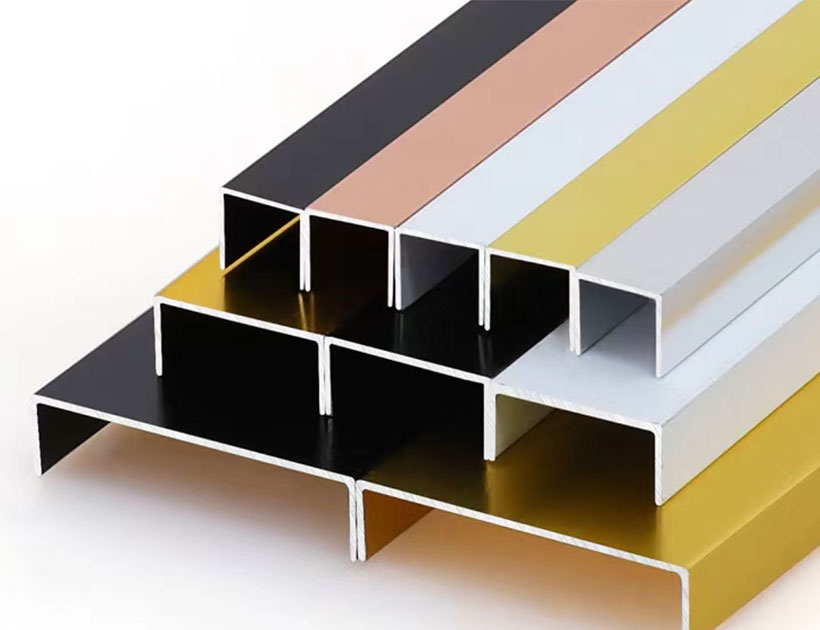
Anodizing: Various metallic colors such as silver-white, champagne, bronze, and black can be achieved, improving the surface hardness and wear resistance. Powder coating: Can achieve any RAL color, with uniform paint film and excellent weather resistance.
Wire drawing and polishing: Achieve a high-end and exquisite metallic texture.
IV.Comfort and functionality
1.Good thermal conductivity
Aluminum has a high thermal conductivity, which helps the seats dissipate heat quickly. In hot environments, it is less likely to accumulate heat, thereby enhancing the riding comfort. This characteristic also makes it suitable for seats with heating or ventilation functions.
2.Good dimensional stability
The aluminum alloy components are not prone to deformation, cracking or shrinking, ensuring that the seat maintains stable geometric dimensions and supporting performance even after long-term use.

The advantages of using aluminium profiles to manufacture robot arms
The advantages of using aluminum profiles for door and window frames
The impact of the conflict between the United States and Iran on the price of aluminum
The advantages of using aluminium alloy for the main structure of high-speed train carriages


Methods for distinguishing Indoor and Outdoor Aluminium Doors
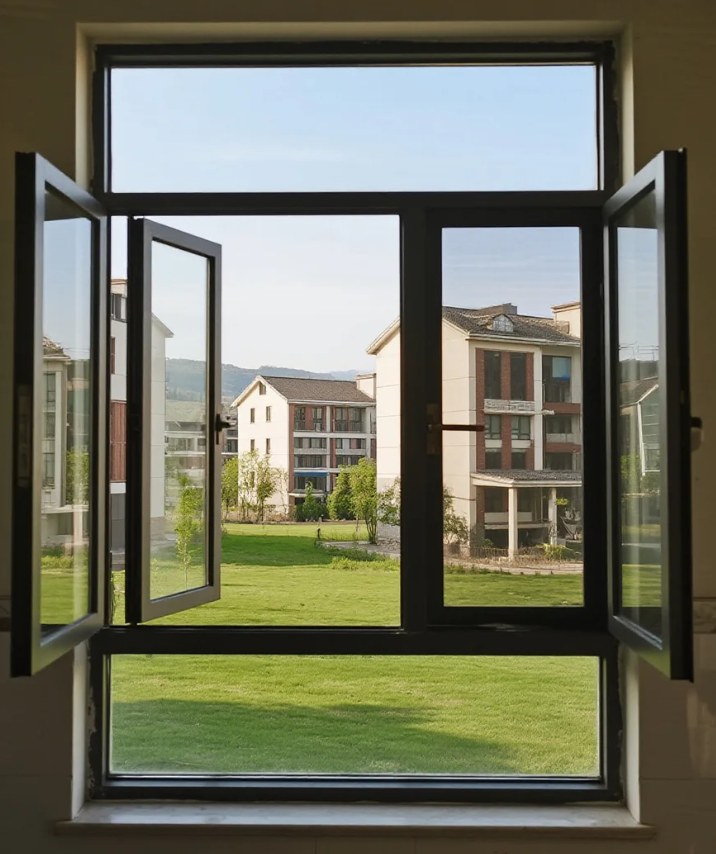
Maintenance methods and tips for aluminium doors and windows
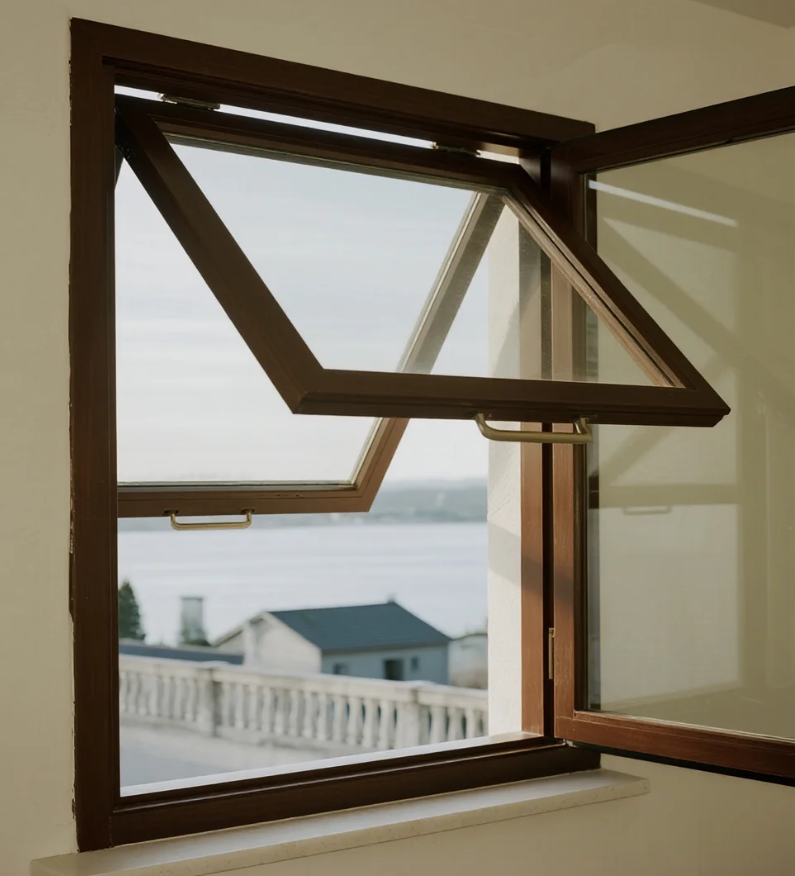
Characteristic of outward-opening and hung aluminium windows


Xinhe Aluminium Research: 7.14-7.18 Analysis of Aluminium Prices
Seven Benefits Of Using Aluminium Profiles In Curtain Wall Systems
The Application of Aluminium Profiles in New Energy Vehicles

The Composition and Application of Series 6 Aluminium Alloys
Top 5 Benefits of Using LED Aluminium Profiles in Modern Lighting
A Complete Guide to Aluminium Frame Profiles for Modern Structures

Exploring the Strength and Versatility of Aluminium Extrusion Profiles
How to Choose the Right Aluminium Profile Supplier for Your Project

COMPANY