Lightweight: The density of aluminium alloy is much lower than that of stainless steel and titanium, which enables the standard version of iPhone 17 to maintain a lightweight feel. It won’t feel heavy whether held for a long time or put in a pocket.
Strong enough: The 6-series aluminium alloy that has undergone heat treatment (such as T6 state) has excellent structural strength and can protect the precise components inside. Resist bending and minor impacts during daily use.
Aluminium alloy is easy to undergo surface treatment and can be processed through anodizing to from various bright and long-lasting colors (such as pink, yellow, green, blue and black for iPhone15). This process is not only aesthetically pleasing but also enhances surface hardness and corrosion resistance. It offers a delicate, gentle and high-end metallic touch, distinct from the cheap feel of plastic and the cold and heavy sensation of stainless steel.
Aluminium alloy is a good conductor of heat. For highly integrated devices like smart phones, effective heat dissipation is of vital importance. The aluminium alloy frame can help quickly conduct and distribute the heat generated by the SoC (such as A-series chips) during operation throughout the entire body, which is conducive to maintaining high performance and preventing frequency reduction due to overheating, thereby ensuring the smoothness of tasks such as gaming and video editing.
As a metal, aluminium can shield wireless signals. But Apple has perfectly solved this problem through its mature injection-molded plastic antenna band technology. Embedding one or more antenna bands in the metal body clock can not only ensure the metallic texture but also guarantee the normal transmission and reception of Wi-Fi, Bluetooth and cellular signals. This is a very mature and cost-controllable solution.

Easy to process: Aluminium alloys, especially 6-series aluminium, have excellent mechanical processing performance. It is highly suitable for precision milling through CNC (Numerical Control Machine Tool), thus enabling the efficient and high-precision manufacturing of complex-structured middle frames. This supply chain and production process have been refined by Apple for ten years and are highly mature and reliable.
High cost-effectiveness: Compared with titanium alloys or high-end stainless steel, the raw material cost and processing cost of aluminium alloys are both lower. This enables Apple to control costs on the standard version of the iPhone, thereby maintaining a more competitive pricing or saving costs to invest in other more important componets such as chips and cameras. This is the key strategy to distinguish between the standard version and the Pro version models.
Highly recyclable: Aluminium alloy is one of the most recyclable materials on Earth, and the energy required for recycling and remelting is only 5% of that needed to produce new aluminium.
Achieving environmental protection goals: Apple has already fully adopted 100% recycled aluminium in its products. This means that the carbon footprint required to manufacture aluminium for the iPhone 17 is extremely lo. This is one of the core means for Apple to achieve its goal of carbon neutrality across its products. This means that the carbon footprint required to manufacture aluminium for the iPhone 17 is extremely low.
By using aluminium alloy on the standard iPhone and more advanced titanium on the Pro version, Apple has been able to establish a clear product hierarchy, making the Pro models truly appear “more professional” and “more high-end” in terms of feel, texture and material. Rationalizing the price difference provides a tangible and perceptible reason for the higher price of the Pro version.
In conclusion, even for the iPhone 17, choosing aluminium alloy is by no means “cutting corners”, but rather a well-considered and extremely smart strategic choice.
It offers users a lightweight, sturdy, aesthetically pleasing body with stable signals and good heat dissipation. At the same time, it ensures a mature supply chain, controllable costs, outstanding environmental performance and a clear product line division for Apple. It can be argued that aluminium alloy is by far the best smartphone case material that can achieve the balance of so many key dimensions.
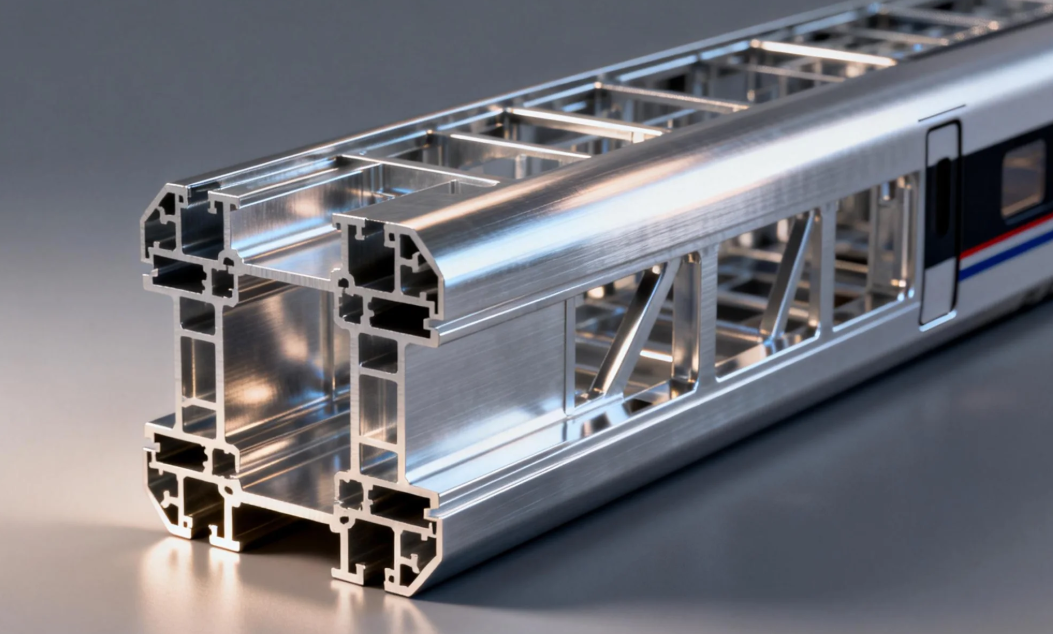
The advantages of using aluminium alloy for the main structure of high-speed train carriages







Methods for distinguishing Indoor and Outdoor Aluminium Doors

Maintenance methods and tips for aluminium doors and windows

Characteristic of outward-opening and hung aluminium windows


Xinhe Aluminium Research: 7.14-7.18 Analysis of Aluminium Prices


Seven Benefits Of Using Aluminium Profiles In Curtain Wall Systems


The Application of Aluminium Profiles in New Energy Vehicles

The Composition and Application of Series 6 Aluminium Alloys

Top 5 Benefits of Using LED Aluminium Profiles in Modern Lighting

A Complete Guide to Aluminium Frame Profiles for Modern Structures

Exploring the Strength and Versatility of Aluminium Extrusion Profiles

How to Choose the Right Aluminium Profile Supplier for Your Project


COMPANY