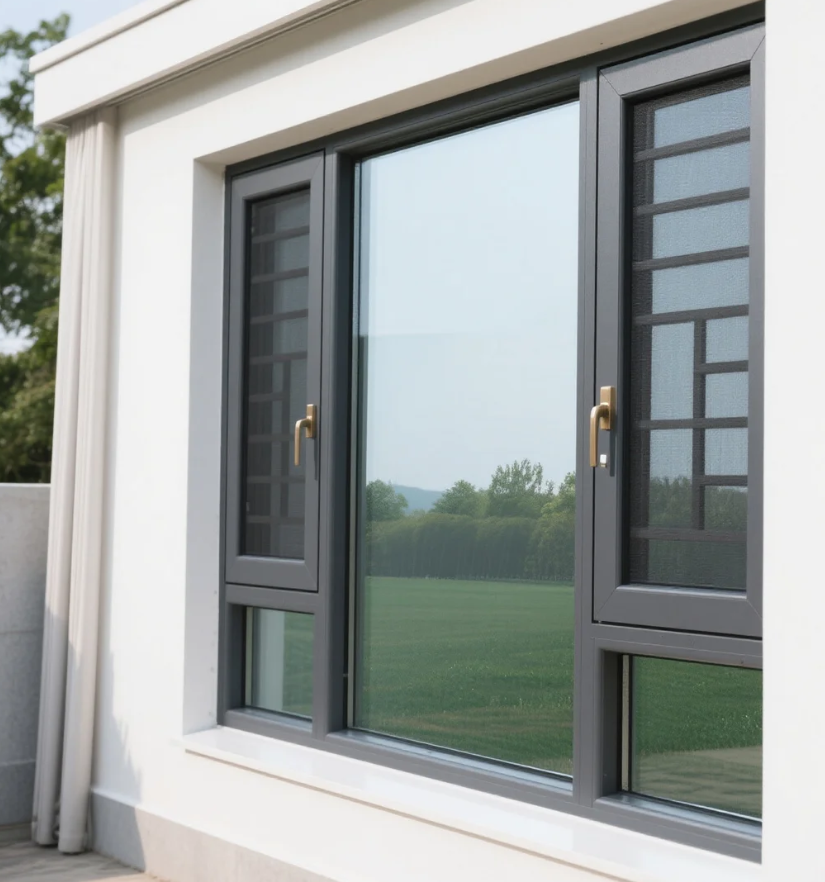
In typhoon-prone areas, the safety requirements for doors and windows are extremely high, and the selection of aluminium doors and windows is very important. The strong winds and heavy rain brought by typhoons not only test the sealing performance of doors and windows, but also their wind pressure resistance and structural stability. Here is a detailed guide on how to choose safe and reliable aluminium doors and windows in areas prone to typhoons:
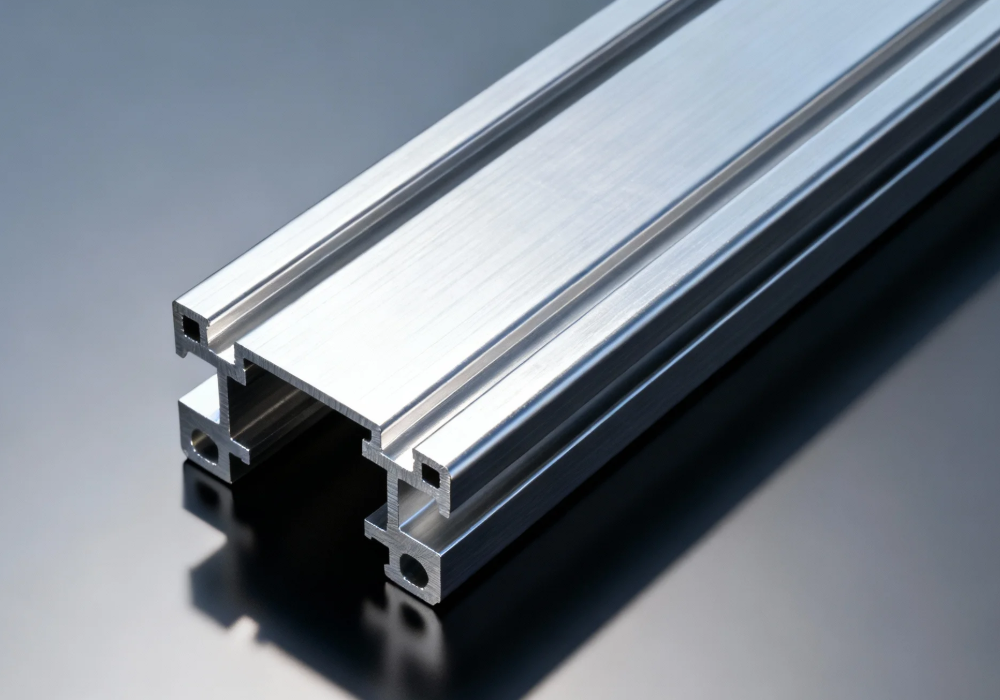
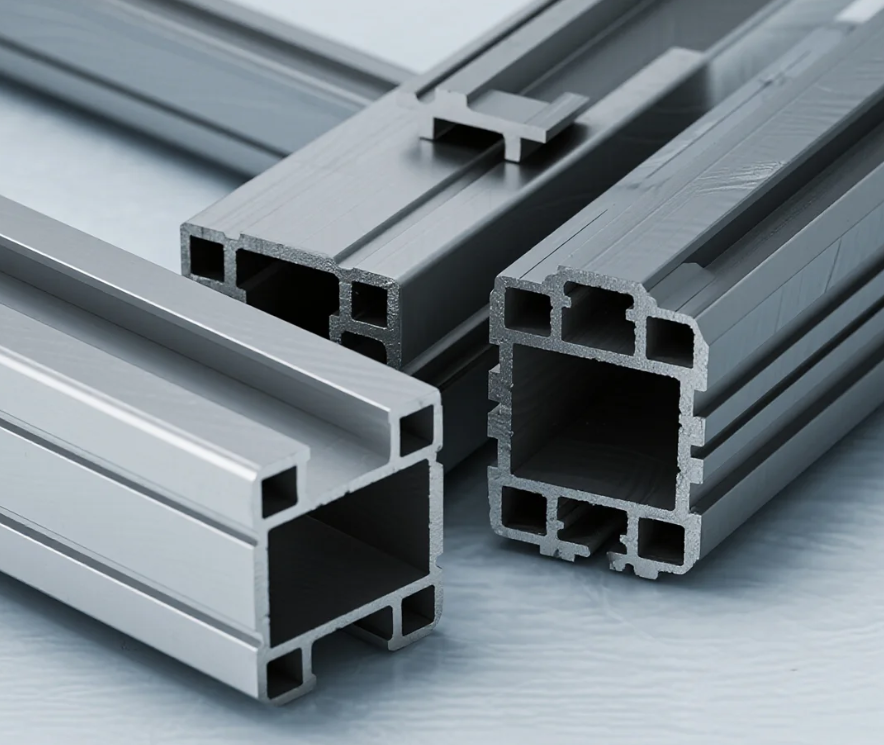
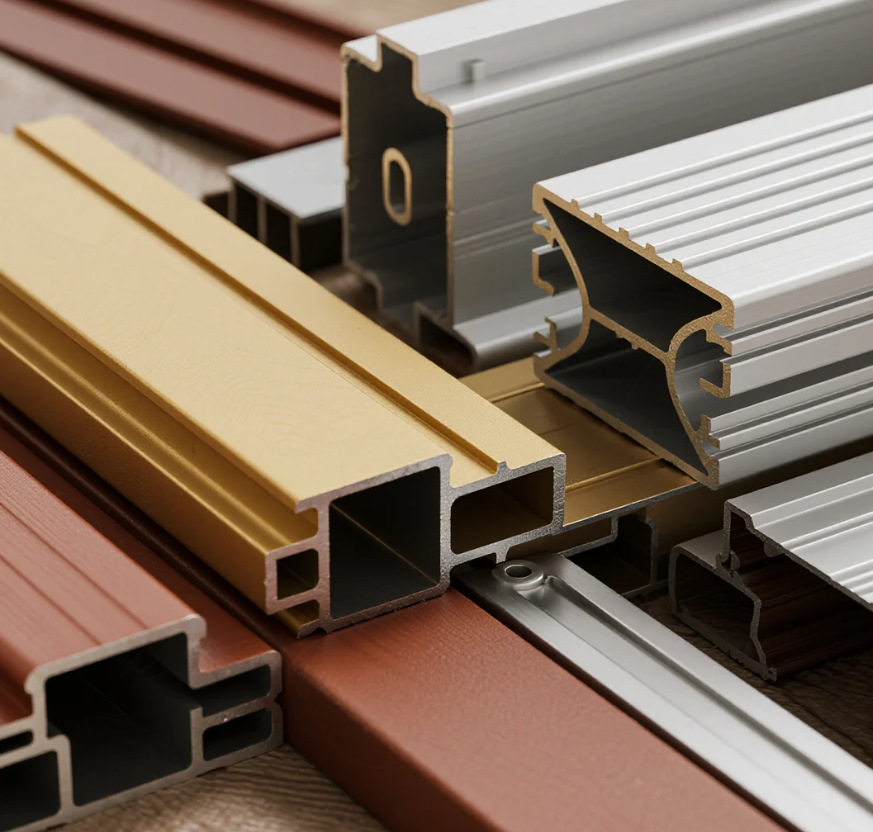
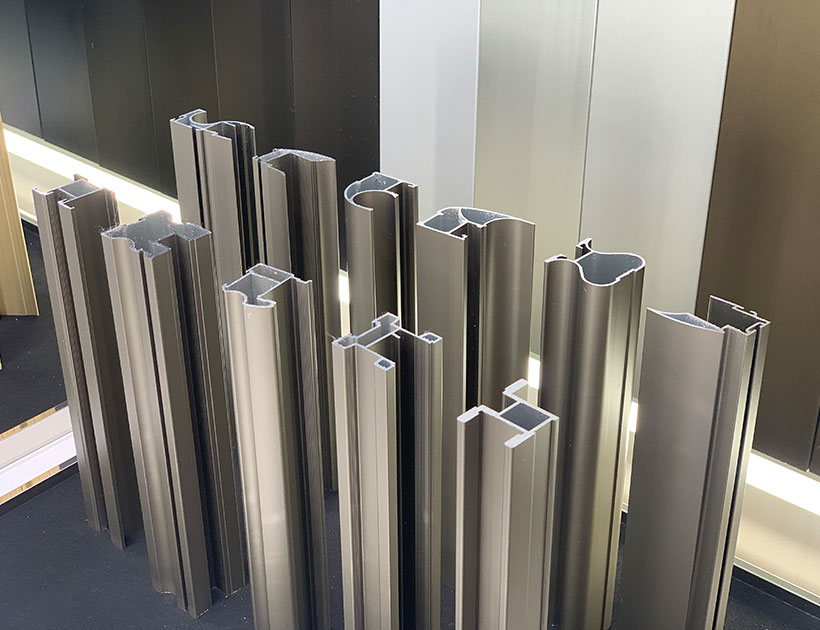
Profiles are the framework of doors and windows. Their thickness, width and material directly determine the wind pressure resistance capacity.
The wall thickness of the main load-bearing members of the window frame should not be less than 1.8mm. This is the basic requirement of the national standard for high-rise buildings with high wind pressure resistance requirements. In thphoon areas, it is recommended to choose a thickness of 2.0mm or more. When making a purchase, be sure to meaure it actually with a caliper to prevent the merchant from making false reports.
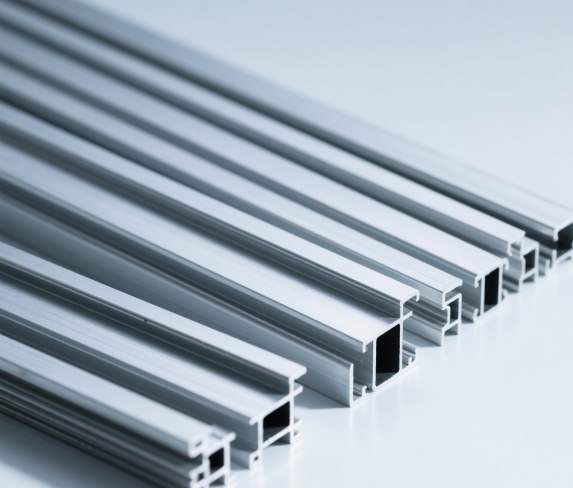
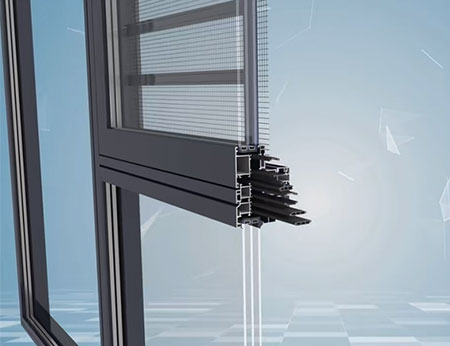
Profile width (series): The common 60, 70, 80, 90, 100 and 110 series refer to the total width of the profile (unit: millimeters). In typhoon areas, it is recommended to choose models with larger series values, such as the 90 series and above. Wider profiles mean deeper cavity structures and more insulation cavities, resulting in strong overall stability and wind pressure resistance.
Give priority to primary aluminium over recycled aluminium. Primary aluminium ingots have higher purity, better strength and toughness, and a smoother surface treatment. Give priority to choosing profiles from well-know brands, as their quality and stability are more guaranteed.
Glass occupies the vast majority of the area of doors and windows and serves as the first line of defense against typhoons.
On a typhoon day, the wind is extremely strong and may stir up debris and hit the glass. All door and window glasses must be tempered glass. Tempered glass breaks into fine particles and is less likely to cause serious injuries, making it much safer than ordinary glass. Look for the 3C certification mark in the corner of the glass.
Insulating glass (such as 5+12A+5): The air layer in the middle can effectively insulate heat and sound, but it is average in resisting the impact force of typhoons.
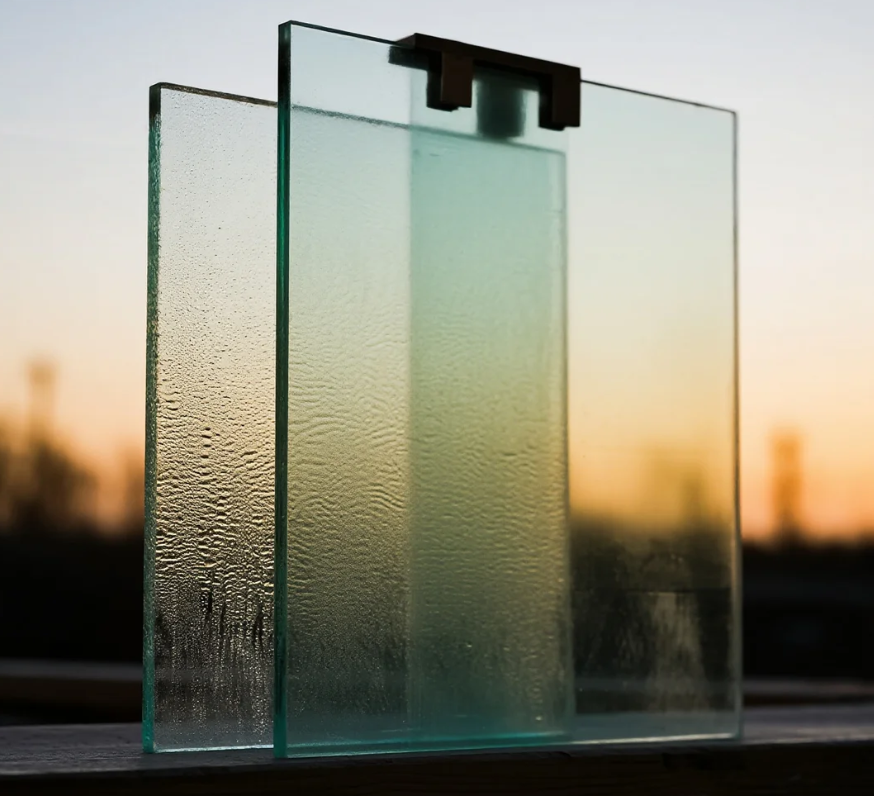
Laminated insulating glass (such as 5+0.76PVB+5+12A+5): This is the best choice in typhoon-prone areas. Between two pieces of glass, There is a layer of PVB film, which is then combined with another piece of glass to form a hollow structure.
Advantages: Even if the glass is broken by external force, the fragments will be firmly stuck by the PVB film in the middle and will not fall to hurt people. It can effecticely prevent wind and rain from entering the room and has extremely high safety performance.
The thickness of a single piece of glass should not be less than 5mm. For large areas of glass (such as floor-to-ceiling windows), 6mm, 8mm or even thicker glass should be used based onthe area to ensure its rigidity and prevent it from shaking in strong winds.

Try not to use cheap and unbranded hardware. Choose well-know imported or domestic high-end brands instead.
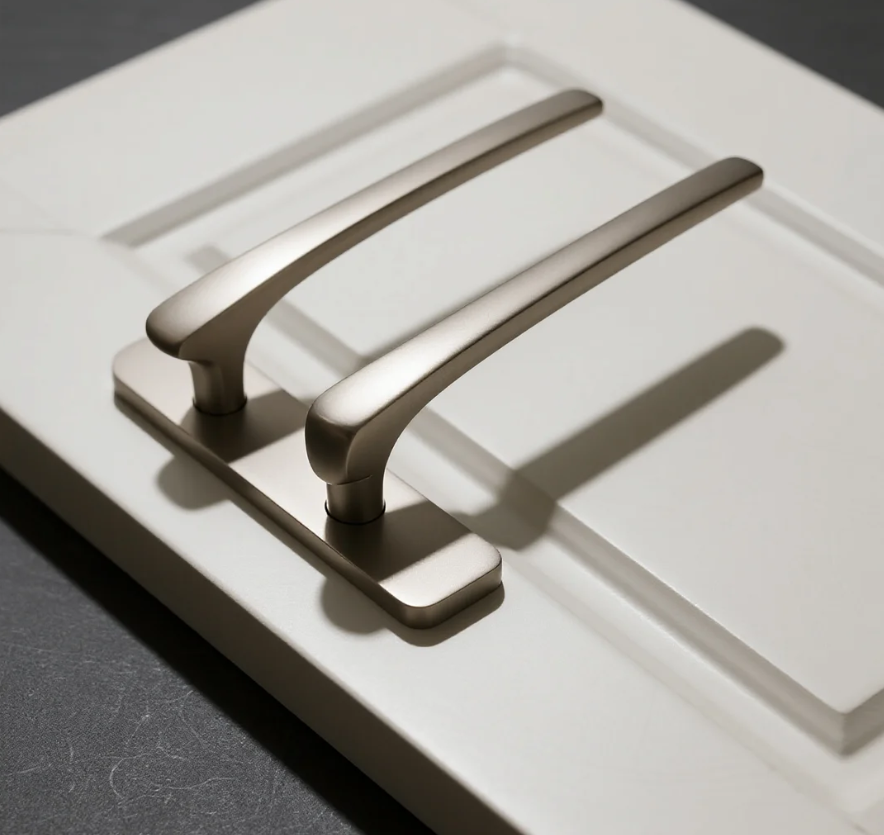
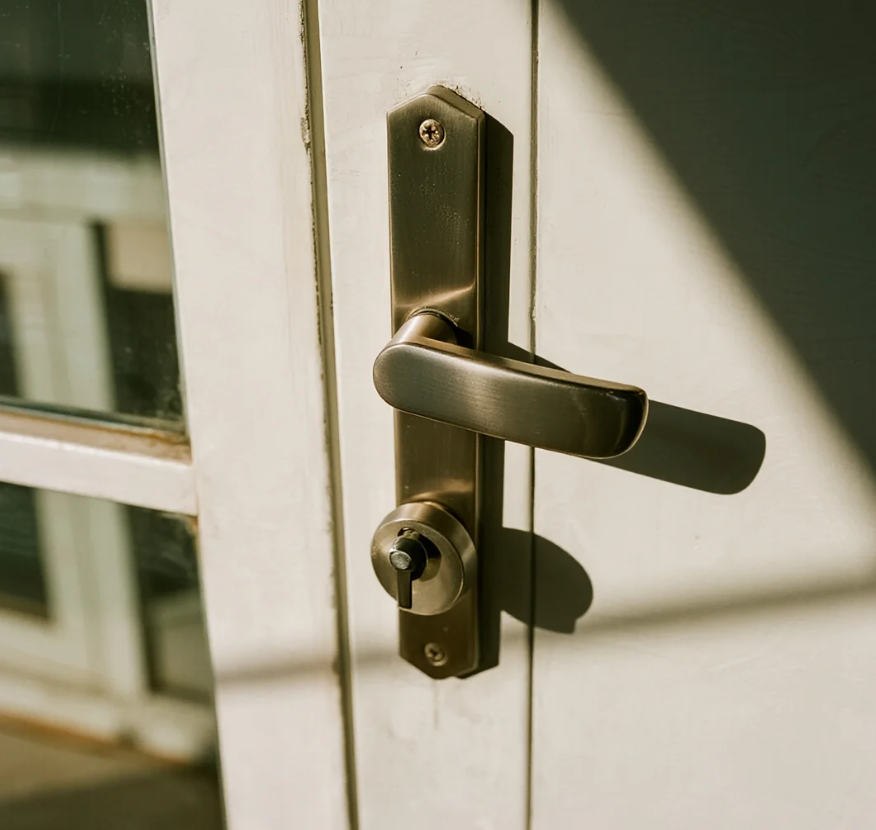
Abandon the traditional singlr-point lock. Choose doors and windows with multi-point locking systems. When the handle is turned, it will drive multiple lock points (usually up, down, left and right) to be simultaneously embedded in the lock seat of the window sash against the window frame, forming a “surface” fixation. Its sealing performance and wind pressure resistance far exceed those of single-point locks.
Observe the lap joint between the window frame and the window sash. There should be at least two or more sealing strips. There are three common sealing designs, which are respectively responsible for air tightness, water tightness and sound insulation.
Material: EPDM rubber strips are preferred. It is know as the King of Rubber, with excellent weather resistance, anti-aging, anti-shrinkage and good elasticity. It can maintain its performance in both severe cold and extreme heat, and has a long service life.
High-quality aluminium doors and windows will have hidden drainage holes and drainage covers. It can ensure that rainwater is discharged smoothly while preventing strong winds from pushing rainwater back into the room.
Observe the corner connection of the window frame. It is recommended to use the injection glue process (injecting special corner glue at the corner code, which can greatly enhance the strength of the corner and prevent cracking under strong wind pressure).
Fixing method: Stainless steel or galvanized bolts must be used; small nails are not allowed. The spacing of fixed points should not exceed 500mm, and the distance from the corner of the all should not exceed 150mm.
Installation gap: The gap between the window frame and the wall cannot be simply filled with cement. It must first be fully filled with foaming agent, and then sealed on both the inner and outer sides with high-quality weather-resistant sealant. This can effectively prevent water seepage.
Before the typhoon arrives, be sure to check whether the opening sashes of the doors and windows are fully locked. It is also necessary to regularly check whether the hardware is loose and whether the sealing rubber strips are aged. Timely maintenance should be carried out to provide you and your family with a safe and peaceful shelter when a storm comes.
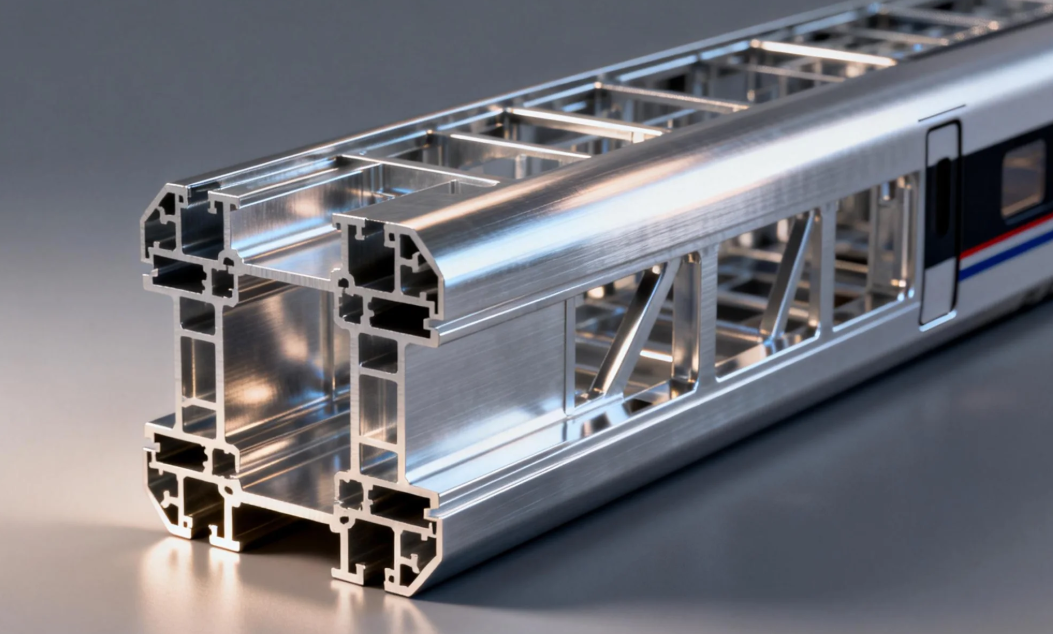
The advantages of using aluminium alloy for the main structure of high-speed train carriages






Methods for distinguishing Indoor and Outdoor Aluminium Doors

Maintenance methods and tips for aluminium doors and windows
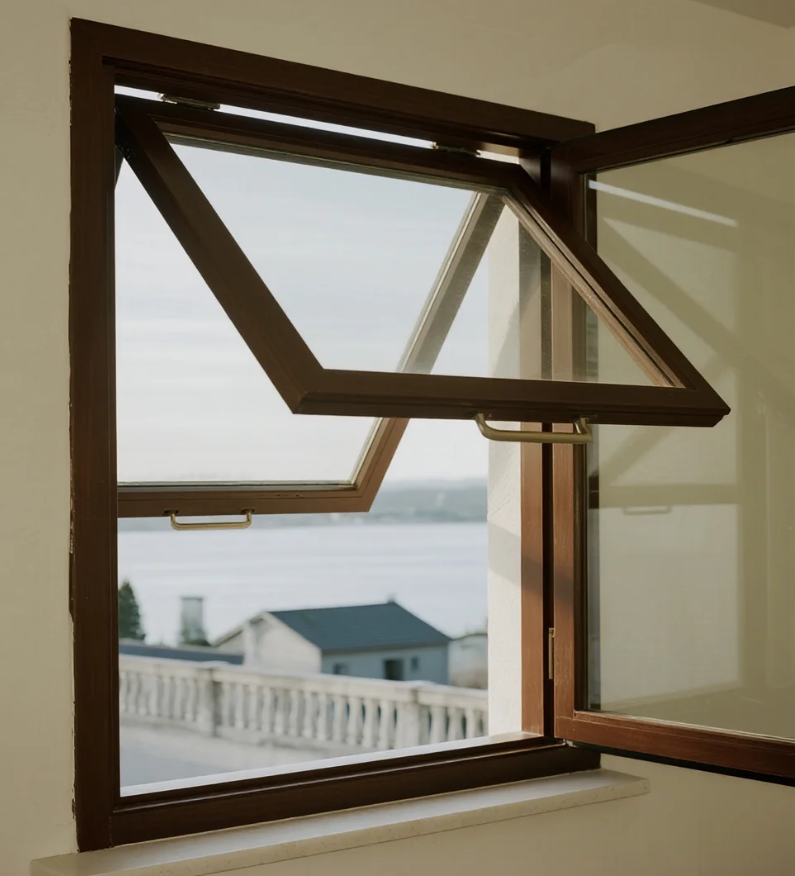
Characteristic of outward-opening and hung aluminium windows

Xinhe Aluminium Research: 7.14-7.18 Analysis of Aluminium Prices

Seven Benefits Of Using Aluminium Profiles In Curtain Wall Systems
The Application of Aluminium Profiles in New Energy Vehicles

The Composition and Application of Series 6 Aluminium Alloys
Top 5 Benefits of Using LED Aluminium Profiles in Modern Lighting
A Complete Guide to Aluminium Frame Profiles for Modern Structures

Exploring the Strength and Versatility of Aluminium Extrusion Profiles

How to Choose the Right Aluminium Profile Supplier for Your Project

COMPANY